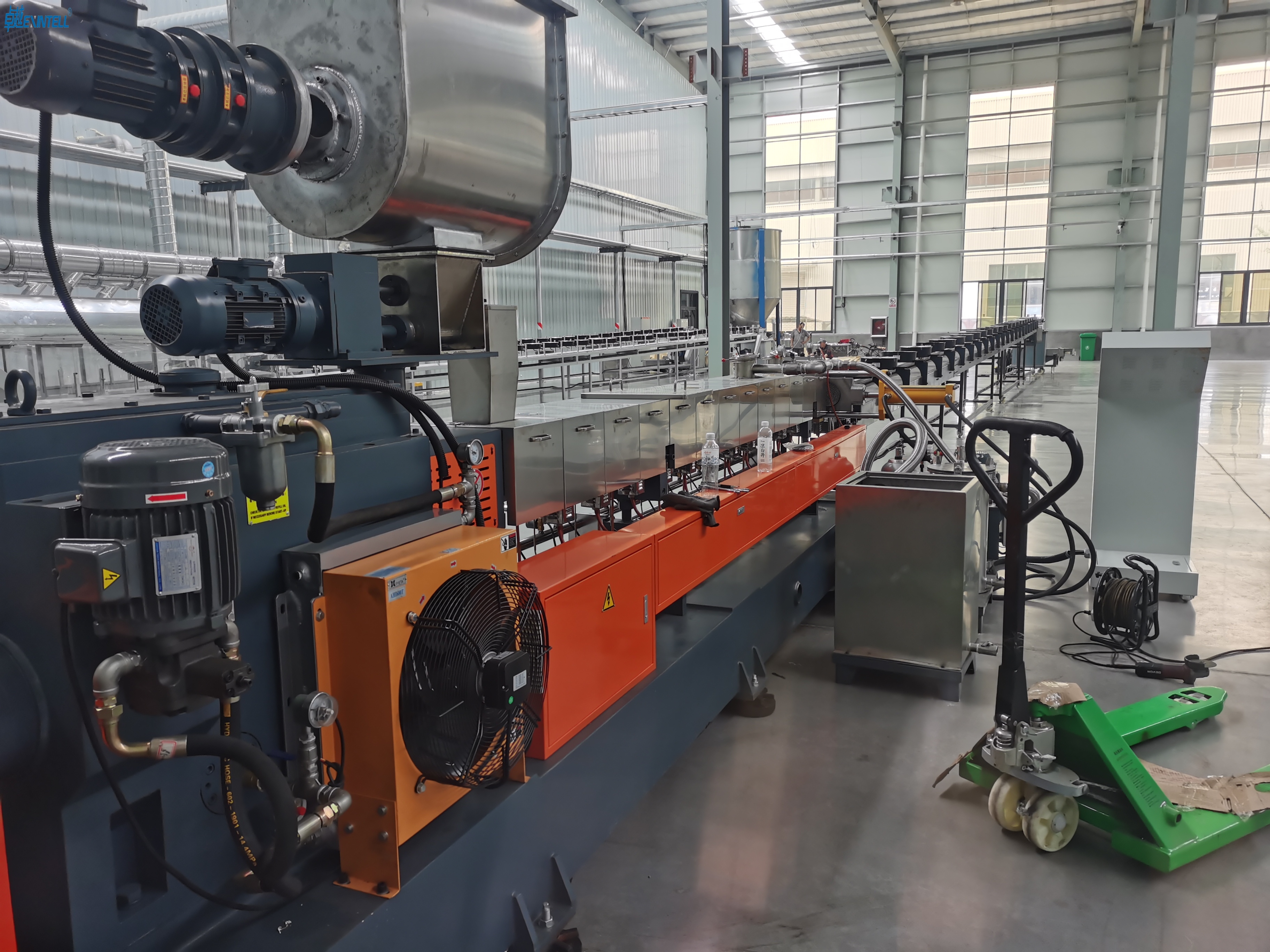
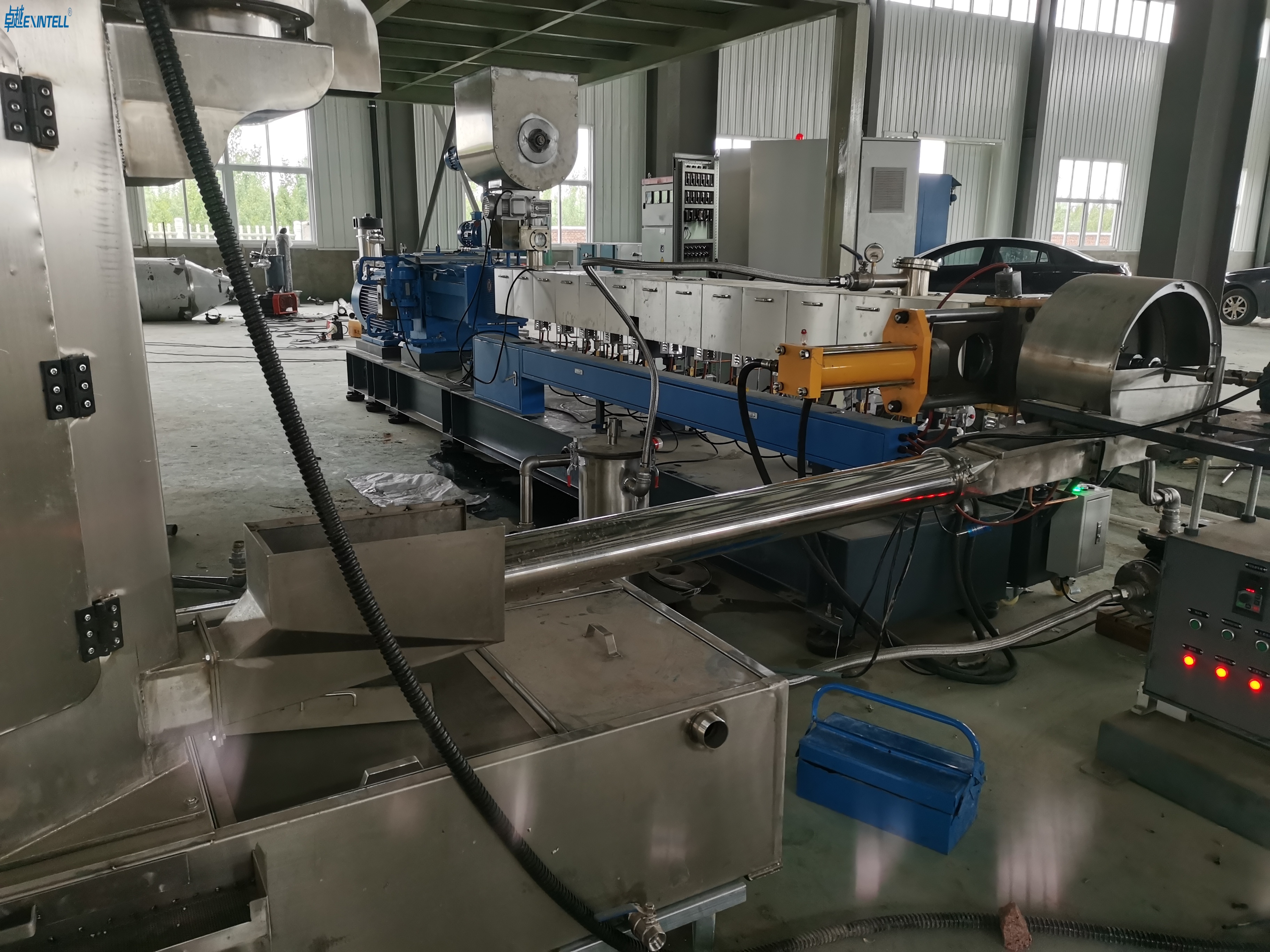
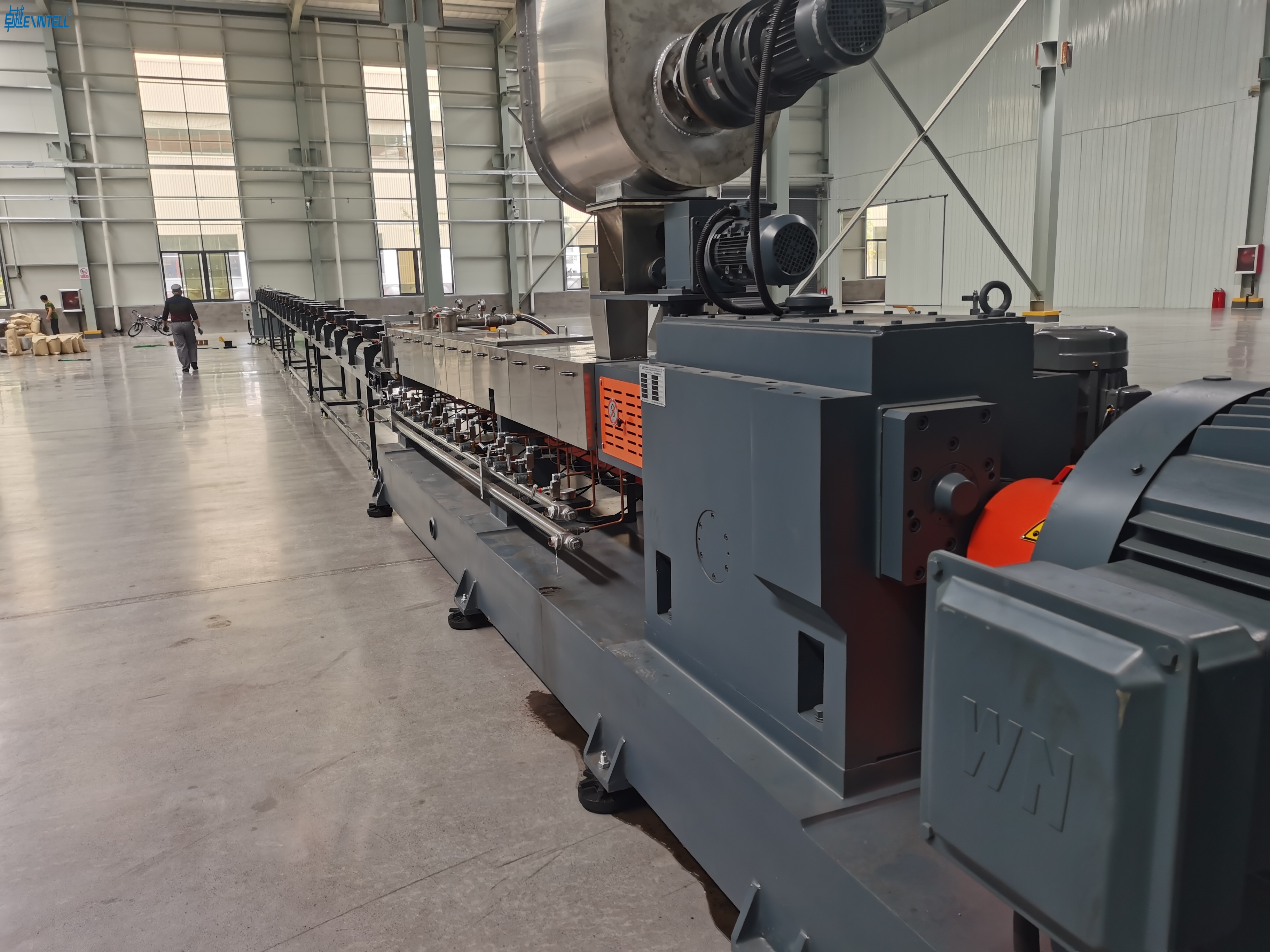
Ekstrisyon tib plastik vire plastik ki fonn nan tib long. Tib sa yo gen gwosè egzak. Ou ka jwenn tib sa yo nan anpil bagay chak jou. Yo itilize yo pou kondit kab ak tib IV. Yo itilize tou pou ankadreman fenèt ak barikad trafik yo. Ekstrisyon plastik fè tib ki fò e menm. Tib sa yo itilize nan kay la, lopital, ak sit bilding yo.
Tib plastik extrusion chanje plastik fonn nan fò, tib kre. Tib sa yo itilize nan plizyè fason, tankou nan tib medikal ak bagay sa yo bati. Pwosesis ekstrizyon an gen twa etap prensipal yo. Premye, granules thermoplastik yo fonn. Next, se plastik la ki gen fòm nan yon mouri. Lè sa a, ekipman siplemantè tcheke bon jan kalite a. Chwazi a bon materyèl thermoplastique trè enpòtan. Materyèl diferan gen karakteristik espesyal. Karakteristik sa yo chanje fòs tib la, fleksibilite, ak pri. Ekstrisyon tib plastik travay byen. Li fè menm tib ak ti fatra. Sa fè li yon fason vèt pou fè bagay sa yo. Tib sa yo itilize nan anpil pwodwi chak jou. Yo jwenn nan bagay sa yo nan lakay ou ak nan zouti medikal. Sa a montre kouman yo itil ak enpòtan yo.
Ki sa ki ekstrisyon tib plastik?
Definisyon debaz
Ekstrisyon tib plastik se yon fason pou fè long, fòm kre. Li kòmanse ak ti granules plastik. Machin chofe granules yo jiskaske yo fonn. Plastik ki fonn lan pouse nan yon mouri. Mouri a fòme plastik la nan tib ak yon gwosè ansanm. Presyon lè ka itilize andedan tib la. Sa a kenbe tib la wonn ak lis. Ekspè yo di ke pwosesis sa a fè anpil tib an konnye a. Tib yo fèt ak polymère fonn. Tib yo gen menm fòm nan tout wout la. Yo fò epi yo sanble menm de bout rive nan bout.
Konsèy: Mouri a travay tankou yon mwazi. Plastik la pa sispann deplase, konsa ou jwenn yon tib long ki pa kraze.
Konparezon ak lòt metòd extrusion plastik
Ou ka mande ki jan extrusion tib plastik diferan de lòt fason pou fòme plastik. Ekstrisyon plastik regilye ka fè anpil fòm. Fòm sa yo ka dra, branch bwa, oswa pwofil koutim. Diferans prensipal la se fòm mouri a ak lè l sèvi avèk presyon lè a. Ekstrisyon tib sèvi ak yon mouri wonn. Li souvan ajoute lè andedan pou kenbe tib la kre. Lòt metòd itilize plat oswa ki gen fòm mouri pou bagay solid.
Isit la se yon tablo ki senp pou montre diferans yo:
Ou ka wè ke extrusion tib plastik se espesyal. Li fè tib kre nan gwo kantite. Metòd sa a ba ou pwodwi ki menm ak travay byen pou anpil itilizasyon.
Etap-pa-etap Pwosesis nan extrusion plastik
Ou ka konprann pwosesis extrusion nan tib plastik pa kraze li an twa etap prensipal yo. Chak etap itilize machin espesyal ak kontwòl pou asire w ke ou vin fò, menm tib.
K ap fonn materyèl Thermoplastik
Ou kòmanse ak ti granules plastik ki rele thermoplastiques. Granules sa yo antre nan yon Hopper nan tèt extruder la. Machin nan chofe granules yo jiskaske yo fonn. Ou dwe sèvi ak bon tanperati pou chak kalite plastik. Si ou itilize move tanperati a, plastik la ka boule oswa pa fonn ase.
Èkstrudè a sèvi ak yon vis andedan yon barik chofe. Vis sa a pouse plastik la fonn pi devan. Ou ka kontwole vitès la ak tanperati a kenbe plastik la lis ak pare pou fòme.
Konsèy: Toujou tcheke anviwònman tanperati a pou materyèl ou a. Sa a ede anpeche domaj epi kenbe pwosesis extrusion plastik la mache san pwoblèm.
Fòse nan yon mouri ki gen fòm
Apre k ap fonn, plastik la deplase nan direksyon mouri a. Mouri a fòme plastik la nan yon tib kre. Ou ka panse a mouri a kòm yon mwazi espesyal ki bay tib la gwosè ak epesè. Desen an nan mouri a trè enpòtan. Li deside ki jan epè mi yo nan tib la pral ak ki jan wonn tib la rete.
Ou pral jwenn de kalite prensipal extruders nan etap sa a:
Twin vis extrusion machin: Sa yo gen de vis pou pi bon melanje. Ou itilize sa yo pou plastik pi konplèks oswa lè ou bezwen melanje pafè.
Extruder la se kè liy lan. Li fonn plastik la epi li pouse li nan mouri a. Ou dwe kenbe koule a fiks pou asire ke tib la gen mi yo menm. Si koule a chanje, tib la ka vin epè nan kèk tach ak mens nan lòt. Fòm ak longè mouri a tou ede refwadi epi mete tib la pou li pa sag oswa deformation.
Remak: Bon konsepsyon mouri ak koule fiks ede ou evite pwoblèm komen tankou deformation oswa epesè inegal.
Ekipman oksilyè ak kontwòl kalite
Yon fwa tib la kite mouri a, ou bezwen machin siplemantè pou fini travay la epi tcheke bon jan kalite. Machin sa yo ede fre, mezi, epi koupe tib la nan longè a dwat.
Sistèm kontwòl otomatik yo: Sa yo kenbe pwosesis la fiks epi ede w fè menm tib la chak fwa.
Aparèy mezi: Zouti sa yo tcheke gwosè tib la pandan l ap deplase sou liy lan.
Bouk kontwòl: Sa yo ajiste bagay tankou epesè miray ak vitès refwadisman an tan reyèl.
Ou bezwen gade tou pou pwoblèm kalite. Ou ka kontwole vitès la nan puller a kenbe tib la gwosè dwat. Ou dwe refwadi tib la ak dlo oswa lè pou mete fòm li. Pafwa, ou itilize yon vakyòm pou kenbe tib la wonn pandan li refwadi.
Men kèk etap kle kontwòl kalite:
Ajiste vitès puller pou kontwole gwosè tib.
Tcheke refwadisman pou asire ke tib la pa retresi oswa defòme.
Sèvi ak vakyòm pou kenbe tib la wonn ak lis.
Ou kapab tou itilize sistèm entelijan ak detèktè yo gade pwosesis la. Nouvo machin sèvi ak ekran tactile e menm konekte ak entènèt la pou chèk an tan reyèl. Avans sa yo ede ou fè tib pi vit epi ak mwens fatra.
Konsèy: Tèks regilye ak bon ekipman ede ou evite domaj tankou bul, sifas ki graj, oswa koulè inegal.
Pwosesis etap-pa-etap nan extrusion plastik ba ou yon chemen klè soti nan granules anvan tout koreksyon rive nan tib fini.. Lè w sèvi ak machin yo dwa, kontwòl atansyon, ak chèk entelijan, ou ka fè bon jan kalite pwodwi pou anpil itilizasyon.
Materyèl yo itilize nan ekstrizyon tib
Thermoplastics komen
Ekstrisyon tib plastik itilize diferan thermoplastiques. Polyethylene (PE) se youn ki pi komen. Ou ka chwazi gwo dansite oswa ba-dansite polyethylene pou travay diferan. Gwo dansite polyethylene fè tib fò ki pa vin domaje pa pwodwi chimik yo. Ba-dansite polyethylene se bendy ak bon pou tib medikal ak katetè. Polyethylene se popilè nan plastik medikal paske li an sekirite, bon mache, epi yo ka itilize nan plizyè fason. Ou pral wè tou klori polivinil (PVC) epi polypropylène (PP) nan anpil endistri yo. PVC bon pou tib nan faktori ak pou travay elektrik. PP yo itilize lè ou bezwen tib ki ka okipe plis pwodwi chimik yo.
Konsèy: Reflechi sou ki jan ou pral sèvi ak tib la anvan ou chwazi yon tèrmoplastik. Gen kèk ki pi bon pou bagay medikal. Gen lòt ki travay pi byen pou plonbri oswa travay elektrik.
Sèvi ak thermoplastics nan extrusion plastik ekonomize lajan. Materyèl sa yo koute mwens pase metal. Yo fleksib, konsa ou ka fè tib pou anpil itilizasyon. Ou tou depanse mwens pou fè yo epi yo pi fasil pou trete. Chwazi bon materyèl ede w fè bon tib ki respekte règ.
Chwazi bon materyèl la asire w ke tib ou yo bon kalite.
Pwosesis extrusion plastik la pèmèt ou chwazi nan anpil materyèl. Ou ka chwazi youn nan pi bon pou travay la. Sa a ede tib ou yo travay byen epi yo pa koute twòp.
Benefis ak aplikasyon pou extrusion plastik
Avantaj pou pwodiksyon tib
Ekstrisyon plastik tib gen anpil bon pwen lè fè anpil tib. Metòd sa a ede ou fè bon jan kalite tib trè vit. Tib yo toujou menm gwosè a. La pwosesis extrusion plastik pa fè anpil fatra, se konsa li pi bon pou tè a. Ou ka itilize plizyè kalite matyè premyè. Sa vle di ou ka chwazi sa ki pi bon pou pwojè ou. Ou kapab tou fè fòm ki difisil pou fè ak lòt fason.
Gen kèk benefis prensipal nan extrusion tib plastik yo:
Ou ka fè anpil tib ki tout sanble menm.
Gen mwens fatra, kidonk li pi bon pou lanati.
Ou ka fè tib nan fòm espesyal ak gwosè.
Pwosesis la kontinye, konsa ou ekonomize tan ak travay pi vit.
Ou ka itilize diferan materyèl pou bezwen espesyal.
Ou ka ajoute karakteristik pandan w ap fè tib la, kidonk ou pa bezwen etap siplemantè.
Remak: Pwosesis sa a itilize mwens enèji epi li pèmèt ou resikle materyèl yo. Sa a ede planèt la pa fè mwens polisyon.
Itilizasyon nan lavi chak jou ak endistri
Ou wè bagay ki fèt pa extrusion tib plastik prèske tout kote. Anpil biznis itilize tib sa yo paske yo fò ak limyè. Yo tou fasil pou fòme. Nan kay la, ou ta ka wè yo nan frijidè ou oswa nan machin pou lave ou. Kovèti pou espò sèvi ak yo pou manch ak kwen. Plant dlo yo sèvi ak tib espesyal pou kenbe dlo pwòp epi an sekirite.
Ou ka jwenn tou tib sa yo nan anbalaj, agrikilti, ak travay enèji vèt. Si ou pran swen yo, tib sa yo ka dire 10 pou 20 ane nan faktori yo. Anpil nan tib sa yo ka resikle, ki bon pou tè a.
Konsèy: Fè tib nan gwosè espesyal ak fòm ede satisfè règ strik nan medikaman ak sekirite manje.
Ou kounye a konnen ki jan extrusion tib plastik chanje matyè premyè nan tib fò. Tib sa yo sanble menm ak yo itilize nan plizyè fason. Pwosesis la se senp epi li travay byen, kidonk fè pwodwi sa yo fasil. Ou ka wè bagay ki fèt konsa chak jou. Gen nouvo tandans ki pral chanje plastik extrusion byento:
Anpenpan anbalaj pou makiyaj ak swen pou po yo pral wè pi souvan.
Plis moun pral chwazi anbalaj fasil ak pwòp pou medikaman ak swen pèsonèl.
Koulye a, ou ka wè ki jan pwosesis sa a afekte lavi ou chak jou.
FAQ
Ki objektif prensipal extrusion tib plastik?
Ou itilize plastik tib extrusion fè lontan, tib kre ak mi menm. Pwosesis sa a ede ou kreye pwodwi pou anpil itilizasyon, tankou tib medikal, plonbri, ak kanalizasyon elektrik.
Ki jan ou kenbe tib la wonn pandan extrusion?
Ou itilize presyon lè andedan tib la pandan li fòme. Sa a kenbe tib la wonn ak lis. Sistèm refwadisman ak zouti vakyòm tou ede kenbe fòm nan.
Èske ou ka resikle tib ki fèt pa extrusion plastik?
Wi, ou kapab resikle anpil tib fèt pa extrusion plastik. Ou ta dwe tcheke kalite plastik an premye. Gen kèk plastik resikle pi fasil pase lòt.
Ki pwoblèm ki ka rive pandan extrusion tib?
Ou ta ka wè miray inegal, bul, oswa sifas ki graj. Ou ka ranje sa yo lè w tcheke tanperati a, ajiste vitès puller la, oswa netwaye mouri a.