

Ekstrisyon plastik oswa bòdi piki ki ofri pi bon presizyon
Mwen te jwenn ke bòdi piki delivre pi bon presizyon ak tolerans pi sere pase Ekstrisyon plastik. Pou egzanp, bòdi piki ka reyalize tolerans kòm sere kòm ± 0.005 pous, pandan y ap extrusion tipikman kenbe ± 0.010 pous. Isit la se yon konparezon pwosesis ki baze sou aplikasyon tipik ak tolerans:
| Kalite aplikasyon | Pwosesis yo itilize | Tolerans komen |
|---|---|---|
| Long, pati inifòm (pa egzanp, tib, branch bwa) | Ekstrisyon | ± 0.010 pous |
| Pati konplèks oswa detaye | Piki bòdi | ± 0.005 pous oswa pi sere |
| Gwo volim, segondè-presizyon | Piki bòdi | Pi sere pase extrusion |
| Kontinyèl, fòm senp | Ekstrisyon | Konsistan, mwens presi |
Lè w ap chwazi yon pwosesis fabrikasyon, Mwen toujou konsidere jeyometri, tolerans obligatwa yo, volim pwodiksyon an, ak pri.
Kle Takeaways
- Piki bòdi reyalize tolerans pi sere, souvan osi egzak ke ± 0.005 pous, fè li ideyal pou pati konplèks.
- Ekstrisyon plastik se pi bon pou lontan, fòm inifòm tankou tib ak baton, ak tolerans alantou ± 0.010 pous.
- Konsidere volim pwodiksyon lè w ap chwazi yon pwosesis; injection molding is cost-effective for large runs, while extrusion suits high-volume continuous production.
- Seleksyon materyèl impacts precision; choose materials based on the specific requirements of your application.
- Evaluate part complexity; injection molding handles intricate designs better than extrusion, which is limited to simpler shapes.
- Surface finish quality is generally better in injection molding, leading to smoother parts without additional finishing steps.
- Plan for tooling costs; injection molding requires higher initial investment but offers long-term savings through repeatability.
- Always assess your project’s needs early; understanding geometry, tolerans, and budget helps in selecting the right manufacturing process.
Plastic Extrusion Overview
Process Basics
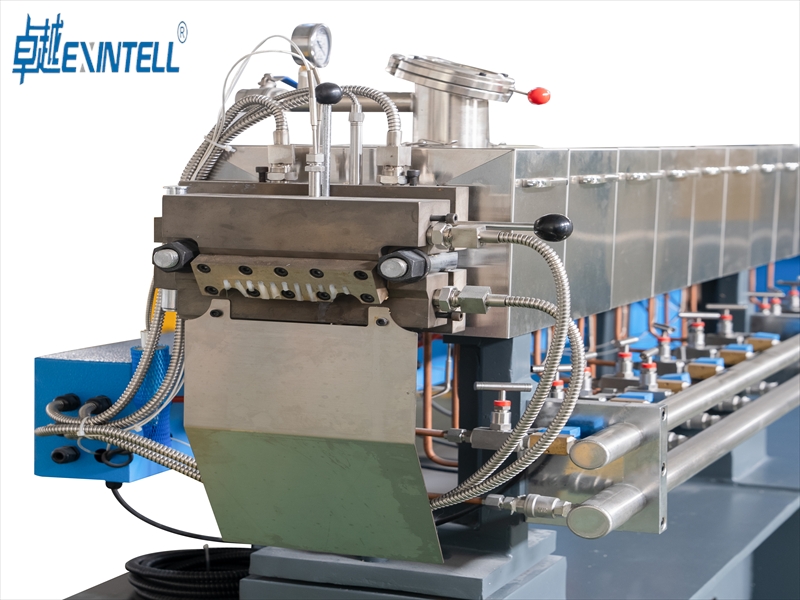
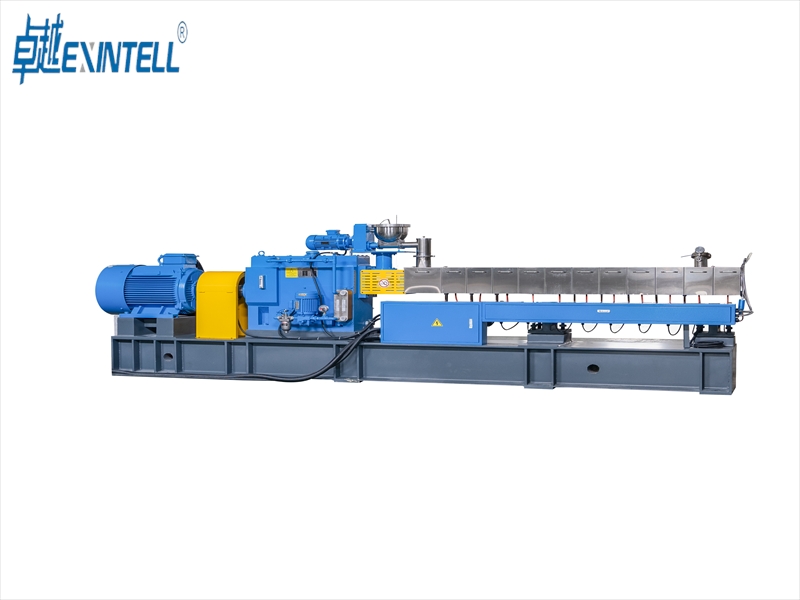
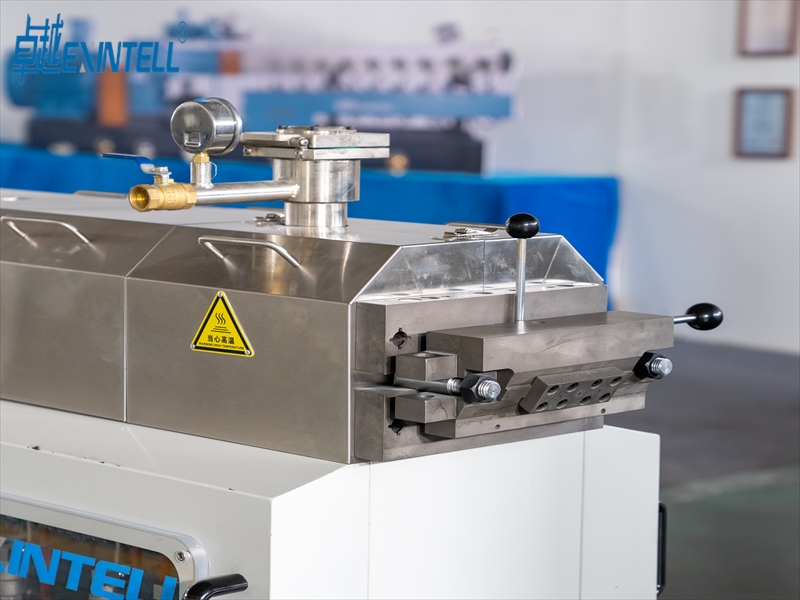
I have worked with plastik extrusion pou ane epi yo te wè ki jan metòd sa a fòm materyèl tèrmoplastik nan pwofil kontinyèl. Pwosesis ekstrizyon an kòmanse ak seleksyon materyèl, ki se kritik pou reyalize pwopriyete yo vle nan pwodwi final la. Mwen chaje granules plastik oswa granules nan yon Hopper pi wo a extruder la. Machin nan sèvi ak yon vis wotasyon pou deplase materyèl la nan yon barik chofe. Kòm materyèl la vwayaje, li fonn akòz friksyon ak chalè ekstèn. Lè sa a, plastik la fonn pase nan yon mouri ki gen fòm presizyon, ki bay pwodwi a pwofil li. Apre fòme, fòm nan extrudée antre nan yon sistèm refwadisman, anjeneral yon beny lè oswa dlo, solidifye epi kenbe presizyon dimansyon. Finalman, Mwen koupe oswa woule pwodwi a, depann sou aplikasyon an. Apwòch etap pa etap sa a pèmèt mwen kreye lontan, fòm inifòm ak koup transvèsal ki konsistan.
Aplikasyon komen
Ekstrisyon plastik jwe yon wòl enpòtan anpil nan anpil endistri yo. Mwen souvan wè li itilize pou anbalaj, otomobil, mèb, ak byen pou konsomatè. Pwosesis la pwodui yon pakèt pwodwi, soti nan tib senp nan pwofil konplèks. Isit la se yon tablo ki rezime kèk aplikasyon komen:
| Endistri | Pwodwi yo |
|---|---|
| Anbalaj | Fim, dra, sak, vlope, plato, ak tas |
| Otomobil | Tan fok, plastik tib, taye pwofil yo |
| Mèb & Byen Konsomatè | Edge banding, tren rido, lejè PVC kim ankadreman |
| Lakay Aparèy | Manch, sele pou fou ak mikwo ond |
| Plonbri & Medikal | Tib, tiyo |
Mwen jwenn sa ekstrizyon plastik koutim pèmèt manifaktirè yo konsepsyon pwofil inik pou bezwen espesyalize. Fleksibilite sa a fè extrusion yon chwa popilè pou kontinyèl, pwodiksyon gwo volim.
Materyèl yo itilize
Chwa a nan materyèl nan extrusion plastik afekte tou de pwosesis la ak presizyon pwodwi final la. Mwen itilize souvan polypropylène, polyethylene terephthalate, ak polystyrène. Materyèl sa yo ofri pwopriyete diferan, tankou fleksibilite, fòs, ak klète. Fason mwen prepare, fonn, ak fre materyèl yo gen yon enpak dirèk sou presizyon ak konsistans nan pati yo ekstrè. Men kèk nan materyèl ki pi komen mwen itilize:
- Polypropylène (PP)
- Polyethylene terephthalate (PET)
- Polystyrène (PS)
- Klori polivinil (PVC)
- Polyethylene wo dansite (HDPE)
- Polyethylene ba-dansite (LDPE)
- Acrylonitrile butadien styrène (ABS)
- Elastomère tèmoplastik (TPE)
- Nylon (PA)
- Polikarbonat (PC)
- Polymethyl metaacrylate (PMMA)
Lè mwen travay sou pwojè ekstrizyon plastik koutim, Mwen toujou matche materyèl la ak kondisyon aplikasyon an. Seleksyon atansyon sa a asire pwodwi a satisfè estanda pèfòmans ak presizyon.
Avantaj ak Dezavantaj
Lè mwen evalye plastik extrusion pou yon pwojè, Mwen toujou peze benefis yo ak dezavantaj yo. Pwosesis sa a ofri fòs inik, men li vini tou ak limit ki afekte presizyon ak tolerans.
Isit la se yon tablo ki rezime avantaj ak dezavantaj prensipal yo Mwen te obsève nan travay mwen:
| Avantaj | Dezavantaj |
|---|---|
| Segondè efikasite ak évolutivité | Limit nan pwodwi fòm konplèks |
| Komèsan pwodiksyon segondè | Defi ak anfle mouri ki afekte presizyon |
| Pri-efikasite pou volim mwayen ak wo | Enpèfeksyon sifas potansyèl ki mande pou fini |
Avantaj
Mwen souvan chwazi extrusion plastik pou efikasite segondè li yo. Pwosesis la kouri kontinyèlman, ki vle di mwen ka pwodwi pati long san entèripsyon. Évolutivité sa a fè li ideyal pou gwo lòd. Lè mwen bezwen fabrike dè milye de pye nan tib oswa pwofil, ekstrizyon bay rezilta ki konsistan. Pri a pou chak pati gout kòm volim pwodiksyon ogmante, Se konsa, mwen jwenn li trè pri-efikas pou pwojè mwayen ak gwo volim.
Yon lòt avantaj se kapasite pou kreye inifòm koup transvèsal. Mwen ka kenbe dimansyon fiks sou longè pati a, ki enpòtan pou aplikasyon tankou kanalizasyon oswa ankadreman fenèt yo. Pwosesis la tou sipòte yon pakèt tèmoplastik, Se konsa, mwen ka chwazi materyèl ki matche ak kondisyon yo mekanik ak chimik nan pwodwi final la.
Dezavantaj
Malgre fòs sa yo, extrusion plastik gen kèk dezavantaj. Pwosesis la ap lite ak fòm konplèks. Si yon pati mande pou detay konplike oswa kwen byen file, Mwen jwenn extrusion mwens apwopriye. Plastik la fonn gen tandans vin anfle pandan li sòti mouri a, yon fenomèn ke yo rekonèt kòm anfle mouri. Efè sa a ka fè li difisil pou reyalize tolerans sere, espesyalman pou pati ki bezwen dimansyon egzak.
Sifas fini kapab tou yon pwoblèm. Pafwa, pati yo ekstrè montre liy oswa mak soti nan mouri a. Mwen souvan bezwen ajoute etap segondè fini, tankou taye oswa polisaj, amelyore aparans la ak satisfè estanda kalite. Etap siplemantè sa yo ka ogmante tou de tan ak pri.
Konsèy: Mwen toujou rekòmande revize jeyometri pati a ak tolerans obligatwa yo anvan ou chwazi ekstrizyon. Si konsepsyon an senp epi lòd la gwo, extrusion anjeneral ofri pi bon valè.
Apèsi sou piki bòdi
Process Basics
Mwen te pase ane ap travay ak bòdi piki, epi mwen jwenn pwosesis la tou de kaptivan ak efikas. Metòd la sèvi ak yon mwazi, ki fòme plastik fonn nan fòm egzak. Mwen toujou swiv yon seri etap pou asire chak pati satisfè estanda kalite strik. Men ki jan mwen apwoche pwosesis bòdi piki a:
- Blocage: Mwen fèmen mwazi an byen sere pou prepare pou pwochen etap yo.
- Piki: Mwen enjekte cho, plastik fonn nan kavite mwazi an.
- Abitasyon: Mwen kite plastik la chita andedan mwazi an pou yon ti tan pou li ranpli tout espas.
- Refwadisman: Plastik la refwadi ak redi pandan li andedan mwazi an.
- Ouvèti mwazi: Mwen louvri mwazi an apre pati a refwadi.
- Ekspilsyon: Mwen retire pati ki fini nan mwazi an.
Sik sa a repete byen vit, ki pèmèt mwen pwodwi gwo kantite pati ki idantik. Mwen konte sou bòdi piki lè mwen bezwen fòm konplèks, bon detay, ak bon jan kalite fini. Pwosesis la ban mwen ekselan kontwòl sou dimansyon ak aparans sifas yo.
Remak: Mwen toujou kontwole tanperati ak presyon ak anpil atansyon pandan bòdi piki. Faktè sa yo afekte presizyon ak konsistans final la.
Aplikasyon komen
Piki bòdi jwe yon wòl enpòtan anpil nan anpil endistri yo. Mwen te itilize pwosesis sa a pou kreye pati pou otomobil, medikal, elektwonik konsomatè, ak sektè anbalaj. Adaptabilite nan bòdi piki pèmèt mwen pwodwi tou de konpozan senp ak trè konplèks. Here is a table that summarizes some typical applications:
| Endistri | Products Produced |
|---|---|
| Otomobil | Various components and parts |
| Medikal | Device housings, surgical tools |
| Consumer Electronics | Cases, buttons, ak lòt konpozan |
| Anbalaj | Bottle caps, resipyan |
I often make items like contact lens cases, bouchon boutèy, and high-volume components with intricate geometries. Injection molding helps me deliver consistent results, even for demanding projects.
Materyèl yo itilize
Material selection is crucial in injection molding. I choose materials based on the required strength, fleksibilite, ak presizyon. For high-precision parts, I prefer polymers with low and uniform shrinkage, stable melt flow, and good thermal resistance. Some of the most common materials I use include:
- ABS: Offers toughness, a smooth surface finish, ak rezistans enpak.
- Polypropylène: Provides chemical resistance, fleksibilite, ak abòdab.
- Polikarbonat: Delivers high clarity, fòs, ak rezistans chalè.
- Polyethylene: Lightweight and resists moisture.
- Nylon: Known for strength, mete rezistans, ak estabilite tèmik.
- PEEK: Exceptional for heat, chimik, ak mete rezistans.
Lè mwen bezwen menm tolerans pi sere, Mwen vire nan polymère jeni-klas. Materyèl tankou polymère kristal likid (LCP), polyether etè ketonn (PEEK), ak asetal (POM) ban mwen ekselan estabilite dimansyon ak kontraksyon minim. Pou egzanp, Mwen sèvi ak LCP pou konektè elektrik ak konpozan Capteur, pandan ke PEEK travay byen pou enplantasyon medikal ak pati ayewospasyal. Polikarbonat se chwa mwen pou lantiy ak konpozan optik akòz klè li yo ak fòs.
Konsèy: Mwen toujou matche materyèl la ak bezwen aplikasyon an. Chwa nan dwa asire pwosesis la bòdi piki delivre tou de presizyon ak pèfòmans.
Avantaj ak Dezavantaj
Mwen te travay ak bòdi piki pou plizyè ane. Pwosesis sa a ofri plizyè avantaj ki fè li pi pito chwa m 'pou gwo presizyon pati plastik. Mwen vle pataje tou de fòs yo ak limit yo mwen te obsève.
Avantaj nan bòdi piki
- Mwen ka reyalize trè wo presizyon ak bòdi piki. Pwosesis la pèmèt mwen pwodwi pati ak tolerans sere tankou ± 0.005 pous. Nivo presizyon sa a difisil pou matche ak lòt metòd fabrikasyon plastik.
- Mwen apresye repetibilite nan bòdi piki. Yon fwa mwen mete kanpe mwazi an ak paramèt pwosesis, Mwen ka pwodwi dè milye oswa menm dè milyon de pati ki idantik. Chak pati matche ak konsepsyon orijinal la byen.
- Mwen souvan bezwen kreye pati ki gen fòm konplèks ak bon detay. Piki bòdi okipe jeyometri konplike byen. Mwen pa bezwen ajoute etap siplemantè oswa pwosesis segondè pou reyalize karakteristik sa yo.
- Mwen jwenn ke bòdi piki delivre fini sifas ekselan. Pati yo soti lis ak pare pou itilize nan pifò ka yo.
- I can use a wide range of thermoplastics and engineering polymers. This flexibility lets me match material properties to the application’s needs.
Disadvantages of Injection Molding
- I must invest in high-quality molds before I start production. The initial cost for mold creation can be significant. For small production runs, this cost may not be justified.
- I have learned that design complexity can present challenges. I need to plan the mold and part design carefully. Mistakes in the design phase can lead to costly changes later.
- I sometimes face longer lead times at the start of a project. Designing and manufacturing the mold takes time, especially for complex parts.
- I notice that material selection and process settings require careful attention. If I do not control temperature, presyon, and cooling rates, Mwen riske domaj oswa erè dimansyon.
Isit la se yon tablo ki rezime avantaj prensipal yo ak dezavantaj mwen te fè eksperyans ak bòdi piki:
| Avantaj | Dezavantaj |
|---|---|
| Segondè presizyon ak tolerans sere | Segondè pri mwazi inisyal |
| Repetibilite ekselan pou gwo volim | Konpleksite konsepsyon mande pou planifikasyon atansyon |
| Sipòte jeyometri konplèks ak detay amann | Pi long tan plon pou devlopman mwazi |
| Fini sifas lis | Kontwòl pwosesis se kritik |
| Seleksyon materyèl lajè | Pa pri-efikas pou kouri ki ba-volim |
Konsèy: Mwen toujou rekòmande bòdi piki lè yon pwojè mande gwo presizyon, fòm konplèks, ak gwo volim pwodiksyon. Pou pati senp oswa ti pakèt, Mwen konsidere lòt metòd pou konsève pou depans ak tan plon.
Precision ak Tolerans
Lè mwen konpare plastik extrusion ak bòdi piki, Mwen toujou konsantre sou fason chak pwosesis okipe presizyon ak tolerans. Faktè sa yo detèmine si yon pati pral satisfè egzijans tolerans konsepsyon an ak fonksyone jan sa vle di. Mwen te aprann ke menm ti diferans nan tolerans ka gen enpak sou asanble, pèfòmans, ak bon jan kalite pwodwi.
Tolerans ekstrizyon plastik
Konsistans dimansyon
Nan eksperyans mwen, plastik extrusion delivre bon konsistans dimansyon pou lontan, fòm kontinyèl. Mwen souvan wè ranje tolerans tipik alantou ± 0.010 pous. Valè sa a mete yon referans pou sa mwen ka atann de extrusion an tèm de varyasyon dimansyon. Pwosesis la travay pi byen pou pati ki gen koup transvèsal inifòm, tankou tib, branch bwa, ak pwofil. Sepandan, Mwen remake ke kenbe tolerans sere sou tout longè a ka difisil. Faktè tankou mouri anfle, kontraksyon materyèl, ak pousantaj refwadisman ka lakòz varyasyon ti tay. Mwen toujou kontwole varyab sa yo byen pou kenbe dimansyon yo nan limit akseptab.
Sifas fini
Fini sifas nan extrusion depann sou bon jan kalite a mouri ak pwosesis la refwadisman. Mwen souvan wè ti liy oswa mak sou pati ekstrè, ki soti nan mouri a oswa nan refwadisman inegal. Mak sa yo ka afekte aparans la epi pafwa anfòm pati a. Lè yon sifas ki lis se kritik, Mwen ka bezwen ajoute etap segondè fini. Mwen te jwenn ke extrusion raman reyalize menm nivo sifas lis kòm bòdi piki. Toujou, pou anpil aplikasyon, fini an akseptab san travay siplemantè.
Tolerans bòdi piki
Presizyon dimansyon
Piki bòdi kanpe deyò pou kapasite li nan reyalize tolerans trè sere. Mwen travay regilyèman ak tolerans sere tankou ± 0.005 pous, and sometimes even tighter for high-precision parts. This level of accuracy comes from the rigid mold and the controlled process parameters. I rely on standards like DIN EN ISO 20457 ak ISO 2768-1/2 to guide my work. These standards define tolerance groups and classes for different part sizes and features. Pou egzanp, DIN EN ISO 20457 specifies tolerance groups such as TG5, which allows about 0.23 mm for a 32 mm part. These guidelines help me ensure that every part meets strict dimensional requirements.
I pay close attention to injection pressure and holding pressure during molding. Proper tuning of these settings ensures the mold fills completely and minimizes defects. This control is essential for precision applications, where even a small deviation can cause problems in assembly or function.
Sifas fini
Surface finish in injection molding can be excellent. I can produce parts with glossy, sifas poli oswa ak teksti ki amelyore priz ak kache domaj minè. Chwa a nan fini afekte tou de gade nan ak pèfòmans nan nan pati a. Pou egzanp:
- Yon fini poli bay yon klere, aparans lis.
- Sifas teksti yo ka fè pati yo pi fasil pou okipe ak mwens chans pou yo montre reyur.
- Fini diferan kapab tou enfliyanse durability ak fason pati a reyaji ak lòt konpozan.
Mwen konsidere tou ki jan post-pwosesis metòd, tankou anodize, kouch poud, oswa galvanoplastie, ka afekte dimansyon final yo. Metòd sa yo ajoute materyèl oswa chanje sifas la, Se konsa, mwen kont pou yo nan konsepsyon mwen an kenbe presizyon.
Tab Konparezon Tolerans
Mwen souvan itilize yon tab pou konpare tolerans tipik pou extrusion plastik ak bòdi piki. This summary helps me and my clients understand what to expect from each process:
| Pwosesis | Typical Tolerances | Surface Finish Quality | Repeatability |
|---|---|---|---|
| Ekstrisyon plastik | ± 0.010 pous | Modere | Good for long parts |
| Piki bòdi | ± 0.005 pous oswa pi sere | Ekselan | Trè wo |
Remak: Injection molding achieves tighter tolerances and better repeatability than plastic extrusion. Mwen toujou rekòmande bòdi piki lè yon pwojè mande gwo presizyon, fòm konplèks, or strict tolerance requirements.
I have found that choosing the right process depends on the part’s geometry, the required tolerances, and the application. Injection molding gives me the best results for detailed, high-precision parts. Ekstrisyon plastik works well for simple, continuous shapes where slightly looser tolerances are acceptable.
Factors Affecting Precision
Material Choice
I always start by considering the material when I want to achieve high precision in plastic parts. Pwopriyete yo nan plastik la enfliyanse kòman mwen ka kontwole tolerans pandan tou de extrusion ak bòdi piki. Pou egzanp, fason yon materyèl ap koule, kontraksyon li yo, ak estabilite tèmik li yo tout jwe yon wòl nan rezilta final la.
Isit la se yon tab ki rezime kijan diferan pwopriyete materyèl afekte presizyon ak tolerans:
| Pwopriyete materyèl | Enfliyans sou presizyon ak tolerans |
|---|---|
| Konpòtman koule (MFI/MFR) | Materyèl MFI segondè yo koule fasil, ki ede ranpli mwazi konplèks oswa ki gen miray mens. Sepandan, yo ka gen pi ba fòs. |
| Materyèl MFI ki ba yo pi epè ak pi difisil pou mwazi men rezilta yo pi fò, plis pati ki reziste enpak. | |
| Kontraksyon | Plastik amorphe tankou ABS ak PC retresi mwens ak plis respire, konsa mwen ka reyalize tolerans pi sere. |
| Plastik semi-cristaline tankou Nylon ak POM retresi pi plis ak mwens previzib, fè presizyon pi difisil pou kontwole. | |
| Estabilite tèmik | Pòv estabilite tèmik ka lakòz domaj tankou mak boule oswa deformation, ki diminye presizyon dimansyon. |
| Bon estabilite tèmik enpòtan pou pati mens oswa konplèks kote presizyon enpòtan. |
Lè mwen chwazi yon materyèl, Mwen toujou matche pwopriyete li yo ak bezwen yo nan pati a. Pou egzanp, si mwen bezwen yon pati ak tolerans trè sere, Mwen chwazi yon plastik amorphe ak kontraksyon ki ba ak bon estabilite tèmik.
Pati konpleksite
Konpleksite yon pati gen yon enpak dirèk sou presizyon mwen ka reyalize. Fòm senp yo pi fasil pou kontwole, pandan y ap desen konplèks prezante plis defi. Mwen peye anpil atansyon sou karakteristik tankou liy separe, sifas koube, ak dimansyon kritik.
Isit la se yon tablo ki montre kijan diferan konsiderasyon konsepsyon afekte presizyon:
| Konsiderasyon | Enpak sou presizyon |
|---|---|
| Plasman liy separe | Influences mold complexity and the quality of the finished product. |
| Avoiding Critical Areas | Helps prevent dimensional changes and ensures a better fit. |
| Positioning on Curved Surfaces | Demands higher mold accuracy, which can increase costs and risk of defects. |
| Use of Natural Split Lines | Makes mold construction easier and improves the demolding process. |
When I design a part for injection molding, I try to place parting lines in less visible areas and avoid putting them on critical surfaces. This approach helps me maintain better tolerances and reduce the risk of defects.
Volim Pwodiksyon
Production volume also affects the level of precision I can achieve. Pou pwodiksyon gwo volim, I invest in high-quality molds and precise process controls. This investment pays off because I can produce thousands or millions of identical parts with consistent tolerances. For smaller runs, I may use less expensive tooling, but I know that this can lead to more variation in the final parts.
Konsèy: I always recommend using the best possible tooling and process controls for high-volume production. This strategy ensures that every part meets the required specifications and reduces waste.
Tooling Quality
I always pay close attention to tooling quality when I want to achieve high precision in plastic manufacturing. The tools I use, such as dies for extrusion and molds for injection molding, play a critical role in determining the final tolerances and surface finish of each part. I have learned that even small imperfections in tooling can lead to significant errors in the finished product.
Nan eksperyans mwen, high-quality tooling starts with careful design. I work with engineers to create detailed drawings and 3D models. These models help me visualize the part and identify areas where precision matters most. I select materials for the tooling that resist wear and maintain their shape under high temperatures and pressures. For injection molding, I often use hardened steel or high-grade aluminum. For extrusion dies, I prefer tool steel with a polished surface.
I have seen that the manufacturing process for tooling affects its quality. Machin presizyon, such as CNC milling and EDM, allows me to achieve tight tolerances in the mold or die. I inspect the tooling after each step to ensure there are no defects or inconsistencies. If I find any issues, Mwen adrese yo imedyatman. This attention to detail prevents problems during production.
Maintenance is another factor that influences tooling quality. I schedule regular inspections and cleaning for all my tools. I replace worn parts before they cause defects in the plastic parts. Proper maintenance extends the life of the tooling and keeps the production process running smoothly.
Here is a table that summarizes how tooling quality impacts precision in both processes:
| Tooling Aspect | Enpak sou presizyon | My Approach |
|---|---|---|
| Seleksyon materyèl | Reduces wear and deformation | Use hardened steel or aluminum |
| Machining Accuracy | Achieves tight tolerances | Employ CNC and EDM |
| Sifas fini | Improves part appearance | Polish dies and molds |
| Antretyen | Prevents defects | Schedule regular checks |
Konsèy: I always recommend investing in high-quality tooling for projects that require tight tolerances. The upfront cost may be higher, but the long-term benefits include fewer defects, better repeatability, and lower maintenance costs.
I have found that tooling quality often determines the success of a manufacturing project. When I use well-designed and well-maintained tools, I consistently produce parts that meet strict precision requirements. This approach builds trust with my clients and helps me deliver reliable results every time.
Pri vs. Presizyon
Extrusion Cost Factors
Lè mwen evalye plastik extrusion pou yon pwojè, I always consider how cost and precision interact. Several factors influence the final price of extruded parts:
- I often need materyèl prim to achieve higher precision. These materials cost more but help me meet strict tolerances.
- Custom tooling becomes necessary when I want unique profiles or tighter tolerances. This requirement increases the initial investment.
- If I focus on speed and low cost, I sometimes see a drop in precision. Parts may not meet the required tolerances, which can lead to quality issues.
- When I prioritize quality and precision, I spend more time on setup and inspection. This approach slows production but ensures better results.
I find that balancing these factors is key. If a project allows for looser tolerances, I can save money by using standard materials and tooling. Pou aplikasyon kritik, I invest more to guarantee precision.
Injection Molding Cost Factors
Injection molding presents a different cost structure. I have learned that several elements drive the overall expense, especially when aiming for high precision. The table below summarizes the main cost factors and their relationship to precision:
| Cost Factor | Relation to Precision |
|---|---|
| Tooling Costs | High-quality molds stabilize production and maintain tight tolerances over time. |
| Material Consumption | Premium materials improve accuracy but raise initial costs. |
| Cycle Time | Shorter cycles reduce costs, but sometimes compromise precision. |
| Machine Tonnage Rate | Larger machines hold tighter tolerances but use more energy. |
| Labor/Automation Level | Automation boosts precision and lowers labor costs in the long run. |
| Scrap Rate | Poor precision increases scrap, which drives up total costs. |
I always weigh these factors before starting a new injection molding project. For large production runs, investing in better tooling and automation pays off. I see fewer defects and more consistent parts.
Balancing Cost and Precision
Choosing between extrusion and injection molding often comes down to finding the right balance. I look at the part’s geometry, the required tolerances, and the production volume. The table below helps me decide which process fits best:
| Process Type | Ideyal pou | Core Advantage | Trade-off |
|---|---|---|---|
| Piki bòdi | Konplèks, enclosed 3D parts | Extreme precision and consistency | Higher initial mold cost; best for large batches |
| Ekstrisyon plastik | Kontinyèl, uniform profiles | Lower tooling cost, efficient output | Limited to linear shapes; less suitable for complex geometries |
If I need complex shapes and tight tolerances, I choose injection molding despite the higher upfront cost. Pou senp, continuous profiles, I rely on extrusion to keep costs low and production fast. I always match the process to the project’s needs, ensuring I deliver both value and quality.
Konsèy: I recommend discussing your precision requirements early in the design phase. This step helps me select the most cost-effective process for your application.
Chwazi bon pwosesis la
Selecting the right process for manufacturing plastic parts can determine the success of a project. I always start by evaluating the part’s geometry, tolerans obligatwa yo, volim pwodiksyon an, and cost targets. My experience has shown that both plastic extrusion and injection molding offer unique strengths. The best choice depends on the specific needs of the application.
When to Use Plastic Extrusion
I turn to the pwosesis extrusion plastik when I need to produce long, continuous shapes with uniform cross-sections. This process excels at creating items like tubes, tiyo, sele move tan, and profiles for windows or furniture. I find that extrusion works best for high-volume production runs where the design does not require complex 3D features.
To ensure a successful and high-quality plastic extrusion, several key factors must be carefully evaluated during the design phase: Functional Requirements, Konpatibilite materyèl, Profile Complexity, Wall Thickness, Tolerances, Mating Parts, Tooling Collaboration, and Cost Efficiency.
When I assess whether the extrusion process is the right fit, Mwen konsidere:
- Application requirements, such as temperature resistance and UV exposure.
- Mechanical properties, ki gen ladan fleksibilite, dite, and tensile strength.
- Environmental conditions, like weather and temperature fluctuations.
- Aesthetic and finish requirements, such as color, gloss, ak teksti sifas yo.
- Regulatory and compliance needs to meet industry standards.
I also weigh the cost benefits of the extrusion process. Here is how I approach the decision:
- Assess material costs against budget constraints.
- Consider long-term savings from durability and reduced waste.
- Work with experienced partners to find the best balance of performance and price.
Different plastics behave uniquely during the extrusion process, affecting the final product’s shape and performance. I pay close attention to thermal stability and melt strength, especially for applications that require precise tolerances. When the design calls for simple, linear shapes and the process must remain cost-effective, extrusion often provides the best solution.
Example Scenario:
Last year, I worked with a client who needed thousands of feet of custom tubing for an irrigation system. The process required a material that could withstand sunlight and temperature swings. I recommended the extrusion process using UV-stabilized polyethylene. The process allowed us to maintain consistent wall thickness and meet the client’s budget. The result was a durable product that performed well in the field.
When to Use Injection Molding
I choose the injection molding process when the part design involves complex geometries, tolerans sere, or intricate details. This process is ideal for producing high-precision components, such as medical device housings, automotive connectors, or consumer electronics enclosures. The process supports a wide range of materials and finishes, making it versatile for many industries.
The injection molding process stands out when:
- The part requires enclosed or 3D shapes that extrusion cannot achieve.
- High repeatability and consistency are critical for assembly or function.
- The application demands a smooth surface finish or specific textures.
- The project involves large production volumes, justifying the investment in tooling.
I always consider the initial tooling cost and lead time for the injection molding process. For high-volume projects, the process delivers excellent value through low per-part costs and minimal variation between parts. I also rely on this process when regulatory compliance and material traceability are essential.
Example Scenario:
Recently, I partnered with a medical device manufacturer to produce a new type of handheld diagnostic tool. The process required a housing with complex internal features and a flawless surface finish. I recommended the injection molding process using medical-grade polycarbonate. The process allowed us to achieve the necessary tolerances and pass strict regulatory tests. The client appreciated the consistency and quality of every part.
Etid ka:
I have seen how companies use data-driven approaches to select the right process. Pou egzanp, Amcor conducted a pilot test comparing emissions from different plastic sources and production sites. The process helped them make informed decisions about low-carbon procurement and supplier relationships. By analyzing the process at each step, they improved transparency and achieved their sustainability goals.
Konsèy: I always advise clients to define their precision requirements, volim pwodiksyon an, and budget early in the design phase. This clarity helps me recommend the most suitable process and avoid costly changes later.
How I Decide Between Processes
I use a simple checklist to guide my decision:
- Does the part have a uniform cross-section and require long lengths? I choose the extrusion process.
- Does the part need complex shapes, tolerans sere, or a high-quality finish? I select the injection molding process.
- Is the production volume high enough to justify tooling investment? I lean toward injection molding.
- Is cost efficiency for simple shapes the main goal? I recommend extrusion.
The process selection shapes the entire project, from design to final delivery. I always match the process to the application’s needs, ensuring the best balance of quality, presizyon, ak pri.
Additional Considerations
Tan plon
I always pay close attention to lead time when planning a manufacturing project. Lead time refers to how long it takes to go from design approval to finished parts. Nan eksperyans mwen, plastic extrusion usually offers shorter lead times. The tooling for extrusion is simpler and faster to produce. I can start production quickly once the die is ready. This makes extrusion a good choice for projects with tight deadlines or urgent needs.
Injection molding requires more time upfront. The mold design is complex and demands careful engineering. I often spend weeks or even months creating and testing the mold. Once the mold is ready, production moves fast, but the initial setup slows the process. I recommend injection molding for projects where precision and volume matter more than speed.
Konsèy: If you need parts quickly and the design is simple, extrusion can save valuable time.
Fleksibilite konsepsyon
Design flexibility shapes what I can achieve with each process. I have learned that extrusion limits my options. The process works best for simple, repeated shapes like tubes or profiles. I cannot create intricate features or complex geometries with extrusion.
Injection molding gives me much more freedom. I can design parts with fine details, undercuts, and complex shapes. The mold captures every feature, so I can meet strict requirements for accuracy and appearance.
Isit la se yon table that compares design flexibility between the two methods:
| Metòd | Fleksibilite konsepsyon | Complexity of Parts |
|---|---|---|
| Extrusion Molding | Limited design flexibility; best for simple, repeated shapes. | Not suitable for intricate features. |
| Piki bòdi | High design flexibility; ideal for complex shapes with fine details and accuracy. | Capable of creating sophisticated designs. |
I always match the process to the part’s needs. If the design is simple and repeated, extrusion works well. For complex or detailed parts, injection molding is the clear winner.
Dirab
Sustainability has become a major concern in my work. I look for ways to reduce waste and use eco-friendly materials. Plastic extrusion stands out for its ability to incorporate recycled content ak materyèl biodégradables. I can use these options without sacrificing performance or quality. This gives extrusion an advantage when clients want greener solutions.
Injection molding is less flexible in this area. The process does not always support recycled or biodegradable plastics. I must choose materials carefully to avoid defects or quality issues. When sustainability is a priority, I recommend extrusion for its environmental benefits.
🌱 I always encourage clients to consider recycled or biodegradable materials in extrusion projects. This choice supports sustainability goals and helps protect the environment.
I have seen that injection molding delivers better precision in plastic manufacturing, especially for small to medium-sized plastic parts. The process uses balanced clamping force and optimized resin viscosity to reduce defects. Multi-cavity molds and rigid frames help maintain consistent results. Lè mwen chwazi ant extrusion plastik ak bòdi piki, Mwen toujou konsidere jeyometri plastik, tolerans, volim pwodiksyon an, ak pri. Mwen rekòmande bòdi piki pou fòm plastik konplèks ak tolerans sere. Ekstrisyon plastik travay byen pou senp, Des plastik kontinyèl. Eksperyans mwen montre ke planifikasyon atansyon nan manifakti plastik mennen nan pwodwi plastik serye.
| Faktè | Piki bòdi | Ekstrisyon plastik |
|---|---|---|
| Presizyon | Segondè pou pati plastik | Modere pou pati plastik |
| Tolerances | Sere nan manifakti plastik | Looser nan manifakti plastik |
| Volim Pwodiksyon | Pi bon pou gwo kous plastik | Pi bon pou kouri plastik kontinyèl |
| Pri | Pi wo pou mwazi plastik | Pi ba pou plastik mouri |
Mwen toujou konseye kliyan yo matche ak pwosesis fabrikasyon plastik yo ak bezwen espesifik plastik yo.
FAQ
Ki sa ki avantaj prensipal la nan extrusion plastik?
Mwen jwenn plastik extrusion ideyal pou kreye pwofil kontinyèl. Pwosesis la kouri avèk efikasite epi li pwodui lontan, fòm inifòm. I can quickly manufacture parts like tubes and rods for many industries.
Can injection molding handle complex shapes?
I rely on injection molding when I need intricate designs or detailed features. The process allows me to produce parts with complex geometries and tight tolerances. I achieve high precision every time.
Which process is better for high volume production?
I choose injection molding for high volume production. The process delivers consistent quality and repeatability. I can produce thousands or millions of identical parts with minimal variation.
Are continuous profiles possible with injection molding?
I do not use injection molding for continuous profiles. The process works best for discrete, individual parts. Mwen tounen vin jwenn ekstrizyon when I need long, uninterrupted shapes.
What materials work best for extrusion?
Mwen chwazi materyèl tankou polypropylène, PVC, ak HDPE pou ekstrizyon. Plastik sa yo ede m kreye pwofil kontinyèl ak pèfòmans serye. Mwen matche materyèl la ak kondisyon aplikasyon an.
Ki jan sifas fini konpare ant de pwosesis yo?
Mwen remake ke bòdi piki pwodui sifas douser. Ekstrisyon pafwa kite mak oswa liy sou pwofil kontinyèl. Mwen ka ajoute etap fini pou amelyore aparans lè sa nesesè.
Èske ekstrizyon pri-efikas pou ti lo?
Anjeneral mwen rekòmande extrusion pou pi gwo lòd. Pwosesis la vin pi pri-efikas kòm mwen pwodwi plis pwofil kontinyèl. Pou ti pakèt, depans konfigirasyon yo ka depase benefis yo.
Èske mwen ka itilize materyèl resikle nan ekstrizyon?
Mwen souvan itilize plastik resikle nan extrusion. Pwosesis la sipòte manifakti dirab epi pèmèt mwen kreye pwofil kontinyèl ak materyèl ekolojik-zanmi. Mwen ede kliyan yo satisfè objektif anviwònman yo.