

Ki jan yon pelletizer plastik travay nan 2026
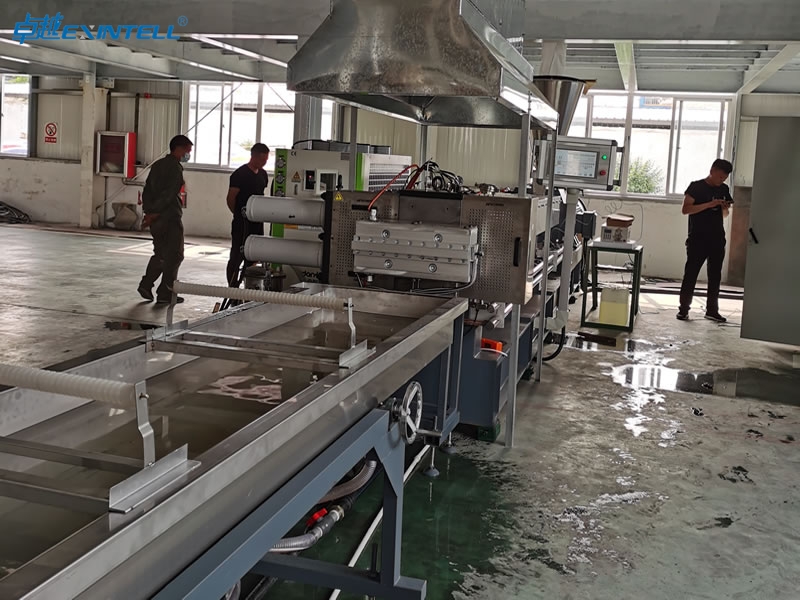
Yon pelletizer plastik transfòme dechè plastik oswa matyè premyè nan granules inifòm atravè yon seri etap byen defini. Ou kòmanse ak manje, kote plastik antre nan machin nan. Sistèm nan fonn materyèl la, filtre enpurte yo, epi pouse li nan yon mouri pou fòme fil kontinyèl. Refwadisman solidifye fil yo, ak Lè sa a, yon kouto wotasyon koupe yo an granules presi. Chak etap fòme kalite final la ak konsistans.
|
Etap |
Deskripsyon |
|---|---|
|
Manje |
Fatra plastik yo prezante nan machin nan atravè yon Hopper, ki gen ladann plizyè kalite plastik. |
|
K ap fonn |
Plastik la chofe ak fonn inifòm nan extruder la, prepare li pou pwochen etap la. |
|
Ekstrude |
Se plastik la fonn fòse nan yon mouri pou kreye fil, detèmine fòm nan granules ak gwosè. |
|
Refwadisman |
Seksyon yo refwadi, solidifye yo pou koupe. |
|
Koupe |
Seksyon ki refwadi yo koupe an granules inifòm pa yon kouto wotasyon, reglabl pou aplikasyon espesifik. |
Kle Takeaways
-
Pelletize plastik transfòme fatra nan granules inifòm atravè yon seri etap: manje, k ap fonn, filtraj, ekstansyon, refwadisman, ak koupe.
-
Manje ki konsistan ak kontwòl tanperati egzak yo enpòtan anpil pou reyalize granules bon jan kalite ak anpeche domaj.
-
Diferan kalite pelletizers, tankou strand ak anba dlo, founi divès kalite materyèl ak bezwen pwodiksyon, afekte fòm pellet ak bon jan kalite.
-
Filtrasyon efikas nan plastik fonn retire enpurte, asire granules lis ak inifòm pandan y ap pwoteje ekipman yo.
-
Metòd refwadisman, ki gen ladan bag dlo ak refwadisman anba dlo, siyifikativman afekte kalite pellet ak efikasite pwodiksyon an.
-
Antretyen regilye ak siveyans ekipman ede anpeche pwoblèm komen tankou manje inegal ak filtè bouche.
-
Mezi kontwòl kalite, ki gen ladan echantiyon apwopriye ak tès depistaj, asire ke granules rankontre estanda endistri yo epi kenbe konsistans.
-
Anbalaj apwopriye ak depo granules pwoteje yo kont imidite ak kontaminasyon, asire yo rete bon jan kalite pou itilizasyon nan lavni.
Apèsi sou Pwosesis Pelletizer plastik
Ki sa ki se yon pelletizer plastik
Ou itilize yon pelletizer plastik pou transfòme materyèl plastik anvan tout koreksyon oswa resikle an granules ak gwosè ak fòm egzak.. Machin sa a kontwole tanperati a, presyon, ak vitès wotasyon pou pwodwi rezilta konsistan. Machin nan pelletizing plastik koupe plastik extrudée nan granules grenn pa grenn, bay yon gwosè estanda pou plis pwosesis. Ou konte sou ekipman sa a pou jere entegrite a, karakteristik sifas yo, ak gwosè chak patikil. Prensip k ap travay nan granulator plastik enplike plastik k ap fonn, filtraj enpurte, ak fòme granules inifòm nan jesyon atansyon nan kondisyon andedan inite a.
-
Koupe plastik extrudée an grenn pa grenn.
-
Bay yon gwosè konsistan pou plis pwosesis nan fabrikasyon.
-
Transfòme fil kontinyèl nan plastik fonn nan granules nan gwosè inifòm.
-
Sèvi kòm yon matyè premyè estanda pou bòdi piki ak extrusion fim.
Etap prensipal yo nan Pelletizing
Ou swiv yon seri de etap lè w ap opere yon pelletizer plastik. Chak etap fòme bon jan kalite a ak konsistans nan pwodwi final la. Isit la se yon workflow tipik:
-
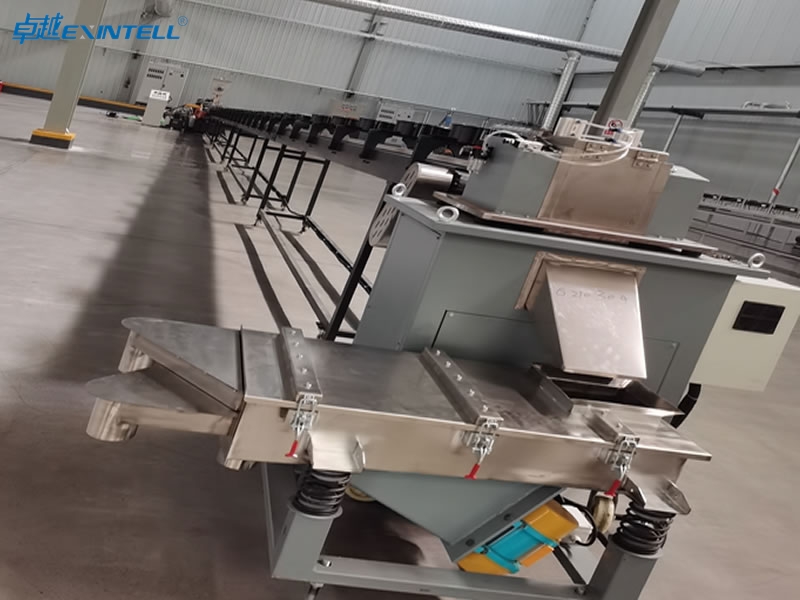
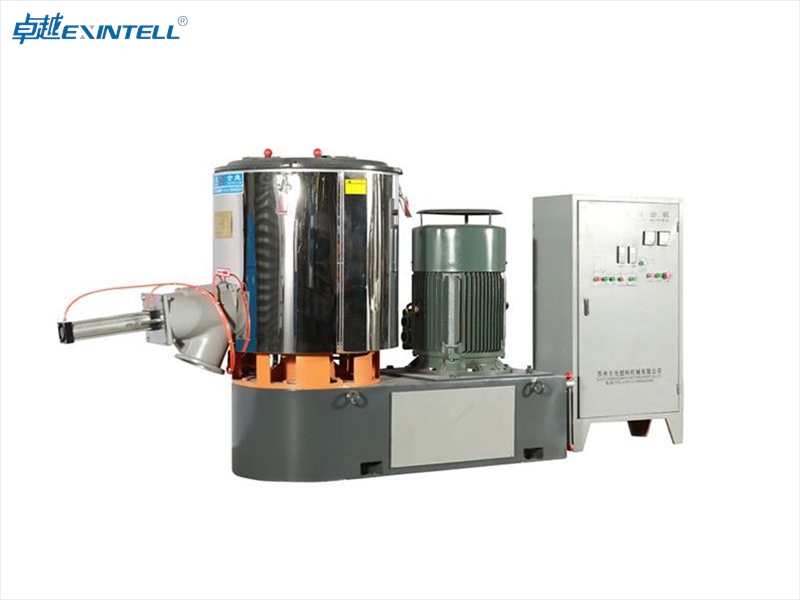
Manje & pre-tretman: Ou entwodui matyè premyè atravè yon Hopper oswa feeder. Pre-tretman ogmante dansite esansyèl ak prepare materyèl la pou fonn.
-
K ap fonn & plastik fòme: Ou aplike chalè ak taye lè l sèvi avèk yon extruder. Etap sa a reyalize yon flux inifòm ak prepare plastik la pou filtraj.
-
Fonn filtè yo: Ou filtre plastik la fonn pou retire kontaminan yo. Materyèl pwòp asire bon jan kalite granules.
-
Ekstrisyon mouri & koupe: Ou fòme fizyon an filtre nan granules lè l sèvi avèk yon mekanis mouri ak koupe.
-
Refwadisman & manje: Ou refwadi granules yo epi seche oswa estoke yo pou itilize nan lavni.
Konsèy: Manje ki konsistan ak kontwòl tanperati egzak ede ou reyalize gwosè granules inifòm ak anpeche domaj.
Ou ka chwazi nan plizyè kalite ekipman pelletizing, chak adapte pou diferan materyèl ak fòm. Tablo ki anba a montre opsyon komen yo:
|
Kalite pelletizer |
Pi bon pou |
Fòm Pellet |
Pri relatif |
|---|---|---|---|
|
PE, PP, PS - materyèl pwòp |
Silendrik |
Ba |
|
|
PET, PA, plastik jeni |
Esferik |
Segondè |
|
|
Dlo-bag pelletizer |
PE, PP - kontaminasyon modere |
Lentikilè/esferik |
Mwayen |
Poukisa Pelletizing Matters
Pelletizing jwe yon wòl enpòtan nan resiklaj ak manifakti. Ou konvèti plastik resikle fonn an granules inifòm, ke ou ka estoke, transpò, epi trete tankou résine jenn fi. Transfòmasyon sa a pèmèt materyèl resikle re-antre nan sik fabrikasyon an avèk efikasite. Ou benefisye de manyen pi fasil ak amelyore melanje pandan pwodiksyon an. Pwodwi final la sipòte ekonomi sikilè pou plastik lè li bay materyèl rekipere.
-
Pelletization fè materyèl plastik pi fasil ak pi efikas pou okipe.
-
Li asire rezilta konsistan pandan melanje ak fòme.
-
Pwosesis la bay tout ekonomi sikilè pou plastik ak materyèl rekipere.
Ou fè fas a plizyè defi pandan pelletizing. Segondè kontni imidite nan granules ka mennen nan move pèfòmans mekanik ak pèt materyèl. Ou bezwen sistèm siye efikas ak seleksyon ekipman apwopriye pou minimize imidite. Gwosè granules enkonsistan souvan rezilta nan mekanis manje move. Ou rezoud sa lè w sèvi ak sistèm manje egzak. Chwa a nan machin, tankou yon granulator ak lam presizyon-enjenieri, dirèkteman enpak sou bon jan kalite a nan granules yo pwodwi.
Ou wè tou avansman teknolojik nan 2026. Single-vis extruders ak rapò L/D ant 32:1 epi 38:1 yo komen. Konfigirasyon tandem maksimize degazaj ak filtraj. Chanjman ekran kontinyèl pèmèt chanjman filtre san yo pa sispann pwodiksyon an. Teknoloji bimetalik ogmante durability, ak ko-wotasyon paralèl jimo vis extruders ofri efikas retire kontaminan. Anba dlo pelletizers pwodwi inifòm, granules san pousyè ak kòmande pi gwo pri revente.
|
Teknoloji |
Deskripsyon |
Benefis |
|---|---|---|
|
Teknoloji bimetalik |
Materyèl avanse amelyore durability |
Ogmante durability pa 3-5 fwa |
|
Ko-wotasyon Paralèl Twin Vis |
Deplasman pozitif, fonksyon pwòp tèt ou netwayaj |
Efikasite retire kontaminan yo |
|
Pelletizer anba dlo |
Pwodui inifòm, granules san pousyè |
Pi gwo pri revente, ideyal pou plastik jeni |
Ou ka reyalize kapasite debi sòti nan 80 kg/hr pou plis pase 1,000 kg/h, depann sou kalite machin lan ak konfigirasyon. Enèji-efikas liy ekonomize ant $30,000-$80,000 pa ane konpare ak modèl mwens efikas. Nan 2026, konsomasyon enèji espesifik pou pelletizers plastik varye ant 0.25-0.35 kWh/kg, ak konfigirasyon pi bon nan klas reyalize osi ba ke 0.20-0.30 kWh/kg.
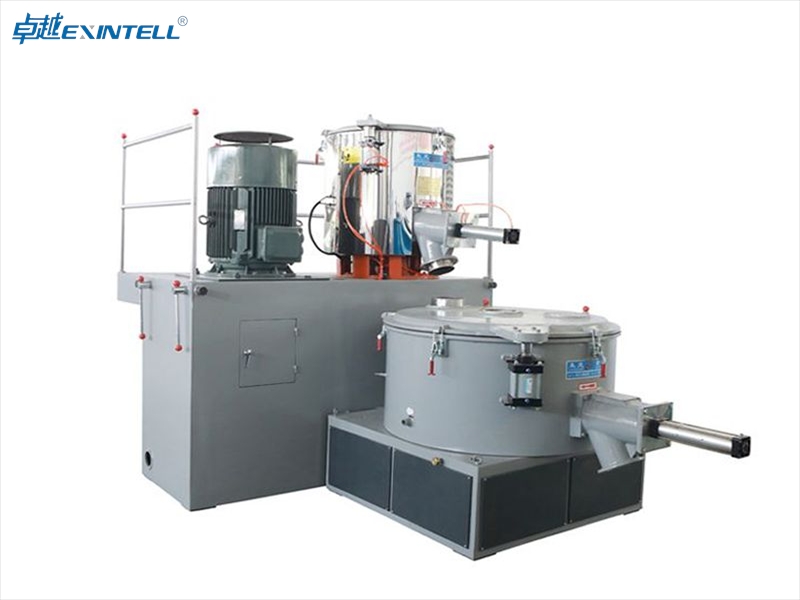
Remak: Normalisation milti-kouch ak nouvo desen vis ede w trete bio-plastik ak pwofil ki pa kritik pi efikas..
Ou konte sou granulator plastik ak teknoloji granulator pou pwodwi granules inifòm ki satisfè nòm endistri yo. Pwosesis la asire ou gen materyèl serye pou fabrikasyon ak resiklaj, sipòte tou de efikasite ak dirab.
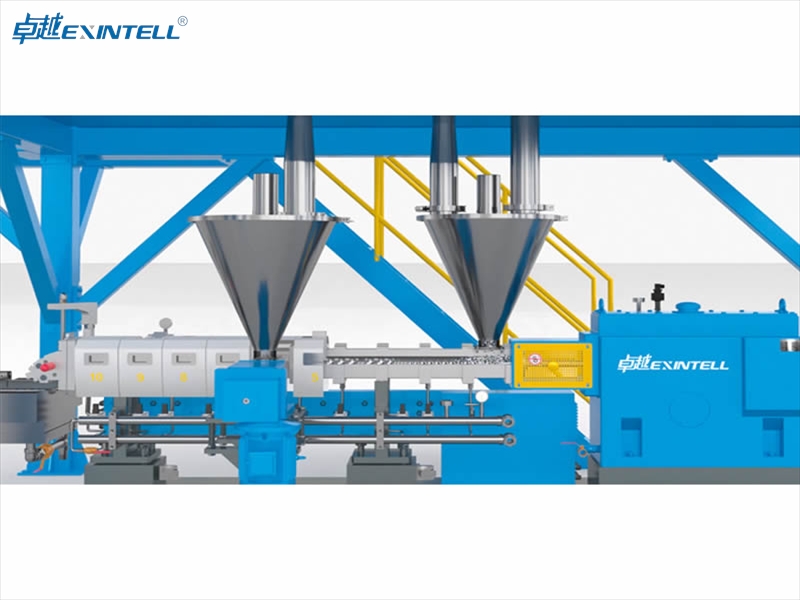
Manje plastik
Materyèl Antre
Ou kòmanse a pwosesis pelletizing pa chwazi materyèl yo antre dwa. Ou ka sèvi ak dechè plastik, plastik jenn fi, oswa yon melanj de tou de. Anvan ou manje materyèl sa yo nan pelletizer plastik la, ou bezwen prepare yo ak anpil atansyon. Isit la se yon workflow preparasyon tipik:
-
Preparasyon plastik: Ou lave epi rache plastik resikle pou retire pousyè tè ak kontaminan yo. Ou ka fonn materyèl la tou si sa nesesè. Plastik Vyèj souvan vini kòm flak oswa granules, pare pou trete.
-
K ap fonn ak ekstrizyon: Ou chofe plastik la prepare nan machin nan pelletizing plastik. Èkstrudè a fonn materyèl la epi li pouse li pi devan.
-
Koupe: Ou sèvi ak lam wotasyon oswa yon granulator pou koupe plastik la fonn an ti moso.
-
Refwadisman: Ou refwadi granules yo lè l sèvi avèk lè, dlo, oswa toude.
-
Siye ak tès depistaj: Ou seche granules yo refwadi epi ekran yo pou asire gwosè inifòm ak bon jan kalite.
Ou dwe peye atansyon sou pwòpte ak gwosè materyèl yo antre. Netwaye, dechè plastik ki byen prepare ede ou evite domaj ak amelyore kalite granules yo.
Mekanis manje
Ou konte sou mekanis manje efikas pou deplase plastik nan sistèm pelletizing la. De metòd prensipal ede ou reyalize manje fiks ak kontwole.
Hopper
Ou sèvi ak yon Hopper pou chaje dechè plastik oswa materyèl jenn fi nan pelletizer plastik la. Hopper a kenbe materyèl la ak degaje li nan yon pousantaj kontwole. Ou ka ajiste koule nan matche ak kapasite nan machin nan pelletizing plastik. Hoppers yo souvan gen ladan detèktè ki kontwole nivo materyèl yo ak anpeche blokaj.
Transporteurs
Ou itilize transporteurs pou transpòte plastik soti nan depo nan Hopper a oswa dirèkteman nan pelletizer la. Transporteurs bay yon kouran danble nan materyèl epi redwi manyen manyèl. Ou ka chwazi senti, vis, oswa vibre transporteurs ki baze sou kalite ak gwosè plastik. Transporteurs ede w kenbe yon pousantaj manje ki konsistan epi minimize entèripsyon yo.
Konsèy: Ou ta dwe tcheke sistèm manje a regilyèman pou anpeche konfiti epi asire bon operasyon.
Enpòtans pou manje ki konsistan
Ou bezwen manje ki konsistan pou pwodwi granules kalite siperyè. Manje fiks asire gwosè inifòm, fòm, ak kontni imidite. Si ou pèmèt varyasyon nan manje, ou riske kreye granules ak domaj sifas oswa vid. Fluctuations imidite ka lakòz pèt fòs mekanik e menm echèk ekipman yo. Kalite granules enstab fè li pi difisil pou ou vann oswa itilize granules yo nan aplikasyon komèsyal yo.
-
Gwosè i grenn enkonsistan ka mennen a domaj sifas ak vid.
-
Varyasyon nan kontni imidite ka lakòz pèt fòs mekanik ak echèk ekipman yo.
-
Bon jan kalite granules enstab ka anpeche akseptasyon nan aplikasyon komèsyal yo.
Ou kontwole kontni imidite pa kenbe manje fiks. Etap sa a esansyèl pou reyalize maksimòm bon jan kalite pwodwi. Si ou inyore konsistans manje, ou ka fè fas a pwoblèm pwosesis en, tankou domaj sifas ak defisyans estriktirèl. Ou konte sou granulator plastik ak teknoloji granulator pou ede w reyalize manje inifòm ak bon jan kalite pellet.
K ap fonn ak filtraj
Extruder barik ak vis
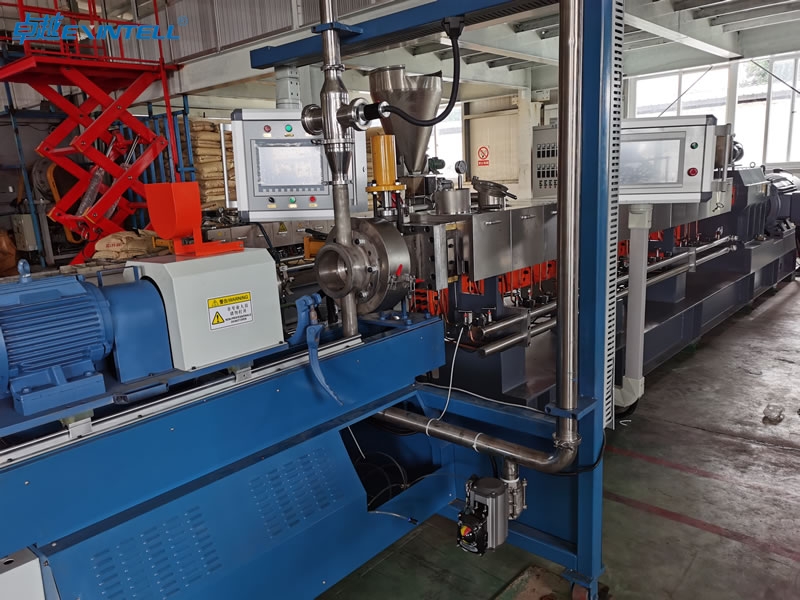
Ou konte sou barik la extruder ak vis transfòme dechè plastik oswa matyè premyè nan yon lis, inifòm fonn. Vis la wotasyon andedan barik la chofe, pouse plastik la pi devan. Kòm vis la vire, li kreye aksyon mekanik ak chalè taye. Pwosesis sa a fonn plastik la avèk efikasite. Aparèy chofaj ekstèn sou barik la ajoute plis chalè, asire materyèl la rive nan bon tanperati pou pelletizing. Chalè taye nan vis la souvan bay yon pati enpòtan nan enèji ki nesesè pou fonn.
Men yon apèsi rapid sou fason eleman sa yo travay ansanm:
|
Eleman |
Fonksyon |
|---|---|
|
Vis |
Transfòme plastik nan yon fonn inifòm atravè aksyon mekanik ak chalè taye. |
|
Barik |
Chofe ak konpak plastik la, asire bon jan fonn ak manje nan tèt la mouri. |
Ou bezwen tou de vis la ak barik pou travay an amoni. Si nenpòt pati echwe, pelletizer plastik la pa ka pwodwi granules ki konsistan.
Kontwòl Tanperati
Ou dwe kontwole tanperati a ak anpil atansyon pandan etap k ap fonn lan. Tanperati dirèkteman afekte kijan plastik la fonn ak koule nan sistèm nan extrusion. Anviwònman tanperati apwopriye ede ou reyalize koule materyèl lis ak ki estab, gwo rannman extrusion. Si ou mete tanperati a twò ba, plastik la ka pa fonn respire. Sa a mennen nan twòp viskozite ak plastifikasyon pòv. Si ou mete tanperati a twò wo, plastik la ka degrade. Sa lakòz granules frajil ak diminye fòs mekanik yo.
-
Tanperati enfliyanse plastifikasyon plastik, koule, ak pwopriyete yo nan granules final yo.
-
Tanperati kòrèk asire operasyon ki estab ak pwodiksyon-wo kalite.
-
Tanperati ki ba lakòz fonn inegal ak gwo viskozite.
-
Tanperati wo riske degradasyon tèmik ak granules fèb.
Konsèy: Toujou kontwole zòn tanperati yo sou barik la pou kenbe pi bon kondisyon k ap fonn.
Filtrasyon anvan Pelletizing
Anvan ou deplase nan etap nan ekstrizyon, ou dwe filtre plastik la fonn. Filtrasyon retire enpurte tankou pousyè tè, fragman metal, oswa patikil ki pa fonn. Netwaye fonn esansyèl pou pwodwi granules bon jan kalite. Ou sèvi ak ekran may amann oswa pake filtre nan machin nan pelletizing plastik nan pèlen kontaminan. Etap sa a pwoteje sistèm nan mouri ak koupe kont domaj. Li asire tou ke granules yo gen yon sifas ki lis ak estrikti inifòm.
Ou ta dwe tcheke epi ranplase filtè yo regilyèman. Filtè bouche ka diminye koule ak lakòz presyon bati-up nan sistèm nan extrusion. Filtrasyon konsistan sipòte efikasite an jeneral nan pwosesis la pelletizing. Ou jwenn pi bon rezilta ak mwens domaj nan granules fini ou yo.
Remak: Filtrasyon efikas pwolonje lavi granulator plastik ou ak lam granulator.
Ekstrisyon nan plak mouri
Fonksyon plak mouri
Ou rive nan yon etap kritik nan pwosesis pelletizer plastik la lè plastik la fonn rive nan plak mouri a. Plak mouri a aji kòm yon zouti presizyon ki fòme materyèl la fonn nan fil. Ou konte sou eleman sa a pou defini gwosè inisyal la ak fòm chak strand, ki pita vin tounen yon granules. Desen an nan plak la mouri dirèkteman afekte bon jan kalite a ak konsistans nan pwodiksyon ou an.
Isit la se yon apèsi rapid sou karakteristik kle plak mouri:
|
Karakteristik |
Deskripsyon |
|---|---|
|
Fonksyon |
Ekstrude polymère fonn nan twou yo defini dimansyon granules |
|
Ranje gwosè twou |
Tipikman varye de 2.5 pou 4 mm an dyamèt |
|
Kantite twou |
Anjeneral ant 200 pou 800 twou |
|
Enfliyans sou Kalite |
Konsepsyon afekte karakteristik final i grenn yo, ki gen ladan gwosè ak fòm |
Ou ka ajiste dyamèt twou a ak konfigirasyon pou kontwole epesè strand la. Ki pi piti twou pwodui fil mens ak pi piti granules. Pi gwo twou bay fil pi epè ak pi gwo granules. Plak mouri a asire ke chak strand ki kite sistèm nan extrusion matche ak espesifikasyon ou vle.
Presyon ak fòm i grenn
Ou dwe kenbe presyon an dwa kòm plastik la fonn pase nan plak la mouri. Sistèm extrusion la itilize presyon pou pouse materyèl la respire nan chak twou. Presyon konsistan anpeche iregilarite nan epesè strand epi li ede ou reyalize gwosè granules inifòm. Si presyon an desann oswa pike, ou ka wè domaj tankou fòm inegal oswa pòch lè nan granules yo.
Fòm nan chak grenn depann sou konsepsyon plak mouri a ak presyon an aplike pandan extrusion. Ou ka chwazi diferan fòm twou ak aranjman pou kreye silendrik, esferik, oswa granules lentikilè. Konbinezon an dwa nan presyon ak konsepsyon plak mouri ba ou kontwòl sou aparans final la ak pèfòmans nan pwodwi ou a.
Fòme seksyon yo
Ou gen plizyè metòd pou fòme fil plastik anvan ou koupe yo an granules. Chak metòd ofri benefis inik pou aplikasyon diferan. Chwa a nan metòd afekte bon jan kalite a, pri, ak konsistans nan granules ou yo.
|
Metòd |
Deskripsyon |
Enpak sou Kalite Pellet |
|---|---|---|
|
Ekstrude plastik nan fil, Lè sa a, koupe yo an granules. |
Pri-efikas pou pi piti pakèt, men ka varye nan bon jan kalite. |
|
|
Koupe fil anba dlo, ki refwadi epi kenbe bon jan kalite. |
Pwodui granules bon jan kalite akòz refwadisman efikas. |
|
|
Sistèm dlo-bag |
Sèvi ak yon bag dlo pou refwadi epi koupe fil yo. |
Asire bon kalite pandan ke yo te pri-efikas. |
Ou ta ka itilize granules strand pou ti pakèt dechè plastik, kòm li ofri yon apwòch senp ak abòdab. Koupe cho-fas anba dlo travay byen lè ou bezwen granules bon jan kalite ak sifas lis. Sistèm dlo-bag balans pri ak bon jan kalite, fè yo apwopriye pou plizyè kalite plastik.
Ou depann de plastik granulator ak teknoloji granulator pou fini pwosesis la. Apre fòme ak refwadisman, sistèm nan koupe fil yo nan granules inifòm. Etap sa a konplete transfòmasyon soti nan k ap fonn nan pwodwi fini, pare pou anbalaj oswa plis pwosesis.
Konsèy: Toujou kontwole sistèm nan extrusion pou presyon ki estab ak tanperati. Sa a ede ou kenbe bon jan kalite granules ki konsistan epi redwi tan yo.
Metòd refwadisman
Apre etap nan extrusion, ou dwe fre fil cho yo byen vit pou fòme granules solid. Metòd refwadisman ou chwazi a afekte bon jan kalite granules, itilizasyon enèji, ak vitès pwodiksyon an. Ou ka chwazi nan refwadisman bag dlo, refwadisman anba dlo, oswa refwadisman lè, depann sou materyèl ou ak bezwen pwodiksyon an.
Refwadisman bag dlo
Ou souvan itilize refwadisman bag dlo pou polyolefins ak polystyrène. Nan metòd sa a, ou dirije yon bag dlo nan figi mouri a. Dlo a refwadi epi solidifye fil yo pandan y ap sòti, Lè sa a, yon kouto koupe yo an granules. Sistèm sa a travay byen pou anpil plastik estanda epi li ofri yon konsepsyon kontra enfòmèl ant.
Isit la se yon rezime prensipal avantaj ak dezavantaj yo:
|
Avantaj |
Dezavantaj |
|---|---|
|
Pa apwopriye pou materyèl kolan oswa epè |
|
|
Pwodui granules vizyèlman atire |
Egzije pou siveyans fèmen nan dlo |
|
Sistèm kontra enfòmèl ant ak pi ba pri |
Limite konpatibilite materyèl |
|
Manch chanjman nan tanperati fonn ak presyon byen |
Pi ba kapasite pwodiksyon konpare ak sistèm anba dlo |
|
Espas-efikas ak fasil pou kontwole |
Limite a materyèl espesifik |
|
Pri-efikas pou konpayi bidjè-konsyan |
Pa efikas pou materyèl ki chofe oswa kole ansanm |
|
Pa ka okipe demann pwodiksyon segondè |
|
|
Bon pou jesyon bidjè |
Limite a sèten materyèl tankou polyolefins ak polystyrène |
Ou ta dwe chwazi refwadisman bag dlo si ou vle ekonomize espas, solisyon bidjè-zanmitay pou materyèl estanda. Ou dwe kontwole sistèm dlo a byen pou anpeche pwoblèm ak plastik kolan oswa epè.
Refwadisman anba dlo
Ou ka reyalize granules-wo kalite ak refwadisman anba dlo. Nan metòd sa a, ou koupe fil yo dirèkteman nan yon chanm dlo. Dlo a refwadi ak solidifye granules yo imedyatman, ki mennen nan yon sifas ki lis ak gwosè inifòm. Ou benefisye de operasyon kontinyèl ak pousantaj pwodiksyon segondè.
-
Granules anba dlo pwodwi granules inifòm ak amann minim ak pousyè.
-
Pwosesis solidifikasyon rapid la asire fòm ak gwosè ki konsistan.
-
Ou ka rive jwenn to pwodiksyon segondè akòz refwadisman efikas ak solidifikasyon.
-
Konpare ak sistèm lè-refwadi, refwadisman anba dlo itilize mwens enèji paske dlo transfere chalè pi efikas.
Ou ta dwe konsidere refwadisman anba dlo si ou bezwen granules bon jan kalite ak kapasite pwodiksyon segondè. Metòd sa a travay byen pou aplikasyon pou mande ak materyèl avanse.
Refwadisman lè
Ou ka chwazi refwadisman lè pou materyèl ki mal reyaji a imidite, tankou plastik biodégradables tankou PLA oswa PBAT. Refwadisman lè itilize fanatik oswa soufle pou refwadi seksyon yo pandan y ap sòti nan mouri a. Metòd sa a elimine nesesite pou sistèm siye yo, ki ka senplifye pwosesis ou a.
|
Aplikasyon |
Limitasyon |
|---|---|
|
Pa apwopriye pou tout kalite materyèl |
|
|
Itilize pou materyèl biodégradables (PLA, PBAT) |
Efikasite refwadisman limite konpare ak refwadisman dlo |
|
Elimine nesesite pou sistèm siye yo |
Depans enèji potansyèlman pi wo |
Ou ta dwe itilize lè refwadisman si ou trete materyèl imidite-sansib oswa ou vle evite etap siye siplemantè. Ou ka fè fas a pi gwo depans enèji ak pi dousman refwadisman konpare ak metòd ki baze sou dlo.
Konsèy: Toujou matche metòd refwadisman ou a ak objektif materyèl ou ak pwodiksyon an. Chwa a dwat ede ou evite domaj epi kenbe bon jan kalite a nan granules ou yo.
Ou konte sou granulator la pou konplete pwosesis la apre refwadisman. Granulator la koupe fil solidifye nan granules inifòm, pare pou anbalaj oswa plis itilize. Refwadisman efikas asire ke etap yo k ap fonn ak koupe yo pwodui granules bon jan kalite soti nan fatra plastik ou yo.
Pelletizing ak koupe
Kouto Kouto Mekanis
Ou konte sou mekanis koupe kouto a pou transfòme fil plastik ki refwadi an granules fini. Sistèm nan pozisyon kouto espesyalize tou pre figi mouri a, kote fil yo sòti. La Fenèt fonn pou koupe jwe yon wòl enpòtan isit la. Si ou pèmèt twò piti tan ant mouri a ak lam la, ou ka wè granules defòme. Twòp tan ka lakòz ka zo kase ak amann, ki diminye kalite jeneral. Pelletizing kouto vini nan diferan fòm, tankou dwat, oblik, oswa ki gen fòm V, ak chak kostim yon kalite espesifik nan pelletizer. Manifakti yo sèvi ak asye segondè-kabòn oswa asye zouti pou kouto sa yo, ki ogmante durability. Presizyon nan koupe esansyèl, Se konsa, anpil kouto yo CNC-machine pou tolerans sere. Tretman chalè ak kouch plis pwolonje lavi lam ak amelyore pèfòmans.
-
Fenèt Melt-to-Cut la detèmine fòm granules ak bon jan kalite.
-
Materyèl kouto ak fòm afekte durability ak presizyon koupe.
-
Bon distribisyon anpeche domaj epi asire rezilta ki konsistan.
Reyalize inifòm granules
Ou vle chak grenn yo gen menm gwosè ak fòm. Pou reyalize sa, ou dwe kontwole plizyè varyab pwosesis pandan koupe. Ajiste pousantaj manje a, ang disk, ak vitès disk pèmèt ou amann gwosè granules. Pou pi piti granules, ou ogmante pousantaj manje ak ang disk la, manje pi pre pozisyon twa oswa kat è, epi ogmante vitès disk la. Pou pi gwo granules, ou diminye pousantaj manje ak ang disk la, manje pi pre pozisyon sèt è, epi pi ba vitès disk la. Ajisteman sa yo ede w kenbe inifòmite epi evite defo.
Konsèy: Siveye kontwòl pwosesis ou yo ak anpil atansyon. Ti chanjman nan manje oswa vitès ka fè yon gwo diferans nan bon jan kalite pellet.
Ou bezwen tou asire ke granulator la opere san pwoblèm. Operasyon konsistan ede ou koupe an granules ak varyasyon minim, sipòte pwodiksyon-wo kalite.
Kalite Pelletizer Cutters
Ou ka chwazi nan plizyè kalite kouto pelletizer, chak fèt pou materyèl espesifik ak bezwen pwodiksyon. Kalite kouto a afekte fòm granules, debi, ak kontni imidite. Isit la se yon konparezon:
|
Kalite |
Fòm Pellet |
Materyèl apwopriye |
Debi (kg/h) |
Imidite rezidyèl (%) |
|---|---|---|---|---|
|
Strand |
Silendrik |
Tèrmoplastik (PP, PE, ABS, PS) |
100–2,000 |
<1% |
|
Anba dlo |
Esferik |
Tout Polymers |
500–3,000+ |
<0.05% |
|
Dlo bag |
Lentikilè |
PE, PP, PC, PS |
200–1,500 |
<0.5% |
Strand pelletizing sèvi ak yon beny dlo pou refwadisman ak travay byen pou seksyon kontinyèl. Granules anba dlo koupe plastik fonn dirèkteman nan granules ak refwadisman rapid, ba ou pi bon kontwòl sou gwosè ak fòm. Sistèm bag dlo yo ofri yon balans ant pri ak bon jan kalite, pwodwi granules lentikilè apwopriye pou anpil aplikasyon.
Ou chwazi kouto a dwat ki baze sou materyèl ou a, karakteristik granules vle, ak objektif pwodiksyon an. Chwa sa a asire granules ou yo satisfè estanda endistri yo ak kondisyon kliyan yo.
Koleksyon Pellet ak Fini
Siye ak tès depistaj
Ou dwe asire sa granules yo sèk ak gratis nan materyèl vle anvan anbalaj. Kontwòl imidite se kritik paske granules mouye ka mennen nan degradasyon pwodwi ak pwoblèm pandan depo. Apre refwadisman, ou kontwole kontni imidite pou optimize pwosesis la. Ou sèvi ak ekipman tès depistaj pou separe granules ki byen fòme ak amann ak debri. Depistaj tou retire wòch, plastik, metal yo, ak lòt materyèl difisil ki ka domaje ekipman ou. Yon pèlen wòch ede ou elimine materyèl difisil, pandan ke leman ranmase metal yo. Ou konte sou etap sa yo pou kenbe bon jan kalite pellet ak pwoteje machin ou yo.
-
Siveye kontni imidite apre refwadisman.
-
Sèvi ak ekipman tès depistaj pou retire amann ak debri.
-
Anplwaye pyèj wòch ak leman pou elimine materyèl difisil ak metal.
-
Separe granules ki byen fòme ak granules ki defektye yo anvan anbalaj.
Konsèy: Tès regilye ak siye ede ou evite anbalaj pwodwi ki ba-bon jan kalite epi pwolonje lavi granulator ou a.
Kontwòl Kalite
Ou bezwen aplike mezi kontwòl kalite pou asire konsistans pwodwi. Echantiyon jwe yon wòl enpòtan nan reyalize bon kalite granules. Ou dwe itilize pwosedi ak ekipman apwopriye pou minimize erè echantiyonaj. Echantiyon yo ta dwe reprezante pakèt la tout antye, kidonk, ou evite rezilta dekonpoze. Ou trete echantiyon yo kòrèkteman anvan analiz laboratwa pou jwenn done egzat.
Isit la se yon lis verifikasyon etap pa etap pou kontwòl kalite:
-
Verifye presizyon tès la pa re-tcheke ak laboratwa a.
-
Asire w echantiyon yo pran an reprezante.
-
Envestige si plizyè nivo eleman nitritif yo pa kontwole.
-
Konfime ekipaj regilye a te opere moulen an pandan pwodiksyon an.
-
Tcheke si gen diferans nan dosye envantè yo.
-
Asire echèl ak aparèy mesure yo kòrèkteman ajiste.
-
Enspekte emplacements ingrédients Et fini-manje pou pwoblèm.
-
Re-evalye fwa melanje pou kòrèk.
-
Revize valè tès engredyan yo pou defisyans yo.
Fini-feed essais bay yon evalyasyon final ki jan ou byen kontwole kalite pandan pwodiksyon an. Ou ta dwe echantiyon regilyèman, tankou yon fwa pa semèn oswa pou chak 100 tòn pwodiksyon, pou kenbe bon jan kalite konsistan.
Remak: Echantiyon konsistan ak pwosesis egzat ede ou delivre granules ki satisfè nòm endistri yo.
Anbalaj
Ou prepare granules pou chajman oswa depo pa anbalaj yo avèk efikasite. Ou itilize sistèm otomatik pou ranpli sak yo, bin, oswa kontenè. Anbalaj pwoteje granules kont imidite, kontaminasyon, ak domaj mekanik. Ou make chak pake ak enfòmasyon pakèt, dat pwodiksyon an, ak bon jan kalite done. Etap sa a ede w swiv envantè epi asire trasabilite. Ou estoke granules pake nan yon sèk, pwòp zòn pou prezève kalite yo jiskaske yo itilize.
-
Sèvi ak sistèm anbalaj otomatik pou efikasite.
-
Mete etikèt sou pakè yo pou trasabilite ak asirans kalite.
-
Sere granules nan sèk, kondisyon pwòp pou anpeche degradasyon.
Rele: Anbalaj apwopriye ak depo garanti ke granules ou yo rete bon jan kalite epi yo pare pou fabrikasyon oswa resiklaj.
Ou transfòme plastik an granules lè w suiv chak etap: manje, k ap fonn, filtraj, ekstansyon, refwadisman, ak koupe. Pwosesis sa a ba ou granules inifòm pou manifakti ak resiklaj.
-
Granulateur modèn ede ou sove jiska 30% sou materyèl yo epi redwi bezwen pou nouvo plastik.
-
Ou sipòte yon ekonomi sikilè lè w sèvi ak yon granulator pou resikle fatra epi kenbe plastik soti nan depotwa yo.
-
Machin sa yo pi ba enpak anviwònman an epi konsève resous pou lavni.
Apresye fason teknoloji sa a fè plastik pi dirab ak efikas pou tout moun.
FAQ
Ki kalite plastik ou ka trete nan yon pelletizer?
Ou ka trete pifò thermoplastics, ki gen ladan polyethylene (PE), polypropylène (PP), polystyrène (PS), ak PET. Gen kèk machin tou okipe plastik jeni ak materyèl biodégradables. Toujou tcheke konpatibilite pelletizer ou a anvan ou kòmanse.
Ki jan ou kenbe konsistans gwosè pellet yo?
Ou kontwole gwosè i grenn pa ajiste pousantaj manje, konsepsyon plak mouri, ak vitès koupe. Siveyans regilye ak kalibrasyon ekipman ede ou reyalize granules inifòm. Materyèl antre ki konsistan tou amelyore rezilta yo.
Poukisa ou bezwen filtre plastik la fonn??
Filtrasyon retire kontaminan tankou pousyè tè, metal, oswa patikil ki pa fonn. Netwaye fonn pwoteje ekipman ou epi asire granules kalite siperyè. Ou ta dwe ranplase filtè yo regilyèman kenbe efikasite.
Ki diferans ki genyen ant strand ak pelletizing anba dlo?
Strand pelletizing koupe fil refwadi apre yo fin soti mouri a. Anba dlo pelletizing koupe plastik fonn dirèkteman nan dlo, pwodwi douser, plis granules inifòm. Sistèm anba dlo kostim plastik segondè-pwodiksyon ak espesyalite.
Ki jan ou diminye imidite nan granules fini?
Ou itilize sistèm siye apre refwadisman. Air kouto, sechwa santrifujeur, oswa sechwa kabann fluidize retire imidite sifas yo. Bon siye anpeche degradasyon granules ak amelyore lavi depo.
Èske ou ka resikle dechè plastik melanje nan yon pelletizer?
Ou ka trete plastik melanje, men ou ka wè pi ba kalite pellet. Triye ak pre-trete materyèl amelyore rezilta yo. Gen kèk pelletizers avanse okipe melanj pi bon pase lòt.
Ki jan ou rezoud pwoblèm komen pelletizer?
Konsèy: Tcheke pou manje inegal, filtè bouche, oswa anviwònman tanperati ki pa kòrèk. Enspekte kouto pou mete. Antretyen regilye ak siveyans ede ou rezoud pifò pwoblèm byen vit.