How to Choose the Right Plastic Sheet Extrusion Technique for Your Project
Table of Contents
How to Choose the Right Plastic Sheet Extrusion Technique for Your Project
You can pick the best plastic sheet extrusion technique by thinking about what your project needs and not making common mistakes. Many industrial projects have problems like picking the wrong material, not controlling the temperature well, bad mold design, skipping surface treatment, and not setting the process right. You need to match your choice with the product type, industry area, sheet thickness, and material you pick. This guide helps you choose wisely and make your process better.
Key Takeaways
Figure out what your project needs before you pick an extrusion technique. Think about what you are making and how people will use it.
Pick the right material by looking at what it can do. Materials like polypropylene and polyethylene are used for different things.
Learn about the rules for your industry. Following these rules keeps food and medical items safe and good quality.
Make sure the sheet thickness matches how you will use it. Thickness changes the price, strength, and how bendy it is, so choose carefully.
Use a checklist to compare extrusion methods. This helps you pick the best one for what your project needs.
Project Requirements & Application Guide
Product Type & End Use
First, think about what you want to make and how you will use it. Different extrusion techniques are better for certain jobs. If you need food packaging, you must keep things clean and block germs. Medical products need to be very exact and safe from contamination. Industrial items need to be the same thickness and made quickly. The table below shows how the end use changes what you need:
Application Type
Requirements
Food Packaging
Hygiene standards, barrier properties
Medical Applications
Precision, contamination control
General Industrial Use
Thickness consistency, production efficiency
Next, check the materials you plan to use. Each material has special features for different uses. Polypropylene can handle heat and is good for car trims. Polyethylene is strong and resists chemicals, so it works for protective sheets. Acrylic is clear and is used for display panels. The table below helps you compare materials for your project:
Material Type
Key Properties
Applications
Polypropylene (PP)
High heat resistance, stiffness-to-weight ratio
Automotive trims, packaging
Polyethylene (PE)
Toughness, chemical resistance
Protective sheets, liners
Polystyrene (PS)
Cost-effective, easy-flowing
Food trays, containers
Acrylic (PMMA)
Transparency, UV resistance
Display panels, covers
Polycarbonate (PC)
Impact strength
Machine guards, panels
Industry Niche & Regulations
You need to know your industry and follow the rules. Medical and food packaging must meet strict standards. The FDA checks recycling to keep food safe. You need a Letter of Non Objection to show your product is safe for food. Chain-of-custody papers prove your materials are pure. Tests show that no contaminants are left. Recycled plastics must be as good as new ones. In Europe, REACH stops toxic chemicals, and RoHS limits heavy metals in electronics. The table below lists important rules:
Regulatory Aspect
Description
FDA Approval
Reviews recycling for food safety
Letter of Non Objection
Shows food-contact compliance
Chain-of-Custody
Documents material purity
Contaminant Removal
Proves safety for food
Material Standards
Matches virgin material standards
Certification
Description
REACH
Restricts toxic chemicals
RoHS Directive
Limits heavy metals in electronics
Tip: Always check the rules before you start making things. This helps you avoid mistakes and makes sure your process meets industry standards.
Thickness & Mechanical Needs
Decide how thick your sheet needs to be and what it must do. Thickness changes cost, strength, and flexibility. For cars and buildings, standards help you choose. Thin sheets (1-2 mil) are for light protection. Medium sheets (3-6 mil) are for covers and enclosures. Thick sheets (10-15 mil) are for outdoor covers and barriers. Car dashboards use 3-5mm sheets for flexibility. Bumpers use 5-10mm sheets for strength. The table below shows common thicknesses and uses:
Thickness (Mil)
Uses
1-2 mil
Light-duty protection, painting covers
3 mil
Self-adhesive plastics, counters, floors
6 mil
Construction enclosures, erosion control
10 mil
Pond linings, outdoor covers
12 mil
Landfill covers, outdoor covers
14 mil
Deck protection, commercial flooring
15 mil
Vapor barriers, foundation walls
You need to match the thickness and mechanical needs to the right extrusion technique. This helps you control costs and makes sure your sheet works for its job.
Note: Picking the right thickness and material helps you make things faster and waste less.
Material Selection Guide
Thermoplastic Options
You should pick your material before starting your project. The right material helps your product work well and makes it easier to produce. Some materials are better for certain jobs. The most common materials used are:
Polypropylene (PP)
Polyethylene (PE)
Polystyrene (PS)
Acrylic (PMMA)
Polycarbonate (PC)
Each material has special features. Polypropylene can handle heat and is good for car parts. Polyethylene is tough and resists chemicals, so it works for liners and covers. Polystyrene is easy to shape and costs less, so you can use it for trays and containers. Acrylic is clear and blocks UV rays, so it is good for signs and displays. Polycarbonate is strong and can take hard hits, so it is used for safety panels.
Tip: Make sure your material fits your product’s needs. This helps you avoid problems when making your product.
Strength, Flexibility, Chemical Resistance
You need to check if the material is strong, flexible, and resists chemicals. These features help your sheet last longer and work better. If you want a sheet that bends, pick a flexible material like polyethylene. If you need your sheet to take strong hits, choose polycarbonate.
Chemical resistance matters too. Some materials can stand up to oils, acids, or cleaners. This makes them good for tough places. You also need to think about how the material melts and flows. Some materials need more heat or special machines. This can change which extrusion technique you use.
Here is a simple guide to compare:
Material
Strength
Flexibility
Chemical Resistance
Polypropylene
Medium
High
High
Polyethylene
Medium
High
Very High
Polystyrene
Low
Low
Low
Acrylic
Medium
Medium
Medium
Polycarbonate
High
Medium
Medium
You should always pick your material based on how you will use your sheet and where it will be used.
Plastic Sheet Extrusion Methods
Main Techniques Overview
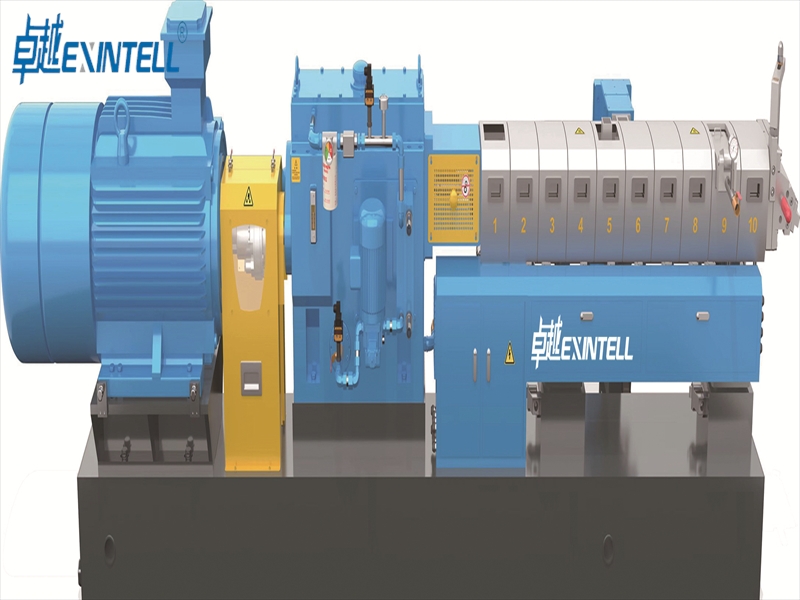
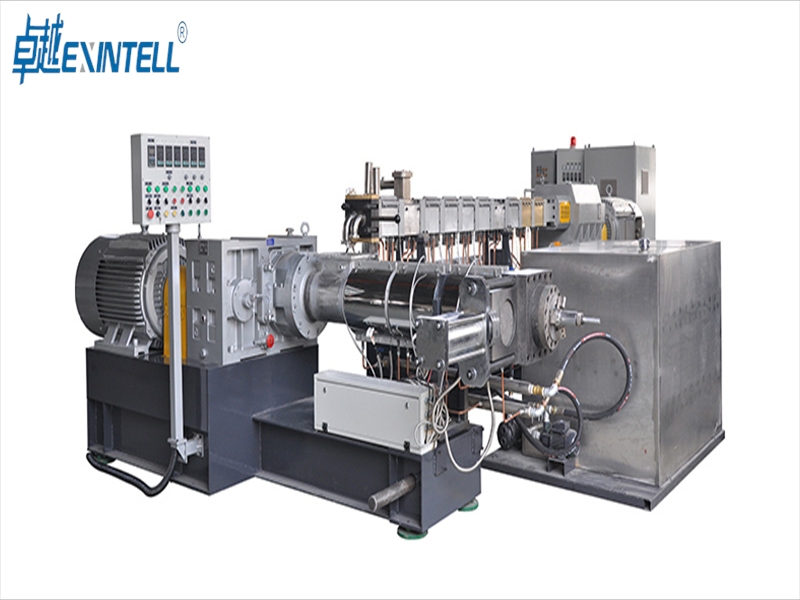
There are different ways to make plastic sheets. The most common are single-screw and twin-screw extruders. Single-screw extruders have one screw that pushes melted plastic out. This way is good for simple jobs and clean plastic pellets. Twin-screw extruders have two screws that mix things better. They work well for tricky materials or recycled plastics. You can use them when you want high-quality sheets.
Some methods use co-extrusion or multi-layer extrusion. Co-extrusion lets you put different materials in one sheet. Multi-layer extrusion makes sheets with layers for special needs. These layers can give extra strength or chemical resistance. These methods help you keep the sheet size and quality just right.
Ideal for complex materials and high-filler formulas
Energy Consumption
Uses less energy due to simple structure
Consumes more energy but more efficient for complex materials
Tip: Twin-screw extruders help you add colors and fillers. They also make sheets clearer by removing water and gases.
Pros & Cons for Production
You need to pick the right method for your project. Single-screw extruders give strong pressure and steady sheets. They use less energy and are easy to set up. This makes them good for big orders and simple products. Twin-screw extruders mix things better and let you control the process more. You can use them for special jobs and custom sheets.
Plastic extrusioncosts less than other ways like injection molding. You spend less on materials and tools. The process is fast and lets you make long sheets without stopping. This helps you keep the quality the same every time.
Single-screw extrusion is good for thin sheets and easy jobs. Twin-screw extrusion is best for thick sheets and tough materials. Co-extrusion and multi-layer extrusion help you meet strict rules and keep the sheet size right.
Single-screw extruders are best for clean pellets and easy jobs.
Twin-screw extruders work with powders, recycled stuff, and special jobs.
Both ways help you make lots of sheets and get good results.
You should always look at what your project needs. Think about the material and how you want the sheet to work. This helps you choose the best extrusion method and find a good manufacturer.
Matching Needs & Features
Comparison Checklist
You need a simple checklist to compare extrusion techniques. This helps you see which method fits your project best. Use the table below to match your needs with each process. Check off each box as you look at your choices.
See how much power the machine uses. New machines can save energy and money.
Maintenance Needs
Check how often you must clean or fix the machine. Good care keeps things running well.
Environmental Impact
Choose ways that use recycled plastics or save energy. This helps you meet green goals.
Warranty & Support
Look for good warranty and help from the maker. This protects your money.
Tip: Use this checklist when you talk to suppliers or compare prices. It helps you focus on what matters most for your project.
Decision Criteria
You need to look at a few things before you pick. Start by thinking about what matters most for your project. These include:
Average Thickness: Check if the sheet is the right thickness. This saves material and money.
Standard Deviation: Look for even thickness. Less change means better quality and fewer mistakes.
Cpk (Process Capability Index): Make sure the process meets your needs every time. High Cpk means better results and less waste.
Match your batch size to the right extrusion method. For big jobs, single-screw extruders work well. They give steady output and lower costs. If you use many materials or extras, twin-screw systems give better control. For small jobs or special projects, ram extrusion or co-extrusion gives more options.
When you pick a technique, avoid common mistakes. Do not forget basic design rules. If you make the design too hard, you may get mistakes or waste. Keep fin thickness normal and do not use sharp corners. Work with your supplier early to get advice.
Keep your material clean to avoid surface problems. Set the process right to get the right size and shape. Keep the mold in good shape to stop flaws inside the sheet.
Think about the environment too. You can use biodegradable or recycled plastics to cut waste. Use machines that save energy and recycle scrap. Closed water systems and good air filters help protect people and nature.
Plan for long-term care. Clean and check the machine every day. Plan for regular checks and yearly big checks. Good care means better quality and less stopping.
Train your team well. Check their skills and give hands-on lessons. Keep learning to make things better.
Warranty and support matter too. Longer warranties and better help mean less worry if something breaks. Good machines often come with better terms.
Note: If you are not sure, talk to an extrusion expert. They can help you pick the right design, material, and process. They can also help you avoid mistakes and make your product better.
You can use this guide to compare your choices and make a smart pick. Always match your project needs to the features of each extrusion method. This helps you get the best results, quality, and value from your work.
You can pick the best plastic sheet extrusion technique by using simple steps. Begin by thinking about what your project needs. Choose the material that fits your job. Match your material to the right extrusion method. Industry examples show you must keep the temperature steady. Use good molds and add the right extras. Pick the correct resin grade for your sheet. Ask experts for help early in your project. Use the comparison checklist to make your choice easier. If you are not sure, talk to an extrusion specialist. This way, you get strong and reliable sheets for your project.
FAQ
What is plastic sheet extrusion?
Plastic sheet extrusion is a process where you melt plastic and push it through a mold to make flat sheets. You can use these sheets for packaging, signs, or building materials.
How do I choose the right extrusion method?
You should look at your project needs. Think about the material, thickness, and how you will use the sheet. Match these needs to the features of each extrusion method.
Can I use recycled plastics for extrusion?
Yes, you can use recycled plastics. Twin-screw extruders work best for recycled materials. Make sure the recycled plastic meets safety and quality standards.
What is co-extrusion?
Co-extrusion lets you combine two or more materials in one sheet. You can add layers for strength, color, or chemical resistance. This method helps you meet special project needs.
Do I need expert help for my project?
You should ask an extrusion expert if you feel unsure. Experts help you pick the right material and method. They also help you avoid mistakes and improve your results.