

Ua wehewehe ʻia nā mīkini Masterbatch no ka poʻe hoʻomaka
Inā like ʻoe iaʻu a makemake ʻoe e ʻike pehea e loaʻa ai i nā plastics ko lākou kala a i ʻole nā hiʻohiʻona kūikawā, e ʻike ʻoe i ka pane ma kahi mīkini masterbatch. Hoʻohui kēia mīkini i nā mea hoʻohui ikaika i loko o ka plastic, e maʻalahi ka hana ʻana i nā huahana me ke ʻano pololei a i ʻole ka maikaʻi āu e pono ai. Ua ʻike au i ka nui o kēia mau mīkini i koʻu ʻike ʻana i ka nui o ka mākeke. E nānā i kēia pākaukau:
|
Makahiki |
Nui o ka Makeke (Piliona USD) |
CAGR (%) |
|---|---|---|
|
2025 |
N/A |
|
|
2026 |
12.4 |
N/A |
|
2035 |
21.24 |
6.1 |
He ʻoihana nui kēlā! Inā makemake ʻoe i ka hana ʻana a i ʻole ka plastic, ʻO ka hoʻomaopopo ʻana i nā mīkini masterbatch hiki ke kōkua iā ʻoe e hoʻomaka ikaika.
Nā mea lawe nui
-
Hoʻohui nā mīkini Masterbatch i nā mea hoʻohui i loko o nā plastic, hāʻawi iā lākou i ke kala a me nā hiʻohiʻona kūikawā.
-
He mea koʻikoʻi kēia mau mīkini no ka maikaʻi mau i nā huahana plastic, e hōʻoia i ka hāʻawi like ʻana o nā puaʻa.
-
Hiki i ka hoʻohana ʻana i kahi mīkini masterbatch ke mālama i nā kumukūʻai ma o ka hōʻemi ʻana i ka ʻōpala a me ka hoʻomaikaʻi ʻana i ka hana pono.
-
He maʻalahi ka hoʻoponopono; hiki iā ʻoe ke hana i nā kala kikoʻī a me nā waiwai i kūpono i kāu mau pono.
-
Nā mīkini Masterbatch kākoʻo i ka hoʻomau ma ka ʻae ʻana ka hoʻohana ʻana i nā mea i hana hou ʻia me ka ʻole e hōʻemi i ka maikaʻi.
-
Hoʻomaopopo i ka ʻokoʻa ma waena hoʻokahi-screw a me māhoe-screw extruders kōkua i ke koho ʻana i ka mīkini kūpono no kāu mau pono.
-
Pono ka nānā ʻana i ke kaʻina hui ʻana no ka loaʻa ʻana o ka like a me nā hopena kiʻekiʻe.
-
Wehe ka ʻenehana Masterbatch i nā puka i ka hana hou ma nā ʻoihana like ʻole, mai ka hoʻopaʻa ʻana a hiki i ke kaʻa.
He aha ka mīkini Masterbatch?
Wehewehe kumu
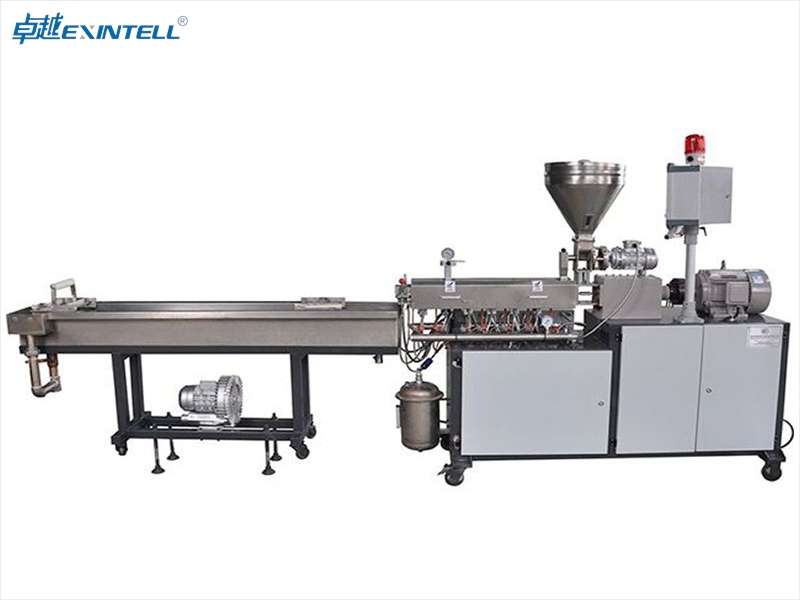
I koʻu lohe mua ʻana e pili ana i a mīkini masterbatch, Ua kiʻi au i kahi huila nui i loko o kahi lumi kuke. I ka ʻoiaʻiʻo, hana like ia, akā, no nā plastics. Hoʻolālā ʻia kahi mīkini masterbatch e hui pū ʻia nā granules o kahi polymer host me kahi masterbatch. Hana kēia hana i loko o ka mīkini, ʻoi aku ma ka ʻāpana screw a extrusion. ʻO ka pahuhopu ka hana ʻana i kahi kikoʻī hui ʻana o nā puaʻa a i ʻole nā mea hoʻohui me ka resin carrier, e like me ka wax a i ʻole ka plastic. ʻO kēia hui ʻana, kapa ʻia ʻo masterbatch, hāʻawi i nā plastic i ko lākou kala a i ʻole nā hiʻohiʻona kūikawā. ʻIke wau he mea kupanaha pehea e hiki ai i kēia mīkini ke hoʻohui like i nā mea āpau, e hōʻoia i kēlā me kēia ʻāpana plastik ke nānā a hana like.
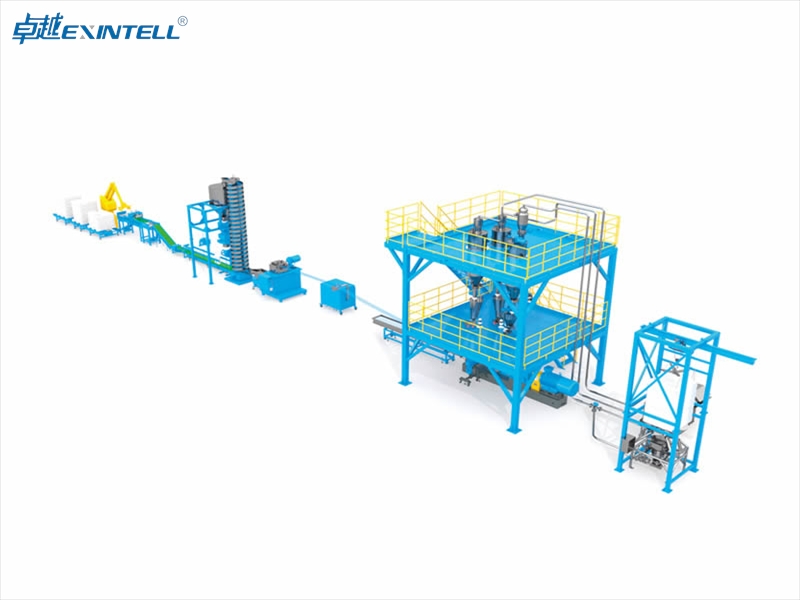
Eia ka mea e hana nei i loko o kahi mīkini masterbatch:
-
ʻO ia lawe i loko o nā granules o ka plastic a masterbatch.
-
Hoʻohui ia i nā puaʻa a i ʻole nā mea hoʻohui me ka plastic.
-
Hoʻohana ia i ka wela a me ke kaomi e hoʻohui i nā mea āpau.
-
Hoʻokumu ia i nā pellet liʻiliʻi i hiki i nā mea hana ke hana i nā ʻano huahana plastik āpau.
Makemake au e noʻonoʻo ʻo ia ʻo ke chef huna ma hope o nā hiʻohiʻona, e hōʻoia i ka loaʻa ʻana o nā mea pono i kēlā me kēia pūʻulu plastik.
Ke kumu i ka hana ʻana
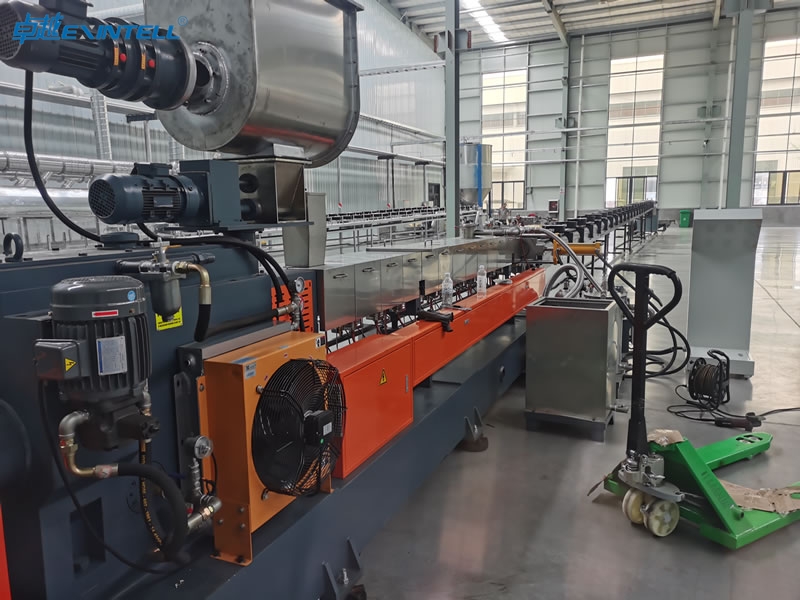
ʻIke au i ka mīkini masterbatch ma ke ʻano he kī nui i ka hana hana hou. ʻOi aku ka hana ma mua o ka hui ʻana i nā kala. Kōkua ia i nā hale hana e hana i nā plastic me nā waiwai pololei, e like me ka ikaika, hikiwawe, a i ʻole ka pale UV. Mālama kēia mīkini i ka pālahalaha ʻana o nā puaʻa a me nā mea hoʻohui, no laila, ʻaʻohe streaks a kiko paha i ka huahana hope.
Eia ke kumu e hilinaʻi ai nā mea hana i nā mīkini masterbatch:
-
Hāʻawi lākou i ka waihoʻoluʻu a me nā mea hoʻohui e hoʻomaikaʻi i nā waiwai plastik.
-
Hoʻopaʻa lākou ka hāʻawi like ʻana o nā puaʻa a me nā mea hoʻohui no ke kala like ʻana.
-
Hoʻomaikaʻi lākou i ka hana pono ma ka ʻae ʻana i ka mana pololei ma luna o nā hiʻohiʻona huahana.
-
Hoʻemi lākou i ka ʻōpala, e mālama i ke kālā a kākoʻo i ka hoʻomau.
-
Hiki iā lākou ke hoʻohana i nā mea hana hou me ka nalowale ʻole o ka maikaʻi.
Manaʻo kōkua: Inā makemake ʻoe e hana i nā huahana plastik kiʻekiʻe, pono ʻoe i kahi mīkini masterbatch. Hāʻawi ia iā ʻoe i ka mana, kūlike, a me ka maʻalahi.
Ua aʻo au i nā ʻoihana e like me ka paʻi, kaʻa kaʻa, a ʻo ke kūkulu ʻana e pili ana i kēia mau mīkini. Kōkua lākou i nā hui e hoʻokō i nā kūlana koʻikoʻi a hāʻawi i nā huahana i nānā maikaʻi a lōʻihi.
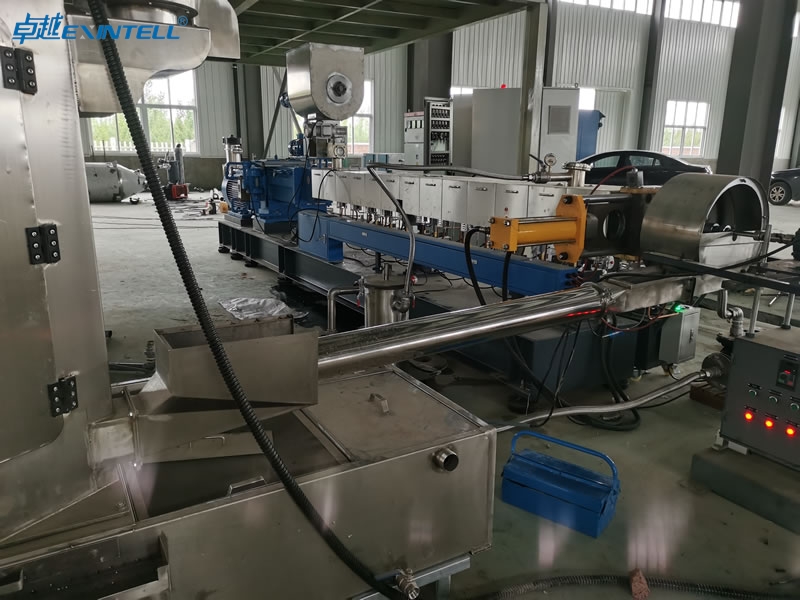
Pehea e hana ai ka Mīkini Masterbatch
I koʻu ʻike mua ʻana a mīkini masterbatch i ka hana, Ua ʻike au i ka nui o nā ʻanuʻu e hana ai i kēlā mau pellets liʻiliʻi e hāʻawi i nā plastic i ko lākou kala a me nā waiwai. E ʻae mai iaʻu e alakaʻi iā ʻoe ma ke kaʻina hana, ʻanuʻu.
Hanai a me ka huikau
Hookomo Mea Maka
Hoʻomaka mau wau ma ka hoʻouka ʻana i ka mīkini me nā mea pono. Eia ka mea e komo ai:
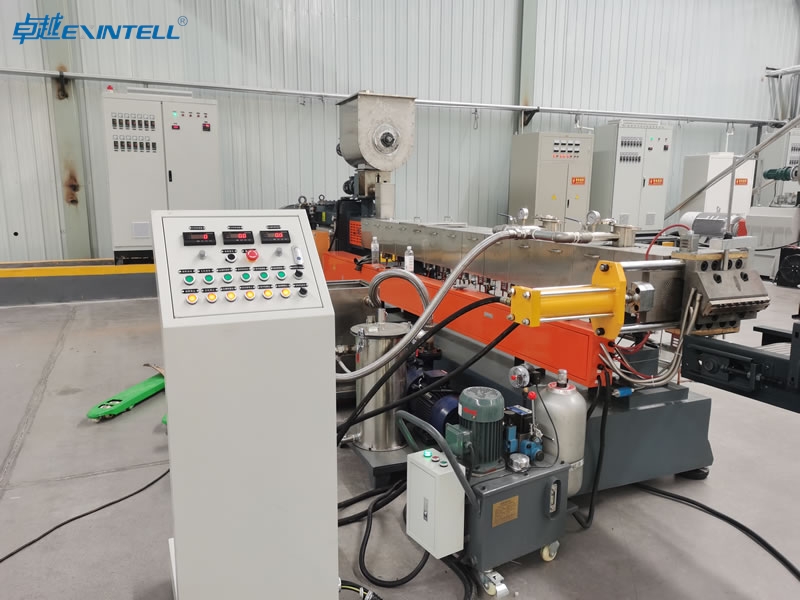
-
polimer kumu (resin lawe) e like me ka polyethylene a i ʻole polypropylene. Hana kēia i mea nui.
-
Pigments a kala. Hāʻawi kēia i ka plastic i kona kala.
-
Nā mea hoʻohui. Hiki i kēia mau mea ke hoʻoikaika i ka plastic, e pale i ka lā, a i ʻole e hoʻōki i nā germs.
-
Nā kōkua hoʻopuehu. Kōkua kēia mau mea a pau e hui mālie.
Hoʻohana ka mīkini i kahi hopper e hānai i kēia mau mea i loko. ʻIke au i ka paʻa o ke kahe ʻana no laila e kūpaʻa ka hui ʻana.
Homogenization a me ka Puehu
Ke komo nā mea i ka mīkini, hoʻomaka ka kilokilo maoli. Huki nā wili wili i nā mea hana i mua, ka hoʻoomi ʻana a kawili ʻana iā lākou. Hoʻoheheʻe ka wela a me ka hana mechanical i nā mea, hoohuli ia lakou i manoanoa, hui like ʻole. ʻO nā mea wili kūikawā i loko o ka mīkini e hōʻoia e hui pono nā mea a pau. Nānā au i ke kala a me ke ʻano, no ka mea, ʻo ia hoʻi, ua pālahalaha maikaʻi nā puaʻa a me nā mea hoʻohui.
Manaʻo kōkua: Inā makemake ʻoe i kahi pūʻulu kīnā ʻole, e hoʻolohe i ke kahua hui. ʻO ka lokahi ma ʻaneʻi ke ʻano o ka maikaʻi ma hope.
Eia ka nānā wikiwiki i nā ʻanuʻu nui o ka hānai ʻana a me ka hui ʻana:
-
Hanai mea: Hoʻokomo wau i nā mea maka ma o ka hopper.
-
Ka lawe ʻana a me ka hoʻopili ʻana: E neʻe a hoʻopaʻa i nā mea.
-
Hoʻopalapala a me ka heheʻe: Hoʻoheheʻe ka wela a me ka neʻe ʻana i ka hui.
-
ʻO ka hui ʻana a me ka homogenization: Hoʻohui ka mīkini i nā mea a pau a hiki i ka lōkahi.
Hehee a me Extrusion
Huina Shear Kiekie
Ma hope o ka hui ʻana, ka mikini ramps up the pressure. ʻOi aku ka wikiwiki o ka wili ʻana o nā wili, e hoʻonui i ka wela a me ka ʻoki. Hoʻopau kēia i nā puʻupuʻu a hōʻoia i ka pālahalaha ʻana o nā puaʻa a me nā mea hoʻohui. Nānā wau i ka hui ʻana no ka maʻalahi a me ke kūlike.
Hoʻomaʻamaʻa Wela
Mālama pono ka mīkini i ka mahana. Wela loa, a e hoʻohaʻahaʻa paha nā mea. He anu loa, aole lakou e hehee pono. Hoʻoheheʻe ka pae hoʻomaʻamaʻa wela i ka hui ʻana i kahi hui homogeneous. Pumi ʻia ka hui hoʻoheheʻe ʻia i ka make, kahi i hana ʻia i nā kaula a i ʻole nā pellet.
Eia ke ʻano o ka hoʻoheheʻe ʻana a me ke kaʻina extrusion:
-
Hanai mea: Hānai au i nā mea maka i loko o ka mīkini.
-
Ka lawe ʻana a me ka hoʻopili ʻana: Kaʻawili ʻia nā ʻōuli, kōmi, a kāwili i ka hui.
-
Hoʻopalapala a me ka heheʻe: Hoʻoheheʻe ka wela a me ka hana mechanical i nā mea a pau.
-
ʻO ka hui ʻana a me ka homogenization: Hoʻopuehu ka mīkini i nā puaʻa a me nā mea hoʻohui.
-
Hoʻoheheʻe ʻia a make: Ke neʻe nei ka hui hoʻoheheʻe ʻia i ka make no ka hana ʻana.
-
ʻO ka hoʻoluʻu a me ka Calibration: Hoʻomaʻalili ka masterbatch a paʻa pono ka nui.
Hoʻoluʻu a me ka Pelletizing
Hana ʻana i nā Granules
Ke haʻalele ka hui ʻana i ka make, pono e maalili. Hoʻohana ka mīkini nā ʻano hoʻolili ʻokoʻa, ma muli o nā mea a me nā pono hana. I kekahi manawa hoʻohana au i ka hoʻoluʻu ea, i kekahi manawa hoʻoluʻu wai, a i ʻole ka pelletizing ma lalo o ka wai. Hoʻopili ke ʻano hoʻoluʻu i ka maikaʻi a me ke ʻano o nā pellets.
Hana Pelletizer
'Oki li'ili'i ka pelletizer i nā kaula i ho'omaha 'ia, pellets like. He maʻalahi kēia mau pellets e mālama a hoʻohana i ka hana ʻana. Ke koho nei au i ke ala pelletizing e pili ana i ka mea a me ke ʻano o ka pellet i makemake ʻia.
Eia kahi papa e hōʻike ana i nā ʻano hana pelletizing nui:
|
ʻano hana |
wehewehe |
|---|---|
|
Hoʻokuʻu i nā mea i loko o nā kaula mau, hoʻolili iā lākou i ka wai, a laila ʻokiʻoki i nā pellet. |
|
|
ʻO ka Pelletizing ma lalo o ka wai |
ʻOki i ka polimer i hoʻoheheʻe ʻia i kona puka ʻana i ka maka make i ka wā i hoʻopaʻa ʻia, e hana ana i na pellet spherical. |
|
Wai-Ring Pelletizing |
Hoʻomaʻalili a ʻokiʻoki i nā pellets i ka wai, mālama pono i nā mea pili. |
Nānā: Hiki ke hoʻololi i ke ʻano o ka hoʻoluʻu a me ka pelletizing i ke ʻano o nā pellets. Hoʻohālikelike mau wau i ke ʻano me ka mea a me ka hoʻohana hope.
ʻIke wau ʻo ke kahua hoʻoluʻu a me ka pelletizing kahi e hōʻike maoli ai ka mīkini masterbatch i kona versatility. Inā makemake au i nā pellet poepoe, kaulahao, a i ʻole kekahi mea ʻē aʻe, hoʻololi ka mīkini i ka hana.
Inā ʻoe e hahai i kēia mau ʻanuʻu, E ʻike ʻoe i ka hoʻohuli ʻana o ka mīkini masterbatch i nā mea maka i nā pellets kiʻekiʻe i mākaukau no ka hana ʻana i ka plastic. Aloha au i ke kūkulu ʻana o kēlā me kēia pae ma ka hope, e hōʻoia i ka hopena o ka huahana i nā kūlana pololei.
Nā Mea Nui o kahi Mīkini Masterbatch
Extruder
Ke nānā au i kahi mīkini masterbatch, kū mau ka extruder ma ke ʻano he puʻuwai o ka hana. Manaʻo wau ʻo ia ka ʻenekini e hoʻokele i nā mea āpau i mua. Lawe ka extruder i nā mea maka a hoʻokuʻu iā lākou ma nā ʻāpana o nā ʻāpana, kēlā me kēia me kahi hana kūikawā. Eia kahi papaʻaina wikiwiki e hōʻike ana i nā mea i loko:
|
wehewehe |
|
|---|---|
|
Wahi hānai |
Hoʻoneʻe i nā mea maka i loko o ka mīkini. |
|
ʻĀpana hoʻoemi |
Hoʻopili a palupalu i ka hui, ke kaomi ʻana i nā ea paʻa. |
|
Wahi hehee |
Hoʻoheheʻe i ka mea me ka wela a me ka friction. |
|
Wahi huikau |
Hoʻohui i nā mea a pau, e hoʻopaʻa pono i nā puaʻa a me nā mea hoʻohui. |
|
ʻĀpana ea |
Wehe i ka makū a me nā kinoea makemake ʻole, mālama i ka hui maʻemaʻe. |
|
ʻĀpana ana/homogenization |
Hāʻawi i ka hui hope i kahi hui hope loa a kūkulu i ke kaomi no ka holo mālie i ka make. |
Ua ʻike au i ke ʻano o ka extruder e hoʻololi nui. ʻo kahi laʻana, he māhoe-screw extruder hana ma ka puunaue a hui hou i ka mea hehee. Hoʻonui kēia i ka maikaʻi o ka hui ʻana a hiki iaʻu ke hoʻomalu pono i ka wela. Hiki iaʻu ke hoʻohana i nā hoʻolālā wili like ʻole e lawelawe i nā ʻano mea like ʻole, ʻo ia ka mea e maʻalahi ai ka hana. Inā makemake wau i kahi hui kūpono, Ke nānā mau nei au i ka extruder.
Manaʻo kōkua: Hoʻoholo ka extruder i ka hui ʻana o nā puaʻa a me nā mea hoʻohui. Inā makemake ʻoe i ke kala a me ka maikaʻi, e nānā i kēia māhele.
Pūnaehana hānai
Hana ka ʻōnaehana hānai e like me ke kiaʻi puka no ka hana holoʻokoʻa. Ke hilinaʻi nei au iā ia e hāʻawi i ka nui kūpono o kēlā me kēia mea i ka manawa kūpono. Inā ʻaʻole paʻa ka ʻōnaehana hānai, hiki i ka hui holoʻokoʻa ke hele like ʻole. Eia kahi papaʻaina e hoʻokaʻawale i ka hana o ka ʻōnaehana hānai:
|
wehewehe |
|
|---|---|
|
Ke kuleana o ka ʻōnaehana hānai |
Mālama i ka hoʻokomo waiwai paʻa, no laila e maʻalahi ke kaʻina hana. |
|
Hoʻohui me Extruder |
Hana pū me ka extruder no ka hoʻomalu pololei a me ka hoʻohui ʻana i nā mea. |
|
Hoʻoili Mea |
Hoʻoneʻe pono i nā mea, kōkua me ka hui pū ʻana a mālama i ka manawa. |
|
Hoʻolālā Port Port Feed |
Hoʻohana i nā awa he nui no ka hoʻohui ʻana i nā meaʻai ma nā pae like ʻole, ka pale ʻana i ka leak. |
|
Ka nānā ʻana i ke kaomi |
Nānā i ke kaomi e hopu koke i nā pilikia. |
|
Hoʻopololei |
Hoʻohālikelike i ka hoʻolālā wili i ka mea ʻai no nā hopena maikaʻi loa. |
Nānā mau au i ka ʻōnaehana hānai ma mua o ka hoʻomaka ʻana i kahi pūʻulu. Inā ʻike wau i nā pilikia me ke kaomi a i ʻole ke kahe, Hoʻoponopono koke wau iā lākou. ʻO kēlā ala, ʻIke wau e holo mālie ka mīkini masterbatch.
Mea Hui a me Kneader
Hiki i nā mea huila a me nā kneader ke hoʻoikaika nui i ka wā e hui ai. Manaʻo wau iā lākou he mau lima e kāwili i ka palaoa, e hōʻoia i ka hui pono ʻana o nā mea a pau. Hoʻopau kēia mau ʻāpana i nā puʻupuʻu a hohola i nā puaʻa a me nā mea hoʻohui i loko o ka plastic i hoʻoheheʻe ʻia. Hiki iaʻu ke hoʻololi i ka wikiwiki a me ka ikaika e hoʻohālikelike i nā mea aʻu e hana nei.
-
Hoʻopili nā mea hui i ka pae mua o ka hui ʻana, e hōʻoia i ka hoʻomaka ʻana o ka resin base a me nā mea hoʻohui.
-
Hele nā Kneader no nā hana paʻakikī, e hana ana i ka hui a hiki i ka lokahi.
-
Kōkua nā ʻāpana ʻelua i ka pale ʻana i nā kaha a i ʻole nā kiko i nā pellets hope.
Inā makemake wau i kahi hoʻopau kīnā ʻole, Ke nānā pono nei au i ke ʻano o ka hoʻonohonoho ʻana o nā huila a me nā kneader. Hana lākou i ka ʻokoʻa ma waena o kahi hui maikaʻi a maikaʻi.
Nānā: ʻO nā huila a me nā kneader i hoʻopaʻa maikaʻi ʻia e mālama i ka manawa a hōʻemi i ka ʻōpala. E nānā mau au i kā lākou mau hoʻonohonoho ma mua o kēlā me kēia holo.
Mea hoolele
Ke hiki au i ka pae pelletizer, ʻIke wau ua kokoke wau i ka laina hoʻopau. Manaʻo mau ka pelletizer e like me ka "pa hope" i ke kaʻina masterbatch. Ma hope o ka hoʻokuke ʻana o ka extruder i ka wela, i hoʻohui ʻia i ka plastik, ʻO ka pelletizer e komo i loko e ʻoki a hana i ka mea i liʻiliʻi, pellets like. ʻIke wau he mea koʻikoʻi kēia ʻanuʻu no ka mea ʻo kēia mau pellets ka mea e hoʻohana maoli ai nā mea hana e hana i nā huahana plastik.
Hoʻololi ka pelletizer i ka heheʻe extruded i ka nani, nā pellets kūlike. He mea nui kēia kūlike. Inā ʻokoʻa ka nui a i ʻole ke ʻano o nā pellet, hiki i nā huahana plastik hope ke lilo i ʻole a i ʻole nā hemahema. Ua ʻike au i ka mālama ʻana o ka pelletizer maikaʻi i nā mea āpau, e hōʻoia i kēlā me kēia pūʻulu e hoʻokō i ke kūlana kiʻekiʻe like. Hoʻoheheʻe ʻia nā pellets like ʻole a hui maikaʻi i ka wā o ka hana ʻana, ʻo ia ka liʻiliʻi o nā pilikia a me nā hopena maikaʻi aʻe.
Eia kaʻu mea e ʻike pinepine ai e pili ana i ka hana o ka pelletizer:
-
ʻOkiʻoki ʻo ia i nā kaula plastik i hoʻomaloʻo ʻia a i ʻole kulu i loko o nā pellet.
-
Hoʻomaopopo ia i ka nui like o kēlā me kēia pellet, he mea kōkua me ka hoʻomalu maikaʻi.
-
He mea maʻalahi ka mālama ʻana i nā pellets, halihali, a hoʻohana i nā mīkini ʻē aʻe.
Hoʻolohe mau wau i nā hoʻonohonoho pelletizer. Inā makemake au i nā pellet poepoe, Hoʻololi wau i ka wikiwiki o ka ʻoki a me ke ʻano. Inā makemake au i nā pellet cylindrical, Tweak au i ka lau a me ka ʻōnaehana hoʻomaha. ʻO ka hoʻonohonoho kūpono ʻo ia ka liʻiliʻi o ka ʻōpala a me nā huahana hilinaʻi.
Manaʻo kōkua: Inā makemake ʻoe e hana maikaʻi kāu masterbatch ma kekahi ʻoihana, e noʻonoʻo i ka loaʻa ʻana o nā hoʻonohonoho pelletizer pololei. ʻO ke kūpaʻa ma ʻaneʻi e mālama i ka manawa a me ke kālā ma hope.
Panel Manao
Ke hana nei ka papa hoʻomalu i kaʻu kikowaena kauoha. Hoʻohana wau ia e nānā i kēlā me kēia ʻāpana o ka mīkini masterbatch a hana i nā hoʻololi wikiwiki inā pono. He mea maʻalahi kaʻu ʻoihana a kōkua iaʻu e pale aku i nā hewa.
Eia kahi papa e hōʻike ana i nā hiʻohiʻona nui Ke hilinai nei au:
|
Hiʻona |
wehewehe |
|---|---|
|
Hōʻike Paʻi Paʻi |
Loaʻa iaʻu kahi 10-15 ʻīniha waihoʻoluʻu touchscreen me ka maʻalahi, interface kiʻi. He maʻalahi ke hoʻohana. |
|
Nānā Kaʻina |
Hiki iaʻu ke nānā a hoʻololi i nā mahana, ka māmā holo, a me nā uku hānai i ka manawa maoli. |
|
Waihona Meaʻai |
Ke waiho nei au 200 hana hoʻomākaukau, no laila, wikiwiki a maʻalahi ka hoʻololi ʻana ma waena o nā pūʻulu. |
|
Loko ʻIkepili |
Hoʻopaʻa ka panel i nā ʻāpana hana āpau. Kōkua kēia iaʻu e nānā i ka maikaʻi a hoʻomaikaʻi i nā hopena. |
|
Hoolaha Alarm |
Loaʻa iaʻu nā mākaʻikaʻi inā hewa kekahi mea, no laila hiki iaʻu ke hoʻoponopono i nā pilikia ma mua o ka hana ʻana i nā pilikia. |
Makemake au i ka hoʻokomo ʻana o ka panel control i nā mea āpau ma koʻu manamana lima. Hiki iaʻu ke hoʻololi i nā hoʻonohonoho me kekahi mau paʻi, e nānā i ke kūlana o kēlā me kēia pae, a nānā i hope i nā holo i hala e ʻike i ka mea i hana maikaʻi loa. Inā pono kekahi mea e nānā, e hōʻike koke mai nā puʻupuʻu iaʻu. ʻO ia ke ʻano o ka liʻiliʻi o koʻu manawa i ka hoʻoponopono pilikia a ʻoi aku ka manawa e hana i ka masterbatch kiʻekiʻe.
Nānā: ʻAʻole maʻalahi ka papa hoʻokele maikaʻi i nā mea - kōkua ia iaʻu e hoʻopuka mau, nā hopena kiʻekiʻe i kēlā me kēia manawa.
Nā ʻano o nā mīkini Masterbatch
I koʻu hoʻomaka ʻana e aʻo e pili ana i nā mīkini masterbatch, Ua ʻike koke wau ʻaʻole hana like nā mīkini a pau. ʻO nā ʻano nui ʻelua-hoʻokahi-screw a me twin-screw extruders-ua loaʻa i kēlā me kēia me ko lākou ikaika ponoʻī.. Ua ʻike nō hoʻi au e hana pinepine ana nā mea hana ʻē aʻe me kēia mau mīkini i mea e ʻoi aku ka maʻalahi o ke kaʻina hana.
Hoʻokahi-Screw Extruder
Makemake au e noʻonoʻo i ka extruder hoʻokahi-screw ma ke ʻano he "workhorse" o ka hoʻoili plastik maʻalahi. Hoʻohana ʻo ia i hoʻokahi wili wili e neʻe a hoʻoheheʻe i ka plastic. Hoʻohana wau i kēia ʻano ke makemake au e mālama i nā mea maʻalahi a maikaʻi hoʻi.
Eia ke kumu e koho ai au i kahi extruder hoʻokahi-screw:
-
Mālama ia i nā hana maʻamau e like me ka hoʻoheheʻe ʻana a me ka hoʻoheheʻe ʻana i nā thermoplastics.
-
ʻOi aku ka maikaʻi no ka hana nui o nā paipu, pepa, a me nā moʻolelo.
-
He mea maʻalahi a maʻalahi hoʻi e mālama, e kōkua iaʻu e hoʻemi i nā kumukūʻai.
Manaʻo kōkua: Inā ʻoe e hoʻomaka wale ana a i ʻole e hana ana me nā ʻano ʻai maʻalahi, hiki i kahi extruder hoʻokahi-screw ke mālama iā ʻoe i ke kālā a me ka manawa.
Mālua-Screw Extruder
Ke makemake au i ka mana a me ka hui ʻana maikaʻi, Huli au i a māhoe-screw extruder. Ke hoʻohana nei kēia mīkini i ʻelua mau wili intermeshing e hui pū, kāwili, a hoʻokuke i ka mea i mua. ʻIke wau he kūpono ia no nā hana paʻakikī kahi aʻu e makemake ai e hui maikaʻi nā mea hoʻohui.
E hōʻike wau iā ʻoe pehea e hoʻohālikelike ai kēia mau ʻano ʻelua:
|
Hiʻona |
Hoʻokahi-Screw Extruder |
Mālua-Screw Extruder |
|---|---|---|
|
Paʻakikī noi |
Nā hana maʻalahi |
ʻO ka hui ʻana a me ka hui pū ʻana |
|
Koina |
E emi iho na koina mua a me ka malama ana |
Kiʻekiʻe i mua, waiwai wā lōʻihi |
|
hana |
Maikaʻi no ka leo kiʻekiʻe, huikau kumu |
ʻOi aku ka hui ʻana a me ka hoʻopuehu ʻana |
|
ʻoluʻolu |
ʻAʻole hiki ke maʻalahi |
Hiki loa a pololei |
|
Ka Hana Mea |
Nā mea kumu |
Hoʻohana i nā mea maʻemaʻe a maʻemaʻe paha |
|
Ka Laʻana Hoʻohana |
Paipu, pepa, profiles |
Kiʻekiʻe pigment masterbatch, kala like ʻole |
Loaʻa mau wau i kahi extruder māhoe-screw i ka wā e pono ai au e hana i nā masterbatches me ka hoʻouka puaʻa kiʻekiʻe. Mālama ka mana hui ʻana i kēlā me kēia pellet e nānā a hana like. Aloha au i ka hiʻona hoʻomaʻemaʻe ponoʻī. Hoʻopakele iaʻu i ka manawa ke hoʻololi au ma waena o nā kala like ʻole a i ʻole nā mea hoʻohui.
Nānā: ʻO nā extruders twin-screw e ʻālohilohi i ka wā e pono ai au i ka hui ʻana o ka maikaʻi, no nā hana koi e like me nā masterbatches kiʻekiʻe.
Other Equipment Types
I’ve learned that a masterbatch machine rarely works alone. I often use extra equipment to get the best results. Here’s a quick look at what I use and why:
-
High-Speed Mixer: I blend carrier resin pellets with pigment powders and additives before feeding them into the extruder.
-
Nā Pūnaehana Hoʻoluʻu: These keep the pellets from overheating and help them keep their shape.
-
Screen Changer and Filter: I use these to remove any contaminants from the melted plastic, which keeps the final product clean.
-
Automated Control System: This lets me monitor and adjust the whole process from one place, making my job much easier.
|
ʻAno lako |
Function/Description |
|---|---|
|
Filler Masterbatch Equipment |
Handles abrasive fillers with tough, wear-resistant parts. |
|
Additive Masterbatch Systems |
Processes additives like UV stabilizers at lower temperatures. |
|
High-Speed Mixer |
Hoʻomākaukau i nā mea maka no ka hānai maʻalahi. |
|
Nā Pūnaehana Hoʻoluʻu |
E mālama i ka maikaʻi o ka pellet ma hope o ka extrusion. |
|
Screen Changer and Filter |
Wehe i nā mea haumia, hoʻomau i ka holo ʻana o ka hana. |
|
Automated Control System |
Hoʻohui i nā mea hana a pau no ka hana maʻalahi. |
😊 ʻŌlelo mau wau, ʻo ka hui kūpono o nā mīkini a me nā mea hana e wikiwiki ai kaʻu hana, mea hoomaemae, a ʻoi aku ka hilinaʻi.
I kēia manawa, i kēlā me kēia manawa aʻu e hoʻonohonoho ai i kahi laina masterbatch, Koho au i nā mea hana e kūpono i kaʻu mau pahu hopu—inā makemake au i ka wikiwiki, maikaʻi, a i ʻole ka maʻalahi.
Nā pōmaikaʻi o ka hoʻohana ʻana i ka mīkini Masterbatch
I koʻu hoʻomaka ʻana e hana me nā plastics, Makemake au e ʻike i ka mea i ʻoi aku ka maikaʻi o kekahi mau huahana ma mua o nā mea ʻē aʻe. Ua aʻo koke wau ʻo ka lako pono e hoʻololi i nā mea āpau. E ʻae mai iaʻu e kaʻana like i nā pōmaikaʻi nui aʻu i ʻike ai ma ka hoʻohana ʻana a mīkini masterbatch.
Kūlike Kūlike
Makemake mau au e nānā like kaʻu mau huahana, pūʻulu ma hope o ka pūʻulu. ʻO kahi mīkini masterbatch e kōkua iaʻu e hoʻokō i kēlā. It mixes pigments and additives so evenly that every pellet comes out with the same color and properties. I don’t have to worry about streaks or spots. Here’s a table that shows how the machine keeps quality consistent:
|
ʻAno hōʻike |
wehewehe |
|---|---|
|
Uniform Distribution |
Ensures that additives and pigments are evenly mixed, leading to stable color uniformity. |
|
Precise Formulation |
Correct ratios of pigments and additives are crucial for consistency; small changes can affect quality. |
|
Controlled Extrusion |
High shear forces and heat in modern machines ensure thorough mixing of materials. |
|
Hoʻomalu maikaʻi loa |
Continuous checks on physical, kemika, and visual properties maintain consistency throughout production. |
I’ve noticed a few big advantages:
-
No more defects from uneven color.
-
My production line runs smoother.
-
I waste less material, which saves money.
Manaʻo kōkua: If you want your products to stand out for their quality, focus on getting consistent results every time.
Efficiency and Cost Savings
Saving time and money matters to me. With a masterbatch machine, I use less pigment and additive because the mix is so concentrated. I don’t need special machines, and I can use my existing equipment. That means I spend less on setup and cleanup. Here’s a quick look at the main ways I save:
|
Ka wehewehe pono |
Nā kikoʻī |
|---|---|
|
No setup or cleanup fees required. |
|
|
Efficient Manufacturing |
Uses fewer materials, with masterbatch constituting only up to 5% of total weight. |
|
Existing Equipment Utilization |
No need for special machines; existing manufacturing machines can be used. |
|
Compliance with Standards |
Meets expected performance and manufacturing standards. |
|
Savings on Compounding Costs |
Reduces costs associated with compounding. |
|
Reduced Energy Consumption |
Uses less energy to create the final product. |
I also see higher productivity, especially when I use a twin-screw design. My team works faster, and we spend less on labor and overhead. Even though the machine costs more at first, I get my money back through better quality and lower costs over time.
Nānā: The right masterbatch machine pays for itself by making production faster, cheaper, a ʻoi aku ka hilinaʻi.
Nā koho hoʻopilikino
I love how flexible masterbatch machines are. I can create custom colors and add special features, like UV protection or anti-bacterial properties. The machine lets me blend exactly what I need into the plastic. Here’s how I make the most of this flexibility:
-
I choose the pigments and additives I want.
-
I set the dosing and mixing levels for each batch.
-
I get consistent results, even with custom recipes.
-
I avoid dust and contamination, which keeps my workspace clean.
-
I improve processing efficiency and reduce waste.
This means I can meet any customer request, from bright colors to special performance features. Masterbatch technology gives me the tools to make plastics that stand out in the market.
😊 Customization is easy when you have the right machine. I can turn any idea into a finished product with confidence.
Ma koʻu ʻike, a masterbatch machine is the best way to get maikaʻi kūlike, mālama kālā, and offer unique products. If you want to succeed in plastics, this is the tool you need.
Applications of Masterbatch Machines
Packaging Industry
When I walk through a supermarket, I see packaging everywhere. I always notice the bright colors and clear branding on bottles, wrappers, a me nā ipu. I learned that a masterbatch machine plays a huge role in making these packages stand out. It helps manufacturers create packaging that looks attractive and performs well. Hoʻohana wau kala kala to make sure every package matches the brand’s colors. Additive masterbatches give packaging extra features, like UV resistance or anti-static properties. These features help keep food fresh and protect products from damage.
Here’s a quick table that shows how masterbatch machines help in packaging:
|
ʻAno noi |
Nā pōmaikaʻi |
|---|---|
|
Color Masterbatches |
Enhance visual appeal with vibrant designs. |
|
Additive Masterbatches |
Improve properties like UV resistance, anti-static features, and barrier performance. |
I often work with food-grade packaging, shrink wraps, a me nā ipu. I want products that look good and last longer. Masterbatch machines make this possible. I also use additive masterbatches to improve durability and barrier resistance. This means packaging stays strong and keeps products safe.
Manaʻo kōkua: If you want packaging that grabs attention and protects what’s inside, masterbatch machines are the secret ingredient.
Automotive Sector
I spend a lot of time around cars, so I know how important quality is in automotive parts. I use a masterbatch machine to produce components that are māmā, lōʻihi, and visually appealing. When I make dashboards or bumpers, I rely on additive masterbatches to boost heat resistance and UV protection. These features help parts survive tough conditions and keep their color over time.
I see masterbatch machines used for interior trims, exterior panels, and even under-the-hood parts. Manufacturers want parts that look good and last. I make sure every batch meets strict standards for strength and appearance. The machine lets me control the mix, so every part comes out just right.
Nānā: Automotive companies trust masterbatch machines to deliver reliable, high-performance parts.
Nā mea kūʻai aku
I love seeing how masterbatch machines help create everyday products. I use them to make mea pāʻani, kitchenware, paipu, profiles, pepa, nā kiʻiʻoniʻoni, and cables. Each product needs a different mix of color and additives. I adjust the machine to match the requirements for each item.
-
Toys need bright colors and safe materials.
-
Kitchenware must resist heat and stains.
-
Pipes and cables require strength and flexibility.
-
Films and sheets need clarity and durability.
I enjoy customizing batches for different consumer goods. The machine gives me the flexibility to meet any demand. I can switch recipes quickly and keep production moving.
😊 Masterbatch machines make it easy to create products that people use every day. I see the results in homes, nā keʻena, a me na hale hana.
Other Uses
When I think about masterbatch machines, I see them popping up in places you might not expect. Sure, they shine in packaging, nā kaʻa, a me nā mea kūʻai aku, but their reach goes way beyond that. I’ve seen these machines make a real difference in industries that care about innovation and sustainability.
One area that excites me is recycling. I work with companies that use masterbatch machines to turn plastic waste into something valuable. Instead of sending old bottles or packaging to the landfill, we feed them into the machine. ʻO ka hopena? High-quality masterbatches that manufacturers can use just like new material. This process supports the circular economy, which means we keep materials in use for as long as possible. I love knowing that every batch I help create keeps plastic out of the environment.
Here’s a quick look at some less common but innovative uses I’ve come across:
-
I help construction teams create pipes and panels with special properties, like fire resistance or extra strength. Masterbatch machines let us add exactly what we need to the mix.
-
I see electronics manufacturers use these machines to add anti-static or flame-retardant features to their products. This keeps devices safer and more reliable.
-
I work with agriculture companies that want films and sheets with UV protection. These films last longer in the sun and protect crops better.
-
I’ve even seen masterbatch machines used in textiles. They add color and performance features to synthetic fibers for clothing, carpets, and sports gear.
-
I know some medical suppliers use masterbatch machines to create items with antibacterial properties. This helps keep hospitals and clinics safer.
Did you know? Masterbatch machines play a big role in making products more sustainable. They help companies recycle, e hoemi i ka palau, and design materials that last longer.
I notice that every time I use a masterbatch machine for a new project, I find another way to solve a problem. Whether I want to boost product performance or support green initiatives, these machines give me the flexibility I need. I can adjust the recipe, try new additives, and see results fast.
If you’re curious about where plastics are headed, keep an eye on masterbatch technology. I believe it’s opening doors in industries that want to innovate and protect the planet at the same time. The possibilities keep growing, and I can’t wait to see what comes next.
I learned that mastering the basics of masterbatch machines opens up a world of possibilities in plastics. Here’s what I always keep in mind:
-
High-speed mixing shapes color quality.
-
Temperature and time matter for pigment wetting.
-
Watching the process helps spot issues early.
-
Environmental protection keeps the workspace safe.
If you want to get started, I suggest:
-
Define your performance needs.
-
Know your plastic substrate.
-
Work with additive experts.
-
Test your formulations in real production.
Masterbatch technology helps solve tough challenges. I encourage you to explore more and ask questions.
FAQ
What is a masterbatch machine used for?
I use a masterbatch machine to mix color pigments or additives into plastic. This helps me create plastics with specific colors or properties, like UV resistance or strength.
Can I use recycled materials in a masterbatch machine?
ʻAe, I often feed recycled plastics into the machine. It blends them with additives, so the final pellets look and perform like new. This supports sustainability.
How do I choose between single-screw and twin-screw extruders?
I pick a single-screw for simple jobs and a twin-screw for complex mixing. Twin-screw extruders give me better control and consistency, especially with high pigment loads.
Is it hard to clean a masterbatch machine?
I find cleaning easier with twin-screw extruders because they have self-cleaning features. I follow the manufacturer’s instructions and use proper tools to avoid contamination.
What types of additives can I use?
I add pigments for color, UV stabilizers for sunlight protection, anti-static agents, nā mea pale ahi, and antibacterial additives. The machine lets me customize each batch.
How do I control the quality of my masterbatch?
Nānā au i ka mahana, ka māmā holo, and feed rates on the control panel. I check pellet color and shape. Consistent settings help me keep quality high.
Are masterbatch machines expensive?
The price depends on the type and features. I invest more in twin-screw models, but they save money over time with better mixing and less waste.
Can I make custom colors with a masterbatch machine?
ʻOiaʻiʻo! I select pigments and adjust the recipe. The machine blends everything evenly, so I get the exact color I want for each project.