

Pehea ka hoʻololi ʻana o nā Extruders i ka ʻōpala palaki i mau mea hou
You can see a Recycled Extruder change plastic waste into new things. Hoʻoheheʻe kēia mīkini i ka plastik kahiko. Hana ia i ka plastik hehee i mea hou, like strong 3D printing filament. Kōkua ʻoe i ka honua ke hoʻohana ʻoe i ka plastic recycled. This keeps plastic out of landfills and oceans.
-
Recycled extruders make new things from thrown-away plastic.
-
They work with many kinds of plastic waste, even scraps from homes and factories.
-
These machines help a circular economy and cut down plastic pollution everywhere.
-
You help lower plastic waste and support local recycling.
Extrusion technology gives you a fast way to turn plastic waste into useful products.
Nā mea lawe nui
-
Recycled extruders change plastic waste into new things. This helps cut down on trash in landfills and oceans. The recycling process starts with collecting plastic. A laila, workers sort and clean the plastic. Ma hope o kēlā, they melt it to make new products like 3D printing filament. ʻO ka hoʻohana ʻana i nā plastic recycled e mālama i ka ikehu a me ka wai. Hoʻopakele pū ia i nā wahie fossil. ʻOi aku kēia no ke kaiapuni. Pono ʻoe e koho i ka extruder kūpono no ka hana. Hiki iā ʻoe ke hoʻohana i kahi hoʻokahi-screw a māhoe-screw extruder. ʻO ke koho e pili ana i ke ʻano plastik a me ka maikaʻi o ka huahana. Ke hana maʻalahi nei ka ʻenehana hana hou. He mea kōkua nō hoʻi e hana i nā mea hana hou.
Pehea e hana ai nā Extruders Recycled
Nā Kuleana Kūlohelohe ma ka Pa'i Pa'i Pa'i
Hiki i kahi extruder hana hou ke hoʻololi i ka plastik kahiko i mea hou. Hoʻohana ka mīkini i ka wela a me ke kaomi e hoʻoheheʻe i ka plastic. Hana ia i ka plastik hehee i mea pono. Ka mua, ʻohi ʻoe a hoʻokaʻawale i ka plastik ma ke ʻano. A laila hoʻomaʻemaʻe ʻoe a hoʻomaloʻo e hoʻopau i ka lepo a me nā lepili. Aʻe, wili ʻoe i ka plastik i ʻāpana liʻiliʻi. Hele kēia mau ʻāpana i loko o ka hopper o ka extruder recycled. The machine melts and mixes the plastic. It pushes the melted plastic through a die to make new shapes like pellets or sheets. You cool the new material so it gets hard and ready to use.
Manaʻo kōkua: Recycling plastic keeps waste out of landfills and gives it a new use.
Here is an easy list of the extrusion steps in plastic recycling:
-
Clean and dry the plastic pieces.
-
Grind or shred the plastic into small bits.
-
Mix with other materials if you need to.
-
Put the plastic into the recycled extruder.
-
Melt and mix the plastic inside the machine.
-
Shape the melted plastic with a die.
-
Cool and harden the new material.
-
Cut or trim the finished product.
This process lets you recycle plastic and make new things. It helps the environment and saves resources.
ʻO nā ʻāpana koʻikoʻi o kahi Extruder Recycled
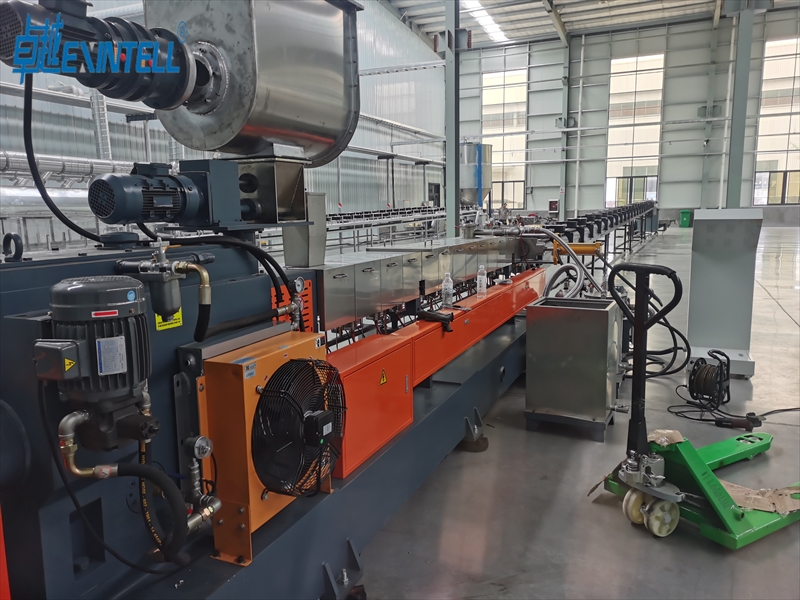
He nui nā ʻāpana koʻikoʻi e hana pū ana i kahi extruder recycled. Hana kēlā me kēia ʻāpana i kahi hana kūikawā e hoʻololi i ka ʻōpala plastik i mau mea hou.
|
ʻāpana |
Hana |
|---|---|
|
Barela Tubular |
Hoʻopaʻa i ka plastik a hoʻomehana iā ia i hiki ke hoʻoheheʻe. |
|
Puku Kaapuni |
Nā neʻe, hehee, a hui pū i ka plastik i kona hele ʻana i loko o ka pahu. |
|
Hopper |
Hānai i ka plastik lepo i loko o ka extruder hana hou. |
|
Make |
Hoʻolikelike i ka plastic i hoʻoheheʻe ʻia e like me ka pellets, paipu, a i ʻole nā lau. |
|
Hoʻokahi Screw |
Maikaʻi no ka hana ʻana i nā huahana maʻalahi mai kahi ʻano plastic. |
|
Māhoe-Ui |
Kōkua i ka hui ʻana i nā plastic like ʻole a hoʻoneʻe i ka ea a i ʻole ka makū no ka maikaʻi maikaʻi. |
Loaʻa iā ʻoe nā wahi hoʻomehana kūikawā i kahi extruder recycled. Hoʻoheheʻe ʻia kēia mau ʻāpana i ka plastic. Hiki i ka hoʻolālā wili ke mālama i nā ʻano plastik he nui, e like me LDPE, HDPE, PP, PET, PS, a me PVC. Loaʻa i kekahi mau mīkini nā ʻōnaehana degassing. These remove moisture and gases. This makes the final pellets stronger and cleaner.
You use a recycled extruder to turn clean plastic into new raw materials. These materials can be used again to make new products.
Single-Screw vs. Twin-Screw Extruders
You can pick single-screw or twin-screw recycled extruders. The best choice depends on what you need. Each type has good and bad points. Here is a table to help you see the differences:
|
Hiʻona |
Mālua-Screw Extruder |
|
|---|---|---|
|
Hiki ke huikau |
Basic mixing for simple plastics |
Excellent mixing for complex materials |
|
Ka holo ana |
lalo, good for small batches |
Kiʻekiʻe, ʻoi aku ka wikiwiki o ka hana |
|
Design Complexity |
Maʻalahi, oluolu e hoohana |
ʻOi aku ka paʻakikī, needs more skill |
|
Hoʻomalu wela |
Ka mana kumu |
Better control for tricky plastics |
|
ʻoluʻolu |
ʻAʻole hiki ke maʻalahi, best for one type of plastic |
Very flexible, handles many types |
|
Koina |
Lower cost, energy efficient |
Higher cost, uses more energy |
|
Mālamalama |
Easy to maintain |
Needs more care and attention |
-
Single-screw recycled extruders maikaʻi inā ʻoe e hana hou i hoʻokahi ʻano plastic, e like me PE a i ʻole PP. He maʻalahi lākou a emi ke kumu kūʻai no ka hoʻohana.
-
ʻO nā mea hoʻoheheʻe hou ʻia ʻelua-screw ʻoi aku ka maikaʻi inā makemake ʻoe e hoʻohui i nā plastik like ʻole a hoʻohui i ke kala. Hoʻohui maikaʻi lākou a hana hou i nā mea, akā, ʻoi aku ka nui o ke kumukūʻai a hoʻohana hou i ka ikehu.
Hiki iā ʻoe ke koho i ka extruder recycled kūpono ma ka noʻonoʻo ʻana i ke ʻano plastik, pehea ka nui o kou makemake e hana hou, a me kāu kālā.
Kaʻina Hana Hou
Hoʻokaʻawale a hoʻomākaukau ʻana i nā Plastics
Hoʻomaka ʻoe ma ka ʻohi ʻana i ka ʻōpala plastik mai nā hale a me nā hale hana. Aʻe, ʻO nā mea hana a me nā mīkini e hoʻokaʻawale i nā plastik ma ke ʻano a me ke kala. Nānā pū lākou i ka mānoanoa o ka plastic. Kōkua ka hoʻokaʻawale ʻana i ka hoʻomaʻemaʻe a maʻalahi hoʻi. A laila ʻokiʻoki ʻia ka plastik i ʻāpana liʻiliʻi. Lawe ka holoi ʻana i ka lepo, meaʻai, a me nā lepili. Ma hope o ka holoi ʻana, hoʻomaloʻo ʻoe i ka plastik e hoʻopau i nā pilikia wai. ʻO kahi ʻanuʻu ʻē aʻe e nānā i nā ʻōpala i koe. ʻO nā hana maʻemaʻe e kōkua i ka hana ʻana i nā plastic recycled maikaʻi.
|
ʻanuʻu |
wehewehe |
|---|---|
|
ʻOhi |
E ʻohi i ka ʻōpala plastik mai nā wahi he nui. |
|
Hoʻokaʻawale mua |
Hoʻokaʻawale ma ke ʻano, kala kala, a mānoanoa paha. |
|
ʻOki ʻoki |
Eʻoki i ka plastic i loko o nā'āpana liʻiliʻi. |
|
Holoi |
Holoi i ka plastic i mea e hemo ai ka lepo. |
|
Hoʻokaʻawale ʻelua |
E nānā hou no ka plastic maʻemaʻe ma mua o ka hoʻohana ʻana. |
|
Extrusion |
E hoʻomākaukau i ka plastic no ka hoʻoheheʻe ʻana. |
ʻO ka hānai ʻana a me ka hoʻoheheʻe ʻana i ka Extruder
Hoʻokomo ʻoe i ka maʻemaʻe, nā ʻili palaki maloʻo i loko o ka extruder. Hoʻoneʻe kahi conveyor i ka plastic a loaʻa i kahi mea ʻike metala metala huna. He wili ka extruder i loko o kahi pahu wela. Hoʻokuʻu ka wili i ka plastik i mua. Hoʻoheheʻe ka wela a me ka friction i ka plastic. Mālama ka mīkini i kēlā me kēia wahi i ka mahana kūpono. ʻOi aku ka maʻalili o ka wahi hānai e hoʻōki i ka heheʻe mua. ʻOi aku ka wela o nā ʻāpana barela e hoʻoheheʻe a hui pū i ka plastic. ʻOi aku ka wela o ka ʻāpana make i ka hana ʻana i ka plastic. Maikaʻi loa hoʻomalu mahana hana i ka plastic hehee a ikaika.
Huihui, Kānana, a me ka Pelletizing
I loko o ka extruder, hehee ka plastik a hui pu. Hoʻopili ka mīkini i ka lepo a i ʻole ka metala i waiho ʻia. Hele ka plastic i hoʻoheheʻe ʻia i loko o ka make a hana i nā kaula. Hoʻomaʻalili ʻoe i nā kaula me ka wai a i ʻole ka ea. ʻOkiʻoki ka mea ʻoki i nā kaula i loko o nā pellet liʻiliʻi. ʻO ka hoʻomaloʻo ʻana i nā ʻāpana wai hope loa. I kēia manawa ua loaʻa iā ʻoe nā pellets ikaika e hoʻohana hou. Hoʻomaopopo kēia ʻanuʻu i ka maikaʻi o ka plastic recycled.
Pūnaehana Regrind Hoʻohui
ʻO nā ʻōnaehana hoʻohui i hoʻohui ʻia e kōkua i ka hana hou ʻana i ʻoi aku ka wikiwiki a me ka maʻalahi. ʻAe kēia mau ʻōnaehana iā ʻoe e hoʻohana hou i ka ʻōpala plastik i kēia manawa. Mālama ʻoe i ke kālā no ka mea ʻoi aku ka liʻiliʻi o ka regrind ma mua o ka plastik hou. Kūpaʻa mau nā kumukūʻai, ʻoiai inā hoʻololi ka mākeke. You help the planet by keeping plastic out of landfills. Integrated systems help make old products into new ones again and again.
Manaʻo kōkua: Careful sorting and good temperature control help you get the best recycled plastic.
Applications of Recycled Extruders
Industries Using Recycled Plastics
Many industries use recycled extruders to make new products. They want materials that are strong and flexible. They also want materials that cost less and help the planet. These industries care about sustainability. Eia kahi papaʻaina that shows where recycled plastics are used most:
|
ʻOihana |
Reasons for Usage |
|---|---|
|
Kaʻa kaʻa |
Ka lōʻihi, hikiwawe, cost reduction, sustainability practices |
|
Kūkulu |
Ka lōʻihi, hikiwawe, cost reduction, sustainability practices |
You help these industries by giving them recyclable materials. These materials fit what they need. Using recycled extruders helps green manufacturing grow.
Common Products from Plastic Recycling
Recycled plastic pellets can make many useful things. These products help you every day. They also keep waste out of landfills. Here are some common products made from recycling:
-
Polyethylene (PE): Bottles, nā ipu, paipu, flexible packaging, plastic bags.
-
Polypropylene (PP): Automotive parts, food containers, medical syringes, bottle caps.
-
Polyvinyl Chloride (PVC): Construction materials, paipu, paipu lapaau, electrical cable insulation.
-
Polystyrene (PS): Disposable utensils, CD cases, kāʻei ʻana, hoʻokaʻawale, food containers.
-
Polyethylene Terephthalate (PET): Beverage bottles, food packaging, synthetic fibers.
-
Acrylonitrile Butadiene Styrene (ABS): Automotive parts, LEGO bricks, electronic housings.
-
Biodegradable & nā ʻilika i hana hou ʻia: Compostable packaging, disposable cutlery, eco-friendly packaging.
You can see how recycling gives new life to many plastics.
Value-Added Products and Case Studies
ʻO nā mea hoʻoheheʻe hou ʻia ʻelua-screw help make value-added products. These machines turn plastic waste into things like 3D printing filament. This makes recycling work better. It also lets you make advanced products. As technology improves, you find more ways to use recycled materials.
“Indaver picked Coperion’s twin screw extruder for its ‘Plastics2chemicals’ plant. This plant gets materials from mixed polyolefin and polystyrene streams. It keeps the quality high. The Coperion ZSK Mc18 mea hoʻokuke māhoe māhoe is very important in this new recycling process.”
You can learn from real examples. Prad and Lala in Chennai, ʻInia, use their extrusion machine to make furniture. Joop from Haute Plastique in Rotterdam makes stylish products from recycled plastic. Indaver’s “Plastics2chemicals” process uses advanced extruders to recycle mixed plastics with high quality. These stories show how you can turn waste into valuable items and help the planet stay clean.
Benefits and Challenges in Recycling
Environmental and Economic Benefits
When you use recycled extruders, kōkua ʻoe i ka Honua. Mālama kēia kaʻina hana i nā kumuwaiwai koʻikoʻi a mālama i ke ʻano palekana. Eia kekahi mau pono nui:
-
Hoʻohana ʻoe i ka wahie fossil liʻiliʻi. No kēlā me kēia kilokika o ka plastic i hana hou ʻia, mālama ʻoe a hiki i 2 kilokani aila.
-
Pono ʻoe i ka liʻiliʻi o ka wai. Hoʻohana hou i ka plastic 90% liʻiliʻi ka wai ma mua o ka hana ʻana i ka plastik hou.
-
Mālama ʻoe i ka ikehu nui. Hoʻohana ʻia me ka mīkini hana hou 70% i 90% emi ka ikehu ma mua o ka hana ʻana i ka plastic hou.
-
Mālama ʻoe i ka plastic i waho o nā pae ʻāina. ʻO kēlā me kēia tona āu e hana hou ai e mālama ai 7.4 iwilei cubic o kahi pae ʻāina.
-
Mālama ʻoe i nā holoholona a me ka wai. Hoʻopau ka hana hou ʻana i ka plastic mai ke komo ʻana i loko o ka moana a mālama i ka maʻemaʻe o ka lepo a me ka wai.
ʻO ʻoe nō hoʻi e hoemi i ke kala me ka recycled extruders. ʻO ke kumukūʻai o ka hana ʻana i nā pellets 30% i 50% emi mai ma mua o ka hana ʻana i nā mea hou. ʻo kahi laʻana, inā he kumu kūʻai polypropylene hou $1,200 no ke tona, Hiki iā ʻoe ke hana i ka polypropylene recycled no $600 i $800 no ke tona. Hiki ke loaʻa i kahi mea kanu waena $2 million each year and pay off its investment in less than two years.
Nā pilikia: Contamination and Compatibility
There are some problems in plastic recycling. Contamination is a big issue. Different steps in recycling can add harmful things. Here is a table that shows common contaminants and what they do:
|
Stage of Recycling |
Common Contaminants |
Impact on Extrusion Process |
|---|---|---|
|
Holoi |
PCBs, PBDEs, plastic additives |
Toxic emissions during melting and extrusion |
|
ʻOki ʻoki |
Heavy metals, PAHs, particulate matter |
Equipment wear, lower product quality |
|
Melting and Extrusion |
VOCs, ultra-fine particles, plastic additives, PAHs |
Poor material flow, weaker final product |
|
Facilities |
Heavy metals, PBDEs, microplastics |
Lower material quality, less efficient processing |
You also need to think about compatibility. Mixing different plastics can cause trouble. Some plastics do not mix well together. This can make the recycled plastic weak or easy to break. ʻo kahi laʻana, if you mix PVC with PET, the quality gets worse because of chemical reactions. You can use compatibilizers to help different plastics mix better. This makes the recycled products stronger and more useful. Both mechanical recycling and chemical recycling have these problems, but new ideas are helping.
Innovations and Future Trends
There are many new ideas in recycled extruder technology. Companies now use co-rotating extruders to handle tough materials and get better results. Energy-saving systems help you use less power and save money. Advanced upcycling systems give old plastic a new use. Some plants use artificial intelligence to make recycling work 60% better. Twin screw extruders and better filters also make recycled plastic higher quality.
In the future, there will be more focus on sustainability. Na 2026, experts think 30% of plastic products will come from recycled materials. New screw designs and energy-saving motors can cut energy use by up to 40%. ʻOihana 4.0 technology will help you run closed-loop systems and make less waste. Predictive maintenance will keep machines working well and improve your results.
You help make the world cleaner when you use recycled extruders. These machines turn plastic waste into good recycled materials. They help keep trash out of landfills and save energy. They also help the circular economy grow. You need to solve problems like dirty plastic, broken plastic, and mixed types. This helps you get the best recycled products. If you want to know more, look at these links:
FAQ
He aha ke ʻano o ka plastic hiki iā ʻoe ke hana hou me kahi extruder?
Hiki iā ʻoe ke hana hou i nā plastics e like me PE, PP, PET, PVC, a me PS. Hiki i kekahi mau mīkini ke lawelawe i nā plastik hui pū kekahi. E heluhelu mau i ke alakaʻi o ka mīkini no nā hopena maikaʻi loa.
Pehea ʻoe e mālama ai i ka plastic recycled maʻemaʻe a ikaika?
Hoʻokaʻawale ʻoe, holoi, a me ka plastik maloʻo ma mua o ka hana hou ʻana. ʻO ka hoʻomalu wela maikaʻi a me ka kānana ʻana i loko o ka extruder kōkua i ka ikaika, nā pellets maʻemaʻe.
Hiki iā ʻoe ke hoʻohana i nā extruders recycled ma ka home?
Hoʻohana ʻia ka hapa nui o nā extruder i hana ʻia i nā hale hana. Hana ʻia kekahi mau mea hoʻoheheʻe desktop liʻiliʻi no home hoʻohana. Pono ʻoe i ka hoʻomaʻamaʻa palekana a me ka hoʻonohonoho kūpono e hoʻohana ai iā lākou.
He aha nā huahana hiki iā ʻoe ke hana mai nā pellet plastic recycled?
Hiki iā ʻoe ke hana i nā ʻōmole, paipu, lako lako, 3D printing filament, a me ka paʻi ʻana. Nui nā ʻoihana e hoʻohana i nā pellet i hana hou ʻia e hana i nā huahana hou.
No ke aha e hoʻokaʻawale ai ka plastic i ka hana hou ʻana?
ʻO ka hoʻokaʻawale ʻana e kōkua iā ʻoe e loaʻa i nā mea hana hou kiʻekiʻe. Hiki i nā plastic i hui ʻia a lepo paha ke hana i nā huahana nāwaliwali. Hāʻawi ka hoʻokaʻawale ʻana i nā hopena maikaʻi aʻe.