

ʻO nā ʻoihana hoʻoheheʻe plastik maikaʻi loa no ka hana maikaʻi
Ke ʻimi nei au i ka mea maikaʻi loa i loko extrusion plastic manufacturing, Manaʻo wau i nā ʻoihana e hāʻawi i ka maikaʻi a me ka hilinaʻi. Ke ulu wikiwiki nei ka ʻoihana, me ka nui makeke honua o $85.2 piliona i loko 2024 a me ka koi ikaika mai ka ʻeke, kūkulu hale, a me nā ʻoihana kaʻa. Nānā mau au no nā mana maikaʻi loa, Nā palapala hōʻoia ISO, ʻenehana holomua, a me ke kamaʻilio maopopo. Hāʻawi pū nā mea hoʻolako alakaʻi i nā hoʻonā maʻamau a kākoʻo i nā pahuhopu hoʻomau, aʻu i manaʻo ai he mea nui no nā hui lōʻihi.
Nā mea lawe nui
- E hoʻokumu i nā hui me ISO 9001:2015 palapala hōʻoia no ka maikaʻi mau a me ka hilinaʻi.
- E ʻimi i nā mea hoʻolako e hāʻawi i nā hāʻina maʻamau i kūpono i kāu mau pono papahana.
- E loiloi i ka ʻike loea a me ka ʻike o kahi ʻoihana i ka lawelawe ʻana i nā mea like ʻole.
- E koho i nā hoa hoʻolale kālā i nā ʻenehana holomua no ka maikaʻi a me ka hoʻomalu maikaʻi.
- E hōʻoia i ka kamaʻilio maopopo a me ke kākoʻo ʻenehana ikaika i loko o ka papahana.
- E noʻonoʻo i ka hiki o ka mea hoʻolako ke lawelawe i nā hana liʻiliʻi a me ka nui me ka maʻalahi.
- E noʻonoʻo i ka waiwai lōʻihi o nā pilina e kākoʻo ana i ka hoʻomau a me ka hana hou.
- E nānā mau i ka hana o ka mea hoʻolako me ka hoʻohana ʻana i nā metric koʻikoʻi e mālama i ka maikaʻi a me ka pono.
ʻO nā ʻoihana kiʻekiʻe ma ka Extrusion Plastic Manufacturing
Ke loiloi au i ka nā mea hana extruder plastik kiʻekiʻe, ʻImi au i kahi hui o ka ʻike loea, mea hou, a me nā hopena i hōʻoia ʻia. ʻO ka extrusion plastik ʻoihana i kahi ʻāina hoʻokūkū, akā kū mau kekahi mau inoa no ko lākou ʻano a me ke alakaʻi. Ua hui au i kēia mau hui i nā alakaʻi honua a me nā alakaʻi o ʻAmelika ʻĀkau e kōkua iā ʻoe e hoʻokele i nā koho maikaʻi loa no ka extrusion plastic manufacturing.
Nā alakaʻi honua
Bausan
Ua kūkulu ʻo Bausano i kahi kaulana no nā laina extrusion kiʻekiʻe a me nā hoʻonā maʻamau. Mahalo wau i kā lākou nānā ʻana i ka modularity, e hiki ai i nā mea kūʻai ke hoʻololi i nā lako no nā polymers a me nā noi. ʻO kā lākou kūpaʻa i ka ikaika o ka ikehu a me ka nānā ʻana i nā kikohoʻe e hoʻokaʻawale iā lākou ma waena o luna mea extruder palaki nā mea hana.
Coperion
Kūlana ʻo Coperion no kāna mau thermoplastics pae ʻenehana a me ka ʻike hoʻohuihui. Ua ʻike au i kā lākou twin-screw extruders e hāʻawi i nā hopena kūlike i nā ʻoihana koi e like me ka automotive a me ka hoʻopili. ʻO kā lākou paepae hana honua e hōʻoia i ke kākoʻo hilinaʻi a me ka hiki ke hoʻolako i ke kaulahao.
ʻenehana extrusion Leistritz
Hāʻawi ʻo Leistritz Extrusionstechnik i mau makahiki o ka ʻike i ka ʻenehana twin-screw hui pū. Nui koʻu manaʻo i kā lākou nānā ʻana i ka loiloi kaʻina a me nā mea hou, e kōkua ana i nā mea kūʻai aku e hoʻokō i nā huahana kiʻekiʻe me nā polymers paʻakikī.
Jwell Machinery
Aia ʻo Jwell Machinery i waena o nā mea hana extruder plastic kiʻekiʻe loa ma Asia. ʻO kā lākou waihona huahana ākea e uhi i nā mea a pau mai ka paipu a me ka extrusion profile i ka pepa a me nā laina kiʻiʻoniʻoni. Ua ʻike au i ko lākou noho ikaika ʻana ma nā mākeke honua, alakaʻi ʻia e ka hoʻokomo mau ʻana ma R&ʻO D.
Milacron
Hāʻawi ʻo Milacron i nā ʻōnaehana extrusion ikaika no nā noi maʻamau a maʻamau. Ke hilinaʻi nei au i kā lākou ʻano hoʻohui, ka mea e hoʻohui i nā mīkini, nā mana, a me ke kākoʻo aftermarket. ʻO ko lākou akamai i nā hana hoʻomau, me ka hana ʻana i nā mea hana hou, hoʻopiʻi i nā hui me nā hana'ōmaʻomaʻo.
KraussMaffei Berstorff
Ke alakaʻi nei ʻo KraussMaffei Berstorff me nā laina extrusion kiʻekiʻe no nā paipu, profiles, a me nā lau. Manaʻo pinepine au iā lākou no nā papahana e koi ana i ka pololei a me ka scalability. ʻO kā lākou kākoʻo ʻenehana a hiki i ka honua holoʻokoʻa e lilo lākou i hoa hilinaʻi no ka hana extrusion plastic.
Nānā: Nā kūlana ʻoihana hou hōʻike pū i nā alakaʻi honua ʻē aʻe e like me Pet All Manufacturing Inc., Mechanoplastic Srl, ʻO Parker Plastic Machinery Co., Ltd, ʻO Jomar Corporation, Wilmington Machinery, Kautex Blow Molding, Nā ʻenehana, ʻO Bestar Blow Molding Machinery Co., Ltd, Ningbo Vaino Machine Equipment Co., Ltd, a me ka Hui ʻAmelika Hui Pū ʻIa. Ua hoʻokumu kēia mau ʻoihana iā lākou iho i nā makahiki o ka hana hou a me ke kūʻai ʻana i ka mākeke.
| Kūikawā/ikaika | wehewehe |
|---|---|
| Hoʻohui ʻia ʻo Polymer Compound | ʻO ka hui kala maʻamau kiʻekiʻe me ka paʻa ʻana o ka nui-a-lot. |
| ʻEnekinia-Grade Thermoplastics | ʻIke i nā mea e like me ABS, Polycarbonate, a me ka Polycarbonate Alloys. |
| Ka wāwae hana honua | Loaʻa nā mea hana ma ʻAmelika ʻĀkau a me ʻAsia no nā hoʻonā i hana ʻia. |
| Nā hana hoʻomau | Hāʻawi i nā māka polymer me nā mea i hoʻopaʻa hou ʻia, me nā mea kūʻai mua a me nā mea pili i ka moana. |
| Nā lawelawe Tolling Comprehensive | Hāʻawi i ka hoʻoili ʻana nui a me ka polymer sourcing ma o kā lākou mahele PolymerVault. |
| ʻIke loea | Hoʻonui ʻia e ka hui ʻana a me nā waihona huahana hoʻonui, hoʻonui i ka mākeke. |
Na alakai o Amerika Akau
ʻO Pexco
Kū ʻo Pexco i kekahi o nā mea hana extruder plastic kiʻekiʻe ma ʻAmelika ʻAmelika. Ua ike au i ko lakou extrusion profile maʻamau hiki ke lawelawe i nā ʻoihana mai ka aerospace a hiki i ka lāʻau lapaʻau. ʻO kā lākou kākoʻo ʻenehana a me ka prototyping wikiwiki e kōkua i nā mea kūʻai aku e lawe i nā huahana i ka mākeke wikiwiki.
Lakeland Plastics
Hana ʻia ʻo Lakeland Plastics i nā profile plastik maʻamau a me nā paipu. Manaʻo wau i kā lākou kākoʻo ʻenehana lima lima a me ka hiki ke lawelawe i nā holo hana liʻiliʻi a nui. ʻO kā lākou nānā ʻana i ka mana maikaʻi e hōʻoia i nā hopena kūlike.
Nā Pākīpika i makemake ʻia
Ua loaʻa iā Preferred Plastics kahi kaulana no ka hana nui a me nā mea hana hou. Manaʻo wau iā lākou no nā papahana e koi ana i ka hoʻomanawanui a me ka hana hou. ʻO kā lākou hoʻokomo ʻana i ka automation e mālama i nā kumukūʻai hoʻokūkū.
Nā Hōʻike Hana Hana ʻia
Hāʻawi ʻo Engineered Profiles i nā hoʻonā kūpono no nā geometries paʻakikī a me nā mea paʻakikī. Mahalo au i kā lākou hana like ʻana, e kōkua ana i nā mea kūʻai aku e hoʻolālā i nā hoʻolālā no ka hana a me ka hana.
MPM Plastics
Lawe mai ʻo MPM Plastics i ka ʻike i ka paipu maʻalahi a me ka hose extrusion. ʻO kā lākou nānā ʻana i nā lāʻau lapaʻau a me nā ʻenehana uila ʻo ia ka mea e hoʻomaopopo lākou i ke koʻikoʻi o ka pololei a me ka maʻemaʻe.
ʻO nā mea hana extruder plastik kiʻekiʻe Aia ma ʻAmelika ʻĀkau ka Crescent Industries, Nā ʻenehana Extrusion Plastics, Alpha Plastics, Hoʻoponopono PolyTech, Extrusion Experts Inc., ʻĀkau Hōkū Extrusions, FlexiFlow Manufacturing, Koho pololei, Nā Kūlohelohe ʻO EverGreen, NextGen Plastics, Hui Hui, a me BlueWave Extrusions. Hāʻawi kēia mau mea hana koʻikoʻi i nā ʻano loea kūikawā, mai nā mea eco-friendly a hiki i ka Industry 4.0-enabled extrusion lines.
Manaʻo mau wau e nānā i nā mea kūikawā a me nā ikaika o kēlā me kēia hui ma mua o ka hoʻoholo ʻana. Hiki i ka hoa kūpono i ka extrusion plastic manufacturing ke hāʻawi i ka maikaʻi kūlike, kākoʻo ʻenehana, a me ka waiwai lōʻihi.
He aha ka mea e hoʻokaʻawale ai i nā ʻoihana Extrusion
Nā Kūlana Kūlana
Nā palapala hōʻoia (e.g., ISO)
Ke loiloi au i ka extrusion plastic manufacturing hoa, Nānā mau au no ISO 9001:2015 palapala hōʻoia. Hōʻike kēia palapala hōʻoia e hoʻohana ana kahi ʻoihana i kahi ala ʻōnaehana e hoʻokele i nā kaʻina hana a me nā palapala. ʻO ia hoʻi ka manaʻo o ka ʻoihana i ka hoʻomaikaʻi mau ʻana. Ua ʻike au i nā ʻoihana me kēia palapala hōʻoia e hāʻawi i ka hana maʻamau a mālama i nā kaʻina hana hoʻomalu. Hoʻohana lākou i nā ʻano hana maʻamau, which help ensure profile quality and dimensional accuracy. They also keep strong inspection and testing procedures. I value traceability in materials and production batches, which ISO 9001:2015 supports. This framework guides daily operations and helps companies respond quickly during audits or quality reviews.
Inspection Processes
I look for companies that use robust inspection processes. Top manufacturers follow strict quality and reliability standards. They select high-quality thermoplastics for strength and durability. They monitor the plastic extrusion process closely to control parameters and minimize discrepancies. I see that they check dimensional accuracy to make sure components fit their applications. Surface inspection helps identify defects and improve product quality. Hoʻohana nui nā ʻoihana statistical process control to monitor production in real time. Hoʻohana pū lākou i ke ʻano hemahema a me ka nānā ʻana i nā hopena e ʻike mua i nā hemahema. ʻO ka loiloi kumu kumu kōkua e pale i nā pilikia hou. Nā nānā 'akomi, hoʻohana ʻia e nā ʻenehana extrusion plastic kiʻekiʻe, hāʻawi i nā loiloi kikoʻī a hōʻemi i ka hewa kanaka. Plextrusions, ʻo kahi laʻana, hahai koʻikoʻi ʻo U.S. nā hoʻoponopono a me nā alakaʻi alakaʻi ʻoihana, e hoʻonui i ka hilinaʻi a hoʻemi i nā hemahema.
ʻenehana & Mea hou
Lako Kiekie
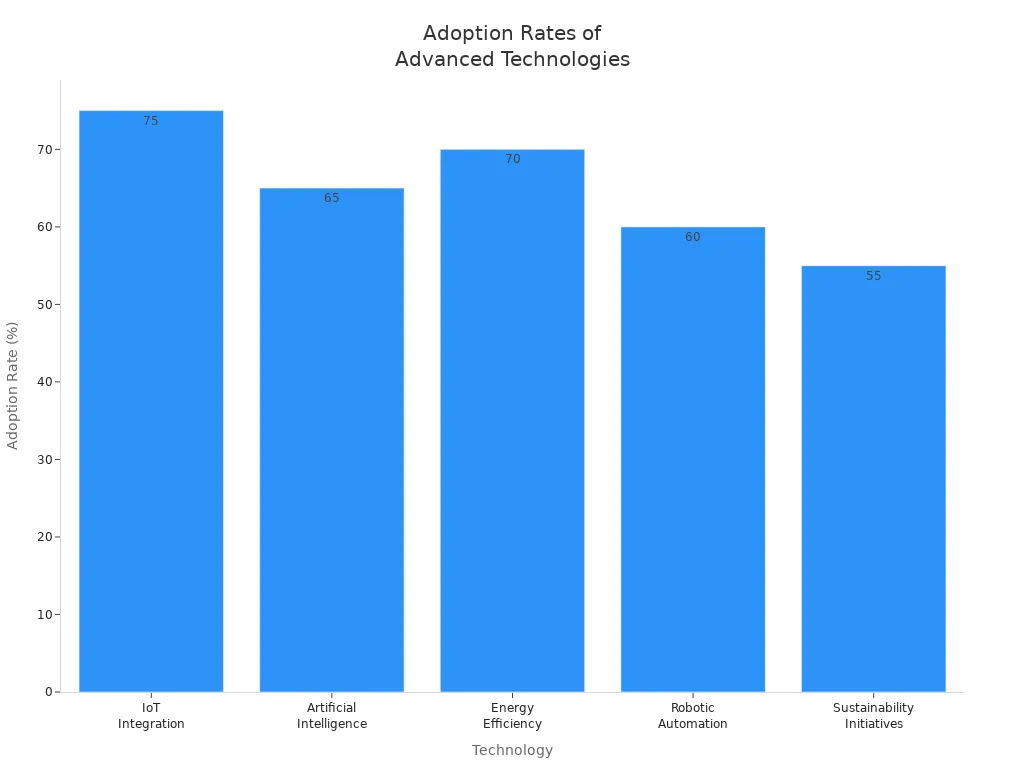
ʻIke au e hoʻopukapuka nā ʻoihana alakaʻi i nā ʻenehana extrusion plastic kiʻekiʻe. Hoʻohana lākou i nā lako e kākoʻo ana i ka nānā ʻana a me ka nānā ʻana i ka manawa maoli. Nui ka poʻe i hoʻohana i ka Internet of Things (IoT) hoʻohuihui, ʻike akamai no ka mālama wānana, a me ka robotic automation no ka mālama ʻana i nā mea. Hoʻonui kēia mau mea hou i ka pono a hoʻemi i nā hewa. Hāʻawi ka Automation i nā hui e nānā i nā mahana a me nā kaomi i ka wā o ke kaʻina extrusion plastic, e hōʻoiaʻiʻo ana i ka maikaʻi kūlike. He mea maʻamau nā lako hana hoʻomāmā i ka ikehu a me nā hoʻolālā hoʻēmi ʻōpala. A hiki i 80% ʻO nā mea hana i kēia manawa ke nānā aku nei i nā hana eco-friendly, me nā mea hana hou e hōʻemi i nā kumukūʻai a hoʻomaikaʻi i ka maikaʻi.
| ʻenehana | wehewehe | Ka helu o ka hoʻokomo ʻia ʻana (%) |
|---|---|---|
| Hoʻohui IoT | Ka nānā ʻana a me ka nānā ʻana i ka manawa maoli | 75 |
| Naʻauao hana | ʻO ka mālama wānana a me ka loiloi | 65 |
| Hoʻoikaika ikaika | E hoemi ana i ka ikehu ma ka extrusion | 70 |
| Lopako ʻaunoa | Ka mālama waiwai a me ka hoʻomalu maikaʻi | 60 |
| Nā Hana Hoʻomau | ʻO nā mea hana hou a me nā kaʻina kaiaola | 55 |
ʻIke Mea
Nīnau mau au e pili ana i ka ʻike waiwai i ke koho ʻana i hoa. Kākoʻo nā ʻoihana maikaʻi loa i ka nui o nā plastics, me ka waiwai, ʻenekinia, kūikawā, a me nā bioplastics. Hoʻomaopopo kā lākou hui i ke koho ʻana i nā mea kūpono no kēlā me kēia noi. This expertise ensures that products meet both performance and sustainability goals. Advanced plastic extrusion technologies help these companies process recycled and eco-friendly materials without sacrificing quality.
Kākoʻo mea kūʻai aku
Technical Assistance
I value strong technical assistance from my suppliers. The best companies offer a dedicated team for support. They provide consulting across various plastic extrusion technologies, including film, pepa, a me ka paipu. I often receive help with concept design, koho mea, a me ke kaʻina hana. End-to-end consulting services cover everything from plant layout to staff training. These services help me achieve the best results for my projects.
Kūkākūkā
Clear communication makes a big difference in project success. I prefer companies that offer quick and effective service. They provide pre-dispatch testing and inspection reports, which gives me confidence in the final product. I also appreciate flexible order sizes and fast global shipping options. Good communication ensures that I stay informed at every stage, from design to delivery.
Choosing the Right Plastic Extrusion Supplier
Selecting the right partner for extrusion plastic manufacturing shapes the outcome of every project. I always start by assessing the supplier’s capabilities, kaulana, and pricing. These factors help me ensure quality and reliability throughout the process.
Assessing Capabilities
Volume Hana
I look for suppliers who can handle both small and large production runs. A strong partner offers multiple production lines, which allows them to manage demand fluctuations. Customization matters to me. I want a supplier who can provide tailored solutions for unique applications. He mea nui ka maʻalahi o ka manawa alakaʻi. Makemake au i nā hui e hāʻawi ana i nā mea kūʻai aku i hoʻokele waiwai a me nā kauoha blanket. Kūlana ka hana hou. Hoʻokō nā mea hoʻolako i nā ʻenehana extrusion plastik hou i kaʻu mau pono lōʻihi. Hoʻopili pū ka hoʻomau i kaʻu hoʻoholo. Nui koʻu mahalo i nā hoa hoʻohana ma hope o ka mea kūʻai aku i nā mea hoʻohana hou a me nā polokalamu hoʻopōmaikaʻi pani. ʻO ke kākoʻo ʻenehana i ka wā hoʻomohala huahana kōkua iaʻu e hoʻoponopono wikiwiki i nā pilikia.
- Hoʻopilikino no nā papahana kūikawā
- Nā laina hana lehulehu no ka maʻalahi o ka leo
- Nā koho manawa alakaʻi e like me ka mea kūʻai aku i hoʻokele waiwai
- Hoʻokomo kālā i nā ʻenehana hou
- Nā hana hoʻomau me ka ʻike hana hou
- Kākoʻo ʻenehana i ka wā hoʻomohala
Mea Hana Pono
Hoʻopili ka maikaʻi o nā mea hana i kēlā me kēia pae o ka hana. Hele au i nā hale hoʻolako inā hiki. Nānā au i ke kahe mau mea a me ka nui kūpono. ʻO ka mana koʻikoʻi koʻikoʻi e hōʻoia i ka pili ʻana i nā pae ʻoihana. ʻO ka hana wānana i ka wā o ka hana ʻana alakaʻi i nā hopena hilinaʻi. Hāʻawi ka hoʻonui ʻana i ka wela i ka pololei o ke ana. ʻO nā hiʻohiʻona hoʻoheheʻe kūlike e hoʻonui i ka maikaʻi holoʻokoʻa.
| Aspect | Ka hopena i ka hana |
|---|---|
| Kūlike Kūlike | ʻO ka holo ʻana o nā mea like a me ka nui, kūlana kiʻekiʻe ma waena o nā holo hana |
| Hoʻomalu maikaʻi loa | Nā kūlana koʻikoʻi mai ke koho ʻana i nā mea a hiki i ka hana hope, nā hōʻailona ʻoihana |
- Nā hana hoʻokumu wānana
- Hoʻonui ʻia ka wela wela no ka pololei
- ʻO nā hiʻohiʻona heheʻe kūlike
Kaulana & ʻike
Nā makahiki i ka ʻoihana
He mea nui ka ʻike. Koho au i nā mea hoʻolako me ka mōʻaukala lōʻihi i ka extrusion plastic manufacturing. ʻO ka ʻike nui e hōʻoia i koʻu mau pono me nā kūlana kiʻekiʻe o ka maikaʻi a me ka pono. ʻO ke kūpaʻa kālā a me ka hilinaʻi hōʻailona kaulana i ka ʻoihana.
- Hāʻawi ka ʻike nui i nā kūlana kiʻekiʻe
- ʻO ka paʻa kālā e hōʻoia i ka hilinaʻi
Manaʻo manaʻo o nā mea kūʻai aku
Ke kamaʻilio mau nei au me nā mea kūʻai aku ma mua o ka hoʻoholo ʻana. Hāʻawi ka manaʻo o nā mea kūʻai aku i ka ʻike i ka maikaʻi o ka hana. Hōʻike nā haʻawina hiʻohiʻona i ka hana hoʻopuka a me ka hiki ke hoʻoholo pilikia. Hōʻike nā loiloi o nā mea kūʻai aku i ka hilinaʻi. Hoʻoikaika nā papahana i hala i ka hilinaʻi.
- Nā ʻike mai nā mea kūʻai aku ma mua
- Hōʻike nā haʻawina hiʻohiʻona i ka hana hoʻopuka
- ʻIke ʻia nā mākau hoʻoholo pilikia
- Hōʻike nā loiloi o nā mea kūʻai aku i ka hilinaʻi
- Hoʻokumu nā papahana holomua i ka hilinaʻi
Kumukuai & Manawa alakai
Kūʻai Kūʻai
Kumukuai maopopo kōkua iaʻu e hoʻomalu i nā koina. Makemake au i nā mea hoʻolako e hāʻawi i ke kumu kūʻai pololei e pili ana i nā kumukūʻai hana. ʻO ke kūʻai pololei ʻana mai nā mea hana e hopena pinepine i nā kumukūʻai 15-30% haʻahaʻa ma mua o ke kūʻai ʻana ma waena.
| Kumukuai Kumu | wehewehe |
|---|---|
| Kumukuai Alohilohi | Ke kumu kūʻai pololei ma muli o nā kumukūʻai hana, ʻaʻohe palena kūʻai aku |
| Hoʻoholo Kūʻai | ʻOi aku ka maikaʻi o ka mālama ʻana i ke kūʻai pololei ʻana |
| Hoʻohālikelike Kumukūʻai | ʻO nā kumu kūʻai pololei o ka hale hana he 15-30% haʻahaʻa ma mua o nā mea waena |
Hoʻoholo hilinaʻi
Mālama ka lawe ʻana i ka hilinaʻi i kaʻu mau papahana i ka papa manawa. ʻO nā mea hoʻolako alakaʻi e hahai i kahi kaʻina hana maopopo. Koho lākou i ka mea thermoplastic kūpono, hehee a hana, ʻano a ʻoki ʻia nā ʻāpana, hoʻohui i nā mea no ka hoʻonui ʻana i ka hana, a hoʻokō i ka mana maikaʻi loa. Hoʻopau nā lawelawe hana hope i ka hoʻonā.
| ʻanuʻu | wehewehe |
|---|---|
| 1 | Koho Mea: Ke koho ʻana i ka mea thermoplastic kūpono no ka lōʻihi a me ka hana |
| 2 | hehee & Hoʻokumu: Hoʻoheheʻe ʻia nā pellet plastik a hoʻohua iā lākou ma o ka make |
| 3 | Hoʻohalahala & ʻoki ʻoki: Hoʻopili hou a ʻokiʻoki i nā mea i hoʻokuʻu ʻia |
| 4 | Hookui-hui & Tri-Extrusion: Ka hoʻohui ʻana i nā mea hana no ka hoʻonui ʻana i ka hana |
| 5 | Ka Mana Mana & Nānā: Hoʻopaʻa koʻikoʻi e hōʻoia i nā kūlana kiʻekiʻe |
| 6 | Hana hope loa: Nā lawelawe i loko o ka hale no ka hoʻonā piha |
Manaʻo kōkua: Manaʻo wau e noi i nā manawa kikoʻī a me nā ʻōnaehana nānā e nānā i ka holomua o ke kauoha.
Ke koho ʻana i ka mea hoʻolako kūpono 'o ia ho'i ka loiloi 'ana i ka hiki, maikaʻi o ka hale hana, kaulana, kumu kūʻai, a me ka lawe ana. Ke hilinaʻi nei au i kēia mau pae hoʻohālikelike e hōʻoia i nā hopena kūlike i ka hana extrusion plastic.
Nā Pōmaikaʻi o nā Hoa Hana Hana Plastic Extrusion Kaulana
Kūlike Kūlike
Manaʻo mau wau i ka maikaʻi kūlike ke koho au i kahi hoa extrusion plastic. Hoʻokomo kālā nā mea hana hilinaʻi nā mea hana kiʻekiʻe a me ka mana koʻikoʻi ʻōnaehana. Mālama kēia ʻano i ka pololei a me ka hoʻomanawanui paʻa, e hoʻomaikaʻi pololei i ka ikaika o ka huahana a me ka pololei o ka dimensional. Ua ʻike au i ka hoʻokele ʻana o nā ʻenehana loea a me nā mea hana akamai i ka hoʻolālā make a me ke kahe waiwai e pale ai i nā pilikia hana. ʻO kā lākou akamai e alakaʻi i nā hopena hilinaʻi i kēlā me kēia manawa.
ʻO nā hoa extrusion kiʻekiʻe e koho i nā mea kūpono no kēlā me kēia noi. Kaulike lākou i ka ikaika, pale ʻino, machinability, a me ke kumukuai. ʻO kēia koho akahele e hōʻoiaʻiʻo i ka hana mau ʻāpana. Mahalo au i nā lawelawe i hoʻohui ʻia e uhi ana i nā mea a pau mai ka kūkākūkā hoʻolālā a hiki i ka hoʻopau ʻana a me ka hui ʻana. Mālama kēia mau lawelawe i ka mana maikaʻi ma ke kaʻina hana a maʻalahi i ke kaulahao lako.
- ʻO ka pololei o ke ana ʻana e pale i nā pilikia o ka hui ʻana a mālama i ka manawa.
- Hāʻawi ka hoʻomalu maikaʻi a me ka paʻa i ka maluhia o ka noʻonoʻo.
- ʻO ka extrusion plastic kiʻekiʻe e hoʻokō i ka huahana hope i nā manaʻolana hana.
| Pōmaikaʻi | wehewehe |
|---|---|
| Hoʻomaikaʻi ʻia i ka ʻili | Hoʻopau i ka ʻili manō, hōʻemi i ka haʻihaʻi heheʻe. |
| Hoʻonui ʻia ka Huahana a me ka Hoʻonui | Hāʻawi i ka wikiwiki extrusion kiʻekiʻe, hoemi iho la. |
| Haʻahaʻa Scrap a me ka hōʻole ʻana | ʻOi aku ka maikaʻi o ke kiʻiʻoniʻoni, ʻoi aku ka maikaʻi o ka paʻi. |
| ʻOi aku ka maikaʻi o ka hoʻohālikelike ʻana i ke kiʻiʻoniʻoni | ʻoi aku ka paʻa o ke kahe hehee, hōʻemi ʻia nā pilikia kahe. |
| Hoʻemi ʻia ʻo Die Build-Up | Liʻiliʻi make drool, hana hoʻomau lōʻihi. |
Hoʻemi ʻia ka pilikia
I know that working with reputable extrusion companies reduces operational and supply chain risks. These partners use advanced intelligence frameworks to anticipate market shifts and optimize capital deployment. This strategy helps manage risks from raw material price volatility and regulatory changes. Scenario modeling allows me to simulate future states and assess supply chain resilience. I can allocate resources more effectively as a result.
Supply chain compliance software integrates real-time supplier screening and compliance management. This technology prevents operational disruptions and enforcement risks. I benefit from traceability on demand, which secures fast-track clearance for shipments. Real-time alerts keep my compliance team informed, allowing proactive risk management before shipments reach ports.
| ʻAno hōʻike | wehewehe |
|---|---|
| Advanced Intelligence Frameworks | Anticipate market shifts and optimize capital deployment. |
| Scenario Modeling | Simulate future states and assess supply chain resilience. |
| Supply Chain Compliance Software | Real-time supplier screening and compliance management to prevent operational disruptions. |
- Real-time supplier screening and ownership mapping identify compliance risks.
- Traceability on demand secures fast-track clearance.
- Real-time alerts enable proactive risk management.
ʻIke loea
Technical expertise from leading extrusion partners drives project success. I rely on their ability to balance raw material functionality, moisture levels, hoʻonohonoho hoʻopololei, a me nā kiʻi wela. This balance is essential for achieving the desired product characteristics. ʻo kahi laʻana, starch controls expansion, cell structure, crispness, paakiki, and texture stability over shelf life. Ua ʻike au i ke alakaʻi ʻana o kēia ʻike i nā huahana e kū pono ana i nā pono hana a me ka nani.
I koʻu hui pū ʻana me nā hoa kaulana, Loaʻa iaʻu ka pōmaikaʻi mai kā lākou hoʻolālā hoʻolālā. Hana pinepine lākou i ka nānā ʻana o ka mea hoʻokūkū a hoʻohālikelike i ka ʻike inoa me ka ʻike lōʻihi. Hoʻomanaʻo wau i kahi papahana kahi i loaʻa ai i kēia hui ʻana i kahi hoʻolālā brand i kūkulu ʻia, hana hou, a me nā kūʻai nui i mālama ʻia. Nā papahana hoʻololi kikohoʻe kōkua pū i ka mālama ʻana i ka ʻike kūikawā a hiki i ka hoʻonui wikiwiki ʻana i nā lawelawe kūkākūkā.
Manaʻo kōkua: Ke koho mau nei au i nā hoa hana e hōʻike ana i ka ʻike loea hohonu a me ka hoʻokō ʻana i ka holomua mau. Mālama kēia ala i ka maikaʻi a me ka hilinaʻi i kēlā me kēia papahana.
Waiwai Loihi
Ke koho wau i kahi hoa extrusion plastik kaulana, Ke nānā nei au ma mua o nā pono o ka papahana. I focus on the long-term value that a strong partnership brings to my business. I nā makahiki, I have seen how working with established manufacturers creates lasting advantages that go far beyond the initial contract.
A reliable extrusion partner helps me build a resilient supply chain. I know I can count on consistent quality and dependable delivery. This stability allows me to plan production schedules with confidence. I avoid costly delays and last-minute changes. My customers notice the difference, and my reputation grows stronger with every successful project.
I also see significant cost savings over time. Trusted partners invest in process improvements and advanced technologies. These investments reduce waste, lower defect rates, and improve efficiency. I benefit from fewer production errors and less rework. My team spends less time troubleshooting and more time innovating. Ma ka hopena, my products reach the market faster and with higher quality.
Here are some real-world examples that show the long-term value of choosing the right extrusion partner:
- A US medical device manufacturer reduced lead times from 12 pule i 4 pule pule by shifting production to a domestic extrusion partner. This change allowed them to launch a new product line two months ahead of schedule.
- A Midwest appliance maker decreased their defect rate from 7% to under 1%. By partnering with a US-based injection molder, they saved over $150,000 annually in rework and scrap costs.
- A consumer goods company improved on-time delivery performance from 68% i 99% after switching to a US extrusion provider. This improvement restored customer confidence and protected their market share.
These results show how the right partner can transform business outcomes. I value partners who offer technical support, transparent communication, and a commitment to continuous improvement. They help me adapt to changing market demands and regulatory requirements. I gain access to new materials, innovative processes, and expert advice.
Long-term relationships with reputable extrusion companies also support my growth goals. I can scale production up or down as needed. My partner understands my business and anticipates my needs. This flexibility gives me a competitive edge in a fast-moving market.
Manaʻo kōkua: I always recommend building a long-term partnership with your extrusion supplier. The benefits compound over time, leading to greater efficiency, emi koina, and stronger customer relationships.
Types of Plastic Extrusion Services
Hoʻokuʻu Profile
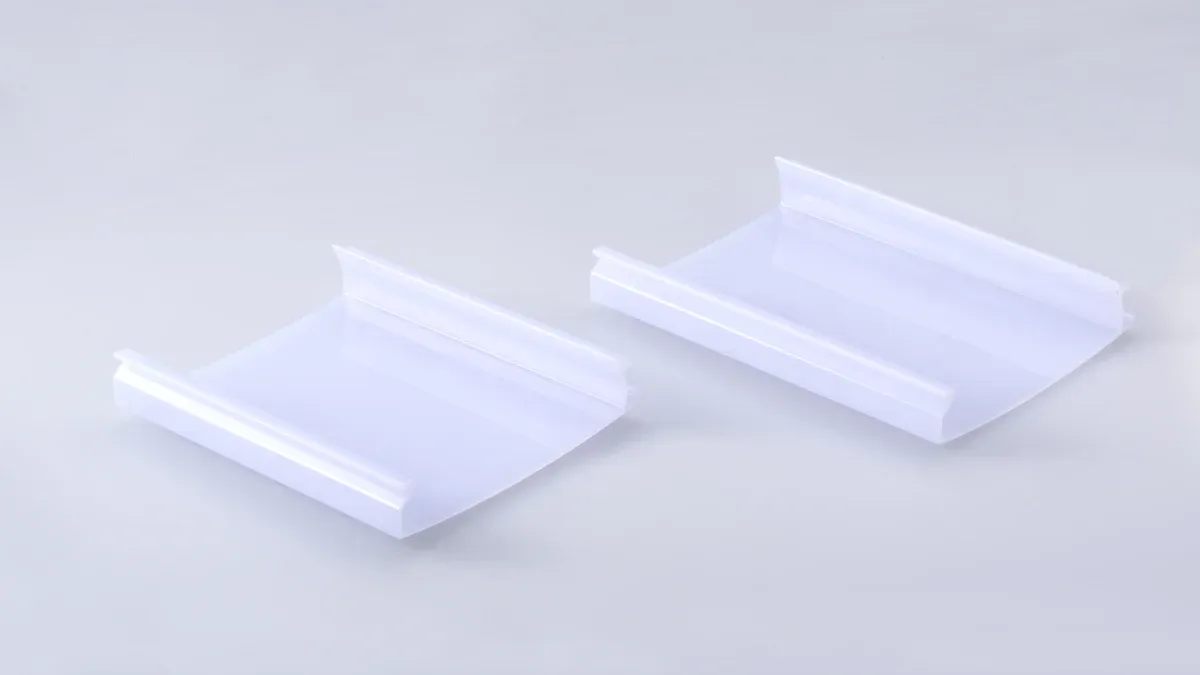
When I work with plastic extrusion, I often start with extrusion profile. This process creates continuous shapes with complex cross-sections. I see profile extrusion used for window frames, sila wā, cable ducts, and custom plastic extrusions for unique applications. The flexibility of this method allows me to design intricate profiles that meet specific project requirements. I rely on profile extrusion when I need consistent shapes and tight tolerances. Manufacturers use materials like PVC, PP, TPE, and ABS to achieve the right balance of strength and flexibility. I value this service because it supports both standard and extrusion plastik maʻamau nā hoʻonā, making it ideal for industries such as construction, kaʻa kaʻa, a me ka uila.
Pepa & Kiʻiʻoniʻoni Extrusion
Sheet and film extrusion play a major role in many of my projects. I use sheet extrusion to produce flat plastic sheets, which I later convert into items like signage, food trays, or wall panels. Film extrusion creates thin plastic films, which I often see in packaging, agricultural covers, and industrial wraps. The process involves melting plastic pellets and forcing them through a flat die, resulting in a continuous sheet or film. I choose materials such as PET, PP, PVC, PS, and ABS for their durability and clarity. The versatility of sheet and film extrusion lets me address a wide range of needs, from protective packaging to decorative panels.
Manaʻo kōkua: I always match the material to the end-use. ʻo kahi laʻana, I select PET for food packaging because it offers excellent clarity and barrier properties.
Paipu & Pipe Extrusion
Tubing and pipe extrusion stand out for their importance in construction, lāʻau lapaʻau, a me nā noi ʻoihana. I often specify this service when I need hoses, IV paipu, water supply pipes, or automotive fuel lines. The process shapes molten plastic into hollow tubes or pipes with precise diameters and wall thicknesses. I work with materials like PVC, HDPE, LDPE, PP, and PEX to ensure chemical resistance and durability. Tubing and pipe extrusion allow me to meet strict industry standards for pressure, hikiwawe, and cleanliness.
Eia kahi quick comparison of the main extrusion types, their applications, a me nā mea waiwai:
| Extrusion Type | Nā noi | Nā mea i hoʻohana ʻia |
|---|---|---|
| Pipe and Tube | Kūkulu (lako wai, waiʻawaʻawa), ʻOihana (chemical tubing), Lapaau (IV paipu), Kaʻa kaʻa (laina wahie) | PVC, HDPE, LDPE, PP, PEX |
| Pepa | hōʻailona, Hoʻopili ʻia (food trays), Kūkulu (wall panels) | PET, PP, PVC, PS, ABS |
| Kiʻiʻoniʻoni | Hoʻopili Meaʻai (wrappers), Mahiai (greenhouse covers), ʻOihana (stretch wrap) | Various plastics |
| Pilikino | Hale hale (nā puka makani), Uila (cable ducts), Kaʻa kaʻa (sila wā) | PVC, PP, TPE, ABS |
I always consider the end-use and required properties before choosing the right extrusion service. Each method offers unique benefits and supports a wide range of industries.
Hookui-hui
When I need to combine multiple materials into a single product, I turn to co-extrusion. This process allows me to create parts with distinct layers, each offering unique properties. ʻo kahi laʻana, I can use a rigid core for strength and a soft outer layer for flexibility. Co-extrusion gives me the flexibility to design products that meet demanding requirements in industries like automotive, kūkulu hale, a me ka paʻi ʻana.
I often choose co-extrusion when I want to improve performance or reduce costs. By layering materials, I can use a high-performance polymer only where needed and a more economical material elsewhere. This approach helps me balance quality and budget. I also see co-extrusion used for products that need a barrier layer, such as food packaging that requires moisture or oxygen resistance.
Here are some advantages I have experienced with co-extrusion:
- Enhanced product functionality by combining different material properties
- Cost savings through selective use of premium materials
- Improved aesthetics with colored or textured outer layers
- Greater design freedom for complex shapes
Manaʻo kōkua: I always discuss my application needs with the extrusion partner early in the process. This ensures the right material selection and layer configuration for optimal results.
Co-extrusion technology continues to advance. Many manufacturers now offer multi-layer capabilities, allowing up to five or more layers in a single extrusion. I find this especially useful for applications that require both strength and chemical resistance.
Custom Design Support
Custom design support plays a critical role in my projects. I rely on experienced engineers to help me turn ideas into manufacturable products. When I need custom plastic extrusions, I work closely with the supplier’s design team from the start. They help me select the right materials, optimize the profile geometry, and ensure the design meets all functional requirements.
The design process usually includes:
- Initial concept discussion and feasibility review
- CAD modeling and prototype development
- Material selection based on performance needs
- Tooling design and validation
- Production trial and final adjustments
I value suppliers who offer in-house tooling and rapid prototyping. This speeds up the development cycle and reduces the risk of costly errors. Good communication during the design phase helps me avoid misunderstandings and ensures the final product matches my expectations.
| Design Support Feature | Benefit to My Project |
|---|---|
| CAD Modeling | Visualizes the final product |
| Prototyping | Tests fit and function early |
| Material Guidance | Matches properties to application |
| Tooling Expertise | Ensures efficient production |
Nānā: I always ask for design feedback and suggestions from the supplier’s engineering team. Their experience often leads to better performance and lower costs.
Custom design support transforms my ideas into high-quality, functional products. It gives me confidence that my project will succeed from concept to production.
Getting Started with a Supplier
Initial Consultation
When I begin working with a new plastic extrusion supplier, I always schedule an initial consultation. This first meeting sets the tone for the entire project. I use this opportunity to share my project goals and discuss any unique requirements. I find that clear communication at this stage helps avoid misunderstandings later. I ask about the supplier’s experience with similar projects and request examples of past work. I also review their technical capabilities and available materials. This step allows me to gauge their responsiveness and willingness to collaborate. I often bring my engineering team to these discussions. Their input helps refine the design and identify potential challenges early.
Requesting Quotes
Once I feel confident in a supplier’s capabilities, I move on to requesting quotes. I know that a detailed and accurate quote depends on the information I provide. Before reaching out, I prepare several key details:
- I define my specific requirements for custom extrusions.
- I evaluate the material options that best fit my project.
- I collaborate with engineering support to refine the design and address any technical challenges.
By organizing this information, I help the supplier deliver a precise quote. I always ask for a breakdown of costs, including tooling, mea waiwai, and production. I compare quotes from multiple suppliers to ensure competitive pricing and service. I also check for any hidden fees or additional charges. This process gives me a clear understanding of the total project cost and timeline.
Manaʻo kōkua: I recommend providing drawings or CAD files when possible. Visual references help suppliers understand your needs and reduce the risk of errors.
Reviewing Agreements
After selecting a supplier, I carefully review the agreement before moving forward. I focus on several critical points to ensure project success:
- I outline all product and service requirements, including specifications, nā kūlana maikaʻi, quantities, and delivery timelines.
- I set budget constraints and confirm alignment with my internal team.
- I identify all suppliers involved and review their quotes for pricing and conditions.
- I finalize the agreement, making sure it covers delivery schedules, hua'ōlelo uku (such as a 30% waiho a 70% at shipping), and quality standards.
- I arrange for first article testing and approval to verify that samples meet my specifications before full production.
- I monitor production and supplier performance to ensure compliance with contract terms and quality standards.
- I manage shipping and delivery to guarantee timely and secure arrival while maintaining product integrity.
I always keep a copy of the signed agreement for reference. This document serves as a roadmap for the project and helps resolve any issues that may arise. Ma ka hahai ʻana i kēia mau ʻanuʻu, I build a strong foundation for a successful partnership with my plastic extrusion supplier.
Ongoing Collaboration
After I finalize the agreement with my plastic extrusion supplier, I shift my focus to building a strong, ongoing collaboration. I know that successful projects depend on more than just a signed contract. I invest time in nurturing the relationship and keeping communication open.
I schedule regular check-ins with my supplier. These meetings help me track project progress and address any issues early. I share feedback on recent deliveries and discuss upcoming needs. I find that open dialogue prevents misunderstandings and keeps both teams aligned.
I also set clear expectations for quality and delivery. I use key performance indicators (KPIs) to measure supplier performance. Some of the KPIs I track include:
| KPI | Why I Track It |
|---|---|
| On-Time Delivery Rate | Ensures my projects stay on schedule |
| Defect Rate | Monitors product quality |
| Response Time | Measures supplier communication speed |
| ʻoluʻolu | Assesses ability to handle changes |
I review these metrics with my supplier during our meetings. If I notice any issues, I address them directly and work together to find solutions. This approach builds trust and encourages continuous improvement.
I value transparency in every interaction. I share my production forecasts and any changes in demand as soon as possible. This helps my supplier plan resources and avoid last-minute surprises. I also ask for updates on new materials, technologies, or process improvements. Staying informed allows me to take advantage of innovations that can benefit my projects.
Manaʻo kōkua: I always document important discussions and decisions. Written records help me track progress and resolve disputes if they arise.
I encourage my team to visit the supplier’s facility when possible. These visits give us a better understanding of their capabilities and processes. I also invite supplier representatives to my site for joint problem-solving sessions. Face-to-face collaboration often leads to creative solutions and stronger partnerships.
I believe that ongoing collaboration creates long-term value. By working closely with my supplier, I achieve better quality, ʻoi aku ka wikiwiki o ka lawe ʻana, a emi iho na koina. I also build a partnership that can adapt to changing business needs. Naʻu, investing in the relationship pays off with every successful project.
I always focus on design flexibility, material innovation, and efficiency when I select a plastic extrusion partner. Profiles that solve specific problems and use materials like HDPE, polycarbonate, a me ka polypropylene deliver the best results. I recommend reviewing company strengths, preparing your project requirements, and reaching out for consultations.
- Tailor profiles to your needs
- Choose advanced polymers for durability
- Prioritize consistent quality and scalability
Continuous production means high throughput and reliable quality—ideal for repeatable custom parts and large runs.
Strong partnerships in plastic extrusion drive long-term success.
FAQ
What is plastic extrusion?
I use plastic extrusion to create continuous shapes from melted plastic. This process forms pipes, pepa, profiles, a me nā kiʻiʻoniʻoni. I rely on it for consistent quality and high-volume production.
How do I choose the right extrusion material?
I consider the application, ikaika, hikiwawe, a me ke kū'ē kemika. I often consult with my supplier’s engineers. They help me match the material to my project’s needs.
What industries use plastic extrusion?
I see plastic extrusion in construction, kaʻa kaʻa, kāʻei ʻana, lāʻau lapaʻau, a me nā mea uila. Each industry values the process for its efficiency and ability to produce custom shapes.
How long does a typical extrusion project take?
Project timelines vary. I usually see simple projects completed in 2–4 weeks. Complex designs or custom tooling may require more time. I always confirm lead times with my supplier.
Can I request custom colors or finishes?
ʻAe, I often request custom colors, textures, a i ʻole hoʻopau. Most reputable suppliers offer color matching and surface treatments to meet branding or functional requirements.
What quality standards should I expect?
I expect ISO 9001:2015 palapala hōʻoia, strict inspection processes, and traceability. These standards ensure consistent quality and reliable performance for every order.
How do I get a quote for my project?
I prepare drawings, kikoʻī, and quantity estimates. I send these details to my supplier. Clear information helps me receive accurate and competitive quotes.
What are the benefits of co-extrusion?
Co-extrusion lets me combine multiple materials in one product. I achieve enhanced strength, hikiwawe, or barrier properties. This process helps me optimize performance and cost.