

Pehea e hana ai ka Pelletizer Plastic i loko 2026
Hoʻololi ka pelletizer plastic i ka ʻōpala plastik a i ʻole ka mea maka pellets like ma o ke kaʻina hana i wehewehe maikaʻi ʻia. Hoʻomaka ʻoe me ka hānai ʻana, kahi e komo ai nā plastic i ka mīkini. Hoʻoheheʻe ka ʻōnaehana i ka mea, kānana i nā mea haumia, a hoʻokuʻu iā ia i loko o kahi make e hana i nā kaula mau. Hoʻopaʻa ka hoʻoluʻu i nā kaula, a laila ʻokiʻoki ka pahi ʻōwili iā lākou i loko o nā pellets pololei. Hoʻohālikelike kēlā me kēia pae i ka maikaʻi a me ka paʻa.
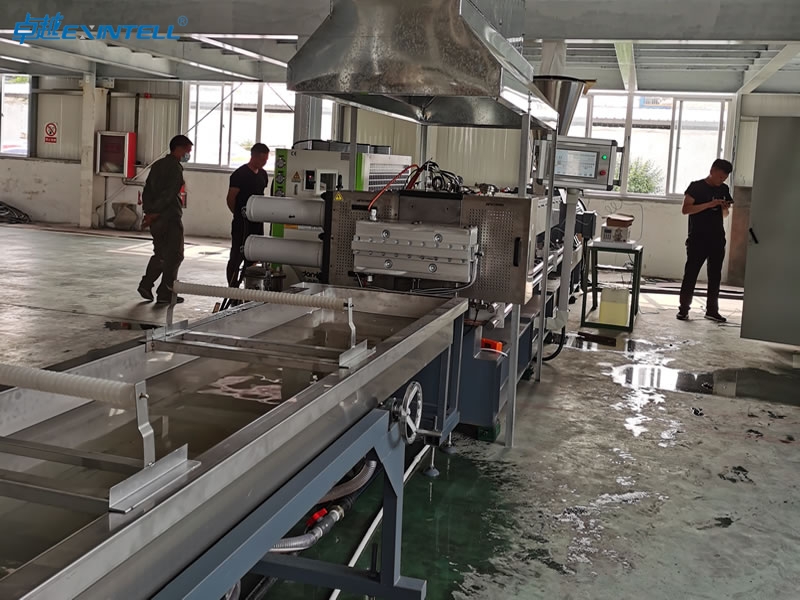
|
ʻanuʻu |
wehewehe |
|---|---|
|
Hanai |
Hoʻokomo ʻia ka ʻōpala i loko o ka mīkini ma o ka hopper, ʻo ia hoʻi nā ʻano plastik like ʻole. |
|
hehee |
Hoʻomaʻamaʻa ʻia ka plastic a hoʻoheheʻe ʻia i loko o ka extruder, e hoʻomākaukau ana no ka pae aʻe. |
|
Extruding |
Hoʻokomo ʻia ka plastic i hoʻoheheʻe ʻia ma o ka make e hana i nā kaula, ka hoʻoholo ʻana i ke ʻano o ka pellet a me ka nui. |
|
Hoʻoluʻu |
Hoʻomaʻalili ʻia nā kaula, hooikaika ana ia lakou no ka oki ana. |
|
ʻoki ʻoki |
Hoʻokiʻoki ʻia nā kaula i hoʻoluʻu ʻia i loko o nā pellet like ʻole e ka pahi ʻōwili, hiki ke hoʻololi ʻia no nā noi kikoʻī. |
Nā mea lawe nui
-
Hoʻololi nā pelletizer plastik i ka ʻōpala i loko o nā pellets like ʻole ma o nā ʻanuʻu: hanai ana, hehee ana, kānana, extruding, hooluolu, a oki.
-
He mea koʻikoʻi ka hānai ʻana a me ka mālama ʻana i ka wela no ka loaʻa ʻana o nā pellets kiʻekiʻe a me ka pale ʻana i nā hemahema..
-
ʻO nā ʻano pelletizer like ʻole, e like me ke kaula a me lalo o ka wai, mālama i nā mea like ʻole a me nā pono hana, pili i ke ʻano a me ka maikaʻi o ka pellet.
-
ʻO ka kānana maikaʻi o ka plastic molten e wehe i nā haumia, e hōʻoia ana i nā pellets maʻemaʻe a ʻaʻahu ʻoiai e pale ana i nā mea hana.
-
Nā ʻano hoʻoluʻu, me ke apo wai a me ka hooluolu o lalo o ka wai, pili nui i ka maikaʻi o ka pellet a me ka pono hana.
-
ʻO ka mālama mau ʻana a me ka nānā ʻana i nā mea hana e kōkua i ka pale ʻana i nā pilikia maʻamau e like me ka hānai pono ʻole a me nā kānana clogged.
-
Nā hana hoʻomalu maikaʻi, me ka laʻana kūpono a me ka kānana, hōʻoia i ka hui ʻana o nā pellets nā kūlana ʻoihana a mālama i ke kūlike.
-
ʻO ka hoʻopili pono ʻana a me ka mālama ʻana i nā pellets e pale iā lākou mai ka makū a me ka haumia, e hōʻoia ana e hoʻomau lākou i ke kūlana kiʻekiʻe no ka hoʻohana e hiki mai ana.
ʻIkepili Kaʻina Hana Pelletizer
He aha ka Plastic Pelletizer
Hoʻohana ʻoe i ka pelletizer plastic e hoʻololi i ka plastic maka a i ʻole nā mea hana hou i loko o nā granules me nā nui a me nā ʻano kikoʻī.. Mālama kēia mīkini i ka mahana, kaomi, a me ka wikiwiki hoʻololi e hoʻopuka i nā hopena kūlike. ʻO ka mīkini pelletizing plastic ʻoki i ka plastic extruded i loko o nā granules pākahi, e hāʻawi ana i ka nui maʻamau no ka hana hou aku. Ke hilinaʻi nei ʻoe i kēia mea hana e hoʻokele i ka pono, ʻano ʻili, a me ka nui o kēlā me kēia ʻāpana. ʻO ke kumu hana o ka plastic granulator e pili ana i ka hoʻoheheʻe ʻana i ka plastic, kānana ʻana i nā haumia, a me ka hana ʻana i nā pellet like ʻole ma o ka mālama pono ʻana i nā kūlana i loko o ka ʻāpana.
-
ʻOki i ka plastic extruded i loko o nā granules pākahi.
-
Hāʻawi i ka nui kūlike no ka hana hou ʻana i ka hana ʻana.
-
Hoʻololi mau i nā kaula i hoʻoheheʻe ʻia i loko o nā granule o ka nui like ole.
-
Hoʻohana ma ke ʻano he mea maʻamau no ka hoʻoheheʻe ʻana a me ka extrusion kiʻiʻoniʻoni.
Nā Hana Nui i ka Pelletizing
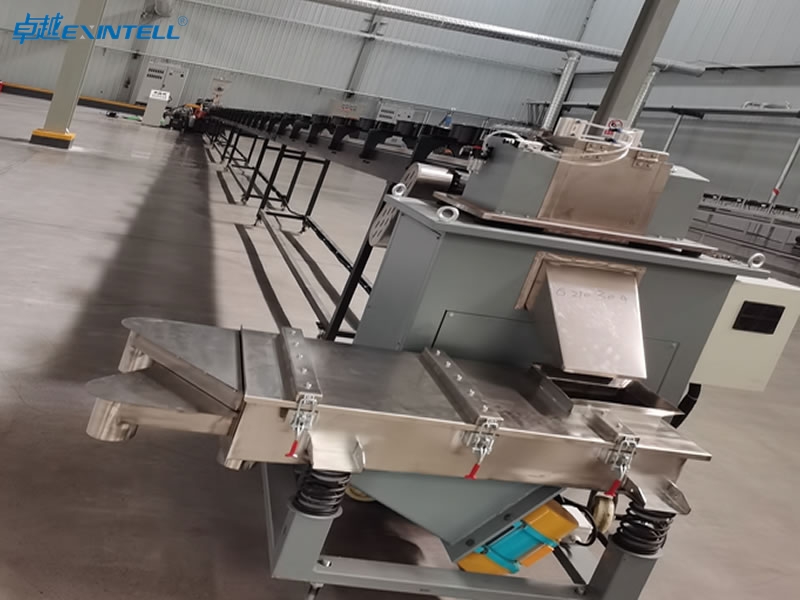
Ke hahai nei ʻoe i kahi moʻo o nā ʻanuʻu i ka wā e hana ai i ka pelletizer plastic. Hoʻohālikelike kēlā me kēia pae i ka maikaʻi a me ke kūlike o ka huahana hope. Eia kahi kaʻina hana maʻamau:
-
Hanai & lapaʻau mua: Hoʻokomo ʻoe i nā mea maka ma o ka hopper a mea hānai paha. Hoʻonui ka hoʻomaʻamaʻa mua ʻana i ka nui nui a hoʻomākaukau i ka mea no ka hoʻoheheʻe ʻana.
-
hehee & hana palaki: Hoʻohana ʻoe i ka wela a me ka ʻāhi me ka extruder. Loaʻa kēia ʻanuʻu i kahi flux like a hoʻomākaukau i ka plastic no ka kānana.
-
Nā kānana hoʻoheheʻe: E kānana ʻoe i ka plastic i hoʻoheheʻe ʻia e wehe i nā mea haumia. ʻO nā mea maʻemaʻe e hōʻoia i nā pellets kiʻekiʻe.
-
Make extrusion & ʻoki ʻoki: Hana ʻoe i ka hoʻoheheʻe kānana i loko o nā pellet me ka hoʻohana ʻana i ka mīkini make a ʻokiʻoki.
-
Hoʻoluʻu & hānai: Hoʻomaʻalili ʻoe i nā pellets a laila hoʻomaloʻo a mālama paha iā lākou no ka hoʻohana ʻana i ka wā e hiki mai ana.
Manaʻo kōkua: ʻO ka hānai ʻana a me ka mālama ʻana i ka mahana e kōkua iā ʻoe e hoʻokō i ka nui o ka pellet a pale i nā hemahema.
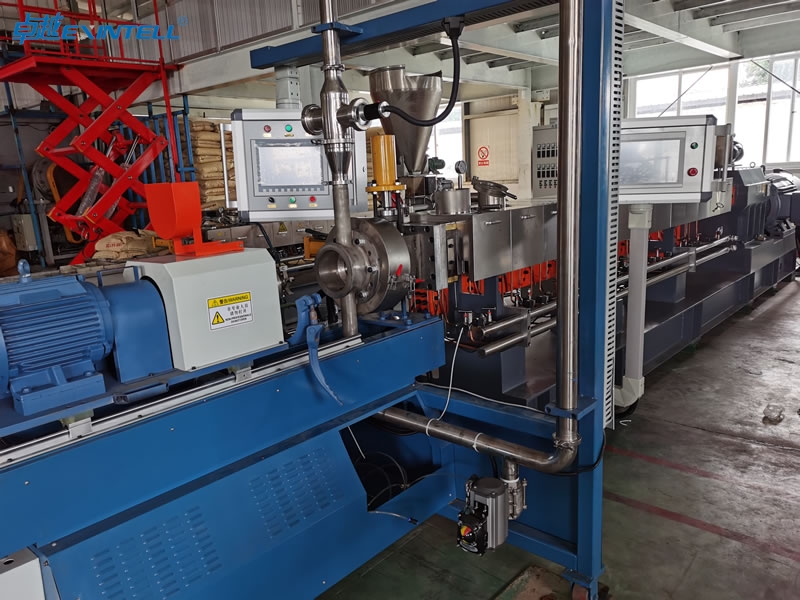
Hiki iā ʻoe ke koho mai nā ʻano mea hana pelletizing, kūpono kēlā me kēia no nā mea a me nā ʻano like ʻole. Hōʻike ka papa ma lalo i nā koho maʻamau:
|
ʻAno Pelletizer |
ʻOi aku no ka |
ʻAno Pellet |
Uku Pili |
|---|---|---|---|
|
PE, PP, PS - meaʻai maʻemaʻe |
Pohaku |
Haʻahaʻa |
|
|
PET, PA, ʻenekinia plastics |
pōʻai |
Kiʻekiʻe |
|
|
Pelletizer apo wai |
PE, PP — hoʻohaumia haʻahaʻa |
Lenticular/spherical |
Kauwaena |
No ke aha he mea nui ka Pelletizing
He kuleana koʻikoʻi ka pelletizing i ka hana hou ʻana a me ka hana ʻana. Hoʻololi ʻoe i ka plastic i hoʻoheheʻe ʻia i loko o nā pellet like ʻole, hiki iā ʻoe ke mālama, halihali, a hana hou e like me ka resin puʻupaʻa. Hāʻawi kēia hoʻololi i nā mea hana hou e komo hou i ka pōʻai hana me ka maikaʻi. Loaʻa iā ʻoe ka maʻalahi o ka lawelawe ʻana a me ka hoʻomaikaʻi ʻana i ka hui ʻana i ka wā hana. Kākoʻo ka huahana hope i ka hoʻokele waiwai pōʻai no nā plastics ma o ka hoʻolako ʻana i nā mea i hoʻihoʻi ʻia.
-
Pelletization hana maʻalahi a ʻoi aku ka maikaʻi o ka mālama ʻana i nā meaʻai plastik.
-
Hāʻawi ia i nā hopena kūlike i ka wā o ka hui ʻana a me ka hana ʻana.
-
Hāʻawi ke kaʻina hana i ka ʻoihana pōʻai holoʻokoʻa no nā plastics me nā mea i hoʻihoʻi ʻia.
Ke alo nei ʻoe i nā pilikia i ka wā o ka pelletizing. Hiki ke alakaʻi i ka hana mechanical maikaʻi ʻole a me ka nalowale o ka waiwai o ka wai kiʻekiʻe i loko o nā pellets. Pono ʻoe i nā ʻōnaehana hoʻomaloʻo maikaʻi a me ke koho ʻana i nā lako pono e hōʻemi i ka makū. ʻO ka nui o ka pellet like ʻole ka hopena pinepine ma muli o nā hana hānai pono ʻole. Hoʻoponopono ʻoe i kēia me ka hoʻohana ʻana i nā ʻōnaehana hānai pololei. ʻO ke koho o ka mīkini, e like me ka granulator me ka pololei-engineed blades, pili pono i ka maikaʻi o nā pellets i hana ʻia.
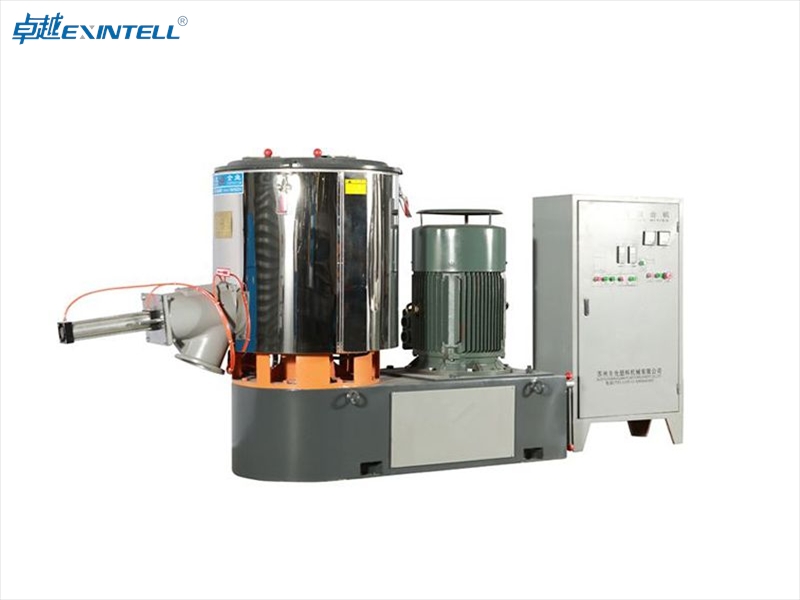
ʻIke pū ʻoe i nā holomua ʻenehana ma 2026. Hoʻokahi-screw extruders me L/D lākiō ma waena 32:1 a 38:1 he mea maʻamau. Hoʻonui ka hoʻonohonoho tandem i ka degassing a me ka kānana. Hiki i nā mea hoʻololi pale hoʻomau ke hoʻololi i ka kānana me ka hoʻōki ʻole i ka hana ʻana. Hoʻonui ka ʻenehana Bimetallic i ka lōʻihi, a me ka hui pū ʻana me nā māhoe māhoe māhoe e hoʻoneʻe pono i nā mea poke. Hana ʻia nā pelletizer ma lalo o ka wai, nā pellets lepo ʻole a kauoha i nā kumukūʻai kūʻai hou aku.
|
ʻenehana |
wehewehe |
Nā pōmaikaʻi |
|---|---|---|
|
ʻenehana Bimetallic |
Hoʻonui nā mea kiʻekiʻe i ka lōʻihi |
Hoʻonui i ka lōʻihi e 3-5 manawa |
|
ʻŌwili māhoe māhoe like ʻole |
Ka hoʻoneʻe maikaʻi, nā hana hoʻomaʻemaʻe ponoʻī |
Hoʻopau maikaʻi i nā mea haumia |
|
Mea hoolele malalo o ka wai |
Hoʻopuka i ka lole, pellets lepo ʻole |
ʻOi aku ke kumu kūʻai hou aku, kūpono no ka ʻenekinia plastik |
Hiki iā ʻoe ke hoʻokō i nā mana throughput mai 80 kg/h a oi 1,000 kg/h, ma muli o ke ʻano mīkini a me ka hoʻonohonoho. Hoʻopakele nā laina ikaika i ka ikehu ma waena $30,000-$80,000 i kēlā me kēia makahiki i hoʻohālikelikeʻia i nā hiʻohiʻona maikaʻiʻole. In 2026, ʻO ka hoʻohana ikehu kikoʻī no nā pelletizer plastik nā pae mai 0.25-0.35 kWh/kg, me nā hoʻonohonoho papa maikaʻi loa e loaʻa ana i ka haʻahaʻa 0.20-0.30 kWh/kg.
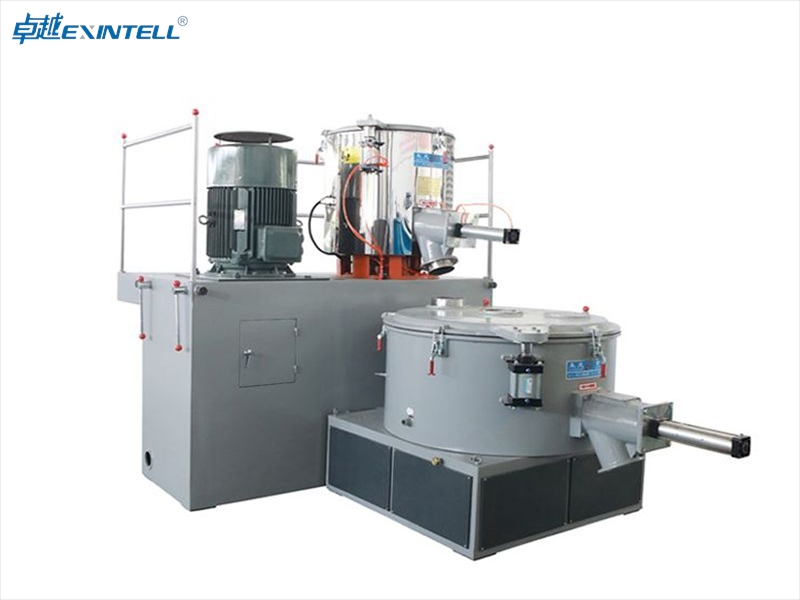
Nānā: ʻO ka hoʻohālikelike ʻana i nā ʻāpana he nui a me nā hoʻolālā wili hou e kōkua iā ʻoe e hana i nā bio-plastic a me nā ʻaoʻao koʻikoʻi ʻole..
Ke hilinaʻi nei ʻoe i ka ʻenehana granulator plastic a me ka ʻenehana granulator e hana i nā pellets like ʻole e kūpono i nā kūlana ʻoihana. ʻO ke kaʻina hana e hōʻoiaʻiʻo iā ʻoe nā meaʻai pono no ka hana ʻana a me ka hana hou ʻana, e kākoʻo ana i ka pono a me ka hoʻomau.
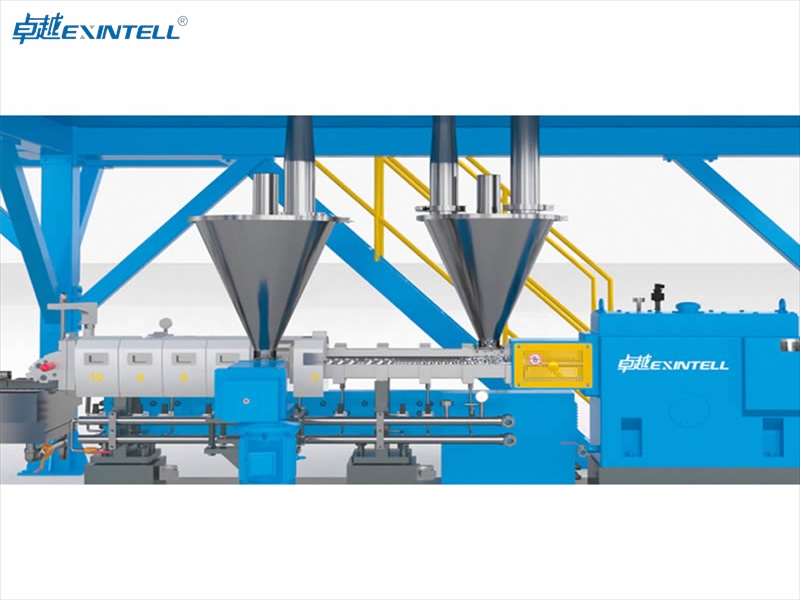
Hanai palaki
Mea Hookomo
Hoʻomaka ʻoe i ka kaʻina hana pelletizing ma ke koho ʻana i nā mea hoʻokomo kūpono. Hiki iā ʻoe ke hoʻohana i ka ʻōpala plastik, puʻupaʻa plastic, a i ʻole ka hui ʻana o nā mea ʻelua. Ma mua o kou hānai ʻana i kēia mau mea i loko o ka pelletizer plastic, pono ʻoe e hoʻomākaukau pono iā lākou. Eia kahi kaʻina hana hoʻomākaukau maʻamau:
-
Hoʻomākaukau ʻilika: Holoi ʻoe a ʻokiʻoki i ka plastic i hana hou ʻia e wehe i ka lepo a me nā mea haumia. Hiki iā ʻoe ke hoʻoheheʻe i ka mea inā pono. Hele pinepine mai ka plastic plastic ma ke ʻano he flakes a granules paha, mākaukau no ka hana ʻana.
-
Hehee a me Extrusion: Hoʻomaʻamaʻa ʻoe i ka plastic i hoʻomākaukau ʻia i loko o ka mīkini pelletizing plastic. Hoʻoheheʻe ka extruder i ka mea a hoʻokuʻu iā ia i mua.
-
ʻoki ʻoki: Hoʻohana ʻoe i nā lau ʻōwili a i ʻole ka granulator e ʻoki i ka plastik i hoʻoheheʻe ʻia i ʻāpana liʻiliʻi.
-
Hoʻoluʻu: Hoʻomaʻalili ʻoe i nā pellet me ka ea, wai, a i ʻole nā mea ʻelua.
-
ʻO ka hoʻomaloʻo a me ke kānana: Hoʻomaloʻo ʻoe i nā pellet i hoʻomaloʻo ʻia a pale iā lākou e hōʻoia i ka nui a me ka maikaʻi.
Pono ʻoe e makaʻala i ka maʻemaʻe a me ka nui o nā mea hoʻokomo. Maʻemaʻe, ʻO ka ʻōpala i hoʻomākaukau maikaʻi ʻia e kōkua iā ʻoe e pale i nā hemahema a hoʻomaikaʻi i ka maikaʻi o nā pellets.
Na Hana Hanai
Ke hilinaʻi nei ʻoe i nā hana hānai kūpono e hoʻoneʻe i ka plastic i loko o ka ʻōnaehana pelletizing. ʻElua mau ala nui e kōkua iā ʻoe e hoʻokō i ka hānai paʻa a mālama ʻia.
Hopper
Hoʻohana ʻoe i kahi hopper e hoʻouka ai i ka ʻōpala plastik a i ʻole nā mea puʻupaʻa i loko o ka pelletizer plastic. Hoʻopaʻa ka hopper i ka mea a hoʻokuʻu iā ia ma kahi wikiwiki i hoʻomalu ʻia. Hiki iā ʻoe ke hoʻololi i ke kahe e like me ka hiki o ka mīkini pelletizing plastic. Hoʻokomo pinepine nā Hoppers i nā mea ʻike e nānā i nā pae waiwai a pale i nā poloka.
Nā mea hoʻokele
Hoʻohana ʻoe i nā conveyors e lawe i ka plastic mai ka waiho ʻana i ka hopper a i ʻole pololei i ka pelletizer. Hāʻawi nā Conveyors i kahi kahawai mau o nā mea a hoʻemi i ka lawelawe lima. Hiki iā ʻoe ke koho i ke kāʻei, wiliwili, a i ʻole nā mea lawe uila e pili ana i ke ʻano a me ka nui o ka plastic. Kōkua nā mea hoʻokele iā ʻoe e mālama i ka nui o ka hānai ʻana a e hōʻemi i nā pilikia.
Manaʻo kōkua: Pono ʻoe e nānā mau i ka ʻōnaehana hānai no ka pale ʻana i nā jams a hōʻoia i ka hana maʻemaʻe.
Mea nui ka hānai mau ʻana
Pono ʻoe hānai mau e hana i nā pellets kiʻekiʻe. ʻO ka hānai mau ʻana e hōʻoia i ka nui like ʻole, kinona, a me ka makū. Inā ʻae ʻoe i nā ʻano like ʻole o ka hānai ʻana, pilikia ʻoe i ka hana ʻana i nā pellets me nā hemahema o ka ʻili a i ʻole nā puka. Hiki i ka loli ʻana o ka wai ke hoʻopau i ka ikaika mechanical a hiki i nā hemahema o nā mea hana. ʻOi aku ka paʻakikī o ka maikaʻi pellet no ʻoe ke kūʻai aku a hoʻohana paha i nā pellets i nā noi kalepa.
-
Hiki ke alakaʻi i ka nui pellet inconsistent nā hemahema o ka ʻili a me nā hakahaka.
-
Hiki i nā ʻano like ʻole o ka makū ke lilo i ka nalowale o ka ikaika mechanical a me nā hemahema o nā mea hana.
-
Hiki i ka maikaʻi pellet paʻa ke keʻakeʻa i ka ʻae ʻana i nā noi ʻoihana.
Mālama ʻoe i ka makū ma ka mālama ʻana i ka hānai mau. Pono kēia ʻanuʻu no ka hoʻokō ʻoi aku ka maikaʻi o ka huahana. Inā hōʻole ʻoe i ka hānai ʻana, hiki iā ʻoe ke kū i nā pilikia o ka hoʻoponopono ʻana i lalo, e like me nā hemahema o ka ʻili a me nā hemahema o ke kūkulu ʻana. Ke hilinaʻi nei ʻoe i ka ʻenehana granulator a me ka ʻenehana granulator e kōkua iā ʻoe e hoʻokō i ka ʻai like ʻole a me ka maikaʻi o ka pellet.
Hehee a me ka ho'opalapala
Barela Extruder a me ka Screw
Ke hilinaʻi nei ʻoe i ka pahu extruder a me ka wili e hoʻololi i ka ʻōpala palaka a i ʻole nā mea maka i mea maʻalahi, hoʻoheheʻe ʻaʻahu. Hoʻololi ka wili i loko o ka pahu wela, e hoʻokuke ana i ka plastic i mua. I ka huli ʻana o ka wili, hana ia i ka hana mechanical a me ka wela wela. Hoʻoheheʻe kēia kaʻina i ka plastic me ka maikaʻi. ʻO nā mea hoʻomehana waho ma ka barela e hoʻonui i ka wela, e hōʻoia i ka loaʻa ʻana o ka mea i ka wela kūpono no ka pelletizing. Hāʻawi pinepine ʻia ka wela mai ka wili i kahi ʻāpana nui o ka ikehu e pono ai no ka hoʻoheheʻe ʻana.
Eia ka ʻike wikiwiki o ka hana like ʻana o kēia mau ʻāpana:
|
ʻāpana |
Hana |
|---|---|
|
ʻūlū |
Hoʻololi i ka plastic i hoʻoheheʻe ʻaʻahu ma o ka hana mechanical a me ka wela wela. |
|
Barela |
Hoʻomaʻamaʻa a hoʻopaʻa i ka plastic, hōʻoia i ka hoʻoheheʻe ʻana a me ka hānai ʻana i ke poʻo make. |
Pono ʻoe i ka wili a me ka pahu e hana like. Inā hāʻule kekahi ʻāpana, ʻAʻole hiki i ka pelletizer plastic ke hana i nā pellets kūlike.
Hoʻomalu wela
Pono ʻoe e mālama pono i ka mahana i ka wā o ka hoʻoheheʻe ʻana. Pili pololei ka mahana i ka heheʻe ʻana o ka plastic a kahe ma ka ʻōnaehana extrusion. ʻO nā hoʻonohonoho wela kūpono e kōkua iā ʻoe e hoʻokō i ka holo ʻana o nā mea waiwai a paʻa, kiʻekiʻe-hua extrusion. Inā haʻahaʻa loa ka mahana, ʻaʻole hiki ke hoʻoheheʻe ʻia ka plastik. Ke alakaʻi nei kēia i ka viscosity nui a me ka plasticization maikaʻi ʻole. Inā hoʻonoho ʻoe i ka wela kiʻekiʻe, hiki ke hoʻohaʻahaʻa ka plastic. Hoʻokumu kēia i nā pellets brittle a hoʻemi i ko lākou ikaika mechanical.
-
Hoʻopili ka wela i ka plasticization, hiki ke kahe, a me nā waiwai o nā pellets hope.
-
ʻO ka mahana kūpono e hōʻoia i ka hana paʻa a me ka hopena kiʻekiʻe.
-
ʻO nā mahana haʻahaʻa e hoʻoheheʻe ʻole ʻia a me ka viscosity kiʻekiʻe.
-
Hiki i nā wela kiʻekiʻe ke hoʻohaʻahaʻa i ka wela a me nā pellet nāwaliwali.
Manaʻo kōkua: E nānā mau i nā ʻāpana wela ma ka pahu e mālama i nā kūlana hoʻoheheʻe maikaʻi loa.
Hoʻomaʻemaʻe ma mua o ka pelletizing
Ma mua o kou neʻe ʻana i ka pae extrusion, pono ʻoe kānana i ka plastic i hoʻoheheʻe ʻia. Hoʻopau ka kānana i nā haumia e like me ka lepo, nā ʻāpana metala, a i ʻole nā mea i hoʻoheheʻe ʻia. He mea nui ka hoʻoheheʻe maʻemaʻe no ka hana ʻana i nā pellets kiʻekiʻe. Hoʻohana ʻoe i nā pale mesh maikaʻi a i ʻole nā ʻeke kānana i loko o ka mīkini pelletizing plastic e pahele i nā mea haumia. Mālama kēia ʻanuʻu i ka ʻōnaehana make a ʻokiʻoki mai ka pōʻino. Hoʻomaopopo pū ia i ka ʻili o nā pellets i kahi maʻemaʻe a me ke ʻano like ʻole.
Pono ʻoe e nānā a hoʻololi mau i nā kānana. Hiki i nā kānana clogged ke ho'ēmi i ke kahe a hoʻoulu i ke kaomi i loko o ka ʻōnaehana extrusion. Kākoʻo ka kānana kūpaʻa i ka pono holoʻokoʻa o ke kaʻina hana pelletizing. Loaʻa iā ʻoe nā hopena ʻoi aku ka maikaʻi a me ka liʻiliʻi o nā hemahema i kāu pellets i hoʻopau ʻia.
Nānā: Hoʻonui ka kānana maikaʻi i ke ola o kāu granulator plastik a me nā lau granulator.
Extrusion Ma o ka Papa Die
Hana Papa Make
Hiki ʻoe i kahi pae koʻikoʻi i ke kaʻina hana pelletizer i ka wā e hiki mai ai ka ʻilika hoʻoheheʻe i ka pā make. Hana ʻia ka papa make ma ke ʻano he mea paahana pololei e hoʻoheheʻe i nā mea i hoʻoheheʻe ʻia i mau kaula. Ke hilinaʻi nei ʻoe i kēia ʻāpana e wehewehe i ka nui mua a me ke ʻano o kēlā me kēia kaula, lilo ia i pellet. Hoʻopili pololei ka hoʻolālā ʻana o ka pā make i ka maikaʻi a me ke kūlike o kāu hoʻopuka.
Eia ka ʻike wikiwiki o kī make papa hiʻona:
|
Hiʻona |
wehewehe |
|---|---|
|
Hana |
Hoʻokuʻu i ka polimer hoʻoheheʻe ma nā puka e wehewehe i ka nui o ka pellet |
|
Ka nui o ka lua |
ʻO ka laulā maʻamau mai 2.5 i 4 mm ke anawaena |
|
Ka helu o na puka |
ʻO ka maʻamau ma waena 200 i 800 puka |
|
Ka hopena i ka maikaʻi |
Hoʻopili ka hoʻolālā i nā ʻano pellet hope loa, me ka nui a me ke kino |
Hiki iā ʻoe ke hoʻololi i ke anawaena puka a me ka hoʻonohonoho ʻana e hoʻomalu i ka mānoanoa strand. Hoʻopuka nā puka liʻiliʻi i nā kaula lahilahi a me nā pellet liʻiliʻi. ʻO nā puka nui e hāʻawi mai i nā kaula mānoanoa a me nā pellets nui aʻe. Hoʻomaopopo ka papa make i kēlā me kēia kaula e haʻalele ana i ka ʻōnaehana extrusion e kūlike i kāu mau kikoʻī i makemake ʻia.
Pumi a me ke ʻano Pellet
Pono ʻoe e mālama i ke kaomi kūpono i ka hele ʻana o ka plastic i hoʻoheheʻe ʻia i loko o ka pā make. Hoʻohana ka ʻōnaehana extrusion i ke kaomi e hoʻokuke pono i ka mea ma kēlā me kēia puka. ʻO ka paʻi paʻa e pale i nā hewa ʻole i ka mānoanoa strand a kōkua iā ʻoe e hoʻokō i ka nui o ka pellet like. Inā hāʻule a piʻi paha ke kaomi, ʻike paha ʻoe i nā hemahema e like me ke ʻano like ʻole a i ʻole nā ʻeke ea i loko o nā pellets.
ʻO ke ʻano o kēlā me kēia pellet e pili ana i ka hoʻolālā papa make a me ke kaomi i ka wā extrusion. Hiki iā ʻoe ke koho i nā ʻano puka like ʻole a me nā hoʻonohonoho e hana i ka cylindrical, poepoe, a i ʻole nā pellet lenticular. ʻO ka hui kūpono o ke kaomi a me ka hoʻolālā papa make e hāʻawi iā ʻoe i ka mana ma luna o ka helehelena hope a me ka hana o kāu huahana.
Hoʻohalahala i nā ʻōniʻoniʻo
Loaʻa iā ʻoe nā ʻano hana no ka hana ʻana i nā kaula plastik ma mua o ka ʻoki ʻana iā lākou i mau pellet. Hāʻawi kēlā me kēia ala i nā pono kūʻokoʻa no nā noi like ʻole. ʻO ke koho o ke ala e pili ana i ka maikaʻi, koina, a me ke kūlike o kāu mau pellets.
|
ʻano hana |
wehewehe |
Ka hopena i ka maikaʻi o ka Pellet |
|---|---|---|
|
Hoʻopuka i ka plastic i loko o nā kaula, a laila ʻokiʻoki iā lākou i ʻōpala. |
Kūʻai-pono no nā pūʻulu liʻiliʻi, akā ʻokoʻa paha ka maikaʻi. |
|
|
ʻOki i nā kaula ma lalo o ka wai, ka mea e maʻalili a mālama i ka maikaʻi. |
Hoʻopuka i nā pellet kiʻekiʻe ma muli o ka hoʻomaha maikaʻi. |
|
|
Nā Pūnaehana Puka Wai |
E hoʻohana i ke apo wai e hoʻoʻalili a ʻoki i nā kaula. |
E hōʻoia i ka maikaʻi o ka maikaʻi ʻoiai ke kumu kūʻai. |
Hiki iā ʻoe ke hoʻohana i ka strand pelletizing no nā ʻāpana liʻiliʻi o ka ʻōpala plastik, e like me ka hāʻawi ʻana i kahi ala maʻalahi a maʻalahi. Hana maikaʻi ka ʻoki alo wela ma lalo o ka wai inā makemake ʻoe i nā pellets kiʻekiʻe me nā ʻili laulima. ʻO ke kumu kūʻai a me ka maikaʻi o nā ʻōnaehana apo wai, e kūpono ana iā lākou no nā ʻano plastics.
Ke hilinaʻi nei ʻoe i ka ʻenehana granulator plastik a me ka ʻenehana granulator e hoʻopau i ke kaʻina hana. After shaping and cooling, the system cuts the strands into uniform pellets. This step completes the transformation from melting to finished product, ready for packaging or further processing.
Manaʻo kōkua: Always monitor the extrusion system for stable pressure and temperature. This helps you maintain consistent pellet quality and reduces downtime.
Nā ʻano hoʻoluʻu
After the extrusion stage, pono ʻoe cool the hot strands quickly to form solid pellets. The cooling method you choose affects pellet quality, hoohana ikehu, and production speed. You can select from water ring cooling, underwater cooling, or air cooling, depending on your material and production needs.
Water Ring Cooling
You often use water ring cooling for polyolefins and polystyrene. Ma keia ano, you direct a ring of water around the die face. The water cools and solidifies the strands as they exit, then a cutter chops them into pellets. This system works well for many standard plastics and offers a compact design.
Here is a summary of the main advantages and disadvantages:
|
Nā pono |
Nā pōʻino |
|---|---|
|
Not suitable for sticky or thick materials |
|
|
Produces visually appealing pellets |
Requires close monitoring of water |
|
Compact system with lower costs |
Limited material compatibility |
|
Handles changes in melt temperature and pressure well |
Lower production capacity compared to underwater systems |
|
Space-efficient and easy to control |
Limited to specific materials |
|
Cost-effective for budget-conscious companies |
Not effective for materials that heat up or stick together |
|
Cannot handle high production demands |
|
|
Good for budget management |
Limited to certain materials like polyolefins and polystyrene |
You should choose water ring cooling if you want a space-saving, budget-friendly solution for standard materials. You must monitor the water system closely to prevent issues with sticky or thick plastics.
Underwater Cooling
You can achieve high-quality pellets with underwater cooling. Ma keia ano, you cut the strands directly in a water chamber. The water cools and solidifies the pellets instantly, which leads to a smooth surface and uniform size. You benefit from continuous operation and high output rates.
-
Underwater pelletizers produce uniform pellets with minimal fines and dust.
-
The rapid solidification process ensures consistent shape and size.
-
You can reach high production rates due to efficient cooling and solidification.
-
Compared to air-cooled systems, underwater cooling uses less energy because water transfers heat more efficiently.
You should consider underwater cooling if you need top-quality pellets and high production capacity. This method works well for demanding applications and advanced materials.
Hooluu Ea
You may select air cooling for materials that react poorly to moisture, such as biodegradable plastics like PLA or PBAT. Air cooling uses fans or blowers to cool the strands as they exit the die. This method eliminates the need for drying systems, which can simplify your process.
|
Nā noi |
Nā palena |
|---|---|
|
Not suitable for all types of materials |
|
|
Used for biodegradable materials (PLA, PBAT) |
Limited cooling efficiency compared to water cooling |
|
Eliminates the need for drying systems |
Potentially higher energy costs |
You should use air cooling if you process moisture-sensitive materials or want to avoid extra drying steps. You may face higher energy costs and slower cooling compared to water-based methods.
Manaʻo kōkua: Always match your cooling method to your material and production goals. The right choice helps you avoid defects and maintain the quality of your pellets.
You rely on the granulator to complete the process after cooling. The granulator cuts the solidified strands into uniform pellets, ready for packaging or further use. Efficient cooling ensures that the melting and cutting stages produce high-quality pellets from your plastic waste.
Pelletizing and Cutting
Knife Cutting Mechanism
You rely on the knife cutting mechanism to transform cooled plastic strands into finished pellets. The system positions specialized knives close to the die face, where the strands exit. ʻO ka Melt-to-Cut window plays a crucial role here. If you allow too little time between the die and the blade, you may see misshapen pellets. Too much time can cause fractures and fines, which lowers overall quality. Pelletizing knives come in different shapes, such as straight, slanted, or V-shaped, and each suits a specific type of pelletizer. Manufacturers use high-carbon steel or tool steel for these knives, which increases durability. Precision in cutting is essential, so many knives are CNC-machined for tight tolerances. Heat treatments and coatings further extend blade life and improve performance.
-
The Melt-to-Cut window determines pellet shape and quality.
-
Knife material and shape affect durability and cutting precision.
-
Proper timing prevents defects and ensures consistent results.
Achieving Uniform Pellets
You want every pellet to have the same size and shape. To achieve this, you must control several process variables during cutting. Adjusting the feed rate, disc angle, and disc speed lets you fine-tune pellet size. For smaller pellets, you increase the feed rate and disc angle, feed closer to the three or four o’clock position, and raise the disc speed. For larger pellets, you decrease the feed rate and disc angle, feed closer to the seven o’clock position, and lower the disc speed. These adjustments help you maintain uniformity and avoid defects.
Manaʻo kōkua: Monitor your process controls closely. Small changes in feed or speed can make a big difference in pellet quality.
You also need to ensure that the granulator operates smoothly. Consistent operation helps you cut into pellets with minimal variation, supporting high-quality output.
Types of Pelletizer Cutters
You can choose from several types of pelletizer cutters, each designed for specific materials and production needs. The cutter type affects pellet shape, puka komo, a me ka makū. Eia kahi hoohalike ana:
|
ʻAno |
ʻAno Pellet |
Na Mea Pono |
Ka holo ana (kg/h) |
Residual Moisture (%) |
|---|---|---|---|---|
|
Strand |
Pohaku |
Nā mea wela wela (PP, PE, ABS, PS) |
100–2,000 |
<1% |
|
Ma lalo o ka wai |
pōʻai |
All Polymers |
500–3,000+ |
<0.05% |
|
apo wai |
Lenticular |
PE, PP, PC, PS |
200–1,500 |
<0.5% |
Strand pelletizing uses a water bath for cooling and works well for continuous strands. Underwater pelletizers cut molten plastic directly into pellets with rapid cooling, giving you better control over size and shape. Water ring systems offer a balance between cost and quality, producing lenticular pellets suitable for many applications.
You select the right cutter based on your material, desired pellet characteristics, a me nā pahuhopu hana. This choice ensures your pellets meet industry standards and customer requirements.
Pellet Collection and Finishing
ʻO ka hoʻomaloʻo a me ke kānana
You must ensure that pellets are dry and free from unwanted materials before packaging. Moisture control is critical because wet pellets can lead to product degradation and issues during storage. Ma hope o ka hoʻoluʻu, you monitor moisture content to optimize the process. You use screening equipment to separate well-formed pellets from fines and debris. Screening also removes stones, ilikai, metals, and other hard materials that could damage your equipment. A stone trap helps you eliminate hard materials, while magnets pick up metals. You rely on these steps to maintain pellet quality and protect your machinery.
-
Monitor moisture content after cooling.
-
Use screening equipment to remove fines and debris.
-
Employ stone traps and magnets to eliminate hard materials and metals.
-
Separate well-formed pellets from defective ones before packaging.
Manaʻo kōkua: Regular screening and drying help you avoid packaging low-quality products and extend the lifespan of your granulator.
Ka Mana Mana
You need to implement quality control measures to ensure product consistency. Sampling plays a crucial role in achieving good pellet quality. You must use proper procedures and equipment to minimize sampling errors. Samples should represent the entire batch, so you avoid skewed results. You process samples correctly before laboratory analysis to get accurate data.
Here is a step-by-step checklist for quality control:
-
Verify assay accuracy by rechecking with the lab.
-
Ensure the sample taken is representative.
-
Investigate if multiple nutrient levels are out of control.
-
Confirm the regular crew operated the mill during production.
-
Check for discrepancies in inventory records.
-
Ensure scales and metering devices are correctly adjusted.
-
Inspect ingredient and finished-feed bins for issues.
-
Reassess mixing times for correctness.
-
Review ingredient assay values for deficiencies.
Finished-feed assays provide a final assessment of how well you controlled quality during production. You should sample regularly, such as once per week or per 100 tons of production, to maintain consistent quality.
Nānā: Consistent sampling and accurate processing help you deliver pellets that meet industry standards.
Hoʻopili ʻia
You prepare pellets for shipment or storage by packaging them efficiently. You use automated systems to fill bags, bins, or containers. Packaging protects pellets from moisture, haumia, and mechanical damage. You label each package with batch information, lā hana, and quality data. This step helps you track inventory and ensures traceability. You store packaged pellets in a dry, clean area to preserve their quality until use.
-
Use automated packaging systems for efficiency.
-
Label packages for traceability and quality assurance.
-
Store pellets in dry, clean conditions to prevent degradation.
Kāhea ʻōlelo: Proper packaging and storage guarantee that your pellets remain high-quality and ready for manufacturing or recycling.
You transform plastic into pellets by following each stage: hanai ana, hehee ana, kānana, extruding, hooluolu, a oki. This process gives you uniform pellets for manufacturing and recycling.
-
Modern pelletizers help you e mālama i ka 30% on materials and reduce the need for new plastic.
-
You support a circular economy by using a granulator to recycle waste and keep plastics out of landfills.
-
ʻO kēia mau mīkini lower environmental impact and conserve resources for the future.
Appreciate how this technology makes plastics more sustainable and efficient for everyone.
FAQ
What types of plastics can you process in a pelletizer?
You can process most thermoplastics, me ka polyethylene (PE), polypropylene (PP), polystyrene (PS), a me PET. Some machines also handle engineering plastics and biodegradable materials. Always check your pelletizer’s compatibility before starting.
How do you maintain pellet size consistency?
You control pellet size by adjusting feed rate, die plate design, and cutting speed. Regular monitoring and equipment calibration help you achieve uniform pellets. Consistent input material also improves results.
Why do you need to filter the melted plastic?
Filtration removes contaminants like dirt, metal, a i ʻole nā mea i hoʻoheheʻe ʻia. Clean melt protects your equipment and ensures high-quality pellets. You should replace filters regularly to maintain efficiency.
He aha ka ʻokoʻa ma waena o ka strand a me ka pelletizing ma lalo o ka wai?
ʻOki ʻo Strand pelletizing i nā kaula maloʻo ma hope o ko lākou puka ʻana i ka make. ʻO ka pelletizing ma lalo o ka wai e ʻoki pono i ka plastic i hoʻoheheʻe ʻia i loko o ka wai, hana ʻoi aku ka maʻalahi, ʻoi aʻe nā pellets like ʻole. Hoʻopili nā ʻōnaehana ma lalo o ka wai i nā mea kiʻekiʻe a me nā plastik kūikawā.
Pehea ʻoe e hōʻemi ai i ka makū i nā pellet i hoʻopau ʻia?
Hoʻohana ʻoe i nā ʻōnaehana maloʻo ma hope o ka hoʻoilo. Nā pahi ea, nā mea maloʻo centrifugal, a i ʻole nā mea hoʻomaloʻo moena i hoʻoheheʻe ʻia e wehe i ka makū o ka ʻili. ʻO ka maloʻo kūpono e pale i ka hōʻino ʻana o ka pellet a hoʻomaikaʻi i ke ola mālama.
Hiki iā ʻoe ke hana hou i ka ʻōpala plastik i hui ʻia i loko o kahi pelletizer?
Hiki iā ʻoe ke hana i nā plastic i hui ʻia, akā ʻike paha ʻoe i ka maikaʻi o ka pellet haʻahaʻa. ʻO ka hoʻokaʻawale ʻana a me ka mālama mua ʻana i nā mea e hoʻomaikaʻi i nā hopena. ʻOi aku ka maikaʻi o kekahi mau pelletizers holomua ma mua o nā mea ʻē aʻe.
Pehea ʻoe e hoʻoponopono ai i nā pilikia pelletizer maʻamau?
Manaʻo kōkua: E nānā no ka hānai ʻole ʻana, nā kānana paʻa, or incorrect temperature settings. Inspect knives for wear. Regular maintenance and monitoring help you solve most issues quickly.