

Mīkini Hoʻopiha Masterbatch Extrusion: ʻO ke alakaʻi kālepa B2B Definitive no nā mea hana honua, Nā mea hoʻolako, a me na mea kuai ma
Ke ʻike nei ka mākeke mīkini hoʻopihapiha masterbatch extrusion i kahi loli nui, alakaʻi ʻia e ka piʻi ʻana o ka noi no nā hoʻonā hoʻohuihui plastik maikaʻi, ka hoʻopaʻa ʻana i nā lula kaiapuni ma waena o US a me EU, a me ka hoʻoikaika honua i ka hana ʻana i ka pōʻaiapuni. Inā ʻoe he a mea hana mīkini hoʻopihapiha masterbatch extrusion ke ʻimi nei e hoʻonui i nā mākeke transatlantic, a mea hoʻolako mīkini hoʻopihapiha masterbatch extrusion e ʻimi ana i nā hui kūʻai nui hilinaʻi, a i ʻole kahi mea hana plastik e loiloi ana i nā lako waiwai hou mai kahi hilinaʻi hale hana mīkini hoʻopihapiha masterbatch extrusion, Hāʻawi kēia alakaʻi piha i ka pōʻaiapili kulekele, ʻikepili makeke, hoʻopaʻa haʻawina hana, a me nā wānana i mua e pono ai ʻoe e hoʻoholo i nā hoʻoholo hoʻoholo ʻike B2B. Ma na pauku e pili ana, ke nānā nei mākou i ka dynamics kālepa, wehe i ka ʻāina hoʻokūkū no nā māhoe-screw a me ka hui pū ʻana i nā extruders hui pū ʻia, a hoʻopuka i nā hoʻolālā hiki ke hana no ke kūʻai ʻana ma waena o nā palena — paʻa nā mea a pau i ka ʻikepili hōʻoia mai nā hui mana.
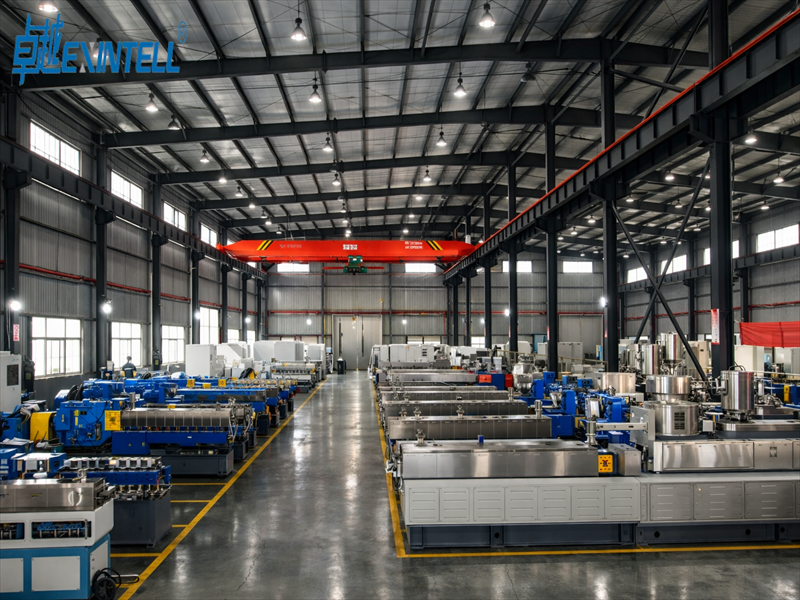
ʻOihana hana ʻenehana me nā mīkini kaumaha e hōʻike ana i ka filler masterbatch extrusion machine production environme
ʻO ka ʻĀina Kūʻai Kūʻai ʻē aʻe a me kona hopena i nā mīkini ʻenehana
ʻO ka pilina kālepa ma waena o ʻAmelika Hui Pū ʻIa a me ʻEulopa ʻo ia ka hui ʻoihana bilateral nui loa ma ka honua. Wahi a ka Hooponopono Kalepa honua (ITA), ʻoi aku ka nui o ke kālepa waiwai ma mua o USD 880 piliona ma 2024, me nā mīkini ʻenehana — e komo pū ana me nā mea hana plastics e like me ka filler masterbatch extrusion machines — e hōʻike ana i kahi mahele nui o nā waiwai kapikala e kahe ana ma nā ʻaoʻao ʻelua.
ʻO kekahi mau hoʻomohala kulekele i ka hapa mua o ka hoʻoponopono hou ʻana pehea mīkini hoʻopiha piha masterbatch extrusion machine wholesale Hoʻonohonoho ʻia nā hana ma waena o ka Atlantika:
ʻO nā hoʻoponopono uku ma lalo o ka US Trade Act framework. Mahope o ka pau ana o kekahi Pauku 232 hoʻokuʻu ʻia ka uku i ka hope 2024, ke nānā nei ka 'Oihana Kālepa o ʻAmelika i nā papa helu uku no nā mīkini ʻenehana i lawe ʻia mai. No nā extruders kumu EU i hoʻokaʻawale ʻia ma lalo o HTS 8477 (nā mīkini no ka hana ʻana i ka lāʻau a i ʻole ka plastic), ua loli ka uku dute kūpono ma waena 0% a 3.4%, ma muli o ke poʻomanaʻo kikoʻī a me ka ʻāina o ka ʻaha kanaka. ʻO ka Komisina Kalepa Kalepa ʻAmelika Hui Pū ʻIa (USITC) ʻO ka waihona ʻikepili ʻo Harmonized Tariff Schedule ka mea i manaʻo ʻia no nā uku o kēia manawa.
Mechanism Hooponopono Palena Kalana EU (CBAM) hoʻololi. ʻOiai ʻo CBAM ka pahuhopu nui i ke kila, aluminika, sima, fertilizers, uila, a me ka hydrogen, ʻO kāna hopena hōʻailona ākea ke koi nei i nā mea hoʻohui plastik e pili ana i ka EU e koi i nā lako extrusion pono. Hoʻokumu kēia i kahi mea huki no nā hiʻohiʻona mīkini hoʻopihapiha masterbatch extrusion kiʻekiʻe — ʻoi aku ka poʻe me nā ana ikehu-no-kilogram i kākau ʻia — mai nā mea hana ma ka honua holoʻokoʻa. ʻO ka European Commission's CBAM portal hāʻawi i ka manawa hoʻokō hou loa.
EU Packaging a Packaging Waste Regulation (PPWR). ʻApono ʻia ma hope 2024, ke kauoha aku nei ka PPWR i nā paepae maʻiʻo recycled liʻiliʻi loa no ka ʻeke plastik i kūʻai ʻia ma ka mākeke hoʻokahi EU. Na 2030, Pono e loaʻa i loko o ka ʻeke plastik piliki 10% hana hou ʻia ma hope o ka mea kūʻai (PCR) maʻiʻo, e ala ana i 50% na 2040. Hoʻonui pololei kēia hoʻoponopono i ka noi no ka filler masterbatch formulations e hoʻohui i ka calcium carbonate recycled (CaCO3) a me nā mea hoʻopiha mineral ʻē aʻe, ʻo ia ka mea e hoʻolalelale i ka hoʻopukapuka kālā ma nā laina extrusion holomua hiki ke hoʻoponopono i nā meaʻai meaʻai ʻano like ʻole. ʻIkepili mai the European Parliament's legislative observatory confirms the regulation's phased timeline.
Kānāwai Hoʻemi Hoʻohaʻahaʻa ʻAmelika Hui Pū ʻIa (IRA) a me nā mea hoʻoikaika hana hale. While the IRA's most publicized provisions target clean energy, kāna mau ʻauhau ʻauhau hana kiʻekiʻe (Pauku 45X) a ke paipai nei nā hāʻawi bonus home-content i nā mea hana plastics e pili ana i ka US e hoʻokomo i nā laina hui hou.. Nā mea kūʻai e kākoʻo ana i ka hana hale o nā ʻāpana i hoʻohana ʻia i nā kaulahao hoʻolako ʻenehana maʻemaʻe — e like me nā pūhui polypropylene i hoʻopiha ʻia no nā hale pākaukau a i ʻole nā papa solar-panel — hiki ke kūpono no ka ho'ēmi ʻana a i ʻole nā ʻauhau ʻauhau pololei. ʻO ka Keena ʻOihana ʻAmelika mālama i ke alakaʻi i nā hana kūpono.
Hui pu, Hoʻokumu kēia mau vectors kulekele i kahi ʻāina maikaʻi no ke kālepa B2B cross-border i nā mīkini hoʻopihapiha masterbatch extrusion.. ʻO nā mea hana EU me ka CE-hōʻoia, Loaʻa nā laina ʻoi aku ka ikaika o ka ikehu i nā mea kūʻai aku ma waena o nā mea hoʻohuihui US e ʻimi ana i nā lako IRA. ʻO ka ʻokoʻa, nā mīkini kumu kūʻai kūʻai ʻAsia — kūʻai pinepine ʻia ma o ka filler masterbatch extrusion machine factory direct channels — ke alo nei i ka hoʻonui ʻana i ka nānā ʻana i nā palapala hoʻokō, helu ikehu, a me nā ʻoihana lawelawe ma hope o ke kūʻai aku ma nā mākeke ʻelua.
Hoʻomaopopo i ka Filler Masterbatch Extrusion Machine: ʻenehana a me nā noi
ʻO ka mīkini hoʻopihapiha masterbatch extrusion kahi ʻōnaehana hoʻohui kūikawā i hoʻolālā ʻia e hana i nā pellets mineral-filler masterbatch kiʻekiʻe. — maʻamau ma luna o ka calcium carbonate (CaCO3), barium sulfate (BaSO4), a i ʻole ka talc i hoʻopuehu ʻia i loko o kahi resin lawe polyolefin (HDPE, LDPE, a i ʻole PP). Hoʻokuʻu ʻia kēia mau pellet masterbatch i loko o ka puʻupaʻa a i ʻole ka polymer recycled i ka wā o ka puhi ʻana o ke kiʻiʻoniʻoni., hoʻoheheʻe ʻia, a i ʻole nā hana hoʻoheheʻe paipu, e hōʻemi ana i nā kumu kūʻai kumu ma 15–40% ʻoiai e hoʻololi ana i nā waiwai mechanical e like me ka ʻoʻoleʻa, opacity, a me ke kūlana paʻa.
Hoʻokomo pinepine ʻia ka ʻōnaehana mīkini koʻikoʻi:
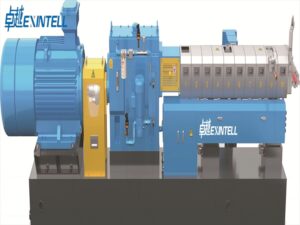
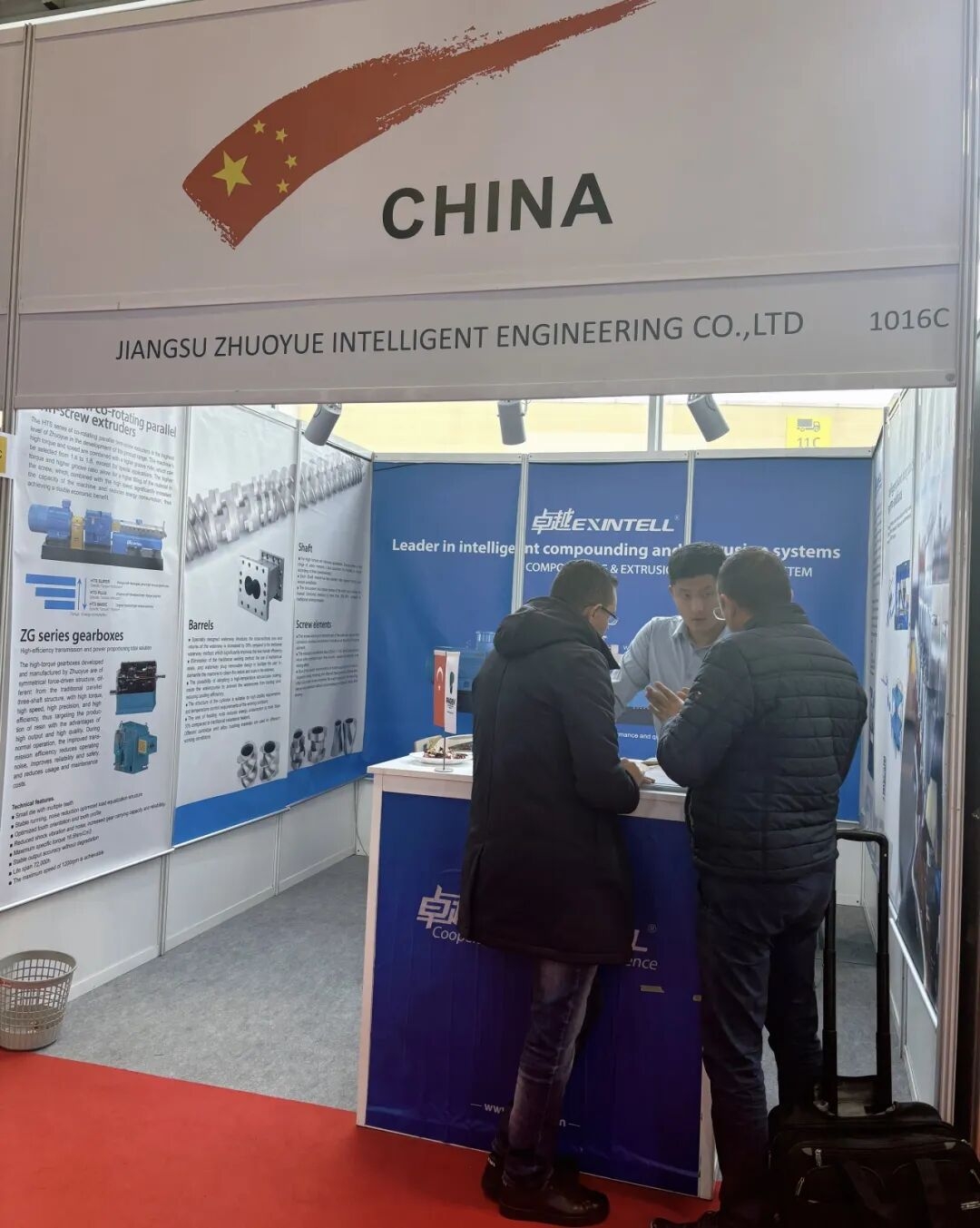
Mea hoʻokuke māhoe māhoe hui pū. ʻO ka mea hana o ka hana hoʻopihapiha masterbatch hou. ʻO nā anawaena o ka wili mai 52 mm (keʻena hoʻokolohua/pilot scale) i 175 mm (hana nui-nui), me nā lakiō L/D ma waena 36:1 a 52:1. Loaʻa nā mana throughput mai 200 kg/h a oi 2,000 kg / h ma muli o ka hoʻonohonoho. Hoʻokaʻawale nā mea hana mīkini hoʻopihapiha masterbatch extrusion i ka metallurgy screw-element (kila nitrided, mea hao pauda-metallurgy, a i ʻole nā mea i uhi ʻia me ka tungsten-carbide), ka hoʻomālili ʻana o ka barela, a me ka nui o ka pahu pahu pahu.
Nā ʻōnaehana hānai volumetric a i ʻole gravimetric. Hoʻopili pololei i ka pauka CaCO3 (pinepine ma 70–85% hoouka ana ma ke kaumaha) ma ka ʻaoʻao o ka resin carrier a me nā mea kōkua hana (ʻakika stearic, paraffin ʻO ka Polystyrene Extruded wax, a i ʻole nā mea hoʻohui) he mea koʻikoʻi i ka paʻa ʻana o ka maikaʻi masterbatch. ʻO nā mea hānai poho me ka mīkini māhoe māhoe ke kūlana ʻoihana no nā laina premium.
Strand pelletizing a i ʻole nā ʻōnaehana pelletizing ma lalo o ka wai. Pelletizing ʻili (ʻauʻau wai ʻauʻau a ukali ʻia e ka ʻoki pahi ʻihi) noho mau no ka CaCO3 masterbatch ma muli o ke kumu kūʻai haʻahaʻa a me ka mālama maʻalahi. Loaʻa i ka pelletizing ma lalo o ka wai ka māhele no nā laina kiʻekiʻe (>1,500 kg/h) kahi e hōʻoia ai ka hoʻokomo ʻana o ka pellet geometry uniformity a me ka hoʻemi ʻana o ka lepo.
Hoʻopili i nā ʻāpana mīkini extrusion ʻoihana e hōʻike ana i ka ʻenehana extruder twin-screw i hoʻohana ʻia i ka filler masterbatch
ʻO ka nui o ka mākeke honua a me nā manawa kālepa B2B no ka Filler Masterbatch Extrusion Machines
Ua kūʻai ʻia ka mākeke masterbatch filler honua ma kahi o USD 4.8 piliona ma 2024, e like me ka manao i houluuluia mai Noi Nui a Naauao Mordor hōʻike ʻoihana. Kuhi ʻia ka mākeke e ulu ma kahi CAGR o 5.2–6.1% ma o 2030, alakaʻi ʻia e ka ʻeke, kūkulu hale, kaʻa kaʻa, a me nā ʻāpana hoʻohana hope o ka mahiʻai. Ke unuhi pololei nei kēia koi i lalo i nā manawa lako waiwai no ka filler masterbatch extrusion machine suppliers a me OEM.
Hoʻokaʻawale koi ʻāina (2024– koho):
ʻO Asia-Pacific nā moʻolelo no ka nui 55% o ka hoʻohana ʻana i ka masterbatch filler honua, me Kina, ʻInia, Wiekanama, a me Indonesia ma ke ano he mau hana hana mua. Eia naʻe, ʻO ka US a me EU hui pū ʻia e pili ana 28% o ka ai ana — a me ke koʻikoʻi, he mahele ʻoi aku ka kiʻekiʻe o ke kūʻai ʻana i nā lako lako premium, hāʻawi ʻia ʻoi aku ka maikaʻi, palekana, a me nā koi o ka ikehu ma nā mākeke Komohana.
Ma ʻAmelika Hui Pū ʻIa, ʻo ka mākeke mea hoʻohui i ka plastics (me nā laina masterbatch filler) ua kuhi ʻia ma USD 1.1 piliona ma 2024 e ka ʻAhahui ʻOihana Pākīpika (PALAPALA). Nā pōʻai hoʻololi no nā laina wili hoʻokahi, hui pū ʻia me ka hoʻihoʻi hou ʻana ma lalo o ka IRA, ke hoʻokumu nei i ka nalu o ka ʻae ʻia ʻana o ka hoʻolimalima kālā ma waena o nā mea hoʻohui waena ma ka US Hikina Hema a me nā wahi ʻo Gulf Coast..
I ka Hui ʻEulopa, ka PlasticsEurope 2024 hōʻike makahiki i hōʻike ʻia ua hoʻolilo nā mea hoʻololi plastik ʻEulopa i ka EUR 8.2 piliona i nā mīkini a me nā mea hana i ka makahiki 2023–2024, me ka hui ʻana a me nā laina hana masterbatch e hōʻike ana i kahi 12 i manaʻo ʻia–15% o ia huina. Kelemānia, Ikalia, Kuleke (ma ke ʻano he mākeke pili EU), a ʻo Polani ka ʻāina nui loa e lawe mai ana i nā lako i loko o ka ʻāina kālepa ʻEulopa.
Nā hiʻohiʻona kahe kālepa B2B no nā mīkini hoʻopihapiha masterbatch extrusion:
ʻO ke kahe kālepa koʻikoʻi e holo ana mai nā kumu hana ma Kina (Nanjing, Zhangjiagang, a me nā pūʻulu Guangzhou), Kelemānia (Nā ʻāina ʻo Stuttgart a me Hanover), Ikalia (Brescia a me Milana), a me Iapana i nā mākeke mea hoʻohana hope ma ka honua holoʻokoʻa. Ua loaʻa i nā hana ʻoihana mīkini hoʻopihapiha hoʻopihapiha hoʻopihapiha ʻo Kina i ka nui o ka honua i nā makahiki he 40 i hala.–60% ʻoi aku ka maikaʻi ma mua o nā mea like ʻEulopa, ʻoiai e pani mau ana i ka hakahaka o ka maikaʻi o ke kūkulu ʻana, hoʻohui ʻana i ka automation, a me nā palapala hoʻokō CE/UL. Huahana Hoʻokuʻu Plastic
No nā mea kūʻai B2B ma US a me EU, e pili ana ka hoʻoholo ʻimi ʻana i ka nui o ke kumukūʻai o ka ʻona (TCO) ma mua o ke kumu kūʻai wale nō. ʻO nā mea e like me ka hoʻohana ʻana i ka ikehu no ka kilokani o ka puka, loaʻa nā ʻāpana ʻokoʻa, hiki i ka mamao-diagnostics, a me nā ʻenehana lawelawe lawelawe kūloko ke kaumaha nui i nā loiloi kūʻai — no nā laina i manaʻo ʻia e hana 7,000+ hola makahiki.
Hale Hana Ho'opi'i Pa'i Pa'i ʻO nā pahu hoʻouna honua ma kahi awa nui honua e hōʻike ana i ka logistics kālepa kālepa cross-border no ka mīkini ʻenehana Alanui Aluminum Extruded
ʻO nā pilikia e kū nei i nā mea kūʻai aku a me nā mea kūʻai aku B2B i ka mākeke lako lako Masterbatch Filler
Lako Huihui Asphalt Kina ʻOiai nā kūlana macro maikaʻi, mau pilikia Hoʻokuʻu Hoʻokahi Screw Extruder hoʻopili i nā kālepa B2B cross-border no nā mīkini hoʻopihapiha masterbatch extrusion:
Paʻakikī ka hoʻokō a me ka hōʻoia. Pono ka mea hana mīkini hoʻopihapiha masterbatch extrusion e kuhikuhi ana i ka mākeke EU e hōʻoia i ka hoʻokō piha ʻana me ka EU Machinery Directive. (2006/42/EC, ka hoʻololi ʻana i ka Hoʻoponopono Mīkini hou 2023/1230 pono o Ianuali 2027), Nā koi hōʻailona CE, a — no nā mea uila — ke Kuhikuhi Haʻahaʻa Voltage a me ke kuhikuhi EMC. No ka mākeke US, Nā kūlana mālama mīkini OSHA (29 CFR 1910 Mahele O), NEC/NFPA 79 nā kūlana uila, a ʻo ka papa inoa UL no nā panela hoʻomalu nā koi kumu. ʻO ka hoʻokele ʻana i ka hoʻokō ʻana i ka mākeke pālua e hoʻohui i 8–15% i nā koina ʻenekinia a me nā palapala no nā mea hana ʻaʻole i lawelawe i nā ʻāpana ʻelua.
Logistics a me ke alakaʻi-manawa volatility. Uku ukana moana ma Asia–ʻAmelika ʻĀkau a me ʻAsia–ʻEuropa ala, ʻoiai e iho ana mai 2021–2022 nā piko, e hoʻomau i ka pilikia. ʻO ke Kaiʻula/Suez Canal nā pilikia i hoʻomaka i ka hopena 2023 hoʻomau i ka hopena o Asia–Ke hele nei ʻo ʻEulopa i ka wā ma mua, hoʻohui 10–14 mau lā i ka hoʻouna ʻia ʻana ma o ka Cape of Good Hope. No nā lako waiwai nui e like me nā laina extrusion (kaumaha hoʻouna maʻamau: 15–45 metric tona no ka laina piha), ʻO kēia mau lohi e unuhi i ka pilikia o ka papahana-manawa a me ka hoʻonui ʻana i nā kumukūʻai hale kūʻai. ʻIkepili mai ka Freightos Baltic Index (FBX) kaʻa i nā pae hoʻopaʻapaʻa pahu pahu manawa maoli.
Ma hope o ke kūʻai aku ʻana i nā ʻoihana lawelawe. Ke koi nui nei nā mea kūʻai B2B ma US a me EU i nā hōʻoia aelike i nā manawa hāʻawi manawaleʻa (maʻamau 48–72 hola no nā mea koʻikoʻi), kākoʻo kōmike ma ka paena, a me ka hoʻoponopono pilikia mamao ma o ka nānā ʻana i ka mīkini hiki iā IoT. ʻO nā mea hoʻolako mīkini hoʻopihapiha masterbatch extrusion me ka ʻole o nā hub lawelawe i hoʻokumu ʻia ma ʻAmelika ʻAmelika a i ʻole ʻEulopa Komohana e kū nei i kahi hemahema hoʻokūkū., ʻoiai ke hāʻawi ʻana i nā kumukūʻai FOB haʻahaʻa.
Mea Hoʻolako Mea Mea Hana Mea Hoʻolaha Plastic Extrusion ʻO nā pilikia kālā a me ka wā uku. Me ke kumukūʻai kūʻai EUR / USD e loli ana i loko o kahi 1.03–1.12 hui i ka wā i hala 12 mahina, a me nā huaʻōlelo uku maʻamau no nā lako kapena i 30–180 lā (a i ʻole ka lōʻihi no nā hana i kākoʻo ʻia e LC), ʻO nā mea kūʻai aku a me nā mea kūʻai aku e kū pono ana i ka hoʻolaha FX. Nā mea hana kālā kālepa e like me nā palapala hōʻaiʻē i hoʻopaʻa ʻia, hōʻoiaʻiʻo panakō, and export-credit-agency (ECA) backed financing — available through institutions like US Ex-Im Bank a i ʻole AllianzTrade (ʻo Euler Hermes ma mua) — mitigate but do not eliminate this risk.
Nā Pōmaikaʻi Geographic a me nā Kulekele e hiki ai iā B2B ke kālepa haole
The transatlantic corridor offers structural advantages that benefit B2B trade in industrial machinery, including filler masterbatch extrusion machines:
Port infrastructure and multimodal connectivity. The US East Coast ports of New York/New Jersey, Savana, and Charleston — along with Gulf Coast ports like Houston — provide direct liner-service connections to major EU ports including Rotterdam, Hamburg, Antwerp-Bruges, a me Genoa. ʻO 10 mau manawa kaʻa–16 lā (Hikina) a me 25–35 lā (Gulf Coast via transatlantic routing) enable predictable supply-chain planning for heavy-machinery shipments. ʻO ka Mana o ke awa o Rotterdam reports that industrial machinery and equipment represent approximately 8% of breakbulk and project-cargo throughput.
ʻIke like a me ka hoʻoponopono hoʻoponopono. ʻOiai ke mālama nei ka US a me EU i nā ʻōnaehana hoʻoponopono kaʻawale, mau ʻumi makahiki o ke kamaʻilio ʻenehana bilateral — maʻalahi e nā kino e like me ka National Institute of Standards and Technology (NIST) a Komite o Europa no ka hooponopono ana (CEN) — ua hana i ka convergence nui i nā wahi e like me ka palekana uila, kiaʻi mīkini, a me nā kūlana paʻa paʻa. Hoʻemi kēia i ke kaumaha o ka hoʻokō ʻana no kahi hale hana mīkini hoʻopihapiha masterbatch extrusion i hōʻoia ʻia no hoʻokahi mākeke i ke komo ʻana i kekahi..
Nā ʻaelike hoʻoikaika kālepa. ʻOiai ʻo ka Transatlantic Trade and Investment Partnership (TTIP) Ua hoʻokuʻu ʻia nā kūkākūkā, nā hoʻohiki WTO i kēia manawa, ka ʻAha Kūkākūkā a me ka ʻenehana (TTC) papa hana, a me nā kuʻikahi hana kuʻuna lua e hoʻomau i ka hoʻomaʻamaʻa ʻana i nā kaʻina hana hoʻomaʻemaʻe maʻemaʻe no nā mea hana ʻoihana. The TTC's 2024 ʻO ka ʻōlelo hui i hōʻike ʻia i nā lako hana kiʻekiʻe ma ke ʻano he ʻāpana koʻikoʻi no ka hui hoʻoponopono.
ʻIke lewa o kahi awa nui ʻEulopa me nā moku ukana a me nā ʻōnaehana logistic e kākoʻo ana i ke kālepa B2B honua
ʻO nā ʻoihana Hoʻonaʻauao Hoʻomaʻamaʻa Hoʻomaʻamaʻa e hana ana i ka mākeke lako lako Filler Masterbatch
ʻO ka nānā ʻana i nā hiʻohiʻona hana honua maoli e hāʻawi i nā ʻike kūpono no nā ʻoihana e hoʻokele ana i kēia mākeke:
Nānā Hiʻohiʻona 1: Hoʻokumu ka mea hana Kina i ka hāʻawi ʻana iā EU. He mea hana mīkini hoʻopihapiha hoʻopihapiha hoʻopihapiha ʻo Nanjing me ka mana hana makahiki o 200+ ua hoʻomaopopo ʻia nā laina holoʻokoʻa i kaupalena ʻia nā kūʻai kūʻai pololei ʻana i nā mea kūʻai aku ma EU e nā hopohopo lawelawe ma hope o ke kūʻai aku. In 2023, ua hoʻokumu ka hui i kahi hui ʻenehana-lawelawe me kahi hui ʻenekinia Kelemania i hoʻokumu ʻia ma kahi kokoke i Düsseldorf, ka hana ʻana i kahi hale kūʻai ʻāpana kūloko (kāʻei kapa 500+ Nā SKU o nā ʻāpana lole, ʻāpana pahu, a me na mea wiliwili) a me ka lawe ʻana i ʻelua mau ʻenekini lawelawe manawa piha no ka ʻāina DACH. Iloko 18 mahina, Ua ulu nā kūʻai EU mai 8% i 22% o ka huina loaa, me nā kumukūʻai kūʻai maʻamau 15% ʻoi aku ka kiʻekiʻe ma mua o nā kālepa FOB-China — e hōʻike ana i ka waiwai o nā mea kūʻai aku i kau ʻia ma ke kākoʻo kūloko. Ua hoʻopili hou ka hui i kēia hoʻohālike ma ka US Hikina Hema, hui pū me kahi Charlotte, Hāʻawi ʻia i nā lako hana ʻenehana ma NC.
Nānā Hiʻohiʻona 2: Hoʻohana ʻo OEM Italia i nā mea hoʻoikaika IRA no ke komo ʻana i ka mākeke US. He mea hana extruder māhoe māhoe ma Brescia — ka mōʻaukala i kālele ʻia i nā mākeke ʻEulopa a me Middle East — identified an opportunity in the US market following the IRA's passage. Ma ka palapala ʻana e hiki i kāna mau laina extrusion ke hana i nā pūhui polymer bio-based a recycled-content i hoʻohana ʻia i nā noi maʻemaʻe. (kikoʻī, hoʻopiha ʻia nā pūhui PP no nā hale pākaukau EV), Ua kōkua ka hui i nā mea kūʻai aku o ʻAmelika e hoʻokō i nā hōʻaiʻē ʻauhau hana kiʻekiʻe ma ka Pauku 45X. ʻO kēia kumu waiwai — "buy our machine, a hiki i kāu huahana ke kūpono i nā ʻauhau ʻauhau federal" — i hōʻoia ʻia i ka maikaʻi loa i nā hoʻokūkū hoʻokūkū kūʻē i nā mea ʻokoʻa haʻahaʻa o Asia. Ua hōʻike ka hui a 340% hoʻonui i nā noi ʻōlelo US ma waena o Q3 2023 a me Q1.
Nānā Hiʻohiʻona 3: US compounder's dual-sourcing strategy. ʻO kahi mea hoʻohui plastics waena ma Houston, TX, e hana ana i ekolu filler masterbatch production lines, apono 'ia i ka papalua-sourcing papahana no kona 2024 hoʻonui hiki. Ua kūʻai ka hui i hoʻokahi laina kiʻekiʻe (1,800 kg/h) mai kahi German OEM no kāna noi koi nui loa (nā pūhui piha piha kaʻa kaʻa e koi ana i ka ʻae ʻana i ka waiwai) a ʻelua laina maʻamau (800 kg/h pākahi) mai ka mea lako mīkini hoʻopihapiha hoʻopihapiha hoʻopihapiha hoʻopihapiha no ka masterbatch masterbatch. ʻO ka huina kālā hoʻolilo ma kahi o USD 2.8 miliona — ʻākeʻakeʻa 35% ʻoi aku ka liʻiliʻi ma mua o kahi hoʻolālā kūʻai kūʻai holoʻokoʻa ʻEulopa, while maintaining the quality tier needed for automotive-qualified production. The company negotiated identical 24-month warranty terms and 48-hour critical-spare delivery commitments from both suppliers.
Engineers reviewing industrial machinery specifications in a manufacturing facility representing B2B equipment procurement an
Selecting the Right Filler Masterbatch Extrusion Machine Supplier: A B2B Buyer's Framework
For procurement professionals evaluating filler masterbatch extrusion machine wholesale or single-unit purchases, a structured evaluation framework reduces risk and improves outcomes:
ʻIke hiki ke akamai. Request detailed screw-configuration proposals for your specific formulation (ʻano hoʻopihapiha, loading percentage, resin lawe, and target throughput). A competent manufacturer will provide screw-element layout drawings, wānana ka hoʻohana ikehu kikoʻī (kWh/kg), a me nā profiles wela wela — ʻaʻole wale nā kikoʻī kikoʻī maʻamau. E noi i nā kuhikuhi mai nā mea kūʻai aku e holo ana i nā ʻano like.
ʻO ka loiloi hale hana a me ka hōʻoia ʻōnaehana maikaʻi. No nā kauoha ma mua o USD 200,000, he hana maʻamau ka loiloi hale hana ma ka pūnaewele. E hōʻoia i ka ISO 9001 palapala hōʻoia (palena iki), a no nā mīkini i koho ʻia e EU, confirm that the manufacturer's quality system supports CE technical-file compilation. E nānā i ka ʻae ʻana o ka mīkini ma nā pahu pahu a me nā mea wili — pili pono kēia mau mea i ka maikaʻi o ka hoʻopuehu ʻana a me ke ola o ka lole.
Ka huina kālā o ka hoʻolikelike ʻana. E kūkulu i kahi hoʻohālike TCO 5 makahiki i hoʻohui ʻia: kumu kūʻai, ka ukana moana a me ke dute, koina hoonoho a me ka hoonoho ana, hoʻohana ikehu makahiki (ma nā uku uila kūloko), nā koina mālama i hoʻonohonoho ʻia (wīwī/barela pani hakahaka), nā kuhi manawa hoʻomaha ʻole (based on supplier's mean-time-between-failure data), and spare-parts pricing. A machine that is 30% cheaper at FOB but consumes 20% more energy and requires barrel replacement 40% more frequently may have a higher 5-year TCO.
Contractual protections. Ensure purchase contracts include: performance guarantees (puka komo, specific energy, and product quality metrics tested during factory acceptance trials), nā poho i hoʻokahe ʻia no ka hoʻouna lohi ʻana, warranty terms covering both parts and labor, and clearly defined Incoterms (CIF or DDP preferred for first-time cross-border purchases to simplify logistics risk allocation).
Sustainability and Energy Efficiency: The New Competitive Frontier for Filler Masterbatch Extrusion Machine Manufacturers
Scaffold Material Hand Signals Sustainability considerations are no longer peripheral to B2B purchasing decisions — they are increasingly central, particularly for buyers in the EU market where the EU Circular Economy Action Plan and corporate sustainability reporting directives (CSRD) create tangible compliance incentives.
Energy efficiency benchmarks. State-of-the-art co-rotating twin-screw filler masterbatch extrusion machines achieve specific energy consumption (SEK) of 0.10–0.16 kWh/kg for CaCO3 masterbatch at 70–80% hoʻouka hoʻopiha. This represents a 25–35% improvement over machines manufactured a decade ago, driven by advances in screw-element geometry (optimized distributive and dispersive mixing zones), high-efficiency direct-drive motors (IE4/IE5 class), and intelligent process-control systems that minimize energy waste during transitions and startups. A filler masterbatch extrusion machine factory that can document SEC performance with third-party test data holds a significant competitive advantage.
Material-efficiency contributions. Filler masterbatch itself is inherently a sustainability-enabling product: by replacing 20–40% of virgin polymer with mineral filler, it reduces the carbon footprint of finished plastic products. ʻO ka ʻAhahui Bioplastics ʻEulopa and various LCA studies have documented that CaCO3-filled PE films can achieve 15–30% lower cradle-to-gate CO2 emissions compared to unfilled equivalents, depending on filler loading and sourcing geography. Extrusion machines capable of processing higher filler loadings (80–87%) without compromising pellet quality or downstream processability therefore deliver compounding environmental and economic benefits.
Circular-economy integration. Advanced filler masterbatch extrusion lines are increasingly designed to co-process post-consumer recycled (PCR) polyolefin flake alongside virgin carrier resin and mineral filler. This requires robust melt-filtration systems (continuous screen changers rated for contaminated feedstocks), enhanced degassing (multiple vacuum venting zones), and adaptive process-control algorithms that compensate for melt-viscosity variability inherent in PCR streams. Manufacturers offering these capabilities as standard or optional configurations are well-positioned for the EU market's recycled-content mandates.
Sustainable manufacturing concept with recycling symbols and green industrial processes representing energy-efficient extrusi
Palekana i kahi hana ma ka hana ʻana i nā plastik: Protecting Operators of Filler Masterbatch Extrusion Machines
Operating a filler masterbatch extrusion machine involves exposure to several occupational hazards that demand rigorous safety protocols and appropriate personal protective equipment (PPE). For B2B buyers and plant managers, understanding these safety dimensions is essential — both for regulatory compliance and for protecting the workforce that operates this capital equipment.
Nā pōʻino wela. Barrel temperatures on filler masterbatch extrusion lines typically range from 160°C to 240°C (320°F to 464°F), depending on carrier-resin type and filler loading. Contact burns represent a primary risk during maintenance, hoololi make, and startup/shutdown procedures. OSHA's general industry standards (29 CFR 1910.147 — lockout/tagout) Pelletizing Extruder Wholesale and the EU Machinery Directive's essential health and safety requirements mandate that machine designs incorporate thermal guarding, warning signage, and interlocked access panels. Operators must wear heat-resistant gloves (IN 407 rated) and appropriate forearm protection during any task requiring proximity to heated surfaces.
Mechanical hazards and the critical role of safety footwear. Filler masterbatch production environments present significant foot-injury risks that are often underestimated. Nā mea wiliwili kaumaha (individual elements can weigh 5–15 kg), ʻāpana pahu (50–200 kg), papa make, and pelletizer components are routinely handled during assembly, mālama, a me nā hana hoʻololi. A dropped screw element or coupling component can cause severe crush injuries to unprotected feet.
Ma waho aʻe o nā pōʻino hopena, the production floor around filler masterbatch extrusion machines presents slip hazards (from process water, lubricants, and spilled pellets/powder), puncture hazards (from metal fragments, fasteners, and cutting tools), and compression hazards (from heavy mobile equipment such as forklifts and pallet jacks used to transport raw materials and finished masterbatch). The fine CaCO3 dust that is inherent to filler masterbatch operations — even with dust-collection systems — creates slippery floor conditions that compound fall risk. Single Screw Pipe Extruders
Safety footwear standards and selection for extrusion-machine operators. Appropriate safety footwear is not optional — it is a regulatory requirement in both the US and EU for workers in plastics-manufacturing environments:
Ma ʻAmelika Hui Pū ʻIa, OSHA's PPE standard (29 CFR 1910.136) requires protective footwear for employees exposed to foot injuries from falling or rolling objects, nā mea e hou ana i ka wāwae, a i ʻole nā pōʻino uila. Safety shoes and boots must meet ASTM F2413 hoʻokō Mea Hoʻolako Hoʻokahi Screw Extruder koi, which specify impact resistance (I/75 — withstanding 75 foot-pounds of impact energy), hoʻopaʻa paʻa (C/75 — withstanding 2,500 pounds of compression force), a me nā helu koho no ka pale metatarsal (Mt), kūʻē kūʻē (PR), pale pōʻino uila (EH), a me ka hoʻokuʻu ʻana (SD). Mālua Screw Extruder Manufacturers Manufacturers
I ka Hui ʻEulopa, safety footwear is classified under I ISO 20345 (kāmaʻa palekana), I ISO 20346 (kāmaʻa pale), a me EN ISO 20347 (kāmaʻa hana). For filler masterbatch extrusion machine operators, I ISO 20345 S3 classification is the recommended minimum, hoolako ana: a 200-joule toe cap (kila a i ʻole hui), midsole kū i ke komo ʻana, closed heel region, nā waiwai antistatic, ka ʻimi ʻana o ka ikehu ma ka kuʻekuʻe wāwae, and water-resistant upper. For environments with heavy liquid exposure (process-water systems, ʻauʻau ʻauʻau), S5-rated safety boots with full waterproofing are appropriate.
Why toe protection matters — the data. Wahi a ka ʻO ka US Bureau of Labor Statistics (BLS), foot injuries account for approximately 60,000–70,000 nā ʻeha hana i kēlā me kēia makahiki ma ʻAmelika Hui Pū ʻIa, with the manufacturing sector consistently ranking among the top three industries for foot-injury incidence. The BLS reports that roughly 75% of workers who suffered foot injuries were not wearing safety footwear at the time of the incident. I ka EU, EU-OSHA data indicates that lower-extremity injuries represent approximately 12% o na ulia hana make ole ma ka hana ana, with crush and impact injuries to toes and metatarsals being the most common mechanism.
For operators working around filler masterbatch extrusion machines specifically, the combination of heavy-component handling, hot-surface proximity, slippery floors (CaCO3 dust + wai), and forklift traffic creates a multi-hazard environment where composite-toe or steel-toe safety shoes with slip-resistant outsoles (Ua helu ʻia ʻo SRC — tested on both ceramic/water and steel/glycerol surfaces) provide essential protection. Modern composite-toe safety shoes offer the same 200-joule impact protection as steel-toe equivalents at 30–40% emi ke kaumaha, reducing operator fatigue during 8–12 hoʻololi hola — a meaningful ergonomic benefit in continuous-production environments.
Integrating safety footwear into B2B procurement specifications. Progressive filler masterbatch extrusion machine manufacturers and plant operators are increasingly specifying PPE requirements — me nā kāmaʻa palekana — as part of their machine-commissioning and operator-training packages. When evaluating a filler masterbatch extrusion machine supplier, B2B buyers should confirm that the supplier's installation and training documentation includes a comprehensive risk assessment identifying foot-hazard zones around the equipment, recommended PPE specifications (including safety-footwear class), and operator-training materials covering safe work practices during routine operation, mālama, and emergency procedures.
The business case for safety investment. Ma waho aʻe o ka hoʻokō hoʻoponopono, investing in appropriate safety footwear and comprehensive PPE programs delivers measurable ROI. ʻO ka ʻAha Kūkākūkā Lahui (NSC) estimates that the average cost of a workplace foot injury in the US — me na lilo lapaau, nalowale ka hana, a me na limahana' uku uku — ʻoi aku ma mua o USD 10,000 i kēlā me kēia hanana. For a plastics-manufacturing facility operating multiple filler masterbatch extrusion lines with 20–50 limahana hana, even a modest reduction in foot-injury incidence translates into significant cost savings and reduced operational disruption. EU employers face similar cost structures, with the added regulatory risk of enforcement actions under national implementations of the EU Framework Directive on Safety and Health at Work (89/391/EEC).
Industrial worker wearing safety equipment including protective footwear in a manufacturing environment representing workplac
Trade Show and Industry Event Calendar: Where B2B Buyers Meet Filler Masterbatch Extrusion Machine Suppliers
Face-to-face evaluation remains critical for capital-equipment purchases. Key industry events for include:
K (Düsseldorf, Kelemānia — ʻOkakopa ). The world's largest plastics and rubber trade fair, mālama ʻia ʻekolu makahiki. K is the premier venue for evaluating filler masterbatch extrusion machine technology from global manufacturers. Pau 3,000 nā mea hōʻikeʻike a 170,000+ visitors are expected. ʻO ka
Nā Mīkini Hoʻopiha Masterbatch Extrusion: Complete B2B Trade Guide for Man… · Filler Masterbatch Hana Mīkini: Hoʻopiha piha i ke alakaʻi kālepa B2B no Manufac… · Mīkini Extruder Color Masterbatch: ʻIkepili Kalepa B2B honua, Manufact…