Pehea ka hana ʻana o ka Extrusion Plastic Custom a me kahi i hoʻohana ʻia ai
Papa helu
Pehea ka hana ʻana o ka Extrusion Plastic Custom a me kahi i hoʻohana ʻia ai
Hana ʻoe i ka plastic i nā ʻano pau ʻole me extrusion plastik maʻamau. Hoʻopuka kēia kaʻina hana i ka plastic i hoʻomehana ʻia ma o kahi make kūikawā e hana i nā ʻāpana āu e pono ai. Mālama ʻoe i ke ʻano, nui, a me nā mea e kūpono i kāu papahana. ʻO ka extrusion plastik ulu mau ka ʻoihana. In 2023, ua hiki i ka mākeke honua USD 170.74 piliona. Ua wānana ka poʻe loea e piʻi i ka USD 221.18 piliona e 2030, me ka ulu mau makahiki o 3.9%. Hiki iā ʻoe ke hoʻohana i kēia ala no nā ʻoihana a me nā huahana.
Nā mea lawe nui
Hoʻomaʻamaʻa ka extrusion plastik maʻamau i ka plastik a hoʻohua. ʻAe kēia i ka poʻe e hoʻomalu maikaʻi i ka nui a me nā mea.
Ke koho nei i ka mea pono he mea nui loa. Hoʻololi ia i ka ikaika, piko, a paʻakikī ka huahana. Hoʻopili kēia i ka hana maikaʻi o ka huahana.
Hoʻohana ka poʻe i ka polokalamu CAD e hana mua i kahi hoʻohālike. ʻO ka hoʻāʻo mua ʻana i nā hoʻolālā e kōkua i ka mālama manawa a me ke kālā. This makes sure the product is what you need.
Co-extrusion lets you mix different materials together. This makes products with special features for many uses.
Custom plastic extrusiondoes not cost a lot. It makes less waste and saves time when making things. This is good for making many products at once.
Custom Plastic Extrusion Process
Material Selection
You begin by picking thebest materials. Your choice changes how strong, piko, and long-lasting the product is. You often use polymers likeHIPS, polypropylene, and polyethylene. Each polymer has special features:
HIPS: Strong and stiff with good impact resistance.
Polyethylene: Light and resists chemicals and impacts well.
Polypropylene: Light, partly stiff, and resists chemicals.
Here is a table showing how these materials compare:
ʻAno Polymer
Na Waiwai Ki
Common Applications
HIPS
Ikaika, stiff, good impact resistance, affordable
Prototypes, props, car parts
Polyethylene (PE)
Light, great chemical and impact resistance
U-channels, paipu, weather strips
Polypropylene (PP)
Light, partly stiff, good chemical and heat resistance
Car parts, meaʻai, healthcare
You need to think about many things when picking materials. Melt flow index helps you make detailed shapes. Thermal stability keeps the material strong when heated. Mechanical properties show how well your product works. Chemical resistance helps your product last in tough places. Cost and how easy it is to get the material keeps your work smooth. Environmental impact matters if you want eco-friendly products. Additive compatibility lets you improve your material without issues. Shrinkage and warping tell you how your product will cool. Density and specific gravity affect weight and strength.
Manaʻo kōkua: Picking the right material early saves time and money later.
Prototype Design
After picking materials, hoʻomaka ʻoe e hoʻolālā i nā prototypes. Hoʻohana ʻoe i ka lako polokalamu CAD e hana i kahi hiʻohiʻona kikohoʻe o kāu mau kiʻi plastik. Kōkua kēia ʻanuʻu iā ʻoe e ʻike i ka huahana ma mua o ka hana ʻana. Hoʻāʻo ʻoe i kāu hoʻolālā me nā ʻano hana like ʻole:
Hōʻike nā prototypes i hoʻokuʻu ʻia mai ka make sample i ke ʻano o ka huahana hope.
Ke hahai nei ʻoe i kēia mau ʻanuʻu nui:
ʻanuʻu
wehewehe
Material Selection
E koho i ka mea pono e pale aku i ka hoopau manawa a me ke kala.
Hoʻolālā CAD
E hana i kahi kikohoʻe e ʻike i ka huahana ma mua o ka hana ʻana.
Nā ʻano hana prototyping
E ho'āʻo i nāʻano likeʻole e ho'āʻo i ka hoʻolālā ma mua o ka hanaʻana.
Loaʻa iā ʻoe nā pilikia i ka wā hoʻolālā prototype. Kahe ʻole ʻana o nā mea waiwai hiki ke hoʻololi i ke ʻano. ʻO ka hoʻoluʻu wikiwiki a lohi paha hiki ke piʻo ka huahana. He paʻakikī ka loaʻa ʻana o ka lōʻihi kūpono. Hoʻohana i nā mea hana hou hiki ke hoʻololi i ka maikaʻi. You must design so the product can be made easily, keeping wall thickness even. Tight tolerances are tough because materials expand and shrink with heat. You often need to change the design, especially for tricky shapes.
Nānā: Finding the most important sizes early lets you be flexible with others, making manufacturing easier.
Melting and Extrusion
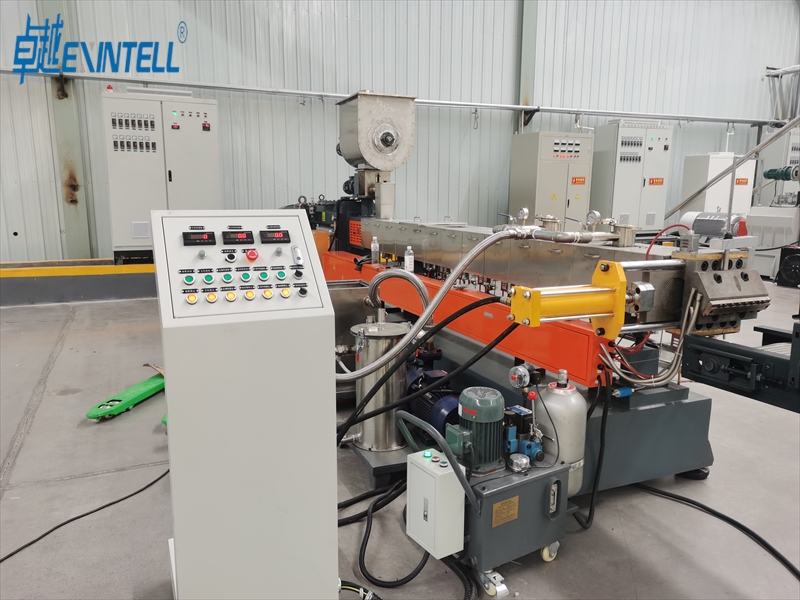
You put plastic pellets into the extruder. The screw turns and moves the pellets through different parts:
Compression zone: Melts and squeezes the material.
Metering zone: Makes sure the output is steady and melted well.
The screw makes heat by rubbing, melting the polymer resin. You set the barrel temperature between 200–275°C. The heat must melt the polymer but not ruin it. You add colorants, UV stabilizers, a i ʻole nā mea hoʻohui ʻē aʻe e hoʻomaikaʻi ai i ka huahana. ʻO ka hui maikaʻi ʻana e ʻike pono i ka hui ʻana, ka mea nui no ka huahana.
Hoʻokuʻu ʻoe i ka plastic i hoʻoheheʻe ʻia i loko o kahi poni make kūikawā. Hoʻopili kēia ʻanuʻu i ka mea i loko o ka ʻaoʻao āu e makemake ai. He mea nui ka pololei maanei. Mālama ʻoe i ke ʻano, nui, a me nā hiʻohiʻona e kūpono i kāu mau pono.
Kaʻina Hoʻokuʻu ʻana
Hoʻohana ʻoe i ka co-extrusion inā makemake ʻoe e hoʻohui i ʻelua a ʻoi aku paha mau mea i hoʻokahi ʻaoʻao. Hāʻawi kēia ala iā ʻoe e hana i nā huahana me nā papa, kēlā me kēia me nā hiʻohiʻona likeʻole. ʻo kahi laʻana, hiki iā ʻoe ke hana i nā puka makani me ka ikaika o waho a me ka palupalu i loko. Hoʻohana pinepine ʻoe co-extrusion no nā puka makani, puka, paipu, mea hoʻokaʻawale, a me ka paipu lapaau.
ʻAʻole like ka co-extrusion me ka extrusion maʻamau. Hoʻohana ka extrusion maʻamau i hoʻokahi mea. Hoʻohana ka co-extrusion i nā mea he nui i ka manawa like. This process gives you more ways to design and meet special needs.
Callout: Co-extrusion helps you make products that need both strength and softness, like weatherstripping for doors.
Cooling and Cutting
You cool the plastic profile right after it leaves the die. Cooling systems like water baths or air jetshelp control the temperature. Good cooling keeps the product strongand stops warping. You can use gases, liquids, or surfaces that absorb heat. Water cooling works best for profiles, paipu, paipu, and cable covers. Air or gas cooling is good for other types. Turbulence at the surface helps cool faster.
You cut the cooled profile to the right length. Length tolerances are usually about ±1/16 inch, but can be bigger for longer pieces. Tight tolerances can cost more, so you balance accuracy with saving money. Only a few sizes may matter for fit and function, so you can be flexible with others.
Manaʻo kōkua: Cooling and cutting affect how strong and accurate your final product is.
You finish the custom plastic extrusion process by making sure every step meets your needs. Precision and customization make this process special, letting you create products for many industries.
Applications of Plastic Extrusion
Weatherstripping and Seals
Custom plastic extrusionhelps you make weatherstripping and seals that fit just right. You can pick the shape, nui, and how bendy each seal is. There are many types to choose from, like T-slot, kerf mounted profiles, leaf seals, and multi-hollow bulb seals. These seals work well for doors, windows, and cabinets. Co-extrusion lets you mix soft and hard materials in one seal. This makes the seal last longer and work better. You can also change the wall thickness and height to fit the gap you need to close. This means your seals will last longer and work better than regular ones.
Type of Seal
wehewehe
T-slot
Custom profile for many uses
Kerf Mounted Profiles
Easy to install in kerf slots
Multi-Hollow Bulb Seals
Cushioning and insulation
Compression Seals
For enclosures and cabinets
Manaʻo kōkua: Custom weatherstripping fits better and lasts longer on doors and windows.
Window and Door Frames
Plastic extrusion helps you make window and door frames that are strong and do not rot. These frames do not rust or get ruined by water. You can use wood, aluminum-clad wood, or steel if you want. Custom plastic extrusion makes frames that are easy to clean and take care of. You can also pick colors and finishes to match your building. Hana maikaʻi kēia mau papa i nā hale, nā keʻena, a me na hale hana.
Koi Koi
Pōmaikaʻi o Custom Plastic Extrusion
Ka lōʻihi
Kū'ē kiʻekiʻe i kaʻaʻahu a me ka waimaka
Pale ʻana i ka wai
Kāohi i ka pōʻino wai
Mālamalama
Maʻalahi e hoʻomaʻemaʻe a mālama
Hoʻopalapala a ʻokiʻoki
ʻO ka hoʻoheheʻe ʻia ʻana a me ke kōkua ʻoki ʻana me nā hiʻohiʻona ʻelua a me ka hoʻohana ʻana. Hiki iā ʻoe ke hana i nā ʻāpana kūpono no nā kaʻa a hale paha. Hiki iāʻoe ke hoʻohui i nā hiʻohiʻona kūikawā, e like me ka lāʻau a i ʻole ka granite, e kūlike i kou ʻano. ʻAʻole e pōʻino ka hoʻoheheʻe maʻamau i ka wai a me ka wela, no laila, lōʻihi ka lōʻihi. ʻOi aku ka māmā a me ka maʻalahi o kēia mau ʻāpana ma mua o ka metala a me ka lāʻau, no laila mālama ʻoe i ke kālā.
Pōmaikaʻi
wehewehe
ʻEnekinia Pololei
Kūlike ka maikaʻi a me ke kūpono
ʻAno ʻano
Nui nā hoʻohana, mai ke kākoʻo a hiki i ke kāhiko
Kū'ē Kūlohelohe
Kū i ka makū a me ka wela
Kūʻai-Pono
E emi iho ke kumu kuai a me ka hookomo ana
Paipu a me na Paipu
Custom plastic extrusion is used to maketubing and pipesfor medical and industrial jobs. You can make tubes with the exact size and length you need. These tubes are used forIVs, catheters, nā pūkini, and machines. You can make just a few or a lot, depending on what you need. You can also pick strong materials for medical use.
IVs
Catheters
Surgical instruments
Syringes
Nānā: Custom tubing gives you the right size and good quality, which is important for safety.
Engineered and Industrial Uses
Custom plastic extrusion is used in many engineered and industrial products. You can make U-channels for frames, H-channels for joining panels, and T-sections for support. This process helps you make parts for building, hooluolu, power, and even seawalls. You can pick the material and shape you need. Custom extrusion lets you create new products for farming, nā kaʻa, and medical devices.
Callout: Custom plastic extrusion helps you solve special problems in almost any industry.
Advantages of Custom Plastic Extrusion
Hoʻolālā Hoʻololi
Custom plastic extrusion gives you lots of design choices. You can make products thatfit your needs exactly. You pick the shape, nui, and features for each part. Some shapes are hard to make with other methods, but not with this one. Here are some ways this process helps you:
You can make products for special jobs.
You can make and test new ideas fast.
You can use co-extrusion for layered designs.
You can create different shapes, sizes, and textures.
Custom plastic extrusionhelps you save money, especially when making many parts. This process uses less material and energy than others. You can make lots of parts fast, so you pay less for labor. The table below shows how it comparesto other ways:
Cost Saving Aspect
Hoʻopiʻi Plastic Custom
Hoʻoheheʻe ʻia
Other Processes
Tooling and Setup Costs
lalo
Kiʻekiʻe
ʻokoʻa
Production Speed and Scalability
Kiʻekiʻe
Kaumaha
ʻokoʻa
Hoʻoikaika ikaika
More Efficient
Less Efficient
ʻokoʻa
Material Utilization
Less Waste
More Waste
ʻokoʻa
Plastic extrusion is great for making lots of parts. The process keeps waste low and works fast. Using machines and computers helps save money and keep quality high.
Material and Additive Options
You can choose from many materials and additives for your product. You can add things like color, mea hoʻopaʻa, or flame retardants. Here are some common additivesand what they do:
You have learned the main steps in custom plastic extrusion. Ka mua, you pick the material. Aʻe, you design a prototype. A laila, hehee oe a hana i ka plastic. Hiki iā ʻoe ke hoʻohana i ka co-extrusion inā pono ʻoe. Ma hope o kēlā, ʻoluʻolu ʻoe a ʻoki i ka huahana. Hana kēia hana i nā ʻāpana ikaika a maʻalahi no nā hoʻohana he nui. Kōkua ka extrusion maʻamau iā ʻoe e hoʻoponopono i nā pilikia kūikawā a hana i nā huahana i kūpono i kāu mau pono. Inā makemake ʻoe i kahi mea hilinaʻi a ʻaʻole pipiʻi loa, e ho'āʻo i ka extrusion plastic maʻamau no kāu papahana aʻe.
FAQ
He aha ka pōmaikaʻi nui o ka extrusion plastic maʻamau?
Loaʻa iā ʻoe nā ʻāpana i hana ʻia no ʻoe wale nō. Hiki i ka extrusion maʻamau ke koho i ke ʻano, nui, a me nā mea waiwai. Kōkua kēia iā ʻoe e hoʻoponopono i nā pilikia kūikawā i kāu papahana.
Hiki iā ʻoe ke hoʻohana i nā plastic recycled i ka extrusion?
ʻAe, hiki iā ʻoe ke hoʻohana nā ʻilika i hana hou ʻia. Nui nā hui e hui pū i ka plastik kahiko me ka resin hou. Kōkua kēia i ka honua a hiki ke mālama kālā.
Pehea ʻoe e koho ai i ka plastik kūpono no ka extrusion?
Noʻonoʻo ʻoe i ka mea e pono ai kāu huahana. E nana i ka ikaika, hikiwawe, a inā hiki iā ia ke mālama i ka wela a i ʻole nā mea kemika. E nānā pū ʻoe i ke kumukūʻai a inā hiki iā ʻoe ke loaʻa i ka mea maʻalahi.
He aha ka ʻokoʻa ma waena o ka extrusion a me ka injection molding?
Extrusion
Hoʻoheheʻe ʻia
Hana i nā ʻano lōʻihi e hele mau ana
Hana i hoʻokahi ʻāpana kikoʻī i ka manawa
Maikaʻi no nā paipu, nā papa, a me nā sila
Maikaʻi no nā mea pāʻani, hihia, a me na kaa
Pehea ka pololei o ka extrusion plastic ma'amau?
Hiki iā ʻoe ke loaʻa nā nui kokoke loa, pinepine i loko o ± 1/16 iniha. Hiki i ke kaʻina hana ke hoʻomalu i ka nui a me ke ʻano. ʻO ia ke ʻano o kāu mau ʻāpana kūpono a hana e like me ka mea e pono ai.