

E kūʻai aku i ka mea hana Extruder Twin Screw: ʻO ke alakaʻi alakaʻi ʻo B2B no nā mea kūʻai aku a me EU
No nā mea kūʻai ʻoihana ma ʻAmelika ʻĀkau a me ʻEulopa, ka olelo hooholo e kūʻai i ka extruder māhoe māhoe mea lako mai ka akau mea hana ʻO ia kekahi o nā koho hoʻolimalima kālā nui loa i ka hana polymer, hana ʻai, lāʻau hoʻohuihui, a me ka hana ʻana i nā mea hana kiʻekiʻe. Kuhi ʻia ka mākeke twin screw extruder e hōʻea i ka USD 1.78 piliona e 2030, e ulu ana ma kahi CAGR o 5.2% mai 2024, e like me ka ʻikepili i paʻi ʻia e Grand View Research i ka wā mua. Ke alakaʻi ʻia nei kēia ulu ʻana e ka piʻi ʻana o ka noi i ka hana hou ʻana i nā plastics, hoʻohuihui polymer biodegradable, a me ka hoʻomohala waiwai kiʻekiʻe. Inā he luna kūʻai ʻoe ma kahi hui waena waena o ʻEulopa a i ʻole he ʻenekinia mea kanu ma kahi hale hana meaʻai ma US., hoʻomaopopo i ka honua ʻāina hoʻolako, kaiapuni kulekele kalepa, a he mea nui ka hoʻolālā ʻana o ka hale hana no ka hoʻopaʻa ʻana i nā lako maikaʻi loa ma ke kumu kūʻai kūʻai kūʻai hoʻokūkū. Ke nānā nei kēia alakaʻi holoʻokoʻa i ke ala kalepa no nā mea hana extrusion twin screw, hoʻopaʻa ʻana i nā pae koho mea hana, a hāʻawi i ka naʻauao kūpono no nā mea kūʻai aku e hoʻokele ana i ka mākeke.
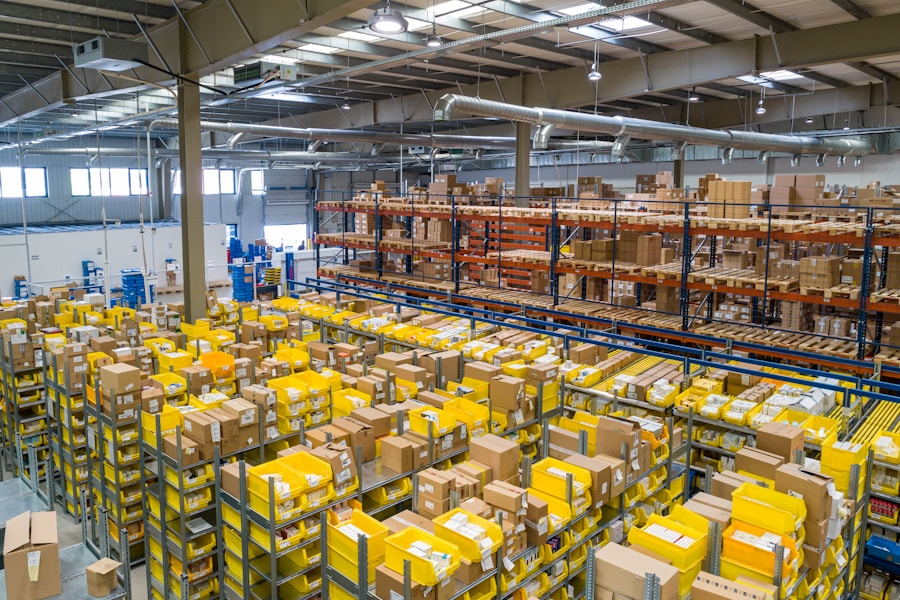
ʻOihana hana ʻenehana me nā mīkini koʻikoʻi e hōʻike ana i ke kaiapuni hana extruder twin screw
Ka hoomaopopo ana i ka Twin Screw Extruder Market Landscape ma
Ua hoʻololi nui ka mākeke twin screw extruder honua i ka wā i hala 24 mahina. Wahi a kahi hōʻike ʻike mākeke i hoʻokuʻu ʻia e Mordor Intelligence i Malaki, ʻo ka ʻāpana hoʻohui wale nō ka helu no ka ʻoi aku 42% o ka huina koi twin screw extruder a puni ka honua. ʻO ʻAmelika Hui Pū ʻIa a me ʻEulopa hui pū ʻia e pili ana 48% o ka hoohana honua, ka hana ʻana i ke ala kalepa transatlantic i ke koʻikoʻi nui loa no nā mea hana lako a me nā mea kūʻai aku B2B..
Ke hoʻololi hou nei kekahi mau mana macro-level i ke ʻano o ka hoʻokokoke ʻana o nā mea kūʻai Mea Hana Mīkini Extruder ka hoʻoholo ʻana e kūʻai i nā mea hana extrusion twin screw: Nā Huahana Hoʻopiʻi Paʻa Pilikino
- The EU's Circular Economy Action Plan, hōʻano hou i ka hope 2024, ua hoʻonui i ka noi no ka recycling-grade twin screw extruders hiki ke hana i nā plastic post-consumer., hoʻokele a 17% ʻO ka hoʻonui ʻana o ka hoʻonui ʻana i nā kauoha lako ma waena o Kelemania, Ikalia, a me ka Netherlands.
- The US Inflation Reduction Act's manufacturing incentives continue to channel capital into domestic production capacity, me nā mea hoʻokomo twin screw extruder i ka US e piʻi ana 12% i ka Q4 2024 hoʻohālikelike ʻia me Q4 2023, no kēlā me kēia ʻikepili mai ka Hooponopono Kalepa honua (ITA).
- ʻO nā hoʻolālā hoʻolālā hoʻolako kaulahao ma hope o 2024 ua koi i nā mea kūʻai mai ʻEulopa e loiloi i nā mea hana ma Kina, ʻInia, a me Tureke me nā OEM kuʻuna Kelemānia a me Italia, ka hoʻokumu ʻana i kahi mākeke honua ʻoi aku ka hoʻokūkū a me ke kumu kūʻai.
- ʻOihana 4.0 hoʻohuihui — me ka nānā ʻana me IoT, mālama wānana, a me ka hoʻonui ʻana i ke kaʻina hana i alakaʻi ʻia e AI — ua lilo i mea manaʻo kumu ma mua o kahi hiʻohiʻona premium, ke hoʻololi maoli nei i ka manaʻo waiwai o nā mea hana mai nā pae hana like ʻole.
No nā mea kūʻai B2B, ʻO kēia kaiapuni e hāʻawi i ka manawa kūpono a me ka paʻakikī. Aia ka manawa kūpono ma kahi koho ākea o nā mea hana kūpono e hāʻawi ana i nā kumu kūʻai hoʻokūkū. Aia ka paʻakikī i ka loiloi ʻana i ke kumukūʻai holoʻokoʻa o ka ʻona, ʻoihana kākoʻo ma hope o ke kūʻai aku, a me ka hoʻokō kānāwai ma nā ʻāina kumu like ʻole.
Ka Papahana Kulekele Kalepa e pili ana i ke kuai ana i na lako hana
Hoʻopili pololei ka pilina kālepa transatlantic i ke kūʻai ʻana o nā ʻoihana i nā lako extruder twin screw, inā he kumu i loko o ke alahele a i ʻole e lawe mai ana mai nā mea hana ʻāina ʻekolu i loko o kēlā me kēia mākeke. He mea koʻikoʻi ka hoʻomaopopo ʻana i ke kaiapuni kulekele o kēia manawa no ka hoʻolālā kūʻai.
Mea Hana 'Ele'ele Masterbatch Extruder ʻO ka ʻAha Kūʻai a me ka ʻenehana (TTC), i mālama ʻia i kāna ʻaha kūkā kuhina ʻeono i Pepeluali, ua hoʻomau i ka holomua ʻana i nā ʻōnaehana ʻike like ʻole no nā kūlana hana ʻenehana. ʻOiai ʻaʻole paʻa ka ʻaelike kalepa kūʻokoʻa, He mea nui ka holomua o ka ʻāpana no nā mea kūʻai aku:
Ma ka ʻaoʻao US, ua hōʻike ka 'Oihana Kālepa ma kāna puke kālepa Ianuali e lawe mai ana i nā mīkini hana ʻenehana (HS Code 8477, e uhi ana i na extruders) mai ka EU mai ma kahi o USD 2.1 piliona ma 2024, a 6.3% mahuahua mai 2023. ʻO ka Lahui Aloha Loa i kēia manawa (MFN) tariff rate for twin screw extruders imported into the US from EU member states ranges from 3.1% i 4.4%, ma muli o ka hoʻokaʻawale kikoʻī. Eia naʻe, buyers should note that Section 301 tariffs do not apply to EU-origin equipment, giving European manufacturers a structural cost advantage over Chinese competitors facing 25% additional duties on comparable machinery.
From the EU perspective, the European Commission's Directorate-General for Trade confirmed in its Q1 market access report that US-manufactured extrusion equipment enters the EU at tariff rates between 1.7% a 3.5% under standard WTO schedules. The EU's Carbon Border Adjustment Mechanism (CBAM), i komo i kona wā hoʻololi i ʻOkakopa 2023 a neʻe i ka hoʻokō piha i 2026, does not directly apply to machinery imports but influences the downstream demand profile — manufacturers producing equipment optimized for low-carbon processing are seeing preferential treatment in EU procurement tenders.

Nā hoʻomohala kulekele koʻikoʻi i nā mahina ʻelua i hala Kūʻai nui ʻo Masterbatch Machine e nānā nā mea kūʻai extruder B2B:
- The EU's proposed Critical Raw Materials Act amendments (ʻApelila kikoʻī) e hoʻokomo i nā mea e paipai ana i ka hana ʻana i nā lako hana i hoʻohana ʻia i nā mea pākaukau a me ka hoʻohui ʻana o ka honua — he mea hoʻoikaika koi no nā extruder māhoe māhoe kūikawā.
- Ua hoʻomaka ka US International Trade Commission i kahi ʻāpana 332 ka hoʻokolokolo ʻana ma Malaki i ka hoʻokūkū honua o nā mea hana mea hana plastics plastics US, hiki ke alakaʻi i nā hana hoʻoikaika kālepa hou.
- ʻO nā kūkākūkā bilateral e pili ana i ka ʻike like ʻana o ka mākaʻikaʻi ʻana o ka CE a me ka hōʻoia UL/NRTL no nā mīkini ʻenehana i holomua nui i ka hui hana TTC ʻApelila., hiki ke ho'ēmi i nā kumukūʻai hoʻokō no ke kālepa lako hana cross-Atlantic e 8-12%.
Pehea e loiloi ai i kahi mea hana hoʻoheheʻe māhoe māhoe no ke kūʻai B2B
Ke hoʻomaka ʻoe e kūʻai i kahi extruder māhoe māhoe, ʻo ke kaʻina loiloi mea hana pono e ʻōnaehana a me ka ʻikepili. He kiʻekiʻe nā pili: he māhoe screw extruder hōʻike i kahi hoʻopukapuka kālā maʻamau mai USD 80,000 no ka huina hoʻokolohua hoʻololi like ʻana i ka USD 2.5 miliona no ka mīkini hana nui me nā lako i hoʻohui ʻia i lalo.
Ma muli o nā hana kūʻai maikaʻi loa i kākau ʻia e ka Ahahui o na Enekinia Paila (SPE) a me nā haʻawina hihia ʻoihana i paʻi ʻia ma ka puke ʻo Plastics Technology ma mua, ua paipai ʻia ka papa hana loiloi:
Loiloi hiki ke akamai: Verify the manufacturer's screw design expertise. ʻO ka mea ʻokoʻa ma waena o nā mea hana twin screw extruder ʻo ko lākou hiki ke ʻenekinia i nā hoʻonohonoho screw i hoʻopaʻa ʻia no kāu noi kikoʻī. — ʻo ia ka extrusion reactive, devolatilization, kiʻekiʻe-filler hoʻohuihui, a i ʻole ka hana ʻana i ka meaʻai. E noi i nā haʻawina hihia i kākau ʻia e hōʻike ana i ka hoʻonohonoho ʻana i nā mea hoʻololi no nā noi e pili ana i kāu koi kaʻina. Mālama nā mea hana alakaʻi i nā laboratories noi kahi e hiki ai i nā mea kūʻai ke hana i nā holo hoʻokolokolo me kā lākou mau mea maoli.
Nā Pūnaehana Pono Hana Hana: Ma ka liʻiliʻi, koi ISO 9001:2015 palapala hōʻoia. No nā lako i hoʻoholo ʻia no ka meaʻai a i ʻole nā lāʻau lapaʻau, hōʻoia i ka hoʻokō me FDA 21 CFR, Hoʻoponopono EU (EC) ʻAʻole 1935/2004, a i ʻole nā kūlana GMP pili. E noi i nā hōʻike nānā ʻaoʻao ʻekolu a me nā palapala hōʻoia no nā mea koʻikoʻi me nā barela, nā mea hoʻoheheʻe, a me nā pahu pahu.
Mahope o ke kuai ana a me na mea e ae: ʻO kēia kahi e hālāwai ai nā mea kūʻai B2B i nā pilikia ma hope o ke kūʻai. Hiki i ka mea hana ke hāʻawi i kahi kumu kūʻai hale hana nani, aka, ina ua oi aku ka manawa alakai 4-6 mau pule a inā makemake ke kākoʻo ʻenehana i ka huakaʻi hele honua, piʻi nui ke kumukūʻai o ke kuleana. No nā mea kūʻai mai ʻAmelika e kūʻai mai nā mea hana ʻEulopa a i ʻole ʻAsia, hōʻoia i ka noho ʻana o kahi hale kūʻai ʻāpana kūloko a me nā ʻenehana lawelawe i aʻo ʻia. No nā mea kūʻai mai EU mai nā mea hana non-EU, e hōʻoia i ka holo ʻana o nā mea lako me kahi ʻōlelo hoʻolaha CE piha o ka Conformity a he ʻelele ʻae ʻia ka mea hana i loko o ka EU e like me ka koi ʻia e ka EU Machinery Regulation. 2023/1230, ka mea i pani i ka Mīkini Directive mai Ianuali 2027.
Paʻa Waiwai a me ka hiki ke hana: Noi i nā hōʻike kālā i hoʻopaʻa ʻia a i ʻole Dun & Hōʻike ʻo Bradstreet. Hiki i ka mea hana ke loaʻa i ka pilikia kālā ke ʻoki i nā kihi o ka maikaʻi o ka waiwai a i ʻole hiki ke hoʻokō i nā kuleana o ka palapala hoʻokō.. E hōʻoia i ka mana hana makahiki a me ka backlog kauoha o kēia manawa — alakai manawa i loko o ka māhoe wili extruder māhele i normalized mai ka 2022-2023 ke piʻi nei ka pilikia o ka hoʻolako ʻana akā naʻe mai 12 i 28 nā pule e pili ana i ka mīkini kikoʻī a me ka mea hana.
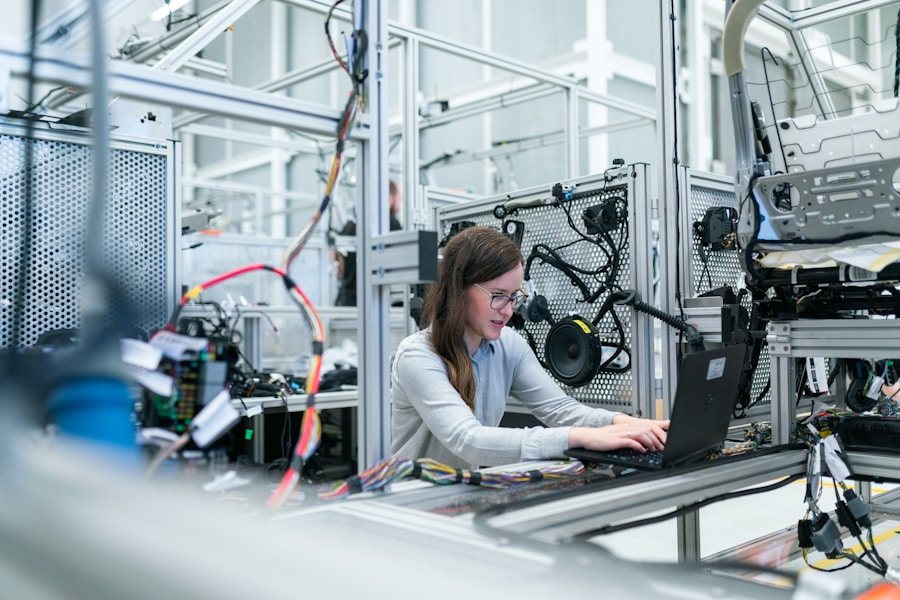
Ke nānā nei ka ʻenekinia i nā mīkini ʻenehana i loko o kahi hale hana e hōʻike ana i ka mana maikaʻi i ka twin screw extruder manufacturi
ʻO nā ʻāpana hana ʻana o Twin Screw Extruder: ʻIke Hana Hana a me ka mea hoʻolako
Hoʻopili ʻia ka honua twin screw extruder manufacturing landscape ma kekahi mau wahi koʻikoʻi, Hāʻawi kēlā me kēia i nā pono kūʻokoʻa no nā mea kūʻai B2B. ʻO ka hoʻomaopopo ʻana i kēia dynamics kūloko e kōkua i nā hui kūʻai e hana i nā hoʻoholo hoʻoholo ʻike.
Kelemānia a me ʻAuseturia: ʻO ka epicenter mōʻaukala o ka ʻenehana twin screw extrusion. ʻO nā ʻoihana i hoʻokumu ʻia ma kēia ʻāina ua hoʻolalelale i ka ʻenehana twin screw co-rotating a hoʻomau i ke alakaʻi i ka hana kiʻekiʻe., mea hana pololei. ʻO nā mea hana Kelemānia ke kauoha maʻamau i ke kumu kūʻai premium (20-40% ma luna o nā mea like Kina) akā hāʻawi i ka metallurgy maikaʻi loa, ʻoi aku ka paʻakikī o ka hana ʻana, a me nā pūnaewele lawelawe honua ākea. No nā mea kūʻai mai ʻAmelika a me EU e hana ana i nā mea waiwai kiʻekiʻe kahi mea nui i ka uptime a me ka paʻa ʻana o ka huahana, Hāʻawi pinepine nā mea hana Kelemania i ke kumu kūʻai haʻahaʻa haʻahaʻa loa ʻoiai ke kumu kūʻai kiʻekiʻe.
Ikalia: Ua kālai ʻia nā mea hana Italia i kahi kūlana ikaika ma waena o ka ʻāpana hana kiʻekiʻe, no ka hui pū ʻana a me nā noi masterbatch. Hāʻawi maʻamau nā lako Italia 85-95% o German hana kiko'ī ma 70-80% o ke kumu kuai, lilo ia i kumu waiwai hoihoi no nā mea kūʻai B2B he nui. Italy's proximity to major European end-user markets and its well-established machinery export infrastructure (kākoʻo ʻia e nā hui like ICE — ʻOihana Kālepa Italia) hoʻomaʻamaʻa maikaʻi i ke kūʻai ʻana.
Kina: Ua hoʻomaikaʻi maikaʻi nā mea hana extruder māhoe māhoe Kina i nā makahiki he ʻumi i hala. No nā noi hoʻohui maʻamau, ke hana nei kekahi mau mea hana Kina i nā lako i kūpono a hoʻokokoke i nā kūlana maikaʻi o ʻEulopa ma 40-60% o ke kumukuai. Eia naʻe, Pono nā mea kūʻai mai ʻAmelika i ka ʻāpana 301 uku uku (i kēia manawa 25% he HS 8477 nā mīkini mai Kina), ka mea e hoopau loa i ka pomaikai o ke kumukuai. Ke kū nei ka poʻe kūʻai mai EU i nā palena haʻahaʻa haʻahaʻa akā pono e hoʻolilo kālā no ka hōʻoia ʻana i ka CE a me nā hoʻololi. ʻO ke kumu koʻikoʻi koʻikoʻi ke kākoʻo ma hope o ke kūʻai aku — ʻoiai ua hoʻokumu nā mea hana Kina i nā kikowaena lawelawe ma waho, ʻOi aku ka liʻiliʻi o ka uhi ʻana i ka US a me EU i hoʻohālikelike ʻia me nā OEM ʻEulopa.
Inia a me Tureke: Ke puka mai nei ma ke ʻano he mau koho kūpono no nā mea kūʻai kūʻai. Nā mea hana India, supported by the government's "Make in India" hoʻolālā, ke kālele nui nei i nā hoʻomaikaʻi maikaʻi a me nā palapala hōʻoia honua. Loaʻa nā mea hana Turkish mai ka pili ʻāina i nā mākeke EU a me nā pono uniona kuʻuna no kekahi mau ʻano huahana.. Hāʻawi nā ʻāpana ʻelua i ke kumu kūʻai 30-50% malalo o na mea like o Europa, ʻoiai e hana nā mea kūʻai aku i nā loiloi o ka hale hana ma mua o ka hana ʻana i nā kauoha nui.
No ka hoʻohālikelike kikoʻī o hiki i ka hale hana ma ka ʻāina, Pono nā hui kūʻai e hoʻomohala i kahi matrix helu kaumaha e kaulike ana i ke kumu kūʻai, hopena uku, koina logistics, hale kūʻai ma hope, a me ka ʻenehana kūpono.
ʻO nā manawa kālepa B2B a me nā pilikia i ka mākeke Extruder
Hāʻawi ka transatlantic corridor i nā manawa kūpono a me nā pilikia no nā ʻoihana e nānā ana Hoʻohālikelike ʻo Solidworks Flow + Extruder e kūʻai i nā mea hana extruder māhoe māhoe a i ʻole e hoʻokumu i nā pilina mea kūʻai aku ma waena o ka Atlantika.
Nā manawa kūpono:
Hōʻike ka ʻāpana hana hoʻoheheʻe plastik i ka ʻāpana noi wikiwiki e ulu ana no nā extruder māhoe māhoe ma nā mākeke US a me EU.. The EU's mandatory recycled content targets — 30% ʻike hou ʻia i loko o nā ʻōmole inu PET e 2030 ma lalo o ke Kauoha Plastics Hoʻohana Hoʻokahi, a noi aku 35% maʻiʻo hana hou i loko o ka ʻeke e 2040 ma lalo o ka Hoʻoponopono Packaging and Packaging Waste Regulation — ke hoʻokumu nei i nā koi hoʻomau no nā extruders recycling kiʻekiʻe. I ka US, kuleana o ka mea hana hoʻonui i ka mokuʻāina (EPR) nā kānāwai i kau ʻia ma Kaleponi, ʻO Oregon, ʻO Colorado, a ke hana nei ʻo Maine i nā koi koi like. ʻO nā mea hana extruder twin screw hiki ke hōʻike i ka hana i hōʻoia ʻia i ka hana ʻana i nā kahawai ʻōpala ma hope o ka mea kūʻai aku e ʻike nei i nā backlogs kauoha e hoʻonui ana i Q1 2026.
ʻO ka bioplastics a me ka ʻāpana polymer biodegradable kekahi manawa ulu kiʻekiʻe. Ua hōʻike ʻia ʻo European Bioplastics i kāna hōʻano hou o ka mākeke e hoʻonui ʻia ka mana hana bioplastics honua mai 2.4 miliona tona i loko 2024 i 7.4 miliona tona i loko 2029. ʻO Twin screw extruders ka mea hana mua no ka hoʻohui ʻana i ka PLA, PHA, PBAT, a me nā biopolymers ma muli o ka starch, a me nā mea hana e hāʻawi ana i nā hoʻonohonoho kikoʻī noiʻi no kēia mau mea ke kauoha nei i ka uku kumu kūʻai.
Nā Mea Hana Hoʻokuʻu ʻia Pepa Pepa ʻO ka ʻāpana lako pākaukau — specifically the compounding of electrode slurries and separator materials for lithium-ion batteries — has emerged as a significant new application for twin screw extrusion technology. ʻO US ʻelua (via the Inflation Reduction Act) a me ka EU (via the European Battery Regulation) are investing heavily in domestic battery manufacturing capacity, creating demand for specialized extrusion equipment. Extrusion Lab
Nā pilikia:
Currency volatility remains a persistent challenge for cross-border equipment procurement. Ua loli ke kumukūʻai EUR / USD ma waena 1.03 a 1.14 during the first four months of, creating significant pricing uncertainty for buyers committing to equipment purchases with 12-28 nā manawa alakaʻi pule. B2B buyers should negotiate currency adjustment clauses in purchase contracts or utilize forward contracts to hedge exposure.
Ke hoʻomau nei ka ʻokoʻa hoʻoponopono ma waena o nā kūlana US a me EU e hoʻohui i nā kumukūʻai hoʻokō. ʻOiai ke hana nei ka TTC i ka ʻike like ʻana, ʻO nā mea hana i kūʻai ʻia mai kahi mea hana US no ka hoʻokomo ʻana i ka EU e koi mau ana i ka loiloi conformity CE piha, a me nā mea hoʻokumu EU i hoʻokomo ʻia ma US pono e hui me OSHA, NFPA, a me nā koi NEC. Hoʻohui pinepine kēia mau koina hoʻokō 3-8% i ke kumu kuai lako.
Ua hoʻokiʻekiʻe ʻia nā kumukūʻai Logistics a me nā manawa alakaʻi no nā mea hana ʻoihana koʻikoʻi e hoʻohālikelike ʻia i nā pae pre-2020. He laina extruder māhoe māhoe maʻamau (me ka pahu pahu, pauku pahu, poʻo make, a me nā lako o lalo) hiki ke kaumaha 15-80 nā tona ma muli o ka nui, e koi ana i ka lawelawe ukana. ʻO nā kumukūʻai ukana moana no nā ukana papahana ma nā ala transatlantic i ʻawelika i ka USD 85-120 no ka loaʻa tonne i ka Q1, e like me ka ʻikepili Freightos Baltic Index.
Nā Pōmaikaʻi Geographic a me nā Kulekele e hiki ai ke kālepa lako
Nā Pellets Extruder Plastic Pomaikai ke koridor kalepa mai kekahi mau hana Kube Extruded Png nā mea maikaʻi e hoʻomaʻamaʻa i ka kūʻai ʻana mai o B2B i nā lako waiwai e like me twin screw extruders.
Ka mua, ʻO ke kānāwai a me ka ʻoihana kalepa e kākoʻo ana i ke kālepa transatlantic ua oʻo a paʻa maikaʻi. Mālama nā mana ʻelua i nā ʻano hana hoʻokō paʻa, mālama waiwai naʻauao, a me nā papa hana hoʻoholo hoʻopaʻapaʻa. Ka Hui Kalepa o ka honua (ICC) ʻōnaehana arbitration a me ka UN Convention on Contracts for the International Sale of Goods (CISG) e hāʻawi i nā kumu kūʻai kūpono kūpono no ke kūʻai ʻana i nā mea hana ma waena o nā palena.
Ka lua, ka ʻoihana kālā — me nā mea hana kālā kālepa, kākoʻo ʻoihana hōʻaiʻē hoʻopuka (US Ex-Im Bank, Euler Hermes / Allianz Trade ma Kelemānia, SACE ma Italia), a hoʻokumu i nā pilina pili kālā — hōʻemi i ka pilikia o ke kālepa a hiki i nā ʻōlelo uku kūpono. Many European twin screw extruder manufacturers offer 180-day payment terms or lease-to-own arrangements for qualified US buyers, facilitated by export credit insurance.
Ke kolu, the logistics infrastructure connecting major US and EU industrial centers is extensive. Direct container shipping services connect Rotterdam, Hamburg, and Antwerp with US East Coast ports (Nu Ioka/New Jersey, Savana, Charleston) on 10-14 day transit times, and with US Gulf and West Coast ports on 18-28 day schedules. For time-critical spare parts, air freight networks provide next-day delivery between major US and EU cities.
Ka ʻehā, both the US and EU maintain extensive networks of trade promotion organizations that actively facilitate B2B connections. The US Commercial Service operates offices in every major EU market, offering Gold Key matching services that connect US buyers with pre-vetted European manufacturers. Pēlā nō, EU member state trade promotion agencies (Germany Trade & Invest, Business France, ICE Italy) maintain offices across the US to support European exporters in connecting with American buyers.
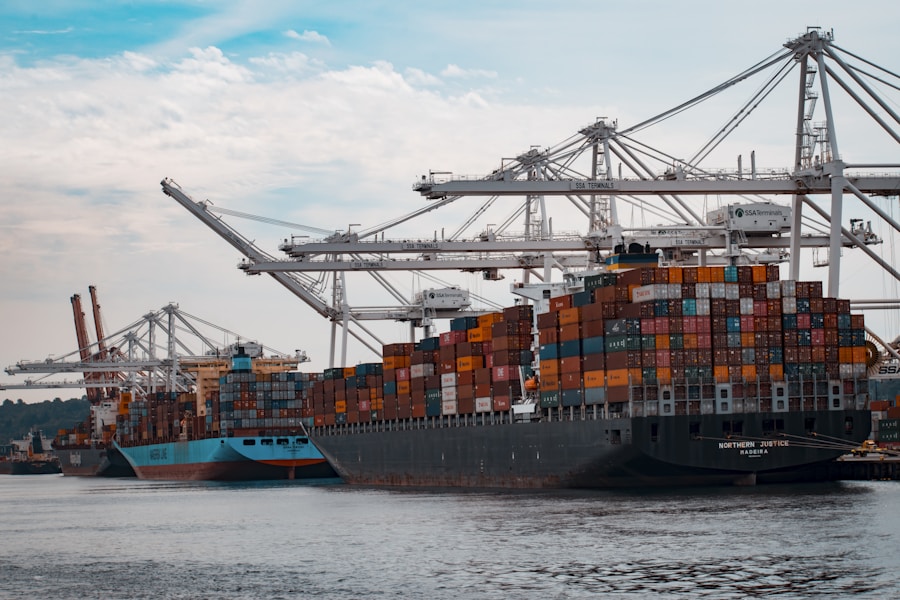
International trade exhibition hall with business professionals networking at B2B industrial equipment trade show
Case Studies Enterprises Successfully Sourcing Twin Screw Extruders
Examining real-world procurement experiences provides actionable insights for buyers entering the market. The following cases, drawn from industry publications and trade association reports published in late 2024 a kakahiaka nui, illustrate different sourcing strategies and their outcomes. Mea Hoʻolako Mīkini Hui Pū ʻIa
hihia 1 — US Recycling Company Sources European Equipment: A mid-size plastics recycling company based in Ohio needed to expand its processing capacity to meet growing demand from consumer goods brands requiring post-consumer recycled (PCR) resin. After evaluating manufacturers from Germany, Kina, a me Inia, the company selected a German twin screw extruder manufacturer despite a 35% price premium over the Chinese alternative. The decision was driven by three factors: (1) the German manufacturer's proven track record processing contaminated post-consumer HDPE and PP streams, documented through reference site visits arranged during a trip to K preparation meetings; (2) a US-based spare parts warehouse in New Jersey with guaranteed 48-hour delivery on critical wear parts; a (3) the avoidance of 25% Māhele 301 tariffs that would have largely eliminated the Chinese manufacturer's price advantage. The equipment was delivered within 18 pule pule, commissioned in 5 days with on-site German engineering support, and achieved target throughput rates within the first week of operation. Total project cost including freight, hoʻokomo, and commissioning was approximately USD 1.4 miliona.
hihia 2 — European Compounder Diversifies Supplier Base: A specialty compounds manufacturer in the Netherlands, traditionally sourcing exclusively from a single European OEM, decided to evaluate Chinese manufacturers for a new production line dedicated to standard mineral-filled PP compounds. The company conducted a structured evaluation process: initial screening of 12 Chinese manufacturers through online research and trade show contacts at Chinaplas 2024, followed by factory audits of 3 shortlisted candidates, and finally a 2-week trial run at the selected manufacturer's application laboratory using the buyer's actual raw materials and formulations. The selected Chinese manufacturer delivered a twin screw extruder line at approximately 55% of the comparable European OEM price. Eia naʻe, the buyer invested an additional EUR 45,000 in CE compliance modifications and third-party safety certification, and negotiated a comprehensive 3-year spare parts supply agreement with a European-based intermediary. Ma hope 8 mahina o ka hana, the company reports satisfactory performance for the intended standard compounding applications, though notes that screw element wear rates are approximately 20% higher than their European-made equipment, requiring more frequent replacement.
hihia 3 — Collaborative Procurement Consortium: Five small-to-medium food processing companies across France, Pelekiuma, and the Netherlands formed a purchasing consortium to negotiate volume pricing on twin screw extruders for snack food and cereal production. By consolidating their requirements (7 machines over an 18-month period), the consortium secured a 22% volume discount from an Italian manufacturer, along with a shared service contract covering preventive maintenance and operator training. This collaborative approach, facilitated by the European Snack Association's supplier networking program, demonstrates how smaller B2B buyers can achieve pricing and service terms typically available only to large corporations. The consortium model is particularly relevant for the twin screw extruder market, where individual SME purchases may not reach the volume thresholds that trigger manufacturer discount tiers.
These cases underscore a consistent theme: successful B2B procurement of twin screw extruders requires looking beyond unit price to evaluate total cost of ownership, me nā kumukūʻai, hoʻokō, logistics, ʻāpana ʻāpana, and operational performance over the equipment's 15-25 year expected lifespan.
Wholesale Pricing Dynamics and Negotiation Strategies
For buyers seeking to purchase twin screw extruders at wholesale or volume-discounted pricing, understanding the manufacturer's cost structure and margin architecture is essential to effective negotiation.
Twin screw extruder manufacturing costs are dominated by four components: (1) raw materials, primarily specialty steels for barrels and screw elements (maʻamau 25-35% of total cost); (2) precision machining and assembly labor (20-30%); (3) purchased components including gearboxes, nā motika, hoʻokele, a me nā ʻōnaehana hoʻomalu (20-25%); a (4) ʻenekinia, hoao ana, and overhead (15-20%). This cost structure means that manufacturers have limited flexibility on material and component costs but can offer meaningful discounts on labor and overhead allocation when processing multiple-unit orders.
Effective negotiation strategies for B2B buyers include:
- Bundling the extruder purchase with downstream equipment (nā pelletizers, ʻōnaehana hoʻoluʻu, nā mea lawe) from the same manufacturer, which allows the manufacturer to spread engineering and project management costs across a larger order value.
- Committing to a multi-year spare parts purchase agreement, which provides the manufacturer with predictable aftermarket revenue and justifies a lower equipment margin.
- Timing purchases to align with manufacturer production scheduling gaps — Q1 and Q3 are typically lower-demand periods for European manufacturers, creating opportunities for better pricing and shorter lead times.
- Leveraging competitive quotes from multiple manufacturers transparently, while being prepared to articulate the specific value differentiators that justify a higher price from a preferred supplier.
No ka laulā kūʻai kūʻai kūʻai nui ma nā ʻano mīkini like ʻole a me nā hoʻonohonoho, Pono nā mea kūʻai e nīnau i nā noiʻi kumu kūʻai o nā mea hana makahiki i paʻi ʻia e Plastics Technology a me Kunststoffe International.

Ke nānā nei ka poʻe ʻoihana ʻoihana i nā palapala kūʻai a me ka nānā ʻana i nā kumukūʻai no nā hoʻoholo kūʻai ʻana i nā lako hana
ʻO nā kāmaʻa palekana B2B i nā Kaiapuni Extrusion ʻOihana: Palekana i kou hui
Mea hoʻolako pūnaewele Extrusion ʻO ka hoʻohana ʻana i nā mea hana twin screw extrusion e hōʻike ana i nā pōʻino palekana o ka wahi hana ma mua o ka mīkini ponoʻī. ʻO kekahi o nā manaʻo palekana e nānā pinepine ʻia akā koʻikoʻi koʻikoʻi i nā hale extrusion ʻo ia ka pale wāwae. No nā mana kūʻai kūʻai B2B kuleana no nā lako a me ka mālama palekana i kahi hana, understanding safety footwear requirements is integral to a complete operational readiness strategy.
No ke aha i mea nui ai nā kāmaʻa palekana i nā keʻena Extrusion:
Twin screw extruder operations involve multiple foot injury hazards. Molten polymer spills and drips during die changes or purging operations can cause severe burns. Nā mea wiliwili kaumaha, pauku pahu, and tooling components — some weighing over 50 kg pākahi — pose crushing risks during maintenance and changeover procedures. The processing environment often involves elevated temperatures at floor level, chemical exposure from processing aids and cleaning solvents, and slip hazards from pellet spillage and hydraulic fluid leaks.
Wahi a ka US Bureau of Labor Statistics (BLS) 2024 Occupational Injuries report, foot injuries accounted for approximately 8% of all workplace injuries in the plastics and rubber products manufacturing sector (NAICS 326), me ka awelika o 11 nalowale nā lā hana no kēlā me kēia hanana. ʻO ka European Agency for Safety and Health at Work (EU-OSHA) reports comparable statistics for EU member states, noting that foot injuries in polymer processing facilities are disproportionately severe compared to general manufacturing averages due to the combination of thermal, kemika, and mechanical hazards.
Nā Kūlana Palekana Māmā:
For US-based extrusion facilities, safety footwear must comply with ASTM F2413-18 (Standard Specification for Performance Requirements for Protective Footwear). This standard defines impact resistance (I/75 — pale i ka hopena 75-kapuai-paona) a me ka hoʻopaʻa ʻana (C/75 — pale aku 2,500 pounds of compression force). No nā kaiapuni extrusion, the metatarsal protection (Mt/75) rating is additionally recommended due to the risk of heavy cylindrical objects (nā mea hoʻoheheʻe, pauku pahu) rolling onto the foot.
In EU markets, safety footwear is governed by EN ISO 20345:2022, which classifies protection levels from SB (pale wāwae kumu) ma o S5 (full protection including water resistance and midsole penetration resistance). For twin screw extruder operations, S3 classification is the minimum recommended standard, hāʻawi i ka pale wāwae, midsole kū i ke komo ʻana, kuʻekuʻe wāwae, luna pale wai, a holoi ʻia i waho. For environments with molten polymer exposure risk, S3 HRO (outsole pale wela, pili i ka wela a hiki i 300°C no ka 60 kekona) paipai ikaika ia.
Kūwae kila vs. Composite Toe for Extrusion Environments: Glen Gery Extruded Brick
The traditional steel toe cap remains the most widely specified option in heavy industrial environments, offering proven impact and compression protection at a lower cost point. Eia naʻe, nā pāpale manamana wāwae hui (typically made from carbon fiber, Kevlar, or fiberglass-reinforced plastic) have gained significant market share in extrusion facilities for several reasons: they are 30-40% ʻoi aku ka māmā ma mua o nā mea like kila, they do not conduct heat or cold (important in facilities with both hot extrusion zones and cold warehouse areas), and they do not trigger metal detectors (relevant for food-grade extrusion facilities with metal detection protocols).
For B2B buyers procuring safety footwear for extrusion facility teams, the total cost of ownership calculation should include: initial purchase price, expected lifespan (maʻamau 6-12 mahina i ka hoʻohana ʻana i nā ʻoihana koʻikoʻi), replacement frequency, worker comfort and compliance rates (uncomfortable footwear leads to non-compliance, which leads to injuries), and any application-specific requirements such as ESD (hoʻoheheʻe electrostatic) properties for facilities processing conductive compounds.
Integrating Footwear Safety into Equipment Procurement Planning:
Forward-thinking B2B procurement managers are increasingly integrating PPE requirements, me nā kāmaʻa palekana, into their capital equipment procurement planning. When purchasing a new twin screw extruder line, the commissioning and startup phase is the ideal time to assess and upgrade facility PPE standards. Many twin screw extruder manufacturers now include recommended PPE specifications in their equipment documentation, and some offer bundled safety equipment packages as part of turnkey installation contracts.
ʻO ka safety footwear selection for extrusion environments should be reviewed annually, taking into account changes in processing materials (new chemical exposures), facility layout modifications, and updates to applicable safety standards. OSHA's Voluntary Protection Programs (VPP) and the EU's Framework Directive 89/391/EEC both emphasize the employer's obligation to provide appropriate PPE and ensure its proper use — obligations that extend to every worker who enters the extrusion production area, including maintenance personnel, quality inspectors, and visiting engineers.
For B2B wholesale buyers sourcing safety footwear for multiple facilities, the same procurement principles that apply to twin screw extruder purchasing — manufacturer evaluation, total cost of ownership analysis, after-sales support assessment, and volume negotiation — deliver equally significant value. Consolidating safety footwear procurement across facilities can yield 15-25% cost savings while ensuring consistent protection standards across the organization.
Nā Kūleʻa Kūʻai o ka wā e hiki mai ana: ʻO ka mea e manaʻo ai i ka wā e hiki mai ana 1-2 Nā mahina
Looking ahead to June and July, several developments are likely to influence the B2B twin screw extruder market and broader industrial equipment trade.
Nā Kūlana Kūʻai Kūʻai: The European Commission is expected to release its mid-year review of the EU's trade defense instruments in June, which may include updated anti-dumping assessments on industrial machinery from specific origin countries. While twin screw extruders have not been subject to EU anti-dumping duties to date, the broader trend toward trade defense activism in the industrial machinery sector warrants monitoring. Ma ka ʻaoʻao US, the Department of Commerce's Bureau of Industry and Security (BIS) is expected to finalize updated export control classifications for advanced manufacturing equipment in July, which could affect the export of certain high-specification twin screw extruders incorporating advanced process control technology.
Market Demand Signals: The NPE plastics trade show, i hoʻonohonoho ʻia no Mei ma Orlando, Florida, manaʻo ʻia e hoʻohua i ka hana kauoha nui no nā extruders twin screw, ʻoi loa i nā ʻāpana hana hou a me nā bioplastics. Hōʻike ka ʻikepili mōʻaukala i nā hōʻike kālepa nui e hoʻopuka i kahi 15-25% spike i ka ninau lako ma ka 60 nā lā ma hope o ka hanana. Pono nā mea kūʻai e loiloi i nā mea hana e neʻe wikiwiki i nā hoʻoholo, no ka mea hiki ke hoʻonui i nā manawa alakaʻi ma hope o ka hōʻike ʻana 4-8 pule pule.
Nā ʻano kumu kūʻai kumu a me nā mea waiwai: Nā kumukūʻai kila kūikawā, pili pono i nā koina hana extruder māhoe, ke piʻi nei ka piʻi ʻana mai Pepeluali ma muli o ka piʻi ʻana o ka noi mai ka ʻoihana ikaika a me ka pale. The World Steel Association's April short-range outlook projects a further 3-5% hoʻonui i ke kila kila a me nā kumu kūʻai kila nitriding ma o Q3. This suggests that twin screw extruder prices are likely to increase in the near term, creating an incentive for buyers to lock in current pricing where possible.
Nā ʻenehana ʻenehana: The integration of digital twin technology into twin screw extruder operations is accelerating. Several major manufacturers are expected to announce enhanced digital twin platforms at NPE, enabling buyers to simulate process conditions, optimize screw configurations, and predict maintenance requirements before physical commissioning. No nā mea kūʻai B2B, this technology reduces startup risk and accelerates time-to-production, adding a new dimension to the manufacturer evaluation process.
Currency and Financing: The European Central Bank's anticipated rate decision in June and the Federal Reserve's July meeting will influence EUR/USD dynamics and equipment financing costs. Current market consensus suggests stable to slightly lower rates in both jurisdictions, which would support continued capital equipment investment. Buyers utilizing export credit agency financing should initiate applications 8-12 weeks before planned order placement to ensure approval timelines align with manufacturer lead times.

Financial data analysis dashboard showing market trends and trade forecasting for industrial equipment sector
Practical Checklist: Steps to Buy a Twin Screw Extruder from the Right Manufacturer
To consolidate the insights presented in this guide, here is a structured procurement checklist for B2B buyers:
- Define your technical requirements precisely: hiki ke komo, ʻano mea, anawaena wiliwili (Lakiō L/D), torque requirements, and any application-specific features (devolatilization, side feeding, pelletizing ma lalo o ka wai).
- Establish your budget range including all landed costs: equipment price, tariffs and duties, ocean/air freight, kaʻa ʻana i uka, rigging and installation, hoʻokahua, hoʻomaʻamaʻa hoʻokele, and first-year spare parts inventory.
- Identify 4-6 candidate manufacturers across at least 2 geographic
E kūʻai i Twin Screw Extruder: Pehea e koho ai i ka mea hoʻolako pono, Mea hana… · E kūʻai aku i ka hale hana ʻoihana māhoe māhoe: Ke alakaʻi piha i nā mea hana, ʻO Suppl… · E kūʻai aku ma ke kūʻai nui ʻana o Twin Screw Extruder: Hoʻopiha piha i ka B2B Sourcing Guide no Manu…