

Fitar Filastik ko Gyaran allura wanda ke ba da ingantaccen daidaito
Na gano cewa yin gyare-gyaren allura yana ba da mafi daidaito da juriya fiye da Fitar Filastik. Misali, allura gyare-gyaren iya cimma tolerances kamar m kamar ± 0.005 inci, yayin da extrusion yawanci yana riƙe ± 0.010 inci. Anan akwai kwatancen tsari bisa ga aikace-aikace na yau da kullun da haƙuri:
| Nau'in Aikace-aikace | Tsarin Amfani | Hakuri gama gari |
|---|---|---|
| Doguwa, sassan uniform (misali, bututu, sanduna) | Extrusion | ± 0.010 inci |
| Complex ko cikakken sassa | Injection Molding | ± 0.005 inci ko matsewa |
| Babban girma, high-madaidaici | Injection Molding | Tauri fiye da extrusion |
| Ci gaba, sauki siffofi | Extrusion | Daidaitawa, kasa daidai |
Lokacin zabar tsarin masana'anta, A koyaushe ina la'akari da lissafi, da ake buƙata haƙuri, ƙarar samarwa, da tsada.
Key Takeaways
- Yin gyare-gyaren allura yana samun ƙarin haƙuri, sau da yawa daidai kamar ± 0.005 inci, yin shi manufa domin hadaddun sassa.
- Fitar filastik shine mafi kyau na dogon lokaci, sifofi iri ɗaya kamar bututu da sanduna, tare da haƙuri a kusa da ± 0.010 inci.
- Yi la'akari da ƙarar samarwa lokacin zabar tsari; Yin gyare-gyaren allura yana da tsada ga manyan gudu, yayin da extrusion dace high-girma ci gaba da samar.
- Zaɓin kayan abu tasiri daidai; zaɓi kayan bisa takamaiman buƙatun aikace-aikacen ku.
- Kimanta hadaddun sashi; Yin gyare-gyaren allura yana sarrafa ƙira masu rikitarwa fiye da extrusion, wanda ke iyakance ga mafi sauƙi siffofi.
- Ingancin ƙarewar saman gabaɗaya ya fi kyau a gyaran allura, yana kaiwa ga sassa masu santsi ba tare da ƙarin matakan ƙarewa ba.
- Tsara don farashin kayan aiki; Yin gyare-gyaren allura yana buƙatar babban jari na farko amma yana ba da tanadi na dogon lokaci ta hanyar maimaitawa.
- Koyaushe tantance bukatun aikinku da wuri; fahimtar geometry, haƙuri, kuma kasafin kuɗi yana taimakawa wajen zaɓar tsarin masana'anta daidai.
Bayanin Fitar Filastik
Tushen Tsari
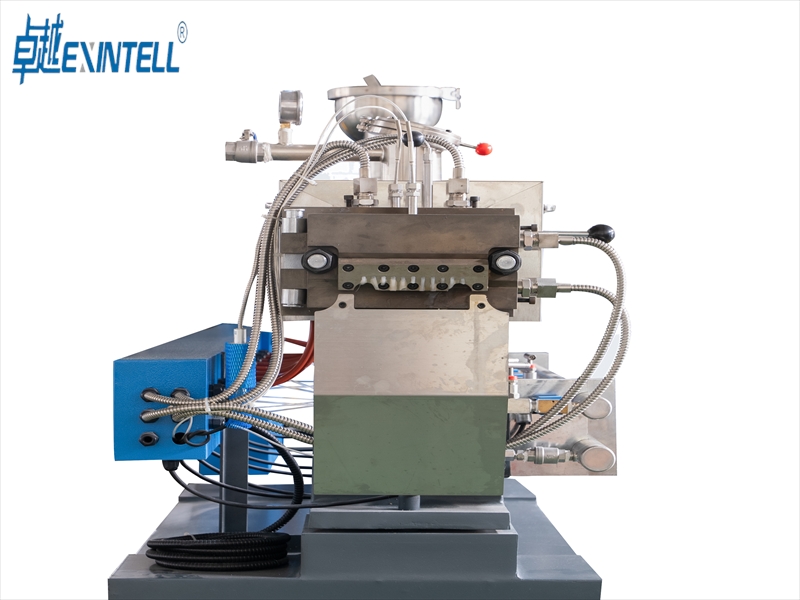
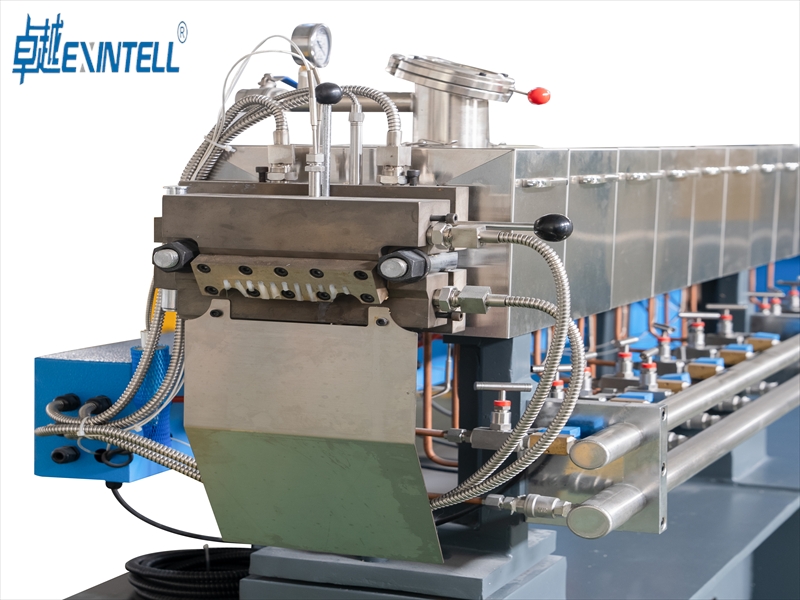
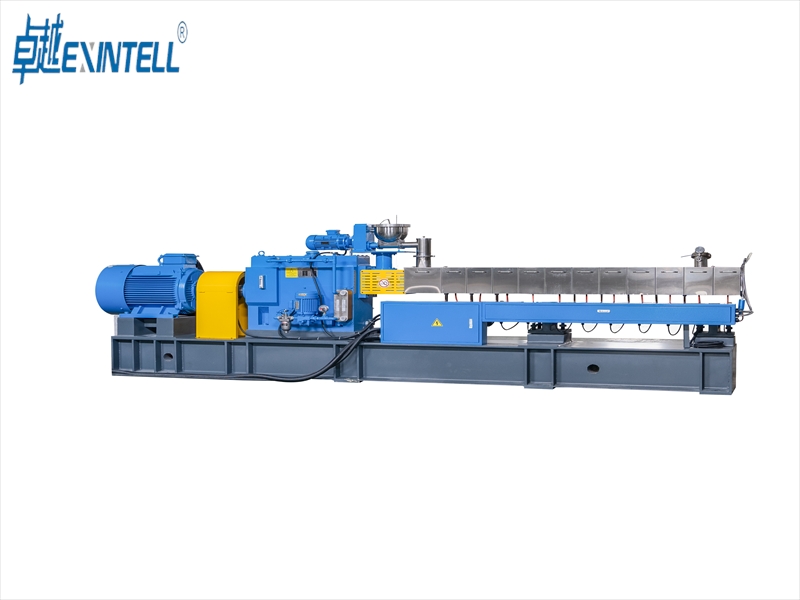
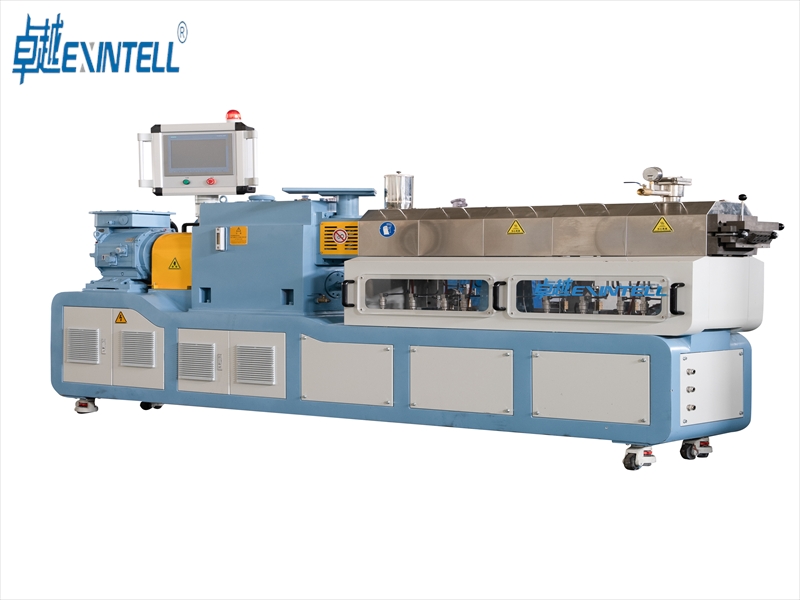
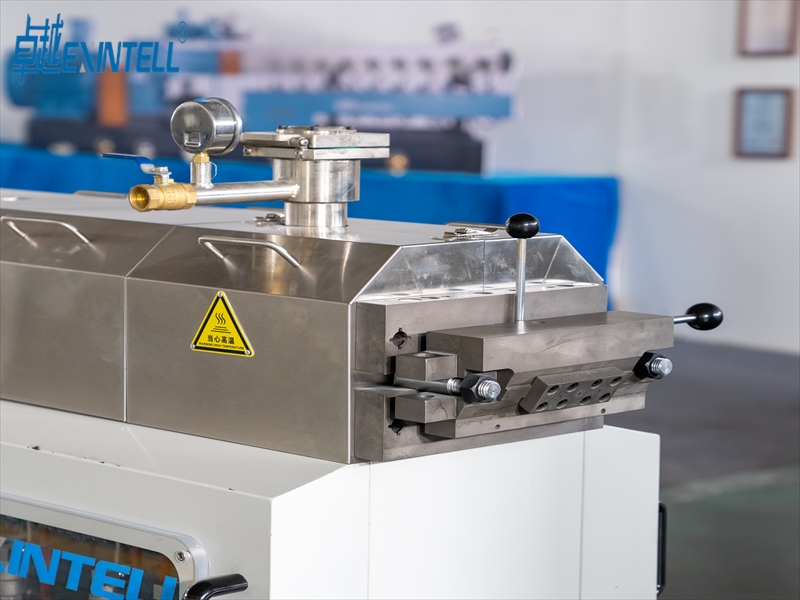
Na yi aiki tare filastik extrusion tsawon shekaru kuma sun ga yadda wannan hanyar ke tsara kayan aikin thermoplastic zuwa bayanan martaba masu ci gaba. Tsarin extrusion yana farawa tare da zaɓin abu, wanda ke da mahimmanci don cimma abubuwan da ake so a cikin samfurin ƙarshe. Ina loda pellets na filastik ko granules a cikin hopper sama da extruder. Injin yana amfani da dunƙule mai juyawa don motsa kayan ta cikin ganga mai zafi. Kamar yadda kayan ke tafiya, yana narkewa saboda gogayya da zafin waje. Narkar da robobin daga nan ya wuce ta wani madaidaicin siffa, wanda ke ba samfurin bayanin martabarsa. Bayan kafa, siffar extruded ta shiga tsarin sanyaya, yawanci wankan iska ko ruwa, don ƙarfafawa da kula da daidaiton girma. Daga karshe, Na yanke ko mirgine samfurin, dangane da aikace-aikacen. Wannan matakin mataki-mataki yana ba ni damar ƙirƙirar dogon lokaci, sifofi iri ɗaya tare da daidaitattun sassan giciye.
Aikace-aikace gama gari
Filastik extrusion yana taka muhimmiyar rawa a ciki masana'antu da yawa. Sau da yawa ina ganin ana amfani da shi don marufi, mota, kayan daki, da kayan masarufi. Tsarin yana samar da samfurori da yawa, daga bututu masu sauƙi zuwa bayanan martaba masu rikitarwa. Anan akwai tebur wanda ke taƙaita wasu aikace-aikacen gama gari:
| Masana'antu | Kayayyaki |
|---|---|
| Marufi | Fina-finai, zanen gado, jakunkuna, nannade, tire, da kofuna |
| Motoci | Hatimin yanayi, filastik bututu, datsa bayanan martaba |
| Kayan daki & Kayayyakin Mabukaci | Ƙwaƙwalwar baki, waƙoƙin labule, allon kumfa PVC masu nauyi |
| Gida Kayan aiki | Hannu, hatimi don tanda da microwaves |
| Aikin famfo & Likita | Tuba, bututu |
Na gano haka al'ada filastik extrusion yana bawa masana'antun damar tsara bayanan martaba na musamman don buƙatu na musamman. Wannan sassauci yana sa extrusion ya zama sanannen zaɓi don ci gaba, samar da girma mai girma.
Abubuwan Amfani
Zaɓin kayan da aka yi a cikin extrusion na filastik yana rinjayar duka tsari da kuma daidaitaccen samfurin ƙarshe. Ina yawan amfani polypropylene, polyethylene terephthalate, da kuma polystyrene. Waɗannan kayan suna ba da kaddarorin daban-daban, kamar sassauci, ƙarfi, da tsabta. Yadda na shirya, narke, kuma kwantar da kayan yana da tasiri kai tsaye akan daidaito da daidaituwa na sassan da aka fitar. Anan ga wasu kayan aikin gama gari da nake amfani dasu:
- Polypropylene (PP)
- Polyethylene terephthalate (PET)
- Polystyrene (PS)
- Polyvinyl chloride (PVC)
- High-yawa polyethylene (HDPE)
- Ƙananan yawa polyethylene (LDPE)
- Acrylonitrile butadiene styrene (ABS)
- Thermoplastic elastomers (TPE)
- Nailan (PA)
- Polycarbonate (PC)
- Polymethyl methacrylate (PMMA)
Lokacin da nake aiki akan ayyukan extrusion filastik na al'ada, A koyaushe ina daidaita kayan zuwa buƙatun aikace-aikacen. Wannan zaɓin a hankali yana tabbatar da samfurin ya dace da duka aiki da daidaitattun ƙa'idodi.
Ribobi da Fursunoni
Lokacin da na kimanta extrusion filastik don aikin, A koyaushe ina auna fa'idodi da lahani. Wannan tsari yana ba da ƙarfi na musamman, amma kuma yana zuwa tare da iyakoki waɗanda ke shafar daidaito da haƙuri.
Ga a tebur wanda ya taƙaita babban amfani da rashin amfani Na lura a cikin aikina:
| Amfani | Rashin amfani |
|---|---|
| Babban inganci da scalability | Iyaka a cikin samar da hadaddun siffofi |
| Babban adadin samarwa | Kalubale tare da kumbura mutu yana shafar daidaito |
| Tasirin farashi don matsakaici zuwa babban kundin | Rashin lahani mai yuwuwa na buƙatar ƙarewa |
Amfani
Sau da yawa nakan zabi filastik extrusion don babban inganci. Tsarin yana ci gaba da gudana, wanda ke nufin zan iya samar da dogon sassa ba tare da katsewa ba. Wannan scalability ya sa ya dace da manyan umarni. Lokacin da nake buƙatar kera dubunnan ƙafafu na bututu ko bayanan martaba, extrusion yana ba da tabbataccen sakamako. Farashin kowane sashi yana raguwa yayin da ƙarar samarwa ke ƙaruwa, don haka na ga yana da tsada sosai don ayyuka masu matsakaici zuwa girma.
Wani fa'ida shine ikon ƙirƙirar sassan giciye iri ɗaya. Zan iya kula da tsayin daka tare da tsawon ɓangaren, wanda ke da mahimmanci ga aikace-aikace kamar bututu ko firam ɗin taga. Hakanan tsarin yana tallafawa nau'ikan thermoplastics masu yawa, don haka zan iya zaɓar kayan da suka dace da buƙatun inji da sinadarai na samfurin ƙarshe.
Rashin amfani
Duk da wadannan karfin, filastik extrusion yana da wasu drawbacks. Tsarin yana gwagwarmaya tare da siffofi masu rikitarwa. Idan wani sashi yana buƙatar cikakkun bayanai masu rikitarwa ko sasanninta masu kaifi, Ina ganin extrusion bai dace ba. Narkar da robobi na kan kumbura yayin da yake fita cikin mutu, al'amarin da aka sani da kumbura mutuwa. Wannan tasirin zai iya sa ya zama da wahala a cimma matsananciyar haƙuri, musamman ga sassan da ke buƙatar madaidaicin girma.
Ƙarshen saman yana iya zama matsala. Wani lokaci, sassan da aka fitar suna nuna layi ko alamomi daga mutuwa. Yawancin lokaci ina buƙatar ƙara matakan kammala na biyu, kamar gyarawa ko goge goge, don inganta bayyanar da saduwa da ƙa'idodi masu kyau. Waɗannan ƙarin matakan na iya ƙara lokaci da farashi.
Tukwici: A koyaushe ina ba da shawarar yin bitar juzu'i na ɓangaren da haƙuri da ake buƙata kafin zaɓar extrusion. Idan zane yana da sauƙi kuma tsari yana da girma, extrusion yawanci yana ba da mafi kyawun ƙimar.
Bayanin Gyaran allura
Tushen Tsari
Na kwashe shekaru ina aiki da gyaran allura, kuma ina ganin tsarin yana da ban sha'awa da inganci. Hanyar tana amfani da mold, wanda ke siffanta robobi narkakkar zuwa daidaitattun siffofi. A koyaushe ina bin jerin matakai don tabbatar da kowane sashi ya cika ingantattun ka'idoji. Anan ga yadda zan tunkari tsarin gyaran allura:
- Matsawa: Ina rufe mold sosai don shirya matakai na gaba.
- Allura: Ina allurar zafi, narke robobi a cikin kogon mold.
- Mazauni: Na bar robobin ya zauna a ciki na ɗan gajeren lokaci don ya cika kowane wuri.
- Sanyi: Filastik ɗin yana sanyaya kuma yana taurare yayin da yake cikin ƙirar.
- Buɗe Mold: Ina buɗe mold bayan sashin ya yi sanyi.
- Fitarwa: Na cire ɓangaren da aka gama daga ƙirar.
Wannan sake zagayowar yana maimaita sauri, wanda ke ba ni damar samar da adadi mai yawa na sassa iri ɗaya. Na dogara ga gyaran allura lokacin da nake buƙatar hadaddun sifofi, cikakken bayani, kuma high quality-karewa. Tsarin yana ba ni kyakkyawan iko akan girma da bayyanar saman.
Lura: A koyaushe ina lura da zafin jiki da matsa lamba a hankali yayin gyaran allura. Wadannan abubuwan suna shafar daidaitaccen sashi na ƙarshe da daidaito.
Aikace-aikace gama gari
Yin gyaran allura yana taka muhimmiyar rawa a masana'antu da yawa. Na yi amfani da wannan tsari don ƙirƙirar sassa don mota, likita, masu amfani da lantarki, da sassan marufi. Ƙwararren gyare-gyaren allura yana ba ni damar samar da sassa biyu masu sauƙi da hadaddun abubuwa. Anan akwai tebur wanda ke taƙaita wasu aikace-aikace na yau da kullun:
| Masana'antu | Kayayyakin Samfura |
|---|---|
| Motoci | Daban-daban sassa da sassa |
| Likita | Gidajen na'ura, kayan aikin tiyata |
| Kayan Wutar Lantarki na Masu Amfani | lamuran, maɓalli, da sauran sassa |
| Marufi | Kwallan kwalba, kwantena |
Sau da yawa nakan yi abubuwa kamar na'urar ruwan tabarau, kwalban kwalba, da manyan abubuwa masu girma tare da m geometries. Yin gyare-gyaren allura yana taimaka mini isar da ingantaccen sakamako, har ma don ayyukan da ake buƙata.
Abubuwan Amfani
Zaɓin kayan abu yana da mahimmanci a cikin gyaran allura. Na zaɓi kayan bisa ga ƙarfin da ake buƙata, sassauci, da daidaito. Don madaidaicin sassa, Na fi son polymers da low kuma uniform shrinkage, barga narke kwarara, kuma mai kyau thermal juriya. Wasu daga cikin mafi na kowa kayan Ina amfani da hadawa:
- ABS: Yana ba da tauri, m surface gama, da juriya mai tasiri.
- Polypropylene: Yana ba da juriya na sinadarai, sassauci, da araha.
- Polycarbonate: Yana ba da haske mai girma, ƙarfi, da juriya na zafi.
- Polyethylene: Mai nauyi kuma yana tsayayya da danshi.
- Nailan: Sanannen ƙarfi, sa juriya, da kwanciyar hankali thermal.
- KYAUTA: Na musamman don zafi, sinadaran, da sanya juriya.
When I need even tighter tolerances, I turn to engineering-grade polymers. Materials like liquid crystal polymer (LCP), polyether ether ketone (KYAUTA), and acetal (POM) give me excellent dimensional stability and minimal shrinkage. Misali, I use LCP for electrical connectors and sensor components, while PEEK works well for medical implants and aerospace parts. Polycarbonate is my choice for lenses and optical components because of its clarity and strength.
Tukwici: I always match the material to the application’s needs. The right choice ensures the injection molding process delivers both precision and performance.
Ribobi da Fursunoni
I have worked with injection molding for many years. This process offers several advantages that make it my preferred choice for high-precision plastic parts. I want to share both the strengths and the limitations I have observed.
Amfanin Gyaran allura
- Zan iya cimma daidaito sosai tare da gyaran allura. Tsarin yana ba ni damar samar da sassa tare da juriya mai ƙarfi kamar ± 0.005 inci. Wannan matakin daidaito yana da wahala a daidaita shi da sauran hanyoyin masana'antar filastik.
- Ina godiya da maimaitawar gyaran allura. Da zarar na kafa mold da aiwatar sigogi, Zan iya samar da dubban ko ma miliyoyin sassa iri ɗaya. Kowane bangare ya dace da ƙirar asali a hankali.
- Yawancin lokaci ina buƙatar ƙirƙirar sassa tare da siffofi masu rikitarwa da cikakkun bayanai. Yin gyare-gyaren allura yana ɗaukar rikitattun geometries da kyau. Bana buƙatar ƙara ƙarin matakai ko matakai na biyu don cimma waɗannan fasalulluka.
- Na ga cewa allura gyare-gyaren yana ba da kyakkyawan ƙarewa. Sassan suna fitowa santsi kuma a shirye don amfani a mafi yawan lokuta.
- Zan iya amfani da nau'i-nau'i na thermoplastics da polymers injiniya. Wannan sassauci yana ba ni damar daidaita kaddarorin kayan aiki da bukatun aikace-aikacen.
Rashin Amfanin Gyaran allura
- Dole ne in saka hannun jari a cikin ƙira masu inganci kafin in fara samarwa. Farashin farko don ƙirƙirar ƙira na iya zama mahimmanci. Don ƙananan ayyukan samarwa, wannan kudin ba zai yiwu ba.
- Na koyi cewa hadaddun ƙira na iya gabatar da ƙalubale. Ina buƙatar tsara ƙirar ƙira da ƙirar ɓangaren a hankali. Kuskure a cikin tsarin ƙira na iya haifar da canje-canje masu tsada daga baya.
- Wani lokaci nakan fuskanci tsawon lokacin jagora a farkon aikin. Zanewa da kera ƙirar yana ɗaukar lokaci, musamman ga hadaddun sassa.
- Na lura cewa zaɓin abu da saitunan tsari suna buƙatar kulawa mai kyau. Idan ban sarrafa zafin jiki ba, matsa lamba, da sanyaya rates, Ina haɗarin lahani ko kurakurai masu girma.
Anan akwai tebur wanda ke taƙaita manyan fa'idodi da rashin amfani da na samu tare da gyare-gyaren allura:
| Ribobi | Fursunoni |
|---|---|
| High daidaici da m tolerances | High farkon mold kudin |
| Kyakkyawan maimaitawa don manyan kundin | Ƙirƙirar ƙira yana buƙatar tsarawa a hankali |
| Yana goyan bayan hadaddun geometry da cikakkun bayanai | Tsawon lokacin jagora don haɓakar mold |
| Yana gamawa mai laushi | Sarrafa tsari yana da mahimmanci |
| Zaɓin kayan abu mai faɗi | Ba shi da tsada don gudanar da ƙaramin ƙara |
Tukwici: A koyaushe ina ba da shawarar yin gyare-gyaren allura lokacin da aikin ke buƙatar daidaito mai yawa, hadaddun siffofi, da manyan kundin samarwa. Don sassa masu sauƙi ko ƙananan batches, Ina la'akari da wasu hanyoyin don ajiyewa akan farashi da lokacin jagora.
Daidaitawa da Haƙuri
Lokacin da na kwatanta filastik extrusion da allura gyare-gyare, I always focus on how each process handles precision and tolerances. These factors determine if a part will meet the design’s tolerance requirements and function as intended. I have learned that even small differences in tolerances can impact assembly, yi, da ingancin samfur.
Plastic Extrusion Tolerances
Dimensional Consistency
A cikin kwarewata, plastic extrusion delivers good dimensional consistency for long, continuous shapes. I often see typical tolerance ranges around ± 0.010 inci. This value sets a benchmark for what I can expect from extrusion in terms of dimensional variation. The process works best for parts with uniform cross-sections, such as tubes, sanduna, da bayanan martaba. Duk da haka, I notice that maintaining tight tolerances along the entire length can be challenging. Factors like die swell, material shrinkage, and cooling rates can cause slight variations. A koyaushe ina sa ido kan waɗannan masu canji a hankali don kiyaye girma cikin iyakoki masu karɓuwa.
Ƙarshen Sama
Ƙarshen farfajiya a cikin extrusion ya dogara da ingancin mutu da tsarin sanyaya. Sau da yawa ina ganin ƙananan layi ko alamomi akan sassan da aka fitar, wanda ya zo daga mutuwa ko daga sanyi mara daidaituwa. Wadannan alamomi na iya shafar bayyanar da kuma wani lokacin dacewa da sashin. Lokacin da ƙasa mai santsi yana da mahimmanci, Ina iya buƙatar ƙara matakan kammala na biyu. Na gano cewa extrusion da wuya ya cimma daidai da matakin santsi kamar yadda ake yin allura. Har yanzu, don aikace-aikace da yawa, gama yana karɓuwa ba tare da ƙarin aiki ba.
Hakuri na Gyaran allura
Daidaiton Girma
Yin gyare-gyaren allura ya fito fili don ikonsa na cimma matsatsin haƙuri. Ina aiki akai-akai tare da haƙuri kamar ± 0.005 inci, kuma wani lokacin ma maƙarƙashiya ga madaidaicin sassa. Wannan matakin daidaito ya fito ne daga m mold da sarrafawa sigogi sigogi. Na dogara ga ma'auni kamar EN ISO 20457 da ISO 2768-1/2 don shiryar da aikina. Waɗannan ma'aunai suna bayyana ƙungiyoyin haƙuri da azuzuwan don girma da fasali daban-daban. Misali, EN ISO 20457 yana ƙayyade ƙungiyoyin haƙuri kamar TG5, wanda damar game da 0.23 mm za a 32 mm part. Waɗannan jagororin suna taimaka mini tabbatar da cewa kowane sashi ya cika ƙaƙƙarfan buƙatun girma.
Ina mai da hankali sosai matsa lamba na allura da kuma riƙe matsi a lokacin gyare-gyare. Daidaita waɗannan saitunan daidai yana tabbatar da ƙirar ta cika gaba ɗaya kuma tana rage lahani. Wannan iko yana da mahimmanci don aikace-aikacen madaidaici, inda ko da ƙaramin karkata zai iya haifar da matsala a haɗuwa ko aiki.
Ƙarshen Sama
Ƙarshen farfajiya a cikin gyare-gyaren allura na iya zama mai kyau. Zan iya samar da sassa masu sheki, filaye masu gogewa ko tare da lallausan da ke inganta riko da ɓoye ƙananan lahani. Zaɓin gamawa yana rinjayar duka kallo da aikin ɓangaren. Misali:
- Ƙarshen gogewa yana ba da haske, m bayyanar.
- Fuskokin rubutu na iya sanya sassa sauƙi don sarrafawa da ƙasa da yuwuwar nuna karce.
- Ƙare daban-daban kuma na iya yin tasiri ga dorewa da kuma yadda ɓangaren ke hulɗa da sauran abubuwan haɗin gwiwa.
Na kuma yi la'akari da yadda hanyoyin aiwatarwa, kamar anodizing, foda shafi, ko electroplating, zai iya shafar ma'auni na ƙarshe. Waɗannan hanyoyin suna ƙara abu ko canza saman, Don haka na lissafta su a cikin zane na don kiyaye daidaito.
Teburin Kwatancen Haƙuri
Sau da yawa nakan yi amfani da tebur don kwatanta juzu'i na yau da kullun don extrusion filastik da gyare-gyaren allura. Wannan taƙaitaccen bayani yana taimaka mini da abokan cinikina su fahimci abin da zan jira daga kowane tsari:
| Tsari | Hakuri na Musamman | Ingancin Ƙarshen Sama | Maimaituwa |
|---|---|---|---|
| Fitar Filastik | ± 0.010 inci | Matsakaici | Da kyau ga dogon sassa |
| Injection Molding | ± 0.005 inci ko matsewa | Madalla | Mai girma sosai |
Lura: Yin gyare-gyaren allura yana samun ƙarin juriya kuma mafi kyawun maimaitawa fiye da extrusion filastik. A koyaushe ina ba da shawarar yin gyare-gyaren allura lokacin da aikin ke buƙatar daidaito mai yawa, hadaddun siffofi, ko tsauraran buƙatun haƙuri.
Na gano cewa zabar tsarin da ya dace ya dogara da lissafin sashin, da ake buƙata haƙuri, da aikace-aikacen. Yin gyaran allura yana ba ni sakamako mafi kyau don cikakkun bayanai, high-daidaici sassa. Fitar filastik yana aiki da kyau don sauƙi, ci gaba da sifofi inda aka yarda da juriya kaɗan.
Abubuwan Da Suka Shafi Daidaitawa
Zabin Abu
Kullum ina farawa da la'akari da abu lokacin da nake so in cimma daidaitattun daidaito a cikin sassan filastik. Abubuwan da ke cikin filastik suna tasiri yadda zan iya sarrafa juriya yayin duka extrusion da gyaran allura. Misali, the way a material flows, its shrinkage, and its thermal stability all play a role in the final outcome.
Ga tebur that summarizes how different material properties affect precision and tolerances:
| Material Property | Influence on Precision and Tolerances |
|---|---|
| Flow Behavior (MFI/MFR) | High MFI materials flow easily, which helps fill complex or thin-walled molds. Duk da haka, they may have lower strength. |
| Low MFI materials are thicker and harder to mold but result in stronger, more impact-resistant parts. | |
| Shrinkage | Amorphous plastics like ABS and PC shrink less and more evenly, so I can achieve tighter tolerances. |
| Semi-crystalline plastics such as Nylon and POM shrink more and less predictably, making precision harder to control. | |
| Zaman Lafiya | Poor thermal stability can cause defects like burn marks or warping, which reduces dimensional accuracy. |
| Good thermal stability is important for thin or complex parts where precision matters most. |
When I select a material, I always match its properties to the needs of the part. Misali, if I need a part with very tight tolerances, I choose an amorphous plastic with low shrinkage and good thermal stability.
Part Complexity
The complexity of a part has a direct impact on the precision I can achieve. Simple shapes are easier to control, while complex designs introduce more challenges. I pay close attention to features like parting lines, curved surfaces, da m girma.
Here is a table that shows how different design considerations affect precision:
| Consideration | Impact on Precision |
|---|---|
| Parting Line Placement | Influences mold complexity and the quality of the finished product. |
| Avoiding Critical Areas | Helps prevent dimensional changes and ensures a better fit. |
| Positioning on Curved Surfaces | Demands higher mold accuracy, which can increase costs and risk of defects. |
| Use of Natural Split Lines | Makes mold construction easier and improves the demolding process. |
When I design a part for injection molding, I try to place parting lines in less visible areas and avoid putting them on critical surfaces. This approach helps me maintain better tolerances and reduce the risk of defects.
Girman samarwa
Production volume also affects the level of precision I can achieve. Don samar da girma mai girma, I invest in high-quality molds and precise process controls. This investment pays off because I can produce thousands or millions of identical parts with consistent tolerances. For smaller runs, I may use less expensive tooling, but I know that this can lead to more variation in the final parts.
Tukwici: I always recommend using the best possible tooling and process controls for high-volume production. This strategy ensures that every part meets the required specifications and reduces waste.
Tooling Quality
I always pay close attention to tooling quality when I want to achieve high precision in plastic manufacturing. The tools I use, such as dies for extrusion and molds for injection molding, play a critical role in determining the final tolerances and surface finish of each part. I have learned that even small imperfections in tooling can lead to significant errors in the finished product.
A cikin kwarewata, high-quality tooling starts with careful design. I work with engineers to create detailed drawings and 3D models. These models help me visualize the part and identify areas where precision matters most. I select materials for the tooling that resist wear and maintain their shape under high temperatures and pressures. For injection molding, I often use hardened steel or high-grade aluminum. For extrusion dies, I prefer tool steel with a polished surface.
I have seen that the manufacturing process for tooling affects its quality. Machining daidai, such as CNC milling and EDM, allows me to achieve tight tolerances in the mold or die. I inspect the tooling after each step to ensure there are no defects or inconsistencies. If I find any issues, Ina yi musu jawabi nan take. This attention to detail prevents problems during production.
Maintenance is another factor that influences tooling quality. I schedule regular inspections and cleaning for all my tools. I replace worn parts before they cause defects in the plastic parts. Proper maintenance extends the life of the tooling and keeps the production process running smoothly.
Here is a table that summarizes how tooling quality impacts precision in both processes:
| Tooling Aspect | Impact on Precision | My Approach |
|---|---|---|
| Zaɓin kayan aiki | Reduces wear and deformation | Use hardened steel or aluminum |
| Machining Accuracy | Achieves tight tolerances | Employ CNC and EDM |
| Ƙarshen Sama | Improves part appearance | Polish dies and molds |
| Kulawa | Prevents defects | Schedule regular checks |
Tukwici: I always recommend investing in high-quality tooling for projects that require tight tolerances. The upfront cost may be higher, but the long-term benefits include fewer defects, better repeatability, and lower maintenance costs.
I have found that tooling quality often determines the success of a manufacturing project. When I use well-designed and well-maintained tools, I consistently produce parts that meet strict precision requirements. This approach builds trust with my clients and helps me deliver reliable results every time.
Farashin vs. Daidaitawa
Extrusion Cost Factors
Lokacin da na kimanta extrusion filastik don aikin, I always consider how cost and precision interact. Several factors influence the final price of extruded parts:
- I often need premium materials to achieve higher precision. These materials cost more but help me meet strict tolerances.
- Custom tooling becomes necessary when I want unique profiles or tighter tolerances. This requirement increases the initial investment.
- If I focus on speed and low cost, I sometimes see a drop in precision. Parts may not meet the required tolerances, which can lead to quality issues.
- When I prioritize quality and precision, I spend more time on setup and inspection. This approach slows production but ensures better results.
I find that balancing these factors is key. If a project allows for looser tolerances, I can save money by using standard materials and tooling. Don aikace-aikace masu mahimmanci, I invest more to guarantee precision.
Injection Molding Cost Factors
Injection molding presents a different cost structure. I have learned that several elements drive the overall expense, especially when aiming for high precision. The table below summarizes the main cost factors and their relationship to precision:
| Cost Factor | Relation to Precision |
|---|---|
| Tooling Costs | High-quality molds stabilize production and maintain tight tolerances over time. |
| Material Consumption | Premium materials improve accuracy but raise initial costs. |
| Cycle Time | Shorter cycles reduce costs, but sometimes compromise precision. |
| Machine Tonnage Rate | Larger machines hold tighter tolerances but use more energy. |
| Labor/Automation Level | Automation boosts precision and lowers labor costs in the long run. |
| Ƙimar ƙima | Poor precision increases scrap, which drives up total costs. |
I always weigh these factors before starting a new injection molding project. For large production runs, investing in better tooling and automation pays off. I see fewer defects and more consistent parts.
Balancing Cost and Precision
Choosing between extrusion and injection molding often comes down to finding the right balance. I look at the part’s geometry, da ake buƙata haƙuri, and the production volume. The table below helps me decide which process fits best:
| Process Type | Mafi dacewa Don | Babban Amfani | Ciniki-kashe |
|---|---|---|---|
| Injection Molding | Hadadden, rufaffiyar sassan 3D | Matsakaicin daidaito da daidaito | Mafi girman farashin mold na farko; mafi kyau ga manyan batches |
| Fitar Filastik | Ci gaba, bayanan martaba na uniform | Ƙananan farashin kayan aiki, ingantaccen fitarwa | Iyakance da sifofi masu layi; kasa dace da hadaddun geometry |
Idan ina buƙatar hadaddun sifofi da m haƙuri, Na zaɓi gyare-gyaren allura duk da ƙarin farashi na gaba. Don sauki, ci gaba da bayanan martaba, Na dogara ga extrusion don kiyaye farashi mai sauƙi da samarwa da sauri. A koyaushe ina daidaita tsarin da bukatun aikin, tabbatar da cewa na isar da duka ƙima da inganci.
Tukwici: Ina ba da shawarar yin magana game da ainihin buƙatunku a farkon lokacin ƙira. Wannan matakin yana taimaka mini zaɓi mafi kyawun tsari don aikace-aikacenku.
Zabar Tsarin Da Ya dace
Zaɓin tsarin da ya dace don kera sassan filastik zai iya ƙayyade nasarar aikin. I always start by evaluating the part’s geometry, da ake buƙata haƙuri, ƙarar samarwa, and cost targets. My experience has shown that both plastic extrusion and injection molding offer unique strengths. The best choice depends on the specific needs of the application.
When to Use Plastic Extrusion
I turn to the filastik extrusion tsari when I need to produce long, continuous shapes with uniform cross-sections. This process excels at creating items like tubes, bututu, yanayin hatimi, and profiles for windows or furniture. I find that extrusion works best for high-volume production runs where the design does not require complex 3D features.
To ensure a successful and high-quality plastic extrusion, several key factors must be carefully evaluated during the design phase: Functional Requirements, Dacewar Abu, Profile Complexity, Wall Thickness, Haƙuri, Mating Parts, Tooling Collaboration, and Cost Efficiency.
When I assess whether the extrusion process is the right fit, Ina la'akari:
- Application requirements, such as temperature resistance and UV exposure.
- Mechanical properties, gami da sassauci, taurin, and tensile strength.
- Environmental conditions, like weather and temperature fluctuations.
- Aesthetic and finish requirements, such as color, gloss, and surface texture.
- Regulatory and compliance needs to meet industry standards.
I also weigh the cost benefits of the extrusion process. Here is how I approach the decision:
- Assess material costs against budget constraints.
- Consider long-term savings from durability and reduced waste.
- Work with experienced partners to find the best balance of performance and price.
Different plastics behave uniquely during the extrusion process, affecting the final product’s shape and performance. Ina mai da hankali sosai thermal stability and melt strength, especially for applications that require precise tolerances. When the design calls for simple, linear shapes and the process must remain cost-effective, extrusion often provides the best solution.
Example Scenario:
Last year, I worked with a client who needed thousands of feet of custom tubing for an irrigation system. The process required a material that could withstand sunlight and temperature swings. I recommended the extrusion process using UV-stabilized polyethylene. The process allowed us to maintain consistent wall thickness and meet the client’s budget. The result was a durable product that performed well in the field.
When to Use Injection Molding
I choose the injection molding process when the part design involves complex geometries, m haƙuri, or intricate details. This process is ideal for producing high-precision components, such as medical device housings, automotive connectors, or consumer electronics enclosures. The process supports a wide range of materials and finishes, making it versatile for many industries.
The injection molding process stands out when:
- The part requires enclosed or 3D shapes that extrusion cannot achieve.
- High repeatability and consistency are critical for assembly or function.
- The application demands a smooth surface finish or specific textures.
- The project involves large production volumes, justifying the investment in tooling.
I always consider the initial tooling cost and lead time for the injection molding process. For high-volume projects, the process delivers excellent value through low per-part costs and minimal variation between parts. I also rely on this process when regulatory compliance and material traceability are essential.
Example Scenario:
Recently, I partnered with a medical device manufacturer to produce a new type of handheld diagnostic tool. The process required a housing with complex internal features and a flawless surface finish. I recommended the injection molding process using medical-grade polycarbonate. The process allowed us to achieve the necessary tolerances and pass strict regulatory tests. The client appreciated the consistency and quality of every part.
Nazarin Harka:
I have seen how companies use data-driven approaches to select the right process. Misali, Amcor conducted a pilot test comparing emissions from different plastic sources and production sites. The process helped them make informed decisions about low-carbon procurement and supplier relationships. By analyzing the process at each step, they improved transparency and achieved their sustainability goals.
Tukwici: I always advise clients to define their precision requirements, ƙarar samarwa, and budget early in the design phase. This clarity helps me recommend the most suitable process and avoid costly changes later.
How I Decide Between Processes
I use a simple checklist to guide my decision:
- Does the part have a uniform cross-section and require long lengths? I choose the extrusion process.
- Does the part need complex shapes, m haƙuri, or a high-quality finish? I select the injection molding process.
- Is the production volume high enough to justify tooling investment? I lean toward injection molding.
- Is cost efficiency for simple shapes the main goal? I recommend extrusion.
The process selection shapes the entire project, from design to final delivery. A koyaushe ina daidaita tsarin da bukatun aikace-aikacen, tabbatar da mafi kyawun ma'auni na inganci, daidaito, da tsada.
Ƙarin La'akari
Lokacin Jagora
A koyaushe ina mai da hankali sosai ga lokacin jagora lokacin shirya aikin masana'anta. Lokacin jagoranci yana nufin tsawon lokacin da ake ɗauka don tafiya daga amincewar ƙira zuwa sassan da aka gama. A cikin kwarewata, filastik extrusion yawanci yana ba da gajeren lokacin gubar. Kayan aiki don extrusion ya fi sauƙi da sauri don samarwa. Zan iya fara samarwa da sauri da zarar an shirya mutuwa. Wannan ya sa extrusion ya zama kyakkyawan zaɓi don ayyukan tare da ƙayyadaddun ƙayyadaddun lokaci ko buƙatun gaggawa.
Yin gyaran allura yana buƙatar ƙarin lokaci gaba. Ƙirar ƙirar ƙira tana da rikitarwa kuma tana buƙatar aikin injiniya a hankali. Sau da yawa nakan shafe makonni ko ma watanni ƙirƙira da gwada ƙirar. Da zarar samfurin ya shirya, samarwa yana tafiya da sauri, amma saitin farko yana jinkirta aiwatarwa. I recommend injection molding for projects where precision and volume matter more than speed.
Tukwici: If you need parts quickly and the design is simple, extrusion can save valuable time.
Sassaucin ƙira
Design flexibility shapes what I can achieve with each process. I have learned that extrusion limits my options. The process works best for simple, repeated shapes like tubes or profiles. I cannot create intricate features or complex geometries with extrusion.
Injection molding gives me much more freedom. I can design parts with fine details, undercuts, and complex shapes. The mold captures every feature, so I can meet strict requirements for accuracy and appearance.
Ga a table that compares design flexibility between the two methods:
| Hanya | Sassaucin ƙira | Complexity of Parts |
|---|---|---|
| Extrusion Molding | Limited design flexibility; best for simple, repeated shapes. | Not suitable for intricate features. |
| Injection Molding | High design flexibility; ideal for complex shapes with fine details and accuracy. | Capable of creating sophisticated designs. |
I always match the process to the part’s needs. If the design is simple and repeated, extrusion works well. For complex or detailed parts, injection molding is the clear winner.
Dorewa
Sustainability has become a major concern in my work. I look for ways to reduce waste and use eco-friendly materials. Plastic extrusion stands out for its ability to incorporate recycled content da kayan da za a iya lalata su. I can use these options without sacrificing performance or quality. This gives extrusion an advantage when clients want greener solutions.
Injection molding is less flexible in this area. The process does not always support recycled or biodegradable plastics. I must choose materials carefully to avoid defects or quality issues. When sustainability is a priority, I recommend extrusion for its environmental benefits.
🌱 I always encourage clients to consider recycled or biodegradable materials in extrusion projects. This choice supports sustainability goals and helps protect the environment.
I have seen that injection molding delivers better precision in plastic manufacturing, especially for small to medium-sized plastic parts. The process uses balanced clamping force and optimized resin viscosity to reduce defects. Multi-cavity molds and rigid frames help maintain consistent results. When I choose between plastic extrusion and injection molding, I always consider plastic geometry, haƙuri, ƙarar samarwa, da tsada. I recommend injection molding for complex plastic shapes and tight tolerances. Plastic extrusion works well for simple, continuous plastic profiles. My experience shows that careful planning in plastic manufacturing leads to reliable plastic products.
| Factor | Injection Molding | Fitar Filastik |
|---|---|---|
| Daidaitawa | High for plastic parts | Moderate for plastic parts |
| Haƙuri | Tight in plastic manufacturing | Looser in plastic manufacturing |
| Girman samarwa | Best for large plastic runs | Best for continuous plastic runs |
| Farashin | Higher for plastic molds | Lower for plastic dies |
I always advise clients to match the plastic manufacturing process to their specific plastic needs.
FAQ
What is the main advantage of plastic extrusion?
na samu filastik extrusion ideal for creating continuous profiles. The process runs efficiently and produces long, sifofi iri ɗaya. I can quickly manufacture parts like tubes and rods for many industries.
Can injection molding handle complex shapes?
I rely on injection molding when I need intricate designs or detailed features. The process allows me to produce parts with complex geometries and tight tolerances. I achieve high precision every time.
Which process is better for high volume production?
I choose injection molding for high volume production. The process delivers consistent quality and repeatability. I can produce thousands or millions of identical parts with minimal variation.
Are continuous profiles possible with injection molding?
I do not use injection molding for continuous profiles. The process works best for discrete, individual parts. na juya zuwa extrusion when I need long, uninterrupted shapes.
What materials work best for extrusion?
I select materials like polypropylene, PVC, and HDPE for extrusion. These plastics help me create continuous profiles with reliable performance. I match the material to the application’s requirements.
How does surface finish compare between the two processes?
I notice that injection molding produces smoother surfaces. Extrusion sometimes leaves marks or lines on continuous profiles. I may add finishing steps to improve appearance when needed.
Is extrusion cost-effective for small batches?
I usually recommend extrusion for larger orders. The process becomes more cost-effective as I produce more continuous profiles. For small batches, setup costs may outweigh the benefits.
Can I use recycled materials in extrusion?
I often use recycled plastics in extrusion. The process supports sustainable manufacturing and lets me create continuous profiles with eco-friendly materials. I help clients meet their environmental goals.