

Yadda Daban-daban Extrusion Systems Tari Up for Manufacturing
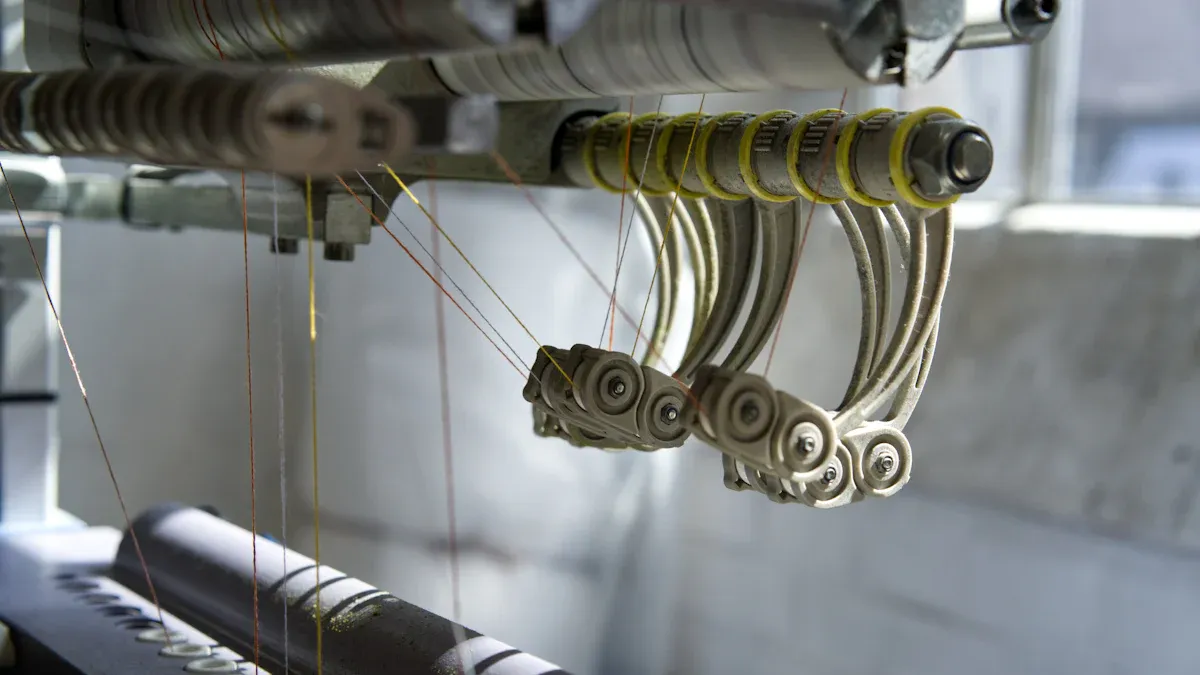
Na ga cewa zabi na extrusion tsarin siffofi da dukan masana'antu tsari. Yawancin masana'antun suna amfani da tsarin dunƙule guda ɗaya, wanda rike a 62% kasuwar kasuwa, yayin da tsarin tagwayen dunƙule lissafi don 38%.
| Nau'in Tsarin Extrusion | Kasuwar Raba Kasuwa |
|---|---|
| Guda guda ɗaya | 62% |
| Twin-screw | 38% |
Zaɓi tsakanin nau'ikan dunƙule yana shafar inganci, ingancin samfurin, da kuma dacewa da kayan aiki. Lokacin da na dace da fasahar extrusion zuwa masana'anta burin, Na lura da ingantawa a cikin ingancin farashi, zane versatility, da dorewa.
| Factor | Tasiri kan Ingantattun Masana'antu | Tasiri kan ingancin samfur |
|---|---|---|
| sigogi masu sarrafawa | Yana kiyaye ingancin samfur iri ɗaya | Ya sami jurewar micrometer |
Na dogara ga Complete Extrusion Systems don sadar da ingantaccen sakamako da ingantaccen aikin dunƙulewa.
Key Takeaways
- Zaɓi tsarin extrusion da ya dace dangane da manufofin masana'anta da kaddarorin kayan don tabbatar da ingantaccen aiki.
- Masu fitar da kullun guda ɗaya suna da kyau don samar da girma mai girma na abubuwa masu sauƙi, yayin da tsarin tagwayen dunƙule ya yi fice wajen haɗa hadaddun kayan aiki.
- Kulawa na yau da kullun da saka idanu na tsarin extrusion yana hana raguwar lokaci da haɓaka inganci, tabbatar da daidaiton ingancin samfur.
- Yi la'akari da diamita na dunƙule da rabon L/D lokacin zabar extruder, kamar yadda waɗannan abubuwan ke tasiri tasirin kayan aiki da haɓaka haɓaka.
- Yi amfani da haɗin gwiwa don ƙirƙirar samfurori masu yawa waɗanda ke haɗa abubuwa daban-daban, haɓaka aiki da aiki.
- Yi la'akari da dacewa da kayan aiki tare da tsarin extrusion da aka zaɓa don kauce wa lahani da tabbatar da fitarwa mai inganci.
- Kasance da sani game da abubuwan da suka kunno kai a fasahar extrusion, kamar AI da IoT, don inganta inganci da daidaitawa don canza bukatun samarwa.
- Ƙirƙiri jerin abubuwan bincike kafin zaɓar wani injin extrusion don kauce wa kurakurai masu tsada da kuma tabbatar da tsarin ya cika bukatun aikace-aikacen.
Zaɓan Tsarin Fitar da Haƙƙi don Ƙirƙira
Mabuɗin Abubuwa a Zaɓin Tsarin
Ban taba samun duniya ba “mafi kyau” extrusion tsarin. Kwarewata ta gaya mani cewa zaɓin da ya dace ya dogara da manufofin masana'anta, kayan abu, da samfur bukatun. Lokacin da na zaɓi tsarin extrusion, A koyaushe ina daidaita ƙarfinsa zuwa aikace-aikacen da aka yi niyya. Wannan hanya tana tabbatar da cewa tsarin extrusion yana ba da daidaiton inganci da ingantaccen aiki.
Ina la'akari da yawa dalilai masu mahimmanci kafin yin zaɓin injin extrusion. Ina amfani da tebur mai zuwa don jagorantar shawarata:
| Factor | Bayani |
|---|---|
| Manufar Bincike | Manufar injin (ilimi, ci gaban abu, ko samar da matukin jirgi na kasuwanci) |
| Nau'in Abu | Nau'in polymers da za a sarrafa (zafi-m, m, ko amsawa) |
| Ƙarfin fitarwa da ake buƙata | Ƙarfin kayan aiki (grams ko kilogiram a kowace awa) |
| Abubuwan Bukatun Ci Gaban Tsari | Bukatar allurar iskar gas, injin degassing, ko reactive extrusion iyawa |
| Kasafin kudi da sararin dakin gwaje-gwaje | Yi la'akari don haɓakawa na zamani don haɓakawa na gaba |
| Bukatun Sikeli na gaba | Dace da masana'antu extrusion kayayyaki ga scaling up samar |
Na ko da yaushe kula da dunƙule diamita da L/D rabo. Waɗannan sigogi suna ƙayyade ƙarfin kayan aiki da ingantaccen haɗawa. Na zaɓi extruder tare da damar fitarwa daidai, wanda zai iya zuwa daga 0.25 kg/h ku 150 kg / h dangane da samfurin. Modular zane yana ba ni damar maye gurbin abubuwan da aka gyara da sauri, wanda ke ba da sassauci ga bincike da haɓakawa. Na dogara ga tsarin sarrafawa na ci gaba, kamar PLC da HMI, don cimma daidaiton sarrafawa da gano bayanan bayanai.
Lokacin da na kimanta nau'ikan injunan extrusion, Na yi la'akari da rikitarwa na bayanin martaba da haƙuri da ake bukata. Ƙirar ƙira tana buƙatar takamaiman kayan aiki kuma suna iya ƙara farashi. Ina kuma duba yawan oda. Maɗaukakin ƙira yana rage farashin kowace raka'a saboda farashin saitin ya bazu cikin ƙarin raka'a. Ƙarshe da ayyukan sakandare, kamar anodizing ko CNC machining, ƙara ƙima da farashi.
Tukwici: Ina ba da shawarar yin lissafin waɗannan abubuwan kafin fara aikin zaɓin injin extrusion. Wannan aikin yana taimakawa guje wa kurakurai masu tsada kuma yana tabbatar da tsarin ya dace da aikace-aikacen da aka yi niyya.
Tasiri kan Ingantattun Masana'antu
Na lura cewa tsarin extrusion da na zaɓa yana rinjayar ingancin masana'antu kai tsaye. Tsarin dunƙulewa, hadawa iyawa, da fasahar extrusion duk suna taka rawa wajen yadda tsarin ke gudana cikin kwanciyar hankali. Misali, a guda dunƙule extruder sau da yawa yana aiki da kyau don sauƙi na polymers da girma mai girma. Twin-screw extruders suna ɗaukar hadaddun kayan aiki da aikace-aikace na ci gaba, kamar reactive extrusion ko na musamman blends.
Na ga cewa babban danko da m abun ciki a cikin kuzari kayan iya haifar da clogging, extrusion mara ƙarfi, da nozzles. Wadannan al'amurra suna rage inganci kuma suna lalata aminci. Ina magance waɗannan ƙalubalen ta haɓaka ƙirar tsarin kneading. Ingantattun haɗin kai iri ɗaya da daidaiton extrusion suna haɓaka aminci da inganci.
Ina amfani da tsarin extrusion tagwaye mai hawa biyu lokacin da nake buƙatar ƙarin kwanciyar hankali da daidaitawa. Simulators sun nuna cewa wannan ƙirar tana haɓaka halayen kwarara kuma yana kiyaye daidaitaccen fitarwa. A koyaushe ina sa ido kan tsarin extrusion don tabbatar da ingancin iri ɗaya da rage raguwar lokaci.
| Nau'in Shaida | Bayani |
|---|---|
| Kalubale a cikin Ƙarfafa masana'antu | Babban danko da ingantaccen abun ciki na kayan kuzari suna haifar da batutuwa kamar toshewa, extrusion mara ƙarfi, da nozzles, yana shafar inganci da aminci. |
| Kneading System Performance | Tsarin tsarin ƙwanƙwasa yana yin tasiri ga haɗaɗɗen kayan haɗin kai da daidaiton extrusion, tare da ƙayyadaddun haɓakawa da aka ba da shawarar don haɓaka aminci da inganci. |
| Tsarin Tsare-tsare | An tsara tsarin extrusion na tagwaye mai matakai biyu don inganta kwanciyar hankali da daidaitawa a cikin tsarin extrusion., tare da simulations bayyana halaye kwarara na tsarin daban-daban. |
A koyaushe ina daidaita tsarin extrusion zuwa buƙatun samarwa. Wannan aikin yana tabbatar da cewa extruder yana ba da inganci da aikin da ake so. Na zaɓi tsarin dunƙulewa bisa nau'in kayan aiki da rikitarwar aikace-aikacen. Na dogara da fasahar extrusion na ci gaba don haɓaka inganci da kula da ingancin samfura masu girma.
Lura: Ina ba da shawarar kiyayewa na yau da kullun da saka idanu kan tsari don dorewar ingantaccen aiki da kuma hana raguwar lokaci mara tsammani.
Nau'in Cikakkun Tsarukan Extrusion
Lokacin da na kimanta cikakken extrusion tsarin don masana'antu, Kullum ina farawa da gano ainihin iri extrusion inji. Zaɓuɓɓukan da aka fi sani sun haɗa da injunan fitar da dunƙule guda ɗaya, tagwayen dunƙule extrusion inji, da injunan extrusion na rago. Kowane tsarin yana ba da ƙarfi na musamman da iyakancewa, don haka na mayar da hankali kan daidaita fasahar da ta dace da aikace-aikacen.
| Nau'in Injin Extrusion |
|---|
| Single dunƙule Extrusion Machines |
| Twin Screw Extrusion Machines |
| Ram Extrusion Machines |
Extrusion Single-Screw Extrusion
Sau da yawa ina amfani da dunƙulewa guda ɗaya don fitar da kai tsaye. Wannan injin yana fasalta dunƙule guda ɗaya mai juyawa a cikin ganga mai zafi. Screw yana tura kayan gaba, narka shi, kuma ya siffata shi ta hanyar mutuwa. Na dogara ga wannan tsarin don samar da yawan adadin thermoplastics, kayayyakin abinci, da mahadin roba. Sauƙin ƙira yana sa sauƙin aiki da kulawa.
| Masana'antu | Bayanin aikace-aikacen | Hasashen Ci gaban Kasuwa |
|---|---|---|
| Filastik | Narkewa da samar da thermoplastics, Ƙarfafa amfani da PE da PP. | CAGR kusan 4-5% ta hanyar 2030 |
| Gudanar da Abinci | Samar da sarrafa abinci kamar kayan ciye-ciye da hatsi. | Kasuwa don kaiwa $75 biliyan by 2026 |
| Haɗin Ruba | Hadawa da siffata roba don taya da sassa na mota. | Samar da taya ya zarce 2 biliyan raka'a by 2025 |
| Likitan halittu | Samar da Biopolymer don marufi da na'urorin likitanci. | Kasuwa mai tasowa tare da sabuwar fasahar extrusion |
Duk da haka, Na gane da gazawar guda dunƙule extrusion. Samun haɗaɗɗen haɗin kai na iya zama da wahala, musamman lokacin da na ƙara fillers ko additives. Matsakaicin matsi yakan bambanta tare da canje-canjen kayan abinci, kuma kayan da ke da ɗanko mai ƙarfi bazai gudana da kyau ba, haifar da lahani. Waɗannan ƙalubalen suna jagorantar zaɓin injina na extrusion lokacin da nake buƙatar inganci mafi girma ko ƙari mai rikitarwa.
Tukwici: Don sauki, aikace-aikace masu girma, Ina ba da shawarar farawa da dunƙule extruder guda ɗaya. Don ci-gaba hadawa ko na musamman kayan, la'akari da wasu zaɓuɓɓuka.
Twin-Screw Extrusion
Lokacin da nake buƙatar sarrafawa na ci gaba, na juya zuwa twin dunƙule extruder fasaha. Wannan tsarin yana amfani da sukurori guda biyu waɗanda ke juyawa tare a cikin ganga. Sukurori na iya shiga tsakani ko gudu a layi daya, dangane da zane. Na ga cewa tagwayen dunƙule extruders suna isar da ingantaccen hadawa, mafi kyau plasticizing ga high-danko kayan, da ingantaccen iko akan zafin jiki da matsa lamba. Waɗannan fasalulluka suna haɓaka ingancin samfur da daidaiton tsari.
Twin dunƙule extrusion kuma yana ba ni damar yin matakan sarrafawa da yawa a cikin injin guda ɗaya. Zan iya hadawa, narke, hushi, har ma da amsa kayan aiki yayin wucewa ɗaya. Wannan sassauci yana rage sharar gida kuma yana hanzarta samarwa. Lokacin kwatanta twin dunƙule vs guda dunƙule extruders, Ina ganin saurin dawowa kan saka hannun jari da ƙarin sakamako iri ɗaya tare da tsarin dunƙule tagwaye, musamman ga hadadden hadaddun ko robobi da aka sake sarrafa su.
Twin-Screw Subtypes
A koyaushe ina la'akari da nau'ikan injunan extruder daban-daban a cikin nau'in dunƙule tagwaye. Tsarin dunƙule yana tasiri aiki, inganci, da kewayon aikace-aikace.
Intermeting
Intermeshing tagwaye dunƙule extruders ƙunshi sukurori da zoba da raga tare. Wannan zane yana bayarwa daidai kayan sufuri da manyan runduna masu ƙarfi. Ina amfani da tsarin tsaka-tsaki don ingantattun haɗawa da daidaitawa, musamman ma lokacin da nake buƙatar tarwatsa additives ko fillers daidai gwargwado.
Rashin shiga tsakani
Twin sukurori extruders marasa tsaka-tsaki suna da skru waɗanda ke juyawa ba tare da haɗuwa ba.. Wannan saitin yana ba da haɗin kai mai sauƙi da ƙarancin ƙarfi. Na zaɓi ƙira marasa tsaka-tsaki don abubuwa masu mahimmanci waɗanda ke buƙatar ƙarancin ƙarancin injina.
Juyawa tare
Co-juyawa tagwaye dunƙule extruders suna da sukurori da cewa juya a hanya guda. Wannan nau'in nau'in nau'in ya yi fice wajen haɗawa da inganci da jigilar kayayyaki. Ina amfani da tsarin jujjuyawar haɗin gwiwa don extrusion mai amsawa, ibada, da high-yi polymer hadaddun. Duk da haka, Babban adadin ƙasƙanci na iya lalata kayan da ke da zafi, don haka ina lura da ƙirar dunƙule da sanyaya a hankali.
| Subtype | Ƙarfafawa da Fa'idodi | Iyaka da la'akari | Mafi kyawun Aikace-aikace |
|---|---|---|---|
| Co-Rotating Twin-Screw Extruder | Babban hadawa yadda ya dace, dace da reactive extrusion, high karfi rates | Hadarin lalata kayan abu, yana buƙatar madaidaicin ƙirar dunƙulewa | Polymer hadaddun, nanocomposites, lab-zuwa-samar da ayyukan aiki |
Juyawa-Juyawa
Na'ura mai jujjuyawa tagwaye mai jujjuyawar juzu'i tana da sukurori waɗanda ke jujjuya gaba da gaba. Wannan saitin yana haifar da ƙananan ƙarfin ƙarfi, wanda ke kare abubuwa masu rauni. Na dogara ga tsarin jujjuyawa don yumbu, bio-polymers, da magungunan magunguna. Har ila yau, ƙira yana ba da haɓakar matsa lamba mai kyau da hatimi mai tasiri, ko da yake hadawa tsanani ne m fiye da co-juyawa tsarin.
| Subtype | Ƙarfafawa da Fa'idodi | Iyaka da la'akari | Mafi kyawun Aikace-aikace |
|---|---|---|---|
| Mai jujjuyawa Twin-Screw Extruder | Lower shear forces, good pressure build-up, effective sealing | Lower mixing intensity, more complex sealing and bearing design | Ceramics, bio-polymers, magunguna |
When I select a complete extrusion system, I always match the screw type and configuration to the material and process requirements. This approach ensures high quality, inganci, and reliable performance across all applications.
Ram Extrusion
I often choose ram extrusion when I need to process materials that require high pressure and precise shaping. This method uses a hydraulic ram to push material through a heated barrel and die, rather than relying on a rotating screw. I find ram extruders especially useful for forming products from thermosetting plastics, tukwane, and PTFE. The process allows me to create rods, bututu, and profiles with consistent dimensions.
Ram extrusion ya yi fice a cikin nau'ikan injunan extrusion saboda yana sarrafa kayan da masu fitar da dunƙule na gargajiya ba za su iya sarrafa su yadda ya kamata ba.. Ina amfani da wannan fasaha a masana'antu kamar robobi, abinci, da magunguna. Misali, Ina samar da kayan ciye-ciye da hatsi tare da siffofi na musamman, kuma ina kera allunan da capsules tare da takamaiman bayani.
Na lura da fa'idodi da ƙalubale da yawa lokacin amfani da ram extruders:
- Ram extruders sun yi fice wajen samar da kayayyaki masu inganci daga kayan aiki masu wahala.
- Na dogara da su don aikace-aikace inda fasahar extrusion ta gaza, kamar PTFE da bayanan martaba.
- Tsarin yana ba da daidaiton inganci da daidaiton girma.
- Babban farashin aiki na iya tasiri tasiri da aiki gaba ɗaya.
- Dokoki masu ƙarfi a cikin masana'antar filastik suna buƙatar kulawar tsari a hankali.
- Competition from alternative extrusion systems pushes me to optimize my extrusion machine selection.
I always weigh these factors before choosing ram extrusion for complete extrusion systems. I monitor the process closely to maintain quality and efficiency, especially when working with specialty materials.
Haɗin kai
Co-extrusion enables me to combine multiple materials into a single product, creating multi-layered profiles with enhanced properties. I use this extrusion technology to integrate different thermoplastics, each layer offering unique characteristics. The process involves pushing several materials through a single die, resulting in a unified profile that meets complex production requirements.
I rely on co-extrusion for manufacturing products that demand durability, sassauci, and aesthetic appeal. Wannan hanya tana ba ni damar daidaita ingancin kowane Layer, inganta aiki da aiki. Ina ganin co-extrusion a matsayin babban ci gaba a cikin cikakken tsarin extrusion, musamman lokacin da nake buƙatar samar da abubuwa masu fasali na musamman.
Masana'antu suna amfana daga haɗin gwiwa ta hanyoyi da yawa:
- Gina: Ina kera sills taga, firam, da datsa guda wanda ke haɗa ƙarfi da jan hankali na gani.
- Retail: Ina gina ɗakunan ajiya da tsarin nuni waɗanda ke da ɗorewa kuma masu kyan gani.
- Alamar alama: Ina samar da alamun haske da firam ɗin tare da tsaftataccen ƙarewa da ingantaccen aiki.
Co-extrusion yana faɗaɗa kewayon aikace-aikace don fasahar extrusion. Ina amfani da shi don saduwa da buƙatun samarwa da kuma sadar da samfura tare da ingantacciyar inganci. Lokacin da na zaɓi extruder don haɗin gwiwa, Ina la'akari da ƙirar dunƙule, sarrafa tsari, da kuma dacewa da kayan aiki. Wannan hanya tana tabbatar da inganci da daidaiton sakamako.
Tukwici: I recommend co-extrusion for projects that require multi-layered profiles and enhanced product functionality. Careful extrusion machine selection and process monitoring are essential for achieving optimal quality.
Structure and Operation of Extrusion Systems
Screw and Barrel Design
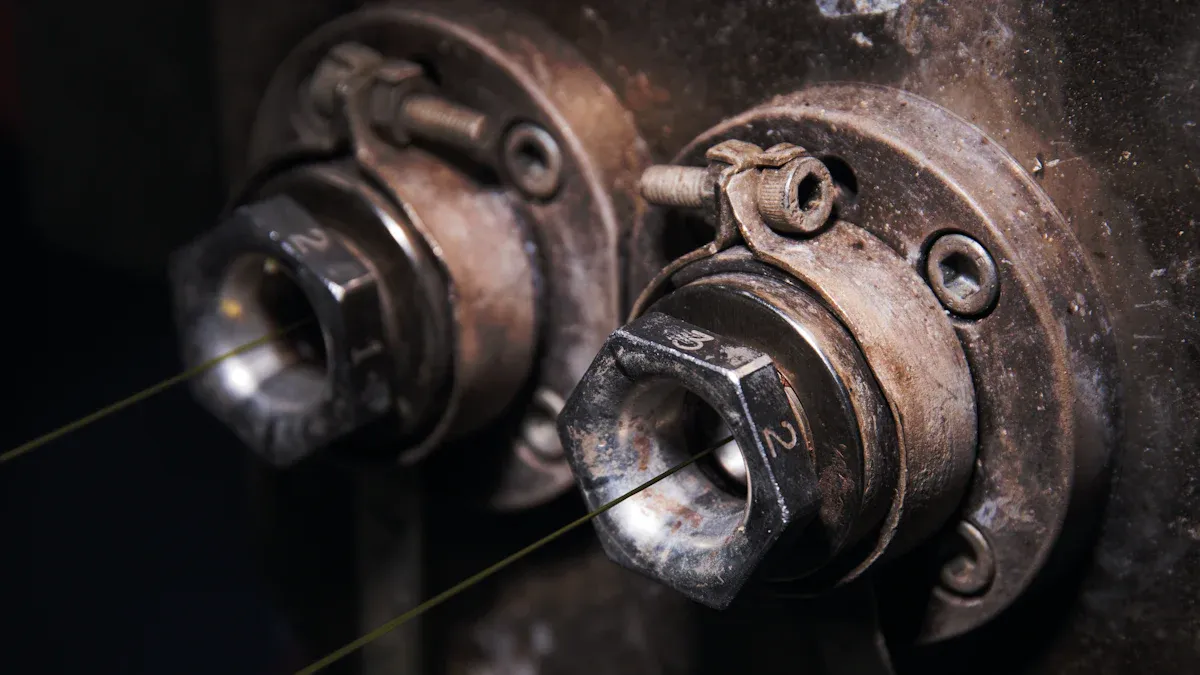
I always start my extrusion machine selection by examining the screw and barrel design. The geometry of the screw determines how efficiently the extruder melts, cakuda, and conveys material. I adjust the length-to-diameter (L/D) ratio to control residence time and mixing. A higher L/D ratio allows the material to melt and blend more thoroughly, which is essential for achieving uniform quality in the final product. I rely on barrier designs in the screw barrel to maintain melt stability and prevent degradation, musamman a lokacin da na sarrafa m kayan. Daidaitacce tagwayen dunƙule da ganga zane taka muhimmiyar rawa a extrusion gudun, ingancin samfurin, da ingantaccen makamashi. Ina amfani da shiyya-shiyya da madaidaicin sarrafa zafin jiki don daidaita kwararar narke da guje wa gurɓataccen iskar gas, wanda ke inganta yawa da daidaito. Ƙarshen farfajiyar ganga da lissafi na dunƙule suma suna yin tasiri ga ƙarfin kuzari da daidaiton samfur. A koyaushe ina daidaita ƙirar dunƙule zuwa takamaiman buƙatun aikace-aikacen don haɓaka aiki.
- Matsayin L/D mafi girma yana inganta haɗuwa da narke uniformity, wanda yake da mahimmanci ga samfurori masu inganci.
- Tsare-tsare masu shinge suna taimakawa wajen kula da kwanciyar hankali da hana lalacewa.
- Juyawa juzu'i da gamawar saman ganga suna tasiri ƙarfin kuzari da daidaiton samfur.
Motsin Abu da Cakudawa
Ina mai da hankali kan ingantaccen motsi na kayan aiki da hadawa don tabbatar da aikin extrusion yana gudana lafiya. Ina amfani robust pneumatic ko inji don canja wurin albarkatun ƙasa da sauri kuma tare da ƙarancin kulawa. Nagartattun ƙira mai haɗawa suna ba da garanti sosai da haɗin kai iri ɗaya, wanda ke hana bambance-bambance a cikin samfuran da aka gama. Ina haɗa sarrafawa ta atomatik tare da tsarin PLC don saka idanu na gaske da sarrafa girke-girke. Wannan hanya tana ba ni damar kula da samarwa ba tare da daidaitawa ba kuma daidaita sigogi kamar yadda ake buƙata. Na zaɓi saiti masu daidaitawa don ɗaukar ƙananan tarurrukan bita da manyan ayyukan masana'antu. Ingantattun fasalulluka na sarrafa ƙura suna kiyaye tsaftar wurin aiki da aminci. Daidaitawa, gauraya masu kama da juna suna rage sauye-sauye masu inganci da inganta kayan aiki. Na'urori masu sarrafa kansu suna rage aikin hannu, wanda ke rage zagayowar samarwa kuma yana rage farashin aiki. I always prioritize these features when I evaluate types of extrusion machines for new applications.
| Siffar | Bayani |
|---|---|
| Efficient Material Transfer | Rapid, low-maintenance movement of raw materials |
| Daidaitaccen Haɗawa | Thorough, uniform compounding for consistent quality |
| Gudanarwa Na atomatik | Real-time monitoring and recipe management |
| Scalable Configurations | Flexible layouts for any production capacity |
| Enhanced Dust Control | Cleaner, safer workplace |
| Improved Product Quality | Homogeneous blends, reduced fluctuations |
| Increased Throughput | Shorter production cycles, less manual handling |
| Rage Sharar gida | Accurate measurement, ƙananan farashi |
| Lower Labor Costs | Automation frees staff for value-added tasks |
| Safer Working Environment | Enclosed lines and dust control |
Process Control and Output Quality
I depend on advanced process control technology to maintain high output quality in extrusion manufacturing. I select high-quality thermoplastics to ensure the final products meet strength, karko, and flexibility requirements. I monitor extrusion parameters closely to reduce discrepancies during production. Dimensional accuracy remains a top priority for me, as it guarantees that components fit their intended applications. I use surface inspection to detect defects such as warping or air bubbles, which helps me maintain consistent product quality. Early detection of issues reduces waste and saves on production costs. I always ensure that my process complies with regulatory standards, which protects both my business and my customers. High-quality products enhance my brand reputation and increase customer satisfaction. Advanced monitoring systems allow me to increase production speed without sacrificing accuracy, which boosts overall efficiency in complete extrusion systems.
| Element/Advantage | Bayani |
|---|---|
| Zaɓin kayan aiki | Ensures strength, karko, da sassauci |
| Kulawar Tsari | Reduces discrepancies and maintains consistency |
| Daidaiton Girma | Guarantees proper fit for all applications |
| Duban Sama | Identifies defects early for better quality |
| Ingancin Samfurin Daidaitawa | Every batch meets high standards |
| Rage Sharar gida | Saves material and production costs |
| Yarda da Ka'ida | Meets legal and safety requirements |
| Gamsar da Abokin Ciniki | Builds reputation and loyalty |
| Process Efficiency | Increases speed while maintaining accuracy |
Tukwici: I recommend regular calibration and maintenance of all extrusion technology to sustain peak performance and consistent quality.
Comparing the Extrusion Process
Single-Screw vs. Twin-Screw Process
When I compare dunƙule guda ɗaya da twin-screw extruders, I focus on how each system handles the extrusion process. The screw design shapes the way material moves and mixes. A single-screw extruder uses one helical screw inside a simple, cylindrical barrel. Da bambanci, a twin-screw extruder features two intermeshing screws and a more complex, often segmented barrel. I see that temperature control in single-screw systems remains basic, while twin-screw machines offer advanced control with multiple heating and cooling zones. This difference impacts both throughput and energy efficiency.
| Al'amari | Single Screw Extruder | Twin Screw Extruder |
|---|---|---|
| Zane Zane | Single helical dunƙule | Biyu intermeshing sukurori |
| Tsarin Ganga | Sauƙi, silinda | Ƙarin hadaddun, sau da yawa kashi |
| Kula da Zazzabi | Na asali dumama/ sanyaya | Na ci gaba, multi-zone |
| Ƙarfin fitarwa | Matsakaici | Babban |
| Amfanin Makamashi | Gabaɗaya mafi girma | Mafi inganci |
| Sassautu a cikin Abubuwan Wuta | Iyakance | Babban |
I rely on twin-screw extruders for higher output and better energy efficiency. When I need flexibility in throughput or advanced process control, I choose twin-screw systems. For straightforward applications, single-screw extruders still provide reliable performance.
Material Compatibility in the Extrusion Process
Material compatibility plays a critical role in extrusion machine selection. I always match the screw configuration to the type of material I plan to process. Single-screw extruders handle standard thermoplastics well, but they struggle with materials that require intensive mixing or have high filler content. Twin-screw extruders excel with specialty compounds, robobi da aka sake yin fa'ida, da kayan amsawa. I use segmented screws to adjust mixing and shearing for each application.
When I work with complete extrusion systems, I consider how each screw design affects the final product. Twin-screw extruders allow me to process a wider range of materials, including those with additives or sensitive properties. This flexibility supports more types of extrusion machines and expands the range of possible applications.
Tukwici: I recommend evaluating the chemical and physical properties of your raw materials before choosing an extruder. This step ensures compatibility and reduces the risk of defects.
Ingancin Samfuri da Daidaituwa
Na san cewa tsarin extrusion kai tsaye yana tasiri ingancin samfurin da aka gama. Layin extrusion na zamani sun haɗa aiki da kai da kuma ci-gaba da kula da dandamali. Waɗannan tsare-tsaren suna bincika masu canji da yawa lokaci guda, wanda ke taimaka mini in kula da daidaiton inganci a kowane tsari.
Daidaitaccen inganci shine mai haɓaka yawan aiki. Babban dandamali na sarrafawa suna nazarin ƙira a cikin masu canji da yawa a lokaci guda, tabbatar da cewa ana kiyaye ingancin samfur a duk lokacin aikin extrusion.
Ina sa ido kan mahimman abubuwan kamar su tsayayye na narkewa, yawan fitarwa, da kuma gamawa. Tsayayyen narke matsa lamba yana hana warping da juzu'i mai girma. Mafi girma kuma mafi tsayayye fitarwa yana rage ɓata lokaci da raguwa. Ƙarfin ƙarewar ƙasa da madaidaicin iko na girma yana haɓaka tasiri akan ingancin ƙãre samfurin.
| Mabuɗin Abubuwa | Impact on Quality and Consistency |
|---|---|
| Stable melt pressure | Prevents dimensions from drifting or warping |
| Mafi girma kuma mafi tsayayye fitarwa | Reduces scrap rates and downtime |
| Better surface finish | Enhances overall product quality |
| Matsakaicin iko | Ensures precision in final product specifications |
| Faster ROI | Improves profitability for manufacturers |
Lokacin kwatanta twin dunƙule vs guda dunƙule extruders, I see that twin-screw systems deliver better consistency and lower operational cost. I achieve faster ROI and improved performance by investing in advanced extrusion technology. I always prioritize process monitoring and automation to ensure high quality and efficiency in production.
- Mafi girma kuma mafi tsayayye fitarwa
- Lower scrap and downtime
- Better surface finish and dimensional control
- Reduced operational cost
- Faster ROI
I rely on these strategies to maximize the benefits of extrusion and deliver products that meet strict manufacturing standards.
Performance Comparison Table
Abun amfani da inganci
I always evaluate throughput and efficiency when I compare types of extrusion machines. Throughput measures how much material the extruder processes in a given time. Efficiency reflects how well the screw design converts raw material into finished products with minimal waste and energy use. I see that single-screw extruders often deliver steady throughput for standard polymers. Twin-screw extruders, with their advanced screw geometry, handle higher output and maintain better energy efficiency, especially for complex blends.
| Nau'in Extruder | Kayan aiki (kg/h) | Ingantaccen Makamashi | Mafi kyawun Abubuwan Amfani |
|---|---|---|---|
| Single-Screw | 50–500 | Matsakaici | Babban girma, simple polymers |
| Twin-Screw | 100–1000+ | Babban | Complex blends, specialty jobs |
| Ram Extruder | 10–100 | Low–Moderate | PTFE, tukwane, gwaninta |
| Haɗin kai-Extrusion Systems | Ya bambanta | Babban | Multi-layered profiles |
I always match the screw configuration to the material and production requirements. This approach ensures the process delivers consistent quality and meets manufacturing goals. I rely on complete extrusion systems to maximize throughput and efficiency for every application.
Tukwici: I recommend monitoring energy consumption and output rates regularly. This practice helps optimize extrusion machine selection and reduces operational costs.
Maintenance and Reliability
I prioritize maintenance and reliability when I select an extruder. The screw and barrel experience constant wear from abrasive materials and high temperatures. I schedule routine inspections and replace worn components to prevent unexpected downtime. Single-screw extruders require less maintenance due to their simple design. Twin-screw extruders, with more moving parts and segmented screws, need more frequent checks but offer greater flexibility.
| Nau'in Extruder | Bukatun Kulawa | Reliability Level | Common Issues |
|---|---|---|---|
| Single-Screw | Low–Moderate | Babban | Occasional screw wear |
| Twin-Screw | Moderate–High | Babban | Segment wear, seal failure |
| Ram Extruder | Matsakaici | Matsakaici | Hydraulic leaks, die wear |
| Haɗin kai-Extrusion Systems | Babban (multi-screw) | Babban | Synchronization, screw wear |
I use advanced monitoring systems to track screw wear and process stability. This strategy improves reliability and extends the life of my extrusion technology. I always keep spare screws and barrels on hand to minimize downtime during maintenance.
Product Complexity and Flexibility
I value design flexibility a extrusion. The ability to customize the screw and die allows me to create complex profiles for a wide range of applications. I use extrusion to manufacture everything from simple plastic tubing to intricate window frames. I can add reinforcements or special features within the continuous material, which expands my product offerings.
| Al'amari | Bayani |
|---|---|
| Sassaucin ƙira | Extrusion allows for significant design flexibility through die customization, enabling complex profiles. |
| Aikace-aikace | Suitable for various applications, including intricate window frames and simple plastic tubing. |
| Keɓancewa | Manufacturers can include reinforcements or additional features within the continuous material. |
- In MedTech, I must achieve tight tolerances for medical devices.
- I ensure biocompatibility for all medical extrusion products.
- I monitor wall thickness closely, since it affects flow rates and structural strength.
I select the screw configuration and extrusion machine based on the complexity of the design and the required tolerances. This approach guarantees high quality and supports advanced manufacturing needs.
Lura: I recommend consulting with extrusion experts when planning new product designs. Their experience helps avoid costly mistakes and ensures the right screw and process configuration.
Application Suitability in Manufacturing
High-Volume Manufacturing
I always start my extrusion machine selection by considering the demands of high-volume manufacturing. When I need to produce thousands of units per day, I rely on single-screw extruders. These machines deliver steady throughput and maintain consistent quality. The screw design in single-screw extruders allows me to process standard polymers efficiently. I monitor the process closely to ensure uniform melt and minimize defects. I select the right screw diameter and length to match the production requirements. This approach helps me achieve high efficiency and reduce waste. I use automated controls to track output and maintain quality standards. High-volume applications benefit from robust types of extrusion machines that can operate continuously with minimal downtime. I always keep spare screws and barrels ready to avoid interruptions in production.
Tukwici: I recommend scheduling regular maintenance for extruders used in high-volume manufacturing. This practice extends the life of the screw and ensures reliable performance.
Complex Product Manufacturing
When I manufacture complex or multi-component products, I turn to advanced extrusion technology. Twin-screw extruders give me greater control over mixing and material distribution. I use segmented screws to adjust shear and optimize the process for each application. Co-extrusion technology enables me to combine different polymers into multi-layer films and pipes. This method improves barrier properties and enhances strength, sassauci, da juriya na sinadarai.
| Fasaha | Amfani |
|---|---|
| Haɗin kai | Enables the creation of multi-layer films and pipes with improved barrier properties, combining different polymers for strength, sassauci, da juriya na sinadarai. |
I select the screw configuration based on the complexity of the product. For intricate designs, I rely on precise tooling and advanced process monitoring. I always test the extruder setup before full-scale production to ensure quality and performance. Complex applications require careful extrusion machine selection and attention to detail.
Specialty Materials and Customization
I often work with specialty materials that demand custom solutions. I use advanced shaping processes, such as sheet extrusion and thermoforming, to control material characteristics. Sheet extrusion gives me the ability to manage thickness and material distribution with high accuracy. Co-extrusion capabilities allow me to create multi-layer constructions that enhance material properties. I integrate downstream shaping processes to ensure consistent performance in finished components. Engineering services help me optimize component designs and select the best materials for specific applications.
- Advanced shaping processes, such as sheet extrusion and thermoforming, allow for precise control over material characteristics.
- Sheet extrusion provides a foundation for custom material solutions, enabling thickness control and material distribution accuracy.
- Co-extrusion capabilities facilitate the creation of multi-layer constructions, enhancing material properties.
- Integration with downstream shaping processes ensures consistent performance characteristics in finished components.
- Engineering services optimize component designs and material selection, ensuring suitability for specific applications.
I always match the screw design to the requirements of specialty materials. Customization in extrusion depends on selecting the right extruder and process parameters. I monitor quality at every stage to deliver products that meet strict standards. Specialty applications benefit from flexible types of extrusion machines and expert guidance.
Lura: I recommend consulting with extrusion specialists when working with new materials or custom designs. Their expertise helps achieve the desired quality and performance.
Selection Criteria for Extrusion Systems
Product Design and Complexity
I always start my extrusion machine selection by analyzing the product design and complexity. The geometry of the profile influences the choice of extruder and screw configuration. Complex shapes increase tooling costs and create production challenges. I simplify profile geometry whenever possible to enhance material flow and reduce defects. Smooth transitions in the design prevent disruptions in material flow, which is crucial for consistent extrusion quality. I select the right material early in the process because material choice affects both the properties of the part and the ease of extrusion. This decision impacts manufacturability and overall performance.
- Simplifying profile geometry lowers tooling costs and reduces production challenges.
- Designing for material flow ensures consistent extrusion quality and minimizes defects.
- Choosing the right material early improves manufacturability and product performance.
I match the screw design to the complexity of the product. For intricate profiles, I use advanced screw configurations that optimize mixing and material transport. I rely on precise tooling and process monitoring to maintain high quality. When I work with complex applications, I consult with extrusion technology experts to avoid costly mistakes and ensure the best results.
Tukwici: I recommend reviewing the profile geometry and material flow before finalizing the extrusion machine selection. This step helps prevent production issues and supports efficient manufacturing.
Kayayyakin Kayayyaki
Material properties play a critical role in selecting the right extruder and screw configuration. I identify application requirements such as temperature resistance, UV exposure, and impact durability. I consider mechanical properties like flexibility, taurin, and tensile strength for the intended use. Environmental conditions influence my material choice, especially when I need weathering resistance or flexibility in cold environments. I evaluate aesthetic and finish requirements, ciki har da launi, gloss, and surface texture, based on project needs. Regulatory and compliance needs guide my selection to ensure materials meet industry-specific standards and certifications.
- Application requirements determine the need for temperature resistance, UV exposure, and impact durability.
- Mechanical properties such as flexibility, taurin, and tensile strength affect the choice of extruder and screw.
- Environmental conditions require materials that withstand weathering or remain flexible in cold climates.
- Aesthetic and finish requirements influence color, gloss, and surface texture.
- Regulatory and compliance needs ensure materials meet industry standards.
I select the screw design based on the material’s properties. For heat-sensitive materials, I use screws with gentle mixing zones and precise temperature control. When processing tough or abrasive compounds, I choose robust screw geometries that withstand wear and maintain efficiency. I always test materials in pilot runs to verify compatibility with the extruder and ensure consistent quality.
Lura: I recommend consulting material datasheets and industry standards before choosing an extruder. This practice helps match material properties to the extrusion process and supports reliable performance.
Production Volume and Scale
Production volume and scale influence the cost-effectiveness of extrusion machine selection. Higher production volumes reduce unit costs because tooling expenses are spread over more parts. In the prototype stage, tooling costs are high compared to the quantity produced. In mass production, die costs are amortized over larger volumes, leading to lower costs per unit. Misali, a die costing $2,000 with a lifetime of 40,000 kg results in a cost of $0.05 per kg when amortized.
- Higher production volumes lower unit costs by spreading tooling expenses.
- Prototype stages have high tooling costs relative to the number of parts produced.
- Mass production allows die costs to be distributed over larger volumes, reducing per-unit costs.
- Example: A die costing $2,000 with a lifetime of 40,000 kg results in a cost of $0.05 per kg.
I select the extruder and screw configuration based on the expected production volume. For high-volume manufacturing, I use robust types of extrusion machines that deliver steady throughput and maintain efficiency. In low-volume or prototype applications, I prioritize flexibility and rapid changeover. I monitor production rates and adjust screw parameters to optimize output and quality.
Tukwici: I recommend calculating the amortized tooling cost before committing to a production scale. This step helps determine the most cost-effective extrusion technology and supports long-term manufacturing goals.
Technical and Budget Considerations
I always approach extrusion machine selection with a clear focus on technical requirements and budget constraints. My experience tells me that investing in advanced extrusion technology demands careful planning. I evaluate every aspect of the system, from screw design to process control, to ensure cost-effectiveness and reliable performance.
I start by analyzing the technical specifications of the extruder. I look at screw geometry, tsayin ganga, and compatibility with different types of extrusion machines. I select a screw that matches the material properties and the complexity of the applications. I check if the extruder can handle the desired throughput and maintain consistent quality. I also assess the integration of feeders, masu kula da yanayin zafi, da kayan aiki na ƙasa. System integration plays a crucial role in maximizing efficiency and avoiding bottlenecks in production.
Budget considerations influence every decision I make. I break down the costs into several categories to understand the financial impact. I use the following table to guide my investment strategy:
| Budget Consideration | Bayani | Financial Impact / Benefit Example |
|---|---|---|
| Ingantaccen Makamashi | Reducing energy consumption by upgrading control systems or screws | 33% energy reduction saves nearly $100,000 annually on $288,000 kudin makamashi |
| Scrap Reduction | Lowering scrap rate from 15% ku 5% through data acquisition and process control | Saves $200,000 monthly or $2.4 million yearly in materials, aiki, and energy costs |
| Throughput Increase | Upgrading to twin-screw extruder increases throughput by 30% | Generates $600,000 additional monthly revenue with >50% incremental profit margin |
| Maintenance Cost Reduction | Predictive maintenance and condition monitoring reduce emergency repairs and downtime | Maintenance costs drop 20-30%, equipment availability increases |
| System Integration | Budgeting for compatible feeders, masu kula da yanayin zafi, da kayan aiki na ƙasa | Partial upgrades capture only ~40% of potential benefits |
| Horon Ma'aikata | Training on material characteristics, injiniyoyi, instrumentation, da sarrafawa | Essential to fully realize technology benefits; lack wastes investment |
| Data Acquisition Infrastructure | Adequate sensors and analytics software needed for optimization | Insufficient infrastructure limits optimization; too many sensors without analytics causes overload |
| Downstream Constraints | Ensuring cutting, marufi, and inspection keep pace with increased extruder output | Bottlenecks reduce overall system benefit |
I prioritize energy efficiency when selecting an extruder. Upgrading control systems or optimizing screw design can reduce energy consumption by up to 33%. This improvement saves nearly $100,000 each year on a typical $288,000 energy bill. I also focus on scrap reduction. By implementing advanced process control and data acquisition, I lower scrap rates from 15% ku 5%. This change saves $200,000 every month in materials, aiki, and energy costs.
Increasing throughput is another key goal. Upgrading to a twin-screw extruder boosts output by 30%. This increase generates $600,000 in additional monthly revenue, with more than a 50% incremental profit margin. I invest in predictive maintenance and condition monitoring to reduce emergency repairs and downtime. Maintenance costs drop by 20-30%, and equipment availability improves.
System integration is essential for maximizing the benefits of extrusion technology. I budget for compatible feeders, masu kula da yanayin zafi, da kayan aiki na ƙasa. Partial upgrades capture only about 40% of the potential benefits. Operator training is critical. I ensure my team understands material characteristics, injiniyoyi, instrumentation, da sarrafawa. Without proper training, the investment in advanced extrusion technology goes to waste.
I invest in data acquisition infrastructure. Adequate sensors and analytics software optimize the process. Insufficient infrastructure limits optimization, while too many sensors without analytics cause information overload. I address downstream constraints by ensuring cutting, marufi, and inspection keep pace with increased extruder output. Bottlenecks in these areas reduce the overall benefit of the system.
I always balance technical requirements with budget limitations. I select a screw that delivers high quality and efficiency without exceeding my financial resources. I plan for future upgrades and modular expansion to support changing production needs. I monitor every aspect of the extrusion process to maintain cost-effectiveness and reliable performance.
Tukwici: I recommend creating a detailed budget plan before investing in new extrusion technology. Include energy costs, kiyayewa, horar da ma'aikata, and system integration. This approach ensures that the extruder delivers maximum value and supports long-term manufacturing goals.
Actionable Insights for Manufacturers
Matching System to Application
I always match the extrusion system to the specific application. I optimize material use to balance strength and lightweight design. I define critical dimensional tolerances early, which ensures parts fit and function as intended. I design for manufacturability, making sure shapes can be extruded consistently and cost-effectively. I select aluminum alloys based on application needs, such as strength and corrosion resistance. I simplify designs to reduce costs, avoiding unnecessary complexity in profiles. I prototype and test early, which helps me identify potential challenges before full production. These steps help me achieve high quality and reliable performance in every extrusion process.
- Optimize material use for strength and lightweight design.
- Define critical dimensional tolerances early.
- Design for manufacturability.
- Select appropriate aluminum alloys for application needs.
- Simplify designs to reduce costs.
- Prototype and test early.
I always consider the key components of an extruder, such as screw geometry and barrel design, to ensure the system meets production requirements. I review different types of extruder machines to find the best fit for my applications in filastik extrusion. This approach supports scalability and maintains quality control throughout manufacturing.
Kuskuren Zaɓin gama gari
I have seen many manufacturers make mistakes during extrusion machine selection. Inadequate material blending often leads to product imperfections and increased costs from reprocessing. Outdated or incompatible control systems cause integration issues and inefficiencies. Inconsistent feed rates disrupt the extrusion process, resulting in product variabilities and higher scrap rates. Neglecting preventive maintenance allows minor mechanical issues to escalate into major production problems, affecting revenue. Ignoring operator training leads to misconfigurations and missed optimization opportunities.
- Inadequate material blending increases costs and reduces quality.
- Outdated control systems cause inefficiencies.
- Inconsistent feed rates disrupt the extrusion process.
- Neglecting preventive maintenance leads to major production problems.
- Ignoring operator training results in missed optimization.
I always monitor screw wear and maintain the extruder regularly. I invest in operator training to maximize efficiency and quality. I avoid these mistakes by focusing on process stability and performance.
Future Trends in Extrusion Technology
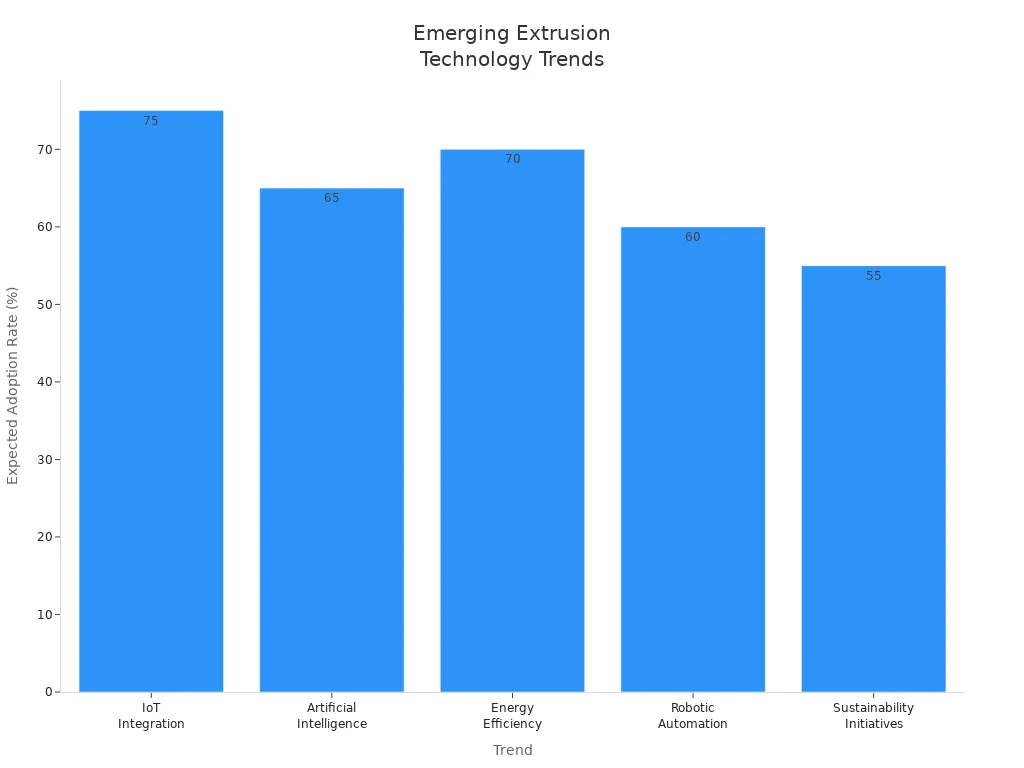
I see rapid changes in extrusion technology shaping the future of manufacturing. IoT integration allows real-time monitoring and analytics, inganta inganci. Artificial intelligence supports predictive maintenance and optimization, which boosts performance. Energy efficiency is a growing focus, with manufacturers seeking ways to reduce consumption in the extrusion process. Robotic automation streamlines material handling and quality control. Sustainability initiatives drive the use of recycled materials and eco-friendly processes.
| Trend | Bayani | Tasiri kan Inganci | Adadin karɓuwa da ake tsammani (%) |
|---|---|---|---|
| Haɗin kai na IoT | Sa ido na ainihi da nazari | Babban | 75% |
| Sirrin Artificial | Kulawa da tsinkaya da haɓakawa | Mai Girma | 65% |
| Ingantaccen Makamashi | Reducing energy consumption | Matsakaici | 70% |
| Robotic Automation | Gudanar da kayan aiki da sarrafa inganci | Babban | 60% |
| Ƙaddamarwa Dorewa | Abubuwan da aka sake yin fa'ida da matakai masu dacewa da muhalli | Matsakaici | 55% |
I notice advancements in material compatibility, musamman tare da bioplastics, suna canza masana'antar extrusion. Yawancin masana'antun yanzu suna ba da fifiko ga sassauci a ƙirar kayan aiki, tare da tsarin daidaitawa yana ba da damar haɓakawa da gyare-gyare mai sauƙi. Dorewa yana da mahimmanci, tare da yawancin masana'antun suna mai da hankali kan kayan aiki masu amfani da makamashi da dabarun rage sharar gida. Smart extrusion inji rage raguwa ta hanyar 20%, wanda ke inganta ingantaccen aiki da sarrafa inganci. A koyaushe ina ci gaba da sabuntawa akan waɗannan abubuwan don kula da babban aiki da tallafawa sabbin aikace-aikace a cikin extrusion filastik.
Tukwici: Ina ba da shawarar yin bitar bayyani na injunan extruder a masana'anta akai-akai. Kasance da masaniya game da sabbin nau'ikan injunan extrusion da ƙirar dunƙule suna taimaka mini daidaitawa don canza buƙatun samarwa da kula da haɓakawa..
Na gane cewa kowane tsarin extrusion yana ba da fa'idodi na musamman da iyakancewa. My experience shows that single-screw extruders excel in high-volume production, while twin-screw systems provide superior mixing and flexibility. Ram and co-extrusion machines support specialty applications. I always use comparison tables and selection criteria to evaluate:
- Technical capabilities and long-term reliability
- Customer service and design assistance
- Quality standards and energy efficiency
I recommend manufacturers understand their application needs and consult extrusion experts for optimal results.
FAQ
What is the main difference between single-screw and twin-screw extruders?
I see that single-screw extruders use one rotating screw for basic mixing. Twin-screw extruders use two screws for advanced mixing and better control. I choose twin-screw systems for complex materials and higher flexibility.
How do I decide which extrusion system fits my application?
I start by reviewing my material type, ƙarar samarwa, and product complexity. I match these needs to the strengths of each system. I consult with experts if I face unique requirements.
Can I process recycled materials with extrusion systems?
I process recycled materials using twin-screw extruders. These machines handle variable feedstocks and additives better than single-screw systems. I monitor quality closely to ensure consistent results.
How often should I perform maintenance on my extruder?
I schedule routine inspections every month. I check for screw wear, barrel condition, and control system performance. Regular maintenance prevents downtime and extends equipment life.
What are the most common extrusion defects I encounter?
I often see surface roughness, gangara mai girma, and melt fractures. I address these by adjusting temperature, dunƙule gudun, and material feed. I use process monitoring to catch issues early.
Is co-extrusion suitable for all materials?
I use co-extrusion mainly for thermoplastics. Some materials may not bond well in multi-layer profiles. I test material compatibility before starting production.
How does automation improve extrusion quality?
I rely on automation for real-time monitoring and precise control. Automated systems reduce human error, maintain consistent output, and improve overall product quality.
What safety measures do I follow during extrusion?
I wear protective gear and follow lockout procedures. I keep the work area clean and check emergency stops regularly. I train my team on safe operation and emergency response.