

Mar a bhios Pelletizers fon uisge ag obair ceum air cheum
Leigidh pelletizer fon uisge leat plastaig leaghte a thionndadh gu cruinneagan eadhon. A’ chiad, cuiridh tu stuthan amh ann. Gu tric feumaidh iad sin tiormachadh gus faighinn cuidhteas uisge. Bidh tiormachadh gan cuideachadh a 'leaghadh nas fheàrr. Bidh an stuth a 'leaghadh taobh a-staigh an inneil. Bidh seo ga dhèanamh cothromach agus a’ toirt air falbh salachar. Air adhart, bidh an inneal a’ putadh a-mach am plastaig leaghte. Bidh an ceum seo a’ measgachadh a’ phlastaig gu math agus a’ toirt air falbh èadhar glaiste. Bidh siostaman pelletizing fon uisge a’ gearradh a’ phlastaig teth gu cruinneagan beaga fhad ‘s a bha iad fhathast fon uisge. Bidh uisge a 'fuarachadh nam peilearan sa bhad. Bidh seo gan cuideachadh a’ cumail an cumadh agus gan stad bho bhith a’ cumail ri chèile. Tha a h-uile ceum ann an siostaman pelletizing fon uisge cudromach airson peilearan math.
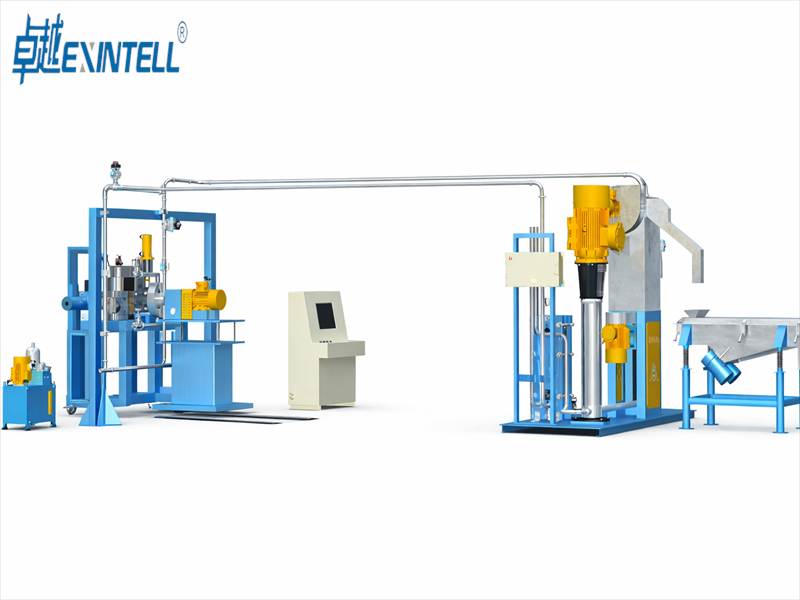
Tha an clàr gu h-ìosal a’ sealltainn mar a bheir gach ceum buaidh air càileachd peilearan:
|
Ìre |
A’ cur ri Càileachd Pellet |
|---|---|
|
A 'biathadh |
A 'toirt a-mach uisge agus a' faighinn stuth deiseil airson a leaghadh. |
|
A' leaghadh |
A 'leaghadh a h-uile càil gu cothromach agus a' toirt air falbh salachar. |
|
Extruding |
A 'measgachadh agus a' toirt air falbh adhair, a’ dèanamh plastaig nas fheàrr. |
|
Buain |
A 'dèanamh eadhon cruinneagan airson iomadh feum. |
|
Fuarachadh |
A’ cur stad air peilearan bho bhith a’ steigeadh agus a’ cumail an cumadh. |
Le bhith eòlach air mar a bhios siostaman pelletizing fon uisge ag obair gad chuideachadh gus peilearan math a dhèanamh a h-uile uair.

Prìomh Takeaways
-
Tha e cudromach stuthan amh a thiormachadh an toiseach. Bidh tiormachadh gan cuideachadh a 'leaghadh nas fheàrr. Tha seo cuideachd a' cur stad air trioblaidean anns na peilearan deireannach.
-
Cùm sruthadh stuthan seasmhach rè pelletizing. Bidh sruth cunbhalach a 'dèanamh cruinneagan nas cothromaiche. Tha e cuideachd a 'lùghdachadh cothrom air mearachdan.
-
Coimhead air an teòthachd a 'phlàta bàis gu cùramach. Bidh an teòthachd cheart a’ cuideachadh le bhith a’ cumadh peilearan gu math. Bidh e cuideachd a’ dèanamh na peilearan de chàileachd àrd.
-
Thoir sùil air agus atharraich na sgeinean rothlach gu tric anns an t-seòmar gearraidh. Bidh sgeinean biorach a 'dèanamh gearraidhean glan. Bidh iad cuideachd a 'cumail meudan pellet mar an ceudna. Tha seo a 'dèanamh càileachd nas fheàrr.
-
Smachd air teòthachd an uisge agus sruthadh san t-seòmar fuarachaidh. Bidh seo a 'cumail bhiastagan ann an cumadh math. Bidh e cuideachd a 'cur stad orra bho bhith a' gèilleadh. Cuidichidh seo leis a’ phròiseas obrachadh nas fheàrr.
Sealladh farsaing air Pròiseas Pelletizing
Dè a th 'ann am Pelletizer fon uisge?
An pelletizer fon uisge ag atharrachadh plastaig leaghte gu cruinneagan beaga. Tha e a 'gearradh na sreathan polymer fhad' sa tha iad fon uisge. Bidh an t-uisge a’ fuarachadh nam peilearan sa bhad. Bidh seo gan cuideachadh gus an cumadh agus an càileachd a chumail. Cha bhith dòighean pelletizing eile a’ gearradh cruinneagan aig an aghaidh bàs. Tha an bidh an seòmar gearraidh làn uisge. Bidh seo a 'dèanamh gach peilear cruinn agus rèidh. Bidh am pròiseas pelletizing fon uisge a’ stad oxidation. Bidh e cuideachd a 'cumail peilearan bho bhith a' cumail ri chèile.
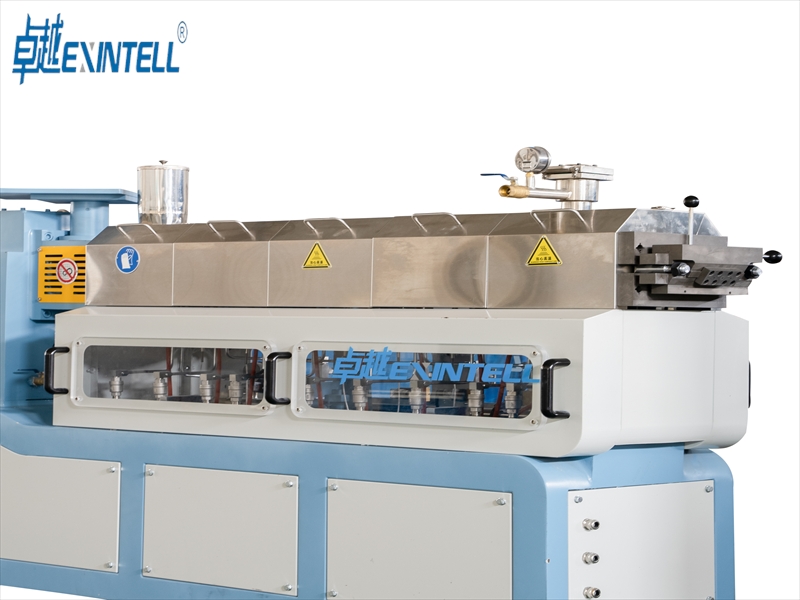
Tha an prìomh phàirtean de pelletizer fon uisge tha:
-
Bidh extruder a’ leaghadh agus a’ putadh plastaig air adhart.
-
Bidh truinnsear die a’ cumadh a’ phoileir leaghte gu iallan.
-
Ann an seòmar gearraidh tha lannan a bhios a 'gearradh sreathan gu cruinneagan fon uisge.
Bidh na pàirtean sin ag obair còmhla airson pròiseas pelletizing luath. Bidh stuth a’ gluasad bhon phlàta die. Bidh uisge a’ sruthadh thairis air an aghaidh marbh. Bidh am pelletizer a’ tòiseachadh ann an sreath le tìm. Bidh seo a’ cur stad air peilearan bho bhith a’ cruinneachadh agus gan dèanamh èideadh.
Mar a tha am Pròiseas Pelletizing ag obair
Leanaidh tu ceumannan anns an t-siostam pelletizing fon uisge gus peilearan math a dhèanamh. A’ chiad, gheibh thu na plastaigean amh deiseil agus gan toirt a-steach don t-siostam eas-tharraing. Bidh an extruder a’ leaghadh, measgachadh, agus a 'dèanamh an stuth eadhon. Air adhart, bidh am polymer leaghte a’ dol tron phlàta die agus a’ cruthachadh iallan. Bidh am pròiseas pelletizing fon uisge a’ dol mar a bhios dualan a’ dol a-steach don t-seòmar gearraidh. Bidh lannan rothlach a’ gearradh na sreathan gu cruinneagan fon uisge. Bidh an t-uisge a 'fuarachadh nam cruinneagan sa bhad agus a' cumail an cumadh.
Tha an pròiseas pelletizing ruith fad na h-ùine. Cuidichidh seo factaraidhean gus barrachd pheilearan a dhèanamh. Gheibh thu toradh àrd, innealan maireannach, agus furasta a chleachdadh. Feumaidh an siostam pelletizing fon uisge nas lugha de rùm agus uisge fuarachaidh. Bidh seo a 'sàbhaladh lùth agus a' cuideachadh na h-àrainneachd. Chan eil am pròiseas a 'dèanamh mòran fuaim agus a' cumail an àite glan. Bidh thu cuideachd a 'cosg nas lugha air obair agus cumail suas.
Tha an clàr gu h-ìosal a’ sealltainn mar a bhios an siostam pelletizing leantainneach fon uisge a’ cuideachadh factaraidhean:
|
Sochair |
Tuairisgeul |
|---|---|
|
Èifeachdas |
A’ dèanamh barrachd pheilearan airson cinneasachadh mòr plastaig. |
|
Caitheamh lùtha |
A’ cleachdadh nas lugha de lùth agus a’ lughdachadh chosgaisean. |
|
Càileachd Pellet |
A 'dèanamh peilearan nas cothromaiche agus nas fheàrr. |
|
Seasmhachd |
A 'làimhseachadh mòran de phlastaig, gabhail a-steach feadhainn ath-chuairtichte. |
|
fèin-ghluasad |
A ’gearradh ùine downt agus a’ leasachadh coileanadh le smachdan snasail. |
Faodaidh tu a dhèanamh Suas gu 77,000 lb/uair le siostam pelletizing fon uisge. Tha seo a 'dèanamh a' phròiseas air leth math airson plastaic clàr-amais àrd-leaghadh agus stuthan sònraichte. Bidh an siostam a’ cumail oxidation ìosal agus a’ toirt peilearan àrd-inbhe airson iomadh feum.
Biadhadh stuthan agus leaghadh
A 'biathadh stuthan amh
Bidh thu a’ tòiseachadh air a’ phròiseas pelletizing le bhith a’ biathadh stuthan amh a-steach don t-siostam. Bidh a’ mhòr-chuid de shiostaman pelletizing fon uisge ag obair le iomadh seòrsa de phlastaig. Nam measg tha polymers thermoplastic cumanta Leithid:
-
LDPE
-
LLDPE
-
HDPE
-
PP
-
EVA
-
PS
-
SAN
-
ABS
-
SB
-
PMMA
-
TPR
-
TPU
-
PC
-
TR
-
PVC
-
Polycarbonate
-
PBT
-
PB1
-
Peata
-
SBS
-
SEBS
-
PA6
-
PA6.6
Feumaidh tu dèanamh cinnteach gu bheil am plastag amh glan agus tioram mus tòisich thu. Faodaidh taiseachd duilgheadasan adhbhrachadh tron phròiseas. Cuidichidh tiormachadh thu gus builgeanan agus uireasbhaidhean a sheachnadh anns na cruinneagan deireannach. Tha biadhadh cunbhalach deatamach airson deagh chàileachd pellet. Ma dh'atharraicheas sruth stuthan, faodaidh tu faicinn neo-chunbhalachd pellet. Faodaidh seo tachairt mura h-eil am bàs ceart no ma dh’ atharraicheas an toradh cus. Cuidichidh biadhadh seasmhach thu gus cruinneagan èideadh fhaighinn gach turas.
Gliocas: Thoir sùil an-còmhnaidh air do shon siostam beathachaidh gus am pròiseas a chumail seasmhach agus gus cunbhalachd pellet a leasachadh.
A 'leaghadh agus homogenization
Aon uair 's gu bheil thu a' biathadh a 'phlastaig, bidh an sgriubha extruder no am pumpa leaghaidh a’ gabhail thairis. Bidh an sgriubha a 'gluasad a' phlastaig air adhart agus gan teasachadh. Mar a bhios am plastag a 'leaghadh, bidh an sgriubha gan measgachadh gu rèidh, eadhon mais. Tha an ceum seo cudromach airson a 'phròiseas oir tha e a' dèanamh cinnteach gu bheil a h-uile polymers a 'leaghadh san aon dòigh. Tha an Inneal maddock a’ sealltainn gu bheil leaghadh a’ tachairt nuair a bhios film tana a’ cruthachadh agus ga sgrìobadh dheth. Cuidichidh seo thu gus leaghadh èideadh fhaighinn.
Tha dealbhadh an sgriubha a 'toirt buaidh air cho math' sa tha am measgachadh plastaig. Bheir sgriubha nas fhaide measgachadh nas fheàrr agus leaghadh nas cothromaiche. Tha sgrùdaidhean a 'sealltainn gu bheil an dealbhadh sgriubha agus bàsachadh a' cumail smachd air an t-sruth agus an cuideam. Tha seo cudromach gus dèanamh cinnteach gu bheil an leaghadh mar an ceudna fad na slighe. Nuair a gheibh thu measgachadh math, bidh thu a’ leasachadh càileachd pellet agus a’ dèanamh a’ phròiseas nas earbsaiche.
|
Feart dealbhaidh sgriubha |
Buaidh air Pròiseas agus Càileachd |
|---|---|
|
Co-mheas L/D nas fhaide |
Nas fheàrr measgachadh agus leaghadh aon-ghnèitheachd |
|
Inneal Maddock |
Fiù 's a' leaghadh agus rèidh polymer sruthadh |
|
Dealbhadh Die agus Pump ceart |
Sruth seasmhach agus cunbhalachd pellet nas fheàrr |
Feumaidh tu ceum leaghaidh air a dheagh dhealbhadh gus am pròiseas pelletizing a chumail rèidh. Cuidichidh seo thu gus coinneachadh ris an feumalachdan càileachd teann den ghnìomhachas plastaig.
Gnìomh eas-tharraing agus Die Plate
Extruding Molten Polymer
An dèidh dhan phlastaig leaghadh, gluaisidh tu chun an ath cheum. Tha an bidh extruder a’ putadh plastaig leaghte a dh’ionnsaigh a’ phlàta bà. Bidh seo a’ cumadh an stuth leaghte gu iallan tana. Seo mar a tha am pròiseas ag obair:
-
Cuir plastaig amh a-steach don hopair beathachaidh.
-
Thoir plastag a-steach don extruder gus am bi iad a 'leaghadh.
-
Bidh an extruder a’ cur plastaic leaghte chun truinnsear die.
-
Faodaidh pumpa gèar cuideachadh gus an sruth a chumail seasmhach.
-
Bidh plastagan leaghte a’ dol tro thuill anns a’ phlàta bàsachadh agus a’ dèanamh iallan tana.
-
Bidh lannan rothlach a’ gearradh na sreathan gu cruinneagan.
-
Bidh uisge a 'fuarachadh nam cruinneagan sa bhad gus nach bi iad a' cumail.
Feumaidh tu am pròiseas a chumail seasmhach gus eadhon cruinneagan fhaighinn. Bidh an gearradh a’ cleachdadh ìrean rùsgaidh àrd. Bidh oir na sgian a 'putadh a-steach don polymer agus a' cur cuideam air. Nuair a tha an cuideam àrd gu leòr, brisidh an t-slat gu glan. Bidh seo a 'dèanamh cruinneagan rèidh agus cruinn. Bidh am pròiseas seo ag obair airson iomadh seòrsa de phlastaig.
Gnìomh Die Plate ann am Pelletizing
Tha am plàta die glè chudromach ann am pelletizing. Bidh e a’ cumadh plastaic leaghte agus a’ cumail smachd air meud pellet. Feumaidh tu an truinnsear die a chumail aig an teòthachd cheart. Ma tha e ro fhionnar, is dòcha nach bi peilearan a’ cruthachadh gu math. Ma tha e ro theth, faodaidh peilearan cumail no cruth a chall. Bidh an truinnsear bàis cuideachd a’ cumail a’ phròiseas seasmhach agus a’ dèanamh cruinneagan èideadh.
Gliocas: Cleachd teasadairean a tha air an togail a-steach don phlàta bàis gus an teòthachd as fheàrr a chumail airson do phlastaig.
Tha an clàr gu h-ìosal a’ sealltainn ciamar teòthachd plàta bàsachadh a 'toirt buaidh air càileachd a' phìob:
|
Prìomh Thoraidhean |
Tuairisgeul |
|---|---|
|
Buaidh Teòthachd |
Bidh teòthachd truinnsear die ag atharrachadh mar a bhios stuthan a’ ceangal agus a’ cruthachadh pheilearan. |
|
Caochlaideachd stuthan |
Feumaidh diofar phlastaig teòthachd bàs eadar-dhealaichte airson na builean as fheàrr. |
|
Buaidhean Teòthachd Ìosal |
Faodaidh teòthachd bàs ìosal droch pheilearan agus duilgheadasan inneal adhbhrachadh. |
|
Ro-innleachdan optimization |
Bidh teasadairean anns a’ phlàta die a’ dèanamh pelletizing nas fheàrr. |
Feumaidh tu sùil a chumail air teòthachd an truinnsear die rè a’ phròiseas. Cuidichidh seo thu gus an cumadh agus am meud pellet as fheàrr fhaighinn. Bheir deagh smachd air a’ phlàta die dhut cruinneagan àrd-inbhe a h-uile uair. Feumaidh gach pàirt obrachadh còmhla gus am bi am pròiseas pelletizing soirbheachail.
Siostam pelletizing fon uisge: A 'gearradh agus a' fuarachadh
Co-chruinneachadh Knife Rothach
Ruigidh tu cridhe an t-siostam pelletizing fon uisge nuair a chì thu co-chruinneachadh na sgian rothlach ag obair. Bidh am pàirt seo den phròiseas a’ gearradh a’ phlastaig leaghte gu bhith beag, eadhon cruinneagan mar a bhios an stuth a’ fàgail a ’phlàta bàsachadh. Bidh na sgeinean a’ snìomh gu sgiobalta agus a’ fuireach fon uisge fad na h-ùine. Bheir am pròiseas pelletizing fon uisge seo grunn bhuannachdan cudromach dhut:
-
Bidh an sgian rothlach a’ gearradh a’ phlastaig gu cruinneagan dìreach mar a thèid e a-steach don t-seòmar uisge.
-
Bidh an t-uisge a’ fuarachadh agus a’ cruadhachadh nam peilearan sa bhad, a chuidicheas le smachd a chumail air am meud.
-
Bidh an suidheachadh fon uisge a’ cumail na cruinneagan bho bhith a’ cumail ri chèile agus gan dèanamh cruinn agus rèidh.
-
Bidh na sgeinean an-còmhnaidh ag obair fon uisge, mar sin bidh a h-uile pellet a’ faighinn eadhon fuarachadh.
Feumaidh tu aire a thoirt do cho geur agus a tha na sgeinean air an suidheachadh. Bidh sgeinean biorach a 'gearradh a' phlastaig gu glan, a’ toirt dhuibh cruinneagan a tha uile den aon mheud. Ma dh'fhàsas na sgeinean sgìth, 's dòcha gum faic thu cruinneagan le earbaill no slabhraidhean, a tha a 'lùghdachadh càileachd. Tha astar sgian nas lugha na geur, ach feumaidh tu fhathast astar agus cuideam a chothromachadh airson na toraidhean as fheàrr. Nuair a shuidhicheas tu an sgian-gu-bàs cuir fios gu dìreach ceart, bi glan, cruinneagan siolandair. Cuidichidh an ceum seo sa phròiseas pelletizing thu gus cinneasachadh èifeachdach agus na cruinneagan agad a chumail cunbhalach.
Gliocas: Thoir sùil air na sgeinean agad gu tric agus cuir an àite iad nuair a dh’ fhàsas iad sgìth. Cumaidh seo an siostam pelletizing fon uisge agad a’ ruith gu rèidh agus na peilearan agad èideadh.
Seòmar uisge agus fuarachadh pellet
Tha an seòmar uisge na phrìomh phàirt den t-siostam pelletizing fon uisge. Cho luath ‘s a bhios an sgian rothlach a’ gearradh na cruinneagan, tuitidh iad do'n t-seòmar uisge. Bidh an t-uisge a’ fuarachadh nam peilearan sa bhad, gus am bi iad a 'cumail an cumadh agus nach eil iad a' cumail ri chèile. Feumaidh tu glan a chleachdadh, uisge dì-mhinealaichte gus spotan no comharran fhàgail air na cruinneagan a sheachnadh. Bidh an t-uisge cuideachd a 'cuideachadh le bhith a' giùlan na cruinneagan air falbh bhon àite gearraidh.
Tha an clàr gu h-ìosal a’ sealltainn mar a tha an seòmar uisge ag obair ann am pròiseas pelletizing fon uisge:
|
Ceum |
Tuairisgeul |
|---|---|
|
Buain |
Bidh na lannan rothlach a’ gearradh na dualan gu cruinneagan fhad ‘s a tha iad a’ fàgail a ’bhàis. Bidh seo a 'tachairt fon uisge gus na cruinneagan a fhuarachadh agus a chruadhachadh sa bhad. |
|
Fuarachadh & Còmhdhail |
Bidh an amar uisge a’ fuarachadh na cruinneagan nas motha agus gan gluasad chun ath ìre airson tiormachadh is sgrùdadh. |
Feumaidh tu smachd a chumail air teòthachd an uisge agus an ìre sruth airson an fhuarachadh as fheàrr. Bidh a’ mhòr-chuid de shiostaman pelletizing fon uisge a’ cumail an uisge eadar 20 ° C agus 40 ° C. Tha an raon seo ag obair airson iomadh seòrsa de phlastaig. Ma chleachdas tu polymers semicrystalline, is dòcha gum feum thu an ìre fuarachaidh atharrachadh gus an structar criostal ceart fhaighinn. Feumaidh an t-uisge gluasad luath gu leòr gus teas a thoirt air falbh ach chan eil e cho luath is gun dèan e cron air na cruinneagan. Bidh a’ mhòr-chuid de shiostaman a’ toirt na peilearan 10 gu 30 diogan anns an amar uisge. Tha an ùine seo gu leòr airson am fuarachadh gun a bhith gan dèanamh brònach.
Thoir an aire: Thoir sùil an-còmhnaidh air teòthachd an uisge agus sruthadh san t-siostam pelletizing fon uisge agad. Tha deagh smachd a 'ciallachadh càileachd pellet nas fheàrr agus nas lugha de dhuilgheadasan nas fhaide air adhart.
Còmhdhail Pellet ann an Uisge
An dèidh fuarachadh, bidh an siostam pelletizing fon uisge a’ cleachdadh an uisge gus na cruinneagan a ghluasad chun àite tiormachaidh. Bidh an t-uisge a’ giùlan nam peilearan ann an sioda, a tha a’ ciallachadh gum bi na cruinneagan a’ seòladh agus a’ siubhal leis an t-sruth uisge. Bidh an dòigh seo a’ cumail na cruinneagan bho bhith a’ cumail ri chèile no a’ togail duslach. Bidh an aghaidh die agus an gearradair rothlach a’ fuireach fon uisge, mar sin gluaisidh na cruinneagan gu sgiobalta agus fuirich fionnar.
Stèidhich thu an siostam uisge mus tòisich thu air a’ phròiseas pelletizing. Bidh thu a’ dèanamh cinnteach gu bheil am pumpa uisge agus na sìoltachain ag obair gu math. Bidh thu cuideachd a’ dèanamh cinnteach gu bheil an t-uisge a’ fuireach soilleir agus aig an teòthachd cheart. Bidh luchd-obrachaidh a’ cumail sùil air an t-siostam aig àm cinneasachaidh gus a h-uile càil a chumail a’ ruith gu rèidh. Tha doimhneachd an uisge anns an t-seòmar a’ cuideachadh le smachd a chumail air cho luath sa ghluaiseas na cruinneagan. Ma tha an t-uisge ro eu-domhainn, is dòcha nach bi peilearan fionnar gu leòr. Ma tha e ro dhomhainn, faodaidh iad fuireach san uisge ro fhada agus fàs ro fhuar.
-
Bidh an t-uisge a’ giùlan na cruinneagan gu na h-ìrean de uisgeachadh is tiormachaidh.
-
Bidh thu a’ cumail sùil air sruthadh an uisge gus dèanamh cinnteach gu bheil cruinneagan a’ gluasad aig an astar cheart.
-
Bidh sgrùdaidhean cunbhalach air a’ phump agus na sìoltachain a’ cumail an uisge glan agus am pròiseas èifeachdach.
Tha an siostam pelletizing fon uisge a’ toirt dhut dòigh earbsach airson cruinneagan àrd-inbhe a dhèanamh. Gheibh thu eadhon fuarachadh, còmhdhail rèidh, agus nas lugha de chothrom air lochdan. Cuidichidh am pròiseas seo thu gus coinneachadh ri feumalachdan mòran ghnìomhachasan agus a chumas do loidhne riochdachaidh a’ ruith gu math.
A 'tiormachadh, Pacadh, agus Amalachadh Siostam
Pròiseas Tiormachadh Pellet
Às deidh na cruinneagan fionnar anns an t-siostam pelletizing fon uisge, feumaidh tu iad a thiormachadh. Bidh tiormachadh a 'toirt air falbh uisge sam bith a tha air fhàgail air na cruinneagan. Cuidichidh seo thu gus coinneachadh ri riaghailtean càileachd agus stad air duilgheadasan nas fhaide air adhart. Is e an dòigh as fheàrr air peileagan a thiormachadh le èadhar teth. Bidh èadhar teth ag obair nas fheàrr na èadhar fuar no dìreach a’ leigeil le uisge drèanadh. Faodaidh tu cuideachd dì-uisgeachadh uisge teth a chleachdadh gus peilearan a thiormachadh nas luaithe.
Ma tha uisge fhathast aig peilearan, is dòcha gum faigh thu teòthachd gluasaid glainne nas ìsle. Faodaidh na cruinneagan sruthadh ann an dòigh eadar-dhealaichte agus duilgheadasan pacaidh a bhith aca. Dèan cinnteach an-còmhnaidh gu bheil an tiormaiche agad ag obair gu math gus càileachd pellet a chumail àrd.
Seo clàr a sheallas dè as urrainn tiormachadh às deidh fuarachadh fon uisge:
|
Factor |
Tuairisgeul |
|---|---|
|
Ceangal sgian-gu-bàs |
Faodaidh droch chonaltradh lochdan adhbhrachadh agus barrachd uisge fhàgail. |
|
Feachd aiseach |
Ag atharrachadh mar a tha na cruinneagan air an gearradh agus na tha de dh'uisge air fhàgail. |
|
Luas gearraidh |
Ag atharrachadh meud pellet agus dè cho fada 'sa bheir tiormachadh. |
|
Cunnt sgeine |
Faodaidh barrachd sgeinean cuideachadh le bhith a 'lùghdachadh uisge ann am cruinneagan. |
|
Co-ionannachd sruth |
Tha sruthadh uisge neo-chòmhnard a’ ciallachadh gum fuirich barrachd uisge air peilearan. |
|
Smachd teòthachd |
Bidh smachd math a 'cuideachadh pellets a' tiormachadh nas fheàrr. |
|
Coileanadh tiormaiche |
Bidh tiormairean nas fheàrr a 'dèanamh cruinneagan nas tiorma. |
Pellets crìochnaichte pacaidh
Nuair a tha na peilearan tioram, gluaisidh tu iad gu pacadh. Siostaman pacaidh fèin-ghluasadach do chuideachadh le bhith a’ pacadh cruinneagan gu sgiobalta agus gu sàbhailte. Tha cuideam air na h-innealan sin, lionadh, seula, agus cruachan pocannan le glè bheag de chuideachadh. Chan fheum thu ach aon no dithis airson na h-innealan fhaicinn. Sàbhalaidh seo airgead agus cumaidh e do lus ag obair gu math. Bidh thu a’ call nas lugha de stuth agus a’ cumail càileachd pellet àrd.
Ma chleachdas tu stuthan hygroscopic, feumaidh tu smachd a chumail air taiseachd an adhair. Feumaidh tu cuideachd am pasgan ceart a thaghadh gus uisge a chumail a-mach. Bidh an ceum seo a’ cumail na cruinneagan sàbhailte agus deiseil airson an cleachdadh.
Amalachadh siostam agus earbsachd
Feumaidh tu do cheangal a cheangal siostam pelletizing fon uisge gu innealan eile sa phlannt agad. Tha seo a’ ciallachadh a bhith a’ maidseadh astar an pelletizer leis an extruder agus an tiormaiche. Feumaidh tu cuideachd sgrùdadh a dhèanamh air càileachd pellet aig a h-uile ceum. Ma chì thu salachar no cruinneagan neo-chòmhnard, dh’ fhaodadh duilgheadasan a bhith agad nas fhaide air adhart. Tha na duilgheadasan sin a’ toirt a-steach tiormairean clogged no trioblaid a’ biathadh peilearan.
Tha na prìomh phuingean airson deagh shuidheachadh siostam:
-
Eòlas air feartan an stuth agad
-
A’ maidseadh na tha thu a’ dèanamh le innealan eile
-
Cumail meud agus cumadh pellet mar an ceudna
-
Dealbhadh airson rèiteachadh furasta agus cosgaisean ìosal
Nuair a bheir thu aire don t-siostam pelletizing fon uisge agad, gheibh thu càileachd toraidh nas fheàrr agus barrachd pheilearan. Gheibh thu cuideachd nas lugha de lochdan agus fèin-ghluasad nas fheàrr na le pelletizing dualan.
Cleachdaidhean àbhaisteach gnìomhachas
Bidh mòran ghnìomhachasan a’ cleachdadh siostaman pelletizing fon uisge. Tha an gnìomhachas chàraichean gan cleachdadh airson cruinneagan aotrom agus làidir. Feumaidh gnìomhachas togail cruinneagan math airson insulation agus làr. Bidh an gnìomhachas pacaidh a’ cleachdadh nan siostaman sin airson biadh agus bathar eile. Bidh gnìomhachas an dealanach gan cleachdadh airson pàirtean agus còmhdach.
Chì thu na buannachdan bho pelletizers fon uisge anns a h-uile gnìomhachas. Tha teicneòlas pelletizing fon uisge a’ toirt càileachd nas fheàrr, tuilleadh peilearan, agus cinneasachadh nas earbsaiche. Cuidichidh na siostaman sin thu gus coinneachadh ri riaghailtean teann agus fuireach air adhart sa mhargaidh.
Nuair a bhios tu a’ cleachdadh siostaman pelletizing fon uisge, leanaidh tu ceumannan sìmplidh. Tha a h-uile ceum cudromach airson peilearan math a dhèanamh. A’ chiad, bidh thu a 'biathadh a' phlastaig agus ga leaghadh. An uair sin, bidh thu a’ cumadh a’ phlastaig leaghte gu iallan. Às deidh sin, thu gearraich agus fuaraich na peilearan ann an uisge. Air adhart, tiormaichidh tu na cruinneagan agus faigh iad deiseil airson pacadh. Cuidichidh na siostaman sin thu gus cruinneagan nas fheàrr a dhèanamh, obraich nas luaithe, agus làimhseachadh iomadh seòrsa de phlastaig. Tha an clàr gu h-ìosal a’ mìneachadh carson a tha factaraidhean mar shiostaman pelletizing fon uisge:
|
Sochair |
Tuairisgeul |
|---|---|
|
A’ dèanamh tòrr pheilearan gu sgiobalta |
|
|
Sàbhalaidh airgead air gach peilear |
|
|
Teicneòlas as ùire |
A 'dèanamh a' phròiseas nas fheàrr agus a 'dèanamh peilearan de chàileachd nas àirde |
Faodaidh factaraidhean cunntadh air siostaman pelletizing fon uisge gus obrachadh gu math a h-uile turas.
Ceistean Cumanta
Dè na plastaic as urrainn dhut a chleachdadh ann am pelletizer fon uisge?
Faodaidh tu mòran a chleachdadh sheòrsaichean de phlastaig, leithid PE, PP, Peata, PVC, agus ABS. Bidh a 'mhòr-chuid de thermoplastics ag obair gu math anns na siostaman sin. Thoir sùil an-còmhnaidh air puing leaghaidh agus feartan sruthadh an stuth agad mus tòisich thu.
Mar a chumas tu peilearan bho bhith a’ cumail ri chèile?
Bidh thu a’ cumail peilearan bho bhith a’ steigeadh le bhith gan gearradh agus gan fuarachadh fon uisge. Bidh an t-uisge a 'fuarachadh nam peilearan gu luath. Bidh an ceum seo a’ cuideachadh gach pellet a chumadh a chumail agus fuireach air leth.
Carson a tha tiormachadh pellets cudromach?
Bidh tiormachadh a 'toirt air falbh uisge bho uachdar na peile. Ma chuireas tu seachad air tiormachadh, faodaidh peilearan tuiteam no duilgheadasan adhbhrachadh ann an ceumannan nas fhaide air adhart. Bidh peileagan tioram a 'stòradh agus a' làimhseachadh nas fheàrr.
Dè cho tric a bu chòir dhut sùil a thoirt air co-chruinneachadh na sgian?
Bu chòir dhut sùil a thoirt air co-chruinneachadh na sgian a h-uile gluasad no às deidh grunn uairean a thìde. Bidh sgeinean dòrainneach a’ dèanamh cruinneagan neo-chòmhnard. Bidh sgrùdaidhean cunbhalach gad chuideachadh gus càileachd pellet a chumail àrd.