

Taispeántas Meaisín Masterbatch Easbhrúdóirí Dhá Scriú agus Meaisíní Kneader
Is minic a roghnaíonn monaróirí sa tionscal masterbatch easbhrúiteoirí dhá-scriú comh-rothlach as a gcumas meascadh níos fearr agus torthaí comhsheasmhacha a sheachadadh.. Braitheann siad ar mheaisíní glúine agus iad ag láimhseáil ábhair íogaire nó ardluacha a éilíonn próiseáil mhín. Tá ról lárnach ag roghnú meaisín i ngach oibríocht Meaisín Masterbatch. Bíonn tionchar díreach ag an rogha ceart ar cháilíocht agus ar éifeachtúlacht táirgthe, mar easbhrúiteoirí nua-aimseartha agus trealamh tacaíochta sruthlíne táirgeachta a shruthlíniú agus tacú le seachadadh iontaofa.
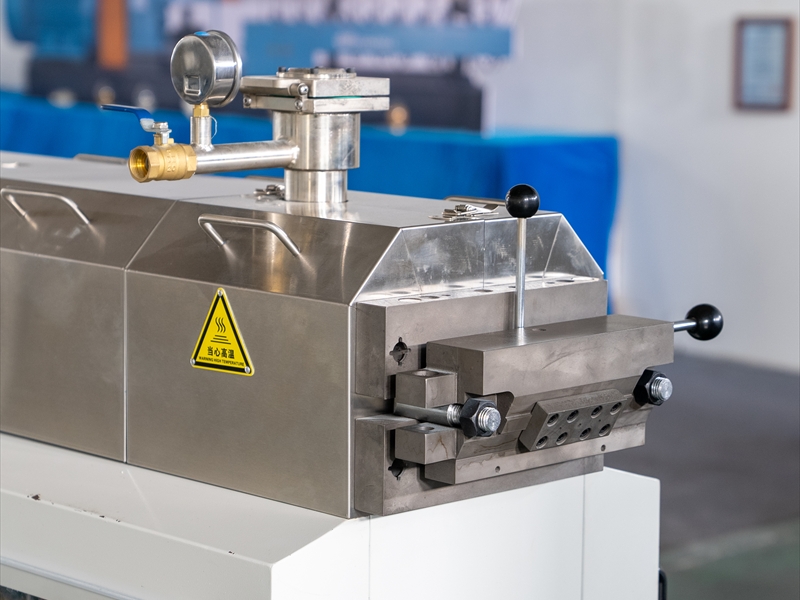
- Roghnú trealaimh chuí uasmhéadaíonn sé cáilíocht an táirge agus éifeachtúlacht táirgthe araon.
-
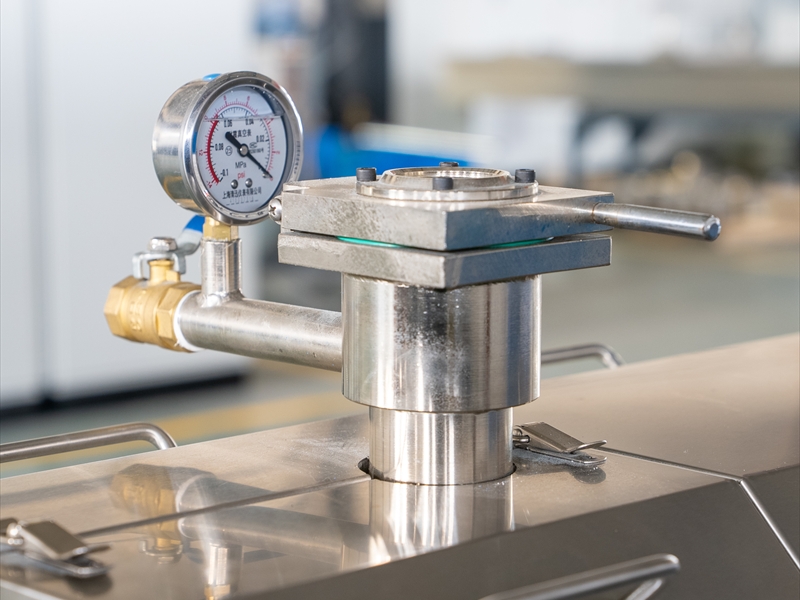
Laghdaíonn innealra chun cinn costais oibriúcháin agus scrogaill, ag cinntiú tréchur níos fearr agus sástacht chustaiméirí.
- Cinntíonn ailíniú rogha meaisín le cumas táirgthe agus sonraíochtaí ábhair torthaí comhsheasmhacha.
Siopaí Bealaí Eochair
- Roghnaigh an meaisín ceart do do chuid riachtanas. Is fearr le easbhrúiteoirí dhá-scriú maidir le meascadh agus tréchur, cé go bhfuil meaisíní kneader iontach d'ábhair íogair.

- Tosaíocht a thabhairt do cháilíocht táirgthe. Bíonn tionchar díreach ag roghnú trealaimh chuí ar chomhsheasmhacht agus ar fheidhmíocht do mháistirbatch.
-
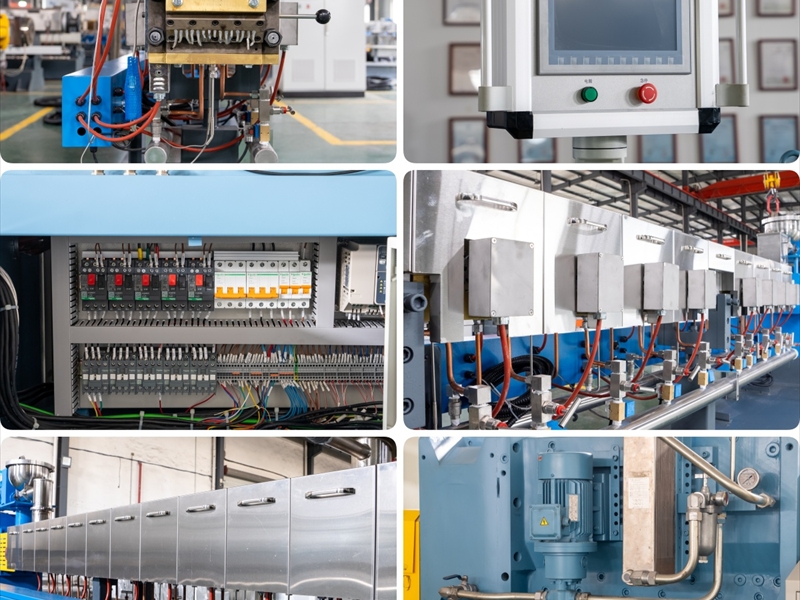
Éifeachtúlacht a uasmhéadú le hinnealra chun cinn. Laghdaíonn easbhrúiteoirí dhá-scriú costais oibriúcháin agus feabhsaíonn siad sreabhadh táirgeachta.
- Comhoiriúnacht ábhartha a chinntiú. Déan dianthástáil chun a dhearbhú go meascann líocha agus breiseáin go maith chun na torthaí is fearr a bhaint amach.
- Fócas ar chomhsheasmhacht scaipthe. Coscann cumaisc ardchaighdeáin lochtanna agus cinntíonn sé dath aonfhoirmeach i dtáirgí plaisteacha.
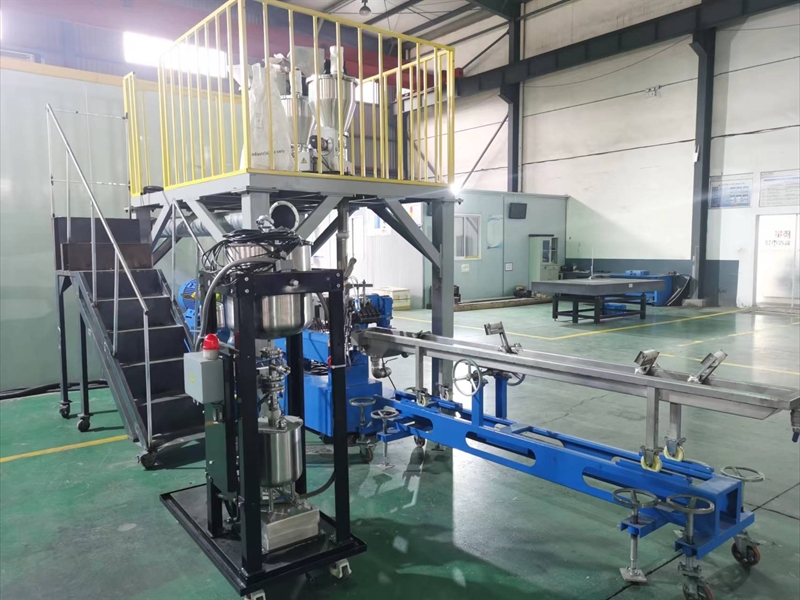
- Smaoinigh ar riachtanais chothabhála. Teastaíonn níos mó cothabhála ó easbhrúiteoirí dhá-scriú, agus cuireann meaisíní kneader gnáthaimh chothabhála níos simplí ar fáil.
-
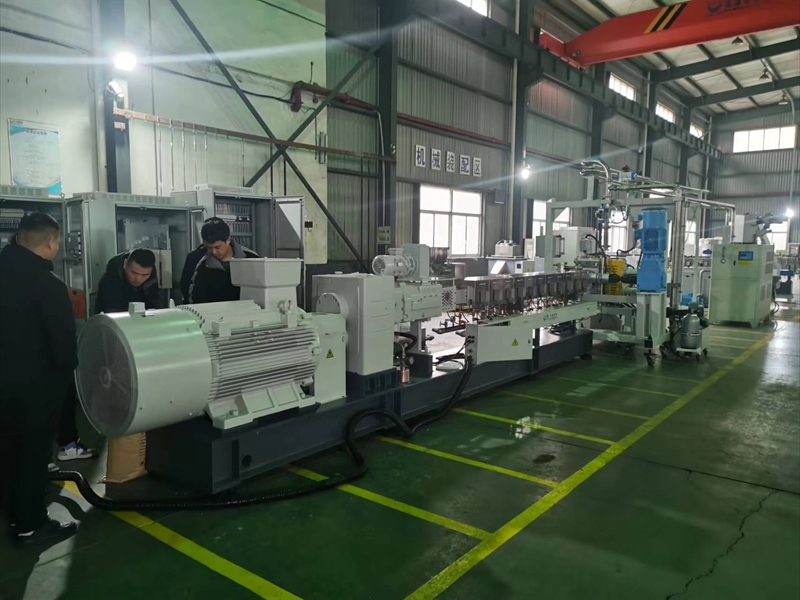
Déan do bhuiséad a mheas go cúramach. Tá costais tosaigh níos airde i gceist le easbhrúiteoirí dhá-scriú, ach is féidir lena n-éifeachtúlacht costais a fhritháireamh le himeacht ama.
- Plean le haghaidh scalability. Is féidir le easbhrúiteoirí dhá-scriú oiriúnú go héasca d'éilimh mhéadaithe táirgeachta, agus d'fhéadfadh aonaid bhreise a bheith ag teastáil ó mheaisíní glúine.
Forbhreathnú Déantúsaíochta Masterbatch
Cad é Masterbatch
Cruthaíonn déantúsaíocht Masterbatch meascáin tiubhaithe de líocha, breiseáin, agus roisíní iompróra. Na meascáin seo, ar a dtugtar masterbatch, a úsáidtear chun airíonna táirgí plaisteacha a dhathú nó a fheabhsú. Is éard atá i gceist leis an bpróiseas ná amhábhair a chumasc, iad a chumasc trí easbhrúite, agus millíní a fhoirmiú le láimhseáil éasca. Braitheann monaróirí ar masterbatch chun dath comhsheasmhach a bhaint amach, marthanacht feabhsaithe, agus feidhmíocht speisialaithe i bhfeidhmchláir phlaisteacha. Tacaíonn an tionscal masterbatch le raon leathan earnálacha, lena n-áirítear pacáistiú, feithicleach, agus earraí tomhaltóra.
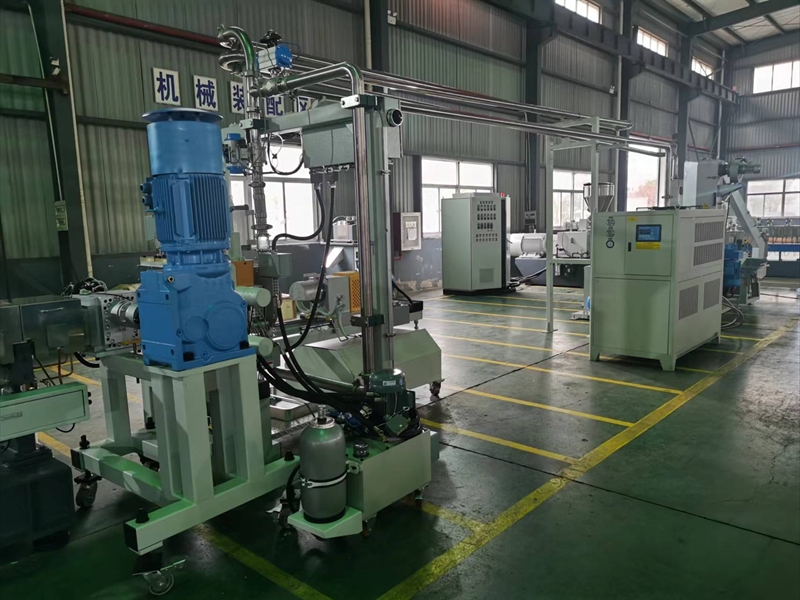
Éilíonn an próiseas déantúsaíochta masterbatch rialú cúramach ag gach céim. Gach céim, ó roghnú amhábhar go pacáistiú deiridh, tionchar ar cháilíocht agus ar fheidhmíocht an táirge críochnaithe. Imlíníonn an tábla thíos na príomhchéimeanna agus a gcuid riachtanais chriticiúla:
| Céim | Riachtanais Chriticiúla |
|---|---|
| Roghnú Ábhar Amh | Bain úsáid as saor ó dheannach, íseal-taise, agus comhábhair atá cobhsaí go teirmeach le haghaidh cáilíochta comhsheasmhach. |
| Meá agus Meascadh Beacht | Córais dosing uathoibrithe le haghaidh cruinneas; meascóirí ardluais le haghaidh réamh-chomhdhúile aonfhoirmeach. |
| Easbhrúite agus Comhdhéanta | Feidhmiú teasa rialaithe agus cumasc ard-chasadh chun breiseáin a scaipeadh go críochnúil. |
| Fuarú agus Foirmiú Millíní | Fuarú tapa agus gearradh snáitheanna easbhrúite ina millíní aonfhoirmeacha. |
| Cigireacht Dhian Cáilíochta | Tástálacha cáilíochta iolracha lena n-áirítear aonfhoirmeacht datha agus seiceálacha comhoiriúnachta. |
| Pacáistiú agus Seachadadh Tráthúil | Stóráil i glan, áiseanna rialaithe teochta agus dírítear ar sheachadadh in am. |
Príomhriachtanais Táirgthe
Comhsheasmhacht Scaipthe
Seasann comhsheasmhacht scaipthe mar phríomhriachtanas i ndéantúsaíocht masterbatch. Cinntíonn scaipeadh aonfhoirmeach líocha agus breiseán go dtaispeánann gach táirge plaisteach an dath agus na hairíonna atá beartaithe. Cuireann cumaisc ardchaighdeáin cosc ar fhoirmiú cnapáin chrua nó neamhíonachtaí, is féidir a bheith ina chúis le lochtanna sa masterbatch deiridh. Úsáideann monaróirí teicneolaíochtaí easbhrúite measctha agus cumaisc chun scaipeadh den scoth a bhaint amach. Feabhsaíonn scaipeadh comhsheasmhach freisin críochnú dromchla agus laghdaíonn sé saincheisteanna táirgthe, rud a fhágann go bhfuil sé riachtanach le haghaidh feidhmíochta masterbatch iontaofa.
Tréchur
Tomhaiseann tréchur an méid masterbatch a tháirgtear laistigh de fhráma ama ar leith. Tacaíonn tréchur ard le táirgeadh ar scála mór agus comhlíonann sé éileamh an mhargaidh go héifeachtach. Caithfidh an próiseas cumaisc luas a chothromú le cáilíocht, mar níor cheart go gcuirfeadh táirgeadh tapa isteach ar scaipeadh nó ar aonfhoirmeacht. Úsáideann línte déantúsaíochta masterbatch nua-aimseartha córais uathoibrithe agus easbhrúiteoirí ard-acmhainne chun tréchur a uasmhéadú. Déanann córais éifeachtacha fuaraithe agus millíní an próiseas a chuíchóiriú tuilleadh, ag cinntiú go mbaintear amach spriocanna táirgeachta gan cáilíocht a íobairt.
Comhoiriúnacht Ábhar
Tá ról ríthábhachtach ag comhoiriúnacht ábhair i ndéantúsaíocht masterbatch. Na líocha roghnaithe, breiseáin, agus ní mór roisíní iompróra chumasc go maith le linn cumaisc. Is féidir le droch-scaipeadh a bheith mar thoradh ar ábhair neamh-chomhoiriúnacha, stríoca datha, nó feidhmíocht laghdaithe plaisteach. Déanann monaróirí tástáil dhian ar cháilíocht, lena n-áirítear meaitseáil datha agus anailís scaipthe, chun comhoiriúnacht a dhearbhú. Cinntíonn an chéim seo go gcomhtháthaíonn an masterbatch go réidh in iarratais phlaisteacha éagsúla, tacú le torthaí comhsheasmhacha thar rití éagsúla táirgeachta.
Nóta: Braitheann déantúsaíocht masterbatch ardchaighdeáin ar rialú beacht ar chumaisc, meascadh críochnúil, agus roghnú cúramach ábhar. Ráthaíonn na fachtóirí seo go gcomhlíonann an masterbatch deiridh caighdeáin tionscail maidir le dath, marthanacht, agus iompar próiseála.
Extruder Twin Scriú i Meaisín Masterbatch
Cineálacha Easbhrúiteora Twin Scriú
Tá easbhrúiteoirí dhá-scriú tar éis éirí mar chnámh droma déantúsaíochta masterbatch nua-aimseartha. Cuireann siad solúbthacht agus rialú gan mheaitseáil ar fáil i gcomparáid le dearaí scriú aonair. Léiríonn an tábla thíos na difríochtaí oibriúcháin idir easbhrúiteoirí scriú aonair agus cúpla, ag cur béime ar an bhfáth go bhfuil ceannas ag an gcumraíocht chúpla ar tháirgeadh masterbatch:
| Gné | Aonair Scriú Extruder | Extruder Twin Scriú |
|---|---|---|
| Cumas Measctha | Teoranta | feabhsaithe |
| Solúbthacht | Íseal | Ard |
| Rialú ar Shreabhadh Ábhar | Measartha | Ard |
| Ideal do Recipes Coimpléasc | Níl | Tá |
| Iarratas i Masterbatch | Teoranta | Fhairsing |
Comh-uainíocht
Gné easbhrúiteoirí scriú cúpla comh-rothlach scriúnna a rothlaíonn sa treo céanna. Uasmhéadaíonn an dearadh seo an éifeachtúlacht mheascadh agus cumaisc. Cinntíonn an gníomh comh-rothlach go bhfaigheann ábhar taithí ar mheascadh scaipthe agus dáileacháin, atá riachtanach chun masterbatch ardchaighdeáin a tháirgeadh. Is fearr le monaróirí an cineál seo mar gheall ar a gcumas foirmlithe casta a láimhseáil agus aschur comhsheasmhach a choinneáil.
Idirmheabhrach vs Neamh-Idirmheabhrach
Is féidir le easbhrúiteoirí scriú dúbailte a bheith idirmháisteach nó neamh-idirmheáite. Ligeann dearaí intermeshing na scriúnna forluí, ag cruthú éifeacht féinghlanadh a laghdaíonn tógáil ábhar agus a fheabhsaíonn féinghlanadh. Tacaíonn an ghné seo le hoibriú leanúnach agus íoslaghdaíonn sé aga neamhfhónaimh. Coinníonn cineálacha neamh-intermeshing na scriúnna ar leithligh, ar féidir leo freastal ar shainriachtanais chumaisc ach a thairgeann meascadh nach bhfuil chomh dian sin de ghnáth.
Gnéithe de Twin Scriú Extruder
Dearadh Modúlach
Úsáideann easbhrúiteoirí scriú dúbailte eilimintí scriú modúlach. Ligeann an ghné seo d'oibreoirí an córas easbhrúite a shaincheapadh le haghaidh oidis masterbatch éagsúla. Tacaíonn dearadh modúlach le haistriú fuinnimh mheicniúil optamach agus cumasaíonn sé athruithe tapa ar shocrú an phróisis. Is féidir le monaróirí an córas easbhrúite a oiriúnú d'ábhair nua nó do riachtanais táirgí gan am mór downtime.
Fiar agus Rialú Brú
Sainmhíníonn rialú beacht ar lomadh agus brú éifeachtacht an easbhrúiteora cúpla scriú. Is féidir le hoibreoirí a choigeartú luas scriú, cumraíocht, agus teocht bairille chun an próiseas cumaisc a mhionchoigeartú. Cinntíonn an rialú seo scaipeadh aonfhoirmeach líocha agus breiseáin, mar thoradh ar chaighdeán masterbatch comhsheasmhach. Coinníonn an córas easbhrúite brú cobhsaí freisin, a chosnaíonn comhábhair íogair agus a fheabhsaíonn airíonna struchtúracha an táirge deiridh.
Buntáistí
Meascadh Sármhaith
Seachadann easbhrúiteoirí dhá-scriú meascadh láidir scaipthe agus dáileacháin. Cinntíonn an cumas seo go ndéanann líocha agus breiseáin chumasc go críochnúil le linn cumaisc. Is é an toradh masterbatch le dath aonfhoirmeach agus feidhmíocht.
Tréchur Ard
Bíonn monaróirí ag brath ar easbhrúiteoirí scriú dúbailte le haghaidh tréchur ard. Próiseálann na meaisíní seo líon mór masterbatch go héifeachtach, freastal ar éilimh na táirgeachta ar scála tionsclaíoch. Tacaíonn an dearadh le beathú cobhsaí líocha púdar agus breiseáin, a chothaíonn táirgiúlacht.
Féin-ghlanadh
Soláthraíonn an gníomh intermeshing i go leor easbhrúiteoirí scriú cúpla éifeacht féin-ghlanadh. Laghdaíonn an ghné seo iarmhar ábhar, íoslaghdaíonn sé rioscaí éillithe, agus giorraíonn sé amanna athraithe idir foirmlithe máistirbhaisc éagsúla.
Leid: Síneann na buntáistí a bhaineann le teicneolaíocht easbhrúiteora cúpla scriú níos faide ná meascadh. Na meaisíní seo úsáid ábhar a bharrfheabhsú and support precise control over every stage of the compounding process.
Míbhuntáistí
Costas
Twin screw extruder systems require a significant initial investment. Manufacturers often face higher upfront costs compared to single screw machines. The advanced engineering and modular design of twin extruders contribute to this expense. Many facilities must also invest in specialized auxiliary equipment to support the twin screw extruder. These costs can challenge small-scale producers or those with limited budgets. Le himeacht ama, the efficiency and output of twin screw extruder technology can offset the initial expense, but the barrier to entry remains higher than with simpler machines.
Cothabháil
Maintenance for twin screw extruder equipment demands skilled technicians and regular attention. Caitheann na scriúnna intermeshing agus na comhpháirteanna modúlach le linn oibriú leanúnach. Ní mór d'oibreoirí monatóireacht a dhéanamh ar riocht na scriúnna, bairillí, agus rónta chun downtime a chosc. Cuidíonn cothabháil sceidealta agus athsholáthar páirteanna le feidhmíocht chomhsheasmhach a choinneáil, ach cuireann siad le costais oibriúcháin. Is féidir le tionóil choimpléascacha i gcórais easbhrúiteora dhá scriúnna an t-am a theastaíonn le haghaidh glantacháin agus deisiúcháin a mhéadú. D’fhéadfadh caitheamh luathaithe a bheith i gceist le háiseanna a phróiseálann ábhair scríobacha nó ardlíonta, éilíonn cothabháil níos minice.
Nóta: Cinntíonn cothabháil rialta go seachadann meaisíní easbhrúite dhá scriúnna torthaí iontaofa agus go leathnaíonn siad a saol seirbhíse. D'fhéadfadh cáilíocht mháistirbatch neamh-chomhsheasmhach agus stadanna táirgeachta gan choinne a bheith mar thoradh ar fhaillí a choinneáil.
Feidhmiú Twin Scriú Extruder
Cluiche Dath Masterbatch
Tá ról lárnach ag teicneolaíocht easbhrúiteoir scriú dúbailte i dtáirgeadh masterbatch dath. Soláthraíonn na scriúnna cúpla dian-mheascadh, rud a chinntíonn go scaipeann líocha go cothrom ar fud an roisín iompróra. Cruthaíonn an próiseas seo millíní le dath aonfhoirmeach, riachtanach do tháirgí plaisteacha ardchaighdeáin. Braitheann monaróirí ar an easbhrúiteoir cúpla scriú chun raon leathan cineálacha agus comhchruinnithe lí a láimhseáil. Ligeann solúbthacht an dearadh chúpla athrú tapa idir foirmlithe dathanna éagsúla, tacú le riachtanais éagsúla custaiméirí.
Masterbatch breiseán
Síneann cur i bhfeidhm na gcóras easbhrúite scriú dúbailte chuig déantúsaíocht masterbatch breiseán. Déanann na meaisíní seo breiseáin fheidhmiúla a chumasc - cosúil le cobhsaitheoirí UV, retardants lasair, nó oibreáin fhrithstatach - isteach sa mhaitrís polaiméire. Cinntíonn na scriúnna cúpla scaipthe críochnúil, a uasmhéadaíonn éifeachtacht gach breiseáin. Coscann meascadh comhsheasmhach ceirtleán agus ráthaítear go seachadann gach millíní an fheidhmíocht atá beartaithe. Ceadaíonn dearadh modúlach an easbhrúiteoir scriú dúbailte d'oibreoirí an próiseas a choigeartú le haghaidh cineálacha agus lódálacha breiseáin éagsúla.
Tugann an tábla thíos achoimre ar na príomhréimsí iarratais ar chórais easbhrúiteora scriú dúbailte i dtáirgeadh masterbatch:
| Iarratas | Cur síos |
|---|---|
| Táirgeadh Masterbatch | Cinntíonn scaipeadh aonfhoirmeach de líocha agus breiseáin le haghaidh dath agus masterbatches feidhme. |
| Cluiche Dath Masterbatch | Soláthraíonn dáileadh dath comhsheasmhach agus tacaíonn sé le hathruithe foirmlithe tapa. |
| Masterbatch breiseán | Seachadann ionchorprú beacht de bhreiseáin fheidhmiúla le haghaidh airíonna plaisteacha feabhsaithe. |
Tacaíonn meaisíní easbhrúite scriú dúbailte le raon leathan d'iarratais masterbatch. Mar gheall ar a solúbthacht agus a rialú is iad an rogha is fearr le haghaidh táirgeadh masterbatch datha agus breiseáin araon. Leanann cur i bhfeidhm na teicneolaíochta easbhrúite scriú dúbailte ag leathnú de réir mar a lorgaíonn monaróirí cáilíocht agus éifeachtúlacht níos airde.
Meaisín Kneader le haghaidh Déantúsaíochta Masterbatch
Cineálacha Meaisín Kneader
Meaisíní kneader ról ríthábhachtach a imirt i ndéantúsaíocht masterbatch, go háirithe agus ábhair ardluacha nó íogaire á láimhseáil. Freastalaíonn roinnt cineálacha meaisíní kneader don tionscal, gach ceann acu deartha le haghaidh sainriachtanais chumaisc:
- Meascthóir Banbury: Is fearr na meaisíní seo maidir le polaiméirí agus breiseáin a chumasc, iad a dhéanamh mar stáplacha i dtáirgeadh masterbatch.
- Kneaders Scaipeadh: Úsáideann monaróirí iad seo chun scaipeadh aonfhoirmeach a bhaint amach, atá riachtanach le haghaidh cáilíochta masterbatch comhsheasmhach.
- Meascóirí Inmheánacha: Laboratories often rely on internal mixers for small-scale research and development. These machines allow precise control over mixing parameters.
- Sigma Blade Kneaders: Designed for high-viscosity materials, sigma blade kneaders ensure thorough mixing and are ideal for challenging compounding tasks.
Kneader machines operate by mixing materials under controlled temperature and shear conditions. This approach ensures uniform dispersion and effective compounding, which are critical for producing high-quality masterbatch.
Features of Kneader Machine
Intensive Mixing
Kneader machines deliver intensive mixing, which enables precise dispersion and blending of pigments, breiseáin, and resins. This feature proves especially important in masterbatch manufacturing, where high-fill and high-demand modified materials require uniform distribution. The robust mixing action prevents agglomeration and ensures that every batch of masterbatch meets strict quality standards.
Éifeachtúlacht Fuinnimh
Éifeachtúlacht fuinnimh stands out as a key advantage of kneader machines. Their design minimizes energy consumption during compounding, which helps manufacturers reduce operational costs. The machines maintain stable output while processing a wide range of materials, making them suitable for both large-scale and specialty masterbatch manufacturing.
Batch Operation
Kneader machines typically operate in batch mode. This method allows for flexible parameter adjustments, supporting the production of diverse masterbatch formulations. Batch operation also provides stable output, which is crucial for maintaining consistency when processing sensitive or high-value materials. Operators can closely monitor each batch, a chinntiú go gcomhlíonann an próiseas cumaisc na sonraíochtaí riachtanacha.
Buntáistí
Meascadh beachtais
Tairgeann meaisíní kneader meascadh cruinneas, atá riachtanach do mhonarú masterbatch ina bhfuil comhábhair casta nó íogaire. Na meaisíní’ Cinntíonn cumas scaipthe aonfhoirmeach a bhaint amach go gcomhtháthaíonn líocha agus breiseáin gan uaim isteach sa roisín iompróra. Tacaíonn an cruinneas seo le táirgeadh masterbatch le dath agus feidhmíocht comhsheasmhach.
Tomhaltas Fuinnimh Íochtarach
Cuireann monaróirí luach ar mheaisíní glúine as a n-ídiú fuinnimh níos ísle i gcomparáid le trealamh cumaisc eile. Laghdaíonn an dearadh éifeachtach giniúint teasa agus laghdaítear díghrádú ábhar, a théann chun tairbhe foirmlithe masterbatch teas-íogair. Cuidíonn úsáid fuinnimh níos ísle freisin le próiseas táirgthe níos inbhuanaithe.
Láidir
Léiríonn meaisíní kneader láidreacht eisceachtúil. Their construction withstands the demands of intensive compounding, even when processing abrasive or highly filled materials. This durability ensures reliable operation and extends the service life of the equipment, making kneader machines a sound investment for masterbatch manufacturing facilities.
Nóta: Kneader machines combine intensive mixing, éifeachtúlacht fuinnimh, and robust construction, making them ideal for masterbatch manufacturing that requires precise compounding and stable output.
Míbhuntáistí
Lower Throughput
Kneader machines operate in batch mode, which limits their throughput compared to continuous extrusion systems. Operators must load, meascadh, and discharge each batch before starting the next cycle. This process restricts the volume of masterbatch produced within a given timeframe. Facilities that require high production rates often find kneader machines less suitable for large-scale manufacturing. The batch operation also increases downtime between cycles, which can affect overall efficiency. Manufacturers who prioritize speed and volume may prefer extruders for their ability to deliver consistent output without interruption.
Limited Flexibility
Kneader machines offer less flexibility when adapting to new formulations or rapid product changes. The batch process requires manual adjustments for each recipe, which slows response to shifting market demands. Operators must clean and prepare the machine between batches, especially when switching between different materials. This limitation makes kneader machines less ideal for facilities that handle frequent changes in masterbatch composition. The design suits stable production environments but presents challenges for manufacturers seeking versatility in their application range.
Nóta: Kneader machines excel in precision mixing and energy efficiency, but their lower throughput and limited flexibility can restrict their use in fast-paced or highly variable production settings.
Feidhmchláir tipiciúla
Highly Filled Masterbatch
Kneader machines demonstrate exceptional performance in highly filled masterbatch production. These machines handle ultra-high loading levels, often exceeding 85% ábhar filler. The intensive mixing action ensures difficult-to-disperse additives integrate thoroughly into the carrier resin. Manufacturers select kneader machines for filler masterbatch compounding because they maintain uniform dispersion and prevent agglomeration, fiú le hábhair dúshlánacha. The table below highlights the primary application type and its characteristics:
| Cineál Iarratais | Tréithe |
|---|---|
| Filler Masterbatch Compounding | Ultra-High Loading, >85% filling levels, difficult-to-disperse additives |
This application requires robust mixing and stable output, which kneader machines provide. Operators achieve consistent quality in batches with high filler content, supporting demanding industrial requirements.
Rubber Compounds
Rubber compound production represents another key application for kneader machines. The equipment processes elastomers, líontóirí, and additives under controlled temperature and shear conditions. Kneader machines deliver uniform dispersion, which enhances the physical properties of rubber products. Manufacturers rely on kneader machines for their ability to handle viscous materials and maintain batch-to-batch consistency. The process supports specialty rubber applications, including automotive parts, rónta, agus comhpháirteanna tionsclaíocha.
Leid: Facilities that produce highly filled masterbatch or rubber compounds benefit from the kneader machine’s robust mixing and stable batch operation. These applications demand precision and reliability, which kneader machines consistently deliver.
Difríocht idir Easbhrúiteoir Scriú Aonair agus Nasctha
Cáilíocht Measctha
Mixing quality stands as a critical factor in masterbatch manufacturing. The single screw extruder provides mainly distributive mixing. This means it spreads materials but does not break down agglomerates as effectively. Twin screw extruders deliver both dispersive and distributive mixing. They can break down pigment clusters and distribute additives evenly. This capability results in a more homogeneous masterbatch, which is essential for high-performance applications.
The table below highlights the main differences in cumas measctha:
| Gné | Aonair Scriú Extruder | Extruder Twin Scriú |
|---|---|---|
| Cumas Measctha | Íseal (mainly distributive) | Ard (Scaipthe & Distributive) |
Manufacturers often choose twin screw extruders for compounding tasks that require intensive mixing, such as blending glass fibers, retardants lasair, or pigments into resins. The single screw extruder works best for simpler formulations where basic mixing suffices.
Leid: For masterbatch products that demand uniform color and additive distribution, twin screw extruders offer a clear advantage.
Tréchur
Throughput measures how much material a machine can process in a given time. The single screw extruder excels in continuous, straightforward processes. It handles large volumes efficiently when the formulation does not require complex mixing. Easbhrúiteoirí scriú dúbailte, ar an láimh eile, provide superior throughput for complex masterbatch production. Their design supports excellent material conveying, ag meascadh, and shear dispersion.
The following table compares throughput capabilities:
| Cineál Easbhrúiteora | Throughput Capability |
|---|---|
| Scriú Aonair | More efficient for simpler, continuous processes |
| Scriú Cúpla | Meascadh níos fearr, ideal for complex masterbatch tasks |
- Easbhrúiteoir scriú aonair: Best for high-volume, simple recipes.
- Easbhrúiteoir scriú dúbailte: Preferred for high-intensity mixing and advanced formulations.
Production lines that require both speed and advanced mixing often rely on twin screw extruders. Facilities focused on basic compounding may select the single screw extruder for its efficiency.
Application Scope
The application scope defines where each machine performs best. The single screw extruder suits basic plastic processing, such as producing pipes, scannáin, or simple compounds. It offers reliability for straightforward tasks. Easbhrúiteoirí scriú dúbailte handle a broader range of applications. They excel in masterbatch production, especially when recipes involve multiple additives or require precise dispersion.
Key application areas include:
- Easbhrúiteoir scriú aonair: Used for continuous processes with minimal mixing needs.
- Easbhrúiteoir scriú dúbailte: Essential for masterbatch, compounding with glass fibers, líocha, nó lasair-retardants.
The difference between single and twin screw extruder technology shapes the choice for manufacturers. Those who need advanced mixing and flexibility select twin screw extruders. Those who prioritize simplicity and volume often choose the single screw extruder.
Nóta: Selecting the right extruder depends on the complexity of the formulation, desired throughput, and end-use requirements.
Masterbatch Machine Comparison
Feidhmíocht
Performance defines the core value of any meaisín masterbatch. Twin-screw extruders set the industry standard for high-performance compounding. These machines handle complex recipes with ease. Operators can adjust process parameters quickly, which supports consistent output. The twin design ensures stable feeding and precise temperature control. This leads to reliable production of masterbatch with uniform properties.
Kneader machines excel in specific scenarios. They deliver outstanding results when processing highly filled or sensitive materials. Their robust construction allows them to withstand demanding conditions. Mar sin féin, batch operation limits their overall speed. Facilities that require continuous, high-volume production often prefer the twin screw extruder for its superior performance.
Single screw extruder systems offer reliable performance for basic tasks. They suit straightforward masterbatch formulations. These machines do not match the advanced capabilities of twin-screw extruders or kneader machines in complex compounding.
Nóta: Selecting the right masterbatch machine depends on the desired balance between speed, comhsheasmhacht, and material requirements.
Cáilíocht Measctha
Mixing quality remains a critical factor in masterbatch manufacturing. Twin-screw extruders provide both dispersive and distributive mixing. This means they break down pigment clusters and distribute additives evenly. The result is a homogeneous masterbatch with consistent color and performance. Operators can fine-tune the extrusion system to match the needs of each recipe.
Kneader machines also deliver high mixing quality, especially for challenging materials. Their intensive mixing action ensures thorough dispersion. This proves essential for highly filled masterbatch or rubber compounds. Mar sin féin, batch operation can introduce slight variations between cycles.
Single screw extruder machines offer basic distributive mixing. They work well for simple formulations but struggle with complex recipes. These machines cannot achieve the same level of pigment dispersion as twin-screw extruders or kneader machines.
The table below summarizes mixing quality across different masterbatch machine types:
| Cineál Meaisín | Cáilíocht Measctha | Cás Úsáide is Fearr |
|---|---|---|
| Easbhrúiteoirí dhá-scriú | Sármhaith (Scaipthe & Distributive) | Complex masterbatch, dath, breiseáin |
| Meaisíní kneader | Ard (dian) | Highly filled, sensitive materials |
| Easbhrúiteoir scriú aonair | Bunúsach (Distributive) | Simple masterbatch |
Solúbthacht
Flexibility determines how well a masterbatch machine adapts to changing production needs. Easbhrúiteoir scriú dúbailte systems stand out for their versatility. They allow operators to modify screw configurations, adjust shear levels, and control residence time. This adaptability supports a wide range of masterbatch formulations. Manufacturers can switch between recipes with minimal downtime. Tá an strong mixing capabilities of twin-screw extruders enhance flexibility, making them essential for consistent color quality and efficient production.
Kneader machines offer moderate flexibility. They handle various materials and filler levels but require manual adjustments between batches. This process can slow response to new market demands. Batch operation also limits the speed of recipe changes.
Single screw extruder machines provide the least flexibility. They suit stable, high-volume production of simple masterbatch. These machines do not support rapid changes in formulation or advanced compounding tasks.
Leid: Facilities that produce multiple masterbatch types benefit from the flexibility of twin screw extruder technology. This advantage supports innovation and quick adaptation to customer needs.
Tréchur
Throughput measures the volume of material processed by a masterbatch machine within a set period. Twin screw extruders deliver high throughput, supporting large-scale production environments. Operators can achieve output rates from 30 kilograms per hour up to 4000 kilograms per hour. This capacity enables manufacturers to meet demanding schedules and maintain consistent supply. Kneader machines operate at lower throughput levels, with maximum output reaching up to 1000 kilograms per hour. Batch operation limits their speed, making them suitable for specialty or high-value masterbatch production.
The table below compares throughput capacity:
| Cineál Trealaimh | Cumas Aschuir |
|---|---|
| Extruder Twin Scriú | 30kg/h to 4000kg/h |
| Kneader Machine | Up to 1000kg/h |
Twin screw extruders dominate high-volume masterbatch manufacturing. Kneader machines excel in applications where precision and material sensitivity outweigh speed.
Cothabháil
Maintenance requirements differ significantly between twin screw extruders and kneader machines. Twin screw extruders demand regular attention due to their complex design and high operational loads. Operators must monitor screw wear, gearbox integrity, agus rónta. After-sales service contracts typically cost idir 2% agus 5% of the machine’s value gach bliain. For a $200,000 easbhrúiteoir, annual maintenance expenses range from $4,000 chuig $10,000. Spare parts add to the cost, with screw sets priced from $15,000 chuig $25,000 and gearbox replacements costing $30,000 chuig $50,000. Preventive maintenance extends the interval between major overhauls from five years to seven years, reducing long-term expenses.
- Twin screw extruders require frequent inspections and specialized technicians.
- Kneader machines feature robust construction and simpler maintenance routines.
- Preventive maintenance increases reliability and reduces downtime for both machine types.
Facilities that operate twin screw extruders must budget for higher maintenance costs and plan for regular service intervals. Kneader machines offer easier upkeep, making them attractive for smaller operations or specialty production.
Costas
Cost plays a decisive role in masterbatch machine selection. Twin screw extruders involve substantial initial investment. Manufacturers pay for advanced engineering, comhpháirteanna modúlach, and auxiliary equipment. Ongoing maintenance and spare parts further increase operational expenses. Kneader machines present lower upfront costs and reduced maintenance requirements. Their batch operation suits facilities with limited budgets or those focused on specialty masterbatch production.
Operators must weigh the benefits of high throughput and flexibility against the financial commitment required for twin screw extruders. Kneader machines provide a cost-effective solution for precision mixing and stable output, especially in applications where speed is not the primary concern.
Leid: Careful cost analysis ensures that manufacturers select the masterbatch machine best suited to their production goals and financial resources.
Inscálaitheacht
Scalability determines how well a masterbatch machine supports growth and adapts to increased production demands. Manufacturers often evaluate scalability when planning for expansion or responding to market changes. Twin screw extruders and kneader machines offer distinct advantages and limitations in this area.
Twin Screw Extruder Scalability
Twin screw extruders excel in scalable production environments. Operators can increase output by upgrading screw diameter, length, or motor power. Modular design allows for easy expansion and customization. Facilities can add auxiliary equipment, such as feeders or pelletizers, to boost capacity. Manufacturers often choose twin screw extruders for their ability to handle both small and large batch sizes without sacrificing quality.
- Modular configuration supports rapid adaptation.
- Upgrades enable higher throughput and advanced formulations.
- Integration with automated systems streamlines scaling.
Kneader Machine Scalability
Kneader machines present challenges in scalability. Batch operation limits continuous output. Operators must process each batch separately, which restricts overall capacity. Scaling up often requires purchasing additional machines rather than expanding a single unit. This approach increases floor space and operational complexity. Kneader machines suit specialty production where precision matters more than volume.
- Batch processing restricts seamless scaling.
- Expansion involves adding more units, not upgrading existing ones.
- Best suited for stable, low-to-medium volume production.
Nóta: Facilities planning for rapid growth or fluctuating demand benefit from the scalable design of twin screw extruders. Kneader machines fit environments with consistent, specialty production needs.
Scalability Comparison Table
| Cineál Meaisín | Scalability Features | Expansion Method | Ideal Production Scale |
|---|---|---|---|
| Extruder Twin Scriú | Modúlach, upgradeable, automation-ready | System upgrades, add-ons | Small to large-scale |
| Kneader Machine | Teoranta, batch-based | Additional machines | Specialty, low-to-medium |
Manufacturers seeking flexible, high-volume production often select twin screw extruders. Kneader machines remain valuable for niche applications where batch consistency and precision outweigh the need for rapid scaling.
Leid: Evaluate future production goals before investing in masterbatch machinery. Twin screw extruders offer a pathway to growth, while kneader machines deliver reliability for specialized operations.
Choosing the Right Masterbatch Machine
Fachtóirí Cinnidh
Selecting the optimal masterbatch machine requires careful evaluation of several core factors. Each facility must align its equipment with operational goals and material demands.
Toirt Táirgeadh
Production volume determines the scale and speed of manufacturing. Facilities with high production capacity need machines that can sustain continuous output. Easbhrúiteoirí scriú dúbailte excel in large-scale environments. They process significant quantities of masterbatch without frequent interruptions. Kneader machines suit smaller batches or specialty runs. Operators should match machine throughput to their target production levels.
Cineál Ábhar
Material type influences machine selection. Some masterbatch recipes use wood, bamboo, or straw fibers. Others require advanced additives for mechanics, degradability, or unique functionality. Twin screw extruders handle a wide range of plastic resins and complex formulations. Kneader machines perform well with sensitive or high-value materials. The choice depends on the compatibility of the machine with the raw materials and the desired properties of the final product.
Riachtanais Cháilíochta
Quality requirements shape the compounding process. Manufacturers producing masterbatch for high-performance plastic applications must ensure uniform dispersion and color consistency. Twin screw extruders deliver superior mixing and precise control. Kneader machines provide intensive blending for highly filled or specialty masterbatch. Facilities should assess the level of quality needed for their end-use products.
Buiséad
Budget remains a decisive factor in equipment investment. Twin screw extruders require higher initial costs and ongoing maintenance. Kneader machines offer a lower entry point and reduced upkeep. Financial planning must consider both upfront expenses and long-term operational costs. The final decision should balance production goals with available resources.
Leid: The selection process involves more than just machine specifications. Operators must consider the type of fiber, desired masterbatch performance, and financial constraints to make the best choice.
Twin screw extruders deliver high throughput and superior mixing, making them ideal for complex, large-scale masterbatch production. Kneader machines excel with sensitive or highly filled materials, offering precision and energy efficiency. Aligning machine choice with production goals and comhoiriúnacht ábhair ensures consistent quality, smooth processing, and fewer defects. Manufacturers who match machine capabilities with resin and polymer systems achieve better surface finish, stable output, and long-term success in masterbatch manufacturing.
CCanna
What is the main advantage of a twin-screw extruder in masterbatch production?
Easbhrúiteoirí dhá-scriú provide superior mixing and high throughput. They handle complex formulations with ease. Manufacturers rely on them for consistent quality and efficient large-scale production.
When should a manufacturer choose a kneader machine?
A manufacturer should select a kneader machine for highly filled, sensitive, or specialty materials. Kneader machines offer precise mixing and energy efficiency, making them ideal for demanding or small-batch applications.
How does maintenance differ between twin-screw extruders and kneader machines?
Twin-screw extruders require frequent inspections and specialized technicians. Kneader machines have simpler maintenance routines and robust construction. Facilities with limited technical staff often prefer kneader machines for easier upkeep.
Can a single-screw extruder produce masterbatch?
A single-screw extruder can produce simple masterbatch formulations. It cannot achieve the same mixing quality or flexibility as twin-screw extruders. Manufacturers use single-screw machines for basic, high-volume tasks.
What factors affect the cost of a masterbatch machine?
Machine size, leibhéal uathoibrithe, and auxiliary equipment impact cost. Twin-screw extruders have higher initial and maintenance expenses. Kneader machines offer lower entry costs but may require more units for scaling.
Which machine offers better scalability for growing production needs?
Easbhrúiteoirí dhá-scriú offer modular upgrades and automation options. They scale easily for increased output. Kneader machines require additional units for expansion, which increases operational complexity.
Are kneader machines suitable for color masterbatch production?
Kneader machines can produce color masterbatch, especially for high-fill or specialty batches. Twin-screw extruders remain the preferred choice for high-volume, consistent color masterbatch production.