

Mar a Stack Córais Easbhrúite Éagsúla le haghaidh Déantúsaíochta
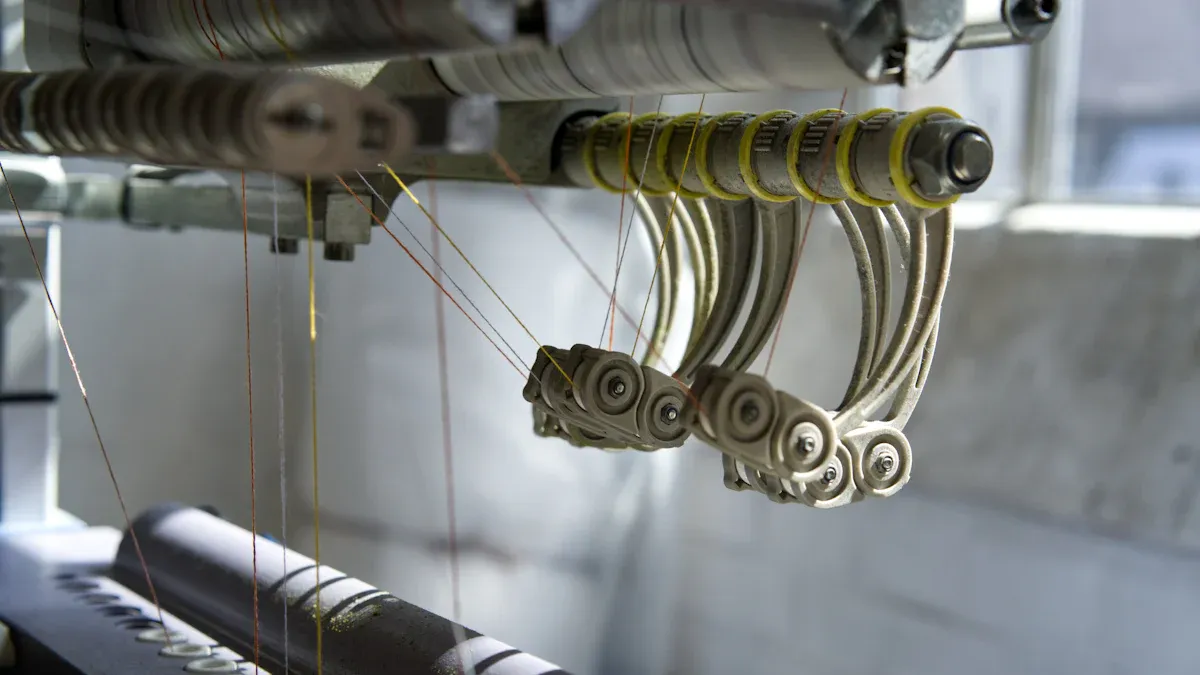
Chonaic mé go múnlaíonn rogha an chórais easbhrúite an próiseas déantúsaíochta iomlán. Úsáideann an chuid is mó de na monaróirí córais aon-scriú, a shealbhaíonn a 62% sciar den mhargadh, agus córais dhá-scriú freagrach as 38%.
| Cineál Córais Easbhrúite | Céatadán Sciar den Mhargadh |
|---|---|
| Aon-scriú | 62% |
| Dhá-scriú | 38% |
Bíonn tionchar ag roghnú idir cineálacha scriú ar éifeachtúlacht, caighdeán an táirge, agus comhoiriúnacht ábhair. Nuair a mheaitseálann mé teicneolaíocht easbhrúite le spriocanna déantúsaíochta, Tugaim feabhsuithe ar chost-éifeachtúlacht faoi deara, solúbthacht dearadh, agus inbhuanaitheacht.
| Fachtóir | Tionchar ar Éifeachtúlacht Déantúsaíochta | Tionchar ar Chaighdeán an Táirge |
|---|---|---|
| Paraiméadair rialaithe | Coinníonn sé cáilíocht táirgí aonfhoirmeach | Baintear amach lamháltais mhicriméadar |
Táim ag brath ar Chórais Easbhrúite Comhlánaigh chun torthaí comhsheasmhacha agus feidhmíocht scriú beacht a sheachadadh.
Siopaí Bealaí Eochair
- Roghnaigh an córas easbhrúite ceart bunaithe ar do spriocanna déantúsaíochta agus airíonna ábhair chun an fheidhmíocht is fearr a chinntiú.
- Tá easbhrúiteoirí aon-scriú oiriúnach le haghaidh táirgeadh ard-toirte d'ábhair shimplí, agus is fearr le córais dhá-scriú maidir le hábhair chasta a mheascadh.
- Coscann cothabháil agus monatóireacht rialta ar chórais easbhrúite aga neamhfhónaimh agus feabhsaítear éifeachtúlacht, cáilíocht táirgí comhsheasmhach a chinntiú.
- Smaoinigh ar thrastomhas an scriú agus ar an gcóimheas L/D agus easbhrúiteoir á roghnú agat, toisc go mbíonn tionchar ag na fachtóirí seo ar thréchur agus ar éifeachtúlacht mheasctha.
- Bain úsáid as comh-easbhrúite chun táirgí ilchisealacha a chruthú a chomhcheanglaíonn ábhair éagsúla, feidhmiúlacht agus feidhmíocht a fheabhsú.
- Déan measúnú ar chomhoiriúnacht na n-ábhar leis an gcóras easbhrúite roghnaithe chun lochtanna a sheachaint agus aschur ardchaighdeáin a chinntiú.
- Fan ar an eolas faoi threochtaí atá ag teacht chun cinn sa teicneolaíocht easbhrúite, mar IoT agus AI, éifeachtúlacht a fheabhsú agus oiriúnú do riachtanais táirgeachta atá ag athrú.
- Cruthaigh seicliosta de na príomhfhachtóirí sula roghnaíonn tú an meaisín easbhrúite chun botúin chostasacha a sheachaint agus a chinntiú go gcomhlíonann an córas riachtanais iarratais.
Roghnú an Chórais Easbhrúite Ceart le haghaidh Déantúsaíochta
Príomhfhachtóirí i Roghnú Córais
Ní bhfaighidh mé uilíoch riamh “fearr” córas easbhrúite. Insíonn mo thaithí dom go mbraitheann an rogha idéalach ar na spriocanna déantúsaíochta, airíonna ábhar, agus ceanglais an táirge. Nuair a roghnaíonn mé córas easbhrúite, Meaitseálann mé i gcónaí a chumais leis an bhfeidhmchlár atá beartaithe. Cinntíonn an cur chuige seo go seachadann an próiseas easbhrúite cáilíocht chomhsheasmhach agus feidhmíocht optamach.
Measaim go leor fachtóirí criticiúla sula ndéantar roghnú meaisín easbhrúite. Úsáidim an tábla seo a leanas chun mo chinneadh a threorú:
| Fachtóir | Cur síos |
|---|---|
| Cuspóir Taighde | Cuspóir an mheaisín (oideachas, forbairt ábhar, nó táirgeadh píolótach tráchtála) |
| Cineál Ábhar | Cineál polaiméirí atá le próiseáil (teas-íogair, luaineach, nó imoibríoch) |
| Cumas Aschuir Riachtanach | Cumas tréchur (gram nó cileagram in aghaidh na huaire) |
| Riachtanais Próisis Casta | Gá le instealladh gáis, degassing bhfolús, nó cumas easbhrúite imoibríoch |
| Buiséad agus Spás Saotharlainne | Breithniú ar leathnú modúlach le haghaidh uasghráduithe amach anseo |
| Riachtanais Scála-Suas sa Todhchaí | Comhoiriúnacht le modúil easbhrúite tionsclaíochta chun táirgeadh a mhéadú |
Tugaim aird i gcónaí ar thrastomhas an scriú agus ar an gcóimheas L/D. Cinneann na paraiméadair seo cumas tréchur agus éifeachtúlacht mheasctha. Roghnaigh mé easbhrúiteoir a bhfuil an cumas aschurtha ceart aige, is féidir a raon ó 0.25 kg/u go 150 kg/u ag brath ar an mionsamhail. Ceadaíonn dearadh modúlach dom comhpháirteanna a athsholáthar go tapa, a thugann solúbthacht maidir le taighde agus forbairt. Táim ag brath ar ardchórais rialaithe, mar PLC agus HMI, chun rialú beacht agus inrianaitheacht sonraí a bhaint amach.
Nuair a mheas mé cineálacha meaisíní easbhrúite, Breithním castacht na próifíle agus na lamháltais a theastaíonn. Éilíonn dearaí casta uirlisiú beacht agus is féidir leo costais a mhéadú. Breathnaím freisin ar chainníocht ordú. Laghdaíonn méideanna níos airde an costas in aghaidh an aonaid toisc go leathnaíonn costais thus níos mó aonad. Críochnú agus oibríochtaí tánaisteacha, mar shampla meaisínithe anodizing nó CNC, luach agus costas a chur leis.
Leid: Molaim seicliosta a dhéanamh de na fachtóirí seo sula dtosaíonn tú ar an bpróiseas roghnúcháin meaisín easbhrúite. Cuidíonn an cleachtas seo le botúin chostasacha a sheachaint agus cinntíonn sé go dtagann an córas leis na feidhmchláir atá beartaithe.
Tionchar ar Éifeachtúlacht Déantúsaíochta
Tugaim faoi deara go bhfuil tionchar díreach ag an gcóras easbhrúite a roghnaíonn mé ar éifeachtúlacht déantúsaíochta. An dearadh scriú, cumas measctha, agus tá ról ag teicneolaíocht easbhrúite maidir le cé chomh réidh agus a ritheann an próiseas. Mar shampla, a easbhrúiteoir scriú amháin is minic a oibríonn go maith le haghaidh polaiméirí simplí agus táirgeadh ard-toirte. Láimhseálann easbhrúiteoirí dhá-scriú ábhair chasta agus feidhmchláir chun cinn, amhail easbhrúite imoibríoch nó cumaisc speisialtachta.
Tá sé feicthe agam gur féidir le slaodacht ard agus ábhar soladach in ábhair fuinniúla a bheith ina chúis le clogáil, easbhrúite éagobhsaí, agus caitheamh nozzle. Laghdaíonn na saincheisteanna seo éifeachtúlacht agus cuireann siad isteach ar shábháilteacht. Tugaim aghaidh ar na dúshláin seo trí dhearadh an chórais ghlúna a bharrfheabhsú. Feabhsaíonn aonfhoirmeacht mheasctha feabhsaithe agus cruinneas easbhrúite araon sábháilteacht agus éifeachtúlacht.
Úsáidim córas easbhrúite dhá-scriú dhá chéim nuair is gá dom níos mó cobhsaíochta agus inoiriúnaitheachta. Léiríonn insamhaltaí go bhfeabhsaíonn an dearadh seo tréithe sreafa agus go gcoimeádann sé aschur comhsheasmhach. Déanaim monatóireacht i gcónaí ar an bpróiseas easbhrúite chun cáilíocht aonfhoirmeach a chinntiú agus downtime a íoslaghdú.
| Cineál Fianaise | Cur síos |
|---|---|
| Dúshláin i Déantúsaíocht Bhreiseáin | Eascraíonn saincheisteanna cosúil le clogáil mar gheall ar shlaodacht ard agus ábhar soladach ábhar fuinniúil, easbhrúite éagobhsaí, agus caitheamh nozzle, ag cur isteach ar éifeachtúlacht agus sábháilteacht. |
| Feidhmíocht an Chórais Kneading | Bíonn tionchar ag dearadh an chórais kneading ar aonfhoirmeacht ábhair agus cruinneas easbhrúite a mheascadh, le barrfheabhsuithe sonracha molta chun sábháilteacht agus éifeachtúlacht a fheabhsú. |
| Dearadh Córas Easbhrúite | Tá córas easbhrúite dhá-scriú dhá chéim deartha chun cobhsaíocht agus inoiriúnaitheacht a fheabhsú sa phróiseas easbhrúite, le insamhaltaí ag nochtadh saintréithe sreafa na gcóras éagsúil. |
Meaitseálann mé an córas easbhrúite i gcónaí leis na ceanglais táirgthe. Cinntíonn an cleachtas seo go seachadann an t-easbhrúiteoir an caighdeán agus an fheidhmíocht atá ag teastáil. Roghnaigh mé cumraíocht an scriú bunaithe ar an gcineál ábhair agus ar chastacht an iarratais. Táim ag brath ar theicneolaíocht easbhrúite chun cinn chun an éifeachtúlacht a uasmhéadú agus ardchaighdeáin cáilíochta táirgí a chothabháil.
Nóta: Molaim cothabháil rialta agus monatóireacht próisis chun buaicéifeachtúlacht a choinneáil agus chun aga neamhfhónaimh gan choinne a chosc.
Cineálacha Córais Easbhrúite Comhlánaigh
Nuair a dhéanaim meastóireacht ar chórais easbhrúite iomlána le haghaidh déantúsaíochta, Tosaím i gcónaí trí na príomhghnéithe a aithint cineálacha meaisíní easbhrúite. I measc na roghanna is coitianta tá meaisíní easbhrúite scriú aonair, meaisíní easbhrúite scriú cúpla, agus meaisíní easbhrúite reithe. Tugann gach córas láidreachtaí agus teorainneacha uathúla, mar sin dírím ar an teicneolaíocht cheart a mheaitseáil leis an bhfeidhmchlár.
| Cineál Meaisín Easbhrúite |
|---|
| Meaisíní Easbhrúite Scriú Aonair |
| Meaisíní Easbhrúite Twin Scriú |
| Meaisíní Easbhrúite Ram |
Easbhrúite Aonair-Scriú
Is minic a úsáideann mé easbhrúiteoir scriú amháin le haghaidh próisis easbhrúite díreach. Gnéithe an meaisín seo scriú rothlach amháin taobh istigh de bairille téite. Cuireann an scriú ábhar ar aghaidh, leánn é, agus cruthaíonn sé trí dhísle. Táim ag brath ar an gcóras seo le haghaidh táirgeadh ard-toirte de theirmeaplaisteacha, táirgí bia, agus comhdhúile rubair. Déanann simplíocht an dearadh éascaíocht a oibriú agus a chothabháil.
| Tionscal | Cur síos ar an Iarratas | Réamhaisnéisí Fáis Margaidh |
|---|---|---|
| Plaistigh | Teirmeaplaisteacha a leá agus a fhoirmiú, tiomáinte ag ardú PE agus úsáid PP. | CAGR de thart 4-5% tríd 2030 |
| Próiseáil Bia | Bianna próiseáilte cosúil le sneaiceanna agus gránaigh a tháirgeadh. | Margadh le baint amach $75 billiún ag 2026 |
| Comhdhúile Rubair | Meascadh agus múnlú rubair le haghaidh boinn agus páirteanna feithicleach. | Sáraíonn táirgeadh bonn 2 billiún aonad faoi 2025 |
| Bithleighis | Táirgeadh biopolymer le haghaidh pacáistiú agus feistí leighis. | Margadh atá ag teacht chun cinn le teicneolaíocht easbhrúite nua |
Mar sin féin, Aithním an teorainneacha easbhrúite scriú aonair. Is féidir leis a bheith deacair meascadh aonfhoirmeach a bhaint amach, go háirithe nuair a chuireann mé líontóirí nó breiseáin. Is minic a athraíonn comhsheasmhacht brú de réir athruithe ar an stoc cothaithe, agus b'fhéidir nach sreabhann ábhair ard-slaodachta go maith, as a dtagann lochtanna. Treoraíonn na dúshláin seo mo roghnú meaisín easbhrúite nuair a bhíonn cáilíocht níos airde nó próiseáil níos casta ag teastáil uaim.
Leid: Le haghaidh simplí, iarratais ard-toirte, Molaim tosú le easbhrúiteoir scriú amháin. Le haghaidh meascadh chun cinn nó ábhair speisialtachta, roghanna eile a mheas.
Easbhrúite Twin-Screw
Nuair a theastaíonn uaim ardphróiseáil, casaim go easbhrúiteoir scriú cúpla teicneolaíochta. Úsáideann an córas seo dhá scriúnna a rothlaíonn le chéile taobh istigh den bairille. Is féidir leis na scriúnna intermesh nó a reáchtáil comhthreomhar, ag brath ar an dearadh. Cinnim go seachadann easbhrúiteoirí cúpla scriú éifeachtacht mheasctha níos fearr, plaisteachú níos fearr d'ábhair ard-slaodacht, agus rialú feabhsaithe ar theocht agus ar bhrú. Feabhsaíonn na gnéithe seo cáilíocht an táirge agus comhsheasmhacht próisis.
Ligeann easbhrúite scriú dúbailte dom freisin céimeanna próiseála iolracha a dhéanamh in aon mheaisín amháin. Is féidir liom meascadh, leá, vent, agus fiú imoibríonn ábhair le linn pas amháin. Laghdaíonn an tsolúbthacht seo dramhaíl agus cuireann sé dlús le táirgeadh. Nuair a dhéantar comparáid idir scriú cúpla vs easbhrúiteoirí scriú aonair, Feicim toradh níos tapúla ar infheistíocht agus torthaí níos comhionainne le córais cúpla scriú, go háirithe le haghaidh cumaisc chasta nó plaistigh athchúrsáilte.
Fochineálacha Twin-Screw
Breithním i gcónaí na cineálacha éagsúla meaisíní easbhrúite laistigh den chatagóir cúpla scriú. Bíonn tionchar ag cumraíocht an scriú ar fheidhmíocht, éifeachtúlacht, agus an raon feidhmchlár.
Idirmheabhrach
Is éard atá in easbhrúdóirí dhá scriúnna idirmeshing ná scriúnna a fhorluíonn agus a mogalraíonn le chéile. Soláthraíonn an dearadh seo iompar ábhar beacht and high shear forces. I use intermeshing systems for improved compounding and compatibilization, especially when I need to disperse additives or fillers evenly.
Non-Intermeshing
Non-intermeshing twin screw extruders have screws that rotate without overlapping. This setup offers gentler mixing and less shear. I choose non-intermeshing designs for sensitive materials that require minimal mechanical stress.
Comh-uainíocht
Co-rotating twin screw extruders have screws that turn in the same direction. This subtype excels in mixing efficiency and material transport. I use co-rotating systems for reactive extrusion, diabhlóidiú, and high-performance polymer compounding. Mar sin féin, high shear rates can degrade heat-sensitive materials, so I monitor screw design and cooling closely.
| Subtype | Processing Capabilities and Advantages | Limitations and Considerations | Feidhmchláir is Fearr |
|---|---|---|---|
| Co-Rotating Twin-Screw Extruder | Éifeachtúlacht mheascadh ard, suitable for reactive extrusion, high shear rates | Risk of material degradation, requires precise screw design | Polymer compounding, nana-chomhábhair, lab-to-production workflows |
Frith-Rotating
Counter-rotating twin screw extruders feature screws that turn in opposite directions. This configuration generates lower shear forces, which protects fragile materials. I rely on counter-rotating systems for ceramics, bio-polymers, and pharmaceutical formulations. The design also provides good pressure build-up and effective sealing, though mixing intensity is lower than with co-rotating systems.
| Subtype | Processing Capabilities and Advantages | Limitations and Considerations | Feidhmchláir is Fearr |
|---|---|---|---|
| Counter-Rotating Twin-Screw Extruder | Lower shear forces, good pressure build-up, effective sealing | Lower mixing intensity, more complex sealing and bearing design | Ceramics, bio-polymers, cógaisíochta |
When I select a complete extrusion system, Meaitseálann mé i gcónaí an cineál scriú agus an chumraíocht leis na ceanglais ábhartha agus próisis. Cinntíonn an cur chuige seo ardchaighdeán, éifeachtúlacht, agus feidhmíocht iontaofa i ngach feidhmchlár.
Easbhrúite Ram
Is minic a roghnaíonn mé easbhrúite reithe nuair is gá dom ábhair a phróiseáil a dteastaíonn ardbhrú agus múnlú beacht. Úsáideann an modh seo reithe hiodrálach chun ábhar a bhrú trí bairille téite agus bás, seachas a bheith ag brath ar scriú rothlach. Braithim go bhfuil easbhrúiteoirí reithe an-úsáideach chun táirgí a fhoirmiú as plaistigh theirmithéachtacha, criadóireacht, agus PTFE. Ceadaíonn an próiseas dom slata a chruthú, feadáin, agus próifílí le toisí comhsheasmhacha.
Seasann easbhrúiteán Ram amach i measc cineálacha meaisíní easbhrúite toisc go láimhseálann sé ábhair nach féidir le easbhrúiteoirí scriú traidisiúnta a phróiseáil go héifeachtach. Úsáidim an teicneolaíocht seo i dtionscail cosúil le plaistigh, bia, agus cógaisíocht. Mar shampla, Táirgeann mé sneaiceanna agus gránaigh le cruthanna uathúla, agus déanaim táibléad agus capsúil le sonraíochtaí cruinne.
Thug mé faoi deara go leor buntáistí agus dúshláin agus easbhrúiteoirí reithe á n-úsáid agam:
- Is fearr le easbhrúiteoirí reithe táirgí ardchaighdeáin a tháirgeadh ó ábhair atá deacair a phróiseáil.
- Braitheann mé orthu le haghaidh iarratais ina dtagann teicneolaíocht easbhrúite scriú gearr, mar PTFE agus próifílí ceirmeacha.
- Seachadann an próiseas cáilíocht comhsheasmhach agus cruinneas tríthoiseach.
- Féadfaidh costais oibriúcháin arda tionchar a imirt ar éifeachtúlacht agus ar fheidhmíocht fhoriomlán.
- Tá gá le rialú próiseas cúramach le rialacháin dhian i ndéantúsaíocht phlaisteach.
- Cuireann iomaíocht ó chórais easbhrúite eile brú orm mo rogha meaisín easbhrúite a bharrfheabhsú.
Déanaim na fachtóirí seo a mheá i gcónaí sula roghnaítear easbhrúite reithe le haghaidh córais easbhrúite iomlána. I monitor the process closely to maintain quality and efficiency, especially when working with specialty materials.
Comh-Easbhrúite
Co-extrusion enables me to combine multiple materials into a single product, creating multi-layered profiles with enhanced properties. I use this extrusion technology to integrate different thermoplastics, each layer offering unique characteristics. The process involves pushing several materials through a single die, resulting in a unified profile that meets complex production requirements.
I rely on co-extrusion for manufacturing products that demand durability, solúbthacht, and aesthetic appeal. This method allows me to tailor the quality of each layer, improving performance and functionality. I see co-extrusion as a key advancement in complete extrusion systems, especially when I need to produce items with specialized features.
Baineann tionscail leas as comh-easbhrúite ar bhealaí éagsúla:
- Tógáil: Déanaim leaca fuinneoige, frámaí, agus píosaí Baile Átha Troim a chomhcheanglaíonn neart agus tarraingteacht amhairc.
- Miondíol: Tógaim seilfeanna agus córais taispeána atá buan agus tarraingteach.
- Comharthaíocht: Táirgeann mé comharthaí agus frámaí soilsithe le bailchríocha glana agus feidhmíocht iontaofa.
Leathnaíonn comh-easbhrúite raon na n-iarratas ar theicneolaíocht easbhrúite. Úsáidim é chun spriocanna táirgeachta éilitheacha a bhaint amach agus chun táirgí a sheachadadh ar chaighdeán níos fearr. Nuair a roghnaíonn mé easbhrúiteoir le haghaidh comh-easbhrúite, Measaim dearadh scriú, rialú próisis, agus comhoiriúnacht ábhair. Cinntíonn an cur chuige seo éifeachtúlacht agus torthaí comhsheasmhacha.
Leid: Molaim comh-easbhrúite do thionscadail a dteastaíonn próifílí ilchisealacha agus feidhmiúlacht táirgí feabhsaithe uathu. Tá roghnú meaisín easbhrúite cúramach agus monatóireacht próisis riachtanach chun an caighdeán is fearr a bhaint amach.
Structure and Operation of Extrusion Systems
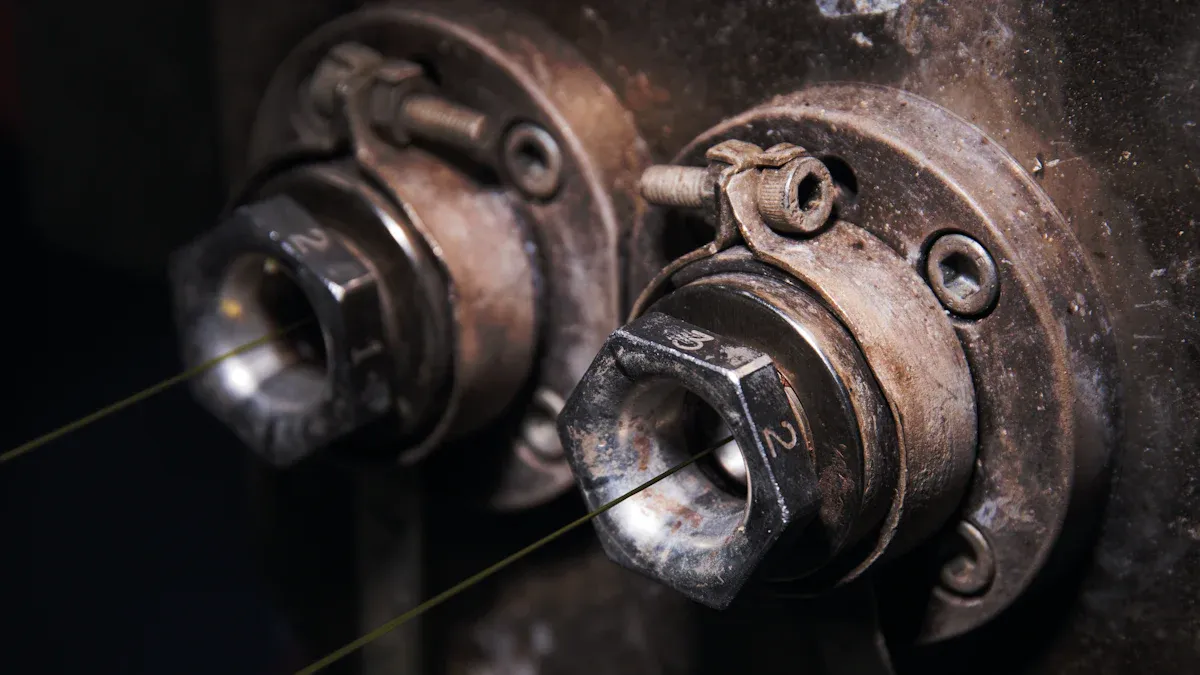
Screw and Barrel Design
I always start my extrusion machine selection by examining the screw and barrel design. The geometry of the screw determines how efficiently the extruder melts, meascáin, and conveys material. I adjust the length-to-diameter (L/D) ratio to control residence time and mixing. A higher L/D ratio allows the material to melt and blend more thoroughly, which is essential for achieving uniform quality in the final product. I rely on barrier designs in the screw barrel to maintain melt stability and prevent degradation, especially when I process sensitive materials. Parallel twin screw and barrel designs play a critical role in extrusion speed, caighdeán an táirge, agus éifeachtúlacht fuinnimh. I use zoning and precise temperature control to stabilize melt flow and avoid trapped gases, a fheabhsaíonn dlús agus comhsheasmhacht. Bíonn tionchar ag críochnú dromchla an bharaille agus céimseata an scriú freisin ar éifeachtúlacht fuinnimh agus comhsheasmhacht an táirge. Meaitseálann mé dearadh an scriú i gcónaí le riachtanais shonracha an iarratais chun an fheidhmíocht a uasmhéadú.
- Feabhsaíonn cóimheas L/D níos airde meascadh agus aonfhoirmeacht a leá, atá riachtanach le haghaidh táirgí ardchaighdeáin.
- Cuidíonn dearaí bacainní le cobhsaíocht leá a choinneáil agus le díghrádú a chosc.
- Bíonn tionchar ag céimseata scriú agus bailchríoch dromchla bairille ar éifeachtúlacht fuinnimh agus ar chomhsheasmhacht an táirge.
Gluaiseacht agus Meascadh Ábhar
Dírím ar ghluaiseacht agus ar mheascadh éifeachtach ábhar chun a chinntiú go n-oibríonn an próiseas easbhrúite go réidh. úsáidim iompróirí aeroibrithe nó meicniúla láidre amhábhair a aistriú go tapa agus le cothabháil íosta. Ráthaíonn dearaí ardmheascthóirí cumasc críochnúil aonfhoirmeach, a chuireann cosc ar éagsúlachtaí i dtáirgí críochnaithe. Comhtháthaim rialuithe uathoibrithe le córais PLC chun monatóireacht fíor-ama agus bainistíocht oidis. Ligeann an cur chuige seo dom maoirsiú a dhéanamh ar tháirgeadh gan uaim agus paraiméadair a choigeartú de réir mar is gá. Roghnaím cumraíochtaí inscálaithe chun freastal ar cheardlanna beaga agus ar oibríochtaí móra tionsclaíochta. Coinníonn gnéithe feabhsaithe rialaithe deannaigh an t-ionad oibre glan agus sábháilte. Comhsheasmhach, laghdaíonn meascáin aonchineálacha luaineachtaí cáilíochta agus feabhsaíonn siad tréchur. Íoslaghdaíonn córais uathoibrithe láimhsiú, a ghiorrú timthriallta táirgeachta agus a íslíonn costais saothair. Tugaim tosaíocht i gcónaí do na gnéithe seo nuair a dhéanaim meastóireacht ar chineálacha meaisíní easbhrúite le haghaidh iarratais nua.
| Gné | Cur síos |
|---|---|
| Aistriú Ábhar Éifeachtach | Mear, gluaiseacht ísealchothabhála amhábhar |
| Meascadh beachtais | Go críochnúil, cumaisc aonfhoirmeach do cháilíocht chomhsheasmhach |
| Rialuithe Uathoibrithe | Monatóireacht fíor-ama agus bainistíocht oidis |
| Cumraíochtaí Inscálaithe | Leagan amach solúbtha le haghaidh aon acmhainn táirgthe |
| Rialú Deannaigh Feabhsaithe | Glantóir, ionad oibre níos sábháilte |
| Cáilíocht Táirge Feabhsaithe | Cumaisc aonchineálach, luaineachtaí laghdaithe |
| Tréchur Méadaithe | Timthriallta táirgeachta níos giorra, níos lú láimhsiú |
| Dramhaíl Laghdaithe | Tomhas cruinn, costais níos ísle |
| Costais Saothair Íochtarach | Saorann uathoibriú baill foirne le haghaidh tascanna breisluacha |
| Timpeallacht Oibre níos Sábháilte | Línte faoi iamh agus rialú deannaigh |
Rialú Próisis agus Cáilíocht Aschuir
Braitheann mé ar theicneolaíocht rialaithe próisis chun cinn chun ardchaighdeán aschuir a choinneáil i ndéantúsaíocht easbhrúite. roghnaim teirmeaplaisteacha ardchaighdeáin chun a chinntiú go gcomhlíonann na táirgí deiridh neart, marthanacht, agus ceanglais solúbthachta. Déanaim monatóireacht dhlúth ar pharaiméadair easbhrúite chun neamhréireachtaí a laghdú le linn táirgeadh. Tá cruinneas toise fós ina phríomhthosaíocht dom, as it guarantees that components fit their intended applications. I use surface inspection to detect defects such as warping or air bubbles, which helps me maintain consistent product quality. Early detection of issues reduces waste and saves on production costs. I always ensure that my process complies with regulatory standards, which protects both my business and my customers. High-quality products enhance my brand reputation and increase customer satisfaction. Advanced monitoring systems allow me to increase production speed without sacrificing accuracy, which boosts overall efficiency in complete extrusion systems.
| Element/Advantage | Cur síos |
|---|---|
| Roghnú Ábhar | Ensures strength, marthanacht, agus solúbthacht |
| Monatóireacht Próisis | Reduces discrepancies and maintains consistency |
| Cruinneas Toiseach | Guarantees proper fit for all applications |
| Surface Inspection | Identifies defects early for better quality |
| Consistent Product Quality | Every batch meets high standards |
| Laghdú Dramhaíola | Saves material and production costs |
| Comhlíonadh Rialála | Meets legal and safety requirements |
| Customer Satisfaction | Builds reputation and loyalty |
| Process Efficiency | Increases speed while maintaining accuracy |
Leid: I recommend regular calibration and maintenance of all extrusion technology to sustain peak performance and consistent quality.
Comparing the Extrusion Process
Scriú Aonair vs. Twin-Screw Process
When I compare single-screw and twin-screw extruders, I focus on how each system handles the extrusion process. The screw design shapes the way material moves and mixes. A single-screw extruder uses one helical screw inside a simple, cylindrical barrel. I gcodarsnacht leis sin, a twin-screw extruder features two intermeshing screws and a more complex, often segmented barrel. I see that temperature control in single-screw systems remains basic, while twin-screw machines offer advanced control with multiple heating and cooling zones. This difference impacts both throughput and energy efficiency.
| Gné | Aonair Scriú Extruder | Extruder Twin Scriú |
|---|---|---|
| Dearadh Scriú | Single helical screw | Dhá scriúnna intermeshing |
| Barrel Structure | Simplí, cylindrical | Níos casta, often segmented |
| Rialú Teochta | Basic heating/cooling | Casta, multi-zone |
| Cumas Aschuir | Measartha | Ard |
| Tomhaltas Fuinnimh | Go ginearálta níos airde | Níos éifeachtaí |
| Solúbthacht i dTréchur | Teoranta | Ard |
I rely on twin-screw extruders for higher output and better energy efficiency. When I need flexibility in throughput or advanced process control, I choose twin-screw systems. For straightforward applications, single-screw extruders still provide reliable performance.
Material Compatibility in the Extrusion Process
Material compatibility plays a critical role in extrusion machine selection. I always match the screw configuration to the type of material I plan to process. Single-screw extruders handle standard thermoplastics well, but they struggle with materials that require intensive mixing or have high filler content. Twin-screw extruders excel with specialty compounds, plaistigh athchúrsáilte, and reactive materials. I use segmented screws to adjust mixing and shearing for each application.
When I work with complete extrusion systems, I consider how each screw design affects the final product. Twin-screw extruders allow me to process a wider range of materials, including those with additives or sensitive properties. This flexibility supports more types of extrusion machines and expands the range of possible applications.
Leid: I recommend evaluating the chemical and physical properties of your raw materials before choosing an extruder. This step ensures compatibility and reduces the risk of defects.
Cáilíocht agus Comhsheasmhacht an Táirge
I know that the extrusion process directly impacts the quality of the finished product. Modern extrusion lines integrate automation and advanced control platforms. These systems analyze multiple variables at once, which helps me maintain consistent quality across every batch.
Quality consistency is a productivity multiplier. Advanced control platforms analyze patterns across multiple variables simultaneously, ensuring that product quality is maintained throughout the extrusion process.
I monitor key factors such as stable melt pressure, ráta aschuir, and surface finish. Stable melt pressure prevents warping and dimensional drift. Higher and more stable output reduces scrap rates and downtime. Better surface finish and precise dimensional control enhance the impact on the quality of the finished product.
| Príomhfhachtóirí | Impact on Quality and Consistency |
|---|---|
| Stable melt pressure | Prevents dimensions from drifting or warping |
| Higher and more stable output | Reduces scrap rates and downtime |
| Better surface finish | Enhances overall product quality |
| Rialú toisí | Ensures precision in final product specifications |
| Faster ROI | Improves profitability for manufacturers |
Nuair a dhéantar comparáid idir scriú cúpla vs easbhrúiteoirí scriú aonair, I see that twin-screw systems deliver better consistency and lower operational cost. I achieve faster ROI and improved performance by investing in advanced extrusion technology. I always prioritize process monitoring and automation to ensure high quality and efficiency in production.
- Higher and more stable output
- Lower scrap and downtime
- Better surface finish and dimensional control
- Reduced operational cost
- Faster ROI
I rely on these strategies to maximize the benefits of extrusion and deliver products that meet strict manufacturing standards.
Performance Comparison Table
Tréchur agus Éifeachtúlacht
I always evaluate throughput and efficiency when I compare types of extrusion machines. Throughput measures how much material the extruder processes in a given time. Efficiency reflects how well the screw design converts raw material into finished products with minimal waste and energy use. I see that single-screw extruders often deliver steady throughput for standard polymers. Easbhrúiteoirí dhá-scriú, with their advanced screw geometry, handle higher output and maintain better energy efficiency, especially for complex blends.
| Cineál Easbhrúiteora | Tréchur (kg/h) | Éifeachtúlacht Fuinnimh | Cásanna Úsáide is Fearr |
|---|---|---|---|
| Aonair-Scriú | 50–500 | Measartha | Ard-imleabhar, simple polymers |
| Dhá-Scriú | 100–1000+ | Ard | Complex blends, specialty jobs |
| Easbhrúiteoir Ram | 10–100 | Low–Moderate | PTFE, criadóireacht, speisialtacht |
| Córais Comh-Easbhrúite | Athraíonn | Ard | Multi-layered profiles |
I always match the screw configuration to the material and production requirements. This approach ensures the process delivers consistent quality and meets manufacturing goals. I rely on complete extrusion systems to maximize throughput and efficiency for every application.
Leid: I recommend monitoring energy consumption and output rates regularly. This practice helps optimize extrusion machine selection and reduces operational costs.
Maintenance and Reliability
I prioritize maintenance and reliability when I select an extruder. The screw and barrel experience constant wear from abrasive materials and high temperatures. I schedule routine inspections and replace worn components to prevent unexpected downtime. Single-screw extruders require less maintenance due to their simple design. Easbhrúiteoirí dhá-scriú, with more moving parts and segmented screws, need more frequent checks but offer greater flexibility.
| Cineál Easbhrúiteora | Riachtanais Chothabhála | Reliability Level | Common Issues |
|---|---|---|---|
| Aonair-Scriú | Low–Moderate | Ard | Occasional screw wear |
| Dhá-Scriú | Measartha-Ard | Ard | Segment wear, seal failure |
| Easbhrúiteoir Ram | Measartha | Measartha | Hydraulic leaks, die wear |
| Córais Comh-Easbhrúite | Ard (multi-screw) | Ard | Synchronization, caitheamh scriú |
I use advanced monitoring systems to track screw wear and process stability. This strategy improves reliability and extends the life of my extrusion technology. I always keep spare screws and barrels on hand to minimize downtime during maintenance.
Product Complexity and Flexibility
I value design flexibility in extrusion. The ability to customize the screw and die allows me to create complex profiles for a wide range of applications. I use extrusion to manufacture everything from simple plastic tubing to intricate window frames. I can add reinforcements or special features within the continuous material, which expands my product offerings.
| Gné | Cur síos |
|---|---|
| Solúbthacht Dearaidh | Extrusion allows for significant design flexibility through die customization, enabling complex profiles. |
| Feidhmchláir | Suitable for various applications, including intricate window frames and simple plastic tubing. |
| Customization | Manufacturers can include reinforcements or additional features within the continuous material. |
- In MedTech, I must achieve tight tolerances for medical devices.
- I ensure biocompatibility for all medical extrusion products.
- I monitor wall thickness closely, since it affects flow rates and structural strength.
I select the screw configuration and extrusion machine based on the complexity of the design and the required tolerances. This approach guarantees high quality and supports advanced manufacturing needs.
Nóta: I recommend consulting with extrusion experts when planning new product designs. Their experience helps avoid costly mistakes and ensures the right screw and process configuration.
Application Suitability in Manufacturing
High-Volume Manufacturing
I always start my extrusion machine selection by considering the demands of high-volume manufacturing. When I need to produce thousands of units per day, I rely on single-screw extruders. These machines deliver steady throughput and maintain consistent quality. The screw design in single-screw extruders allows me to process standard polymers efficiently. I monitor the process closely to ensure uniform melt and minimize defects. I select the right screw diameter and length to match the production requirements. This approach helps me achieve high efficiency and reduce waste. I use automated controls to track output and maintain quality standards. High-volume applications benefit from robust types of extrusion machines that can operate continuously with minimal downtime. I always keep spare screws and barrels ready to avoid interruptions in production.
Leid: I recommend scheduling regular maintenance for extruders used in high-volume manufacturing. This practice extends the life of the screw and ensures reliable performance.
Complex Product Manufacturing
When I manufacture complex or multi-component products, I turn to advanced extrusion technology. Twin-screw extruders give me greater control over mixing and material distribution. I use segmented screws to adjust shear and optimize the process for each application. Co-extrusion technology enables me to combine different polymers into multi-layer films and pipes. This method improves barrier properties and enhances strength, solúbthacht, agus friotaíocht ceimiceach.
| Teicneolaíocht | Sochair |
|---|---|
| Comh-easbhrúite | Enables the creation of multi-layer films and pipes with improved barrier properties, combining different polymers for strength, solúbthacht, agus friotaíocht ceimiceach. |
I select the screw configuration based on the complexity of the product. For intricate designs, I rely on precise tooling and advanced process monitoring. I always test the extruder setup before full-scale production to ensure quality and performance. Complex applications require careful extrusion machine selection and attention to detail.
Specialty Materials and Customization
I often work with specialty materials that demand custom solutions. I use advanced shaping processes, such as sheet extrusion and thermoforming, to control material characteristics. Sheet extrusion gives me the ability to manage thickness and material distribution with high accuracy. Co-extrusion capabilities allow me to create multi-layer constructions that enhance material properties. I integrate downstream shaping processes to ensure consistent performance in finished components. Engineering services help me optimize component designs and select the best materials for specific applications.
- Advanced shaping processes, such as sheet extrusion and thermoforming, allow for precise control over material characteristics.
- Sheet extrusion provides a foundation for custom material solutions, enabling thickness control and material distribution accuracy.
- Co-extrusion capabilities facilitate the creation of multi-layer constructions, enhancing material properties.
- Integration with downstream shaping processes ensures consistent performance characteristics in finished components.
- Engineering services optimize component designs and material selection, ensuring suitability for specific applications.
I always match the screw design to the requirements of specialty materials. Customization in extrusion depends on selecting the right extruder and process parameters. I monitor quality at every stage to deliver products that meet strict standards. Specialty applications benefit from flexible types of extrusion machines and expert guidance.
Nóta: I recommend consulting with extrusion specialists when working with new materials or custom designs. Their expertise helps achieve the desired quality and performance.
Selection Criteria for Extrusion Systems
Product Design and Complexity
I always start my extrusion machine selection by analyzing the product design and complexity. The geometry of the profile influences the choice of extruder and screw configuration. Complex shapes increase tooling costs and create production challenges. I simplify profile geometry whenever possible to enhance material flow and reduce defects. Smooth transitions in the design prevent disruptions in material flow, which is crucial for consistent extrusion quality. I select the right material early in the process because material choice affects both the properties of the part and the ease of extrusion. This decision impacts manufacturability and overall performance.
- Simplifying profile geometry lowers tooling costs and reduces production challenges.
- Designing for material flow ensures consistent extrusion quality and minimizes defects.
- Choosing the right material early improves manufacturability and product performance.
I match the screw design to the complexity of the product. For intricate profiles, I use advanced screw configurations that optimize mixing and material transport. I rely on precise tooling and process monitoring to maintain high quality. When I work with complex applications, I consult with extrusion technology experts to avoid costly mistakes and ensure the best results.
Leid: I recommend reviewing the profile geometry and material flow before finalizing the extrusion machine selection. This step helps prevent production issues and supports efficient manufacturing.
Material Properties
Material properties play a critical role in selecting the right extruder and screw configuration. I identify application requirements such as temperature resistance, Nochtadh UV, and impact durability. I consider mechanical properties like flexibility, cruas, and tensile strength for the intended use. Environmental conditions influence my material choice, especially when I need weathering resistance or flexibility in cold environments. I evaluate aesthetic and finish requirements, dath san áireamh, gloss, and surface texture, based on project needs. Regulatory and compliance needs guide my selection to ensure materials meet industry-specific standards and certifications.
- Application requirements determine the need for temperature resistance, Nochtadh UV, and impact durability.
- Mechanical properties such as flexibility, cruas, and tensile strength affect the choice of extruder and screw.
- Environmental conditions require materials that withstand weathering or remain flexible in cold climates.
- Aesthetic and finish requirements influence color, gloss, and surface texture.
- Regulatory and compliance needs ensure materials meet industry standards.
I select the screw design based on the material’s properties. For heat-sensitive materials, I use screws with gentle mixing zones and precise temperature control. When processing tough or abrasive compounds, I choose robust screw geometries that withstand wear and maintain efficiency. I always test materials in pilot runs to verify compatibility with the extruder and ensure consistent quality.
Nóta: I recommend consulting material datasheets and industry standards before choosing an extruder. This practice helps match material properties to the extrusion process and supports reliable performance.
Production Volume and Scale
Production volume and scale influence the cost-effectiveness of extrusion machine selection. Higher production volumes reduce unit costs because tooling expenses are spread over more parts. In the prototype stage, tooling costs are high compared to the quantity produced. In mass production, die costs are amortized over larger volumes, leading to lower costs per unit. Mar shampla, a die costing $2,000 with a lifetime of 40,000 kg results in a cost of $0.05 per kg when amortized.
- Higher production volumes lower unit costs by spreading tooling expenses.
- Prototype stages have high tooling costs relative to the number of parts produced.
- Mass production allows die costs to be distributed over larger volumes, reducing per-unit costs.
- Example: A die costing $2,000 with a lifetime of 40,000 kg results in a cost of $0.05 per kg.
I select the extruder and screw configuration based on the expected production volume. For high-volume manufacturing, I use robust types of extrusion machines that deliver steady throughput and maintain efficiency. In low-volume or prototype applications, I prioritize flexibility and rapid changeover. I monitor production rates and adjust screw parameters to optimize output and quality.
Leid: I recommend calculating the amortized tooling cost before committing to a production scale. This step helps determine the most cost-effective extrusion technology and supports long-term manufacturing goals.
Technical and Budget Considerations
I always approach extrusion machine selection with a clear focus on technical requirements and budget constraints. My experience tells me that investing in advanced extrusion technology demands careful planning. I evaluate every aspect of the system, from screw design to process control, to ensure cost-effectiveness and reliable performance.
I start by analyzing the technical specifications of the extruder. I look at screw geometry, barrel length, and compatibility with different types of extrusion machines. I select a screw that matches the material properties and the complexity of the applications. I check if the extruder can handle the desired throughput and maintain consistent quality. I also assess the integration of feeders, temperature controllers, agus trealamh le sruth. System integration plays a crucial role in maximizing efficiency and avoiding bottlenecks in production.
Budget considerations influence every decision I make. I break down the costs into several categories to understand the financial impact. I use the following table to guide my investment strategy:
| Budget Consideration | Cur síos | Financial Impact / Benefit Example |
|---|---|---|
| Éifeachtúlacht Fuinnimh | Reducing energy consumption by upgrading control systems or screws | 33% energy reduction saves nearly $100,000 annually on $288,000 costas fuinnimh |
| Scrap Reduction | Lowering scrap rate from 15% chuig 5% through data acquisition and process control | Saves $200,000 monthly or $2.4 million yearly in materials, saothair, and energy costs |
| Throughput Increase | Upgrading to twin-screw extruder increases throughput by 30% | Generates $600,000 additional monthly revenue with >50% incremental profit margin |
| Maintenance Cost Reduction | Predictive maintenance and condition monitoring reduce emergency repairs and downtime | Maintenance costs drop 20-30%, equipment availability increases |
| System Integration | Budgeting for compatible feeders, temperature controllers, agus trealamh le sruth | Partial upgrades capture only ~40% of potential benefits |
| Operator Training | Training on material characteristics, innealra, instrumentation, and controls | Essential to fully realize technology benefits; lack wastes investment |
| Data Acquisition Infrastructure | Adequate sensors and analytics software needed for optimization | Insufficient infrastructure limits optimization; too many sensors without analytics causes overload |
| Downstream Constraints | Ensuring cutting, pacáistiú, and inspection keep pace with increased extruder output | Bottlenecks reduce overall system benefit |
I prioritize energy efficiency when selecting an extruder. Upgrading control systems or optimizing screw design can reduce energy consumption by up to 33%. This improvement saves nearly $100,000 each year on a typical $288,000 energy bill. I also focus on scrap reduction. By implementing advanced process control and data acquisition, I lower scrap rates from 15% chuig 5%. This change saves $200,000 every month in materials, saothair, and energy costs.
Increasing throughput is another key goal. Upgrading to a twin-screw extruder boosts output by 30%. This increase generates $600,000 in additional monthly revenue, with more than a 50% incremental profit margin. I invest in predictive maintenance and condition monitoring to reduce emergency repairs and downtime. Maintenance costs drop by 20-30%, and equipment availability improves.
System integration is essential for maximizing the benefits of extrusion technology. I budget for compatible feeders, temperature controllers, agus trealamh le sruth. Partial upgrades capture only about 40% of the potential benefits. Operator training is critical. I ensure my team understands material characteristics, innealra, instrumentation, and controls. Without proper training, the investment in advanced extrusion technology goes to waste.
I invest in data acquisition infrastructure. Adequate sensors and analytics software optimize the process. Insufficient infrastructure limits optimization, while too many sensors without analytics cause information overload. I address downstream constraints by ensuring cutting, pacáistiú, and inspection keep pace with increased extruder output. Bottlenecks in these areas reduce the overall benefit of the system.
I always balance technical requirements with budget limitations. I select a screw that delivers high quality and efficiency without exceeding my financial resources. I plan for future upgrades and modular expansion to support changing production needs. I monitor every aspect of the extrusion process to maintain cost-effectiveness and reliable performance.
Leid: I recommend creating a detailed budget plan before investing in new extrusion technology. Include energy costs, cothabháil, oiliúint oibritheora, and system integration. This approach ensures that the extruder delivers maximum value and supports long-term manufacturing goals.
Actionable Insights for Manufacturers
Matching System to Application
I always match the extrusion system to the specific application. mé optimize material use to balance strength and lightweight design. I define critical dimensional tolerances early, which ensures parts fit and function as intended. I design for manufacturability, making sure shapes can be extruded consistently and cost-effectively. I select aluminum alloys based on application needs, such as strength and corrosion resistance. I simplify designs to reduce costs, avoiding unnecessary complexity in profiles. I prototype and test early, which helps me identify potential challenges before full production. These steps help me achieve high quality and reliable performance in every extrusion process.
- Optimize material use for strength and lightweight design.
- Define critical dimensional tolerances early.
- Dearadh le haghaidh déantúsaíochta.
- Select appropriate aluminum alloys for application needs.
- Simplify designs to reduce costs.
- Prototype and test early.
I always consider the key components of an extruder, such as screw geometry and barrel design, to ensure the system meets production requirements. I review different types of extruder machines to find the best fit for my applications in easbhrúite plaisteach. This approach supports scalability and maintains quality control throughout manufacturing.
Common Selection Mistakes
I have seen many manufacturers make mistakes during extrusion machine selection. Inadequate material blending often leads to product imperfections and increased costs from reprocessing. Outdated or incompatible control systems cause integration issues and inefficiencies. Inconsistent feed rates disrupt the extrusion process, resulting in product variabilities and higher scrap rates. Neglecting preventive maintenance allows minor mechanical issues to escalate into major production problems, affecting revenue. Ignoring operator training leads to misconfigurations and missed optimization opportunities.
- Inadequate material blending increases costs and reduces quality.
- Outdated control systems cause inefficiencies.
- Inconsistent feed rates disrupt the extrusion process.
- Neglecting preventive maintenance leads to major production problems.
- Ignoring operator training results in missed optimization.
I always monitor screw wear and maintain the extruder regularly. I invest in operator training to maximize efficiency and quality. I avoid these mistakes by focusing on process stability and performance.
Future Trends in Extrusion Technology
I see rapid changes in extrusion technology shaping the future of manufacturing. IoT integration allows real-time monitoring and analytics, improving efficiency. Artificial intelligence supports predictive maintenance and optimization, which boosts performance. Energy efficiency is a growing focus, with manufacturers seeking ways to reduce consumption in the extrusion process. Robotic automation streamlines material handling and quality control. Sustainability initiatives drive the use of recycled materials and eco-friendly processes.
| Treocht | Cur síos | Impact on Efficiency | Ráta Glactha Ionchais (%) |
|---|---|---|---|
| Comhtháthú IoT | Monatóireacht agus anailísíocht fíor-ama | Ard | 75% |
| Intleacht Shaorga | Cothabháil thuartha agus leas iomlán a bhaint | An-Ard | 65% |
| Éifeachtúlacht Fuinnimh | Reducing energy consumption | Meánach | 70% |
| Uathoibriú Robotic | Láimhseáil ábhair agus rialú cáilíochta | Ard | 60% |
| Tionscnaimh Inbhuanaitheachta | Ábhair athchúrsáilte agus próisis atá neamhdhíobhálach don chomhshaol | Meánach | 55% |

I notice advancements in material compatibility, especially with bioplastics, are transforming the extrusion industry. Many manufacturers now prioritize flexibility in equipment design, with modular systems allowing easy upgrades and modifications. Sustainability is essential, with most manufacturers focusing on energy-efficient equipment and waste reduction strategies. Smart extrusion machines reduce downtime by 20%, which improves overall efficiency and quality control. I always stay updated on these trends to maintain high performance and support new applications in plastic extrusion.
Leid: I recommend reviewing the overview of extruder machines in manufacturing regularly. Staying informed about new types of extrusion machines and screw designs helps me adapt to changing production needs and maintain scalability.
I recognize that each extrusion system offers unique advantages and limitations. My experience shows that single-screw extruders excel in high-volume production, while twin-screw systems provide superior mixing and flexibility. Ram and co-extrusion machines support specialty applications. I always use comparison tables and selection criteria to evaluate:
- Technical capabilities and long-term reliability
- Customer service and design assistance
- Quality standards and energy efficiency
I recommend manufacturers understand their application needs and consult extrusion experts for optimal results.
CCanna
Cad é an príomhdhifríocht idir easbhrúiteoirí aon-scriú agus cúpla-scriú?
I see that single-screw extruders use one rotating screw for basic mixing. Twin-screw extruders use two screws for advanced mixing and better control. I choose twin-screw systems for complex materials and higher flexibility.
How do I decide which extrusion system fits my application?
I start by reviewing my material type, toirt táirgeachta, and product complexity. I match these needs to the strengths of each system. I consult with experts if I face unique requirements.
Can I process recycled materials with extrusion systems?
I process recycled materials using twin-screw extruders. These machines handle variable feedstocks and additives better than single-screw systems. I monitor quality closely to ensure consistent results.
How often should I perform maintenance on my extruder?
I schedule routine inspections every month. I check for screw wear, barrel condition, and control system performance. Regular maintenance prevents downtime and extends equipment life.
What are the most common extrusion defects I encounter?
I often see surface roughness, dimensional drift, and melt fractures. I address these by adjusting temperature, luas scriú, and material feed. I use process monitoring to catch issues early.
Is co-extrusion suitable for all materials?
I use co-extrusion mainly for thermoplastics. Some materials may not bond well in multi-layer profiles. I test material compatibility before starting production.
How does automation improve extrusion quality?
I rely on automation for real-time monitoring and precise control. Automated systems reduce human error, maintain consistent output, and improve overall product quality.
What safety measures do I follow during extrusion?
I wear protective gear and follow lockout procedures. I keep the work area clean and check emergency stops regularly. I train my team on safe operation and emergency response.