

Plastic extrusion as ynjeksjefoarmjen dy't bettere presyzje biedt
Ik haw fûn dat injection moulding leveret bettere presyzje en strakkere tolerances dan Plastic Extrusion. Bygelyks, spuitgieten kin berikke tolerânsjes sa strak as ± 0,005 inch, wylst extrusion typysk hâldt ± 0,010 inches. Hjir is in prosesfergeliking basearre op typyske tapassingen en tolerânsjes:
| Applikaasje Type | Proses brûkt | Algemiene tolerânsjes |
|---|---|---|
| Lang, unifoarme dielen (bgl., buizen, roeden) | Extrusion | ± 0,010 inch |
| Komplekse of detaillearre dielen | Injection Molding | ± 0,005 inch of strakker |
| Heech folume, hege-precision | Injection Molding | Strakker dan extrusion |
| Kontinu, ienfâldige foarmen | Extrusion | Konsistint, minder presys |
By it kiezen fan in produksjeproses, Ik beskôgje altyd geometry, fereaske tolerânsjes, produksje folume, en kosten.
Key Takeaways
- Injection moulding berikt strakkere tolerânsjes, faak sa presys as ± 0,005 inch, wêrtroch it ideaal is foar komplekse dielen.
- Plastic extrusion is it bêste foar lang, unifoarme foarmen lykas buizen en roeden, mei tolerânsjes om ± 0,010 inches.
- Tink oan produksjefolume by it kiezen fan in proses; ynjeksje moulding is kosten-effektyf foar grutte rint, wylst extrusion past hege folume trochgeande produksje.
- Materiaal seleksje beynfloedet krektens; kies materialen basearre op de spesifike easken fan jo applikaasje.
- Evaluearje part kompleksiteit; ynjeksje moulding hânfetten yngewikkelde ûntwerpen better as extrusion, dat is beheind ta ienfâldiger foarmen.
- Oerflak finish kwaliteit is oer it generaal better yn spuitgieten, liedt ta soepeler dielen sûnder ekstra finish stappen.
- Plan foar tooling kosten; spuitgieten fereasket hegere inisjele ynvestearring, mar biedt besparring op lange termyn troch werhelling.
- Beoardielje de behoeften fan jo projekt altyd betiid; begryp geometry, tolerânsjes, en budzjet helpt by it selektearjen fan it juste produksjeproses.
Plastic Extrusion Oersjoch
Process Basics
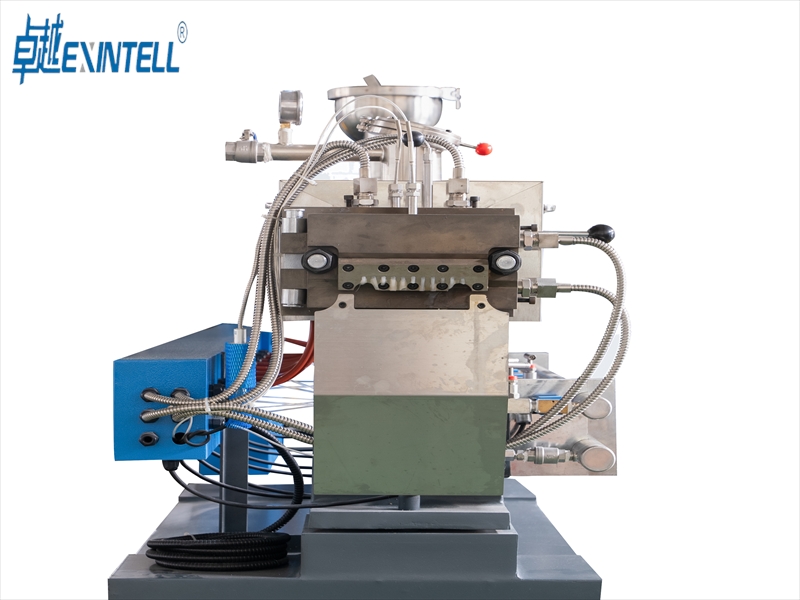
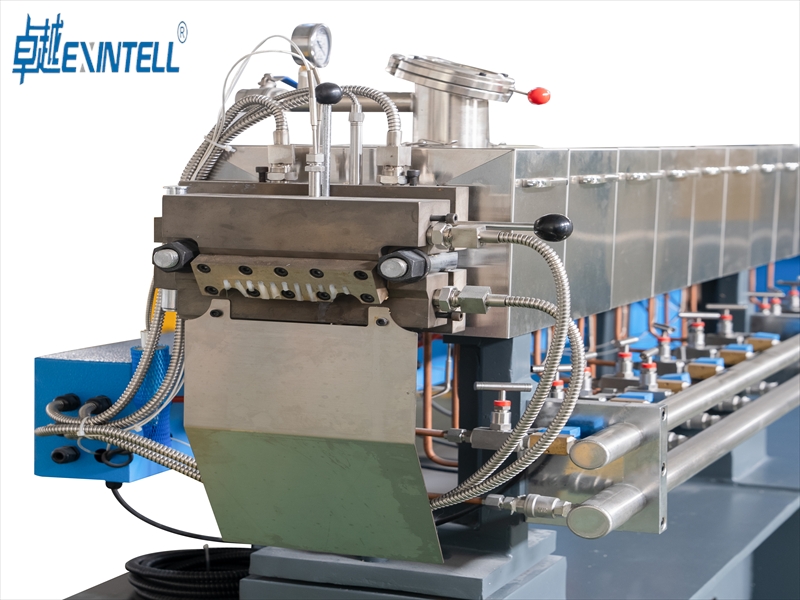
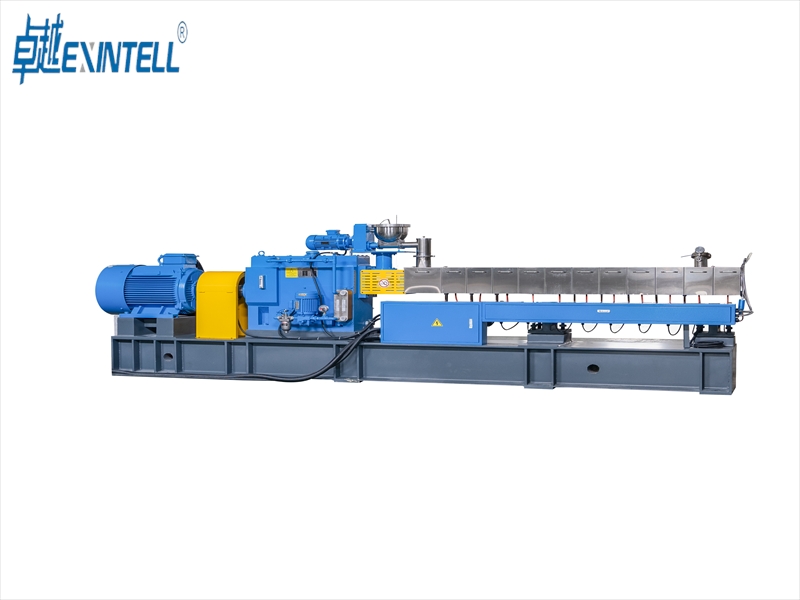
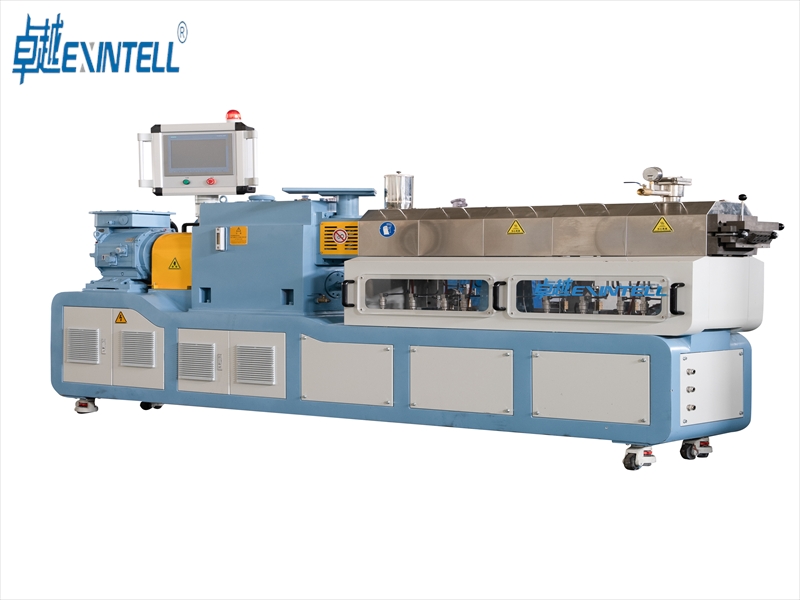
Ik haw wurke mei plastic extrusion jierrenlang en hawwe sjoen hoe't dizze metoade thermoplastyske materialen foarmet yn trochgeande profilen. It ekstruderingsproses begjint mei materiaal seleksje, wat kritysk is foar it berikken fan de winske eigenskippen yn it definitive produkt. Ik lade plastic pellets of korrels yn in hopper boppe de extruder. De masine brûkt in draaiende skroef om it materiaal troch in ferwaarme barrel te ferpleatsen. As it materiaal reizget, it smelt troch wriuwing en eksterne waarmte. It smelte plestik giet dan troch in presysfoarmige die, dat jout it produkt syn profyl. Nei it foarmjen, de extruded foarm komt yn in cooling systeem, meastal in lucht- of wetterbad, om dimensionale krektens te fersterkjen en te behâlden. Úteinlik, Ik snij of rôlje it produkt, ôfhinklik fan de applikaasje. Dizze stap-foar-stap oanpak lit my meitsje lang, unifoarme foarmen mei konsekwint dwerstrochsneed.
Common Applications
Plastic extrusion spilet in fitale rol yn in protte yndustry. Ik sjoch it faak brûkt foar ferpakking, automotive, meubilêr, en konsuminteguod. It proses produsearret in breed skala oan produkten, fan ienfâldige buizen oant komplekse profilen. Hjir is in tabel dy't guon mienskiplike tapassingen gearfettet:
| Yndustry | Products |
|---|---|
| Ferpakking | Films, blêden, bags, wraps, trays, en bekers |
| Automotive | Wettersealen, plestik buizen, trim profilen |
| Meubilêr & Konsuminteguod | Edge banding, gerdyn tracks, lichtgewicht PVC foam boards |
| Thús Apparaten | Handgrepen, sealen foar ovens en magnetrons |
| Loodgieters & Medysk | Tubing, pipes |
Dat haw ik fûn oanpaste plastic extrusion lit fabrikanten unike profilen ûntwerpe foar spesjale behoeften. Dizze fleksibiliteit makket extrusion in populêre kar foar kontinu, hege folume produksje.
Materialen brûkt
De kar fan materialen yn plestik extrusion hat ynfloed op sawol it proses as de krektens fan it definitive produkt. Ik brûk faaks polypropylene, polyetyleentereftalaat, en polystyrene. Dizze materialen biede ferskate eigenskippen, lykas fleksibiliteit, sterkte, en dúdlikens. De manier wêrop ik tariede, rane, en cool de materialen hat in direkte ynfloed op de krektens en gearhing fan de extruded dielen. Hjir binne guon fan 'e meast foarkommende materialen dy't ik brûk:
- Polypropylene (PP)
- Polyetyleen tereftalaat (HÚSDIER)
- Polystyrene (PS)
- Polyvinylchloride (PVC)
- Polyetyleen mei hege tichtheid (HDPE)
- Low-density polyetyleen (LDPE)
- Acrylonitril butadiene styreen (ABS)
- Thermoplastyske elastomers (TPE)
- Nylon (PA)
- Polycarbonate (PC)
- Polymethylmethacrylaat (PMMA)
As ik wurkje oan oanpaste plastic extrusion projekten, Ik kom altyd oerien mei it materiaal oan 'e easken fan' e applikaasje. Dizze soarchfâldige seleksje soarget derfoar dat it produkt foldocht oan sawol prestaasjes as presysnormen.
Foar- en neidielen
As ik evaluearje plastic extrusion foar in projekt, Ik weagje altyd de foardielen en neidielen. Dit proses biedt unike sterke punten, mar it komt ek mei beheinings dy't beynfloedzje precision en tolerances.
Hjir is in tabel dy't gearfettet de wichtichste foardielen en neidielen Ik haw observearre yn myn wurk:
| Foardielen | Neidielen |
|---|---|
| Hege effisjinsje en skalberens | Beheinings by it produsearjen fan komplekse foarmen |
| Hege produksje folume | Útdagings mei die swell beynfloedzje precision |
| Kosten-effektiviteit foar medium oant hege voluminten | Potinsjele ûnfolsleinheden fan it oerflak dy't ôfwurking nedich binne |
Foardielen
Ik kieze faak plestik extrusion foar syn hege effisjinsje. It proses rint kontinu, wat betsjut dat ik kin produsearje lange dielen sûnder ûnderbrekking. Dizze skalberens makket it ideaal foar grutte oarders. As ik moatte produsearje tûzenen fuotten fan buizen of profilen, extrusion leveret konsekwinte resultaten. De kosten per diel sakket as produksjefolum tanimt, dus ik fyn it hiel kosten-effektyf foar middels oant hege folume projekten.
In oar foardiel is de mooglikheid om te meitsjen unifoarme dwerstrochsneed. Ik kin behâlde fêste ôfmjittings lâns de lingte fan it diel, dat is wichtich foar applikaasjes lykas piping of finster frames. It proses stipet ek in breed oanbod fan thermoplasten, dus ik kin materialen selektearje dy't oerienkomme mei de meganyske en gemyske easken fan it definitive produkt.
Neidielen
Nettsjinsteande dizze sterke punten, plastic extrusion hat wat neidielen. It proses wrakselet mei komplekse foarmen. As in diel fereasket yngewikkelde details of skerpe hoeken, Ik fyn extrusion minder geskikt. It smelte plestik hat de neiging om te swollen as it de die útkomt, in fenomeen bekend as die swell. Dit effekt kin it dreech meitsje om strakke tolerânsjes te berikken, benammen foar dielen dy't nedich krekte ôfmjittings.
Surface finish kin ek in probleem wêze. Somtiden, de extruded dielen litte linen of merken út de die. Ik moat faaks sekundêre finishstappen tafoegje, lykas trimmen of polearjen, om it uterlik te ferbetterjen en te foldwaan oan kwaliteitsnormen. Dizze ekstra stappen kinne sawol tiid as kosten ferheegje.
Tip: Ik advisearje altyd om de mjitkunde fan it diel en fereaske tolerânsjes te besjen foardat jo extrusion selektearje. As it ûntwerp ienfâldich is en de bestelling grut is, extrusion meastal biedt de bêste wearde.
Injection Moulding Oersjoch
Process Basics
Ik haw jierrenlang wurke mei ynjeksjefoarmjen, en ik fyn it proses sawol fassinearjend as effisjint. De metoade brûkt in skimmel, dy't gesmolten plestik yn krekte foarmen foarmje. Ik folgje altyd in searje stappen om te soargjen dat elk diel foldocht oan strikte kwaliteitsnoarmen. Hjir is hoe't ik it ynjeksjefoarmproses benaderje:
- Klemmen: Ik slút de skimmel ticht om te meitsjen foar de folgjende stappen.
- Ynjeksje: Ik inject hot, smelte plestik yn 'e foarmholte.
- Wenning: Ik lit it plestik in koarte tiid yn 'e mal sitte, sadat it elke romte opfollet.
- Cooling: It plestik koelt en ferhurdet wylst yn 'e skimmel.
- Mold iepening: Ik iepenje de skimmel nei't it diel ôfkuolle is.
- Ejection: Ik helje it ôfmakke diel út 'e foarm.
Dizze syklus werhellet fluch, wêrtroch't ik grutte hoemannichten identike dielen kinne produsearje. Ik fertrou op ynjeksje moulding as ik nedich komplekse foarmen, fine details, en finishen fan hege kwaliteit. It proses jout my poerbêst kontrôle oer ôfmjittings en oerflak uterlik.
Noat: Ik kontrolearje altyd de temperatuer en druk nau by it ynjeksjefoarmjen. Dizze faktoaren beynfloedzje de krektens en konsistinsje fan it lêste diel.
Common Applications
Ynjeksjefoarmjen spilet in fitale rol yn in protte yndustry. Ik haw dit proses brûkt om dielen foar auto's te meitsjen, medysk, konsumint elektroanika, en ferpakking sektoaren. De veelzijdigheid fan spuitgieten lit my sawol ienfâldige as heul komplekse komponinten produsearje. Hjir is in tabel dy't guon typyske applikaasjes gearfettet:
| Yndustry | Products Produced |
|---|---|
| Automotive | Ferskate komponinten en dielen |
| Medysk | Apparaat húsfesting, sjirurgysk ark |
| Consumer Electronics | Cases, knoppen, en oare komponinten |
| Ferpakking | Flessedoppen, konteners |
Ik meitsje faak items lykas kontaktlenskes, flesse doppen, en komponinten mei hege folume mei yngewikkelde geometryn. Ynjeksjefoarmjen helpt my konsekwinte resultaten te leverjen, sels foar easken projekten.
Materialen brûkt
Materiaal seleksje is krúsjaal yn ynjeksjefoarmjen. Ik kies materialen basearre op de fereaske sterkte, fleksibiliteit, en presyzje. Foar dielen mei hege presyzje, Ik leaver polymers mei lege en unifoarme krimp, stabile melt flow, en goede termyske ferset. Guon fan 'e meast mienskiplike materialen Ik brûk ynklusyf:
- ABS: Biedt hurdens, in glêd oerflak finish, en ynfloed ferset.
- Polypropylene: Biedt gemyske ferset, fleksibiliteit, en betelberens.
- Polycarbonate: Levert hege dúdlikens, sterkte, en waarmte ferset.
- Polyetyleen: Lichtgewicht en wjerstân tsjin focht.
- Nylon: Bekend om sterkte, wear ferset, en termyske stabiliteit.
- PEEK: Exceptional for heat, gemysk, and wear resistance.
When I need even tighter tolerances, I turn to engineering-grade polymers. Materials like liquid crystal polymer (LCP), polyether ether keton (PEEK), and acetal (POM) give me excellent dimensional stability and minimal shrinkage. Bygelyks, I use LCP for electrical connectors and sensor components, while PEEK works well for medical implants and aerospace parts. Polycarbonate is my choice for lenses and optical components because of its clarity and strength.
Tip: I always match the material to the application’s needs. The right choice ensures the injection molding process delivers both precision and performance.
Foar- en neidielen
I have worked with injection molding for many years. This process offers several advantages that make it my preferred choice for high-precision plastic parts. Ik wol sawol de sterke punten as de beheiningen die ik haw waarnommen.
Foardielen fan Injection Moulding
- Ik kin berikke hiel hege presyzje mei spuitgieten. It proses lit my produsearje dielen mei tolerânsjes sa strak as ± 0,005 inches. Dit nivo fan krektens is lestich te passen mei oare metoaden foar plestik produksje.
- Ik wurdearje de werhelling fan ynjeksjefoarmjen. Ienris haw ik de skimmel en prosesparameters ynsteld, Ik kin produsearje tûzenen of sels miljoenen identike dielen. Elk diel komt nau oerien mei it orizjinele ûntwerp.
- Ik moat faak dielen meitsje mei komplekse foarmen en fyn details. Molders behannelet yngewikkelde geometryen goed. Ik hoech gjin ekstra stappen of sekundêre prosessen ta te foegjen om dizze funksjes te berikken.
- Ik fyn dat it ynjeksjefoarmjen poerbêste oerflakfinishen leveret. De dielen komme glêd en klear foar gebrûk yn 'e measte gefallen.
- Ik kin gebrûk meitsje fan in breed oanbod fan thermoplastics en engineering polymers. Dizze fleksibiliteit lit my materiaaleigenskippen oerienkomme mei de behoeften fan 'e applikaasje.
Neidielen fan Injection Moulding
- Ik moat ynvestearje yn mallen fan hege kwaliteit foardat ik begjin mei produksje. De earste kosten foar it meitsjen fan skimmel kinne signifikant wêze. Foar lytse produksje rint, dizze kosten meie net terjochte.
- Ik haw leard dat ûntwerpkompleksiteit útdagings kin presintearje. Ik moat plan de skimmel en diel ûntwerp soarchfâldich. Flaters yn 'e ûntwerpfaze kinne letter liede ta kostbere feroarings.
- Ik haw soms te krijen mei langere leadtiden by it begjin fan in projekt. It ûntwerpen en produsearjen fan de skimmel nimt tiid, benammen foar komplekse dielen.
- I notice that material selection and process settings require careful attention. If I do not control temperature, druk, and cooling rates, I risk defects or dimensional errors.
Here is a table that summarizes the main pros and cons I have experienced with injection molding:
| Pros | Cons |
|---|---|
| High precision and tight tolerances | High initial mold cost |
| Excellent repeatability for large volumes | Design complexity requires careful planning |
| Supports complex geometries and fine details | Longer lead times for mold development |
| Smooth surface finishes | Process control is critical |
| Wide material selection | Not cost-effective for low-volume runs |
Tip: I always recommend injection molding when a project demands high precision, complex shapes, and large production volumes. For simple parts or small batches, I consider other methods to save on costs and lead time.
Precision en tolerânsjes
As ik ferlykje plastic extrusion en Molders, Ik rjochtsje my altyd op hoe't elk proses omgiet mei presyzje en tolerânsjes. Dizze faktoaren bepale as in diel sil foldwaan oan it ûntwerp syn tolerânsje easken en funksjonearje as bedoeld. Ik haw leard dat sels lytse ferskillen yn tolerânsjes kinne ynfloed op gearkomste, optreden, en produkt kwaliteit.
Plastic Extrusion Tolerances
Dimensionale konsistinsje
Yn myn ûnderfining, plastic extrusion leveret goede dimensional gearhing foar lang, trochgeande foarmen. Ik sjoch faak typyske tolerânsje berik om ± 0,010 inch. Dizze wearde stelt in benchmark foar wat ik kin ferwachtsje fan extrusion yn termen fan dimensionale fariaasje. It proses wurket it bêste foar dielen mei unifoarme dwerstrochsneed, lykas buizen, roeden, en profilen. Lykwols, Ik fernim dat it behâld fan strakke tolerânsjes oer de hiele lingte kin wêze útdaagjend. Faktors lykas stjerre swell, material shrinkage, and cooling rates can cause slight variations. I always monitor these variables closely to keep the dimensions within acceptable limits.
Oerflak Finish
Surface finish in extrusion depends on the die quality and the cooling process. I often see minor lines or marks on extruded parts, which come from the die or from uneven cooling. These marks can affect the appearance and sometimes the fit of the part. When a smooth surface is critical, I may need to add secondary finishing steps. I have found that extrusion rarely achieves the same level of surface smoothness as injection molding. Noch, for many applications, the finish is acceptable without extra work.
Injection Molding Tolerances
Dimensional Accuracy
Injection molding stands out for its ability to achieve very tight tolerances. I regularly work with tolerances as tight as ±0.005 inches, and sometimes even tighter for high-precision parts. This level of accuracy comes from the rigid mold and the controlled process parameters. I rely on standards like DIN EN ISO 20457 en ISO 2768-1/2 to guide my work. These standards define tolerance groups and classes for different part sizes and features. Bygelyks, DIN EN ISO 20457 specifies tolerance groups such as TG5, which allows about 0.23 mm for a 32 mm part. These guidelines help me ensure that every part meets strict dimensional requirements.
I pay close attention to injection pressure and holding pressure during molding. Proper tuning of these settings ensures the mold fills completely and minimizes defects. This control is essential for precision applications, where even a small deviation can cause problems in assembly or function.
Oerflak Finish
Oerflak finish yn spuitgieten kin poerbêst wêze. Ik kin produsearje dielen mei glossy, gepolijst oerflakken of mei tekstueren dy't ferbetterje grip en ferbergje lytse mankeminten. De kar foar finish beynfloedet sawol it uterlik as de prestaasjes fan it diel. Bygelyks:
- In gepolijst finish jout in glâns, glêd uterlik.
- Textured oerflakken kinne meitsje dielen makliker te behanneljen en minder kâns te sjen litte krassen.
- Ferskillende finishen kinne ek ynfloed hawwe op duorsumens en hoe't it diel ynteraksje mei oare komponinten.
Ik beskôgje ek hoe't post-ferwurking metoaden, lykas anodizing, poeder coating, of electroplating, kin ynfloed op de definitive ôfmjittings. Dizze metoaden foegje materiaal ta of feroarje it oerflak, dus ik ferantwurdzje se yn myn ûntwerp om presyzje te behâlden.
Tolerânsje Comparison Table
Ik brûk faaks in tafel om de typyske tolerânsjes te fergelykjen foar plestik extrusion en ynjeksjefoarmjen. Dizze gearfetting helpt my en myn kliïnten te begripen wat te ferwachtsjen fan elk proses:
| Proses | Typyske tolerânsjes | Surface Finish Quality | Repeatabiliteit |
|---|---|---|---|
| Plastic Extrusion | ± 0,010 inch | Matich | Goed foar lange dielen |
| Injection Molding | ± 0,005 inch of strakker | Treflik | Hiel heech |
Noat: Ynjeksjefoarmjen berikt strakkere tolerânsjes en bettere werhelling dan plestik extrusion. I always recommend injection molding when a project demands high precision, complex shapes, of strange tolerânsje easken.
Ik haw fûn dat it kiezen fan it juste proses hinget ôf fan 'e mjitkunde fan it diel, de fereaske tolerânsjes, en de applikaasje. Molders jout my de bêste resultaten foar detaillearre, hege-precision dielen. Plastic extrusion wurket goed foar simpel, trochgeande foarmen dêr't wat lossere tolerânsjes binne akseptabel.
Faktors dy't beynfloedzje Precision
Materiaal kar
Ik altyd begjinne mei in beskôgje de materiaal as ik hege presyzje wol berikke yn plestik dielen. The properties of the plastic influence how well I can control tolerances during both extrusion and injection molding. Bygelyks, the way a material flows, its shrinkage, and its thermal stability all play a role in the final outcome.
Hjir is in tabel that summarizes how different material properties affect precision and tolerances:
| Material Property | Influence on Precision and Tolerances |
|---|---|
| Flow Behavior (MFI/MFR) | High MFI materials flow easily, which helps fill complex or thin-walled molds. Lykwols, they may have lower strength. |
| Low MFI materials are thicker and harder to mold but result in stronger, more impact-resistant parts. | |
| Shrinkage | Amorphous plastics like ABS and PC shrink less and more evenly, so I can achieve tighter tolerances. |
| Semi-crystalline plastics such as Nylon and POM shrink more and less predictably, makket presyzje dreger te kontrolearjen. | |
| Termyske stabiliteit | Minne termyske stabiliteit kin defekten feroarsaakje lykas brânmerken of warping, dat ferleget dimensional accuracy. |
| Goede termyske stabiliteit is wichtich foar tinne as komplekse dielen dêr't presyzje it measte is. |
As ik selektearje in materiaal, Ik kom altyd oerien mei syn eigenskippen oan 'e behoeften fan it diel. Bygelyks, as ik nedich in diel mei hiel strakke tolerances, Ik kies in amorf plestik mei lege krimp en goede termyske stabiliteit.
Diel kompleksiteit
De kompleksiteit fan in diel hat in direkte ynfloed op 'e krektens dy't ik berikke kin. Ienfâldige foarmen binne makliker te kontrolearjen, wylst komplekse ûntwerpen mear útdagings yntrodusearje. Ik betelje goed omtinken oan funksjes lykas skiedingslinen, bûgde oerflakken, en krityske diminsjes.
Hjir is in tabel dy't lit sjen hoe't ferskillende ûntwerp oerwagings beynfloedzje precision:
| Beskôging | Ynfloed op Precision |
|---|---|
| Parting Line Placement | Influences mold complexity and the quality of the finished product. |
| Avoiding Critical Areas | Helps prevent dimensional changes and ensures a better fit. |
| Positioning on Curved Surfaces | Demands higher mold accuracy, which can increase costs and risk of defects. |
| Use of Natural Split Lines | Makes mold construction easier and improves the demolding process. |
When I design a part for injection molding, I try to place parting lines in less visible areas and avoid putting them on critical surfaces. This approach helps me maintain better tolerances and reduce the risk of defects.
Production Volume
Production volume also affects the level of precision I can achieve. Foar hege folume produksje, I invest in high-quality molds and precise process controls. This investment pays off because I can produce thousands or millions of identical parts with consistent tolerances. For smaller runs, I may use less expensive tooling, but I know that this can lead to more variation in the final parts.
Tip: I always recommend using the best possible tooling and process controls for high-volume production. This strategy ensures that every part meets the required specifications and reduces waste.
Tooling Quality
I always pay close attention to tooling quality when I want to achieve high precision in plastic manufacturing. The tools I use, such as dies for extrusion and molds for injection molding, play a critical role in determining the final tolerances and surface finish of each part. I have learned that even small imperfections in tooling can lead to significant errors in the finished product.
Yn myn ûnderfining, high-quality tooling starts with careful design. I work with engineers to create detailed drawings and 3D models. These models help me visualize the part and identify areas where precision matters most. I select materials for the tooling that resist wear and maintain their shape under high temperatures and pressures. For injection molding, I often use hardened steel or high-grade aluminum. For extrusion dies, I prefer tool steel with a polished surface.
I have seen that the manufacturing process for tooling affects its quality. Precision Machtigingsformulier, such as CNC milling and EDM, allows me to achieve tight tolerances in the mold or die. I inspect the tooling after each step to ensure there are no defects or inconsistencies. If I find any issues, Ik adres se fuortendaliks. This attention to detail prevents problems during production.
Maintenance is another factor that influences tooling quality. I schedule regular inspections and cleaning for all my tools. I replace worn parts before they cause defects in the plastic parts. Proper maintenance extends the life of the tooling and keeps the production process running smoothly.
Here is a table that summarizes how tooling quality impacts precision in both processes:
| Tooling Aspect | Ynfloed op Precision | My Approach |
|---|---|---|
| Materiaal Seleksje | Reduces wear and deformation | Use hardened steel or aluminum |
| Machining Accuracy | Achieves tight tolerances | Employ CNC and EDM |
| Oerflak Finish | Improves part appearance | Polish dies and molds |
| Ûnderhâld | Prevents defects | Schedule regular checks |
Tip: I always recommend investing in high-quality tooling for projects that require tight tolerances. The upfront cost may be higher, but the long-term benefits include fewer defects, better repeatability, and lower maintenance costs.
I have found that tooling quality often determines the success of a manufacturing project. When I use well-designed and well-maintained tools, I consistently produce parts that meet strict precision requirements. This approach builds trust with my clients and helps me deliver reliable results every time.
Cost vs. Krektens
Extrusion Cost Factors
As ik evaluearje plastic extrusion foar in projekt, I always consider how cost and precision interact. Several factors influence the final price of extruded parts:
- I often need premium materialen to achieve higher precision. These materials cost more but help me meet strict tolerances.
- Custom tooling becomes necessary when I want unique profiles or tighter tolerances. This requirement increases the initial investment.
- If I focus on speed and low cost, I sometimes see a drop in precision. Parts may not meet the required tolerances, which can lead to quality issues.
- When I prioritize quality and precision, I spend more time on setup and inspection. This approach slows production but ensures better results.
I find that balancing these factors is key. If a project allows for looser tolerances, I can save money by using standard materials and tooling. Foar krityske applikaasjes, I invest more to guarantee precision.
Injection Molding Cost Factors
Injection molding presents a different cost structure. I have learned that several elements drive the overall expense, especially when aiming for high precision. The table below summarizes the main cost factors and their relationship to precision:
| Kosten faktor | Relation to Precision |
|---|---|
| Tooling Costs | High-quality molds stabilize production and maintain tight tolerances over time. |
| Material Consumption | Premium materials improve accuracy but raise initial costs. |
| Cycle Time | Shorter cycles reduce costs, but sometimes compromise precision. |
| Machine Tonnage Rate | Larger machines hold tighter tolerances but use more energy. |
| Labor/Automation Level | Automation boosts precision and lowers labor costs in the long run. |
| Scrap Rate | Poor precision increases scrap, which drives up total costs. |
I always weigh these factors before starting a new injection molding project. For large production runs, investing in better tooling and automation pays off. I see fewer defects and more consistent parts.
Balancing Cost and Precision
Choosing between extrusion and injection molding often comes down to finding the right balance. I look at the part’s geometry, de fereaske tolerânsjes, and the production volume. The table below helps me decide which process fits best:
| Process Type | Ideaal foar | Core Advantage | Trade-off |
|---|---|---|---|
| Injection Molding | Kompleks, enclosed 3D parts | Extreme precision and consistency | Higher initial mold cost; best for large batches |
| Plastic Extrusion | Kontinu, uniform profiles | Lower tooling cost, efficient output | Limited to linear shapes; less suitable for complex geometries |
If I need complex shapes and tight tolerances, I choose injection molding despite the higher upfront cost. Foar ienfâldich, continuous profiles, I rely on extrusion to keep costs low and production fast. I always match the process to the project’s needs, ensuring I deliver both value and quality.
Tip: I recommend discussing your precision requirements early in the design phase. This step helps me select the most cost-effective process for your application.
Kies it juste proses
Selecting the right process for manufacturing plastic parts can determine the success of a project. I always start by evaluating the part’s geometry, fereaske tolerânsjes, produksje folume, and cost targets. My experience has shown that both plastic extrusion and injection molding offer unique strengths. The best choice depends on the specific needs of the application.
When to Use Plastic Extrusion
I turn to the plastic extrusion proses when I need to produce long, continuous shapes with uniform cross-sections. This process excels at creating items like tubes, pipes, waar sealen, and profiles for windows or furniture. I find that extrusion works best for high-volume production runs where the design does not require complex 3D features.
To ensure a successful and high-quality plastic extrusion, several key factors must be carefully evaluated during the design phase: Functional Requirements, Materiaal Kompatibiliteit, Profile Complexity, Wall Thickness, Tolerances, Mating Parts, Tooling Collaboration, and Cost Efficiency.
When I assess whether the extrusion process is the right fit, Ik beskôgje:
- Application requirements, such as temperature resistance and UV exposure.
- Mechanical properties, ynklusyf fleksibiliteit, hurdens, and tensile strength.
- Environmental conditions, like weather and temperature fluctuations.
- Aesthetic and finish requirements, such as color, gloss, and surface texture.
- Regulatory and compliance needs to meet industry standards.
I also weigh the cost benefits of the extrusion process. Here is how I approach the decision:
- Assess material costs against budget constraints.
- Consider long-term savings from durability and reduced waste.
- Work with experienced partners to find the best balance of performance and price.
Different plastics behave uniquely during the extrusion process, affecting the final product’s shape and performance. I pay close attention to thermal stability and melt strength, especially for applications that require precise tolerances. When the design calls for simple, linear shapes and the process must remain cost-effective, extrusion often provides the best solution.
Example Scenario:
Last year, I worked with a client who needed thousands of feet of custom tubing for an irrigation system. The process required a material that could withstand sunlight and temperature swings. I recommended the extrusion process using UV-stabilized polyethylene. The process allowed us to maintain consistent wall thickness and meet the client’s budget. The result was a durable product that performed well in the field.
When to Use Injection Molding
I choose the injection molding process when the part design involves complex geometries, strakke tolerânsjes, or intricate details. This process is ideal for producing high-precision components, such as medical device housings, automotive connectors, or consumer electronics enclosures. The process supports a wide range of materials and finishes, making it versatile for many industries.
The injection molding process stands out when:
- The part requires enclosed or 3D shapes that extrusion cannot achieve.
- High repeatability and consistency are critical for assembly or function.
- The application demands a smooth surface finish or specific textures.
- The project involves large production volumes, justifying the investment in tooling.
I always consider the initial tooling cost and lead time for the injection molding process. For high-volume projects, the process delivers excellent value through low per-part costs and minimal variation between parts. I also rely on this process when regulatory compliance and material traceability are essential.
Example Scenario:
Recently, I partnered with a medical device manufacturer to produce a new type of handheld diagnostic tool. The process required a housing with complex internal features and a flawless surface finish. I recommended the injection molding process using medical-grade polycarbonate. The process allowed us to achieve the necessary tolerances and pass strict regulatory tests. The client appreciated the consistency and quality of every part.
Case Study:
I have seen how companies use data-driven approaches to select the right process. Bygelyks, Amcor conducted a pilot test comparing emissions from different plastic sources and production sites. The process helped them make informed decisions about low-carbon procurement and supplier relationships. By analyzing the process at each step, they improved transparency and achieved their sustainability goals.
Tip: I always advise clients to define their precision requirements, produksje folume, and budget early in the design phase. This clarity helps me recommend the most suitable process and avoid costly changes later.
How I Decide Between Processes
I use a simple checklist to guide my decision:
- Does the part have a uniform cross-section and require long lengths? I choose the extrusion process.
- Does the part need complex shapes, strakke tolerânsjes, or a high-quality finish? I select the injection molding process.
- Is the production volume high enough to justify tooling investment? I lean toward injection molding.
- Is cost efficiency for simple shapes the main goal? I recommend extrusion.
The process selection shapes the entire project, from design to final delivery. I always match the process to the application’s needs, ensuring the best balance of quality, krektens, en kosten.
Additional Considerations
Trochrintiid
I always pay close attention to lead time when planning a manufacturing project. Lead time refers to how long it takes to go from design approval to finished parts. Yn myn ûnderfining, plastic extrusion usually offers shorter lead times. The tooling for extrusion is simpler and faster to produce. I can start production quickly once the die is ready. This makes extrusion a good choice for projects with tight deadlines or urgent needs.
Injection molding requires more time upfront. The mold design is complex and demands careful engineering. I often spend weeks or even months creating and testing the mold. Once the mold is ready, production moves fast, but the initial setup slows the process. I recommend injection molding for projects where precision and volume matter more than speed.
Tip: If you need parts quickly and the design is simple, extrusion can save valuable time.
Design fleksibiliteit
Design flexibility shapes what I can achieve with each process. I have learned that extrusion limits my options. The process works best for simple, repeated shapes like tubes or profiles. I cannot create intricate features or complex geometries with extrusion.
Injection molding gives me much more freedom. I can design parts with fine details, undercuts, and complex shapes. The mold captures every feature, so I can meet strict requirements for accuracy and appearance.
Hjir is in table that compares design flexibility between the two methods:
| Metoade | Design fleksibiliteit | Complexity of Parts |
|---|---|---|
| Extrusion Molding | Limited design flexibility; best for simple, repeated shapes. | Not suitable for intricate features. |
| Injection Molding | High design flexibility; ideal for complex shapes with fine details and accuracy. | Capable of creating sophisticated designs. |
I always match the process to the part’s needs. If the design is simple and repeated, extrusion works well. For complex or detailed parts, injection molding is the clear winner.
Duorsumens
Sustainability has become a major concern in my work. I look for ways to reduce waste and use eco-friendly materials. Plastic extrusion stands out for its ability to incorporate recycled content en biodegradable materialen. I can use these options without sacrificing performance or quality. This gives extrusion an advantage when clients want greener solutions.
Injection molding is less flexible in this area. The process does not always support recycled or biodegradable plastics. I must choose materials carefully to avoid defects or quality issues. When sustainability is a priority, I recommend extrusion for its environmental benefits.
🌱 I always encourage clients to consider recycled or biodegradable materials in extrusion projects. This choice supports sustainability goals and helps protect the environment.
I have seen that injection molding delivers better precision in plastic manufacturing, especially for small to medium-sized plastic parts. The process uses balanced clamping force and optimized resin viscosity to reduce defects. Multi-cavity molds and rigid frames help maintain consistent results. When I choose between plastic extrusion and injection molding, I always consider plastic geometry, tolerânsjes, produksje folume, en kosten. I recommend injection molding for complex plastic shapes and tight tolerances. Plastic extrusion works well for simple, continuous plastic profiles. My experience shows that careful planning in plastic manufacturing leads to reliable plastic products.
| Faktor | Injection Molding | Plastic Extrusion |
|---|---|---|
| Krektens | High for plastic parts | Moderate for plastic parts |
| Tolerances | Tight in plastic manufacturing | Looser in plastic manufacturing |
| Production Volume | Best for large plastic runs | Best for continuous plastic runs |
| Kosten | Higher for plastic molds | Lower for plastic dies |
I always advise clients to match the plastic manufacturing process to their specific plastic needs.
FAQ
What is the main advantage of plastic extrusion?
ik fyn plastic extrusion ideal for creating continuous profiles. The process runs efficiently and produces long, unifoarme foarmen. I can quickly manufacture parts like tubes and rods for many industries.
Can injection molding handle complex shapes?
I rely on injection molding when I need intricate designs or detailed features. The process allows me to produce parts with complex geometries and tight tolerances. I achieve high precision every time.
Which process is better for high volume production?
I choose injection molding for high volume production. The process delivers consistent quality and repeatability. I can produce thousands or millions of identical parts with minimal variation.
Are continuous profiles possible with injection molding?
I do not use injection molding for continuous profiles. The process works best for discrete, individual parts. Ik draai my nei extrusion when I need long, uninterrupted shapes.
What materials work best for extrusion?
I select materials like polypropylene, PVC, and HDPE for extrusion. These plastics help me create continuous profiles with reliable performance. I match the material to the application’s requirements.
How does surface finish compare between the two processes?
I notice that injection molding produces smoother surfaces. Extrusion sometimes leaves marks or lines on continuous profiles. I may add finishing steps to improve appearance when needed.
Is extrusion cost-effective for small batches?
I usually recommend extrusion for larger orders. The process becomes more cost-effective as I produce more continuous profiles. For small batches, setup costs may outweigh the benefits.
Can I use recycled materials in extrusion?
I often use recycled plastics in extrusion. The process supports sustainable manufacturing and lets me create continuous profiles with eco-friendly materials. I help clients meet their environmental goals.