

Hoe ferskillende extrusionsystemen opstapelje foar produksje
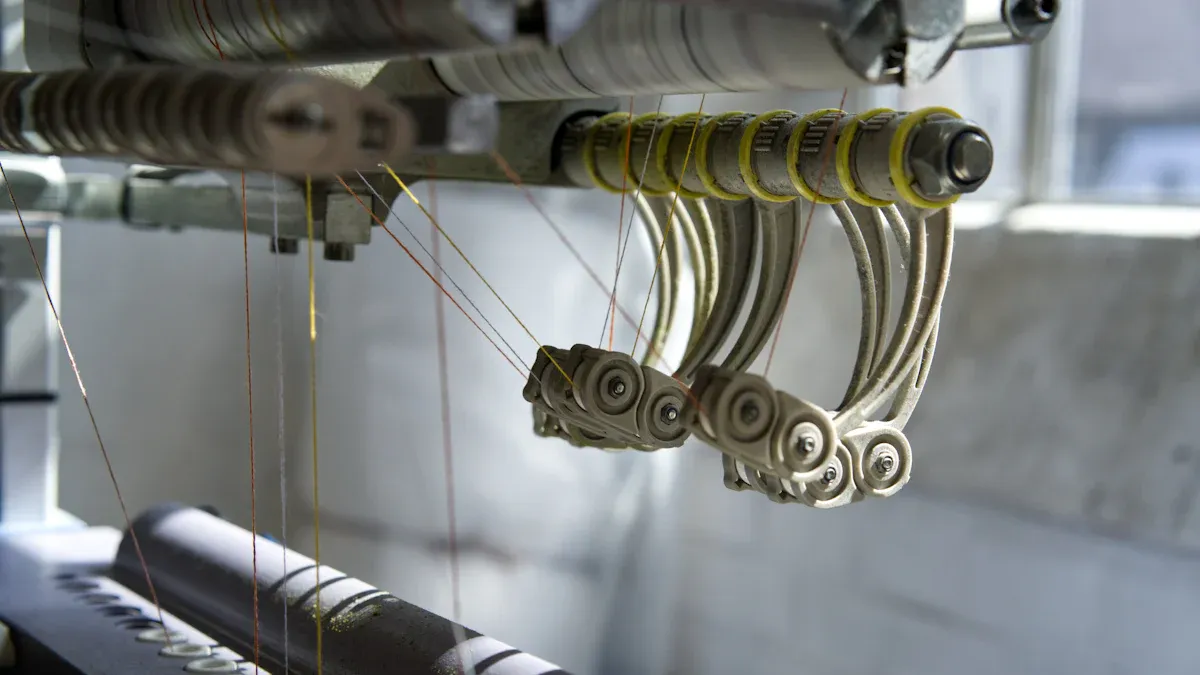
Ik haw sjoen dat de kar fan extrusion systeem shapes it hiele manufacturing proses. De measte fabrikanten brûke single-screw systemen, dy't a 62% merkoandiel, wylst twin-screw systemen account foar 38%.
| Extrusion System Type | Market Share Persintaazje |
|---|---|
| Single-screw | 62% |
| Twin-screw | 38% |
Selektearje tusken screw types beynfloedet effisjinsje, produkt kwaliteit, en materiaal komptabiliteit. As ik kombinearje extrusion technology oan produksje doelen, Ik merk ferbetteringen yn kosten-effektiviteit, design veelzijdigheid, en duorsumens.
| Faktor | Ynfloed op Manufacturing Effisjinsje | Ynfloed op produktkwaliteit |
|---|---|---|
| Kontrolearre parameters | Hâldt unifoarme produktkwaliteit | Berikke mikrometer tolerânsjes |
Ik fertrou op Complete Extrusion Systems foar in leverjen konsekwinte resultaten en sekuere screw prestaasjes.
Key Takeaways
- Kies it juste extrusionsysteem basearre op jo produksjedoelen en materiaaleigenskippen om optimale prestaasjes te garandearjen.
- Single-screw extruders binne ideaal foar hege folume produksje fan ienfâldige materialen, wylst twin-screw systemen útblinke yn it mingen komplekse materialen.
- Regelmjittich ûnderhâld en monitoaring fan extrusion systemen foarkomt downtime en ferbetterje effisjinsje, garandearje konsekwint produkt kwaliteit.
- Tink oan de skroef diameter en L / D ratio by it selektearjen fan in extruder, as dizze faktoaren beynfloedzje trochstream en mingde effisjinsje.
- Brûk co-extrusion foar it meitsjen fan mearlaachige produkten dy't ferskate materialen kombinearje, it ferbetterjen fan funksjonaliteit en prestaasjes.
- Evaluearje de kompatibiliteit fan materialen mei it keazen extrusiesysteem om defekten te foarkommen en heechweardige útfier te garandearjen.
- Bliuw op 'e hichte oer opkommende trends yn extrusiontechnology, lykas IoT en AI, om effisjinsje te ferbetterjen en oan te passen oan feroarjende produksjebehoeften.
- Meitsje in checklist fan wichtige faktoaren foar it selektearjen fan in extrusion masine om kostbere flaters te foarkommen en te soargjen dat it systeem foldocht oan tapassingseasken.
Kies it juste extrusionsysteem foar produksje
Key faktoaren yn systeem seleksje
Ik nea fine in universele “bêst” extrusion systeem. Myn ûnderfining fertelt my dat de ideale kar hinget ôf fan 'e produksjedoelen, materiaal eigenskippen, en produkt easken. As ik selektearje in extrusion systeem, Ik kom altyd oerien mei syn mooglikheden oan 'e bedoelde applikaasje. Dizze oanpak soarget derfoar dat it ekstruderingsproses konsekwinte kwaliteit en optimale prestaasjes leveret.
Ik beskôgje ferskate krityske faktoaren foar it meitsjen fan in seleksje fan extrusion masine. Ik brûk de folgjende tabel om myn beslút te lieden:
| Faktor | Beskriuwing |
|---|---|
| Undersyk Doel | Doel fan de masine (oplieding, materiaal ûntwikkeling, of kommersjele pilot produksje) |
| Materiaal Type | Soart polymers dy't wurde ferwurke (waarmte-sensitive, flechtich, of reaktyf) |
| Required Output Kapasiteit | Trochfierkapasiteit (gram of kilogram per oere) |
| Avansearre proses easken | Need foar gas ynjeksje, fakuüm ûntgassen, of reaktive extrusion kapasiteit |
| Begrutting en laboratoariumromte | Beskôging foar modulêre útwreiding foar takomstige upgrades |
| Future Scale-Up Needs | Kompatibiliteit mei yndustriële extrusion modules foar skaalfergrutting produksje |
Ik altyd betelje omtinken oan de skroef diameter en L / D ratio. Dizze parameters bepale trochfierkapasiteit en mingeffisjinsje. Ik selektearje in extruder mei de juste útfierkapasiteit, dat kin fariearje fan 0.25 kg/h oan 150 kg / h ôfhinklik fan it model. Modulêr ûntwerp lit my komponinten fluch ferfange, dat jout fleksibiliteit foar ûndersyk en ûntwikkeling. Ik fertrou op avansearre kontrôle systemen, lykas PLC en HMI, om krekte kontrôle en traceability fan gegevens te berikken.
As ik evaluearje soarten extrusion masines, Ik beskôgje de kompleksiteit fan it profyl en de fereaske tolerânsjes. Yngewikkelde ûntwerpen freegje presys ark en kinne kosten ferheegje. Ik sjoch ek op bestelhoeveelheid. Hegere folumes ferminderje de kosten per ienheid, om't opsetkosten ferspraat oer mear ienheden. Finishing en sekundêre operaasjes, lykas anodisearjen of CNC-ferwurkjen, tafoegje wearde en kosten.
Tip: Ik advisearje it meitsjen fan in checklist fan dizze faktoaren foardat jo it seleksjeproses foar extrusion masine begjinne. Dizze praktyk helpt kostbere flaters te foarkommen en soarget derfoar dat it systeem oerienkomt mei de bedoelde applikaasjes.
Ynfloed op Manufacturing Effisjinsje
Ik fernim dat it extrusion systeem dat ik kieze direkt ynfloed op produksje effisjinsje. De skroef ûntwerp, mingen kapasiteit, en extrusion technology allegear spylje in rol yn hoe soepel it proses rint. Bygelyks, in single screw extruder wurket faaks goed foar ienfâldige polymers en produksje mei hege folume. Twin-screw extruders behannelje komplekse materialen en avansearre applikaasjes, lykas reaktive extrusion of spesjaliteit blends.
Ik haw sjoen dat hege viskositeit en fêste ynhâld yn enerzjike materialen ferstopping kinne feroarsaakje, ynstabile extrusion, en nozzle wear. Dizze problemen ferminderje effisjinsje en kompromittearje feiligens. Ik adres dizze útdagings troch it optimalisearjen fan it kneading systeem design. Ferbettere minguniformiteit en ekstruderingsnauwkeurigens ferbetterje sawol feiligens as effisjinsje.
Ik brûk in twa-poadium twin-screw extrusion systeem as ik nedich gruttere stabiliteit en oanpassingsfermogen. Simulaasjes litte sjen dat dit ûntwerp streamkarakteristiken ferbetteret en konsekwint útfier behâldt. Ik kontrolearje altyd it ekstruderingsproses om unifoarme kwaliteit te garandearjen en downtime te minimalisearjen.
| Bewiis Type | Beskriuwing |
|---|---|
| Útdagings yn Additive Manufacturing | Hege viskositeit en fêste ynhâld fan enerzjike materialen liede ta problemen lykas ferstopping, ynstabile extrusion, en nozzle wear, effisjinsje en feiligens beynfloedzje. |
| Kneading System Performance | It ûntwerp fan it kneadsysteem beynfloedet de uniformiteit fan it materiaal en de ekstruderingsnauwkeurigens, mei spesifike optimisaasjes foarsteld om feiligens en effisjinsje te ferbetterjen. |
| Extrusion System Design | In twa-poadium twin-screw extrusion systeem is ûntwurpen om te ferbetterjen stabiliteit en oanpassingsfermogen yn it extrusion proses, mei simulaasjes reveal flow skaaimerken fan ferskillende systemen. |
Ik altyd oerien mei it extrusion systeem oan de produksje easken. Dizze praktyk soarget derfoar dat de extruder de winske kwaliteit en prestaasjes leveret. Ik selektearje de skroefkonfiguraasje basearre op it materiaaltype en de kompleksiteit fan 'e applikaasje. Ik fertrou op avansearre extrusion technology te maksimalisearjen effisjinsje en behâlden hege noarmen fan produkt kwaliteit.
Noat: Ik advisearje regelmjittich ûnderhâld en prosesmonitoring om pykeffisjinsje te behâlden en ûnferwachte downtime te foarkommen.
Soarten Complete Extrusion Systems
As ik evaluearje folsleine extrusion systemen foar fabrikaazje, Ik begjin altyd mei it identifisearjen fan 'e wichtichste soarten extrusion masines. De meast foarkommende opsjes befetsje single screw extrusion masines, twin screw extrusion masines, en ram extrusion masines. Elk systeem biedt unike sterke en beheiningen, dus ik rjochtsje my op it oanpassen fan de juste technology oan 'e applikaasje.
| Soart extrusion Machine |
|---|
| Single Screw Extrusion Machines |
| Twin Screw Extrusion Machines |
| Ram Extrusion Machines |
Single-Screw Extrusion
Ik brûk faak in inkele skroef extruder foar rjochtlinige extrusion prosessen. Dizze masine hat ien draaiende skroef yn in ferwaarme barrel. De skroef triuwt materiaal nei foaren, smelt it, en foarmje it troch in die. Ik fertrou op dit systeem foar hege folume produksje fan thermoplastics, iten produkten, en rubberverbindingen. De ienfâld fan it ûntwerp makket it maklik te betsjinjen en te ûnderhâlden.
| Yndustry | Applikaasje Beskriuwing | Market Grow Forecasts |
|---|---|---|
| Plastics | Melting en foarmjen fan thermoplasten, oandreaun troch tanimmend PE en PP gebrûk. | CAGR fan likernôch 4-5% troch 2030 |
| Food Processing | It produsearjen fan ferwurke fiedings lykas snacks en granen. | Merk te berikken oer $75 miljard by 2026 |
| Rubber gearstalling | It mingen en foarmjen fan rubber foar banden en auto-ûnderdielen. | Tire produksje te oertreffen 2 miljard ienheden troch 2025 |
| Biomedical | Biopolymer produksje foar ferpakking en medyske apparaten. | Opkommende merk mei nije extrusion technology |
Lykwols, Ik herken de beheinings fan inkele screw extrusion. It berikken fan unifoarme mingen kin lestich wêze, benammen as ik tafoegje fillers of tafoegings. Drukkonsistinsje feroaret faak mei wizigingen fan feedstock, en materialen mei hege viskositeit kinne net goed streame, liedend ta defekten. Dizze útdagings begeliede myn seleksje fan extrusion masine as ik hegere kwaliteit of kompleksere ferwurking nedich is.
Tip: Foar ienfâldich, applikaasjes mei hege folume, Ik riede te begjinnen mei in inkele screw extruder. Foar avansearre mingen of spesjaliteit materialen, beskôgje oare opsjes.
Twin-Screw Extrusion
As ik nedich avansearre ferwurking, Ik draai my nei twin screw extruder technology. Dit systeem brûkt twa screws dy't draaie tegearre binnen it barrel. De screws kinne intermesh of rinne parallel, ôfhinklik fan it ûntwerp. Ik fyn dat twin screw extruders leverje superieure mingen effisjinsje, better plasticizing foar hege-viscosity materialen, en ferbettere kontrôle oer temperatuer en druk. Dizze funksjes ferbetterje produktkwaliteit en proseskonsistinsje.
Twin screw extrusion ek lit my in útfiere meardere ferwurkjen stappen yn ien masine. Ik kin mix, rane, vent, en sels reagearje materialen tidens in inkele pass. Dizze fleksibiliteit ferminderet ôffal en fersnelt de produksje. By it fergelykjen fan twin screw vs single screw extruders, Ik sjoch flugger werom op ynvestearrings en mear unifoarm resultaten mei twin screw systemen, benammen foar komplekse blends of recycled plestik.
Twin-Screw Subtypes
Ik beskôgje altyd de ferskillende soarten extrudermasines yn 'e kategory fan twa skroef. De skroefkonfiguraasje hat ynfloed op prestaasjes, effisjinsje, en it oanbod fan applikaasjes.
Intermeshing
Intermeshing twin screw extruders feature screws dy't oerlaapje en mesh tegearre. Dit ûntwerp jout presys materiaal ferfier en hege skuorkrêften. Ik brûk intermeshing systemen foar ferbettere gearstalling en kompatibilization, benammen as ik tafoegings of fillers gelijkmatig moatte fersprieden.
Net-ynterearing
Non-intermeshing twin screw extruders hawwe screws dy't draaie sûnder oerlaap. Dizze opset biedt sêfter mingen en minder skea. Ik kies net-yninoarme ûntwerpen foar gefoelige materialen dy't minimale meganyske stress nedich binne.
Co-Rotearjend
Co-rotearjende twin screw extruders hawwe screws dy't draaie yn deselde rjochting. Dit subtype blinkt út yn it mingjen fan effisjinsje en materiaalferfier. Ik brûk ko-rotearjende systemen foar reaktive extrusion, devolatilization, en hege-optreden polymer compounding. Lykwols, hege shear tariven kinne degradearje waarmte-gefoelige materialen, dus ik monitor screw design en cooling nau.
| Subtype | Ferwurkjen mooglikheden en foardielen | Beheinings en ôfwagings | Bêste applikaasjes |
|---|---|---|---|
| Co-Rotating Twin-Screw Extruder | Hege mingen effisjinsje, geskikt foar reaktive extrusion, hege shear tariven | Risiko fan materiaal degradaasje, fereasket presys screw design | Polymer komposysje, nanocomposites, lab-to-produksje workflows |
Counter-Rotating
Counter-rotearjende twin screw extruders hawwe skroeven dy't yn tsjinoerstelde rjochtingen draaie. Dizze konfiguraasje genereart legere skuorkrêften, dy't fragile materialen beskermet. Ik fertrou op tsjindraaiende systemen foar keramyk, bio-polymers, en farmaseutyske formulearringen. It ûntwerp jout ek goede druk opbou en effektive sealing, hoewol mingintensiteit leger is as mei ko-rotearjende systemen.
| Subtype | Ferwurkjen mooglikheden en foardielen | Beheinings en ôfwagings | Bêste applikaasjes |
|---|---|---|---|
| Counter-Rotating Twin-Screw Extruder | Legere skuorkrêften, goede druk opbou, effektive sealing | Legere mingintensiteit, komplekser sealing- en lagerûntwerp | Keramyk, bio-polymers, pharmazeutika |
As ik selektearje in folslein extrusion systeem, Ik altyd oerien mei de skroef type en konfiguraasje oan it materiaal en proses easken. Dizze oanpak soarget foar hege kwaliteit, effisjinsje, en betroubere prestaasjes yn alle applikaasjes.
Ram Extrusion
Ik kieze faak ram-ekstrusion as ik materialen ferwurkje moat dy't hege druk en krekte foarmjouwing nedich binne. Dizze metoade brûkt in hydraulyske ram om materiaal troch in ferwaarme barrel te triuwen en te stjerren, leaver as in berop dwaan op in draaiende skroef. Ik fyn ram-extruders benammen nuttich foar it foarmjen fan produkten út thermosetplastyk, keramyk, en PTFE. It proses lit my meitsje roeden, buizen, en profilen mei konsekwint ôfmjittings.
Ram-ekstrusion opfalt ûnder soarten extrusionmasines om't it materialen omgiet dy't tradisjonele skroef-ekstruders net effisjint kinne ferwurkje. Ik brûk dizze technology yn yndustry lykas plestik, iten, en farmaseutika. Bygelyks, Ik produsearje snacks en granen mei unike foarmen, en ik produsearje tabletten en kapsules mei krekte spesifikaasjes.
Ik haw ferskate foardielen en útdagings opmurken by it brûken fan ram-ekstruders:
- Ram-ekstruders blinke út yn it produsearjen fan produkten fan hege kwaliteit út dreech te ferwurkjen materialen.
- Ik fertrou op harren foar applikaasjes dêr't screw extrusion technology falt tekoart, lykas PTFE en keramyske profilen.
- It proses leveret konsekwinte kwaliteit en diminsjonele krektens.
- Hege operasjonele kosten kinne ynfloed op effisjinsje en algemiene prestaasjes.
- Streng regeljouwing yn plestik manufacturing fereaskje soarchfâldige proses kontrôle.
- Konkurrinsje fan alternative extrusion systemen triuwt my te optimalisearjen myn extrusion masine seleksje.
Ik weagje dizze faktoaren altyd foar't ik ram-ekstrusion kieze foar folsleine extrusionsystemen. Ik kontrolearje it proses nau om kwaliteit en effisjinsje te behâlden, benammen by it wurkjen mei spesjale materialen.
Co-Extrusion
Co-extrusion stelt my yn steat om meardere materialen te kombinearjen yn ien produkt, it meitsjen fan multi-layered profilen mei ferbettere eigenskippen. Ik brûk dizze extrusiontechnology om ferskate thermoplastyk te yntegrearjen, elke laach biedt unike skaaimerken. It proses giet it om triuwe ferskate materialen troch ien die, resultearret yn in ferienige profyl dat foldocht oan komplekse produksje easken.
Ik fertrou op co-extrusion foar it meitsjen fan produkten dy't duorsumens easkje, fleksibiliteit, en estetyske berop. Dizze metoade lit my de kwaliteit fan elke laach oanpasse, ferbetterje prestaasjes en funksjonaliteit. Ik sjoch co-extrusion as in wichtige foarútgong yn folsleine extrusion systemen, benammen as ik moat produsearje items mei spesjalisearre funksjes.
Yndustryen profitearje op ferskate manieren fan ko-ekstrudering:
- Konstruksje: Ik produsearje finsterbanken, frames, en trim stikken dy't kombinearje krêft en fisuele berop.
- Retail: Ik bouwe planken en display systemen dy't sawol duorsum en oantreklik.
- Signage: Ik produsearje ferljochte buorden en frames mei skjinne finishen en betroubere prestaasjes.
Co-extrusion wreidet it oanbod fan tapassingen foar extrusion technology út. Ik brûk it om te foldwaan oan easken produksjedoelen en leverje produkten mei superieure kwaliteit. As ik selektearje in extruder foar co-extrusion, Ik beskôgje screw design, proses kontrôle, en materiaal komptabiliteit. Dizze oanpak soarget foar effisjinsje en konsekwinte resultaten.
Tip: Ik advisearje co-extrusion foar projekten dy't meardere lagen profilen en ferbettere produktfunksjonaliteit fereaskje. Foarsichtige seleksje fan extrusionmasjine en prosesmonitoring binne essinsjeel foar it berikken fan optimale kwaliteit.
Struktuer en eksploitaasje fan Extrusion Systems
Screw and Barrel Design
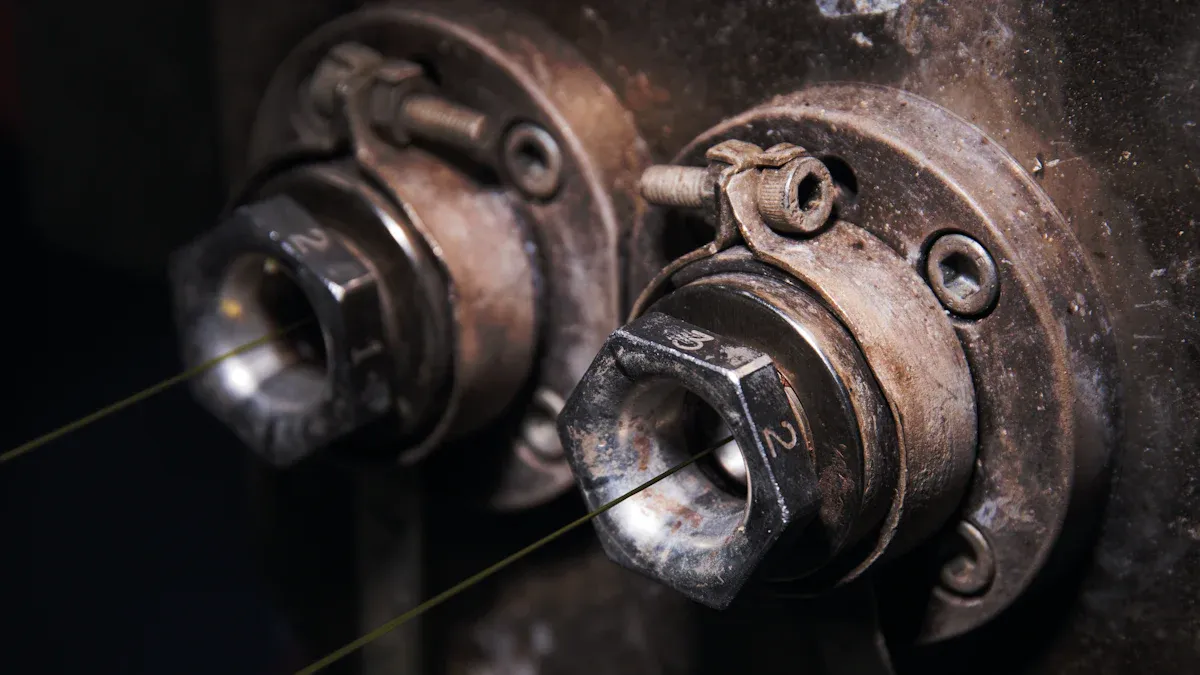
Ik begjinne altyd myn seleksje fan extrusion masine troch it ûndersykjen fan it skroef- en barrelûntwerp. De mjitkunde fan 'e skroef bepaalt hoe effisjint de extruder smelt, mingen, en bringt materiaal oer. Ik pas de lingte-to-diameter oan (L/D) ferhâlding te kontrolearjen ferbliuwstiid en mingen. In hegere L / D-ferhâlding lit it materiaal mear yngeand smelte en mingje, wat essinsjeel is foar it berikken fan unifoarme kwaliteit yn it definitive produkt. Ik fertrou op barriêre ûntwerpen yn 'e skroef barrel te behâlden melt stabiliteit en foar te kommen degradaasje, benammen as ik gefoelige materialen ferwurkje. Parallel twilling screw en barrel ûntwerpen spylje in krityske rol yn extrusion snelheid, produkt kwaliteit, en enerzjy-effisjinsje. Ik brûk bestimmingsplannen en krekte temperatuerkontrôle om smeltstream te stabilisearjen en ynsletten gassen te foarkommen, dy't ferbettert tichtens en gearhing. De oerflakfinish fan 'e loop en de mjitkunde fan' e skroef beynfloedzje ek enerzjy-effisjinsje en produktkonsistinsje. Ik kom altyd oerien mei it skroefûntwerp oan 'e spesifike easken fan' e applikaasje om de prestaasjes te maksimalisearjen.
- In hegere L / D-ferhâlding ferbetteret it mingen en melt uniformiteit, wat essensjeel is foar produkten fan hege kwaliteit.
- Barriêreûntwerpen helpe de smeltstabiliteit te behâlden en degradaasje te foarkommen.
- Screw mjitkunde en barrel oerflak finish ynfloed enerzjy effisjinsje en produkt konsistinsje.
Materiaal beweging en mingen
Ik rjochtsje my op effisjinte materiaalbeweging en mingen om te soargjen dat it ekstruderingsproses soepel rint. ik brûk robúste pneumatyske of meganyske conveyors om grûnstoffen fluch en mei minimaal ûnderhâld oer te setten. Avansearre mixer-ûntwerpen garandearje yngeande en unifoarme gearstalling, dy't foarkomt fariaasjes yn klear produkten. Ik yntegrearje automatisearre kontrôles mei PLC-systemen foar real-time tafersjoch en reseptbehear. Dizze oanpak lit my de produksje naadloos tafersjoch hâlde en parameters oanpasse as nedich. Ik selektearje skaalbere konfiguraasjes om sawol lytse workshops as grutte yndustriële operaasjes te foldwaan. Ferbettere funksjes foar stofkontrôle hâlde it wurkplak skjin en feilich. Konsistint, homogene blends ferminderje kwaliteit fluktuaasjes en ferbetterje trochstreaming. Automatisearre systemen minimalisearje hânmjittich ôfhanneljen, wat de produksjesyklusen ferkoart en de arbeidskosten ferleget. Ik prioritearje dizze funksjes altyd as ik soarten extrusionmasines evaluearje foar nije applikaasjes.
| Eigenskip | Beskriuwing |
|---|---|
| Effisjinte materiaal oerdracht | Rapid, leech ûnderhâld beweging fan grûnstoffen |
| Precision Mixing | Dreech, unifoarme gearstalling foar konsekwinte kwaliteit |
| Automatisearre kontrôles | Real-time tafersjoch en resept behear |
| Scalable konfiguraasjes | Fleksibele yndielings foar elke produksjekapasiteit |
| Ferbettere Dust Control | Cleaner, feiliger wurkplak |
| Ferbettere produktkwaliteit | Homogene blends, redusearre fluktuaasjes |
| Ferhege trochslach | Koarte produksjesyklusen, minder hânmjittich ôfhanneling |
| Reduzearre ôffal | Akkurate mjitting, legere kosten |
| Legere Arbeidskosten | Automatisearring makket personiel frij foar taken mei tafoege wearde |
| Feiligere wurkomjouwing | Ynsletten rigels en stof kontrôle |
Proseskontrôle en útfierkwaliteit
I depend on advanced process control technology to maintain high output quality in extrusion manufacturing. I select high-quality thermoplastics to ensure the final products meet strength, duorsumens, and flexibility requirements. I monitor extrusion parameters closely to reduce discrepancies during production. Dimensional accuracy remains a top priority for me, as it guarantees that components fit their intended applications. I use surface inspection to detect defects such as warping or air bubbles, which helps me maintain consistent product quality. Early detection of issues reduces waste and saves on production costs. I always ensure that my process complies with regulatory standards, which protects both my business and my customers. High-quality products enhance my brand reputation and increase customer satisfaction. Advanced monitoring systems allow me to increase production speed without sacrificing accuracy, which boosts overall efficiency in complete extrusion systems.
| Element/Advantage | Beskriuwing |
|---|---|
| Materiaal Seleksje | Ensures strength, duorsumens, en fleksibiliteit |
| Proses Monitoring | Reduces discrepancies and maintains consistency |
| Dimensional Accuracy | Guarantees proper fit for all applications |
| Surface Ynspeksje | Identifies defects early for better quality |
| Konsistente produktkwaliteit | Every batch meets high standards |
| Waste Reduction | Saves material and production costs |
| Regulatory Compliance | Meets legal and safety requirements |
| Klanttefredenheid | Builds reputation and loyalty |
| Process Efficiency | Increases speed while maintaining accuracy |
Tip: I recommend regular calibration and maintenance of all extrusion technology to sustain peak performance and consistent quality.
Comparing the Extrusion Process
Single-screw vs. Twin-Screw Process
As ik ferlykje single-screw en twin-screw extruders, I focus on how each system handles the extrusion process. It skroefûntwerp foarmje de manier wêrop materiaal beweecht en minget. In single-screw extruder brûkt ien helical screw binnen in ienfâldige, silindryske barrel. Yn tsjinstelling, in twin-screw extruder hat twa intermeshing screws en in mear komplekse, faak segmented barrel. Ik sjoch dat temperatuer kontrôle yn single-screw systemen bliuwt basis, wylst twin-screw masines biede avansearre kontrôle mei meardere ferwaarming en cooling sônes. Dit ferskil hat ynfloed op sawol trochset as enerzjy-effisjinsje.
| Aspekt | Single Screw Extruder | Twin Screw Extruder |
|---|---|---|
| Screw Design | Single helical screw | Twa yngeande skroeven |
| Barrel Struktuer | Ienfâldich, silindrysk | Mear komplekser, faak segmentearre |
| Temperatuer kontrôle | Basis ferwaarming / koeling | Avansearre, multi-sône |
| Output Kapasiteit | Matich | Heech |
| Enerzjy konsumpsje | Algemien heger | Effisjinter |
| Fleksibiliteit yn trochfier | Limited | Heech |
Ik fertrou op twin-screw extruders foar hegere útfier en better enerzjy effisjinsje. As ik nedich fleksibiliteit yn trochstreaming of avansearre proses kontrôle, Ik kies twin-screw systemen. Foar rjochtlinige applikaasjes, single-screw extruders jouwe noch betroubere prestaasjes.
Material Compatibility in the Extrusion Process
Material compatibility plays a critical role in extrusion machine selection. I always match the screw configuration to the type of material I plan to process. Single-screw extruders handle standard thermoplastics well, but they struggle with materials that require intensive mixing or have high filler content. Twin-screw extruders excel with specialty compounds, recycled plestik, en reaktive materialen. I use segmented screws to adjust mixing and shearing for each application.
When I work with complete extrusion systems, I consider how each screw design affects the final product. Twin-screw extruders allow me to process a wider range of materials, including those with additives or sensitive properties. This flexibility supports more types of extrusion machines and expands the range of possible applications.
Tip: I recommend evaluating the chemical and physical properties of your raw materials before choosing an extruder. This step ensures compatibility and reduces the risk of defects.
Produktkwaliteit en konsistinsje
I know that the extrusion process directly impacts the quality of the finished product. Modern extrusion lines integrate automation and advanced control platforms. These systems analyze multiple variables at once, which helps me maintain consistent quality across every batch.
Quality consistency is a productivity multiplier. Advanced control platforms analyze patterns across multiple variables simultaneously, ensuring that product quality is maintained throughout the extrusion process.
I monitor key factors such as stable melt pressure, output rate, and surface finish. Stable melt pressure prevents warping and dimensional drift. Higher and more stable output reduces scrap rates and downtime. Better surface finish and precise dimensional control enhance the impact on the quality of the finished product.
| Key faktoaren | Impact on Quality and Consistency |
|---|---|
| Stable melt pressure | Prevents dimensions from drifting or warping |
| Higher and more stable output | Reduces scrap rates and downtime |
| Better surface finish | Enhances overall product quality |
| Dimensionale kontrôle | Ensures precision in final product specifications |
| Faster ROI | Improves profitability for manufacturers |
By it fergelykjen fan twin screw vs single screw extruders, I see that twin-screw systems deliver better consistency and lower operational cost. I achieve faster ROI and improved performance by investing in advanced extrusion technology. I always prioritize process monitoring and automation to ensure high quality and efficiency in production.
- Higher and more stable output
- Lower scrap and downtime
- Better surface finish and dimensional control
- Reduced operational cost
- Faster ROI
I rely on these strategies to maximize the benefits of extrusion and deliver products that meet strict manufacturing standards.
Performance Comparison Table
Trochfier en effisjinsje
I always evaluate throughput and efficiency when I compare types of extrusion machines. Throughput measures how much material the extruder processes in a given time. Efficiency reflects how well the screw design converts raw material into finished products with minimal waste and energy use. I see that single-screw extruders often deliver steady throughput for standard polymers. Twin-screw extruders, with their advanced screw geometry, handle higher output and maintain better energy efficiency, especially for complex blends.
| Extruder Type | Trochfier (kg/h) | Enerzjy-effisjinsje | Bêste gebrûk gefallen |
|---|---|---|---|
| Single-Screw | 50–500 | Matich | Heech folume, simple polymers |
| Twin-Screw | 100–1000+ | Heech | Complex blends, specialty jobs |
| Ram Extruder | 10–100 | Leech - Matich | PTFE, keramyk, spesjaliteit |
| Co-Extrusion Systems | Fariearret | Heech | Multi-layered profiles |
I always match the screw configuration to the material and production requirements. This approach ensures the process delivers consistent quality and meets manufacturing goals. I rely on complete extrusion systems to maximize throughput and efficiency for every application.
Tip: I recommend monitoring energy consumption and output rates regularly. This practice helps optimize extrusion machine selection and reduces operational costs.
Maintenance and Reliability
I prioritize maintenance and reliability when I select an extruder. The screw and barrel experience constant wear from abrasive materials and high temperatures. I schedule routine inspections and replace worn components to prevent unexpected downtime. Single-screw extruders require less maintenance due to their simple design. Twin-screw extruders, with more moving parts and segmented screws, need more frequent checks but offer greater flexibility.
| Extruder Type | Underhâld Needs | Reliability Level | Common Issues |
|---|---|---|---|
| Single-Screw | Leech - Matich | Heech | Occasional screw wear |
| Twin-Screw | Middels - Heech | Heech | Segment wear, seal failure |
| Ram Extruder | Matich | Matich | Hydraulic leaks, die wear |
| Co-Extrusion Systems | Heech (multi-screw) | Heech | Synchronization, screw wear |
I use advanced monitoring systems to track screw wear and process stability. This strategy improves reliability and extends the life of my extrusion technology. I always keep spare screws and barrels on hand to minimize downtime during maintenance.
Product Complexity and Flexibility
I value design flexibility yn extrusion. The ability to customize the screw and die allows me to create complex profiles for a wide range of applications. I use extrusion to manufacture everything from simple plastic tubing to intricate window frames. I can add reinforcements or special features within the continuous material, which expands my product offerings.
| Aspekt | Beskriuwing |
|---|---|
| Design fleksibiliteit | Extrusion allows for significant design flexibility through die customization, enabling complex profiles. |
| Applikaasjes | Suitable for various applications, including intricate window frames and simple plastic tubing. |
| Oanpassing | Manufacturers can include reinforcements or additional features within the continuous material. |
- In MedTech, I must achieve tight tolerances for medical devices.
- I ensure biocompatibility for all medical extrusion products.
- I monitor wall thickness closely, since it affects flow rates and structural strength.
I select the screw configuration and extrusion machine based on the complexity of the design and the required tolerances. This approach guarantees high quality and supports advanced manufacturing needs.
Noat: I recommend consulting with extrusion experts when planning new product designs. Their experience helps avoid costly mistakes and ensures the right screw and process configuration.
Application Suitability in Manufacturing
High-Volume Manufacturing
I always start my extrusion machine selection by considering the demands of high-volume manufacturing. When I need to produce thousands of units per day, I rely on single-screw extruders. These machines deliver steady throughput and maintain consistent quality. The screw design in single-screw extruders allows me to process standard polymers efficiently. I monitor the process closely to ensure uniform melt and minimize defects. I select the right screw diameter and length to match the production requirements. This approach helps me achieve high efficiency and reduce waste. I use automated controls to track output and maintain quality standards. High-volume applications benefit from robust types of extrusion machines that can operate continuously with minimal downtime. I always keep spare screws and barrels ready to avoid interruptions in production.
Tip: I recommend scheduling regular maintenance for extruders used in high-volume manufacturing. This practice extends the life of the screw and ensures reliable performance.
Complex Product Manufacturing
When I manufacture complex or multi-component products, I turn to advanced extrusion technology. Twin-screw extruders give me greater control over mixing and material distribution. I use segmented screws to adjust shear and optimize the process for each application. Co-extrusion technology enables me to combine different polymers into multi-layer films and pipes. This method improves barrier properties and enhances strength, fleksibiliteit, en gemyske ferset.
| Technology | Benefits |
|---|---|
| Co-ekstrudering | Enables the creation of multi-layer films and pipes with improved barrier properties, combining different polymers for strength, fleksibiliteit, en gemyske ferset. |
I select the screw configuration based on the complexity of the product. For intricate designs, I rely on precise tooling and advanced process monitoring. I always test the extruder setup before full-scale production to ensure quality and performance. Complex applications require careful extrusion machine selection and attention to detail.
Specialty Materials and Customization
I often work with specialty materials that demand custom solutions. I use advanced shaping processes, such as sheet extrusion and thermoforming, to control material characteristics. Sheet extrusion gives me the ability to manage thickness and material distribution with high accuracy. Co-extrusion capabilities allow me to create multi-layer constructions that enhance material properties. I integrate downstream shaping processes to ensure consistent performance in finished components. Engineering services help me optimize component designs and select the best materials for specific applications.
- Advanced shaping processes, such as sheet extrusion and thermoforming, allow for precise control over material characteristics.
- Sheet extrusion provides a foundation for custom material solutions, enabling thickness control and material distribution accuracy.
- Co-extrusion capabilities facilitate the creation of multi-layer constructions, enhancing material properties.
- Integration with downstream shaping processes ensures consistent performance characteristics in finished components.
- Engineering services optimize component designs and material selection, ensuring suitability for specific applications.
I always match the screw design to the requirements of specialty materials. Customization in extrusion depends on selecting the right extruder and process parameters. I monitor quality at every stage to deliver products that meet strict standards. Specialty applications benefit from flexible types of extrusion machines and expert guidance.
Noat: I recommend consulting with extrusion specialists when working with new materials or custom designs. Their expertise helps achieve the desired quality and performance.
Selection Criteria for Extrusion Systems
Product Design and Complexity
I always start my extrusion machine selection by analyzing the product design and complexity. The geometry of the profile influences the choice of extruder and screw configuration. Complex shapes increase tooling costs and create production challenges. I simplify profile geometry whenever possible to enhance material flow and reduce defects. Smooth transitions in the design prevent disruptions in material flow, which is crucial for consistent extrusion quality. I select the right material early in the process because material choice affects both the properties of the part and the ease of extrusion. This decision impacts manufacturability and overall performance.
- Simplifying profile geometry lowers tooling costs and reduces production challenges.
- Designing for material flow ensures consistent extrusion quality and minimizes defects.
- Choosing the right material early improves manufacturability and product performance.
I match the screw design to the complexity of the product. For intricate profiles, I use advanced screw configurations that optimize mixing and material transport. I rely on precise tooling and process monitoring to maintain high quality. When I work with complex applications, I consult with extrusion technology experts to avoid costly mistakes and ensure the best results.
Tip: I recommend reviewing the profile geometry and material flow before finalizing the extrusion machine selection. This step helps prevent production issues and supports efficient manufacturing.
Materiaal Eigenskippen
Material properties play a critical role in selecting the right extruder and screw configuration. I identify application requirements such as temperature resistance, UV-eksposysje, and impact durability. I consider mechanical properties like flexibility, hurdens, and tensile strength for the intended use. Environmental conditions influence my material choice, especially when I need weathering resistance or flexibility in cold environments. I evaluate aesthetic and finish requirements, ynklusyf kleur, gloss, and surface texture, based on project needs. Regulatory and compliance needs guide my selection to ensure materials meet industry-specific standards and certifications.
- Application requirements determine the need for temperature resistance, UV-eksposysje, and impact durability.
- Mechanical properties such as flexibility, hurdens, and tensile strength affect the choice of extruder and screw.
- Environmental conditions require materials that withstand weathering or remain flexible in cold climates.
- Aesthetic and finish requirements influence color, gloss, and surface texture.
- Regulatory and compliance needs ensure materials meet industry standards.
I select the screw design based on the material’s properties. For heat-sensitive materials, Ik brûk skroeven mei sêfte mingsônes en krekte temperatuerkontrôle. By it ferwurkjen fan taaie of abrasive ferbiningen, Ik kies robúste screw geometry dy't wjerstean wear en ûnderhâlden effisjinsje. Ik test materialen altyd yn pilotruns om kompatibiliteit mei de extruder te kontrolearjen en konsekwinte kwaliteit te garandearjen.
Noat: Ik advisearje it rieplachtsjen fan materiaalgegevensblêden en yndustrynormen foardat jo in extruder kieze. Dizze praktyk helpt materiaaleigenskippen oerienkomme mei it ekstruderingsproses en stipet betroubere prestaasjes.
Produksje folume en skaal
Produksje folume en skaal beynfloedzje de kosten-effektiviteit fan extrusion masine seleksje. Hegere produksjevoluminten ferminderje ienheidskosten omdat tooling útjeften wurde ferspraat oer mear dielen. Yn it prototype stadium, tooling kosten binne heech yn ferliking mei de kwantiteit produsearre. Yn massa produksje, die costs are amortized over larger volumes, leading to lower costs per unit. Bygelyks, a die costing $2,000 with a lifetime of 40,000 kg results in a cost of $0.05 per kg when amortized.
- Higher production volumes lower unit costs by spreading tooling expenses.
- Prototype stages have high tooling costs relative to the number of parts produced.
- Mass production allows die costs to be distributed over larger volumes, reducing per-unit costs.
- Foarbyld: A die costing $2,000 with a lifetime of 40,000 kg results in a cost of $0.05 per kg.
I select the extruder and screw configuration based on the expected production volume. For high-volume manufacturing, I use robust types of extrusion machines that deliver steady throughput and maintain efficiency. In low-volume or prototype applications, I prioritize flexibility and rapid changeover. I monitor production rates and adjust screw parameters to optimize output and quality.
Tip: I recommend calculating the amortized tooling cost before committing to a production scale. This step helps determine the most cost-effective extrusion technology and supports long-term manufacturing goals.
Technical and Budget Considerations
I always approach extrusion machine selection with a clear focus on technical requirements and budget constraints. My experience tells me that investing in advanced extrusion technology demands careful planning. I evaluate every aspect of the system, from screw design to process control, to ensure cost-effectiveness and reliable performance.
I start by analyzing the technical specifications of the extruder. I look at screw geometry, barrel length, and compatibility with different types of extrusion machines. I select a screw that matches the material properties and the complexity of the applications. I check if the extruder can handle the desired throughput and maintain consistent quality. I also assess the integration of feeders, temperatuer controllers, en downstream apparatuer. System integration plays a crucial role in maximizing efficiency and avoiding bottlenecks in production.
Budget considerations influence every decision I make. I break down the costs into several categories to understand the financial impact. I use the following table to guide my investment strategy:
| Budget Consideration | Beskriuwing | Financial Impact / Benefit Example |
|---|---|---|
| Enerzjy-effisjinsje | Reducing energy consumption by upgrading control systems or screws | 33% energy reduction saves nearly $100,000 annually on $288,000 enerzjy kosten |
| Scrap Reduction | Lowering scrap rate from 15% nei 5% through data acquisition and process control | Saves $200,000 monthly or $2.4 million yearly in materials, arbeid, en enerzjykosten |
| Trochfierferheging | Upgraden nei twin-screw extruder fergruttet trochslach troch 30% | Generearret $600,000 ekstra måned ynkomsten mei >50% inkrementele winst marzje |
| Reduksje fan ûnderhâldskosten | Foarsizzend ûnderhâld en tastânsmonitoring ferminderje needreparaasjes en downtime | De ûnderhâldskosten falle 20-30%, beskikberens fan apparatuer nimt ta |
| Systeem Yntegraasje | Budgeting foar kompatibel feeder, temperatuer controllers, en downstream apparatuer | Diellike upgrades fange allinich ~ 40% fan potensjele foardielen |
| Operator Training | Training op materiaal eigenskippen, masines, ynstrumintaasje, en kontrôles | Wichtich om technologyske foardielen folslein te realisearjen; gebrek oan ôffal ynvestearrings |
| Data Acquisition Ynfrastruktuer | Adekwate sensors en analytyske software nedich foar optimalisaasje | Net genôch ynfrastruktuer beheint optimalisaasje; tefolle sensoren sûnder analytics feroarsaket overload |
| Downstream Beheinings | It garandearjen fan snijen, ferpakking, en ynspeksje hâlden tempo mei ferhege extruder útfier | Bottlenecks reduce overall system benefit |
I prioritize energy efficiency when selecting an extruder. Upgrading control systems or optimizing screw design can reduce energy consumption by up to 33%. This improvement saves nearly $100,000 each year on a typical $288,000 energy bill. I also focus on scrap reduction. By implementing advanced process control and data acquisition, I lower scrap rates from 15% nei 5%. This change saves $200,000 every month in materials, arbeid, en enerzjykosten.
Increasing throughput is another key goal. Upgrading to a twin-screw extruder boosts output by 30%. This increase generates $600,000 in additional monthly revenue, with more than a 50% inkrementele winst marzje. I invest in predictive maintenance and condition monitoring to reduce emergency repairs and downtime. Maintenance costs drop by 20-30%, and equipment availability improves.
System integration is essential for maximizing the benefits of extrusion technology. I budget for compatible feeders, temperatuer controllers, en downstream apparatuer. Partial upgrades capture only about 40% of the potential benefits. Operator training is critical. I ensure my team understands material characteristics, masines, ynstrumintaasje, en kontrôles. Without proper training, the investment in advanced extrusion technology goes to waste.
I invest in data acquisition infrastructure. Adequate sensors and analytics software optimize the process. Net genôch ynfrastruktuer beheint optimalisaasje, while too many sensors without analytics cause information overload. I address downstream constraints by ensuring cutting, ferpakking, en ynspeksje hâlden tempo mei ferhege extruder útfier. Bottlenecks in these areas reduce the overall benefit of the system.
I always balance technical requirements with budget limitations. I select a screw that delivers high quality and efficiency without exceeding my financial resources. I plan for future upgrades and modular expansion to support changing production needs. I monitor every aspect of the extrusion process to maintain cost-effectiveness and reliable performance.
Tip: I recommend creating a detailed budget plan before investing in new extrusion technology. Include energy costs, ûnderhâld, operator training, and system integration. This approach ensures that the extruder delivers maximum value and supports long-term manufacturing goals.
Actionable Insights for Manufacturers
Matching System to Application
I always match the extrusion system to the specific application. ik optimize material use to balance strength and lightweight design. I define critical dimensional tolerances early, which ensures parts fit and function as intended. I design for manufacturability, making sure shapes can be extruded consistently and cost-effectively. I select aluminum alloys based on application needs, such as strength and corrosion resistance. I simplify designs to reduce costs, avoiding unnecessary complexity in profiles. I prototype and test early, which helps me identify potential challenges before full production. These steps help me achieve high quality and reliable performance in every extrusion process.
- Optimize material use for strength and lightweight design.
- Define critical dimensional tolerances early.
- Untwerp foar manufacturability.
- Select appropriate aluminum alloys for application needs.
- Simplify designs to reduce costs.
- Prototype and test early.
I always consider the key components of an extruder, such as screw geometry and barrel design, to ensure the system meets production requirements. I review different types of extruder machines to find the best fit for my applications in plastic extrusion. This approach supports scalability and maintains quality control throughout manufacturing.
Common Selection Mistakes
I have seen many manufacturers make mistakes during extrusion machine selection. Inadequate material blending often leads to product imperfections and increased costs from reprocessing. Outdated or incompatible control systems cause integration issues and inefficiencies. Inconsistent feed rates disrupt the extrusion process, resulting in product variabilities and higher scrap rates. Neglecting preventive maintenance allows minor mechanical issues to escalate into major production problems, affecting revenue. Ignoring operator training leads to misconfigurations and missed optimization opportunities.
- Inadequate material blending increases costs and reduces quality.
- Outdated control systems cause inefficiencies.
- Inconsistent feed rates disrupt the extrusion process.
- Neglecting preventive maintenance leads to major production problems.
- Ignoring operator training results in missed optimization.
I always monitor screw wear and maintain the extruder regularly. I invest in operator training to maximize efficiency and quality. I avoid these mistakes by focusing on process stability and performance.
Future Trends in Extrusion Technology
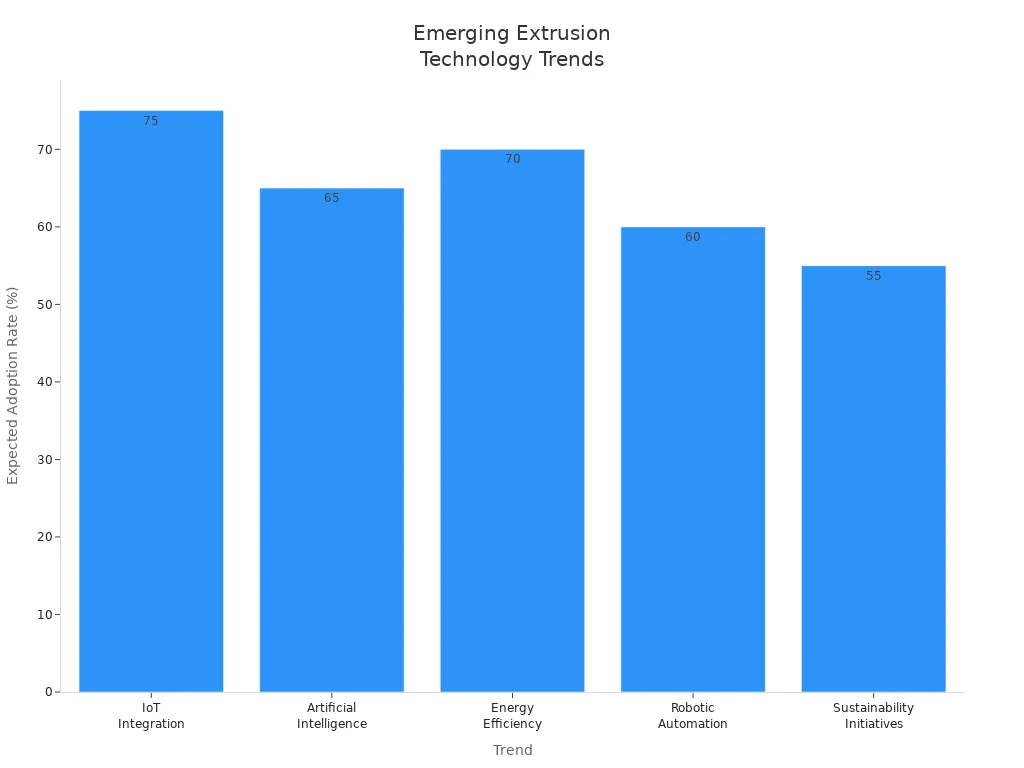
I see rapid changes in extrusion technology shaping the future of manufacturing. IoT integration allows real-time monitoring and analytics, ferbetterjen effisjinsje. Artificial intelligence supports predictive maintenance and optimization, which boosts performance. Energy efficiency is a growing focus, with manufacturers seeking ways to reduce consumption in the extrusion process. Robotic automation streamlines material handling and quality control. Sustainability initiatives drive the use of recycled materials and eco-friendly processes.
| Trend | Beskriuwing | Ynfloed op effisjinsje | Ferwachte Adoption Rate (%) |
|---|---|---|---|
| IoT-yntegraasje | Real-time tafersjoch en analytics | Heech | 75% |
| Keunstmjittige yntelliginsje | Foarsizzend ûnderhâld en optimalisaasje | Hiel heech | 65% |
| Enerzjy-effisjinsje | Reducing energy consumption | Medium | 70% |
| Robotyske automatisearring | Materiaal ôfhanneling en kwaliteit kontrôle | Heech | 60% |
| Duorsumensinisjativen | Recycled materiaal en miljeufreonlike prosessen | Medium | 55% |
I notice advancements in material compatibility, especially with bioplastics, are transforming the extrusion industry. Many manufacturers now prioritize flexibility in equipment design, with modular systems allowing easy upgrades and modifications. Sustainability is essential, with most manufacturers focusing on energy-efficient equipment and waste reduction strategies. Smart extrusion machines reduce downtime by 20%, which improves overall efficiency and quality control. I always stay updated on these trends to maintain high performance and support new applications in plastic extrusion.
Tip: I recommend reviewing the overview of extruder machines in manufacturing regularly. Op 'e hichte bliuwe oer nije soarten extrusionmasines en skroefûntwerpen helpt my oan te passen oan feroarjende produksjebehoeften en skaalberens te behâlden.
Ik erken dat elk extrusion systeem biedt unike foardielen en beheinings. Myn ûnderfining lit sjen dat single-screw extruders útblinke yn hege folume produksje, wylst twin-screw systemen jouwe superieure mingen en fleksibiliteit. Ram en co-extrusion masines stypje spesjaliteit applikaasjes. Ik brûk altyd fergelikingstabellen en seleksjekritearia om te evaluearjen:
- Technyske mooglikheden en betrouberens op lange termyn
- Klant service en design assistinsje
- Kwaliteitsnoarmen en enerzjy-effisjinsje
Ik riede fabrikanten oan om har tapassingsbehoeften te begripen en rieplachtsje ekstrusjonseksperts foar optimale resultaten.
FAQ
Wat is it wichtichste ferskil tusken single-screw en twin-screw extruders?
Ik sjoch dat single-screw extruders brûke ien draaiende skroef foar basis mingen. Twin-screw extruders use two screws for advanced mixing and better control. I choose twin-screw systems for complex materials and higher flexibility.
How do I decide which extrusion system fits my application?
I start by reviewing my material type, produksje folume, and product complexity. I match these needs to the strengths of each system. I consult with experts if I face unique requirements.
Can I process recycled materials with extrusion systems?
I process recycled materials using twin-screw extruders. These machines handle variable feedstocks and additives better than single-screw systems. I monitor quality closely to ensure consistent results.
How often should I perform maintenance on my extruder?
I schedule routine inspections every month. I check for screw wear, barrel condition, and control system performance. Regular maintenance prevents downtime and extends equipment life.
What are the most common extrusion defects I encounter?
I often see surface roughness, dimensional drift, and melt fractures. I address these by adjusting temperature, screw snelheid, and material feed. I use process monitoring to catch issues early.
Is co-extrusion suitable for all materials?
I use co-extrusion mainly for thermoplastics. Some materials may not bond well in multi-layer profiles. I test material compatibility before starting production.
How does automation improve extrusion quality?
I rely on automation for real-time monitoring and precise control. Automated systems reduce human error, maintain consistent output, and improve overall product quality.
What safety measures do I follow during extrusion?
I wear protective gear and follow lockout procedures. I keep the work area clean and check emergency stops regularly. I train my team on safe operation and emergency response.