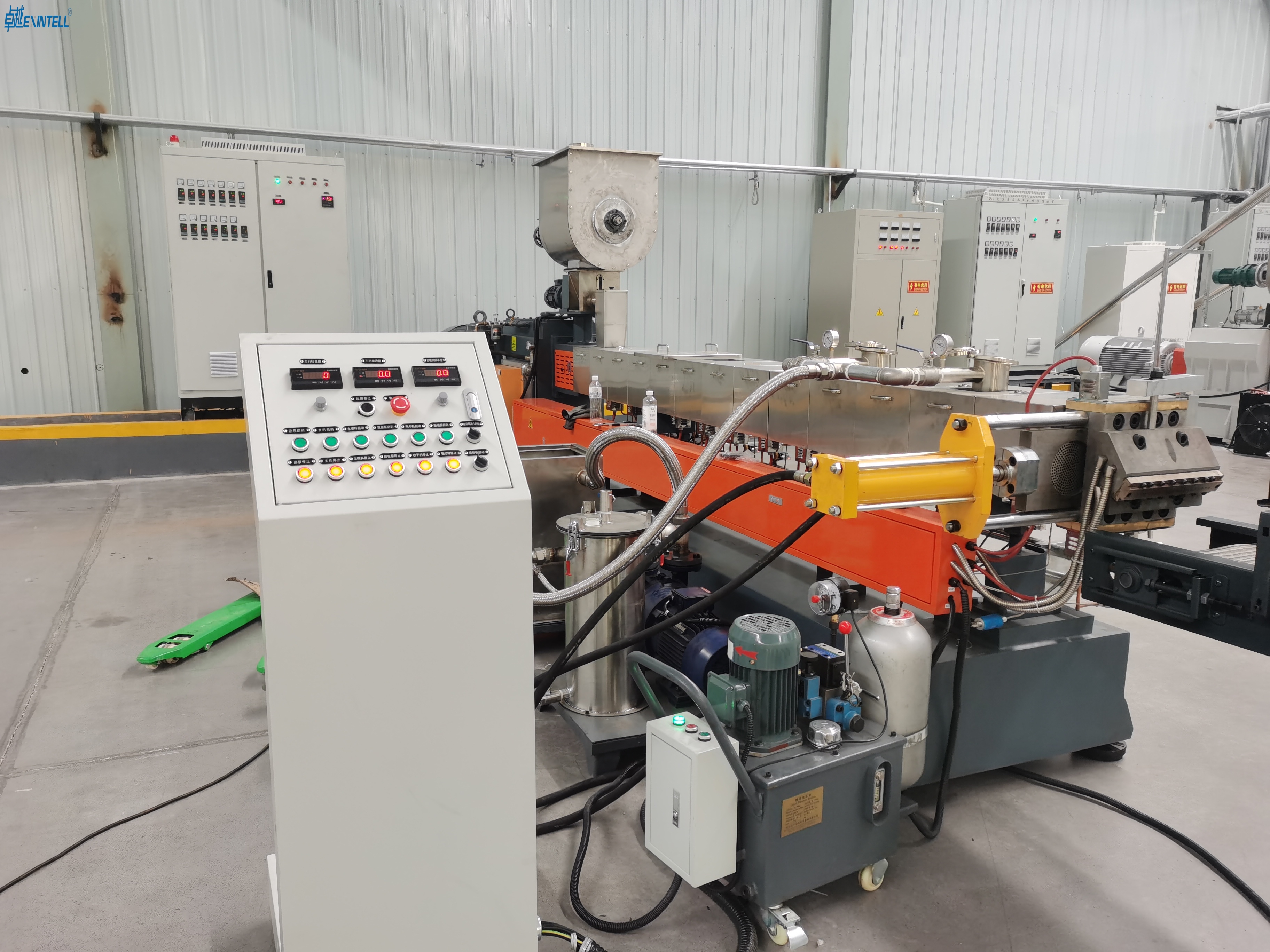
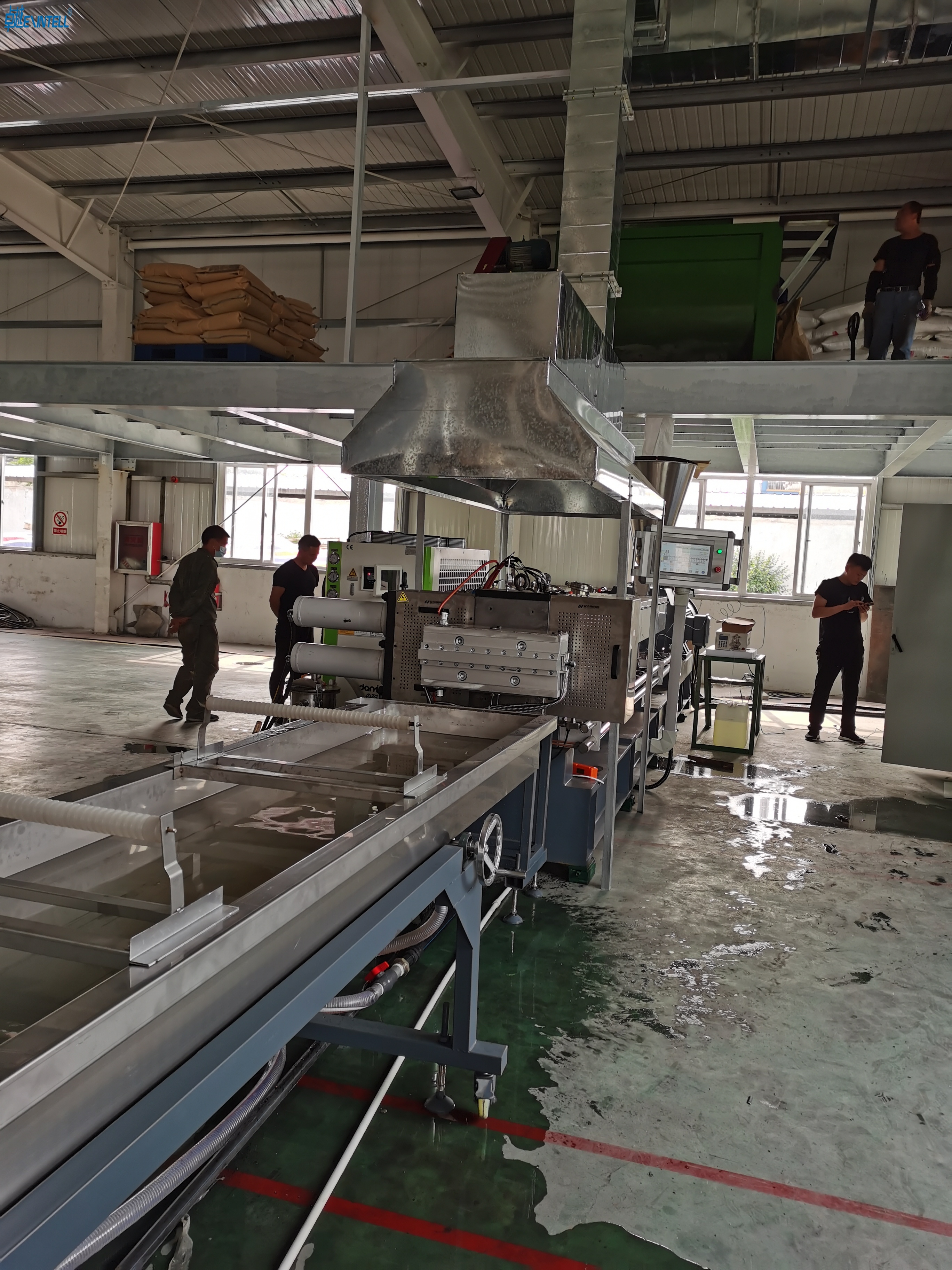
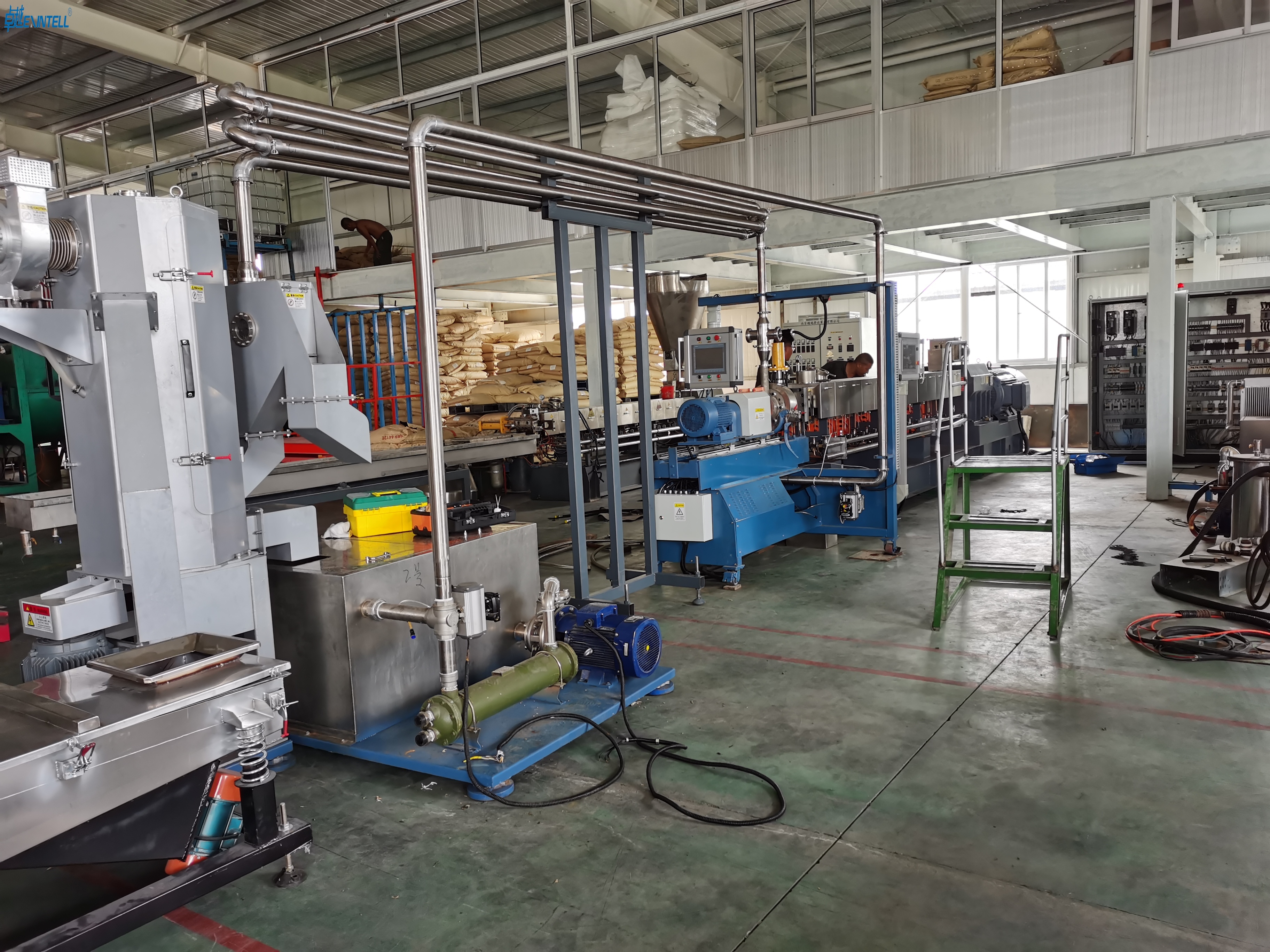
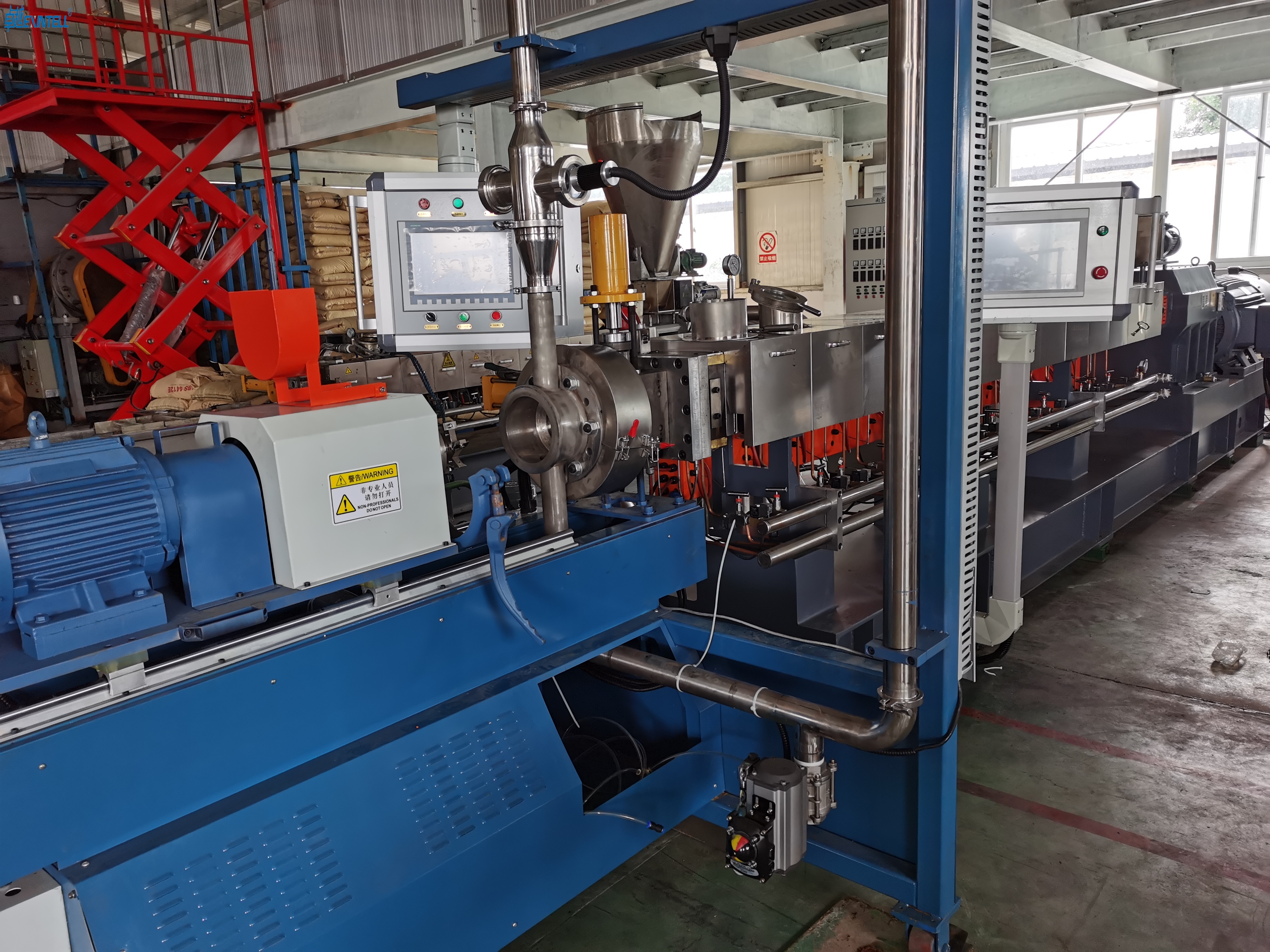
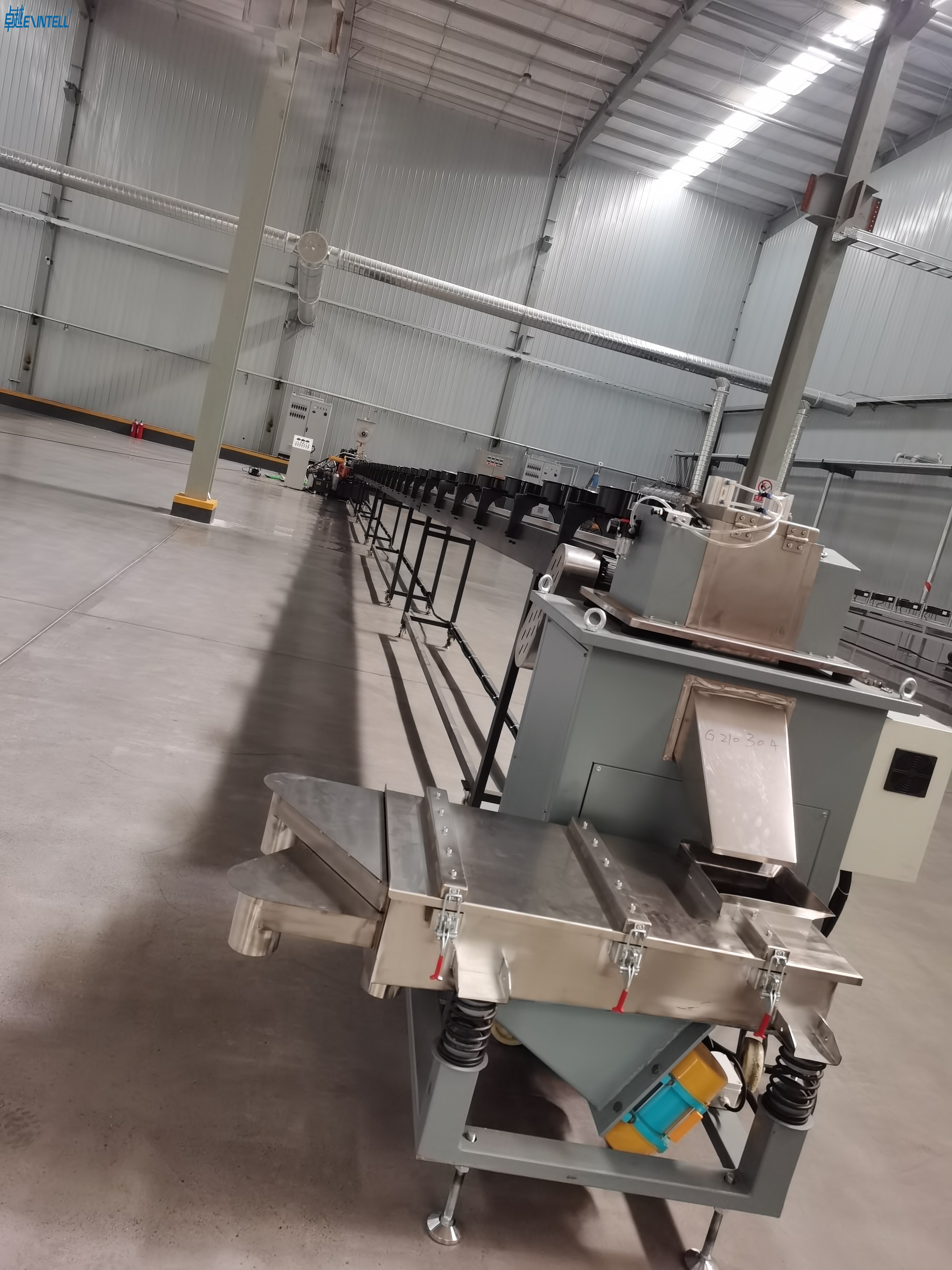
Ik sjoch plastic extrusion as in proses dat rûge plestik pellets feroaret yn nuttige foarmen lykas pipes of lekkens. Om it yn byld te bringen, Ik tink oan it squeezen fan tandpasta út in buis - útsein ynstee fan pasta, Ik brûk smelte plestik, en ynstee fan in buis, Ik haw in spesjale skimmel. Dizze metoade produsearret oer 140 miljoen ton fan plestik produkten wrâldwiid elk jier:
Troch it ekstruderingsproses te begripen kinne fabrikanten oanpaste foarmen meitsje en foldwaan oan spesifike behoeften fan 'e yndustry.
Wat is Plastic Extrusion?
Ienfâldige útlis
As ik tink oan plastic extrusion, Ik sjoch it as in ienfâldich, mar machtich produksjeproses. Ik begjin mei rau plestik, meast yn 'e foarm fan lytse pellets of korrels. Ik fiede dizze pellets yn in masine dy't se ferwaarmt oant se smelten. Sadree't it plestik de juste temperatuer berikt, Ik twinge it troch in spesjaal foarmige iepening neamd in die. Dizze die bepaalt de definitive foarm fan it produkt. It proses giet troch as it nij foarme plestik koelt en ferhurdet, en ik snij it oan 'e winske lingte.
Ik fergelykje plestik extrusion mei it meitsjen fan pasta. Ik triuw deeg troch in pastamakker om spaghetti of penne te krijen. Op deselde wize, Ik triuw gesmolten plestik troch in die om pipen te meitsjen, blêden, of oare foarmen.
Plastic extrusion opfalt omdat it kontinu is. Ik kin bliuwe feeding plastic pellets yn 'e masine, en it bliuwt produsearje lang, unifoarme foarmen. Krekte kontrôle fan temperatuer en druk yn elke poadium - fieding, smelten, extruding, cooling, en snijden - soarget foar de kwaliteit fan it definitive produkt.
It transformeart rau plestik yn brûkbere foarmen troch te smelten en troch in die te twingen.
Krekte kontrôle fan temperatuer en druk is krúsjaal yn elke faze.
Common Products
Ik sjoch de resultaten fan plastic extrusion oeral yn it deistich libben en yndustry. In protte produkten dy't ik brûke of tsjinkomme, fertrouwe op dit proses foar har foarm en funksje. Guon fan 'e meast foarkommende items makke mei plestik extrusion omfetsje:
Profilen foar finsters en doarren dy't soargje foar struktuer en sealing
LED-ljochtdiffusoren dy't ljocht evenredich fersprieden
Retail display komponinten foar showcasing produkten
Road barricades en ferkear delineators foar feiligens
Montagekomponinten foar sinnepanielen foar systemen foar duorsume enerzjy
Oanpaste ynfoegingen foar ferpakking dy't produkten feilich hâlde
Plastic extrusion lit my meitsje dizze produkten effisjint en konsekwint. Ik fertrou op dit proses om te foldwaan oan de easken fan moderne produksje, fan ienfâldige buizen oant komplekse profilen. De veelzijdigheid fan extrusion betsjut dat ik it kin oanpasse oan in protte ferskillende applikaasjes, wêrtroch it in hoekstien is fan 'e plestikyndustry.
Plastic Extrusion Process Steps
As ik liede immen troch de plastic extrusion proses, Ik brekke it altyd yn dúdlik, beheare stappen. Dit stap foar stap proses feroaret rau plestik pellets yn klear produkten mei presyzje en effisjinsje. Hjir is hoe't ik elke poadium benaderje:
Feeding pellets
Ik begjin de plestik extrusion proses troch te selektearjen de rjocht soarte fan plastic pellets. De kar fan materiaal is fan belang, om't elk type unike eigenskippen bringt oan it definitive produkt. Bygelyks, Ik brûk faak polyetyleen foar syn lichtgewicht en gemyske ferset, polystyrene foar syn rigidity en dúdlikens, of polypropylene foar syn sterkte en hege smeltpunt. Ik jou dizze pellets yn in hopper, dy't feeds se yn 'e extruder. De hopper soarget foar in fêste trochstreaming, sadat it proses kontinu en effisjint bliuwt.
Tip: Ik kontrolearje altyd de suverens en kwaliteit fan it rau plestik foardat ik begjin. Konsekwinte materiaal kwaliteit helpt my foar te kommen mankeminten letter yn de extrusion.
Sadree't de pellets komme yn 'e extruder, Ik gean nei de folgjende stap - it smelten fan it plestik. De extruder barrel ferwaarmt oant temperatueren tusken 200 ° C en 275 ° C, ôfhinklik fan it materiaal. Ik kontrolearje de temperatuer goed, om't elk plestik in eigen smeltpunt hat. Bygelyks, polyetyleen smelt om 105 ° C oant 115 ° C, wylst polystyrene fereasket 210 ° C oan 240 ° C. De rotearjende skroef yn 'e barrel komprimearret en minget de pellets, soargje dat se evenredich smelten en in glêd wurde, homogene massa.
Plastic Materiaal
Temperatuerberik
Smeltpunt
Polyetyleen (PE)
-50°C oant 80 °C
105°C – 115°C
Polypropylene (PP)
0°C oant 120 °C
130°C – 171°C
Polystyrene (PS)
-20°C oant 70 °C
210°C – 240°C
Ik wit dat krekte temperatuerkontrôle essensjeel is. As de plestik oververhit, it kin degradearje en syn eigenskippen ferlieze. As it te koel bliuwt, it sil net goed troch de die rinne. Ik fertrou op avansearre tafersjochsystemen om it proses stabyl en effisjint te hâlden.
Foarmje mei in die
Nei it smelten, Ik triuw it smelte plestik troch in die. De die fungearret as in skimmel, it plastyk syn definitive foarm jaan. Ik selektearje de mjitkunde basearre op it profyl dat ik wol - oft it in buis is, fel, of oanpaste profyl. De lânlange fan 'e die hat ynfloed op' e unifoarmens en kwaliteit fan 'e extrusion. As ik kies de ferkearde lingte, Ik riskearje defekten lykas sakjen of warping.
Die geometry bepaalt it produkt syn dwerstrochsneed.
Lânlingte beynfloedet uniformiteit en oerflakkwaliteit.
Koelmeganismen yn 'e die helpe de foarm te behâlden.
Ik let ek goed op temperatuer en druk ferdieling binnen de die. Dizze faktoaren beynfloedzje hoe't it plestik streamt en stolt. Foar komplekse foarmen, Ik test it die-ûntwerp yngeand foar folsleine produksje.
Cooling en Cutting
Ienris it plestik ferlit de die, Ik moat it fluch koelje om de foarm yn te sluten. Ik brûk ferskate koelmetoaden ôfhinklik fan it produkt en de produksjesnelheid. Wetterkuolle systemen sirkulearje koel wetter om 'e extrusion hinne, dat is sawol kosten-effektyf en effisjint. Foar legere folumes, Ik brûk soms luchtgekoelde systemen. Yn yndustriële ynstellings, Ik fertrou op chillers foar krekte temperatuerkontrôle.
Cooling metoade
Beskriuwing
Effektiviteit
Wetterkuolle systemen
Circulate koel wetter troch de extrusion die of barrel.
Kosten-effektyf en effisjint.
Luchtgekoelde systemen
Brûk lucht om waarmte te ferwiderjen, geskikt foar legere produksje folume.
Minder effektyf as wettersystemen.
Chillers
Soargje foar krekte temperatuerkontrôle foar glêde materiaalstream.
Populêr foar yndustrieel gebrûk.
Ik wit dat koeling kin nimme oant 70% fan de totale syklus tiid yn guon prosessen. Effektyf koelbehear lit my de produksjesnelheid ferheegje en hege útfier behâlde. Nei ôfkuolling, Ik snij it ekstrudearre plestik nei de fereaske lingte of wyn it op spools foar fierder gebrûk.
Noat: Ik ymplementearje altyd kontrôles foar kwaliteitskontrôle yn dit stadium. Ik ynspektearje de ôfmjittings en oerflak finish om te soargjen dat elk produkt foldocht oan yndustry noarmen.
Hjir is in gearfetting fan 'e haadstappen yn it plastykekstruderingsproses:
Stap
Beskriuwing
1
Raw plestik pellets wurde fiede yn in hopper en gean de extruder yn
2
Materiaal reizget troch in ferwaarme barrel wêr't it smelt (200-275°C)
3
In rotearjende skroef komprimearret en homogenisearret it smelte plestik
4
Skermen en brekplaten ferwiderje fersmoarging en meitsje efterdruk
5
Molten plestik wurdt twongen troch in die te meitsjen it winske profyl
6
It ekstrudearre produkt wurdt kuolle om syn foarm te ferstevigjen
7
It produkt wurdt ôfsnien op lingte of wûn op spools.
Troch dit stap-foar-stap proses te folgjen, Ik transformearje ienfâldige plestik pellets yn hege kwaliteit, klear produkten. Myn ekspertize yn it behearen fan elke etappe soarget foar effisjinsje, gearhing, en betrouberens yn alle extrusion projekt.
Soarten Plastic Extrusion
As ik wurkje yn it plestik manufacturing proses, Ik kieze faaks út ferskate soarten plastic extrusion. Elke metoade foarmje plestik op in unike manier en tsjinnet ferskate yndustry. Ik wol diele hoe't ik dizze techniken brûk om produkten te meitsjen dy't jo elke dei sjogge.
Tubing
ik brûk tubing extrusion as ik hol meitsje moat, silindryske produkten. Dit proses triuwt gesmolten plestik troch in rûne die, it foarmjen fan in trochgeande buis. Ik fertrou op dizze metoade foar in breed skala oan applikaasjes:
Tubing extrusion jout my kontrôle oer de diameter en muorre dikte. Ik kin it proses oanpasse om te foldwaan oan strikte yndustrynormen, benammen foar medyske apparaten.
Blow Film
Blow film extrusion stiet út as in proses dat skept tinne, fleksibele plastic films. Ik extrude smelte plestik troch in sirkulêre die, blaze it dan mei lucht op om in bubbel te foarmjen. Dizze bubble strekt en koelt, produsearje in unifoarm film. Ik brûk dizze metoade om te meitsjen:
Boadskippen en boadskippen
Iten ferpakking wraps
Liners foar konteners
Blow film extrusion lit my kontrolearje film dikte en sterkte. It proses falt ek de film oan 'e rânen, wat makket tas produksje effisjinter.
Sheet Film
As ik nedich flat, brede plastic sheets, Ik keare nei sheet film extrusion. Ik triuw gesmolten plestik troch in platte die, koelje dan en rôlje it yn blêden. Dizze blêden tsjinje in protte doelen:
Applikaasje Type
Beskriuwing
Ferpakking
Trays, konteners, en wraps
Lamination
Duorsume lagen foar produkten
Labeling
Labels foar flessen en pakketten
Beskermjende Coatings
Shields foar oerflakken
Automotive Interior Panels
Auto dashboards en doar panielen
Reklame Displays
Signs en promoasjemateriaal
Bouwmaterialen
Konstruksje panielen en isolaasje
Sheet film extrusion lit my produsearje materialen mei konsekwinte dikte en oerflak kwaliteit.
Oer jaske
Over jas extrusion helpt my om draden en kabels te bedekken mei in beskermjende plestiklaach. Ik lûk de tried troch it sintrum fan 'e die wylst it tapassen fan gesmolten plestik om it. Dit proses is essensjeel yn yndustry lykas:
Aspekt
Beskriuwing
Definysje
Coating triedden mei plestik foar beskerming
Common Industries
Elektryske wiring, telekommunikaasje
As ik nedich de coating te plak strak, Ik brûk druk ark. Foar in losse fit, Ik tapasse jacketing-ark as de draad de die útkomt. Extrusion fan 'e jas soarget derfoar dat draden feilich bliuwe tsjin focht, gemikaliën, en abrasion.
Tip: Ik selektearje altyd de juste extrusion metoade basearre op it produkt syn funksje en de yndustry syn easken. It begripen fan 'e soarten plestik extrusion helpt my betrouber te leverjen, resultaten fan hege kwaliteit.
Foardielen fan Plastic Extrusion
Effisjinsje
Ik fertrou op plestik extrusion omdat it leveret ongeëvenaarde effisjinsje yn produksje. It proses lit my produkten meitsje mei konsekwinte dwerstrochsneed, wat betsjut dat ik komplekse foarmen produsearje kin sûnder kwaliteit op te offerjen. Ik betsjinje masines kontinu, dus ik minimalisearje downtime en foarkomme ynventarisaasje tekoarten. Dizze metoade brûkt thermoplasten en korrels dy't ik opnij brûke kin, dat ferleget grûnstof en ôffierkosten.
Ik berikke veelzijdigheid troch plastyk yn buizen te foarmjen, blêden, en profilen foar in protte yndustry.
Ik behâlde fêste produksje, dy't stipet grutskalige manufacturing.
Plastic extrusion opfalt foar kosten besparring. Ik merk dat extrusion dies kostje minder en nimme minder tiid om te produsearjen dan ynjeksje mallen. Ik fergrutsje útfier troch in run masines op hege snelheden, wat ferleget arbeidskosten. Enerzjy-effisjinsje is ek fan belang. Ik brûk minder enerzjy per ienheid yn ferliking mei oare metoaden, dy't ferleget operasjonele kosten.
Aspekt
Beskriuwing
Legere Tooling en Setup Kosten
Extrusion dies binne minder djoer en flugger te produsearjen dan ynjeksje mallen, ferminderjen fan initial kosten.
Hege produksje snelheid
Extrusion soarget foar trochgeande produksje by hege snelheden, ôfnimmende arbeidskosten en tanimmende produksje.
Enerzjy-effisjinsje
Fereasket minder enerzjy per ienheid yn ferliking mei oare metoaden, liedt ta legere operasjonele kosten.
As ik ferlykje enerzjyferbrûk, extrusion brûkt in fêste hoemannichte enerzjy, om't it kontinu wurket. Ynjeksjefoarmjen en blaasfoarmjen fereaskje mear enerzjy troch werhelle ferwaarmings- en koelingssyklusen.
Proses
Enerzjyferbrûk Beskriuwing
Extrusion
Enerzjyferbrûk is relatyf leech troch trochgeande produksje en effisjinte ferwaarmingssystemen.
Injection Molding
Ferbrûkt mear enerzjy troch werhelle ferwaarming en koeling, ôfhinklik fan produkt intricacy.
Blow Molding
Fereasket ekstra blaasapparaten en koelsystemen, liedt ta heger enerzjyferbrûk.
Ik stypje duorsumens troch recycling plastic ôffal. Ik sammelje oerbliuwende materialen, smelt se del, en opnij brûke se yn takomstige produkten. Dizze praktyk ferleget de druk op stortplakken en besparret enerzjy.
Deistich gebrûk
Plastic extrusion foarmen in protte produkten dy't ik deistich brûk. Ik sjoch syn ynfloed yn ferpakking, konstruksje, sûnenssoarch, en húshâldlike items. It proses skept PVC buizen, finster frames, waar-stripping, opslach containers, en plastic planken. Ik fertrouwe ek op extrusion foar kuolkast door pakkingen, stofsûger slangen, doar sealen, finster kanalen, bumper komponinten, kabel liedingen, IV rigels, katheters, ferpakkingsmateriaal, en display stiet.
Finster profilen
Door frames
Wetter stripping
Trim
Sealen
Pakkingen
Tubing
Húshâldlike apparaten
Sportguod
Meubelkomponinten
Toys
Túnslangen
Ik erken dat applikaasjes foar plestik extrusion útwreidzje nei ferpakking, it meitsjen fan dizze produkten ûnmisber yn it deistich libben. Single-use plestik biedt gemak, mar se fergrutsje ek ôffal en jouwe miljeu-útdagings. Ik adres dizze soargen troch recycling en it befoarderjen fan duorsume praktiken.
Konvinsjonele plestikproduksje hat unbestride effekten op ús omjouwing. Opmerklik, it produksjeproses brûkt grutte hoemannichten enerzjy en grûnstoffen, liedt ta CO2-útstjit. Boppedat, Duorsumens en trage degradaasje fan plestik materialen kinne liede ta miljeuskea op lange termyn as se net ferantwurde wurde ôffierd.
Ik sjoch dat plestik extrusje duorsumens stipet troch it ferminderjen fan de needsaak foar nij plestik, behâld fan boarnen, en it befoarderjen fan in sirkulêre ekonomy. In protte extrusion rigels brûke recycled plestik, dy't helpt om ôffal te ferminderjen en miljeudoelen stipet. Ik leau dat it begripen fan 'e foardielen en tapassingen foar plestik extrusion my helpt om ynformeare karren te meitsjen as fabrikant en konsumint.
Ik sjoch plestik extrusion as in trochgeande proses dat omfoarmet rau plestik yn brûkbere foarmen. Materiaal seleksje en temperatuerkontrôle spylje in wichtige rol by it berikken fan kwaliteitsresultaten. Additieven ferbetterje plestik eigenskippen, en goed ûntwurpen mallen helpe my meitsje de winske foarmen. Begryp de beheiningen fan extrusion, lykas útdagings mei komplekse foarmen en materiaal kompatibiliteit, is libbensbelang.
Aspekt
Belang
Produkt Kwaliteit
Kennis fan extrusion ferbetteret de kwaliteit fan plestik produkten.
Oanpassing
Ik kin it proses oanpasse oan spesifike behoeften.
Duorsumens
It brûken fan recycled plestik stipet miljeu-ynspanningen.
Regeljouwing Standards
Understanding extrusion helpt my te foldwaan oan feiligens regeljouwing.
Ik moedigje lêzers oan om hinne te sjen en te merken hoefolle deistige items fertrouwe op plestik extrusion. It erkennen fan dizze produkten helpt my de rol fan plestik yn it moderne libben te wurdearjen en stipet ynformearre keuzes foar duorsumens.
FAQ
Wat makket plastic extrusion oars as oare manufacturing metoaden?
Ik sjoch plastic extrusion as in trochgeand proses. Ik kin produsearje lang, unifoarme foarmen mei minder ôffal. Oare metoaden, lykas ynjeksjefoarmjen, meitsje yndividuele dielen. Extrusion wurket it bêste foar pipes, blêden, en profilen. Ik kies it foar effisjinsje en konsekwinte kwaliteit.
Kin ik recycle plestik yn de extrusion proses?
Ik faak recycle plestik tidens extrusion. Ik sammelje oerbleaun materiaal, smelt it, en feed it werom yn 'e masine. Dizze praktyk ferminderet ôffal en stipet duorsumens. Ik kontrolearje altyd de kwaliteit fan recycled plestik om sterk te garandearjen, betroubere produkten.
Hokker soarten plestik wurkje it bêste foar extrusion?
Ik brûk in protte soarten plestik foar extrusion. Polyetyleen, polypropylene, en polystyrene prestearje goed. Ik selektearje it materiaal basearre op de behoeften fan it produkt. Guon keunststoffen biede fleksibiliteit, wylst oaren jouwe krêft of dúdlikens. Ik past it plestik altyd oan 'e applikaasje.
Hoe kin ik kontrolearje de kwaliteit fan extruded produkten?
Ik monitor temperatuer, druk, en materiaal suverens troch de plestik extrusion proses. Ik ynspektearje it oerflak finish en ôfmjittings nei cooling. Ik brûk kwaliteitskontrôles yn elke poadium. Dizze oanpak helpt my betrouber te leverjen, hege kwaliteit extrusion produkten.
Is plastic extrusion geskikt foar oanpaste foarmen?
Ik brûk plastic extrusion te meitsjen oanpaste profilen troch it ûntwerpen fan spesifike dies. Ik kin it proses oanpasse foar unike foarmen en maten. Dizze fleksibiliteit lit my foldwaan oan spesjale easken yn de bou, automotive, en ferpakking yndustry.