

Key Takeaways
-
Plastic extruders transformearje rauwe plestik pellets yn klear produkten troch in stap-foar-stap proses.
-
Wichtige funksjes fan in plestik extruder omfetsje ferwaarming, mingen, druk te meitsjen, foarmjaan, en koelje it materiaal.
-
Selektearje it rjocht thermoplastic is krúsjaal foar it berikken fan winske produkt eigenskippen en applikaasjes.
-
Goede kontrôle fan temperatuer en druk by extrusion soarget foar konsekwinte kwaliteit en foarkomt defekten.
-
Cooling methods significantly affect the final product's strength and appearance; kies de juste metoade foar elke applikaasje.
-
Downstream ferwurkingsstappen lykas snijen en foarmjaan ferbetterje de wearde en brûkberens fan ekstrudearre produkten.
-
Regelmjittich ûnderhâld fan komponinten lykas de die en hopper is essinsjeel foar effisjinte operaasje en produktkwaliteit.
-
Begryp de foardielen en útdagings fan plastic extrusion helpt te optimalisearjen fan produksje en foldwaan oan yndustry easken.
Plastic Extruder Basics
Wat is in plestik extruder
Ik fertrou op in plastic extruder elke dei yn myn produksjeproses. Dizze masine spilet in sintrale rol by it transformearjen fan rau plestik yn brûkbere produkten. Ik feed plestik pellets yn 'e extruder, dy't se ferwaarmt en smelt. De masine triuwt dan it smelte plestik troch in die, it meitsjen fan in trochgeande foarm. Dit proses lit my pipes produsearje, blêden, films, en oare items effisjint.
In plestik extruder stiet út as in krúsjaal stik apparatuer yn yndustriële fabrikaazje. It wurket troch smelte plestik troch in fêste outlet te twingen, it foarmjen yn in winske foarm. Ik sjoch hoe't dizze metoade soarget foar konsistinsje en kwaliteit yn elke batch. It extrusionproses brûkt hege druk om it materiaal te ferpleatsen, dy't dan koelt en fersterket. This approach highlights the efficiency and practicality of the extruder in my daily work.
Tip: I always check the temperature and pressure settings on my plastic extruder to maintain product quality.
Key Functions
I focus on several key functions when I operate a plastic extruder. Each function matters for industrial applications because it affects the final product’s quality and performance.
-
Heating and Melting: I use the extruder to heat plastic pellets until they melt. This step is vital for creating a uniform material.
-
Mixing: The machine mixes the molten plastic, ensuring even distribution of additives and colorants.
-
Pressurization: I rely on the extruder to apply pressure, which helps shape the material and remove air bubbles.
-
Shaping: De die jout it plestik syn definitive foarm, whether I need pipes, films, profilen, or cable sheaths.
-
Cooling: Nei it foarmjen, Ik koel it produkt om it te solidisearjen en yn 'e foarm te sluten.
Ik brûk ferskate thermoplasten yn myn extruder, ôfhinklik fan de applikaasje. Bygelyks, polyetyleen wurket goed foar films en ferpakking fanwege syn fleksibiliteit en sterkte. Polypropyleen past by auto-ûnderdielen fanwegen syn hege smeltpunt. Polyvinylchloride is ideaal foar boupipen en profilen om't it duorsum is. Polystyrene is perfekt foar konsuminteguod, om't it stiif en dúdlik is.
Ik sjoch de ynfloed fan dizze funksjes yn in protte yndustry:
-
Konstruksje
-
Ferpakking
-
Elektroanika en elektryske apparaten
-
Automotive
-
Medyske soarch
Ik produsearje a ferskaat oan produkten mei myn plastic extruder, lykas:
-
Pipes
-
Extruder Frame Wholesale Anodized Extruded Aluminium Films
-
Profilen
-
Kabel sheaths
-
Medyske verbruiksartikelen
Ik begryp dat it behearskjen fan dizze funksjes my helpt om betroubere resultaten te leverjen foar yndustriële kliïnten. Ik kontrolearje altyd elke poadium om effisjinsje en konsistinsje te garandearjen.
Hoe wurket in plestik extruder
Feeding Materiaal
Ik begjinne altyd it plestik extrusion proses troch feeding grûnstof yn 'e extruder. Ik brûk plestik pellets of korrels, dy't ik yn 'e hopper oan' e boppekant fan 'e masine giet. De hopper fungearret as opslachbak en soarget foar in fêste stream fan materiaal yn 'e loop. Ik selektearje it juste type plestik basearre op it produkt dat ik meitsje wol. Bygelyks, Ik kin kieze polyvinyl chloride foar buizen of polyetyleen foar films en buizen. De tabel hjirûnder lit wat gewoane materialen sjen dy't ik brûke en har wichtichste skaaimerken:
|
Materiaal Type |
Skaaimerken en applikaasjes |
|---|---|
|
Polyvinylchloride (PVC) |
Sterk, mearsidige, resistint foar focht, gemikaliën, en UV-strieling; brûkt yn bou en yndustriële ynstellings. |
|
Polyetyleen (PE) |
Lichtgewicht, fleksibel, poerbêst ynfloed ferset; brûkt foar films, plestik sekken, konteners, en fleksibele buizen. |
|
ASA (Acrylonitril Styrene Acrylate) |
Superior UV en gemyske ferset; brûkt yn bûtenapplikaasjes lykas dakbedekking en gevelpanielen. |
|
Lichtgewicht, fleksibel; geskikt foar iten ferpakking, medyske produkten, en holle bekistingssystemen. |
Ik soargje derfoar dat it materiaal skjin en droech is foardat ik it lade. Focht as fersmoarging kin defekten feroarsaakje yn it definitive produkt. Sadree't de pellets yn 'e barrel, it plestik extrusion proses begjint yn earnst.
Melting en Mixing
Nei feeding, Ik rjochtsje my op it smelten fan it plestik en mingje it yngeand. It barrel befettet in draaiende skroef dy't de pellets nei foaren triuwt. As it materiaal beweecht, kachels lâns de loop ferheegje de temperatuer. Ik kontrolearje de temperatuer nau, om't elk type plestik op in oar berik smelt. Bygelyks, Ik set de barrel op 160-200°C foar LDPE, 180-230°C foar HDPE, en 150-185°C foar PVC. De tabel hjirûnder lit typysk sjen smelttemperatueren foar gewoane thermoplastyk:
|
Thermoplastysk |
Melting Temperatuer (°C) |
|---|---|
|
LDPE |
160-200 |
|
HDPE |
180-230 |
|
PP |
200-260 |
|
PVC |
150-185 |
|
Nylon |
230-290 |
As de skroef draait, it komprimearret en homogenisearret it smelte plestik. Ik fertrou op mingen eleminten binnen de skroef te brekken klusters en fersprieden additieven gelijkmatig. Dizze stap is kritysk foar it profylekstrusjeproses, om't it soarget foar it definitive produkt in unifoarme kleur en tekstuer. Goed mingen foarkomt ek materiaalôffal en defekten. Ik kontrolearje altyd dat de temperatuer en druk yn dit stadium stabyl bliuwe. As it materiaal net evenredich smelt, de extrusion proses kin produsearje swak of inkonsistente produkten.
Tip: Ik brûk altyd it juste skroefûntwerp en it mingjen fan eleminten foar elk materiaal om de bêste resultaten te berikken yn it plastykekstrusjeproses.
Foarmje mei de Die
Sadree't it plestik is folslein smelt en mingd, Ik gean nei de foarmjouwing poadium. It smelte plestik giet troch skermen en brekplaten dy't kontaminanten filterje en efterdruk meitsje. Dizze stap helpt my in glêde en konsekwinte stream te behâlden. Folgjende, it materiaal komt yn 'e die, dat is de lêste foarmjouwing ark yn de extrusion proses.
De die bepaalt de trochsneedfoarm fan it ekstrudearre produkt. Ik selektearje de stjer basearre op it produkt dat ik meitsje wol. Bygelyks, Ik brûk platte of blêddielen foar films en lekkens, annular of ring dies foar buizen en buizen, en oanpaste profyl dies foar finster frames of weatherstripping. De tabel hjirûnder listet gewoane dietypen en de produkten dy't se meitsje:
|
Die Type |
Beskriuwing |
Products Created |
|---|---|---|
|
Flat / sheet dies |
Coat-hanger design distribuearret melt oer in breed slot. |
Fel, film, en coating applikaasjes |
|
Annular / ring dies |
Melt streamt om in mandrel, foarmje in hol profyl. |
Pipe en buizen |
|
Profyl stjert |
Custom-designed for specific cross-sections. |
Finster frames, Wetterstriid, râne trim |
|
Blown film dies |
Annular dies with air injection to inflate the melt into a bubble. |
Thin film production |
I pay close attention to die design because it affects the thickness, width, and surface quality of the final product. In the profile extrusion process, the die must create a uniform flow to avoid warping or internal stresses. I often adjust the die temperature and pressure to fine-tune the shaping. When I see the molten plastic extruding through the die, I know the product is taking its final form.
Masterbatch Extruder Supplier Noat: The die is the heart of the plastic extrusion process. A well-designed die ensures consistent quality and precise dimensions. Extruder Keeps Heating
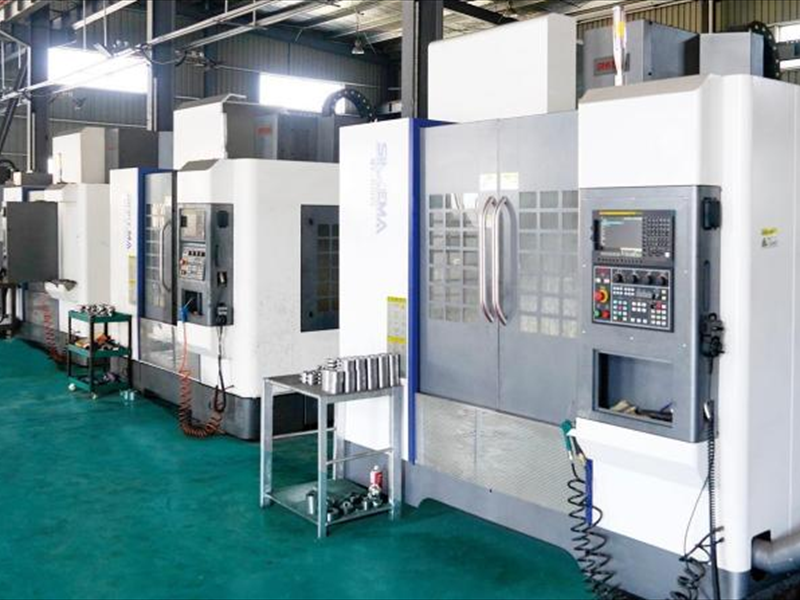
Troch dizze stappen te folgjen—feeding material, melting the plastic, mingen, and shaping—I transform raw pellets into finished products. The plastic extruder allows me to control every stage of the process, from material selection to final shaping. This step-by-step approach is essential for producing high-quality items in any industrial setting.
Cooling and Solidifying
Nei it plastyk ferlit de die, I focus on cooling the extrudate to lock in its shape and prevent defects. This stage is critical because the way I cool the product affects its strength and appearance. I use several methods to cool and solidify the plastic, depending on the product and the speed of production.
-
Calibrating
-
Air cooling
-
Final cooling
-
Advanced techniques (chilled rollers, vacuum cooling)
I often start with quenching. This method rapidly cools the outer layer of the plastic as it exits the extrusion head. I use air or water sprays for this step. Snelle koeling helpt de earste foarm yn te stellen en stopet it produkt fan kromming. Foar in protte profilen en pipen, Ik brûk kalibrators. Dizze apparaten stabilisearje de foarm en omfetsje wetterfolle tanks foar kontroleare koeling. Kalibrators helpe my ynterne spanningen te foarkommen en soargje dat it produkt rjochte bliuwt.
As ik nedich presys temperatuer kontrôle, Ik gean nei avansearre techniken. Gekoelde rollers en fakuümkoeling jouwe my rappe en sels koeling, dat is wichtich foar hege-snelheid produksje of spesjale applikaasjes. Ik kies altyd de metoade dy't oerienkomt mei de easken fan it produkt.
Tip: Ik kontrolearje de koelingssnelheid nau. As ik koel it plestik te fluch, Ik kin ynterne stress opfange. As ik it te stadich koelje, Ik risiko warping of oneffen oerflakken.
De koelmetoade dy't ik kieze, hat ynfloed op de definitive eigenskippen fan it produkt. De tabel hjirûnder lit sjen hoe't ferskillende cooling tariven feroarje de meganyske eigenskippen:
|
Cooling metoade |
Effekt op meganyske eigenskippen |
|---|---|
|
Rapid Water Cooling |
Kin ynterne stress opfange, ferswakking dikker produkten oer tiid. |
|
Stadiger Air Screw Extruder Factory Cooling Parallel Twin Screw Factory |
Befoarderet unifoarme kristallisaasje, fersterkjen fan krêft en ferminderjen warping risiko's. |
Ik balansearje altyd snelheid en kwaliteit om de bêste resultaten te krijen foar myn yndustriële kliïnten.
Downstream Processing
Sadree't it produkt is fêst, Ik gean nei streamôfwerts ferwurking. Dit poadium foeget wearde ta en taret it produkt op foar it lêste gebrûk. Ik folgje in searje stappen om it ekstrudearre plestik ôf te meitsjen:
-
Cutting: Ik brûk in hege snelheid cutter om de trochgeande strân yn fêste lingten te snijen. Accurate cutting is wichtich foar gearkomste en uterlik.
-
Shaping: Ik kin rinne it produkt troch in foarmjen masine. Dizze stap ferbetteret it uterlik en soarget derfoar dat de dimensjes korrekt binne.
-
Droechjen: Ik brûk yndustriële droegers, lykas multi-layer riem droegers of magnetron droegers, om elke focht út it produkt te ferwiderjen.
Nei dizze wichtichste stappen, Ik foegje faaks ta finishing touch. Ik kin ynformaasje of branding op it produkt drukke. Somtiden, Ik slach gatten, bell de úteinen, of coil it produkt foar makliker ferfier. Dizze ekstra stappen helpe my te foldwaan oan spesifike klantbehoeften en meitsje it produkt brûkber.
Noat: Downstream prosessen lykas snijen en printsjen ferbetterje de wearde fan ekstrudearre plestikprodukten. Se soargje foar de juste grutte, better uterlik, en ree foar merk.
Troch soarchfâldich behear fan koeling en streamôfwerts ferwurking, Ik leverje hege kwaliteit, betroubere produkten foar in breed skala oan yndustriële tapassingen.
Plastic Extruder Components
Hopper
Ik altyd begjinne myn wurk by de hopper. Dizze komponint sit oan 'e boppekant fan' e plestik extruder en bewarret de rauwe plestik pellets as korrels. De hopper fiert materiaal yn 'e barrel mei in fêste taryf. Ik kontrolearje de hopper regelmjittich om te soargjen dat it skjin en droech bliuwt. Guon modellen befetsje droege funksjes, dy't my helpe om de kwaliteit fan it plestik te behâlden. Focht kin defekten feroarsaakje, dus ik fertrou op 'e hopper om it materiaal yn goede steat te hâlden. Ik selektearje it rjocht hopper grutte basearre op de produksje folume. Foar banen mei hege útfier, Ik brûk gruttere hoppers om faak opnij te foljen.
Tip: Ik ynspektearje de hopper foar elke ferskowing. Skjin en droech materiaal soarget foar glêde extrusion en foarkomt blokkades.
Barrel en skroef
De barrel en skroef foarmje de kearn fan 'e extruder. De barrel biedt in ferwaarme romte foar de plestik pellets. Ik kontrolearje de barreltemperatuer om it smeltpunt fan it materiaal te passen. De skroef sit yn 'e loop en draait om it plestik nei foaren te bewegen. As de skroef draait, it fertelt, smelt, en mingt it materiaal. Ik oanpasse de skroef snelheid te kontrolearjen de útfier taryf. Hegere snelheden ferheegje produksje, mar kinne oerverhitting feroarsaakje. Ik kies it skroefûntwerp basearre op it type plestik en de produkteasken.
It ûntwerp fan 'e loop en skroef beynfloedet effisjinsje. Ik sjoch nei parameters lykas de L / D-ferhâlding (lingte nei diameter), kompresje ratio, flecht djipte, en schroef snelheid. Foar de measte banen, Ik brûk in skroef mei in 30:1 L/D ferhâlding. Dit jout my genôch tiid foar smelten en mingen. Kompresje ferhâldingen tusken 3:1 en 3.5:1 wurkje goed foar polyetyleen. Djippere flechtkanalen tastean hegere trochstreaming, mar ik lykwicht dit mei melting effisjinsje. Ik mije rinne de skroef te fluch, sûnt oermjittige snelheid kin degradearje it polymeer.
|
Komponint |
Funksje |
|---|---|
|
Skroef |
Oerbringt, plasticizes, en drukt grûnstoffen. |
|
Barrel |
Biedt opslach- en ferwaarmingsromte, garandearjen fan duorsumens en stabiliteit. |
Ik selektearje barriêre screws foar banen dy't nedich bettere melting gearhing. Dizze kar helpt my te berikken unifoarm mingen foardat it materiaal berikt de die.
Heaters
Heaters spylje in fitale rol yn 'e plestik extruder. Ik fertrou op har om de plestik pellets te smelten as se troch de loop bewege. De kachels wrapje om 'e loop en jouwe krekte temperatuerkontrôle. Ik set de temperatuer basearre op it type plestik. Bygelyks, Ik brûk legere temperatueren foar PVC en hegere ynstellings foar nylon. Konsekwinte ferwaarming foarkomt defekten en soarget foar unifoarme plastykaasje.
Ik kontrolearje de kachels yn it hiele proses. As de temperatuer fluktuearret, Ik riskearje unjildich smelten of oververhitting. Ik brûk temperatuerkontrôlesystemen om ferwaarming en koeling te behearjen. Dizze systemen helpe my it juste lykwicht te behâlden, sadat it plestik soepel streamt nei de die. Goed heaterbehear ferbettert produktkwaliteit en ferminderet ôffal.
Noat: Betroubere kachels en temperatuerkontrôlesystemen hâlde it ekstruderingsproses stabyl. Ik kontrolearje dizze komponinten altyd om produksjeproblemen te foarkommen.
Stjerre
Ik betelje altyd goed omtinken foar de die as ik myn plestik extruder operearje. De die foarmen it smelte plestik yn it einprodukt. Ik wit dat it kiezen fan 'e juste die essensjeel is foar it produsearjen fan pipen, blêden, profilen, of films mei krekte ôfmjittings.
Ik begjin mei it ynspektearjen fan de die foar elke produksjerun. Ik sjoch nei alle tekens fan wear, opbou, of skea. In skjinne die soarget foar in glêde trochstreaming fan plestik en foarkomt defekten. Ik brûk spesjalisearre ark om de diekanalen en oerflakken skjin te meitsjen. As ik sjoch gjin krassen of blokkades, Ik adres se fuortendaliks.
Doe't ik sette de extruder, Ik rjochtsje de die foarsichtich mei de loop. Goede ôfstimming foarkomt oneffen stream en ferleget it risiko fan warping. Ik draai de bouten gelyk oan om lekken te foarkommen. Ik kontrolearje ek de dietemperatuerynstellingen. Elk type plestik fereasket in spesifyk temperatuerberik foar optimale trochstreaming. Ik pas de dieheaters oan om te passen oan it materiaal dat ik brûk.
Tidens produksje, Ik kontrolearje de druk by de die. As de druk te heech opkomt, Ik wit dat der in blokkade of fersmoarging kin wêze. Ik stopje de masine en ynspektearje de die as ik fernimme gjin ûnregelmjittichheden yn de extruded produkt. Konsistente druk helpt my te behâlden unifoarme dikte en oerflak kwaliteit.
Ik wikselje faak tusken ferskillende dies ôfhinklik fan it produkt. Bygelyks, I use a flat die for making sheets and a ring die for pipes. I store each die in a clean, dry place to prevent rust and damage. I label each die clearly so I can find the right one quickly.
Tip: I always preheat the die before starting production. This step prevents cold spots and ensures a steady flow of molten plastic.
Here is a quick checklist I follow for die maintenance:
-
Inspect for wear and buildup before each run.
-
Clean channels and surfaces with proper tools.
-
Align and secure the die to the barrel.
-
Set the correct temperature for the material.
-
Monitor pressure and product quality during operation.
-
Store dies properly after use.
Troch dizze stappen te folgjen, I keep my extrusion process efficient and my products consistent. The die is a critical component that directly affects the quality of everything I produce.
Soarten Plastic Extruders
Single-Screw Extruder
Ik brûk faaks in single-screw extruder foar rjochtlinige plestik ferwurkjen banen. Dizze masine hat ien draaiende skroef binnen it barrel. Ik fyn it betrouber foar smelten, mingen, en it foarmjen fan de measte thermoplasten. As ik wol produsearje pipen, films, of blêden mei konsekwinte kwaliteit, Ik kies dit type. Ik pas de skroefsnelheid en temperatuer oan om it materiaal te passen. De single-screw design jout my basis mingen en fêste útfier. Ik brûk it as ik net in protte tafoegings hoech te mingjen of komplekse resepten te behanneljen.
Twin-Screw Extruder
As ik nedich better mingen en mear kontrôle, Ik skeakelje oer op a twin-screw extruder. Dizze masine brûkt twa screws dy't draaie tegearre. Ik kin materialen ferwurkje mei fillers, kleurstoffen, of sels reaktive gemikaliën. It twin-screw-ûntwerp lit my mingje, gearstalde, en sels gemyske reaksjes útfiere by extrusion. Ik brûk it foar avansearre applikaasjes, lykas it meitsjen fan spesjale ferbiningen of heechweardige plestik. The table below shows how single-screw and twin-screw extruders compare in industrial performance:
|
Eigenskip |
Single-Screw Extruders |
Twin-Screw Extruders |
|---|---|---|
|
Screw Diameter |
20 mm oan 300 mm |
16 mm oan 245 mm |
|
L/D Ferhâlding |
20:1 nei 30:1 |
25:1 nei 48:1 |
|
Screw Speed |
20 nei 250 RPM |
50 nei 1,200 RPM |
|
Utfier Rate |
10 kg/hr oan 1,000 kg/hr |
1 kg/hr oan 15,000 kg/hr |
|
Barrel Temperature |
20°C to 300°C |
Ambient to 400°C |
|
Mixing mooglikheden |
Basis mingen |
Superior mingen |
|
Torque Kapasiteit |
N/A |
200 Nm to 10,000 Nm |
|
Applikaasjes |
Straightforward polymer processing |
Compounding, blending, reaktive extrusion |
I look at this table when I decide which extruder to use for a project. If I need high output or advanced mixing, I pick the twin-screw model.
Spesjaliteit Extruders
Somtiden, my clients need unique shapes or special materials. I use specialty extruders for these jobs. These machines offer several advantages:
-
Design fleksibiliteit: I can create complex shapes and precise dimensions for custom applications.
-
Materiaal veelzijdigheid: I use different plastics and additives to improve durability and performance.
-
Enhanced performance: I tailor the machine for specific environments to ensure the best results.
-
Cost efficiency: I reduce waste and avoid extra machining, which lowers production costs.
-
Aesthetic options: I match colors and finishes to meet branding needs.
I choose a specialty extruder when standard machines cannot meet the requirements. This approach helps me deliver custom solutions for challenging projects.
Plastic Extrusion Materialen
Common Thermoplastics
When I select materials for plastic extrusion, I always start with thermoplastics. These materials soften when heated and harden when cooled, which makes them ideal for repeated processing. I choose the right thermoplastic based on the product’s requirements, such as strength, fleksibiliteit, of gemyske ferset.
Here are the most common thermoplastics I use in industrial extrusion and their key properties:
-
Polyvinylchloride (PVC): I rely on PVC for its strength and versatility. It resists moisture, gemikaliën, en UV-strieling, so I use it for pipes, finster profilen, en kabel isolaasje.
-
Polyetyleen (PE): I choose PE when I need a lightweight and flexible material. It offers excellent impact resistance and chemical stability, making it perfect for films, konteners, en buis.
-
Polypropylene (PP): I use PP for products that need toughness and fatigue resistance. It stands up to chemicals and stress, so I often select it for automotive parts and reusable containers.
-
Polystyrene (PS): I turn to PS for its rigidity and clarity. It molds easily and works well for packaging, wegwerp bestek, and laboratory ware.
-
Nylon: I pick nylon when I need a high strength-to-weight ratio. It performs well in high-temperature environments and offers fair chemical resistance. I use it for gears, lagers, and industrial parts.
-
ABS (Acrylonitril Butadien Styrene): I select ABS for its toughness and impact resistance. It is harder than pure polystyrene and works well for automotive trim, enclosures, en konsuminteguod.
-
PLA (Polylactic Acid): I use PLA for applications that require a biodegradable option. It comes from renewable resources like corn starch and has a low melting point, which suits packaging and disposable products.
-
PETG (Polyetyleen tereftalaat glycol): I choose PETG when I need a balance of strength and ease of processing. It resists chemicals and warping, so I use it for bottles, medyske apparaten, and food containers.
Tip: I always match the thermoplastic’s properties to the product’s end use. This step ensures durability and performance.
Additieven en Fillers
I often need to modify the properties of my extruded plastic products. To do this, I blend in additives and fillers during the extrusion process. These ingredients help me meet specific industry standards and customer requirements.
-
Stabilisatoren: I add stabilizers to improve heat and UV resistance. This keeps products from degrading in harsh environments.
-
Color Pigments: I use pigments to achieve the exact color my client wants. This step also helps with branding and product identification.
-
Flame Retardants: I include flame retardants for products that must meet fire safety regulations, such as electrical components or building materials.
-
Fillers: I add fillers like calcium carbonate or glass fibers to enhance mechanical strength, reduce cost, or change the product’s weight.
The careful blending of these additives and fillers lets me optimize the extrusion process. I can improve mechanical properties, adjust appearance, and ensure the final product meets all specifications.
Noat: I always test new formulations before full-scale production. This practice helps me avoid defects and ensures consistent quality.
By understanding both the base thermoplastics and the role of additives, I can produce extruded products that perform reliably in any industrial application.
Extrusion Applications in Industry
Industrial Uses
ik brûk plastic extrusion every day to meet the demands of many industries. This process gives me the flexibility to create products that solve real-world problems. I start by selecting the right material and adjusting my machine for the job. I know that each application requires a specific approach, so I always match the extrusion process to the end use.
Here is a table that shows how I apply extrusion in different industrial sectors:
|
Applikaasje Type |
Beskriuwing |
|---|---|
|
Pipes and Tubing |
I produce water supply lines, sewage pipes, and irrigation tubing using materials like PVC and HDPE. |
|
Profiles and Structural Components |
I make window frames and door seals that improve energy efficiency and durability in construction. |
|
Plastic Films and Sheets |
I create packaging films and agricultural covers that offer flexibility and UV protection. |
|
Electrical and Automotive Components |
I manufacture wire coatings and automotive trims that enhance safety and fuel efficiency. |
|
Other Specialized Uses |
I extrude medical tubing and 3D printing filaments for specialized applications in healthcare and manufacturing. |
I always adjust the extrusion process to fit the requirements of each industry. Bygelyks, I use tighter tolerances for medical tubing and focus on durability for construction profiles. I monitor every step to ensure the final product meets strict standards.
Tip: I keep detailed records of each extrusion run. This helps me troubleshoot issues and improve quality for future projects.
Typyske produkten
I see the results of plastic extrusion in many products I use and produce. The process allows me to create items with consistent quality and precise dimensions. Here are some of the most common products I make using extrusion:
-
Pipes and tubing for plumbing, irrigation, and industrial systems
-
Plastic films and sheets for packaging, lânbou, and protective covers
-
Electrical and automotive components such as wire insulation and dashboard trims
-
Medical tubing for fluid delivery and surgical devices
-
3D printing filaments for rapid prototyping and manufacturing
-
Furniture edges that protect surfaces and add style
-
Decorative strips for appliances, vehicles, and building interiors
I follow a step-by-step process for each product. I start by choosing the right thermoplastic and setting up the extruder. I monitor the temperature, druk, and speed throughout the extrusion. I use the correct die to shape the product and select the best cooling method to lock in the form. I finish with downstream processing, such as cutting, printsjen, or coiling, to prepare the product for use.
Plastic extrusion gives me the ability to respond quickly to new market demands. I can switch between products by changing the die and adjusting the process parameters. This flexibility helps me serve a wide range of industries and deliver reliable solutions.
Noat: I always test new products before full production. This ensures that the extrusion process produces consistent and high-quality results.
Advantages and Limitations
Key Benefits
When I use plastic extrusion in my daily work, I see many advantages that help me deliver quality products efficiently. I rely on this process because it supports continuous and scalable production. I can run my extruder for long periods with minimal downtime, which is perfect for large orders. This approach keeps my workflow steady and predictable.
I also appreciate the cost efficiency of plastic extrusion. I recycle leftover materials and reduce waste, which lowers my production costs. I optimize the use of raw materials and keep expenses under control. Design flexibility stands out as another major benefit. I can create a wide range of shapes and sizes, fan ienfâldige buizen oant komplekse profilen. This flexibility lets me meet different customer needs without changing my core equipment.
Consistent quality is important in my work. The extrusion process gives me uniform material flow and precise dimensions. I can meet tight tolerances, which is essential for industries like automotive and medical. I also value the compatibility with many thermoplastics. I switch between materials like PVC, PE, and PP to match the requirements of each project. Modern extruders allow me to integrate automation and smart systems. I use sensors and controls to improve accuracy and efficiency.
Here is a table that summarizes the main benefits I experience with plastic extrusion:
|
Foardiel |
Beskriuwing |
|---|---|
|
Continuous and Scalable Production |
High output rates with minimal downtime, ideal for large-volume jobs. |
|
Less waste and lower costs by recycling leftover materials. |
|
|
Design fleksibiliteit |
Wide range of shapes and dimensions for various needs. |
|
Consistent Quality and Repeatability |
Uniform material flow and exact specifications for tight tolerances. |
|
Compatibility with Many Materials |
Handles various thermoplastics for better performance and durability. |
|
Integration with Automation |
Improved accuracy and efficiency through smart technology. |
Tip: I always monitor my process parameters to maintain these benefits and avoid unexpected issues.
Mienskiplike útdagings
While I enjoy many advantages, I also face challenges with plastic extrusion. Selecting the right material is critical. Each plastic has unique properties that affect how it melts and flows. If I choose the wrong material, I risk poor extrudability and product defects.
Quality control requires constant attention. I watch for variations in dimensions and surface defects, which can result from changes in temperature or pressure. Environmental concerns also play a role in my work. The extrusion process uses a lot of energy and can generate waste. I focus on recycling and energy efficiency to reduce my impact.
Achieving tight dimensional tolerances is not always easy. Plastics shrink as they cool, which can cause warping if I do not manage the cooling process carefully. Startup waste is another issue. When I begin a new run, I often produce scrap until the melt flow stabilizes and the die aligns properly.
Material compatibility can cause problems, especially when I blend different polymers. Some materials do not mix well, leading to weak spots or phase separation. Equipment maintenance is essential. Continuous operation wears down screws and dies, so I schedule regular checks to prevent contamination and buildup.
Die design affects the stability of the extrusion process. Uneven melt viscosity can lead to defects like die swell or rough surfaces. Thermoplastics are sensitive to temperature changes. I use precise thermal control to avoid degradation or poor flow.
Here are the main challenges I address in my daily work:
-
Material limitations: I must select plastics with the right properties for each job.
-
Quality control issues: I monitor for defects and adjust parameters as needed.
-
Environmental concerns: I recycle and use energy-efficient practices.
-
Dimensionale tolerânsjes: I manage cooling to prevent warping.
-
Startup waste: I minimize scrap during setup.
-
Materiaal kompatibiliteit: I test blends before full production.
-
Equipment maintenance: I clean and inspect my extruder regularly.
-
Die design: I fine-tune the die for stable flow.
-
Thermal sensitivity: I control temperature to protect the material.
Noat: I keep detailed records and follow a strict maintenance schedule to overcome these challenges and keep my extrusion line running smoothly.
I follow a clear process with my plastic extruder: feed, rane, foarm, koel, and finish. I check each component to keep production efficient. I know that choosing the right extruder and material impacts texture, gearhing, en produkt kwaliteit. Different materials interact with moisture, temperatuer, and mechanical shear in unique ways.
-
The choice of extruder and material affects product texture and quality.
-
Moisture levels, barrel zones, and screw RPM are key for desired results.
I see many benefits, but I always consider process parameters. For those ready to optimize extrusion, I recommend these steps:
|
Beskriuwing |
|
|---|---|
|
Start with sensor layer |
Retrofit extrusion lines with temperature and pressure monitoring for better operator response. |
|
Evaluate energy-efficient equipment |
Consider drive systems, monitoring, and maintenance as a unified capital decision. |
|
Engage suppliers early |
Discuss material testing and qualification before finalizing specifications for engineered polymers. |
FAQ
What materials can I use in a plastic extruder?
I select thermoplastics like PVC, PE, PP, en ABS. I choose the material based on the product’s requirements. I always check compatibility and melting points before starting the extrusion process.
How do I maintain consistent product quality?
Ik monitor temperatuer, druk, en schroef snelheid. I inspect the die and clean the hopper regularly. I keep detailed records of each run. Consistent settings help me achieve reliable results.
Can I recycle leftover plastic during extrusion?
I recycle scrap material by feeding it back into the hopper. I check for contamination and dryness. Recycling helps me reduce waste and lower production costs.
What are the main steps in plastic extrusion?
Ik folgje dizze stappen: feed raw material, melt and mix, shape with the die, cool and solidify, and finish with downstream processing. Each step requires careful monitoring.
How do I choose the right extruder for my application?
I consider the material, product shape, en produksje folume. I select single-screw extruders for basic jobs and twin-screw models for advanced mixing. Specialty extruders suit custom shapes.
What should I look for in plastic extrusion services?
I look for expertise, reliable equipment, en kwaliteit kontrôle. I check if the provider offers material testing and custom die design. I value clear communication and support throughout the project.
How can I troubleshoot defects in extruded products?
I inspect the material for moisture or contamination. I adjust temperature and pressure settings. I check the die for blockages. I review process records to find the cause of defects.
Is plastic extrusion suitable for medical products?
I use plastic extrusion to make medical tubing and consumables. I select medical-grade materials and follow strict quality standards. I monitor every step to ensure safety and performance.


Filler Masterbatch Extruder Machine: Complete B2B Trade Guide for Manuf… · Filler Masterbatch Extrusion Machine: Complete B2B Trade Guide for Manu… · Filler Masterbatch Extrusion Machines: Complete B2B Trade Guide for Man…