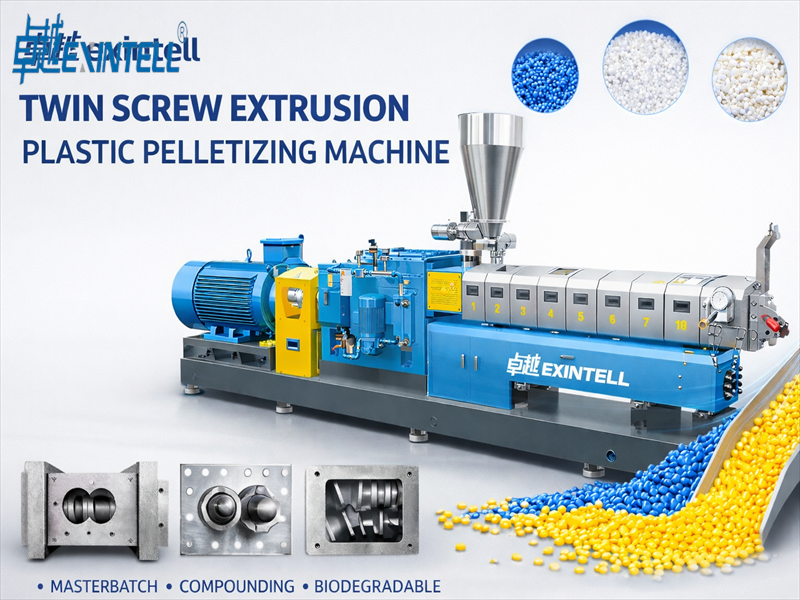
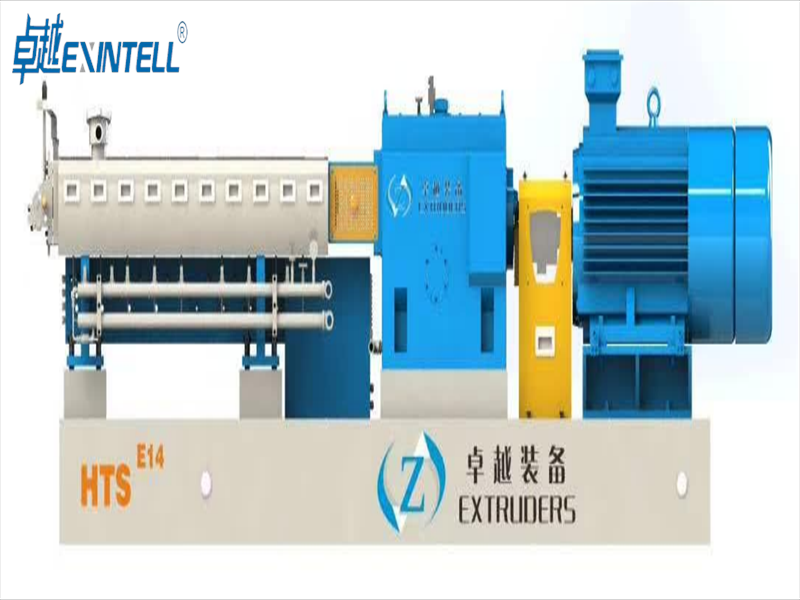
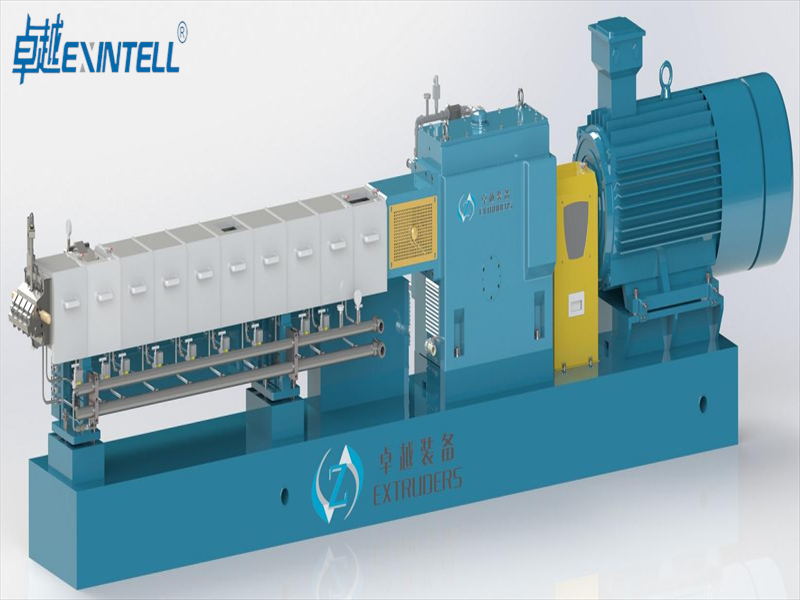
A kaksoisruuviekstruuderi siinä on kaksi ruuvia, jotka pyörivät yhdessä tynnyrin sisällä. Jokaisella ruuvilla on liukuosat sen akselilla joka sopii juuri oikein. Tämä auttaa ruuveja liikkumaan sujuvasti ja antaa hyvän hallinnan. Tämän suunnittelun avulla voit sekoittaa ja käsitellä asioita hyvin. Monet yritykset, pitää muovit ja ruoka, käytä tätä konetta tuotteiden valmistamiseen. Jos haluat käyttää ekstruuderia, sinun pitäisi opetella perusasiat. Ihmisillä, jotka ovat uusille tähän, on usein ongelmia lämpötilan kanssa ja erottaa yksi- ja kaksiruuvityypit toisistaan.
Key Takeaways
A kaksoisruuviekstruuderi käyttää kahta ruuvia, jotka kääntyvät yhteen. Nämä ruuvit sekoittavat ja käsittelevät materiaaleja erittäin hyvin. Tämä tekee koneesta erinomaisen muovi- ja elintarviketeollisuudessa.
Tämä kone sekoittuu paremmin ja hallitsee lämpöä enemmän kuin a yksiruuvinen ekstruuderi. Se auttaa valmistamaan parempia tuotteita ja säästää energiaa.
Osien tunteminen, kuten ruuvit ja tynnyrit, helps you change and improve the extruder. This lets you use it for different materials and jobs.
You can change how fast you feed materials and set temperature zones. This makes the twin screw extruder work better and keeps product quality steady.
Picking the right twin screw extruder, like co-rotating or counter-rotating, is important. It can change how well the machine mixes and if it works for certain materials.
What Is a Twin Screw Extruder
Basic Definition
A kaksoisruuviekstruuderiis a machine with two screws that turn inside a barrel. You put raw materials into the barrel. The screws push the materials forward. As the materials move, the screws mix, sulaa, and shape them. This design lets you control mixing and temperature better. You can use akaksoisruuviekstruuderifor many jobs, like making plastics, ruokaa, or chemicals.
The main mechanical ideas of akaksoisruuviekstruuderihelp you get good results. Here is a table that explains these ideas:
Principle
Kuvaus
Starve-fed mechanism
Lets you feed materials at your own speed without changing the output.
Positive forwarding
Moves materials smoothly, so you do not get blockages or slips.
Low shear rate
Gives you better control of heat and stress on the material.
Dimensional control
Keeps the flow steady, which improves the quality of the final product.
Efficient mixing
Mixes materials well without overheating them.
Energiatehokkuus
Uses less power, so you save energy.
You will see that akaksoisruuviekstruuderikeeps materials inside for a short and even time. This helps stop damage to the material. The machine also mixes and melts materials very well. This is important if you want to change or improve plastics. Unlike single screw machines, kaksoisruuvipuristimetuse intermeshing screws. Tämä tarkoittaa, että ruuvit toimivat yhdessä materiaalien siirtämiseksi eteenpäin. He eivät käytä vain kitkaa.
Kaksoisruuvi vs. Yksi ruuvi
Saatat kysyä, kuinka a kaksoisruuviekstruuderi eroaa yksiruuvipuristimesta. Suurin ero on siinä, miten kukin kone sekoittaa ja siirtää materiaaleja. Yksiruuvipuristimessa on vain yksi ruuvi tynnyrin sisällä. Se on yksinkertainen ja helppokäyttöinen. Mutta se ei voi sekoittaa materiaaleja yhtä hyvin a kaksoisruuviekstruuderi.
Tässä on joitain tärkeimpiä eroja näiden kahden tyypin välillä:
Voit hallita, kuinka paljon voimaa ruuvit käyttävät, joten et vahingoita materiaalia.
Kiinnittävät ruuvit a kaksoisruuviekstruuderi tee vahva sekoitus ja vaivaaminen. Tämä auttaa sinua sekoittamaan lisä- ja täyteaineet paremmin.
Yksiruuviset ekstruuderit sopivat hyvin perussekoitukseen, mutta heillä on vaikeuksia kovempien sekoitusten kanssa.
The table below shows how the two machines are different in important ways:
Ominaisuus
Kaksoisruuviekstruuderi
Yksiruuvinen ekstruuderi
Tehokkuus
Higher output and faster processing
Lower efficiency
Mixing Ability
Strong mixing and plasticizing
Basic mixing only
Energy Use
Lower energy per unit of product
Higher energy per unit of product
Application Range
Works for many types of products
Limited to simple applications
You will find that akaksoisruuviekstruuderiis more efficient and saves energy. Esimerkiksi, a single screw extruderuses about 900-1500 kJ of energyfor each kilogram of material. A kaksoisruuviekstruuderionly needs about 400-600 kJ for the same amount. This means you can process more material and spend less on energy.
Kärki:If you need to mix different materials or add fillers, a kaksoisruuviekstruuderiwill give you better results and higher quality products.
Twin Screw Extruder Machine Components
A twin screw extruder machine has many important parts. These parts work together to process materials. You should know these parts to understand how the machine works. Knowing them helps you change the machine for different jobs.
Screws and Barrel
The screws are the main part of the twin screw extruder machine. They mix materials and move them forward. You can pick differentscrew designs, like co-rotating or counter-rotating. This lets you match the screws to the materials you want to use. The barrel goes around the screws and holds them in place. It protects the screws from damage and helps control the temperature. Most screws and barrels are made fromstrong steel. This steel can handle high heat and tough materials.
Component
Function
Ruuvien suunnittelu
Mixes and moves materials; can be customized for different processes.
Tynnyri
Holds screws, controls temperature, and protects against wear.
Kärki:You can change the screw setup and barrel shape in a twin screw extruder machine. This makes it easy to process many materials and make different products.
Feeding and Discharge
The feeding systembrings raw materials into the twin screw extruder machine. You can use special feeders, like volumetric or gravimetric types. These feeders help you control how much material goes in. Good feeding systems keep the flow steady and stop blockages. The discharge system takes the finished product out of the machine. If you set up feeding and discharge well, you can get more output and save energy.
Steady feedingstops surges and keeps the twin screw extruder machine working well.
Vibratory feeders make less noise and are easier to clean.
Ruuvien muoto ja nopeus syöttövyöhykkeellä auttavat hallitsemaan sisään menevää materiaalia.
Lämmitys, Jäähdytys, ja tuuletus
Sinun on säädettävä lämpötilaa kaksiruuvipuristimen sisällä. Lämmittimet, kuten tynnyrilämmittimet tai keraamiset lämmittimet, lämmitä kone nopeasti ja tasaisesti. Jäähdytystakit tai vesijärjestelmät estävät koneen kuumenemisen liian kuumaksi. Voit muuttaa lämmitys- ja jäähdytysvyöhykkeitä materiaaleihisi sopivaksi.
Myös tuuletus on tärkeää. Se poistaa kosteutta ja kaasuja materiaalien sulaessa. Tämä vaihe pitää lopputuotteen vahvana ja virheettömänä. Jos käytät herkkiä materiaaleja, tuuletus pysäyttää ongelmat, kuten heikot kohdat tai kuplat.
Lämmitysmenetelmä
Edut
Tynnyrilämmitin
Nopea lämmitys, tarkka lämpötilan säätö
Keraaminen lämmitin
Kestävä, hyvä korkeille lämpötiloille
Sähkömagneettinen induktiolämmitin
Säästää energiaa, estää paikallista ylikuumenemista
Kaksoisruuvipuristinkone on erityinen, koska sen osia voi vaihtaa. Voit vaihtaa ruuvit, tynnyrit, ja syöttölaitteet käsittelemään uusia materiaaleja tai valmistamaan parempia tuotteita. Tämä tekee koneesta hyödyllisen monilla teollisuudenaloilla.
Kuinka ekstruuderi toimii
Kun tiedät kuinka a kaksoisruuviekstruuderi toimii, voit käyttää sitä paremmin. Prosessissa on muutama päävaihe. Jokainen askel tekee jotain tärkeää. Jokainen koneen osa auttaa muuttamaan raaka-aineet valmiiksi tuotteiksi.
Materiaalin ruokinta
Ensimmäinen, lisäät raaka-aineita, kuten muovipellettejä tai -jauheita. Suppilo on ylhäällä ja sisältää nämä materiaalit. Painovoima vetää materiaalin alas tynnyriin. Ruuvit alkavat pyöriä ja tarttuvat materiaaliin. He vetävät sen eteenpäin piipun läpi.
Laita raaka-aine suppiloon.
Materiaali putoaa tynnyriin.
Ruuvit poimivat materiaalin ja siirtävät sitä eteenpäin.
Kärki:Feeding the material at a steady rate keeps things running well. Special feeders help you control how much material goes in.
Mixing and Melting
As the material moves, the screws squeeze and mix it. The screws fit together closely. This helps mix everything well, even if you add fillers. The barrel gets hot, and the screws make friction. Heat and pressure melt the material.
The screws mix the material strongly. This makes the blend even, even with tough additives.
Huom: Voit muuttaa lämpötilaa tynnyrin eri osissa. Tämä auttaa pitämään materiaalin suojassa liialta kuumuudelta.
Tuotteen muodostuminen
Sulatuksen ja sekoituksen jälkeen, ruuvit työntävät materiaalin loppuun. Sulanut materiaali menee suulakkeen läpi. Muotti muotoilee sen sauvoiksi, lakanat, tai pellettejä. Kun materiaali lähtee muotista, se jäähtyy ja kovettuu.
Ruuvit työntävät sulaneen materiaalin muottiin.
Materiaali kulkee muotin läpi ja ottaa muotonsa.
Tuote jäähtyy ja muuttuu kiinteäksi.
Voit nähdä, mikä tekee a kaksoisruuviekstruuderi erikoista täällä. Ruuvit pitävät virtauksen tasaisena, joten tuote on aina sama. Voit vaihtaa ruuvin osat nopeasti. Näin voit valmistaa uusia tuotteita tai käyttää uusia materiaaleja nopeasti.
Tässä on taulukko, joka näyttää joitain erikoissäätimiä, joita saat a kaksoisruuviekstruuderi:
Ominaisuus
Hyöty
Tehostettu lämpötilan säätö
Keeps material at the right temperature throughout
Modular screw and barrel design
Lets you adjust for different materials and products
Intensive mixing and pumping mechanism
Gives you even blends and smooth flow
Fast reconfiguration for new products
Saves time and increases flexibility
Kärki:Changing screw parts and controlling temperature in zones gives you more control. This is why many people choose akaksoisruuviekstruuderifor material processing.
Now you can see how the process goes from feeding to finished product. Each step uses the special features of thekaksoisruuviekstruuderito give you good results.
Advantages and Applications
Key Benefits
If you use a twin screw extruder, you get many good things. The screwsmix materials together very well. This helps make plastic products strong and even. You can add fillers or colors, and they will mix in nicely.
Parempi sekoitus: Ruuvit toimivat joukkueena. Ne sekoittavat materiaalit hyvin ja nopeasti.
Itsepuhdistuva: Kone puhdistaa itsensä ajon aikana. Sinun ei tarvitse pysähtyä usein puhdistamaan tai vaihtamaan materiaaleja.
Hyvä tuuletus: Monet tuuletusaukot poistavat vettä ja kaasuja. Esimerkiksi, kolme tuuletusaukkoa voivat leikata ei-toivottuja esineitä 50% alle 0.1%. Tämä pitää tuotteesi vahvoina ja estää vikoja.
Korkea teho: Voit tehdä enemmän materiaalia lyhyemmässä ajassa. Näin työsi sujuu nopeammin.
Joustava muotoilu: Voit vaihtaa ruuvin osia erilaisiin töihin tai materiaaleihin.
Huom: Tiivisteiden tulee sopia juuri oikein. Jos tiiviste on liian tiukka tai virtaus on liian nopea, materiaali voi tukkia tuuletusaukon. Tarkista aina asetukset saadaksesi parhaat tulokset.
Tyypilliset sovellukset
Kaksoisruuviekstruudereita käytetään monilla teollisuudenaloilla. Ne sekoittavat materiaalit hyvin ja toimivat nopeasti. Nämä koneet sopivat erinomaisesti muovin ja ruoan valmistukseen. The table below shows some common uses:
Application Area
Kuvaus
Tire Manufacturing
Makes tires and rubber with strong mixing.
Polymer Blends
Mixes different polymers and fillers for even results.
Resin Modification
Adds things to change how polymers act.
Elintarvikkeiden jalostus
Cooks and shapes foods made from starch.
Recycling
Melts and reshapes plastics for new uses.
Shaped Products
Forms complex parts for cars and medical tools.
Flat & Foam Products
Makes packaging and flexible goods from plastic.
You can also use these machines for making medicine, mixing polymers, and making things all the time. Their strong mixing and fast work make them a smart choice for many jobs.
Types of Twin Screw Extruders
There are differenttypes of twin screw designs. Each type is good for certain jobs. Sinun on tiedettävä, miten kukin toimii valitaksesi oikean ekstruuderin.
Yhdessä pyörivä
Vuonna a yhdessä pyörivä ekstruuderi, molemmat ruuvit pyörivät samalla tavalla. Näin ruuvit sekoittuvat materiaalit todella hyvin. Ruuvit koskettavat ja siirtävät tavaraa yhdestä toiseen. Tämä auttaa hajottamaan kokkareita ja sekoittamaan esimerkiksi täyteaineita tai lisäaineita.
Yhdessä pyörivä tyyppi sekoittuu paremmin, koska ruuvit toimivat paremmin yhdessä.
Suuri leikkaus keskellä hajottaa suuria paloja.
Voit lisätä vaivauspaloja sekoittaaksesi entistä paremmin.
Tämä asetus antaa tasaisen virtauksen ja paljon tehoa.
Se toimii muovien kanssa, ruokaa, ja kumia.
Voit käyttää sitä monenlaisten materiaalien kanssa.
Kärki: Valitse yhdessä pyörivä ekstruuderi, jos haluat vahvan sekoittumisen ja nopean työn.
Vastakkain pyörivä
Vastakkain pyörivissä ekstruudereissa on ruuvit, jotka kääntyvät vastakkaisiin suuntiin. Tämä tyyppi työntää materiaalia eteenpäin ja käsittelee sitä hellästi. It is good for stuff that cannot take too much force, like PVC or cable coatings.
You can do more than one process, like extrusion and injection.
Custom setups are used in medical, car, and electronics work.
Hyöty
Kuvaus
Maximize Mixing and Compounding
Special screw parts help mix evenly and make good products.
Enhance Operational Flexibility
You can use the extruder in labs or big factories.
Adapt to Market Demands
You can change your setup when the industry changes.
Huom: Modular designs help you keep up with new materials and products. You can change your extruder fast without buying a new one.
Each twin screw design has its own special benefits. If you pick the right type, you get the best results for your job.
You now know how a twin screw extruder works. It mixes things well, keeps them safe, and makes a lot of product. The machine is made from strong materials like 420 stainless steel. This helps it last a long time. You can use the machine all the time and save money. Many businesses use this machine for recycling, ruokaa, and plastics. If you want to learn more, look at these links:
You can read school articles or research to see how twin screw extruders help with recycling and making new materials.
FAQ
What materials can you process with a twin screw extruder?
You can process plastics, ruokaa, kemikaaleja, and even recycled materials. The machine works with powders, pelletit, and pastes. You can also mix fillers, värit, or additives.
How do you clean a twin screw extruder?
Most twin screw extruders have a self-cleaning action. You can run a cleaning material through the machine. For deep cleaning, you can remove the screws and barrel.
Why should you choose a twin screw extruder over a single screw extruder?
You get better mixing, faster processing, and more control. Twin screw extruders handle tough blends and sensitive materials. You can also change parts for different jobs.
Can you adjust the output of a twin screw extruder?
Kyllä! You can change the screw speed, lämpötila, ja ruokintanopeus. This lets you control how much product you make and its quality.