

What Is A Twin Screw Extruder Wholesale: Der definitive B2B-Sourcing-Leitfaden für globale Käufer in
Twin screw extruders have become the backbone of modern plastics compounding, Lebensmittelverarbeitung, Pharmazeutische Herstellung, und Chemieingenieurwesen. For B2B buyers navigating the wholesale market — whether sourcing from a Hersteller von Doppelschneckenextrudern in China, a European OEM supplier, or a North American factory — understanding the wholesale landscape is critical to securing competitive pricing, reliable quality, and favorable trade terms. This guide breaks down the twin screw extruder wholesale ecosystem, examines trade dynamics shaping procurement in, and provides actionable sourcing intelligence for industrial buyers worldwide.
Industrial manufacturing facility with heavy machinery and extrusion equipment used in B2B wholesale production lines
Understanding Twin Screw Extruders: Core Technology Behind Wholesale Demand
Ein Doppelschneckenextruder ist eine Industriemaschine mit zwei ineinandergreifenden Schnecken, gleichläufig oder gegenläufig rotierende Schnecken, die in einem geschlossenen Zylinder untergebracht sind. Die Schrauben vermitteln, mischen, kneten, und Formen von Rohstoffen — Polymere, Lebensmittelzutaten, Pharmazeutische Verbindungen, oder chemische Rohstoffe — unter kontrollierten Temperatur- und Druckbedingungen. Das Ergebnis ist eine kontinuierliche, hocheffiziente Verarbeitungsmethode, die Einschneckenalternativen in der Mischqualität übertrifft, Durchsatzflexibilität, und Materialvielfalt.
Der Großhandelsmarkt für Doppelschneckenextruder existiert, weil industrielle Käufer selten eine einzelne Einheit kaufen. Compoundieranlagen, Lebensmittelverarbeitungsanlagen, und Vertragshersteller benötigen in der Regel mehrere Maschinen, die für verschiedene Produktlinien konfiguriert sind, plus Ersatzteile, Fässer, Schraubenelemente, und nachgeschalteter Ausrüstung. Dadurch entsteht eine natürliche Großhandelsdynamik, bei der Volumeneinkäufe von a Doppelschneckenextruderfabrik or authorized distributor yields significant cost advantages.
Key specifications that wholesale buyers evaluate include:
- Schraubendurchmesser (typically 20mm to 135mm for standard models, up to 300mm+ for large-scale production)
- L/D-Verhältnis (length-to-diameter, häufig 32:1 Zu 52:1 depending on application)
- Torque rating and specific energy input capacity
- Barrel configuration (number of zones, heating/cooling capability)
- Durchsatzkapazität (kg/hour), ranging from lab-scale 5 kg/h to industrial 20,000+ kg/h
- Material of construction (Nitrierter Stahl, Bimetall, tungsten carbide overlays)
Nach Angaben von Grand View-Forschung (2024), Der weltweite Markt für Doppelschneckenextruder wurde auf etwa USD geschätzt 1.2 Milliarden in 2023 und wird voraussichtlich mit einer CAGR von wachsen 5.8% durch 2030, driven by demand in plastics compounding, Masterbatch-Produktion, and food extrusion applications.
The Wholesale Ecosystem: Hersteller, Lieferanten, Fabriken & Distributors
Understanding the distinction between different wholesale channel participants is essential for B2B procurement teams:
A Hersteller von Doppelschneckenextrudern designs and builds machines from the ground up. Diese Unternehmen kontrollieren R&D, Maschinenbau, Komponentenfertigung, Montage, und Qualitätsprüfung. Zu den wichtigsten Herstellern gehört Coperion (Deutschland), KraussMaffei (Deutschland), Leistritz (Deutschland), JSW (Japan), USEON (China), Nanjing Jieya (China), und Nanjing Chuangbo (China). Der Direktkauf bei einem Hersteller bietet in der Regel die besten Preise für Großbestellungen, kann jedoch längere Vorlaufzeiten und höhere Mindestbestellmengen mit sich bringen.
A Lieferant von Doppelschneckenextrudern ob die Ausrüstung hergestellt wird oder nicht. Lieferanten fungieren oft als regionale Distributoren, Wiederverkäufer mit Mehrwert, oder Handelsunternehmen, die Produkte aus mehreren Fabriken zusammenfassen. Sie bieten lokalen Service, schnellere Lieferung aus regionalen Lagern, und manchmal Finanzierungsmöglichkeiten. Für Käufer in den USA und der EU, Die Zusammenarbeit mit einem lokalen Lieferanten kann den Kundendienst und die Ersatzteillogistik vereinfachen.
A Doppelschneckenextruderfabrik bezieht sich speziell auf die Produktionsstätte. Im B2B-Großhandelskontext, "factory direct" Die Preisgestaltung ist ein wichtiges Verkaufsargument, insbesondere für Käufer, die von chinesischen Produktionszentren in Nanjing beziehen, Zhangjiagang, und Guangzhou — Städte, die zu globalen Zentren für die Produktion von Extrusionsanlagen geworden sind.
Die Großhandelsebene fügt eine weitere Ebene hinzu: Großabnahmeverträge, jährliche Lieferverträge, und Flottengeschäfte, bei denen sich ein Käufer dazu verpflichtet, über einen festgelegten Zeitraum mehrere Einheiten oder ein definiertes Dollarvolumen gegen einen ermäßigten Stückpreis zu kaufen, Prioritätsplanung der Produktion, und erweiterte Garantiebedingungen.
Fabrik für Doppelschneckenextruder Globale Schiffscontainer in einem großen internationalen Hafen repräsentieren die B2B-Großhandelslogistik für Industriemaschinen Extruder-Ender 3 Profi
Handelspolitische Landschaft, die sich auf den Industriemaschinengroßhandel auswirkt
The transatlantic trade corridor between the United States and European Union remains one of the world's largest bilateral trade relationships, Der Waren- und Dienstleistungshandel übersteigt USD 1.3 Billionen pro Jahr nach Angaben der UNS. Internationale Handelsverwaltung (ITA), 2024 Daten. Für Großabnehmer von Doppelschneckenextrudern, Mehrere politische Entwicklungen sind direkt relevant:
Tarifumfeld: Die USA erheben weiterhin Zölle auf bestimmte Kategorien von Industriemaschinenimporten. Nach dem Harmonisierten Tarifplan (HTS), Doppelschneckenextruder fallen im Allgemeinen unter die Überschrift 8477 (Maschinen zur Bearbeitung von Gummi oder Kunststoffen). Die Zollsätze variieren je nach Herkunftsland. In der EU hergestellte Extruder, die in die USA gelangen, müssen mit Meistbegünstigungen rechnen (Meistbegünstigte Nation) Preise typischerweise zwischen 3.1% Und 4.4%, während in China hergestellte Geräte möglicherweise einem zusätzlichen Abschnitt unterliegen 301 Tarife reichen von 7.5% Zu 25%, abhängig von der spezifischen HTS-Unterüberschrift und etwaigen anwendbaren Ausschlüssen.
Großhändler für Kunststoffrohrextrusion Der European Commission's Directorate-General for Trade hat aktiv mit den USA über kritische Mineralien verhandelt, Zollanpassungen für Stahl und Aluminium, und Technologiehandelsrahmen im Laufe der Zeit. While twin screw extruders are not directly targeted by these negotiations, the broader tariff environment influences procurement decisions — particularly for US buyers evaluating whether to source from EU manufacturers (lower tariff, higher unit cost) versus Chinese factories (potentially higher tariff, lower unit cost).
Supply Chain Due Diligence: The EU's Corporate Sustainability Due Diligence Directive (CSDDD), which entered into force in 2024, requires large EU companies to identify and mitigate adverse human rights and environmental impacts in their supply chains. For EU-based wholesale buyers of twin screw extruders, this means increased scrutiny of manufacturing conditions at supplier factories, particularly those in developing economies. Compliance-Dokumentation, factory audits, and sustainability certifications are becoming standard requirements in wholesale procurement contracts.
Export Controls and Technology Transfer: While standard twin screw extruders are not subject to export controls, specialized configurations used in advanced materials processing (z.B., certain polymer composites for aerospace or defense applications) may fall under dual-use technology regulations administered by the UNS. Büro für Industrie und Sicherheit (BIS) and the EU's Dual-Use Regulation. Wholesale buyers in sensitive industries should verify end-use compliance before placing bulk orders.
B2B-Handelsmöglichkeiten im Großhandelsmarkt für Doppelschneckenextruder
The wholesale twin screw extruder market presents several compelling opportunities for B2B buyers in:
1. Nachfrage nach Kunststoffrecycling und Kreislaufwirtschaft: Sowohl die USA als auch die EU haben aggressive Recyclingziele umgesetzt. The EU's Packaging and Packaging Waste Regulation (PPWR), aktualisiert in 2024, schreibt einen Mindestrecyclinganteil in Kunststoffverpackungen vor — 30% von 2030 Und 65% von 2040. Doppelschnecken-Kunststoffextruder Großhandel Twin screw extruders are essential for compounding recycled polymers, Entfernen von Verunreinigungen, and producing recycled pellets that meet virgin-equivalent quality standards. This regulatory push is driving wholesale demand for specialized recycling extruder configurations. Maschinenfabrik für Doppelschneckenextruder
Entsprechend der Verband der Kunststoffrecycler (APR), North American plastics recycling capacity is expected to increase by 40% zwischen 2024 Und 2028, requiring significant capital investment in extrusion equipment.
Masterbatch Machine Manufacturer 2. Food and Pet Food Extrusion Growth: The global pet food market, valued at over USD 150 Milliarden in 2024 pro Euromonitor International, relies heavily on twin screw extrusion for producing kibble, treats, and textured protein products. Wholesale buyers in this sector — including contract manufacturers and private-label producers — are expanding capacity across both US and EU markets.
3. Pharmazeutische und nutrazeutische Anwendungen: Hotmelt-Extrusion (HME) Die Verwendung von Doppelschneckenextrudern ist zu einer gängigen pharmazeutischen Herstellungstechnologie zur Verbesserung der Bioverfügbarkeit von Arzneimitteln geworden. Der UNS. FDA Und Europäische Arzneimittel-Agentur (EMA) haben zahlreiche HME-verarbeitete Arzneimittelprodukte zugelassen, Validierung der Technologie und Förderung des Großhandelskaufs von Ausrüstung durch CDMOs (Vertragsentwicklungs- und Fertigungsorganisationen).
4. Batteriematerialien und Energiewende: Doppelschneckenextruder werden zunehmend bei der Herstellung von Lithium-Ionen-Batterieelektroden eingesetzt — speziell für die trockene Elektrodenverarbeitung und das Mischen von Kathoden-/Anodenschlamm. Sowohl mit dem US Inflation Reduction Act (IRA) und die EU-Batterieverordnung, die Anreize für die inländische Batterieproduktion bietet, Die Großhandelsnachfrage nach speziellen Extruderkonfigurationen in diesem Sektor nimmt rasant zu.
Modern industrial warehouse with organized machinery inventory representing wholesale distribution of manufacturing equipment
Challenges Facing B2B Wholesale Buyers of Twin Screw Extruders
Despite strong market fundamentals, wholesale buyers face several challenges:
Price Volatility and Currency Risk: Twin screw extruder pricing varies dramatically by origin. A standard 65mm co-rotating twin screw extruder line (including feeder, Extruder, Pelletiersystem, und Kontrollen) might cost USD 80,000–150,000 from a Chinese factory, USD 250,000–500,000 from a European manufacturer, and USD 200,000–400,000 from a US-based builder. Currency fluctuations between EUR, USD, and CNY can shift the cost calculus significantly over a procurement cycle. In Q1, the EUR/USD exchange rate volatility has added 3–5% uncertainty to transatlantic equipment purchases.
Lead Times and Production Scheduling: Post-pandemic supply chain normalization has improved lead times, but wholesale orders (5+ Einheiten) still require 4–8 months from order confirmation to delivery for most manufacturers. Chinese factories typically offer shorter lead times (3–5 Monate) compared to European OEMs (5–10 Monate), a factor that influences wholesale sourcing decisions.
Quality Assurance and Standardization: The absence of a single global standard for twin screw extruder manufacturing creates quality variance across suppliers. European manufacturers typically build to CE marking requirements and often exceed them. Chinese factories vary widely — top-tier producers like USEON and Nanjing Jieya deliver equipment comparable to European quality, while lower-tier factories may cut corners on metallurgy, machining tolerances, and control system integration. Wholesale buyers must implement robust supplier qualification processes including factory audits, reference checks, and acceptance testing protocols.
Kundendienst und Ersatzteile: For wholesale buyers operating fleets of extruders, after-sales service availability is critical. European and US manufacturers typically maintain regional service centers and spare parts inventories. Chinese manufacturers Schneckenextruderfabrik have been investing in overseas service capabilities but coverage remains uneven. A wholesale agreement should explicitly address spare parts pricing, delivery timelines, remote diagnostic support, and on-site service response times.
Bedenken hinsichtlich des geistigen Eigentums: The twin screw extruder market has seen IP disputes, particularly around screw element designs and barrel configurations. Wholesale buyers should ensure that their suppliers hold valid patents or licenses for the technology they sell, and that purchase agreements include IP indemnification clauses.
Geografische und politische Vorteile im Extruderhandel
The trade corridor offers specific advantages for twin screw extruder wholesale procurement:
Regulierungsangleichung: US and EU safety standards for industrial machinery share significant common ground. CE-Kennzeichnung (EU) and OSHA/NFPA compliance (UNS) address similar hazard categories, making it relatively straightforward to deploy EU-manufactured extruders in US facilities and vice versa. This regulatory compatibility reduces the compliance burden for wholesale buyers operating on both sides of the Atlantic.
Logistikinfrastruktur: Wichtige Häfen, darunter Rotterdam, Hamburg, Antwerpen (EU) and Los Angeles, Houston, Savanne (UNS) handle heavy industrial machinery efficiently. Established freight forwarding networks, customs brokerage services, and inland transportation systems support the movement of wholesale extruder shipments. Transit times for ocean freight between EU and US ports average 12–18 Tage, with well-developed project cargo capabilities for oversized equipment.
Handelsfinanzierung und Versicherungen: The corridor benefits from mature trade finance infrastructure. Exportkreditagenturen — einschließlich der UNS. Export-Import Bank (EXIM) and European equivalents like Euler Hermes (Deutschland) and BPI France — offer financing and insurance products specifically designed for capital equipment transactions. Wholesale buyers can leverage these programs to improve cash flow and mitigate payment risk.
Free Trade Zones and Bonded Warehouses: Sowohl die USA (Außenhandelszonen) und ich (Freie Zonen) offer duty deferral and reduction programs that benefit wholesale importers of twin screw extruders. By routing equipment through designated zones, Käufer können die Zollzahlungen aufschieben, bis die Maschinen im Einsatz sind, Senkung der Zölle auf reexportierte Geräte, und Konsolidierung von Sendungen zur Kosteneffizienz.
Internationales Handelsverhandlungstreffen zwischen Geschäftsleuten, bei dem B2B-Großhandelsverträge besprochen werden
Fallstudien zur Beschaffung von Extrudern im Großhandel in der Praxis
Fallstudie 1: Europäischer Compounder skaliert mit chinesischem Großhandel
Ein mittelständischer deutscher Kunststoffcompoundierer, der sich auf technische Thermoplaste spezialisiert hat, musste die Kapazität in drei EU-Werken gleichzeitig erweitern. Anstatt bei ihrem traditionellen europäischen OEM-Lieferanten einzukaufen (Vorlaufzeit: 8 Monate, Stückkosten: EUR 420,000), Sie führten eine globale Beschaffungsbewertung durch und identifizierten eine Doppelschneckenextruderfabrik mit Sitz in Nanjing, die in der Lage ist, vergleichbare 75-mm-Extruderlinien für EUR zu liefern 135,000 pro Einheit.
Das Unternehmen hat einen Großhandelsvertrag ausgehandelt 8 units with the following terms: factory acceptance testing (FETT) witnessed by their engineers in China, CE certification and documentation, 24-month warranty with guaranteed spare parts availability from a European warehouse, and installation supervision by the manufacturer's field service team. Total project savings exceeded EUR 2 million compared to the European OEM option, with a lead time reduction of 3 Monate. The key success factor was investing in thorough supplier qualification — including two factory visits, reference customer interviews, and independent metallurgical testing of screw elements and barrel liners.
Fallstudie 2: US Pet Food Manufacturer Building a New Production Campus
A major US pet food company building a greenfield production facility in the Midwest required 12 twin screw extruder lines for producing dry kibble, treats, and textured vegetable protein. The procurement team issued an RFQ to five manufacturers — zwei Europäer, zwei Chinesen, and one US-based. After technical evaluation, they selected a split-sourcing strategy: 8 units from a Chinese manufacturer for standard kibble production (where the technology is well-established) Und 4 units from a European OEM for specialty treat lines requiring advanced co-extrusion capabilities.
The wholesale agreement with the Chinese supplier included a 12% volume discount off list pricing, staggered delivery over 6 months to align with construction milestones, and a 5-year spare parts pricing guarantee. The European OEM provided application development support, including recipe optimization trials at their test center, as part of the wholesale package. This hybrid sourcing approach balanced cost optimization with technical capability requirements.
Fallstudie 3: Vertragspharmazeutischer Hersteller standardisiert Geräteflotte
Ein europäischer CDMO, der Heißschmelzextrusionsdienstleistungen für Pharmakunden betreibt, hat beschlossen, seinen Gerätepark auf eine einzige Doppelschneckenextruderplattform zu standardisieren, um die Validierung zu vereinfachen, Ausbildung, und Ersatzteilmanagement. Sie verhandelten mit einem deutschen Hersteller einen 5-Jahres-Rahmenvertrag über die Großhandelslieferung von 16 mm, 27mm, und 40-mm-Extrudermodelle — deckt Anforderungen vom Labormaßstab bis hin zum Produktionsmaßstab ab.
Der Rahmenvertrag sah eine Festpreisgestaltung für die Vertragslaufzeit vor (jährlich an die Inflation angepasst), Prioritätsplanung der Produktion, engagierter technischer Support, und gemeinsame Entwicklung pharmazeutischer spezifischer Funktionen. Durch die Standardisierungsstrategie konnten die Qualifizierungskosten schätzungsweise gesenkt werden 35% pro Neuinstallation und verbesserte Effizienz bei der übergreifenden Schulung von Bedienern in allen Einrichtungen in Deutschland, Irland, und die Vereinigten Staaten.

Business professionals analyzing trade data and procurement strategies on digital screens in a modern office
Prognosen zu Handelstrends: Twin Screw Extruder Wholesale Market — Mitte- Ausblick
Basierend auf aktuellen Marktindikatoren, politische Entwicklungen, und Brancheninformationen, several trends are expected to shape the twin screw extruder wholesale market over the next 1–2 Monate:
1. Tariff Uncertainty Will Drive Pre-Buying: With ongoing US trade policy reviews and potential tariff adjustments on Chinese industrial machinery, wholesale buyers are likely to accelerate purchase decisions in Q2 to lock in current duty rates. This "tariff front-loading" Verhalten wurde im Jahr 2018 beobachtet–2019 während des ersten Abschnitts 301 tariff implementation and is already emerging in early order patterns reported by Chinese manufacturers.
2. Sustainability Specifications Will Become Standard in Wholesale RFQs: Driven by the EU's CSDDD and growing ESG reporting requirements, wholesale buyers will increasingly require manufacturers to provide carbon footprint data, Energieeffizienzbewertungen, and sustainability certifications as part of their quotations. Manufacturers who proactively develop this documentation will gain competitive advantage in wholesale tenders.
3. Consolidation Among Chinese Manufacturers: The Chinese twin screw extruder manufacturing sector — currently fragmented with over 100 producers — is expected to continue consolidating. Top-tier factories are acquiring smaller competitors, investing in automation, and expanding international sales teams. Für Großhandelskäufer, this consolidation should improve average quality levels but may reduce the extreme low-cost options that have historically been available.
4. Digitale Beschaffungsplattformen werden an Bedeutung gewinnen: B2B platforms including Alibaba.com, Made-in-China.com, and specialized industrial equipment marketplaces are improving their capabilities for complex capital equipment transactions. While wholesale twin screw extruder purchases still require significant offline negotiation and technical evaluation, digital platforms are increasingly used for initial supplier discovery, preliminary quotation, and market intelligence gathering.
5. Nearshoring and Regionalization: US buyers are showing increased interest in Mexican and Turkish manufacturing sources as alternatives to Chinese supply, driven by tariff avoidance, shorter supply chains, and trade agreement benefits (USMCA for Mexico, EU-Turkey Customs Union for European buyers). While twin screw extruder manufacturing capability in these countries is still developing, Mehrere türkische und mexikanische Unternehmen investieren in Produktionskapazitäten, um dieser wachsenden Nachfrage gerecht zu werden.
6. Service-Inclusive-Großhandelsmodelle: The traditional wholesale model of "buy equipment, Service separat aushandeln" entwickelt sich zu integrierten Paketen, die Geräte bündeln, Installation, Inbetriebnahme, Ausbildung, Ersatzteillager, und mehrjährige Serviceverträge in einem einzigen Großhandelsvertrag. Dieser Trend spiegelt die Präferenz der Käufer nach vorhersehbaren Gesamtbetriebskosten und einer geringeren Beschaffungskomplexität wider.
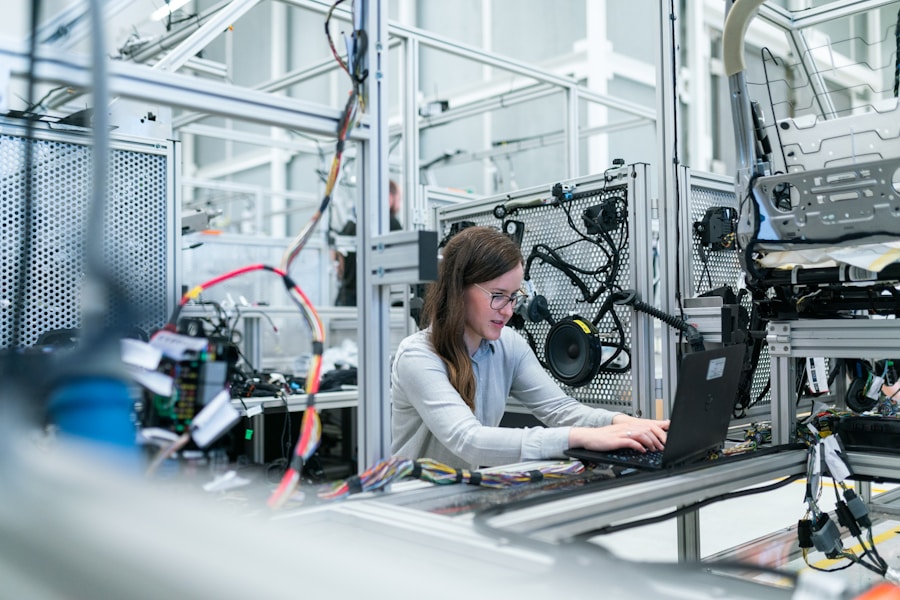
Fortschrittliche Fertigungstechnologie und Automatisierungssysteme in einer modernen industriellen Produktionsumgebung
B2B-Arbeitssicherheitsschuhe: Schutz der Arbeitnehmer in Extrusionsfertigungsumgebungen
Großhandel mit Doppelschneckenextrudern — Von Fabrikhallen, in denen Maschinen zusammengebaut werden, bis hin zu Produktionsstätten, in denen sie betrieben werden — stellen erhebliche Gefahren am Arbeitsplatz dar, die eine angemessene persönliche Schutzausrüstung erfordern (PSA). Zu den kritischsten, aber oft übersehenen PSA-Kategorien gehören Sicherheitsschuhe. Im Rahmen des B2B-Industriehandels, Sicherheitsschuhe und -stiefel Für Fertigungsumgebungen konzipierte Geräte sind kein optionales Zubehör — es handelt sich um regulatorische Anforderungen und betriebliche Notwendigkeiten. Animation des Kunststoffextrusionsprozesses
Warum Zehenschutz in Extrusionsumgebungen wichtig ist:
In Doppelschneckenextruderanlagen werden täglich schwere Komponenten verarbeitet. Ein einzelnes Schneckenelement kann 5 wiegen–15 kg, einen Laufabschnitt 50–200 kg, und ein komplettes Getriebe 500–2,000 kg oder mehr. Während der Installation, Wartung, und Großhandelslagerbetriebe, Diese Komponenten werden angehoben, transportiert, und positioniert — Dadurch besteht ständig die Gefahr von Quetschverletzungen an Füßen und Zehen. Laut der UNS. Büro für Arbeitsstatistik (BLS), 2024 Daten, Fußverletzungen machen ca 7% aller Arbeitsunfälle in der Fertigung, mit einem Durchschnitt von 16 verlorene Arbeitstage pro Vorfall. Transparenter extrudierter Acrylschlauch
The financial impact is substantial. Der Nationaler Sicherheitsrat (NSC) estimates the average cost of a workplace foot injury at USD 9,600 bei den direkten medizinischen Kosten, mit Gesamtkosten (einschließlich Produktivitätsverlust, Arbeiter' Entschädigung, und Verwaltungskosten) reaching USD 42,000–58,000 pro Vorfall. For a wholesale extruder operation handling hundreds of heavy components monthly, even a single foot injury can exceed the annual cost of providing safety footwear to the entire workforce.
Safety Footwear Standards for Industrial Environments:
B2B buyers sourcing safety footwear for extrusion manufacturing environments should understand the applicable standards:
- ASTM F2413 (US-Standard): Defines performance requirements for protective footwear including impact resistance (I/75 = 75 ft-lbs-Aufprallschutz), Kompressionswiderstand (C/75 = 2,500 lbs compression protection), Mittelfußschutz, Durchstoßfestigkeit, Schutz vor elektrischen Gefahren, und statische Ableitungseigenschaften.
- IN ISO 20345 (EU-Standard): Classifies safety footwear into categories — S1 bis S5 — based on protection features. S3 is the most common specification for manufacturing environments, requiring a 200-joule toe cap, Durchtritthemmende Zwischensohle, wasserabweisendes Obermaterial, Stollenaußensohle, und Energieaufnahme im Fersenbereich.
- Komposit vs. Stahlkappen: Moderne Sicherheitsschuhe bieten sowohl Stahl als auch Verbundwerkstoff (Glasfaser, Kohlefaser, oder Kevlar) Optionen für Zehenkappen. Zehenkappen aus Verbundwerkstoff sind leichter (30–40% weight reduction), do not conduct heat or cold, and are metal-detector friendly — advantages in food-grade extrusion facilities. Steel toe caps offer slightly higher impact resistance at lower cost and remain the standard choice for heavy industrial environments.
Specific Hazards in Twin Screw Extruder Operations:
Beyond impact and compression risks, extrusion manufacturing environments present additional foot hazards that safety footwear must address:
- Heat Exposure: Twin screw extruders operate at temperatures ranging from 150°C to 400°C je nach verarbeitetem Material. Geschmolzenes Polymer verschüttet, hot barrel surfaces, and heated die assemblies create burn risks. Safety footwear with heat-resistant outsoles (bewertet bis 300°C Kontaktwärme gemäß EN ISO 20345) and heat-insulating midsoles is essential for operators and maintenance personnel.
- Chemische Exposition: Extrusion processes may involve solvents, Weichmacher, Schmierstoffe, and cleaning chemicals. Safety footwear with chemical-resistant uppers (polyurethane or nitrile rubber) and sealed seams prevents chemical penetration that can cause skin irritation or burns.
- Rutschgefahr: Polymerpellets, Verarbeitung von Ölen, and water from cooling systems create slippery floor conditions. Safety footwear with SRC-rated outsoles (slip resistance on both ceramic and steel surfaces with water and detergent) significantly reduces slip-and-fall risk — the leading cause of workplace injuries across all manufacturing sectors.
- Elektrische Gefahren: Extruder control panels, Antriebsmotoren, und Heizungsanlagen arbeiten mit hohen Spannungen. Elektrische Gefahr (EH) rated footwear provides secondary protection against accidental contact with energized circuits, mit Isolierung bewertet nach 18,000 Volt unter trockenen Bedingungen gemäß ASTM F2413.
- Pannengefahr: Metallspäne, Drahtfragmente, und Befestigungselemente auf Fabrikböden können normale Schuhsohlen durchdringen. Durchtrittsichere Zwischensohlen — entweder Stahl oder Textil (Kevlar) — verhindern Penetrationsverletzungen. Textile Zwischensohlen bieten mehr Flexibilität und ein geringeres Gewicht bei gleichbleibenden Anforderungen 1,100 Newton-Durchstoßfestigkeitsanforderung.
Extruder macht Geräusche B2B Ändern Sie die Extruder-Materiesteuerung Großhandelsbeschaffung von Sicherheitsschuhen:
Für Unternehmen, die Doppelschneckenextruderanlagen betreiben, Die Beschaffung von Sicherheitsschuhen folgt einer ähnlichen Dynamik im B2B-Großhandel wie der Einkauf von Ausrüstung. Zu den wichtigsten Überlegungen gehören::
- Mengenpreise: Großhandelsbestellungen für Sicherheitsschuhe (100+ Paare) erreichen typischerweise 20–35% Rabatte im Vergleich zum Einzelhandelspreis. Jährliche Lieferverträge mit garantierter Größenverfügbarkeit senken die Kosten pro Einheit zusätzlich.
- Zertifizierungskonformität: Ensure all footwear meets the applicable standard for your operating jurisdiction — ASTM F2413 for US facilities, IN ISO 20345 for EU operations. Dual-certified footwear is available from major manufacturers and simplifies procurement for companies operating on both sides of the Atlantic.
- Fit Programs: Leading safety footwear suppliers offer on-site fitting programs where trained representatives measure employees and recommend appropriate sizes and widths. Proper fit is critical — ill-fitting safety footwear causes blisters, Ermüdung, and musculoskeletal issues that reduce productivity and increase injury risk.
- Replacement Schedules: Safety footwear in heavy manufacturing environments typically requires replacement every 6–12 Monate je nach Nutzungsintensität. Wholesale agreements should account for regular replacement cycles and include provisions for expedited delivery of replacement pairs.
- Gesamtbetriebskosten: Premium safety footwear (USD 120–200 per pair wholesale) typically lasts 2–3 times longer than economy options (USD 40–70 pro Paar) while providing superior comfort and protection. B2B buyers should evaluate cost per wear-day rather than upfront unit cost when making wholesale purchasing decisions.
The integration of safety footwear procurement into broader industrial PPE programs reflects a mature approach to workplace safety management. Companies that invest in proper foot protection for their extrusion facility workers see measurable returns: reduced injury rates, lower workers' Entschädigungskosten, improved employee satisfaction, and compliance with OSHA (UNS) and EU-OSHA regulatory requirements.

Industrial safety equipment and protective footwear displayed for B2B wholesale procurement in manufacturing sector
How to Evaluate a Twin Screw Extruder Wholesale Supplier
For B2B buyers entering the wholesale market, a structured supplier evaluation process is essential. The following framework has been validated by procurement professionals across the extrusion industry:
Schritt 1 — Bewertung der technischen Leistungsfähigkeit: Request detailed technical specifications, engineering drawings, and material certificates for the specific extruder models under consideration. Evaluate the manufacturer's R&D capabilities, patent portfolio, and history of technical innovation. A credible Lieferant von Doppelschneckenextrudern should be able to provide application-specific recommendations based on your processing requirements.
Schritt 2 — Fabrikaudit: Conduct an on-site factory audit (or engage a third-party inspection firm) zur Überprüfung der Fertigungskapazitäten, Qualitätsmanagementsysteme (ISO 9001 certification is baseline), machining equipment, assembly processes, and testing facilities. Pay particular attention to CNC machining precision for screw elements and barrels, Wärmebehandlungsverfahren, and final assembly quality control procedures.
Schritt 3 — Referenzüberprüfung: Request and contact at least 3–5 reference customers who have purchased similar equipment at wholesale volumes. Ask about equipment performance, Zuverlässigkeit, after-sales service responsiveness, and whether the supplier met delivery commitments.
Schritt 4 — Commercial Terms Negotiation: Wholesale agreements should address pricing (including volume discount tiers), Zahlungsbedingungen (typischerweise 30% Kaution, 60% vor dem Versand, 10% nach der Inbetriebnahme), delivery schedule with penalties for delays, Garantiebedingungen (Minimum 12 Monate, preferably 24 Monate), Ersatzteilpreise und Verfügbarkeitsgarantien, and service level agreements for technical support. Stellt komplette Extrusionssysteme her
Schritt 5 — Logistics and Import Planning: For cross-border wholesale purchases, plan the logistics chain including freight forwarding, Zollabfertigung, import duties and taxes, Binnentransport, und Montage/Installation am Zielstandort. Beauftragen Sie einen erfahrenen Spediteur, der auf schwere Industriemaschinen spezialisiert ist, um die Kosten zu optimieren und das Risiko von Transportschäden zu minimieren.
Vergleich der wichtigsten Spezifikationen: Doppelschneckenextruder-Modelle im Großhandel
Der folgende Vergleich bietet repräsentative Großhandelspreise und Spezifikationen für häufig gehandelte Doppelschneckenextruderkonfigurationen in (Die Preise sind Richtpreise und können je nach Menge ausgehandelt werden, Konfiguration, und Lieferant):
| Spezifikation | Chinesische Fabrik (Stufe 1) | Europäischer OEM | US-Hersteller |
|---|---|---|---|
| Modellklasse | 65mm mitrotierend | 65mm mitrotierend | 65mm mitrotierend |
| L/D-Verhältnis | 40:1 Zu 48:1 | 40:1 Zu 52:1 | 40:1 Zu 48:1 |
| Maximaler Durchsatz | 800–1 |