

Masterbatch-Maschinen-Showdown Doppelschneckenextruder und Knetermaschinen
Hersteller in der Masterbatch-Industrie entscheiden sich häufig für gleichläufige Doppelschneckenextruder, da diese eine hervorragende Mischleistung und konsistente Ergebnisse liefern. Beim Umgang mit empfindlichen oder hochwertigen Materialien, die eine schonende Verarbeitung erfordern, setzen sie auf Knetmaschinen. Die Maschinenauswahl spielt bei jedem Masterbatch-Maschinenbetrieb eine entscheidende Rolle. Die richtige Wahl hat direkten Einfluss auf die Qualität und Effizienz der Produktion, Denn moderne Extruder und unterstützende Ausrüstung rationalisieren den Produktionsfluss und unterstützen eine zuverlässige Lieferung.
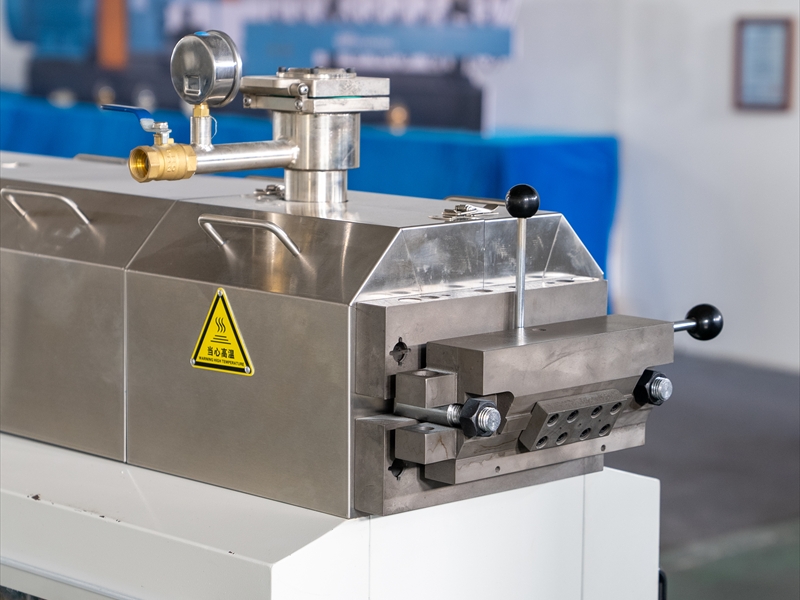
- Richtige Auswahl der Ausrüstung optimiert sowohl die Produktqualität als auch die Produktionseffizienz.
-
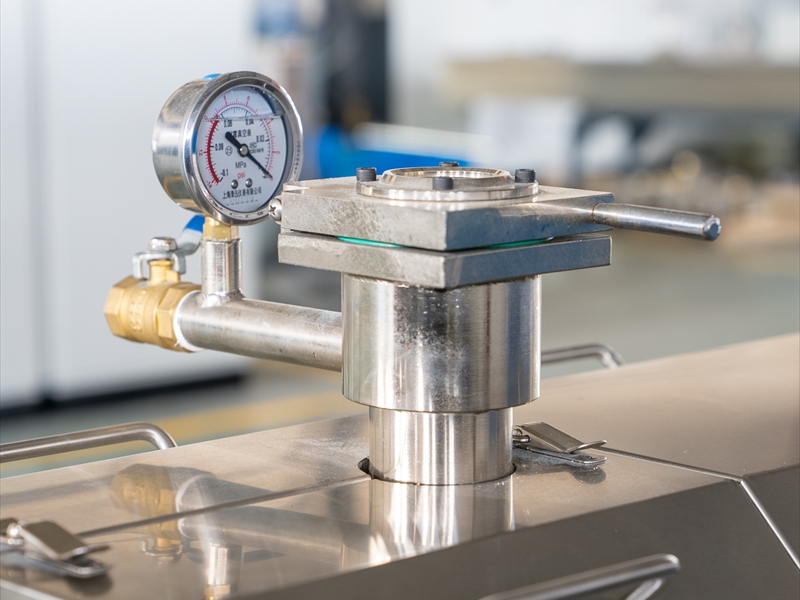
Fortschrittliche Maschinen senken die Betriebskosten und Engpässe, Gewährleistung eines besseren Durchsatzes und einer höheren Kundenzufriedenheit.
- Aligning machine choice with production capacity and material specifications guarantees consistent results.
Wichtige Erkenntnisse
- Choose the right machine for your needs. Twin-screw extruders excel in mixing and throughput, while kneader machines are ideal for sensitive materials.
- Prioritize production quality. Proper equipment selection directly impacts the consistency and performance of your masterbatch.
-
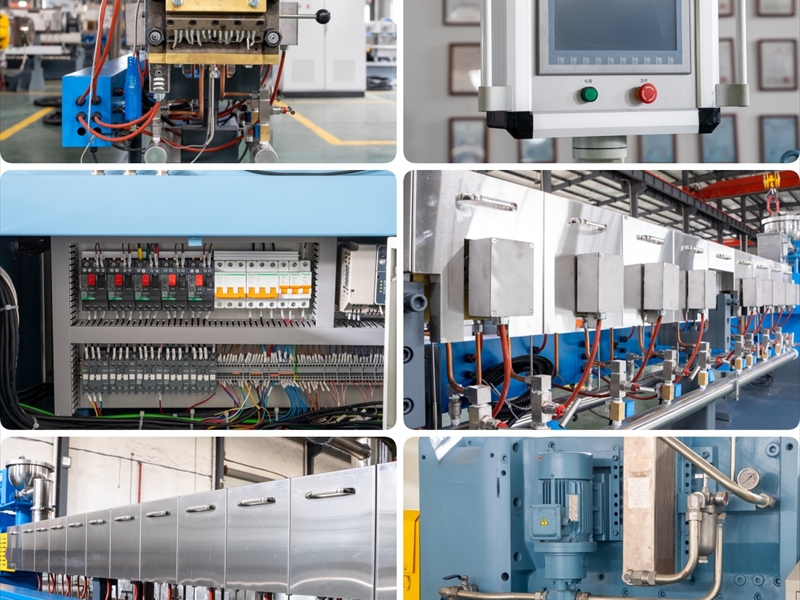
Maximize efficiency with advanced machinery. Twin-screw extruders reduce operational costs and improve production flow.
- Ensure material compatibility. Conduct rigorous testing to confirm that pigments and additives blend well for optimal results.
- Focus on dispersion consistency. High-quality compounding prevents defects and ensures uniform color in plastic products.
- Consider maintenance needs. Twin-screw extruders require more upkeep, while kneader machines offer simpler maintenance routines.
-
Evaluate your budget carefully. Twin-screw extruders involve higher initial costs, but their efficiency can offset expenses over time.
- Plan for scalability. Twin-screw extruders can easily adapt to increased production demands, while kneader machines may require additional units.
Masterbatch Manufacturing Overview
What Is Masterbatch
Masterbatch manufacturing creates concentrated mixtures of pigments, Zusatzstoffe, and carrier resins. These mixtures, called masterbatch, are used to color or enhance the properties of plastic products. The process involves blending raw materials, compounding them through extrusion, and forming pellets for easy handling. Manufacturers rely on masterbatch to achieve consistent color, improved durability, and specialized performance in plastic applications. Die Masterbatch-Industrie unterstützt eine Vielzahl von Branchen, inklusive Verpackung, Automobil, und Konsumgüter.
Der Masterbatch-Herstellungsprozess erfordert in jeder Phase eine sorgfältige Kontrolle. Jeder Schritt, von der Rohstoffauswahl bis zur Endverpackung, beeinflusst die Qualität und Leistung des Endprodukts. In der folgenden Tabelle sind die wichtigsten Schritte und ihre Schritte aufgeführt kritische Anforderungen:
| Schritt | Kritische Anforderungen |
|---|---|
| Rohstoffauswahl | Staubfrei verwenden, geringe Feuchtigkeit, und thermisch stabile Zutaten für gleichbleibende Qualität. |
| Präzises Wiegen und Mischen | Automatisierte Dosiersysteme für Genauigkeit; Hochgeschwindigkeitsmischer für gleichmäßige Vormischung. |
| Extrusion und Compoundierung | Kontrollierte Wärmeanwendung und Mischen mit hoher Scherung für eine gründliche Dispersion der Additive. |
| Kühlung und Pelletbildung | Schnelles Abkühlen und Schneiden extrudierter Stränge in gleichmäßige Pellets. |
| Strenge Qualitätsprüfung | Multiple quality tests including color uniformity and compatibility checks. |
| Packaging and Timely Delivery | Store in clean, temperature-controlled facilities and focus on on-time delivery. |
Key Production Needs
Dispersion Consistency
Dispersion consistency stands as a core requirement in masterbatch manufacturing. Uniform dispersion of pigments and additives ensures that every plastic product displays the intended color and properties. High-quality compounding prevents the formation of hard lumps or impurities, which can cause defects in the final masterbatch. Manufacturers use advanced mixing and compounding extrusion technologies to achieve excellent dispersion. Consistent dispersion also improves surface finish and reduces production issues, making it essential for reliable masterbatch performance.
Durchsatz
Throughput measures the amount of masterbatch produced within a specific time frame. High throughput supports large-scale production and meets market demand efficiently. The compounding process must balance speed with quality, as rapid production should not compromise dispersion or uniformity. Modern masterbatch manufacturing lines use automated systems and high-capacity extruders to maximize throughput. Efficient cooling and pelletizing systems further streamline the process, ensuring that production targets are met without sacrificing quality.
Materialkompatibilität
Material compatibility plays a vital role in masterbatch manufacturing. The selected pigments, Zusatzstoffe, and carrier resins must blend well during compounding. Incompatible materials can lead to poor dispersion, color streaks, or reduced plastic performance. Manufacturers conduct rigorous quality testing, including color matching and dispersion analysis, to confirm compatibility. This step ensures that the masterbatch integrates smoothly into various plastic applications, supporting consistent results across different production runs.
Notiz: High-quality masterbatch manufacturing depends on precise control of compounding, gründliches Mischen, and careful selection of materials. These factors guarantee that the final masterbatch meets industry standards for color, Haltbarkeit, and processing behavior.
Twin Screw Extruder in Masterbatch Machine
Twin Screw Extruder Types
Twin-screw extruders have become the backbone of modern masterbatch manufacturing. They offer unmatched flexibility and control compared to single screw designs. The table below highlights the operational differences between single and twin screw extruders, und betont, warum die Zwillingskonfiguration die Masterbatch-Produktion dominiert:
| Besonderheit | Einschneckenextruder | Doppelschneckenextruder |
|---|---|---|
| Mischfähigkeit | Beschränkt | Erweitert |
| Flexibilität | Niedrig | Hoch |
| Kontrolle über den Materialfluss | Mäßig | Hoch |
| Ideal für komplexe Rezepte | NEIN | Ja |
| Anwendung im Masterbatch | Beschränkt | Umfangreich |
Mitrotierend
Gleichläufige Doppelschneckenextruder verfügen über gleichsinnig rotierende Schnecken. Dieses Design maximiert die Misch- und Compoundierungseffizienz. Durch die gleichläufige Rotation wird sichergestellt, dass die Materialien sowohl eine dispersive als auch eine verteilende Vermischung erfahren, Dies ist für die Herstellung hochwertiger Masterbatches unerlässlich. Hersteller bevorzugen diesen Typ wegen seiner Fähigkeit, komplexe Formulierungen zu verarbeiten und eine konsistente Ausgabe aufrechtzuerhalten.
Ineinandergreifend vs. Nicht-Ineinandergreifend
Doppelschneckenextruder können ineinandergreifend oder nicht ineinandergreifend sein. Ineinandergreifende Konstruktionen ermöglichen eine Überlappung der Schrauben, Dadurch entsteht ein Selbstwischeffekt, der Materialablagerungen reduziert und die Selbstreinigung verbessert. Diese Funktion unterstützt den kontinuierlichen Betrieb und minimiert Ausfallzeiten. Bei nicht ineinandergreifenden Typen bleiben die Schrauben getrennt, die spezifische Compoundierungsanforderungen erfüllen können, aber im Allgemeinen eine weniger intensive Mischung ermöglichen.
Merkmale des Doppelschneckenextruders
Modularer Aufbau
Verwendung von Doppelschneckenextrudern modulare Schneckenelemente. Mit dieser Funktion können Bediener das Extrusionssystem an verschiedene Masterbatch-Rezepte anpassen. Der modulare Aufbau unterstützt eine optimale mechanische Energieübertragung und ermöglicht schnelle Änderungen im Prozessaufbau. Hersteller können die Extrusionsanlage ohne größere Ausfallzeiten an neue Materialien oder Produktanforderungen anpassen.
Scher- und Druckkontrolle
Die genaue Kontrolle von Scherung und Druck bestimmt die Wirksamkeit des Doppelschneckenextruders. Betreiber können Anpassungen vornehmen Schneckengeschwindigkeit, Konfiguration, und Fasstemperatur um den Compoundierungsprozess zu optimieren. Diese Steuerung gewährleistet eine gleichmäßige Verteilung von Pigmenten und Zusatzstoffen, resulting in consistent masterbatch quality. The extrusion system also maintains stable pressure, which protects sensitive ingredients and enhances the structural properties of the final product.
Vorteile
Überlegenes Mischen
Doppelschneckenextruder liefern strong dispersive and distributive mixing. This capability ensures that pigments and additives blend thoroughly during compounding. The result is a masterbatch with uniform color and performance.
High Throughput
Manufacturers rely on twin screw extruders for high throughput. These machines process large volumes of masterbatch efficiently, meeting the demands of industrial-scale production. The design supports stable feeding of powder pigments and additives, was die Produktivität steigert.
Selbstreinigend
The intermeshing action in many twin screw extruders provides a self-cleaning effect. This feature reduces material residue, minimizes contamination risks, and shortens changeover times between different masterbatch formulations.
Tipp: The advantages of twin screw extruder technology extend beyond mixing. These machines optimize material utilization and support precise control over every stage of the compounding process.
Nachteile
Kosten
Twin screw extruder systems require a significant initial investment. Manufacturers often face higher upfront costs compared to single screw machines. The advanced engineering and modular design of twin extruders contribute to this expense. Many facilities must also invest in specialized auxiliary equipment to support the twin screw extruder. These costs can challenge small-scale producers or those with limited budgets. Over time, the efficiency and output of twin screw extruder technology can offset the initial expense, Die Eintrittsbarriere bleibt jedoch höher als bei einfacheren Maschinen.
Wartung
Die Wartung von Doppelschneckenextrudergeräten erfordert qualifizierte Techniker und regelmäßige Aufmerksamkeit. Die ineinandergreifenden Schnecken und Modulbauteile unterliegen im Dauerbetrieb einem Verschleiß. Betreiber müssen den Zustand der Schrauben überwachen, Fässer, und Dichtungen, um Ausfallzeiten zu vermeiden. Geplante Wartung und der Austausch von Teilen tragen dazu bei, eine gleichbleibende Leistung aufrechtzuerhalten, aber sie erhöhen die Betriebskosten. Komplexe Baugruppen in Doppelschneckenextrudersystemen können den Zeitaufwand für Reinigung und Reparatur erhöhen. Anlagen, die abrasive oder hochgefüllte Materialien verarbeiten, können einem beschleunigten Verschleiß ausgesetzt sein, eine noch häufigere Wartung erfordern.
Notiz: Regelmäßige Wartung sorgt dafür, dass Doppelschneckenextruder zuverlässige Ergebnisse liefern und ihre Lebensdauer verlängern. Neglecting upkeep can lead to inconsistent masterbatch quality and unexpected production stops.
Application of Twin Screw Extruder
Farb-Masterbatch
Twin screw extruder technology plays a central role in color masterbatch production. The twin screws provide intensive mixing, which ensures pigments disperse evenly throughout the carrier resin. This process creates pellets with uniform color, essential for high-quality plastic products. Manufacturers rely on the twin screw extruder to handle a wide range of pigment types and concentrations. The flexibility of the twin design allows for quick changeovers between different color formulations, supporting diverse customer requirements.
Additive Masterbatch
The application of twin screw extruder systems extends to additive masterbatch manufacturing. These machines blend functional additives—such as UV stabilizers, flame retardants, or antistatic agents—into the polymer matrix. The twin screws ensure thorough dispersion, which maximizes the effectiveness of each additive. Consistent mixing prevents agglomeration and guarantees that every pellet delivers the intended performance. The modular design of the twin screw extruder allows operators to adjust the process for different additive types and loadings.
The table below summarizes the main application areas for twin screw extruder systems in masterbatch production:
| Anwendung | Beschreibung |
|---|---|
| Masterbatch-Produktion | Ensures uniform dispersion of pigments and additives for color and functional masterbatches. |
| Farb-Masterbatch | Provides consistent color distribution and supports rapid formulation changes. |
| Additive Masterbatch | Bietet die präzise Einarbeitung funktioneller Additive für verbesserte Kunststoffeigenschaften. |
Doppelschneckenextruder unterstützen ein breites Spektrum an Masterbatch-Anwendungen. Ihre Vielseitigkeit und Kontrolle machen sie zur bevorzugten Wahl für die Herstellung von Farb- und Additiv-Masterbatches. Die Anwendung der Doppelschneckenextruder-Technologie nimmt weiter zu, da die Hersteller eine höhere Qualität und Effizienz anstreben.
Knetmaschine für die Masterbatch-Herstellung
Knetmaschinentypen
Knetmaschinen spielen eine entscheidende Rolle bei der Masterbatch-Herstellung, insbesondere beim Umgang mit hochwertigen oder empfindlichen Materialien. In der Industrie werden verschiedene Arten von Knetmaschinen eingesetzt, jeweils für spezifische Compoundierungsanforderungen konzipiert:
- Banbury-Mischer: Diese Maschinen eignen sich hervorragend zum Compoundieren von Polymeren und Additiven, Dies macht sie zu einem Grundbestandteil der Masterbatch-Produktion.
- Dispersionskneter: Manufacturers use these for achieving uniform dispersion, which is essential for consistent masterbatch quality.
- Internal Mixers: Laboratories often rely on internal mixers for small-scale research and development. These machines allow precise control over mixing parameters.
- Sigma Blade Kneaders: Designed for high-viscosity materials, sigma blade kneaders ensure thorough mixing and are ideal for challenging compounding tasks.
Kneader machines operate by mixing materials under controlled temperature and shear conditions. This approach ensures uniform dispersion and effective compounding, which are critical for producing high-quality masterbatch.
Features of Kneader Machine
Intensive Mixing
Kneader machines deliver intensive mixing, which enables precise dispersion and blending of pigments, Zusatzstoffe, and resins. This feature proves especially important in masterbatch manufacturing, where high-fill and high-demand modified materials require uniform distribution. The robust mixing action prevents agglomeration and ensures that every batch of masterbatch meets strict quality standards.
Energieeffizienz
Energieeffizienz stands out as a key advantage of kneader machines. Their design minimizes energy consumption during compounding, which helps manufacturers reduce operational costs. The machines maintain stable output while processing a wide range of materials, making them suitable for both large-scale and specialty masterbatch manufacturing.
Batch Operation
Kneader machines typically operate in batch mode. This method allows for flexible parameter adjustments, supporting the production of diverse masterbatch formulations. Batch operation also provides stable output, which is crucial for maintaining consistency when processing sensitive or high-value materials. Operators can closely monitor each batch, ensuring that the compounding process meets the required specifications.
Vorteile
Precision Mixing
Kneader machines offer precision mixing, which is essential for masterbatch manufacturing involving complex or sensitive ingredients. The machines‘ ability to achieve uniform dispersion ensures that pigments and additives integrate seamlessly into the carrier resin. This precision supports the production of masterbatch with consistent color and performance.
Lower Energy Consumption
Manufacturers value kneader machines for their lower energy consumption compared to other compounding equipment. The efficient design reduces heat generation and minimizes material degradation, Dies kommt hitzeempfindlichen Masterbatchformulierungen zugute. Ein geringerer Energieverbrauch trägt auch zu einem nachhaltigeren Produktionsprozess bei.
Robustheit
Knetermaschinen zeichnen sich durch außergewöhnliche Robustheit aus. Ihre Konstruktion hält den Anforderungen intensiver Compoundierung stand, auch bei der Verarbeitung abrasiver oder hochgefüllter Materialien. Diese Haltbarkeit gewährleistet einen zuverlässigen Betrieb und verlängert die Lebensdauer der Geräte, Dies macht Knetmaschinen zu einer sinnvollen Investition für Masterbatch-Produktionsanlagen.
Notiz: Knetermaschinen kombinieren intensives Mischen, Energieeffizienz, und robuste Konstruktion, Damit sind sie ideal für die Masterbatch-Herstellung, die eine präzise Compoundierung und eine stabile Produktion erfordert.
Nachteile
Geringerer Durchsatz
Knetermaschinen arbeiten im Batch-Modus, was ihren Durchsatz im Vergleich zu kontinuierlichen Extrusionssystemen begrenzt. Bediener müssen laden, mischen, and discharge each batch before starting the next cycle. This process restricts the volume of masterbatch produced within a given timeframe. Facilities that require high production rates often find kneader machines less suitable for large-scale manufacturing. The batch operation also increases downtime between cycles, which can affect overall efficiency. Manufacturers who prioritize speed and volume may prefer extruders for their ability to deliver consistent output without interruption.
Limited Flexibility
Kneader machines offer less flexibility when adapting to new formulations or rapid product changes. The batch process requires manual adjustments for each recipe, which slows response to shifting market demands. Operators must clean and prepare the machine between batches, especially when switching between different materials. Diese Einschränkung macht Knetmaschinen weniger ideal für Anlagen, in denen sich die Masterbatch-Zusammensetzung häufig ändert. Das Design eignet sich für stabile Produktionsumgebungen, stellt jedoch Hersteller, die Vielseitigkeit in ihrem Anwendungsbereich suchen, vor Herausforderungen.
Notiz: Knetermaschinen zeichnen sich durch präzises Mischen und Energieeffizienz aus, Ihr geringerer Durchsatz und ihre begrenzte Flexibilität können jedoch ihren Einsatz in schnelllebigen oder stark schwankenden Produktionsumgebungen einschränken.
Typische Anwendungen
Hochgefülltes Masterbatch
Knetermaschinen zeigen außergewöhnliche Leistung bei der Herstellung hochgefüllter Masterbatches. Diese Maschinen handhaben ultrahohe Belastung Ebenen, oft überschreiten 85% Füllstoffgehalt. Durch die intensive Mischwirkung werden schwer dispergierbare Additive gut in das Trägerharz integriert. Hersteller wählen Knetmaschinen für die Compoundierung von Füllstoff-Masterbatches, weil sie eine gleichmäßige Dispersion gewährleisten und eine Agglomeration verhindern, auch bei anspruchsvollen Materialien. In der folgenden Tabelle werden der primäre Anwendungstyp und seine Merkmale hervorgehoben:
| Anwendungstyp | Eigenschaften |
|---|---|
| Füllstoff-Masterbatch-Compoundierung | Ultrahohe Beladung, >85% Füllstände, schwer dispergierbare Additive |
Diese Anwendung erfordert robustes Mischen und stabile Ausgabe, welche Knetmaschinen bieten. Bei Chargen mit hohem Füllstoffgehalt erreichen die Betreiber eine gleichbleibende Qualität, Unterstützung anspruchsvoller industrieller Anforderungen.
Gummimischungen
Eine weitere Schlüsselanwendung für Knetmaschinen ist die Herstellung von Gummimischungen. Die Anlage verarbeitet Elastomere, Füllstoffe, und Additive unter kontrollierten Temperatur- und Scherbedingungen. Knetmaschinen sorgen für eine gleichmäßige Dispersion, was die physikalischen Eigenschaften von Gummiprodukten verbessert. Manufacturers rely on kneader machines for their ability to handle viscous materials and maintain batch-to-batch consistency. The process supports specialty rubber applications, including automotive parts, Siegel, and industrial components.
Tipp: Facilities that produce highly filled masterbatch or rubber compounds benefit from the kneader machine’s robust mixing and stable batch operation. These applications demand precision and reliability, which kneader machines consistently deliver.
Unterschied zwischen Ein- und Doppelschneckenextruder
Mixing Quality
Mixing quality stands as a critical factor in masterbatch manufacturing. The single screw extruder provides mainly distributive mixing. This means it spreads materials but does not break down agglomerates as effectively. Twin screw extruders deliver both dispersive and distributive mixing. They can break down pigment clusters and distribute additives evenly. This capability results in a more homogeneous masterbatch, which is essential for high-performance applications.
The table below highlights the main differences in Mischfähigkeit:
| Besonderheit | Einschneckenextruder | Doppelschneckenextruder |
|---|---|---|
| Mischfähigkeit | Niedrig (mainly distributive) | Hoch (Dispersiv & Distributive) |
Manufacturers often choose twin screw extruders for compounding tasks that require intensive mixing, such as blending glass fibers, flame retardants, or pigments into resins. The single screw extruder works best for simpler formulations where basic mixing suffices.
Tipp: For masterbatch products that demand uniform color and additive distribution, twin screw extruders offer a clear advantage.
Durchsatz
Throughput measures how much material a machine can process in a given time. The single screw extruder excels in continuous, straightforward processes. It handles large volumes efficiently when the formulation does not require complex mixing. Doppelschneckenextruder, auf der anderen Seite, provide superior throughput for complex masterbatch production. Their design supports excellent material conveying, mischen, and shear dispersion.
The following table compares throughput capabilities:
| Extrudertyp | Throughput Capability |
|---|---|
| Einzelne Schraube | More efficient for simpler, continuous processes |
| Doppelschnecke | Überlegenes Mischen, ideal for complex masterbatch tasks |
- Einschneckenextruder: Best for high-volume, simple recipes.
- Twin screw extruder: Preferred for high-intensity mixing and advanced formulations.
Production lines that require both speed and advanced mixing often rely on twin screw extruders. Facilities focused on basic compounding may select the single screw extruder for its efficiency.
Anwendungsbereich
The application scope defines where each machine performs best. The single screw extruder suits basic plastic processing, such as producing pipes, Filme, oder einfache Verbindungen. Es bietet Zuverlässigkeit für einfache Aufgaben. Doppelschneckenextruder ein breiteres Anwendungsspektrum abdecken. Sie zeichnen sich durch ihre Masterbatch-Produktion aus, insbesondere wenn Rezepte mehrere Zusatzstoffe beinhalten oder eine präzise Dispersion erfordern.
Zu den wichtigsten Anwendungsbereichen gehören:
- Einschneckenextruder: Wird für kontinuierliche Prozesse mit minimalem Mischbedarf verwendet.
- Twin screw extruder: Unverzichtbar für Masterbatch, Compoundierung mit Glasfasern, Pigmente, oder Flammschutzmittel.
Der Unterschied zwischen Ein- und Doppelschneckenextrudertechnologie prägt die Wahl für Hersteller. Wer fortschrittliches Mischen und Flexibilität benötigt, wählt Doppelschneckenextruder. Wer Wert auf Einfachheit und Volumen legt, entscheidet sich oft für den Einschneckenextruder.
Notiz: Die Auswahl des richtigen Extruders hängt von der Komplexität der Rezeptur ab, gewünschten Durchsatz, und Endverwendungsanforderungen.
Masterbatch-Maschinenvergleich
Leistung
Leistung definiert den Kernwert eines jeden Masterbatch-Maschine. Doppelschneckenextruder setzen den Industriestandard für Hochleistungscompoundierung. Diese Maschinen bewältigen komplexe Rezepte problemlos. Bediener können Prozessparameter schnell anpassen, was eine konsistente Ausgabe unterstützt. Das Doppeldesign sorgt für eine stabile Fütterung und eine präzise Temperaturregelung. Dies führt zu einer zuverlässigen Herstellung von Masterbatches mit einheitlichen Eigenschaften.
Knetmaschinen zeichnen sich in bestimmten Szenarien aus. Sie liefern hervorragende Ergebnisse bei der Verarbeitung hochgefüllter oder empfindlicher Materialien. Dank ihrer robusten Konstruktion halten sie anspruchsvollen Bedingungen stand. Jedoch, Der Batch-Betrieb begrenzt ihre Gesamtgeschwindigkeit. Einrichtungen, die kontinuierliche Anforderungen erfordern, Unternehmen, die große Mengen produzieren, bevorzugen häufig den Doppelschneckenextruder wegen seiner überlegenen Leistung.
Einschneckenextrudersysteme bieten zuverlässige Leistung für grundlegende Aufgaben. They suit straightforward masterbatch formulations. These machines do not match the advanced capabilities of twin-screw extruders or kneader machines in complex compounding.
Notiz: Selecting the right masterbatch machine depends on the desired balance between speed, Konsistenz, and material requirements.
Mixing Quality
Mixing quality remains a critical factor in masterbatch manufacturing. Twin-screw extruders provide both dispersive and distributive mixing. This means they break down pigment clusters and distribute additives evenly. The result is a homogeneous masterbatch with consistent color and performance. Operators can fine-tune the extrusion system to match the needs of each recipe.
Kneader machines also deliver high mixing quality, especially for challenging materials. Their intensive mixing action ensures thorough dispersion. This proves essential for highly filled masterbatch or rubber compounds. Jedoch, batch operation can introduce slight variations between cycles.
Single screw extruder machines offer basic distributive mixing. They work well for simple formulations but struggle with complex recipes. These machines cannot achieve the same level of pigment dispersion as twin-screw extruders or kneader machines.
The table below summarizes mixing quality across different masterbatch machine types:
| Machine Type | Mixing Quality | Best Use Case |
|---|---|---|
| Doppelschneckenextruder | Superior (Dispersiv & Distributive) | Complex masterbatch, color, Zusatzstoffe |
| Knetmaschinen | Hoch (Intensive) | Highly filled, sensitive materials |
| Einschneckenextruder | Basic (Distributive) | Simple masterbatch |
Flexibilität
Flexibility determines how well a masterbatch machine adapts to changing production needs. Twin screw extruder systems stand out for their versatility. They allow operators to modify screw configurations, adjust shear levels, and control residence time. This adaptability supports a wide range of masterbatch formulations. Manufacturers can switch between recipes with minimal downtime. Der strong mixing capabilities of twin-screw extruders enhance flexibility, making them essential for consistent color quality and efficient production.
Kneader machines offer moderate flexibility. They handle various materials and filler levels but require manual adjustments between batches. This process can slow response to new market demands. Batch operation also limits the speed of recipe changes.
Single screw extruder machines provide the least flexibility. They suit stable, high-volume production of simple masterbatch. These machines do not support rapid changes in formulation or advanced compounding tasks.
Tipp: Facilities that produce multiple masterbatch types benefit from the flexibility of twin screw extruder technology. This advantage supports innovation and quick adaptation to customer needs.
Durchsatz
Throughput measures the volume of material processed by a masterbatch machine within a set period. Twin screw extruders deliver high throughput, supporting large-scale production environments. Operators can achieve output rates from 30 kilograms per hour up to 4000 kilograms per hour. This capacity enables manufacturers to meet demanding schedules and maintain consistent supply. Kneader machines operate at lower throughput levels, with maximum output reaching up to 1000 kilograms per hour. Batch operation limits their speed, making them suitable for specialty or high-value masterbatch production.
The table below compares throughput capacity:
| Gerätetyp | Output Capacity |
|---|---|
| Doppelschneckenextruder | 30kg/h to 4000kg/h |
| Kneader Machine | Up to 1000kg/h |
Twin screw extruders dominate high-volume masterbatch manufacturing. Kneader machines excel in applications where precision and material sensitivity outweigh speed.
Wartung
Maintenance requirements differ significantly between twin screw extruders and kneader machines. Twin screw extruders demand regular attention due to their complex design and high operational loads. Operators must monitor screw wear, gearbox integrity, and seals. After-sales service contracts typically cost between 2% Und 5% of the machine’s value each year. For a $200,000 Extruder, annual maintenance expenses range from $4,000 Zu $10,000. Spare parts add to the cost, with screw sets priced from $15,000 Zu $25,000 and gearbox replacements costing $30,000 Zu $50,000. Preventive maintenance extends the interval between major overhauls from five years to seven years, reducing long-term expenses.
- Doppelschneckenextruder erfordern häufige Inspektionen und spezialisierte Techniker.
- Knetermaschinen zeichnen sich durch eine robuste Konstruktion und einfachere Wartungsroutinen aus.
- Vorbeugende Wartung erhöht die Zuverlässigkeit und reduziert Ausfallzeiten bei beiden Maschinentypen.
Anlagen, die Doppelschneckenextruder betreiben, müssen höhere Wartungskosten einkalkulieren und regelmäßige Wartungsintervalle einplanen. Knetmaschinen bieten eine einfachere Wartung, Dies macht sie für kleinere Betriebe oder Spezialproduktionen attraktiv.
Kosten
Bei der Auswahl der Masterbatch-Maschine spielen die Kosten eine entscheidende Rolle. Doppelschneckenextruder erfordern erhebliche Anfangsinvestitionen. Hersteller zahlen für fortschrittliche Technik, modulare Komponenten, und Hilfsausrüstung. Laufende Wartung und Ersatzteile erhöhen die Betriebskosten zusätzlich. Knetmaschinen zeichnen sich durch geringere Vorlaufkosten und einen geringeren Wartungsaufwand aus. Their batch operation suits facilities with limited budgets or those focused on specialty masterbatch production.
Operators must weigh the benefits of high throughput and flexibility against the financial commitment required for twin screw extruders. Kneader machines provide a cost-effective solution for precision mixing and stable output, especially in applications where speed is not the primary concern.
Tipp: Careful cost analysis ensures that manufacturers select the masterbatch machine best suited to their production goals and financial resources.
Skalierbarkeit
Scalability determines how well a masterbatch machine supports growth and adapts to increased production demands. Manufacturers often evaluate scalability when planning for expansion or responding to market changes. Doppelschneckenextruder und Knetmaschinen bieten in diesem Bereich deutliche Vorteile und Einschränkungen.
Skalierbarkeit des Doppelschneckenextruders
Doppelschneckenextruder zeichnen sich durch skalierbare Produktionsumgebungen aus. Betreiber können die Leistung steigern, indem sie den Schneckendurchmesser verbessern, Länge, oder Motorleistung. Das modulare Design ermöglicht eine einfache Erweiterung und Anpassung. Einrichtungen können Zusatzgeräte hinzufügen, wie Zubringer oder Pelletierer, um die Kapazität zu steigern. Hersteller entscheiden sich häufig für Doppelschneckenextruder, weil sie sowohl kleine als auch große Chargengrößen ohne Qualitätseinbußen verarbeiten können.
- Modularer Aufbau unterstützt schnelle Anpassung.
- Upgrades ermöglichen einen höheren Durchsatz und fortschrittliche Formulierungen.
- Die Integration mit automatisierten Systemen optimiert die Skalierung.
Skalierbarkeit der Knetmaschine
Knetermaschinen stellen Herausforderungen hinsichtlich der Skalierbarkeit dar. Der Batch-Betrieb schränkt die kontinuierliche Ausgabe ein. Operators must process each batch separately, which restricts overall capacity. Scaling up often requires purchasing additional machines rather than expanding a single unit. This approach increases floor space and operational complexity. Kneader machines suit specialty production where precision matters more than volume.
- Batch processing restricts seamless scaling.
- Expansion involves adding more units, not upgrading existing ones.
- Best suited for stable, low-to-medium volume production.
Notiz: Facilities planning for rapid growth or fluctuating demand benefit from the scalable design of twin screw extruders. Kneader machines fit environments with consistent, specialty production needs.
Scalability Comparison Table
| Machine Type | Scalability Features | Expansion Method | Ideal Production Scale |
|---|---|---|---|
| Doppelschneckenextruder | Modular, upgradeable, automation-ready | System upgrades, add-ons | Small to large-scale |
| Kneader Machine | Beschränkt, batch-based | Additional machines | Spezialität, niedrig bis mittel |
Hersteller auf der Suche nach Flexibilität, Bei der Produktion großer Stückzahlen werden häufig Doppelschneckenextruder eingesetzt. Knetermaschinen bleiben für Nischenanwendungen wertvoll, bei denen Chargenkonsistenz und Präzision wichtiger sind als die Notwendigkeit einer schnellen Skalierung.
Tipp: Bewerten Sie zukünftige Produktionsziele, bevor Sie in Masterbatch-Maschinen investieren. Doppelschneckenextruder bieten einen Weg zum Wachstum, während Knetmaschinen Zuverlässigkeit für Spezialbetriebe bieten.
Auswahl der richtigen Masterbatch-Maschine
Entscheidungsfaktoren
Die Auswahl der optimalen Masterbatch-Maschine erfordert eine sorgfältige Bewertung mehrerer Kernfaktoren. Jede Einrichtung muss ihre Ausrüstung auf betriebliche Ziele und Materialanforderungen abstimmen.
Produktionsvolumen
Das Produktionsvolumen bestimmt den Umfang und die Geschwindigkeit der Fertigung. Anlagen mit hoher Produktionskapazität benötigen Maschinen, die eine kontinuierliche Produktion gewährleisten können. Doppelschneckenextruder Hervorragend geeignet für große Umgebungen. Sie verarbeiten große Mengen Masterbatch ohne häufige Unterbrechungen. Knetermaschinen eignen sich für kleinere Chargen oder Spezialläufe. Bediener sollten den Maschinendurchsatz an ihr angestrebtes Produktionsniveau anpassen.
Materialtyp
Der Materialtyp beeinflusst die Maschinenauswahl. Einige Masterbatch-Rezepte verwenden Holz, Bambus, oder Strohfasern. Andere erfordern fortschrittliche Zusätze für die Mechanik, Abbaubarkeit, oder einzigartige Funktionalität. Doppelschneckenextruder verarbeiten ein breites Spektrum an Kunststoffharzen und komplexen Formulierungen. Knetermaschinen eignen sich gut für empfindliche oder hochwertige Materialien. Die Wahl hängt von der Kompatibilität der Maschine mit den Rohstoffen und den gewünschten Eigenschaften des Endprodukts ab.
Qualitätsanforderungen
Qualitätsanforderungen prägen den Compoundierungsprozess. Manufacturers producing masterbatch for high-performance plastic applications must ensure uniform dispersion and color consistency. Twin screw extruders deliver superior mixing and precise control. Kneader machines provide intensive blending for highly filled or specialty masterbatch. Facilities should assess the level of quality needed for their end-use products.
Budget
Budget remains a decisive factor in equipment investment. Twin screw extruders require higher initial costs and ongoing maintenance. Kneader machines offer a lower entry point and reduced upkeep. Financial planning must consider both upfront expenses and long-term operational costs. The final decision should balance production goals with available resources.
Tipp: The selection process involves more than just machine specifications. Operators must consider the type of fiber, gewünschte Masterbatch-Leistung, und finanzielle Zwänge, um die beste Wahl zu treffen.
Doppelschneckenextruder liefern einen hohen Durchsatz und eine hervorragende Durchmischung, Dadurch sind sie ideal für komplexe Anwendungen, Großserienfertigung von Masterbatches. Knetermaschinen eignen sich hervorragend für empfindliche oder stark gefüllte Materialien, bietet Präzision und Energieeffizienz. Ausrichtung der Maschinenauswahl auf Produktionsziele und Materialverträglichkeit sorgt für gleichbleibende Qualität, reibungslose Abwicklung, und weniger Mängel. Hersteller, die die Maschinenkapazitäten mit Harz- und Polymersystemen in Einklang bringen, erzielen Erfolg bessere Oberflächenbeschaffenheit, stabile ausgang, und langfristiger Erfolg in der Masterbatch-Herstellung.
FAQ
Was ist der Hauptvorteil eines Doppelschneckenextruders bei der Masterbatch-Herstellung??
Doppelschneckenextruder sorgen für eine hervorragende Durchmischung und einen hohen Durchsatz. Sie handhaben komplexe Formulierungen problemlos. Manufacturers rely on them for consistent quality and efficient large-scale production.
When should a manufacturer choose a kneader machine?
A manufacturer should select a kneader machine for highly filled, sensitive, or specialty materials. Kneader machines offer precise mixing and energy efficiency, making them ideal for demanding or small-batch applications.
How does maintenance differ between twin-screw extruders and kneader machines?
Twin-screw extruders require frequent inspections and specialized technicians. Kneader machines have simpler maintenance routines and robust construction. Facilities with limited technical staff often prefer kneader machines for easier upkeep.
Can a single-screw extruder produce masterbatch?
A single-screw extruder can produce simple masterbatch formulations. Er kann nicht die gleiche Mischqualität oder Flexibilität wie Doppelschneckenextruder erreichen. Hersteller verwenden für die Grundbearbeitung Einschneckenmaschinen, hochvolumige Aufgaben.
Welche Faktoren beeinflussen die Kosten einer Masterbatch-Maschine??
Maschinengröße, Automatisierungsgrad, und Zusatzausrüstung wirken sich auf die Kosten aus. Doppelschneckenextruder haben höhere Anschaffungs- und Wartungskosten. Knetermaschinen bieten geringere Einstiegskosten, erfordern jedoch möglicherweise mehr Einheiten für die Skalierung.
Welche Maschine bietet eine bessere Skalierbarkeit für wachsende Produktionsanforderungen??
Doppelschneckenextruder bieten modulare Upgrades und Automatisierungsmöglichkeiten. Sie lassen sich leicht skalieren, um die Leistung zu steigern. Knetermaschinen benötigen zur Erweiterung zusätzliche Aggregate, was die betriebliche Komplexität erhöht.
Sind Knetmaschinen für die Herstellung von Farbmasterbatches geeignet??
Knetermaschinen können Farbmasterbatch herstellen, insbesondere für High-Fill- oder Spezialchargen. Twin-screw extruders remain the preferred choice for high-volume, consistent color masterbatch production.