

Masterbatch Machine Showdown Dvoušnekové extrudéry a hnětače
Manufacturers in the masterbatch industry often select co-rotating twin-screw extruders for their ability to deliver superior mixing and consistent results. Při manipulaci s citlivými nebo vysoce hodnotnými materiály, které vyžadují šetrné zpracování, spoléhají na hnětací stroje. Výběr stroje hraje klíčovou roli v každé operaci Masterbatch Machine. The right choice directly influences production quality and efficiency, as modern extruders and supporting equipment streamline production flow and support reliable delivery.
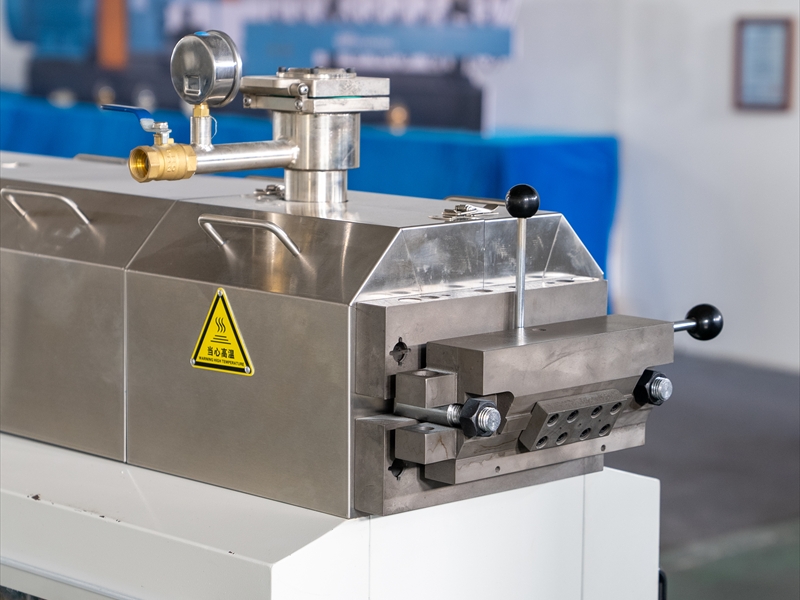
- Proper equipment selection optimizes both product quality and production efficiency.
-
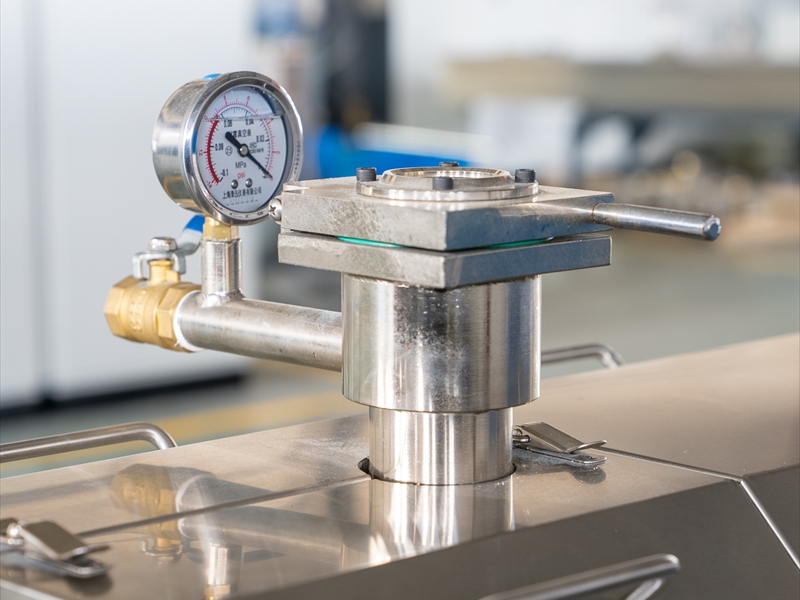
Advanced machinery reduces operational costs and bottlenecks, ensuring better throughput and customer satisfaction.
- Aligning machine choice with production capacity and material specifications guarantees consistent results.
Klíčové věci
- Choose the right machine pro vaše potřeby. Twin-screw extruders excel in mixing and throughput, while kneader machines are ideal for sensitive materials.
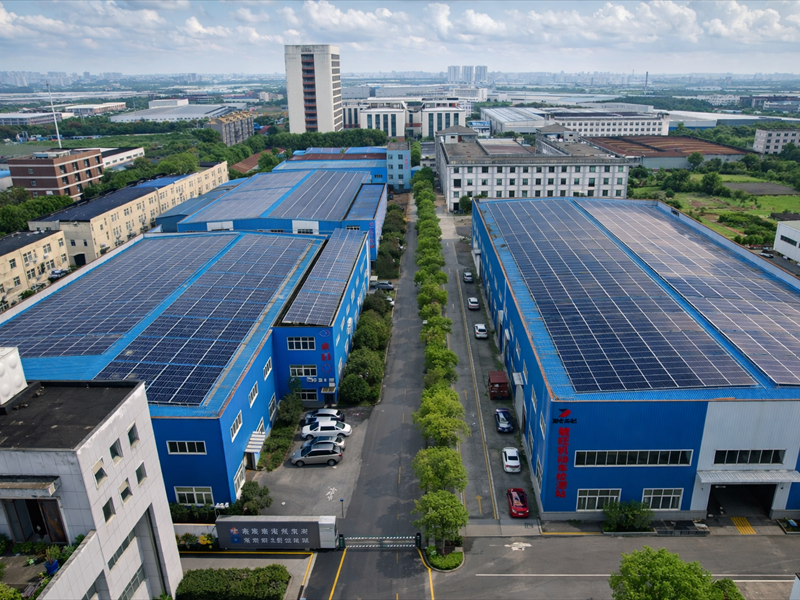
- Prioritize production quality. Správný výběr zařízení přímo ovlivňuje konzistenci a výkon vaší předsměsi.
-
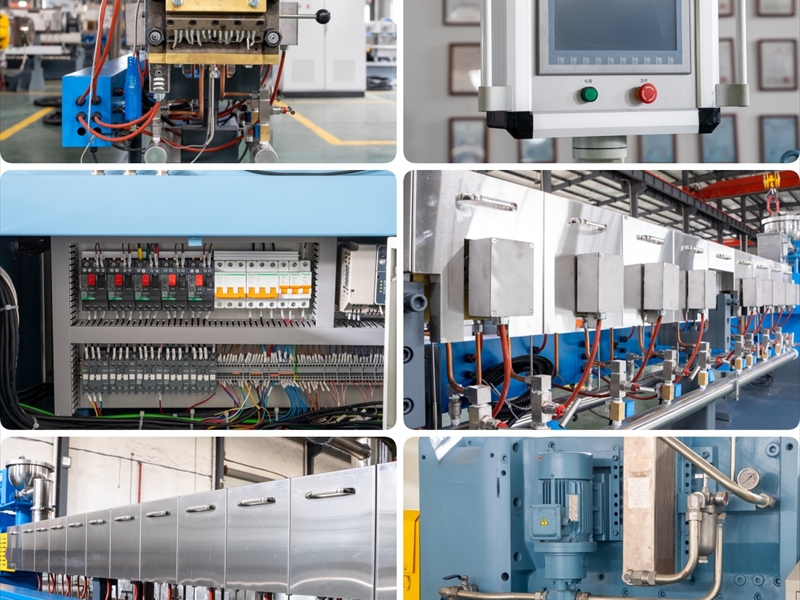
Maximalizujte efektivitu s pokročilými stroji. Dvoušnekové extrudéry snižují provozní náklady a zlepšují tok výroby.
- Zajistěte kompatibilitu materiálů. Proveďte přísné testování, abyste potvrdili, že se pigmenty a přísady dobře mísí pro dosažení optimálních výsledků.
- Zaměřte se na konzistenci disperze. Vysoce kvalitní složení zabraňuje defektům a zajišťuje jednotnou barvu plastových výrobků.
- Zvažte potřeby údržby. Dvoušnekové extrudéry vyžadují větší údržbu, zatímco hnětací stroje nabízejí jednodušší postupy údržby.
-
Pečlivě zhodnoťte svůj rozpočet. Dvoušnekové extrudéry zahrnují vyšší počáteční náklady, ale jejich účinnost může časem vyrovnat náklady.
- Plánujte škálovatelnost. Dvoušnekové extrudéry se snadno přizpůsobí zvýšeným výrobním nárokům, while kneader machines may require additional units.
Masterbatch Manufacturing Overview
What Is Masterbatch
Masterbatch manufacturing creates concentrated mixtures of pigments, přísady, and carrier resins. These mixtures, called masterbatch, are used to color or enhance the properties of plastic products. The process involves blending raw materials, compounding them through extrusion, and forming pellets for easy handling. Manufacturers rely on masterbatch to achieve consistent color, improved durability, and specialized performance in plastic applications. The masterbatch industry supports a wide range of sectors, including packaging, automobilový průmysl, a spotřebního zboží.
The masterbatch manufacturing process requires careful control at every stage. Each step, from raw material selection to final packaging, influences the quality and performance of the finished product. The table below outlines the main steps and their critical requirements:
| Krok | Critical Requirements |
|---|---|
| Raw Material Selection | Use dust-free, low-moisture, and thermally stable ingredients for consistent quality. |
| Precise Weighing and Mixing | Automated dosing systems for accuracy; high-speed mixers for uniform pre-compound. |
| Extrusion and Compounding | Controlled heat application and high-shear blending for thorough dispersion of additives. |
| Cooling and Pellet Formation | Rapid cooling and cutting of extruded strands into uniform pellets. |
| Rigorous Quality Inspection | Multiple quality tests including color uniformity and compatibility checks. |
| Packaging and Timely Delivery | Store in clean, temperature-controlled facilities and focus on on-time delivery. |
Key Production Needs
Dispersion Consistency
Dispersion consistency stands as a core requirement in masterbatch manufacturing. Rovnoměrná disperze pigmentů a přísad zajišťuje, že každý plastový výrobek vykazuje zamýšlenou barvu a vlastnosti. Vysoce kvalitní složení zabraňuje tvorbě tvrdé hrudky nebo nečistoty, které mohou způsobit defekty ve finální masterbatch. Výrobci používají pokročilé technologie vytlačování míchání a míchání, aby dosáhli vynikající disperze. Konzistentní disperze také zlepšuje kvalitu povrchu a snižuje problémy s výrobou, což je nezbytné pro spolehlivý výkon předsměsi.
Propustnost
Propustnost měří množství předsměsi vyrobené v určitém časovém rámci. Vysoká propustnost podporuje velkosériovou výrobu a efektivně uspokojuje poptávku trhu. Proces skládání musí vyvážit rychlost a kvalitu, protože rychlá výroba by neměla ohrozit rozptyl nebo uniformitu. Moderní linky na výrobu předsměsí využívají automatizované systémy a vysokokapacitní extrudéry k maximalizaci výkonu. Efektivní chladicí a peletizační systémy dále zefektivňují proces, zajištění splnění výrobních cílů bez obětování kvality.
Materiálová kompatibilita
Při výrobě předsměsi hraje zásadní roli materiálová kompatibilita. Vybrané pigmenty, přísady, a nosné pryskyřice se musí během míšení dobře mísit. Neslučitelné materiály mohou vést ke špatné disperzi, barevné pruhy, nebo snížený plastický výkon. Výrobci provádějí přísné testy kvality, včetně přizpůsobení barev a disperzní analýzy, pro potvrzení kompatibility. Tento krok zajišťuje, že se předsměs hladce integruje do různých plastových aplikací, podpora konzistentních výsledků v různých výrobních sériích.
Poznámka: Vysoce kvalitní výroba předsměsi závisí na přesné kontrole míchání, thorough mixing, and careful selection of materials. These factors guarantee that the final masterbatch meets industry standards for color, trvanlivost, and processing behavior.
Twin Screw Extruder in Masterbatch Machine
Twin Screw Extruder Types
Twin-screw extruders have become the backbone of modern masterbatch manufacturing. They offer unmatched flexibility and control compared to single screw designs. Níže uvedená tabulka zdůrazňuje operational differences between single and twin screw extruders, emphasizing why the twin configuration dominates masterbatch production:
| Funkce | Jednošnekový extrudér | Dvoušnekový extrudér |
|---|---|---|
| Schopnost míchání | Omezený | Vylepšené |
| Flexibilita | Nízký | Vysoký |
| Control over Material Flow | Mírný | Vysoký |
| Ideal for Complex Recipes | Žádný | Ano |
| Application in Masterbatch | Omezený | Extensive |
Souběžné otáčení
Co-rotating twin screw extruders feature screws that rotate in the same direction. This design maximizes the mixing and compounding efficiency. Společné otáčení zajišťuje, že materiály procházejí jak disperzním, tak distribučním mícháním, což je nezbytné pro výrobu vysoce kvalitní předsměsi. Výrobci preferují tento typ pro jeho schopnost zvládnout složité formulace a udržovat konzistentní výstup.
Intermeshing vs. Non-Intermeshing
Dvoušnekové extrudéry mohou být do sebe zabírající nebo nezabírající. Do sebe zapadající konstrukce umožňují překrytí šroubů, vytváří samostírací efekt, který snižuje usazování materiálu a zlepšuje samočištění. Tato funkce podporuje nepřetržitý provoz a minimalizuje prostoje. Typy, které do sebe nezabírají, udržují šrouby oddělené, které mohou vyhovovat specifickým potřebám míchání, ale obecně nabízejí méně intenzivní míchání.
Vlastnosti dvoušnekového extrudéru
Modulární design
Použití dvoušnekových extruderů modulární šroubové prvky. This feature allows operators to customize the extrusion system for different masterbatch recipes. Modular design supports optimal mechanical energy transfer and enables quick changes in the process setup. Manufacturers can adapt the extrusion system to new materials or product requirements without major downtime.
Řízení smyku a tlaku
Precise control over shear and pressure defines the twin screw extruder’s effectiveness. Operators can adjust rychlost šroubu, konfigurace, and barrel temperature to fine-tune the compounding process. This control ensures uniform dispersion of pigments and additives, resulting in consistent masterbatch quality. The extrusion system also maintains stable pressure, which protects sensitive ingredients and enhances the structural properties of the final product.
Výhody
Špičkové míchání
Twin-screw extruders deliver strong dispersive and distributive mixing. This capability ensures that pigments and additives blend thoroughly during compounding. The result is a masterbatch with uniform color and performance.
Vysoká propustnost
Manufacturers rely on twin screw extruders for high throughput. These machines process large volumes of masterbatch efficiently, meeting the demands of industrial-scale production. The design supports stable feeding of powder pigments and additives, což zvyšuje produktivitu.
Samočištění
The intermeshing action in many twin screw extruders provides a self-cleaning effect. This feature reduces material residue, minimizes contamination risks, and shortens changeover times between different masterbatch formulations.
Tip: The advantages of twin screw extruder technology extend beyond mixing. These machines optimize material utilization and support precise control over every stage of the compounding process.
Nevýhody
Náklady
Twin screw extruder systems require a significant initial investment. Manufacturers often face higher upfront costs compared to single screw machines. The advanced engineering and modular design of twin extruders contribute to this expense. Many facilities must also invest in specialized pomocné zařízení to support the twin screw extruder. These costs can challenge small-scale producers or those with limited budgets. Postupem času, the efficiency and output of twin screw extruder technology can offset the initial expense, but the barrier to entry remains higher than with simpler machines.
Údržba
Maintenance for twin screw extruder equipment demands skilled technicians and regular attention. Zabírající šrouby a modulární součásti se během nepřetržitého provozu opotřebovávají. Obsluha musí sledovat stav šroubů, sudy, a těsnění, aby se zabránilo prostojům. Plánovaná údržba a výměna dílů pomáhají udržovat konzistentní výkon, ale zvyšují provozní náklady. Složité sestavy v systémech dvoušnekových extruderů mohou prodloužit dobu potřebnou k čištění a opravám. Zařízení, která zpracovávají abrazivní nebo vysoce plněné materiály, mohou vykazovat zrychlené opotřebení, vyžadující ještě častější údržbu.
Poznámka: Pravidelná údržba zajišťuje, že dvoušnekové vytlačovací stroje poskytují spolehlivé výsledky a prodlužují jejich životnost. Zanedbání údržby může vést k nekonzistentní kvalitě předsměsi a neočekávaným zastavením výroby.
Aplikace dvoušnekového extrudéru
Barevná předsměs
Twin screw extruder technology plays a central role in color masterbatch production. The twin screws provide intensive mixing, which ensures pigments disperse evenly throughout the carrier resin. This process creates pellets with uniform color, essential for high-quality plastic products. Manufacturers rely on the twin screw extruder to handle a wide range of pigment types and concentrations. The flexibility of the twin design allows for quick changeovers between different color formulations, supporting diverse customer requirements.
Additive Masterbatch
The application of twin screw extruder systems extends to additive masterbatch manufacturing. These machines blend functional additives—such as UV stabilizers, retardéry hoření, or antistatic agents—into the polymer matrix. The twin screws ensure thorough dispersion, což maximalizuje účinnost každé přísady. Důsledné míchání zabraňuje aglomeraci a zaručuje, že každá peleta poskytuje zamýšlený výkon. Modulární konstrukce dvoušnekového extrudéru umožňuje operátorům upravit proces pro různé typy aditiv a zatížení.
Níže uvedená tabulka shrnuje hlavní oblasti použití dvoušnekových extrudérových systémů při výrobě předsměsi:
| Aplikace | Popis |
|---|---|
| Výroba masterbatch | Zajišťuje rovnoměrný rozptyl pigmentů a přísad pro barevné a funkční předsměsi. |
| Barevná předsměs | Poskytuje konzistentní distribuci barev a podporuje rychlé změny složení. |
| Additive Masterbatch | Poskytuje přesné začlenění funkčních aditiv pro lepší vlastnosti plastů. |
Dvoušnekové extrudéry podporují širokou škálu aplikací předsměsi. Jejich všestrannost a ovládání z nich činí preferovanou volbu pro výrobu barevných i aditivních předsměsí. Aplikace technologie dvoušnekového extrudéru se stále rozšiřuje, protože výrobci hledají vyšší kvalitu a efektivitu.
Hnětací stroj pro výrobu předsměsí
Typy hnětače
Hnětací stroje hrají zásadní roli při výrobě předsměsi, zejména při manipulaci s vysoce hodnotnými nebo citlivými materiály. Průmyslu slouží několik typů hnětacích strojů, každý z nich je navržen pro specifické potřeby složení:
- Mixéry Banbury: Tyto stroje vynikají při míchání polymerů a přísad, což z nich dělá základ při výrobě předsměsí.
- Disperzní hnětače: Výrobci je používají k dosažení rovnoměrného rozptylu, což je nezbytné pro stálou kvalitu předsměsi.
- Vnitřní mixéry: Laboratories often rely on internal mixers for small-scale research and development. These machines allow precise control over mixing parameters.
- Sigma Blade Kneaders: Designed for high-viscosity materials, sigma blade kneaders ensure thorough mixing and are ideal for challenging compounding tasks.
Kneader machines operate by mixing materials under controlled temperature and shear conditions. This approach ensures uniform dispersion and effective compounding, which are critical for producing high-quality masterbatch.
Features of Kneader Machine
Intenzivní míchání
Kneader machines deliver intensive mixing, which enables precise dispersion and blending of pigments, přísady, and resins. This feature proves especially important in masterbatch manufacturing, where high-fill and high-demand modified materials require uniform distribution. The robust mixing action prevents agglomeration and ensures that every batch of masterbatch meets strict quality standards.
Energetická účinnost
Energetická účinnost stands out as a key advantage of kneader machines. Their design minimizes energy consumption during compounding, which helps manufacturers reduce operational costs. The machines maintain stable output while processing a wide range of materials, making them suitable for both large-scale and specialty masterbatch manufacturing.
Batch Operation
Kneader machines typically operate in batch mode. This method allows for flexible parameter adjustments, supporting the production of diverse masterbatch formulations. Batch operation also provides stable output, which is crucial for maintaining consistency when processing sensitive or high-value materials. Operators can closely monitor each batch, ensuring that the compounding process meets the required specifications.
Výhody
Přesné míchání
Kneader machines offer precision mixing, which is essential for masterbatch manufacturing involving complex or sensitive ingredients. The machines’ ability to achieve uniform dispersion ensures that pigments and additives integrate seamlessly into the carrier resin. This precision supports the production of masterbatch with consistent color and performance.
Lower Energy Consumption
Manufacturers value kneader machines for their lower energy consumption compared to other compounding equipment. The efficient design reduces heat generation and minimizes material degradation, which benefits heat-sensitive masterbatch formulations. Lower energy use also contributes to a more sustainable production process.
Robustness
Kneader machines demonstrate exceptional robustness. Their construction withstands the demands of intensive compounding, even when processing abrasive or highly filled materials. This durability ensures reliable operation and extends the service life of the equipment, making kneader machines a sound investment for masterbatch manufacturing facilities.
Poznámka: Kneader machines combine intensive mixing, energetická účinnost, and robust construction, making them ideal for masterbatch manufacturing that requires precise compounding and stable output.
Nevýhody
Lower Throughput
Kneader machines operate in batch mode, which limits their throughput compared to continuous extrusion systems. Operators must load, směs, and discharge each batch before starting the next cycle. This process restricts the volume of masterbatch produced within a given timeframe. Facilities that require high production rates often find kneader machines less suitable for large-scale manufacturing. The batch operation also increases downtime between cycles, which can affect overall efficiency. Manufacturers who prioritize speed and volume may prefer extruders for their ability to deliver consistent output without interruption.
Limited Flexibility
Kneader machines offer less flexibility when adapting to new formulations or rapid product changes. The batch process requires manual adjustments for each recipe, which slows response to shifting market demands. Operators must clean and prepare the machine between batches, especially when switching between different materials. This limitation makes kneader machines less ideal for facilities that handle frequent changes in masterbatch composition. The design suits stable production environments but presents challenges for manufacturers seeking versatility in their application range.
Poznámka: Kneader machines excel in precision mixing and energy efficiency, but their lower throughput and limited flexibility can restrict their use in fast-paced or highly variable production settings.
Typické aplikace
Highly Filled Masterbatch
Kneader machines demonstrate exceptional performance in highly filled masterbatch production. These machines handle ultra-high loading úrovně, často překračující 85% obsah plniva. The intensive mixing action ensures difficult-to-disperse additives integrate thoroughly into the carrier resin. Manufacturers select kneader machines for filler masterbatch compounding because they maintain uniform dispersion and prevent agglomeration, i s náročnými materiály. The table below highlights the primary application type and its characteristics:
| Typ aplikace | Charakteristika |
|---|---|
| Filler Masterbatch Compounding | Ultra-High Loading, >85% filling levels, difficult-to-disperse additives |
This application requires robust mixing and stable output, which kneader machines provide. Operators achieve consistent quality in batches with high filler content, supporting demanding industrial requirements.
Rubber Compounds
Rubber compound production represents another key application for kneader machines. The equipment processes elastomers, plniva, and additives under controlled temperature and shear conditions. Kneader machines deliver uniform dispersion, which enhances the physical properties of rubber products. Manufacturers rely on kneader machines for their ability to handle viscous materials and maintain batch-to-batch consistency. Proces podporuje speciální pryžové aplikace, včetně automobilových dílů, těsnění, a průmyslové komponenty.
Tip: Zařízení, která vyrábějí vysoce plněnou předsměs nebo pryžové směsi, těží z robustního míchání a stabilního dávkového provozu hnětacího stroje. Tyto aplikace vyžadují přesnost a spolehlivost, které hnětací stroje důsledně dodávají.
Rozdíl mezi jednošnekovým a dvoušnekovým extruderem
Kvalita míchání
Kvalita míchání je kritickým faktorem při výrobě předsměsi. Jednošnekový extrudér zajišťuje hlavně distributivní míchání. To znamená, že roztírá materiály, ale nerozkládá aglomeráty tak účinně. Dvoušnekové extrudéry poskytují jak disperzní, tak distribuční míchání. Mohou rozbít pigmentové shluky a rovnoměrně distribuovat přísady. Tato schopnost vede k homogennější předsměsi, which is essential for high-performance applications.
The table below highlights the main differences in mixing capability:
| Funkce | Jednošnekový extrudér | Dvoušnekový extrudér |
|---|---|---|
| Schopnost míchání | Nízký (hlavně distribuční) | Vysoký (Disperzní & Distribuční) |
Manufacturers often choose twin screw extruders for compounding tasks that require intensive mixing, such as blending glass fibers, retardéry hoření, or pigments into resins. The single screw extruder works best for simpler formulations where basic mixing suffices.
Tip: For masterbatch products that demand uniform color and additive distribution, twin screw extruders offer a clear advantage.
Propustnost
Throughput measures how much material a machine can process in a given time. The single screw extruder excels in continuous, straightforward processes. It handles large volumes efficiently when the formulation does not require complex mixing. Dvoušnekové extrudéry, na druhé straně, provide superior throughput for complex masterbatch production. Their design supports excellent material conveying, míchání, and shear dispersion.
The following table compares throughput capabilities:
| Typ extrudéru | Kapacita propustnosti |
|---|---|
| Jediný šroub | More efficient for simpler, continuous processes |
| Dvojitý šroub | Špičkové míchání, ideal for complex masterbatch tasks |
- Jednošnekový extrudér: Best for high-volume, simple recipes.
- Dvoušnekový extrudér: Preferred for high-intensity mixing and advanced formulations.
Production lines that require both speed and advanced mixing often rely on twin screw extruders. Facilities focused on basic compounding may select the single screw extruder for its efficiency.
Rozsah aplikace
The application scope defines where each machine performs best. The single screw extruder suits basic plastic processing, such as producing pipes, filmy, or simple compounds. It offers reliability for straightforward tasks. Dvoušnekové extrudéry handle a broader range of applications. They excel in masterbatch production, especially when recipes involve multiple additives or require precise dispersion.
Key application areas include:
- Jednošnekový extrudér: Used for continuous processes with minimal mixing needs.
- Dvoušnekový extrudér: Essential for masterbatch, compounding with glass fibers, pigmenty, nebo retardéry hoření.
The difference between single and twin screw extruder technology shapes the choice for manufacturers. Those who need advanced mixing and flexibility select twin screw extruders. Those who prioritize simplicity and volume often choose the single screw extruder.
Poznámka: Selecting the right extruder depends on the complexity of the formulation, desired throughput, and end-use requirements.
Masterbatch Machine Comparison
Výkon
Performance defines the core value of any masterbatch machine. Twin-screw extruders set the industry standard for high-performance compounding. These machines handle complex recipes with ease. Operators can adjust process parameters quickly, which supports consistent output. The twin design ensures stable feeding and precise temperature control. This leads to reliable production of masterbatch with uniform properties.
Kneader machines excel in specific scenarios. They deliver outstanding results when processing highly filled or sensitive materials. Their robust construction allows them to withstand demanding conditions. Však, batch operation limits their overall speed. Facilities that require continuous, high-volume production often prefer the twin screw extruder for its superior performance.
Single screw extruder systems offer reliable performance for basic tasks. They suit straightforward masterbatch formulations. These machines do not match the advanced capabilities of twin-screw extruders or kneader machines in complex compounding.
Poznámka: Selecting the right masterbatch machine depends on the desired balance between speed, konzistence, and material requirements.
Kvalita míchání
Mixing quality remains a critical factor in masterbatch manufacturing. Twin-screw extruders provide both dispersive and distributive mixing. This means they break down pigment clusters and distribute additives evenly. The result is a homogeneous masterbatch with consistent color and performance. Operators can fine-tune the extrusion system to match the needs of each recipe.
Kneader machines also deliver high mixing quality, especially for challenging materials. Their intensive mixing action ensures thorough dispersion. This proves essential for highly filled masterbatch or rubber compounds. Však, batch operation can introduce slight variations between cycles.
Single screw extruder machines offer basic distributive mixing. They work well for simple formulations but struggle with complex recipes. These machines cannot achieve the same level of pigment dispersion as twin-screw extruders or kneader machines.
The table below summarizes mixing quality across different masterbatch machine types:
| Typ stroje | Kvalita míchání | Nejlepší případ použití |
|---|---|---|
| Dvoušnekové extrudéry | Lepší (Disperzní & Distribuční) | Complex masterbatch, barva, přísady |
| Hnětací stroje | Vysoký (Intenzivní) | Highly filled, sensitive materials |
| Jednošnekový extrudér | Základní (Distribuční) | Simple masterbatch |
Flexibilita
Flexibility determines how well a masterbatch machine adapts to changing production needs. Dvoušnekový extrudér systems stand out for their versatility. They allow operators to modify screw configurations, adjust shear levels, and control residence time. This adaptability supports a wide range of masterbatch formulations. Manufacturers can switch between recipes with minimal downtime. The strong mixing capabilities of twin-screw extruders enhance flexibility, making them essential for consistent color quality and efficient production.
Kneader machines offer moderate flexibility. They handle various materials and filler levels but require manual adjustments between batches. This process can slow response to new market demands. Batch operation also limits the speed of recipe changes.
Single screw extruder machines provide the least flexibility. They suit stable, high-volume production of simple masterbatch. These machines do not support rapid changes in formulation or advanced compounding tasks.
Tip: Facilities that produce multiple masterbatch types benefit from the flexibility of twin screw extruder technology. This advantage supports innovation and quick adaptation to customer needs.
Propustnost
Throughput measures the volume of material processed by a masterbatch machine within a set period. Dvoušnekové extrudéry poskytují vysoký výkon, podpora rozsáhlých produkčních prostředí. Operátoři mohou dosáhnout výstupní rychlosti z 30 kilogramů za hodinu až 4000 kilogramů za hodinu. Tato kapacita umožňuje výrobcům plnit náročné harmonogramy a udržovat konzistentní dodávky. Hnětací stroje pracují na nižších úrovních výkonu, s maximálním výkonem dosahujícím až 1000 kilogramů za hodinu. Dávkový provoz omezuje jejich rychlost, díky tomu jsou vhodné pro výrobu speciálních nebo vysoce hodnotných předsměsí.
Níže uvedená tabulka porovnává kapacitu propustnosti:
| Typ zařízení | Výstupní kapacita |
|---|---|
| Dvoušnekový extrudér | 30kg/h až 4000 kg/h |
| Hnětací stroj | Až 1000 kg/h |
Dvoušnekové extrudéry dominují velkoobjemové výrobě předsměsí. Hnětací stroje vynikají v aplikacích, kde přesnost a citlivost materiálu převažují nad rychlostí.
Údržba
Požadavky na údržbu se mezi dvoušnekovými extrudéry a hnětači výrazně liší. Twin screw extruders demand regular attention due to their complex design and high operational loads. Operators must monitor screw wear, gearbox integrity, a těsnění. After-sales service contracts typically cost mezi 2% a 5% of the machine’s value každý rok. For a $200,000 extruder, annual maintenance expenses range from $4,000 na $10,000. Spare parts add to the cost, with screw sets priced from $15,000 na $25,000 and gearbox replacements costing $30,000 na $50,000. Preventive maintenance extends the interval between major overhauls from five years to seven years, reducing long-term expenses.
- Twin screw extruders require frequent inspections and specialized technicians.
- Kneader machines feature robust construction and simpler maintenance routines.
- Preventive maintenance increases reliability and reduces downtime for both machine types.
Facilities that operate twin screw extruders must budget for higher maintenance costs and plan for regular service intervals. Kneader machines offer easier upkeep, making them attractive for smaller operations or specialty production.
Náklady
Cost plays a decisive role in masterbatch machine selection. Twin screw extruders involve substantial initial investment. Manufacturers pay for advanced engineering, modulární komponenty, a pomocné vybavení. Ongoing maintenance and spare parts further increase operational expenses. Kneader machines present lower upfront costs and reduced maintenance requirements. Their batch operation suits facilities with limited budgets or those focused on specialty masterbatch production.
Operators must weigh the benefits of high throughput and flexibility against the financial commitment required for twin screw extruders. Kneader machines provide a cost-effective solution for precision mixing and stable output, especially in applications where speed is not the primary concern.
Tip: Careful cost analysis ensures that manufacturers select the masterbatch machine best suited to their production goals and financial resources.
Škálovatelnost
Scalability determines how well a masterbatch machine supports growth and adapts to increased production demands. Manufacturers often evaluate scalability when planning for expansion or responding to market changes. Twin screw extruders and kneader machines offer distinct advantages and limitations in this area.
Twin Screw Extruder Scalability
Twin screw extruders excel in scalable production environments. Operators can increase output by upgrading screw diameter, délka, or motor power. Modular design allows for easy expansion and customization. Facilities can add auxiliary equipment, such as feeders or pelletizers, to boost capacity. Manufacturers often choose twin screw extruders for their ability to handle both small and large batch sizes without sacrificing quality.
- Modular configuration supports rapid adaptation.
- Upgrades enable higher throughput and advanced formulations.
- Integration with automated systems streamlines scaling.
Kneader Machine Scalability
Kneader machines present challenges in scalability. Batch operation limits continuous output. Operators must process each batch separately, which restricts overall capacity. Scaling up often requires purchasing additional machines rather than expanding a single unit. This approach increases floor space and operational complexity. Kneader machines suit specialty production where precision matters more than volume.
- Batch processing restricts seamless scaling.
- Expansion involves adding more units, not upgrading existing ones.
- Best suited for stable, low-to-medium volume production.
Poznámka: Facilities planning for rapid growth or fluctuating demand benefit from the scalable design of twin screw extruders. Kneader machines fit environments with consistent, specialty production needs.
Scalability Comparison Table
| Typ stroje | Scalability Features | Expansion Method | Ideal Production Scale |
|---|---|---|---|
| Dvoušnekový extrudér | Modulární, upgradeable, automation-ready | System upgrades, add-ons | Small to large-scale |
| Hnětací stroj | Omezený, batch-based | Additional machines | Specialita, low-to-medium |
Manufacturers seeking flexible, high-volume production often select twin screw extruders. Kneader machines remain valuable for niche applications where batch consistency and precision outweigh the need for rapid scaling.
Tip: Evaluate future production goals before investing in masterbatch machinery. Twin screw extruders offer a pathway to growth, while kneader machines deliver reliability for specialized operations.
Choosing the Right Masterbatch Machine
Rozhodovací faktory
Selecting the optimal masterbatch machine requires careful evaluation of several core factors. Each facility must align its equipment with operational goals and material demands.
Objem výroby
Production volume determines the scale and speed of manufacturing. Facilities with high production capacity need machines that can sustain continuous output. Dvoušnekové extrudéry excel in large-scale environments. Zpracovávají značné množství předsměsi bez častých přerušení. Hnětací stroje vyhovují menším sériím nebo speciálním sériím. Operátoři by měli přizpůsobit propustnost strojů jejich cílové úrovni výroby.
Typ materiálu
Typ materiálu ovlivňuje výběr stroje. Některé receptury masterbatch používají dřevo, bambus, nebo slaměných vláken. Jiné vyžadují pokročilé přísady pro mechaniku, rozložitelnost, nebo unikátní funkčnost. Dvoušnekové extrudéry zpracovávají širokou škálu plastových pryskyřic a komplexních přípravků. Hnětací stroje fungují dobře s citlivými nebo vysoce hodnotnými materiály. Volba závisí na kompatibilitě stroje se surovinami a požadovaných vlastnostech konečného produktu.
Požadavky na kvalitu
Požadavky na kvalitu utvářejí proces skládání. Manufacturers producing masterbatch for high-performance plastic applications must ensure uniform dispersion and color consistency. Twin screw extruders deliver superior mixing and precise control. Kneader machines provide intensive blending for highly filled or specialty masterbatch. Facilities should assess the level of quality needed for their end-use products.
Rozpočet
Budget remains a decisive factor in equipment investment. Twin screw extruders require higher initial costs and ongoing maintenance. Kneader machines offer a lower entry point and reduced upkeep. Financial planning must consider both upfront expenses and long-term operational costs. The final decision should balance production goals with available resources.
Tip: The selection process involves more than just machine specifications. Operators must consider the type of fiber, desired masterbatch performance, and financial constraints to make the best choice.
Twin screw extruders deliver high throughput and superior mixing, making them ideal for complex, large-scale masterbatch production. Kneader machines excel with sensitive or highly filled materials, offering precision and energy efficiency. Aligning machine choice with production goals and materiálová kompatibilita ensures consistent quality, smooth processing, and fewer defects. Manufacturers who match machine capabilities with resin and polymer systems achieve better surface finish, stabilní výstup, and long-term success in masterbatch manufacturing.
FAQ
What is the main advantage of a twin-screw extruder in masterbatch production?
Dvoušnekové extrudéry provide superior mixing and high throughput. They handle complex formulations with ease. Výrobci na ně spoléhají při konzistentní kvalitě a efektivní velkovýrobě.
Kdy by měl výrobce zvolit hnětací stroj?
Výrobce by měl vybrat hnětací stroj pro vysoce plněné, citlivý, nebo speciální materiály. Hnětací stroje nabízejí přesné míchání a energetickou účinnost, díky tomu jsou ideální pro náročné nebo malosériové aplikace.
Jak se liší údržba mezi dvoušnekovými extrudéry a hnětacími stroji?
Dvoušnekové extrudéry vyžadují časté kontroly a specializované techniky. Hnětací stroje mají jednodušší postupy údržby a robustní konstrukci. Zařízení s omezeným technickým personálem často preferují hnětací stroje pro snadnější údržbu.
Může jednošnekový extruder vyrábět předsměs?
Jednošnekový extrudér může vyrábět jednoduché předsměsi. It cannot achieve the same mixing quality or flexibility as twin-screw extruders. Manufacturers use single-screw machines for basic, high-volume tasks.
What factors affect the cost of a masterbatch machine?
Machine size, úroveň automatizace, and auxiliary equipment impact cost. Twin-screw extruders have higher initial and maintenance expenses. Kneader machines offer lower entry costs but may require more units for scaling.
Which machine offers better scalability for growing production needs?
Dvoušnekové extrudéry offer modular upgrades and automation options. They scale easily for increased output. Kneader machines require additional units for expansion, which increases operational complexity.
Are kneader machines suitable for color masterbatch production?
Kneader machines can produce color masterbatch, especially for high-fill or specialty batches. Twin-screw extruders remain the preferred choice for high-volume, consistent color masterbatch production.