

How Underwater Pelletizers Work Step by Step
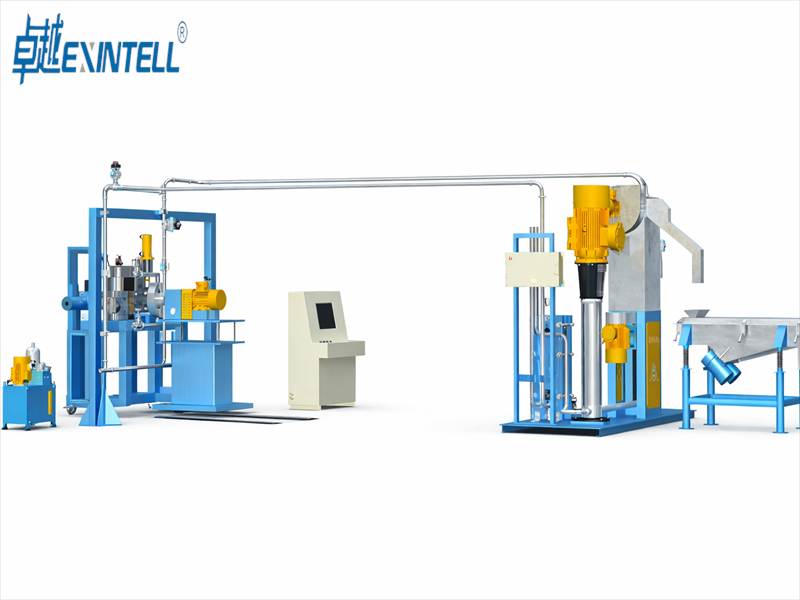
An underwater pelletizer lets you turn melted plastic into even pellets. Primu, you put in raw materials. These often need drying to get rid of water. Drying helps them melt better. The material melts inside the machine. This makes it even and takes out dirt. Dopu, the machine pushes out the melted plastic. This step mixes the plastic well and removes trapped air. Underwater pelletizing systems cut the hot plastic into small pellets while still underwater. Water cools the pellets right away. This helps them keep their shape and stops them from sticking together. Every step in underwater pelletizing systems is important for good pellets.
|
Scena |
Contribution to Pellet Quality |
|---|---|
|
Feeding |
Piglia l'acqua è prepara u materiale per funnu. |
|
Melting |
Fone tuttu uniformemente è elimina a terra. |
|
Extruding |
Imbulighjate è elimina l'aria, rende u plasticu megliu. |
|
Cutting |
Face ancu pellets per parechji usi. |
|
Cooling |
Impedisce à i pellets di aderisce è mantene a so forma. |
Sapendu cumu funziona i sistemi di pelletizazione sottumarina aiuta à fà boni pellets ogni volta.
Cunsiglii chjave
-
Hè impurtante di seccu prima materia prima. Drying helps them melt better. Questu ferma ancu i prublemi in i pellets finali.
-
Mantene u flussu di materiali stabile durante a pelletizazione. Un flussu constante rende i pellets più uniformi. Riduce ancu a probabilità di sbagli.
-
Fighjate u a temperatura di a piastra cun cura. A temperatura ghjusta aiuta à furmà i pellets bè. Face ancu i pellets di alta qualità.
-
Verificate è cambiate i culteddi rotanti spessu in a camera di taglio. I culteddi affilati facenu tagli netti. Mantenenu ancu e dimensioni di pellet uguali. Questu rende a qualità megliu.
-
Cuntrolla a temperatura di l'acqua è u flussu in a camera di rinfrescante. Questu mantene i pellets in bona forma. Li impedisce ancu di appiccicà. Questu aiuta u prucessu di travaglià megliu.
Panoramica di u prucessu di pelletizazione
Cosa hè un Pelletizer Underwater?
An pelletizzatore sott'acqua cambia i plastichi fusi in picculi pellets. Hè taglia i filamenti di polimeru mentre sò sottu à l'acqua. L'acqua rinfriscà i pellets subitu. Questu li aiuta à mantene a so forma è a qualità. L'altri metudi di pelletizazione ùn taglianu micca pellets à a faccia di u fustu. U a camera di taglio resta piena d'acqua. Questu facenu ogni pellet tonda è liscia. U prucessu di pelletizazione subacquea ferma l'ossidazione. Mantene ancu i pellets da appiccicà inseme.
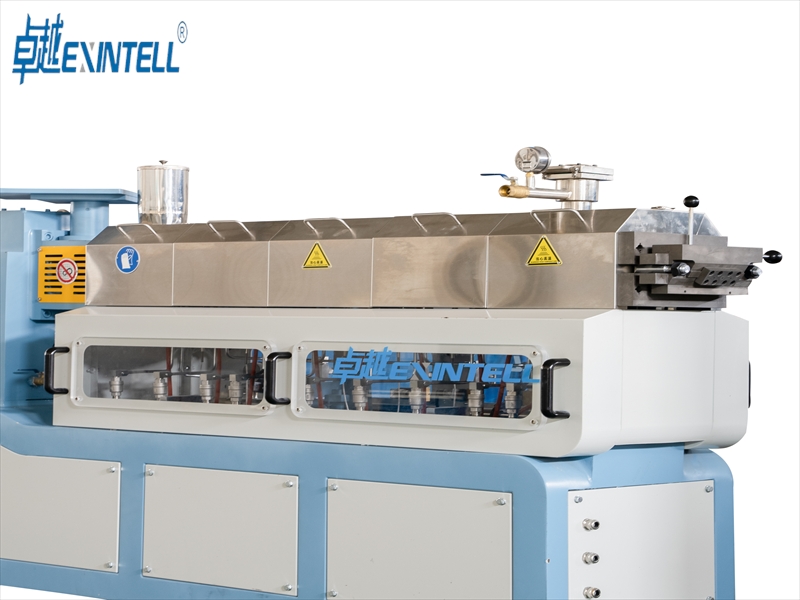
U parti principali di un pelletizer sottumarinu sò:
-
Un estrusore fonde è spinge i plastichi in avanti.
-
Una piastra fustella forma u polimeru fusu in filamenti.
-
Una camera di taglio hà lame chì taglianu i filamenti in pellets sottu à l'acqua.
Queste parti travaglianu inseme per un prucessu di pelletizazione veloce. U materiale si move da a piastra. L'acqua scorri à traversu a faccia. U pelletizer principia in una sequenza cronometrata. Questu impedisce i pellets di agglomerati è li rende uniformi.
Cumu funziona u prucessu di pelletizazione
Tu seguitate passi in u sistema di pelletizing sottumarinu per fà boni pellets. Primu, uttene i plastichi crudi pronti è alimentate in u sistema di estrusione. L'estrusore si scioglie, mischi, è rende u materiale ancu. Dopu, u polimeru fusu passa à traversu a piastra è forma filamenti. U prucessu di pelletizazione subacquea cuntinueghja mentre i filamenti entranu in a camera di taglio. I lame rotanti taglianu i filamenti in pellets sottu à l'acqua. The water cools the pellets right away and keeps their shape.
U prucessu di pelletizing runs all the time. This helps factories make more pellets. You get high output, long-lasting machines, and easy use. The underwater pelletizing system needs less space and cooling water. This saves energy and helps the environment. The process makes little noise and keeps the area clean. You also spend less on labor and maintenance.
The table below shows how the continuous underwater pelletizing system helps factories:
|
Beneficiu |
Descrizzione |
|---|---|
|
Efficienza |
Makes more pellets for big plastics production. |
|
Cunsumu d'energia |
Uses less energy and lowers costs. |
|
Qualità di pellet |
Makes pellets more even and better. |
|
A sustenibilità |
Handles many plastics, including recycled ones. |
|
Automation |
Cuts downtime and improves performance with smart controls. |
You can make up to 77,000 lb/hr with an underwater pelletizing system. This makes the process great for high-melt-index plastics and special materials. The system keeps oxidation low and gives high-quality pellets for many uses.
Material Feeding and Melting
Feeding Raw Materials
You start the pelletizing process by feeding raw materials into the system. Most underwater pelletizing systems work with many types of plastics. These include common thermoplastic polymers cum'è:
-
LDPE
-
LLDPE
-
HDPE
-
PP
-
EVA
-
PS
-
SAN
-
ABS
-
SB
-
PMMA
-
TPR
-
TPU
-
PC
-
TR
-
PVC
-
Policarbonate
-
PBT
-
PB1
-
PET
-
SBS
-
SEBS
-
PA6
-
PA6.6
You must make sure the raw plastics are clean and dry before you begin. Moisture can cause problems during the process. Drying helps you avoid bubbles and defects in the final pellets. Consistent feeding is key for good pellet quality. If the flow of materials changes, you may see pellet inconsistency. This can happen if the die is not right or if the output changes too much. A steady feed helps you get uniform pellets every time.
Cunsigliu: Always check your feeding system to keep the process stable and improve pellet consistency.
Melting and Homogenization
Once you feed the plastics, the extruder screw or melt pump takes over. The screw moves the plastics forward and heats them. As the plastics melt, the screw mixes them into a smooth, even mass. This step is important for the process because it makes sure all polymers melt the same way. U Maddock mechanism shows that melting happens as a thin film forms and gets scraped off. This helps you get a uniform melt.
The design of the screw affects how well the plastics mix. A longer screw gives better mixing and more even melting. Studies show that the screw and die design control the flow and pressure. This is important for making sure the melt is the same all the way through. When you get good mixing, you improve pellet quality and make the process more reliable.
|
Screw Design Feature |
Effect on Process and Quality |
|---|---|
|
Longer L/D Ratio |
Better mixing and melt homogeneity |
|
Maddock Mechanism |
Even melting and smooth polymer flow |
|
Proper Die and Pump Design |
Stable flow and improved pellet consistency |
You need a well-designed melting step to keep the pelletizing process smooth. This helps you meet the strict quality needs of the plastics industry.
Extrusion and Die Plate Operation
Extruding Molten Polymer
After the plastics melt, you move to the next step. U extruder pushes melted plastics toward the die plate. This shapes the melted material into thin strands. Here is how the process works:
-
Put raw plastics into the feeding hopper.
-
Feed plastics into the extruder so they melt.
-
The extruder sends melted plastics to the die plate.
-
A gear pump can help keep the flow steady.
-
Melted plastics go through holes in the die plate and make thin strands.
-
Rotating blades cut the strands into pellets.
-
Water cools the pellets right away so they do not stick.
You must keep the process steady to get even pellets. The cutting uses high shear rates. The knife edge pushes into the polymer and adds stress. When the stress is high enough, the strand breaks cleanly. This makes smooth and round pellets. This process works for many kinds of plastics.
Die Plate Function in Pelletizing
The die plate is very important in pelletizing. It shapes melted plastics and controls pellet size. You must keep the die plate at the right temperature. If it is too cool, pellets may not form well. S'ellu hè troppu caldu, pellets ponu attaccà o perde a forma. A piastra di fustella ancu mantene u prucessu stabile è rende i pellets uniformi.
Cunsigliu: Aduprate riscaldatori integrati in a piastra per mantene a megliu temperatura per i vostri plastichi.
A tabella sottu mostra cumu a temperatura di a piastra influenza a qualità di pellet:
|
I risultati chjave |
Descrizzione |
|---|---|
|
Influenza di a temperatura |
A temperatura di a piastra di a fustella cambia cumu u materiale si lega è forma pellet. |
|
Variabilità di materiale |
Diversi plastichi necessitanu diverse temperature di fustelle per i migliori risultati. |
|
Effetti di bassa temperatura |
A bassa temperatura di u fustu pò causà pellet male è prublemi di macchina. |
|
Strategii di ottimisazione |
I riscaldatori in a piastra di fustelle facenu megliu a pelletizazione. |
Duvete guardà a temperatura di a piastra durante u prucessu. Questu vi aiuta à ottene a megliu forma è dimensione di pellet. Un bonu cuntrollu di a piastra di fustellatura vi dà pellets d'alta qualità ogni volta. Ogni parte deve travaglià inseme per u prucessu di pelletizazione per riesce.
Sistema di Pelletizing Underwater: Cutting and Cooling
Assemblage di u cuteddu rotativu
Arrivà à u core di u sistema di pelletizazione sottumarina quandu vede l'assemblea di u cuteddu rotativu in azzione. Sta parte di u prucessu taglia u plasticu fusu in picculi, ancu pellets cum'è u materiale abbanduneghja u piattu die. I culteddi giranu rapidamente è stanu sottu à l'acqua tuttu u tempu. Stu prucessu di pelletizing sottu acqua vi dà parechji benefici impurtanti:
-
U cuteddu rotativu taglia u plasticu in pellets ghjustu quandu entra in a camera d'acqua.
-
L'acqua rinfriscà è indurisce i pellets istantaneamente, chì aiuta à cuntrullà a so dimensione.
-
L'ambientazione sott'acqua impedisce à i pellets di appiccicà è li rende tondi è lisci.
-
I culteddi travaglianu sempre sottu à l'acqua, cusì ogni pellet si raffredda ancu.
Avete bisognu di attentu à a sharpness è a stallazione di i culteddi. I culteddi affilati taglianu a plastica in modu pulitu, dendu vi pellets chì sò tutti a stessa taglia. Sì i culteddi s'affaccanu, pudete vede pellets cù coda o catene, chì diminuite a qualità. A velocità di u cuteddu importa menu di l'acutezza, ma avete sempre bisognu di equilibriu a velocità è a pressione per i megliu risultati. Quandu avete stabilitu u cuntattu di u cuteddu à morire ghjustu, ti si pulisce, pellets cilindrichi. Stu passu in u prucessu di pelletizazione vi aiuta à mantene a produzzione efficiente è i vostri pellets consistenti.
Cunsigliu: Verificate i vostri culteddi spessu è rimpiazzate quandu si sguassate. Questu mantene u vostru sistema di pelletizazione subacquea chì funziona in modu fluidu è i vostri pellets uniformi.
Camera d'acqua è Raffreddamentu di Pellet
A camera d'acqua hè una parte chjave di u sistema di pelletizazione sottumarina. As soon as the rotating knife cuts the pellets, they drop into the water chamber. L'acqua rinfriscà i pellets subitu, so they keep their shape and do not stick together. You must use clean, demineralized water to avoid leaving spots or marks on the pellets. The water also helps carry the pellets away from the cutting area.
The table below shows how the water chamber works in the underwater pelletizing process:
|
Passu |
Descrizzione |
|---|---|
|
Cutting |
The rotating blades cut the strands into pellets as they exit the die. This happens underwater to cool and harden the pellets instantly. |
|
Cooling & Transport |
The water bath cools the pellets more and moves them to the next stage for drying and checking. |
You need to control the water temperature and flow rate for the best cooling. Most underwater pelletizing systems keep the water between 20°C and 40°C. Sta gamma travaglia per parechji tippi di plastica. Se utilizate polimeri semicristallini, pudete avè bisognu di aghjustà a freccia di rinfrescante per ottene a struttura di cristallu ghjustu. L'acqua deve move abbastanza veloce per caccià u calore, ma micca cusì veloce chì dannu i pellets. A maiò parte di i sistemi dà i pellets 10 à 30 seconde in u bagnu d'acqua. Stu tempu hè abbastanza per rinfriscà, senza fà li fragili.
Nota: Verificate sempre a temperatura di l'acqua è u flussu in u vostru sistema di pelletizazione sottumarina. Un bon cuntrollu significa una qualità di pellet megliu è menu prublemi dopu.
Trasportu di pellet in acqua
Dopu à rinfriscà, u sistema di pelletizing sottu à l'acqua usa l'acqua per spustà i pellets à l'area di secca. L'acqua porta i pellets in un slurry, chì significa chì i pellets float è viaghjanu cù u flussu di l'acqua. This method keeps the pellets from sticking together or picking up dust. The die face and rotating cutter stay underwater, so the pellets move quickly and stay cool.
You set up the water system before you start the pelletizing process. You make sure the water pump and filters work well. You also check the water stays clear and at the right temperature. Operators watch the system during production to keep everything running smoothly. The water depth in the chamber helps control how fast the pellets move. If the water is too shallow, pellets may not cool enough. If it is too deep, they may stay in the water too long and get too cold.
-
The water carries the pellets to the dewatering and drying stages.
-
You monitor the water flow to make sure pellets move at the right speed.
-
Cuntrolli rigulari nantu à a pompa è i filtri mantene l'acqua pulita è u prucessu efficiente.
U sistema di pelletizazione subacquea vi dà un modu affidabile per fà pellets d'alta qualità. Avete ancu rinfrescante, trasportu liscia, è menu probabilità di difetti. Stu prucessu vi aiuta à risponde à i bisogni di parechje industrii è mantene a vostra linea di produzzione chì funziona bè.
Asciugatura, Imballaggio, è Integrazione di u Sistema
Prucessu di asciugatura di pellet
Dopu chì i pellets rinfriscà in u sistema di pelletizing sottumarinu, duvete asciucàlli. L'asciugatura elimina l'acqua rimasta nantu à i pellets. Questu aiuta à scuntrà e regule di qualità è ferma i prublemi dopu. A megli manera di secca pellets hè cun aria calda. L'aria calda funziona megliu cà l'aria fridda o solu lascià l'acqua drenu. Pudete ancu aduprà a dewatering d'acqua calda per siccà pellets più veloce.
Sì i pellets anu sempre acqua, pudete ottene lower glass transition temperatures. The pellets may flow differently and have packaging problems. Always make sure your dryer works well to keep pellet quality high.
Here is a table that shows what can change drying after underwater cooling:
|
Fattore |
Descrizzione |
|---|---|
|
Knife-to-die contact |
Bad contact can cause defects and leave more water. |
|
Axial force |
Changes how the pellets are cut and how much water stays. |
|
Cutting speed |
Changes pellet size and how long drying takes. |
|
Knife count |
More knives can help lower water in pellets. |
|
Flow uniformity |
Uneven water flow means more water stays on pellets. |
|
Temperature control |
Good control helps pellets dry better. |
|
Dryer performance |
Better dryers make pellets drier. |
Packaging Finished Pellets
When the pellets are dry, you move them to packaging. Automated packaging systems help you pack pellets fast and safely. These machines weigh, fill, seal, and stack bags with little help. You only need one or two people to watch the machines. This saves money and keeps your plant working well. You lose less material and keep pellet quality high.
If you use hygroscopic materials, you must control the air’s humidity. You also need to pick the right packaging to keep water out. This step keeps the pellets safe and ready to use.
System Integration and Reliability
You must connect your sistema di pelletizazione subacquea to other machines in your plant. This means matching the pelletizer’s speed with the extruder and dryer. You also need to check pellet quality at every step. If you see dirt or uneven pellets, you could have problems later. These problems include clogged dryers or trouble feeding pellets.
Key points for good system setup are:
-
Sapete e proprietà di u vostru materiale
-
Cumparisce quantu fate cù altre machini
-
Mantene a dimensione è a forma di pellet u listessu
-
Pianificazione per correzioni facili è bassi costi
Quandu avete cura di u vostru sistema di pelletizazione sottumarina, avete ottene una qualità di pruduttu megliu è più pellets. Avete ancu menu difetti è automatizazione megliu cà cù a pelletizazione di filamenti.
Applicazioni tipiche di l'industria
Parechje industrii utilizanu sistemi di pelletizazione subacquea. U industria di vittura li usa per pellets ligeri è forti. L'industria di a custruzzione hà bisognu di boni pellets per l'insulazioni è i pavimenti. L'industria di l'imballaggio usa questi sistemi per l'alimentariu è altri beni. L'industria di l'elettronica li usa per pezzi è coperchi.
Vede i benefici di i pelletizers subacquei in ogni industria. A tecnulugia di pelletizazione subacquea dà una qualità megliu, più pellets, è pruduzzione più affidabile. Questi sistemi aiutanu à scuntrà reguli duru è stà avanti in u mercatu.
Quandu aduprate sistemi di pelletizazione sottumarini, seguite i passi simplici. Ogni passu hè impurtante per fà boni pellets. Primu, alimentate u plasticu è u fondu. Allora, fate a plastica fusa in filamenti. Eppo, tu tagliate è rinfriscà i pellets in acqua. Dopu, si secca i pellets è li preparanu per l'imballu. Questi sistemi aiutanu à fà megliu pellets, travaglià più veloce, è manighjà parechji tippi di plastica. A tavula sottu spiega perchè e fabbriche cum'è i sistemi di pelletizazione subacquea:
|
Beneficiu |
Descrizzione |
|---|---|
|
Face assai pellets rapidamente |
|
|
Risparmia soldi nantu à ogni pellet |
|
|
Ultima Tecnulugia |
Rende u prucessu megliu è pellets di qualità più alta |
I fabbrichi ponu cuntà i sistemi di pelletizazione sottu à l'acqua per travaglià bè ogni volta.
FAQ
What plastics can you use in an underwater pelletizer?
You can use many types of plastics, such as PE, PP, PET, PVC, and ABS. Most thermoplastics work well in these systems. Always check your material’s melting point and flow properties before starting.
How do you keep pellets from sticking together?
You keep pellets from sticking by cutting and cooling them underwater. The water cools the pellets quickly. This step helps each pellet keep its shape and stay separate.
Why is drying pellets important?
Drying removes water from the pellet surface. If you skip drying, pellets may clump or cause problems in later steps. Dry pellets store and handle better.
How often should you check the knife assembly?
You should check the knife assembly every shift or after a set number of hours. Dull knives make uneven pellets. Regular checks help you keep pellet quality high.