Cume l'estrusori di pelletizazione funzionanu passu à passu
Table of Contents
Cume l'estrusori di pelletizazione funzionanu passu à passu
Quandu si usa a estrusore di pelletizzazione, cambiate a materia prima in pellets seguendu passi chjaru. Mettite u materiale in l'estrusore. A macchina si scioglie è si mischia. Allora, spinge u materiale attraversu una matrice per fà pellets. Ogni passu hè impurtante per fà pellets forti è ancu. Se sapete cumu funziona a pelletizazione, pudete fà u vostru extruder megliu è risolve i prublemi più veloce.
Verificate e proprietà di u materiale per fà chì u prucessu di pelletizazione funziona megliu per diversi plastichi.
Cosa hè un estrusore di pelletizing
Funzione principale
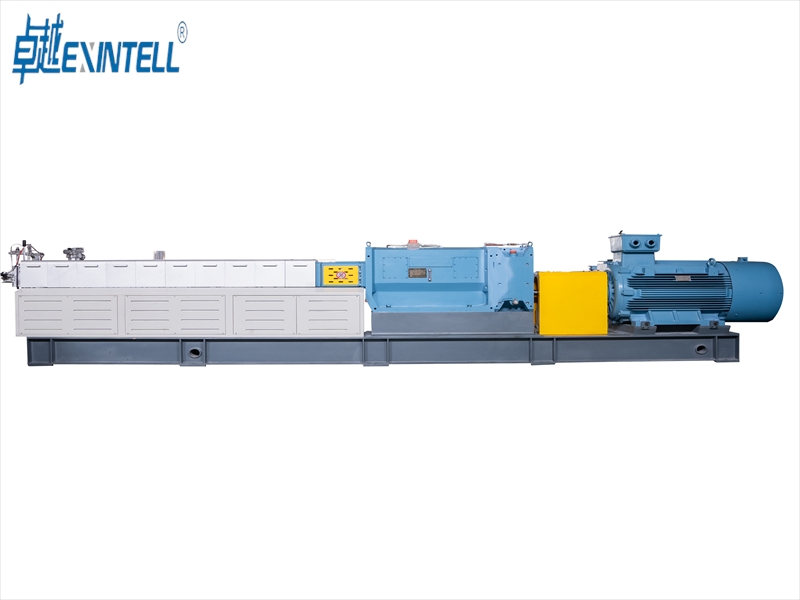
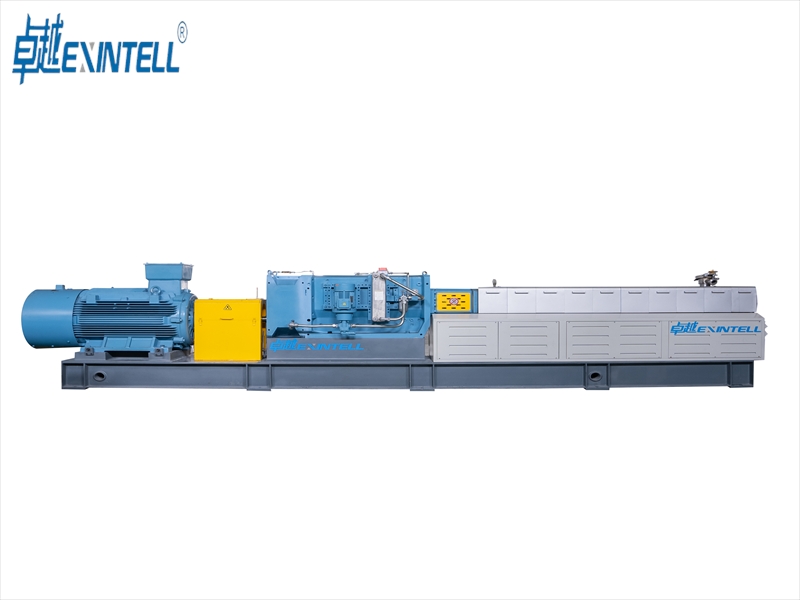
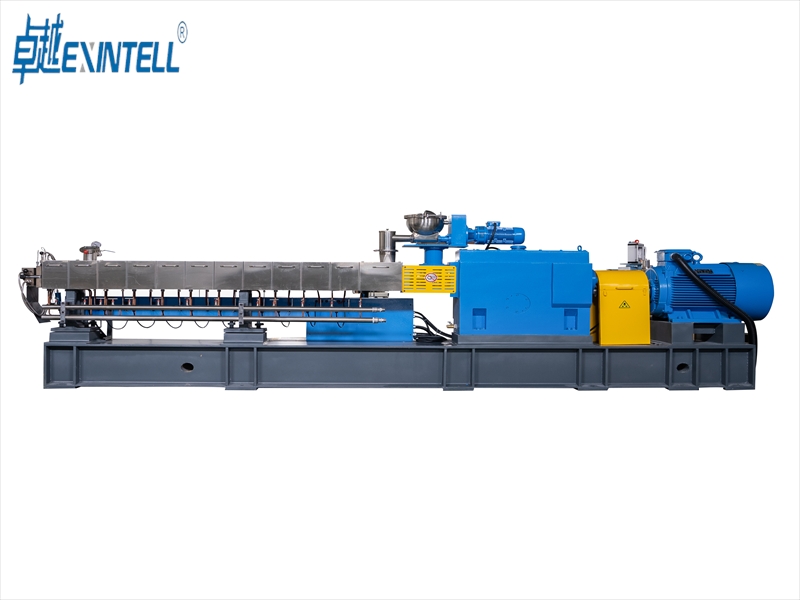
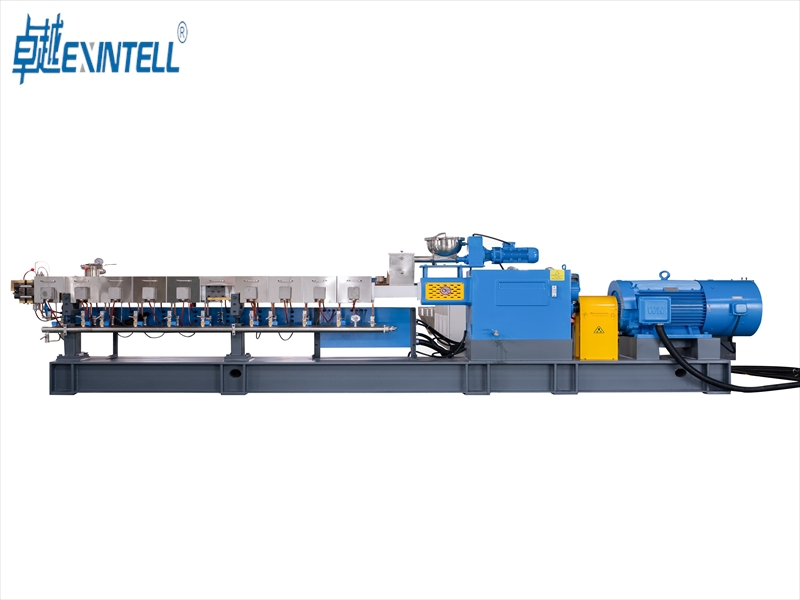
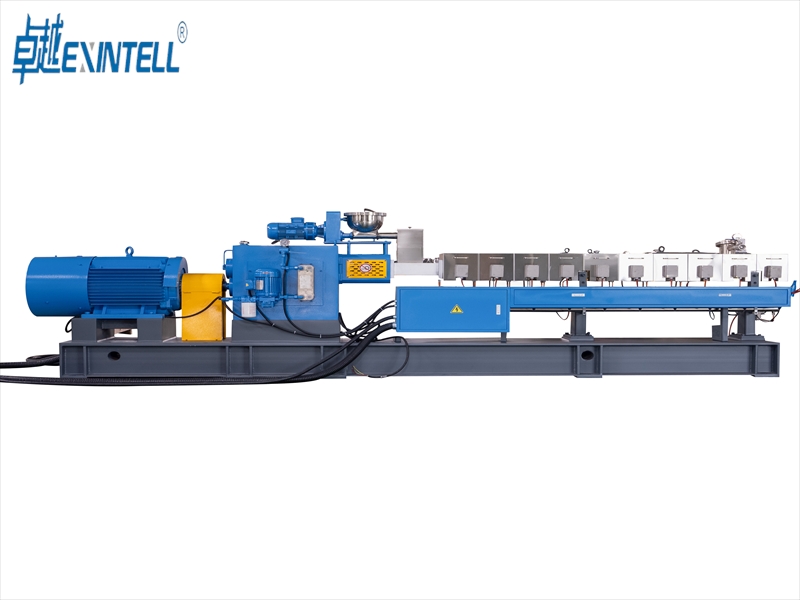
A estrusore di pelletizzazione trasforma plastica cruda o polimeru in picculi pellets. A macchina permette di cuntrullà quantu grande è tonda hè ogni pellet. I pruduttori utilizanu estrusori di pellet per fà prudutti chì rispondenu à e regule strette. Pudete cambià pezzi di scarti o resina nova in pellets chì scorri bè è travaglià in altre machini.
Estrusori di pelletizzazione sò impurtanti in a fabricazione di plastica è polimeru. Vi aiutanu à travaglià più veloce, perde menu, è ottene risultati stabili.
Eccu un tavulu chì mostra ciò chì a estrusore di pelletizzazione faci:
Forme di plastica fusa, cuntrola u spessore è a pressione di pellet
Sistema di rinfrescante
Rende i pellets duri, li impedisce di cambià a forma
Sistema di coltelli rotanti
Taglia pellets rinfriscati in a stessa dimensione è forma
Pudete cambià u disignu di sti pezzi per adattà à i vostri bisogni. I sistemi d'automatizazione aiutanu à cuntrullà u calore è vi avvisanu di prublemi. I sistemi di rinfrescante è di siccatura mantenenu pellets forti è prutegge a so qualità.
Prucessu di estrusore di pelletizazione
L'estrusore di pelletizzazione funziona in passi. Ogni passu cambia a materia prima in pellets chì pareanu uguali. Avete bisognu di cunnosce ogni tappa per ottene boni pellets.
Alimentazione di materiale
Primu, mette a materia prima in l'estrusore. U hopper tene u materiale. Stu materiale pò esse fiocchi di plastica, granuli, o polveri. Certi materiali cumuni sò polietilene, polipropilene, ABS, nylon, è PLA. Pudete aduprà alimentatori speciali per cuntrullà quantu materiale entra. Calchì volta, avete bisognu à seccu u materiale prima. L'asciugatura hè impurtante per i plastichi chì piglianu l'acqua. L'asciugatura ferma e bolle è altri prublemi in i pellets.
U sistema di alimentazione cuntrolla quantu materiale entra in l'internu. Sè vo alimentate a stessa quantità ogni volta, i pellets sò megliu. A dimensione di i pezzi è quantu umidi sò ancu importa. Pezzi chjuchi è a quantità ghjusta d'acqua aiutanu à fà pellets forti.
Melting And Homogenization
Dopu, a vite spinge u materiale in avanti. A canna si calienta è funnu u plasticu. A forma di a vite hè impurtante quì. Certi viti mischianu u materiale megliu è mantene u calore ancu. U mischju aiuta à mischjà cose cum'è u culore o stabilizzatori.
Duvete stabilisce u calore ghjustu per ogni plastica. Per esempiu, u polipropilene fonde trà 200 ° C è 260 ° C. L'ABS fond entre 210°C et 250°C. A tavula sottu mostra a temperatura di fusione per diversi plastichi:
Polimeru di plastica
Gamma di temperatura di fusione pratica (°C)
ABS (Acrilonitrile Butadiene Stirene)
210 – 250
Policarbonate (PC)
280 – 320
Polipropilene (PP)
200 – 260
Nylon 66 (PA66)
280 – 310
Polietilene (HDPE)
210 – 260
Poliossimetilene (POM)
190 – 220
Una bona fusione è mischju facenu a plastica fusa liscia. Stu passu sguassate e bolle d'aria è mischjà tuttu inseme. Avà u plasticu fusu hè prestu per u prossimu passu.
Estrusione Attraverso Die
U plasticu fusu si move à u sistema di fustu. A fustella forma a plastica in filamenti o altre forme. A fustella funziona cum'è un muffa. Cuntrolla a dimensione è a forma di i pellets. A forma di u die hè impurtante. Decide quantu grossi è largu sò i pellets. Un bon die vi dà pellets chì tutti parenu uguali.
A pressione è a rapidità quì cambianu quantu sò boni i pellets. Avete bisognu di mantene questi fermi per i migliori pellets.
Sistema di rinfrescante
Dopu à abbandunà u mortu, a plastica hè sempre calda è dolce. U sistema di rinfrescante rende i pellets duru è mantene a so forma. U rinfrescante di l'acqua hè utilizatu assai perchè si rinfresce rapidamente è uniformemente. Certi machini usanu u rinfrescante di l'aria per i plastichi chì si funnu à u calore più bassu. U tagliu sottu à l'acqua raffredda i pellets subitu. Questu hè bonu per i plastichi chì si funnu facilmente.
Metudu di rinfrescante
Descrizzione
Polimeri adatti
Raffreddamentu d'acqua
Aduprate l'acqua per rinfriscà pellets rapidamente è mantene bè.
Parechji plastichi chì anu bisognu ancu di rinfriscà.
Raffreddamentu d'aria
Micca cusì veloce, utilizatu per i plastichi chì si funnu à pocu calore.
Plastica cù un bassu indice di fusione.
Cutting Underwater
Taglia è rinfriscà i pellets in acqua subitu.
PP non-tissu, tessuti in fusione.
U rinfrescante deve esse uniforme. Sè freti troppu veloci o troppu lentu, pellets pò rompe o cambià a forma. Un bonu rinfrescante mantene a pellet forte è chì pare bè.
Cutting In Pellets
Quandu i pellets sò freschi, vanu à u cutter. U cuteddu rotativu taglia i filamenti in pellets. A vitezza è u tipu di lama cambianu quantu longu è grossu sò i pellets. Più lame o un taglio più veloce facenu pellets più corti. Induve mette u cutter importa ancu. S'ellu hè troppu vicinu à u die, si consuma prestu. S'ellu hè troppu luntanu, i pellets ùn sò ancu.
Pudete taglià pellets in diverse manere:
Pelletizzazione di filamenti: Cut after cooling in acqua.
Pelletizzazione a caldo: Tagliate ghjustu à a faccia.
Granulazione sottumarina: Tagliate in acqua per rinfriscà rapidamente.
Ogni modu funziona megliu per certi plastichi è travaglii.
Raccolta è cuntrollu di qualità
Cullate i pellets finiti à a fine. Calchì volta, avete bisognu à seccu per sguassà l'acqua. Questu hè induve verificà i pellets per a dimensione, forma, è purezza. Pruvate i pellets è sguassate i cattivi. Certi cumpagnie utilizanu testi speciali per i plastichi chì deve esse assai puri.
Duvete seguità e regule mundiale per assicurà chì i vostri pellets sò boni. I boni cuntrolli significanu chì i vostri pellets funzionanu bè in altre macchine.
Cunsigliu: Cuntrolla i pellets spessu quandu i cullettite. Questu vi aiuta à truvà prublemi prima è mantene a vostra macchina à travaglià bè.
Sè vo seguitate ogni passu, trasformate a materia prima in boni pellets. Ogni tappa hè impurtante per fà u pruduttu finali.
Fattori chì affettanu a pelletizazione
Quandu si usa un extruder pelletizing, duvete cuntrullà certe cose. Queste cose aiutanu à ottene pellets forti è ancu. Avete bisognu di guardà a temperatura, vitezza vite, è e proprietà di u vostru materiale. Ognunu pò cambià cumu si vede i vostri pellets. Affettanu ancu quantu funziona a vostra macchina.
Control di temperatura
Avete da verificà a temperatura tuttu u tempu. A temperatura ghjusta aiuta i pellets à stallà bè. Quandu a temperatura hè vicinu à un puntu speciale chjamatu T*, u tempu in a mossa conta. Questa ora cambia quantu duru sò i vostri pellets. Se andate sopra T*, i pellets si attaccanu più veloce, ma diventanu più debuli. Un bonu cuntrollu di temperatura face chì i pellets durà più longu è ùn si rompenu. Mantene ancu i vostri pellets boni è ferma i rifiuti.
Cunsigliu: Aduprate sensori per verificà a temperatura spessu. Questu vi aiuta à risolve i prublemi rapidamente.
Velocità di Vite
A vitezza di a vite cambia a velocità di fà pellets. Se a vite va troppu veloce, pellets ùn pò micca vede ancu. Puderanu ancu ottene bolle d'aria. Se a vite hè troppu lenta, fate menu pellets. Avete bisognu di truvà a megliu velocità per u vostru materiale è a macchina. Pruvate diverse velocità è fighjate spessu i vostri pellets. Questu vi aiuta à mantene a qualità di pellet uguali è impedisce i prublemi.
Pruprietà materiale
U tipu di materiale chì utilizate hè ancu impurtante. Avete da pensà à l'umidità è a viscosità. Eccu cumu queste cose cambianu i vostri pellets:
Più acqua rende i pellets più umidi è più forti, ma parenu più scuri.
I pezzi più chjuchi facenu u materiale più grossu è più difficiuli di spinghje.
Pudete cambià u vostru extruder per diversi materiali. Per esempiu, pudete aduprà una forma di fustella speciale. A tabella sottu mostra cumu pudete cambià u vostru prucessu:
Aduprate mudelli di computer per cuncepisce fustelle per forme dure.
Pudete ancu aduprà sistemi di co-extrusion. Questi permettenu di mischjà materiali è fà pellets stratificati per usi speciali.
Sè vo cuntrolla sti cosi, fate megliu pellets. Mantene ancu u vostru prucessu di pelletizazione chì travaglia bè.
Risoluzione di prublemi di l'estrusore di pellet
Problemi cumuni di qualità di pellet
Calchì volta, vi vede prublemi cù i vostri pellets. Questi prublemi ponu cambià cumu si vede o travaglianu i vostri pellets. Eccu alcuni prublemi chì pudete truvà:
L'agglomerazione o grandi clumps accadenu se i pellets sò troppu caldi o l'acqua hè troppu bassa.
Fine è capelli d'anghjulu si prisentanu se i punte di l'orifiziu si rompenu o u cuteddu ùn si move micca bè.
Gemelli, triplette, e catene si formanu se u cuteddu hè troppu veloce o u pruduttu hè troppu caldu.
L'osse di cani è i dumbbells appariscenu se e lame sò usurate o u materiale ùn hè micca abbastanza grossu.
A coda si forma se a distanza trà u cuteddu è u fustu hè troppu grande o u fustu ùn hè micca pianu.
I longhi è i coddi succedenu se u cuteddu hè troppu lento o a rata di estrusione hè alta.
I vuoti interni è i popcorn ponu apparisce se u polimeru hà acqua o si rinfresce troppu veloce.
Dimples è polvera appariscenu se u pruduttu si riduce troppu veloce o hè fragile.
A frattura di a superficia o di fusione è a basura o trucioli accadenu se a rata di estrusione hè alta o u cuteddu ùn hè micca aghjustatu spessu.
Pellets chì ùn parenu micca uguali ponu vene da cambiamenti di temperatura o da un riscaldamentu irregolare.
Pudete aduprà strumenti cum'è Diagramme d'os de poisson d'Ishikawa o lu 5 Perchè a tecnica per sapè ciò chì hè sbagliatu. Questi strumenti aiutanu à listà e cause è cercate più in u prublema.
Problemi meccanichi è di prucessu
I prublemi meccanichi è di prucessu ponu ancu ferisce a pelletizazione. Puderete vede un output irregolare, pruduzzione bassa, o pellet cattivi. Eccu alcuni prublemi è modi per risolve:
Se a dimensione è a forma di pellet ùn sò micca ghjustu, cambià a temperatura di u fustu, mantene e lame affilate, è verificate u spaziu di a lama.
Se vede menu output o marmellate, cercate i buchi di fustellatura bluccati è assicuratevi chì u materiale si move bè in a tramoggia.
Se l'estrusore o u mutore diventa troppu caldu, verificate u sistema di rinfrescante è cercate l'attrito o un mutore chì travaglia troppu duru.
Sì i pellets ùn sò micca boni, verificate a temperatura, manighjà i materiali cun cura, è materiali secchi chì piglianu l'acqua.
Duvete ancu verificà l'usura di i viti, soni strani, è scuzzulate. Questi signali ponu significà chì i pezzi sò purtati o ci hè qualcosa in u materiale chì ùn deve esse micca. Cuntrollà è riparà e cose spessu mantene a vostra pelletizing liscia è i vostri pellets u listessu.
Cunsigliu: Scrivite i prublemi è cumu si risolve. Questu vi aiuta à vede mudelli è riparà e cose più rapidamente a prossima volta.
Pudete amparà ogni passu di u prucessu di extruder pelletizing. Cuntrollà a temperatura è u rinfrescante aiuta à fà forte, pellets uniformi. A migliurà a manera di gestisce a vostra macchina riduce i rifiuti è risparmia soldi. Quandu i pellets flussu lisu, marmellate sò menu prubabile, è u travagliu ferma fermu. A fusione è u mischju propiu creanu pellets chì rispondenu à standard elevati. Questu aiuta ancu à riduce a perdita di materiale è rende a produzzione più veloce. Sè vo site novu o sperimentatu, mantene a pratica per fà i migliori pellets ogni volta.
Ancu a fusione è u mischju pruduce pellets consistenti.
A pelletizazione salva materiale è aumenta l'efficienza.
FAQ
Chì materiali pudete aduprà in un extruder pelletizing?
Pudete aduprà parechji tippi di plastica. Certi esempii sò polietilene, polipropilene, ABS, nylon, è PLA. Certi machini ponu ancu aduprà plastica riciclata o mischi. Assicuratevi sempre chì u vostru extruder travaglia cù u vostru materiale.
Cumu mantene i pellets da appiccicà inseme?
Asciugà u vostru materiale prima di alimentallu. Sceglite u megliu metudu di rinfrescante per u vostru plastica. Mantene a temperatura a stessa. Questi passi aiutanu à ottene pellets forti chì ùn si attaccanu micca.
Perchè i pellets à volte anu forme irregolari?
I pellet ponu vede ineguali se a fustella o u cutter hà prublemi. Verificate se e lame sò usurate o se i buchi di fustelle sò bluccati. A velocità di viti sbagliata pò ancu causà questu. Fixà queste cose per fà pellets ancu.
Quantu volte duvete pulisce u vostru extruder pelletizing?
Pulite u vostru extruder dopu ogni volta chì finisci di fà pellets.
Eliminate u materiale rimanente è cercate ogni accumulazione.
A pulizia spessu mantene i vostri pellets boni è a vostra macchina funziona bè.