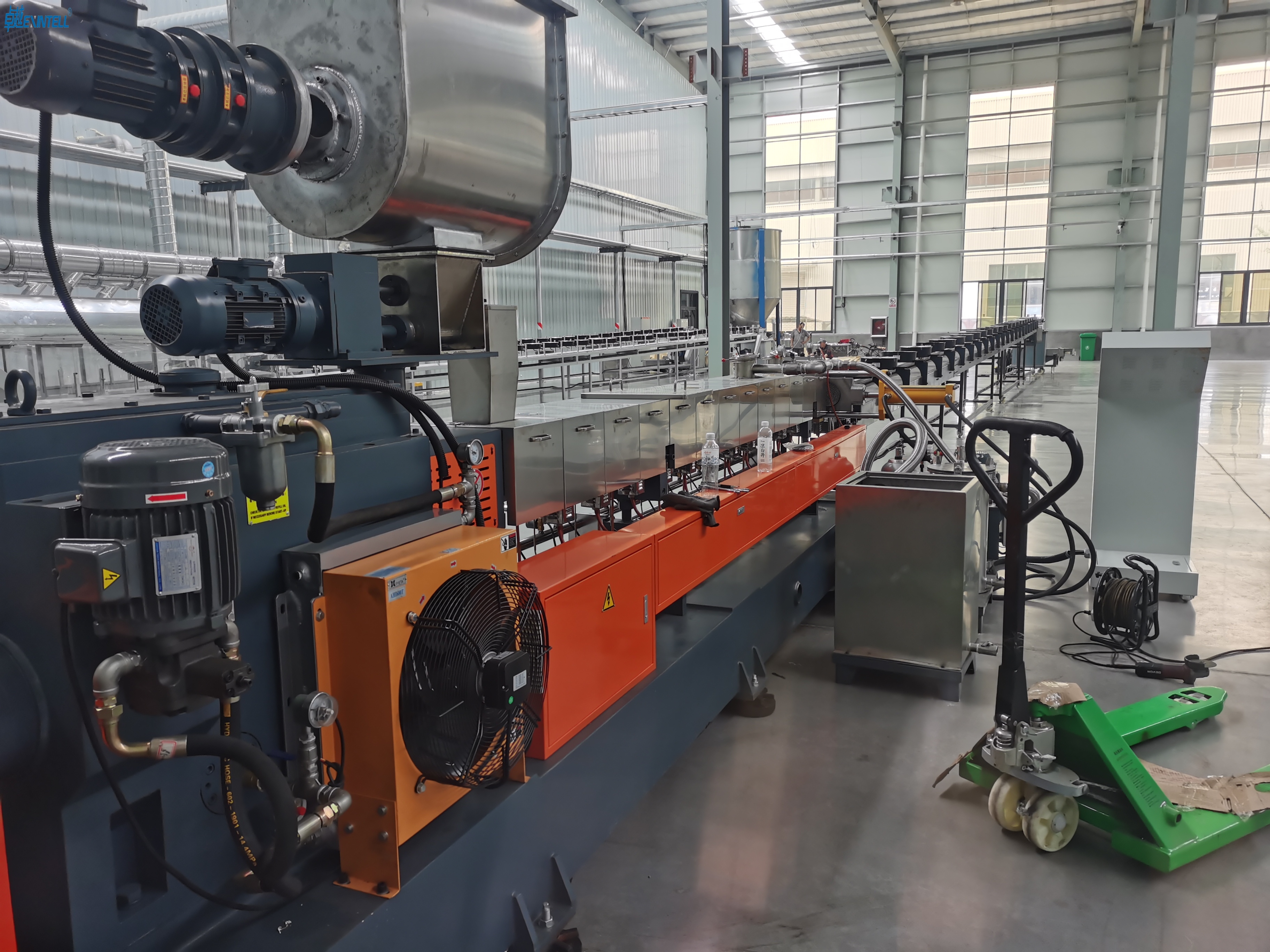
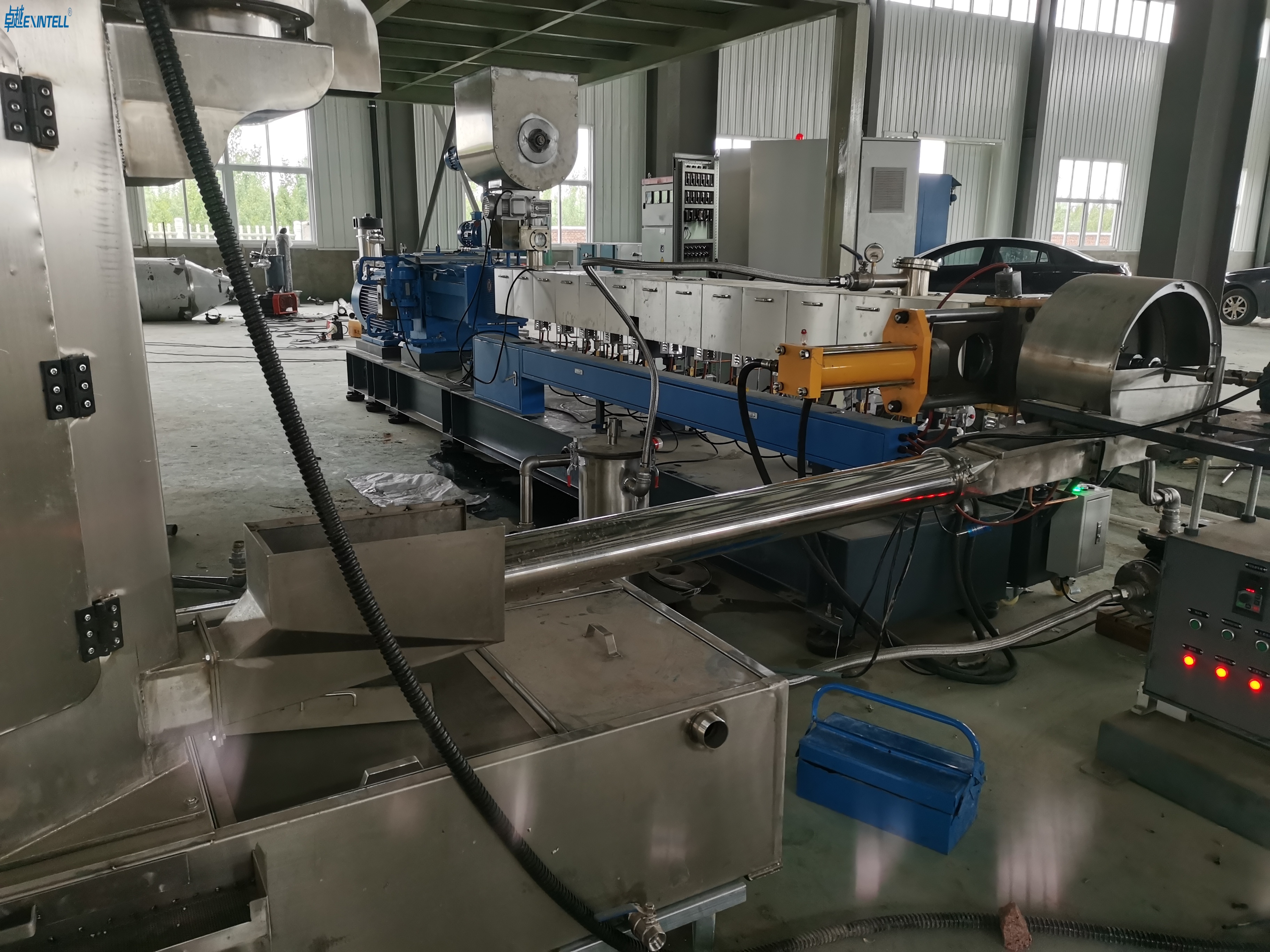
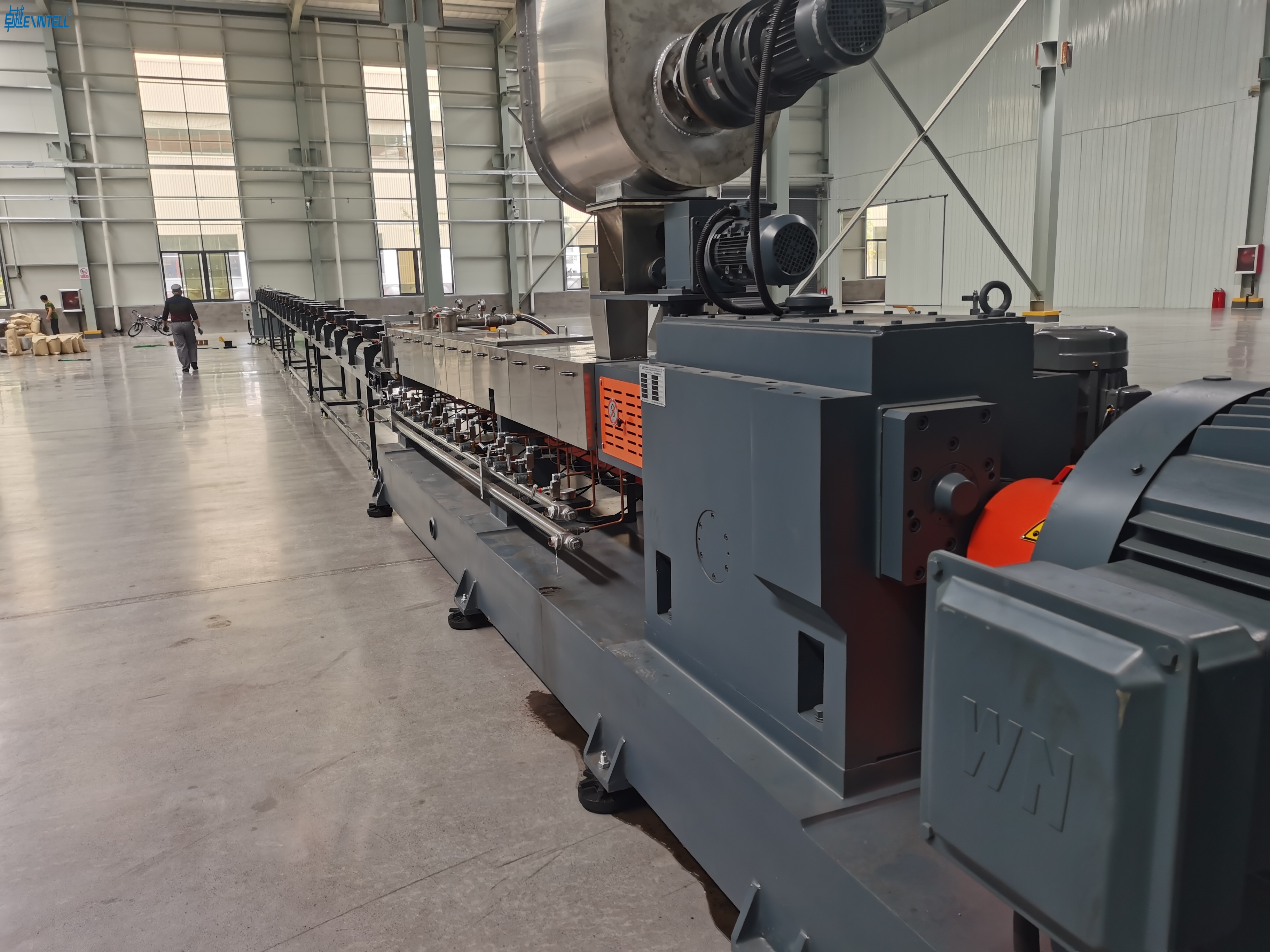
Plastic tube extrusion gihimong taas nga tubo ang natunaw nga plastik. Kini nga mga tubo adunay eksaktong gidak-on. Makita nimo kini nga mga tubo sa daghang adlaw-adlaw nga mga butang. Gigamit kini alang sa mga cable conduit ug IV tubing. Gigamit usab kini alang sa mga bayanan sa bintana ug mga barikada sa trapiko. Plastic extrusion naghimo sa mga tubo nga lig-on ug parehas. Kini nga mga tubo gigamit sa mga balay, mga ospital, ug mga site sa pagtukod.
Mga butang sa panimalay sama sa mga hose sa vacuum cleaner
Mga tabon sa wire ug mga agianan
Key Takeaways
Plastic tube extrusion nagbag-o sa natunaw nga plastik ngadto sa lig-on, haw-ang nga mga tubo. Kini nga mga tubo gigamit sa daghang mga paagi, sama sa medikal nga tubing ug mga butang sa pagtukod. Ang proseso sa extrusion adunay tulo ka nag-unang mga lakang. Una, Ang mga thermoplastic pellets natunaw. Sunod, ang plastik giporma pinaagi sa usa ka die. Unya, ang dugang nga kagamitan nagsusi sa kalidad. Pagpili sa tama nga thermoplastic nga materyal importante kaayo. Ang lainlaing mga materyales adunay espesyal nga mga bahin. Kini nga mga bahin nagbag-o sa kusog sa tubo, pagka-flexible, ug presyo. Ang plastic tube extrusion maayo kaayo. Naghimo kini bisan mga tubo nga adunay gamay nga basura. Kini naghimo niini nga usa ka berde nga paagi sa paghimo sa mga butang. Kini nga mga tubo gigamit sa daghang adlaw-adlaw nga mga produkto. Makit-an sila sa mga butang sa balay ug sa medikal nga mga himan. Kini nagpakita kon unsa sila ka mapuslanon ug importante.
Unsa ang Plastic Tube Extrusion?
Sukaranan nga Kahulugan
Plastic tube extrusion mao ang usa ka paagi sa paghimo sa taas nga, haw-ang nga mga porma. Nagsugod kini sa gagmay nga mga plastik nga pellets. Gipainit sa mga makina ang mga pellets hangtod nga kini matunaw. Ang natunaw nga plastik gitulod sa usa ka die. Giporma sa die ang plastik nga mga tubo nga adunay gitakda nga gidak-on. Ang presyur sa hangin mahimong magamit sa sulod sa tubo. Kini nagpugong sa tubo nga lingin ug hapsay. Ang mga eksperto nag-ingon nga kini nga proseso naghimo sa daghang mga tubo sa usa ka higayon. Ang mga tubo gihimo gikan sa natunaw nga polymer. Ang mga tubo adunay parehas nga porma hangtod sa hangtod. Lig-on sila ug managsama ang hitsura gikan sa tumoy hangtod sa katapusan.
Tip: Ang die molihok sama sa usa ka agup-op. Ang plastik dili mohunong sa paglihok, para makakuha ka ug taas nga tubo nga dili mabuak.
Pagtandi sa Ubang Plastic Extrusion Methods
Mahimong maghunahuna ka kung unsa ang pagkalainlain sa extrusion sa plastik nga tubo sa ubang mga paagi sa pagporma sa plastik. Ang regular nga plastic extrusion makahimo og daghang porma. Kini nga mga porma mahimong mga sheet, mga sungkod, o naandan nga mga profile. Ang nag-unang kalainan mao ang porma sa mamatay ug ang paggamit sa presyur sa hangin. Tube extrusion naggamit ug round die. Kanunay kini magdugang og hangin sa sulod aron magpabilin nga haw-ang ang tubo. Ang ubang mga paagi naggamit ug patag o pormag mga dies para sa solidong mga butang.
Ania ang usa ka yano nga lamesa aron ipakita ang mga kalainan:
Imong makita nga ang plastic tube extrusion espesyal. Naghimo kini og haw-ang nga mga tubo sa daghang kantidad. Kini nga pamaagi naghatag kanimo og mga produkto nga parehas ug maayo alang sa daghang gamit.
Step-by-Step nga Proseso sa Plastic Extrusion
Mahimo nimong masabtan ang proseso sa extrusion sa plastik nga tubo pinaagi sa pagbungkag niini ngadto sa tulo ka nag-unang mga lakang. Ang matag lakang naggamit ug espesyal nga mga makina ug mga kontrol aron masiguro nga lig-on ka, bisan mga tubo.
Natunaw nga Thermoplastic nga Materyal
Nagsugod ka sa gagmay nga mga plastik nga pellets nga gitawag nga thermoplastics. Kini nga mga pellets moadto sa usa ka hopper sa ibabaw sa extruder. Gipainit sa makina ang mga pellets hangtod nga kini matunaw. Kinahanglan nimo nga gamiton ang husto nga temperatura alang sa matag klase sa plastik. Kung gigamit nimo ang sayup nga temperatura, ang plastik mahimong masunog o dili igo nga matunaw.
Ang extruder naggamit ug screw sa sulod sa gipainit nga baril. Kini nga tornilyo nagduso sa natunaw nga plastik sa unahan. Mahimo nimong kontrolon ang katulin ug temperatura aron mapadayon ang plastik nga hapsay ug andam alang sa pagporma.
Tip: Kanunay nga susihon ang mga setting sa temperatura alang sa imong materyal. Makatabang kini nga malikayan ang mga depekto ug magpadayon nga hapsay ang proseso sa pagpuga sa plastik.
Pagpugos Pinaagi sa Usa ka Porma nga Die
Human matunaw, ang plastik nagalihok padulong sa die. Giporma sa die ang plastik nga usa ka hollow tube. Mahunahuna nimo ang die nga usa ka espesyal nga agup-op nga naghatag sa tubo sa gidak-on ug gibag-on niini. Ang disenyo sa die importante kaayo. Nagdesisyon kini kung unsa ka baga ang mga dingding sa tubo ug kung unsa ka lingin ang tubo.
Makit-an nimo ang duha ka panguna nga klase sa mga extruder sa kini nga lakang:
Single screw extrusion nga mga makina: Kini naggamit ug usa ka tornilyo sa pagsagol ug pagduso sa plastik. Nagtrabaho sila og maayo alang sa yano nga mga trabaho.
Twin screw extrusion machines: Kini adunay duha ka mga screw alang sa mas maayo nga pagsagol. Gigamit nimo kini alang sa labi ka komplikado nga mga plastik o kung kinahanglan nimo ang hingpit nga pagsagol.
Ang extruder mao ang kasingkasing sa linya. Gitunaw niini ang plastik ug iduso kini sa die. Kinahanglan nimo nga huptan nga makanunayon ang agos aron masiguro nga ang tubo adunay parehas nga mga dingding. Kung mausab ang dagan, ang tubo mahimong mabaga sa pipila ka mga spots ug nipis sa uban. Ang porma ug gitas-on sa die makatabang usab sa pagpabugnaw ug pagpahiluna sa tubo aron dili kini molubog o moliko.
Nota: Ang maayo nga disenyo sa die ug makanunayon nga pag-agos makatabang kanimo nga malikayan ang kasagarang mga problema sama sa pag-warping o dili parehas nga gibag-on.
Auxiliary Equipment ug Quality Control
Sa higayon nga ang tubo mobiya sa mamatay, kinahanglan nimo ang dugang nga mga makina aron mahuman ang trabaho ug susihon ang kalidad. Kini nga mga makina makatabang sa pagpabugnaw, sukod, ug putlon ang tubo sa hustong gitas-on.
Automated nga mga sistema sa pagkontrol: Gipadayon niini ang proseso nga makanunayon ug makatabang kanimo sa paghimo sa parehas nga tubo matag higayon.
Mga himan sa pagsukod: Kini nga mga himan nagsusi sa gidak-on sa tubo samtang kini naglihok subay sa linya.
Pagkontrol sa mga loop: Gi-adjust niini ang mga butang sama sa gibag-on sa dingding ug katulin sa pagpabugnaw sa tinuud nga oras.
Kinahanglan usab nimo nga bantayan ang mga problema sa kalidad. Mahimo nimong kontrolon ang katulin sa puller aron mapadayon ang husto nga gidak-on sa tubo. Kinahanglan nimo nga pabugnawan ang tubo gamit ang tubig o hangin aron mabutang ang porma niini. Usahay, mogamit ka og vacuum aron magpabilin nga lingin ang tubo samtang kini mobugnaw.
Ania ang pipila ka yawe nga mga lakang sa pagkontrol sa kalidad:
I-adjust ang katulin sa puller aron makontrol ang gidak-on sa tubo.
Check cooling to make sure the tube does not shrink or warp.
Use vacuum to keep the tube round and smooth.
You can also use smart systems and sensors to watch the process. New machines use touchscreens and even connect to the internet for real-time checks. These advances help you make tubes faster and with less waste.
Tip:Regular checks and good equipment help you avoid defects like bubbles, bagis nga mga ibabaw, or uneven color.
The step-by-step process of plastic extrusion gives you a clear path from raw pellets to finished tubes. By using the right machines, careful controls, and smart checks, you can make high-quality products for many uses.
Materials Used in Tubing Extrusion
Kasagaran nga Thermoplastics
Plastic tube extrusion uses different thermoplastics. Polyethylene (PE)is the most common one. You can pick high-density or low-densitypolyethylenefor different jobs. High-densitypolyethylene naghimo ug lig-on nga mga tubo nga dili madaot sa mga kemikal. Ubos nga Densidad polyethylene bendy ug maayo alang sa medical tubing ug catheters. Polyethylene popular sa mga medikal nga plastik tungod kay kini luwas, barato, ug magamit sa daghang paagi. Makita usab nimo polyvinyl chloride (PVC) ug polypropylene (Si PP) sa daghang industriya. PVC maayo alang sa mga tubo sa mga pabrika ug alang sa elektrikal nga trabaho. Si PP gigamit kung kinahanglan nimo ang mga tubo nga makadumala sa daghang mga kemikal.
Tip: Hunahunaa kon unsaon nimo paggamit ang tubo sa dili pa mopili og thermoplastic. Ang uban mas maayo alang sa medikal nga mga butang. Ang uban labing maayo alang sa mga trabaho sa tubo o elektrikal.
Nagdumala sa daghang mga kemikal, espesyal nga kusog
Gigamit alang sa mga espesyal nga trabaho
Paggamit sa thermoplastics sa plastic extrusion makadaginot og kwarta. Kini nga mga materyales mas ubos kay sa metal. Sila flexible, aron makahimo ka og mga tubo alang sa daghang gamit. Gamay ra usab ang imong gasto sa paghimo niini ug mas dali kini maproseso. Pagpili sa husto nga materyal makatabang kanimo sa paghimo og maayong mga tubo nga makatuman sa mga lagda.
Ang mas maayo nga pagproseso nagpasabot nga mas paspas ka sa paghimo sa mga tubo.
Ang pagpili sa husto nga materyal nagsiguro nga ang imong mga tubo maayo ang kalidad.
Ang proseso sa plastic extrusion nagtugot kanimo sa pagpili gikan sa daghang mga materyales. Mahimo nimong pilion ang labing maayo alang sa trabaho. Makatabang kini sa imong mga tubo nga molihok nga maayo ug dili kaayo gasto.
Mga Kaayohan ug Aplikasyon sa Plastic Extrusion
Bentaha alang sa Tube Production
Plastic tube extrusion adunay daghan maayong mga punto sa paghimo daghang tubo. Kini nga pamaagi makatabang kanimo sa paghimo taas nga kalidad nga mga tubo nga paspas kaayo. Ang mga tubo kanunay nga parehas nga gidak-on. Ang plastic extrusion nga proseso dili makabuhat ug daghang basura, busa kini mas maayo alang sa yuta. Mahimo nimong gamiton ang daghang mga hilaw nga materyales. Kini nagpasabut nga mahimo nimong pilion kung unsa ang labing maayo alang sa imong proyekto. Makahimo ka usab og mga porma nga lisud buhaton sa ubang mga paagi.
Ang pipila ka mga nag-unang benepisyo sa plastic tube extrusion mao ang:
Makahimo ka og daghang mga tubo nga managsama ang hitsura.
Adunay gamay nga basura, mao nga mas maayo alang sa kinaiyahan.
Makahimo ka og mga tubo sa espesyal nga mga porma ug gidak-on.
Ang proseso nagpadayon, para makadaginot ka ug oras ug mas paspas ang pagtrabaho.
Mahimo nimong gamiton ang lainlaing mga materyales alang sa mga espesyal nga panginahanglan.
Mahimo nimong idugang ang mga bahin samtang naghimo sa tubo, mao nga dili ka magkinahanglan og dugang nga mga lakang.
Nota: Kini nga proseso naggamit og gamay nga enerhiya ug nagtugot kanimo sa pag-recycle sa mga materyales. Nakatabang kini sa planeta pinaagi sa pagminus sa polusyon.
Gigamit sa Adlaw-adlaw nga Kinabuhi ug Industriya
Makita nimo ang mga butang nga hinimo sa plastic tube extrusion halos bisan asa. Daghang mga negosyo ang naggamit niini nga mga tubo tungod kay kini lig-on ug gaan. Sayon usab sila maporma. Sa balay, Mahimo nimo kini makita sa imong refrigerator o washing machine. Gigamit kini sa mga gamit sa sports alang sa mga gunitanan ug mga ngilit. Ang mga tanom sa tubig naggamit ug espesyal nga mga tubo aron magpabiling limpyo ug luwas ang tubig.
Ania ang pipila ka mga paagi nga gigamit sa mga tawo kini nga mga tubo:
Makita usab nimo kini nga mga tubo sa packaging, pagpanguma, ug mga trabaho sa green energy. Kung atimanon nimo sila, kini nga mga tubo mahimong molungtad 10 sa 20 mga tuig sa mga pabrika. Daghan niini nga mga tubo mahimong ma-recycle, nga maayo alang sa yuta.
Tip: Ang paghimo og mga tubo sa espesyal nga gidak-on ug porma makatabang sa pagtuman sa higpit nga mga lagda sa medisina ug kaluwasan sa pagkaon.
Nahibal-an na nimo kung giunsa pagbag-o sa plastic tube extrusion ang hilaw nga materyales nga mahimong lig-on nga mga tubo. Kini nga mga tubo managsama ug gigamit sa daghang mga paagi. Ang proseso yano ug maayo ang pagtrabaho, busa ang paghimo niini nga mga produkto sayon. Makita nimo ang mga butang nga gihimo niining paagiha kada adlaw. Adunay bag-ong mga uso nga mag-usab sa plastic extrusion sa dili madugay:
Ang nindot nga packaging alang sa makeup ug pag-atiman sa panit makita nga mas kanunay.
Daghang mga tawo ang mopili nga dali ug limpyo nga pakete alang sa tambal ug personal nga pag-atiman.
Karon imong makita kung giunsa kini nga proseso makaapekto sa imong kinabuhi matag adlaw.
FAQ
Unsa ang nag-unang katuyoan sa plastic tube extrusion?
Gigamit nimo plastik nga tubo extrusion para magdugay, haw-ang nga mga tubo nga adunay parehas nga mga dingding. Kini nga proseso makatabang kanimo sa paghimo og mga produkto alang sa daghang gamit, sama sa medical tubing, tubod, ug electrical conduits.
Giunsa nimo pagpabilin nga lingin ang tubo sa panahon sa extrusion?
Gigamit nimo ang presyur sa hangin sa sulod sa tubo samtang kini naporma. Kini nagpugong sa tubo nga lingin ug hapsay. Ang mga sistema sa pagpabugnaw ug mga himan sa vacuum makatabang usab sa paghupot sa porma.
Mahimo ba nimo nga i-recycle ang mga tubo nga hinimo sa plastik nga extrusion?
Oo, mahimo nimo pag-recycle sa daghang mga tubo gihimo pinaagi sa plastic extrusion. Kinahanglan nimong susihon una ang klase sa plastik. Ang ubang mga plastik mas dali nga ma-recycle kaysa sa uban.
Unsa nga mga problema ang mahimong mahitabo sa panahon sa pagpuga sa tubo?
Tingali makakita ka og dili patas nga mga bungbong, mga bula, o bagis nga mga nawong. Mahimo nimong ayuhon kini pinaagi sa pagsusi sa temperatura, pag-adjust sa tulin sa puller, o paglimpyo sa mamatay.