

Plastic Extrusion o Injection Molding Nga Nagtanyag ug Mas Maayo nga Katukma
Akong nahibal-an nga ang paghulma sa pag-injection naghatag og mas maayo nga katukma ug mas hugot nga pagtugot kaysa Plastic Extrusion. Pananglitan, Ang paghulma sa pag-injection mahimo’g makab-ot ang mga pagtugot nga ingon ka hugot ± 0.005 ka pulgada, samtang ang extrusion kasagaran adunay ± 0.010 ka pulgada. Ania ang usa ka pagtandi sa proseso base sa kasagaran nga mga aplikasyon ug mga pagtugot:
| Uri sa Aplikasyon | Gigamit nga Proseso | Komon nga mga Pagtugot |
|---|---|---|
| Dugay, uniporme nga mga bahin (e.g., mga tubo, mga sungkod) | Extrusion | ± 0.010 ka pulgada |
| Komplikado o detalyado nga mga bahin | Paghulma sa Injection | ± 0.005 ka pulgada o mas hugot |
| Taas nga volume, taas nga katukma | Paghulma sa Injection | Mas hugot kay sa extrusion |
| Nagpadayon, yano nga mga porma | Extrusion | makanunayon, dili kaayo tukma |
Kung nagpili usa ka proseso sa paghimo, Kanunay nakong gikonsiderar ang geometry, gikinahanglan nga tolerances, gidaghanon sa produksyon, ug gasto.
Key Takeaways
- Ang paghulma sa injection nakab-ot ang mas hugot nga pagtugot, kasagaran sama ka tukma sa ± 0.005 ka pulgada, naghimo niini nga sulundon alang sa komplikado nga mga bahin.
- Plastic extrusion labing maayo alang sa dugay, managsama nga mga porma sama sa mga tubo ug mga sungkod, nga adunay mga pagtugot sa palibot sa ± 0.010 pulgada.
- Hunahunaa ang gidaghanon sa produksiyon sa pagpili sa usa ka proseso; Ang paghulma sa indeyksiyon mao ang gasto-epektibo alang sa dagkong mga dagan, samtang ang extrusion mohaum sa taas nga gidaghanon nga padayon nga produksyon.
- Pagpili sa materyal nakaapekto sa katukma; pilia ang mga materyales base sa piho nga mga kinahanglanon sa imong aplikasyon.
- Pagtimbang-timbang sa pagkakomplikado sa bahin; Ang paghulma sa pag-injection nagdumala sa makuti nga mga laraw nga labi ka maayo kaysa sa extrusion, nga limitado sa mas simple nga mga porma.
- Ang kalidad sa pagtapos sa nawong kasagaran mas maayo sa paghulma sa indeyksiyon, padulong ngadto sa hapsay nga mga bahin nga walay dugang nga pagtapos nga mga lakang.
- Pagplano alang sa gasto sa tooling; Ang paghulma sa pag-injection nanginahanglan mas taas nga inisyal nga pagpamuhunan apan nagtanyag ug dugay nga pagtipig pinaagi sa pag-usab.
- Kanunay nga susihon og sayo ang imong mga panginahanglan sa proyekto; pagsabot sa geometry, mga pagtugot, ug ang badyet makatabang sa pagpili sa hustong proseso sa paggama.
Plastic Extrusion Overview
Mga sukaranan sa Proseso
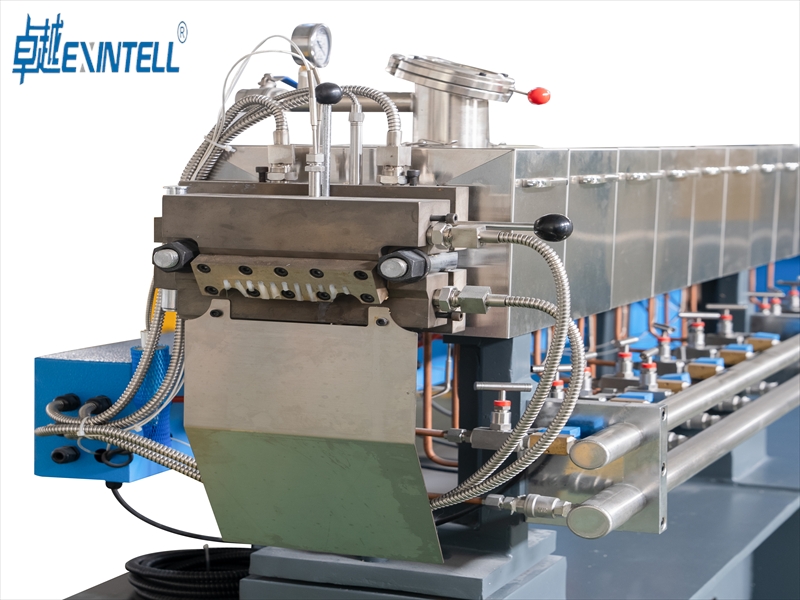
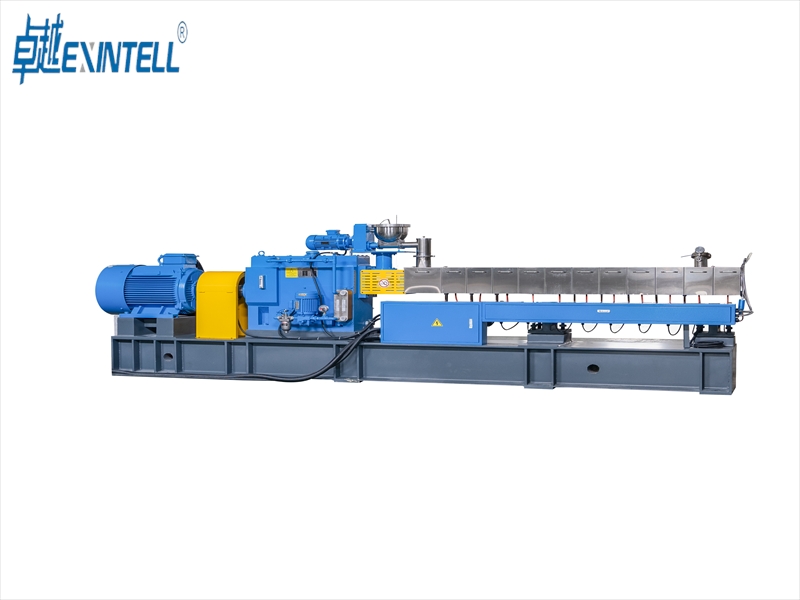
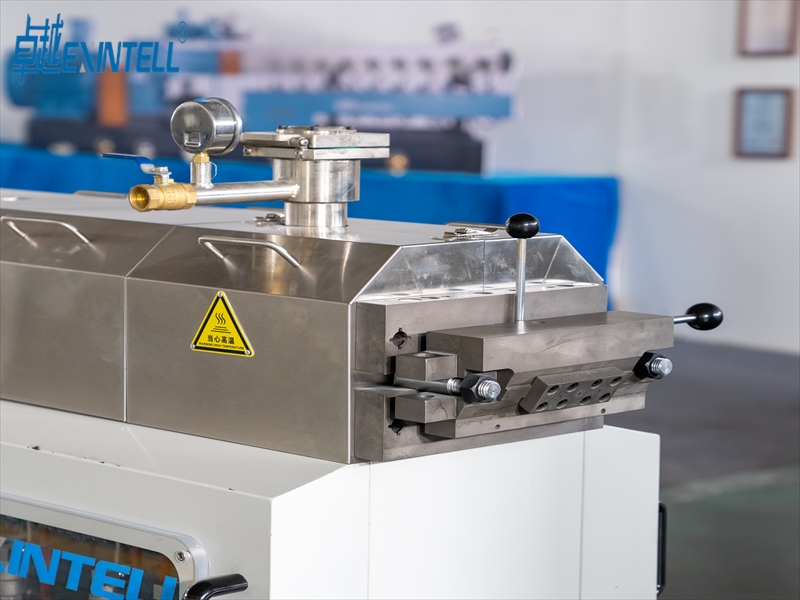
Nakatrabaho ko plastik nga extrusion sulod sa mga katuigan ug nakita kung giunsa kini nga pamaagi naghulma sa mga thermoplastic nga materyales ngadto sa padayon nga mga profile. Ang proseso sa extrusion magsugod sa pagpili sa materyal, nga kritikal alang sa pagkab-ot sa gitinguha nga mga kabtangan sa katapusan nga produkto. Gikarga nako ang mga plastik nga pellets o granules sa usa ka hopper sa ibabaw sa extruder. Ang makina naggamit ug rotating screw aron ibalhin ang materyal pinaagi sa gipainit nga baril. Samtang nagbiyahe ang materyal, kini matunaw tungod sa friction ug sa gawas nga kainit. Ang tinunaw nga plastik unya moagi sa usa ka tukma nga porma nga die, nga naghatag sa produkto sa iyang profile. Human maporma, ang extruded porma mosulod sa usa ka makapabugnaw nga sistema, kasagaran usa ka hangin o tubig nga kaligoanan, aron mapalig-on ug mapadayon ang pagkasibu sa dimensyon. Sa kataposan, Akong giputol o giligid ang produkto, depende sa aplikasyon. Kini nga lakang-sa-lakang nga pamaagi nagtugot kanako sa paghimo og taas, managsama nga mga porma nga adunay makanunayon nga mga cross-section.
Komon nga mga Aplikasyon
Ang plastik nga extrusion adunay hinungdanon nga papel sa daghang industriya. Kanunay nakong makita nga gigamit kini sa pagputos, sakyanan, muwebles, ug mga gamit sa konsumidor. Ang proseso nagpatunghag daghang mga produkto, gikan sa yano nga mga tubo hangtod sa komplikado nga mga profile. Ania ang usa ka lamesa nga nag-summarize sa pipila ka kasagarang mga aplikasyon:
| Industriya | Mga produkto |
|---|---|
| Pagputos | Mga salida, mga palid, mga bag, nagputos, mga tray, ug mga tasa |
| Automotive | Mga seal sa panahon, plastik nga tubo, putlon ang mga profile |
| Muwebles & Consumer Goods | Edge banding, mga agianan sa kurtina, gaan nga PVC foam boards |
| Balay Mga gamit | Mga gunitanan, mga selyo alang sa mga hurnohan ug microwave |
| Tubero & Medikal | Tubing, mga tubo |
Nakaplagan ko kana naandan nga plastic extrusion nagtugot sa mga tiggama sa pagdesinyo sa talagsaon nga mga profile alang sa espesyal nga mga panginahanglan. Kini nga pagka-flexible naghimo sa extrusion nga usa ka popular nga pagpili alang sa padayon, taas nga gidaghanon sa produksyon.
Mga Materyal nga Gigamit
Ang pagpili sa mga materyales sa plastic extrusion makaapekto sa proseso ug sa katapusan nga produkto sa katukma. Kanunay nakong gigamit polypropylene, polyethylene terephthalate, ug polystyrene. Kini nga mga materyales nagtanyag lainlaing mga kabtangan, sama sa pagka-flexible, kusog, ug katin-aw. Ang paagi sa akong pag-andam, matunaw, ug pabugnawan ang mga materyales adunay direkta nga epekto sa katukma ug pagkamakanunayon sa mga extruded nga mga bahin. Ania ang pipila sa labing kasagaran nga mga materyales nga akong gigamit:
- Polypropylene (Si PP)
- Polyethylene terephthalate (PET)
- Polystyrene (PS)
- Polyvinyl chloride (PVC)
- Taas nga Densidad nga polyethylene (HDPE)
- Ubos nga density nga polyethylene (LDPE)
- Acrylonitrile butadiene styrene (ABS)
- Thermoplastic elastomers (TPE)
- Naylon (PA)
- Polycarbonate (PC)
- Polymethyl methacrylate (PMMA)
Sa diha nga ako nagtrabaho sa naandan nga plastik nga extrusion nga mga proyekto, Kanunay nakong gipares ang materyal sa mga kinahanglanon sa aplikasyon. Kini nga mabinantayon nga pagpili nagsiguro nga ang produkto nakab-ot ang parehas nga mga sumbanan sa pasundayag ug katukma.
Pros ug Cons
Sa diha nga ako nagtimbang-timbang sa plastic extrusion alang sa usa ka proyekto, Kanunay nakong timbangtimbangon ang mga benepisyo ug mga disbentaha. Kini nga proseso nagtanyag talagsaon nga mga kalig-on, apan kini usab adunay mga limitasyon nga makaapekto sa katukma ug pagtugot.
Ania ang usa ka lamesa nga nag-summarize sa mga nag-unang bentaha ug disbentaha Naobserbahan ko sa akong trabaho:
| Mga bentaha | Mga disbentaha |
|---|---|
| Taas nga kahusayan ug scalability | Mga limitasyon sa paghimo og komplikadong mga porma |
| Taas nga gidaghanon sa produksiyon | Mga hagit sa die swell nga nakaapekto sa katukma |
| Pagka-epektibo sa gasto alang sa medium hangtod sa taas nga volume | Posible nga mga pagkadili hingpit sa nawong nga nanginahanglan pagtapos |
Mga bentaha
Kanunay kong gipili ang plastic extrusion tungod sa taas nga kahusayan niini. Ang proseso nagpadayon nga nagpadayon, nga nagpasabot nga ako makahimo og taas nga mga bahin nga walay hunong. Kini nga scalability naghimo niini nga sulundon alang sa dagkong mga order. Kung kinahanglan nako nga maghimo liboan ka mga tiil sa tubing o mga profile, Ang extrusion naghatag ug makanunayon nga mga resulta. Ang gasto sa matag bahin mous-os samtang ang gidaghanon sa produksiyon nagdugang, mao nga akong nakita nga kini epektibo kaayo sa gasto alang sa medium hangtod sa taas nga volume nga mga proyekto.
Ang laing bentaha mao ang abilidad sa paghimo sa managsama nga mga cross-section. Mahimo nako nga mapadayon ang makanunayon nga mga sukat sa gitas-on sa bahin, nga importante alang sa mga aplikasyon sama sa piping o mga frame sa bintana. Gisuportahan usab sa proseso ang daghang mga thermoplastics, para makapili kog mga materyales nga mohaum sa mekanikal ug kemikal nga mga kinahanglanon sa kataposang produkto.
Mga disbentaha
Bisan pa niini nga mga kalig-on, plastic extrusion adunay pipila ka mga drawbacks. Ang proseso nakigbisog sa komplikado nga mga porma. Kung ang usa ka bahin nanginahanglan makuti nga mga detalye o hait nga mga kanto, Nakita nako nga dili kaayo angay ang extrusion. Ang tinunaw nga plastik lagmit mohubag samtang kini mogawas sa die, usa ka panghitabo nga nailhan nga die swell. Kini nga epekto makapalisud sa pagkab-ot sa hugot nga pagtugot, ilabi na alang sa mga bahin nga nagkinahanglan sa tukma nga mga sukod.
Ang paghuman sa nawong mahimo usab nga usa ka isyu. Usahay, ang mga extruded nga mga bahin nagpakita sa mga linya o marka gikan sa die. Kanunay kong kinahanglan nga idugang ang ikaduha nga mga lakang sa pagtapos, sama sa pagpamutol o pagpasinaw, aron mapalambo ang hitsura ug makab-ot ang kalidad nga mga sumbanan. Kining dugang nga mga lakang makadugang sa panahon ug gasto.
Tip: Kanunay kong girekomendar ang pagrepaso sa geometry sa bahin ug gikinahanglan nga mga pagtugot sa dili pa mopili sa extrusion. Kung ang disenyo yano ug ang order dako, extrusion kasagaran nagtanyag sa labing maayo nga bili.
Overview sa Paghulma sa Injection
Mga sukaranan sa Proseso
Naggugol ako mga tuig nga nagtrabaho sa paghulma sa injection, ug akong nakita nga ang proseso makaiikag ug episyente. Ang pamaagi naggamit ug agup-op, nga naghulma sa tinunaw nga plastik ngadto sa tukma nga mga porma. Kanunay kong nagsunod sa sunod-sunod nga mga lakang aron masiguro nga ang matag bahin makatagbo sa estrikto nga kalidad nga mga sumbanan. Ania kung giunsa nako pagduol ang proseso sa paghulma sa injection:
- Pag-clamping: Gisirhan nako pag-ayo ang agup-op aron maandam ang sunod nga mga lakang.
- Pag-injection: Init kog injection, natunaw nga plastik ngadto sa agup-op nga lungag.
- Puy-anan: Gipalingkod nako ang plastik sulod sa agup-op sa mubo nga panahon aron kini mapuno sa matag luna.
- Pagpabugnaw: Ang plastik mobugnaw ug mogahi samtang sulod sa agup-op.
- Mold Opening: I open the mold after the part has cooled.
- Ejection: I remove the finished part from the mold.
This cycle repeats quickly, which allows me to produce large quantities of identical parts. I rely on injection molding when I need complex shapes, fine details, and high-quality finishes. The process gives me excellent control over dimensions and surface appearance.
Nota: I always monitor temperature and pressure closely during injection molding. These factors affect the final part’s precision and consistency.
Komon nga mga Aplikasyon
Injection molding plays a vital role in many industries. I have used this process to create parts for automotive, medikal, consumer electronics, ug sektor sa pagputos. The versatility of injection molding allows me to produce both simple and highly complex components. Here is a table that summarizes some typical applications:
| Industriya | Products Produced |
|---|---|
| Automotive | Nagkalainlain nga mga sangkap ug mga bahin |
| Medikal | Mga balay sa aparato, mga gamit sa pag-opera |
| Consumer Electronics | Mga kaso, butones, ug uban pang mga sangkap |
| Pagputos | Mga takup sa botelya, mga sudlanan |
Kanunay kong maghimo og mga butang sama sa mga kaso sa contact lens, mga takup sa botelya, ug taas nga volume nga mga sangkap nga adunay makuti nga mga geometries. Ang paghulma sa injection nakatabang kanako sa paghatag ug makanunayon nga mga resulta, bisan sa mga proyekto nga gipangayo.
Mga Materyal nga Gigamit
Ang pagpili sa materyal hinungdanon sa paghulma sa indeyksiyon. Gipili nako ang mga materyales base sa gikinahanglan nga kalig-on, pagka-flexible, ug katukma. Alang sa taas nga katukma nga mga bahin, Mas gusto nako ang mga polymer nga adunay ubos ug uniporme nga pagkunhod, lig-on nga dagan sa pagkatunaw, ug maayo nga thermal resistance. Ang pipila sa labing komon nga mga materyales akong gigamit naglakip:
- ABS: Nagtanyag ug katig-a, usa ka hapsay nga paghuman sa ibabaw, ug resistensya sa epekto.
- Polypropylene: Naghatag ug kemikal nga pagsukol, pagka-flexible, ug affordability.
- Polycarbonate: Naghatag taas nga katin-awan, kusog, ug init nga pagsukol.
- Polyethylene: Gaan ug mosukol sa kaumog.
- Naylon: Nailhan sa kusog, pagsukol sa pagsul-ob, ug thermal stability.
- TINGALI: Talagsaon alang sa kainit, kemikal, ug pagsul-ob sa resistensya.
Kung kinahanglan nako ang labi ka hugot nga pagtugot, Milingi ko sa engineering-grade polymers. Mga materyales sama sa likido nga kristal nga polimer (LCP), polyether ether ketone (TINGALI), ug acetal (POM) hatagi ako og maayo kaayo nga dimensional nga kalig-on ug gamay nga pagkunhod. Pananglitan, Gigamit nako ang LCP alang sa mga konektor sa kuryente ug mga sangkap sa sensor, samtang ang PEEK maayo alang sa mga medikal nga implant ug mga bahin sa aerospace. Ang polycarbonate ang akong gipili alang sa mga lente ug optical nga mga sangkap tungod sa katin-aw ug kusog niini.
Tip: Kanunay nakong gipares ang materyal sa mga panginahanglanon sa aplikasyon. Ang husto nga pagpili nagsiguro nga ang proseso sa paghulma sa pag-injection makahatag sa katukma ug pasundayag.
Pros ug Cons
Nagtrabaho ko sa injection molding sa daghang tuig. Kini nga proseso nagtanyag daghang mga bentaha nga naghimo niini nga akong gusto nga kapilian alang sa taas nga katukma nga mga bahin sa plastik. Gusto nakong ipaambit ang mga kalig-on ug ang mga limitasyon nga akong naobserbahan.
Mga Kaayohan sa Injection Molding
- Makab-ot nako ang taas kaayo nga katukma sa paghulma sa injection. Ang proseso nagtugot kanako sa pagprodyus og mga piyesa nga adunay mga tolerance sama ka hugot sa ± 0.005 ka pulgada. Kini nga lebel sa katukma lisud ipares sa ubang mga pamaagi sa paggama sa plastik.
- Gipabilhan nako ang pagkasubli sa paghulma sa injection. Sa higayon nga akong gibutang ang agup-op ug proseso parametro, Makahimo ako og liboan o bisan milyon-milyon nga parehas nga mga bahin. Ang matag bahin motakdo pag-ayo sa orihinal nga disenyo.
- Kanunay ako kinahanglan nga maghimo mga bahin nga adunay komplikado nga mga porma ug maayong mga detalye. Ang paghulma sa injection maayo ang pagdumala sa makuti nga mga geometries. Dili nako kinahanglan nga magdugang dugang nga mga lakang o sekondaryang proseso aron makab-ot kini nga mga bahin.
- Nahibal-an nako nga ang paghulma sa pag-injection naghatag maayo kaayo nga pagkahuman sa ibabaw. Ang mga bahin mogawas nga hapsay ug andam nga gamiton sa kadaghanan nga mga kaso.
- Makagamit kog daghang matang sa thermoplastics ug engineering polymers. Kini nga pagka-flexible nagtugot kanako sa pagpares sa materyal nga mga kabtangan sa mga panginahanglan sa aplikasyon.
Mga Disbentaha sa Injection Molding
- Kinahanglan kong mamuhunan sa taas nga kalidad nga mga agup-op sa dili pa ako magsugod sa produksyon. Ang inisyal nga gasto sa paghimo sa agup-op mahimong mahinungdanon. Alang sa gagmay nga mga dagan sa produksiyon, kini nga gasto mahimong dili makatarunganon.
- Akong nakat-unan nga ang pagkakomplikado sa disenyo makahatag ug mga hagit. Kinahanglan nakong planohon pag-ayo ang disenyo sa agup-op ug bahin. Ang mga sayop sa yugto sa disenyo mahimong mosangpot sa mahal nga mga kausaban sa ulahi.
- Usahay mag-atubang ako og mas taas nga mga oras sa pagpangulo sa pagsugod sa usa ka proyekto. Ang pagdesinyo ug paghimo sa agup-op nagkinahanglan og panahon, ilabi na alang sa komplikado nga mga bahin.
- Namatikdan nako nga ang pagpili sa materyal ug mga setting sa proseso nanginahanglan maampingon nga pagtagad. Kung dili nako makontrol ang temperatura, pressure, ug mga rate sa pagpabugnaw, Nameligro ko ang mga depekto o mga sayup sa dimensyon.
Ania ang usa ka lamesa nga nag-summarize sa mga nag-unang bentaha ug disbentaha nga akong nasinati sa paghulma sa injection:
| Mga pro | Cons |
|---|---|
| Taas nga katukma ug hugot nga pagtugot | Taas nga inisyal nga gasto sa agup-op |
| Maayo kaayo nga repeatability alang sa dagkong mga volume | Ang pagkakomplikado sa disenyo nagkinahanglan ug maampingong pagplano |
| Nagsuporta sa mga komplikado nga geometries ug maayong mga detalye | Mas taas nga panahon sa tingga alang sa pagpalambo sa agup-op |
| Hapsay nga nawong nahuman | Ang pagkontrol sa proseso kritikal |
| Daghang pagpili sa materyal | Dili cost-effective alang sa ubos nga volume run |
Tip: Kanunay kong girekomenda ang paghulma sa pag-injection kung ang usa ka proyekto nanginahanglan taas nga katukma, komplikado nga mga porma, ug dako nga gidaghanon sa produksyon. Alang sa yano nga mga bahin o gagmay nga mga batch, Gikonsiderar nako ang ubang mga pamaagi aron makadaginot sa mga gasto ug oras sa pagpangulo.
Katukma ug Pagtugot
Kung itandi nako ang plastic extrusion ug injection molding, Kanunay kong nagpunting kung giunsa pagdumala sa matag proseso ang katukma ug pagtugot. Kini nga mga hinungdan nagtino kung ang usa ka bahin makab-ot sa mga kinahanglanon sa pagtugot sa disenyo ug molihok sumala sa katuyoan. Akong nakat-unan nga bisan ang gagmay nga mga kalainan sa mga pagtugot mahimong makaapekto sa asembliya, pasundayag, ug kalidad sa produkto.
Mga Plastic Extrusion Tolerance
Dimensional nga pagkamakanunayon
Sa akong kasinatian, Ang plastic extrusion naghatag og maayo nga dimensional nga pagkamakanunayon sa dugay nga panahon, padayon nga mga porma. Kanunay nakong makita ang tipikal nga tolerance range sa palibot ± 0.010 ka pulgada. Kini nga kantidad nagtakda usa ka benchmark alang sa kung unsa ang akong mapaabut gikan sa extrusion sa mga termino sa pagkalainlain sa dimensyon. Ang proseso labing maayo alang sa mga bahin nga adunay managsama nga mga cross-section, sama sa mga tubo, mga sungkod, ug mga profile. Hinuon, Namatikdan nako nga ang pagpadayon sa hugot nga pagtugot sa tibuuk nga gitas-on mahimong mahagiton. Ang mga hinungdan sama sa die swell, materyal nga pagkunhod, ug ang mga rate sa pagpabugnaw mahimong hinungdan sa gamay nga mga kalainan. I always monitor these variables closely to keep the dimensions within acceptable limits.
Paghuman sa nawong
Surface finish in extrusion depends on the die quality and the cooling process. I often see minor lines or marks on extruded parts, which come from the die or from uneven cooling. These marks can affect the appearance and sometimes the fit of the part. When a smooth surface is critical, I may need to add secondary finishing steps. I have found that extrusion rarely achieves the same level of surface smoothness as injection molding. Sa gihapon, for many applications, the finish is acceptable without extra work.
Injection Molding Tolerances
Dimensional Accuracy
Injection molding stands out for its ability to achieve very tight tolerances. I regularly work with tolerances as tight as ±0.005 inches, ug usahay mas hugot pa alang sa taas nga katukma nga mga bahin. Kini nga lebel sa katukma naggikan sa estrikto nga agup-op ug ang kontrolado nga mga parameter sa proseso. Nagsalig ko sa mga sumbanan sama IMONG EN ISO 20457 ug ISO 2768-1/2 sa paggiya sa akong trabaho. Kini nga mga sumbanan naghubit sa mga grupo sa pagtugot ug mga klase alang sa lain-laing mga gidak-on ug bahin sa bahin. Pananglitan, IMONG EN ISO 20457 nagtino sa mga grupo sa pagtugot sama sa TG5, nga nagtugot mahitungod sa 0.23 mm para sa a 32 mm nga bahin. Kini nga mga giya nakatabang kanako sa pagsiguro nga ang matag bahin nagtagbo sa estrikto nga mga kinahanglanon sa dimensyon.
Gitagad nako pag-ayo pressure sa indeyksiyon ug presyur sa pagpugong atol sa paghulma. Ang husto nga pag-tune sa kini nga mga setting nagsiguro nga ang hulmahan hingpit nga mapuno ug makunhuran ang mga depekto. Kini nga kontrol hinungdanon alang sa katukma nga mga aplikasyon, diin bisan ang gamay nga pagtipas mahimong hinungdan sa mga problema sa asembliya o pag-obra.
Paghuman sa nawong
Ang paghuman sa nawong sa paghulma sa indeyksiyon mahimong maayo kaayo. Makahimo ako og mga bahin nga adunay glossy, gipasinaw nga mga ibabaw o adunay mga panapton nga makapauswag sa pagkupot ug pagtago sa gagmay nga mga depekto. Ang pagpili sa pagkahuman makaapekto sa hitsura ug sa pasundayag sa bahin. Pananglitan:
- Ang usa ka pinasinaw nga paghuman naghatag usa ka sinaw, hapsay nga panagway.
- Ang mga texture nga ibabaw makahimo sa mga bahin nga mas sayon sa pagdumala ug dili kaayo magpakita sa mga garas.
- Ang lainlaing mga pagkahuman mahimo usab nga makaimpluwensya sa kalig-on ug kung giunsa ang bahin nga nakig-uban sa ubang mga sangkap.
Gikonsiderar usab nako kung giunsa ang mga pamaagi sa pagproseso sa post, sama sa anodizing, powder coating, o electroplating, mahimong makaapekto sa katapusan nga mga sukat. Kini nga mga pamaagi nagdugang materyal o nagbag-o sa nawong, mao nga gi-asoy ko sila sa akong laraw aron mapadayon ang katukma.
Talaan sa Pagtandi sa Pagkamatugtanon
Kanunay kong mogamit og lamesa aron itandi ang kasagarang mga pagtugot alang sa plastic extrusion ug injection molding. Kini nga summary nakatabang kanako ug sa akong mga kliyente nga masabtan kung unsa ang madahom gikan sa matag proseso:
| Proseso | Kinaandan nga mga Pagtugot | Kalidad sa Paghuman sa Ibabaw | Pagkabalikbalik |
|---|---|---|---|
| Plastic Extrusion | ± 0.010 ka pulgada | Kasarangan | Maayo alang sa taas nga mga bahin |
| Paghulma sa Injection | ± 0.005 ka pulgada o mas hugot | Maayo kaayo | Taas kaayo |
Nota: Ang paghulma sa pag-injection nakab-ot ang mas hugot nga pagtugot ug mas maayo nga pag-usab kaysa sa plastic extrusion. Kanunay kong girekomenda ang paghulma sa pag-injection kung ang usa ka proyekto nanginahanglan taas nga katukma, komplikado nga mga porma, o higpit nga mga kinahanglanon sa pagtugot.
Akong nakita nga ang pagpili sa husto nga proseso nagdepende sa geometry sa bahin, ang gikinahanglan nga tolerances, ug ang aplikasyon. Ang paghulma sa injection naghatag kanako sa labing kaayo nga mga sangputanan alang sa detalyado, taas nga katukma nga mga bahin. Plastic extrusion maayo alang sa yano, padayon nga mga porma diin ang gamay nga looser tolerances madawat.
Mga Hinungdan nga Makaapektar sa Katukma
Pagpili sa Materyal
Kanunay kong magsugod pinaagi sa pagkonsiderar sa materyal kung gusto nako nga makab-ot ang taas nga katukma sa mga plastik nga bahin. Ang mga kabtangan sa plastik nag-impluwensya kung giunsa nako makontrol ang mga pagtugot sa panahon sa extrusion ug paghulma sa injection. Pananglitan, ang paagi sa pag-agos sa usa ka materyal, ang pagkunhod niini, ug ang kalig-on sa init niini tanan adunay papel sa katapusan nga sangputanan.
Ania ang usa ka lamesa nga nagsumaryo kung giunsa ang lainlaing mga kabtangan sa materyal makaapekto sa katukma ug pagtugot:
| Materyal nga Property | Impluwensya sa Katukma ug Pagtugot |
|---|---|
| Gawi sa Pag-agos (MFI/MFR) | Ang taas nga mga materyales sa MFI dali nga modagayday, nga makatabang sa pagpuno sa komplikado o nipis nga mga agup-op. Hinuon, sila mahimong adunay ubos nga kusog. |
| Ang ubos nga mga materyales sa MFI mas baga ug mas lisud nga hulmahan apan moresulta sa mas lig-on, dugang nga mga bahin nga dili maapektuhan sa epekto. | |
| Pagkunhod | Ang mga amorphous nga plastik sama sa ABS ug PC mokunhod ug mas parehas, aron makab-ot nako ang mas hugot nga pagtugot. |
| Ang mga semi-crystalline nga plastik sama sa Nylon ug POM mogamay ug dili kaayo matag-an, paghimo sa katukma nga mas lisud nga kontrolon. | |
| Thermal Stability | Ang dili maayo nga kalig-on sa thermal mahimong hinungdan sa mga depekto sama sa mga marka sa paso o pagkaguba, nga nagpamenos sa dimensional nga katukma. |
| Ang maayo nga kalig-on sa init hinungdanon alang sa nipis o komplikado nga mga bahin diin ang katukma hinungdanon. |
Sa diha nga ako mopili sa usa ka materyal, Kanunay nakong gipares ang mga kabtangan niini sa mga panginahanglan sa bahin. Pananglitan, kung kinahanglan nako ang usa ka bahin nga adunay hugot nga pagtugot, Gipili nako ang usa ka amorphous nga plastik nga adunay gamay nga pagkunhod ug maayo nga kalig-on sa kainit.
Pagkakomplikado sa Bahin
Ang pagkakomplikado sa usa ka bahin adunay direktang epekto sa katukma nga akong makab-ot. Ang yano nga mga porma mas dali makontrol, samtang ang komplikado nga mga disenyo nagpaila sa daghang mga hagit. Gitagad nako pag-ayo ang mga bahin sama sa mga linya sa pagbulag, curved nga mga ibabaw, ug kritikal nga mga sukod.
Ania ang usa ka lamesa nga nagpakita kung giunsa ang lainlaing mga konsiderasyon sa disenyo makaapekto sa katukma:
| Pagkonsiderar | Epekto sa Katukma |
|---|---|
| Pagbutang sa Linya sa Pagbulag | Nag-impluwensya sa pagkakomplikado sa agup-op ug sa kalidad sa nahuman nga produkto. |
| Paglikay sa mga Kritikal nga Lugar | Nagtabang sa pagpugong sa mga pagbag-o sa dimensyon ug pagsiguro nga mas maayo. |
| Pagposisyon sa Curved Surfaces | Nanginahanglan og mas taas nga katukma sa agup-op, nga makadugang sa gasto ug risgo sa mga depekto. |
| Paggamit sa Natural Split Lines | Gipadali ang paghimo sa agup-op ug gipaayo ang proseso sa pag-demolding. |
Sa diha nga ako nagdesinyo sa usa ka bahin alang sa paghulma sa injection, Gisulayan nako nga ibutang ang mga linya sa pagbulag sa dili kaayo makita nga mga lugar ug likayan ang pagbutang niini sa mga kritikal nga mga ibabaw. Kini nga pamaagi makatabang kanako sa pagpadayon sa mas maayo nga pagtugot ug pagpakunhod sa risgo sa mga depekto.
Volume sa Produksyon
Ang gidaghanon sa produksiyon makaapekto usab sa lebel sa katukma nga akong makab-ot. Alang sa taas nga volume nga produksiyon, Namuhunan ko sa taas nga kalidad nga mga hulmahan ug tukma nga mga kontrol sa proseso. Kini nga pagpamuhunan nagbayad tungod kay ako makahimo og liboan o milyon-milyon nga managsama nga mga bahin nga adunay makanunayon nga pagtugot. Alang sa gagmay nga mga dagan, Mahimong mogamit ako og dili kaayo mahal nga himan, but I know that this can lead to more variation in the final parts.
Tip: I always recommend using the best possible tooling and process controls for high-volume production. This strategy ensures that every part meets the required specifications and reduces waste.
Tooling Quality
I always pay close attention to tooling quality when I want to achieve high precision in plastic manufacturing. The tools I use, such as dies for extrusion and molds for injection molding, play a critical role in determining the final tolerances and surface finish of each part. I have learned that even small imperfections in tooling can lead to significant errors in the finished product.
Sa akong kasinatian, high-quality tooling starts with careful design. I work with engineers to create detailed drawings and 3D models. These models help me visualize the part and identify areas where precision matters most. I select materials for the tooling that resist wear and maintain their shape under high temperatures and pressures. For injection molding, I often use hardened steel or high-grade aluminum. For extrusion dies, I prefer tool steel with a polished surface.
I have seen that the manufacturing process for tooling affects its quality. Precision machining, such as CNC milling and EDM, allows me to achieve tight tolerances in the mold or die. I inspect the tooling after each step to ensure there are no defects or inconsistencies. If I find any issues, Gitubag dayon nako sila. This attention to detail prevents problems during production.
Maintenance is another factor that influences tooling quality. I schedule regular inspections and cleaning for all my tools. I replace worn parts before they cause defects in the plastic parts. Proper maintenance extends the life of the tooling and keeps the production process running smoothly.
Here is a table that summarizes how tooling quality impacts precision in both processes:
| Tooling Aspect | Epekto sa Katukma | My Approach |
|---|---|---|
| Pagpili sa Materyal | Reduces wear and deformation | Use hardened steel or aluminum |
| Machining Accuracy | Achieves tight tolerances | Employ CNC and EDM |
| Paghuman sa nawong | Improves part appearance | Polish dies and molds |
| Pagmentinar | Prevents defects | Schedule regular checks |
Tip: I always recommend investing in high-quality tooling for projects that require tight tolerances. The upfront cost may be higher, but the long-term benefits include fewer defects, better repeatability, and lower maintenance costs.
I have found that tooling quality often determines the success of a manufacturing project. When I use well-designed and well-maintained tools, I consistently produce parts that meet strict precision requirements. This approach builds trust with my clients and helps me deliver reliable results every time.
Gasto vs. Katukma
Extrusion Cost Factors
Sa diha nga ako nagtimbang-timbang sa plastic extrusion alang sa usa ka proyekto, I always consider how cost and precision interact. Several factors influence the final price of extruded parts:
- I often need premium nga mga materyales to achieve higher precision. These materials cost more but help me meet strict tolerances.
- Custom tooling becomes necessary when I want unique profiles or tighter tolerances. This requirement increases the initial investment.
- If I focus on speed and low cost, I sometimes see a drop in precision. Parts may not meet the required tolerances, which can lead to quality issues.
- When I prioritize quality and precision, I spend more time on setup and inspection. This approach slows production but ensures better results.
I find that balancing these factors is key. If a project allows for looser tolerances, I can save money by using standard materials and tooling. Alang sa kritikal nga mga aplikasyon, I invest more to guarantee precision.
Injection Molding Cost Factors
Injection molding presents a different cost structure. I have learned that several elements drive the overall expense, especially when aiming for high precision. The table below summarizes the main cost factors and their relationship to precision:
| Cost Factor | Relation to Precision |
|---|---|
| Tooling Costs | High-quality molds stabilize production and maintain tight tolerances over time. |
| Material Consumption | Premium materials improve accuracy but raise initial costs. |
| Cycle Time | Shorter cycles reduce costs, but sometimes compromise precision. |
| Machine Tonnage Rate | Larger machines hold tighter tolerances but use more energy. |
| Labor/Automation Level | Automation boosts precision and lowers labor costs in the long run. |
| Scrap Rate | Poor precision increases scrap, which drives up total costs. |
I always weigh these factors before starting a new injection molding project. For large production runs, investing in better tooling and automation pays off. I see fewer defects and more consistent parts.
Balancing Cost and Precision
Choosing between extrusion and injection molding often comes down to finding the right balance. I look at the part’s geometry, ang gikinahanglan nga tolerances, and the production volume. The table below helps me decide which process fits best:
| Process Type | Maayo Para sa | Core Advantage | Trade-off |
|---|---|---|---|
| Paghulma sa Injection | Komplikado, enclosed 3D parts | Extreme precision and consistency | Higher initial mold cost; best for large batches |
| Plastic Extrusion | Nagpadayon, uniform profiles | Lower tooling cost, efficient output | Limited to linear shapes; less suitable for complex geometries |
If I need complex shapes and tight tolerances, I choose injection molding despite the higher upfront cost. Para simple, continuous profiles, I rely on extrusion to keep costs low and production fast. I always match the process to the project’s needs, ensuring I deliver both value and quality.
Tip: I recommend discussing your precision requirements early in the design phase. This step helps me select the most cost-effective process for your application.
Pagpili sa Husto nga Proseso
Selecting the right process for manufacturing plastic parts can determine the success of a project. I always start by evaluating the part’s geometry, gikinahanglan nga tolerances, gidaghanon sa produksyon, and cost targets. My experience has shown that both plastic extrusion and injection molding offer unique strengths. The best choice depends on the specific needs of the application.
When to Use Plastic Extrusion
I turn to the plastic extrusion nga proseso when I need to produce long, continuous shapes with uniform cross-sections. This process excels at creating items like tubes, mga tubo, weather seals, and profiles for windows or furniture. I find that extrusion works best for high-volume production runs where the design does not require complex 3D features.
To ensure a successful and high-quality plastic extrusion, several key factors must be carefully evaluated during the design phase: Functional Requirements, Pagkaangay sa Materyal, Profile Complexity, Wall Thickness, Mga pagtugot, Mating Parts, Tooling Collaboration, and Cost Efficiency.
When I assess whether the extrusion process is the right fit, akong gikonsiderar:
- Application requirements, such as temperature resistance and UV exposure.
- Mechanical properties, including flexibility, katig-a, and tensile strength.
- Environmental conditions, like weather and temperature fluctuations.
- Aesthetic and finish requirements, such as color, gloss, and surface texture.
- Regulatory and compliance needs to meet industry standards.
I also weigh the cost benefits of the extrusion process. Here is how I approach the decision:
- Assess material costs against budget constraints.
- Consider long-term savings from durability and reduced waste.
- Work with experienced partners to find the best balance of performance and price.
Different plastics behave uniquely during the extrusion process, affecting the final product’s shape and performance. Gitagad nako pag-ayo thermal stability and melt strength, especially for applications that require precise tolerances. When the design calls for simple, linear shapes and the process must remain cost-effective, extrusion often provides the best solution.
Example Scenario:
Last year, I worked with a client who needed thousands of feet of custom tubing for an irrigation system. The process required a material that could withstand sunlight and temperature swings. I recommended the extrusion process using UV-stabilized polyethylene. The process allowed us to maintain consistent wall thickness and meet the client’s budget. The result was a durable product that performed well in the field.
When to Use Injection Molding
I choose the injection molding process when the part design involves complex geometries, hugot nga pagtugot, or intricate details. This process is ideal for producing high-precision components, such as medical device housings, automotive connectors, or consumer electronics enclosures. The process supports a wide range of materials and finishes, making it versatile for many industries.
The injection molding process stands out when:
- The part requires enclosed or 3D shapes that extrusion cannot achieve.
- High repeatability and consistency are critical for assembly or function.
- The application demands a smooth surface finish or specific textures.
- The project involves large production volumes, justifying the investment in tooling.
I always consider the initial tooling cost and lead time for the injection molding process. For high-volume projects, the process delivers excellent value through low per-part costs and minimal variation between parts. I also rely on this process when regulatory compliance and material traceability are essential.
Example Scenario:
Recently, I partnered with a medical device manufacturer to produce a new type of handheld diagnostic tool. The process required a housing with complex internal features and a flawless surface finish. I recommended the injection molding process using medical-grade polycarbonate. The process allowed us to achieve the necessary tolerances and pass strict regulatory tests. The client appreciated the consistency and quality of every part.
Pagtuon sa Kaso:
I have seen how companies use data-driven approaches to select the right process. Pananglitan, Amcor conducted a pilot test comparing emissions from different plastic sources and production sites. The process helped them make informed decisions about low-carbon procurement and supplier relationships. By analyzing the process at each step, they improved transparency and achieved their sustainability goals.
Tip: I always advise clients to define their precision requirements, gidaghanon sa produksyon, and budget early in the design phase. This clarity helps me recommend the most suitable process and avoid costly changes later.
How I Decide Between Processes
I use a simple checklist to guide my decision:
- Does the part have a uniform cross-section and require long lengths? I choose the extrusion process.
- Does the part need complex shapes, hugot nga pagtugot, or a high-quality finish? I select the injection molding process.
- Is the production volume high enough to justify tooling investment? I lean toward injection molding.
- Is cost efficiency for simple shapes the main goal? I recommend extrusion.
The process selection shapes the entire project, from design to final delivery. I always match the process to the application’s needs, ensuring the best balance of quality, katukma, ug gasto.
Additional Considerations
Panahon sa Pagpangulo
I always pay close attention to lead time when planning a manufacturing project. Lead time refers to how long it takes to go from design approval to finished parts. Sa akong kasinatian, plastic extrusion usually offers shorter lead times. The tooling for extrusion is simpler and faster to produce. I can start production quickly once the die is ready. This makes extrusion a good choice for projects with tight deadlines or urgent needs.
Injection molding requires more time upfront. The mold design is complex and demands careful engineering. I often spend weeks or even months creating and testing the mold. Once the mold is ready, production moves fast, but the initial setup slows the process. I recommend injection molding for projects where precision and volume matter more than speed.
Tip: If you need parts quickly and the design is simple, extrusion can save valuable time.
Pagka-flexible sa Disenyo
Design flexibility shapes what I can achieve with each process. I have learned that extrusion limits my options. The process works best for simple, repeated shapes like tubes or profiles. I cannot create intricate features or complex geometries with extrusion.
Injection molding gives me much more freedom. I can design parts with fine details, mga undercut, and complex shapes. The mold captures every feature, so I can meet strict requirements for accuracy and appearance.
Ania ang usa ka table that compares design flexibility between the two methods:
| Pamaagi | Pagka-flexible sa Disenyo | Complexity of Parts |
|---|---|---|
| Extrusion Molding | Limited design flexibility; best for simple, repeated shapes. | Not suitable for intricate features. |
| Paghulma sa Injection | High design flexibility; ideal for complex shapes with fine details and accuracy. | Capable of creating sophisticated designs. |
I always match the process to the part’s needs. If the design is simple and repeated, extrusion works well. For complex or detailed parts, injection molding is the clear winner.
Pagpadayon
Sustainability has become a major concern in my work. I look for ways to reduce waste and use eco-friendly materials. Plastic extrusion stands out for its ability to incorporate recycled content ug biodegradable nga mga materyales. I can use these options without sacrificing performance or quality. This gives extrusion an advantage when clients want greener solutions.
Injection molding is less flexible in this area. The process does not always support recycled or biodegradable plastics. I must choose materials carefully to avoid defects or quality issues. When sustainability is a priority, I recommend extrusion for its environmental benefits.
🌱 I always encourage clients to consider recycled or biodegradable materials in extrusion projects. This choice supports sustainability goals and helps protect the environment.
I have seen that injection molding delivers better precision in plastic manufacturing, especially for small to medium-sized plastic parts. The process uses balanced clamping force and optimized resin viscosity to reduce defects. Multi-cavity molds and rigid frames help maintain consistent results. When I choose between plastic extrusion and injection molding, I always consider plastic geometry, mga pagtugot, gidaghanon sa produksyon, ug gasto. I recommend injection molding for complex plastic shapes and tight tolerances. Plastic extrusion works well for simple, continuous plastic profiles. My experience shows that careful planning in plastic manufacturing leads to reliable plastic products.
| hinungdan | Paghulma sa Injection | Plastic Extrusion |
|---|---|---|
| Katukma | High for plastic parts | Moderate for plastic parts |
| Mga pagtugot | Tight in plastic manufacturing | Looser in plastic manufacturing |
| Volume sa Produksyon | Best for large plastic runs | Best for continuous plastic runs |
| Gasto | Higher for plastic molds | Lower for plastic dies |
I always advise clients to match the plastic manufacturing process to their specific plastic needs.
FAQ
What is the main advantage of plastic extrusion?
I find plastik nga extrusion ideal for creating continuous profiles. The process runs efficiently and produces long, uniporme nga mga porma. I can quickly manufacture parts like tubes and rods for many industries.
Can injection molding handle complex shapes?
I rely on injection molding when I need intricate designs or detailed features. The process allows me to produce parts with complex geometries and tight tolerances. I achieve high precision every time.
Which process is better for high volume production?
I choose injection molding for high volume production. The process delivers consistent quality and repeatability. I can produce thousands or millions of identical parts with minimal variation.
Are continuous profiles possible with injection molding?
I do not use injection molding for continuous profiles. The process works best for discrete, individual parts. Nilingi ko sa extrusion when I need long, uninterrupted shapes.
What materials work best for extrusion?
I select materials like polypropylene, PVC, and HDPE for extrusion. These plastics help me create continuous profiles with reliable performance. I match the material to the application’s requirements.
How does surface finish compare between the two processes?
I notice that injection molding produces smoother surfaces. Extrusion sometimes leaves marks or lines on continuous profiles. I may add finishing steps to improve appearance when needed.
Is extrusion cost-effective for small batches?
I usually recommend extrusion for larger orders. The process becomes more cost-effective as I produce more continuous profiles. For small batches, setup costs may outweigh the benefits.
Can I use recycled materials in extrusion?
I often use recycled plastics in extrusion. The process supports sustainable manufacturing and lets me create continuous profiles with eco-friendly materials. I help clients meet their environmental goals.