

Plastic Compound Machine Showdown Unsa ang Nagbulag sa mga Lider
Ang merkado sa makinarya sa pagproseso sa plastik nagpadayon sa pag-uswag sa kabag-ohan ug pagpalapad. Ang mga analista sa industriya nagplano sa usa ka compound nga tinuig nga rate sa pagtubo sa 11.9% gikan sa 2026 sa 2033. Ang Asia-Pacific nagbarug, gilauman nga maghupot hapit 40% sa global nga bahin sa merkado, samtang ang North America ug Europe nagsunod sa 25% ug 20%, matag usa. Ang mga kompanya karon nakigkompetensya pinaagi sa pagpalambo sa mas maalamon, mas episyente nga plastic compound nga mga modelo sa makina. Automation, smart tooling, ug ang kahusayan sa enerhiya nahimong hinungdanon nga mga hinungdan alang sa mga pumapalit nga nangita usa ka kompetisyon.
Key Takeaways
- Ang nanguna nga mga plastik nga compound machine naggamit sa advanced automation aron mapausbaw ang katulin sa produksiyon ug mapadayon ang makanunayon nga kalidad nga adunay mga intelihente nga kontrol ug integrated system.
- Ang pagpadayon mao ang yawe; Ang mga nag-una nga makina nagsuporta sa eco-friendly nga mga resin ug nagpamenos sa basura pinaagi sa tukma nga pagdumala sa materyal ug mga bahin sa pag-recycle.
- Ang kahusayan sa enerhiya nagpaubos sa mga gasto pinaagi sa paggamit sa na-optimize nga pagpainit, mga kontrol sa motor, ug pagbawi sa init, paghimo sa mga makina nga mas eco-friendly ug barato sa pagdagan.
- Ang user-friendly nga mga interface nga adunay mga touchscreen ug tin-aw nga mga kontrol makapakunhod sa mga sayup ug oras sa pagbansay, samtang ang lig-on nga suporta ug pagbansay magpadayon nga hapsay ang mga makina.
- Nagkalainlain nga klase sa makina sama sa blow molding, thermoforming, PVC extrusion, ug ang mga makina sa pag-recycle nagtanyag ug talagsaon nga mga bahin aron matubag ang lainlaing mga panginahanglanon sa industriya.
- Pang-industriya, sakyanan, ug ang gagmay nga mga tiggamit sa negosyo kinahanglan pagpili sa mga makina base sa ilang piho nga mga panginahanglan alang sa scalability, katukma, kasayon sa paggamit, ug maintenance.
- Ang pag-evaluate sa mga makina naglakip sa pagsusi sa performance, kasaligan, mga sumbanan sa industriya, feedback sa tiggamit, ug kinatibuk-ang gasto sa pagpanag-iya alang sa labing maayo nga long-term nga bili.
- Innovation ug R&D makabenepisyo gikan sa flexible, modular nga mga makina nga adunay mga advanced nga kontrol ug lig-on nga teknikal nga suporta aron mapadali ang pag-uswag ug pagsulay.
Unsa ang Nagbulag sa Nanguna nga Mga Plastic Compound Machine
Advanced Automation
Mga Smart Control
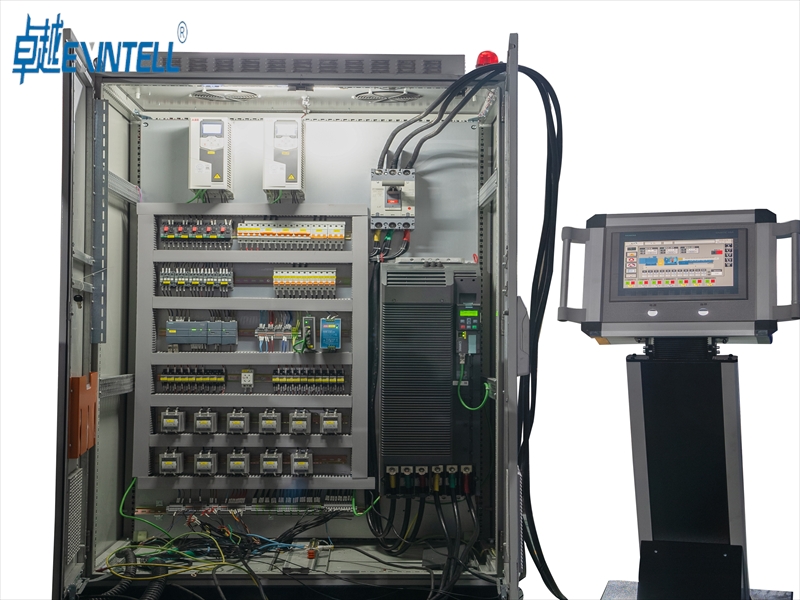
Ang mga tiggama nakahimog hinungdanon nga pag-uswag sa automation alang sa mga plastik nga compound machine. Ang mga Smart control karon adunay hinungdanon nga papel sa pag-optimize sa produksiyon. Kini nga mga sistema naggamit mga intelihenteng algorithm aron ma-monitor ug ma-adjust ang mga parameter sa pagproseso sa tinuud nga oras. Nakabenepisyo ang mga operator gikan sa mga kontrol nga mahigalaon sa gumagamit nga nagpayano sa pag-setup ug nagpamenos sa peligro sa sayup sa tawo. Ang panagsama sa IoT ug AI-powered process optimization nagtugot sa mga makina sa pagkorihir sa kaugalingon ug pagpadayon sa makanunayon nga kalidad. Kini nga mga pag-uswag nagsuporta sa nagkadako nga uso padulong sa automation sa tibuuk nga industriya sa plastik.
Nahiusa nga mga Sistema
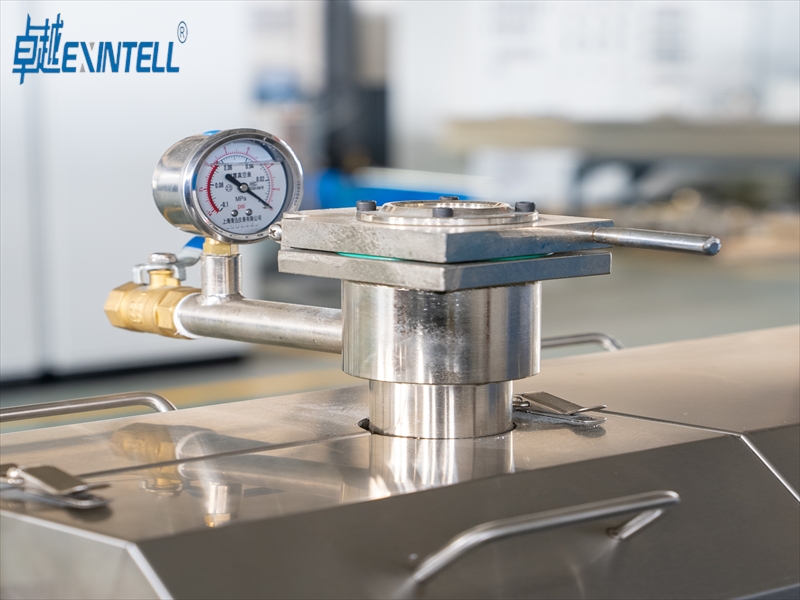
Ang nanguna nga mga plastic compound machine adunay mga integrated system nga nagpahapsay sa tibuok proseso sa produksyon. Ang pagkaandam sa pag-automate makahimo sa seamless nga koneksyon sa mga conveyor, robotics, ug uban pa auxiliary nga kagamitan. Ang flexible nga mga disenyo sa makina nagsuporta sa daghang mga format ug materyales sa produkto, nga nagpasayon sa mga tiggama sa pagpahiangay sa pagbag-o sa mga uso sa merkado. Ang mosunud nga mga bahin nagpalahi sa mga nanguna nga makina gikan sa mga kakompetensya:
- Mga sistema nga gimaneho sa servo alang sa tukma nga pagkontrol sa paglihok
- Mga intelihente nga sistema sa pagkontrol alang sa real-time nga pag-monitor
- Mga teknolohiya nga episyente sa enerhiya nga makapamenos sa gasto sa operasyon
- Paghiusa sa IoT alang sa paghimog desisyon nga gipatuyok sa datos
- Automation compatibility alang sa end-to-end nga mga linya sa produksyon
Kini nga mga pag-uswag nagtabang sa mga kompanya sa pagtubag dayon sa mga pagbag-o sa panginahanglan ug pagpadayon sa taas nga lebel sa kahusayan.
Malungtarong mga Materyal
Eco-Friendly nga mga resin
Ang paggamit sa malungtarong mga materyales nahimong usa ka hinungdan nga hinungdan sa nanguna nga plastic compound machines. Ang mga tiggama karon nag-una sa eco-friendly nga mga plastik ug biodegradable resin aron matubag mga kabalaka sa kinaiyahan. Kini nga pagbalhin nahiuyon sa mga sumbanan sa regulasyon ug nagtagbo sa mga gilauman sa mga konsumedor alang sa pagpadayon. Ang mga makina nga gidisenyo alang sa pagkaangay sa malungtarong mga materyales nagtanyag usa ka bentaha sa kompetisyon sa merkado. Ang pagsagop niini nga mga materyales nagsuporta usab sa mas lapad nga uso sa industriya sa plastik, sama sa pagsaka sa bioplastics ug pagduso sa mas greener nga mga pamaagi sa paggama.
Pagkunhod sa Basura
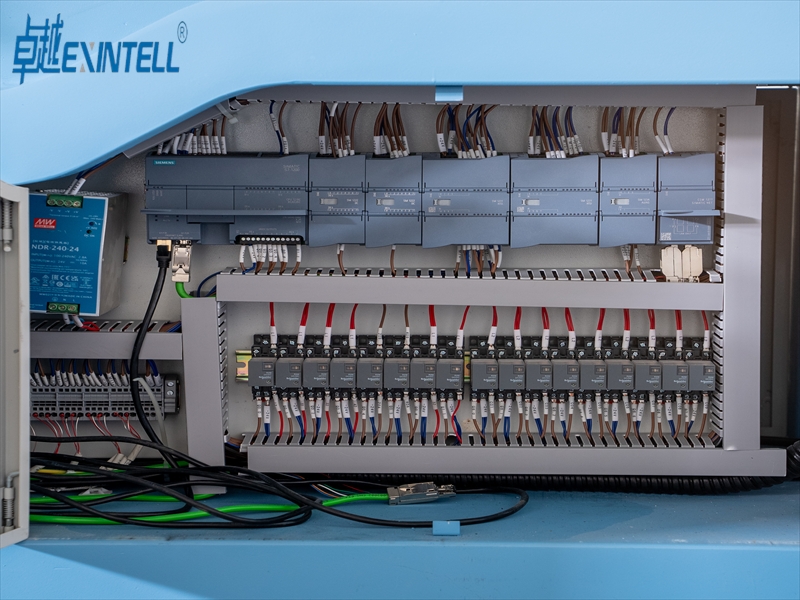
Ang pagkunhod sa basura nagpabilin nga hinungdanon nga pokus sa mga kompanya nga nagtinguha nga mapauswag ang pagpadayon. Ang mga advanced nga makina naglakip sa mga feature nga makapamenos sa scrap ug maka-optimize sa paggamit sa materyal. Ang pag-automate nagsiguro sa tukma nga dosis ug pagsagol, nga makapamenos sa sobra nga basura. Ang episyente nga pagproseso dili lamang makapakunhod sa gasto sa produksiyon apan makapauswag usab sa profile sa kinaiyahan sa nahuman nga produkto. Ingon nga ang pagpadayon nahimong labi ka hinungdanon sa mga pumapalit, Ang mga makina nga nagsuporta sa pagkunhod sa basura nakakuha og mas dako nga pagdani sa merkado.
Episyente sa Enerhiya
Ubos nga Konsumo sa Gahum
Ang kahusayan sa enerhiya nagbarug ingon usa ka kritikal nga kalainan sa mga plastik nga compound machine. Gipaila sa mga tiggama ang daghang mga pag-uswag aron makunhuran ang pagkonsumo sa kuryente ug mapaayo ang kinatibuk-ang kahusayan. Ang mosunud nga talaan nagpasiugda sa hinungdanon nga mga lugar nga kusog sa enerhiya ug ang epekto niini sa paggamit sa enerhiya sa pabrika:
| Lugar nga Kusog sa Enerhiya | Deskripsyon | Epekto sa Pagkonsumo sa Enerhiya |
|---|---|---|
| Extrusion / Paghuyop sa Pelikula | Naglakip sa mga heaters sa baril, mga motor, ug mamatay pagpainit. | Hangtod sa 50% sa kinatibuk-ang enerhiya sa pabrika |
| Pagpabugnaw | Gigamit ang mga chiller, mga compressor sa hangin, ug mga fans. | Mahinungdanon nga paggamit sa enerhiya |
| Pagdumala sa Materyal | Naglakip sa mga vacuum loader, mga mixer, ug mga dryer. | Nakatampo sa kinatibuk-ang paggamit sa enerhiya |
| Pagbugkos & Pagputol | Naglangkob sa mga elemento sa pagpainit ug pagpindot. | Makaapektar sa kahusayan sa enerhiya |
| Pagsiga & HVAC | Ang paggamit sa enerhiya sa lebel sa pasilidad nga nakaapekto sa kinatibuk-ang kahusayan. | Importante alang sa kinatibuk-ang konsumo sa enerhiya |
Gitubag sa mga tiggama kini nga mga hagit nga adunay daghang mga pag-uswag:
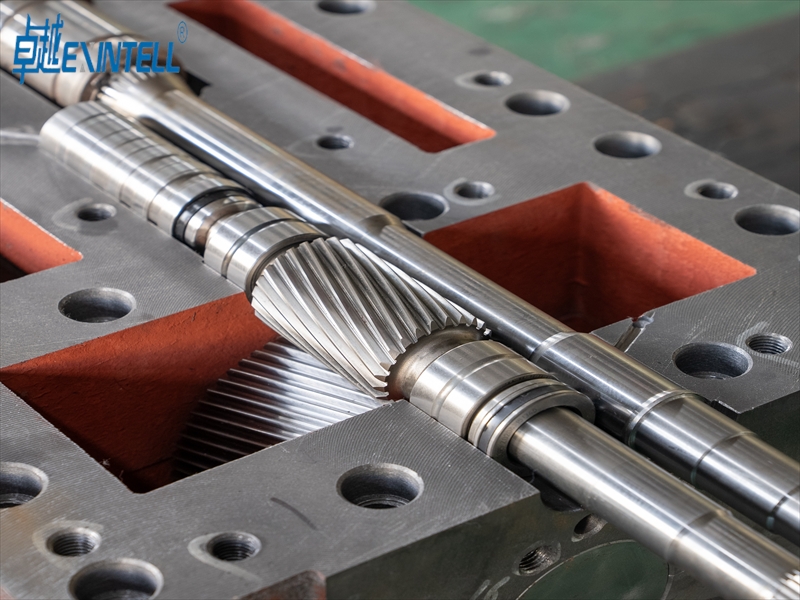
- Pagpauswag sa kahusayan sa pagpainit sa baril, sama sa ceramic infrared heaters, makapakunhod sa paggamit sa enerhiya hangtod sa 40%.
- Ang advanced nga disenyo sa tornilyo nag-optimize sa pagkatunaw nga kahusayan ug gipaubos ang load sa motor.
- Ang mga variable frequency drive nag-adjust sa katulin sa motor base sa panginahanglan, paglikay sa wala kinahanglana nga power draw.
Episyente nga Output
Ang episyente nga output hinungdanon alang sa pagpadayon sa kompetisyon sa industriya sa plastik. Gigamit sa mga kompanya variable-speed nga mga compressor ug closed-loop nga sirkulasyon sa tubig aron ma-stabilize ang temperatura sa pelikula. Ang mga sensor sa presyur ug awtomatik nga pagtuki sa pagtulo nagpamenos sa pagkawala sa enerhiya. Ang ubang mga makina mokuha ug mogamit pag-usab sa init gikan sa mga extruder ug compressor aron ipainit ang hilaw nga materyales. Kini nga mga pag-uswag nakatampo sa pagpaubos sa mga gasto sa pag-operate ug pagsuporta sa dagan padulong sa paggama nga episyente sa enerhiya.
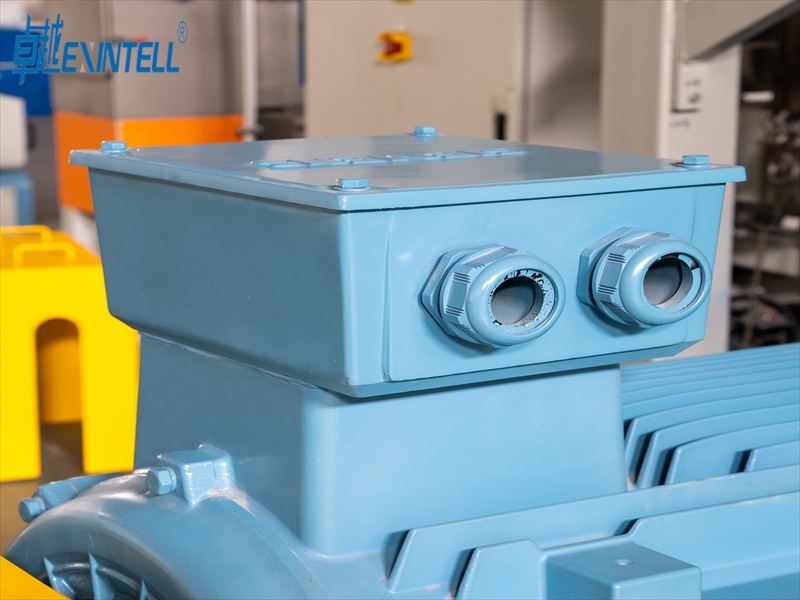
Nota: Ang pagdugang sa panginahanglan alang sa giproseso nga mga plastik sa automotive, pagputos, ug ang mga produkto sa konsumidor nagduso sa panginahanglan alang sa mga makina nga naghiusa sa automation, pagkamalahutayon, ug kahusayan. Ang mga tiggama nga namuhunan sa kini nga mga pag-uswag nagbutang sa ilang kaugalingon nga mga lider sa nag-uswag nga merkado.
Kasinatian sa Gumagamit
Disenyo sa Interface
Ang nanguna nga mga tiggama sa plastic compound machine namuhunan pag-ayo sa disenyo sa interface. Nasabtan nila nga ang usa ka tin-aw ug intuitive nga interface makapakunhod sa mga sayup ug makapauswag sa pagka-produktibo. Ang mga operator nakig-interact sa mga touchscreen nga nagpakita sa real-time nga datos, kahimtang sa makina, ug mga tip sa pag-troubleshoot. Kini nga mga screen kasagarang naggamit og color coding ug simple nga mga icon aron sa paggiya sa mga tiggamit sa matag lakang.
Ang mga modernong makina adunay mga napasadya nga dashboard. Ang mga tiggamit makahimo sa pag-adjust sa mga layout aron ipakita ang labing may kalabutan nga impormasyon alang sa ilang mga buluhaton. Kini nga pagka-flexible makatabang sa bag-o ug eksperyensiyado nga mga operator nga molihok nga episyente. Ang ubang mga sistema nagtanyag og suporta sa daghang pinulongan, nga nakabenepisyo sa mga global team.
Tip: Ang usa ka maayong pagkadisenyo nga interface mahimong maputol ang oras sa pagbansay sa katunga ug makunhuran ang mahal nga mga sayup sa salog sa produksiyon.
Gipunting usab sa mga tiggama ang pagka-access. Dagkong butones, responsive nga mga kontrol sa paghikap, ug lohikal nga mga istruktura sa menu naghimo sa nabigasyon nga sayon. Kini nga mga bahin nagsiguro nga ang mga operator sa tanan nga lebel sa kahanas makadumala sa mga komplikado nga proseso nga adunay pagsalig.
Pagsuporta ug Pagbansay
Ang suporta ug pagbansay adunay hinungdanon nga papel sa kasinatian sa tiggamit. Ang nanguna nga mga tatak naghatag komprehensibo nga mga kapanguhaan aron matabangan ang mga tiggamit nga makuha ang labing kaayo gikan sa ilang mga makina. Kini nga mga kapanguhaan naglakip:
- Interactive online nga mga tutorial ug video guide
- Sunod-sunod nga giimprinta nga mga manwal
- Mga sesyon sa pagbansay sa on-site nga gipangulohan sa mga sertipikadong teknisyan
- 24/7 teknikal nga suporta pinaagi sa telepono, chat, o email
Daghang mga kompanya ang nagtanyag sa hilit nga mga diagnostic. Ang mga teknisyan maka-access sa mga makina sa internet aron masulbad ang mga isyu ug mag-update sa software. Kini nga serbisyo makapamenos sa downtime ug magpadayon nga hapsay ang produksiyon.
Ang usa ka lig-on nga sistema sa suporta naglakip usab sa regular nga pag-update sa software. Kini nga mga update nagdugang bag-ong mga bahin, pagpalambo sa seguridad, ug ayuhon ang mga bug. Ang mga tiggama nga nag-una sa nagpadayon nga pagbansay ug suporta nagtabang sa mga tiggamit sa pagpahiangay sa mga bag-ong teknolohiya ug pagpadayon sa taas nga produktibidad.
Nota: Ang mga kompanya nga namuhunan sa mga interface nga mahigalaon sa user ug lig-on nga mga sistema sa suporta naglainlain sa ilang kaugalingon sa kompetisyon nga merkado sa makinarya sa plastik.. Gihatagan nila og gahum ang mga operator, pagpakunhod sa mga sayop, ug i-maximize ang oras sa makina.
Pagtandi sa Nanguna nga mga Modelo: Mga Matang sa Plastik nga Compound Machine
Blow Molding Machines
Mga Feature sa Automation
Ang mga blow molding machine paspas nga milambo sa bag-ohay nga mga tuig. Ang nag-unang mga modelo karon nagpakita abante nga automation nga nagdugang sa kahusayan sa produksiyon ug nagpamenos sa manual nga interbensyon. Awtomatikong pagbag-o sa agup-op, real-time nga pagmonitor, ug adaptive process controls nagtugot sa mga operators sa pagpadayon sa makanunayon nga output ug taas nga kalidad nga mga produkto. Kini nga mga makina kanunay nga naglakip sa mga sistema nga gipadagan sa servo nga nagpauswag sa katulin ug katukma. Daghang nanguna nga mga modelo nagsuporta usab sa paghiusa sa mga sistema sa pabrika nga intelihente, makapahimo sa seamless data exchange ug remote diagnostics. Kini nga lebel sa automation nagtabang sa mga tiggama sa pagtubag dayon sa pagbag-o sa mga panginahanglanon sa produksiyon ug pagpadayon sa labing maayo nga pasundayag sa makina.
Malungtaron nga Resin Compatibility
Ang pagpadayon nahimo nga usa ka hinungdan nga pokus sa mga tiggama sa blow molding machine. Ang pinakabag-o nga mga modelo nagsuporta sa usa ka halapad nga eco-friendly nga mga resin, lakip ang recycled nga PET, bio-based nga mga plastik, ug biodegradable nga mga materyales. Kini nga pagkaangay nagtugot sa mga kompanya nga makab-ot ang mga kinahanglanon sa regulasyon ug gipaabut sa mga konsumedor alang sa mas berde nga mga produkto. Ang mga makina nga adunay mga advanced nga sistema sa pagdumala sa resin nagsiguro sa tukma nga dosis ug pagsagol, nga nagpamenos sa basura ug nagsuporta sa taas nga kalidad nga output. Pinaagi sa pagpili sa mga modelo nga nagdumala sa malungtarong mga resin nga epektibo, ang mga tiggama makapakunhod sa ilang epekto sa kinaiyahan samtang nagpadayon ang lig-on nga performance.
Plastic Thermoforming Machine
Labing maayo nga Plastic Thermoforming Machine alang sa 2026
Ang pagpangita alang sa labing kaayo nga plastik nga thermoforming machine alang sa 2026 nakasentro sa daghang kritikal nga mga hinungdan. Ang nanguna nga mga tiggama sa mga plastik nga thermoforming machine nagpunting sa paghatud sa high-speed nga produksiyon, tukma nga pagkontrol sa temperatura, ug lig-on nga pagporma sa pressure. Ang labing kaayo nga plastik nga thermoforming machine naghiusa sa paspas nga mga oras sa siklo sa mga sistema sa pagpainit nga kusog sa enerhiya. Kini nga mga modelo kanunay nga adunay mga modular tooling platform, nagtugot sa dali nga pagbag-o ug flexible nga pagdagan sa produksiyon. Sa pagtandi sa nanguna nga mga modelo, ang labing maayo nga plastik nga thermoforming machine nagbarug alang sa iyang abilidad sa pagproseso sa usa ka halapad nga mga materyales, lakip ang recycled ug bio-based nga mga plastik. Kini nga versatility nagsuporta sa mga uso ug mga inobasyon sa thermoforming, sama sa lightweight packaging ug custom nga mga disenyo sa produkto.
Giuna usab sa mga tiggama ang mga interface nga mahigalaon sa user ug mga advanced nga bahin sa kaluwasan. Ang labing kaayo nga plastik nga thermoforming machine alang sa 2026 nagtanyag intuitive touchscreen kontrol, tinuod nga panahon nga diagnostics, ug mga kapabilidad sa remote monitoring. Kini nga mga bahin makatabang sa mga operator nga mapadayon ang makanunayon nga pasundayag sa makina ug mamenosan ang downtime. Ingong resulta, makab-ot sa mga kompanya ang mas taas nga kahusayan sa produksiyon ug matubag ang nagkadako nga panginahanglan alang sa malungtarong mga solusyon sa pagputos.
Mga Inobasyon sa Smart Tooling
Ang smart tooling nagrepresentar sa usa ka mayor nga pag-uswag sa plastic thermoforming nga teknolohiya. Ang nanguna nga mga modelo karon naglakip sa mga sensor ug actuator nga nagmonitor sa pagporma sa presyur, temperatura, ug materyal nga gibag-on sa tinuod nga panahon. Kini nga mga inobasyon makahimo sa tukma nga pagkontrol sa proseso sa thermoforming, nga nagresulta sa makanunayon nga kalidad sa produkto ug pagkunhod sa mga presyo sa scrap. Ang mga uso ug mga inobasyon sa thermoforming naglakip usab sa dali nga pagbag-o sa mga sistema sa tooling, nga nagtugot sa mga operator sa pagbalhin tali sa mga disenyo sa produkto nga adunay gamay nga downtime.
Ang nanguna nga mga tiggama sa mga plastik nga thermoforming machine namuhunan sa digital twin nga teknolohiya ug predictive maintenance nga mga himan. Kini nga mga sistema naggamit sa data analytics sa pagtagna sa pagsul-ob ug pag-optimize sa mga iskedyul sa pagmentinar, pagsiguro sa kasaligan nga performance sa makina. Ang Smart tooling dili lamang makapauswag sa pagkaepisyente apan nagsuporta usab sa paghimo sa mga komplikado nga porma ug detalyado nga mga texture. Samtang nag-uswag ang merkado, ang labing kaayo nga plastik nga thermoforming machine magpadayon sa paggamit niini nga mga inobasyon aron mahatagan ang labing maayo nga mga sangputanan.
PVC Extrusion Makina
Pagkadagaya sa Materyal
Ang PVC extrusion machine nagpakita sa talagsaon nga materyal nga versatility ug adaptability. Gigamit sa mga tiggama kini nga mga makina sa daghang mga industriya tungod sa ilang abilidad sa paghimo custom nga mga profile sa lain-laing mga kolor, mga gidak-on, ug mga pormulasyon. Ang mosunod nga listahan nagpasiugda sa lain-laing mga aplikasyon sa PVC extrusion machines:
- Pagtukod: Mga frame sa bintana, mga selyo sa pultahan, ug siding makabenepisyo gikan sa weather resistance ug insulation properties.
- Plumbing ug Irigasyon: Ang lig-on nga mga tubo ug mga kasangkapan alang sa suplay sa tubig ug irigasyon sa agrikultura nagsalig sa resistensya sa kaagnasan sa PVC.
- Automotive: Ang flexible nga mga profile sa PVC naghimo og mga selyo, mga gasket, ug trim, nagtanyag sa gaan nga kalig-on alang sa mga salakyanan.
- Elektrisidad: Ang mga agianan sa kable ug mga agianan sa insulasyon nanalipod sa mga kable, paggamit sa flame-retardant properties.
- Medikal: Sterilizable tubing for fluid transfer meets stringent FDA requirements.
- Retail and Signage: Custom profiles for display frames and point-of-sale structures, enhanced by custom color and texture options.
The ability to produce custom profiles ensures that PVC extrusion machines can meet the unique demands of each industry. This adaptability makes them a top choice for manufacturers seeking flexibility in production.
Output Efficiency
Output efficiency serves as a key benchmark in the comparison of leading models of PVC extrusion machines. Manufacturers evaluate several performance metrics of PVC extrusion machines to determine the best PVC makina nga extrusion for their needs.
| Benchmark Type | Deskripsyon |
|---|---|
| Rate sa Output | Measures the volume of PVC produced per unit time, indicating productivity levels. |
| Episyente sa Enerhiya | Evaluates the energy consumption relative to output, hinungdanon alang sa pagtuki sa gasto sa operasyon. |
| Matunaw nga Kalidad | Pagtimbang-timbang sa kalidad sa pagtunaw sa PVC, nakaapekto sa mga kinaiya sa katapusan nga produkto. |
| Kalig-on sa Proseso | Gisusi ang pagkamakanunayon sa proseso sa extrusion, makaapekto sa kinatibuk-ang kasaligan ug performance. |
Ang enerhiya nag-asoy sa 60-70% sa gasto sa operasyon, walay labot ang hilaw nga materyales. Ang usa ka makina nga adunay mas ubos nga gasto sa unahan apan mas taas nga konsumo sa enerhiya mahimong mosangput sa mas daghang gasto sa paglabay sa panahon. Ang labing kaayo nga PVC extrusion machine nakakab-ot sa piho nga konsumo sa enerhiya sa ubos 0.20 kWh/kg para sa gahi nga PVC pipe production. Ang mga tiggama nga nagpunting sa taas nga kalidad nga output ug lig-on nga mga kondisyon sa proseso nakakuha usa ka kompetisyon sa merkado.
Tip: Kung itandi ang mga modelo, ikonsiderar ang output rate ug energy efficiency aron mapadako ang long-term savings ug production efficiency.
Ang PVC extrusion machine nagpadayon sa pagtakda sa mga sumbanan sa industriya alang sa katulin, kasaligan, ug pagkamapasiboon. Their ability to deliver consistent output and meet diverse production requirements makes them essential in modern manufacturing.
Plastic Recycling Machines
Shredding and Washing Capabilities
Plastic recycling machines play a vital role in the circular economy. They transform waste into valuable resources for new products. Leading machines stand out because they combine robust shredding and advanced washing systems. These features ensure that recycled materials meet strict quality standards for reuse in industries like packaging, sakyanan, and construction.
Operators use shredders to break down large plastic items into smaller flakes. This step prepares the material for further processing. Specialized shredders handle a variety of plastics, including drums, mga pelikula, and pipes. Some advanced models, such as Vecoplan’s VDZ, combine shredding and grinding in one unit. This integration increases efficiency and reduces downtime during production.
Washing lines remove contaminants from shredded plastic. Clean material leads to higher-quality recycled products. Modern washing systems use conveyor belts to move plastic through several cleaning stages. Friction washers, hot washers, and floating tanks each target different types of dirt and residue. Some manufacturers now offer waterless washing systems. These innovations help reduce water usage and lower operating costs.
The table below highlights the main features of shredding and washing systems in top recycling machines:
| Feature | Deskripsyon | Katuyoan |
|---|---|---|
| Shredders | Break down large plastic items into manageable flakes. | Prepares plastic for subsequent recycling stages. |
| Washing Lines | Clean recycled plastic to remove contaminants using conveyor belts. | Ensures high-quality recycled products. |
Tip: Comprehensive washing and shredding systems help manufacturers meet the rising demand for clean, high-quality recycled materials in pvc extrusion machines and thermoforming applications.
Pelletizing Options
Pelletizing is the final step in the recycling process. It transforms clean plastic flakes into uniform pellets. These pellets serve as raw material for pvc extrusion machines, mga linya sa extrusion, and thermoforming equipment. The quality of pelletizing directly affects the value and usability of recycled plastic.
Manufacturers choose pelletizing equipment based on their production needs. Optimized pelletizing lines improve material purity. Higher purity leads to better selling prices and a faster return on investment. Integrated pelletizing systems also boost energy efficiency and support outputs from 500 sa 3,000 kg kada oras. This range meets the needs of both small and large-scale production facilities.
The choice of pelletizing system impacts initial investment costs. Prices can range from $25,000 sa $150,000. Operators must balance cost with performance. Integrated systems often provide better energy savings and higher throughput. These benefits make them popular in industries that rely on pvc extrusion machines and extrusion processes.
Key advantages of advanced pelletizing options include:
- Enhanced material purity for use in pvc extrusion machines and thermoforming lines.
- Improved energy efficiency, reducing overall production costs.
- Flexible output rates to match different production scales.
- Compatibility with a wide range of plastics, including pvc and specialty materials.
Nota: High-quality pellets from advanced recycling machines support sustainable manufacturing. Gitugotan nila ang paggamit sa gi-recycle nga sulud sa bag-ong pvc extrusion machine, mga linya sa extrusion, ug thermoforming nga mga produkto.
Gamita ang Pagtuki sa Kaso: Pang-industriya, Automotive, Balay
Mga Aplikasyon sa Industriya
Bug-at nga Katungdanan nga Pagganap
Ang mga palibot sa industriya nanginahanglan mga plastik nga compound nga makina nga naghatag lig-on nga pasundayag ug kasaligan. Ang mga tiggama kanunay nga nagpili sa extrusion ug thermoforming nga kagamitan alang sa ilang abilidad sa pagdumala sa taas nga gidaghanon sa mga panginahanglanon sa produksiyon. Kini nga mga makina nagproseso sa daghang mga pvc ug uban pang mga plastik, pagpatunghag makanunayon nga mga resulta bisan ubos sa padayon nga operasyon. Ang mabug-at nga mga linya sa extrusion nagsuporta sa paghimo sa komplikado nga mga profile ug sheet, samtang abante nga mga sistema sa thermoforming porma nga lig-on nga mga sangkap alang sa pagputos ug pagtukod. Ang high-speed nga produksiyon ug balikbalik nga kalidad nagpabilin nga hinungdanon alang sa pagtagbo sa mga gipangayo sa mga kliyente sa industriya.
Scalability
Ang scalability adunay hinungdanon nga papel sa mga setting sa industriya. Ang mga kompanya nanginahanglan mga makina nga makapahiangay sa pagbag-o sa mga panginahanglanon sa produksiyon ug pagtubo sa merkado. Ang mosunud nga mga bahin makapahimo sa mga plastik nga compound machine nga epektibo nga sukdon:
- Ang paghulma sa injection nagsuporta sa paghimo sa mga komplikado nga geometries uban ang hugot nga pagtugot, nga hinungdanon alang sa robotics ug automation.
- Ang proseso nagpabilin nga masubli kaayo, pagsiguro sa makanunayon nga kalidad sa daghang mga dagan sa produksiyon.
- Ang high-speed nga produksiyon nagtugot sa libu-libo nga parehas nga mga bahin nga mahimo dayon, pagtagbo sa dugang nga panginahanglan.
- Ang na-optimize nga disenyo sa agup-op makapamenos sa gasto sa tooling pinaagi sa simulation ug prototyping.
- Ang kahanas sa pagpili sa materyal nagsiguro nga ang husto nga mga plastik o mga composite gigamit alang sa matag aplikasyon.
- Ang mga kapabilidad sa paghimo sa daghang mga rehiyon nagsuporta sa taas nga kalidad nga produksiyon alang sa mga merkado sa kalibutan.
Extrusion and thermoforming machines with modular designs allow manufacturers to expand capacity as needed. This flexibility ensures that production lines can grow alongside business requirements.
Automotive Sector
Precision and Consistency
The automotive industry relies on machines that deliver precise and consistent results. Thermoforming and extrusion equipment produce interior panels, putlon, and under-the-hood components with exact specifications. Consistency in production ensures that every part meets safety and quality standards. Automated controls and real-time monitoring help maintain tight tolerances, reducing the risk of defects.
Pagkaangay sa Materyal
Material compatibility influences machine selection for automotive production. Engineers evaluate which machines can process specific materials, such as pvc, mga komposisyon, ug mga espesyal nga plastik. Giisip nila ang mekanikal nga mga kabtangan sama sa kalig-on ug pagkagahi, ingon man ang resistensya sa kalikopan sa mga kemikal ug kainit. Ang pagkahimo ug kalig-on sa kadena sa suplay naggiya usab sa mga desisyon. Ang pagpili sa husto nga extrusion o thermoforming machine nagsiguro sa labing maayo nga performance sa produkto, pagka-epektibo sa gasto, ug pagsunod sa mga regulasyon sa industriya.
Panimalay ug Gamay nga Negosyo
Kasayon sa Paggamit
Balay ang mga tiggamit ug gagmay nga mga negosyo nag-una sa mga makina nga sayon nga operahan ug mamentinar. Ang mga compact extrusion ug thermoforming machine nagtanyag og yano nga mga kontrol ug dali nga pag-setup. Kini nga mga modelo kanunay adunay mga intuitive touchscreens ug tin-aw nga mga panudlo, paghimo kanila nga ma-access sa mga operator nga adunay limitado nga teknikal nga kasinatian. Ang abilidad sa pagbalhin tali sa pvc ug uban pang mga materyales nagsuporta sa lainlaing mga panginahanglanon sa produksiyon, gikan sa naandan nga pagputos hangtod sa paghimo sa gamay nga batch.
Mga Panginahanglan sa Pagmentinar
Maintenance requirements significantly affect usability for small businesses. The table below outlines key aspects:
| Aspekto | Kahinungdanon |
|---|---|
| Regular nga Pagmentinar | Ensures machines operate efficiently and reliably. |
| Service and Spare Parts | Minimizes downtime and maintains continuous production. |
| Reliable Service Network | Provides expert consultation and fast spare-parts supply, crucial for small businesses. |
A reliable service network and easy access to spare parts help small businesses maintain high efficiency. Regular maintenance keeps extrusion and thermoforming machines running smoothly, supporting ongoing production needs without costly interruptions.
Tip: Small businesses should choose machines with straightforward maintenance routines and strong manufacturer support to maximize uptime and efficiency.
Key Criteria for Evaluating Plastic Compound Machines
Technology and Automation
Mga Smart Control
Smart controls have become a standard in modern plastic compound machines. These systems use artificial intelligence to manage extrusion, thermoforming, and pvc processing. Operators can monitor every stage of production with real-time data. Smart controls suggest automatic corrections when they detect process deviations. This technology improves efficiency and reduces waste. Many machines now feature touchscreens that display key metrics for extrusion and thermoforming. These controls help operators maintain consistent quality in pvc products. Smart controls also support remote monitoring, which allows technicians to troubleshoot extrusion and thermoforming lines from anywhere.
Integration Capabilities
Integration capabilities set leading machines apart. Manufacturers design their equipment to connect with other systems on the factory floor. Pananglitan, Ang mga extrusion ug thermoforming machine mahimong mag-link sa robotics, mga conveyor, ug mga himan sa pagsusi sa kalidad. Kini nga panagsama nagpahapsay sa produksiyon sa pvc ug nagpamenos sa manual nga pagdumala. Kanunay nga naporma ang mga kompanya estratehikong panag-uban aron mapalambo ang ilang mga gitanyag nga teknolohiya. Namuhunan sila sa panukiduki ug pag-uswag aron mapaayo ang extrusion ug thermoforming integration. Ang usa ka lig-on nga presensya sa merkado ug ang pagtutok sa kostumer nagduso niini nga mga inobasyon. Ang mga kapabilidad sa panagsama nagsiguro nga ang extrusion, thermoforming, ug pvc machines magtinabangay alang sa labing taas nga kahusayan.
Efficiency ug Sustainability
Pagkonsumo sa Enerhiya
Ang pagkonsumo sa enerhiya nagpabilin nga panguna nga kabalaka sa mga tiggama. Ang advanced extrusion ug thermoforming machine naggamit ug energy-saving motors ug optimized heating systems. Kini nga mga bahin nagpaubos sa gahum nga gikinahanglan alang sa pagproseso sa pvc. Ang episyente nga mga makina makapakunhod sa gasto sa pag-opera ug nagsuporta sa mga tumong sa pagpadayon. Many extrusion and thermoforming lines now include sensors that adjust energy use based on production needs. This approach prevents energy waste during low-demand periods. Companies that invest in energy-efficient extrusion and thermoforming equipment gain a competitive edge.
Pagkunhod sa Basura
Waste reduction plays a vital role in sustainable manufacturing. Modern extrusion and thermoforming machines minimize scrap by using precise dosing and mixing systems. These machines process pvc and other materials with high accuracy. Automation ensures that only the required amount of material enters the production line. This reduces excess pvc and improves overall efficiency. Some extrusion and thermoforming systems recycle scrap directly back into the process. This closed-loop approach supports zero-waste goals and lowers raw material costs.
Tip: Choosing machines with advanced waste reduction features helps companies meet environmental regulations and improve their public image.
Versatility and Adaptability
Material Range
Versatility in material range increases the value of plastic compound machines. Leading extrusion and thermoforming equipment can process a wide variety of materials, including pvc, recycle nga mga plastik, ug espesyal nga mga compound. This flexibility allows manufacturers to switch between different products without major retooling. Pananglitan, an extrusion line might produce pvc pipes in the morning and switch to custom profiles in the afternoon. Thermoforming machines can handle both rigid and flexible sheets, expanding their use in packaging and automotive applications.
Mga Opsyon sa Pag-customize
Customization options enhance adaptability. Manufacturers can configure extrusion and thermoforming machines with different injection units, clamping mechanisms, and tooling setups. This adaptability supports unique production requirements for pvc and other materials. Flexible machines allow companies to respond quickly to market changes. They can explore new product designs and enter new markets with minimal investment. Customization leads to improved productivity, higher efficiency, and cost savings.
Nota: Versatile and adaptable machines help manufacturers stay competitive by meeting diverse customer needs and adjusting to industry trends.
Gasto ug Bili
Inisyal nga Puhunan
Buyers of plastic compound machines face a wide range of initial investment costs. Ang price of a single machine can start at $5,000 for basic models and reach $150,000 alang sa mga advanced nga sistema. Complete recycling lines often exceed $500,000. The cost of extrusion equipment for pvc depends on automation features, filtration quality, and the country of manufacture. Shredders, which play a key role in pvc recycling, gikan sa $10,000 sa $80,000. When evaluating extrusion or pvc machines, buyers should look beyond the sticker price.
A table helps clarify the additional costs involved:
| Cost Item | Estimated Range |
|---|---|
| Transportasyon | $240 – $2,400 |
| Pag-instalar | $180 – $1,200 |
| Refurbishment | $12 – $6,000 |
| Pagbansay sa Operator | $120 – $600 |
These expenses add to the total investment for extrusion and pvc machinery. Buyers should focus on the total cost per ton of clamping force and expected production capacity. A reliable extrusion or pvc machine often delivers better value than a cheaper, less dependable option.
Tip: Buyers should compare multiple suppliers and models, request detailed inspection reports, and negotiate warranty terms alongside price.
Long-Term nga ROI
Long-term return on investment (ROI) matters as much as the initial price. Reliable extrusion and pvc machines reduce downtime and maintenance costs. High-quality machines support consistent production, which leads to higher profits over time. Automation in extrusion and pvc systems can lower labor costs and improve energy efficiency. Buyers should consider the total cost of ownership, including spare parts, mga kontrata sa serbisyo, and energy use.
A structured approach helps buyers maximize value:
- Focus on machines that offer strong after-sales support.
- Evaluate the expected lifespan of extrusion and pvc equipment.
- Consider resale value when upgrading to newer models.
A reliable extrusion or pvc machine may cost more upfront but often pays off through lower operating costs and higher output.
Kasinatian sa Gumagamit
Disenyo sa Interface
User experience shapes the effectiveness of extrusion and pvc machines. Leading manufacturers design interfaces that are easy to understand and operate. Touchscreen controls display real-time data for extrusion and pvc processes. Operators can monitor temperature, pressure, and speed during production. Customizable dashboards allow users to focus on the most important metrics for their extrusion or pvc application.
A well-designed interface reduces training time and minimizes errors. Color-coded alerts and simple icons guide operators through each step. Multi-language support ensures that global teams can use extrusion and pvc machines efficiently.
Pagsuporta ug Pagbansay
Support and training play a crucial role in the selection of extrusion and pvc equipment. Buyers should use a structured checklist to evaluate a supplier’s technical and logistical capabilities. Asking the right questions reveals the supplier’s processes and expertise. Testing a supplier’s willingness to partner, not just provide parts, improves the user experience and builds long-term relationships.
Manufacturers who offer comprehensive training and responsive support help buyers get the most from their extrusion and pvc machines. On-site training, online tutorials, ug 24/7 technical assistance keep production running smoothly. Regular software updates and remote diagnostics further enhance the value of extrusion and pvc equipment.
Nota: A strong focus on user experience ensures that extrusion and pvc machines deliver reliable performance and long-term satisfaction.
Testing and Selection Process for Leading Models
Evaluation Methodology
Performance Testing
Manufacturers use a structured approach to evaluate plastic compound machines. They focus on how each machine handles extrusion and pvc processing. Mechanical property testing forms the foundation of this process. Engineers measure tensile strength, flexural properties, pagbatok sa epekto, kompresiyon, and hardness. These tests reveal how well a machine can process pvc and other materials under different conditions.
Advanced material characterization also plays a key role. Teams assess hyperelastic behavior, fatigue life, creep resistance, and environmental stress response. Specialized testing for composite materials includes fiber-matrix adhesion and interlaminar shear strength. These steps ensure that extrusion and pvc machines can handle complex materials and demanding applications.
Temperature control accuracy and dispersion uniformity receive close attention. Engineers monitor torque and energy consumption during extrusion. They check operational ease and maintenance costs. Pagkaangay sa materyal, including filling rate, viscosity, and fiber content, helps determine if a machine can adapt to a wide range of pvc formulations.
Reliability Assessment
Reliability assessment ensures that extrusion and pvc machines deliver consistent results over time. Teams run machines through extended cycles to observe performance under continuous operation. They evaluate machine adaptability to complex materials and changing production needs. Modular design and screw customization allow for quick adjustments and repairs. Precision temperature control supports stable extrusion and pvc processing.
Production capacity and delivery time also factor into reliability. Machines must meet deadlines without sacrificing quality. Cost performance, or the balance between price and output, helps buyers choose the best extrusion and pvc equipment for their needs.
Selection Criteria
Mga Sumbanan sa Industriya
Industry standards guide the selection of leading extrusion and pvc machines. Certifications from recognized organizations confirm that machines meet safety and quality requirements. Engineers look for machines with proven track records in extrusion and pvc processing. Modular design and screw customization support compliance with evolving standards. Precision temperature control and high production capacity ensure that machines can handle large-scale extrusion and pvc projects.
A table summarizes key selection criteria:
| Kriterya | Kahinungdanon |
|---|---|
| Mga Sertipikasyon | Confirms compliance with industry standards |
| Modular Design | Supports flexibility and upgrades |
| Screw Customization | Enhances material compatibility |
| Precision Temperature | Ensures consistent extrusion and pvc output |
| Kapasidad sa Produksyon | Meets project demands |
User Feedback
User feedback provides valuable insights during the selection process. Customer testimonials highlight real-world experiences with extrusion and pvc machines. Buyers consider after-sales support, including training and technical assistance. Operational ease and maintenance costs influence long-term satisfaction. Companies that offer strong support and responsive service stand out in the extrusion and pvc market.
Tip: Listening to user feedback helps manufacturers improve machine design and address common challenges in extrusion and pvc processing.
Recommendations for Different User Needs
Best for Large-Scale Manufacturing
Large-scale manufacturers require machines that deliver taas nga output, kasaligan, ug pagka-flexible. They often operate in industries such as packaging, pagtukod, ug mga gamit sa konsumidor. These companies benefit from machines with advanced automation and integrated quality control. High-capacity blow molding and extrusion lines support continuous production. Modular designs allow for easy expansion as demand grows.
Key features to consider include:
- Automated material handling systems
- Real-time process monitoring
- Energy-efficient heating and cooling
- Remote diagnostics and predictive maintenance
A table below summarizes the top priorities for large-scale manufacturing:
| Priority | Kaayohan |
|---|---|
| Taas nga Throughput | Meets large order volumes |
| Paghiusa sa Automation | Reduces labor costs |
| Episyente sa Enerhiya | Lowers operational expenses |
| Scalability | Supports business growth |
Tip: Companies should choose suppliers with strong after-sales support and global service networks to minimize downtime.
Best for Automotive Production
Automotive manufacturers need machines that deliver precision, pagkamakanunayon, ug materyal nga versatility. They produce parts that must meet strict safety and quality standards. Thermoforming and extrusion machines play a major role in creating interior panels, putlon, and under-the-hood components. Machines with advanced controls ensure tight tolerances and repeatable results.
Important considerations for automotive applications:
- Compatibility with engineering plastics and composites
- Advanced process controls for consistent quality
- Quick-change tooling for flexible production
- Compliance with industry certifications
Automotive companies often select machines that support both prototyping and mass production. This approach allows them to innovate while maintaining efficiency.
Nota: Manufacturers should evaluate machine suppliers based on their experience with automotive projects and their ability to provide technical support.
Best for Small Businesses
Small businesses and startups look for machines that are easy to use, barato, and require minimal maintenance. Compact extrusion and thermoforming machines fit well in limited spaces. User-friendly interfaces and clear instructions help operators with little technical experience. Machines with quick setup and changeover features allow small businesses to produce a variety of products without long delays.
Key factors for small business buyers:
- Low initial investment
- Simple maintenance routines
- Reliable service and spare parts availability
- Flexibility to handle different materials
A checklist for small business machine selection:
- Is the machine easy to operate?
- Does it fit the available space?
- Are spare parts and support accessible?
- Can it process multiple materials?
Tip: Small businesses should prioritize machines with strong warranties and responsive customer service to ensure smooth operations.
Best for Innovation and R&D
Research and development teams drive progress in the plastics industry. They need machines that support experimentation, paspas nga prototyping, and advanced material testing. Leading manufacturers design plastic compound machines with features that help engineers and scientists explore new ideas and improve product performance.
Innovation labs often select machines with modular designs. These machines allow users to swap out components, adjust processing parameters, and test different materials. Modular tooling platforms make it easy to change molds or dies. This flexibility speeds up the development process and reduces downtime. Engineers can quickly move from concept to prototype without waiting for custom parts.
Advanced control systems play a key role in R&D environments. Machines with real-time monitoring and data logging help researchers track every step of the process. These systems record temperature, pressure, and material flow. Teams use this data to analyze results and refine their experiments. Digital twin technology lets users simulate production runs before making physical changes. This approach saves time and resources.
Material versatility is essential for innovation. R&D teams often work with specialty plastics, mga komposisyon, ug recycled nga mga materyales. Machines that handle a wide range of polymers support creative projects. Pananglitan, extrusion equipment allows researchers to test new blends and additives. They can produce custom profiles and sheets for testing mechanical properties.
Quick-change tooling and automated calibration help researchers maintain accuracy. These features ensure that every prototype meets exact specifications. Automated calibration reduces human error and improves repeatability. High-precision sensors detect small changes in material behavior. This information helps teams optimize their designs.
Support and training matter in R&D settings. Manufacturers offer technical guidance, software updates, and troubleshooting assistance. Many companies provide remote diagnostics and online tutorials. These resources help researchers solve problems and learn new techniques.
Tip: R&D teams should choose machines with open architecture and strong software integration. This setup allows easy customization and supports advanced analytics.
A table below summarizes key features for innovation and R&D:
| Feature | Kaayohan |
|---|---|
| Modular Design | Supports rapid prototyping |
| Advanced nga mga Kontrol | Makapahimo sa detalyado nga pagtuki sa datos |
| Pagkadagaya sa Materyal | Gitugotan ang pagsulay sa bag-ong mga polimer |
| Dali-Pagbag-o nga Tooling | Gipamub-an ang oras sa pag-setup |
| Teknikal nga Suporta | Makatabang sa pagsulbad sa komplikadong mga hagit |
Innovation ug R&D nagkinahanglan og mga makina nga mopahiangay sa bag-ong mga panginahanglan. Flexible nga mga disenyo, abante nga mga kontrol, ug lig-on nga mga sistema sa pagsuporta makatabang sa mga team sa pagduso sa mga utlanan sa plastik nga teknolohiya.
Ang nanguna nga mga modelo sa merkado sa plastic compound machine nagpakita sa advanced automation, malungtarong mga materyales, ug energy efficiency. Naghatag ang mga tiggama og user-friendly nga mga interface ug lig-on nga mga sistema sa suporta. Ang mga pumapalit kinahanglan nga motakdo sa mga tipo sa makina sa ilang piho nga mga panginahanglan.
- Ang mga tiggamit sa industriya nakabenepisyo gikan sa scalable, high-output nga mga makina.
- Ang mga prodyuser sa awto nanginahanglan katukma ug pagkaangay sa materyal.
- Ang gagmay nga mga negosyo nanginahanglan dali nga operasyon ug kasaligan nga pagmentinar.
Ang maalam nga pagtimbang-timbang makatabang sa mga pumapalit sa paghimog mga desisyon nga nahibal-an. Ang mga propesyonal sa industriya makasuhid sa dugang nga mga kapanguhaan alang sa mas lawom nga mga panabut.
FAQ
What is the main advantage of advanced automation in plastic compound machines?
Advanced automation increases production speed and consistency. Operators can monitor processes in real time. Machines adjust settings automatically to maintain quality. This reduces human error and improves overall efficiency.
How do plastic compound machines support sustainability goals?
Manufacturers design these machines to use eco-friendly resins and minimize waste. Many models recycle scrap material during production. This approach helps companies reduce their environmental impact and meet regulatory standards.
What factors affect the energy efficiency of these machines?
Key factors include motor type, heating system, and process controls. Machines with variable frequency drives and optimized heaters use less power. Efficient designs lower operating costs and support sustainable manufacturing.
Are plastic compound machines difficult to maintain?
Most leading models feature user-friendly interfaces and modular components. Regular maintenance involves cleaning, lubrication, and part replacement. Manufacturers often provide clear instructions and support to help operators keep machines running smoothly.
Can small businesses afford plastic compound machines?
Entry-level machines cost less and require minimal setup. Many suppliers offer financing options. Small businesses can start with compact models and upgrade as production needs grow.
What kind of training and support do manufacturers provide?
Manufacturers offer on-site training, online tutorials, and detailed manuals. Many provide 24/7 technical support and remote diagnostics. This ensures operators can solve problems quickly and maintain high productivity.
How do users choose the right machine for their needs?
Users should consider production volume, materyal nga pagkaangay, automation features, ug budget. Comparing models and reading user reviews helps buyers make informed decisions.
Tip: Always request a demonstration or trial run before purchasing a machine.