

Masterbatch Machine Showdown Twin-Screw Extruders ug Kneader Machines
Ang mga tiggama sa industriya sa masterbatch kanunay nga nagpili sa co-rotating twin-screw extruders alang sa ilang abilidad sa paghatud sa labing maayo nga pagsagol ug makanunayon nga mga sangputanan. Nagsalig sila sa mga makina sa kneader kung nagdumala sa sensitibo o taas nga kantidad nga mga materyales nga nangayo ug malumo nga pagproseso. Ang pagpili sa makina adunay hinungdanon nga papel sa matag operasyon sa Masterbatch Machine. Ang husto nga pagpili direkta nga nakaimpluwensya sa kalidad ug kahusayan sa produksiyon, ingon nga modernong mga extruder ug pagsuporta sa mga ekipo nga nagpahapsay sa dagan sa produksiyon ug nagsuporta sa kasaligan nga paghatod.
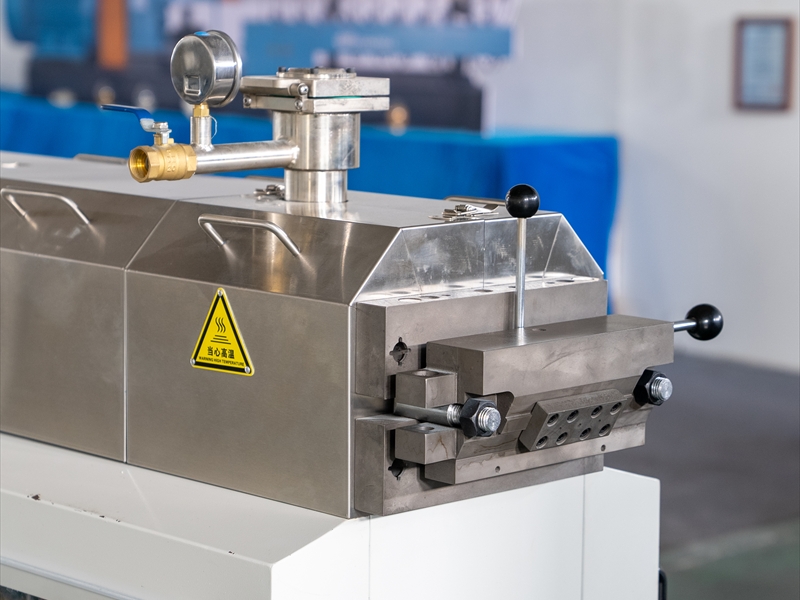
- Husto nga pagpili sa kagamitan nag-optimize sa kalidad sa produkto ug kahusayan sa produksiyon.
-
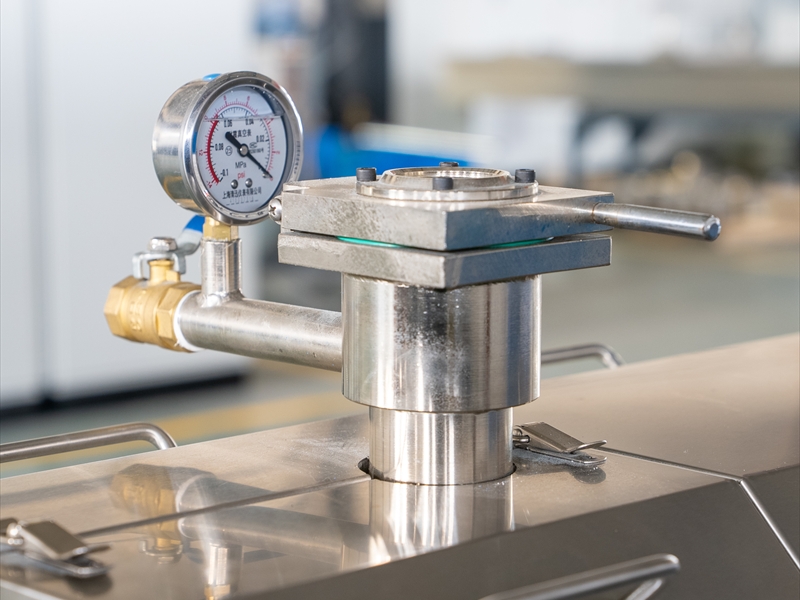
Ang advanced nga makinarya makapamenos sa gasto sa operasyon ug mga bottleneck, pagsiguro sa mas maayo nga throughput ug katagbawan sa kustomer.
- Ang pagpahiangay sa pagpili sa makina nga adunay kapasidad sa produksiyon ug mga detalye sa materyal naggarantiya sa makanunayon nga mga resulta.
Key Takeaways
- Pilia ang husto nga makina para sa imong mga panginahanglan. Ang twin-screw extruders maayo sa pagsagol ug throughput, samtang ang mga kneader machine maayo alang sa sensitibo nga mga materyales.
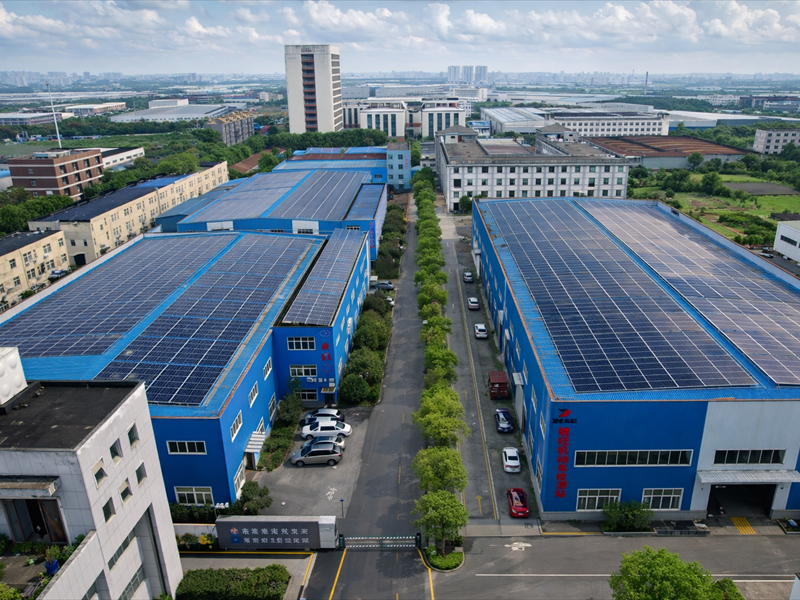
- Unaha ang kalidad sa produksiyon. Ang hustong pagpili sa ekipo direktang makaapekto sa pagkamakanunayon ug performance sa imong masterbatch.
-
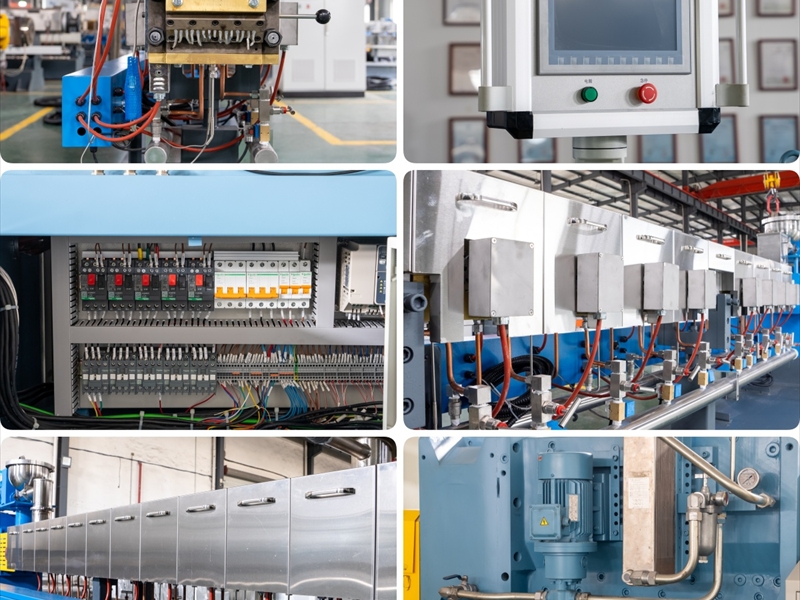
I-maximize ang kahusayan sa mga advanced nga makinarya. Ang twin-screw extruders makapakunhod sa gasto sa operasyon ug makapauswag sa dagan sa produksiyon.
- Siguroha ang pagkaangay sa materyal. Paghimo og higpit nga pagsulay aron makumpirma nga ang mga pigment ug mga additives maayo nga nagsagol alang sa labing maayo nga mga sangputanan.
- Pag-focus sa pagkatag sa pagkamakanunayon. Ang taas nga kalidad nga compounding nagpugong sa mga depekto ug nagsiguro sa managsama nga kolor sa mga plastik nga produkto.
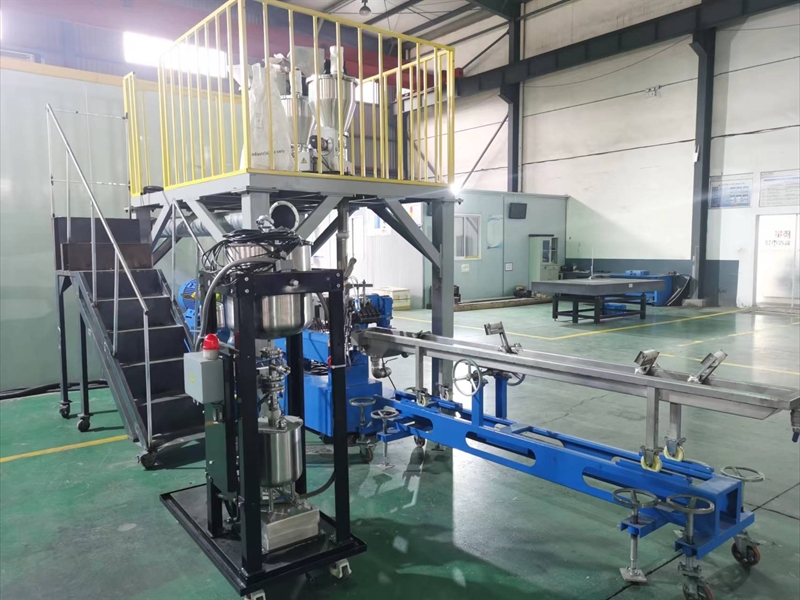
- Hunahunaa ang mga kinahanglanon sa pagmentinar. Ang twin-screw extruders nagkinahanglan og dugang nga pag-atiman, samtang ang mga makina sa kneader nagtanyag og mas simple nga mga rutina sa pagmentinar.
-
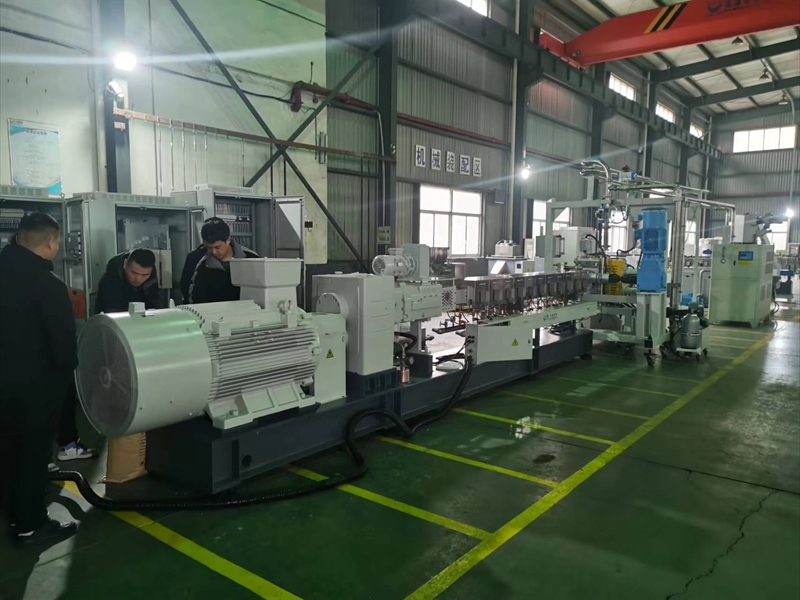
Timbang-timbanga pag-ayo ang imong badyet. Ang twin-screw extruders naglakip sa mas taas nga inisyal nga gasto, apan ang ilang kaepektibo makabawi sa mga gasto sa paglabay sa panahon.
- Pagplano alang sa scalability. Ang mga twin-screw extruder dali nga makapasibo sa dugang nga panginahanglanon sa produksiyon, samtang ang mga makina sa kneader mahimong magkinahanglan og dugang nga mga yunit.
Kinatibuk-ang Pagtan-aw sa Paggama sa Masterbatch
Unsa ang Masterbatch
Ang paggama sa Masterbatch nagmugna og mga konsentradong panagsagol sa mga pigment, mga additives, ug carrier resins. Kini nga mga sagol, gitawag nga masterbatch, gigamit sa pagkolor o pagpauswag sa mga kabtangan sa mga produktong plastik. Ang proseso naglakip sa pagsagol sa hilaw nga materyales, compounding kanila pinaagi sa extrusion, ug pagporma og mga pellets para daling madala. Ang mga tiggama nagsalig sa masterbatch aron makab-ot ang makanunayon nga kolor, gipaayo nga durability, ug espesyal nga pasundayag sa mga plastik nga aplikasyon. Ang industriya sa masterbatch nagsuporta sa daghang mga sektor, lakip ang pagputos, sakyanan, ug mga gamit sa konsumidor.
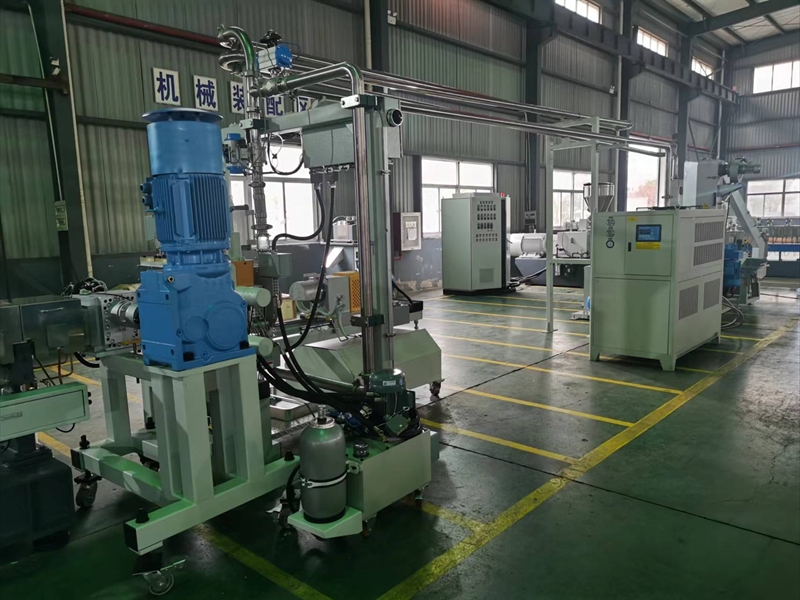
Ang proseso sa paghimo sa masterbatch nanginahanglan maampingon nga pagkontrol sa matag yugto. Ang matag lakang, gikan sa hilaw nga materyal nga pagpili sa katapusan nga packaging, nakaimpluwensya sa kalidad ug performance sa nahuman nga produkto. Ang lamesa sa ubos naglatid sa mga nag-unang lakang ug sa ilang kritikal nga mga kinahanglanon:
| Lakang | Kritikal nga mga Kinahanglanon |
|---|---|
| Pagpili sa Hilaw nga Materyal | Gamit ug walay abog, ubos nga kaumog, ug thermally stable nga mga sangkap alang sa makanunayon nga kalidad. |
| Tukma nga Pagtimbang ug Pagsagol | Awtomatikong mga sistema sa dosing alang sa katukma; high-speed mixer alang sa uniporme nga pre-compound. |
| Extrusion ug Compounding | Kontrolado nga aplikasyon sa kainit ug high-shear blending alang sa hingpit nga pagkatibulaag sa mga additives. |
| Pagpabugnaw ug Pagporma sa Pellet | Paspas nga pagpabugnaw ug pagputol sa mga extruded strands ngadto sa uniporme nga mga pellets. |
| Hugot nga Inspeksyon sa Kalidad | Daghang kalidad nga mga pagsulay lakip ang pagkaparehas sa kolor ug pagsusi sa pagkaangay. |
| Pagputos ug Tukma sa Panahon nga Paghatud | Tipigi sa limpyo, mga pasilidad nga kontrolado sa temperatura ug pag-focus sa on-time nga paghatod. |
Pangunang Panginahanglan sa Produksyon
Pagkatagtag pagkamakanunayon
Ang pagkamakanunayon sa pagkatibulaag nagbarug ingon usa ka panguna nga kinahanglanon sa paghimo sa masterbatch. Ang uniporme nga pagsabwag sa mga pigment ug mga additives nagsiguro nga ang matag plastik nga produkto nagpakita sa gituyo nga kolor ug kabtangan. Ang taas nga kalidad nga compounding nagpugong sa pagporma sa gahi nga mga bugon o mga hugaw, nga mahimong hinungdan sa mga depekto sa katapusang masterbatch. Gigamit sa mga tiggama ang mga advanced nga teknolohiya sa pagsagol ug pag-compound sa extrusion aron makab-ot ang maayo nga pagkatibulaag. Ang makanunayon nga pagsabwag makapauswag usab sa pagtapos sa ibabaw ug makapamenos sa mga isyu sa produksiyon, naghimo niini nga kinahanglanon alang sa kasaligan nga pasundayag sa masterbatch.
Throughput
Ang throughput nagsukod sa gidaghanon sa masterbatch nga gihimo sulod sa usa ka piho nga time frame. Ang taas nga throughput nagsuporta sa dako nga produksiyon ug nagtagbo sa panginahanglan sa merkado nga epektibo. Ang proseso sa pag-compound kinahanglan magbalanse sa katulin ug kalidad, tungod kay ang paspas nga produksiyon kinahanglan dili ikompromiso ang pagkatibulaag o pagkaparehas. Ang modernong mga linya sa paggama sa masterbatch naggamit sa mga awtomatikong sistema ug mga extruder nga adunay taas nga kapasidad aron mapadako ang throughput. Ang episyente nga pagpabugnaw ug mga sistema sa pelletizing dugang nga pagpahapsay sa proseso, pagsiguro nga ang mga target sa produksiyon matuman nga wala magsakripisyo sa kalidad.
Pagkaangay sa Materyal
Ang pagkaangay sa materyal adunay hinungdanon nga papel sa paghimo sa masterbatch. Gipili nga mga pigment, mga additives, ug ang carrier resins kinahanglang maayo nga sagol panahon sa pag-compound. Ang dili angay nga mga materyales mahimong mosangpot sa dili maayo nga pagkatibulaag, kolor nga mga streak, o pagkunhod sa pasundayag sa plastik. Naghimo ang mga tiggama og higpit nga pagsulay sa kalidad, lakip ang pagpares sa kolor ug pagtuki sa dispersion, aron makumpirma ang pagkaangay. Kini nga lakang nagsiguro nga ang masterbatch hapsay nga naghiusa sa lainlaing mga aplikasyon sa plastik, pagsuporta sa makanunayon nga mga resulta sa lainlaing mga dagan sa produksiyon.
Nota: Ang taas nga kalidad nga paggama sa masterbatch nagdepende sa tukma nga pagkontrol sa pagsagol, hingpit nga pagsagol, ug maampingong pagpili sa mga materyales. Kini nga mga hinungdan naggarantiya nga ang katapusan nga masterbatch nagtagbo sa mga sumbanan sa industriya alang sa kolor, kalig-on, ug pamatasan sa pagproseso.
Twin Screw Extruder sa Masterbatch Machine
Twin Screw Extruder Types
Ang twin-screw extruders nahimong backbone sa modernong masterbatch manufacturing. Nagtanyag sila og dili hitupngan nga pagka-flexible ug pagkontrol kon itandi sa single nga mga disenyo sa screw. Ang talaan sa ubos nagpasiugda sa mga kalainan sa operasyon tali sa single ug twin screw extruders, nagpasiugda nganong ang kaluha nga configuration nagdominar sa produksyon sa masterbatch:
| Feature | Usa ka Screw Extruder | Twin Screw Extruder |
|---|---|---|
| Kapabilidad sa Pagsagol | Limitado | Gipalambo |
| Pagka-flexible | Ubos | Taas |
| Pagkontrol sa Pag-agos sa Materyal | Kasarangan | Taas |
| Maayo alang sa Komplikado nga mga Resipe | Dili | Oo |
| Aplikasyon sa Masterbatch | Limitado | Lapad |
Kauban nga Pag-rotate
Ang co-rotating twin screw extruders adunay mga screw nga nagtuyok sa parehas nga direksyon. Kini nga disenyo nagpadako sa pagkaepektibo sa pagsagol ug pagsagol. Ang co-rotating nga aksyon nagsiguro nga ang mga materyales makasinati sa parehas nga dispersive ug distributive nga pagsagol, nga hinungdanon alang sa paghimo og taas nga kalidad nga masterbatch. Manufacturers prefer this type for its ability to handle complex formulations and maintain consistent output.
Intermeshing vs Non-Intermeshing
Twin screw extruders can be intermeshing or non-intermeshing. Intermeshing designs allow the screws to overlap, creating a self-wiping effect that reduces material build-up and improves self-cleaning. This feature supports continuous operation and minimizes downtime. Non-intermeshing types keep the screws separate, which can suit specific compounding needs but generally offer less intensive mixing.
Features of Twin Screw Extruder
Modular Design
Twin screw extruders use modular screw nga mga elemento. This feature allows operators to customize the extrusion system for different masterbatch recipes. Modular design supports optimal mechanical energy transfer and enables quick changes in the process setup. Mahimong ipahiangay sa mga tiggama ang sistema sa extrusion sa mga bag-ong materyales o kinahanglanon sa produkto nga wala’y dagkong downtime.
Paggupit ug Pagkontrol sa Presyon
Ang tukma nga pagkontrol sa paggunting ug presyur naghubit sa pagkaepektibo sa twin screw extruder. Ang mga operator mahimong mag-adjust tulin sa screw, configuration, ug temperatura sa baril aron mamaayo ang proseso sa pagsagol. Kini nga kontrol nagsiguro sa managsama nga pagsabwag sa mga pigment ug mga additives, nga miresulta sa makanunayon nga kalidad sa masterbatch. Ang extrusion nga sistema usab nagmintinar sa lig-on nga pressure, nga nanalipod sa mga sensitibo nga sangkap ug nagpalambo sa istruktura nga mga kabtangan sa katapusan nga produkto.
Mga bentaha
Superior nga Pagsagol
Ang twin-screw extruders naghatud kusog nga dispersive ug distributive nga pagsagol. Kini nga kapabilidad nagsiguro nga ang mga pigment ug mga additives hingpit nga nagsagol sa panahon sa pagsagol. Ang resulta usa ka masterbatch nga adunay parehas nga kolor ug pasundayag.
Taas nga Throughput
Ang mga tiggama nagsalig sa twin screw extruders alang sa taas nga throughput. Kini nga mga makina nagproseso sa daghang mga volume sa masterbatch nga episyente, pagtagbo sa mga panginahanglanon sa industriyal nga produksiyon. Ang disenyo nagsuporta sa lig-on nga pagpakaon sa powder pigments ug additives, nga nagpataas sa pagka-produktibo.
Paglimpyo sa Kaugalingon
Ang intermeshing nga aksyon sa daghang twin screw extruders naghatag og epekto sa paglimpyo sa kaugalingon. Kini nga bahin nagpamenos sa nahabilin nga materyal, makapamenos sa mga risgo sa kontaminasyon, ug gipamubo ang mga oras sa pagbag-o tali sa lainlaing mga pormulasyon sa masterbatch.
Tip: Ang mga bentaha sa teknolohiya sa twin screw extruder lapas pa sa pagsagol. Kini nga mga makina optimize ang paggamit sa materyal ug pagsuporta sa tukma nga pagkontrol sa matag yugto sa proseso sa pag-compound.
Mga disbentaha
Gasto
Ang twin screw extruder nga mga sistema nanginahanglan usa ka hinungdanon nga pamuhunan. Ang mga tiggama kanunay nga nag-atubang sa mas taas nga gasto sa pag-una kumpara sa mga single screw machine. Ang advanced engineering ug modular nga disenyo sa twin extruders nakatampo niini nga gasto. Daghang mga pasilidad kinahanglan usab nga mamuhunan sa espesyalista auxiliary nga kagamitan sa pagsuporta sa twin screw extruder. Kini nga mga gasto mahimong makahagit sa gagmay nga mga prodyuser o kadtong adunay limitado nga badyet. Sa paglabay sa panahon, ang kahusayan ug output sa twin screw extruder nga teknolohiya mahimong mabawi ang inisyal nga gasto, apan ang babag sa pagsulod nagpabilin nga mas taas kaysa sa mas simple nga mga makina.
Pagmentinar
Ang pagmentinar sa twin screw extruder nga ekipo nanginahanglan ug hanas nga mga teknisyan ug regular nga pagtagad. Ang intermeshing screws ug modular nga mga sangkap makasinati sa pagsul-ob atol sa padayon nga operasyon. Kinahanglan nga bantayan sa mga operator ang kahimtang sa mga screw, mga baril, ug mga selyo aron malikayan ang downtime. Ang naka-iskedyul nga pagmentinar ug pag-ilis sa bahin makatabang sa pagpadayon sa makanunayon nga pasundayag, apan nagdugang sila sa gasto sa operasyon. Ang mga komplikadong asembliya sa twin screw extruder system makadugang sa oras nga gikinahanglan alang sa paglimpyo ug pag-ayo. Ang mga pasilidad nga nagproseso sa mga abrasive o puno kaayo nga mga materyales mahimong makakita sa gipadali nga pagsul-ob, nanginahanglan labi pa nga kanunay nga pagmentinar.
Nota: Ang regular nga pagmentinar nagsiguro nga ang twin screw extruder machines makahatag ug kasaligang resulta ug molugway sa ilang serbisyo sa kinabuhi. Ang pagpasagad sa pag-atiman mahimong mosangpot sa dili makanunayon nga kalidad sa masterbatch ug wala damhang paghunong sa produksiyon.
Paggamit sa Twin Screw Extruder
Kolor nga Masterbatch
Ang teknolohiya sa twin screw extruder adunay hinungdanon nga papel sa paghimo sa kolor nga masterbatch. Ang twin screws naghatag og intensive mixing, nga nagsiguro nga ang mga pigment magkatag nga parehas sa tibuuk nga resin sa carrier. Kini nga proseso nagmugna og mga pellets nga adunay parehas nga kolor, hinungdanon alang sa taas nga kalidad nga mga produkto nga plastik. Ang mga tiggama nagsalig sa twin screw extruder aron pagdumala sa usa ka halapad nga klase sa pigment ug konsentrasyon. Ang pagka-flexible sa kambal nga disenyo nagtugot alang sa dali nga pagbag-o tali sa lainlaing mga pormulasyon sa kolor, pagsuporta sa lain-laing mga kinahanglanon sa kustomer.
Dugang nga Masterbatch
Ang aplikasyon sa twin screw extruder nga mga sistema nagpalapad sa additive masterbatch manufacturing. Kini nga mga makina nagsagol sa functional additives—sama sa UV stabilizers, flame retardant, o antistatic nga mga ahente-ngadto sa polymer matrix. Ang kaluha nga mga tornilyo nagsiguro sa hingpit nga pagkatibulaag, nga nagpadako sa pagka-epektibo sa matag additive. Ang makanunayon nga pagsagol nagpugong sa pagtipon ug naggarantiya nga ang matag pellet naghatag sa gituyo nga pasundayag. Ang modular nga disenyo sa twin screw extruder nagtugot sa mga operator sa pag-adjust sa proseso alang sa lain-laing mga additive type ug loadings..
Ang lamesa sa ubos nag-summarize sa mga nag-unang aplikasyon nga mga lugar alang sa twin screw extruder system sa masterbatch production:
| Aplikasyon | Deskripsyon |
|---|---|
| Paggama sa Masterbatch | Gisiguro ang uniporme nga pagsabwag sa mga pigment ug mga additives alang sa kolor ug functional masterbatches. |
| Kolor nga Masterbatch | Naghatag makanunayon nga pag-apod-apod sa kolor ug nagsuporta sa paspas nga pagbag-o sa pormulasyon. |
| Dugang nga Masterbatch | Naghatud sa tukma nga paglakip sa mga functional additives alang sa gipaayo nga mga kabtangan sa plastik. |
Ang twin screw extruder machines nagsuporta sa usa ka halapad nga mga aplikasyon sa masterbatch. Ang ilang versatility ug control naghimo kanila nga gipalabi nga pagpili alang sa kolor ug additive masterbatch production. Ang aplikasyon sa twin screw extruder nga teknolohiya nagpadayon sa pagpalapad samtang ang mga tiggama nangita og mas taas nga kalidad ug kahusayan.
Kneader Machine alang sa Masterbatch Manufacturing
Mga Uri sa Kneader Machine
Mga makina sa kneader adunay hinungdanon nga papel sa paghimo sa masterbatch, labi na kung naggunit ug taas nga kantidad o sensitibo nga mga materyales. Daghang klase sa kneader machine ang nagsilbi sa industriya, ang matag usa gidisenyo alang sa piho nga mga kinahanglanon sa pagsagol:
- Mga Mixer sa Banbury: Kini nga mga makina maayo kaayo sa pagsagol sa mga polimer ug mga additives, naghimo kanila nga usa ka staple sa masterbatch production.
- Dispersion Kneader: Gigamit kini sa mga tiggama alang sa pagkab-ot sa uniporme nga pagkatibulaag, nga hinungdanon alang sa makanunayon nga kalidad sa masterbatch.
- Internal nga mga mixer: Ang mga laboratoryo kanunay nga nagsalig sa mga internal nga mixer alang sa gamay nga panukiduki ug kalamboan. Gitugotan niini nga mga makina ang tukma nga pagkontrol sa mga parameter sa pagsagol.
- Sigma Blade Kneader: Gidisenyo alang sa taas nga viscosity nga mga materyales, Ang sigma blade kneader nagsiguro sa hingpit nga pagsagol ug maayo alang sa mahagiton nga mga buluhaton sa pag-compound.
Ang mga makina sa kneader naglihok pinaagi sa pagsagol sa mga materyales ubos sa kontrolado nga temperatura ug mga kondisyon sa paggunting. Kini nga pamaagi nagsiguro sa managsama nga pagkatibulaag ug epektibo nga pagsagol, nga kritikal alang sa paghimo og taas nga kalidad nga masterbatch.
Mga Kinaiya sa Kneader Machine
Intensive Mixing
Ang mga makina sa kneader naghatod ug kusog nga pagsagol, nga makapahimo tukma nga pagkatibulaag ug pagsagol sa mga pigment, mga additives, ug resins. Kini nga bahin nagpamatuod labi ka hinungdanon sa paghimo sa masterbatch, diin ang high-fill ug high-demand nga gibag-o nga mga materyales nanginahanglan parehas nga pag-apod-apod. Ang lig-on nga aksyon sa pagsagol nagpugong sa pagtipon ug nagsiguro nga ang matag batch sa masterbatch nakab-ot ang higpit nga kalidad nga mga sumbanan.
Episyente sa Enerhiya
Episyente sa enerhiya nagbarug ingon usa ka hinungdanon nga bentaha sa mga makina sa kneader. Ang ilang disenyo nagpamenos sa konsumo sa enerhiya sa panahon sa pag-compound, nga makatabang sa mga tiggama sa pagpakunhod sa gasto sa operasyon. Ang mga makina nagpadayon sa lig-on nga output samtang nagproseso sa usa ka halapad nga mga materyales, paghimo kanila nga angay alang sa pareho nga dagko ug espesyal nga paggama sa masterbatch.
Batch nga operasyon
Ang mga makina sa kneader kasagarang naglihok sa batch mode. Kini nga pamaagi nagtugot alang sa flexible parameter adjustments, pagsuporta sa produksyon sa lain-laing mga masterbatch pormulasyon. Ang operasyon sa batch naghatag usab og stable nga output, nga hinungdanon alang sa pagpadayon sa pagkamakanunayon sa pagproseso sa sensitibo o taas nga kantidad nga mga materyales. Ang mga operator mahimong ma-monitor pag-ayo sa matag batch, pagsiguro nga ang proseso sa pag-compound nagtagbo sa gikinahanglan nga mga detalye.
Mga bentaha
Pagsagol sa katukma
Ang mga makina sa kneader nagtanyag sa tukma nga pagsagol, nga hinungdanon alang sa paghimo sa masterbatch nga naglambigit sa komplikado o sensitibo nga mga sangkap. Ang mga makina’ ang abilidad sa pagkab-ot sa uniporme nga pagkatibulaag nagsiguro nga ang mga pigment ug mga additives mahiusa nga hapsay sa carrier resin. Gisuportahan niini nga katukma ang paghimo sa masterbatch nga adunay makanunayon nga kolor ug pasundayag.
Ubos nga Konsumo sa Enerhiya
Gipabilhan sa mga tiggama ang mga makina sa kneader alang sa ilang mas ubos nga konsumo sa enerhiya kumpara sa ubang mga kagamitan sa pag-compound. Ang episyente nga disenyo makapamenos sa pagmugna sa kainit ug makapamenos sa pagkadaot sa materyal, nga nakabenepisyo sa mga pormulasyon sa masterbatch nga sensitibo sa init. Ang ubos nga paggamit sa enerhiya makatampo usab sa mas malungtarong proseso sa produksiyon.
Kalig-on
Ang mga makina sa kneader nagpakita sa talagsaong kalig-on. Ang ilang pagtukod makasugakod sa mga gipangayo sa intensive compounding, bisan sa pagproseso sa mga abrasive o puno kaayo nga mga materyales. Kini nga kalig-on nagsiguro sa kasaligan nga operasyon ug gipalugway ang serbisyo sa kinabuhi sa kagamitan, paghimo sa mga kneader machine nga usa ka maayong pamuhunan alang sa mga pasilidad sa paggama sa masterbatch.
Nota: Ang mga makina sa kneader naghiusa sa kusog nga pagsagol, episyente sa enerhiya, ug lig-on nga pagtukod, paghimo kanila nga sulundon alang sa masterbatch manufacturing nga nanginahanglan tukma nga compounding ug stable nga output.
Mga disbentaha
Ubos nga Throughput
Ang mga makina sa kneader naglihok sa batch mode, nga naglimite sa ilang throughput kumpara sa padayon nga extrusion system. Ang mga operator kinahanglan mag-load, sagol, ug i-discharge ang matag batch sa dili pa magsugod ang sunod nga cycle. Kini nga proseso nagpugong sa gidaghanon sa masterbatch nga gihimo sulod sa gihatag nga timeframe. Ang mga pasilidad nga nanginahanglan taas nga rate sa produksiyon kanunay nga makit-an ang mga makina sa kneader nga dili kaayo angay alang sa dinagkong paggama. Ang batch nga operasyon usab nagdugang sa downtime tali sa mga siklo, nga makaapekto sa kinatibuk-ang kaepektibo. Ang mga tiggama nga nag-una sa katulin ug gidaghanon mahimong mas gusto ang mga extruder alang sa ilang abilidad sa paghatud sa makanunayon nga output nga wala’y hunong..
Limitado nga Flexibility
Ang mga makina sa kneader nagtanyag dili kaayo kadali kung mopahiangay sa mga bag-ong pormulasyon o paspas nga pagbag-o sa produkto. Ang proseso sa batch nanginahanglan manwal nga pag-adjust sa matag resipe, which slows response to shifting market demands. Operators must clean and prepare the machine between batches, especially when switching between different materials. This limitation makes kneader machines less ideal for facilities that handle frequent changes in masterbatch composition. The design suits stable production environments but presents challenges for manufacturers seeking versatility in their application range.
Nota: Kneader machines excel in precision mixing and energy efficiency, but their lower throughput and limited flexibility can restrict their use in fast-paced or highly variable production settings.
Kinaandan nga mga Aplikasyon
Highly Filled Masterbatch
Kneader machines demonstrate exceptional performance in highly filled masterbatch production. These machines handle ultra-high loading lebel, kasagaran sobra 85% sulud sa tigpuno. The intensive mixing action ensures difficult-to-disperse additives integrate thoroughly into the carrier resin. Manufacturers select kneader machines for filler masterbatch compounding because they maintain uniform dispersion and prevent agglomeration, bisan sa mahagiton nga mga materyales. The table below highlights the primary application type and its characteristics:
| Uri sa Aplikasyon | Mga kinaiya |
|---|---|
| Filler Masterbatch Compounding | Ultra-High Loading, >85% filling levels, difficult-to-disperse additives |
This application requires robust mixing and stable output, which kneader machines provide. Operators achieve consistent quality in batches with high filler content, supporting demanding industrial requirements.
Rubber Compounds
Rubber compound production represents another key application for kneader machines. The equipment processes elastomers, mga filler, and additives under controlled temperature and shear conditions. Kneader machines deliver uniform dispersion, which enhances the physical properties of rubber products. Manufacturers rely on kneader machines for their ability to handle viscous materials and maintain batch-to-batch consistency. The process supports specialty rubber applications, including automotive parts, mga selyo, ug mga sangkap sa industriya.
Tip: Facilities that produce highly filled masterbatch or rubber compounds benefit from the kneader machine’s robust mixing and stable batch operation. These applications demand precision and reliability, which kneader machines consistently deliver.
Kalainan Taliwala sa Single ug Twin Screw Extruder
Kalidad sa Pagsagol
kalidad sa pagsagol stands as a critical factor in masterbatch manufacturing. The single screw extruder provides mainly distributive mixing. This means it spreads materials but does not break down agglomerates as effectively. Twin screw extruders deliver both dispersive and distributive mixing. They can break down pigment clusters and distribute additives evenly. This capability results in a more homogeneous masterbatch, which is essential for high-performance applications.
The table below highlights the main differences in abilidad sa pagsagol:
| Feature | Usa ka Screw Extruder | Twin Screw Extruder |
|---|---|---|
| Kapabilidad sa Pagsagol | Ubos (nag-una distributive) | Taas (Dispersive & Distributive) |
Manufacturers often choose twin screw extruders for compounding tasks that require intensive mixing, such as blending glass fibers, flame retardant, or pigments into resins. The single screw extruder works best for simpler formulations where basic mixing suffices.
Tip: For masterbatch products that demand uniform color and additive distribution, twin screw extruders offer a clear advantage.
Throughput
Throughput measures how much material a machine can process in a given time. The single screw extruder excels in continuous, straightforward processes. It handles large volumes efficiently when the formulation does not require complex mixing. Twin screw extruders, sa laing bahin, provide superior throughput for complex masterbatch production. Their design supports excellent material conveying, pagsagol, and shear dispersion.
The following table compares throughput capabilities:
| Uri sa Extruder | Kapabilidad sa Throughput |
|---|---|
| Usa ka Screw | More efficient for simpler, continuous processes |
| Twin Screw | Superior nga pagsagol, ideal for complex masterbatch tasks |
- Usa ka screw extruder: Best for high-volume, simple recipes.
- Twin screw extruder: Preferred for high-intensity mixing and advanced formulations.
Production lines that require both speed and advanced mixing often rely on twin screw extruders. Facilities focused on basic compounding may select the single screw extruder for its efficiency.
Sakop sa Aplikasyon
The application scope defines where each machine performs best. The single screw extruder suits basic plastic processing, sama sa paghimo og mga tubo, mga pelikula, or simple compounds. It offers reliability for straightforward tasks. Twin screw extruders handle a broader range of applications. They excel in masterbatch production, especially when recipes involve multiple additives or require precise dispersion.
Key application areas include:
- Usa ka screw extruder: Used for continuous processes with minimal mixing needs.
- Twin screw extruder: Essential for masterbatch, compounding with glass fibers, mga pigment, o flame retardants.
The difference between single and twin screw extruder technology shapes the choice for manufacturers. Those who need advanced mixing and flexibility select twin screw extruders. Those who prioritize simplicity and volume often choose the single screw extruder.
Nota: Selecting the right extruder depends on the complexity of the formulation, gitinguha nga throughput, and end-use requirements.
Masterbatch Machine Comparison
Pagpasundayag
Performance defines the core value of any masterbatch nga makina. Twin-screw extruders set the industry standard for high-performance compounding. These machines handle complex recipes with ease. Operators can adjust process parameters quickly, which supports consistent output. The twin design ensures stable feeding and precise temperature control. This leads to reliable production of masterbatch with uniform properties.
Kneader machines excel in specific scenarios. They deliver outstanding results when processing highly filled or sensitive materials. Their robust construction allows them to withstand demanding conditions. Hinuon, batch operation limits their overall speed. Facilities that require continuous, high-volume production often prefer the twin screw extruder for its superior performance.
Single screw extruder systems offer reliable performance for basic tasks. They suit straightforward masterbatch formulations. These machines do not match the advanced capabilities of twin-screw extruders or kneader machines in complex compounding.
Nota: Selecting the right masterbatch machine depends on the desired balance between speed, pagkamakanunayon, and material requirements.
Kalidad sa Pagsagol
Mixing quality remains a critical factor in masterbatch manufacturing. Twin-screw extruders provide both dispersive and distributive mixing. This means they break down pigment clusters and distribute additives evenly. The result is a homogeneous masterbatch with consistent color and performance. Operators can fine-tune the extrusion system to match the needs of each recipe.
Kneader machines also deliver high mixing quality, especially for challenging materials. Their intensive mixing action ensures thorough dispersion. This proves essential for highly filled masterbatch or rubber compounds. Hinuon, batch operation can introduce slight variations between cycles.
Single screw extruder machines offer basic distributive mixing. They work well for simple formulations but struggle with complex recipes. These machines cannot achieve the same level of pigment dispersion as twin-screw extruders or kneader machines.
The table below summarizes mixing quality across different masterbatch machine types:
| Matang sa Makina | Kalidad sa Pagsagol | Labing Maayo nga Kaso sa Paggamit |
|---|---|---|
| Twin-screw extruders | Labaw (Dispersive & Distributive) | Complex masterbatch, kolor, mga additives |
| Mga makina sa kneader | Taas (Intensive) | Highly filled, sensitive materials |
| Usa ka screw extruder | sukaranan (Distributive) | Simple masterbatch |
Pagka-flexible
Flexibility determines how well a masterbatch machine adapts to changing production needs. Twin screw extruder systems stand out for their versatility. They allow operators to modify screw configurations, adjust shear levels, and control residence time. This adaptability supports a wide range of masterbatch formulations. Manufacturers can switch between recipes with minimal downtime. Ang strong mixing capabilities of twin-screw extruders enhance flexibility, making them essential for consistent color quality and efficient production.
Kneader machines offer moderate flexibility. They handle various materials and filler levels but require manual adjustments between batches. This process can slow response to new market demands. Batch operation also limits the speed of recipe changes.
Single screw extruder machines provide the least flexibility. They suit stable, high-volume production of simple masterbatch. These machines do not support rapid changes in formulation or advanced compounding tasks.
Tip: Facilities that produce multiple masterbatch types benefit from the flexibility of twin screw extruder technology. This advantage supports innovation and quick adaptation to customer needs.
Throughput
Ang throughput nagsukod sa gidaghanon sa materyal nga giproseso sa usa ka masterbatch machine sulod sa gitakdang panahon. Ang twin screw extruders naghatag ug taas nga throughput, pagsuporta sa dinagkong produksyon nga palibot. Ang mga operator makakab-ot sa mga rate sa output gikan sa 30 kilo matag oras hangtod sa 4000 kilo matag oras. Kini nga kapasidad makahimo sa mga tiggama sa pagtagbo sa gikinahanglan nga mga iskedyul ug pagpadayon sa makanunayon nga suplay. Ang mga makina sa kneader naglihok sa ubos nga lebel sa throughput, nga adunay pinakataas nga output nga moabot hangtod sa 1000 kilo matag oras. Ang operasyon sa batch naglimite sa ilang katulin, paghimo kanila nga angay alang sa espesyalidad o taas nga kantidad nga produksiyon sa masterbatch.
Ang lamesa sa ubos nagtandi sa kapasidad sa throughput:
| Uri sa Kagamitan | Kapasidad sa Output |
|---|---|
| Twin Screw Extruder | 30kg/h ngadto sa 4000kg/h |
| Makina sa Kneader | Hangtod sa 1000kg / h |
Ang twin screw extruders nagdominar sa high-volume masterbatch manufacturing. Ang mga makina sa kneader milabaw sa mga aplikasyon diin ang katukma ug pagkasensitibo sa materyal labaw pa sa katulin.
Pagmentinar
Maintenance requirements differ significantly between twin screw extruders and kneader machines. Twin screw extruders demand regular attention due to their complex design and high operational loads. Operators must monitor screw wear, gearbox integrity, ug mga selyo. After-sales service contracts typically cost tali sa 2% ug 5% of the machine’s value kada tuig. Alang sa usa ka $200,000 extruder, annual maintenance expenses range from $4,000 sa $10,000. Spare parts add to the cost, with screw sets priced from $15,000 sa $25,000 and gearbox replacements costing $30,000 sa $50,000. Preventive maintenance extends the interval between major overhauls from five years to seven years, reducing long-term expenses.
- Twin screw extruders require frequent inspections and specialized technicians.
- Kneader machines feature robust construction and simpler maintenance routines.
- Preventive maintenance increases reliability and reduces downtime for both machine types.
Facilities that operate twin screw extruders must budget for higher maintenance costs and plan for regular service intervals. Kneader machines offer easier upkeep, making them attractive for smaller operations or specialty production.
Gasto
Cost plays a decisive role in masterbatch machine selection. Twin screw extruders involve substantial initial investment. Manufacturers pay for advanced engineering, modular nga mga sangkap, and auxiliary equipment. Ongoing maintenance and spare parts further increase operational expenses. Kneader machines present lower upfront costs and reduced maintenance requirements. Their batch operation suits facilities with limited budgets or those focused on specialty masterbatch production.
Operators must weigh the benefits of high throughput and flexibility against the financial commitment required for twin screw extruders. Kneader machines provide a cost-effective solution for precision mixing and stable output, especially in applications where speed is not the primary concern.
Tip: Careful cost analysis ensures that manufacturers select the masterbatch machine best suited to their production goals and financial resources.
Scalability
Scalability determines how well a masterbatch machine supports growth and adapts to increased production demands. Manufacturers often evaluate scalability when planning for expansion or responding to market changes. Twin screw extruders and kneader machines offer distinct advantages and limitations in this area.
Twin Screw Extruder Scalability
Twin screw extruders excel in scalable production environments. Operators can increase output by upgrading screw diameter, gitas-on, or motor power. Modular design allows for easy expansion and customization. Facilities can add auxiliary equipment, such as feeders or pelletizers, to boost capacity. Manufacturers often choose twin screw extruders for their ability to handle both small and large batch sizes without sacrificing quality.
- Modular configuration supports rapid adaptation.
- Upgrades enable higher throughput and advanced formulations.
- Integration with automated systems streamlines scaling.
Kneader Machine Scalability
Kneader machines present challenges in scalability. Batch operation limits continuous output. Operators must process each batch separately, which restricts overall capacity. Scaling up often requires purchasing additional machines rather than expanding a single unit. This approach increases floor space and operational complexity. Kneader machines suit specialty production where precision matters more than volume.
- Batch processing restricts seamless scaling.
- Expansion involves adding more units, not upgrading existing ones.
- Best suited for stable, low-to-medium volume production.
Nota: Facilities planning for rapid growth or fluctuating demand benefit from the scalable design of twin screw extruders. Kneader machines fit environments with consistent, specialty production needs.
Scalability Comparison Table
| Matang sa Makina | Scalability Features | Expansion Method | Ideal Production Scale |
|---|---|---|---|
| Twin Screw Extruder | Modular, upgradeable, automation-ready | System upgrades, add-ons | Small to large-scale |
| Makina sa Kneader | Limitado, batch-based | Additional machines | Specialty, low-to-medium |
Manufacturers seeking flexible, high-volume production often select twin screw extruders. Kneader machines remain valuable for niche applications where batch consistency and precision outweigh the need for rapid scaling.
Tip: Evaluate future production goals before investing in masterbatch machinery. Twin screw extruders offer a pathway to growth, while kneader machines deliver reliability for specialized operations.
Choosing the Right Masterbatch Machine
Mga Hinungdan sa Desisyon
Selecting the optimal masterbatch machine requires careful evaluation of several core factors. Each facility must align its equipment with operational goals and material demands.
Volume sa Produksyon
Production volume determines the scale and speed of manufacturing. Facilities with high production capacity need machines that can sustain continuous output. Twin screw extruders excel in large-scale environments. They process significant quantities of masterbatch without frequent interruptions. Kneader machines suit smaller batches or specialty runs. Operators should match machine throughput to their target production levels.
Matang sa Materyal
Material type influences machine selection. Some masterbatch recipes use wood, bamboo, or straw fibers. Others require advanced additives for mechanics, degradability, or unique functionality. Twin screw extruders handle a wide range of plastic resins and complex formulations. Kneader machines perform well with sensitive or high-value materials. The choice depends on the compatibility of the machine with the raw materials and the desired properties of the final product.
Mga Kinahanglanon sa Kalidad
Quality requirements shape the compounding process. Manufacturers producing masterbatch for high-performance plastic applications must ensure uniform dispersion and color consistency. Twin screw extruders deliver superior mixing and precise control. Kneader machines provide intensive blending for highly filled or specialty masterbatch. Facilities should assess the level of quality needed for their end-use products.
Badyet
Budget remains a decisive factor in equipment investment. Twin screw extruders require higher initial costs and ongoing maintenance. Kneader machines offer a lower entry point and reduced upkeep. Financial planning must consider both upfront expenses and long-term operational costs. The final decision should balance production goals with available resources.
Tip: The selection process involves more than just machine specifications. Operators must consider the type of fiber, desired masterbatch performance, and financial constraints to make the best choice.
Twin screw extruders deliver high throughput and superior mixing, making them ideal for complex, large-scale masterbatch production. Kneader machines excel with sensitive or highly filled materials, offering precision and energy efficiency. Aligning machine choice with production goals and materyal nga pagkaangay ensures consistent quality, smooth processing, and fewer defects. Manufacturers who match machine capabilities with resin and polymer systems achieve better surface finish, stable output, and long-term success in masterbatch manufacturing.
FAQ
What is the main advantage of a twin-screw extruder in masterbatch production?
Twin-screw extruders provide superior mixing and high throughput. They handle complex formulations with ease. Manufacturers rely on them for consistent quality and efficient large-scale production.
When should a manufacturer choose a kneader machine?
A manufacturer should select a kneader machine for highly filled, sensitive, or specialty materials. Kneader machines offer precise mixing and energy efficiency, making them ideal for demanding or small-batch applications.
How does maintenance differ between twin-screw extruders and kneader machines?
Twin-screw extruders require frequent inspections and specialized technicians. Kneader machines have simpler maintenance routines and robust construction. Facilities with limited technical staff often prefer kneader machines for easier upkeep.
Can a single-screw extruder produce masterbatch?
A single-screw extruder can produce simple masterbatch formulations. It cannot achieve the same mixing quality or flexibility as twin-screw extruders. Manufacturers use single-screw machines for basic, high-volume tasks.
What factors affect the cost of a masterbatch machine?
Machine size, lebel sa automation, and auxiliary equipment impact cost. Twin-screw extruders have higher initial and maintenance expenses. Kneader machines offer lower entry costs but may require more units for scaling.
Which machine offers better scalability for growing production needs?
Twin-screw extruders offer modular upgrades and automation options. They scale easily for increased output. Kneader machines require additional units for expansion, which increases operational complexity.
Are kneader machines suitable for color masterbatch production?
Kneader machines can produce color masterbatch, especially for high-fill or specialty batches. Twin-screw extruders remain the preferred choice for high-volume, consistent color masterbatch production.