

Què és un sistema de peletització submarina i com funciona
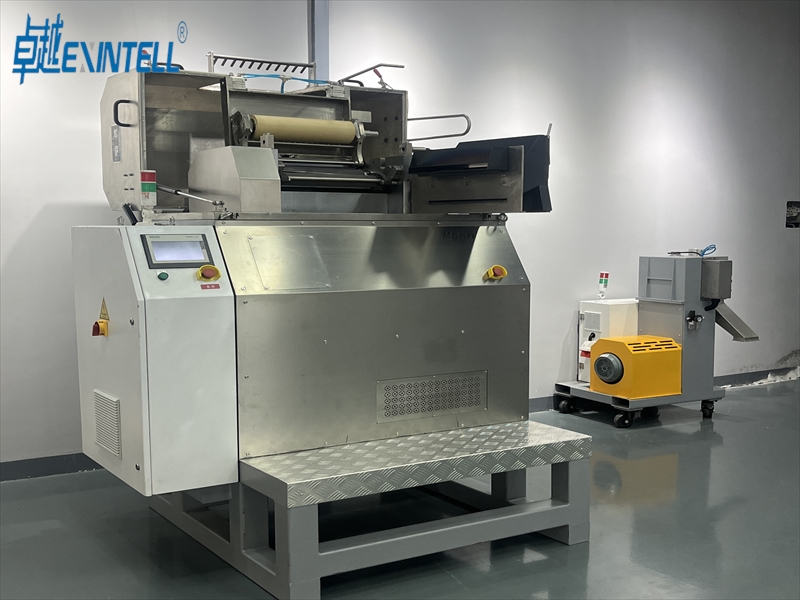
Utilitzeu un sistema de peletització subaquàtica per fer petites grànules a partir de polímers fosos. Aquesta tecnologia talla i refreda el plàstic alhora. Això fa que el procés sigui ràpid i fàcil. Si treballes amb la producció de polímers, és bo saber com funciona la peletització. T'ajuda a fer millors materials. El mercat d'aquests sistemes és cada cop més gran. Està creixent a Àsia-Pacífic, Amèrica del Nord, i Europa. Aquí teniu una mirada ràpida al mercat:
|
Atribut |
Detalls |
|---|---|
|
Valor de mercat estimat en 2026 |
|
|
Valor de mercat previst per 2032 |
USD 335.6 milions |
|
Taxa de creixement anual composta |
10.3% |
Aportacions clau
-
An sistema de peletització submarina talla i refreda ràpidament el plàstic fos. Fa petits pellets que tenen el mateix aspecte. Moltes indústries utilitzen aquests pellets.
-
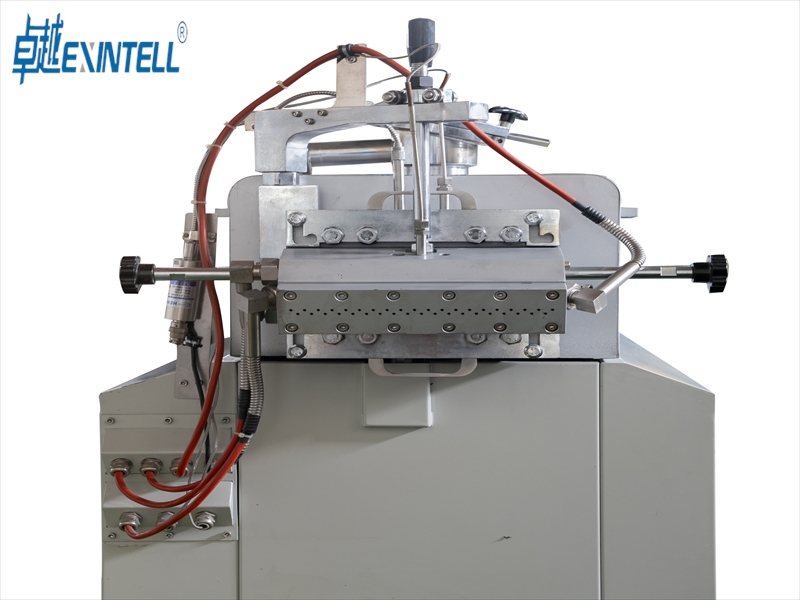
El sistema té parts importants com la placa de matriu, cambra d'aigua, i ganivet giratori. Aquestes parts ajuden a donar forma, fresc, i tallar els pellets exactament.
-
Aquesta tecnologia fa que els pellets siguin suaus i rodons. També estalvia energia i redueix els residus.
-
El manteniment regular i el control acurat mantenen la qualitat del pellet alta. També impedeixen que es produeixin problemes comuns.
-
Les noves idees com els controls intel·ligents i els millors dissenys fan que la peletització submarina sigui més ràpida, més netejador, i més eficient.
Visió general del sistema de peletització submarina
Què és
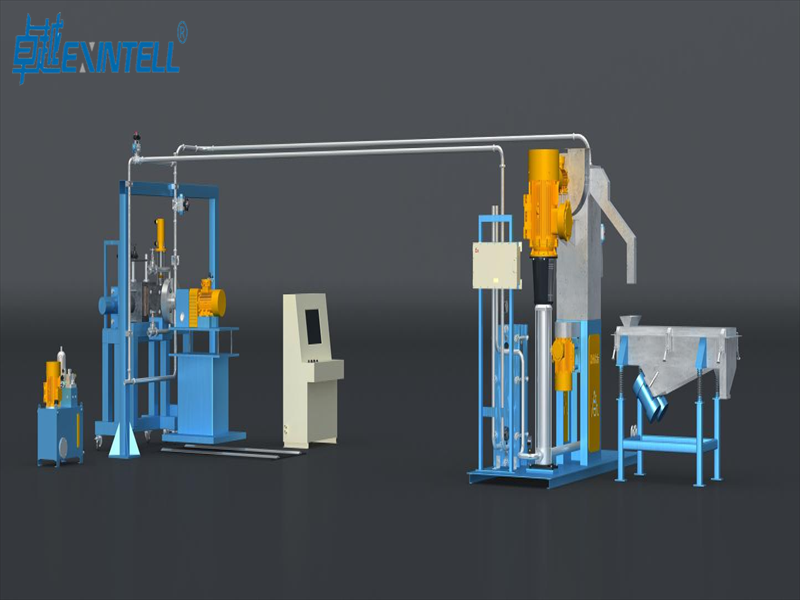
Un sistema de peletització submarina canvia el plàstic fos en petits pellets. Aquest sistema talla i refreda el plàstic alhora. L'objectiu principal és fer que la peletització sigui ràpida i senzilla. Cada part del sistema funciona conjuntament en passos:
-
Un cargol es fon i barreja bé el polímer.
-
El polímer fos es mou a través d'una placa de matriu sota l'aigua.
-
Les fulles giratòries tallen els fils en pellets sota l'aigua.
-
L'aigua refreda els pellets ràpidament i els porta cap endavant.
-
Els pellets s'assequen i es comprova la mida abans d'embalar.
Aquest procés fa pellets d'alta qualitat per a molts productes. La peletització submarina ajuda a les fàbriques a treballar més ràpidament i a fer millors pellets.
Aplicacions clau
Moltes indústries utilitzen el sistema de peletització submarina. Funciona millor amb plàstics com el polietilè, polipropilè, i poliestirè. Aquesta tecnologia ajuda a fer molts pellets per a diferents camps. Aquí teniu una taula que mostra on feu servir aquest sistema i quins polímers són comuns:
|
Indústria |
Tipus de polímers |
|---|---|
|
Embalatge |
Polietilè, Polipropilè, Poliestirè |
|
Automoció |
Polietilè, Polipropilè, Poliestirè |
|
Construcció |
Polietilè, Polipropilè, Poliestirè |
Pelletitzar és important per fer coses per envasar, cotxes, i edificis. El sistema de peletització submarina ajuda aquestes indústries fent pellets ràpids i de bona qualitat.
Procés de peletització i components principals
El procés de peletització en un sistema de peletització submarina canvia el polímer fos en petit, fins i tot pellets. Aquesta tecnologia ajuda a fer bons pellets de plàstic per a molts usos. Conèixer cada pas i les parts principals d'un granulador subaquàtic t'ajuda a obtenir els millors resultats.
Procés pas a pas
Seguiu uns quants passos per acabar el procés de peletització. Cada pas és necessari per assegurar-se que els pellets tenen la mida i la forma adequades. Aquí és com funciona:
-
Inicieu el sistema d'aigua. Enceneu la bomba i comproveu la calor i la pressió de l'aigua.
-
Inicieu l'extrusora. Escalfeu l'extrusora, posar-hi el polímer, i vigila la pressió.
-
Engegueu el granulador. Enceneu el motor, establir la bretxa de tall, i comprovar la qualitat del pellet.
-
Control de qualitat. Prendre mostres, comprovar les seves propietats, i canviar el procés si cal.
Feu aquests passos cada vegada que executeu el procés de peletització. D'aquesta manera, podeu controlar la qualitat i l'aspecte dels pellets.
Placa de matriu i cambra d'aigua
El matriu i cambra d'aigua són dues parts principals d'un granulador submarí. Treballen junts per donar forma i refredar els pellets durant el procés.
Consell: La forma en què es fa la placa de matriu i la manera com l'aigua es mou a la cambra canvien la qualitat dels vostres pellets.
|
Aspecte |
Descripció |
|---|---|
|
Paper de la placa de matriu |
La placa de matriu dóna forma al polímer fos en fils. Controla la mida, forma, i igualtat de cada pellet. |
|
Geometria dels forats de matriu |
Els patrons especials de forats a la placa de matriu ajuden el polímer a fluir uniformement. Això manté la mida del pellet igual i atura els problemes de pressió. |
|
Gestió de la temperatura |
Heu de mantenir la placa de matriu a la calor adequada. Això manté el polímer prou gruixut i evita que es faci dur massa aviat. |
|
Impacte en la qualitat del pellet |
Una bona placa de matriu us ofereix fins i tot pellets, treball més ràpid, i menys residus. Això fa que el vostre producte final sigui millor. |
La cambra d'aigua recorre la placa de matriu i refreda els pellets tan bon punt es tallen. Com es mou l'aigua a la cambra és important per al procés de granulació.
|
Factor |
Descripció |
|---|---|
|
Caudal i direccionalitat |
L'aigua es mou en espiral. Això refreda els pellets ràpidament i els allunya de la placa de matriu. |
|
Control de temperatura |
Heu de mantenir l'aigua a la calor adequada. Això atura problemes com l'encadenament o les cues, que pot empitjorar els pellets. |
|
Gestió de l'aire |
Desfer-se de les butxaques d'aire ajuda l'aigua a refredar els pellets de la mateixa manera. Això fa que el procés de peletització funcioni millor. |
Muntatge de ganivet giratori
El conjunt de ganivets giratoris és una altra part clau del sistema de peletització submarina. Aquesta part talla els fils de polímer fos en pellets just després que surtin de la placa de matriu. La manera com configureu el conjunt del ganivet canvia el procés de granulat i la qualitat dels pellets.
El ganivet ha de tocar la placa de matriu amb l'angle i la velocitat correctes. Si el ganivet està massa lluny o massa lent, obteniu pellets amb cues o formes estranyes. Si està massa a prop o massa ràpid, podeu rebre multes o fer mal a la placa de matriu. Canviant el contacte del ganivet a la matriu i la velocitat de tall, us assegureu que els pellets tinguin la mida i la forma adequades cada vegada.
Podeu veure com les parts principals d'un granulador subaquàtic treballen juntes en el procés de granulació. La placa de matriu dóna forma al polímer, la cambra d'aigua es refreda i mou els pellets, i el conjunt de ganivets giratoris els talla a mida. Quan controles cada part, obteniu bons pellets per a qualsevol ús.
Beneficis dels granuladors submarins
Qualitat i uniformitat del pellet
Necessites bons pellets per als teus productes. El sistema de peletització submarina t'ajuda a fer-ho. Això talla i refreda el polímer alhora. Obteniu pellets que són llis i rodó. Tots tenen la mateixa mida. Això fa que sigui més fàcil millorar la qualitat del producte. Si tu comproveu sovint l'alineació de la matriu, manteniu la mida del pellet constant. Fins i tot un petit buit a la matriu pot canviar els pellets. Els controls periòdics us ajuden a evitar la pols i les formes estranyes. L'aigua refreda els pellets de seguida. Això els dóna una superfície brillant i sense esquerdes. Podeu comptar amb aquest sistema per fer bons pellets cada vegada.
Eficàcia i escala
Els granuladors submarins fan més que fer bons pellets. Tu pots executeu la vostra línia de producció més ràpidament. També malgastes menys material. El sistema es refreda i talla els pellets ràpidament. Això t'estalvia temps. Tu pots estalviar fins a 20% energia en comparació amb altres mètodes. Això vol dir que gasteu menys diners en energia. També ajuda al medi ambient. El sistema pot gestionar molts polímers. Podeu fer més pellets en menys temps. Tu també malgastar fins a 15% menys material. Això redueix els vostres costos i us ajuda a obtenir més beneficis. Si voleu fer més pellets, aquest sistema et dóna el que necessites.
Comparació amb altres mètodes
Potser us preguntareu com és millor la peletització submarina que la peletització de fils. Els beneficis es destaquen quan els compareu. Aquí teniu una taula per mostrar les diferències:
|
Característica |
Pelletització subaquàtica |
Pelletització de fils |
|---|---|---|
|
Forma de pellet |
Esfèric, suau, uniforme |
Cilíndric, extrems plans |
|
Qualitat de la superfície |
Gran brillantor, estable |
Menys uniforme, més pols |
|
Mètode de refrigeració |
Extinció immediata de l'aigua |
Aire o aigua abans de tallar |
|
Prevenció de l'oxidació |
Sí |
No |
|
Generació de pols i xips |
Cap |
Sí |
Ho aconsegueixes millors pellets i menys pols amb peletització submarina. El refredament ràpid atura l'oxidació. Això manté nets els vostres pellets. Els granuladors submarins us ajuden a fer millors productes i a treballar de manera més eficient. Podeu confiar en aquest mètode per obtenir bons pellets i grans resultats.
Tecnologia, Manteniment, i Innovacions
Manteniment essencial
Cal tenir cura d'un sistema de peletització submarina. Això fa que funcioni bé i fa bons pellets. Una bona cura també ajuda a que el vostre equip duri més. Aquí teniu alguns consells:
-
Utilitzeu sempre fluid refrigerant quan esmola les fulles. Això evita que s'escalfi massa.
-
Mantingueu els mateixos angles de fulla quan s'esmola. Això ajuda a que les fulles tallin millor.
-
Fes que la profunditat de la dent sigui una mica més profunda cada vegada que afilis. Això us ajuda a fer més pellets.
-
Trieu materials de fulla resistents com els acers per eines de carbur de tungstè o PM d'alt vanadi. Aquests duren més temps i mantenen alta la qualitat del pellet.
-
Utilitzeu la fulla correcta i la placa de matriu junts. Això evita que es formin fines i cues.
-
Comproveu com funciona el sistema sovint. Això us ajuda a trobar problemes aviat i mantenir els pellets en bon estat.
Reptes comuns
De vegades, tindreu problemes amb la línia de peletització. Si saps què pot sortir malament, pots arreglar-ho ràpidament. Això us ajuda a seguir fent bons pellets. Aquí teniu una taula que mostra alguns problemes comuns, per què succeeixen, i com solucionar-los:
|
Repte |
Possibles causes |
Solucions |
|---|---|---|
|
Qualitat de pellets inadequada |
Forats de matriu trencats, configuració incorrecta del tallador |
Netegeu els forats de la matriu, ajustar el tallador, realinear la placa de matriu |
|
Bloqueig de la filtració |
Impureses polimèriques, filtres danyats |
Netegeu els filtres, utilitzar filtres adequats, mantenir el sistema |
|
Variabilitat del diàmetre del pellet |
Velocitat de tall inestable, fulles avorrides |
Esmola les fulles, mantenir l'alimentació estable, controlar la velocitat |
|
Fusió de components |
Refrigeració baixa, alta temperatura, mala lubricació |
Millorar la refrigeració, lubricar, controlar la temperatura |
Si cuideu el vostre sistema i observeu aquests problemes, pots aturar la majoria dels fracassos.
Avenços recents
La nova tecnologia ha millorat els sistemes de peletització submarina. Aquests canvis us ajuden a treballar més ràpidament i a fer millors pellets. Podeu veure aquestes millores de moltes maneres:
-
Millors passos de peletització i nous dissenys de matrius ajudarà a fer més pellets i moure millor l'aigua.
-
Les bombes i els motors nous consumeixen menys energia i estalvien energia.
-
L'automatització i els controls intel·ligents utilitzen sensors i IA. Observen i canvien el procés mentre treballes.
-
Alguns sistemes nous poden gestionar plàstics gruixuts i especials.
-
El millor tall i el flux d'aigua produeixen menys pols i menys fines. Això fa que els pellets siguin encara millors.
Les eines de fàbrica intel·ligent i l'IoT us ajuden a veure com funciona el vostre sistema. També us ajuden a saber quan heu de fer el manteniment. Aquestes noves idees us ajuden a fer pellets d'una manera que sigui bona per al medi ambient i que compleixi unes normes d'alta qualitat.
Podeu confiar en un sistema de peletització submarí per fer bons pellets. Aquesta tecnologia us permet fer molts pellets ràpidament. Funciona per a molts tipus de polímers. Podeu controlar bé el procés. Això vol dir que cada lot té la mateixa qualitat. Si cuides el sistema sovint, segueix funcionant bé. També manté bé els pellets. Les fàbriques estan utilitzant més robots i idees ecològiques ara. Això fa que la qualitat i la velocitat dels pellets siguin encara millors. Si voleu fer més pellets i complir unes regles dures, aquest sistema és una elecció intel·ligent.
PMF
Quin és l'objectiu principal d'un sistema de peletització submarina??
Utilitzeu un sistema de peletització subaquàtica per fer petites grànules a partir de polímers fosos. Aquest sistema us permet controlar la mida i la forma dels pellets. Obteniu bons pellets per a molts tipus de productes.
Com la peletització millora la qualitat del producte?
La granulació fa que els pellets tinguin un aspecte suau i tots de la mateixa mida. Podeu confiar que cada lot serà bo. Això t'ajuda a fer coses millors. Malgasteu menys i manteniu les vostres màquines funcionant bé.
Quins materials podeu processar amb aquesta tecnologia?
Podeu utilitzar aquesta tecnologia per a molts polímers. Polietilè, polipropilè, i el poliestirè són habituals. El sistema de peletització subaquàtica funciona amb aquests materials i manté els pellets en bon estat.
Com es manté la qualitat del pellet constant?
Heu de comprovar sovint la placa de matriu i el ganivet. Netegeu el sistema i canvieu la configuració si cal. Això manté la mida i la forma del pellet igual. Obteniu bons pellets cada vegada que els feu.
Per què les fàbriques trien la peletització submarina per a la producció??
Les fàbriques utilitzen aquest sistema perquè és ràpid i fa bons pellets. Estalvieu energia i malbareu menys. El sistema de peletització subaquàtica us ajuda a seguir estrictes normes de qualitat.