

Sistema de peletització de fils o subaquàtics adequat per a la vostra línia de plàstics
I often see plastics producers ask which pelletizing system fits their line best. Quan comparo la granulació de fil i submarina, Noto clares diferències en la qualitat i el cost del pellet. Take a look at this table:
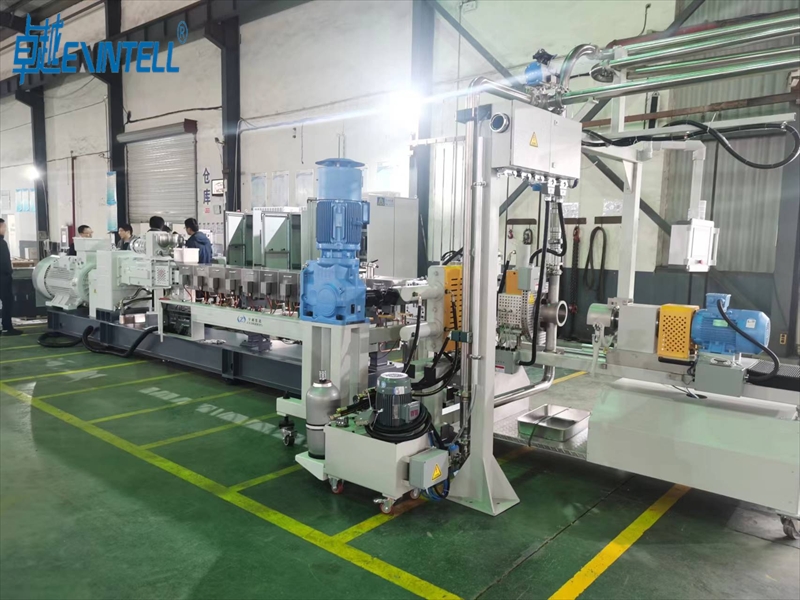
| Característica | Pelletització de fils | Pelletització subaquàtica (UWP) |
|---|---|---|
| Qualitat de pellets | Good to Excellent, potential for fines | Excellent to Premium, highly uniform |
| Initial Cost | Abaix | Més alt |
| Ideal For | General-purpose, cost-sensitive operations | High-end applications, perfect consistency |
I recommend strand pelletizing for cost-sensitive operations. I choose the Underwater Pelletizing System when I need premium, highly uniform pellets for demanding applications.
Aportacions clau
- Strand pelletizing is ideal for cost-sensitive operations, offering lower initial costs and simpler setups.
- Underwater pelletizing delivers premium pellet quality, producing highly uniform pellets suitable for demanding applications.
- Consider the type of polymer when choosing a system; strand works best for rigid materials, while underwater excels with complex or heat-sensitive polymers.
- Evaluate production volume needs; strand pelletizing suits small to medium runs, while underwater systems support high-volume operations efficiently.
- Regular maintenance is crucial; strand systems require basic skills, while underwater systems need advanced technical knowledge for upkeep.
- Space requirements differ; strand systems are compact, while underwater systems need more room for equipment and maintenance access.
- Always assess total costs, including initial investment, operating expenses, i manteniment, to find the best fit for your budget.
- Consulta amb experts when facing complex decisions or new materials to ensure you choose the right pelletizing system for your needs.
Pelletizing Systems Overview
What Is Strand Pelletizing
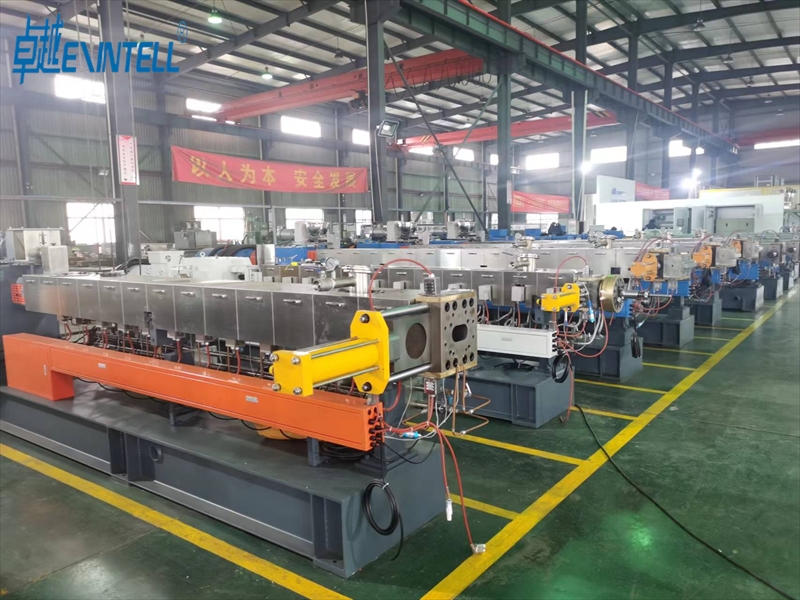
I often use strand pelletizing when I want a straightforward pelletizing process. In this method, I extrude molten polymer through a die plate to form long strands. I guide these strands over a cooling trough, usually filled with water, to solidify them. After cooling, I dry the strands and feed them into a cutter. The cutter chops the strands into uniform pellets. I find this pelletizing process works well for many general-purpose plastics. The strand pelletizing system offers a simple setup and allows me to adjust the pellet length easily. I can quickly change over to different materials or colors, which helps when I run smaller batches.
What Is Underwater Pelletizing
When I need highly uniform pellets, I turn to the underwater pelletizing system. In this pelletizing process, I extrude the molten polymer directly into a water chamber. Els ganivets giratoris tallen el polímer a la cara de la matriu mentre encara està calent. L'aigua es refreda instantàniament i solidifica els pellets. A continuació, separo els pellets de l'aigua amb un assecador centrífug. Aquest procés de peletització produeix suaus, pellets rodons amb un mínim de pols o fins. Confio en la peletització submarina per a aplicacions exigents, com ara compostos mèdics o d'automoció, on la consistència del pellet és més important. El sistema de peletització submarina gestiona una àmplia gamma de polímers, incloent materials enganxosos o trencadissos que la granulació de fil no pot processar de manera eficient.
Diferències clau
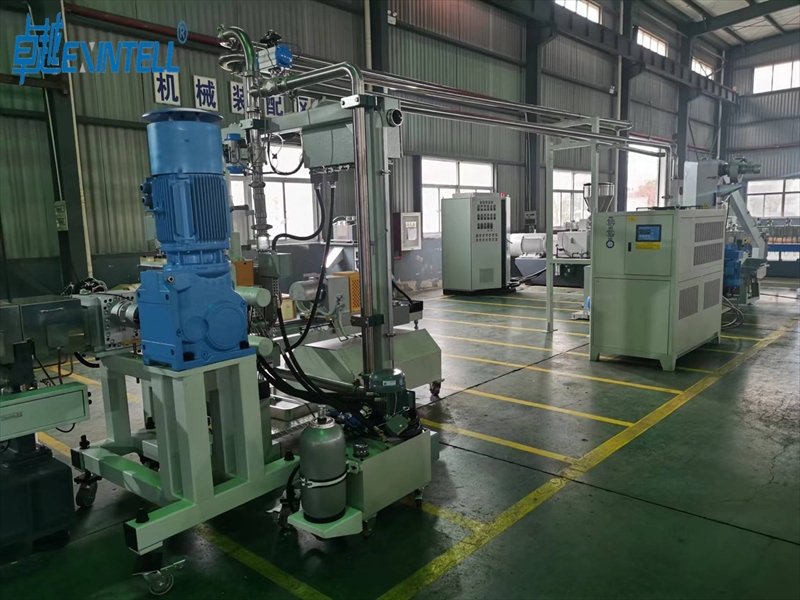
Veig diverses diferències importants entre aquests dos mètodes de peletització. El sistema de granulació de fils utilitza un abeurador de refrigeració i requereix la manipulació manual dels fils abans de tallar-los. The underwater pelletizing system integrates cutting and cooling in one step, which reduces manual intervention. I notice that underwater pelletizing supports higher throughput and works better for complex materials. Recent technological advancements have made underwater pelletizing even more attractive. Per exemple, el global push for sustainability encourages me to choose systems that support recycling. Underwater pelletizing provides alta eficiència, which is essential for reprocessing diverse polymer streams. When I work with complex compounded materials, I need precise pellet geometry, and underwater pelletizing delivers that. Environmental regulations also influence my choice. Underwater pelletizing reduces dust and eliminates many issues I face with traditional strand pelletizing.
Here is a table that summarizes how these factors impact my decision:
| Factor | Descripció |
|---|---|
| Sostenibilitat | L'empenta global per una economia circular impulsa la inversió en infraestructures de reciclatge, afavorint sistemes que donen suport a la sostenibilitat. |
| Eficiència | Els sistemes submarins proporcionen capacitats d'alt rendiment essencials per reprocessar diversos corrents de polímers. |
| Complexitat material | La demanda de materials compostos complexos en indústries com l'automoció i els dispositius mèdics requereix una geometria precisa de pellets que es pugui aconseguir mitjançant el tall submarí.. |
| Normativa Ambiental | Les regulacions més estrictes obliguen els fabricants a adoptar productes més nets, mètodes més eficients, reduint la pols i eliminant els problemes associats als sistemes de fils tradicionals. |
Consell: Si utilitzeu un sistema de reciclatge d'ampolles de mascotes d'alt rendiment, probablement us beneficiareu de l'eficiència i consistència de la granulació submarina.
Sempre tinc en compte les necessitats específiques de la meva línia de producció abans d'escollir un procés de peletització. La granulació de fil ofereix senzillesa i un cost més baix, mentre que la peletització submarina proporciona una qualitat de pellets premium i admet els objectius de sostenibilitat moderns.
Qualitat i consistència del pellet
Qualitat del sistema de peletització subaquàtica
Quan necessito la màxima qualitat de pellets, Confio en el sistema de peletització submarina. Aquest sistema talla el polímer mentre encara és tou, després refreda el pellet a l'instant amb aigua. Noto que aquest procés crea pellets amb superfícies llises i una forma esfèrica gairebé perfecta. Destaca la uniformitat. La majoria dels pellets tenen a variació de mida inferior a ± 5%. Veig aquest alt nivell de consistència cada vegada que inspecciono el producte acabat.
Aquí teniu una comparació ràpida de la forma i la variació de mida del pellet:
| Sistema de peletització | Forma de pellet | Variació de mida |
|---|---|---|
| Sota l'aigua | Esfèric | < ±5% |
| Strand | Cilíndric | < ±10-15% |
El sistema de peletització subaquàtica produeix pellets amb una mínima pols. Poques vegades trobo multes al producte final. La superfície llisa i el control de mida ajustat m'ajuden a aconseguir-ho pellets de primera qualitat, que és essencial per a aplicacions exigents. Utilitzo aquest sistema quan necessito complir estàndards estrictes en indústries com l'automoció o la medicina.
Qualitat del sistema de peletització de fils
Sovint faig servir el sistema de granulació de fil per a la producció d'ús general. Aquest mètode crea pellets cilíndrics, però veig més variació de mida en comparació amb la granulació submarina. La variació de mida pot arribar fins a ± 10-15%. Això ho sé l'alineació adequada de la matriu a la fulla és crucial. Even a small misalignment causes quality issues, such as increased dust or uneven pellet length.
To maintain consistent pellet quality with strand pelletizing, I follow these steps:
- I check die alignment regularly.
- I adjust the puller speed to match the extruder flow.
- I monitor water temperature in the cooling trough.
- I inspect for strand breakage and adjust as needed.
If I skip these steps, I see more dust and less uniform pellets. The strand pelletizing system requires careful attention to detail. When I get everything right, I can produce good to excellent pellet quality, but it takes more effort.
Impact on Product Performance
Pellet quality affects the performance of finished plastic products. I have learned that the extruder transforms plastic into a molten state, which sets the stage for pellet consistency. La filtració i la purificació eliminen les impureses, assegurant que només avancen els pellets d'alta qualitat. Aleshores, la unitat de peletització crea pellets uniformes. El mètode de tall, sigui sota l'aigua o en fil, determina la mida i la forma finals.
Quan faig servir pellets amb gran uniformitat i superfícies llises, Veig un millor flux a les màquines d'emmotllament. Els productes finals presenten menys defectes i propietats més consistents. Si la qualitat del pellet baixa, Noto més problemes de processament i un rendiment inferior del producte. Sempre trio el sistema de peletització que coincideix amb els meus objectius de qualitat.
Complexitat operativa
Configuració i canvi
Trobo que la configuració i el canvi tenen un paper important en les meves operacions diàries. Quan faig servir un sistema de granulació de fils, Gestiono la majoria de passos manualment. Passo cada fil des del capçal de la matriu a través del bany maria i al tallador. Aquest enfocament pràctic em permet detectar els problemes aviat, com el trencament del fil o el refredament desigual. Puc solucionar aquests problemes ràpidament. Els canvis per nous materials o colors són senzills. Netejo l'abeurador, ajustar el tallador, i reinicieu el procés amb poc temps d'inactivitat.
Amb peletització subaquàtica, Veig una imatge diferent. El sistema automatitza la majoria de passos. He configurat els paràmetres en un tauler de control, i la màquina s'encarrega de la resta. El disseny de llaç tancat significa que no toco el producte durant la configuració. Els canvis triguen més perquè he d'esperar que el sistema s'estabilitzi. També necessito rentar el bucle d'aigua i comprovar la cara de la matriu per detectar qualsevol acumulació. Aquest procés redueix l'error humà, però requereix més planificació.
Neteja i Manteniment
Les rutines de neteja i manteniment difereixen entre aquests dos sistemes. Aquí és com els comparo:
- Pelletització subaquàtica: Noto que aquest sistema funciona en un bucle tancat i utilitza automatització. No necessito intervenir sovint durant el funcionament normal. No obstant això, l'equip és complex i sensible. He de mantenir estable el procés d'extrusió per evitar problemes. El manteniment i la posada en marxa requereixen habilitats tècniques avançades. Dedico més temps a revisions preventives i calibratges.
- Pelletització de fils: Realitzo les tasques de neteja i manteniment manualment. Durant la posada en marxa, Jo mateix enfilo els fils. Aquest mètode pràctic facilita la resolució de problemes. El sistema és més tolerant si canvia la viscositat de la fosa. Puc netejar l'abeurador i el tallador amb eines bàsiques. No necessito formació avançada per a la majoria de tasques.
Consell: Sempre programo comprovacions periòdiques per als dos sistemes. El manteniment preventiu m'ajuda a evitar costosos temps morts.
Nivell d'habilitat de l'operador
El nivell d'habilitat de l'operador és important quan trio un sistema de granulació. Amb granulat de fil, Em base en les habilitats mecàniques bàsiques. Puc formar nous operadors ràpidament. Aprenen a enfilar fils, ajustar el tallador, i controlar el bany de refrigeració. El procés és indulgent, de manera que els petits errors poques vegades causen grans problemes.
La peletització submarina requereix més experiència. Necessito operadors que entenguin l'automatització i el control de processos. Han de saber gestionar el sistema de bucle tancat i resoldre problemes amb els sensors o fer front a problemes. L'entrenament triga més. Inverteixo en la formació contínua per mantenir el meu equip al dia.
| Sistema | Dificultat de configuració | Complexitat de manteniment | Habilitat de l'operador necessària |
|---|---|---|---|
| Pelletització de fils | Baixa | Baixa | Bàsica |
| Pelletització subaquàtica | Mitjà-Alt | Alt | Avançat |
I always match the system to my team’s skill level and the complexity of my production line.
Cost Comparison
Inversió Inicial
When I plan a new plastics line, I always look at the initial investment first. Strand pelletizing systems usually cost less to purchase and install. I can set up a basic strand pelletizer with a cooling trough, air knife, and cutter for a modest price. The equipment is simple and does not require much automation. I find this system fits well when I need to keep my capital expenses low.
Underwater pelletizing systems require a higher upfront investment. The system includes a heated die face, water chamber, pelletizer, water loop, and centrifugal dryer. I also need advanced controls and safety features. The installation process takes longer and often needs more space. I see this as a bigger commitment, but it pays off for high-end applications.
Here is a quick table to compare the initial investment:
| Sistema | Typical Initial Cost | Installation Complexity |
|---|---|---|
| Pelletització de fils | Baixa | Simple |
| Pelletització subaquàtica | Alt | Complex |
Nota: I always factor in the long-term benefits before making a decision. De vegades, a higher initial cost leads to better returns.
Costos d'explotació
Operating costs play a big role in my daily budget. Strand pelletizing systems use less energy and water. The process is straightforward, and I do not need many operators. I can run the line with basic utilities and minimal supervision. This keeps my ongoing costs low.
Underwater pelletizing systems use more power and water. The closed-loop water system and die-face cutter need steady energy. I also need skilled operators to monitor the process. The system produces less waste, which saves money on material loss. No obstant això, the higher utility bills and labor costs add up over time.
I use this checklist to track operating costs:
- Power consumption
- Water usage
- Labor requirements
- Waste and reprocessing rates
I always compare these factors to see which system fits my production goals.
Maintenance Costs
Maintenance costs can surprise me if I do not plan ahead. Strand pelletizing systems have fewer moving parts. I can handle most repairs with basic tools. Spare parts are easy to find and affordable. I schedule routine checks and cleanings to keep the system running smoothly.
Underwater pelletizing systems need more specialized maintenance. The die face, water loop, and dryer require regular inspections. I sometimes need factory-trained technicians for complex repairs. Replacement parts cost more, i el temps d'inactivitat pot ser més llarg si es trenca alguna cosa.
Aquí teniu un resum de les necessitats de manteniment:
| Sistema | Freqüència de manteniment | Nivell d'habilitat necessari | Cost típic |
|---|---|---|---|
| Pelletització de fils | Baixa | Bàsica | Baixa |
| Pelletització subaquàtica | Mitjà a Alt | Avançat | Alt |
Consell: Sempre tinc pressupost per al manteniment preventiu. Això m'ajuda a evitar despeses inesperades i a mantenir la meva línia funcionant de manera eficient.
Espai i eficiència
Petjada de l'equip
Quan planifico la meva planta de producció, Sempre mesuro l'espai que necessita cada sistema. Sistemes de peletització de fils ocupa menys espai. Puc col·locar l'abeurador de refrigeració, air knife, i tallador en línia recta. Aquest disseny funciona bé en espais reduïts. Sovint mou o reconfigure els sistemes de cadena sense gaire problema.
Sistemes de peletització subaquàtics necessita més espai. L'equip inclou una cambra d'aigua, tallador de cara, water loop, and centrifugal dryer. He de deixar espai addicional per a l'accés de manteniment i zones de seguretat. El sistema sovint requereix una àrea dedicada, especially for larger lines.
Here is a quick comparison:
| Sistema | Typical Footprint | Flexibilitat | Space Needed |
|---|---|---|---|
| Pelletització de fils | Compacte | Alt | Baixa |
| Pelletització subaquàtica | Large | Mitjana | Alt |
Consell: I always check my available floor space before choosing a system. A compact line saves money on building costs.
Power and Water Use
I track utility usage closely. Strand pelletizing systems use less power. The main energy draw comes from the extruder and the cutter. Water use stays low because the cooling trough only needs a steady flow, not a closed-loop system.
Underwater pelletizing systems use more power and water. The die-face cutter, water pumps, and centrifugal dryer all require electricity. The closed-loop water system keeps the pellets cool and clean, but it increases water consumption. I see higher utility bills with underwater systems, especially at high production rates.
Here is a summary of utility needs:
- Pelletització de fils: Low power, low water use, simple utilities.
- Pelletització subaquàtica: High power, high water use, advanced utilities.
Nota: I always factor in local utility costs. High energy or water prices can affect my long-term savings.
Integration with Existing Lines
I often need to add pelletizing to an existing extrusion line. Strand pelletizing systems integrate easily. I connect the extruder to the die head, set up the cooling trough, and align the cutter. I can start production quickly with minimal changes.
Underwater pelletizing systems require more planning. I must ensure the extruder matches the die-face cutter. The water loop and dryer need proper plumbing and electrical connections. De vegades, I need to upgrade my controls or add safety features. Integration takes longer, but I get a more automated process.
Here is my checklist for integration:
- Check extruder compatibility.
- Plan for utilities and drainage.
- Ensure enough floor space.
- Update controls if needed.
I always consult with my equipment supplier before making changes. Good planning prevents costly mistakes.
Material and Application Fit
Best for Strand Pelletizing
When I select a pelletizing system, I always consider the type of polymer I plan to process. Strand pelletizing works best for certain materials and production goals. I often choose this method when I handle rigid or semi-crystalline polymers. These materials move smoothly through the cooling trough and rarely cause strand breakage. I also appreciate the lower investment and maintenance costs that come with strand systems. The operation stays simple, and I can switch between different polymers without much hassle.
Here are some plastics that perform well with strand pelletizing:
- Polipropilè (PP)
- Polietilè (PE)
- Acrilonitril butadiè estirè (ABS)
- Poliestirè (PS)
- Poliamida (PA, also known as Nylon)
- Policarbonat (PC)
I find that strand pelletizing covers a wide range of general-purpose applications. I use it for compounding, producció de masterbatch, and recycling lines. The system handles most rigid and semi-crystalline polymers amb facilitat. No obstant això, I avoid using strand pelletizing for brittle materials. Brittle strands tend to break during cooling, which interrupts production and lowers yield. I also need to plan for the space required by the cooling tank. If I have limited floor space, I must consider this factor before choosing strand pelletizing.
Consell: I always match the polymer type to the pelletizing system. This step helps me avoid unnecessary downtime and quality issues.
Best for Underwater Pelletizing
When I need to process complex or sensitive materials, I turn to underwater pelletizing. This system excels with polymers that require precise pellet shape and size. I rely on underwater pelletizing for both soft and rigid applications. The closed-loop water system cools the pellets instantly, which prevents sticking and ensures uniformity.
I use underwater pelletizing for these applications:
- Soft PVC extrusion for flexible tubing
- Automotive components that demand high consistency
- Flooring materials where surface quality matters
- Rigid products like pipes and profiles
I notice that underwater pelletizing handles sticky, brittle, or heat-sensitive polymers better than strand systems. The process produces smooth, round pellets with minimal dust. I often choose this system for high-value or specialty products. When my customers expect premium pellet quality, I trust underwater pelletizing to deliver.
Nota: Sempre comprovo els requisits d'ús final abans de seleccionar un sistema de peletització. Les aplicacions d'alt rendiment es beneficien més de la consistència de la granulació submarina.
Consideracions sobre el volum de producció
El volum de producció juga un paper clau en la meva decisió. Coincideixo el sistema amb els meus objectius de sortida per maximitzar l'eficiència i controlar els costos. La granulació de fil funciona bé per a sèries de producció petites i mitjanes. El sistema s'engega ràpidament i permet canvis freqüents. Puc executar diversos lots en un sol torn sense temps d'inactivitat important. Aquesta flexibilitat ajuda quan produeixo compostos personalitzats o colors especials.
La peletització submarina brilla en operacions de gran volum. El sistema admet la producció contínua i gestiona grans rendiments amb facilitat. Veig menys interrupcions i menys intervenció manual. L'automatització redueix els costos laborals i millora la consistència en tirades llargues. Quan necessito augmentar la producció, la peletització submarina em dóna la capacitat que necessito.
Aquí hi ha una taula ràpida per ajudar a comparar l'ajust per a diferents volums de producció:
| Volum de producció | Pelletització de fils | Pelletització subaquàtica |
|---|---|---|
| Baix a Mitjà | Excel·lent | Bé |
| Alt | Fira | Excel·lent |
Sempre equilibro els meus objectius de producció amb els punts forts de cada sistema. Aquest enfocament m'ajuda a aconseguir els millors resultats per a la meva línia de plàstics.
Resum de pros i contres
Pros i contres de la granulació de fils
Sovint trio la granulació de fil quan vull un procés senzill. El sistema em dóna flexibilitat i manté els meus costos baixos. Puc formar nous operadors ràpidament. Trobo que la peletització de fils funciona millor per a sèries de producció petites i mitjanes. L'equip ocupa menys espai i s'adapta fàcilment a la majoria de línies.
Aquí teniu una taula that shows the main advantages and disadvantages:
| Avantatges | Inconvenients |
|---|---|
| Lower cost | Challenges in managing high throughput |
| Simpler operation | Mixing efficiency issues |
| Best suited for lower throughputs | Less suitable for very large production lines |
I notice that strand pelletizing struggles with high-volume production. The system sometimes has trouble mixing materials evenly. I see that large lines need more advanced solutions. I always check my production goals before choosing strand pelletizing.
Consell: I recommend strand pelletizing for cost-sensitive projects and flexible operations. I avoid it for very large or complex lines.
Underwater Pelletizing Pros and Cons
Underwater pelletizing gives me premium pellet quality. The system produces smooth, round pellets with tight size control. Confio en la peletització submarina per a aplicacions exigents. The automation reduces manual labor and improves consistency. Veig menys defectes en el producte final.
Aquests són els principals pros i contres que he experimentat:
Pros:
- Ofereix pellets molt uniformes
- Mans enganxosos, brittle, o polímers sensibles a la calor
- Admet la producció de grans volums
- Redueix la pols i les fines
Contres:
- Requereix una inversió inicial més gran
- Necessita habilitats avançades d'operador
- Utilitza més energia i aigua
- El manteniment pot ser complex
Trobo que la peletització submarina s'adapta millor a les línies de gamma alta o especialitzades. El sistema paga quan necessito una qualitat constant i una gran producció. Inverteixo més per endavant, però tinc un rendiment fiable.
Nota: Sempre adapto el sistema de peletització a les meves necessitats de material i producció. La peletització submarina funciona millor per a productes premium i operacions contínues.
Guia de decisió
Llista de verificació ràpida
Quan escull entre granulació de fil i submarina, Sempre reviso una llista de verificació. Això m'ajuda a no perdre detalls importants. Em concentro en els factors que afecten el rendiment de la meva línia, cost, i fiabilitat. Aquí teniu una taula que utilitzo per guiar la meva decisió:
| Factor clau | Descripció |
|---|---|
| Comportament de la pressió a la matriu | Comproveu si el sistema estabilitza la pressió per obtenir fils uniformes i un menor consum d'energia. |
| Accés a la zona de tall | Busco dissenys que em permetin arribar ràpidament a la zona de tall per al manteniment. |
| Esforç de reinici i manteniment | Considero la rapidesa amb què puc reiniciar o mantenir el sistema per reduir el temps d'inactivitat. |
| L'economia operativa com a sistema | Compareo el consum d'energia, necessitats del servei, i inversió per veure el cost real de cada opció. |
Sempre faig coincidir aquests factors amb els meus objectius de producció i les habilitats d'equip. Aquest enfocament m'ajuda a seleccionar el sistema adequat per a les meves necessitats.
Errors comuns
I have seen many manufacturers make the same mistakes when choosing a pelletizing system. These errors can lead to wasted time and money. I keep a list of common pitfalls and their effects:
| Mistake Description | Implication |
|---|---|
| Choosing a machine based solely on throughput capacity | I find that performance drops with different materials, causing inefficiency. |
| Assuming harder blades last longer | Hard blades can chip if they hit contaminants, which leads to more downtime. |
| Installing the smallest screen mesh for finer output | Small screens slow production and can smear plastics, hurting pellet quality. |
I always remind myself to look beyond just capacity or blade hardness. I consider the whole process and the materials I plan to run.
Consell: I review my material types, maintenance plan, and operator skills before making a final choice.
Quan consultar un expert
De vegades, Arribo a un punt on necessito ajuda externa. Consulto un expert quan:
- Tinc la intenció de processar polímers nous o inusuals.
- La meva línia ha de complir estrictes normes de qualitat o normatives.
- Veig temps d'inactivitat o problemes de qualitat que no puc resoldre.
- Necessito augmentar la producció o afegir automatització.
Un expert pot analitzar el meu procés i recomanar el millor sistema per als meus objectius. Trobo que els primers consells m'estalvien diners i eviten errors costosos. Sempre preparo les meves dades de producció i preguntes abans de la reunió. Això ajuda l'expert a aclarir-me, retroalimentació accionable.
Nota: No dubto mai a demanar ajuda quan hi ha molt en joc. El consell adequat pot marcar la diferència en el meu èxit de granulació.
Escullo la granulació de fils per flexible, línies sensibles als costos i peletització submarina per a grans volums, necessitats de qualitat superior. Sempre reviso aquests punts abans de decidir-me:
- Comproveu les propietats del material i el rendiment.
- Adapteu la qualitat del pellet a l'ús final.
- Avaluació dels serveis i necessitats de manteniment de les instal·lacions.
- Calcula el cost total i el ROI.
Consulto amb proveïdors i enginyers per adaptar el meu sistema i assegurar una posada en marxa i una formació sense problemes.
PMF
Quins plàstics funcionen millor amb la peletització de fils?
Utilitzo la peletització de fil per a materials com el polipropilè, polietilè, ABS, i poliestirè. Aquests polímers passen sense problemes per l'abeurador de refrigeració i rarament es trenquen. Evito els plàstics fràgils o enganxosos perquè provoquen trencaments de fils i menor rendiment.
Puc canviar fàcilment els materials entre lots??
Sí, Puc canviar de material ràpidament amb la granulació de fils. Netejo l'abeurador i el tallador, a continuació, inicieu el nou lot. Underwater pelletizing takes longer to change over because I must flush the water loop and check the die face.
How do I reduce dust and fines in my pellets?
I check die alignment, adjust puller speed, and monitor cooling. Amb peletització subaquàtica, I see less dust because the system cuts and cools pellets instantly. I always keep equipment clean to maintain pellet quality.
Is underwater pelletizing safe for heat-sensitive polymers?
Sí, I trust underwater pelletizing for heat-sensitive materials. The water cools pellets instantly, which prevents sticking and thermal degradation. I use this system for soft PVC, TPE, and specialty compounds that need gentle handling.
What maintenance tasks should I schedule?
I schedule regular checks for die wear, cutter sharpness, and water quality. I clean the cooling trough or water loop weekly. I inspect sensors and controls monthly. Preventive maintenance helps me avoid downtime and keeps my line running smoothly.
Does pellet shape affect my final product?
Sí, pellet shape matters. I see better flow and fewer defects with round, uniform pellets from underwater systems. Cylindrical pellets from strand systems work well for general use, but I choose spherical pellets for high-performance applications.
How do I decide which system fits my budget?
I compare initial investment, operating costs, i manteniment. Strand pelletizing costs less up front and uses less power. Underwater pelletizing costs more but gives premium quality and supports high-volume production. I match the system to my goals and resources.
Can I automate both pelletizing systems?
I can automate both systems, but underwater pelletizing offers more advanced automation. The closed-loop design reduces manual steps. Strand pelletizing allows for basic automation, but I still handle some tasks by hand.