Вие използвате a Машина за екструдиране на пластмасаto make plastic into long shapes. The machine pushes the plastic through a die. This process has a few main steps:
Get the machine ready by loading and heating it. Control how the plastic moves through the machine.
Fix problems to keep everything working well.
За 53%of plastic makers use extrusion machines, so knowing each step shows why it is important.
Ключови изводи
Learn about the main parts of aпластмасова екструзияmachine. Each part helps turn raw plastic into finished items.
Pick thebest plastic for your project. The type of plastic changes how it melts and moves. This affects how good the final product is.
Watch the feeding and melting steps closely. Keep moisture and temperature at the right levels. This stops problems like bubbles and weak spots.
Check the pressure during extrusion. Good pressure control keeps the shape and size correct. This makes sure the plastic products are high quality.
Usequality checks at every step. Regular checks help find problems early. This makes sure the products are strong and look good.
Plastic Extrusion Machine Overview
Key Components
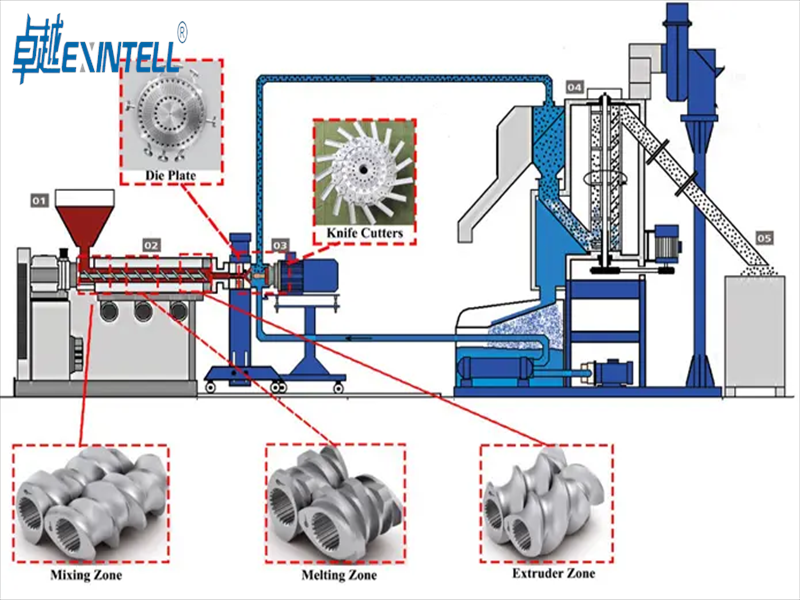
When you look at aplastic extrusion machine, you see many important parts. Each part helps change raw plastic into finished items. The hopper holds the plastic before the process starts. The barrel and heaters melt the plastic so it can move easily. The screw pushes the melted plastic forward. The die shapes the plastic into what you want. Cooling mechanisms help the plastic keep its shape after it leaves the die.
Съвет: Always check these parts for damage or wear before you start the machine.
Cools the plastic with air chillers or cooling tanks.
Metal Die
Shapes the melted plastic into the final form.
А plastic extrudermachine makes sure the plastic moves through each part in the right order. If you keep the machine clean and take care of it, you will have fewer problems when making things.
The plastic you choose changes how it melts, flows, and cools. LDPE and HDPE are flexible and strong. Polypropylene has a high melting point and does not break easily. PVC is tough and good for building things. Polystyrene is stiff and used for packaging. ABS looks nice and feels smooth. Nylon is very strong. Polycarbonate does not get damaged by heat or scratches. PET is best for food and drink bottles.
Забележка: The plastic you pick affects how it moves during extrusion. Good materials help stop buildup in the die and keep the final product free from defects.
You need to pick the right plastic for your project. Additives can make the plastic stronger or protect it from sunlight. If you prepare the materials well, the plastic will flow smoothly and the products will be high quality.
Extrusion Process Steps
Feeding & Melting
You start the extrusion process by feeding raw plastic into the extruder. Бункерът държи пластмасата, които могат да бъдат под формата на пелети, гранули, or powders. Докато зареждате материала, трябва да се уверите, че е суха и без влага. Ако пропуснете тази стъпка, може да видите мехурчета или слаби места в крайния продукт. Пластмасата се движи от бункера в цевта, където нагревателите започват да го затоплят.
Етапът на топене е много важен за качеството на екструдираната пластмаса. Искате пластмасата да се разтопи равномерно, така че готовият продукт да изглежда гладък и здрав. Ето някои ключови точки, които трябва да запомните:
Контролът на влагата е от съществено значение, тъй като остатъчната вода може да причини мехурчета или дори да разруши пластмасата.
Правилното смесване на добавките гарантира, че пластмасата има правилния цвят и здравина.
Трябва да зададете правилната температура за вида пластмаса, която използвате. Всяка пластмаса се топи при различна температура. Таблицата по-долу показва типичните температурни диапазони на топене за обикновени пластмаси:
Пластмасов тип
Температурен диапазон на топене (°C)
HDPE
120–130
LDPE
105–115
Поликарбонат (PC)
230–260
Полипропилен (ПП)
130–170
PEEK
320–350
PET
250–260
ABS
105–115
Найлон (PA)
190–350
Полистирен (PS)
наоколо 120
Ако контролирате стъпките на захранване и топене, ще получите плавен поток от разтопена пластмаса. Това помага на процеса на екструдиране да протича без проблеми и ви дава по-добър краен продукт.
Винт & Барел действие
След като пластмасата започне да се топи, винтът вътре в цевта започва да се върти. Шнекът е сърцето на екструдера. Той движи пластмасата напред, смесва го, и помага да се стопи напълно. Винтът и цевта работят заедно, за да гарантират, че пластмасата се нагрява равномерно и тече гладко.
You can think of the screw as having three main jobs:
It moves the solid plastic from the hopper toward the heaters.
It melts the plastic by pressing it against the hot barrel.
It pumps the melted plastic forward so it can be shaped.
The design of the screw and barrel affects how well the plastic mixes and melts. Some screws have special zones for feeding, топене, and mixing. This design helps you get a steady flow of melted plastic. например, in a toy factory, the screw and barrel help make smooth, perfect partsfor action figures. In a phone case factory, they help create shiny, flawless cases every time.
You also need to set the right screw speed. High-speed extruders can melt more plastic at once, but they need longer melting sections and special designs. Some machines can run at speeds up to 1500 обороти в минута и произвеждат хиляди паунда пластмаса на час. Ако използвате правилната скорост и дизайн на винта, ще получите постоянен, висококачествена продукция от вашия процес на екструдиране.
налягане & Melting
Тъй като разтопената пластмаса се движи през екструдера, налягането се натрупва вътре в цевта. Това налягане е много важно за процеса на екструдиране на профили. Той помага за прокарването на разтопената пластмаса през матрицата и придава на продукта неговата форма.
Вие контролирате налягането, като регулирате скоростта на винта. Сензор за налягане измерва налягането вътре в екструдера. Ако налягането стане твърде високо или твърде ниско, машината променя скоростта на винта, за да поддържа всичко стабилно. Това поддържа разтопената пластмаса при правилната температура и поток.
Налягането на матрицата оформя продукта. Ако е твърде ниско, формата няма да се оформи добре. Ако е твърде високо, пластмасата може да се надуе или деформира.
Обратното налягане помага за смесването на пластмасата и поддържа равномерното разтопяване.
Контролерите за налягане и предпазните устройства като тапи за разкъсване поддържат процеса на екструдиране безопасен и плавен.
Ако не контролирате налягането, може да видите проблеми като:
Нестабилност на размерите
Повърхностни дефекти
Лоша хомогенност на стопилката
Неравномерно подаване или износване на зъбната помпа
Трябва да наблюдавате внимателно налягането по време на процеса на екструдиране. Good pressure control helps you get the right shape, size, and surface finish for your plastic products. It also keeps the profile extrusion process running smoothly and safely.
Shaping and Cooling
Die Shaping
You guide the molten plastic through the die at the end ofthe extruder. The die shapes the plastic into the form you want. The shape and size of the diedecide the final look of your extrusion. If you need a simple tube, you use a standard die. For complex profiles, you pick a special die with unique geometry. The land length, which is the distance from the die entrance to the exit, helps keep the shape and uniformity of the extruded plastic. You must make sure the die fits your product needs. If you choose the right die, you get a smooth and consistent result.
Матрицата играе голяма роля в процеса на екструдиране. Той контролира потока и формата на пластмасата, докато напуска екструдера.
Методи за охлаждане
След като пластмасата напусне матрицата, охлаждате бързо, за да запази формата си. Охлаждането спира пластмасата от деформация. Можете да използвате въздушни охладители или водни бани. Водните бани работят добре за повечето екструдерни линии, защото охлаждат пластмасата бързо и равномерно. Въздушното охлаждане е добро за продукти, които се нуждаят от по-мек допир. Трябва да контролирате скоростта на охлаждане. Ако охладите пластмасата твърде бързо, може да се спука. Ако го охладите твърде бавно, може да се изкриви. Охлаждането е ключова стъпка в процес на екструдиране.
Метод на охлаждане
Как работи
Най-добро за
Водна баня
Потапя екструдат
Тръби, тръби, профили
Въздушен охладител
Духа хладен въздух
Чаршафи, филми
Оразмеряване за последователност
Вие използвате оборудване за оразмеряване веднага след матрицатаto keep the shape and size of the extruded plastic. Calibration units, like vacuum or water-cooled tools, help stabilize the product. These units stop warping and make sure your extrusion meets exact measurements. You must check the size often. Real-time monitoring of temperature and pressure helps you keep tight tolerances. If you work in industries like automotive or medical, you need high precision. Small changes in the extrusion process can cause defects or waste. For some materials, you can reach tolerances as tight as+/-.001″. Softer plastics may need broader tolerances.
Achieving tight tolerances is crucial in plastic extrusion.
Calibration tools and cooling baths control solidification rates.
Precision matters in automotive, медицински, and construction products.
Small variations can lead to defects and wasted materials.
Consistent sizing keeps your extruder running smoothly and helps you produce high-quality plastic products every time.
Cutting and Finishing in Plastic Extrusion Machinery
Cutting Techniques
When you useplastic extrusion machinery, you have to cut the plastic after it cools. Cutting happens once the plastic leaves the extruder and is solid. There are different ways to cut the plastic. Rotary cutting uses a spinning blade to slice the plastic. Stationary cutting uses a blade that does not move. The way you cut changes how neat your cuts are and how much plastic you waste. Some machines use laser or ultrasonic cutting for very exact cuts and less waste.
Rotary and stationary cutting change how neat and wasteful the process is.
Лазерното и ултразвуковото рязане прави много чисти ръбове и тесни размери.
Охлаждането на пластмасата преди рязане е важно. Ако го охладите бързо, отвън изглежда по-добре, но вътрешността може да бъде стресирана. Бавното охлаждане помага на формата да остане същата.
Въздушното охлаждане или водните бани правят пластмасата твърда, преди да я нарежете.
Оформяте пластмасата с матрица, охладете го, и след това го изрежете до правилния размер. Целият този процес променя начина, по който вашият продукт се оказва. Ако имате нужда от много точни размери, може да имате нужда от специални инструменти или други начини за рязане.
Повърхностна обработка
След като изрежете пластмасата, можете да го направите да изглежда и работи по-добре. Повърхностна обработка помага на вашите продукти да изглеждат добре и да издържат по-дълго. Има много начини за завършване на повърхността, и всеки прави нещо специално.
You can make parts in special colors or even use more than one color on a product.
Co-extrusion / tri-extrusion
You combine layers of different plastics for special features in one profile.
Notching and drilling
You add holes or shapes after extrusion.
Plastic gluing and taping
You join parts with glue or tape during or after the process.
Punching
You make cutouts or special shapes to match your design.
Plastic forming
You bend or shape the plastic using heat or pressure.
Heat welding
You join plastic pieces with heat and pressure for strong assemblies.
Surface finishing makes your products smooth and nice to touch. It also makes them stronger and easier to clean. Good finishes keep the colors bright and help your products last longer.
Съвет: Picking the right surface finish can help your plastic products look great and meet tough rules.
Контрол на качеството
You need to check your products at every step when you use extrusion. Quality control starts with the raw plastic. You look at the plastic before it goes into the machine to make sure it is clean and strong. While the machine is running, you watch the temperature, налягане, and speed to keep things steady. After you cut and finish the plastic, you check the final product for color, size, and strength.
You check the plastic for purity and quality before extrusion.
Monitoring During Extrusion
You track temperature, налягане, and speed for steady output.
Final Product Inspections
You look for color, size, and strength in the finished plastic.
Someproblems you might seeare die swell, warping, rough surfaces, color changes, dirty spots, uneven sizes, мехурчета, shrinking, melt fracture, and die lines. By checking each step, you make sure your factory makes strong and good-looking products every time.
If you know what happens at each stage, you can fix problems faster. You can also make your products better. Training operatorsand using good habits help you get more from your plasticмашина за екструдиране. If you want to fix mistakes or make things better, look at these steps for help.
ЧЗВ
What is the main purpose of a plastic extrusion machine?
You use a plastic extrusion machine to shape raw plastic into long forms. These forms can be pipes, тръби, or sheets. The machine melts the plastic. Then it pushes it through a die. This creates the wanted shape.
How do you choose the right plastic for extrusion?
You pick the plastic based on the product’s needs. например, use PVC for pipes. Use PET for bottles. Check the melting point and strength. Additives can improve color, гъвкавост, или UV устойчивост.
Why does the extruded plastic sometimes have bubbles or rough spots?
Bubbles or rough spots often mean the plastic had moisture. It may also mean it did not melt evenly. You should dry the raw material. Set the correct temperature too. This helps you get a smooth, strong product.
Can you recycle plastic with an extrusion machine?
да, you canrecycle plastic usingan extrusion machine. You feed cleaned, shredded plastic waste into the hopper. The machine melts and reshapes it into new products. This reduces waste and saves resources.
How do you keep the extrusion process safe?
You keep the process safe by checking temperatures, pressures, and machine parts often. Use safety guards and wear protective gear. Always follow the machine’s safety instructions. This helps prevent accidents.