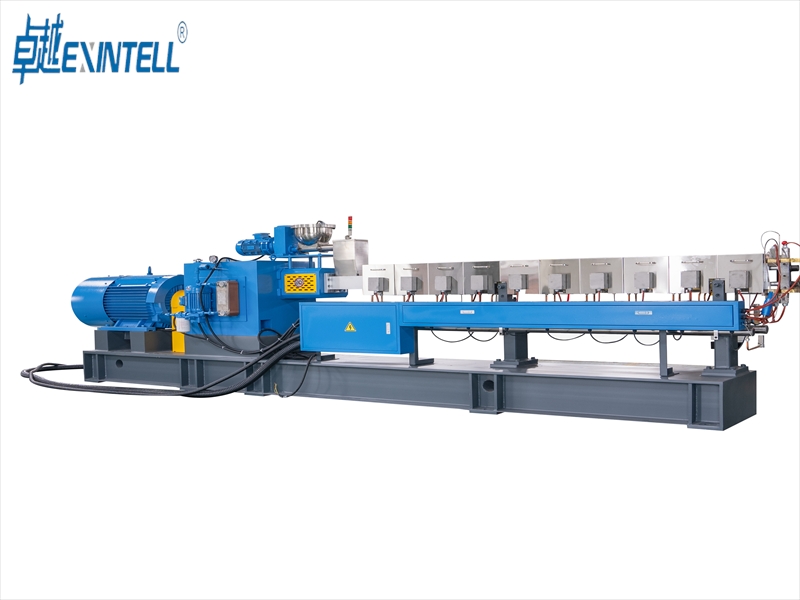
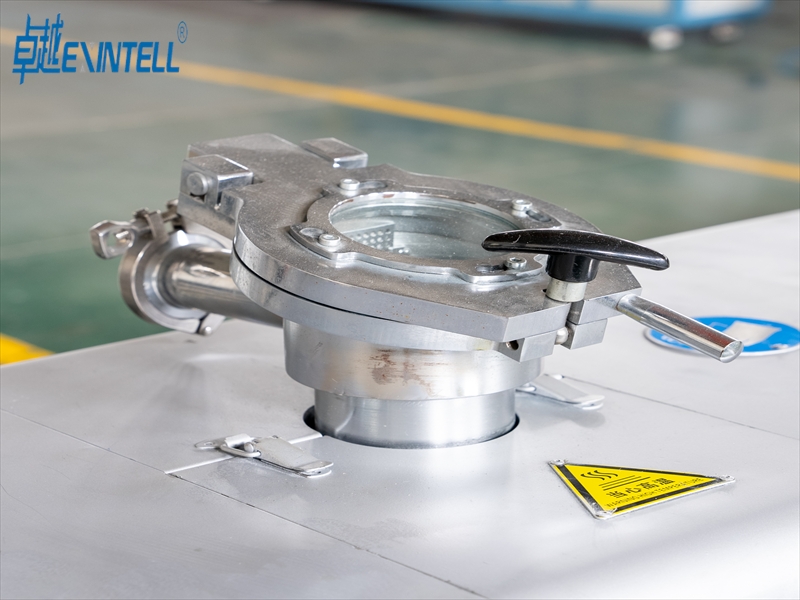
Cuts melted plastic at the die face, cools with water ring.
Polyolefins like PE, PP, PS
I-Pelletizing ngaphansi kwamanzi
Cuts melt in warm water for round pellets.
Hot melt adhesives, TPU/TPE, micropellets
Strand Pelletizer Machine
A strand pelletizing system pushes melted plastic through holes to form strands. You cool these strands in water, then cut them into pellets. This type works well for high melt strength plastics like PET, PBT, and ABS. You often see strand pelletizer machines in the packaging, ezezimoto, and construction industries. Baphatha izinto ezifana ne-LDPE, I-HDPE, PP, ngisho ne-TPE ethambile noma i-EVA.
I-pelletizer engaphansi kwamanzi isika ipulasitiki incibilike emanzini afudumele. This process creates smooth, round pellets. You can use this system forpost-consumer recycling, filled compounds, and foam recycling. Underwater pelletizers handle materials like EPS, XPS, and ETPU. They offer high capacity and work well for specialty applications.
Air-Cooled Pelletizer System
Air-cooled pelletizers use air instead of water to cool and solidify pellets. You can use them for materials that do not tolerate water, such as some engineering plastics. Air-cooled systems are simple and require less maintenance. They suit small to medium production scales.
Specialty Pelletizer Machines
Specialty pelletizer machines serve niche recycling needs. They offer features like high output, ukonga amandla, and user-friendly controls. You get reliable operation, easy cleaning, and compliance with safety standards. Imishini ekhethekile ikusiza ukuthi usebenzise kabusha izinto ezihlukile futhi unciphise izindleko.
I-Single-Screw vs. I-Twin-Screw, I-Single-Stage vs. Izigaba ezimbili
Water-based systems require ongoing water filtration and temperature control.
Machines with easy blade access and die cleaning help you reduce downtime.
More automation means you spend less time on manual tasks, but you need higher technical skills for troubleshooting.
If you run a small operation, you may prefer strand pelletizers for their simple design and lower cost. For larger or more automated lines, underwater systems offer speed but require skilled staff.
Ukuhambisana Kwezinto ezibonakalayo
You must match your pelletizer to the types of plastics you process. Some machines handle a wide range of materials, while others work best with specific types. Ngokwesibonelo, many modern machines canprocess PET, I-HDPE, and PP. These plastics appear in bottles, amafilimu, and rigid containers. You can use specialized equipment to handle up to 12 types of plastics, including both soft and hard waste.
Different plastics melt at different temperatures. You may need to adjust your process or use additives to improve compatibility, especially when you recycle mixed materials. For PET and HDPE, ungasebenzisa ama-copolymers ukuthuthukisa indlela izinto ezihlangana ngayo futhi zakha ama-pellets. Lesi sinyathelo sikusiza ukuthi uthole ikhwalithi engcono ye-pellet futhi sinciphise udoti.
Some machines work best for soft plastics, while others handle rigid types.
You should match the machine size to your output needs.
The cooling method—water, air, or cold—also affects which materials you can process and your final pellet quality.
By understanding these differences, you can select the right pelletizer for your plastic recycling operation and maximize your efficiency.
Budget-Friendly vs. High-End Plastic Pelletizer Machines
Features of Budget-Friendly Machines
You may want a plastic pelletizer machine that fits a tight budget. Budget-friendly machines offer simple construction and basic controls. These machines often use manual adjustments and have fewer automation features. You can see the main features and their impact inthe table below:
High-end pelletizer systems give youi-automation ethuthukisiwe, ukukhiqiza okuphezulu, and better material compatibility. You can process a wide range of plastics, including complex or contaminated streams. These machines often include touch-screen controls, ukuqapha ngesikhathi sangempela, and automatic cleaning. You will see less downtime and higher product quality. Industrial-scale recycling plants use these machines to meet strict quality standards and boost efficiency.
Ithiphu: Choose a high-end system if you want to scale up production, handle mixed materials, or need consistent pellet quality for demanding customers.
Price Ranges and Investment Considerations
Prices for plastic pelletizer machines range from $50,000 for basic models to over $200,000 kumasistimu athuthukile. You should consider several factors before you invest:
Single-stage systems suit small batchesand lower costs. Double-stage systems fit large-scale production and offer better consistency. Always align your choice with your recycling goals.
Balancing Cost and Performance
You can balance cost and performance by using smart strategies. Schedule production during off-peak hours to save on electricity. Use high-efficiency motors and load balancing features to cut energy costs. Batch scheduling and just-in-time processing reduce waste during startup and idle times.
Ithiphu: A European packaging companyimproved their efficient plastic reprocessing system by choosing the right pelletizing system. They saw a 22% reduction in film thickness variation and an 18% increase in speed. Umkhiqizi wefenisha e-China usebenzise i-pelletizer ukucubungula kabusha imfucumfucu yezinto zepulasitiki, ukusika izindleko zempahla eluhlaza by 35%.
You should follow the manufacturer’s maintenance schedule. Regular cleaning and blade checks keep your machine running smoothly. Preventive maintenance reduces downtime and extends equipment life.
Is a high-end pelletizer always better for plastic recycling?
A high-end pelletizer offers more automation and higher output. Nokho, you may not need advanced features for small-scale recycling. Choose a machine that matches your operation size and budget.