

Extrusión plástico wa moldeo tumen inyección ku k'u'ubul utsil precisión
ts'o'ok in kaxtik u le moldeo tumen inyección ku ts'aik utsil precisión yéetel tolerancias asab apretadas u Extrusión de plástico. jéel bix, moldeo tumen inyección je'el u páajtal u kaxta'al u yúuchul tolerancias bey apretadas bey ±0.005 pulgadas, ka' jo'op' u le extrusión típicamente sostiene ±0.010 pulgadas. Way táan jump'éel comparación tuukula' basado ti' aplicaciones típicas yéetel tolerancias:
| Bin yano'ob ka'anatako'ob | Tuukula' meyajta'an | Tolerancias común |
|---|---|---|
| Chowak, pak'chaje' uniformes (je'ebix., tubos, varillas) | Extrusión | ±0.010 pulgadas |
| pak'chaje' complejas wa detalladas | Moldeo tumen inyección | ±0.005 pulgadas wa asab apretado |
| Ka'anal volumen, ka'anal precisión | Moldeo tumen inyección | asab k'a'am ti' le extrusión |
| Continuo, formas simples | Extrusión | Koerentej, ma' jach jaaj |
Le ken u yéeyik jump'éel tuukula' fabricación, Mantats' kin tuukul ti' le geometría, tolerancias k'a'abeto'ob, volumen producción, yéetel u tojol.
Ba'alo'ob k'a'anantak
- Le moldeo tumen inyección ku chukik tolerancias asab apretadas, tu menudo bey preciso bey ±0.005 pulgadas, beetik u jach ma'alob uti'al u páajtal a talamtak.
- Extrusión plástico asab ma'alo'ob uti'al chowak, formas uniformes bey tubos yéetel varillas, yéetel tolerancias mentik kex ±0.010 pulgadas.
- Tuukulte'ex u volumen le producción ken u yéeyik jump'éel tuukula'; le moldeo tumen inyección jach rentable uti'al u nukuch carreras, ka' jo'op' u le extrusión ku adapta ti' le producción continua u ka'anal volumen.
- Yéeybal ba'alo'ob ku beetik u yantal precisión; yéey materiales basados ti' le requisitos específicos ti' u ka'anatako'ob.
- Evaluar u complejidad le nu'ukulil; le moldeo tumen inyección ku meyajtik diseños intrincados asab ma'alo'ob u le extrusión, ba'ax ku p'áatal chéen ti' formas asab simples.
- Ma'alobil le acabado superficial tu general asab ma'alo'ob ti' le moldeo tumen inyección, ku bisik ti' pak'chaje' asab suaves xma' wook acabado adicionales.
- Plan uti'al u tojol le nu'ukulo'obo'; le moldeo tumen inyección k'a'abet asab inversión inicial ba'ale' k'u'ubul ahorros in chowak plazo yo'osal le repetibilidad.
- Mantats' evaluar u kajtalo'ob ichil u proyecto temprano; u na'atik le geometría, tolerancias, yéetel le presupuesto ku yáantik ti' le selección le tuukula' fabricación ma'alob.
Extrusión plástico Descripción general
Básicas ti' le tuukula'
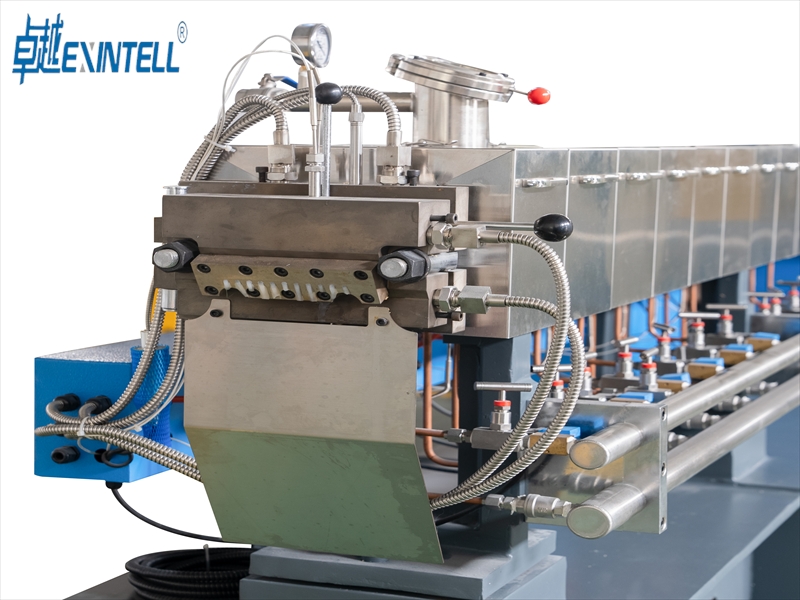
ts'o'ok in meyaj yéetel extrusión plástico ichil ja'abo'ob ka ts'o'ok in wilmaj bix le método ku beetik materiales termoplásticos ti' perfiles continuos. Le tuukula' extrusión Káaj yéetel selección xooko'obo', ba'ax jach k'a'anan uti'al u kaxta'al u yúuchul le propiedades deseadas ti' le producto final. kin ts'áaik pellets wa gránulos plástico ti' jump'éel tolva yóok'ol le extrusora. Le máquina meyajtiko'ob jump'éel tornillo giratorio uti'al u péeksik le xooko'obo' ti' jump'éel barril calentado. Bix u xíimbal le xooko'obo', ku derretir tumen le fricción yéetel le ooxoj externo. Le plástico fundido ku máan tumen juntúul troquel ti' bix u precisión, ku ts'áaik ti' le producto u perfil. ka' ts'o'ok u beeta'al, le beyo' extruida ku yokol ti' jump'éel t.u.m enfriamiento, u suukile' jump'éel wichkíil iik' wa ja', uti'al u solidificar yéetel mantener le exactitud dimensional. Tu tsóoke, kin ch'ak wa kin rodar le producto, je'el bix le ka'anatako'. Le enfoque paso a paso ku cha'ik in crear chowak, formas uniformes yéetel secciones transversales consistentes.
Aplicaciones náats'al
Le extrusión plástico ku báaxal jump'éel ju'un jach k'a'anan ti' ya'ab industrias. suuk in wilik u meyaj uti'al u embalaje, automotriz, mueble'ob, yéetel ba'alo'ob ku jaanta'al. Le tuukula' ku beetik u yantal ya'abkach yik'áalil, tak tubos simples tak perfiles complejos. Way táan jump'éel tabla ku resume Jayp'éel aplicaciones náats'al:
| Íindustria | Yik'áalil |
|---|---|
| Embalaje | Cha'ano'ob, le'o'ob, jiit'iko'ob, envuelve, bandejas, yéetel tazas |
| Automotriz | Sellos u k'iinil, tubo plástico, perfiles u recortar |
| Mueble'ob & Ba'alo'ob uti'al u jaanta'al | Bandeo de borde, u bejil cortina, tableros u espuma PVC ligero |
| Otoch Nu'ukulo'ob | Manijas, sellos uti'al hornos yéetel microondas |
| Plomería & Meedikóo | Tubo, tubos |
ts'o'ok in kaxtik lelo' extrusión plástico personalizado ku cha'ik ti' le fabricantes diseñar perfiles únicos utia'al u kajtalo'ob ichil especializadas. Le flexibilidad ku beetik u le extrusión jump'éel opción popular utia'al u continuo, ka'anal volumen producción.
Ba'alo'ob meyajnaj
U yéeyik le ba'alo'ob ku meyaj ti' le extrusión plástico ku afectar le tuukula' yéetel le precisión le producto final. suuk in meyajtik polipropileno, tereftalato de polietileno, yéetel poliestireno. Le ba'alo'oba' ku ts'aik jejeláas propiedades, bey le flexibilidad, fortaleza, yéetel sáasil. Bix in prepararkinba, yiib, yéetel síis le materiales yaan jump'éel impacto Jun ti' le exactitud yéetel consistencia le páajtal a extruidas. Way táan yane' le materiales asab náats'al in meyajtiko'ob:
- Polipropileno (PP)
- Tereftalato u polietileno (BA'ALCHE)
- Poliestireno (PS)
- Cloruro de polivinilo (PVC)
- Polietileno u ka'anal densidad (HDPE)
- Polietileno u t'okik densidad (LDPE)
- Acrilonitrilo butadieno estireno (ABS)
- Elastómeros termoplásticos (TPE)
- Nylon (PA)
- Policarbonato (PC)
- Metacrilato u polimetil (PMMA)
Le ken in meyaj ti' múuch'meyaj extrusión plástico personalizado, Mantats' kin nup'ik le xooko'ob yéetel le ba'ax ku k'áatik le ka'anatako'. Le selección cuidadosa ku beetik u le producto cumple yéetel le estándares rendimiento yéetel precisión.
Ma'alob yéetel k'aas
Le ken in p'is óoltik u extrusión plástico uti'al jump'éel meyaj, Mantats' kin p'is óoltik le utsilo'ob yéetel le k'aasil. Le tuukula' ku ts'aik muuk' chen, ba'ale' xan ku taal yéetel limitaciones ku afectan le precisión yéetel le tolerancias.
waye' yaan jump'éel tabla ku tsolik le k'ajle' ventajas yéetel desventajas ts'o'ok in wilik ti' in meyaj:
| U yutsil | Desventajas |
|---|---|
| Ka'anal eficiencia yéetel escalabilidad | Limitaciones ti' le producción formas complejas |
| Ka'anal volumen producción | Desafíos yéetel le hinchazón kíimil afectando le precisión |
| Eficacia u tojol utia'al u volúmenes medianos u ka'anatako'ob | Imperfecciones potenciales ti' le superficie ku k'a'abet u ts'o'okol |
U yutsil
suuk in yéeyik le extrusión plástico tumen u ka'anal eficiencia. Le tuukula' ku yáalkab mantats', u k'áat u ya'ale' je'el u páajtal in beetik chowaktako'ob xma' interrupción. Le escalabilidad ku beetik u jach ma'alob uti'al nukuch órdenes. Le ken k'a'abéet in beetik u milesil wooko'ob tubo wa perfiles, le extrusión ku ts'aik ya'ala'al máaxo'ob máano'ob consistentes. U tojol tumen nu'ukulil ku yéemel bey u ya'abtal u volumen le producción, bey u kin wilik jach rentable uti'al múuch'meyaj chúumuk u ka'anal volumen.
Uláak' utsil jach u páajtalil u beeta'al secciones transversales uniformes. je'el u páajtal in mantener dimensiones estables a lo largo de le longitud le nu'ukulil, ba'ax jach k'a'anan uti'al aplicaciones bey tuberías wa marcos ventanas. Le tuukula' xan soporta jump'éel amplia gama termoplásticos, bey u páajtal in yéeyik materiales ku bin yéetel le requisitos mecánicos yéetel químicos ti' le producto final.
Desventajas
Kex yaan le muuk'a', le extrusión plástica yaan ti' yaan inconvenientes. Le tuukula' ku ba'ate'el yéetel formas complejas. Wa jump'éel nu'ukulil k'a'abet detalles intrincados wa esquinas afiladas, kin wilik le extrusión ma' jach ma'alob. Le plástico derretido ku tiende u hinchar bey u jóok'ol le troquel, jump'éel ba'al k'ajóolta'an je'el bix die swell. Le efecto je'el u meentik talam u kaxta'al u yúuchul tolerancias apretadas, especialmente uti'al u páajtal a k'a'abet u p'iis jach jaaj.
u ts'o'okol u yich xan je'el u páajtal u jump'éel talamil. Yaan k'iin, le pak'chaje' extruidas ku ye'esik líneas wa marcas ti' le troquel. Ya'ab u téenel k'a'abéet in ts'áik wook u ts'o'okol p'iskaambal, je'el bix u ts'o'okol wa u ts'a'abal, uti'al u ma'alo'obkíinsa'al u yila'al yéetel u beetik yéetel le estándares calidad. Le k'iino'oba' wook extras páajtal ya'abtal u k'iinil yéetel u tojol.
Tse'ekt'aan: Mantats' kin wa'alik ka a wilik u geometría le nu'ukulil yéetel le tolerancias k'a'abeto'ob bey ma' yéeyik le extrusión. Wa le diseño jach ken a wa'ale' yéetel le orden jach nojoch, extrusión normalmente k'u'ubul le utsil je'o'.
Moldeo tumen inyección Descripción general
Básicas ti' le tuukula'
ts'o'ok in máan ya'ab ja'abo'ob meyaj yéetel moldeo tumen inyección, yéetel kin wilik le tuukula' jach fascinante yéetel eficiente. Le método meyajtiko'ob jump'éel molde, ku ts'áaik forma ti' plástico fundido ti' formas precisas. Mantats' kin t'u'uchpachtik jump'éel serie wook utia'al u asegurar u Amal nu'ukulil cumple yéetel estrictos estándares calidad. Lela' bix in náats'al ti' le tuukula' moldeo tumen inyección:
- Sujeción: kin k'alik le moldeo' ma'alob uti'al in prepararkinba uti'al le uláak' wook.
- Inyección: kin inyectar chokoj, plástico derretido ti' le cavidad le molde.
- Najil: tin cha'aj u p'áatal le plástico ichil le molde ichil jump'íit k'iin uti'al u chupik tuláakal kúuchil.
- síis: Le plástico ku síistal yéetel ku chi'ichnaktal ka'alikil yaan ichil le moldeo'.
- Je'e le molde: kin je'ek'abtik le molde ken ts'o'okok u síistal le nu'ukulil.
- Eyección: kin jóok'sik le nu'ukulil ts'o'ok u beeta'al ti' le moldeo'.
Le cicloa' ku ka'a suut jáan, ba'ax ku cha'ik in beetik ya'abkach páajtal a idénticas. kin k'ubik in wóol ti' le moldeo tumen inyección ken k'a'abet in formas complejas, ma'alob detalles, yéetel acabados u ka'anal calidad. Le tuukula' ku ts'áaik teen jump'éel ma'alo'ob kanik yóok'ol le dimensiones yéetel le apariencia superficial.
Ch'a' ts'íib: Mantats' kin wilik u temperatura yéetel u presión ichil le moldeo tumen inyección. Le ba'alo'oba' ku beetiko'ob u yantal u precisión yéetel u consistencia le nu'ukulil final.
Aplicaciones náats'al
Le moldeo tumen inyección ku báaxal jump'éel ju'un jach k'a'anan ti' ya'ab industrias. ts'o'ok in meyajtik le tuukula' uti'al in beetik páajtal a uti'al automotriz, meedikóo, electrónica ti' le consumidor, yéetel sectores u embalaje. U ya'abil le moldeo tumen inyección ku cha'ik in producir componentes simples yéetel jach complejos. Way táan jump'éel tabla ku resume Jayp'éel aplicaciones típicas:
| Íindustria | Yik'áalil ku beeta'al |
|---|---|
| Automotriz | Jejeláas componentes yéetel páajtal a |
| Meedikóo | Carcasas le dispositivos, nu'ukulo'ob quirúrgicas |
| Electrónica ti' le consumidor | casos, botones, yéetel uláak' ba'alo'ob |
| Embalaje | Tapas le botella, nu'ukulo'ob |
suuk in beetik ba'alo'ob je'el bix lentes de contacto, u k'ab le botellao', yéetel componentes u ka'anal volumen yéetel geometrías intrincadas. Le moldeo tumen inyección ku yáantik in ts'aik ya'ala'al máaxo'ob máano'ob consistentes, tak uti'al meyajo'ob jach k'a'anantak.
Ba'alo'ob meyajnaj
U yéeyik le xooko'obo' jach k'a'anan ti' le moldeo tumen inyección. kin yéeyik materiales basados ti' le muuk' k'a'abeto'ob, flexibilidad, yéetel precisión. Utia'al u páajtal a ka'anal precisión, in k'áat polímeros yéetel t'okik yéetel uniforme encogimiento, flujo de derretimiento estable, yéetel ma'alo'ob resistencia térmica. Yaan ti' le asab materiales común kin meyajtik incluir:
- ABS: ku ts'áaik muuk', jump'éel acabado superficie lisa, yéetel resistencia ti' le impacto.
- Polipropileno: ku ts'áaik resistencia química, flexibilidad, yéetel u tojol.
- Policarbonato: ku ts'áaik ka'anal sáasil, fortaleza, yéetel resistencia ti' le ooxoj.
- Polietileno: ligero yéetel ku p'áatal ti' le humedad.
- Nylon: k'ajóolta'an tumen u muuk', resistencia ti' le desgaste, yéetel estabilidad térmica.
- PEEK: Excepcional uti'al u yooxol, químico, yéetel resistencia ti' le desgaste.
Le ken k'a'abet in tolerancias asab apretadas, kin suut ti' polímeros u grado ingeniería. Ba'alo'ob bey polímero cristal líquido (LCP), poliéter éter cetona (PEEK), yéetel acetal (POM) ts'áa teen jump'éel ma'alob estabilidad dimensional yéetel mínima encogimiento. jéel bix, kin meyajtik LCP uti'al conectores eléctricos yéetel componentes sensores, ka' jo'op' u PEEK meyaj ma'alob uti'al implantes ts'aako'ob yéetel páajtal a aeroespaciales. Le policarbonatoo' leti' in yéeyik uti'al le lentes yéetel componentes ópticos tumen u sáasil yéetel u muuk'.
Tse'ekt'aan: Mantats' kin nup'ik le xooko'ob yéetel ba'ax k'a'abéet ti' le ka'anatako'obo'. Le ma'alo'ob elección asegura u le tuukula' moldeo tumen inyección ku ts'aik tanto precisión yéetel rendimiento.
Ma'alob yéetel k'aas
ts'o'ok in meyaj yéetel moldeo tumen inyección ichil ya'ab ja'abo'ob. Le tuukula' ku ts'aik ya'abkach ventajas ku beetiko'ob in opción preferida uti'al u páajtal a plástico ka'anal precisión. Taak in ts'aiko'on le muuk' yéetel le limitaciones ts'o'ok in observado.
U yutsil le moldeo tumen inyección
- je'el u páajtal in chukik jump'éel jach ka'anal precisión yéetel le moldeo tumen inyección. Le tuukula' ku cha'ik in beetik páajtal a yéetel tolerancias bey ±0.005 pulgadas. Le nivel exactitud jach talam u comparar yéetel uláak' métodos fabricación plástico.
- kin ts'áaik nib óolal ti' u ka'a beetik le moldeo tumen inyección. Le ken in ts'áaj le molde yéetel le parámetros tuukula', je'el u páajtal in beetik u miles wa millones u páajtal a idénticas. Amal jaats ku bin yéetel le diseño áantajil.
- tu menudo k'a'abéet in beetik pak'chaje' yéetel formas complejas yéetel detalles finos. Le moldeo tumen inyección ku meyaj ma'alob ti' le geometrías intrincadas. ma' k'a'abéet in ts'áik uláak' wook wa procesos secundarios uti'al in kaxtik le ba'alo'oba'.
- kin wilik u le moldeo tumen inyección ku ts'aik excelentes acabados superficiales. Le páajtal a ku jóok'ol liso yéetel listos utia'al u búukinta'al tu óol tuláakal le máasewáalo'obo' ku le ku.
- je'el u páajtal in meyajtik ya'abkach termoplásticos yéetel polímeros ingeniería. Le flexibilidad ku cha'ik in coincidir yéetel propiedades materiales yéetel kajtalo'ob ichil le ka'anatako'ob.
Desventajas ti' le moldeo tumen inyección
- k'a'abéet in invertir ti' moldes ka'anal calidad bey ma' káajsik in producción. U tojol inicial uti'al u beeta'al moldee' je'el u páajtal u jach k'a'anan. Utia'al u mejen producción yáalkab, le tojol je'ela' ma' je'el u páajtal u justificarta'al.
- ts'o'ok in kanik u complejidad le diseño je'el u páajtal u presentar desafíos. K'a'abéet in planear le molde yéetel le nu'ukulil diseño cuidadosamente. Le ba'alo'ob ma' ma'alobtako'ob te' fase diseño je'el u bisik u cambios costosos chúunk'in.
- Yaan k'iine' kin aktáantik ya'ab k'iin ken káajak jump'éel meyaj. U beeta'al yéetel u beeta'al le moldeo' ku bisik k'iin, especialmente uti'al u páajtal a talamtak.
- I notice that material selection and process settings require careful attention. If I do not control temperature, presion, and cooling rates, I risk defects or dimensional errors.
Here is a table that summarizes the main pros and cons I have experienced with injection molding:
| Pros | K'aas |
|---|---|
| High precision and tight tolerances | High initial mold cost |
| Excellent repeatability for large volumes | Design complexity requires careful planning |
| Supports complex geometries and fine details | Longer lead times for mold development |
| Smooth surface finishes | Process control is critical |
| Wide material selection | Not cost-effective for low-volume runs |
Tse'ekt'aan: I always recommend injection molding when a project demands high precision, complex shapes, and large production volumes. For simple parts or small batches, I consider other methods to save on costs and lead time.
Precisión yéetel tolerancias
Le ken in ketik le extrusión plástico yéetel le moldeo tumen inyección, Mantats' kin ts'áaik in wóol ti' bix Amal tuukula' ku meyajtik le precisión yéetel le tolerancias. Le ba'alo'oba' ku jets'ik wa jump'éel nu'ukulil yaan u beetik yéetel le requisitos ti' máansaj óolal ti' le diseño yéetel funcionamiento bey previsto. ts'o'ok in kanik kex mejen jela'anil ti' le tolerancias je'el u páajtal u impactar le montaje, rendimiento, yéetel ma'alobil le producto.
Tolerancias ti' le extrusión ti' plástico
Consistencia dimensional
ti' in yaan, le extrusión plástica ku ts'aik ma'alo'ob consistencia dimensional ichil ya'ab k'iin, formas continuas. in menudo in wilik rangos ti' máansaj óolal típicos mentik kex ±0.010 pulgadas. Le je'ela' ku ts'áaik jump'éel referencia uti'al ba'ax je'el in pa'atik ti' le extrusión ti' términos u variación dimensional. Le tuukula' ku meyaj ma'alob uti'al u páajtal a yéetel secciones transversales uniformes, bey le tubos, varillas, yéetel perfiles. Chen ba'ale, kin wilik u mantener le tolerancias apretadas a lo largo de tuláakal le longitud je'el u páajtal u desafiante. Ba'alo'ob bey kíimil ku hinchar, encogimiento le xooko'obo', yéetel le tasas enfriamiento je'el u páajtal u causar variaciones leves. Mantats' kin wilik le k'iino'oba' variables utia'al u mantener le dimensiones ichil límites aceptables.
Ts'o'okol u yich
Le acabado superficial ti' le extrusión yaantal yo'osal u ma'alobil le troquel yéetel le tuukula' enfriamiento. suuk in wilik mejen líneas wa marcas ti' le páajtal a extruidas, ku taal ti' le troquel wa ti' le enfriamiento desigual. Le k'iino'oba' marcas páajtal afectar le apariencia yéetel Yaan k'iine' le ajuste le nu'ukulil. Le ken jump'éel superficie lisa jach crítica, je'el u k'a'abéettal in ts'áik wook u ts'o'okol p'iskaambal. ts'o'ok in kaxtik u le extrusión raramente logra le k'iino' je'el xano' nivel u suavidad le superficie bey le moldeo tumen inyección. Ma, uti'al ya'abkach aplicaciones, le ts'o'okol jach k'a'am xma' meyaj extra.
Tolerancias u moldeo tumen inyección
Exactitud dimensional
Le moldeo tumen inyección ku chíikpajal tumen u páajtalil u kaxta'al u yúuchul tolerancias jach apretadas. Mantats' kin meyaj yéetel tolerancias bey ±0.005 pulgadas, yéetel yaan k'iine' asab apretado uti'al u páajtal a ka'anal precisión. Le nivel exactitud ku taal ti' le molde rígido yéetel le parámetros tuukula' controlado. kin k'ubik in wóol ti' le estándares bey A EN ISO 20457 yéetel ISO 2768-1/2 uti'al in nu'uktik in meyaj. Le k'iino'oba' estándares definen múuch' ti' máansaj óolal yéetel xook utia'al u jejeláas tamaños páajtal a yéetel yáantajo'ob. jéel bix, A EN ISO 20457 ku ya'alik múuch' meyajo'ob je'el bix TG5, ba'ax ku cha'ik yóok'ol 0.23 mm uti'al a 32 mm jaats. Le k'iino'oba' directrices ku yáantik in asegurar ti' u Amal nu'ukulil cumple yéetel estrictos requisitos dimensionales.
kin ts'áaik jach óolal ti' presión inyección yéetel presión sostenimiento ichil le moldeo. U ma'alob afinación le k'iino'oba' ajustes asegura u le molde llena completamente yéetel minimiza defectos. Le kaambalil yo'osal jach k'a'abéet uti'al u aplicaciones precisión, tu'ux tak jump'éel chan desviación je'el u páajtal u causar toop ti' montaje wa función.
Ts'o'okol u yich
Le acabado superficial ti' le moldeo tumen inyección u páajtal u excelente. je'el u páajtal in beetik páajtal a yéetel brillante, superficies pulidas wa yéetel texturas ku ma'alo'obkíinsiko'ob u agarre yéetel wáaj menores defectos. U yéeyik le ts'o'okol ku beetik u yila'al yéetel u meyaj le nu'ukulil. jéel bix:
- jump'éel acabado pulido ku ts'aik jump'éel brillante, bey lisa.
- Le superficies texturizadas je'el u meentik u páajtal a asab fáciles u manejar yéetel menos probable u we'esik rasguños.
- Jejeláas acabados xan páajtal influir ti' le durabilidad yéetel bix le nu'ukulil interactúa yéetel uláak' componentes.
xan kin tukult bix u meyaj le métodos post-procesamiento, je'el bix anodización, recubrimiento ti' juuch'bil, wa galvanoplastia, je'el u páajtal u afectar le dimensiones finales. Le métodos ku ts'áabal xooko'obo' wa k'ex le superficie, bey u kin ts'áaik cuenta ti' leti'ob ti' in diseño utia'al u mantener le precisión.
Tabla u comparación le tolerancia
suuk in meyajtik jump'éel tabla uti'al in ketik le tolerancias típicas uti'al u extrusión plástico yéetel moldeo tumen inyección. Le resumen ku yáantik teen yéetel in clientes entender ba'ax pa'atik ti' Amal tuukula':
| Beelil | Tolerancias típicas | Ma'alobil u ts'o'okol u yich | Repetibilidad |
|---|---|---|---|
| Extrusión de plástico | ±0.010 pulgadas | Moderado | Ma'alob uti'al chowaktako'ob |
| Moldeo tumen inyección | ±0.005 pulgadas wa asab apretado | Jach ma'alob | jach ka'anal |
Ch'a' ts'íib: Le moldeo tumen inyección ku chukik tolerancias asab apretadas yéetel utsil repetibilidad u le extrusión plástico. I always recommend injection molding when a project demands high precision, complex shapes, wa estrictos requisitos ti' máansaj óolal.
tin wilaj u yéeyik le ma'alob tuukula' yaantal yo'osal u geometría le nu'ukulil, le tolerancias k'a'abeto'ob, yéetel le ka'anatako'. Le moldeo tumen inyección ku ts'aik ti' teen le ti' ya'ala'al máaxo'ob máano'ob utia'al u detallado, páajtal a ka'anal precisión. Extrusión plástico ku meyaj ma'alob uti'al ken a wa'ale', formas continuas tu'ux le tolerancias ligeramente asab sueltas ku aceptables.
Ba'alo'ob ku beetik u yantal precisión
Yéeybal ba'alo'ob
Mantats' kin káajsik in tuukul ti' le xooko'obo' ken in k'áat in kaxta'al u ka'anal precisión ti' u jaatsil plástico. Le propiedades le plástico influyen ti' bix je'el in controlar tolerancias ichil le extrusión yéetel le moldeo tumen inyección. jéel bix, bix u máan jump'éel ba'al, u encogimiento, yéetel u estabilidad térmica tuláakal báaxal jump'éel ju'un ti' le resultado final.
Way yaan jump'éel mayakche'o' ku tsolik bix u jejeláas propiedades le xooko'obo' afectan le precisión yéetel le tolerancias:
| Propiedad material | Influencia ti' le precisión yéetel le tolerancias |
|---|---|
| Comportamiento de flujo (MFI/MFR) | Materiales ka'anal MFI fluyen uchik, ku yáantik u chu'upul moldes complejos wa bek'ech pak'o'ob. Chen ba'ale, je'el u yantal ti'ob jump'éel muuk' asab t'okik. |
| Materiales yáanal MFI ku asab gruesos yéetel asab talam u moldear Ba'ale' resultan ti' asab k'a'ankach, asab páajtal a resistentes ti' le impacto. | |
| Encogimiento | Le plásticos amorfos bey ABS yéetel PC ku encogen menos yéetel asab uniformemente, bey u páajtal in chukik tolerancias asab apretadas. |
| Le plásticos semicristalinos bey Nylon yéetel POM ku encogen asab yéetel menos predeciblemente, ku beetik u talamtal u controlarta'al le precisión. | |
| Estabilidad térmica | Le óotsil estabilidad térmica je'el u páajtal u causar defectos bey marcas quemaduras wa deformación, ku xu'ulsik u exactitud le dimensiones. |
| Ma'alob estabilidad térmica jach k'a'anan uti'al u páajtal a bek'ech wa complejo tu'ux le precisión asab k'a'anan. |
Le ken in yéey jump'éel xooko'obo', Mantats' kin nup'ik u propiedades yéetel u kajtalo'ob le nu'ukulil. jéel bix, wa k'a'abet in jump'éel nu'ukulil yéetel tolerancias jach apretadas, kin yéeyik jump'éel plástico amorfo yéetel jump'íit encogimiento yéetel ma'alo'ob estabilidad térmica.
Complejidad ti' le nu'ukulil
U talamil jump'éel nu'ukulil yaan jump'éel impacto directo ti' le precisión je'el in kaxta'al u yúuchul. Le formas simples ku asab fáciles u controlar, ka' jo'op' u le diseños complejos ku ts'áiko'ob asab talamilo'ob. kin ts'áaik in wóol ti' ba'alo'ob je'el bix le líneas de separación, superficies curvas, yéetel dimensiones críticas.
Way yaan jump'éel tabla ku ye'esik bix jejeláas consideraciones diseño afectan le precisión:
| Tuukul | Impacto ti' le precisión |
|---|---|
| Colocación ti' le internet ichil u separación | ku yáantik u talamil le moldeo' yéetel u ma'alobil le ba'ax ts'o'ok u beeta'alo'. |
| U náachtal ti' le kúuchilo'ob jach k'a'anantak | ku yáantik Je'e bix u páajtale' le cambios dimensionales yéetel ku asegurar jump'éel ma'alo'ob ajuste. |
| Posicionamiento ti' superficies curvas | K'áatik asab precisión ti' le molde, je'el u páajtal u ya'abtal u tojol yéetel u riesgoil defectos. |
| U búukinta'al u líneas naturales u ja'atsal | ku beetik u ch'a'abiltal u beeta'al le moldeo' yéetel ku ma'alo'obkíintik le tuukula' desmoldeado. |
Le ken in diseñar jump'éel nu'ukulil uti'al u moldeo tumen inyección, kin wilik in ts'áik le líneas de separación ti' kúuchilo'ob ma' jach visibles yéetel Jech in ts'áik ti' superficies críticas. Le bix je'ela' ku yáantken in mantener ma'alo'ob tolerancias yéetel xu'ulsiko'ob le riesgo defectos.
Volumen u producción
Le volumen producción xan afecta le nivel precisión je'el in kaxta'al u yúuchul. Utia'al u producción ka'anal volumen, kin invertir ti' moldes u ka'anal calidad yéetel kaambalilo'ob tuukula' precisos. Le inversión ku bo'otik tumen je'el in producir miles wa millones u páajtal a idénticas yéetel tolerancias consistentes. Utia'al u mejen carreras, je'el u páajtal in meyajtik nu'ukulo'ob ma' ko'ojtak, ba'ale' in wojel le je'ela' je'el u bisik u asab variación ti' le pak'chaje' finales.
Tse'ekt'aan: Mantats' kin ts'áaik u yojéelt u meyaj le utsil nu'ukulo'ob páajtal yéetel controles tuukula' uti'al u producción ka'anal volumen. Le estrategia ku yilik u Amal nu'ukulil cumple yéetel le especificaciones k'a'abeto'ob yéetel reduce residuos.
Ma'alobil nu'ukulo'ob
Mantats' kin ts'áaik in wóol ti' u ma'alobil le nu'ukulo'ob ken in k'áat in kaxta'al u ka'anal precisión ti' le fabricación plástico. Le nu'ukulo'ob kin meyajtik, bey troqueles utia'al u extrusión yéetel moldes utia'al u moldeo tumen inyección, báaxal jump'éel ju'un crítico ti' le determinación le tolerancias finales yéetel le acabado superficial ti' Amal nu'ukulil. ts'o'ok in kanik u páajtal mejen imperfecciones ti' le nu'ukulo'ob páajtal conducir ti' errores significativos ti' le producto acabado.
ti' in yaan, nu'ukulo'ob ka'anal calidad ku káajal yéetel jump'éel diseño cuidadoso. kin meyaj yéetel ingenieros uti'al in beetik boonolo'ob yéetel modelos 3D. Le k'iino'oba' modelos ku yáantiko'ob in wilik le nu'ukulil yéetel identificar le zonas tu'ux le precisión asab importa. kin yéeyik ba'alo'ob uti'al le nu'ukulo'ob ku p'áatal ma' u k'astal yéetel ku p'áatal beyo' yáanal ka'anal temperatura yéetel presiones. Utia'al u moldeo tumen inyección, suuk in meyajtik acero endurecido wa aluminio ka'anal calidad. Utia'al u kíimil extrusión, in k'áat acero nu'ukula' yéetel jump'éel superficie pulida.
ts'o'ok in wilik u le tuukula' fabricación utia'al u nu'ukulo'ob afecta u calidad. Mecanizado yéetel precisión, bey fresado CNC yéetel EDM, ku cha'ik in chukik tolerancias apretadas ti' le molde wa kíimil. kin wilik le nu'ukulo'ob ka' Amal paso uti'al in wilik mina'an mix jump'éel defecto wa inconsistencias. Wa kin kaxtik je'el ba'ax talamil, kin t'anik tu séeba'anil. Le óolal ti' le detalle ku jets'ik toop ichil le producción.
Le mantenimiento jach uláak' factor ku influye ti' le ma'alobil le nu'ukulo'ob. kin ts'áaik u k'iinil inspecciones regulares yéetel limpieza uti'al tuláakal in nu'ukulo'ob. kin k'exik le ba'alo'ob ts'o'ok u xu'ulul u meyajo'ob táanil ti' u beetiko'ob ba'alo'ob k'aastak ti' le ba'alo'ob plástico'obo'. Le ma'alo'ob mantenimiento ku prolongar u kuxtal le nu'ukulo'ob yéetel mantiene le tuukula' producción funcionando xma' toop.
Way táan jump'éel tabla ku resume bix u ma'alobil le nu'ukulo'ob impacta ti' le precisión ti' le ka'ap'éel procesos:
| Aspecto u nu'ukulo'ob | Impacto ti' le precisión | in náats'al |
|---|---|---|
| U yéeyik le xooko'obo' | ku xu'ulsik u desgaste yéetel u deformación | Meyaj acero wa aluminio endurecido |
| Exactitud ti' le mecanizado | ku chukik tolerancias apretadas | Meyaj CNC yéetel EDM |
| Ts'o'okol u yich | ku ma'alo'obkíintik u yila'al le nu'ukulil | Troqueles yéetel moldes polacos |
| Máanteniminento | ku jets'ik u yantal defectos | Programar cheques regulares |
Tse'ekt'aan: Mantats' kin wa'alik invertir ti' nu'ukulo'ob ka'anal calidad uti'al múuch'meyaj ku k'a'abetkuunsik tolerancias apretadas. U tojol táanil je'el u páajtal u asab ka'anal, ba'ale' le beneficios chowak plazo incluyen menos defectos, ma'alo'ob repetibilidad, yéetel u t'okik u tojol mantenimiento.
tin wilaj u ma'alobil le nu'ukulo'obo' tu menudo determina le éxito jump'éel múuch'meyaj fabricación. Le ken in meyajt nu'ukulo'ob ma'alob meenta'ano'ob yéetel ma'alob kanáanta'ano'ob, Mantats' kin beetik páajtal a ku beetiko'ob yéetel estrictos requisitos precisión. Le bix je'ela' ku beetik u yantal confianza ti' in clientes yéetel ku yáantken in ts'áa ya'ala'al máaxo'ob máano'ob confiables Amal ka'atéen.
U tojol vs. Precisión
Ba'ax u tojol le extrusión
Le ken in p'is óoltik u extrusión plástico uti'al jump'éel meyaj, Mantats' kin tukult bix u meyaj u tojol yéetel u precisión. Ya'ab ba'alo'ob ku beetiko'ob u tojol u ts'ook le páajtal a extruidas:
- in menudo k'a'abet materiales premium uti'al u kaxta'al u asab precisión. Le ba'alo'oba' ku tojoltik asab ba'ale' ku yáanten in beetik le estrictas tolerancias.
- Nu'ukulo'ob personalizados ku p'áatal ti' k'a'abéet ken in k'áat perfiles únicos wa tolerancias asab apretadas. Le ba'ax k'a'abéeta' ku ya'abkunsik le inversión inicial.
- wa kin ts'áaik in wóol ti' le velocidad yéetel le yáanal ta manaj, Yaan k'iine' kin wilik jump'éel caída ti' le precisión. Le páajtal a ma' u beetiko'ob le tolerancias k'a'abeto'obo', ba'ax je'el u bisik ti' talamilo'ob calidad.
- Le ken in ts'áa u yáax kúuchil calidad yéetel precisión, kin máansik ya'ab k'iin ti' le configuración yéetel le inspección. Le bix u beeta'ala' ku chaanbelil le producción ba'ale' ku ts'áaik ma'alo'ob ya'ala'al máaxo'ob máano'ob.
kin wilik u equilibrar le ba'alo'oba' jach clave. Wa jump'éel meyaj ku cha'ik u yantal tolerancias asab sueltas, je'el u páajtal in ahorrar taak'in ikil in meyajtik materiales yéetel nu'ukulo'ob estándar. Utia'al u aplicaciones críticas, kin invertir asab uti'al u garantizar le precisión.
Factores u tojol le moldeo tumen inyección
Le moldeo tumen inyección ku ye'esik jump'éel ba'ax u tojol jela'an. ts'o'ok in kanik yaan ya'ab ba'alo'ob ku bisik u tojol tuláakal, especialmente ken u kaxtik ka'anal precisión. Le tabla yaan kabalo' ku tsolik le k'ajle' ba'ax ku beetik u tojol yéetel u bisikuba'ob yéetel le precisión:
| Factor u tojol | Relación yéetel le precisión |
|---|---|
| U tojol le nu'ukulo'obo' | Moldes u ka'anal calidad estabilizan le producción yéetel mantener tolerancias apretadas ichil le k'iin. |
| U jaanta'al ba'alo'ob | Le ba'alo'ob premium ku ma'alo'obkíinsiko'ob u exactitud ba'ale' ku ya'abtal u yáax tojol. |
| K'iinil u ciclo | le ciclos asab kóomtak ku xu'ulsiko'ob u tojol, ba'ale' yaan k'iine' ku k'askúuntik u precisión. |
| Tasa u tonelaje le máquina | Le máquinas asab nukuch yaan ti'ob tolerancias asab apretadas ba'ale' ku meyajtiko'ob asab energía. |
| Nivel meyaj/automatización | Le automatización ku yáantik le precisión yéetel ku yéemel u tojol le meyajo'ob ti' le chowak plazo. |
| Tasa u chatarra | Le óotsil precisión ku ya'abtal le chatarra, ku beetik u ya'abtal u tojol tuláakal. |
Mantats' kin pesar le ba'alo'oba' bey ma' comenzar jump'éel túumben múuch'meyaj moldeo tumen inyección. Utia'al u nukuch carreras producción, invertir ti' ma'alo'ob nu'ukulo'ob yéetel automatización ku bo'otik. kin wilik menos defectos yéetel asab consistentes páajtal a.
Equilibrio u tojol yéetel precisión
U yéeyik ichil le extrusión yéetel le moldeo tumen inyección tu menudo ku yéemel u kaxtik le equilibrio ma'alob. kin wilik u geometría le nu'ukulil, le tolerancias k'a'abeto'ob, yéetel u volumen le producción. Le tabla yaan kabalo' ku yáantken in ch'a'atukult ba'ax tuukula' ku bin ma'alob:
| Bin yano'ob tuukula' | Ideal uti'al | Ventaja Core | K'eexpajal |
|---|---|---|---|
| Moldeo tumen inyección | Talam, páajtal a 3D cerradas | Extrema precisión yéetel consistencia | asab ka'anal u tojol le molde inicial; ma'alob uti'al nukuch lotes |
| Extrusión de plástico | Continuo, perfiles uniformes | U tojol nu'ukulo'ob asab t'okik, salida eficiente | chéen ti' formas lineales; ma' jach ma'alob uti'al geometrías complejas |
Wa k'a'abet in formas complejas yéetel tolerancias apretadas, kin yéeyik le moldeo tumen inyección kex yaan u tojol asab ka'anal. Utia'al u chéen ch'a'abil, perfiles continuos, kin k'ubik in wóol ti' le extrusión uti'al u p'áatal ma' jach chichan u tojol yéetel séeba'an u beeta'al. Mantats' kin nup'ik le tuukula' yéetel ba'ax k'a'abéet ti' le meyajo', in wilik in ts'áaik u tojol yéetel u ma'alobil.
Tse'ekt'aan: kin ts'áaik a wóol a tsikbaltik a k'a'abetkuunsa'al precisión tu káajbal le fase diseño. Le paso ku yáantik in seleccionar le tuukula' asab rentable utia'al u ka'anatako'ob.
U yéeyik le ma'alob tuukula'
U yéeyik le tuukula' ma'alob uti'al u beeta'al u páajtal a plástico je'el u páajtal u ya'alik u éxito jump'éel meyaj. Mantats' kin káajsik in p'is óoltik u geometría le nu'ukulil, tolerancias k'a'abeto'ob, volumen producción, yéetel u tojol le metas. In yaan ts'o'ok u ye'esik u le extrusión plástico yéetel le moldeo tumen inyección ku ts'abal fortalezas únicas. Le utsil opción yaantal yo'osal u kajtalo'ob ichil específicas ti' le ka'anatako'ob.
Ba'ax k'iin u meyaj le extrusión plástico
kin sutkinba ti' le tuukula' u extrusión plástico ken k'a'abéet in producir chowak, formas continuas yéetel secciones transversales uniformes. Le tuukula' ku jóok'ol ti' le sukbenilo'ob ba'alo'ob bey tubos, tubos, sellos u k'iinil, yéetel perfiles uti'al ventanas wa kóonol. kin wilik u extrusión u meyaj asab ma'alo'ob uti'al u producción ka'anal volumen tu'ux le diseño ma' k'a'abet yáantajo'ob 3D complejas.
Utia'al u asegurar jump'éel extrusión plástico exitosa yéetel ka'anal calidad, nonoj le ba'alo'ob k'a'ana'antak k'a'abéet u yila'al yéetel kanáanil ichil u jaatsil u beeta'al: Requisitos funcionales, Compatibilidad yéetel le xooko'obo', Complejidad u perfil, u kóochil le pak'o', Tolerancias, U jaatsil u núupk'eban, Múul meyaj yéetel nu'ukulo'ob, yéetel u eficienciail u tojol.
Le ken in xak'altik wa le tuukula' extrusión jach le ma'alob ajuste, kin tukult:
- K'a'abeto'ob uti'al u beeta'al le solicitud, bey u resistencia ti' le temperatura yéetel le exposición UV.
- Propiedades mecánicas, ichil le flexibilidad, chich, yéetel u muuk'il le tracción.
- Condiciones ambientales, bey u k'iinil yéetel u k'eexpajal u yooxol.
- Requisitos estéticos yéetel acabado, bey u boonil, lets'bal, yéetel u texturail u yich.
- Le regulación yéetel le cumplimiento k'a'abéet u beetik yéetel le estándares le industria.
xan kin pesar le beneficios u tojol le tuukula' extrusión. Lela' bix in náats'al ti' le k'alt'aano':
- P'is óoltik u tojol le xooko'obo' tu contra le limitaciones presupuestarias.
- Tuukul ti' ahorros in chowak plazo ti' le durabilidad yéetel le reducción residuos.
- Meyaj yéetel socios experimentados utia'al u kaxtik le utsil equilibrio ichil rendimiento yéetel tojol.
Jejeláas plásticos ku bisikuba'ob chéen ichil le tuukula' extrusión, ku k'askúuntik u beyo' yéetel u meyaj le producto final. kin ts'áaik jach óolal ti' estabilidad térmica yéetel resistencia ti' le derretimiento, especialmente uti'al le aplicaciones ku k'a'abetkuunsik tolerancias precisas. Le ken u diseño k'áatik ken a wa'ale', formas lineales yéetel le tuukula' k'a'ana'an permanecer rentable, le extrusión tu menudo proporciona le utsil solución.
Ejemplo de escenario:
Le ja'ab máano', Meyajnajen yéetel juntúul cliente k'a'abéet u miles u wooko'ob tubo personalizado uti'al jump'éel t.u.m riego. Le tuukula' k'a'abet jump'éel xooko'ob je'el u páajtal u soportar le sáasilo' le k'iino' yéetel le cambios temperatura. tin wa'alaj ti' le tuukula' extrusión utilizando polietileno estabilizado tumen UV. Le tuukula' tu cha'aj k mantener jump'éel espesor pak'o' consistente yéetel satisfacer le presupuesto le cliente. Le resultado bin jump'éel producto durable ku funcionó ma'alob ti' le k'áaxo'.
Ba'ax k'iin u meyaj le moldeo tumen inyección
kin yéeyik le tuukula' moldeo tumen inyección ken u diseño le nu'ukulil implica geometrías complejas, tolerancias apretadas, wa detalles intrincados. Le tuukula' jach ma'alob uti'al u beeta'al ba'alo'ob yaan ka'anal precisión ti'ob, bey u najil le nu'ukulo'ob ts'aako'obo', conectores automotriz, wa recintos u electrónica u jantbil. Le tuukula' soporta jump'éel amplia gama materiales yéetel acabados, ku beetik u jach meyaj uti'al ya'abkach industria'ob.
Le tuukula' moldeo tumen inyección ku destaca ken:
- Le nu'ukulil k'a'abet formas cerradas wa 3D u extrusión ma' u páajtal kaxta'al u yúuchul.
- Ka'anal repetibilidad yéetel consistencia le críticas utia'al u montaje wa función.
- Le ka'anatako'ob k'a'abet jump'éel acabado superficie lisa wa texturas específicas.
- Le meyaja' ku táakbesik ya'abkach producción, u justificar le inversión ti' nu'ukulo'ob.
Mantats' kin tuukul ti' u tojol le nu'ukulo'ob iniciales yéetel le k'iin k'a'abeto'ob uti'al le tuukula' moldeo tumen inyección. Utia'al u múuch'meyaj ka'anal volumen, le tuukula' ku ts'aik jump'éel ma'alo'ob tojol yo'osal u tojol tumen nu'ukulil yéetel mínima variación ichil le páajtal a. xan kin k'ubik in wóol ti' le tuukula' ken u cumplimiento le normas yéetel le trazabilidad materiales ku k'a'abeto'ob.
Ejemplo de escenario:
Ma' sáami, tin múul meyaj yéetel juntúul fabricante nu'ukulo'ob ts'aako'ob uti'al in beetik jump'éel túumben nu'ukula' diagnóstico portátil. Le tuukula' k'a'abet jump'éel vivienda yéetel yáantajo'ob internas complejas yéetel jump'éel acabado superficial impecable. tin wa'alaj ti' le tuukula' moldeo tumen inyección utilizando policarbonato u grado ts'aak. Le tuukula' tu cha'aj k chukik le tolerancias k'a'abeto'ob yéetel k máansik pruebas reguladoras estrictas. Le cliente tu ts'áaj u nib óolal ti' le consistencia yéetel le ma'alobil Amal nu'ukulil.
Xook ti' jump'éel óoltaj:
ts'o'ok in wilik bix u meyajtiko'ob le jejelas enfoques basados ti' datos utia'al u seleccionar le tuukula' ma'alob. jéel bix, Amcor tu beetaj jump'éel prueba piloto u comparación le emisiones u jejeláas fuentes plástico yéetel kúuchilo'ob producción. Le tuukula' tu yáantaj u ch'a'iko'ob decisiones informadas yóok'ol le maano' yáanal carbono yéetel le bix u bisikuba'ob yéetel le proveedores. Ikil u xak'alta'al le tuukula' ti' Amal paso, tu ma'alo'obkíinto'ob le transparencia yéetel tu chukaj u metas sostenibilidad.
Tse'ekt'aan: Mantats' kin tsolxikin ti' le clientes u definir u requisitos precisión, volumen producción, yéetel presupuesto temprano ti' le fase diseño. Le claridad ku yáantik in recomendar le tuukula' asab adecuado yéetel Jech cambios costosos chúunk'in.
Bix in ch'a'atukult ichil le procesos
kin meyajtik jump'éel tsoolol ken a wa'ale' uti'al in nu'uktik in k'alt'aan:
- Le nu'ukulil yaan ti' jump'éel sección transversal uniforme yéetel k'a'abet chowak longitudes? I choose the extrusion process.
- Does the part need complex shapes, tolerancias apretadas, or a high-quality finish? I select the injection molding process.
- Is the production volume high enough to justify tooling investment? I lean toward injection molding.
- Is cost efficiency for simple shapes the main goal? I recommend extrusion.
The process selection shapes the entire project, from design to final delivery. I always match the process to the application’s needs, ensuring the best balance of quality, precisión, yéetel u tojol.
Additional Considerations
K'iinil u ts'aik
I always pay close attention to lead time when planning a manufacturing project. Lead time refers to how long it takes to go from design approval to finished parts. ti' in yaan, plastic extrusion usually offers shorter lead times. The tooling for extrusion is simpler and faster to produce. I can start production quickly once the die is ready. This makes extrusion a good choice for projects with tight deadlines or urgent needs.
Injection molding requires more time upfront. The mold design is complex and demands careful engineering. I often spend weeks or even months creating and testing the mold. Once the mold is ready, production moves fast, but the initial setup slows the process. I recommend injection molding for projects where precision and volume matter more than speed.
Tse'ekt'aan: If you need parts quickly and the design is simple, extrusion can save valuable time.
Flexibilidad ti' le diseño
Design flexibility shapes what I can achieve with each process. I have learned that extrusion limits my options. The process works best for simple, repeated shapes like tubes or profiles. I cannot create intricate features or complex geometries with extrusion.
Injection molding gives me much more freedom. I can design parts with fine details, undercuts, and complex shapes. The mold captures every feature, so I can meet strict requirements for accuracy and appearance.
waye' yaan jump'éel table that compares design flexibility between the two methods:
| Method | Flexibilidad ti' le diseño | Complexity of Parts |
|---|---|---|
| Extrusion Molding | Limited design flexibility; best for simple, repeated shapes. | Not suitable for intricate features. |
| Moldeo tumen inyección | High design flexibility; ideal for complex shapes with fine details and accuracy. | Capable of creating sophisticated designs. |
I always match the process to the part’s needs. If the design is simple and repeated, extrusion works well. For complex or detailed parts, injection molding is the clear winner.
Sóostenibilidaad
Sustainability has become a major concern in my work. I look for ways to reduce waste and use eco-friendly materials. Plastic extrusion stands out for its ability to incorporate recycled content and biodegradable materials. I can use these options without sacrificing performance or quality. This gives extrusion an advantage when clients want greener solutions.
Injection molding is less flexible in this area. The process does not always support recycled or biodegradable plastics. I must choose materials carefully to avoid defects or quality issues. When sustainability is a priority, I recommend extrusion for its environmental benefits.
🌱 I always encourage clients to consider recycled or biodegradable materials in extrusion projects. This choice supports sustainability goals and helps protect the environment.
I have seen that injection molding delivers better precision ti' le fabricación plástico, especialmente uti'al mejen wa chúumuk u páajtal a plástico. Le tuukula' meyajtiko'ob muuk' sujeción equilibrada yéetel viscosidad resina optimizada utia'al u xu'ulsiko'ob le defectos. Moldes multi-cavidad yéetel marcos rígidos ku yáantiko'ob mantener ya'ala'al máaxo'ob máano'ob consistentes. Le ken in yéeyik ichil le extrusión plástico yéetel le moldeo tumen inyección, Mantats' kin tukult le geometría plástica, tolerancias, volumen producción, yéetel u tojol. kin ts'áaik u yojéelt le moldeo tumen inyección uti'al u formas plástico complejo yéetel tolerancias apretadas. Extrusión plástico u meyaj ma'alob uti'al simple, perfiles plástico continuos. In yaan ku ye'esik u jump'éel planificación cuidadosa ti' le fabricación plástico conduce ti' yik'áalil plástico confiables.
| Faktor | Moldeo tumen inyección | Extrusión de plástico |
|---|---|---|
| Precisión | Ka'anal uti'al u páajtal a plástico | Moderado uti'al u páajtal a plástico |
| Tolerancias | Estrecho ti' le fabricación plástico | Asab suelto ti' le fabricación plástico |
| Volumen u producción | Ma'alob uti'al nukuch plástico | Ma'alob uti'al u meyaj plástico continuo |
| Tojol | Asab ka'anal uti'al le moldes plástico | asab yáanal uti'al u troqueles plástico |
Mantats' kin tsolxikin ti' le clientes u coincida yéetel le tuukula' fabricación plástico yéetel u kajtalo'ob ichil específicas u plástico.
FAQ
Ba'ax le noj bejo' ventaja le extrusión plástico?
kin kaxtik extrusión plástico jach ma'alob uti'al u beeta'al perfiles continuos. Le tuukula' ku meyaj ma'alob yéetel ku ts'áaik chowak, formas uniformes. je'el u páajtal in jáan beetik páajtal a bey tubos yéetel varillas uti'al ya'abkach industria'ob.
Je'el u páajtal u moldeo tumen inyección manejar formas complejas?
kin k'ubik in wóol ti' le moldeo tumen inyección ken k'a'abet in diseños intrincados wa yáantajo'ob detalladas. Le tuukula' ku cha'ik in beetik páajtal a yéetel geometrías complejas yéetel tolerancias apretadas. kin chukik ka'anal precisión Amal ka'atéen.
Ba'ax tuukula' asab ma'alo'ob uti'al u producción ka'anal volumen?
kin yéeyik le moldeo tumen inyección uti'al u producción ka'anal volumen. Le tuukula' ku ts'aik jump'éel calidad consistente yéetel repetibilidad. je'el u páajtal in beetik miles wa millones u páajtal a idénticas yéetel mínima variación.
Le perfiles continuos páajtal yéetel le moldeo tumen inyección?
ma' kin meyajtik moldeo tumen inyección uti'al perfiles continuos. Le tuukula' ku meyaj ma'alob uti'al discreto, jaats jujuntúulal. kin sutkinba extrusión ken k'a'abet in chowak, formas ma' interrumpidas.
Ba'ax materiales ku meyajo'ob ma'alob uti'al u extrusión?
kin yéeyik ba'alo'ob je'el bix polipropileno, PVC, yéetel HDPE uti'al u extrusión. Le plásticos ku yáantko'ob in beetik perfiles continuos yéetel rendimiento confiable. kin nupikubáa le xooko'ob yéetel le ba'ax ku k'áatik le ka'anatako'.
Bix u ke'etel le acabado superficial ichil le ka'ap'éel procesos?
kin ts'áaik in wóol ti' le moldeo tumen inyección ku beetik u yantal superficies asab lisas. Le extrusión yaan k'iine' ku p'atik marcas wa líneas ti' perfiles continuos. je'el u páajtal in ts'áik wook u ts'o'okol uti'al u ma'alo'obkíinsa'al u yila'al ken k'a'abéetchajak.
Le extrusión jach rentable uti'al mejen lotes?
suuk in wa'alik le extrusión uti'al u pedidos asab nukuch. The process becomes more cost-effective as I produce more continuous profiles. For small batches, setup costs may outweigh the benefits.
Can I use recycled materials in extrusion?
I often use recycled plastics in extrusion. The process supports sustainable manufacturing and lets me create continuous profiles with eco-friendly materials. I help clients meet their environmental goals.