Twin dabaru Extruder China Factory: Itumọ B2B Alagbase & Iṣowo Itọsọna fun
Fun awọn olura ilu okeere n wa igbẹkẹle kan ibeji dabaru extruder China factory, awọn ala-ilẹ ni iloju mejeeji mura anfani ati idiju. China remains the world's largest producer and exporter of plastic and polymer processing machinery, pẹlu ibeji dabaru extruders nsoju ọkan ninu awọn sare-dagba apa. Ni ibamu si awọn China pilasitik Machinery Industry Association (CPMIA), China ṣe okeere lori USD 4.2 bilionu owo ti ẹrọ pilasitik ni 2024, pẹlu ibeji dabaru extruder awọn ọna šiše iṣiro fun aijọju 18% ti lapapọ. Itọsọna yii ṣe ayẹwo agbegbe iṣowo lọwọlọwọ, idamo asiwaju ibeji dabaru extruder olupese ati awọn olupese, itupale B2B ilana igbankan, ati awọn asọtẹlẹ awọn aṣa isunmọ-igba ti n ṣe agbekalẹ eka ile-iṣẹ to ṣe pataki fun awọn ti onra ni Yuroopu, ariwa Amerika, Guusu ila oorun Asia, ati ki o kọja.
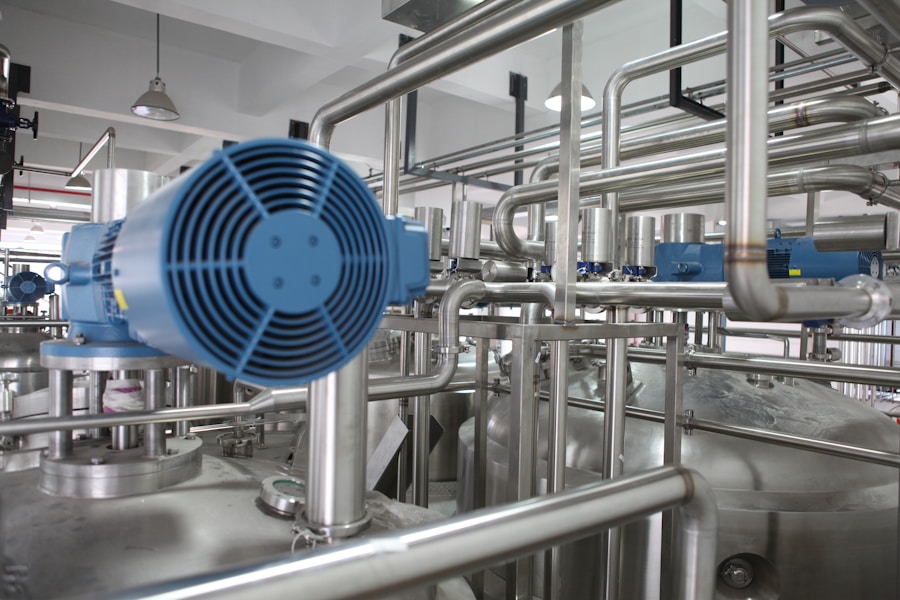
Ilẹ ile-iṣẹ iṣelọpọ ile-iṣẹ pẹlu ẹrọ eru ati ohun elo extrusion ni iṣiṣẹ
Ipinle lọwọlọwọ ti Twin Screw Extruder Manufacturing ni China
China's plastics machinery sector has undergone a dramatic transformation over the past decade. Ohun ti a ti fiyesi ni ẹẹkan bi orisun ti iye owo kekere, ohun elo didara-kekere ti dagba sinu eto ilolupo iṣelọpọ agbaye kan. Awọn ibeji dabaru extruder apa, gegebi bi, ti ni anfani lati idaduro R&D idoko-owo, ijoba-lona ise igbegasoke eto (notably "Made in China "), ati ibeere ile ti ndagba fun idapọ polima to ti ni ilọsiwaju.
Bi ti tete, China jẹ ile si diẹ sii ju 200 awọn ile-iṣẹ iṣelọpọ ibeji dabaru extruders, ogidi nipataki ni Jiangsu Province (Nanjing, Suzhou), Agbegbe Zhejiang (Ningbo, Taizhou), Guangdong Agbegbe (Dongguan, Foshan), ati Shandong Province. Iṣijọpọ Nanjing nikan ṣe akọọlẹ fun ifoju 35–40% ti orile-ede ibeji dabaru extruder o wu, earning it the informal title of "China's extrusion capital." Awọn agbegbe ile-iṣẹ pataki bii Nanjing Jiangning Economic ati Agbegbe Idagbasoke Imọ-ẹrọ ati Ningbo Zhenhai Petrochemical Economic ati Agbegbe Idagbasoke Imọ-ẹrọ gbalejo awọn dosinni ti awọn aṣelọpọ amọja..
Data lati awọn Gbogbogbo Isakoso ti kọsitọmu ti China fihan wipe ibeji dabaru extruder okeere dagba to 12% odun-lori-odun ni 2024, ìṣó nipa lagbara eletan lati Guusu Asia, Aringbungbun oorun, Afirika, ati Latin America. European ati North American onra, lakoko ti o ṣọra diẹ sii nitori awọn idiyele idiyele, tẹsiwaju lati orisun lati China fun awọn awoṣe ifigagbaga-owo ati siwaju sii fun awọn atunto aarin-si-giga.
The International Trade Administration (ITA) ti U.S. Ẹka Iṣowo woye ninu awọn oniwe- 2024 ile ise iroyin ti China pilasitik ẹrọ agbewọle lati United States dagba 8.3% ni awọn ofin iye, ti n ṣe afihan awọn ilosoke iwọn didun mejeeji ati iyipada si ohun elo ti o ga julọ. The European Commission's trade data portal (DG Iṣowo) Bakanna gba silẹ a 6.7% ilosoke ninu awọn agbewọle awọn ẹrọ pilasitik lati China sinu EU-27 ni akoko kanna.
Orisi ti Twin dabaru Extruders Produced nipasẹ China Factories
Agbọye ibiti ọja jẹ pataki fun awọn olura B2B ṣe iṣiro a ibeji dabaru extruder China factory. Awọn olupilẹṣẹ Ilu Ṣaina ni bayi gbejade iwoye kikun ti awọn atunto skru skru extruder:
- Àjọ-Yiyi Twin dabaru Extruders: Awọn julọ ni opolopo produced iru, lo fun polima compounding, masterbatch gbóògì, ifaseyin extrusion, ati ifọkanbalẹ. Dabaru diameters ibiti lati 20 mm (yàrá asekale) si 180 mm (ga-wu ise asekale). Asiwaju Chinese factories nse L/D ratio lati 32:1 si 64:1, pẹlu losi awọn agbara lati 5 kg / h si ju 3,000 kg/h.
- Counter-Yipo Twin dabaru Extruders: Ni akọkọ ti a lo fun paipu PVC, profaili, ati dì extrusion. Awọn aṣelọpọ Kannada jẹ ifigagbaga ni pataki ni apakan yii, ipese ipin nla ti awọn laini sisẹ PVC si awọn ọja to sese ndagbasoke.
- Conical Twin dabaru Extruders: Apẹrẹ counter-yiyi amọja fun sisẹ PVC, ti ṣelọpọ pupọ ni awọn agbegbe Zhejiang ati Guangdong.
- Ga-Torque / Awọn awoṣe Iyara-giga: Awọn ẹrọ iran tuntun pẹlu awọn iye iyipo kan pato ti o pọ ju 11.3 Nm/cm³, isunmọ tabi ibaamu awọn ipilẹ European. Ọpọlọpọ awọn aṣelọpọ ti o da lori Nanjing ni bayi nfunni awọn awoṣe pẹlu awọn iwọn iyipo ti o ni afiwe si awọn ami iyasọtọ German ati ti Ilu Italia.
- Yàrá ati Pilot-asekale Extruders: Alekun olokiki laarin awọn apa iwadii ile-ẹkọ giga ati R&D awọn ile-iṣẹ agbaye, pẹlu awọn ile-iṣẹ Kannada ti n funni ni awọn ẹya ni 30–50% ti awọn iye owo ti European deede.
Isunmọ ti awọn skru ile-iṣẹ ti a ṣe adaṣe deede ati awọn paati irin ti a lo ninu ẹrọ extrusion
Awọn iwe-ẹri Didara bọtini ati Awọn iṣedede fun Awọn olura B2B
Ọkan ninu awọn imọran to ṣe pataki julọ nigbati o ba yan olutaja ile-iṣẹ China twin screw extruder jẹ iwe-ẹri ati ilana idaniloju didara. Awọn aṣelọpọ Kannada olokiki ni bayi mu ọpọlọpọ awọn iwe-ẹri kariaye:
- CE Siṣamisi: Ti beere fun okeere si European Economic Area. Pupọ julọ ti iṣalaye-okeere ti Ilu Kannada ibeji skru extruder ile-iṣẹ gba iwe-ẹri CE ti o bo Ilana Ẹrọ. (2006/42/EC) ati Itọsọna Low Foliteji (2014/35/EU).
- ISO 9001:2015: Ijẹrisi eto iṣakoso didara ipilẹ. Fere gbogbo awọn aṣelọpọ extruder Kannada ti o ni igbẹkẹle mu iwe-ẹri yii mu.
- ISO 14001: Ijẹrisi iṣakoso ayika, ibeere siwaju sii nipasẹ awọn olura ilu Yuroopu pẹlu awọn ibeere rira ESG.
- UL / CSA: Ti beere tabi ayanfẹ fun awọn ọja Ariwa Amerika. Nọmba ti o kere ju ti awọn ile-iṣelọpọ Kannada mu iwe-ẹri UL mu fun awọn paati itanna.
- ATEX: Fun extruders ti a lo ninu oyi bugbamu bugbamu (f.eks., ṣiṣe awọn agbo ogun kemikali kan). Iwonba ti awọn aṣelọpọ Kannada ti ilọsiwaju ti gba iwe-ẹri ATEX.
Awọn International Organization for Standardization (ISO) ati awọn European Parliament's product safety directives pese ilana ilana ti awọn olutaja Ilu China gbọdọ lọ kiri. Awọn olura yẹ ki o beere nigbagbogbo awọn ẹda ti awọn iwe-ẹri, jẹrisi wọn pẹlu awọn ara ipinfunni, ati apere ṣe factory audits—boya ni eniyan tabi nipasẹ awọn iṣẹ ayewo ẹni-kẹta gẹgẹbi SGS, TÜV, tabi Bureau Veritas.
Trade Afihan Landscape: Awọn owo idiyele, Awọn ojuse, ati Regulatory riro
Ayika iṣowo B2B fun awọn extruders skru twin ti o jade lati Ilu China jẹ apẹrẹ nipasẹ oju opo wẹẹbu eka ti awọn iṣeto idiyele idiyele., isowo adehun, ati awọn ibeere ilana ti o yatọ nipasẹ ọja ibi-ajo.
Orilẹ Amẹrika
Twin skru extruders wole lati China sinu U.S. ti wa ni tito lẹtọ labẹ Iṣeto Owo-ori Ibaramu (HTS) koodu 8477.20, covering "extruders for working rubber or plastics." Bi ti, awọn ọja wọnyi jẹ koko ọrọ si boṣewa Orilẹ-ede Ayanfẹ julọ (MFN) ojuse oṣuwọn ti 3.1%, plus afikun Abala 301 awọn idiyele ti 25% ti paṣẹ lakoko ariyanjiyan iṣowo AMẸRIKA-China. Iwọn owo idiyele apapọ ti o munadoko ti isunmọ 28.1% ti fa diẹ ninu awọn U.S. awọn ti onra lati ṣawari awọn ilana idinku owo idiyele, pẹlu gbigbe wọle nipasẹ awọn agbegbe iṣowo ọfẹ, wiwa awọn imukuro, tabi awọn paati orisun lọtọ fun apejọ ile. Awọn U.S. International Trade Commission (USITC) pese iṣeto idiyele idiyele.
Idapọ Yuroopu
EU kan iṣẹ boṣewa MFN ti 1.7% on ibeji dabaru extruders labẹ Apapo Nomenclature (CN) koodu 8477 20 00. Ko dabi U.S., EU ko ti paṣẹ afikun awọn owo-ori ijiya lori ẹrọ pilasitik Kannada. Sibẹsibẹ, the EU's Carbon Border Adjustment Mechanism (CBAM), eyiti o wọ ipele iyipada rẹ ni Oṣu Kẹwa 2023, le bajẹ ni ipa lori iṣiro iye owo fun awọn agbewọle agbewọle agbara-agbara. Awọn EU Taxation ati kọsitọmu Union directorate ntọju awọn oṣuwọn iṣẹ lọwọlọwọ.
Guusu ila oorun Asia ati Awọn ọja miiran
Awọn ipinlẹ ọmọ ẹgbẹ ASEAN ni gbogbogbo lo awọn owo-ori kekere lori awọn agbewọle lati ilu China, ti o ni anfani lati Ibaṣepọ Iṣowo Iṣowo Agbegbe (RCEP) adehun ti o wọ inu agbara ni January 2022. Munadoko ojuse awọn ošuwọn fun ibeji dabaru extruders ni RCEP awọn ọja orisirisi lati 0% si 5%, ṣiṣe awọn ọja wọnyi ni iwunilori pataki fun awọn olutaja Ilu Kannada ati idasi si iṣelọpọ iyara ti agbara iṣelọpọ pilasitik ni Vietnam, Indonesia, Thailand, ati Philippines.

Ọkọ ẹru eiyan nla ni ibudo okeere ti o nšišẹ pẹlu awọn apoti ikojọpọ awọn apoti gbigbe fun iṣowo agbaye
B2B Trade Anfani: Kí nìdí Global Buyers Yan Twin dabaru Extruder China Factories
Ni afiwe Twin-dabaru Extruder osunwon Ṣiṣu Extrusion Factory Idagba imuduro ti awọn okeere ibeji skru extruder okeere jẹ idari nipasẹ ọpọlọpọ awọn anfani igbekale ti o ṣe atunto pẹlu awọn ipinnu rira rira B2B: China Lab Extruder Factory
Idije Iye
Chinese ibeji skru extruders ojo melo na 40–65% kere ju afiwera European (Jẹmánì, Itali) awọn awoṣe ati 30–50% kere ju Japanese deede. A àjọ-yiyi ibeji dabaru extruder pẹlu kan 65 mm skru opin ati 40:1 Ipin L/D lati ile-iṣẹ Kannada olokiki kan le jẹ idiyele ni USD 45,000–80,000, akawe si USD 120.000–200,000 fun a afiwe German ẹrọ. Iyatọ idiyele yii jẹ ipin kan ti a tọka julọ julọ ninu awọn iwadii rira rira ti a ṣe nipasẹ awọn atẹjade ile-iṣẹ bii Ṣiṣu Loni ati Ṣiṣu Technology.
Imudara Didara ati Imọ-ẹrọ
Awọn didara aafo laarin Chinese ati European ibeji dabaru extruders ti dín significantly. Awọn aṣelọpọ Kannada ti oke-ipele ni bayi lo awọn apoti gear ti a ṣe apẹrẹ ti Jamani (tabi awọn deede ti a ṣelọpọ iwe-aṣẹ), Japanese-Oti dabaru eroja, ati European-bošewa itanna irinše (Siemens, Ejò Extruding ABB, Schneider). Orisirisi awọn ile-iṣelọpọ ti ṣe idoko-owo ni sọfitiwia apẹrẹ ohun-ini skru ati iwadii irin-irin, ṣiṣe awọn ohun elo ti ko ni idọti (f.eks., irin irin lulú, tungsten carbide aso) ti o sunmọ awọn iṣẹ ti European counterparts.
Isọdi ati irọrun
Awọn ile-iṣelọpọ Kannada ni gbogbogbo fẹ lati ṣe akanṣe awọn atunto ẹrọ si awọn pato olura, pẹlu ti kii-bošewa agba gigun, specialized dabaru ano profaili, Integration ti ibosile ẹrọ (pelletizers, itutu awọn ọna šiše, apoti ila), ati aṣamubadọgba si agbegbe itanna awọn ajohunše. Awọn iwọn ibere ti o kere julọ (MOQs) wa ni ojo melo 1 kuro fun boṣewa si dede, ṣiṣe awọn olupese Kannada ni iraye si awọn ile-iṣẹ kekere ati alabọde (Awọn SMEs) bakanna bi awọn ẹgbẹ ile-iṣẹ nla.
Ese Ipese Pq
China's manufacturing ecosystem provides a unique advantage: onra le orisun awọn pipe extrusion ila—extruder, atokan, kú ori, pelletizers, itutu iwẹ, conveyors, ati iṣakoso awọn ọna šiše—lati ile-iṣẹ kan ṣoṣo tabi iṣupọ iṣọpọ ti awọn olupese. Eyi dinku idiju isọdọkan ati pe o le dinku lapapọ awọn idiyele ilẹ nipasẹ 10–20% akawe si Nto ila kan lati ọpọ okeere awọn olupese.
Awọn italaya ati Imukuro Ewu ni Sourcing lati Ilu China
Pelu awọn anfani ti o lagbara, Awọn olura B2B gbọdọ lilö kiri ni ọpọlọpọ awọn italaya China Lab Extruder olupese nigba ṣiṣẹ pẹlu a ibeji dabaru extruder China factory olupese:
Aitasera Didara
Awọn jakejado ibiti o ti olupese—lati aye-kilasi mosi to kekere idanileko—tumo si wipe didara yatọ pupo. Awọn olura yẹ ki o ṣe aisimi ni pipe, pẹlu factory ọdọọdun (tabi foju audits), awọn sọwedowo itọkasi pẹlu awọn onibara ti o wa tẹlẹ, ati awọn ayẹwo iṣaju iṣaju. Awọn ile-iṣẹ idaniloju didara ẹni-kẹta pẹlu oye China (SGS, TÜV Rheinland, Intertek) pese iṣayẹwo ile-iṣẹ ati awọn iṣẹ ayewo pataki fun ẹrọ.
Awọn ifiyesi Ohun-ini Ọgbọn
Idaabobo IP jẹ ibakcdun kan, ni pataki fun awọn olura ti o pin awọn apẹrẹ dabaru tabi awọn ilana ilana pẹlu awọn aṣelọpọ Kannada. Awọn adehun ti kii ṣe ifihan (Awọn NDA) imudara labẹ ofin Kannada, ni idapo pelu ṣọra olupese aṣayan, le dinku eewu yii. Awọn World Intellectual Property Organization (WIPO) pese itọnisọna lori awọn ilana aabo IP fun iṣowo kariaye.
Lẹhin-Tita Service ati apoju Parts
Itan-akọọlẹ, atilẹyin lẹhin-tita ti jẹ ailera ti awọn olutaja ẹrọ China. Sibẹsibẹ, Awọn olupilẹṣẹ asiwaju ti ṣeto awọn ile-iṣẹ iṣẹ okeokun, ṣetọju awọn inventories apoju ni awọn ọja bọtini (ni pataki ni Guusu ila oorun Asia ati Aarin Ila-oorun), ati pese awọn iwadii aisan latọna jijin nipasẹ awọn ọna ṣiṣe iṣakoso IoT. Awọn olura yẹ ki o dunadura awọn ofin atilẹyin ọja okeerẹ (deede 12–24 osu) ati jẹrisi wiwa awọn ẹya apoju ati awọn akoko idari ṣaaju gbigbe awọn aṣẹ.
Eekaderi ati asiwaju Times
Standard gbóògì asiwaju igba fun ibeji dabaru extruders lati Chinese factories ibiti lati 45 si 120 awọn ọjọ da lori iwọn ẹrọ ati ipele isọdi. Ẹru omi okun lati awọn ebute oko oju omi China pataki (Shanghai, Ningbo, Shenzhen) to European ibudo (Rotterdam, Hamburg, Antwerp) gba to 25–35 awọn ọjọ; si U.S. West Coast ebute oko (Los Angeles, Long Beach) to 14–20 awọn ọjọ; ati si U.S. East Coast ebute oko (Niu Yoki/New Jersey, Savannah) to 30–40 awọn ọjọ. Awọn olura yẹ ki o ṣe ifosiwewe ni akoko idasilẹ kọsitọmu, eyi ti o le fi 3–10 awọn ọjọ iṣowo da lori orilẹ-ede ti o nlo.
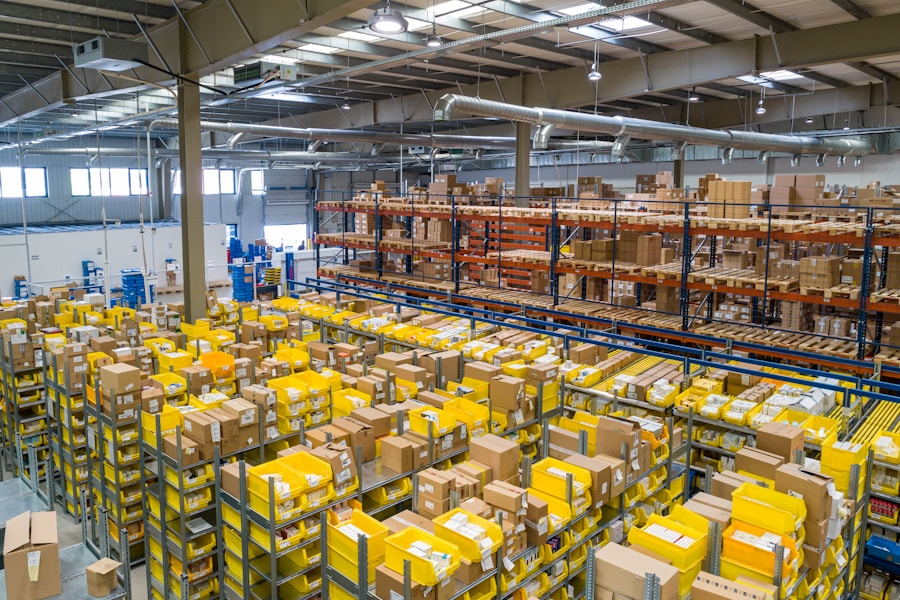
Ile-iṣẹ eekaderi ile-iṣẹ pẹlu awọn pallets ti a ṣeto ati awọn apoti gbigbe ti o ṣetan fun pinpin ẹru ilu okeere
Agbegbe ati Awọn anfani Ilana: How China's Industrial Ecosystem Enables B2B Export
Extruder Nipasẹ Iṣiro China's dominance in twin screw extruder manufacturing is not accidental—o jẹ ọja naa Extruder Makine ti moomo ise imulo, àgbègbè anfani, ati awọn ipa ilolupo ti o ṣẹda lapapọ ni ipo ifigagbaga ti o lagbara.
Atunlo Extruder Ifojusi ti awọn aṣelọpọ ni awọn iṣupọ ile-iṣẹ kan pato (Nanjing, Ningbo, Dongguan) ṣẹda awọn ọrọ-aje agglomeration: specialized paati awọn olupese, ti oye laala adagun, imọ egbelegbe, ati awọn ohun elo idanwo gbogbo wa ni isunmọtosi. Ile-ẹkọ giga ti Imọ-ẹrọ Nanjing ati Ile-ẹkọ giga ti Imọ-ẹrọ Kemikali ti Ilu Beijing, fun apere, ni awọn ile-iṣẹ iwadii iṣelọpọ polymer igbẹhin ti o ṣe ifowosowopo pẹlu awọn aṣelọpọ agbegbe lori iṣapeye apẹrẹ dabaru, Imọ ohun elo, ati kikopa ilana. Kun Mixer Liquid
Eto imulo ijọba ṣe atilẹyin eka nipasẹ awọn ikanni pupọ. Okeere-ori rebates fun ẹrọ (lọwọlọwọ 13% Idinku VAT fun ọpọlọpọ awọn ẹka ẹrọ pilasitik) fe ni din FOB owo fun okeere ti onra. Awọn agbegbe aje pataki ati awọn agbegbe iṣowo ọfẹ (bii China (Shanghai) Pilot Free Trade Zone) pese awọn ilana aṣa aṣa ati idinku awọn ẹru iṣakoso fun awọn olutaja. Awọn igbanu ati Road Initiative (BRI) ti tun dẹrọ idagbasoke amayederun—paapa ibudo agbara ati iṣinipopada awọn isopọ—ti o din owo eekaderi fun okeere ẹrọ si awọn orilẹ-ede kopa.
China's participation in RCEP further enhances its position as a machinery export hub for the Asia-Pacific region. Labẹ awọn ofin ti ipilẹṣẹ RCEP, Twin dabaru extruders ti ṣelọpọ ni China le tẹ ASEAN awọn ọja, Australia, Ilu Niu silandii, Japan, ati South Korea ni ayo owo idiyele, ṣiṣe awọn ile-iṣelọpọ Kannada ni yiyan orisun orisun adayeba fun awọn ti onra ni awọn ọja wọnyi.
Awọn ile-iṣẹ Ijinlẹ Ọran ni Aṣeyọri Ti n gba Twin Screw Extruders lati Ilu China
Ikẹkọ Ọran 1: European Masterbatch Olupese
Olupese masterbatch agbedemeji ti o da ni Ariwa Ilu Italia dojuko titẹ ala lati awọn idiyele agbara ti nyara ati idije lati ọdọ awọn olupilẹṣẹ Tọki. Ninu 2023, awọn ile-sourced meji àjọ-yiyi ibeji dabaru extruders (75 mm, 44:1 L/D) lati ile-iṣẹ ti o da lori Nanjing, rirọpo ti ogbo Italian-ṣe ero. Awọn lapapọ idoko-, pẹlu okun ẹru, CE ijẹrisi ijẹrisi, installation supervision by the Chinese factory's engineers, ati ifisilẹ, jẹ 160 000 EUR—aijọju 45% ti awọn iye owo ti deede titun Italian ero. Lẹhin 18 osu ti isẹ, ile-iṣẹ naa royin iṣẹ ṣiṣe ṣiṣe laarin 5% ti awọn ẹrọ rọpo, pẹlu agbara agbara to 12% kekere nitori motor tuntun ati imọ-ẹrọ alapapo. Ile-iṣẹ naa ti paṣẹ fun ẹrọ kẹta fun laini iṣelọpọ tuntun kan.
Ikẹkọ Ọran 2: Guusu Asia Compounding Bẹrẹ-Up
A Vietnamese pilasitik compounding ibere-soke, iṣeto ni 2023 lati ṣe iranṣẹ fun awọn adaṣe agbegbe ti ndagba ati awọn apa iṣelọpọ ẹrọ itanna, sourced awọn oniwe-gbogbo gbóògì ila—pẹlu mẹta ibeji dabaru extruders (52 mm ati 65 mm), okun pelletizers, ati gravimetric feeders—lati inu iṣupọ ile-iṣẹ Kannada kan ṣoṣo ni Nanjing. Apapọ idoko-owo ohun elo jẹ isunmọ USD 280,000. Olupese Kannada pese fifi sori aaye ati ikẹkọ, pẹlu awọn ẹlẹrọ meji ti o nlo ọsẹ mẹta ni ile-iṣẹ Vietnamese. Ibẹrẹ ti ṣaṣeyọri iṣelọpọ iṣowo laarin oṣu mẹrin ti ifijiṣẹ ohun elo, Ago kan ti yoo ti pẹ pupọ pẹlu awọn olupese Yuroopu nitori awọn akoko idari gigun ati awọn idiyele giga fun atilẹyin fifi sori ẹrọ.
Ikẹkọ Ọran 3: U.S. Olupin Awọn ohun elo atunlo
Cinema 4D Extrude Òfin Olupinpin ti o da lori AMẸRIKA ti o ni amọja ni awọn ohun elo atunlo pilasitik bẹrẹ jija awọn apanirun skru twin lati ọdọ olupese Kannada ti o da lori Guangdong ni 2022. Pelu awọn 25% Abala 301 owo idiyele, iye owo ilẹ ti awọn ẹrọ Kannada tun jẹ isunmọ 25% ni isalẹ afiwera U.S. tabi European yiyan. Olupin naa ṣiṣẹ ni pẹkipẹki pẹlu ile-iṣẹ Kannada lati ṣe akanṣe awọn ẹrọ fun awọn ohun elo atunlo—pẹlu awọn agba ti a fikun fun sisẹ egbin lẹhin-olumulo ti a ti doti ati awọn atunto atẹgun amọja fun ifọkansi. The distributor now sells approximately 15 Chinese-made twin screw extruders per year into the U.S. recycling market, with a warranty claim rate of less than 3%.

Business professionals in a meeting room discussing international trade strategy and B2B procurement plans
Ikẹkọ Ọran 4: Middle Eastern Pipe Manufacturer
A Saudi Arabian PVC pipe manufacturer expanded its production capacity in 2024 by purchasing four counter-rotating twin screw extruders from a Zhejiang-based Chinese factory. The machines were specified for high-output PVC pipe extrusion (110 mm si 400 mm opin) and included complete downstream equipment. The Chinese factory provided turnkey installation, including electrical integration with the buyer's existing plant infrastructure. Total project cost was approximately USD 520,000, delivered CIF Jeddah. The manufacturer reported that the Chinese machines achieved rated output within the first week of commissioning, with pipe quality meeting Saudi Standards, Metrology and Quality Organization (Tiwa) awọn ibeere.
Asọtẹlẹ Iṣowo Iṣowo Nitosi: Oṣu Kẹfa–Oṣu Kẹjọ
Da lori lọwọlọwọ oja ifi, awọn idagbasoke eto imulo iṣowo, ati data ile ise, the following trends are expected to shape the twin screw extruder China factory export market over the next one to two months:
Continued Strong Demand from Emerging Markets
Guusu ila oorun Asia, Aringbungbun oorun, and Africa will continue to drive volume growth for Chinese twin screw extruder exports. The industrialization of plastics processing in Vietnam, Indonesia, ati India—supported by foreign direct investment in automotive, apoti, ati ikole apa—creates sustained demand for affordable, reliable extrusion equipment. RCEP tariff reductions will further accelerate this trend.
Tariff Uncertainty in the U.S. Oja
U.S. market remains subject to policy uncertainty. Bi aarin-, there is no indication that Section 301 tariffs on Chinese machinery will be reduced. Sibẹsibẹ, U.S. administration's focus on reshoring manufacturing may create indirect demand for Chinese extruders used in recycling and sustainable materials processing, sectors that enjoy bipartisan policy support. Awọn ti onra yẹ ki o bojuto awọn ikede lati awọn Ọfiisi ti Aṣoju Iṣowo Amẹrika (USTR) for any tariff review developments.
EU oja: Steady Growth with ESG Emphasis
European buyers are expected to maintain steady procurement from China, with increasing emphasis on ESG compliance. Chinese factories that can demonstrate low-carbon manufacturing processes, lodidi orisun ti aise ohun elo, and compliance with the EU's Corporate Sustainability Due Diligence Directive (CSDDD) yoo ni anfani ifigagbaga. Awọn European Commission's Directorate-General for Environment is the authoritative source for evolving ESG requirements.
Technology Upgrading and Smart Manufacturing
Chinese twin screw extruder manufacturers are rapidly integrating Industry 4.0 awọn imọ-ẹrọ—Awọn sensọ IoT, cloud-based monitoring, awọn algoridimu itọju asọtẹlẹ, ati oni ibeji kikopa—into their product offerings. This trend is expected to accelerate in the near term as factories compete for higher-value orders from European and North American buyers who increasingly require smart manufacturing capabilities. Twin dabaru Extruder Machine Factory
Currency and Pricing Dynamics
Yuan Kannada (CNY) has remained relatively stable against the U.S. dollar and euro in early, with the People's Bank of China maintaining a managed float. Awọn idiyele ohun elo aise fun iṣelọpọ extruder—particularly specialty steels, copper, and rare earth elements used in motors—have shown moderate increases. Buyers placing orders in the June–August window should expect stable to slightly higher pricing compared to Q1, with lead times potentially extending due to seasonal demand peaks.
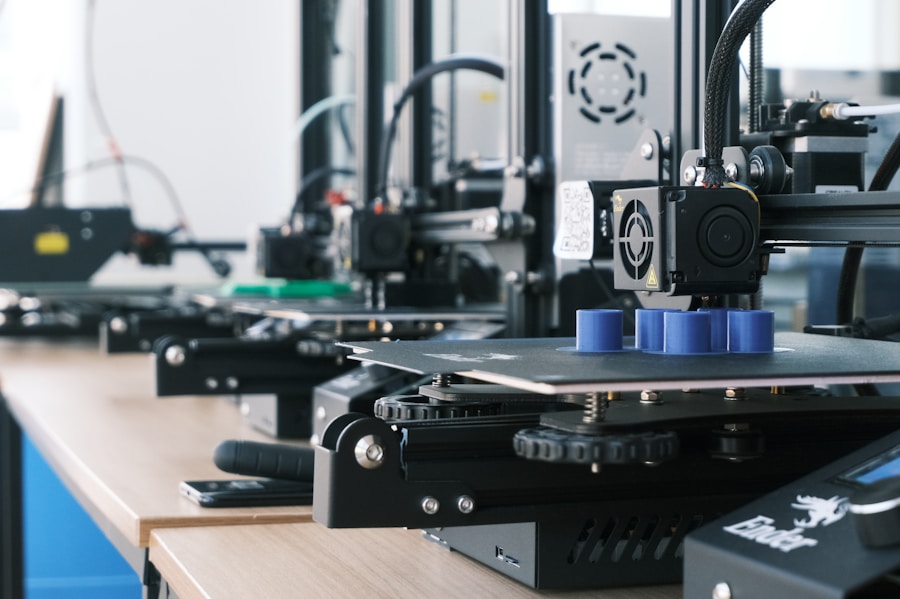
Digital technology and data analytics dashboard representing Industry 4.0 smart manufacturing and IoT integration
B2B Workplace Safety: The Critical Role of Safety Footwear in Extrusion Factories
Awọn ibeji dabaru extruder ile ise—whether in manufacturing plants in China or processing facilities operated by B2B buyers worldwide—is inherently an industrial environment where workplace safety is paramount. One of the most fundamental yet often underestimated aspects of occupational safety in extrusion factories is foot protection. This section examines why safety footwear is essential in the B2B extrusion equipment context and how it protects workers' toes and feet from the specific hazards present in these environments.
Hazards in Twin Screw Extruder Work Environments
Extrusion factories present a unique combination of foot-related hazards that make safety footwear not just advisable but legally required in most jurisdictions:
- Ipa Nkan ti o wuwo: Twin screw extruder components—awọn agba, dabaru eroja, gearbox housings, kú farahan—are heavy metal objects that are regularly handled during assembly, itọju, ati awọn iṣẹ iyipada. A single screw element can weigh 2–15 kg; a complete barrel section can weigh 50–200 kg. Dropping any of these components onto an unprotected foot can cause fractures, fifun pa awọn ipalara, tabi gige gige.
- Awọn ewu funmorawon: During machine installation and maintenance, workers may be exposed to compression risks from hydraulic equipment, forklifts, lori cranes, and rolling heavy components on factory floors.
- Hot Material Splashes: Twin screw extruders process polymers at temperatures typically ranging from 150°C si 350°C. Didà polima splashes, gbona irin roboto, and heated barrel sections pose burn risks to feet and lower legs.
- Awọn ewu isokuso: Extrusion factory floors may be contaminated with polymer pellets, lubricants, hydraulic fluid, or cooling water, all of which create slip hazards.
- Awọn ewu Puncture: Awọn irun irin, ajẹkù waya, baje dabaru ano awọn italolobo, and other sharp debris on factory floors can penetrate ordinary footwear.
- Awọn ewu Itanna: Workers involved in electrical installation and maintenance of extruder control systems may be exposed to electrical shock risks, requiring electrically insulating footwear.
Aabo Footwear Standards ati awọn iwe-ẹri
International standards govern the performance requirements for safety footwear used in industrial environments like extrusion factories:
- NI ISO 20345:2022 (Yuroopu): The primary European standard for safety footwear, requiring a toe cap tested to withstand 200 joules ti ipa agbara ati 15 kN ti funmorawon. This standard defines safety classes from SB (ipilẹ) si S5 (full protection including waterproofing and sole penetration resistance).
- ASTM F2413-18 (Orilẹ Amẹrika): Ilana Amẹrika fun bata bata aabo, pato ipa resistance (I/75 = 75 ẹsẹ-poun), funmorawon resistance (C/75 = 2,500 poun), ati iyan-wonsi fun metatarsal Idaabobo (Mt), conductive (Cd), itanna ewu (EH), aimi dissipative (SD), ati puncture resistance (PR).
- GB 21148-2020 (China): China's national standard for safety footwear, ni ibamu pupọ pẹlu ISO 20345, requiring toe cap impact resistance of 200 J and compression resistance of 15 kN.
Awọn U.S. Aabo Iṣẹ iṣe ati Isakoso Ilera (OSHA) mandates that employers provide appropriate foot protection under 29 CFR 1910.136 when employees are exposed to foot injuries from falling or rolling objects, ohun lilu atẹlẹsẹ, tabi awọn ewu itanna. Bakanna, awọn Ile-iṣẹ Yuroopu fun Aabo ati Ilera ni Iṣẹ (EU-OSHA) enforces workplace safety directives that require employers to conduct risk assessments and provide appropriate personal protective equipment (PPE), pẹlu ailewu bata.
Types of Safety Footwear for Extrusion Factory Environments
B2B buyers of twin screw extruders should ensure that their factory workers are equipped with appropriate safety footwear. The following types are most relevant to extrusion environments: Non-Intermeshing Twin Screw Extruder
- Steel Toe Cap Boots (S3 / ASTM I/75 C/75): Aṣayan ibile, offering excellent impact and compression protection. Steel toe caps can withstand the impact of a 20 kg ohun silẹ lati 1 mita. Suitable for general factory floor work, machine operation, ati itoju.
- Composite Toe Cap Boots: Made from reinforced plastic, erogba okun, tabi Kevlar, these offer similar protection to steel but are lighter (dinku rirẹ osise nigba gun lásìkò) and do not conduct heat or electricity. Increasingly preferred in modern extrusion facilities.
- Metatarsal Guard Boots: Provide additional protection to the metatarsal bones (the top of the foot between the toes and the ankle), which are vulnerable to impact from falling screw elements and barrel components. Recommended for workers involved in machine assembly and heavy maintenance.
- Heat-Resistant Boots: Featuring soles rated for contact with surfaces up to 300°C and uppers made from heat-resistant leather or synthetic materials. Essential for workers operating near extruder die heads and downstream hot processing equipment.
- Anti-Slip Boots: Featuring soles with SRC (slip resistance on ceramic tile with dilute soap solution and on steel with glycerol) iwontun-wonsi. Critical for extrusion factory environments where polymer pellets and lubricants create slip hazards.
- Puncture-Resistant Boots: Incorporating a steel or composite midsole plate that prevents sharp objects from penetrating through the sole. Important in factories where metal debris may be present on the floor.
Ọran Iṣowo fun Footwear Aabo ni Awọn iṣẹ B2B
Ni ikọja ibamu ilana, there is a compelling business case for investing in high-quality safety footwear for extrusion factory workers:
- Dinku Awọn ipalara Ibi iṣẹ: U.S. Bureau of Labor Statistics (BLS) Ijabọ pe awọn ipalara ẹsẹ jẹ iroyin fun isunmọ 10% ti gbogbo awọn ipalara ibi iṣẹ ni iṣelọpọ, with an average cost per incident of USD 9,000–12,000 pẹlu egbogi inawo, sọnu ise sise, ati awọn oṣiṣẹ' biinu. Proper safety footwear can prevent an estimated 60–70% ti awọn wọnyi nosi.
- Imudara iṣelọpọ: Modern safety footwear is designed for comfort during extended wear. Ergonomic insoles, breathable materials, and lightweight composite toe caps reduce worker fatigue, contributing to higher productivity and lower absenteeism.
- Ibamu Ilana: Non-compliance with workplace safety regulations can result in significant fines. Awọn ijiya OSHA fun awọn irufin to ṣe pataki le de USD 16,131 fun ṣẹ ( awọn ošuwọn), while EU member states impose comparable penalties under national implementations of the Framework Directive 89/391/EEC.
- Insurance and Liability: Adequate PPE provision, pẹlu ailewu bata, is typically a condition of workplace liability insurance. Failure to provide appropriate footwear can void insurance coverage and expose the business to direct liability for injury costs.
- Worker Retention: In competitive labor markets, providing high-quality safety equipment—including comfortable, well-fitting safety boots—is a tangible demonstration of employer commitment to worker welfare, supporting recruitment and retention.
Sourcing Safety Footwear: A B2B Perspective
Fun awọn olura B2B nṣiṣẹ awọn ohun elo extrusion, safety footwear procurement should be integrated into the overall equipment and supplies sourcing strategy. China is also a major manufacturer of safety footwear, with factories in Fujian, Zhejiang, and Guangdong provinces producing boots that meet EN ISO 20345, ASTM F2413, and other international standards. B2B buyers sourcing twin screw extruders from China may find it efficient to source safety footwear from the same trade ecosystem, potentially through the same trading companies or procurement agents.
Awọn ero pataki fun rira bata bata ailewu B2B pẹlu: ijerisi iwe eri (request test reports from accredited laboratories), sizing accuracy (particularly important when sourcing from Asian manufacturers for European or American workers), didara ohun elo (genuine leather vs. synthetic, sole durability), and minimum order quantities (typically 100–500 pairs for custom orders from Chinese factories).