

Ṣiṣu Compounding ati Pelletizing Akawe fun Modern iṣelọpọ
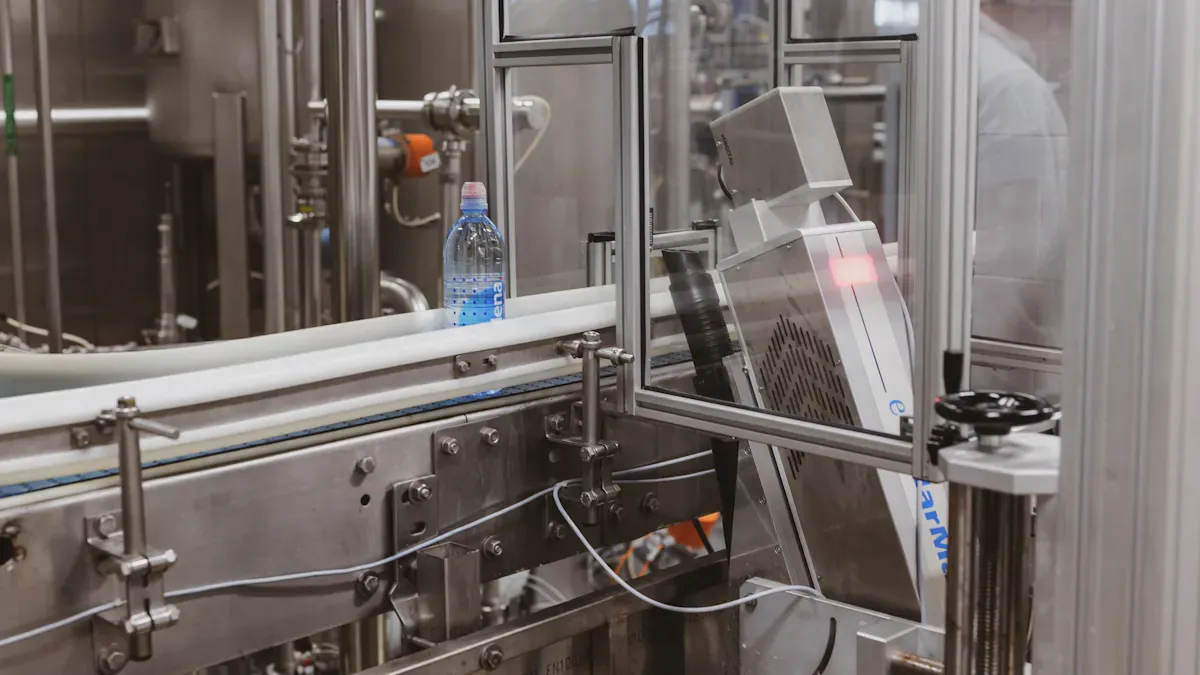
Ṣiṣu Compound n ṣatunṣe awọn resini mimọ pẹlu awọn afikun, ṣiṣẹda ohun elo sile fun pato awọn ohun elo. Pelletizing ṣe iyipada awọn ohun elo idapọmọra si awọn pellets aṣọ, setan fun lilo daradara ibosile. Awọn aṣelọpọ ati awọn onimọ-ẹrọ ti o loye iyatọ laarin ilana kọọkan le ṣe alekun ṣiṣe ati rii daju didara ọja.
Awọn data ọja aipẹ fihan pe iye ọja agbaye fun awọn imọ-ẹrọ wọnyi yoo de ọdọ $82 bilionu nipasẹ 2025 ati $182 bilionu nipasẹ 2035, ìṣó nipasẹ idagbasoke ni Oko ati apoti apa.
| Ilana | Imudara Ipa | Ipa Didara Ọja |
|---|---|---|
| Apapo | Awọn ohun elo telo, mu iṣẹ ṣiṣe, din iye owo | Ṣiṣe iṣakoso didara to dara julọ |
| Pelletizing | Pese fọọmu ohun elo ti o ni ibamu fun sisẹ | Ṣe idaniloju isokan ni didara ọja ikẹhin |
Awọn gbigba bọtini
- Ṣiṣupọ idapọmọra n ṣatunṣe awọn resini ipilẹ pẹlu awọn afikun lati ṣẹda awọn ohun elo fun awọn lilo pato.
- Pelletizing ṣe iyipada awọn ohun elo idapọ sinu awọn pellets aṣọ fun sisẹ ati mimu irọrun.
- Loye awọn iyatọ laarin sisọpọ ati pelletizing ṣe iranlọwọ fun awọn aṣelọpọ mu iṣẹ ṣiṣe ati didara ọja dara.
- Iṣajọpọ jẹ idapọ, yo, ati awọn ohun elo extruding lati ṣe aṣeyọri awọn ohun-ini ti o fẹ.
- Pelletizing fojusi lori ṣiṣẹda awọn iwọn pellet deede, eyiti o ṣe pataki fun iṣelọpọ igbẹkẹle.
- Iṣakoso didara jẹ pataki ni awọn ilana mejeeji lati rii daju pe awọn ọja ikẹhin pade awọn iṣedede ile-iṣẹ.
- Mejeeji idapọ ati pelletizing ṣe awọn ipa pataki ni awọn apa bii ọkọ ayọkẹlẹ, itanna, ati ilera.
- Yiyan ilana ti o tọ da lori awọn abuda ohun elo, gbóògì aini, ati iye owo ero.
Awọn itumọ ati Awọn Iyatọ
Ṣiṣu Compounding
Ṣiṣu compounding ntokasi si awọn ilana ti dapọ polima pẹlu additives, fillers, ati awọn imudara lati yipada ati imudara awọn ohun-ini ti ara ati kemikali ti ohun elo naa. Awọn iṣedede ile-iṣẹ ṣalaye ilana yii bi ọna lati ṣe telolima kan ki o pẹlu gbogbo awọn ẹya ti o fẹ ninu ohun elo kan. Awọn aṣelọpọ lo iṣelọpọ ṣiṣu lati mu didara ọja dara si, din owo, ati ki o mu ise sise. Ilana naa ni igbagbogbo pẹlu yo, idapọmọra, ati extrusion lati se aseyori kan aṣọ pipinka ti irinše.
A jakejado ibiti o ti eroja ati additives mu a ipa ni ṣiṣu compounding:
- Masterbatch: A ogidi illa ti pigments ati awọn afikun laarin resini ti ngbe, aridaju paapaa pipinka.
- Antioxidants: Dena ibajẹ polymer lati ooru ati atẹgun, mimu agbara ati irọrun.
- UV Stabilizers: Dabobo awọn polima ti a lo ni ita nipasẹ gbigba tabi yiyo kuro ni itọka ultraviolet ti o lewu.
- Ina Retardants: Idilọwọ tabi idaduro iṣelọpọ ina, pataki ni itanna ati ikole.
- Awọn awọ awọ: Gba fun yiyan awọ ni awọn pilasitik ti a dapọ.
- Agbara ati Awọn iyipada Irọrun: Se aseyori kan pato darí-ini.
- Awọn afikun Antimicrobial: Dena idagbasoke germ, pataki fun egbogi awọn ọja.
- Fillers: Iru bi talc, gilasi okun, ati kalisiomu kaboneti, mu agbara, din owo, ati ki o mu ooru resistance.
- Performance Imudara: Awọn ohun-ini telo bii iduroṣinṣin gbona, idaduro ina, ati UV resistance.
Ilana yii ngbanilaaye awọn aṣelọpọ lati ṣẹda awọn ohun elo pẹlu awọn abuda to peye fun awọn ohun elo ibeere.
Ṣiṣu Pelletizing Telẹ
Ṣiṣu pelletizing ni a ilana ti o iyipada aise tabi tunlo ṣiṣu sinu kekere, aṣọ pellets. Iyipada yii jẹ pataki fun iṣelọpọ daradara ati atunlo. The ṣiṣu pelletizer awọn iyipada ti mọtoto ati igba shredded tabi didà ṣiṣu sinu aṣọ pellets, eyi ti a tun tun pada si awọn ilana iṣelọpọ. Pelletization n koju awọn italaya bii ifunni aiṣedeede ati mimu ohun elo mu, jẹ ki o ṣe pataki ni awọn apa bii ọkọ ayọkẹlẹ ati apoti nibiti didara ọja ṣe pataki.
| Iru Ẹri | Awọn alaye |
|---|---|
| Awọn ohun elo aise | Awọn oriṣiriṣi awọn pilasitik, pẹlu polyethylene (PE) ati polypropylene (PP) |
| Awọn abajade | Ṣiṣu pellets produced nipasẹ yo, itutu agbaiye, ati gige awọn ilana |
Pelletization ṣe alekun ṣiṣe ti iṣelọpọ ṣiṣu ati gba laaye fun ṣiṣẹda awọn pilasitik amọja lakoko mimu irọrun mimu..
Key Iyato Akopọ
Table afiwe
| Abala | Ṣiṣu Compounding | Ṣiṣu Pelletizing |
|---|---|---|
| Idi pataki | Ṣe atunṣe akopọ ati awọn ohun-ini ti polima | Ṣe iyipada ohun elo sinu fọọmu pellet aṣọ |
| Awọn Igbesẹ bọtini | Dapọ, yo, idapọmọra, extrusion | Yiyọ, itutu agbaiye, gige |
| Awọn afikun Aṣoju | Fillers, awọn awọ, stabilizers, iṣẹ enhancers | Ko ṣe afikun ni igbagbogbo lakoko pelletizing |
| Abajade | Adani ṣiṣu ohun elo (le ni orisirisi awọn fọọmu) | Aṣọ pellets |
| Ohun elo | Lilo taara ni awọn ọja tabi sisẹ siwaju | Ti a lo fun mimu, extrusion, tabi gbigbe |
Lakotan Points
- Ṣiṣu yellowing fojusi lori yiyipada awọn tiwqn ti awọn ṣiṣu nipa parapo orisirisi eroja, eyiti o ni ipa lori awọn ohun-ini ti ara rẹ.
- Ṣiṣu pelletizing awọn iyipada pilasitik agbo sinu aṣọ pellets, nipataki fiyesi pẹlu fọọmu ti ara fun irọrun ti lilo ni iṣelọpọ.
- Awọn pilasitik ti o ni idapọ le jẹ apẹrẹ taara si awọn ọja, nigba ti pelletized pilasitik wa ni ojo melo lo fun siwaju processing.
- Awọn ilana mejeeji ṣe ipa pataki ni iṣelọpọ igbalode, ṣugbọn wọn koju awọn iwulo oriṣiriṣi laarin pq iṣelọpọ.
Imọran: Imọye iyatọ laarin awọn ilana wọnyi ṣe iranlọwọ fun awọn aṣelọpọ yan ọna ti o tọ fun ohun elo wọn pato, aridaju ti aipe iṣẹ ati ṣiṣe.
Ṣiṣu Compounding ilana

Awọn Igbesẹ Ilana
Ṣiṣupọ idapọmọra ṣe iyipada awọn ohun elo aise sinu awọn pilasitik iṣẹ-giga nipasẹ lẹsẹsẹ awọn igbesẹ deede. Awọn aṣelọpọ bẹrẹ nipasẹ titoju awọn ohun elo aise gẹgẹbi resini, awọn afikun, ati fillers ninu awọn apo, nla baagi, tabi silos. Pneumatic tabi awọn ọna ṣiṣe ẹrọ lẹhinna gbe awọn ohun elo wọnyi lọ si agbegbe iṣelọpọ. Awọn oniṣẹ ifunni awọn ohun elo sinu agba tẹ, boya continuously tabi ni batches. Ilana idapọ naa tẹsiwaju pẹlu yo ati idapọ, ibi ti polima ati awọn afikun parapo lati se aseyori uniformity. Ipele ikẹhin jẹ apẹrẹ, itutu agbaiye, ati gige ọja naa, atẹle nipa iṣakoso didara to muna.
| Igbesẹ | Apejuwe |
|---|---|
| 1 | Ibi ipamọ ohun elo aise ninu awọn apo, nla baagi, ati silos |
| 2 | Pneumatic tabi ẹrọ gbigbe ohun elo |
| 3 | Ifunni ohun elo si agba tẹ (lemọlemọfún / discontinuous nkún) |
| 4 | Yo ati dapọ alakoso |
| 5 | Ọja ikẹhin ati iṣakoso |
Akiyesi: Insight Polymers leverages titan ni iyara ati idapọmọra pataki lati fi jiṣẹ awọn solusan idapọmọra ṣiṣu aṣa, iṣapeye igbesẹ kọọkan fun ṣiṣe ati didara.
Ohun elo Ti a lo
Awọn ohun elo idapọmọra ṣiṣu dale lori ohun elo ilọsiwaju lati rii daju awọn abajade deede. Extruders ṣeto awọn iyara fun processing ati ki o mu a aringbungbun ipa ni yo ati dapọ. Continuous mixers work alongside extruders to handle materials like acrylics, nylons, ati PVC. Mixing systems prepare additive pre-blends, while dosing systems guarantee precise ingredient ratios. Material handling technologies, such as rotary feeders and diverter valves, support the smooth distribution and dosing of bulk materials. Integrated compounding lines combine these systems, allowing for flexible production rates and configurations. Insight Polymers utilizes internal twin-screw extrusion pilot assets to conduct small development batch trials, enabling efficient screening of product and processing parameters.
Types of Compounding
Plastic compounding encompasses several approaches, each tailored to specific application needs. Manufacturers may add colorants to enhance appearance or stabilizers to improve heat and UV resistance. Ina retardants mu ailewu, paapa ni ikole ati ẹrọ itanna. Awọn iyipada ipa ṣe alekun lile, nigba ti fillers ati reinforcements ṣatunṣe iye owo, lile, tabi agbara. Awọn agbo ogun ti a ṣe agbekalẹ aṣa tun le pẹlu awọn aṣoju antimicrobial fun awọn ọja iṣoogun tabi awọn imudara UV fun lilo ita gbangba. Awọn Polymers Insight ṣe amọja ni awọn ojutu idapọpọ polima ti o koju awọn ibi-afẹde iṣẹ ṣiṣe alailẹgbẹ, laimu masterbatch concentrates ati aṣa ṣiṣu compounding fun abẹrẹ igbáti, awọn okun, awọn fiimu, ati afikun iṣelọpọ.
- Aṣayan awọ fun aesthetics
- Ounje-ailewu formulations fun apoti
- Ina retardants fun ikole
- Awọn atunṣe agbara ati irọrun fun awọn iwulo ọja-pato
- Awọn ohun-ini antimicrobial fun ilera
- Ifarada UV ti o ni ilọsiwaju fun agbara ita gbangba
Ọna okeerẹ yii ṣe idaniloju pe gbogbo ojutu idapọmọra polymer pade awọn ibeere ti iṣelọpọ ode oni.
Awọn ipinlẹ ohun elo
Iṣakojọpọ ṣiṣu jẹ awọn ipinlẹ ohun elo pupọ bi awọn eroja aise ṣe yipada si awọn agbo ogun iṣẹ ṣiṣe giga. Ilana naa bẹrẹ pẹlu awọn resini to lagbara, awọn afikun, ati fillers. Awọn oniṣẹ ṣe ifunni awọn ohun elo wọnyi sinu eto sisọpọ, nibiti wọn wa ni granular tabi lulú fọọmu. Bi ilana naa ṣe nlọsiwaju, extruder ooru ati yo awọn adalu, iyipada ti o sinu kan viscous, didà ipinle. Ipara didà yii ngbanilaaye fun dapọ ni kikun ati pipinka gbogbo awọn paati.
Ni kete ti homogenization ti pari, awọn ohun elo ti jade ni extruder. Ni ipele yii, o le gba orisirisi awọn fọọmu da lori awọn ohun elo. Diẹ ninu awọn aṣelọpọ dara ati ge extrudate sinu awọn pellets, nigba ti awọn miran le gbe awọn strands, awọn aṣọ-ikele, tabi taara in ni nitobi. Ik ipinle-boya pellet, okun, tabi dì-da lori ibosile processing awọn ibeere. Fun apere, Awọn Polymers Insight nigbagbogbo n pese idapọ ṣiṣu aṣa ni fọọmu pellet fun mimu irọrun ati ifunni ni ibamu ni mimu abẹrẹ tabi awọn laini extrusion.
Agbara lati ṣakoso awọn ipinlẹ ohun elo jakejado ilana naa ni idaniloju pe ọja ikẹhin pade awọn ibeere iṣẹ ṣiṣe to muna. Eleyi ni irọrun atilẹyin kan jakejado ibiti o ti ohun elo, lati awọn ẹya ọkọ ayọkẹlẹ si awọn ẹrọ iṣoogun, ati ki o jeki dekun aṣamubadọgba si onibara aini.
Iṣakoso didara
Iṣakoso didara duro ni mojuto ti gbogbo aseyori ṣiṣu compounding isẹ. Awọn aṣelọpọ gbarale awọn eto iṣakoso adaṣe to ti ni ilọsiwaju lati ṣetọju dédé pellet abuda nigba extrusion. Awọn ọna ṣiṣe wọnyi ṣe atẹle ati ṣatunṣe awọn aye ṣiṣe ni akoko gidi, ensuring that the molten mixture remains homogenized. Nitorina na, pigments and additives disperse evenly, producing a uniform masterbatch compound.
Operators use several practical methods to verify product consistency. Awọn water displacement method provides a reliable way to measure density on the shop floor. This technique involves measuring the initial water level, weighing the sample, and calculating density based on the displaced volume. It improves formulation accuracy, prevents material wastage, and ensures consistent product weight. These benefits support better cost control and reduce production quality issues.
A comprehensive quality control program includes a series of tests:
- Color matching tests use spectrophotometers to evaluate color differences and ensure visual consistency.
- Awọn idanwo iduroṣinṣin igbona jẹri ifarada pigmenti ni awọn iwọn otutu mimu.
- Awọn idanwo pipinka jẹrisi paapaa pinpin afikun nipasẹ akiyesi ohun airi.
- Awọn idanwo iṣẹ ṣiṣe ẹrọ ṣe atunwo agbara fifẹ ati resistance ipa.
Awọn Polymers Insight ṣepọ awọn iwọn iṣakoso didara wọnyi sinu gbogbo ipele, ni idaniloju pe awọn ojutu idapọpọ polima wọn ṣe iṣẹ ṣiṣe ti o gbẹkẹle. Ifaramo yii si didara ṣe atilẹyin awọn ile-iṣẹ ti o nilo deede, gẹgẹbi ọkọ ayọkẹlẹ, itanna, ati ilera.
Imọran: Iṣakoso didara deede kii ṣe alekun igbẹkẹle ọja nikan ṣugbọn tun mu igbẹkẹle alabara lagbara si awọn iṣẹ iṣelọpọ ṣiṣu aṣa.
Ṣiṣu Pelletizing Ilana
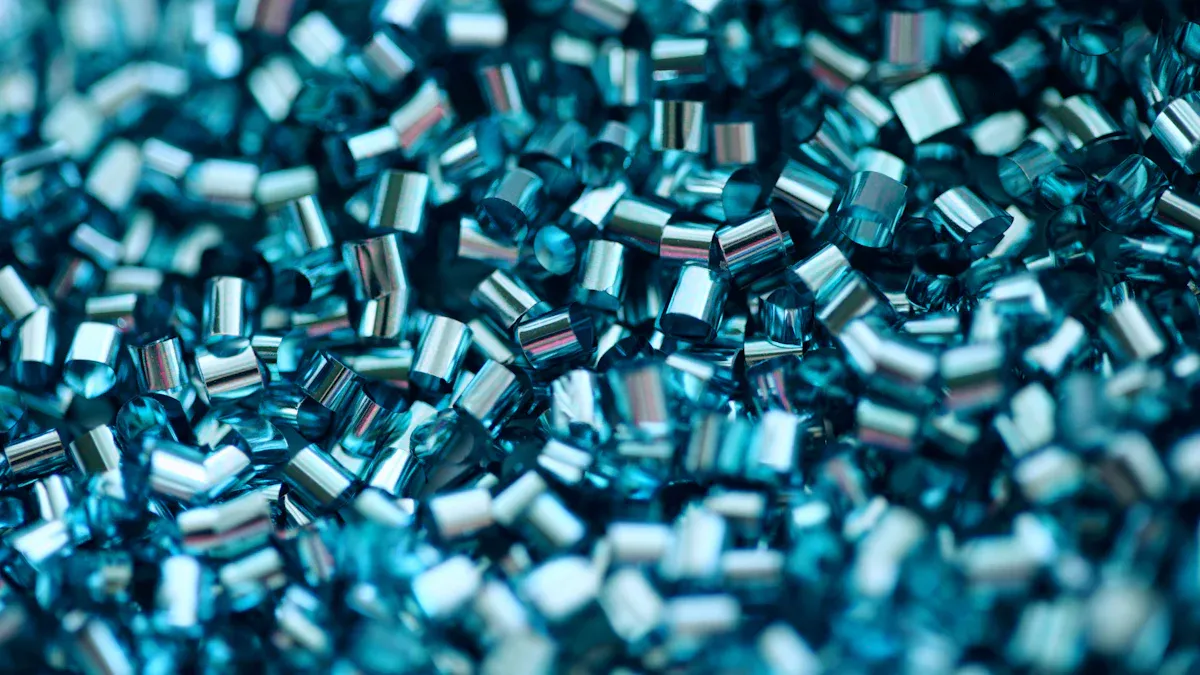
Awọn Igbesẹ Ilana
Ṣiṣu pelletizing ṣe iyipada aise tabi resini ti a tunlo sinu awọn pelleti aṣọ nipasẹ lẹsẹsẹ awọn igbesẹ asọye daradara. Awọn oniṣẹ bẹrẹ nipa tito awọn egbin ṣiṣu ni ibamu si iru polima, awọ, and contamination level. They then shred the sorted plastics into smaller flakes, which improves washing efficiency. Lẹhin fifọ, the clean flakes move to the melting stage, where they are heated and extruded. The molten plastic passes through a filter to remove any remaining impurities. As the filtered melt exits through a die plate, it forms continuous strands. These strands undergo rapid cooling in a water bath or air cooling system, stabilizing their structure. Níkẹyìn, the cooled strands are cut into pellets, which are ready for downstream manufacturing.
Efficient pelletizing ensures consistent pellet size and quality, which is critical for reliable processing in molding and extrusion applications.
Ohun elo Ti a lo
Pelletizing operations rely on specialized machinery to achieve high throughput and consistent results. Strand pelletizers handle the extrusion ti didà ṣiṣu sinu strands ati ki o ge wọn sinu pellets. Awọn pelletizers labẹ omi ge ṣiṣu didà taara labẹ omi, eyi ti o lesekese cools ati solidifies awọn pellets. Awọn pelletizers tutu ṣe awọn pellets lati inu extrudate ti o gbona laisi lilo itutu omi. Iru ẹrọ kọọkan ṣe atilẹyin awọn ibeere ilana oriṣiriṣi ati awọn abuda ohun elo. Awọn oniṣẹ yan ẹrọ da lori iru resini, niwaju additives, ati awọn ohun-ini pellet ti o fẹ.
- Strand pelletizers: Ge extruded strands sinu aṣọ pellets.
- Labẹ omi pelletizers: Ge ati ki o tutu awọn pellets nigbakanna ni iyẹwu omi kan.
- Tutu pelletizers: Gbe awọn pellets laisi omi, o dara fun ooru-kókó ohun elo.
Pelletizing Technology Orisi
Awọn aṣelọpọ lo ọpọlọpọ awọn imọ-ẹrọ pelletizing, kọọkan nfunni awọn anfani alailẹgbẹ ni ṣiṣe ati didara iṣelọpọ. Strand pelletizing ṣiṣẹ dara julọ fun mimọ, awọn ohun elo iduroṣinṣin ati pese didara iṣelọpọ giga. Pelletizing oruka omi gige didà ṣiṣu ni oju ti o ku ati ki o tutu ni oruka omi ti n ṣaakiri, eyi ti o mu ṣiṣe. Pelletizing labẹ omi gige awọn pellets ni iyẹwu omi kan, aridaju itutu agbaiye aṣọ ati ki o gidigidi ga o wu didara.
| Pelletizing Technology | Apejuwe | Iṣẹ ṣiṣe | Didara ti o wu jade |
|---|---|---|---|
| Strand Pelletizers | Ge awọn pellets ni awọn okun ati pe o dara fun awọn ohun elo mimọ. | Déde | Ga |
| Kú-Face Pelletizers | Pẹlu awọn ọna ṣiṣe ti inu omi ati iwọn omi, pese dekun itutu. | Ga | Giga pupọ |
Awọn oniṣẹ yan imọ-ẹrọ ti o yẹ ti o da lori iru resini, niwaju additives, ati awọn abuda pellet ti a beere. Aṣayan ti o tọ ni idaniloju pe awọn pellets pade awọn iṣedede didara ti o muna fun sisẹ isalẹ.
Awọn ipinlẹ ohun elo
Pelletizing ṣe iyipada awọn pilasitik nipasẹ ọpọlọpọ awọn ipinlẹ ohun elo pato. Awọn ilana bẹrẹ pẹlu ri to ṣiṣu feedstock, eyi ti o le ni wundia resini, tunlo flakes, tabi regrind. Awọn oniṣẹ kojọpọ awọn ohun elo wọnyi sinu hoppers tabi awọn ifunni. Awọn ohun elo lẹhinna wọ inu extruder, nibiti ooru ati agbara ẹrọ ṣe iyipada awọn patikulu to lagbara sinu ipo didà. Yi didà ṣiṣu óę nipasẹ awọn extruder agba, aridaju nipasẹ dapọ ati homogenization.
Bi awọn didà ibi-extruder jade, àwo kúkú là á kọjá. Ni ipele yii, awọn ohun elo fọọmu lemọlemọfún strands tabi droplets, da lori imọ-ẹrọ pelletizing. Ni okun pelletizing, awọn didà ṣiṣu farahan bi gun, spaghetti-bi strands. Awọn okun wọnyi n lọ nipasẹ eto itutu agbaiye, igba kan omi wẹ, eyi ti o ṣinṣin ohun elo ni kiakia. Lọgan ti tutu, awọn okun ti o ni idaniloju wọ inu iyẹwu gige kan, nibiti awọn ọbẹ yiyi ti ge wọn sinu awọn pellets aṣọ.
Miiran pelletizing ọna, bi labeomi tabi omi-oruka awọn ọna šiše, ge awọn didà ṣiṣu lẹsẹkẹsẹ bi o ti jade ni kú. Awọn pellets dara ati ki o ṣinṣin lesekese ni agbegbe omi. Ik ọja oriširiši kekere, ipon pellets pẹlu dédé iwọn ati ki o apẹrẹ. Awọn pellets wọnyi rọrun lati mu, gbigbe, ati ifunni sinu awọn ilana iṣelọpọ isalẹ.
Imọran: Ṣiṣakoso ipo ohun elo kọọkan lakoko pelletizing ṣe idaniloju pe awọn pellets ikẹhin pade didara ti o muna ati awọn iṣedede iṣẹ.
Iṣakoso didara
Iṣakoso didara ni pelletizing ṣe ipa pataki ni mimu iṣọkan pellet ati mimọ. Awọn oniṣẹ ṣe ọpọlọpọ awọn ilana jakejado ilana lati rii daju iṣelọpọ didara ga:
- Iṣaaju-to ati fifọ yọ awọn contaminants ati awọn ohun elo ti kii ṣe afojusun. Awọn ọna ṣiṣe yiyan adaṣe ati awọn laini fifọ ṣe iranlọwọ lati ṣaṣeyọri kikọ sii mimọ.
- Gbigbe ati imukuro imukuro ọrinrin ati awọn impurities. Gbigbe iwọn otutu ti o ga julọ ati mimọ igbale mura ohun elo fun extrusion.
- Extrusion ati pelletization yo awọn flakes mimọ tabi resini sinu awọn pellets aṣọ. Twin-skru extruders pese o tayọ dapọ ati aitasera.
- Igbale degassing yọ awọn gaasi ati awọn agbo ogun ti o le yipada labẹ awọn ipo igbale giga. Igbesẹ yii ṣe idilọwọ awọn abawọn ati ilọsiwaju didara pellet.
- Crystallization ati ki o ri to-ipinle polymerization (SSP) ṣe alekun iki inu ti awọn polima kan, gẹgẹ bi awọn PET. Awọn igbesẹ wọnyi ṣe idaniloju pe awọn pellets pade awọn ibeere ohun elo kan pato.
Awọn oniṣẹ ṣe atẹle iwọn pellet, apẹrẹ, ati awọ jakejado ilana naa. Wọn lo sieves, wiwo ayewo, ati awọn sensọ adaṣe lati ṣawari eyikeyi awọn iyapa. Išakoso didara deede dinku egbin, se ilana ṣiṣe, ati awọn onigbọwọ wipe awọn pellets ṣe reliably ni igbáti, extrusion, tabi awọn ohun elo miiran.
Akiyesi: Reliable quality control in pelletizing supports manufacturers in producing high-performance products for demanding industries.
Awọn ohun elo
Compounding Applications
Plastic compounding enables manufacturers to create materials with properties tailored for demanding sectors. The following table highlights common industry uses:
| Sector | Awọn ohun elo |
|---|---|
| Ọkọ ayọkẹlẹ | Lightweight materials, heat-resistant plastics, impact-resistant polymers |
| Awọn ẹrọ itanna | Flame-retardant compounds, thermally conductive plastics, anti-static materials |
| Awọn ọja onibara | Durable plastics, food-safe materials, UV-resistant compounds |
| Awọn ohun elo Ile-iṣẹ | Chemical-resistant polymers, reinforced plastics, abrasion-resistant materials |
Ọkọ ayọkẹlẹ
Automotive manufacturers rely on advanced compounds for lightweighting and structural integrity. High-performance plastic compounds replace metal in interior panels, bumpers, and under-the-hood components. These materials offer comparable strength and thermal performance, which improves fuel efficiency and safety. Insight Polymers delivers custom compounding for injection molding, enabling rapid prototyping and production of automotive parts that meet strict industry standards.
Awọn ẹrọ itanna
Electronics producers use specialty compounds for housings, awọn asopọ, and insulators. Flame-retardant and thermally conductive plastics protect sensitive components from heat and electrical hazards. Anti-static materials prevent damage from static discharge. Insight Polymers supports electronics manufacturers with masterbatch concentrates that enhance safety and performance in consumer devices and renewable energy systems.
Iṣoogun
Medical device manufacturers require compounds with precise mechanical and chemical properties. Custom formulations provide antimicrobial protection and biocompatibility for diagnostic equipment and surgical tools. Insight Polymers develops specialty compounds for fibers and films used in medical packaging and devices, ensuring compliance with healthcare regulations.
Pelletizing Applications
Pelletizing transforms raw or recycled plastics into uniform pellets, supporting a wide range of manufacturing processes.
Molding & Extrusion
Pellets serve as the standard feedstock for molding and extrusion. Their consistent size and shape ensure reliable machine operation and product quality. Manufacturers use pellets to produce daily-use products such as trash bins, hangers, and flower pots, as well as industrial items like pallets and automotive interior base materials.
Atunlo
Pelletizing plays a vital role in recycling. Operators sort, shred, and melt plastic waste, then re-extrude and pelletize it into high-quality, reusable pellets. This process closes the loop in the plastic lifecycle, allowing manufacturers to reintroduce recycled material into new products. Applications include construction materials like plastic lumber and municipal covers.
By turning plastic waste into a consistent raw material, pelletizing helps close the loop in the plastic lifecycle.
Bulk Handling
Large-scale manufacturers benefit from pelletizing in bulk handling and logistics. The process includes material intake, sorting, shredding, extrusion, pelletizing, ati apoti. Uniform pellets simplify storage, gbigbe, and return shipping, supporting efficient supply chains. Manufacturers can ship pellets back for reuse or send them to third parties for new product applications.
Insight Polymers’ expertise in custom compounding and pelletizing supports diverse applications, from injection molding and additive manufacturing to sustainable recycling initiatives.
Process Selection
Okunfa lati Ro
Manufacturers must evaluate several factors when selecting the right process for their production needs. These considerations help ensure that the chosen method aligns with both operational goals and product requirements:
- Material characteristics play a central role. Understanding the physical and chemical properties of input materials determines compatibility with custom plastic compounding or pelletizing.
- Throughput requirements must match the capacity of the pelletizer and the upstream extrusion system. This alignment prevents bottlenecks and maximizes efficiency.
- Pellet quality requirements depend on end-user specifications. Precision in pellet size and shape supports consistent downstream processing.
- Operational environment and available utilities influence system selection. Facilities must support the demands of the chosen process.
- Maintenance and ease of use affect long-term productivity. Machines that require less maintenance and offer higher availability reduce downtime.
- Cost considerations and return on investment guide decision-making. Evaluating total ownership costs, including operating expenses and potential product loss, ensures financial sustainability.
- Companies often require components with exceptional durability. Design flexibility remains essential for meeting unique application needs. Cost efficiency continues to influence the choice of manufacturing methods.
Agbọye awọn unique mechanical properties, kemikali resistance, and processing characteristics of different plastics is vital. These factors directly impact durability, iye owo ṣiṣe, and compliance with industry standards.
Awọn Iwadi Ọran
| Agbegbe Ohun elo | Evidence of Success | Outcome Description |
|---|---|---|
| Resin Manufacturing and Polymerization | Increased output by 40% with underwater pelletizing system. | Effective for continuous production of consistent pellets. |
| Compounding and Masterbatch Production | Improved color pellet performance in customer processes using underwater systems. | Ideal for color concentrates and filled compounds. |
| Recycling and Reclaim Operations | Customized system for PET bottle recycling to handle changing materials. | Strand systems for consistent scrap; underwater for mixed materials. |
Manufacturers in the medical sector have achieved low extractables profiles in blood set tubing by selecting TPE or DEHP-free PVC. Autoclavable device components benefit from TPE compounds, which resist embrittlement during repeated sterilization. Full batch genealogy ensures traceability of all components, supporting quality assurance in medical device manufacturing.
Awọn italaya & Awọn ojutu
Manufacturers often encounter challenges during implementation. Addressing these issues quickly ensures consistent quality and operational efficiency:
- Irregular pellet size and shape can occur. Operators adjust die temperature, inspect cutting blades, and set the correct blade gap to resolve this.
- Reduced throughput or machine jamming may disrupt production. Purging die holes, ensuring consistent material flow, and monitoring feed section components help maintain steady operation.
- Overheating of the machine or motor poses risks. Checking cooling systems, inspecting for excessive friction, and ensuring proper cutter speed prevent damage.
- Poor pellet quality affects downstream performance. Verifying temperature profiles, implementing strict material handling, and pre-drying hygroscopic materials improve results.
By applying these solutions, awọn ile-iṣẹ le ṣe iṣapeye awọn solusan idapọpọ polima wọn ati ṣetọju awọn iṣedede giga ni iṣelọpọ ṣiṣu aṣa ati awọn ilana extrusion.
Pelletizing Technology lominu
Awọn ilọsiwaju ni Compounding
Awọn ilọsiwaju aipẹ ni sisọpọ ti yipada bii awọn aṣelọpọ ṣe sunmọ apẹrẹ ohun elo ati iṣelọpọ. Awọn ile-iṣẹ lo awọn resini atunlo ati awọn polima ti o da lori bio si din egbin ati atilẹyin agbero. Wọn tun ṣe awọn ṣiṣan ṣiṣu atijọ, mimu-pada sipo awọn ohun-ini wọn ati gigun igbesi aye wọn. Awọn imuposi idapọ ti ilọsiwaju gba awọn pilasitik lati rọpo awọn irin ati awọn ohun elo amọ ni ọpọlọpọ awọn ohun elo, imudarasi ṣiṣe ati idinku awọn idiyele.
Awọn aṣelọpọ ni anfani lati ọpọlọpọ awọn idagbasoke bọtini:
- Ni irọrun ni ṣiṣẹda awọn paati laisi awọn ku ibile tabi irinṣẹ irinṣẹ.
- Awọn ojutu ti o ni iye owo fun iṣelọpọ ati iṣelọpọ kukuru-ṣiṣe.
- Enhanced mechanical strength and durability in finished parts.
- Integration of nanotechnology to improve material properties.
- Adoption of Industry 4.0 technologies for better process control and customization.
These innovations enable the use of a wide range of additives, including those that improve conductivity, flame retardance, and structural strength. The focus on sustainable and recyclable materials continues to drive the evolution of compounding processes.
Innovations in Pelletizing
Pelletizing technology has seen significant improvements, especially in quality control and operational efficiency. Leading manufacturers have adopted advanced filtration systems that use multiple filtration stages with finer mesh sizes. This approach removes contaminants and ensures superior pellet quality, protecting downstream equipment.
| Innovation Iru | Apejuwe |
|---|---|
| Advanced Filtration Systems | Multiple filtration stages for cleaner pellets and equipment protection. |
| Intelligent Control Systems | Real-time monitoring and predictive maintenance via touchscreen interfaces. |
| Dynamic Preconditioning Unit | Single-stage preparation of plastics for extrusion, preserving material properties. |
| IoT and AI Integration | Predictive maintenance and real-time adjustments for improved efficiency and lower costs. |
Dynamic preconditioning units combine several steps into one, preparing plastics for extrusion while maintaining high end-product quality. Intelligent control systems provide operators with real-time data, allowing quick adjustments to the process. IoT and AI integration further enhance pelletizing by enabling predictive maintenance and reducing downtime.
Iduroṣinṣin
Sustainability initiatives have become central to the development of both compounding and pelletizing technology. Companies like LyondellBasell focus on improving the quality of mechanical plastic recycling through research and development. Their efforts ensure that recycled materials meet strict safety and performance standards. Primex demonstrates a commitment to sustainability by operating an in-house recycling facility. This facility processes post-industrial and post-consumer materials through collection, sorting, shredding, washing, and pelletizing. The result is high-quality recycled resin suitable for manufacturing.
Manufacturers now prioritize the use of sustainable additives and recyclable materials in their processes. They design pelletizing systems to handle a variety of recycled plastics, supporting closed-loop recycling and reducing environmental impact. These trends reflect a broader industry shift toward responsible production and resource conservation.
Imọran: Embracing new pelletizing technology and sustainable practices helps manufacturers stay competitive while meeting environmental goals.
Manufacturers rely on both processes for different application needs. Plastic compounding creates materials with specific properties, while pelletizing prepares those materials for efficient use. Selecting the right process ensures each application meets quality and performance goals.
- Evaluate the requirements of each application before choosing a process.
- Consult industry experts for guidance on complex applications.
For more information on custom solutions, manufacturers can contact Insight Polymers or review technical resources.
FAQ
What is the main difference between plastic compounding and pelletizing?
Iṣakojọpọ ṣiṣu ṣe iyipada awọn ohun-ini ti awọn pilasitik nipa didapọ awọn resini pẹlu awọn afikun. Pelletizing ṣe apẹrẹ awọn ohun elo wọnyi sinu awọn pellets aṣọ fun sisẹ irọrun. Ilana kọọkan jẹ ipa alailẹgbẹ ni iṣelọpọ.
Nigbawo ni o yẹ ki olupese kan yan iṣakojọpọ ṣiṣu aṣa?
Awọn aṣelọpọ yan iṣelọpọ ṣiṣu ṣiṣu aṣa nigbati wọn nilo awọn ohun elo pẹlu awọn ohun-ini pato, gẹgẹ bi awọn ina resistance tabi ti mu dara si agbara. Awọn polymers ìjìnlẹ òye nfun dekun, awọn solusan ti a ṣe fun awọn ibeere wọnyi.
Le pelletizing mu tunlo ṣiṣu didara?
Bẹẹni. Pelletizing nu, yo, ati awọn atunṣe awọn pilasitik ti a tunlo sinu awọn pellets aṣọ. Ilana yi yọ awọn contaminants ati ki o mu aitasera, ṣiṣe awọn ohun elo ti a tunlo ti o dara fun awọn ọja titun.
Ohun elo wo ni Insight Polymers lo fun compounding?
Insight Polymers nlo ibeji-skru extruders, to ti ni ilọsiwaju mixers, and precise dosing systems. These tools allow for efficient blending and rapid development of custom compounds.
How do manufacturers ensure quality during compounding?
Manufacturers use real-time monitoring, color matching, and mechanical testing. They check density and dispersion to guarantee consistent results. Quality control remains essential for reliable performance.
Are compounded pellets ready for injection molding?
Bẹẹni. Compounded pellets from Insight Polymers are designed for direct use in injection molding, extrusion, ati afikun iṣelọpọ. Their uniformity ensures smooth processing and high-quality finished parts.
What industries benefit most from these processes?
Ọkọ ayọkẹlẹ, itanna, oogun, and packaging industries rely on compounding and pelletizing. These sectors demand materials with precise properties and consistent quality.