

Itọsọna okeerẹ si Atunlo ati Awọn pilasitik Granulating ati Sulfur
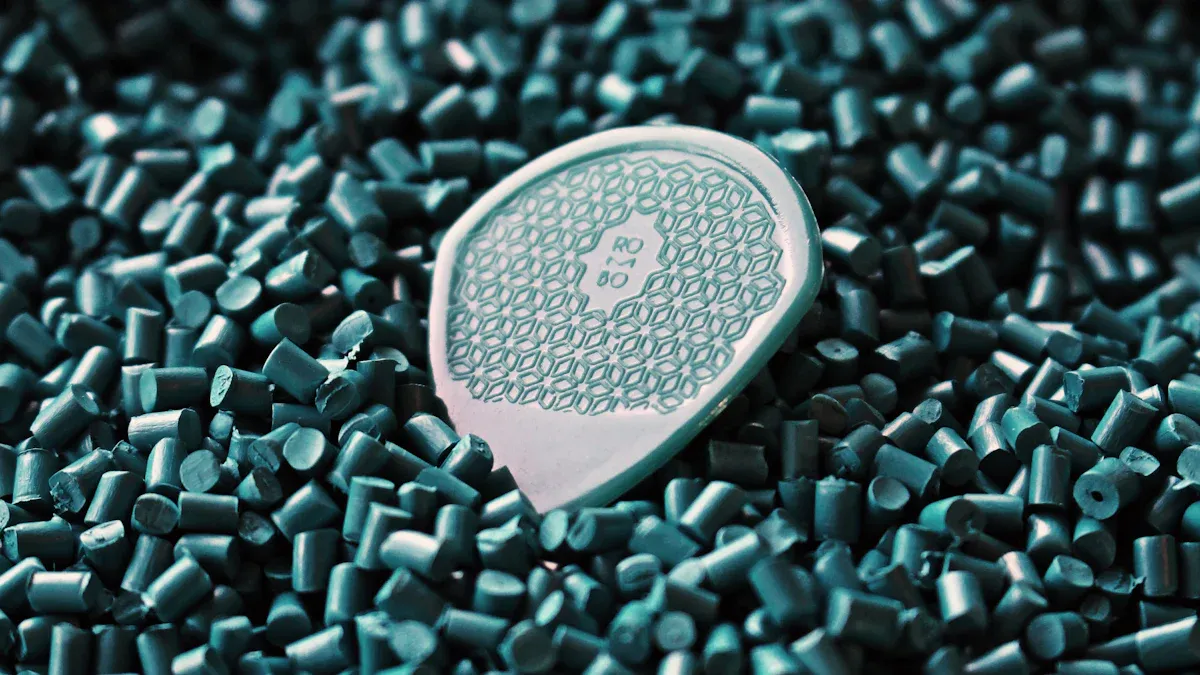
Mo rii pe ailewu ati atunlo daradara bẹrẹ pẹlu agbọye awọn ohun-ini alailẹgbẹ ti awọn pilasitik ati sulfur. Kemikali ibamu ọrọ, paapa nigbati awọn epo nlo pẹlu awọn pilasitik. Pupọ egbin ṣiṣu ile ise olubwon tunlo ni kan oṣuwọn ti nipa 9%, eyi ti o fihan a nilo fun dara solusan. Mo gbẹkẹle ohun elo ilọsiwaju bii IPG Pelletizing Machine Plastic lati mu ilọsiwaju awọn abajade atunlo. Ni Ṣiṣu ati efin ise Processing, awọn iṣe ti o dara julọ fun granulation sulfur ati gbigbe iranlọwọ dinku awọn ewu ati igbelaruge didara.
- Lagbaye ise ṣiṣu egbin oṣuwọn atunlo: nipa 9%
Awọn gbigba bọtini
- Loye ibaramu kemikali laarin awọn pilasitik ati awọn epo jẹ pataki lati yago fun ibajẹ lakoko atunlo.
- Fifọ awọn pilasitik dinku iwọn didun ati ilọsiwaju didara, ṣiṣe atunlo siwaju sii daradara ati iye owo-doko.
- Atunlo ẹrọ ṣiṣẹ dara julọ fun mimọ, pilasitik to lẹsẹsẹ, nigba ti atunlo kemikali n kapa awọn ohun elo ti o dapọ tabi ti doti.
- Lilo awọn shatti resistance ati awọn idanwo immersion ṣe iranlọwọ rii daju atunlo ailewu ti awọn pilasitik ti o farahan si awọn oriṣiriṣi awọn epo.
- Efin granulating ṣe aabo aabo nipasẹ idinku eruku ati ṣiṣe mimu rọrun, lakoko ti itutu agbaiye to ti ni ilọsiwaju ṣe idaniloju awọn granules to lagbara.
- Yiyan ohun elo ti o tọ ati awọn ohun elo fun gbigbe sulfur ṣe idilọwọ ibajẹ, ekuru ewu, ati awọn ikuna ẹrọ.
- Itọju deede, ekuru iṣakoso, ati isọdọkan eto igbelaruge ṣiṣe ati ailewu ni mejeeji atunlo ṣiṣu ati mimu sulfur mu.
- Awọn iṣe alagbero, pẹlu ohun elo agbara-daradara ati awọn afikun ti o da lori biocarbon, atilẹyin a ailewu ati greener ile ise.
Ibamu Kemikali ti Awọn pilasitik ati Epo
Awọn iyipada bọtini
Awọn oriṣi polima
Mo bẹrẹ nigbagbogbo nipa idamo iru polima ṣaaju ṣiṣe atunlo awọn pilasitik. Kọọkan polima reacts otooto si awọn epo. Polyethylene (PE) ati polypropylene (PP) ṣe afihan resistance to lagbara si ọpọlọpọ awọn epo. Polystyrene (PS) ati polyethylene terephthalate (PET) nigbagbogbo fọ lulẹ nigbati o ba farahan si awọn epo kan. Polycarbonate (PC) ati acrylonitrile butadiene styrene (ABS) le kiraki tabi di brittle lẹhin epo olubasọrọ. Nylon duro jade fun agbara rẹ lodi si awọn epo. Mo ṣayẹwo iru polima lati ṣe asọtẹlẹ bi yoo ṣe huwa lakoko atunlo.
Orisi Epo & Awọn iwọn otutu
Iru epo ati iwọn otutu ṣe ipa nla ni ibamu. Awọn epo sise bi olifi ati canola nigbagbogbo fa awọn ipa kekere lori PE ati PP. Awọn epo pataki, gẹgẹbi lẹmọọn tabi eucalyptus, ni awọn agbo ogun ti o kọlu awọn pilasitik bii PS ati PET paapaa ni iwọn otutu yara. Awọn epo mọto ati awọn lubricants sintetiki le ṣe imudara PE ati fa idamu wahala ni PC ati ABS. Awọn epo hydraulic, pẹlu wọn additives, le ja si brittleness ati wiwu ninu awọn pilasitik ti a ko ṣe iwọn fun lilo hydraulic. Mo nigbagbogbo ronu atike kemikali epo ati iwọn otutu lakoko atunlo.
Imọran: Mo ṣeduro ṣayẹwo mejeeji iru epo ati iwọn otutu ṣaaju ki o to dapọ awọn pilasitik ati awọn epo ni eyikeyi ilana atunlo.
Gbona vs. Awọn Ipa Kemikali
Yo Points
Mo san sunmo ifojusi si yo ojuami. PE yo ni iwọn 120 ° C, PP ni 160 ° C, ati PET ni 250 ° C. Ti ifihan epo ba ga iwọn otutu nitosi awọn aaye yo wọnyi, pilasitik le dibajẹ tabi yo. Awọn aati kẹmika le waye ni iyara ni awọn iwọn otutu ti o ga julọ. Mo ṣe abojuto iwọn otutu lati yago fun awọn iyipada ti aifẹ.
Awọn sakani iwọn otutu epo
Iwọn otutu epo ni ipa lori bi awọn pilasitik ṣe dahun. Awọn epo tutu ṣọwọn fa ibajẹ lẹsẹkẹsẹ. Awọn epo gbigbona mu awọn aati kẹmika pọ si ati pe o le rọ tabi ja awọn pilasitik. Fun apere, gbona motor epo le ni kiakia embrittle PE ati PC. Mo jẹ ki awọn iwọn otutu epo dinku lakoko atunlo lati daabobo didara ṣiṣu.
Resistant vs. Awọn pilasitik ipalara
Epo-sooro Orisi
Diẹ ninu awọn pilasitik koju ifihan epo daradara:
- Polypropylene (PP)
- Ọra
- Polyethylene (PE)
Awọn ohun elo wọnyi mu awọn epo mọto, eefun ti epo, ati sise epo pẹlu pọọku bibajẹ.
Epo-Vulnerable Orisi
Awọn pilasitik miiran ṣe afihan ailagbara:
- Polystyrene (PS)
- Polyethylene terephthalate (PET)
- Polycarbonate (PC)
- Acrylonitrile butadiene styrene (ABS)
Awọn pilasitik wọnyi le tu, kiraki, tabi ija lẹhin olubasọrọ epo, paapaa pẹlu awọn epo pataki tabi awọn lubricants gbona.
| Ṣiṣu Iru | Epo Resistance | Aṣoju Iṣe |
|---|---|---|
| PE, PP, Ọra | Ga | Iyipada kekere |
| PS, PET, PC, ABS | Kekere | Gbigbọn, ijagun, itusilẹ |
Mo nigbagbogbo baramu awọn pilasitik ati awọn epo ni pẹkipẹki lati yago fun awọn ikuna atunlo ati rii daju sisẹ ailewu.
Ibamu idanwo
Awọn shatti resistance
Mo nigbagbogbo ṣayẹwo awọn shatti resistance ṣaaju ṣiṣe atunlo awọn pilasitik ti o farahan si awọn epo. Awọn shatti wọnyi fihan bi awọn pilasitik ti o yatọ ṣe ṣe si ọpọlọpọ awọn epo ati awọn kemikali. Mo rii pe wọn wulo nitori wọn fun awọn idahun ni iyara nipa ibaramu. Fun apere, chart resistance le ṣe atokọ polyethylene bi “o tayọ” lodi si motor epo, nigba ti polystyrene fihan “talaka” resistance. Mo lo awọn shatti wọnyi lati yago fun awọn aṣiṣe ati yan awọn ohun elo to tọ fun atunlo.
| Ṣiṣu Iru | Motor Epo | Epo Sise | Epo pataki |
|---|---|---|---|
| PE | O tayọ | O tayọ | O dara |
| PP | O tayọ | O tayọ | O dara |
| PS | Talaka | Otitọ | Talaka |
| PET | Otitọ | O dara | Talaka |
| Ọra | O dara | O dara | O dara |
Imọran: Mo ṣeduro titọju awọn shatti resistance imudojuiwọn ni agbegbe atunlo. Eyi ṣe iranlọwọ fun gbogbo eniyan lati ṣe awọn yiyan ailewu ni iyara.
Idanwo Immersion
Nigba miran, awọn shatti resistance ko bo gbogbo epo tabi ṣiṣu iru. Mo lo idanwo immersion lati ṣayẹwo ibamu ni awọn ọran wọnyi. Mo ge apẹrẹ kekere kan ti ṣiṣu ati gbe e sinu epo. Mo fi silẹ fun akoko ti a ṣeto, nigbagbogbo 24 si 48 wakati. Lẹhin idanwo naa, Mo wa awọn ayipada bi wiwu, fifẹ, tabi awọn iyipada awọ. Ti ṣiṣu duro ko yipada, Mo mọ pe o jẹ ailewu fun atunlo pẹlu epo yẹn. Ti mo ba ri ibajẹ, Mo yago fun dapọ awon ohun elo.
Mo ṣe igbasilẹ awọn abajade mi sinu iwe ajako kan. Eyi ṣe iranlọwọ fun mi lati kọ itọsọna ibaramu aṣa fun ohun elo mi. Idanwo immersion fun mi ni igboya nigbati awọn shatti resistance ko ṣe akiyesi tabi nsọnu.
Awọn Aṣiṣe ti o wọpọ
Gbona vs. Ibajẹ Kemikali
Ọpọlọpọ eniyan ro pe ooru nikan nfa ibajẹ ṣiṣu. Mo kọ pe awọn aati kemikali le jẹ ipalara bii. Awọn epo le fọ awọn pilasitik paapaa ni iwọn otutu yara. Ooru ṣe iyara awọn aati wọnyi, ṣugbọn ibajẹ kemikali le ṣẹlẹ laisi awọn iwọn otutu giga. Mo nigbagbogbo ṣayẹwo mejeeji gbona ati awọn ewu kemikali ṣaaju atunlo.
Akiyesi: Emi ko gbẹkẹle awọn kika iwọn otutu nikan. Ifihan kemikali ṣe pataki bi ooru.
Awọn ewu Ifihan Igba pipẹ
Awọn idanwo igba kukuru nigbagbogbo padanu awọn eewu igba pipẹ. Mo lo lati gbagbọ pe awọn pilasitik jẹ ailewu ti wọn ba kọja awọn idanwo immersion ni iyara. Afikun asiko, Mo ti ri awọn pilasitik kiraki tabi irẹwẹsi lẹhin osu ti ifihan epo. Olubasọrọ igba pipẹ le fa fifalẹ ṣugbọn ibajẹ nla. Mo ṣe atẹle awọn pilasitik bayi fun awọn akoko gigun ati atunyẹwo awọn ayẹwo atijọ nigbagbogbo.
Mo ni imọran awọn miiran lati ronu mejeeji lẹsẹkẹsẹ ati awọn ipa idaduro. Eyi ṣe idilọwọ awọn ikuna airotẹlẹ ati pe o tọju atunlo lailewu.
Ṣiṣu crushing & Awọn ọna atunlo
Kí nìdí crushing ọrọ
Ṣiṣupa fifọ jẹ igbesẹ akọkọ ti Mo ṣe ni eyikeyi ilana atunlo. Igbese yii ṣe apẹrẹ ohun gbogbo ti o tẹle. Nigbati mo fọ ṣiṣu egbin, Mo jẹ ki o rọrun lati mu, too, ati ilana. Awọn anfani lọ kọja o kan ṣiṣe awọn ege kere.
Idinku Iwọn didun
Mo ṣe akiyesi pe egbin ṣiṣu aise gba aaye pupọ. Fifọ dinku iwọn didun, ṣiṣe ibi ipamọ ati gbigbe lọpọlọpọ diẹ sii daradara. Awọn ege kekere dada dara julọ sinu awọn apọn ati awọn hoppers, eyiti o ṣe iranlọwọ fun ohun elo ti o wa ni isalẹ lati ṣiṣẹ laisiyonu. Mo gbẹkẹle igbesẹ yii lati jẹ ki ohun elo mi ṣeto ati idiyele-doko.
| Ojuami Ẹri | Apejuwe |
|---|---|
| Idinku Iwọn didun | Fifọ dinku aaye ti o ya nipasẹ egbin ṣiṣu aise, ṣiṣe awọn ti o manageable fun ibosile itanna. |
| Imudara Didara Ohun elo | Iwọn aṣọ ti ṣiṣu fifọ ṣe alekun ṣiṣe fifọ ati dinku ibajẹ. |
| Ṣiṣe ni Atunlo | Awọn ipinnu ti a ṣe lakoko fifun ni ipa lori didara ọja ti a tunlo ti ikẹhin, ni ipa lori gbogbo awọn ilana ti o tẹle. |
Imudara Didara
Ṣiṣu fifọ ni iṣọkan ṣe ilọsiwaju didara ohun elo ti a tunlo. Nigbati mo fọ awọn pilasitik si iwọn deede, Mo jẹ ki fifọ ati yiyan rọrun. Igbesẹ yii dinku ibajẹ ati igbelaruge ṣiṣe ti gbogbo ilana ti o tẹle. Mo rii pe fifunpa ti o ni agbara giga nyorisi si awọn pellet ti a tunlo didara ga.
Imọran: Mo nigbagbogbo ṣayẹwo iwọn ati apẹrẹ ti ṣiṣu fifọ ṣaaju gbigbe si igbesẹ ti n tẹle. Iduroṣinṣin nibi fipamọ akoko ati owo nigbamii.
- Fifọ ni ipa lori iyapa ti awọn ohun elo ti a dapọ, eyi ti o le ṣe idiju atunlo ti ko ba ṣakoso daradara.
- Imọ-ẹrọ yiyan ilọsiwaju jẹ pataki lati koju awọn italaya ti o dide lati awọn ohun elo fifọ.
- Awọn atunṣe ilana ilọsiwaju ati awọn atunwo iṣẹ jẹ pataki fun mimu awọn iṣedede didara ga ni awọn abajade atunlo.
Atunlo ẹrọ
Atunlo ẹrọ ṣe fọọmu ẹhin ti iṣan-iṣẹ iṣelọpọ ṣiṣu mi. Mo lo lati yi awọn pilasitik egbin pada si awọn ohun elo aise tuntun laisi iyipada eto kemikali wọn. Ọna yii jẹ agbara-daradara ati iye owo-doko, paapa fun nikan-Iru pilasitik.
Crusher Orisi
Mo yan crushers da lori iru ati fọọmu ti ṣiṣu egbin. Fun awọn fiimu tinrin, Mo lo granulators pẹlu didasilẹ abe. Fun awọn ohun nla bi igo tabi awọn apoti, Mo gbekele lori eru-ojuse shredders. Diẹ ninu awọn pilasitik nilo awọn apanirun amọja lati mu lile tabi brittleness wọn. Awọn olutọpa ọtun ṣe idaniloju idinku iwọn daradara ati mura ohun elo fun sisẹ siwaju sii.
Afowoyi vs. Ẹ̀rọ
Fifọ ọwọ ṣiṣẹ fun awọn ipele kekere tabi nigbati Mo nilo lati ya awọn ohun elo sọtọ pẹlu ọwọ. Sibẹsibẹ, darí crushers mu tobi ipele ni kiakia ati àìyẹsẹ. Mo fẹran awọn ọna ẹrọ fun ọpọlọpọ awọn iṣẹ nitori wọn ṣafipamọ laala ati ṣafihan awọn abajade aṣọ. Atunlo ẹrọ jẹ gaba lori ile-iṣẹ naa, paapa ni awọn agbegbe bi Europe, ibi ti o ti iroyin fun lori 99% ti tunlo pilasitik.
Atunlo ẹrọ ni ti ara tun awọn pilasitik ṣe, awọn ohun elo iṣelọpọ pẹlu awọn ohun-ini ti o sunmọ awọn pilasitik wundia. O ṣiṣẹ dara julọ pẹlu awọn pilasitik isokan, nitorinaa Mo to lẹsẹsẹ ati sọ di mimọ awọn ohun elo daradara ṣaaju fifọ. I know that repeated recycling can degrade polymer properties, so I monitor the quality of each batch.
Pre-Shredding
Pre-shredding is a step I never skip when dealing with large or mixed plastic waste. I use shredders to break down bulky items into manageable pieces before final crushing. This step protects my main crusher from jams and wear. Pre-shredding also helps me spot contaminants or non-plastic materials early, which keeps the recycling process clean and efficient.
Key Performance Factors
Several factors influence how well my crushing and recycling equipment performs. I pay close attention to these details to maximize efficiency and output quality.
| Performance Factor | Apejuwe |
|---|---|
| Material Type and Form | Different plastics require specific cutting forces and blade types for effective crushing. |
| Blade Gap | Kiliaransi laarin awọn abẹfẹlẹ yoo ni ipa lori didara gige; tighter ela ikore regede gige sugbon mu yiya. |
| Iwon Mesh iboju | Ṣe ipinnu iwọn patiku ti o wu jade; awọn iwọn ti o kere julọ dinku iṣẹjade nitori atunṣe. |
| Yiyi Iyara | Yoo ni ipa lori iṣelọpọ ati iran ooru; awọn iyara ti o ga julọ mu iṣelọpọ pọ si ṣugbọn o le ṣẹda awọn patikulu ti o dara. |
| Oṣuwọn ifunni | Ifunni to dara jẹ pataki; overfeeding le ba awọn ẹrọ, nigba ti underfeeding din ṣiṣe. |
| Itoju | Itọju abẹfẹlẹ deede jẹ pataki lati ṣe idiwọ awọn silė didara ati igara ohun elo. |
| Iṣakoso koto | Ekuru to dara ati iṣakoso ṣiṣan afẹfẹ jẹ pataki lati yago fun igbona ati ikuna ẹrọ. |
Blade Yiyan
Mo yan awọn abẹfẹlẹ ti o da lori iru ṣiṣu ati iwọn iṣelọpọ ti o fẹ. Awọn pilasitik lile nilo awọn abẹfẹlẹ ti o le ju, nigba ti Aworn pilasitik nilo didasilẹ egbegbe. Mo ṣayẹwo aafo abẹfẹlẹ nigbagbogbo nitori awọn ela tighter fun awọn gige mimọ ṣugbọn wọ jade ni iyara. Mo rọpo tabi pọn awọn abẹfẹlẹ nigbagbogbo lati ṣetọju iṣẹ giga.
Apapo iboju
Apapo iboju n ṣakoso iwọn awọn ege ṣiṣu ti a fọ. Awọn iwọn apapo ti o kere julọ ṣe agbejade awọn patikulu ti o dara julọ ṣugbọn fa fifalẹ ilana naa nitori ohun elo yi pada titi yoo fi baamu nipasẹ apapo. Mo dọgbadọgba iwọn apapo pẹlu ọna gbigbe lati pade awọn ibi-afẹde iṣelọpọ mi. Dédé patiku iwọn se fifọ ati pelletizing nigbamii.
Yiyi Iyara & Oṣuwọn ifunni
Iyara iyipo yoo ni ipa lori bi o ṣe yarayara MO le ṣe ilana egbin ṣiṣu. Awọn iyara ti o ga julọ ṣe alekun iṣelọpọ ṣugbọn o le ṣẹda awọn patikulu itanran diẹ sii ati ooru. Mo ṣatunṣe iyara lati baramu iru ṣiṣu ati iṣẹjade ti o fẹ. Oṣuwọn ifunni ṣe pataki, pelu. Overfeeding le Jam ẹrọ, nigba ti underfeeding egbin agbara. Mo ṣe atẹle mejeeji lati jẹ ki iṣẹ ṣiṣe mi ṣiṣẹ laisiyonu.
Akiyesi: Itọju deede ati iṣakoso eruku jẹ ki ohun elo mi ṣiṣẹ daradara ati ṣe idiwọ awọn fifọ airotẹlẹ.
Ṣiṣepọ Awọn Solusan To ti ni ilọsiwaju
Mo gbekele lori awọn Exintelmach Ṣiṣu ẹrọ IPG Pelletizing lati mu ilana atunlo mi ṣiṣẹ. Yi ẹrọ daapọ crushing, iwapọ, yo, ati pelletizing ninu ọkan eto. Awọn oniwe-asefara dabaru extruder ati ki o to ti ni ilọsiwaju pelletizing awọn aṣayan jẹ ki mi lọwọ kan jakejado ibiti o ti pilasitik. Ẹrọ Pelletizing IPG nlo iṣakoso iwọn otutu deede ati sisẹ ilọsiwaju lati ṣe agbejade aṣọ, ga-didara pellets. Awọn ẹya ara ẹrọ adaṣe dinku iṣẹ ṣiṣe ati rii daju iṣelọpọ deede. Mo rii pe imọ-ẹrọ yii kii ṣe igbelaruge ṣiṣe nikan ṣugbọn tun ṣe ilọsiwaju didara ati iye ti awọn pilasitik ti a tunlo mi.
Atunlo Kemikali
Atunlo kemikali fun mi ni ọna lati fọ awọn pilasitik kọja awọn ọna ẹrọ. Mo lo ilana yii nigbati atunlo ẹrọ ko le gbe awọn ohun elo to gaju jade. Atunlo kemikali da lori awọn nkanmimu ati awọn aati kemikali lati yi awọn pilasitik pada si awọn bulọọki ile ipilẹ wọn. Mo rii pe ọna yii wulo fun awọn pilasitik ti o dapọ tabi ti doti ti atunlo ẹrọ ko le mu.
Awọn ọna Da-Odi
Atunlo ti o da lori epo nlo awọn kemikali lati tu awọn pilasitik. Mo yan olomi bi acetone, dichloromethane, tabi tetrahydrofuran (THF) da lori awọn polima iru. Mo gbe ṣiṣu shredded sinu iwẹ olomi. Awọn epo fi opin si awọn ẹwọn polima, yiya sọtọ impurities ati dyes. Lẹhin itusilẹ, Mo àlẹmọ jade contaminants ati ki o bọsipọ awọn funfun polima. Mo lẹhinna ṣaju polima nipa fifi kemikali miiran kun tabi itutu ojutu naa. This process produces clean, high-quality plastic ready for reuse.
I always monitor solvent use carefully. Solvents can generate hazardous waste and require proper disposal. I use protective equipment and follow safety guidelines to prevent exposure. Solvent-based methods work best for plastics like polystyrene, polyvinyl kiloraidi, ati PET.
Depolymerization
Depolymerization takes chemical recycling a step further. I use heat, catalysts, or enzymes to break plastics down into monomers. These monomers serve as raw materials for new plastic production. I apply depolymerization to plastics like PET and nylon. The process involves heating the plastic in a reactor, sometimes with acids or bases. The plastic breaks apart into its original chemical units.
I prefer depolymerization for producing high-purity materials. Ọna yii gba mi laaye lati tunlo awọn pilasitik ti awọn ọna ẹrọ ko le mu pada si didara atilẹba wọn. Depolymerization tun ṣe iranlọwọ fun mi lati pa lupu naa ni aje ipin.
Imọran: Mo nigbagbogbo ṣe afiwe kemikali ati atunlo ẹrọ ṣaaju yiyan ọna kan. Atunlo kẹmika ṣe agbejade iṣelọpọ mimọ ṣugbọn nilo mimu iṣọra ti awọn kemikali.
| Abala | Atunlo Kemikali | Atunlo ẹrọ |
|---|---|---|
| Ilana | Nlo awọn acids ati awọn olomi lati tu awọn pilasitik, ti o npese majele ti kemikali. | Kan pẹlu fifọ awọn pilasitik ti ara, eyi ti o le ṣe irẹwẹsi eto wọn. |
| Abajade | Ṣe agbejade didara-giga, ṣiṣu funfun o dara fun orisirisi awọn ohun elo. | Awọn abajade ni didara kekere ti a tunlo ṣiṣu ti o bajẹ lori akoko. |
| Ipa Ayika | Ṣe ipilẹṣẹ awọn itujade CO2 ti o ga julọ ati egbin eewu nitori awọn kemikali ti a lo. | Nlo awọn epo fosaili diẹ sii ṣugbọn ni gbogbogbo n gbe egbin eewu ti o kere si. |
Awọn aṣiṣe ti o wọpọ
Mo ti ri ọpọlọpọ awọn asise ni ṣiṣu crushing ati atunlo. These errors reduce efficiency and create safety risks. I always review my process to avoid common pitfalls.
Equipment Mismatch
I notice that using the wrong equipment causes frequent interruptions. Recycling machinery can jam 3–8 times per shift, cutting processing capacity by titi di 25%. I match my crusher and pelletizer to the plastic type and batch size. I check feed systems for compatibility and adjust settings to prevent jams.
Contamination
Contamination remains a major challenge. Nipa 75% of contaminants in recycling facilities come from plastic bags and films. These materials clog machinery and lower product quality. I sort and clean plastics before crushing. I remove plastic bags, awọn fiimu, and other non-recyclable items. Emily Malik, a conservation coordinator, points out that contamination complicates recycling. Mo gba ati ki o jẹ ki iṣakoso idoti jẹ pataki.
Awọn oran Itọju
Aibikita itọju nyorisi akoko idinku ati awọn atunṣe idiyele. Mo ṣe awọn eto itọju idena lati jẹ ki awọn ẹrọ mi nṣiṣẹ laisiyonu. Itọju deede dinku akoko isinmi ti a ko gbero nipasẹ to 75%. Mo seto didasilẹ abẹfẹlẹ, iboju ninu, ati lubrication. Mo ṣayẹwo ohun elo lojoojumọ ati ṣatunṣe awọn iṣoro ṣaaju ki wọn to pọ si.
Iṣakoso eruku
Ikojọpọ eruku ṣẹda awọn eewu ati ba ohun elo jẹ. Mo fi awọn eto isediwon eruku sori ẹrọ ati lo awọn ẹrọ fifọ pa. Mo nu eruku Ajọ nigbagbogbo. Iṣakoso eruku to dara ṣe aabo fun awọn oṣiṣẹ ati fa igbesi aye ẹrọ pọ si.
Iwọn Ijade
Iwọn abajade aisedede ni ipa lori sisẹ isalẹ. Mo ṣatunṣe apapo iboju ati iyara rotor lati gbe awọn patikulu aṣọ jade. Mo ṣayẹwo iwọn iṣẹjade lẹhin ipele kọọkan. Awọn pelleti aṣọ ṣe imudara fifọ, yo, ati ik ọja didara.
- Equipment jams reduce processing capacity by up to 25%.
- Preventive maintenance cuts downtime by up to 75%.
- Plastic bags and films cause most contamination in recycling facilities.
- Dust control and output size management improve safety and product quality.
Akiyesi: I always review my process for these mistakes. Addressing them boosts efficiency and ensures high-quality recycled plastics.
Plastic Dissolution & Degradation
Why Plastics Resist Dissolving
Molecular Structure
I often wonder why most plastics do not dissolve easily in common solvents. The answer lies in their molecular structure. Plastics have long polymer chains with strong carbon-to-carbon bonds. These bonds resist breaking in everyday environments. Conventional plastics, like polyethylene and polypropylene, show remarkable durability because of these bonds. Semi-crystalline plastics have a tight structure that blocks solvents from penetrating. Amorphous plastics are more vulnerable to certain organic solvents, but they still resist water.
| Iru Ṣiṣu | Awọn abuda |
|---|---|
| Conventional Plastics | Long polymer chains with strong carbon-to-carbon bonds that resist breaking in common environments. |
| Semi-crystalline Plastics | Tight structure that prevents solvents from penetrating. |
| Amorphous Plastics | More vulnerable to certain organic solvents but still resistant to water. |
I always check the structure of the plastic before choosing a recycling method. The molecular arrangement determines how the material reacts to solvents.
Solvent Compatibility
Solvent compatibility plays a big role in plastic dissolution. I notice that plastics resist dissolving unless the solvent matches their chemical nature. Non-polar plastics, like polyethylene, do not dissolve in water or alcohols. Polar plastics, such as polyvinyl alcohol, dissolve in water. I select solvents based on the plastic’s polarity and structure. This step helps me avoid wasting time and resources.
Solvents That Dissolve Plastics
THF
Tetrahydrofuran (THF) stands out as a powerful solvent for plastics like polyvinyl chloride (PVC) ati polystyrene. I use THF in laboratory settings to dissolve these plastics for analysis or recycling. THF works well because it matches the polarity of the polymers.
Acetone
Acetone dissolves plastics such as polystyrene and some acrylics. I use acetone to clean equipment or remove residues. Acetone does not affect most conventional plastics, but it can break down certain types quickly.
Dichloromethane
Dichloromethane dissolves plastics like polycarbonate and PVC. I use it for industrial applications where rapid dissolution is needed. Dichloromethane works best with plastics that have less crystalline structure.
| Solvent Type | imudoko | Awọn akọsilẹ |
|---|---|---|
| Toluene | Ga | Best overall performance in solubility tests |
| Xylene | Ga | Outperformed other solvents |
| Cyclohexane | Déde | Effective in blends with cyclohexanol and xylene |
| Cyclohexanol | Déde | Enhances solubility in mixtures |
| Alcohols | Kekere | Generally poor solvents for non-polar plastics |
| Ketones | Kekere | Not effective alone, but mixtures may improve solubility |
| Esters | Kekere | Not effective alone, but mixtures may improve solubility |
I find that solvent dissolution retains the chemical structure of polymers. This method reduces emissions and energy use compared to other recycling methods. It broadens the recycling scope for plastics, especially for polypropylene and polystyrene. Companies like Purecycle and Polystyvert use these solvents to recycle plastics that were once unrecyclable.
Atunlo ti o da lori epo jẹ ki n gba awọn polima mimọ pada laisi fifọ awọn ifunmọ kemikali wọn. Ọna yii fi agbara pamọ ati atilẹyin iduroṣinṣin.
Tituka & Biodegradable Plastics
PVA & Omi-tiotuka Orisi
Mo lo ọti polyvinyl (PVA) nigbati mo nilo ike kan ti o dissolves ninu omi. Awọn fiimu PVA fọ lulẹ ni kiakia ati ko fi iyokù silẹ. Awọn pilasitik ti omi-omi ṣe iranlọwọ fun mi lati ṣẹda apoti ti o parẹ lẹhin lilo. Awọn ohun elo wọnyi ṣiṣẹ daradara fun awọn ohun kan-lilo ati dinku egbin.
Bioplastics
Awọn pilasitik biodegradable nfunni ni ojutu miiran. Mo gbẹkẹle Awọn polyesters ti o da lori epo bi polycaprolactone (PCL) ati poli(butylene succinate) (PBS) nitori microorganisms ati ensaemusi le degrade wọn. Bio-orisun pilasitik, bii poli(hydroxybutyrate) (PHB), poli(lactide) (PLA), ati sitashi idapọmọra, wa lati awọn orisun isọdọtun ati pe o tun jẹ biodegradable. Awọn oṣuwọn ibajẹ wọn da lori ilana kemikali, yo ojuami, ati crystallinity. Diẹ ninu awọn pilasitik, like polyethylene and Nylon 11, may be bio-based but remain non-biodegradable. Acetyl cellulose can be biodegradable or not, depending on its acetylation.
I choose biodegradable plastics for applications where environmental impact matters. These materials break down through enzymatic and microbial action. Their rates of degradation vary based on composition and environmental conditions.
I always match the plastic type to the intended use and disposal method. This practice helps me support sustainability and reduce pollution.
Degradation Pathways
UV & Ooru
I see plastics degrade through several pathways. UV radiation and heat play major roles in breaking down polymers. When sunlight hits plastic, UV rays cause photodegradation. This process breaks polymer chains into smaller fragments. Heat speeds up this reaction. Oxygen in the environment also accelerates degradation. I notice that high temperatures can trigger depolymerization reactions in synthetic polymers. These reactions break plastics into their basic chemical units.
During darí atunlo, plastics face heat and shear forces. These conditions lead to thermo-oxidative and thermo-mechanical degradation. Chain-scission reactions start, breaking the long polymer chains. I monitor temperature and oxygen levels in my facility to control these effects. Chemical degradation, such as hydrolysis or oxidation, happens at near-ambient temperatures. Environmental factors like temperature and oxygen presence influence how fast plastics degrade.
- Photodegradation breaks down polymer chains with UV radiation.
- Heat and oxygen speed up the degradation process.
- High temperatures cause depolymerization in synthetic polymers.
- Mechanical recycling introduces heat and shear, leading to chain-scission reactions.
- Chemical degradation involves hydrolysis or oxidation, often at lower temperatures.
I always check for signs of degradation in recycled plastics. Changes in color, brittleness, or texture signal that UV and heat have affected the material.
Microplastics
Microplastics form when larger plastic pieces break down into tiny fragments. I see this happen during photodegradation and mechanical recycling. UV light, ooru, and oxygen cause plastics to fragment. These small pieces do not dissolve. Dipo, they persist in the environment.
Microbes can help degrade plastics. I use strains like Kocuria palustris M16, Bacillus pumilus M27, ati Bacillus subtilis H1584 to enhance the breakdown of polyethylene films. The strain Brevibacillus borstelensis accelerates degradation of UV-treated low-density polyethylene at higher temperatures. Hydrolytic enzymes such as cutinase can completely degrade PET into monomers within 24 hours under specific conditions.
- Microbes and enzymes speed up plastic degradation.
- Microplastics result from fragmentation, not dissolution.
- Microplastics persist and pose environmental risks.
I track microplastic formation in my recycling process. I use biological methods to reduce their presence and support cleaner recycling.
Misconceptions
Dissolution vs. Degradation
Many people think plastics dissolve like sugar in water. I learned that conventional plastics do not dissolve. They degrade through photodegradation, where UV radiation breaks them into smaller pieces. Plastics do not vanish; they fragment and remain in the environment. This misconception leads to improper disposal and recycling practices.
- Plastics do not dissolve; they break into smaller fragments.
- Photodegradation causes fragmentation, not disappearance.
I explain this difference to my team. Understanding the distinction helps us manage plastic waste responsibly.
Environmental Risks
Some believe plastics break down on their own. I know this is not true. Most plastics persist for decades unless exposed to specific degradation pathways. Microplastics pose serious environmental risks. They accumulate in soil and water, affecting wildlife and human health. I use controlled recycling methods to minimize microplastic release.
Imọran: I always educate others about the persistence of plastics and the importance of proper recycling. Awareness reduces environmental harm and supports sustainability.
Sulphur Granulation Processes
Why Granulate Sulphur
Aabo & Handling
I granulate sulphur to make it safer to handle in industrial environments. Granulated sulphur reduces the risk of dust explosions. The larger, uniform granules do not create airborne particles as easily as powdered sulphur. Workers face fewer hazards when moving granulated sulphur. I notice that granules flow smoothly through conveyors and storage bins. This reduces spills and minimizes contact with skin or eyes. I always prioritize safety by choosing granulation methods that produce strong, dust-free granules.
Granulated sulphur improves workplace safety by lowering dust levels and making handling easier.
Awọn anfani Ayika
Granulating sulphur helps protect the environment. I see that granules release less dust into the air, which means cleaner facilities and reduced air pollution. The uniform size of granules prevents accidental spills and makes cleanup simpler. I use advanced cooling systems to create granules with a strong crystalline structure. These granules resist breaking apart during transport. This reduces the risk of sulphur entering soil or water. I believe that granulation supports sustainability by minimizing waste and preventing environmental contamination.
Granulation Steps
Yiyọ
I start the granulation process by melting sulphur at controlled temperatures. Sulphur melts at about 115°C. I use specialized heaters to keep the temperature steady. If the temperature rises too high, sulphur can decompose or release harmful gases. I monitor the melting stage closely to ensure safety and product quality.
Seed Generation
Lẹhin yo, I generate small sulphur seeds. I freeze droplets of molten sulphur to create these seeds. Pressure control is important during this step. The seeds act as nuclei for granule formation. I make sure the seeds are uniform in size to produce consistent granules later.
Granule Formation
I form granules by rotating the seeds in a drum. The drum rotates at a set speed, causing the seeds to roll and pick up layers of molten sulphur. This builds up the granules to the desired size. Drum rotation is a key factor. If the drum spins too fast, granules become uneven. If it spins too slowly, production slows down. I adjust the rotation speed to balance quality and efficiency.
Itutu agbaiye
I cool and solidify the granules to ensure proper crystallization. Cooling rate affects the strength and structure of the granules. I use air or water cooling systems to control the process. Rapid cooling can cause cracks, while slow cooling produces strong, uniform granules. I monitor the cooling stage to prevent defects and maintain product quality.
| Igbesẹ | Apejuwe | Kokoro ifosiwewe |
|---|---|---|
| 1 | Melting sulphur at controlled temperatures | Iṣakoso iwọn otutu |
| 2 | Generating small sulphur seeds through freezing | Pressure Control |
| 3 | Forming granules by rotating in a drum | Drum Rotation |
| 4 | Cooling and solidifying to ensure crystallization | Cooling Rate |
- Granulation improves product quality by ensuring uniform granule sizes.
- Dust reduction during handling enhances workplace safety.
- Advanced cooling systems lead to better crystalline structure and stronger granules.
Granulation Techniques
Drum Systems
I use drum systems for large-scale sulphur granulation. Awọn rotary drum method pours molten sulphur into a rotating drum. Granules form as the seeds roll and pick up layers of sulphur. This technique produces uniform granule sizes and handles high throughput. I rely on drum systems when I need consistent quality and efficient production.
Prilling Towers
Prilling towers spray molten sulphur droplets through a nozzle into a tall tower. The droplets cool and solidify as they fall, forming spherical granules. Air cooling in the tower creates smooth, round granules. I choose prilling towers for applications that require perfectly spherical granules. This method works well for moderate production volumes.
- Prilling Tower Method: Sprays molten sulphur droplets through a nozzle into a tower where they cool and solidify into spherical granules.
- Rotary Drum Granulation: Pours molten sulphur into a rotating drum where it forms granules by rolling and cooling on the drum surface.
The rotary drum granulation method stands out for its efficiency in large-scale production. It delivers high throughput and uniform granule size. The prilling tower method excels at producing spherical granules through air cooling.
Fluid Beds
Fluid bed granulation suspends sulphur particles in a stream of air. I inject molten sulphur into the fluidized bed. The particles mix and cool rapidly, forming granules. Fluid beds allow precise control over granule size and cooling rate. I use this technique when I need flexibility and fast cooling.
Steel Belt
Steel belt granulation spreads molten sulphur onto a moving steel belt. The belt cools the sulphur as it travels, forming solid granules. This method produces flat, uniform granules and works well for continuous production. I select steel belt systems for applications that require gentle cooling and minimal dust.
Each granulation technique offers unique advantages. I match the method to my production needs and quality requirements.
Process Controls
I pay close attention to process controls when granulating sulphur. These controls help me produce high-quality granules and maintain safety in my facility. Each stage of the process requires careful monitoring and adjustment.
Iwọn otutu & Titẹ
Temperature control stands out as the most important factor during sulphur melting. I set the temperature just above sulphur’s melting point, usually around 115°C. If the temperature rises too high, sulphur can decompose or release harmful gases. I use precise heaters and sensors to keep the temperature steady. Pressure control becomes critical during seed generation. I adjust the pressure to create uniform sulphur seeds. Stable pressure ensures that the seeds form consistently, which leads to better granule quality.
I rely on a table to track key factors at each step:
| Igbesẹ | Apejuwe | Kokoro ifosiwewe |
|---|---|---|
| Sulphur Melting | Heating sulphur to liquid state | Iṣakoso iwọn otutu |
| Seed Generation | Creating small sulphur seeds | Pressure Control |
| Granule Formation | Building up granules in drum | Drum Rotation |
| Cooling and Solidification | Hardening granules | Cooling Rate |
I check these factors every day. This routine helps me prevent defects and maintain consistent quality.
Cooling Rate
Cooling rate affects the strength and structure of sulphur granules. I use air or water cooling systems to control how quickly the granules solidify. Rapid cooling can cause cracks or weak spots. Slow cooling produces strong, uniform granules. I adjust the cooling rate based on the size and shape of the granules I want. I monitor the cooling process with sensors and visual checks. This practice helps me avoid defects and ensures that the granules meet industry standards.
I always remind my team that careful cooling leads to safer, more reliable sulphur products.
Modern Technology Benefits
Modern sulphur granulation technology offers several advantages. I see improvements in product quality, dust reduction, and energy efficiency every day.
Didara ọja
Advanced granulation systems produce sulphur granules with uniform size and shape. Prilled sulphur stands out for its superior physical qualities. The round shape and consistent size make the granules flow smoothly and predictably. This uniformity helps me plan storage and transport more efficiently. I notice that high-quality granules reduce waste and improve performance in downstream applications.
| Benefit Type | Apejuwe |
|---|---|
| Didara ọja | Prilled sulfur exhibits superior physical qualities, including better flowability and less dust. Its uniform size and round shape enhance predictability in use. |
Dust Reduction
Dust reduction remains a top priority in my facility. Modern air treatment systems capture and remove dust during the granulation process. These systems keep the workplace cleaner and safer. I see fewer airborne particles, which lowers the risk of dust explosions and respiratory hazards. Cleaner air also means less contamination in the final product.
| Benefit Type | Apejuwe |
|---|---|
| Dust Reduction | Air treatment systems are employed to significantly reduce dust generation during the granulation process. |
Cleaner air and less dust make my facility safer for everyone.
Lilo Agbara
Energy efficiency helps me lower costs and reduce environmental impact. Indirect heat transfer methods optimize temperature control. These methods use less energy and minimize thermal waste. I track energy use with sensors and adjust settings to avoid excess consumption. Efficient systems help me meet sustainability goals and keep production costs down.
| Benefit Type | Apejuwe |
|---|---|
| Lilo Agbara | Indirect heat transfer methods optimize temperature control, reducing excessive energy consumption and thermal waste during production. |
- Uniform granule size improves product quality.
- Air treatment systems reduce dust and enhance safety.
- Indirect heat transfer methods save energy and support sustainability.
I believe that investing in modern technology pays off with better products, safer workplaces, ati awọn idiyele iṣẹ ṣiṣe kekere.
Sulphur Conveying Best Practices
Sulphur Properties
Forms & Densities
I handle sulphur in several forms, including granules, powders, and molten liquid. Each form has its own density and flow characteristics. Granulated sulphur flows easily and packs tightly, making it ideal for bulk transport. Powdered sulphur creates more dust and requires careful handling to prevent airborne particles. Molten sulphur moves through pipelines and needs precise temperature control to stay liquid. I always check the bulk density before selecting conveyor systems. Fun apere, granules have higher density than powder, so I adjust conveyor capacity accordingly.
| Sulphur Form | Typical Density (kg/m³) | Handling Notes |
|---|---|---|
| Granules | 1,200–1,400 | Flows easily, kere eruku |
| Powder | 800– 1,000 | High dust risk, needs control |
| Molten | 1,800 | Requires heated pipelines |
Corrosiveness
Sulphur can corrode metal surfaces, especially when wet or exposed to moisture. I prefer stainless steel or corrosion-resistant alloys for conveyor parts. Wet sulphur accelerates corrosion, so I avoid using carbon steel. I inspect equipment regularly for signs of rust or pitting. Choosing the right materials prevents costly repairs and extends equipment life.
Equipment Selection
Bucket Conveyors
I use bucket conveyors to move granulated sulphur vertically or horizontally. These conveyors handle bulk material efficiently and minimize spillage. I select buckets made from abrasion-resistant materials to withstand sulphur’s rough texture. Enclosed bucket conveyors reduce dust emissions and improve workplace safety.
Heated Pipelines
For molten sulphur, I rely on heated pipelines. These pipelines maintain sulphur above its melting point, usually around 120°C. I install insulation and heating elements to prevent solidification. Heated pipelines must use corrosion-resistant materials to avoid leaks and breakdowns. I monitor temperature closely to keep sulphur flowing smoothly.
Material Choices
Selecting the right materials is crucial. I choose stainless steel for most conveyor parts because it resists corrosion and abrasion. For areas exposed to high temperatures or moisture, I use special alloys. I avoid plastics and carbon steel, which degrade quickly in sulphur environments. I also consider the bulk density and flowability of sulphur when sizing conveyors.
I always match conveyor design to sulphur’s physical properties. This practice ensures reliable operation and reduces maintenance needs.
Factors I consider when selecting equipment:
- Operational requirements—scope and scale of sulphur handling.
- Efficiency and performance—energy use, losi, dust suppression.
- Materials and durability—corrosion-resistant alloys.
- Safety features—explosion-proof components, emergency shutdowns.
- Maintenance and serviceability—easy access for repairs.
- Cost and total ownership—purchase, agbara, and maintenance expenses.
Dust & Explosion Control
Enclosed Systems
Sulphur dust poses explosion risks. Mo lo fully enclosed and sealed conveying systems to prevent dust emissions. These systems comply with ATEX or NFPA standards, which set safety requirements for explosive atmospheres. Enclosed conveyors keep dust contained and protect workers from inhalation hazards.
Awọn Ilana Ibamu
I follow strict compliance standards for sulphur conveying. ATEX and NFPA guidelines require explosion-proof motors and grounded equipment. I install safety alarms and video monitoring to detect dust fires early. Regular inspections help me spot hazards before they escalate.
Grounding
Grounding all equipment is essential. I connect conveyors, awọn mọto, and pipelines to earth ground to prevent static buildup. Static electricity can ignite sulphur dust, so grounding reduces explosion risks. I check grounding connections during maintenance and replace worn cables promptly.
- I maintain dust suppression sprays on silos and conveyors.
- I conduct emergency drills and train personnel in fire response.
- I use atomizing water cannons instead of direct water jets for fire control.
Early detection and proper equipment keep my facility safe from dust and explosion hazards.
Itoju & Ijọpọ
Ninu
I always make cleaning a top priority in my sulphur conveying systems. Sulphur dust and residue can build up quickly, leading to blockages or even equipment failure. I schedule regular cleaning routines for all conveyors, chutes, and storage bins. I use industrial vacuums and brushes to remove dust from hard-to-reach areas. For sticky sulphur deposits, I sometimes use steam or warm water, but I make sure to dry all surfaces thoroughly to prevent corrosion. I check for residue after every cleaning session. This habit helps me catch problems early and keeps my system running smoothly.
I learned from industry presentations that integrated surface protection and reliability-based maintenance can boost plant uptime, ailewu, and asset longevity. I see the benefits every time I stick to my cleaning schedule and use the right protective coatings.
Anti-Stick Coatings
Sulphur tends to stick to metal surfaces, especially in humid conditions. I apply anti-stick coatings to key areas of my conveying system. These coatings create a smooth barrier that prevents sulphur from clinging to chutes, hoppers, ati conveyor igbanu. I choose coatings that resist both abrasion and corrosion. I inspect coated surfaces regularly for signs of wear or peeling. When I spot damage, I reapply the coating right away. This practice reduces downtime and helps me avoid costly repairs. Anti-stick coatings also make cleaning much easier, saving me time and effort.
System Integration
I believe that integrating all parts of the sulphur conveying system leads to better performance and fewer breakdowns. I connect my conveyors, storage bins, and control panels into a single automated network. This setup lets me monitor the entire process from one location. I use sensors to track material flow, otutu, and equipment status. When a problem arises, eto titaniji mi lẹsẹkẹsẹ. I can then respond quickly and prevent bigger issues. I also link my maintenance schedule to the control system. Automated reminders help me stay on track with inspections and repairs.
- I always coordinate with my team to ensure everyone understands the integrated system.
- I train new staff on how to use the monitoring tools and respond to alerts.
- I update my integration plan as new technology becomes available.
By focusing on cleaning, using anti-stick coatings, and integrating my systems, I keep my sulphur conveying operations safe, daradara, ati ki o gbẹkẹle.
Plastic and Sulphur Industrial Processing Overview
Integrated Challenges
I see that Plastic and Sulphur Industrial Processing brings unique challenges to every facility. Plastics often arrive mixed, contaminated, or degraded. Sorting and purification require careful attention to detail. Sulphur presents risks like dust explosions and corrosion. I must balance safety, ṣiṣe, ati ojuse ayika. Handling both materials demands specialized equipment and strict process controls. I notice that integrating these processes can strain resources and increase maintenance needs. Managing waste streams and preventing harmful emissions remain top priorities for me.
Safety always comes first. I monitor dust levels, check for leaks, and train my team to handle emergencies. Regular inspections help me catch problems early.
Advanced Solutions
I rely on advanced machinery and technology to overcome these challenges. The IPG Pelletizing Machine Plastic streamlines recycling by combining crushing, iwapọ, yo, ati pelletizing ninu ọkan eto. This machine produces high-quality pellets and removes impurities efficiently. For sulphur, I use enclosed conveyors and automated monitoring systems to reduce dust and prevent explosions. Modern granulation techniques, like drum systems and prilling towers, improve product quality and minimize waste.
Awọn transformation of mixed plastic waste involves sorting, purification, pyrolysis, and heteroatom removal. These steps produce hydrocarbon feedstocks that fit into existing refinery technologies. Advanced recycling technologies help me meet the growing demand for recycled plastics. They turn waste into valuable materials and support the circular economy.
- EVERCYCLE™ supports circular solutions with sustainable additives.
- NAUGARD BIO-XL offers a biocarbon-based accelerator for sulfur curing, avoiding harmful nitrosamines.
- Mo lo biocarbon-based accelerators and PFAS-free additives to minimize emissions.
- Strategies like nonylphenol-free additives further reduce environmental risks.
Automation and smart controls make my operations safer and more efficient. I track material flow, otutu, and equipment status from a central control panel.
Ifojusi Iduroṣinṣin
Sustainability guides every decision I make in Plastic and Sulphur Industrial Processing. I choose technologies that reduce waste and energy use. Advanced recycling methods let me recover pure polymers and integrate them into new products. I select additives and accelerators that support circular solutions and avoid harmful chemicals. Minimizing emissions and dust protects both workers and the environment.
I believe that integrating sustainable practices improves product quality and lowers costs. Cleaner air, safer workplaces, and reliable equipment help me meet industry standards. I always look for new ways to enhance sustainability, from biocarbon-based additives to energy-efficient granulation systems.
| Sustainability Practice | Anfani |
|---|---|
| Awọn imọ-ẹrọ atunlo ilọsiwaju | Reduces waste, supports circular economy |
| Biocarbon-based additives | Lowers harmful emissions |
| Energy-efficient equipment | Cuts costs, protects environment |
| Dust and emission controls | Improves safety and air quality |
I encourage others to invest in sustainable solutions. These practices build a stronger, safer, and more responsible industry.
I learned that safe recycling and granulation depend on understanding material properties and using the right equipment. Chemical compatibility guides my choices in Plastic and Sulphur Industrial Processing. I rely on advanced machines like the IPG Pelletizing Machine Plastic and follow best practices for sulphur handling. Regular maintenance and system integration keep my operations efficient. I always consult specialists for tailored solutions. I encourage everyone to adopt sustainable practices for a safer industry.
FAQ
What plastics can I recycle with the IPG Pelletizing Machine Plastic?
I recycle polyethylene, polypropylene, ọra, polystyrene, PET, ati ABS. The machine handles most common plastics. I check compatibility charts before processing new materials.
How do I prevent contamination in recycled plastics?
I sort and clean plastics before crushing. I remove films, baagi, and non-recyclable items. Regular maintenance and dust control help me keep the process clean.
Is sulphur granulation safe for workers?
I use enclosed systems and dust suppression to protect workers. Granulated sulphur reduces explosion risks. I train my team on safety procedures and monitor air quality.
What is the best way to test plastic-oil compatibility?
I use resistance charts for quick checks. When charts are unclear, I run immersion tests by soaking plastic samples in oil and observing changes.
How does the IPG Pelletizing Machine improve recycling efficiency?
The machine combines crushing, iwapọ, yo, and pelletizing. Automation reduces labor. Precise temperature control and impurity removal produce high-quality pellets.
Can I recycle plastics exposed to oils?
I check the type of oil and plastic. Some plastics resist oils, while others crack or dissolve. I test samples and consult compatibility charts before recycling.
What are the environmental benefits of sulphur granulation?
Granulated sulphur releases less dust. It reduces air pollution and makes cleanup easier. I use advanced cooling systems to create strong, uniform granules.