

Bawo ni Pelletizer ṣiṣu Ṣiṣẹ ninu 2026
Pelletizer ike kan ṣe iyipada idoti ṣiṣu tabi ohun elo aise sinu aṣọ pellets nipasẹ kan lẹsẹsẹ ti daradara-telẹ awọn igbesẹ. O bẹrẹ pẹlu ifunni, nibiti awọn pilasitik ti wọ inu ẹrọ naa. Awọn eto yo ohun elo, Asẹ awọn impurities, ati ki o Titari o nipasẹ kan kú lati dagba lemọlemọfún strands. Itutu ṣinṣin awọn okun, ati lẹhinna ọbẹ yiyi ge wọn sinu awọn pellets kongẹ. Ipele kọọkan ṣe apẹrẹ didara ikẹhin ati aitasera.
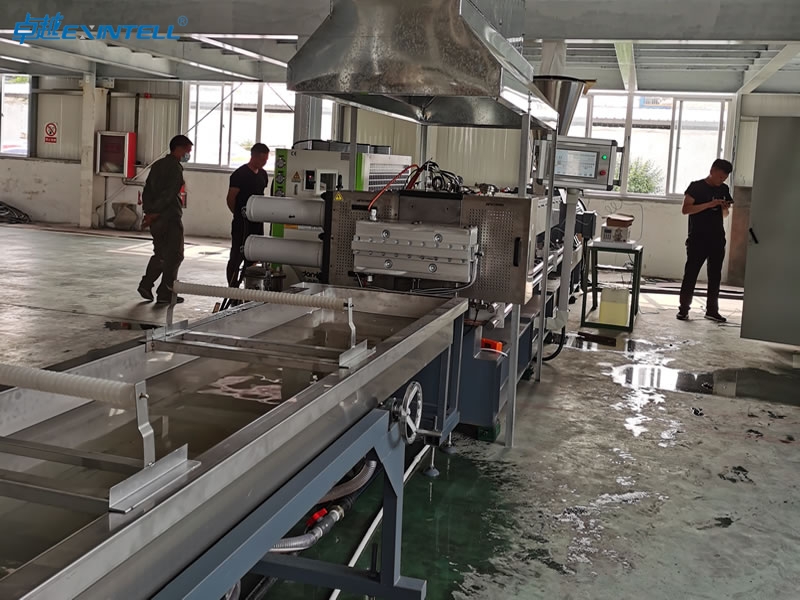
|
Igbesẹ |
Apejuwe |
|---|---|
|
Ifunni |
Egbin ṣiṣu ti wa ni idasilẹ sinu ẹrọ nipasẹ hopper kan, ti o ba pẹlu orisirisi orisi ti pilasitik. |
|
Yiyọ |
Awọn ṣiṣu ti wa ni kikan ati yo o iṣọkan ni extruder, ngbaradi fun ipele ti o tẹle. |
|
Extruding |
Awọn didà ṣiṣu ti wa ni agbara mu nipasẹ kan kú lati ṣẹda strands, ti npinnu pellet apẹrẹ ati iwọn. |
|
Itutu agbaiye |
Awọn okun ti wa ni tutu, solidifying wọn fun gige. |
|
Ige |
Awọn okun tutu ti wa ni ge sinu awọn pellets aṣọ ile nipasẹ ọbẹ yiyi, adijositabulu fun pato awọn ohun elo. |
Awọn gbigba bọtini
-
Ṣiṣu pelletizers yipada egbin sinu aṣọ pellets nipasẹ kan lẹsẹsẹ ti awọn igbesẹ: ono, yo, sisẹ, extruding, itutu agbaiye, ati gige.
-
Ifunni deede ati iṣakoso iwọn otutu deede jẹ pataki fun iyọrisi awọn pellets didara giga ati idilọwọ awọn abawọn.
-
Yatọ si orisi ti pelletizers, gẹgẹbi okun ati labẹ omi, ṣaajo si orisirisi awọn ohun elo ati gbóògì aini, ipa pellet apẹrẹ ati didara.
-
Isọdi ti o munadoko ti ṣiṣu didà ti n yọ awọn aimọ kuro, aridaju dan ati aṣọ pellets nigba ti aabo ẹrọ.
-
Awọn ọna itutu, pẹlu omi oruka ati labeomi itutu, significantly ni ipa lori didara pellet ati ṣiṣe iṣelọpọ.
-
Itọju deede ati ibojuwo ohun elo ṣe iranlọwọ lati yago fun awọn ọran ti o wọpọ bii ifunni aiṣedeede ati awọn asẹ dipọ.
-
Awọn igbese iṣakoso didara, pẹlu iṣapẹẹrẹ to dara ati ibojuwo, rii daju pe awọn pellets pade ile ise awọn ajohunše ati ki o bojuto aitasera.
-
Iṣakojọpọ to dara ati ibi ipamọ ti awọn pellet ṣe aabo fun wọn lati ọrinrin ati idoti, ni idaniloju pe wọn wa ni didara ga fun lilo ọjọ iwaju.
Ṣiṣu Pelletizer Ilana Akopọ
Kini Pelletizer ṣiṣu
O lo pelletizer ike kan lati yi ṣiṣu aise pada tabi ohun elo ti a tunlo sinu awọn granules pẹlu awọn iwọn to pe ati awọn apẹrẹ. Ẹrọ yii n ṣakoso iwọn otutu, titẹ, ati yiyipo iyara lati gbe awọn dédé esi. Awọn ṣiṣu pelletizing ẹrọ gige extruded ṣiṣu sinu olukuluku granules, pese iwọn iwọn fun sisẹ siwaju sii. O gbẹkẹle ohun elo yii lati ṣakoso iduroṣinṣin, dada abuda, ati iwọn ti patiku kọọkan. Ilana iṣiṣẹ ti granulator ṣiṣu jẹ ṣiṣu yo, sisẹ impurities, ati ṣiṣe awọn pellets aṣọ nipasẹ iṣakoso iṣọra ti awọn ipo inu ẹyọkan.
-
Ge extruded ṣiṣu sinu olukuluku granules.
-
Pese iwọn deede fun sisẹ siwaju ni iṣelọpọ.
-
Iyipada lemọlemọfún strands ti yo o ṣiṣu sinu granules ti aṣọ iwọn.
-
Ṣiṣẹ bi ohun elo aise ti o ni idiwọn fun mimu abẹrẹ ati extrusion fiimu.
Awọn Igbesẹ akọkọ ni Pelletizing
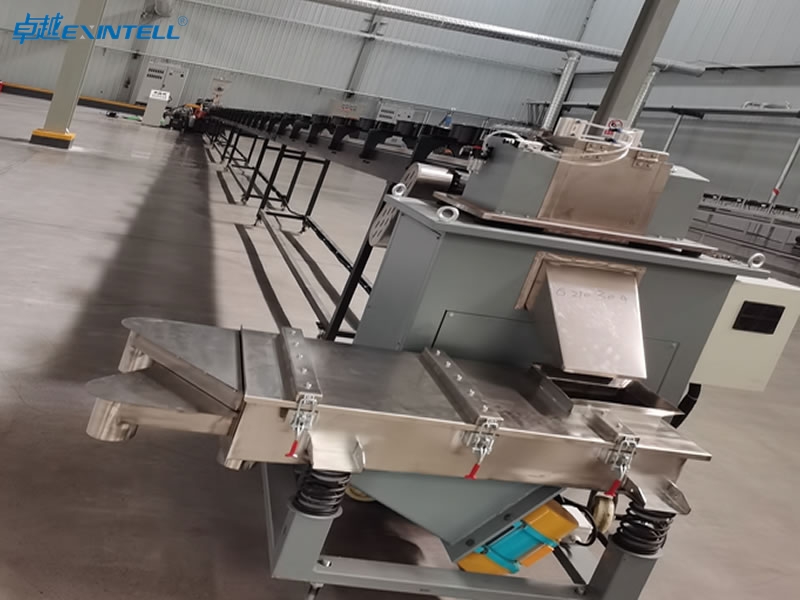
O tẹle kan lẹsẹsẹ ti awọn igbesẹ nigbati o nṣiṣẹ pelletizer ike. Ipele kọọkan ṣe apẹrẹ didara ati aitasera ti ọja ikẹhin. Eyi ni iṣan-iṣẹ aṣoju kan:
-
Ifunni & ami-itọju: O ṣafihan awọn ohun elo aise nipasẹ hopper tabi atokan. Itọju-tẹlẹ mu iwuwo pọ si ati mura ohun elo fun yo.
-
Yiyọ & ṣiṣu lara: O lo ooru ati rirẹrun nipa lilo extruder. Igbesẹ yii ṣaṣeyọri ṣiṣan aṣọ kan ati mura ṣiṣu fun isọ.
-
Yo Ajọ: O ṣe àlẹmọ pilasitik didà lati yọkuro awọn alabajẹ. Awọn ohun elo mimọ ṣe idaniloju pellets didara ga.
-
Ku extrusion & gige: Ti o dagba awọn filtered yo sinu pellets lilo a kú ati gige siseto.
-
Itutu agbaiye & ifunni: O tutu awọn pellets lẹhinna gbẹ tabi tọju wọn fun lilo ọjọ iwaju.
Imọran: Ifunni deede ati iṣakoso iwọn otutu deede ṣe iranlọwọ fun ọ lati ṣaṣeyọri iwọn pellet aṣọ ati ṣe idiwọ awọn abawọn.
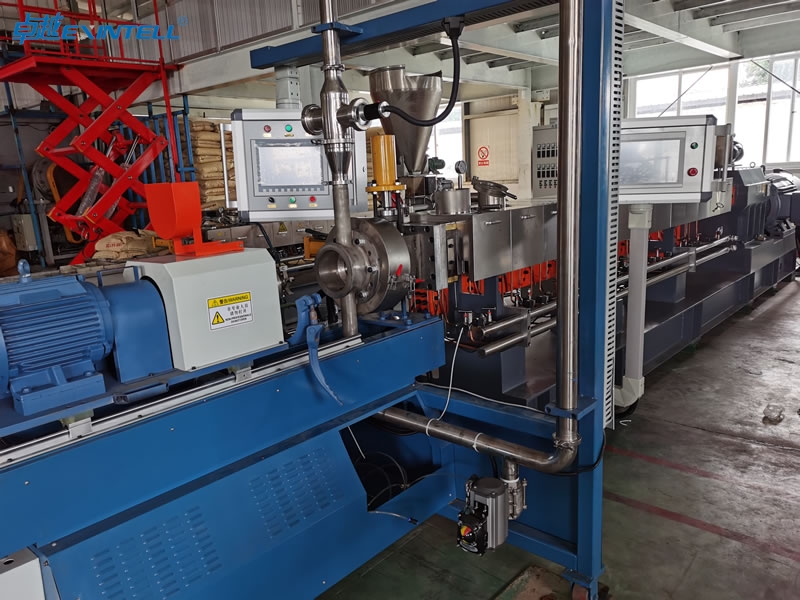
O le yan lati ọpọlọpọ awọn iru ẹrọ pelletizing, kọọkan ti baamu fun orisirisi awọn ohun elo ati awọn ni nitobi. Awọn tabili ni isalẹ fihan wọpọ awọn aṣayan:
|
Pelletizer Iru |
Ti o dara ju Fun |
Pellet Apẹrẹ |
Owo ibatan |
|---|---|---|---|
|
PE, PP, PS - mimọ kikọ sii |
Silindrical |
Kekere |
|
|
PET, PA, pilasitik ina- |
Ti iyipo |
Ga |
|
|
Omi-oruka pelletizer |
PE, PP - iwọntunwọnsi idoti |
Lenticular / iyipo |
Alabọde |
Kí nìdí Pelletizing ọrọ
Pelletizing ṣe ipa pataki ninu atunlo ati iṣelọpọ. O ṣe iyipada didà ṣiṣu tunlo sinu awọn pellets aṣọ, eyi ti o le fipamọ, gbigbe, ati atunse bi wundia resini. Iyipada yii ngbanilaaye awọn ohun elo ti a tunṣe lati tun-tẹ si ọna ṣiṣe iṣelọpọ daradara. O ni anfani lati mimu irọrun ati idapọ ti ilọsiwaju lakoko iṣelọpọ. Ọja ipari ṣe atilẹyin ọrọ-aje ipin fun awọn pilasitik nipa fifun ohun elo ti a gba pada.
-
Pelletization mu ki ṣiṣu feedstocks rọrun ati lilo daradara siwaju sii lati mu awọn.
-
O ṣe idaniloju awọn abajade ti o ni ibamu lakoko idapọ ati ṣiṣe.
-
Ilana naa n pese gbogbo ọrọ-aje ipin fun awọn pilasitik pẹlu ohun elo ti a gba pada.
O koju ọpọlọpọ awọn italaya lakoko pelletizing. Akoonu ọrinrin giga ninu awọn pellets le ja si iṣẹ ẹrọ ti ko dara ati pipadanu ohun elo. You need effective drying systems and proper equipment selection to minimize moisture. Inconsistent pellet size often results from improper feeding mechanisms. O yanju eyi nipa lilo awọn ọna ṣiṣe ifunni deede. Awọn wun ti ẹrọ, such as a granulator with precision-engineered blades, directly impacts the quality of the pellets produced.
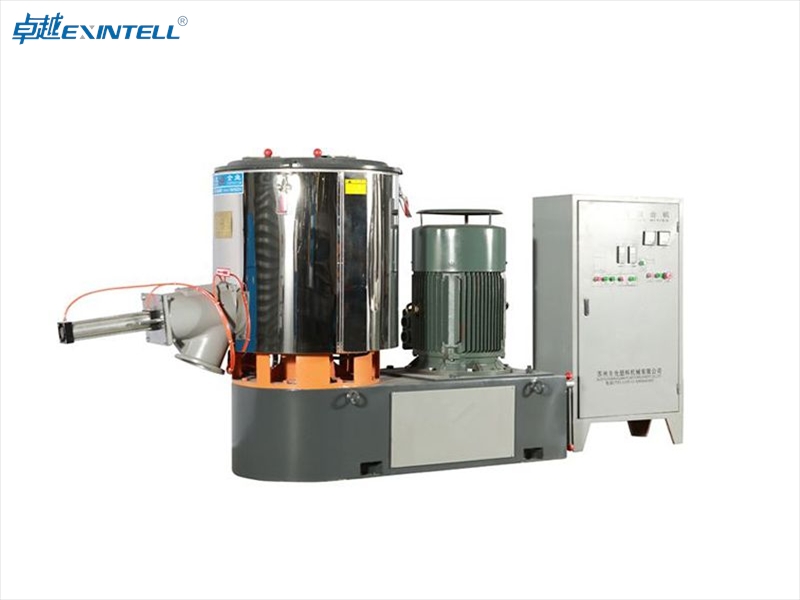
O tun rii awọn ilọsiwaju imọ-ẹrọ ni 2026. Nikan-dabaru extruders pẹlu L/D ratio laarin 32:1 ati 38:1 jẹ wọpọ. Tandem configurations maximize degassing and filtration. Awọn oluyipada iboju ti o tẹsiwaju gba awọn ayipada àlẹmọ laaye laisi idaduro iṣelọpọ. Imọ-ẹrọ Bimetallic pọ si agbara, and co-rotating parallel twin screw extruders offer efficient contaminant removal. Labẹ omi pelletizers gbe awọn aṣọ, awọn pellets ti ko ni eruku ati paṣẹ awọn idiyele atunlo ti o ga julọ.
|
Imọ ọna ẹrọ |
Apejuwe |
Awọn anfani |
|---|---|---|
|
Imọ-ẹrọ Bimetallic |
Awọn ohun elo to ti ni ilọsiwaju ṣe imudara agbara |
Ṣe alekun agbara nipasẹ 3-5 igba |
|
Àjọ-yiyi Parallel Twin dabaru |
Iyipo rere, ara-ninu awọn iṣẹ |
Mu daradara yiyọ ti contaminants |
|
Underwater Pelletizer |
Ṣe agbejade aṣọ ile, eruku-free pellets |
Ti o ga resale owo, apẹrẹ fun pilasitik ina- |
O le se aseyori losi agbara orisirisi lati 80 kg / wakati lati kọja 1,000 kg / wakati, da lori iru ẹrọ ati iṣeto ni. Agbara-daradara laini fipamọ laarin $30,000-$80,000 fun odun akawe si kere daradara si dede. Ninu 2026, kan pato agbara agbara fun ṣiṣu pelletizers awọn sakani lati 0.25-0.35 kWh/kg, pẹlu ti o dara ju-ni-kilasi atunto iyọrisi bi kekere bi 0.20-0.30 kWh/kg.
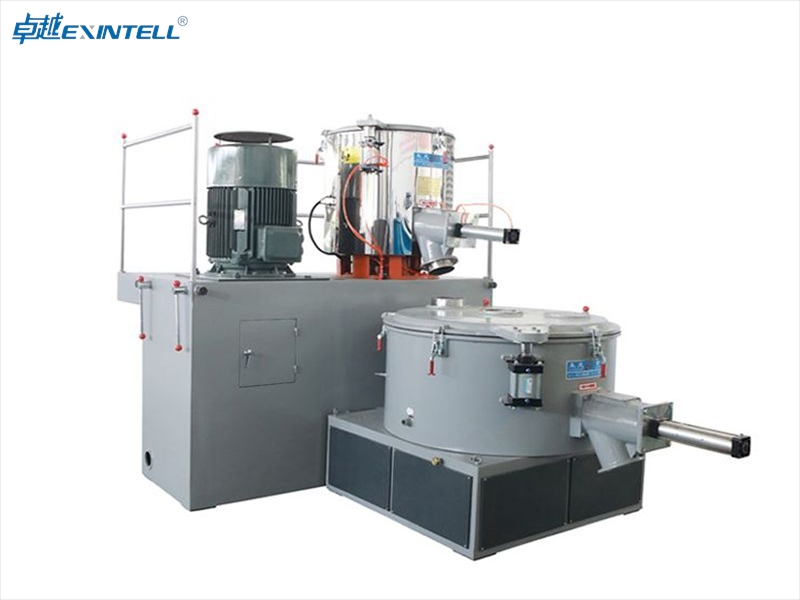
Akiyesi: Iṣawọn Layer-pupọ ati awọn apẹrẹ dabaru tuntun ṣe iranlọwọ fun ọ lati ṣe ilana awọn pilasitik bio ati awọn profaili ti kii ṣe pataki ni imunadoko.
O gbẹkẹle granulator ṣiṣu ati imọ-ẹrọ granulator lati ṣe agbejade awọn pellets aṣọ ti o pade awọn iṣedede ile-iṣẹ. Ilana naa ṣe idaniloju pe o ni ifunni ti o gbẹkẹle fun iṣelọpọ ati atunlo, atilẹyin mejeeji ṣiṣe ati iduroṣinṣin.
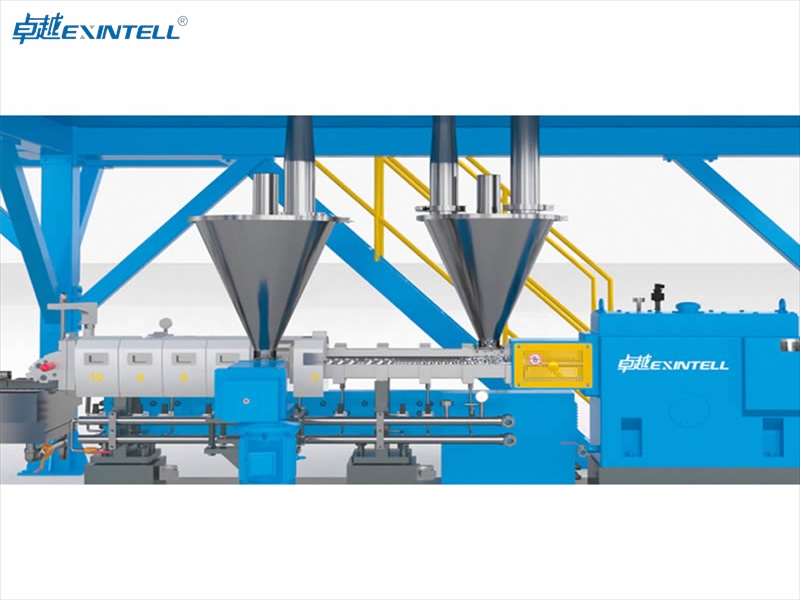
Ṣiṣu ono
Awọn ohun elo igbewọle
O bẹrẹ awọn pelletizing ilana nipa yiyan awọn ohun elo titẹ sii to tọ. O le lo ṣiṣu egbin, ṣiṣu wundia, tabi a illa ti awọn mejeeji. Ṣaaju ki o to ifunni awọn ohun elo wọnyi sinu pelletizer ṣiṣu, o nilo lati mura wọn silẹ daradara. Eyi ni iṣan-iṣẹ igbaradi aṣoju kan:
-
Ṣiṣu Igbaradi: O wẹ ati ge ṣiṣu ti a tunlo lati yọ idoti ati awọn idoti kuro. O tun le yo ohun elo naa ti o ba nilo. Wundia ṣiṣu igba wa bi flakes tabi granules, setan fun processing.
-
Yo ati extrusion: O gbona ṣiṣu ti a pese sile ninu ẹrọ pelletizing ṣiṣu. Awọn extruder yo ohun elo ati ki o Titari o siwaju.
-
Ige: O lo awọn abẹfẹ yiyi tabi granulator lati ge ṣiṣu didà sinu awọn ege kekere.
-
Itutu agbaiye: You cool the pellets using air, omi, or both.
-
Drying and Screening: You dry the cooled pellets and screen them to ensure uniform size and quality.
You must pay attention to the cleanliness and size of the input materials. Mọ, well-prepared plastic waste helps you avoid defects and improves the quality of the pellets.
Feeding Mechanisms
You rely on efficient feeding mechanisms to move plastic into the pelletizing system. Two main methods help you achieve steady and controlled feeding.
Hopper
You use a hopper to load plastic waste or virgin material into the plastic pelletizer. The hopper holds the material and releases it at a controlled rate. You can adjust the flow to match the capacity of the plastic pelletizing machine. Hoppers often include sensors that monitor material levels and prevent blockages.
Conveyors
You use conveyors to transport plastic from storage to the hopper or directly into the pelletizer. Conveyors provide a steady stream of material and reduce manual handling. You can choose belt, dabaru, or vibrating conveyors based on the type and size of plastic. Conveyors help you maintain a consistent feed rate and minimize interruptions.
Imọran: You should check the feeding system regularly to prevent jams and ensure smooth operation.
Consistent Feeding Importance
O nilo consistent feeding to produce high-quality pellets. Steady feeding ensures uniform size, apẹrẹ, and moisture content. If you allow variations in feeding, you risk creating pellets with surface defects or voids. Moisture fluctuations can cause loss of mechanical strength and even equipment failures. Didara pellet aiduro jẹ ki o le fun ọ lati ta tabi lo awọn pellets ni awọn ohun elo iṣowo.
-
Iwọn pellet aisedede le ja si dada abawọn ati ofo.
-
Awọn iyatọ ninu akoonu ọrinrin le fa isonu ti agbara ẹrọ ati awọn ikuna ẹrọ.
-
Didara pellet ti ko duro le ṣe idiwọ gbigba ni awọn ohun elo iṣowo.
O ṣakoso akoonu ọrinrin nipa mimu ifunni duro. Igbesẹ yii ṣe pataki fun iyọrisi o pọju ọja didara. Ti o ba foju aitasera ono, o le dojuko awọn iṣoro sisẹ isalẹ, gẹgẹbi awọn abawọn oju-aye ati awọn aipe ipilẹ. O gbẹkẹle granulator ṣiṣu ati imọ-ẹrọ granulator lati ṣe iranlọwọ fun ọ lati ṣaṣeyọri ifunni aṣọ ati didara pellet.
Yo ati Filtration
Extruder Barrel ati dabaru
O gbẹkẹle agba extruder ati dabaru lati yi idoti ṣiṣu tabi ohun elo aise pada si didan, aso yo. Awọn dabaru n yi inu awọn kikan agba, titari ṣiṣu siwaju. Bi awọn dabaru yipada, o ṣẹda igbese darí ati ooru rirẹ. Ilana yii yo ṣiṣu naa daradara. Awọn igbona ita lori agba naa ṣafikun ooru diẹ sii, aridaju pe ohun elo naa de iwọn otutu ti o tọ fun pelletizing. Irẹrun ooru lati dabaru nigbagbogbo pese apakan pataki ti agbara ti o nilo fun yo.
Eyi ni atokọ ni iyara ti bii awọn paati wọnyi ṣe n ṣiṣẹ papọ:
|
Ẹya ara ẹrọ |
Išẹ |
|---|---|
|
Dabaru |
Yipada ṣiṣu sinu yo aṣọ kan nipasẹ iṣẹ ẹrọ ati ooru rirẹrun. |
|
Agba |
Ooru ati compacts awọn ṣiṣu, aridaju nipasẹ yo ati ono si kú ori. |
O nilo mejeeji dabaru ati agba lati ṣiṣẹ ni ibamu. Ti apakan boya kuna, awọn ṣiṣu pelletizer ko le gbe awọn pellets dédé.
Iṣakoso iwọn otutu
O gbọdọ ṣakoso iwọn otutu ni pẹkipẹki lakoko ipele yo. Awọn iwọn otutu taara yoo ni ipa lori bi ṣiṣu ṣe yo daradara ati ki o óę nipasẹ awọn extrusion eto. Awọn eto iwọn otutu to tọ ṣe iranlọwọ fun ọ lati ṣaṣeyọri ṣiṣan ohun elo didan ati iduroṣinṣin, ga-ikore extrusion. Ti o ba ṣeto iwọn otutu ju, ike le ma yo boṣeyẹ. Eleyi nyorisi si nmu iki ati ko dara plasticization. Ti o ba ṣeto iwọn otutu ga ju, ṣiṣu le degrade. Eleyi fa brittle pellets ati ki o din wọn darí agbara.
-
Iwọn otutu ni ipa lori ṣiṣu ṣiṣu, sisan agbara, ati awọn ohun-ini ti awọn pellets ti o kẹhin.
-
Iwọn otutu ti o tọ ṣe idaniloju iṣẹ iduroṣinṣin ati iṣelọpọ didara ga.
-
Awọn iwọn otutu kekere fa yo ti ko ni deede ati iki giga.
-
Awọn iwọn otutu ti o ga julọ ṣe ewu ibajẹ gbona ati awọn pellets ti ko lagbara.
Imọran: Nigbagbogbo ṣe atẹle awọn agbegbe iwọn otutu lẹgbẹẹ agba lati ṣetọju awọn ipo yo to dara julọ.
Sisẹ Ṣaaju Pelletizing
Ṣaaju ki o to lọ si ipele extrusion, o gbọdọ àlẹmọ didà ṣiṣu. Sisẹ yọ awọn aimọ kuro gẹgẹbi idọti, irin ajẹkù, tabi awọn patikulu ti a ko yo. Iyọ mimọ jẹ pataki fun iṣelọpọ awọn pellets ti o ni agbara giga. O lo awọn iboju apapo ti o dara tabi awọn akopọ àlẹmọ ninu ẹrọ pelletizing ṣiṣu lati dẹkun awọn eleti. Igbese yii ṣe aabo fun eto ku ati gige lati ibajẹ. O tun ṣe idaniloju pe awọn pellets ni oju didan ati eto aṣọ.
O yẹ ki o ṣayẹwo ati rọpo awọn asẹ nigbagbogbo. Awọn asẹ ti o ni pipade le dinku sisan ati fa titẹ titẹ ni eto extrusion. Sisẹ deede ṣe atilẹyin ṣiṣe gbogbogbo ti ilana pelletizing. O gba awọn abajade to dara julọ ati awọn abawọn diẹ ninu awọn pellets ti o ti pari.
Akiyesi: Asẹ imunadoko fa igbesi aye igbesi aye ti granulator ṣiṣu rẹ ati awọn abẹfẹlẹ granulator.
Extrusion Nipasẹ Kú Awo
Kú Awo Išė
O de ipele to ṣe pataki ninu ilana pelletizer ṣiṣu nigbati ṣiṣu didà ti de ni awo kú. Awo awo naa n ṣiṣẹ bi ohun elo pipe ti o ṣe apẹrẹ ohun elo yo sinu awọn okun. O gbẹkẹle paati yii lati ṣalaye iwọn ibẹrẹ ati apẹrẹ ti okun kọọkan, eyi ti nigbamii di a pellet. Apẹrẹ ti awo kú taara ni ipa lori didara ati aitasera ti iṣelọpọ rẹ.
Eyi ni awọn ọna kan Akopọ ti bọtini kú awo awọn ẹya ara ẹrọ:
|
Ẹya ara ẹrọ |
Apejuwe |
|---|---|
|
Išẹ |
Extrudes didà polima nipasẹ iho lati setumo pellet mefa |
|
Iho Iwon Ibiti |
Ni deede awọn sakani lati 2.5 si 4 mm ni opin |
|
Nọmba ti Iho |
Nigbagbogbo laarin 200 si 800 iho |
|
Ipa lori Didara |
Apẹrẹ yoo ni ipa lori awọn abuda pellet ikẹhin, pẹlu iwọn ati apẹrẹ |
O le ṣatunṣe iwọn ila opin iho ati iṣeto ni lati ṣakoso sisanra okun. Awọn ihò ti o kere julọ gbe awọn okun tinrin ati awọn pellets kekere jade. Awọn ihò ti o tobi julọ mu awọn okun ti o nipọn ati awọn pellets nla. Awọn kú awo idaniloju wipe gbogbo okun nto kuro ni extrusion eto ibaamu rẹ fẹ ni pato.
Titẹ ati Pellet Apẹrẹ
O gbọdọ ṣetọju titẹ ti o tọ bi ṣiṣu didà ti n kọja nipasẹ awo ku. Awọn extrusion eto nlo titẹ lati Titari awọn ohun elo boṣeyẹ nipasẹ kọọkan iho. Titẹ deede ṣe idilọwọ awọn aiṣedeede ni sisanra okun ati ṣe iranlọwọ fun ọ lati ṣaṣeyọri iwọn pellet aṣọ. Ti titẹ ba lọ silẹ tabi spikes, o le rii awọn abawọn gẹgẹbi awọn apẹrẹ ti ko ni deede tabi awọn apo afẹfẹ ninu awọn pellets.
Apẹrẹ ti pellet kọọkan da lori apẹrẹ awo awo ati titẹ ti a lo lakoko extrusion. O le yan awọn apẹrẹ iho oriṣiriṣi ati awọn eto lati ṣẹda iyipo, iyipo, tabi awọn pellets lenticular. Ijọpọ ọtun ti titẹ ati apẹrẹ awo awo yoo fun ọ ni iṣakoso lori ifarahan ikẹhin ati iṣẹ ọja rẹ.
Ṣiṣe awọn Strands
O ni awọn ọna pupọ fun sisọ awọn okun ṣiṣu ṣaaju gige wọn sinu awọn pellets. Ọna kọọkan nfunni awọn anfani alailẹgbẹ fun awọn ohun elo oriṣiriṣi. Yiyan ọna yoo ni ipa lori didara, iye owo, ati aitasera ti rẹ pellets.
|
Ọna |
Apejuwe |
Ipa lori Didara Pellet |
|---|---|---|
|
Extrudes ṣiṣu sinu strands, lẹhinna ge wọn sinu awọn pellets. |
Iye owo-doko fun awọn ipele kekere, ṣugbọn o le yatọ ni didara. |
|
|
Ge strands labẹ omi, eyi ti o tutu ati ki o ntọju didara. |
Ṣe agbejade awọn pellets didara ga nitori itutu agbaiye to munadoko. |
|
|
Omi-Oruka Systems |
Nlo oruka omi lati tutu ati ge awọn okun. |
Ṣe idaniloju didara to dara lakoko ti o jẹ iye owo-daradara. |
O le lo pelletizing okun fun awọn ipele kekere ti egbin ṣiṣu, bi o ṣe nfunni ni ọna ti o rọrun ati ti ifarada. Ige oju-gbigbona labẹ omi n ṣiṣẹ daradara nigbati o nilo awọn pellets ti o ni agbara giga pẹlu awọn ipele didan. Omi-oruka awọn ọna šiše iwontunwonsi iye owo ati didara, ṣiṣe wọn dara fun ọpọlọpọ awọn orisi ti pilasitik.
O dale lori ṣiṣu granulator ati imọ-ẹrọ granulator lati pari ilana naa. Lẹhin apẹrẹ ati itutu agbaiye, awọn eto gige awọn strands sinu aṣọ pellets. Igbese yii pari iyipada lati yo si ọja ti o pari, setan fun apoti tabi siwaju sii processing.
Imọran: Nigbagbogbo bojuto awọn extrusion eto fun idurosinsin titẹ ati otutu. Eyi ṣe iranlọwọ fun ọ lati ṣetọju didara pellet deede ati dinku akoko akoko.
Awọn ọna itutu
Lẹhin ipele extrusion, o gbọdọ dara awọn okun gbona ni kiakia lati dagba ri to pellets. Ọna itutu agbaiye ti o yan yoo ni ipa lori didara pellet, agbara lilo, ati gbóògì iyara. O le yan lati itutu agbaiye oruka omi, labeomi itutu, tabi air itutu, da lori ohun elo rẹ ati awọn iwulo iṣelọpọ.
Omi Oruka Itutu
Nigbagbogbo o lo itutu agbaiye oruka omi fun polyolefins ati polystyrene. Ni ọna yii, o darí oruka omi ni ayika oju ti o ku. Omi naa tutu ati mu awọn okun duro bi wọn ti jade, lẹ́yìn náà, ọ̀gbẹ́ kan á gé wọ́n bọ́ sínú ìyẹ̀fun. Eto yii ṣiṣẹ daradara fun ọpọlọpọ awọn pilasitik boṣewa ati pe o funni ni apẹrẹ iwapọ.
Eyi ni akopọ ti awọn anfani akọkọ ati awọn alailanfani:
|
Awọn anfani |
Awọn alailanfani |
|---|---|
|
Ko dara fun awọn ohun elo alalepo tabi nipọn |
|
|
Ṣe agbejade awọn pellets ti o wu oju |
Nilo ibojuwo sunmọ ti omi |
|
Iwapọ eto pẹlu kekere owo |
Ibamu ohun elo to lopin |
|
Mu awọn iyipada ni iwọn otutu yo ati titẹ daradara |
Isalẹ gbóògì agbara akawe si labeomi awọn ọna šiše |
|
Aaye-daradara ati rọrun lati ṣakoso |
Ni opin si awọn ohun elo kan pato |
|
Iye owo-doko fun awọn ile-iṣẹ mimọ-isuna |
Ko munadoko fun awọn ohun elo ti o gbona tabi duro papọ |
|
Ko le mu ga gbóògì wáà |
|
|
O dara fun iṣakoso isuna |
Ni opin si awọn ohun elo kan bi polyolefins ati polystyrene |
O yẹ ki o yan itutu agbaiye oruka omi ti o ba fẹ fifipamọ aaye kan, isuna-ore ojutu fun boṣewa ohun elo. O gbọdọ ṣetọju eto omi ni pẹkipẹki lati yago fun awọn ọran pẹlu awọn pilasitik alalepo tabi nipọn.
Underwater Itutu
O le ṣaṣeyọri awọn pellets didara ga pẹlu itutu agbaiye labẹ omi. Ni ọna yii, o ge awọn okun taara ni iyẹwu omi kan. Omi naa tutu ati mu awọn pellet mulẹ lesekese, eyiti o yori si dada didan ati iwọn aṣọ. O ni anfani lati iṣẹ ṣiṣe ti nlọ lọwọ ati awọn oṣuwọn iṣelọpọ giga.
-
Awọn pelletizers labẹ omi gbe awọn pellets aṣọ jade pẹlu awọn itanran kekere ati eruku.
-
Ilana imuduro iyara ni idaniloju apẹrẹ ati iwọn deede.
-
O le de ọdọ ga gbóògì awọn ošuwọn nitori itutu agbaiye daradara ati imuduro.
-
Ti a ṣe afiwe si awọn ọna ṣiṣe ti afẹfẹ, Itutu agbaiye labẹ omi nlo agbara diẹ nitori omi n gbe ooru lọ daradara siwaju sii.
O yẹ ki o ronu itutu agba omi labẹ omi ti o ba nilo awọn pellets didara oke ati agbara iṣelọpọ giga. This method works well for demanding applications and advanced materials.
Itutu afẹfẹ
You may select air cooling for materials that react poorly to moisture, such as biodegradable plastics like PLA or PBAT. Air cooling uses fans or blowers to cool the strands as they exit the die. This method eliminates the need for drying systems, which can simplify your process.
|
Awọn ohun elo |
Awọn idiwọn |
|---|---|
|
Not suitable for all types of materials |
|
|
Used for biodegradable materials (PLA, PBAT) |
Limited cooling efficiency compared to water cooling |
|
Eliminates the need for drying systems |
Potentially higher energy costs |
You should use air cooling if you process moisture-sensitive materials or want to avoid extra drying steps. You may face higher energy costs and slower cooling compared to water-based methods.
Imọran: Always match your cooling method to your material and production goals. The right choice helps you avoid defects and maintain the quality of your pellets.
You rely on the granulator to complete the process after cooling. The granulator cuts the solidified strands into uniform pellets, ready for packaging or further use. Efficient cooling ensures that the melting and cutting stages produce high-quality pellets from your plastic waste.
Pelletizing and Cutting
Knife Cutting Mechanism
You rely on the knife cutting mechanism to transform cooled plastic strands into finished pellets. The system positions specialized knives close to the die face, where the strands exit. Awọn Melt-to-Cut window plays a crucial role here. If you allow too little time between the die and the blade, you may see misshapen pellets. Too much time can cause fractures and fines, which lowers overall quality. Pelletizing knives come in different shapes, such as straight, slanted, or V-shaped, and each suits a specific type of pelletizer. Manufacturers use high-carbon steel or tool steel for these knives, which increases durability. Precision in cutting is essential, so many knives are CNC-machined for tight tolerances. Heat treatments and coatings further extend blade life and improve performance.
-
The Melt-to-Cut window determines pellet shape and quality.
-
Knife material and shape affect durability and cutting precision.
-
Proper timing prevents defects and ensures consistent results.
Achieving Uniform Pellets
You want every pellet to have the same size and shape. To achieve this, you must control several process variables during cutting. Adjusting the feed rate, disc angle, and disc speed lets you fine-tune pellet size. For smaller pellets, you increase the feed rate and disc angle, feed closer to the three or four o’clock position, and raise the disc speed. For larger pellets, you decrease the feed rate and disc angle, feed closer to the seven o’clock position, and lower the disc speed. These adjustments help you maintain uniformity and avoid defects.
Imọran: Monitor your process controls closely. Small changes in feed or speed can make a big difference in pellet quality.
You also need to ensure that the granulator operates smoothly. Consistent operation helps you cut into pellets with minimal variation, supporting high-quality output.
Types of Pelletizer Cutters
You can choose from several types of pelletizer cutters, each designed for specific materials and production needs. The cutter type affects pellet shape, losi, and moisture content. Eyi ni a comparison:
|
Iru |
Pellet Apẹrẹ |
Awọn ohun elo ti o yẹ |
Gbigbe (kg / wakati) |
Residual Moisture (%) |
|---|---|---|---|---|
|
Strand |
Silindrical |
Thermoplastics (PP, PE, ABS, PS) |
100– 2,000 |
<1% |
|
Labẹ omi |
Ti iyipo |
All Polymers |
500–3,000+ |
<0.05% |
|
Oruka Omi |
Lenticular |
PE, PP, PC, PS |
200– 1,500 |
<0.5% |
Strand pelletizing uses a water bath for cooling and works well for continuous strands. Underwater pelletizers cut molten plastic directly into pellets with rapid cooling, giving you better control over size and shape. Water ring systems offer a balance between cost and quality, producing lenticular pellets suitable for many applications.
You select the right cutter based on your material, desired pellet characteristics, ati awọn ibi-afẹde iṣelọpọ. This choice ensures your pellets meet industry standards and customer requirements.
Pellet Collection and Finishing
Drying and Screening
You must ensure that pellets are dry and free from unwanted materials before packaging. Moisture control is critical because wet pellets can lead to product degradation and issues during storage. Lẹhin itutu agbaiye, you monitor moisture content to optimize the process. You use screening equipment to separate well-formed pellets from fines and debris. Screening also removes stones, pilasitik, awọn irin, and other hard materials that could damage your equipment. A stone trap helps you eliminate hard materials, while magnets pick up metals. You rely on these steps to maintain pellet quality and protect your machinery.
-
Monitor moisture content after cooling.
-
Use screening equipment to remove fines and debris.
-
Employ stone traps and magnets to eliminate hard materials and metals.
-
Separate well-formed pellets from defective ones before packaging.
Imọran: Regular screening and drying help you avoid packaging low-quality products and extend the lifespan of your granulator.
Iṣakoso didara
You need to implement quality control measures to ensure product consistency. Sampling plays a crucial role in achieving good pellet quality. You must use proper procedures and equipment to minimize sampling errors. Samples should represent the entire batch, so you avoid skewed results. You process samples correctly before laboratory analysis to get accurate data.
Here is a step-by-step checklist for quality control:
-
Verify assay accuracy by rechecking with the lab.
-
Ensure the sample taken is representative.
-
Investigate if multiple nutrient levels are out of control.
-
Confirm the regular crew operated the mill during production.
-
Check for discrepancies in inventory records.
-
Ensure scales and metering devices are correctly adjusted.
-
Inspect ingredient and finished-feed bins for issues.
-
Reassess mixing times for correctness.
-
Review ingredient assay values for deficiencies.
Finished-feed assays provide a final assessment of how well you controlled quality during production. You should sample regularly, such as once per week or per 100 tons of production, to maintain consistent quality.
Akiyesi: Consistent sampling and accurate processing help you deliver pellets that meet industry standards.
Iṣakojọpọ
You prepare pellets for shipment or storage by packaging them efficiently. You use automated systems to fill bags, bins, or containers. Packaging protects pellets from moisture, idoti, and mechanical damage. You label each package with batch information, production date, and quality data. This step helps you track inventory and ensures traceability. You store packaged pellets in a dry, clean area to preserve their quality until use.
-
Use automated packaging systems for efficiency.
-
Awọn idii aami fun wiwa kakiri ati idaniloju didara.
-
Tọju pellets ni gbẹ, awọn ipo mimọ lati ṣe idiwọ ibajẹ.
Iṣẹ pataki: Iṣakojọpọ to dara ati iṣeduro ipamọ pe awọn pellet rẹ wa ni didara ga ati ṣetan fun iṣelọpọ tabi atunlo.
O yipada ṣiṣu sinu awọn pellets nipa titẹle ipele kọọkan: ono, yo, sisẹ, extruding, itutu agbaiye, ati gige. Ilana yii fun ọ ni awọn pellets aṣọ fun iṣelọpọ ati atunlo.
-
Awọn pelletizers ode oni ṣe iranlọwọ fun ọ fipamọ to 30% lori awọn ohun elo ati ki o din awọn nilo fun titun ṣiṣu.
-
O ṣe atilẹyin ọrọ-aje ipin kan nipa lilo granulator lati tunlo egbin ati tọju awọn pilasitik kuro ninu awọn ibi-ilẹ.
-
Awọn ẹrọ wọnyi kekere ipa ayika ati itoju awọn orisun fun ojo iwaju.
Ṣe riri bi imọ-ẹrọ yii ṣe jẹ ki awọn pilasitik jẹ alagbero ati daradara fun gbogbo eniyan.
FAQ
Iru awọn pilasitik wo ni o le ṣe ilana ni pelletizer kan?
O le lọwọ julọ thermoplastics, pẹlu polyethylene (PE), polypropylene (PP), polystyrene (PS), ati PET. Diẹ ninu awọn ẹrọ tun mu awọn pilasitik ti imọ-ẹrọ ati awọn ohun elo ti o bajẹ. Nigbagbogbo ṣayẹwo ibamu pelletizer rẹ ṣaaju ki o to bẹrẹ.
Bawo ni o ṣe ṣetọju aitasera iwọn pellet?
O ṣakoso iwọn pellet nipa titunṣe oṣuwọn kikọ sii, kú awo design, ati gige iyara. Abojuto deede ati isọdọtun ohun elo ṣe iranlọwọ fun ọ lati ṣaṣeyọri awọn pellets aṣọ. Ohun elo igbewọle deede tun mu awọn abajade dara si.
Kini idi ti o nilo lati ṣe àlẹmọ ṣiṣu ti o yo?
Filtration yọ awọn contaminants bi idoti, irin, tabi awọn patikulu ti a ko yo. Iyọ mimọ ṣe aabo fun ohun elo rẹ ati ṣe idaniloju pellets didara ga. O yẹ ki o rọpo awọn asẹ nigbagbogbo si bojuto ṣiṣe.
Kini iyatọ laarin okun ati pelletizing labẹ omi?
Strand pelletizing gige tutu strands lẹhin ti nwọn jade ni kú. Pelletizing labẹ omi gige didà ṣiṣu taara ninu omi, producing smoother, diẹ aṣọ pellets. Awọn ọna inu omi ni ibamu pẹlu iṣelọpọ giga ati awọn pilasitik pataki.
Bawo ni o ṣe dinku ọrinrin ni awọn pellets ti pari?
O lo awọn ọna gbigbe lẹhin itutu agbaiye. Awọn ọbẹ afẹfẹ, centrifugal dryers, tabi fluidized ibusun dryers yọ dada ọrinrin. Gbigbe to dara ṣe idilọwọ ibajẹ pellet ati ilọsiwaju igbesi aye ipamọ.
Ṣe o le tunlo egbin ṣiṣu adalu ni pelletizer kan?
O le ṣe ilana awọn pilasitik adalu, ṣugbọn o le rii didara pellet kekere. Tito lẹsẹsẹ ati awọn ohun elo iṣaju-itọju ilọsiwaju awọn abajade. Diẹ ninu awọn pelletizers to ti ni ilọsiwaju mu awọn idapọmọra dara ju awọn miiran lọ.
Bawo ni o ṣe yanju awọn iṣoro pelletizer ti o wọpọ?
Imọran: Ṣayẹwo fun uneven ono, clogged Ajọ, tabi awọn eto iwọn otutu ti ko tọ. Ṣayẹwo awọn ọbẹ fun yiya. Itọju deede ati ibojuwo ṣe iranlọwọ fun ọ lati yanju ọpọlọpọ awọn ọran ni iyara.