

Extruder Twin dabaru Barrel olupese: Itumọ B2B Alagbase & Iṣowo Itọsọna fun
Ọja twin skru extruder agbaye wa lori itọpa idagbasoke giga kan. Ti o ni idiyele ni isunmọ USD 9.7 bilionu ni 2024, eka ti jẹ iṣẹ akanṣe lati de ọdọ USD 13.2–14.8 bilionu nipasẹ 2030, faagun ni a yellow lododun idagba oṣuwọn (CAGR) ti 5.2–7.1% ni ibamu si awọn ile-iṣẹ iwadii ile-iṣẹ lọpọlọpọ pẹlu Iwadi Grand View ati oye Mordor. Ni okan ti gbogbo ibeji dabaru extruder joko agba — awọn konge-ẹrọ silinda ti o, pọ pẹlu intermeshing dabaru eroja, ipinnu o wu didara, losi, ati igba pipẹ ẹrọ. Fun B2B onra kọja Europe, ariwa Amerika, ati nyoju awọn ọja, yiyan awọn ọtun extruder ibeji dabaru agba olupese kii ṣe ipinnu rira nikan; o jẹ idoko ilana ti o ṣe agbekalẹ eto-ọrọ iṣelọpọ fun awọn ọdun to nbọ.
Itọsọna yii n rin awọn olura ọjọgbọn nipasẹ ipo lọwọlọwọ ti ile-iṣẹ iṣelọpọ skru screw agba, awọn eto imulo iṣowo ti o ni ipa lori orisun-aala, awọn ilọsiwaju imọ-ẹrọ ohun elo, awọn iwadii ọran gidi-aye, ati awọn asọtẹlẹ iṣe fun awọn oṣu ti n bọ. Boya o jẹ oluṣeto OEM, a pilasitik compounder koni rirọpo yiya awọn ẹya ara, tabi ile-iṣẹ iṣowo ti n kọ ipese ipese fun ibeji dabaru agba assemblies, alaye ti o wa ni isalẹ jẹ apẹrẹ lati pọn ete ilana orisun rẹ.
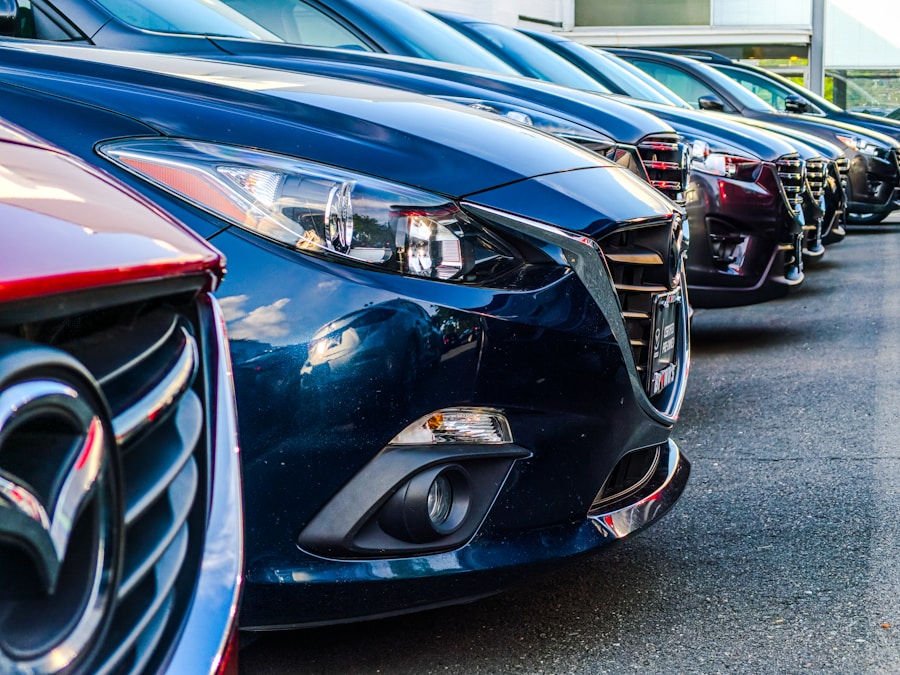
Ile-iṣẹ iṣelọpọ ile-iṣẹ ti n ṣe awọn paati irin deede fun ẹrọ extrusion
Agbọye Twin dabaru Extruder Barrel: Mojuto irinše ati awọn iṣẹ
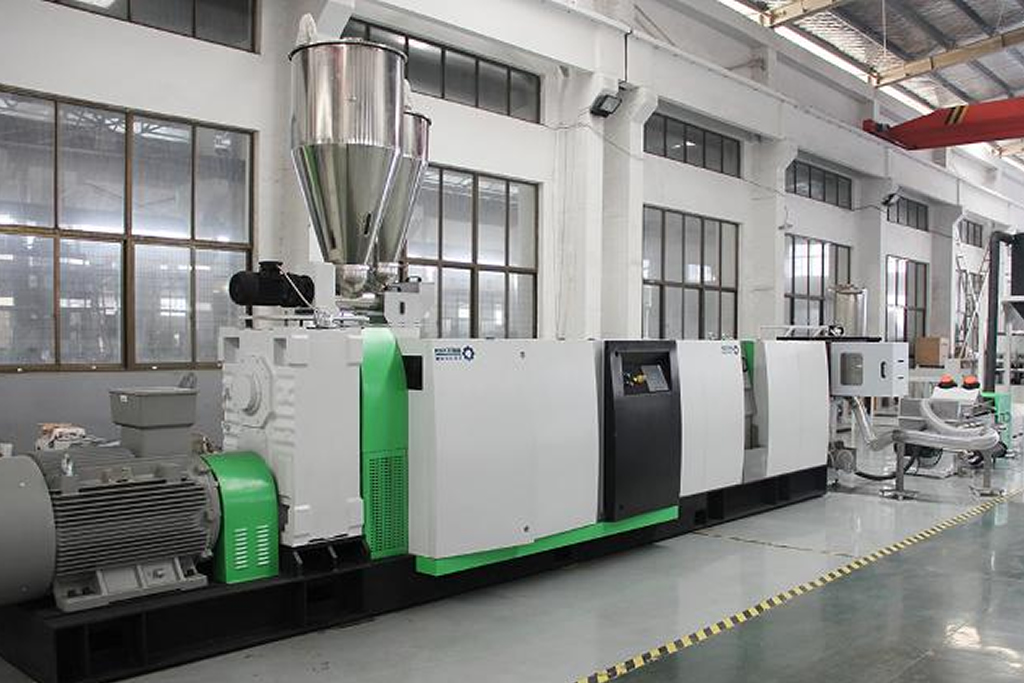
A ibeji dabaru extruder agba ni a eru-olodi, segmented tabi monolithic silinda sunmi lati gba meji àjọ-yiyi tabi counter-yi skru. The barrel's inner surface must withstand extreme abrasion, ipata, ati ki o gbona gigun kẹkẹ — awọn ipo ti o yatọ bosipo da lori ohun elo ti ni ilọsiwaju, lati gilasi-fiber-kún ina- pilasitik to ounje-ite starches. Ṣiṣu Rod Extrusion Machine
Awọn agbegbe iṣẹ-ṣiṣe bọtini laarin agba twin skru aṣoju pẹlu:
- Agbegbe kikọ sii — ibi ti aise ti nwọ; agba agba ni igba dan tabi sere grooved lati sakoso gbigbemi oṣuwọn.
- Yiyọ / plasticizing agbegbe — ga rirẹ-run ati funmorawon; agba liners nibi koju awọn julọ ibinu yiya.
- Dapọ / kneading agbegbe — kaakiri ati dispersive dapọ; Iṣakoso iwọn otutu agba jẹ pataki.
- Mita / agbegbe idasile — dédé yo titẹ ifijiṣẹ; bí tolerances Mu si ±0.02 mm ni awọn agba Ere.
Awọn agba ti wa ni ojo melo ti ṣelọpọ lati nitralloy 135M, 38CrMoAlA, tabi irin sobsitireti, lẹhinna mu nipasẹ gaasi nitriding, bimetallic centrifugal simẹnti, tabi HIP (gbona isostatic titẹ) cladding lati ṣaṣeyọri lile lile ti 58–72 HRC da lori ohun elo naa. Loye awọn ipilẹ wọnyi ṣe iranlọwọ fun awọn olura B2B pato awọn ibeere ni deede nigbati o ba n ṣe ohun kan extruder ibeji dabaru agba olupese.
Ala-ilẹ Ọja Agbaye fun Twin Screw Barrel Awọn iṣelọpọ ni
Awọn ibeji dabaru extrusion ẹrọ oja ni Oyun Apus 2 Extruder sókè nipa orisirisi converging ologun ni:
Awọn aṣẹ atunlo pilasitik. The European Union's revised Packaging and Packaging Waste Regulation (PPWR), pari ni pẹ 2024, nbeere omo ipinle lati lu 55% pilasitik apoti atunlo nipa 2030. Awọn laini atunlo ẹrọ ni agbara pupọ gbarale awọn apanirun skru twin fun idapọ awọn resini atunlo pẹlu awọn afikun, wiwakọ agba rirọpo eletan soke. U.S. EPA's updated National Recycling Strategy similarly incentivizes domestic recycling infrastructure, ṣiṣẹda ni afiwe eletan ni North America.
Ọkọ ina (EV) idagbasoke pq ipese. Batiri separator fiimu, gbona ni wiwo ohun elo, ati ki o lightweight polima apapo fun EV irinše ti wa ni ilọsiwaju lori ibeji dabaru extruders. BloombergNEF data fihan agbaye EV tita surpassing 20 milionu sipo ni, ati laini idapọmọra tuntun kọọkan nilo awọn agba iṣẹ ṣiṣe ti o ga fun awọn ohun elo seramiki abrasive.
Ounje ati elegbogi extrusion. Gbona-yo extrusion (HME) fun oògùn ifijiṣẹ ati ibeji dabaru sise extrusion fun ọgbin-orisun awọn ọlọjẹ ti wa ni jù àáyá. Awọn ohun elo wọnyi beere awọn ohun elo agba ti o ni ibamu pẹlu FDA/EU — ojo melo alagbara, irin liners tabi nickel-orisun alloy overlays — titari awọn aṣelọpọ lati ṣe iyatọ awọn laini ọja wọn.
Awọn iṣupọ iṣelọpọ pataki fun awọn agba skru twin pẹlu Zhoushan ati Jingjiang ni Ilu China, eyiti o jẹ iṣiro apapọ fun ifoju 45–50% ti agba agba agbaye nipasẹ iwọn didun; awọn agbegbe Ruhr ati Baden-Württemberg ni Germany, ile si Ere OEM agba ti onse; ati Brescia, Italy, ibudo ibile fun imọ-ẹrọ agba bimetallic. Nyoju agbara ti wa ni tun dagba ni India (Gujarati, Maharashtra) ati Tọki.
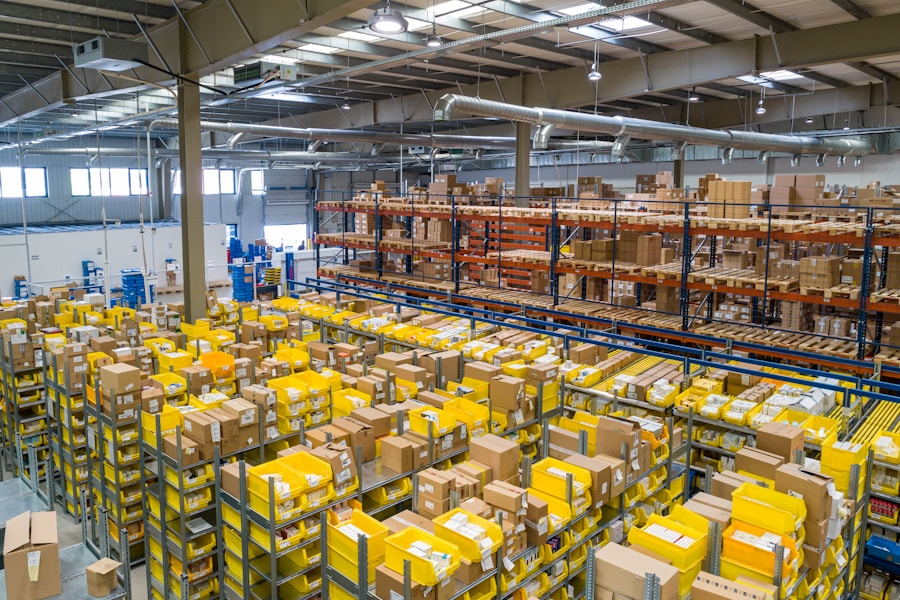
Ibudo sowo agbaye pẹlu awọn ohun elo eiyan ti o nsoju awọn eekaderi iṣowo B2B kariaye fun awọn ẹya ẹrọ ile-iṣẹ
Awọn eto imulo Iṣowo ti o ni ipa lori Ikọja-aala-aala Barrel:, ati Beyond
Nikan dabaru Extruder osunwon Awọn olura B2B ti n gba awọn agba skru twin ni kariaye gbọdọ lọ kiri agbegbe eto imulo iṣowo eka ti o pọ si ni: Ṣiṣu extrusions Fun Gates
US idiyele ala-. Bi ti tete, United States ntẹnumọ Abala 301 owo-ori lori ọpọlọpọ awọn ẹru ile-iṣẹ ti Ilu Kannada. Twin dabaru awọn agba classified labẹ HTS 8477.90 (awọn ẹya ara ẹrọ ti n ṣatunṣe ṣiṣu) oju a 25% ad valorem ojuse nigba ti gbe wọle lati China. Atunwo owo idiyele akoko Biden, tesiwaju labẹ awọn ti isiyi isakoso, ti pa awọn oṣuwọn wọnyi mọ. Ni afikun, Abala 232 irin ati aluminiomu owo idiyele (25% ati 10% lẹsẹsẹ) le waye si agba aise ohun elo agbewọle, fifi titẹ iye owo kun fun awọn aṣelọpọ ti n pese irin sobusitireti ni kariaye. Ni Oṣu Kẹrin, Awọn igbese idiyele atunsan tuntun ni a kede ni ibi-afẹde awọn ẹka afikun, ṣiṣẹda siwaju aidaniloju fun ipese pq aseto (orisun: International Trade Administration).
EU isowo olugbeja ohun elo. The European Commission's anti-dumping framework continues to scrutinize Chinese steel and machinery components. Lakoko ti awọn agba skru twin ko ti labẹ awọn iṣẹ ipadanu kan pato, the EU's Carbon Border Adjustment Mechanism (CBAM), titẹ awọn oniwe-transportation alakoso, yoo beere agbewọle lati jabo ifibọ erogba ni irin-lekoko awọn ọja ti o bere 2026. Awọn aṣelọpọ agba pẹlu awọn ilana iṣelọpọ erogba kekere ti a fọwọsi yoo gba eti ifigagbaga ni ọja EU (orisun: European Commission DG Trade).
Awọn adehun iṣowo ọfẹ. EU-Japan EPA, CPTPP, ati awọn adehun RCEP nfunni ni itọju idiyele idiyele fun awọn ẹya ẹrọ yiyan. Buyers ni signatory Ṣiṣu Extruder Manufacturers olupese Awọn orilẹ-ede le dinku awọn idiyele ilẹ nipasẹ 3–8% nipa orisun lati ọdọ awọn aṣelọpọ ni awọn orilẹ-ede alabaṣepọ ati idaniloju awọn iwe aṣẹ-pilẹṣẹ to dara.
Awọn iṣakoso okeere ati awọn ero lilo-meji. Ga-konge agba ẹrọ ẹrọ (CNC jin-iho alaidun ero, fun apẹẹrẹ) le ṣubu labẹ awọn atokọ iṣakoso okeere lilo-meji ni awọn sakani kan. Lakoko ti o ti pari awọn agba funrararẹ ko ni ihamọ, awọn olura yẹ ki o rii daju ibamu lilo-ipari nigba wiwa fun aabo tabi awọn ohun elo ti o wa nitosi.
Awọn aye Iṣowo B2B ni Ẹka Twin Screw Barrel
Ikorita ti eletan extrusion ti o ga ati eto imulo iṣowo ti o ṣẹda awọn aye ọtọtọ fun awọn olukopa B2B:
Rirọpo awọn ẹya lẹhin ọja. Agba skru twin ni igbagbogbo ni igbesi aye iṣẹ ti 8,000–15,000 awọn wakati iṣẹ da lori abrasiveness ohun elo ti a ṣe ilana. Pẹlu ipilẹ ti a fi sori ẹrọ ti twin dabaru extruders ti o pọju 120,000 sipo agbaye (ifoju lati Coperion, KraussMaffei, ati Leistritz gbóògì data), lẹhin ọja fun awọn agba rirọpo ati awọn eroja skru duro fun USD 1.8–2.4 bilionu lododun anfani. Awọn olupin kaakiri ati awọn ile-iṣẹ iṣowo ti o le funni ni ifijiṣẹ iyara ti awọn agba ibaramu fun awọn iru ẹrọ OEM pataki — Coperion ZSK, Leistritz ZSE, KraussMaffei ZE, JSW TEX, Nanjing-jara ero — Yaworan loorekoore wiwọle ṣiṣan.
Awọn agba ti a ṣe adaṣe fun awọn ohun elo onakan. Bi extrusion gbe sinu awọn ohun elo to ti ni ilọsiwaju (erogba okun apapo, elekiturodu batiri slurries, biodegradable polima), boṣewa nitrided awọn agba igba ti kuna kukuru. Awọn aṣelọpọ nfunni ni awọn solusan-pato ohun elo — tungsten carbide liners fun awọn agbo ogun abrasive giga, Hastelloy overlays fun ipata fluoropolymer, awọn agba ti a pin pẹlu awọn ikanni itutu agbaiye ominira fun awọn ohun elo elegbogi ti o ni iwọn otutu — command premium pricing and build defensible market positions.
Nitosi ati ipese pq diversification. Post-pandemic supply chain resilience strategies are driving European and American OEMs to diversify barrel sourcing beyond China. Tọki, India, and Eastern European manufacturers (Polandii, Apapọ Ilẹ Ṣẹẹki) are gaining share as "China+1" alternatives. B2B intermediaries facilitating quality-assured sourcing from these emerging suppliers fill a valuable market gap.
Awọn iru ẹrọ rira oni-nọmba. Alibaba, Ṣe lati orilẹ-ede Ṣaina, and GlobalSources remain dominant for initial supplier discovery, but specialized B2B platforms and direct manufacturer websites with detailed technical specifications, 3Awọn awoṣe D, and real-time quotation tools are increasingly preferred by professional buyers. Manufacturers investing in digital sales infrastructure see 20–35% awọn oṣuwọn iyipada ibeere-si-paṣẹ ti o ga ni ibamu si a 2024 Iwadi iṣowo McKinsey B2B.
Awọn italaya ti nkọju si Awọn olura ati Awọn aṣelọpọ B2B
Lẹgbẹẹ awọn anfani, awọn ibeji dabaru agba isowo oju gidi headwinds:
Aitasera didara. Aafo laarin Ere European/Japan awọn agba ati awọn omiiran idiyele kekere le jẹ pataki. Bore concentricity, ikan lara adhesion didara, ooru itọju uniformity, ati ijerisi tiwqn metallurgical wa irora ojuami. Awọn oluraja jabo pe 10–15% ti awọn agba ti o wa lati ọdọ awọn olupese ti a ko rii kuna kuna ayewo didara ti nwọle, gẹgẹ bi a 2024 Ṣiṣu Technology iwadi ti North American to nse.
Awọn ifiyesi ohun-ini oye. OEM agba awọn aṣa — iho profaili, itutu ikanni ipalemo, segmented agba ni wiwo geometries — jẹ ohun-ini. Awọn aṣelọpọ ọja lẹhin ọja gbọdọ lọ kiri awọn aala IP ni pẹkipẹki, ati awọn ti onra yẹ ki o rii daju pe awọn olupese ni awọn agbara imọ-ẹrọ abẹ kuku ju didakọ awọn iyaworan OEM nirọrun.
Awọn eekaderi ati awọn akoko asiwaju. Eto agba ti o ni ipin meji ti o ni idiwọn jẹ iwọn 500–3,000 kg da lori extruder iwọn. Awọn idiyele gbigbe ti ni iduroṣinṣin lati 2021–2022 awọn oke ṣugbọn o wa 30–40% loke awọn ipele iṣaaju-ajakaye lori Asia-Europe ati awọn ipa-ọna Asia-Ariwa America. Awọn akoko idari fun awọn agba bimetallic aṣa wa lati 6–12 ọsẹ, nilo awọn ti onra lati gbero awọn akoko rira daradara ni ilosiwaju.
Iyipada owo ohun elo aise. Nickel, koluboti, tungsten, ati molybdenum — awọn eroja alloying bọtini ni awọn ohun elo laini agba — ti ni iriri 15–25% owo swings lori awọn ti o ti kọja 12 osu. Awọn aṣelọpọ laisi awọn ilana idabobo tabi awọn adehun ipese igba pipẹ kọja iyipada yii si awọn ti onra, complicating isuna igbogun.
Imọ-ẹrọ Ohun elo ati Imọ-ẹrọ iṣelọpọ: Ohun ti asọye a Top-Tier Barrel olupese
Iyatọ imọ-ẹrọ laarin extruder ibeji dabaru agba tita wá si isalẹ lati awọn ohun elo ati awọn ilana: Tunlo Ṣiṣu Pellets Factory
Nitrided awọn agba. Gaasi nitriding ti 38CrMoAlA tabi SACM645 irin ṣe agbejade 0.5 kan–0.7 mm àiya nla (900–1100 HV). Eyi ni itọju to munadoko julọ, o dara fun sisẹ awọn polima ti kii ṣe abrasive bi PE, PP, ati PS. Awọn aṣelọpọ ti o ga julọ ṣaṣeyọri iṣọkan nitriding laarin ±50 HV kọja ni kikun agba ipari — metiriki ti o ya awọn olupese ti o gbẹkẹle lati awọn ti ko ni ibamu.
Awọn agba Bimetallic. Simẹnti Centrifugal ti irin-orisun (Fe-B), nickel-orisun (Nipasẹ-Cr-B-Si), tabi koluboti-orisun alloy liners inu a 4140/4340 ikarahun irin gbejade 2–5x igbesi aye yiya ti awọn agba nitrided. Okunfa didara to ṣe pataki jẹ iduroṣinṣin mnu ikan-si-sobusitireti; Idanwo ultrasonic yẹ ki o ṣafihan delamination odo kọja 100% ti awọn iho dada. Asiwaju awọn olupese ni Zhoushan, China, ati Brescia, Italy, ti refaini ilana yi fun ewadun.
Powder metallurgy (PM) ati HIP liners. Fun awọn julọ demanding ohun elo — processing gilasi-fiber-kún PA66, erupẹ-kún PPS, tabi seramiki-kojọpọ batiri elekiturodu agbo — HIP-applied irin irin tabi tungsten carbide liners pese líle gidigidi 65 HRC pẹlu superior toughness. Imọ-ẹrọ yii jẹ gaba lori nipasẹ ọwọ diẹ ti awọn alamọja Ilu Yuroopu ati Japanese, pẹlu awọn idiyele agba 3–5x ti o ga ju awọn aṣayan bimetallic boṣewa.
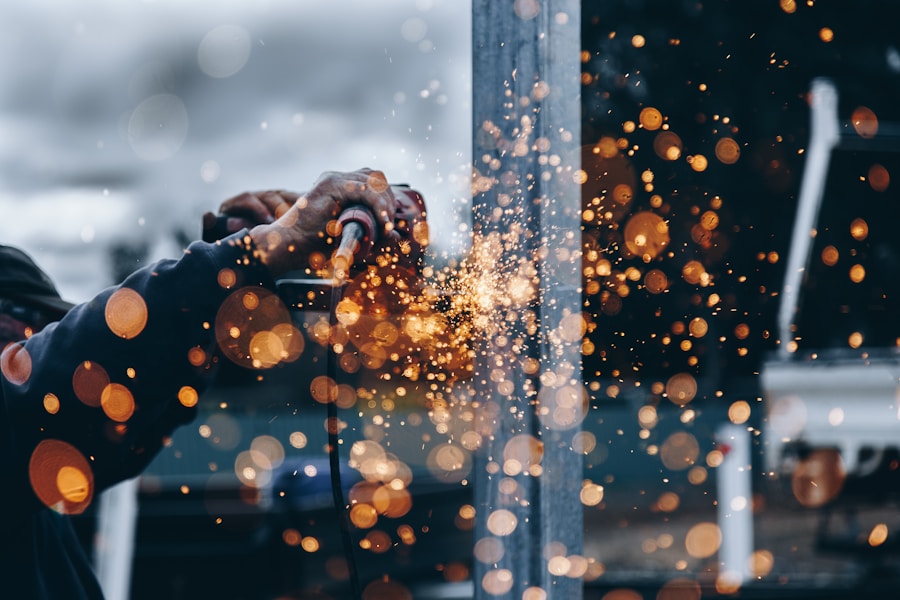
Machining konge. Bore ipari to Ra 0.4 μm tabi dara julọ, concentricity laarin 0.03 mm lori awọn gigun agba ti o kọja 3 mita, ati ibamu ifarada H7 lori awọn atọkun apakan agba-si-agba nilo awọn ẹrọ alaidun iho jinlẹ, CNC honing ẹrọ, ati wiwọn ninu ilana lile. Awọn aṣelọpọ idoko-owo ni awọn ẹrọ wiwọn ipoidojuko (CMM) ati wiwọn ina lesa ṣe afihan ifaramo si didara ti awọn olura B2B yẹ ki o jẹrisi lakoko awọn iṣayẹwo ile-iṣẹ.
Dada awọn itọju ati awọn ti a bo. Chrome plating, Awọn ideri PVD / CVD, ati ki o gbona sokiri overlays (HVOF tungsten carbide) jẹ awọn itọju afikun ti o fa igbesi aye agba ni awọn ohun elo kan pato. A knowledgeable manufacturer recommends the optimal treatment based on the buyer's processing conditions rather than defaulting to the cheapest option.
Agbegbe ati Awọn anfani Ilana ni Iṣowo Barrel B2B
Geography ati eto imulo iṣowo ṣẹda awọn ọdẹdẹ orisun omi ọtọtọ ti awọn olura B2B ọlọgbọn lo nilokulo:
China si Yuroopu nipasẹ ọkọ oju irin. China-Europe Railway Express (CRE) nẹtiwọki bayi nṣiṣẹ lori 15,000 awọn irin ajo lododun, pẹlu awọn akoko gbigbe ti 15–18 ọjọ dipo 30–35 ọjọ nipa okun. Fun akoko-kókó agba bibere, ẹru ọkọ oju-irin nfunni ni aaye arin laarin afẹfẹ ati awọn idiyele gbigbe omi okun. Awọn aaye ilọkuro bọtini — May, Chengdu, Xi'an — sopọ si Hamburg, Duisburg, ati Madrid.
Tọki gẹgẹbi ibudo eti okun fun awọn olura EU. Turkey's customs union with the EU eliminates duties on most industrial goods, pẹlu awọn ẹya ẹrọ. Awọn aṣelọpọ agba Turki ni Istanbul ati Kocaeli nfunni 2–3 ifijiṣẹ ọsẹ si Iwọ-oorun Yuroopu pẹlu idiyele ifigagbaga, ṣiṣe Tọki ni yiyan ti o wuyi fun awọn olupilẹṣẹ ti o da lori EU ati awọn OEM ti n wa isọdọtun pq ipese.
India's production-linked incentive (SIWAJU) eto. India's PLI program for capital goods and specialty steel incentivizes domestic barrel manufacturing. Fun awọn ti onra ti n sin ọja iha ilẹ India, orisun lati ọdọ awọn aṣelọpọ India yago fun awọn iṣẹ agbewọle ti 7.5–15% ati awọn anfani lati imudarasi awọn iṣedede didara bi awọn olupilẹṣẹ Ilu India ṣe n ṣe idoko-owo ni ohun elo-ite Yuroopu.
US-Mexico-Canada Adehun (USMCA). Awọn agba ti a ṣe ni Ilu Meksiko pẹlu akoonu Ariwa Amẹrika ti o to fun titẹsi laisi iṣẹ-ṣiṣe si AMẸRIKA ati Kanada. Ọpọlọpọ awọn oluṣelọpọ agba ti Ilu Kannada ati Taiwanese ti fi idi mulẹ tabi n ṣawari awọn ohun elo iṣelọpọ Ilu Mexico lati ṣe iranṣẹ laisi idiyele ọja ti Ariwa Amẹrika..
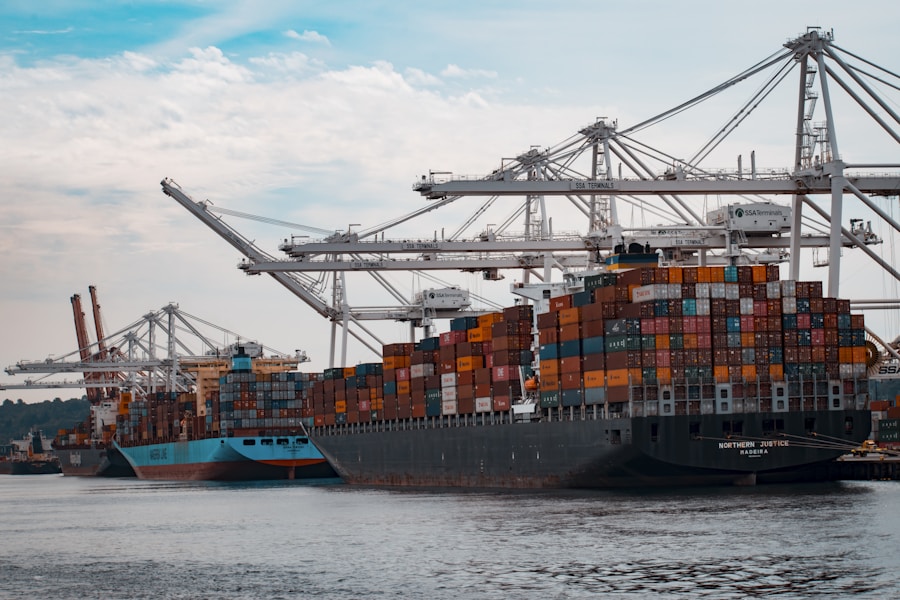
Awọn apoti ẹru ni ibudo iṣowo kariaye pataki kan ti o nsoju awọn eekaderi aala B2B fun ohun elo ile-iṣẹ
Awọn Iwadi Ọran Barrel Sourcing ni Iwaṣe
Ọran 1: European compounder din downtime nipa 40% pẹlu meji-orisun nwon.Mirza.
Agbepọ pilasitik German kan ti o ni agbedemeji ti n ṣiṣẹ 12 ibeji dabaru extruder ila (Coperion ZSK 58 ati ZSK 92 awọn iru ẹrọ) itan orisun gbogbo awọn agba rirọpo lati kan nikan Chinese olupese. Ninu 2023, ọrọ didara kan pẹlu ipele ti awọn agba bimetallic — sisanra ila ti ko to ni agbegbe aṣọ-giga — ṣẹlẹ unplanned downtime iye owo ifoju EUR 180,000. Ile-iṣẹ naa ṣe imuse ilana orisun-meji kan: ipese akọkọ lati ọdọ olupese orisun Zhoushan pẹlu ISO 9001:2015 ati iwe-ẹri PED, ati ipese Atẹle lati ọdọ olupilẹṣẹ Tọki fun awọn aṣẹ iyara. Nipasẹ, awọn iroyin ile- 40% idinku ninu unplanned agba-jẹmọ downtime ati 12% iye owo rira agba agba kekere nipasẹ ase idije laarin awọn olupese meji. Ẹkọ bọtini: iyege awọn olupese meji pẹlu awọn ilana ayewo ti nwọle lile (idanwo ultrasonic, líle ìyàwòrán, onisẹpo ijerisi) pese iye owo mejeeji ati awọn anfani igbẹkẹle.
Ọran 2: US ounje extrusion OEM ndagba kikan agba sipesifikesonu pẹlu Chinese olupese.
Olupese ti o da lori Wisconsin kan ti awọn olupilẹṣẹ skru ounje nilo awọn agba pẹlu FDA-ibaramu irin alagbara, irin liners ti o lagbara lati duro abrasive., corrosive environment of high-moisture pet food extrusion. Standard catalog barrels from domestic suppliers were priced at USD 28,000–35,000 per set with 10–14 ọsẹ asiwaju igba. The company partnered with a Jingjiang, China, manufacturer to co-develop a barrel using 316L stainless liner centrifugally cast into a 4140 shell, with custom cooling channel geometry. After a 6-month qualification process including on-site factory audits and trial barrel testing, ile-iṣẹ ti o ṣe aṣeyọri 35% cost reduction with equivalent performance. Annual procurement now exceeds USD 1.2 milionu, with barrels shipped via ocean freight to the Port of Chicago. Abala 301 tariffs add 25% to landed cost, but the net savings versus domestic sourcing remain significant at approximately 15–18%.
Ọran 3: Indian recycling startup scales with modular barrel system.
A Mumbai-based plastics recycling startup processing post-consumer PET bottle flakes needed to scale from a single 52mm twin screw line to four lines within 18 osu. Capital constraints made purchasing complete new extruders impractical. Dipo, the company sourced modular segmented barrel systems from a Guangzhou manufacturer, designed to retrofit onto locally assembled extruder frames. The segmented design allowed individual barrel sections to be replaced as they wore, reducing ongoing maintenance costs by an estimated 25% compared to monolithic barrel replacement. The manufacturer provided detailed engineering drawings and remote technical support for installation, demonstrating the value of manufacturer-buyer collaboration in emerging market contexts. Nikan dabaru Extruder
Didara ìdánilójú: What B2B Buyers Should Demand from Barrel Manufacturers
Professional procurement of twin screw barrels requires a structured quality assurance framework:
- Material certificates: Mill test reports (MTR) for barrel substrate steel and liner alloy, traceable to specific heat numbers. Verify chemical composition against specification (f.eks., ASTM A322 for 4140 irin, LATI 1.8519 for 38CrMoAlA).
- Hardness testing: Rockwell or Vickers hardness measurements at minimum 5 points along barrel length, on both liner surface and substrate. Request hardness mapping reports.
- Ayẹwo onisẹpo: Bore diameter, concentricity, gígùn, ati dada pari (Ra) measurements using calibrated instruments. CMM reports for critical interface dimensions.
- Non-destructive testing (NDT): Ultrasonic testing for liner bond integrity (100% bore coverage), magnetic particle inspection for surface cracks, and dye penetrant testing for barrel segment sealing surfaces.
- Awọn iwe-ẹri: ISO 9001:2015 (didara isakoso), ISO 14001 (ayika isakoso), and where applicable, PED 2014/68/EU (Pressure Equipment Directive) for barrels operating under pressure in EU jurisdictions.
Buyers should conduct factory audits — either in person or via third-party inspection agencies (SGS, Ile-iṣẹ Veritas, TÜV) — ṣaaju ṣiṣe awọn aṣẹ iwọn didun. The cost of a factory audit (USD 1,500–3,000) is trivial compared to the cost of receiving non-conforming barrels.
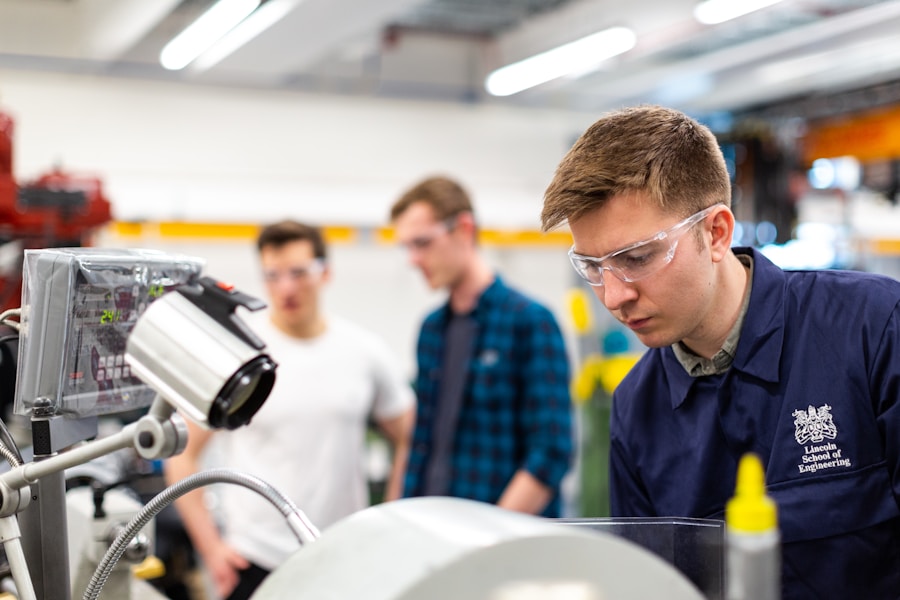
Quality control inspection of industrial metal components using precision measurement instruments
Forecasting Twin Screw Barrel Trade Trends: Oṣu Kẹfa–Oṣu Kẹjọ
Da lori lọwọlọwọ oja awọn ifihan agbara, imulo idagbasoke, ati data ile ise, the following trends are expected to shape the twin screw barrel B2B trade over the next one to two months:
Tariff uncertainty drives pre-buying. The April announcement of expanded US reciprocal tariffs has triggered a wave of pre-buying among North American distributors and OEMs. Barrel manufacturers in China report order backlogs extending to 10–14 ọsẹ, up from the typical 6–8 ọsẹ. Buyers who have not yet placed orders for Q3 delivery should expect longer lead times and consider expedited shipping options.
Cr10 Max Extruder Raw material costs stabilize. After a volatile Q1, nickel prices have settled in the USD 15,500–16,500/tonne range on the LME, and tungsten APT prices are holding at USD 325–340/MTU. This stabilization should translate to more predictable barrel pricing through the summer, though manufacturers may attempt to retain Q1 price increases. Buyers should negotiate based on current raw material indices rather than accepting legacy pricing.
Chinaplas aftereffects. Chinaplas, held in Shenzhen in April, showcased several barrel manufacturers' new product lines including segmented barrels with integrated sensor ports for Industry 4.0 monitoring, and next-generation PM-HIP liners with claimed 30% gun wọ aye. Expect these innovations to enter commercial availability in Q3–Q4, giving early-adopter buyers a competitive advantage in processing efficiency.
Lab Scale Extruder Manufacturer EU CBAM reporting drives supplier qualification. As the EU CBAM transitional phase progresses, European importers of steel-intensive products including extruder barrels are beginning to request carbon footprint data from manufacturers. Suppliers who can provide verified emissions data (Scope 1, 2, ati 3) will be preferred. Chinese manufacturers with renewable energy-powered facilities (increasingly common in Zhejiang and Jiangsu provinces) are positioning themselves favorably.
Recycling infrastructure investment accelerates. Government funding programs — the EU's Circular Economy Action Plan, the US EPA's Solid Waste Infrastructure for Recycling (SWIFR) grants — are releasing capital for new recycling lines in mid-. Each new mechanical recycling line typically requires 2–4 ibeji dabaru extruders, translating to direct barrel demand. Manufacturers and distributors targeting the recycling sector should prepare inventory accordingly.
India emerges as a sourcing alternative. Indian barrel manufacturers exhibited at Plastivision India (January) with notably improved product quality. Several Ahmedabad and Pune-based manufacturers have achieved bimetallic barrel quality comparable to mid-tier Chinese producers at 10–15% lower pricing, driven by lower labor costs and India's growing specialty steel production capacity. For buyers serving South Asian, Aarin Ila-oorun, and African markets, Indian sourcing deserves serious evaluation.
Aabo ibi iṣẹ ni Awọn Ayika Extrusion: Protecting Operators from the Ground Up
While the focus of this guide is on barrel sourcing, responsible B2B trade in extrusion machinery must address the operational environment where these barrels are installed. Twin screw extrusion facilities present specific workplace hazards — awọn iwọn otutu ti o ga (barrel surfaces reach 200–400°C), eru paati mimu (barrel segments weigh 50–300 kg kọọkan), didà polima idasonu, and floor surfaces contaminated with processing oils and pellet dust. Foot injuries are among the most common and preventable workplace incidents in plastics processing plants.
The case for safety footwear in extrusion facilities. According to the U.S. Bureau of Labor Statistics (BLS), Awọn ipalara ẹsẹ jẹ iroyin fun isunmọ 60,000 awọn ipalara ibi iṣẹ ni ọdun kọọkan ni Amẹrika, pẹlu awọn agbegbe iṣelọpọ ti o nsoju ipin aiṣedeede. Ile-iṣẹ Yuroopu fun Aabo ati Ilera ni Iṣẹ (EU-OSHA) ṣe ijabọ awọn ilana ti o jọra kọja awọn ipinlẹ ọmọ ẹgbẹ EU. Ni awọn ohun elo extrusion pataki, Awọn ewu ẹsẹ akọkọ pẹlu:
- Crushing injuries from dropped barrel segments, dabaru eroja, or die components during maintenance and changeover operations.
- Burn injuries from contact with hot barrel surfaces, didà polima drips, or heated die assemblies.
- Puncture injuries from metal shavings, baje dabaru awọn italolobo, or sharp-edged barrel liner fragments.
- Slip injuries on floors contaminated with processing oils, omi lati itutu awọn ọna šiše, or spilled polymer pellets.
- Electrical hazards from barrel heater band wiring during maintenance.
Safety footwear standards and specifications. B2B buyers of extrusion equipment should ensure their facilities — and their customers' ohun elo — are equipped with appropriate safety footwear meeting recognized standards:
- ASTM F2413 (US bošewa): Ni pato awọn ibeere fun bata bata aabo pẹlu ipakokoro ipa (I/75 — 75 ft-lbs Idaabobo ikolu), funmorawon resistance (C/75 — 2,500 lbs funmorawon), Idaabobo metatarsal (Mt/75), and electrical hazard (EH) iwontun-wonsi.
- NI ISO 20345 (US bošewa): Defines safety footwear classes from SB (ipilẹ atampako Idaabobo, 200J ipa) nipasẹ S5 (Idaabobo ika ẹsẹ + pipade igigirisẹ + antistatic + gbigba agbara + omi resistance + ilaluja resistance + cleated outsole). Fun awọn ayika extrusion, S3 or S5 rated footwear is recommended.
- Apapọ ika ẹsẹ vs. irin ika ẹsẹ: Awọn bọtini ika ẹsẹ akojọpọ akojọpọ ode oni (gilaasi, erogba okun, tabi Kevlar) pese aabo deede si irin ni 30–40% kere àdánù, with the added benefit of thermal insulation — important in extrusion environments where floor temperatures near barrel heating zones can be elevated.
Sprite Extruder Bltouch Mount Ooru-sooro soles. Standard rubber outsoles degrade at sustained contact temperatures above 150°C. Extrusion facility safety footwear Crality Dual Gear Extruder should feature nitrile rubber or Viton-compound outsoles rated for 300°C olubasọrọ resistance, protecting against accidental stepping on hot polymer drips or near barrel heating zones.
Anti-fatigue and ergonomic considerations. Extrusion operators and maintenance technicians often work 8–12 wakati iṣinipo lori nja ipakà. Safety footwear with energy-return midsoles (PU or EVA foam), atilẹyin arch, and moisture-wicking linings reduces fatigue-related accidents — a factor that safety managers increasingly recognize as contributing to overall workplace safety performance.

ROI of safety footwear programs. The National Safety Council estimates that the average cost of a workplace foot injury in the US is USD 9,600 ni taara owo (oogun, osise' biinu) and USD 29,000–42,000 in total costs including lost productivity, iṣẹ rirọpo, ati Isakoso inawo. A quality pair of safety boots costs USD 80–250. Fun ohun elo pẹlu 50 extrusion awọn oniṣẹ, a comprehensive safety footwear program costs USD 4,000–12,500 lododun — ida kan ninu iye owo ipalara ẹsẹ pataki kan. European data from EU-OSHA shows comparable economics, with the added regulatory imperative of the EU Framework Directive 89/391/EEC requiring employers to provide appropriate PPE at no cost to workers.
Integration with barrel maintenance protocols. B2B barrel manufacturers and suppliers can add value by including safety recommendations in their technical documentation. Barrel installation and removal procedures should specify required PPE including safety footwear class, reinforcing a culture of safety that