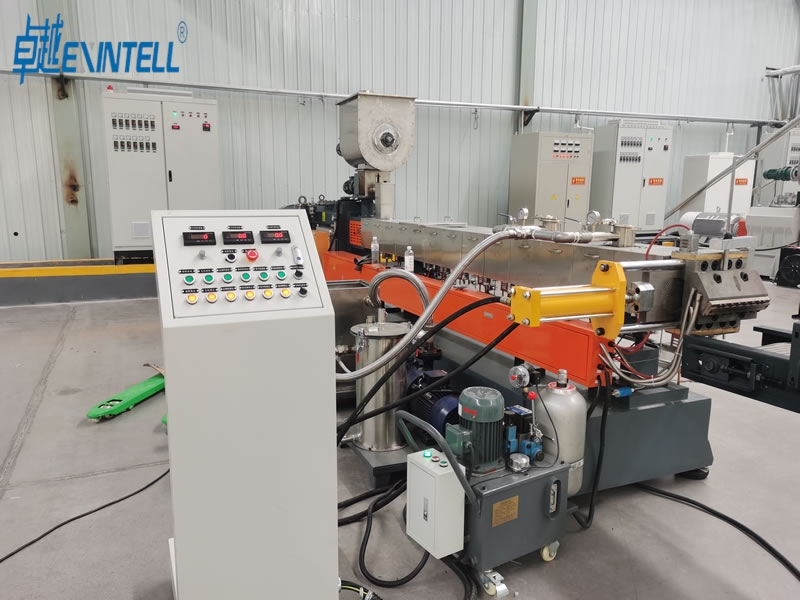
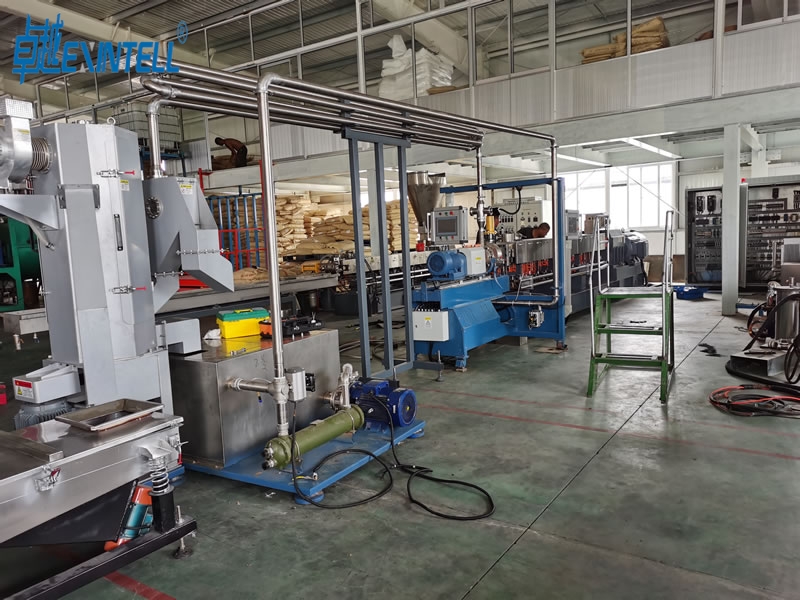
Yiyan Laarin Iwọn Omi ati Awọn ẹrọ Pelletizer Labẹ Omi fun Awọn pilasitik
Atọka akoonu
Yiyan Laarin Iwọn Omi ati Awọn ẹrọ Pelletizer Labẹ Omi fun Awọn pilasitik
Selecting the right pelletizer machine plastic type shapes your production efficiency and end-product quality. Iwọ yoo wa awọn aṣayan akọkọ mẹta: omi-oruka, labẹ omi, ati okun pelletizers. Eto kọọkan nfunni awọn anfani alailẹgbẹ. Fun apere, okun pelletizers pese ni irọrun ati ki o ṣiṣẹ daradara fun kosemi pilasitik, while underwater models deliver instant cooling for sticky or heat-sensitive materials. Water-ring systems strike a balance between flexibility and automation, making them ideal for medium viscosity plastics in recycling. Compare features, išẹ, ati iye owo. Always match your choice with your material, losi, and quality requirements.
Considerproduction speed and qualitywhen choosing a pelletizer. Underwater systems provide high-quality pellets, while strand systems offer cost-effectiveness for general use.
Evaluate your facility’s space and maintenance capabilities. Water-ring systems require moderate upkeep, underwater systems need more attention, and strand systems are easier to maintain.
Match your pelletizer’s throughput with your production needs. Ensure the machine can handle your expected output to avoid bottlenecks in your process.
Use a screening machine for consistent pellet quality. This equipment helps remove impurities and ensures your final product meets industry standards.
Core Differences Comparison Chart
When you evaluate pelletizer machines for plastic processing, you need a clear overview of how each system performs. The followingcore differences comparison chart yoo fun ọ a ẹgbẹ-nipasẹ-ẹgbẹ wo ni omi-oruka, labẹ omi, ati okun pelletizers. Aworan yii ṣe iranlọwọ fun ọ ni iyara idanimọ ẹrọ wo ni ibamu pẹlu awọn ibi-afẹde iṣelọpọ rẹ.
Imọran: Ti o ba ilana alalepo tabi ooru-kókó ṣiṣu, you will benefit most from an underwater pelletizer. For rigid materials, a strand pelletizer offers simplicity and lower costs.
Key Features and Performance
You should focus on several key features when choosing a pelletizer. Each system delivers unique performance characteristics:
Omi-Oruka Pelletizer: You getmoderate pellet qualityand consistent sizing. This system works best for medium viscosity or recycled plastic. Maintenance and operating costs remain manageable. Production speed fits most recycling operations.
Underwater Pelletizer: You achieve premium pellet quality with uniform shape and minimal dust. This system excels with sticky, rirọ, or heat-sensitive plastic. You will see higher initial and operating costs, but you gain top-tier performance and high throughput.
Strand Pelletizer: You benefit from a straightforward design and low investment. Pellet quality can vary, especially if you process materials with inconsistent melt flow. This system suits rigid or semi-rigid plastic and general-purpose applications.
Akiyesi:Industry benchmarks show that underwater pelletizers consistently deliver the most uniform pellets. Water-ring systems offer a balance between cost and quality, while strand pelletizers provide flexibility for a wide range of plastics.
By reviewing this core differences comparison chart, you can match your production needs with the right pelletizer system. Consider your material type, didara pellet fẹ, and budget to make the best choice.
Pelletizer Machine Plastic Types
Water-Ring Pelletizer Features
You will find thewater-ring pelletizing systemoperates by cutting molten plastic at the die face, where a rotating water ring instantly cools and solidifies the pellets. This process supports a broad range of thermoplastics, including soft, tacky, brittle, and temperature-sensitive compounds. The enclosed design of the water-ring pelletizing system reduces operator exposure to fumes and dust, making your workspace safer.
Key features of the water-ring pelletizing system include:
Direct water contact for rapid and uniform pellet cooling.
Automated operation that minimizes manual intervention.
Compact layout for efficient use of space.
Anfani
Apejuwe
Uniform and Consistent Pellet Shape
Ensures uniform grain geometry and smooth surfaces.
No Strand Breakage
Eliminates strand instability, ideal for wet or flexible materials.
Excellent Cooling Efficiency
Prevents deformation at high throughput.
Ideal for Soft or Low-Viscosity Materials
Handles materials that struggle in strand systems.
You should note that the water-ring pelletizing system requires precise water temperature control and regular maintenance, especially for the die plate and cutting chamber. The initial investment can be higher than other systems, but you gain reliability and quality.
Underwater Pelletizer Features
The underwater pelletizer machine cuts molten polymer strands in a water-filled chamber. This method cools and solidifies pellets instantly, combining cooling and cutting in one efficient step. You will achieve high-quality pellets with minimal defects, making this system a top choice for specialty applications.
Automatic, continuous production with energy savings.
Clean, low-noise environment with no dust.
Sibẹsibẹ, you may encounter challenges with high-viscosity or amorphous polymers, and the equipment size can be large. The underwater pelletizer also consumes more power and may require more complex maintenance.
Strand Pelletizer Features
The strand pelletizing system extrudes molten plastic into strands, cools them in a water or air bath, and then cuts them into pellets. This approach works best forhard, rigid plasticswith stable melt flow, such as ABS, PC, and PP homopolymer.
Ẹya ara ẹrọ
Strand Pelletizers
Optimal Material Type
Hard, rigid plastics (ABS, PC, PP homopolymer)
Pellet Apẹrẹ & Didara
Silindrical, uniform dimensions
Agbara iṣelọpọ
50-1,500 kg/h
Itoju
Knife sharpening/replacement
Pellet Uniformity
±0.3mm length consistency
The strand pelletizing system is easy to maintain and familiar to most operators.
You will find it best suited for cleaner feedstock and general-purpose use.
The system offers medium energy consumption and moderate noise levels.
If you need a flexible, cost-effective plastic pelletizer system for rigid materials, the strand pelletizing system provides a reliable solution.
Advanced Plastic Pelletizer System Options
Single vs. Double-Stage Systems
You must decide between single-stage and double-stage systems when designing an efficient plastic reprocessing system. Single-stage systems offer a smaller footprint andlower initial investment. You will find them easier to install and maintain, especially if you process well-sorted materials. Double-stage systems provide superior mixing and independent temperature control for each stage. These systems handle diverse or contaminated materials, including those requiring pre-processing impurity removal. The following table highlights the main differences:
Ẹya ara ẹrọ
Single-Stage Systems
Double-Stage Systems
Initial Investment
Lower (40-60% Ti o kere)
Higher
Itoju
Lower, simpler
Higher, more complex
Footprint
Smaller
Larger
Dapọ Agbara
Lopin
Superior
Throughput Efficiency
Lower
Higher
Irọrun
Kere rọ
More flexible
If you need high-volume output and flexibility for various plastic types, double-stage systems deliver better results.
Process Control and Monitoring
Modern pelletizer machines use advanced process controls andreal-time monitoring. You can adjust temperature, titẹ, and cutting speed automatically. This technology ensures consistent pellet size and shape, which is critical for downstream applications. Real-time data analysis helps you optimize production and reduce downtime. You gain higher operational efficiency and product quality. Advanced diagnostics also identify potential issues before they affect your process.
Price Range and Investment
O yẹ ki o ronu mejeeji ni iwaju ati awọn idiyele ti nlọ lọwọ nigba idoko-owo ni ẹrọ pelletizer kan. Awọn aṣoju owo ibiti yatọ nipa ẹrọ iru:
Ẹrọ Iru
Ibiti idiyele
Omi-Oruka Pelletizer
$38,000
Underwater Pelletizer
$95,000
Strand Pelletizer
$8,000 – $18,000
Bọtini idoko ero pẹlu itọju owo, wiwọle si apoju awọn ẹya ara, gbóògì agbara, ati awọn agbara processing ohun elo. O yẹ ki o tun ṣe iṣiro ipadabọ ti o pọju lori idoko-owo lati rii daju iye igba pipẹ fun iṣẹ rẹ.
Awọn ifosiwewe bọtini fun Yiyan Ẹrọ Pelletizer Plastic
Awọn ohun-ini ohun elo gẹgẹbi itọka ṣiṣan yo (MFI), alalepo, rirọ, brittleness, ati ifamọ gbona taara ni ipa lori yiyan rẹ. O le lo awọn tabili ni isalẹ lati baamu MFI ohun elo rẹ pẹlu iru ṣiṣu ẹrọ pelletizer ti a ṣeduro:
Iwọn ti MFI
Niyanju System
MFI kekere (<5 g/10 iseju)
Strand tabi labeomi pelletizer
MFI alabọde (5-30 g/10 iseju)
Omi-oruka tabi labeomi pelletizer
Iye ti o ga julọ ti MFI (>30 g/10 iseju)
Labẹ omi pelletizer fẹ
Tacky tabi awọn ohun elo rirọ bi TPE ati Eva ṣe dara julọ ni iwọn omi tabi awọn eto inu omi.
Brittle agbo, gẹgẹbi awọn pilasitik ti o kun gilasi, le fọ ni okun awọn ọna šiše. Gbona-ge tabi labeomi ọna ti wa ni preferable.
Gbona-kókó pilasitik, pẹlu PVC ati diẹ ninu awọn bioplastics, nilo awọn atunto tutu-afẹfẹ lati dena ibajẹ.
O yẹ ki o ṣe deede yiyan ẹrọ pelletizer rẹ nigbagbogbo pẹlu awọn ohun-ini ti ara ati kemikali ti ohun kikọ sii rẹ lati rii daju iṣẹ ṣiṣe ti o dara julọ ati egbin ti o kere ju lakoko atunlo tabi awọn ohun elo ṣiṣu tun ṣe..
Gbigbe ati Agbara
Gbigbe ati agbara pinnu ṣiṣe ti laini iṣelọpọ rẹ. O nilo lati baramu iṣelọpọ pelletizer pẹlu eto extrusion rẹ lati yago fun awọn igo. Awọn iṣẹ ṣiṣe ti o ga julọ ni anfani lati ẹrọ pelletizer to ti ni ilọsiwaju awọn ọna ṣiṣe ṣiṣu ti o mu iwọn iṣelọpọ pọ si ati dinku akoko isinmi. Awọn iṣẹ alabọde ati iwọn-kekere nigbagbogbo fẹran awọn eto okun fun irọrun wọn ati awọn idiyele ibẹrẹ kekere. Iyipada yii ṣe atilẹyin awọn aṣelọpọ ti o nireti idagbasoke ni awọn iwulo iṣelọpọ.
Tabili ti o wa ni isalẹ ṣe iranlọwọ fun ọ lati yan eto ti o tọ ti o da lori iṣelọpọ ti o nilo:
Gbigbe Ibiti (kg/h)
Iṣeduro Pelletizer Iru
Ni isalẹ 300
Strand tabi air-tutu awọn ọna šiše
300– 1,000
Omi-oruka pelletizers
Loke 1,000
Labẹ omi pelletizers
Agbara pelletizer yẹ ki o baramu nigbagbogbo tabi kọja abajade extrusion ti oke.
Aiṣedeede ti 10-15% le fa awọn iyipada yo-titẹ, eyiti ko ni ipa lori didara pellet ati igbelewọn.
O gbọdọ ronu imugboroja ọjọ iwaju ati agbara fun alekun awọn iwọn atunlo nigbati o yan ṣiṣu ẹrọ pelletizer kan. Eyi ṣe idaniloju idoko-owo rẹ wa niyelori bi iṣowo rẹ ṣe n dagba.
Didara Pellet ati Ṣiṣayẹwo
Didara Pellet ṣe ipa pataki ninu awọn ohun elo isalẹ, paapaa ni awọn ile-iṣẹ ti o beere iduroṣinṣin giga ati mimọ. O ṣaṣeyọri eyi nipasẹ igbelewọn to munadoko ati ibojuwo. Plastic pellet screening machines are essential for separating granules by size and removing unwanted parts. This process ensures that your final product meets strict specifications for injection molding, extrusion, or medical-grade plastic purity screening.
Plastic pellet screening machines provide several benefits:
Consistent size, which is critical for injection molding performance.
Removal of impurities such as oversized materials and fines, preventing defects in final products.
Prevention of variations in shot weight and dimensional inconsistencies in molded parts.
Support for rapid screening of bulk plastics in high-throughput environments.
Enhanced screening accuracy for precision grading and particle size classification.
Selecting common plastic pellet screening machines for your line ensures that you maintain strict quality control. You can achieve consistent grading and size, which supports both recycling and new product manufacturing. Screening also enables you to meet regulatory requirements for medical and food-grade applications.
Maintenance and Space
Maintenance and space requirements influence your operational costs and facility layout. Each pelletizer machine plastic type has unique maintenance needs. The table below summarizes the main focus areas:
Pelletizer Type
Maintenance Focus
Special Notes
Water-ring Pelletizer
Maintain appropriate contact pressure between blades and die surface.
Check seal integrity of the water ring cover and ensure stable cooling water temperature.
Strand Pelletizing System
Ensure blade sharpness and adjust the gap between moving and stationary blades.
Pellets must be fully cooled and dry to prevent sticking to blades.
Underwater Pelletizing
Maintain cleanliness of the die surface and inspect water circulation system.
Impurity buildup affects pellet shape; regular checks on bypass valve functionality are needed.
You should schedule regular inspections and preventive maintenance to avoid unplanned downtime. This practice extends equipment life and maintains grading and screening performance.
Facility space also impacts your decision. Larger systems require more floor area, which affects your plant layout and workflow. Aworan ti o wa ni isalẹ ṣe apejuwe aaye ilẹ ti o nilo fun oriṣiriṣi awọn awoṣe ṣiṣu pelletizer ẹrọ:
O gbọdọ gbero fun aaye ti o peye kii ṣe fun pelletizer nikan ṣugbọn fun awọn ẹrọ iboju pellet ṣiṣu, ibi ipamọ, ati mimu ohun elo. Lilo daradara ti aaye ṣe atilẹyin awọn iṣẹ ailewu ati awọn ilana atunlo didan.
Imọran: Nigba ti o ba ṣe ọnà rẹ gbóògì ila, nigbagbogbo ro awọn Integration ti igbelewọn ati iboju ẹrọ. Ọna yii ṣe idaniloju pe o ṣaṣeyọri awọn pellets ti o ga julọ ati ṣetọju awọn iṣẹ atunlo daradara.
Lo Awọn ọran fun Eto Pelletizer Ṣiṣu
Omi-Oruka Awọn ohun elo
Iwọ yoo wa omi-oruka pelletizer awọn ọna šiše ni ọpọlọpọ awọn agbegbe ile ise ti o nilo idurosinsin, lemọlemọfún gbóògì. Awọn ẹrọ wọnyi mu ọpọlọpọ awọn ohun elo ṣiṣu, paapa awon pẹlu alabọde iki. Water-ring systems suit recycling plants, compounding facilities, and masterbatch production lines. Operators prefer these machines for their easy operation and simple maintenance. The table below highlights themain advantages:
Anfani
Apejuwe
Easy to operate
Machine start-up is faster and requires less operator intervention.
Stable production
Continuous running without the risk of strand-breaking.
Simple maintenance
Replacement of pelletizing knife is easy and at a lower cost.
Imọran: You can reduce downtime and training costs by choosing water-ring systems for large-scale plastic recycling.
Underwater Applications
Underwater pelletizer machines excel in industries that demand high-quality, uniform pellets. You will see these systems in packaging, ọkọ ayọkẹlẹ, and medical sectors. Each industry values the precise pellet characteristics and consistent quality. The following table shows how different industries benefit:
Ile-iṣẹ
Benefit Description
Iṣakojọpọ
High demand for uniform, ga-didara pelletsfor manufacturing processes.
Ọkọ ayọkẹlẹ
Requires consistent pellet quality for production efficiency.
Iṣoogun
Needs precise pellet characteristics for medical-grade materials.
You should select underwater systems when you need instant cooling and minimal dust, especially for heat-sensitive or specialty plastic compounds.
Strand Applications
Strand pelletizer systems work best for rigid and semi-rigid plastic types. You will find these machines in general-purpose manufacturing, engineering plastics processing, and small to medium-sized production lines. Operators appreciate the straightforward design and low investment. You can easily maintain these systems, making them ideal for facilities with limited technical staff.
Akiyesi: Choose strand pelletizers if you process clean, stable-melt plastics and want a cost-effective solution.
Matching System to Production Needs
You must match your pelletizer system to your production requirements for optimal results. Consider the following factors:
Okunfa
Apejuwe
Ohun elo Iru
Consider the hardness, ọrinrin akoonu, and temperature sensitivity.
Production Scale
Match the pelletizer’s capacity with your production needs.
Desired Pellet Size
Choose a machine that produces pellets suitable for your application.
Industry Requirements
Ensure compliance with industry-specific standards.
Understand the types of plastic materials you plan to recycle.
Calculate your output requirement.
Select the machine features, including cutting and feeding types.
Choose additional equipment options for your process.
You will achieve the best performance when you align your system choice with your material, agbara, and quality goals.
Decision Checklist for Pelletizer Machine Plastic
Essential Questions
Before you select a pelletizer machine, you should ask yourself several critical questions. These will help you clarify your requirements and avoid costly mistakes:
What type of plastic do you process most often?
What is your target throughput in kilograms per hour?
How important is pellet uniformity and surface quality for your end product?
Do you need to process sticky, rirọ, or heat-sensitive materials?
What is your available floor space for new equipment?
How much can you invest in initial purchase and ongoing maintenance?
Will you require advanced process control or automation features?
Ṣe o nilo lati pade awọn iṣedede ile-iṣẹ kan pato tabi awọn iwe-ẹri?
Imọran: Kọ awọn idahun rẹ si awọn ibeere wọnyi. Eyi yoo ṣe iranlọwọ fun ọ lati ṣe afiwe awọn ọna ṣiṣe pelletizer oriṣiriṣi diẹ sii daradara.
Awọn Igbesẹ Ipari
Ni kete ti o ba ni awọn idahun rẹ, o le lọ siwaju pẹlu igboiya. Tẹle awọn igbesẹ wọnyi lati pari ipinnu rẹ:
Ṣe ayẹwo ibamu ohun elo rẹ ki o baamu pẹlu iru pelletizer ti a ṣeduro.
Ṣe afiwe igbejade ti eto kọọkan pẹlu awọn ibi-afẹde iṣelọpọ rẹ.
Ṣe ayẹwo awọn ibeere didara fun awọn pellets rẹ ki o ronu ti o ba nilo ẹrọ iboju kan.
Ṣayẹwo awọn iwulo itọju ati rii daju pe ẹgbẹ rẹ le ṣe atilẹyin eto ti o yan.
Ṣe ayẹwo aaye ti o wa ati gbero fun imugboroja ọjọ iwaju ti o ba nilo.
Beere awọn agbasọ ọrọ lati ọdọ awọn olupese olokiki ati beere fun awọn itọkasi tabi awọn iwadii ọran.
Schedule a trial run or visit an existing installation if possible.
You should always align yourfinal choice with your long-termbusiness strategy. The right pelletizer machine will help you achieve consistent plastic quality, efficient production, and lower operational costs.
You can see clear differences amongomi-oruka, labẹ omi, and strandpelletizer machine types. Water-ring systems balance automation and flexibility. Underwater machines deliver high-quality pellets for heat-sensitive plastic. Strand pelletizers offer cost-effective solutions for rigid plastic. Awọn comparison chartbelow helps you match features and throughput to your needs:
Pelletizer Type
Key Features
Awọn ohun elo
Gbigbe (kg/h)
Strand Pelletizers
Cuts extruded strands, cost-effective
PP, PE
500–2,000
Underwater Pelletizers
Water cooling, heat-sensitive materials
PET, nylon
1,000–5,000
Air-Cooled Strand Pelletizers
Air cooling, budget-friendly
HDPE
300–1,500
Die Face Pelletizers
Cuts at die face, water cooling
PVC, viscous polymers
500–3,000
You should use the comparison chart and decision checklist to select the best system. Daily, check knives and dies. Weekly, sharpen knives and calibrate settings. Monthly, clean the system and inspect cooling. Align your machine choice with your material, losi, and pellet quality goals for efficient plastic production.
FAQ
What is the main advantage of an underwater pelletizer?
You achieve the highest pellet uniformity and quality withunderwater pelletizers. This system instantly cools pellets, which prevents sticking and deformation. You should choose this option for heat-sensitive or specialty plastics.
How do I know which pelletizer suits my material?
You must check your material’s melt flow index and sensitivity to heat. For sticky or elastic plastics, select underwater or water-ring systems. For rigid plastics, strand pelletizers work best.
Can I upgrade my pelletizer system later?
You can often upgrade with advanced controls or screening machines. Sibẹsibẹ, you should confirm compatibility with your current equipment. Consult your supplier for available options.
How much maintenance does each pelletizer type require?
Water-ring: Déde, focus on die and blade care.
Underwater: Ga, regular cleaning and water system checks.
Strand: Kekere, mainly knife sharpening.
Imọran: Schedule preventive maintenance to avoid costly downtime.
Do I need a screening machine for my pellets?
You should use a screening machine if you require consistent pellet size and minimal dust. Screening improves product quality and supports strict industry standards.