באַמערקונג: די פּלאַסטיק איר קלייַבן אַפעקץ ווי עס באוועגט בעשאַס יקסטרוזשאַן. גוט מאַטעריאַלס העלפֿן האַלטן די פאָרמירונג פון די שטאַרבן און האַלטן די לעצט פּראָדוקט פריי פון חסרונות.
איר דאַרפֿן צו קלייַבן די רעכט פּלאַסטיק פֿאַר דיין פּרויעקט. אַדאַטיווז קענען מאַכן די פּלאַסטיק שטארקער אָדער באַשיצן עס פון זונשייַן. אויב איר צוגרייטן די מאַטעריאַלס געזונט, די פּלאַסטיק וועט לויפן סמודלי און די פּראָדוקטן וועט זיין הויך קוואַליטעט.
עקסטרוסיאָן פּראָצעס סטעפּס
פידינג & מעלטינג
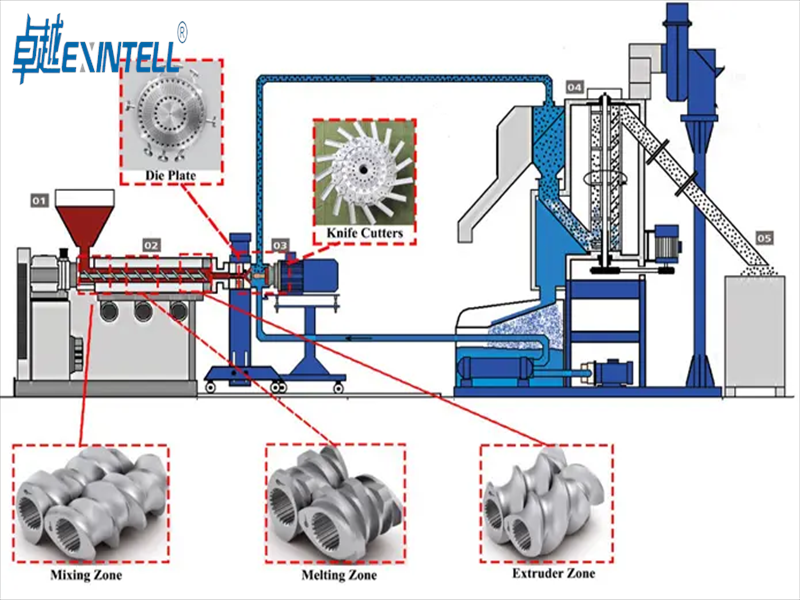
איר אָנהייבן דעם יקסטרוזשאַן פּראָצעס דורך פידינג רוי פּלאַסטיק אין די עקסטרודער. די כאַפּער האלט די פּלאַסטיק, וואָס קענען זיין אין די פאָרעם פון פּעלאַץ, גראַניאַלז, אָדער פּאַודערז. ווי איר מאַסע די מאַטעריאַל, איר מוזן מאַכן זיכער אַז עס איז טרוקן און פריי פון נעץ. אויב איר האָפּקען דעם שריט, איר קען זען באַבאַלז אָדער שוואַך ספּאַץ אין די לעצט פּראָדוקט. די פּלאַסטיק באוועגט פון די כאַפּער אין די פאַס, ווו כיטערז אָנהייבן צו וואַרעם עס אַרויף.
די מעלטינג בינע איז זייער וויכטיק פֿאַר די קוואַליטעט פון די יקסטרודאַד פּלאַסטיק. איר ווילן די פּלאַסטיק צו צעשמעלצן יוואַנלי אַזוי די פאַרטיק פּראָדוקט קוקט גלאַט און שטאַרק. דאָ זענען עטלעכע שליסל פונקטן צו געדענקען:
אַמאָל די פּלאַסטיק סטאַרץ צו צעלאָזן, די שרויף ין די פאַס הייבט צו דרייען. די שרויף איז די האַרץ פון די עקסטרודער. עס באוועגט די פּלאַסטיק פאָרויס, מישט עס, און העלפט עס צעשמעלצן גאָר. די שרויף און פאַס אַרבעט צוזאַמען צו מאַכן זיכער אַז די פּלאַסטיק היץ אַרויף יוואַנלי און פלאָוז סמודלי.
איר קענען טראַכטן פון די שרויף ווי דריי הויפּט דזשאָבס:
עס באוועגט די האַרט פּלאַסטיק פון די כאַפּער צו די כיטערז.
עס צעשמעלצן די פּלאַסטיק דורך דרינגלעך עס קעגן די הייס פאַס.
דער פּלאַן פון די שרויף און פאַס אַפעקץ ווי געזונט די פּלאַסטיק מיקסעס און מעלץ. עטלעכע סקרוז האָבן ספּעציעל זאָנעס פֿאַר פידינג, מעלטינג, און מיקסינג. דעם פּלאַן העלפּס איר באַקומען אַ פעסט לויפן פון צעלאָזן פּלאַסטיק. פֿאַר בייַשפּיל, אין א שפילצייג פאבריק, די שרויף און פאַס העלפן מאַכן גלאַט, גאנץ טיילן פֿאַר קאַמף פיגיערז. אין אַ טעלעפאָן פאַל פאַבריק, זיי העלפן מאַכן בלאַנק, פלאָלאַס קאַסעס יעדער מאָל.
איר אויך דאַרפֿן צו שטעלן די רעכט שרויף גיכקייַט. הויך-גיכקייַט יקסטרודערז קענען צעשמעלצן מער פּלאַסטיק אין אַמאָל, אָבער זיי דאַרפֿן מער מעלטינג סעקשאַנז און ספּעציעל דיזיינז. עטלעכע מאשינען קענען לויפן אין ספּידז אַרויף צו 1500 רפּם און פּראָדוצירן טויזנטער פון פונט פון פּלאַסטיק פּער שעה. אויב איר נוצן די רעכט שרויף גיכקייַט און פּלאַן, איר וועט באַקומען אַ פעסט, הויך-קוואַליטעט רעזולטאַט פון דיין יקסטרוזשאַן פּראָצעס.
דרוק & מעלטינג
ווי די צעלאָזן פּלאַסטיק באוועגט דורך די עקסטרודער, דרוק בויען זיך ין די פאַס. דעם דרוק איז זייער וויכטיק פֿאַר די פּראָפיל יקסטרוזשאַן פּראָצעס. עס העלפט שטופּן די צעלאָזן פּלאַסטיק דורך די שטאַרבן און גיט די פּראָדוקט זייַן פאָרעם.
אין די יבערגאַנג זאָנע, דרוק ריסעס און אַ צעשמעלצן פילם פארמען, וואָס איז קריטיש פֿאַר ינישיייטינג די מעלטינג פּראָצעס. אין די מיטערינג זאָנע, סטאַביל דרוק איז נייטיק צו ענשור אַז די מאַטעריאַל איז גאָר מאָולטאַן און כאָומאַדזשאַנייזד, דרייווינג קאָנסיסטענט רעזולטאַט.
איר קאָנטראָל די דרוק דורך אַדזשאַסטינג די שרויף גיכקייַט. א דרוק סענסער מעסטן די דרוק ין די עקסטרודער. אויב די דרוק איז צו הויך אָדער צו נידעריק, די מאַשין ענדערונגען די שרויף גיכקייַט צו האַלטן אַלץ סטאַביל. דאָס האלט די צעלאָזן פּלאַסטיק אין די רעכט טעמפּעראַטור און לויפן.
איר מוזן היטן די דרוק ענג בעשאַס די יקסטרוזשאַן פּראָצעס. גוט דרוק קאָנטראָל העלפּס איר באַקומען די רעכט פאָרעם, גרייס, און ייבערפלאַך ענדיקן פֿאַר דיין פּלאַסטיק פּראָדוקטן. עס אויך האלט די פּראָפיל יקסטרוזשאַן פּראָצעס פליסנדיק סמודלי און בעשאָלעם.
פאָרמירונג און קאָאָלינג
שפּיל די שאַפּינג
איר פירן די מאָולטאַן פּלאַסטיק דורך די שטאַרבן אין די סוף פון די עקסטרודער. די שטאַרבן שאַפּעס די פּלאַסטיק אין די פאָרעם איר ווילן. די פאָרעם און גרייס פון די שעפּן באַשליסן די לעצט קוק פון דיין יקסטרוזשאַן. אויב איר דאַרפֿן אַ פּשוט רער, איר נוצן אַ נאָרמאַל שטאַרבן. פֿאַר קאָמפּלעקס פּראָופיילז, איר קלייַבן אַ ספּעציעל שטאַרבן מיט יינציק דזשיאַמאַטרי. די לענג פון די לאַנד, וואָס איז די ווייַטקייט פון די שטאַרבן אַרייַנגאַנג צו די אַרויסגאַנג, העלפּס האַלטן די פאָרעם און יונאַפאָרמאַטי פון די יקסטרודאַד פּלאַסטיק. איר מוזן מאַכן זיכער אַז די טייג פיץ דיין פּראָדוקט דאַרף. אויב איר קלייַבן די רעכט שטאַרבן, איר באַקומען אַ גלאַט און קאָנסיסטענט רעזולטאַט.
די שטאַרבן פיעסעס אַ גרויס ראָלע אין די יקסטרוזשאַן פּראָצעס. עס קאָנטראָלס די לויפן און פאָרעם פון די פּלאַסטיק ווען עס בלעטער די עקסטרודער.
קאָאָלינג מעטהאָדס
נאָך די פּלאַסטיק בלעטער די שטאַרבן, איר קילן עס געשווינד צו האַלטן זייַן פאָרעם. קאָאָלינג סטאַפּס די פּלאַסטיק פון דיפאָרמינג. איר קענען נוצן לופט טשילערז אָדער וואַסער באַטס. וואַסער באַטס אַרבעט געזונט פֿאַר רובֿ עקסטרודער שורות ווייַל זיי קיל די פּלאַסטיק שנעל און יוואַנלי. לופט קאָאָלינג איז גוט פֿאַר פּראָדוקטן וואָס דאַרפֿן אַ סאַפטער פאַרבינדן. איר מוזן קאָנטראָלירן די קאָאָלינג גיכקייַט. אויב איר קיל די פּלאַסטיק צו שנעל, עס קען פּלאַצן. אויב איר קיל עס אויך פּאַמעלעך, עס קען וואָרפּ. קאָאָלינג איז אַ שליסל שריט אין די יקסטרוזשאַן פּראָצעס.
קאָאָלינג אופֿן
ווי עס אַרבעט
בעסטער פֿאַר
וואַסער באַט
סאַבמערדזשיז עקסטרודאַטע
פּייפּס, טובז, פּראָופיילז
לופט טשילער
בלאָוז קיל לופט
שיץ, פילמס
סייזינג פֿאַר קאָנסיסטענסי
איר נוצן סייזינג ויסריכט רעכט נאָך די שטאַרבן צו האַלטן די פאָרעם און גרייס פון די יקסטרודאַד פּלאַסטיק. קאַלאַבריישאַן וניץ, ווי וואַקוום אָדער וואַסער-קולד מכשירים, העלפן סטייבאַלייז די פּראָדוקט. די וניץ האַלטן וואָרפּינג און מאַכן זיכער דיין יקסטרוזשאַן מיץ פּינטלעך מעזשערמאַנץ. איר מוזן קאָנטראָלירן די גרייס אָפט. פאַקטיש-צייט מאָניטאָרינג פון טעמפּעראַטור און דרוק העלפּס איר האַלטן ענג טאָלעראַנץ. אויב איר אַרבעט אין ינדאַסטריז ווי אָטאַמאָוטיוו אָדער מעדיציניש, איר דאַרפֿן הויך פּינטלעכקייַט. קליין ענדערונגען אין די יקסטרוזשאַן פּראָצעס קענען גרונט חסרונות אָדער וויסט. פֿאַר עטלעכע מאַטעריאַלס, איר קענען דערגרייכן טאָלעראַנץ ווי ענג ווי +/-.001″. סאָפטער פּלאַסטיקס קען דאַרפֿן ברייטער טאָלעראַנץ.
דערגרייכן ענג טאָלעראַנץ איז קריטיש אין פּלאַסטיק יקסטרוזשאַן.
ייבערפלאַך פינישינג מאכט דיין פּראָדוקטן גלאַט און אָנגענעם צו פאַרבינדן. עס אויך מאכט זיי שטארקער און גרינגער צו ריין. גוט פינישעס האַלטן די פארבן העל און העלפֿן דיין פּראָדוקטן לעצטע מער.
טיפּ: פּיקינג די רעכט ייבערפלאַך ענדיקן קענען העלפֿן דיין פּלאַסטיק פּראָדוקטן קוקן גרויס און טרעפן שווער כּללים.
קוואַליטי קאָנטראָל
איר דאַרפֿן צו קאָנטראָלירן דיין פּראָדוקטן אין יעדער שריט ווען איר נוצן יקסטרוזשאַן. קוואַליטעט קאָנטראָל סטאַרץ מיט די רוי פּלאַסטיק. איר קוק אין די פּלאַסטיק איידער עס גייט אין די מאַשין צו מאַכן זיכער עס איז ריין און שטאַרק. בשעת די מאַשין איז פליסנדיק, איר היטן די טעמפּעראַטור, דרוק, און גיכקייַט צו האַלטן זאכן פעסט. נאָך איר שנייַדן און ענדיקן די פּלאַסטיק, איר קאָנטראָלירן די לעצט פּראָדוקט פֿאַר קאָליר, גרייס, און שטאַרקייט.