

ווי פאַרשידענע יקסטרוזשאַן סיסטעמען אָנלייגן פֿאַר מאַנופאַקטורינג
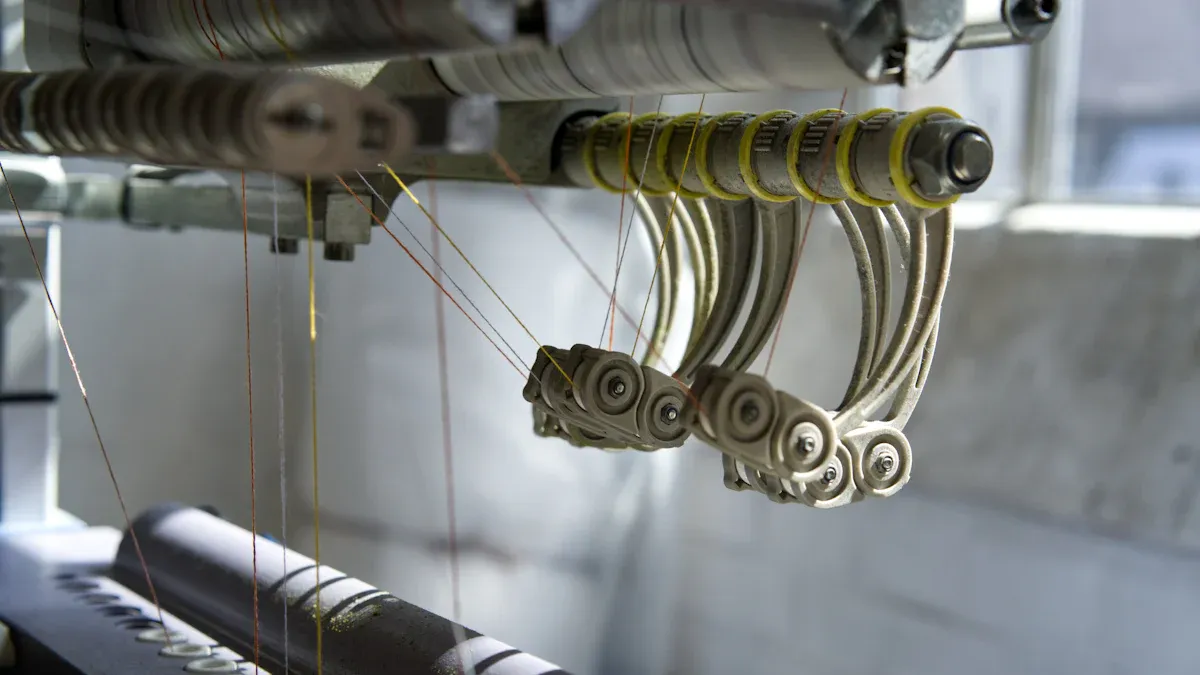
איך האב געזען אַז די ברירה פון יקסטרוזשאַן סיסטעם שאַפּעס די גאנצע מאַנופאַקטורינג פּראָצעס. רובֿ מאַניאַפאַקטשערערז נוצן איין-שרויף סיסטעמען, וואָס האַלטן אַ 62% מאַרק טיילן, בשעת צווילינג-שרויף סיסטעמען חשבון פֿאַר 38%.
| טיפּ פון יקסטרוזשאַן סיסטעם | מאַרק שער פּראָצענט |
|---|---|
| איין-שרויף | 62% |
| צווילינג שרויף | 38% |
סעלעקטינג צווישן שרויף טייפּס אַפעקץ עפעקטיווקייַט, פּראָדוקט קוואַליטעט, און מאַטעריאַל קאַמפּאַטאַבילאַטי. ווען איך גלייַכן יקסטרוזשאַן טעכנאָלאָגיע צו מאַנופאַקטורינג צילן, איך באַמערקן ימפּרווומאַנץ אין קאָס-יפעקטיוונאַס, פּלאַן ווערסאַטילאַטי, און סאַסטיינאַביליטי.
| פאַקטאָר | פּראַל אויף מאַנופאַקטורינג עפיקאַסי | פּראַל אויף פּראָדוקט קוואַליטעט |
|---|---|---|
| קאַנטראָולד פּאַראַמעטערס | מיינטיינז מונדיר פּראָדוקט קוואַליטעט | ריטשאַז מיקראָמעטער טאָלעראַנץ |
איך פאַרלאָזנ זיך גאַנץ יקסטרוזשאַן סיסטעמען צו צושטעלן קאָנסיסטענט רעזולטאַטן און גענוי שרויף פאָרשטעלונג.
שליסל טייקאַווייַס
- קלייַבן די רעכט יקסטרוזשאַן סיסטעם באזירט אויף דיין מאַנופאַקטורינג גאָולז און מאַטעריאַל פּראָפּערטיעס צו ענשור אָפּטימאַל פאָרשטעלונג.
- איין-שרויף עקסטרודערס זענען ידעאַל פֿאַר הויך-באַנד פּראָדוקציע פון פּשוט מאַטעריאַלס, בשעת צווילינג-שרויף סיסטעמען יקסעל אין מיקסינג קאָמפּלעקס מאַטעריאַלס.
- רעגולער וישאַלט און מאָניטאָרינג פון יקסטרוזשאַן סיסטעמען פאַרמייַדן דאַונטיים און פֿאַרבעסערן עפעקטיווקייַט, ינשורינג קאָנסיסטענט פּראָדוקט קוואַליטעט.
- באַטראַכטן די שרויף דיאַמעטער און ל / ד פאַרהעלטעניש ווען סאַלעקטינג אַ עקסטרודער, ווי די סיבות פּראַל טרופּוט און מיקסינג עפעקטיווקייַט.
- ניצן קאָ-עקסטרוסיאָן פֿאַר קריייטינג מאַלטי-לייערד פּראָדוקטן וואָס פאַרבינדן פאַרשידענע מאַטעריאַלס, ענכאַנסינג פאַנגקשאַנאַליטי און פאָרשטעלונג.
- אָפּשאַצן די קאַמפּאַטאַבילאַטי פון מאַטעריאַלס מיט די אויסגעקליבן יקסטרוזשאַן סיסטעם צו ויסמיידן חסרונות און ענשור הויך קוואַליטעט רעזולטאַט.
- בלייבן ינפאָרמד וועגן ימערדזשינג טרענדס אין יקסטרוזשאַן טעכנאָלאָגיע, אַזאַ ווי IoT און AI, צו פֿאַרבעסערן עפעקטיווקייַט און אַדאַפּט צו טשאַנגינג פּראָדוקציע באדערפענישן.
- שאַפֿן אַ טשעקליסט פון שליסל סיבות איידער סאַלעקטינג אַ יקסטרוזשאַן מאַשין צו ויסמיידן טייַער מיסטייקס און ענשור אַז די סיסטעם מיץ אַפּלאַקיישאַן רעקווירעמענץ.
טשאָאָסינג די רעכט יקסטרוזשאַן סיסטעם פֿאַר מאַנופאַקטורינג
שליסל סיבות אין סיסטעם סעלעקציע
איך קיינמאָל געפֿינען אַ וניווערסאַל “בעסטער” יקסטרוזשאַן סיסטעם. מייַן דערפאַרונג דערציילט מיר אַז די ידעאַל ברירה דעפּענדס אויף די מאַנופאַקטורינג צילן, מאַטעריאַל פּראָפּערטיעס, און פּראָדוקט באדערפענישן. ווען איך אויסקלייַבן אַ יקסטרוזשאַן סיסטעם, איך שטענדיק גלייַכן זייַן קייפּאַבילאַטיז צו די בדעה אַפּלאַקיישאַן. דעם צוגאַנג ינשורז אַז די יקסטרוזשאַן פּראָצעס דיליווערז קאָנסיסטענט קוואַליטעט און אָפּטימאַל פאָרשטעלונג.
איך באַטראַכטן עטלעכע קריטיש סיבות איידער מאכן אַ יקסטרוזשאַן מאַשין סעלעקציע. איך נוצן די פאלגענדע טיש צו פירן מיין באַשלוס:
| פאַקטאָר | באַשרייַבונג |
|---|---|
| פאָרשונג אָביעקטיוו | ציל פון די מאַשין (בילדונג, מאַטעריאַל אַנטוויקלונג, אָדער געשעפט פּילאָט פּראָדוקציע) |
| מאַטעריאַל טיפּ | טיפּ פון פּאָלימערס צו זיין פּראַסעסט (היץ-שפּירעוודיק, וואַלאַטאַל, אָדער ריאַקטיוו) |
| פארלאנגט רעזולטאַט קאַפּאַסיטי | דורכפירונג קאַפּאַציטעט (גראַמז אָדער קילאָגראַמס פּער שעה) |
| אַוואַנסירטע פּראַסעס רעקווירעמענץ | דאַרפֿן פֿאַר גאַז ינדזשעקשאַן, וואַקוום דיגאַססינג, אָדער ריאַקטיוו יקסטרוזשאַן פיייקייַט |
| בודזשעט און לאַבאָראַטאָריע פּלאַץ | באַטראַכטונג פֿאַר מאַדזשאַלער יקספּאַנשאַן פֿאַר צוקונפֿט אַפּגריידז |
| צוקונפֿט סקאַלע-אַרויף באדערפענישן | קאַמפּאַטאַבילאַטי מיט ינדאַסטריאַל יקסטרוזשאַן מאַדזשולז פֿאַר סקיילינג פּראָדוקציע |
איך שטענדיק באַצאָלן ופמערקזאַמקייַט צו די שרויף דיאַמעטער און ל / ד פאַרהעלטעניש. די פּאַראַמעטערס באַשטימען טרופּוט קאַפּאַציטעט און מיקסינג עפעקטיווקייַט. איך אויסקלייַבן אַ עקסטרודער מיט די רעכט רעזולטאַט קאַפּאַציטעט, וואָס קענען קייט פון 0.25 קג/ה צו 150 קג / ה דיפּענדינג אויף די מאָדעל. מאָדולאַר פּלאַן אַלאַוז מיר צו פאַרבייַטן קאַמפּאָונאַנץ געשווינד, וואָס גיט בייגיקייַט פֿאַר פאָרשונג און אַנטוויקלונג. איך פאַרלאָזנ זיך אַוואַנסירטע קאָנטראָל סיסטעמען, אַזאַ ווי PLC און HMI, צו דערגרייכן גענוי קאָנטראָל און דאַטן טרייסאַביליטי.
ווען איך אָפּשאַצן טייפּס פון יקסטרוזשאַן מאשינען, איך באַטראַכטן די קאַמפּלעקסיטי פון דעם פּראָפיל און די טאָלעראַנץ פארלאנגט. ינטראַקאַט דיזיינז דאַרפן גענוי מכשירים און קענען פאַרגרעסערן קאָס. איך אויך קוק אין סדר קוואַנטיטי. העכער וואַליומז רעדוצירן די פּרייַז פּער אַפּאַראַט ווייַל סעטאַפּ קאָס פאַרשפּרייטן איבער מער וניץ. פינישינג און צווייטיק אַפּעריישאַנז, אַזאַ ווי אַנאָדיזינג אָדער קנק מאַשינינג, לייגן ווערט און פּרייַז.
טיפּ: איך רעקאָמענדירן צו מאַכן אַ טשעקליסט פון די סיבות איידער איר אָנהייבן דעם סעלעקציע פּראָצעס פון יקסטרוזשאַן מאַשין. דעם פירונג העלפּס ויסמיידן טייַער מיסטייקס און ינשורז די סיסטעם שוועבעלעך די בדעה אַפּלאַקיישאַנז.
פּראַל אויף מאַנופאַקטורינג עפיקאַסי
איך באַמערקן אַז די יקסטרוזשאַן סיסטעם איך קלייַבן גלייַך אַפעקץ מאַנופאַקטורינג עפעקטיווקייַט. די שרויף פּלאַן, מיקסינג פיייקייַט, און יקסטרוזשאַן טעכנאָלאָגיע אַלע שפּילן אַ ראָלע אין ווי סמודלי דער פּראָצעס לויפט. פֿאַר בייַשפּיל, א איין שרויף עקסטרודער אָפט אַרבעט געזונט פֿאַר פּשוט פּאָלימערס און הויך-באַנד פּראָדוקציע. צווילינג שרויף יקסטרודערז שעפּן קאָמפּלעקס מאַטעריאַלס און אַוואַנסירטע אַפּלאַקיישאַנז, אַזאַ ווי ריאַקטיוו יקסטרוזשאַן אָדער ספּעציאַליטעט בלענדז.
איך האב געזען אַז הויך וויסקאָסיטי און האַרט אינהאַלט אין ענערגעטיק מאַטעריאַלס קענען פאַרשאַפן קלאָגינג, אַנסטייבאַל יקסטרוזשאַן, און נעזל טראָגן. די ישוז רעדוצירן עפעקטיווקייַט און קאָמפּראָמיס זיכערקייַט. איך אַדרעס די טשאַלאַנדזשיז דורך אָפּטימיזינג די נידינג סיסטעם פּלאַן. ימפּרוווד מיקסינג יונאַפאָרמאַטי און יקסטרוזשאַן אַקיעראַסי פֿאַרבעסערן ביידע זיכערקייַט און עפעקטיווקייַט.
איך נוצן אַ צוויי-בינע צווילינג-שרויף יקסטרוזשאַן סיסטעם ווען איך דאַרפֿן גרעסערע פעסטקייַט און אַדאַפּטאַבילאַטי. סימולאַטיאָנס ווייַזן אַז דעם פּלאַן ימפּרוווז לויפן קעראַקטעריסטיקס און מיינטיינז קאָנסיסטענט רעזולטאַט. איך שטענדיק מאָניטאָר די יקסטרוזשאַן פּראָצעס צו ענשור מונדיר קוואַליטעט און מינאַמייז דאַונטיים.
| עווידענסע טיפּ | באַשרייַבונג |
|---|---|
| טשאַלאַנדזשיז אין אַדאַטיוו מאַנופאַקטורינג | הויך וויסקאָסיטי און האַרט אינהאַלט פון ענערגעטיק מאַטעריאַלס פירן צו ענינים ווי קלאָגינג, אַנסטייבאַל יקסטרוזשאַן, און נעזל טראָגן, אַפעקטינג עפעקטיווקייַט און זיכערקייַט. |
| נידינג סיסטעם פאָרשטעלונג | דער פּלאַן פון די נידינג סיסטעם ימפּאַקץ מאַטעריאַל מיקסינג יונאַפאָרמאַטי און יקסטרוזשאַן אַקיעראַסי, מיט ספּעציפיש אַפּטאַמאַזיישאַנז פארגעלייגט צו פֿאַרבעסערן זיכערקייַט און עפעקטיווקייַט. |
| יקסטרוזשאַן סיסטעם פּלאַן | א צוויי-בינע צווילינג-שרויף יקסטרוזשאַן סיסטעם איז דיזיינד צו פֿאַרבעסערן פעסטקייַט און אַדאַפּטאַבילאַטי אין די יקסטרוזשאַן פּראָצעס, מיט סימיאַליישאַנז ריווילינג לויפן קעראַקטעריסטיקס פון פאַרשידענע סיסטעמען. |
איך שטענדיק גלייַכן די יקסטרוזשאַן סיסטעם צו די פּראָדוקציע רעקווירעמענץ. דעם פירונג ינשורז אַז די עקסטרודער דיליווערז די געוואלט קוואַליטעט און פאָרשטעלונג. איך אויסקלייַבן די שרויף קאַנפיגיעריישאַן באזירט אויף די מאַטעריאַל טיפּ און די קאַמפּלעקסיטי פון די אַפּלאַקיישאַן. איך פאַרלאָזנ זיך אַוואַנסירטע יקסטרוזשאַן טעכנאָלאָגיע צו מאַקסאַמייז עפעקטיווקייַט און טייַנען הויך סטאַנדאַרדס פון פּראָדוקט קוואַליטעט.
באַמערקונג: איך רעקאָמענדירן רעגולער וישאַלט און פּראָצעס מאָניטאָרינג צו ונטערהאַלטן שפּיץ עפעקטיווקייַט און פאַרמייַדן אומגעריכט דאַונטיים.
טייפּס פון גאַנץ יקסטרוזשאַן סיסטעמען
ווען איך אָפּשאַצן גאַנץ יקסטרוזשאַן סיסטעמען פֿאַר מאַנופאַקטורינג, איך שטענדיק אָנהייבן דורך ידענטיפיצירן די הויפּט טייפּס פון יקסטרוזשאַן מאשינען. די מערסט פּראָסט אָפּציעס אַרייַננעמען איין שרויף יקסטרוזשאַן מאשינען, צווילינג שרויף יקסטרוזשאַן מאשינען, און ראַם יקסטרוזשאַן מאשינען. יעדער סיסטעם אָפפערס יינציק סטרענגקטס און לימיטיישאַנז, אַזוי איך פאָקוס אויף וואָס ריכטן די רעכט טעכנאָלאָגיע צו די אַפּלאַקיישאַן.
| טיפּ פון יקסטרוזשאַן מאַשין |
|---|
| איין שרויף עקסטרוסיאָן מאַשינז |
| צווילינג שרויף עקסטרוסיאָן מאַשינז |
| ראַם יקסטרוזשאַן מאשינען |
איין-שרויף יקסטרוזשאַן
איך אָפט נוצן אַ איין שרויף עקסטרודער פֿאַר סטרייטפאָרווערד יקסטרוזשאַן פּראַסעסאַז. דעם מאַשין פֿעיִקייטן איין ראָוטייטינג שרויף ין אַ העאַטעד פאַס. די שרויף שטופּט מאַטעריאַל פאָרויס, צעשמעלצן עס, און שאַפּעס עס דורך אַ שטאַרבן. איך פאַרלאָזנ זיך דעם סיסטעם פֿאַר הויך-באַנד פּראָדוקציע פון טערמאַפּלאַסטיק, עסנוואַרג פּראָדוקטן, און גומע קאַמפּאַונדז. די פּאַשטעס פון די פּלאַן מאכט עס גרינג צו אַרבעטן און טייַנען.
| אינדוסטריע | אַפּפּליקאַטיאָן באַשרייַבונג | מאַרק גראָוט פאָרעקאַסץ |
|---|---|---|
| פּלאַסטיקס | מעלטינג און פאָרמינג טערמאַפּלאַסטיק, געטריבן דורך רייזינג פּע און פּפּ נוצן. | CAGR פון בעערעך 4-5% דורך 2030 |
| פוד פּראַסעסינג | פּראָדוצירן פּראַסעסט פודז ווי סנאַקס און טוווע. | מאַרק צו דערגרייכן $75 ביליאָן דורך 2026 |
| ראַבער קאַמפּאַונדינג | מיקסינג און פורעמונג גומע פֿאַר טירעס און אָטאַמאָוטיוו טיילן. | רייַף פּראָדוקציע צו יקסיד 2 ביליאָן וניץ דורך 2025 |
| ביאָמעדיקאַל | ביאָפּאָלימער פּראָדוקציע פֿאַר פּאַקקאַגינג און מעדיציניש דעוויסעס. | ימערדזשינג מאַרק מיט נייַ יקסטרוזשאַן טעכנאָלאָגיע |
אָבער, איך דערקענען די לימיטיישאַנז פון איין שרויף יקסטרוזשאַן. דערגרייכן מונדיר מיקסינג קענען זיין שווער, ספּעציעל ווען איך לייגן פילערז אָדער אַדאַטיווז. דרוק קאָנסיסטענסי אָפט וועריז מיט פייטסטאַק ענדערונגען, און הויך-וויסקאָסיטי מאַטעריאַלס קען נישט לויפן געזונט, לידינג צו חסרונות. די טשאַלאַנדזשיז פירן מיין סעלעקציע פון יקסטרוזשאַן מאַשין ווען איך דאַרפֿן העכער קוואַליטעט אָדער מער קאָמפּליצירט פּראַסעסינג.
טיפּ: פֿאַר פּשוט, הויך-באַנד אַפּלאַקיישאַנז, איך רעקאָמענדירן סטאַרטינג מיט אַ איין שרויף עקסטרודער. פֿאַר אַוואַנסירטע מיקסינג אָדער ספּעציאַליטעט מאַטעריאַלס, באַטראַכטן אנדערע אָפּציעס.
צווילינג-שרויף עקסטרוסיאָן
ווען איך דאַרפן אַוואַנסירטע פּראַסעסינג, איך ווענדן צו צווילינג שרויף עקסטרודער טעכנאָלאָגיע. די סיסטעם ניצט צוויי סקרוז וואָס דרייען צוזאַמען ין די פאַס. די סקרוז קענען ינטערמעש אָדער לויפן פּאַראַלעל, דיפּענדינג אויף די פּלאַן. איך געפֿינען אַז צווילינג שרויף עקסטרודערס צושטעלן העכער מיקסינג עפעקטיווקייַט, בעסער פּלאַסטיסייזינג פֿאַר הויך-וויסקאָסיטי מאַטעריאַלס, און ימפּרוווד קאָנטראָל איבער טעמפּעראַטור און דרוק. די פֿעיִקייטן פֿאַרבעסערן פּראָדוקט קוואַליטעט און פּראָצעס קאָנסיסטענסי.
צווילינג שרויף יקסטרוזשאַן אויך אַלאַוז מיר צו דורכפירן קייפל פּראַסעסינג סטעפּס אין איין מאַשין. איך קען מישן, צעשמעלצן, ווענט, און אפילו רעאַגירן מאַטעריאַלס בעשאַס אַ איין פאָרן. די בייגיקייט ראַדוסאַז וויסט און ספּידז די פּראָדוקציע. ווען קאַמפּערינג צווילינג שרויף ווס איין שרויף עקסטרודערס, איך זען פאַסטער צוריקקער אויף ינוועסמאַנט און מער מונדיר רעזולטאַטן מיט צווילינג שרויף סיסטעמען, ספּעציעל פֿאַר קאָמפּלעקס בלענדז אָדער ריסייקאַלד פּלאַסטיקס.
צווילינג שרויף סובטיפּעס
איך שטענדיק באַטראַכטן די פאַרשידענע טייפּס פון עקסטרודער מאשינען אין די צווילינג שרויף קאַטעגאָריע. די שרויף קאַנפיגיעריישאַן ימפּאַקץ פאָרשטעלונג, עפעקטיווקייַט, און די קייט פון אַפּלאַקיישאַנז.
ינטערמעשינג
ינטערמעשינג צווילינג שרויף עקסטרודערס האָבן סקרוז וואָס אָוווערלאַפּ און ייגל צוזאַמען. דעם פּלאַן גיט גענוי מאַטעריאַל אַריבערפירן און הויך שערן כוחות. איך נוצן ינטערמעשינג סיסטעמען פֿאַר ימפּרוווד קאַמפּאַונדינג און קאַמפּאַטאַבילאַטי, ספּעציעל ווען איך דאַרפֿן צו צעשפּרייטן אַדאַטיווז אָדער פילערז יוואַנלי.
ניט-ינטערמעשינג
ניט-ינטערמעשינג צווילינג שרויף עקסטרודערס האָבן סקרוז וואָס דרייען אָן אָוווערלאַפּינג. דעם סעטאַפּ אָפפערס מילד מיקסינג און ווייניקער שערן. איך קלייַבן ניט-ינטערמעשינג דיזיינז פֿאַר שפּירעוודיק מאַטעריאַלס וואָס דאַרפן מינימאַל מעטשאַניקאַל דרוק.
קאָ-ראָוטינג
קאָ-ראָוטייטינג צווילינג שרויף עקסטרודערס האָבן סקרוז וואָס דרייען אין דער זעלביקער ריכטונג. דעם סובטיפּע יקסעלז אין מיקסינג עפעקטיווקייַט און מאַטעריאַל אַריבערפירן. איך נוצן קאָ-ראָוטייטינג סיסטעמען פֿאַר ריאַקטיוו יקסטרוזשאַן, דעוואַלאַטיליזאַטיאָן, און הויך-פאָרשטעלונג פּאָלימער קאַמפּאַונדינג. אָבער, הויך שערן ראַטעס קענען דיגרייד היץ-שפּירעוודיק מאַטעריאַלס, אַזוי איך מאָניטאָר שרויף פּלאַן און קאָאָלינג ענג.
| סובטיפּע | פּראַסעסינג קייפּאַבילאַטיז און אַדוואַנטאַגעס | לימיטיישאַנז און קאָנסידעראַטיאָנס | בעסטער אַפּלאַקיישאַנז |
|---|---|---|---|
| קאָ-ראָוטינג צווילינג-שרויף עקסטרודער | הויך מיקסינג עפעקטיווקייַט, פּאַסיק פֿאַר ריאַקטיוו יקסטרוזשאַן, הויך שערן רייץ | ריזיקירן פון מאַטעריאַל דערנידעריקונג, ריקווייערז גענוי שרויף פּלאַן | פּאָלימער קאַמפּאַונדינג, נאַנאָקאָמפּאָסיטעס, לאַב-צו-פּראָדוקציע וואָרקפלאָווס |
קאָונטער-ראָוטינג
קאָונטער-ראָוטייטינג צווילינג שרויף עקסטרודערס האָבן סקרוז וואָס ווענדן אין פאַרקערט אינסטרוקציעס. דעם קאַנפיגיעריישאַן דזשענערייץ נידעריקער שערן פאָרסעס, וואָס פּראַטעקץ שוואַך מאַטעריאַלס. איך פאַרלאָזנ זיך טאָמבאַנק ראָוטייטינג סיסטעמען פֿאַר סעראַמיקס, ביאָ-פּאָלימערס, און פאַרמאַסוטיקאַל פאָרמיוליישאַנז. דער פּלאַן אויך גיט גוט דרוק בויען און עפעקטיוו סילינג, כאָטש מיקסינג ינטענסיטי איז נידעריקער ווי מיט קאָ-ראָוטייטינג סיסטעמען.
| סובטיפּע | פּראַסעסינג קייפּאַבילאַטיז און אַדוואַנטאַגעס | לימיטיישאַנז און קאָנסידעראַטיאָנס | בעסטער אַפּלאַקיישאַנז |
|---|---|---|---|
| קאָונטער-ראָוטינג צווילינג-שרויף עקסטרודער | נידעריקער שערן פאָרסעס, גוט דרוק בויען-אַרויף, עפעקטיוו סילינג | נידעריקער מיקסינג ינטענסיטי, מער קאָמפּליצירט סילינג און שייַכעס פּלאַן | סעראַמיקס, ביאָ-פּאָלימערס, פאַרמאַסוטיקאַלז |
ווען איך אויסקלייַבן אַ גאַנץ יקסטרוזשאַן סיסטעם, איך שטענדיק גלייַכן די שרויף טיפּ און קאַנפיגיעריישאַן צו די מאַטעריאַל און פּראָצעס רעקווירעמענץ. דעם צוגאַנג ינשורז הויך קוואַליטעט, עפעקטיווקייַט, און פאַרלאָזלעך פאָרשטעלונג אין אַלע אַפּלאַקיישאַנז.
ראַם יקסטרוזשאַן
איך אָפט קלייַבן באַראַן יקסטרוזשאַן ווען איך דאַרפֿן צו פּראָצעס מאַטעריאַלס וואָס דאַרפן הויך דרוק און גענוי פורעמונג. דעם אופֿן ניצט אַ הידראַוליק באַראַן צו שטופּן מאַטעריאַל דורך אַ העאַטעד פאַס און שטאַרבן, אלא ווי רילייינג אויף אַ ראָוטייטינג שרויף. איך געפֿינען באַראַן עקסטרודערס ספּעציעל נוציק פֿאַר פאָרמינג פּראָדוקטן פון טערמאַסעטטינג פּלאַסטיקס, סעראַמיקס, און PTFE. דער פּראָצעס אַלאַוז מיר צו שאַפֿן ראַדז, טובז, און פּראָופיילז מיט קאָנסיסטענט דימענשאַנז.
ראַם יקסטרוזשאַן שטייט אויס צווישן טייפּס פון יקסטרוזשאַן מאשינען ווייַל עס כאַנדאַלז מאַטעריאַלס וואָס טראדיציאנעלן שרויף יקסטרודערז קענען נישט פּראַסעסינג יפישאַנטלי. איך נוצן דעם טעכנאָלאָגיע אין ינדאַסטריז אַזאַ ווי פּלאַסטיקס, עסן, און פאַרמאַסוטיקאַלז. פֿאַר בייַשפּיל, איך פּראָדוצירן סנאַקס און טוווע מיט יינציק שאַפּעס, און איך פּראָדוצירן טאַבלאַץ און קאַפּסאַלז מיט פּינטלעך ספּעסאַפאַקיישאַנז.
איך האָבן באמערקט עטלעכע בענעפיץ און טשאַלאַנדזשיז ווען איך נוצן באַראַן יקסטרודערז:
- ראַם עקסטרודערס יקסעל אין פּראַדוסינג הויך-קוואַליטעט פּראָדוקטן פון שווער-צו-פּראָסעס מאַטעריאַלס.
- איך פאַרלאָזנ זיך זיי פֿאַר אַפּלאַקיישאַנז ווו שרויף יקסטרוזשאַן טעכנאָלאָגיע פאלס קורץ, אַזאַ ווי PTFE און סעראַמיק פּראָופיילז.
- דער פּראָצעס דיליווערז קאָנסיסטענט קוואַליטעט און דימענשאַנאַל אַקיעראַסי.
- הויך אַפּעריישאַנאַל קאָס קענען פּראַל עפעקטיווקייַט און קוילעלדיק פאָרשטעלונג.
- סטרינדזשאַנט רעגיאַליישאַנז אין פּלאַסטיק מאַנופאַקטורינג דאַרפן אָפּגעהיט פּראָצעס קאָנטראָל.
- Competition from alternative extrusion systems pushes me to optimize my extrusion machine selection.
I always weigh these factors before choosing ram extrusion for complete extrusion systems. I monitor the process closely to maintain quality and efficiency, especially when working with specialty materials.
קאָ-עקסטרוסיאָן
Co-extrusion enables me to combine multiple materials into a single product, creating multi-layered profiles with enhanced properties. I use this extrusion technology to integrate different thermoplastics, each layer offering unique characteristics. The process involves pushing several materials through a single die, resulting in a unified profile that meets complex production requirements.
I rely on co-extrusion for manufacturing products that demand durability, בייגיקייט, and aesthetic appeal. דעם אופֿן אַלאַוז מיר צו שנייַדער די קוואַליטעט פון יעדער שיכטע, ימפּרוווינג פאָרשטעלונג און פאַנגקשאַנאַליטי. איך זען קאָ-עקסטרוסיאָן ווי אַ שליסל אנטוויקלונג אין גאַנץ יקסטרוזשאַן סיסטעמען, ספּעציעל ווען איך דאַרפֿן צו פּראָדוצירן זאכן מיט ספּעשאַלייזד פֿעיִקייטן.
ינדאַסטריז נוץ פון קאָ-יקסטרוסיאָן אין עטלעכע וועגן:
- קאַנסטראַקשאַן: איך פּראָדוצירן פֿענצטער סילז, ראָמען, און טרים ברעקלעך וואָס פאַרבינדן שטאַרקייט און וויזשאַוואַל אַפּעלירן.
- רעטאַיל: איך בויען שעלווינג און אַרויסווייַזן סיסטעמען וואָס זענען דוראַבאַל און אַטראַקטיוו.
- סיגנאַגע: איך פּראָדוצירן ילומאַנייטאַד וואונדער און ראָמען מיט ריין פינישעס און פאַרלאָזלעך פאָרשטעלונג.
קאָ-עקסטרוסיאָן יקספּאַנדז די קייט פון אַפּלאַקיישאַנז פֿאַר יקסטרוזשאַן טעכנאָלאָגיע. איך נוצן עס צו טרעפן פאדערן פּראָדוקציע גאָולז און צושטעלן פּראָדוקטן מיט העכער קוואַליטעט. ווען איך אויסקלייַבן אַ עקסטרודער פֿאַר קאָ-יקסטרוסיאָן, איך באַטראַכטן שרויף פּלאַן, פּראָצעס קאָנטראָל, און מאַטעריאַל קאַמפּאַטאַבילאַטי. דעם צוגאַנג ינשורז עפעקטיווקייַט און קאָנסיסטענט רעזולטאַטן.
טיפּ: איך רעקאָמענדירן קאָ-יקסטרוסיאָן פֿאַר פּראַדזשעקס וואָס דאַרפן מאַלטי-לייערד פּראָופיילז און ימפּרוווד פּראָדוקט פאַנגקשאַנאַליטי. אָפּגעהיט סעלעקציע פון יקסטרוזשאַן מאַשין און פּראָצעס מאָניטאָרינג זענען יקערדיק פֿאַר דערגרייכן אָפּטימאַל קוואַליטעט.
סטרוקטור און אָפּעראַציע פון יקסטרוזשאַן סיסטעמען
שרויף און פאַס פּלאַן
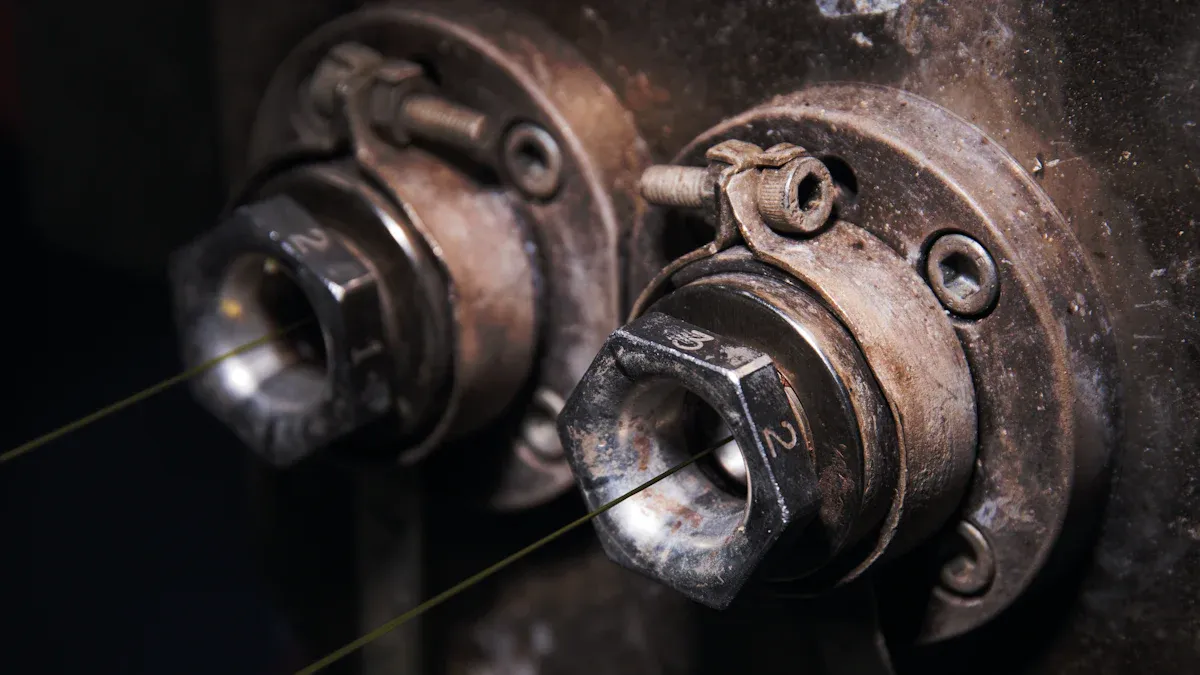
איך שטענדיק אָנהייבן מיין סעלעקציע פון יקסטרוזשאַן מאַשין דורך ונטערזוכן די שרויף און פאַס פּלאַן. די דזשיאַמאַטרי פון די שרויף דיטערמאַנז ווי יפישאַנטלי די עקסטרודער מעלץ, מיקסעס, און קאַנווייז מאַטעריאַל. איך סטרויערן די לענג-צו-דיאַמעטער (ל/ד) פאַרהעלטעניש צו קאָנטראָלירן וווינאָרט צייט און מיקסינג. א העכער ל / ד פאַרהעלטעניש אַלאַוז די מאַטעריאַל צו צעשמעלצן און צונויפגיסן מער ונ דורך, וואָס איז יקערדיק פֿאַר אַטשיווינג מונדיר קוואַליטעט אין די לעצט פּראָדוקט. I rely on barrier designs in the screw barrel to maintain melt stability and prevent degradation, especially when I process sensitive materials. Parallel twin screw and barrel designs play a critical role in extrusion speed, פּראָדוקט קוואַליטעט, און ענערגיע עפעקטיווקייַט. I use zoning and precise temperature control to stabilize melt flow and avoid trapped gases, which improves density and consistency. The surface finish of the barrel and the geometry of the screw also influence energy efficiency and product consistency. I always match the screw design to the specific requirements of the application to maximize performance.
- A higher L/D ratio improves mixing and melt uniformity, which is essential for high-quality products.
- Barrier designs help maintain melt stability and prevent degradation.
- Screw geometry and barrel surface finish impact energy efficiency and product consistency.
Material Movement and Mixing
I focus on efficient material movement and mixing to ensure the extrusion process runs smoothly. איך נוצן robust pneumatic or mechanical conveyors to transfer raw materials quickly and with minimal maintenance. Advanced mixer designs guarantee thorough and uniform compounding, which prevents variations in finished products. I integrate automated controls with PLC systems for real-time monitoring and recipe management. This approach allows me to oversee production seamlessly and adjust parameters as needed. I select scalable configurations to accommodate both small workshops and large industrial operations. Enhanced dust control features keep the workplace clean and safe. קאָנסיסטענט, homogeneous blends reduce quality fluctuations and improve throughput. Automated systems minimize manual handling, which shortens production cycles and lowers labor costs. I always prioritize these features when I evaluate types of extrusion machines for new applications.
| שטריך | באַשרייַבונג |
|---|---|
| Efficient Material Transfer | Rapid, low-maintenance movement of raw materials |
| פּרעסיסיאָן מיקסינג | Thorough, uniform compounding for consistent quality |
| אָטאַמייטיד קאָנטראָלס | Real-time monitoring and recipe management |
| Scalable Configurations | Flexible layouts for any production capacity |
| Enhanced Dust Control | Cleaner, safer workplace |
| Improved Product Quality | Homogeneous blends, reduced fluctuations |
| Increased Throughput | Shorter production cycles, less manual handling |
| Reduced Waste | Accurate measurement, lower costs |
| Lower Labor Costs | Automation frees staff for value-added tasks |
| Safer Working Environment | Enclosed lines and dust control |
Process Control and Output Quality
I depend on advanced process control technology to maintain high output quality in extrusion manufacturing. I select high-quality thermoplastics to ensure the final products meet strength, געווער, and flexibility requirements. I monitor extrusion parameters closely to reduce discrepancies during production. Dimensional accuracy remains a top priority for me, as it guarantees that components fit their intended applications. I use surface inspection to detect defects such as warping or air bubbles, which helps me maintain consistent product quality. Early detection of issues reduces waste and saves on production costs. I always ensure that my process complies with regulatory standards, which protects both my business and my customers. High-quality products enhance my brand reputation and increase customer satisfaction. Advanced monitoring systems allow me to increase production speed without sacrificing accuracy, which boosts overall efficiency in complete extrusion systems.
| Element/Advantage | באַשרייַבונג |
|---|---|
| מאַטעריאַל סעלעקציע | Ensures strength, געווער, און בייגיקייט |
| פּראָצעס מאָניטאָרינג | Reduces discrepancies and maintains consistency |
| דימענשאַנאַל אַקיעראַסי | Guarantees proper fit for all applications |
| ייבערפלאַך דורכקוק | Identifies defects early for better quality |
| קאָנסיסטענט פּראָדוקט קוואַליטעט | Every batch meets high standards |
| וויסט רעדוקציע | Saves material and production costs |
| רעגולאַטאָרי קאָמפּליאַנסע | Meets legal and safety requirements |
| קונה צופֿרידנקייט | Builds reputation and loyalty |
| Process Efficiency | Increases speed while maintaining accuracy |
טיפּ: I recommend regular calibration and maintenance of all extrusion technology to sustain peak performance and consistent quality.
Comparing the Extrusion Process
איין-שרויף ווס. Twin-Screw Process
When I compare איין-שרויף און צווילינג-שרויף עקסטרודערס, איך פאָקוס אויף ווי יעדער סיסטעם כאַנדאַלז די יקסטרוזשאַן פּראָצעס. די שרויף פּלאַן שאַפּעס די וועג מאַטעריאַל באוועגט און מיקסעס. א איין-שרויף עקסטרודער ניצט איין כעליקאַל שרויף ין אַ פּשוט, סילינדריקאַל פאַס. אין קאַנטראַסט, אַ צווילינג שרויף עקסטרודער פֿעיִקייטן צוויי ינטערמעשינג סקרוז און אַ מער קאָמפּליצירט, אָפט סעגמענטעד פאַס. איך זען אַז טעמפּעראַטור קאָנטראָל אין איין-שרויף סיסטעמען בלייבט יקערדיק, בשעת צווילינג שרויף מאשינען פאָרשלאָגן אַוואַנסירטע קאָנטראָל מיט קייפל באַהיצונג און קאָאָלינג זאָנעס. דער חילוק ימפּאַקץ ביידע טרופּוט און ענערגיע עפעקטיווקייַט.
| אַספּעקט | איין שרויף עקסטרודער | צווילינג שרויף עקסטרודער |
|---|---|---|
| שרויף פּלאַן | איין כעליקאַל שרויף | צוויי ינטערמעטינג סקרוז |
| פאַס סטרוקטור | פּשוט, סילינדריקאַל | מער קאָמפּליצירט, אָפט סעגמענטעד |
| טעמפּעראַטור קאָנטראָל | יקערדיק באַהיצונג / קאָאָלינג | אַוואַנסירטע, מאַלטי-זאָנע |
| רעזולטאַט קאַפּאַסיטי | מעסיק | הויך |
| ענערגיע קאַנסאַמשאַן | בכלל העכער | מער עפעקטיוו |
| בייגיקייט אין דורכפירונג | לימיטעד | הויך |
איך פאַרלאָזנ זיך צווילינג-שרויף יקסטרודערז פֿאַר העכער רעזולטאַט און בעסער ענערגיע עפעקטיווקייַט. ווען איך דאַרפֿן בייגיקייַט אין טרופּוט אָדער אַוואַנסירטע פּראָצעס קאָנטראָל, איך קלייַבן צווילינג-שרויף סיסטעמען. For straightforward applications, single-screw extruders still provide reliable performance.
Material Compatibility in the Extrusion Process
Material compatibility plays a critical role in extrusion machine selection. I always match the screw configuration to the type of material I plan to process. Single-screw extruders handle standard thermoplastics well, but they struggle with materials that require intensive mixing or have high filler content. Twin-screw extruders excel with specialty compounds, ריסייקאַלד פּלאַסטיקס, און ריאַקטיוו מאַטעריאַלס. I use segmented screws to adjust mixing and shearing for each application.
When I work with complete extrusion systems, I consider how each screw design affects the final product. Twin-screw extruders allow me to process a wider range of materials, including those with additives or sensitive properties. This flexibility supports more types of extrusion machines and expands the range of possible applications.
טיפּ: I recommend evaluating the chemical and physical properties of your raw materials before choosing an extruder. This step ensures compatibility and reduces the risk of defects.
פּראָדוקט קוואַליטעט און קאָנסיסטענסי
I know that the extrusion process directly impacts the quality of the finished product. Modern extrusion lines integrate automation and advanced control platforms. These systems analyze multiple variables at once, which helps me maintain consistent quality across every batch.
Quality consistency is a productivity multiplier. Advanced control platforms analyze patterns across multiple variables simultaneously, ensuring that product quality is maintained throughout the extrusion process.
I monitor key factors such as stable melt pressure, רעזולטאַט קורס, און ייבערפלאַך ענדיקן. Stable melt pressure prevents warping and dimensional drift. Higher and more stable output reduces scrap rates and downtime. Better surface finish and precise dimensional control enhance the impact on the quality of the finished product.
| Key Factors | Impact on Quality and Consistency |
|---|---|
| Stable melt pressure | Prevents dimensions from drifting or warping |
| Higher and more stable output | Reduces scrap rates and downtime |
| Better surface finish | Enhances overall product quality |
| Dimensional control | Ensures precision in final product specifications |
| Faster ROI | Improves profitability for manufacturers |
ווען קאַמפּערינג צווילינג שרויף ווס איין שרויף עקסטרודערס, I see that twin-screw systems deliver better consistency and lower operational cost. I achieve faster ROI and improved performance by investing in advanced extrusion technology. I always prioritize process monitoring and automation to ensure high quality and efficiency in production.
- Higher and more stable output
- Lower scrap and downtime
- Better surface finish and dimensional control
- Reduced operational cost
- Faster ROI
I rely on these strategies to maximize the benefits of extrusion and deliver products that meet strict manufacturing standards.
Performance Comparison Table
דורכפירונג און עפעקטיווקייַט
I always evaluate throughput and efficiency when I compare types of extrusion machines. Throughput measures how much material the extruder processes in a given time. Efficiency reflects how well the screw design converts raw material into finished products with minimal waste and energy use. I see that single-screw extruders often deliver steady throughput for standard polymers. צווילינג שרויף עקסטרודערס, with their advanced screw geometry, handle higher output and maintain better energy efficiency, especially for complex blends.
| עקסטרודער טיפּ | דורכפאָר (קג/ה) | ענערגיע עפעקטיווקייַט | בעסטער נוצן קאַסעס |
|---|---|---|---|
| איין-שרויף | 50–500 | מעסיק | הויך-באַנד, simple polymers |
| צווילינג-שרויף | 100–1000+ | הויך | Complex blends, specialty jobs |
| Ram Extruder | 10–100 | Low–Moderate | PTFE, סעראַמיקס, ספּעציאַליטעט |
| קאָ-עקסטרוסיאָן סיסטעמס | Varies | הויך | Multi-layered profiles |
I always match the screw configuration to the material and production requirements. This approach ensures the process delivers consistent quality and meets manufacturing goals. I rely on complete extrusion systems to maximize throughput and efficiency for every application.
טיפּ: I recommend monitoring energy consumption and output rates regularly. This practice helps optimize extrusion machine selection and reduces operational costs.
Maintenance and Reliability
I prioritize maintenance and reliability when I select an extruder. The screw and barrel experience constant wear from abrasive materials and high temperatures. I schedule routine inspections and replace worn components to prevent unexpected downtime. Single-screw extruders require less maintenance due to their simple design. צווילינג שרויף עקסטרודערס, with more moving parts and segmented screws, need more frequent checks but offer greater flexibility.
| עקסטרודער טיפּ | וישאַלט נידז | Reliability Level | Common Issues |
|---|---|---|---|
| איין-שרויף | Low–Moderate | הויך | Occasional screw wear |
| צווילינג-שרויף | מעסיק - הויך | הויך | Segment wear, seal failure |
| Ram Extruder | מעסיק | מעסיק | Hydraulic leaks, die wear |
| קאָ-עקסטרוסיאָן סיסטעמס | הויך (multi-screw) | הויך | Synchronization, שרויף טראָגן |
I use advanced monitoring systems to track screw wear and process stability. This strategy improves reliability and extends the life of my extrusion technology. I always keep spare screws and barrels on hand to minimize downtime during maintenance.
Product Complexity and Flexibility
I value design flexibility in extrusion. The ability to customize the screw and die allows me to create complex profiles for a wide range of applications. I use extrusion to manufacture everything from simple plastic tubing to intricate window frames. I can add reinforcements or special features within the continuous material, which expands my product offerings.
| אַספּעקט | באַשרייַבונג |
|---|---|
| פּלאַן פלעקסיביליטי | Extrusion allows for significant design flexibility through die customization, enabling complex profiles. |
| אַפּפּליקאַטיאָנס | Suitable for various applications, including intricate window frames and simple plastic tubing. |
| קוסטאָמיזאַטיאָן | Manufacturers can include reinforcements or additional features within the continuous material. |
- In MedTech, I must achieve tight tolerances for medical devices.
- I ensure biocompatibility for all medical extrusion products.
- I monitor wall thickness closely, since it affects flow rates and structural strength.
I select the screw configuration and extrusion machine based on the complexity of the design and the required tolerances. This approach guarantees high quality and supports advanced manufacturing needs.
באַמערקונג: I recommend consulting with extrusion experts when planning new product designs. Their experience helps avoid costly mistakes and ensures the right screw and process configuration.
Application Suitability in Manufacturing
High-Volume Manufacturing
I always start my extrusion machine selection by considering the demands of high-volume manufacturing. When I need to produce thousands of units per day, I rely on single-screw extruders. These machines deliver steady throughput and maintain consistent quality. The screw design in single-screw extruders allows me to process standard polymers efficiently. I monitor the process closely to ensure uniform melt and minimize defects. I select the right screw diameter and length to match the production requirements. This approach helps me achieve high efficiency and reduce waste. I use automated controls to track output and maintain quality standards. High-volume applications benefit from robust types of extrusion machines that can operate continuously with minimal downtime. I always keep spare screws and barrels ready to avoid interruptions in production.
טיפּ: I recommend scheduling regular maintenance for extruders used in high-volume manufacturing. This practice extends the life of the screw and ensures reliable performance.
Complex Product Manufacturing
When I manufacture complex or multi-component products, I turn to advanced extrusion technology. Twin-screw extruders give me greater control over mixing and material distribution. I use segmented screws to adjust shear and optimize the process for each application. Co-extrusion technology enables me to combine different polymers into multi-layer films and pipes. This method improves barrier properties and enhances strength, בייגיקייט, און כעמישער קעגנשטעל.
| טעכנאָלאָגיע | Benefits |
|---|---|
| קאָ-עקסטרוסיאָן | Enables the creation of multi-layer films and pipes with improved barrier properties, combining different polymers for strength, בייגיקייט, און כעמישער קעגנשטעל. |
I select the screw configuration based on the complexity of the product. For intricate designs, I rely on precise tooling and advanced process monitoring. I always test the extruder setup before full-scale production to ensure quality and performance. Complex applications require careful extrusion machine selection and attention to detail.
Specialty Materials and Customization
I often work with specialty materials that demand custom solutions. I use advanced shaping processes, such as sheet extrusion and thermoforming, to control material characteristics. Sheet extrusion gives me the ability to manage thickness and material distribution with high accuracy. Co-extrusion capabilities allow me to create multi-layer constructions that enhance material properties. I integrate downstream shaping processes to ensure consistent performance in finished components. Engineering services help me optimize component designs and select the best materials for specific applications.
- Advanced shaping processes, such as sheet extrusion and thermoforming, allow for precise control over material characteristics.
- Sheet extrusion provides a foundation for custom material solutions, enabling thickness control and material distribution accuracy.
- Co-extrusion capabilities facilitate the creation of multi-layer constructions, enhancing material properties.
- Integration with downstream shaping processes ensures consistent performance characteristics in finished components.
- Engineering services optimize component designs and material selection, ensuring suitability for specific applications.
I always match the screw design to the requirements of specialty materials. Customization in extrusion depends on selecting the right extruder and process parameters. I monitor quality at every stage to deliver products that meet strict standards. Specialty applications benefit from flexible types of extrusion machines and expert guidance.
באַמערקונג: I recommend consulting with extrusion specialists when working with new materials or custom designs. Their expertise helps achieve the desired quality and performance.
Selection Criteria for Extrusion Systems
Product Design and Complexity
I always start my extrusion machine selection by analyzing the product design and complexity. The geometry of the profile influences the choice of extruder and screw configuration. Complex shapes increase tooling costs and create production challenges. I simplify profile geometry whenever possible to enhance material flow and reduce defects. Smooth transitions in the design prevent disruptions in material flow, which is crucial for consistent extrusion quality. I select the right material early in the process because material choice affects both the properties of the part and the ease of extrusion. This decision impacts manufacturability and overall performance.
- Simplifying profile geometry lowers tooling costs and reduces production challenges.
- Designing for material flow ensures consistent extrusion quality and minimizes defects.
- Choosing the right material early improves manufacturability and product performance.
I match the screw design to the complexity of the product. For intricate profiles, I use advanced screw configurations that optimize mixing and material transport. I rely on precise tooling and process monitoring to maintain high quality. When I work with complex applications, I consult with extrusion technology experts to avoid costly mistakes and ensure the best results.
טיפּ: I recommend reviewing the profile geometry and material flow before finalizing the extrusion machine selection. This step helps prevent production issues and supports efficient manufacturing.
מאַטעריאַל פּראָפּערטיעס
Material properties play a critical role in selecting the right extruder and screw configuration. I identify application requirements such as temperature resistance, UV exposure, and impact durability. I consider mechanical properties like flexibility, כאַרדנאַס, and tensile strength for the intended use. Environmental conditions influence my material choice, especially when I need weathering resistance or flexibility in cold environments. I evaluate aesthetic and finish requirements, אַרייַנגערעכנט קאָליר, gloss, and surface texture, based on project needs. Regulatory and compliance needs guide my selection to ensure materials meet industry-specific standards and certifications.
- Application requirements determine the need for temperature resistance, UV exposure, and impact durability.
- Mechanical properties such as flexibility, כאַרדנאַס, and tensile strength affect the choice of extruder and screw.
- Environmental conditions require materials that withstand weathering or remain flexible in cold climates.
- Aesthetic and finish requirements influence color, gloss, and surface texture.
- Regulatory and compliance needs ensure materials meet industry standards.
I select the screw design based on the material’s properties. For heat-sensitive materials, I use screws with gentle mixing zones and precise temperature control. When processing tough or abrasive compounds, I choose robust screw geometries that withstand wear and maintain efficiency. I always test materials in pilot runs to verify compatibility with the extruder and ensure consistent quality.
באַמערקונג: I recommend consulting material datasheets and industry standards before choosing an extruder. This practice helps match material properties to the extrusion process and supports reliable performance.
Production Volume and Scale
Production volume and scale influence the cost-effectiveness of extrusion machine selection. Higher production volumes reduce unit costs because tooling expenses are spread over more parts. In the prototype stage, tooling costs are high compared to the quantity produced. In mass production, die costs are amortized over larger volumes, leading to lower costs per unit. פֿאַר בייַשפּיל, a die costing $2,000 with a lifetime of 40,000 kg results in a cost of $0.05 per kg when amortized.
- Higher production volumes lower unit costs by spreading tooling expenses.
- Prototype stages have high tooling costs relative to the number of parts produced.
- Mass production allows die costs to be distributed over larger volumes, reducing per-unit costs.
- בייַשפּיל: A die costing $2,000 with a lifetime of 40,000 kg results in a cost of $0.05 per kg.
I select the extruder and screw configuration based on the expected production volume. For high-volume manufacturing, I use robust types of extrusion machines that deliver steady throughput and maintain efficiency. In low-volume or prototype applications, I prioritize flexibility and rapid changeover. I monitor production rates and adjust screw parameters to optimize output and quality.
טיפּ: I recommend calculating the amortized tooling cost before committing to a production scale. This step helps determine the most cost-effective extrusion technology and supports long-term manufacturing goals.
Technical and Budget Considerations
I always approach extrusion machine selection with a clear focus on technical requirements and budget constraints. My experience tells me that investing in advanced extrusion technology demands careful planning. I evaluate every aspect of the system, from screw design to process control, to ensure cost-effectiveness and reliable performance.
I start by analyzing the technical specifications of the extruder. I look at screw geometry, barrel length, and compatibility with different types of extrusion machines. I select a screw that matches the material properties and the complexity of the applications. I check if the extruder can handle the desired throughput and maintain consistent quality. I also assess the integration of feeders, טעמפּעראַטור קאַנטראָולערז, און דאַונסטרים ויסריכט. System integration plays a crucial role in maximizing efficiency and avoiding bottlenecks in production.
Budget considerations influence every decision I make. I break down the costs into several categories to understand the financial impact. I use the following table to guide my investment strategy:
| Budget Consideration | באַשרייַבונג | Financial Impact / Benefit Example |
|---|---|---|
| ענערגיע עפעקטיווקייַט | Reducing energy consumption by upgrading control systems or screws | 33% energy reduction saves nearly $100,000 annually on $288,000 ענערגיע פּרייַז |
| Scrap Reduction | Lowering scrap rate from 15% צו 5% through data acquisition and process control | Saves $200,000 monthly or $2.4 million yearly in materials, אַרבעט, and energy costs |
| Throughput Increase | Upgrading to twin-screw extruder increases throughput by 30% | Generates $600,000 additional monthly revenue with >50% incremental profit margin |
| Maintenance Cost Reduction | Predictive maintenance and condition monitoring reduce emergency repairs and downtime | Maintenance costs drop 20-30%, equipment availability increases |
| System Integration | Budgeting for compatible feeders, טעמפּעראַטור קאַנטראָולערז, און דאַונסטרים ויסריכט | Partial upgrades capture only ~40% of potential benefits |
| אָפּעראַטאָר טראַינינג | Training on material characteristics, מאַשינערי, instrumentation, and controls | Essential to fully realize technology benefits; lack wastes investment |
| Data Acquisition Infrastructure | Adequate sensors and analytics software needed for optimization | Insufficient infrastructure limits optimization; too many sensors without analytics causes overload |
| Downstream Constraints | Ensuring cutting, פּאַקקאַגינג, and inspection keep pace with increased extruder output | Bottlenecks reduce overall system benefit |
I prioritize energy efficiency when selecting an extruder. Upgrading control systems or optimizing screw design can reduce energy consumption by up to 33%. This improvement saves nearly $100,000 each year on a typical $288,000 energy bill. I also focus on scrap reduction. By implementing advanced process control and data acquisition, I lower scrap rates from 15% צו 5%. This change saves $200,000 every month in materials, אַרבעט, and energy costs.
Increasing throughput is another key goal. Upgrading to a twin-screw extruder boosts output by 30%. This increase generates $600,000 in additional monthly revenue, with more than a 50% incremental profit margin. I invest in predictive maintenance and condition monitoring to reduce emergency repairs and downtime. Maintenance costs drop by 20-30%, and equipment availability improves.
System integration is essential for maximizing the benefits of extrusion technology. I budget for compatible feeders, טעמפּעראַטור קאַנטראָולערז, און דאַונסטרים ויסריכט. Partial upgrades capture only about 40% of the potential benefits. Operator training is critical. I ensure my team understands material characteristics, מאַשינערי, instrumentation, and controls. Without proper training, the investment in advanced extrusion technology goes to waste.
I invest in data acquisition infrastructure. Adequate sensors and analytics software optimize the process. Insufficient infrastructure limits optimization, while too many sensors without analytics cause information overload. I address downstream constraints by ensuring cutting, פּאַקקאַגינג, and inspection keep pace with increased extruder output. Bottlenecks in these areas reduce the overall benefit of the system.
I always balance technical requirements with budget limitations. I select a screw that delivers high quality and efficiency without exceeding my financial resources. I plan for future upgrades and modular expansion to support changing production needs. I monitor every aspect of the extrusion process to maintain cost-effectiveness and reliable performance.
טיפּ: I recommend creating a detailed budget plan before investing in new extrusion technology. Include energy costs, וישאַלט, אָפּעראַטאָר טריינינג, and system integration. This approach ensures that the extruder delivers maximum value and supports long-term manufacturing goals.
Actionable Insights for Manufacturers
Matching System to Application
I always match the extrusion system to the specific application. איך optimize material use to balance strength and lightweight design. I define critical dimensional tolerances early, which ensures parts fit and function as intended. I design for manufacturability, making sure shapes can be extruded consistently and cost-effectively. I select aluminum alloys based on application needs, such as strength and corrosion resistance. I simplify designs to reduce costs, avoiding unnecessary complexity in profiles. I prototype and test early, which helps me identify potential challenges before full production. These steps help me achieve high quality and reliable performance in every extrusion process.
- Optimize material use for strength and lightweight design.
- Define critical dimensional tolerances early.
- Design for manufacturability.
- Select appropriate aluminum alloys for application needs.
- Simplify designs to reduce costs.
- Prototype and test early.
I always consider the key components of an extruder, such as screw geometry and barrel design, to ensure the system meets production requirements. I review different types of extruder machines to find the best fit for my applications in פּלאַסטיק יקסטרוזשאַן. This approach supports scalability and maintains quality control throughout manufacturing.
Common Selection Mistakes
I have seen many manufacturers make mistakes during extrusion machine selection. Inadequate material blending often leads to product imperfections and increased costs from reprocessing. Outdated or incompatible control systems cause integration issues and inefficiencies. Inconsistent feed rates disrupt the extrusion process, resulting in product variabilities and higher scrap rates. Neglecting preventive maintenance allows minor mechanical issues to escalate into major production problems, affecting revenue. Ignoring operator training leads to misconfigurations and missed optimization opportunities.
- Inadequate material blending increases costs and reduces quality.
- Outdated control systems cause inefficiencies.
- Inconsistent feed rates disrupt the extrusion process.
- Neglecting preventive maintenance leads to major production problems.
- Ignoring operator training results in missed optimization.
I always monitor screw wear and maintain the extruder regularly. I invest in operator training to maximize efficiency and quality. I avoid these mistakes by focusing on process stability and performance.
Future Trends in Extrusion Technology
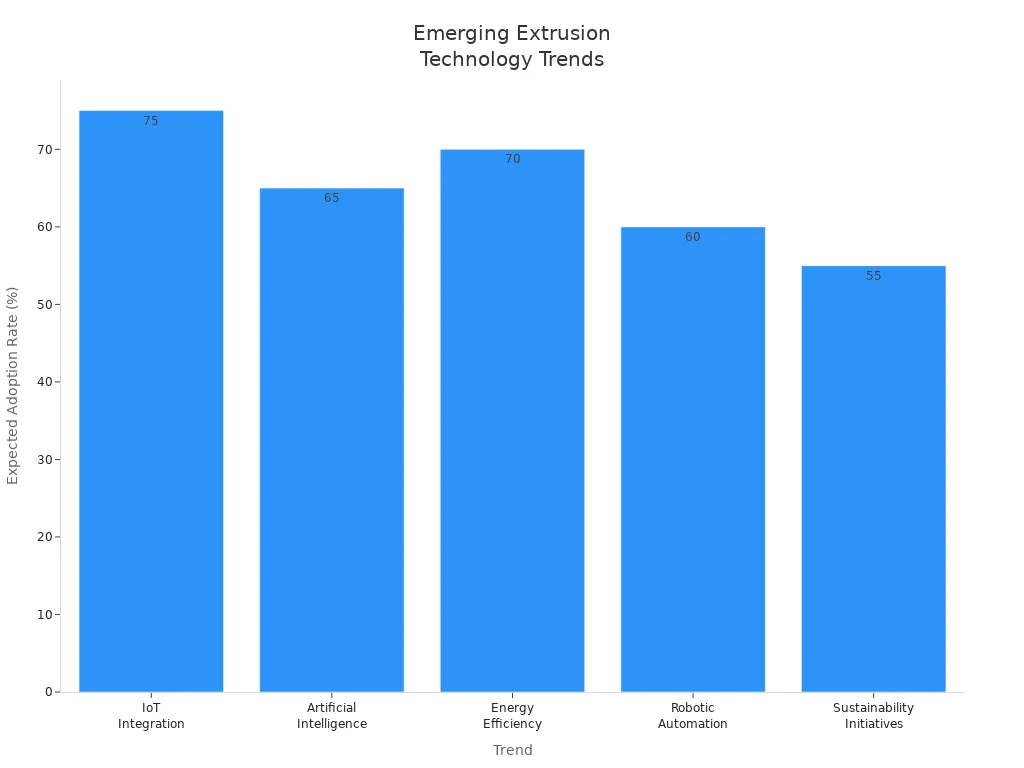
I see rapid changes in extrusion technology shaping the future of manufacturing. IoT integration allows real-time monitoring and analytics, improving efficiency. Artificial intelligence supports predictive maintenance and optimization, which boosts performance. Energy efficiency is a growing focus, with manufacturers seeking ways to reduce consumption in the extrusion process. Robotic automation streamlines material handling and quality control. Sustainability initiatives drive the use of recycled materials and eco-friendly processes.
| גאַנג | באַשרייַבונג | פּראַל אויף עפעקטיווקייַט | געריכט אַדאָפּטיאָן קורס (%) |
|---|---|---|---|
| IoT ינטעגראַטיאָן | פאַקטיש-צייט מאָניטאָרינג און אַנאַליטיקס | הויך | 75% |
| קינסטלעך סייכל | פּרידיקטיוו וישאַלט און אַפּטאַמאַזיישאַן | זייער הויך | 65% |
| ענערגיע עפעקטיווקייַט | Reducing energy consumption | מיטל | 70% |
| ראָובאַטיק אַוטאָמאַטיאָן | מאַטעריאַל האַנדלינג און קוואַליטעט קאָנטראָל | הויך | 60% |
| סאַסטיינאַביליטי ינישאַטיווז | ריסייקאַלד מאַטעריאַלס און עקאָ-פרייַנדלעך פּראַסעסאַז | מיטל | 55% |
I notice advancements in material compatibility, especially with bioplastics, are transforming the extrusion industry. Many manufacturers now prioritize flexibility in equipment design, with modular systems allowing easy upgrades and modifications. Sustainability is essential, with most manufacturers focusing on energy-efficient equipment and waste reduction strategies. Smart extrusion machines reduce downtime by 20%, which improves overall efficiency and quality control. I always stay updated on these trends to maintain high performance and support new applications in plastic extrusion.
טיפּ: I recommend reviewing the overview of extruder machines in manufacturing regularly. Staying informed about new types of extrusion machines and screw designs helps me adapt to changing production needs and maintain scalability.
I recognize that each extrusion system offers unique advantages and limitations. My experience shows that single-screw extruders excel in high-volume production, while twin-screw systems provide superior mixing and flexibility. Ram and co-extrusion machines support specialty applications. I always use comparison tables and selection criteria to evaluate:
- Technical capabilities and long-term reliability
- Customer service and design assistance
- Quality standards and energy efficiency
I recommend manufacturers understand their application needs and consult extrusion experts for optimal results.
FAQ
וואָס איז דער הויפּט חילוק צווישן איין-שרויף און צווילינג-שרויף עקסטרודערס?
I see that single-screw extruders use one rotating screw for basic mixing. Twin-screw extruders use two screws for advanced mixing and better control. I choose twin-screw systems for complex materials and higher flexibility.
How do I decide which extrusion system fits my application?
I start by reviewing my material type, פּראָדוקציע באַנד, and product complexity. I match these needs to the strengths of each system. I consult with experts if I face unique requirements.
Can I process recycled materials with extrusion systems?
I process recycled materials using twin-screw extruders. These machines handle variable feedstocks and additives better than single-screw systems. I monitor quality closely to ensure consistent results.
How often should I perform maintenance on my extruder?
I schedule routine inspections every month. I check for screw wear, barrel condition, and control system performance. Regular maintenance prevents downtime and extends equipment life.
What are the most common extrusion defects I encounter?
I often see surface roughness, dimensional drift, and melt fractures. I address these by adjusting temperature, שרויף גיכקייַט, and material feed. I use process monitoring to catch issues early.
Is co-extrusion suitable for all materials?
I use co-extrusion mainly for thermoplastics. Some materials may not bond well in multi-layer profiles. I test material compatibility before starting production.
How does automation improve extrusion quality?
I rely on automation for real-time monitoring and precise control. Automated systems reduce human error, maintain consistent output, and improve overall product quality.
What safety measures do I follow during extrusion?
I wear protective gear and follow lockout procedures. I keep the work area clean and check emergency stops regularly. I train my team on safe operation and emergency response.