

Izinto eziphambili zokuThatha
- Kumava am, ezona zigqibo zibhadlileyo ziqala ngokuthelekisa umatshini weklasi kunye nokutya: i-extruders screw enye ibamba i-PVC ethe ngqo, HDPE, kunye neeprofayili zepolypropylene, i-twin screw extruders isuti edibanisayo kwaye ifuna iipholima, kunye neeplasitiki ezinikezelweyo zokuphinda zisetyenziswe zikho njengodidi olwahlukileyo lweflake yeplastiki ebangwayo kwakhona (umthombo: ThoYu, 2024).
- Ndihlala ndivavanya iinkcukacha phambi kwexabiso. Amanani angundoqo afana nomlinganiselo we-L/D, ukubalwa kwendawo yomphanda, umlinganiselo wokunciphisa ibhokisi yegiya, inkonzo factor, kunye namandla eemoto akuxelela ngakumbi malunga nomthamo wokwenyani kunomfanekiso ophumayo wesihloko. Ukwenzela ireferensi, a esetyenzisiweyo Davis Standard 9-intshi iperi extruder a 32:1 Umlinganiselo we-L / D kunye ne-7-zone barrel ene- 900 Injini ye-HP DC (umthombo: Uluhlu lwezixhobo zikaAron).
- Ixabiso elithe ngqo kumzi-mveliso elivela kubavelisi base-China likhuphisana ngenene kwizixhobo ezitsha (umthombo: ThoYu, 2024), kodwa ndiwulinganisela kwixabiso elipheleleyo elipheleleyo lomfanekiso wobunini oquka imisebenzi yokungenisa elizweni, imithwalo yolwandle, ukurhwaphiliza, ukufakela, kunye nokufikelela emva kokuthengiswa kwenkxaso.
- Ndiphatha entsha, esetyenzisiweyo, kwaye ithengwe kumazwe angaphandle njengeendlela ezintathu ezahlukeneyo zokuthenga, nganye ineendlela zayo zokurhweba. Imarike esetyenzisiweyo ikhulile, uluhlu oluthile lwebhrendi lwezikrufu zesikrufu esinye (umthombo: Aaron Izixhobo), eyenza ibe yindlela esebenzayo xa ndinokuqinisekisa imeko kunye nokunxiba.
- Uvavanyo lomthengisi kunye nokhuseleko lwentlawulo lubaluleke kakhulu njengephepha elithile. Ngaphambi kokwenza, Ndiyaqinisekisa ubungakanani beodolo encinci, amaxesha okukhokela, imigaqo yewaranti, kunye nokufumaneka kweendawo ezisecaleni, kwaye ndimisela iintlawulo ukukhusela ekuzisweni.
- Iinkqubo ezisisiseko zikhokela iitshekhi zam: imathiriyeli ekrwada ingena nge-hopper feeder engumgubo, ipelethi, okanye ifom yegranule, iyanyibilika ngeetyhubhu zokufudumeza zombane, kwaye yenziwe i-homogenized ngokucheba ngezikrufu phambi kokuba i-extrusion die imilo iprofayili eqhubekayo yecandelo (imithombo: ThoYu; I-Amade-Tech).
- Ndiqinisekisa ulawulo lwe-thermal ngaphambili. Imiphanda yezone ezininzi ngokuqhelekileyo idibanisa ukufudumeza kombane kunye nokupholisa kwamanzi avaliweyo (umthombo: Aron Isixhobo spec), kunye nolawulo oluthembekileyo lokunyibilika kobushushu yinto egcina imveliso ihambelana ngokwemibhobho, imibhobho, iifilimu, iibhodi, kunye neebhotile.
- Uqwalaselo lweScrew kunye nesiko lokufa isixhobo sichaza ukuba umgca unokwenza ntoni na, ngoko ke ndijonga ezo zichasene nomxube wemveliso yam kunokuthenga umthamo wegeneric. Ku-R&D okanye imitsi emincinci, i-lab-scale extruder eyakhelwe imveliso eqhubekayo efanayo-yomnqamlezo-candelo ihlala iyindawo elungileyo yokungena. (umthombo: I-Amade-Tech).
Yintoni umatshini wePlastiki wokuXhuma kwaye usebenza njani?
Xa ndivavanya nawuphi na umatshini wokulungisa wepolymer, Ndiqala ngemodeli yengqondo efanayo: I-extruder yinkqubo elawulwayo yokunyibilika kunye nokubunjwa. Iplastiki eqinileyo iya kwelinye icala, kunye nokuqhubekayo, iprofayile yecandelo elinqamlezayo iyunifomu iphuma enye. Yonke into phakathi kwala manqaku mabini imalunga nokusebenzisa ubushushu kunye nokucheba ngoomatshini ngesantya esifanelekileyo. Ukuqonda oko kuhamba kuko okwahlula umthengi ozithembileyo kumntu oqikelela kumaphepha athile, kwaye ibumba ngokuthe ngqo indlela endisondela ngayo a Ihoyile yePlastiki Yokukhupha Ihoyili ukuthenga.
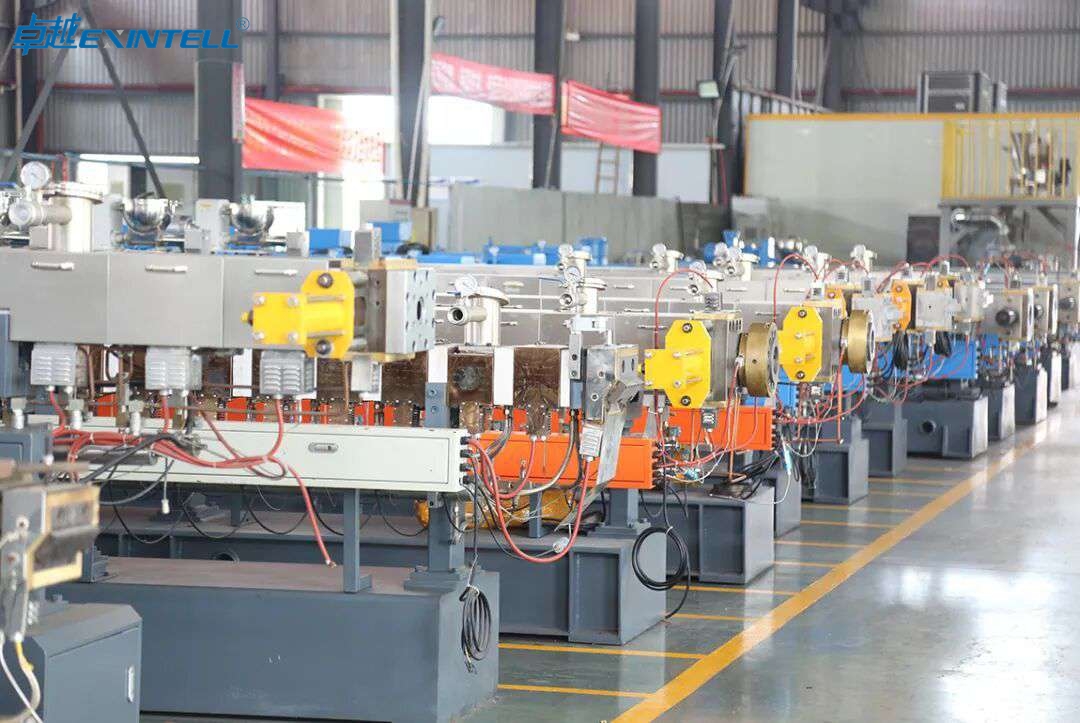
Inkqubo yokuNyibilika okuPhambili
Ngaphakathi kumatshini, iplastiki eyomeleleyo igqithiselwa phambili ngesikrufu esijikelezayo ngelixa iityhubhu zokufudumeza zombane zisonga umphanda kwiindawo ezininzi.. Iplastiki inyibilika ngokudityaniswa kobo bushushu bangaphandle kunye nesichebi sangaphakathi esiveliswe njengesixhobo sokujija izinto esichasene nodonga lombhobho.. Ngokutsho kukaThoYu, Iplastiki ekwi-extruder inyibilikiswa ngeetyhubhu zokufudumeza zombane kwaye iguqulwe ibeyiyunifomu yokunyibilika ngesikrufu sokukrazula kunye nesenzo sokucheba. (ThoYu, 2024). Loo nto imbini, ubushushu bokuqhuba kunye nokukhuhlana koomatshini, yiyo loo nto ijiyometri ejijwayo ibalulekile njengobushushu bomphanda.
Ulawulo lobushushu obunyibilikayo yinxalenye endiyihlolisisayo kuyo nayiphi na isicatshulwa. Imiphanda yezowuni ezininzi idla ngokudibanisa ukufudumeza kombane kunye nokupholisa amanzi avaliweyo ukubamba indawo nganye ngaphakathi kwebhendi emxinwa. (Aaron Equipment iinkcukacha). Ukuba umphanda awukwazi ukupholisa ngokuchanekileyo njengoko ushushu, ulahlekelwa kukukwazi ukuqhuba iireyini ezingeva lubushushu ngokucocekileyo.
Iifom ze-Feedstock onokuthi uziqhube
Izinto ozityisayo zibumba umatshini owuthengayo. Xa ndisebenza ndibona iifom ezine eziqhelekileyo ze-feedstock:
- Iipellets - ukusilela kwintlaka enyulu, kulula ukulinganisa kunye nokunyibilika
- Iigranules - rhabaxa kancinci, eqhelekileyo kwimigca edibanisayo
- Umgubo - eqhelekileyo kwi PVC imixube eyomileyo kunye nomsebenzi lab-scale
- I-flake ehlaziyiweyo — imathiriyeli ebuyiselweyo enobuninzi obuguquguqukayo
I-Amade-Tech iphawula ukuba oomatshini beplastiki belabhu be-extrusion benza i-feedstock ngomgubo, ipelethi, okanye ifom yegranule ukuvelisa iimveliso zepolymer eziqhubekayo kunye necandelo lomnqamlezo ofanayo (I-Amade-Tech, 2024). Isikrufu sokutyisa esifakwe kwi-hopper ke sihambisa loo mathiriyeli ekrwada ngokulinganayo emgqomeni (ThoYu, 2024). Kwanokondla akuyonto incinci; Ukuhanjiswa kwe-hopper engahambelaniyo kubonisa njengemigca yokunyuka kunye nokukhukuliseka okulinganayo kwiprofayile egqityiweyo.
Indlela iDie ebumba ngayo isiphumo
I-extrusion die sisixhobo sokugqibela ukunyibilika kudlula, kwaye ichaza imveliso enqamlezileyo. Imibhobho, imibhobho, iifilimu, iibhodi, kunye neebhotile ziphuma kumgqomo omnye ezineefa ezahlukeneyo (I-Amade-Tech, 2024). Ngenxa yokuba i-die ivelisa iprofayili eqhubekayo yecandelo, umatshini omnye unokukhonza imigca yemveliso emininzi ukuba utyala imali kwisiko lokufa. Olo bhetyebhetye lwesixhobo sesinye sesizathu sokuba ndiphathe uluhlu lokufa njengenxalenye yesigqibo sokuthenga ngokupheleleyo kunokuba ndicinge emva koko..
Amacandelo angundoqo ndiwahlola kuwo wonke umatshini
Nokuba ndiphonononga i-extruder yeshishini elithengiswayo okanye iyunithi esetyenzisiweyo, Ndihamba kuluhlu lokukhangela lwecandelo elifanayo:
- Umphanda - isilinda eshushu, ngokufanelekileyo iindawo ezininzi ezinokupholisa okuvaliweyo
- Screw - intliziyo yokunyibilika kunye nokuhambisa; uqwalaselo Screw lumisela umgangatho wemveliso
- Imoto -I-extruder motor horsepower ibeka isilingi yakho yokuphuma
- Ibhokisi yegiya - umlinganiselo wokunciphisa kunye nenkonzo yenkonzo ichaza i-torque esebenzayo
- Ulawulo - nyibilika ulawulo lobushushu kunye nolawulo lwezowuni
- Yifa — isixhobo sokwenza iprofayili
Imiba emibini ixhasa olu vavanyo. Ekuqaleni, umlinganiselo we-L/D, ubude bomphanda bohlulwe ngedayamitha yesikrufu, indixelela ukuba lingakanani ixesha lokuhlala elifunyanwa yinyibilika; esetyenzisiweyo Davis Standard 9-intshi extruder (Imodeli ehambelana nayo " 80IN80HT ") yakhelwe ngaphakathi 2001 izibini a 32:1 Umlinganiselo we-L / D kunye ne-7-zone barrel kunye ne-a 900 Injini ye-HP DC (Uluhlu lwezixhobo zikaAron). Isibini, umlinganiselo wokunciphisa ibhokisi yegiya kunye nenkonzo yenkonzo ichaza ukuhanjiswa kwetorque; iiyunithi zoshishino ngokuqhelekileyo uluhlu ratios ezifana 10.15:1 ngenkonzo factor ye 1.5 (Aaron Izixhobo). Loo manani aguqulela ngokuthe ngqo kwindlela onokuthi utyhale ngayo izinto ezibonakalayo ezifana ne-HDPE okanye iikhompawundi ezizaliswe ngaphandle kokuma.
Kutheni uThenga oomatshini bePlastiki boKwenza iWholeyile?
Indlela yehoseyile kulapho iqhinga lokuthenga lifumana ukugcinwa kwayo. Kumava am, umahluko phakathi kokuthengwa kwevenkile kunye nokuthenga ngokuthe ngqo kumzi-mveliso kunqabile ukuba ube yipesenti encinci; ilungisa kwakhona uqoqosho lomgca wemveliso yonke ye-extrusion. Apha ngezantsi ndiqhekeza izizathu ezine endihlala ndicebisa ukuba ndithenge izixhobo ze-bulk extrusion ngokusebenzisa amajelo athengiswayo.
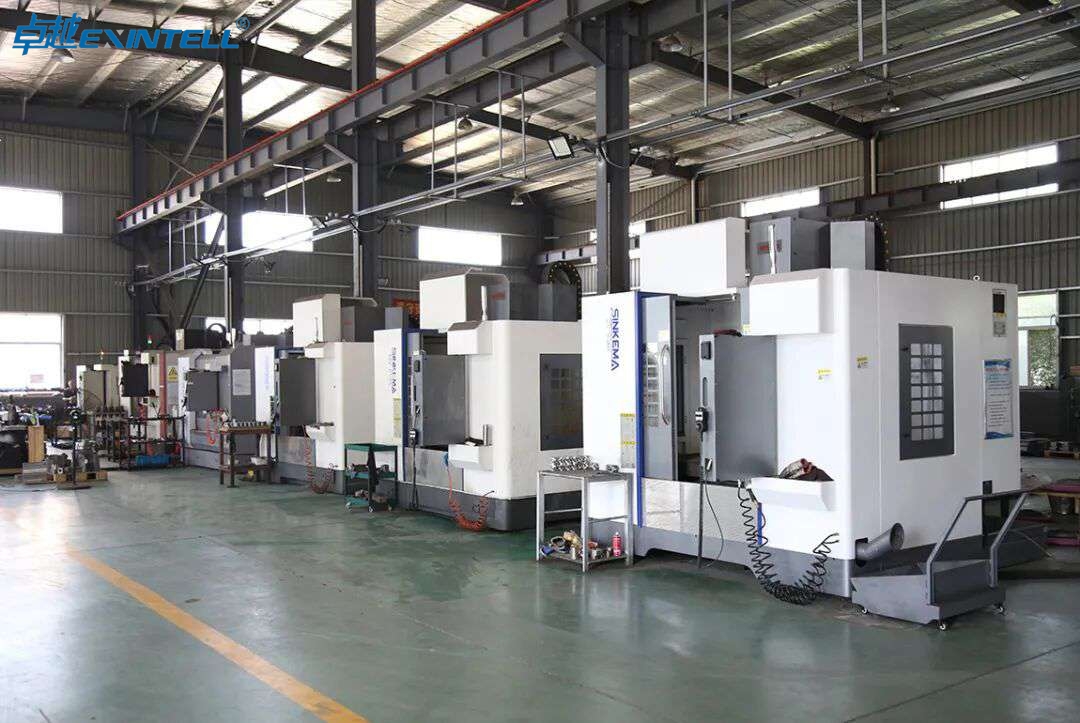
Ukongiwa kweendleko kwii-odolo ezininzi kunye neFactory-Ngqo
Ixabiso elithe ngqo kumzi-mveliso lisusa iileya zemarkup yomthengisi enyusa ixabiso lomatshini weplastiki.. Abavelisi baseTshayina, umzekelo, amaxabiso mveliso-ngqo kwihoseyili kwi-extruders zeplastiki (ThoYu, 2024), yiyo loo nto uninzi lwenjongo yokukhangela enxulumene nexabiso lukhomba kubaboneleli baphesheya kweelwandle. Xa ndithelekisa iyunithi enye yokuthengisa ngokuchasene ne-odolo yesambuku evela kumthengisi woomatshini behoseyile, iindleko zomatshini ngamnye zidla ngokuhla ngokwaneleyo ukutshintsha ukubalwa kwentlawulo kwiprojekthi yonke. Yatsho, amaxabiso asebenza ngqo kumzi-mveliso ahlawula kuphela xa uthatha ingxelo yeendleko zizonke zobunini, umsantsa endiwujongayo kamva kwesi sikhokelo.
Ukufikelela kwi-OEM kunye ne-ODM Customization
Ubudlelwane behoyilesi buvula umnyango kwi-OEM kunye ne-ODM yokwenza ngokwezifiso iitshaneli zokuthengisa azifane zibonelele. Endaweni yokwamkela uqwalaselo lwesitokhwe, Ndiyakwazi ukukhankanya ubude besikrufu, iindawo zomphanda, iipakethe zokulawula, kunye nezixhobo zokufa zesiko ezihambelana nemveliso yam. Kuba nabani na oqhuba iprofayile ekhethekileyo yecandelo elinqamlezayo, le yeyona mpikiswano inamandla yokuthenga kumvelisi womatshini we-extrusion ngokuthe ngqo kunomthengisi.
ImiGaqo eNgcono kwiZixhobo kunye nezahlulo eziSpare
Incoko yokufa kunye neendawo ezisecaleni kulapho amagama athengiswayo ahlangana ngokuzolileyo ekuthandeni kwakho. Isixhobo sothethathethwano kunye nepakethe yezahlulo ezisecaleni kwi-odolo yoqobo phantse isoloko isoyisa ukuzifumana kamva.. Ndiphatha izinto zokunxiba, izikrufu, iibhanti zesifudumezi, kunye ne-barrel liners, njengenxalenye yesivumelwano sokuqala, kwaye ndinyanzelisa izibophelelo zenkxaso emva kokuthengisa ngokubhala. Inkxaso enamandla emva kokuthengisa yinto egcina umgca usebenza; ngaphandle kwayo, umatshini onexabiso eliphantsi uba ngumqobo obiza imali eninzi.
Ukwandiswa kweSakhono seMveliso ngokufanelekileyo
Ekugqibeleni, Ukuthengwa kwehoseyile kundivumela ukuba ndikhulise umthamo we-extruder ngaphandle kokuphinda umjikelo opheleleyo wokuthenga ixesha ngalinye. Ukulinganisa kwiqonga lomthengisi omnye kuthetha iindawo ezingatshintshiyo, ulawulo oluqhelekileyo, kunye noqeqesho oluphinda-phindayo lwabaqhubi koomatshini abaninzi. Xa imfuno ikhula, Ukongeza iyunithi yesibini okanye yesithathu efanayo ilula kakhulu kunokudibanisa izixhobo ezingahambelaniyo ezivela kubathengisi abohlukeneyo.
Iindidi zePlastiki Extruders: IsiKhohlo esiNye vs iSikruru samawele
Ukukhetha phakathi kwe-screw extruder enye kunye ne-twin screw extruder sesona sigqibo sinesiphumo sobuchule ekuthengeni ihoseyile.. Ndiyiqulunqa ngokulula: oomatshini bokujija omnye bahambisa kwaye banyibilike ngokufanelekileyo, ngelixa oomatshini be-screw abangamawele bexuba kwaye badibanise. Lungisa lo mdlalo kwaye yonke eminye ingcaciso ingena endaweni.
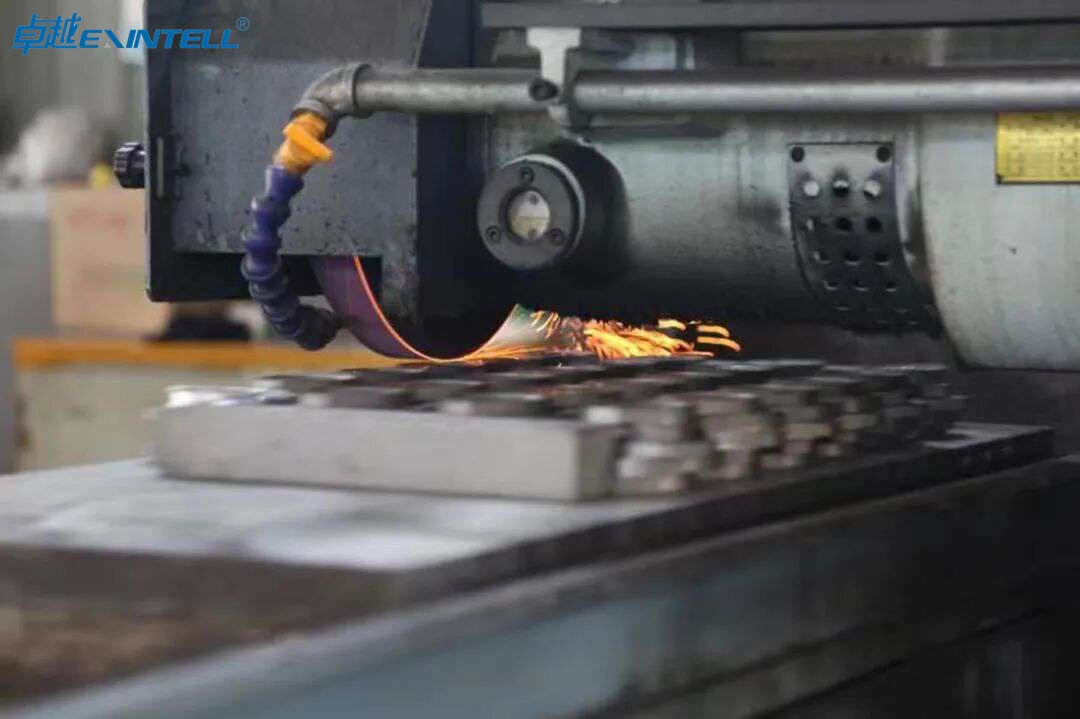
I-Screw Extruders enye
I-screw extruder enye lihashe lomsebenzi kwiiprofayili eziqhelekileyo ngexabiso eliphantsi. It excels at melting virgin resin and pushing it through a die at steady output, which makes it ideal for pipes, imibhobho, and simple continuous profiles. It is also the most common used-equipment category, with brand-specific resale listings widely available (Aaron Izixhobo). If your product line runs consistent materials like HDPE or polypropylene through a fixed die, a single screw machine usually delivers the best value per unit of output.
I-Twin Screw Extruders
The twin screw extruder earns its higher cost through mixing capability. Two intermeshing screws generate the distributive and dispersive mixing needed for compounding, adding fillers, imibala, kunye nezinzinzi, and for processing recycled materials with variable properties. When I work with recycled plastic flake or heat-sensitive engineering polymers such as PEEK, the twin screw’s superior control over shear and residence time is decisive. It is worth noting that recycling extruders are a distinct machine class built specifically for reclaimed feedstock (ThoYu, 2024), and many of those lines rely on twin screw designs for exactly this reason.
Output Rate and Material Compatibility
The two types diverge sharply on output behavior and material fit. Single screw output is largely a function of screw speed and motor horsepower, making it predictable for a single resin. Twin screw output is more flexible across formulations but is often optimized for compounding quality rather than raw throughput. Materials like PVC dry blends and recycled flake benefit from twin screw handling, while a clean single resin runs economically on a single screw.
IsiKhohlo esiNye vs iSikruru samawele: Itheyibhile yokuthelekisa
|
Umba |
Isikruru esiNye Extruder |
I-Twin Screw Extruder |
|---|---|---|
|
Primary strength |
Melting and conveying standard profiles |
Ukuxuba, ukudibanisa, and devolatilization |
|
Relative cost |
Ngasezantsi |
Phezulu |
|
Best materials |
HDPE, polypropylene, single virgin resins |
PVC dry blends, recycled flake, filled or PEEK compounds |
|
Mixing quality |
Ilinganiselwe |
Egqwesileyo (distributive and dispersive) |
|
Typical products |
Imibhobho, imibhobho, simple profiles |
Compounds, masterbatch, recycled pellet |
|
Used-market availability |
Broad, brand-specific listings common |
Narrower, more specialized |
|
Ideal buyer |
Fixed product line, cost-focused |
Ukurisayikilisha, custom formulations, R&D |
|
Umba |
Isikruru esiNye Extruder |
I-Twin Screw Extruder |
|---|---|---|
|
Primary strength |
Melting and conveying standard profiles |
Ukuxuba, ukudibanisa, and devolatilization |
|
Relative cost |
Ngasezantsi |
Phezulu |
|
Best materials |
HDPE, polypropylene, single virgin resins |
PVC dry blends, recycled flake, filled or PEEK compounds |
|
Mixing quality |
Ilinganiselwe |
Egqwesileyo (distributive and dispersive) |
|
Typical products |
Imibhobho, imibhobho, simple profiles |
Compounds, masterbatch, recycled pellet |
|
Used-market availability |
Broad, brand-specific listings common |
Narrower, more specialized |
|
Ideal buyer |
Fixed product line, cost-focused |
Ukurisayikilisha, custom formulations, R&D |
Matching the Type to Your Product Line
My decision rule is straightforward. If I am extruding a consistent material into a stable profile, I choose a single screw machine and put the savings toward custom die tooling and spare parts. If my process involves compounding, utshintsho lombala, or a plastic recycling extruder handling reclaimed feedstock, I specify a twin screw platform and accept the higher price as the cost of process control. For buyers weighing a lab-scale extruder for product development, the same logic applies at smaller output: match screw type to whether you are proving a formulation (twin) or a profile (single). Anchoring the screw decision to your actual product line, rather than to headline price alone, is what makes a wholesale purchase pay off over its full service life. You can review real-world configurations on supplier and resale listings such as Aaron Equipment’s used single screw inventory kwaye ThoYu’s wholesale extruder pages to see how these specifications appear in practice.
How Much Does a Plastic Extrusion Machine Cost?
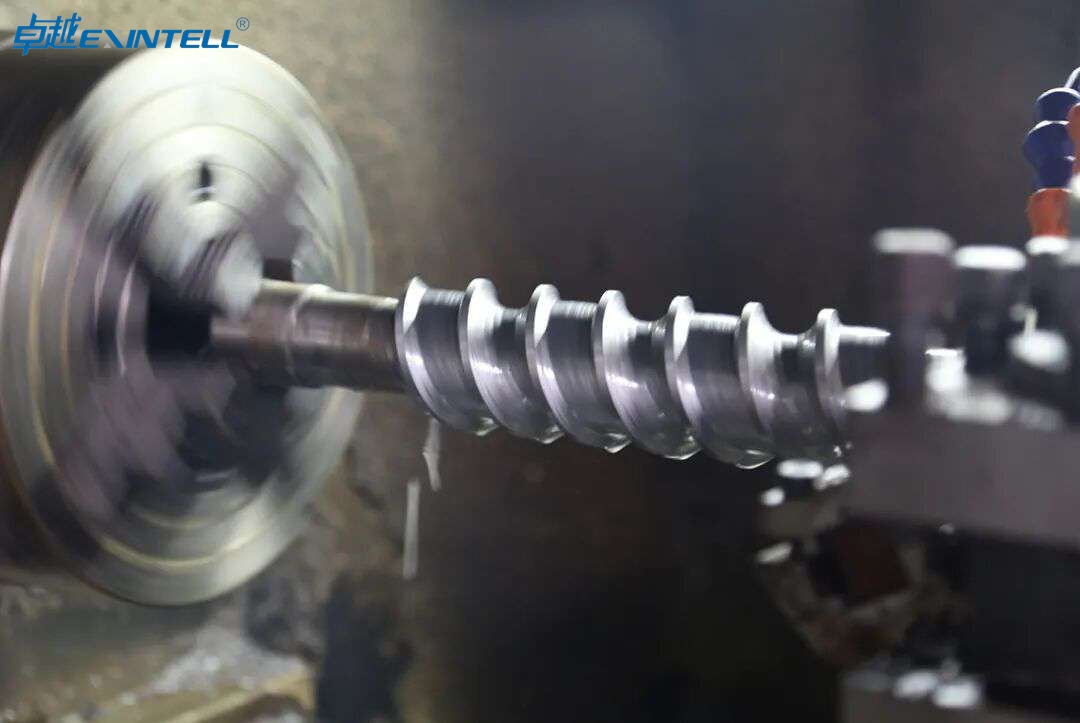
When clients ask me for a single number, I tell them the honest answer: umatshini weplastikhi wokukhutshwa ubiza naphi na ukusuka kumawaka ambalwa eedola ukuya ngaphezulu kwesigidi, kwaye ukusasazeka kumalunga nesikali. Kumava am izixhobo zokukhangela izixhobo kumanqanaba amathathu, amabhanti exabiso aqhawuka ngokucocekileyo kunye nomthamo wemveliso, Screw uqwalaselo, kunye nenqanaba le-automation oyifunayo. Ngaphambi kokuba ufake isicelo, kuyanceda ukwazi ukuba ungowaliphi na inqanaba, kuba i-lab-scale extruder kunye ne-industrial extrusion line yemveliso ayithengi enye enexabiso elahlukileyo.. Ngoomatshini abahlukeneyo. Ukupakishwa kwePlastiki eKhala okuRecyclable
Uluhlu lwexabiso ngokweSikali: ILab, Incinci, kunye noShishino
Ndihlula abathengi babe ngamacandelo amathathu asebenzayo. I-Lab-scale extruders ixinene, ibhentshi okanye iiyunithi zomgangatho ezakhelwe i-R&D, izilingo ezidibanisayo, kunye neempawu ezibonakalayo. Benza i-feedstock ibe ngumgubo, ipelethi, or granule form to produce continuous polymer products with a uniform cross section (I-Amade-Tech). Small commercial units handle low-volume production, prototyping runs, and niche profile work. Industrial machines drive full extrusion production lines for pipe, ifilimu, ibhodi, and bottle output around the clock.
Here is how the numbers typically land based on quotes I have collected and public listings. Treat these as planning ranges, not fixed prices, since screw configuration and tooling shift them significantly.
| Inqanaba | Typical Output | Screw Type | New Price Range (iUSD) | Used Price Range (iUSD) |
|---|---|---|---|---|
| Lab-scale extruder | Up to ~5 kg/hr | Isikrufu esinye okanye iwele | $8,000 - $45,000 | $4,000 - $25,000 |
| Small commercial | ~20 – 150 kg ngeyure | Single screw extruder | $30,000 - $120,000 | $12,000 - $60,000 |
| Industrial line | 300 kg/hr and up | Single or twin screw extruder | $150,000 - $1,000,000+ | $50,000 - $400,000 |
The upper end of the industrial band reflects complete lines with downstream equipment such as haul-offs, amatanki okupholisa, and winders, plus advanced melt temperature control. A bare extruder head costs far less than a turnkey line, so always confirm what the quote actually includes before you compare vendors.
What Sits Behind the Sticker Price
Four variables move the number more than anything else. Capacity is the obvious one: throughput scales with barrel diameter and motor horsepower, and both add cost. Brand matters, because a machine from an established extrusion machine manufacturer carries a premium tied to reliability and parts availability. Condition splits the entire market into new and used, which I cover in detail below. And tooling is the quiet budget-buster. A custom die for a specific continuous cross-section profile can add tens of thousands of dollars, and it is often quoted separately from the machine itself.
Hidden Costs Beyond the Quote
The purchase price is rarely the total cost of ownership, and this is where I see first-time buyers get burned. Beyond the machine, budget for these line items:
- Custom die tooling for each product profile you plan to run.
- Installation and rigging for heavy industrial units, which often require crane service and reinforced flooring.
- Electrical and utility upgrades to supply high-horsepower motors and closed-loop barrel cooling systems.
- Freight and, for imports, imisebenzi which I break down in the logistics section of this guide.
- Spare wear parts such as replacement screws, imiphanda, and heater bands.
- Commissioning and operator training, ngakumbi kwiinkqubo zolawulo oluzenzekelayo.
Umthetho wam wesithupha: yongeza 15 ukuya 30 ekhulwini kwixabiso lomatshini ukuqikelela ukufakwa ngokupheleleyo, iindleko ezilungele imveliso. Ukutsiba le mathematika yeyona mpazamo ixhaphakileyo yokucwangcisa endidibana nayo.
Plastic Extrusion Machine Ixabiso Iwhosili: Yintoni Eqhubayo?
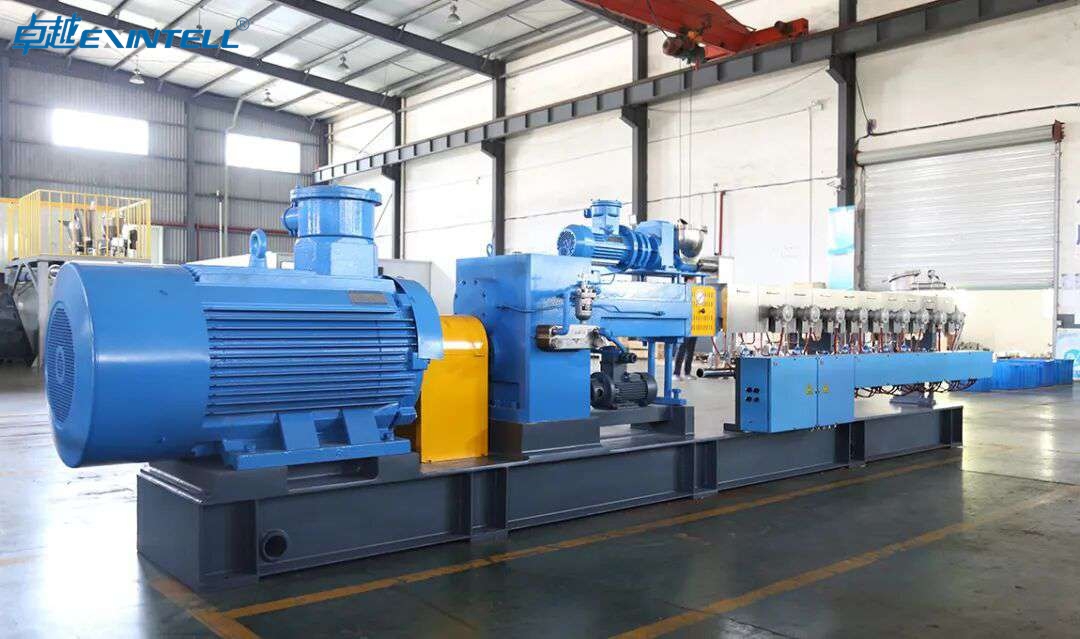
Amaxabiso eWholesale alandela ingqiqo efanayo neyokuthengisa, kodwa sinendawo eyongezelelekileyo yokuthethathethana kunye nezinye izinto eziguquguqukayo ezininzi zokuphonononga. Xa ndivavanya ixabiso lomzi-mveliso ngqo, nokuba ivela kumthengisi wasekhaya okanye kumthengisi ose-China obonelela ngeereyithi zehoseyile (ThoYu), Ndisebenza ngoluhlu lokukhangela olungaguqukiyo lweenkcukacha. Nganye inomgca othe ngqo weendleko, kwaye ukuziqonda kukuvumela ukuba uthelekise izicaphulo ngokwemiqathango elinganayo endaweni yokuqikelela.
Screw kunye neBhareli Iinkcukacha
I-screw kunye ne-barrel yintliziyo yomatshini, kwaye zichaza zombini amandla kunye nexabiso. I-spec ibaluleke kakhulu ngumlinganiselo we-L / D, ubude-to-diameter ratio yesikrufu. Umlinganiselo ophezulu we-L / D uhambisa ukuxuba okungcono kunye nokunyibilika okufanayo, into ebalulekileyo kwiipolymers ezifunwayo. Ukwenzela ireferensi, esetyenzisiweyo Davis Standard 9-intshi extruder (Imodeli ehambelana nayo " 80IN80HT ") iqhuba a 32:1 Umlinganiselo we-L / D kunye ne-7-zone barrel (Uluhlu lwezixhobo zikaAron). Iizowuni ezininzi zithetha ulawulo lobushushu lokunyibilika, kuba iplastiki inyibilika ngeetyhubhu zokufudumeza zombane kwaye iguqulelwa ekubeni yiyunifomu yokunyibilika ngokucheba ngezikrufu (ThoYu).
Uqwalaselo lwe-Screw nalo lugqiba udidi lomatshini. I-screw extruder enye lihashe lomsebenzi kwiiprofayili ezithe ngqo kwaye lolona didi luqhelekileyo lwezixhobo ezisetyenziswayo. (Aaron Izixhobo). I-twin screw extruder ixabisa ngaphezulu kodwa iyagqwesa ekuhlanganiseni, ukudibanisa izongezo, kunye nokusetyenzwa kweflake yeplastiki esetyenzisiweyo. Ukuba usebenzisa iPVC, HDPE, okanye i-polypropylene ngevolumu, screw geometry should match the resin; PEEK and other high-performance polymers push you toward specialized, higher-cost configurations. I-Twin Screw Extruders Manufacturer
Motor and Gearbox Horsepower
Extruder motor horsepower is a direct proxy for throughput and, therefore, price. That same Davis Standard unit pairs its barrel with a 900 Injini ye-HP DC (Uluhlu lwezixhobo zikaAron), which tells you it was built for heavy industrial output. The gearbox translates motor power into usable torque at the screw. Reduction ratios such as 10.15:1 combined with a service factor around 1.5 define how much torque the machine can safely deliver under load (Aaron Izixhobo). When I compare two similarly priced machines, a higher service factor signals more durability headroom, which is worth paying for on equipment you plan to run hard.
Automation and Control Systems
Control systems separate a basic machine from a modern one. Manual temperature dials and simple relays keep the price down but demand skilled operators and produce more scrap. PLC-driven systems with closed-loop barrel cooling, recipe storage, and data logging cost more upfront but pay back through consistency and lower waste. A hopper feeder with a hopper-mounted feeding screw that delivers raw material evenly into the barrel (ThoYu) is standard, but gravimetric feeding and automated blending add cost and precision. For high-volume operations, I consider automation a value driver rather than a luxury.
Certifications and Origin
Origin and certification shape both price and risk. Domestic and European machines command higher prices, partly for build quality and partly for support proximity. Factory-direct pricing from China-based manufacturers (ThoYu) can cut the machine cost substantially, but you should verify CE marking, UL compliance for the US market, and documented electrical safety before committing. I always ask for certification documents in writing, because retrofitting an uncertified machine to meet US electrical code erases the savings that made the import attractive in the first place.
New vs Used Plastic Extrusion Machines

Esi sisigqibo endibuzwa ngaso kakhulu, and my answer is always the same: it depends on your risk tolerance and your timeline. Used extrusion equipment can cut capital costs by half or more, but the savings come with real exposure. New machines cost more and often carry longer lead times, yet they arrive with warranties, current controls, and predictable performance. Let me lay out both sides the way I would for a client.
Capital Savings vs Risk on Used Units
The financial case for used equipment is strong. As the pricing table above shows, a used industrial unit can run 40 ukuya 60 percent below new, freeing capital for tooling and downstream equipment. For a startup or a shop testing a new product line, that difference can be the whole business case. The risk is that a polymer processing machine has wear components, screws and barrels degrade, heater bands fail, and motors lose efficiency, and those problems are not always visible in a listing photo. The savings are real, and so is the possibility of buying someone else’s problem.
Inspecting Condition, Hours, and Build Year
I never buy used equipment sight unseen, and I recommend you do not either. My inspection priorities, in order:
- Screw and barrel wear: measure clearances if possible. Excessive clearance kills output and melt quality, and a replacement screw and barrel set is expensive.
- Build year and operating hours: a machine built in 2001, like the Davis Standard example, can still be excellent if maintained, but you need service records to judge.
- Iinkqubo zokufudumeza kunye nokupholisa: confirm all barrel zones heat correctly and that closed-loop water cooling holds temperature.
- Motor and gearbox condition: listen for bearing noise and check for oil leaks and gearbox play.
- Control panel function: verify every zone reads and controls accurately, since older controls may lack replacement parts.
When feasible, insist on a powered demonstration running actual Plastic Pellet Manufacturers impahla. A cold machine hides most of its problems.
Warranty and Support Gaps on Used Equipment
The support gap is the cost that does not show on the invoice. New machines from an extrusion machine manufacturer typically include warranty coverage, commissioning help, and access to after-sales support. Used units are usually sold as-is, so you own every failure from day one. Before I buy used, I confirm two things: that spare parts remain available for that model, and that a service technician familiar with the brand can be reached. A cheap machine with no parts pipeline is a liability, not a bargain.
Resale Value Considerations
Ekugqibeleni, think about the exit before you enter. Machines from recognized brands hold their value far better on the secondary market, which is exactly why brand-specific resale listings command steady demand (Aaron Izixhobo). If there is any chance you will resize or exit within a few years, buying a well-known single screw extruder, even at a premium, protects your capital on the way out. Kumava am, resale strength is the most overlooked factor in the new versus used debate, and it often tips a borderline decision toward the established brand.
My bottom line: buy new when uptime is critical, support matters, and you plan to run the machine for a decade. Buy used when capital is tight, you have the technical capacity to inspect and maintain the equipment, and you stick to reputable brands with living parts supply. Ngolunye uhlobo, do the total cost of ownership math first, because the quote is only the beginning of the spend.
Imithombo: Aaron Izixhobo, Used Single Screw Extruders; ThoYu, Wholesale Price China Plastic Extruder; I-Amade-Tech, Lab Plastic Extrusion Machine.
Where to Find Used Plastic Extrusion Machines Wholesale
When I source equipment on a tight capital budget, the used market is usually my first stop. A well-maintained secondhand extruder can deliver 80 ukuya 90 percent of the service life of a new unit at a fraction of the cost, provided you know how to read a listing and verify condition before wiring any funds. The challenge is not finding machines. It is separating a genuine bargain from a decommissioned liability.
Marketplaces and Dealers Worth Knowing
Most of my used purchases have come through established dealer networks rather than open classified listings. Specialized resellers such as Aaron Equipment maintain rotating inventories of single screw and twin screw extruders, and they photograph, tag, and often power-test each unit before listing it. That vetting matters. A dealer with a physical yard and a reputation to protect gives me recourse that an anonymous marketplace posting never will. I still cross-check auction houses and industry-specific listing boards, but I treat a reputable dealer as the baseline for used extrusion equipment.
Reading a Listing Like an Engineer
A used listing is a spec sheet in disguise, and three numbers tell me most of what I need to know before I ever call. Consider a real example: esetyenzisiweyo Davis Standard 9-intshi extruder (Imodeli ehambelana nayo " 80IN80HT ") yakhelwe ngaphakathi 2001, advertised with a 32:1 Umlinganiselo we-L/D, a 7-zone barrel, kunye a 900 Injini ye-HP DC (umthombo: Uluhlu lwezixhobo zikaAron).
- Umlinganiselo we-L/D. The barrel length-to-diameter ratio governs residence time and mixing. A 32:1 ratio suits demanding melt homogeneity work; shorter ratios around 24:1 handle simpler profiles. If your polymer needs thorough melting, do not buy short.
- Barrel zones. Seven independently controlled heating zones give me granular melt temperature control across the barrel length. More zones mean finer thermal tuning, which is critical for heat-sensitive resins.
- Motor horsepower. A 900 HP drive signals a high-throughput production machine, not a lab tool. Motor HP scales roughly with output capacity, so match it to your target line speed rather than buying more drive than your die can use.
Listings also disclose the gearbox reduction ratio and service factor, which together define usable torque. A 10.15:1 reduction with a 1.5 inkonzo factor, njengokuba, tells me the drivetrain has headroom for sustained duty (umthombo: Aaron Izixhobo). I read those figures as a durability signal, not a footnote.
Brands That Hold Value on the Resale Market
Brand reputation follows a machine into its second life. Davis Standard, in my experience, iyalela iprimiyamu kwimarike yokuthengisa ngokuchanekileyo ngenxa yokuba iinxalenye, izikrufu, kunye namaxwebhu eenkonzo ahlala efumaneka iminyaka emva kokwenziwa. Obo butyebi bunqumla iindlela zombini: Ndibhatala ngaphezulu ngaphambili, kodwa ndiyachacha ngakumbi xa ndithengisa kwakhona, kwaye ndichitha ixesha elincinci ndizingela i-extruder screw uqwalaselo okanye i-barrel liner. Xa ndithelekisa iiyunithi ezimbini ezifanayo ezisetyenzisiweyo, uphawu oluxhaswayo phantse luhlala luphumelela kwiindleko zizonke zobunini nakwixabiso lesitikha esiphezulu.
Imeko yokuqinisekisa phambi kokuba uzinikele
Andizange ndithenge i-extruder esetyenzisiweyo kwiifoto zodwa. Uluhlu lwam lokuthenga kwangaphambili luhamba kwiindawo ezinxitywayo eziphelisa ukusebenza ngokuzolileyo:
- Screw and barrel wear. Cela imilinganiselo yebhore. Ucoceko olugugileyo luthoba imveliso kunye nokuzinza koxinzelelo, kwaye ukulungisa umphanda kuyabiza.
- I-heater kunye nempilo ye-thermocouple. Qinisekisa ukuba indawo nganye ifikelela kwaye ubambe indawo yokumisela. Dead zones on a multi-zone barrel are a red flag.
- Drive and gearbox. Listen for bearing noise and check for oil leaks. A failing gearbox can cost as much as the machine.
- Inkqubo yokupholisa. Many industrial units use electric heating with closed-loop water cooling (umthombo: Aron Isixhobo spec). Verify the cooling circuit is intact and free of scale.
- Run test. Whenever possible, I insist on a powered demonstration under load, not just a cold spin.
If a seller resists an inspection or a run test, I walk. The savings on a used polymer processing machine evaporate the moment you have to rebuild a drivetrain.
Small and Lab-Scale Plastic Extrusion Machines
Not every buyer needs a 900 HP monster. A large share of the search interest around this keyword points toward small and near-me machines, and that tracks with what I see in practice: R&D teams, iiyunivesithi, and startups need compact extruders that fit a lab bench and run on standard power. These machines trade throughput for flexibility, and for the right use case that is exactly the trade you want.
What Lab-Scale Machines Actually Do
A lab-scale extruder processes feedstock in powder, ipelethi, or granule form to produce continuous polymer products with a uniform cross section (umthombo: I-Amade-Tech). The core physics is identical to production equipment: a hopper feeder delivers raw material evenly into the barrel, electric heating tubes melt the polymer, and the screw shears and homogenizes it into a uniform melt before the extrusion die shapes the output (umthombo: ThoYu). The difference is scale, not principle, which is what makes lab machines so useful for process development. What you learn at bench scale transfers to production.
Typical Products and Use Cases
I reach for a lab-scale unit in three situations:
- R&D and formulation. Testing new resin blends, izongezo, or recycled plastic flake without committing a production line.
- Iprototyping. Producing sample films, imibhobho, and small profiles for customer approval or tooling validation.
- Low-volume production. Serving niche markets where demand does not justify a full extrusion production line.
These machines readily handle common thermoplastics like PVC, HDPE, kunye ne-polypropylene, and higher-spec units extend to engineering polymers such as PEEK when the barrel and screw are rated for the elevated melt temperatures.
Footprint and Power Requirements
The practical appeal of a lab extruder is that it lives in an ordinary room. Many bench units draw single-phase or light three-phase power and occupy a footprint measured in a few square feet, versus the dedicated bay and heavy three-phase service a production extruder demands. Before buying, I confirm two things: the electrical service my facility can supply, and whether the cooling requirement is air or water. Getting the utilities wrong is the most common reason a small machine sits idle after delivery.
Knowing When to Upgrade to Production Scale
A lab machine has a ceiling, and recognizing it early saves money. I plan the jump to production scale when sustained order volume outpaces the machine’s extruder capacity output, when I am running multiple shifts just to keep up, or when per-unit cost on the small line exceeds what a production extruder would deliver. The signal is economic, not emotional: once the lab unit becomes the bottleneck rather than the tool, it is time to scale. I typically keep the lab machine anyway, redeployed for the R&D work it does best.
Lab-Scale vs Production Extruders at a Glance
| Uphawu | ILab / Small-Scale Extruder | Production Extruder |
|---|---|---|
| Primary use | R&D, iprototyping, low-volume runs | Continuous commercial production |
| Typical motor | Fractional to ~20 HP | 50 ukuya 900+ HP (umz., 900 HP Davis Standard) |
| Umlinganiselo we-L/D | ~20:1 ukuya 25:1 | 24:1 ukuya 32:1 |
| Barrel zones | 2 ukuya 4 | 5 ukuya 7+ |
| Power service | Single-phase / light 3-phase | Heavy 3-phase |
| Umkhondo | Benchtop to compact floor unit | Dedicated production bay |
| Isiphumo | Grams to low kg/hr | Hundreds of kg/hr |
Figures for the production column reflect the specification range seen in listings such as the Davis Standard 80IN80HT (umthombo: Aaron Izixhobo); lab-scale ranges reflect typical bench-unit configurations.
Buying Plastic Extrusion Machines Wholesale in the USA
Search intent around this keyword leans heavily toward USA and near-me queries, and that reflects a real procurement decision every US buyer faces: buy domestic or import. Factory-direct pricing from overseas manufacturers is genuinely attractive, and I have bought imported equipment when the numbers justified it. But the sticker price is only one line in the ledger. Here is how I weigh the domestic option.
The Case for Domestic Dealers
Buying from a US-based dealer or manufacturer gives me three advantages that rarely show up on a spec sheet but always show up in operations:
- Faster lead times. A machine in a domestic yard ships in days, not the weeks of ocean transit and customs clearance an import requires. When a line is down, that speed is worth real money.
- Easier service and parts. Domestic support means same-timezone technicians, stocked spare parts, and no international freight on a replacement gearbox or barrel. After-sales support is the single most underrated factor in extruder ownership.
- Standards compliance. US machines are typically built or certified to UL and NEC electrical requirements. That compliance simplifies installation, satisfies insurers, and passes inspection without the retrofit an uncertified import may need.
Compliance Is Not Optional
I want to be direct about this because it trips up first-time importers. An extruder that is not UL-listed or NEC-compliant can fail a facility electrical inspection, void insurance coverage, and create OSHA exposure. Retrofitting an imported machine to meet US standards, rewiring controls, replacing heaters, adding certified safety interlocks, can consume much of the money you saved on purchase price. Before I import, I confirm exactly what certification the unit carries and what it will cost to close any gap.
Cost Tradeoffs: Domestic vs Imported
China-based manufacturers offer factory-direct wholesale pricing on plastic extruders (umthombo: ThoYu), and for high-volume standardized equipment that pricing can be compelling. But the landed cost of an import includes freight, i-inshurensi, imisebenzi yokungenisa elizweni, customs brokerage, kunye nezothutho zangaphakathi, none of which appear in the quoted machine price. Layer on longer lead times, potential language and timezone friction on support, and any compliance retrofit, and the gap narrows considerably. Umthetho wam wesithupha: I model total cost of ownership over the first three years, not the purchase price, before deciding. On that basis, domestic often wins for equipment I need serviced quickly, while imports can win for planned capacity additions where lead time is not urgent.
How I Vet a Wholesale Supplier
Whether domestic or overseas, I run every wholesale machinery supplier through the same gate before committing capital. I confirm the minimum order quantity and whether it fits my actual need, request references from buyers running the same machine class, verify certifications in writing rather than taking a catalog claim at face value, and structure payment with protection, staged milestone payments or an escrow arrangement rather than a full wire against a promise. For imports specifically, I clarify Incoterms so I know exactly where the seller’s responsibility ends and mine begins. A supplier who answers these questions clearly is one I can build a relationship with; one who deflects is one I pass on.
Finding Wholesale Suppliers Near You
Xa ndiqala iprojekthi yokukhangela izixhobo ze-bulk extrusion, Ndibonisa ababoneleli ngemephu kwizangqa ezigxininisiweyo: yendawo, kwingingqi, emva koko jikelele. Ukusondela kunexabiso lokwenyani elingafane libonakale kwisicatshulwa, kwaye ndiye ndafunda ukuyilinganisela ngabom phambi kokuba ndileqe elona nani liphantsi.
IiNzuzo zeNgingqi vs zoMthombo
Umthengisi kwiiyure ezimbalwa’ ukuqhuba kundivumela ukuba ndikhenkethe emgangathweni, jonga umatshini oqhuba intlaka yam, kwaye nixhawulane nomphathi wenkonzo oya kuthatha ifowuni 2 a.m. ngexesha lesiganeko esisezantsi. Ababoneleli bengingqi bandisa uluhlu lwezinto ezikhoyo kunye nobungcali ngelixa begcina iwaranti yasekhaya kunye nokhuseleko lwentlawulo oluqhelekileyo.. Kumava am, ngokusondeleyo umthengisi, elifutshane lithetha ixesha lokulungisa, and for a single screw extruder running continuous cross-section profile work, downtime is the expense that quietly dwarfs the purchase price.
Installation and Service Proximity
Rigging, leveling, wiring a 900 HP DC drive, and commissioning a 7-zone barrel with closed-loop cooling all go smoother when the technician is local. A used Davis Standard 9-inch extruder (Imodeli ehambelana nayo " 80IN80HT ") with a 32:1 L/D ratio and 900 HP motor, yakhelwe ngaphakathi 2001, is a serious piece of iron to install and dial in (umthombo: Uluhlu lwezixhobo zikaAron). I want the people who know that machine within reach for melt temperature control tuning and screw configuration adjustments during the first production weeks.
Trade Shows and Industry Directories
Two channels consistently surface credible vendors for me. Trade shows such as NPE: The Plastics Show and Fakuma put dozens of extrusion machine manufacturers in one hall, where I can compare a twin screw extruder against a single screw side by side and collect real spec sheets. For structured search, I lean on Thomasnet and the used-equipment marketplaces like Aaron Equipment, which maintains brand-specific resale listings for single screw extruders (umthombo: Aaron Izixhobo). Directories are a starting shortlist, not a verdict, so I always follow up with a plant visit or video walkthrough.
China vs US Suppliers: Weighing the Tradeoffs
The decision I face most often is factory-direct pricing from overseas versus the service density of a domestic partner. Neither wins outright. The right call depends on your volume, your in-house maintenance capability, and how much lead-time risk your production schedule can absorb.
Balancing Local Price with Global Options
China-based manufacturers offer factory-direct wholesale pricing on plastic extruders, and that gap can be substantial on comparable specifications (umthombo: ThoYu). US suppliers, and used domestic equipment, close part of that gap when you factor in freight, imisebenzi, and the cost of coordinating support across time zones. I treat the sticker price as one input into total cost of ownership, not the deciding figure.
Lead Time and Shipping Considerations
Domestic used equipment can ship in days; a new overseas extrusion production line typically runs on a build-plus-ocean-freight timeline measured in months. Ocean transit, ukuphatha izibuko, and inland drayage all add weeks and variability. If your project has a hard launch date, that schedule risk deserves a line in your model alongside the price advantage.
Inkxaso, Parts, and Language Logistics
This is where I have seen buyers underestimate the friction. Time-zone offsets stretch troubleshooting cycles, spare gearbox and screw components may ship internationally, and technical documentation quality varies. Before committing overseas, I confirm English-language manuals, a named support contact, and a stocked or expedited parts channel for wear items like screws, imiphanda, and heater bands.
China vs US Sourcing at a Glance
| Umba | Overseas (umz., eTshayina) factory-direct | US supplier / domestic used |
|---|---|---|
| Ixabiso lento | Elona liphantsi, factory-direct wholesale (umthombo: ThoYu) | Higher new; competitive on used inventory (umthombo: Aaron Izixhobo) |
| Ixesha lokukhokhela | Build plus ocean freight, typically months | Days to weeks for in-stock units |
| Landed cost | Add freight, imisebenzi, drayage | Add domestic freight and rigging |
| Service proximity | Remote, time-zone dependent | On-site or regional |
| Parts availability | International shipping, plan ahead | Domestic stock, faster turnaround |
| Documentation & ulwimi | Verify English manuals and support | Native-language support |
Umthetho wam wesithupha: high volume with a capable maintenance team favors overseas factory-direct; tight timelines or lean staffing favor domestic. Note that SERP demand for this keyword splits evenly across manufacturer, ecommerce, and informational content at roughly 33.3% each (umthombo: SERP analysis, 2025), and buyer searches cluster around price, “kufutshane nam,” “i-USA,” kwaye “esetyenzisiweyo” intents (umthombo: SERP/PAA data, 2025) — a fair reflection of how mixed real purchasing behavior is.
How to Choose a Plastic Extrusion Machine Manufacturer
Once I have a shortlist, I run every candidate through the same vetting sequence. The goal is to separate a genuine polymer processing machine partner from a broker who will disappear after the wire transfer clears.
Quality Assurance and Factory Verification
I verify the factory before I verify the price. For overseas vendors that means a live video walkthrough or a third-party inspection of the production floor, weld quality on the extruder barrel, and evidence they actually build rather than resell. I ask to see a machine running feedstock in powder, ipelethi, or granule form to confirm they handle continuous polymer output the way their marketing claims (umthombo: I-Amade-Tech). Seeing the heating tubes and screw shearing melt real resin into a uniform stream tells me more than any brochure (umthombo: ThoYu).
Track Record and Reference Customers
I request three reference customers running similar materials, whether that is PVC pipe, HDPE profile, polypropylene sheet, or a demanding engineering polymer like PEEK. A manufacturer with a documented history in your specific application has already solved the problems you are about to encounter. If a vendor cannot produce references, I treat that as a signal, not an oversight.
Customization and Application Expertise
The best manufacturers speak fluently about screw configuration, L/D ratio selection, and custom die tooling for your exact profile. Extruders produce a wide range of continuous products, including pipes, imibhobho, iifilimu, iibhodi, kunye neebhotile (umthombo: I-Amade-Tech), and each demands different tooling and thermal setup. I probe how they size the gearbox reduction ratio and service factor to my torque needs, drawing on published industrial examples such as a 10.15:1 ratio at a 1.5 inkonzo factor (umthombo: Aaron Izixhobo). A vendor who can discuss whether a single screw or twin screw extruder fits my recycled plastic flake feedstock, and how the hopper feeder delivers material evenly, has earned a closer look.
After-Sales Support and Parts Availability
I put the support terms in writing before purchase: response-time commitments, commissioning assistance, uqeqesho lomsebenzisi, and guaranteed availability of wear parts like screws, imiphanda, and heater elements. For a plastic recycling extruder or any line running abrasive reclaimed material, wear-part supply is not optional, it is the difference between a productive asset and expensive scrap. I confirm lead times on those parts specifically, since that is what governs real-world uptime.
Certifications and Quality Systems
Ekugqibeleni, I check the paperwork that signals a disciplined operation. ISO 9001 indicates a functioning quality management system, and CE marking matters if the equipment enters or transits European jurisdictions. For a US install I confirm the electrical build can meet UL and NFPA 79 expectations, since a 900 HP DC drive with multi-zone electric heating and closed-loop water cooling (umthombo: Aron Isixhobo spec) has to satisfy my local inspector and my insurer. Certifications do not guarantee quality on their own, but their absence usually correlates with corners cut elsewhere.
Vetting sources I return to include ThoYu for factory-direct wholesale context (ThoYu wholesale listing) and Aaron Equipment for used single screw extruder benchmarks (Aaron Equipment used extruders).
Decoding Key Specifications Before You Buy
Every wholesale quote I review lists a wall of specifications, and most buyers I coach fixate on price before they understand what those numbers actually deliver. Kumava am, four figures tell you more about a machine’s real capability than the headline output rate does: umlinganiselo we-L/D, the number of heating and cooling zones, the screw diameter, and the motor-to-gearbox pairing. Read those correctly and you can predict melt quality, energy draw, and output ceiling before the machine ever ships.
L/D Ratio and Its Impact on Melting and Mixing
The L/D ratio expresses the screw’s effective length divided by its diameter, and it governs how much residence time the polymer gets inside the barrel. A longer L/D gives the melt more distance to homogenize, which matters when you run temperature-sensitive or highly filled compounds. Ukwenzela ireferensi, esetyenzisiweyo Davis Standard 9-intshi extruder (Imodeli ehambelana nayo " 80IN80HT ") I analyzed lists a 32:1 Umlinganiselo we-L/D (umthombo: Uluhlu lwezixhobo zikaAron), which sits at the higher end for single-screw machines and signals strong melting and mixing headroom.
As a rough guide, I treat 24:1 ukuya 26:1 as adequate for straightforward commodity resins, 28:1 ukuya 32:1 as the sweet spot for consistent mixing and venting, and anything longer as specialty territory for demanding compounds. A single screw extruder built for basic profile work rarely needs the same length as one processing recycled plastic flake with variable bulk density. If a supplier can’t tell you the L/D ratio, that’s a signal the listing is thin on engineering detail.
Number of Heating and Cooling Zones
Multi-zone barrels let you stage the temperature profile from feed throat to die, and more zones mean finer control over melt temperature. The Davis Standard unit referenced above uses a 7-zone barrel (umthombo: Aron Isixhobo spec), which gives an operator granular control across the length of the screw. Plastic in an extruder is melted by electric heating tubes and converted into a uniform melt through screw shearing (umthombo: ThoYu), so the zone count directly shapes how evenly that transition happens.
Cooling is the other half of the equation. Multi-zone barrels commonly pair electric heating with closed-loop water cooling (umthombo: Aron Isixhobo spec), which pulls heat back out when shear or process feedback pushes a zone above setpoint. When I vet a machine, I confirm both the heating zone count and whether cooling is air or closed-loop water. Water cooling responds faster and holds tighter melt temperature control, which pays off on precision products.
Screw Diameter and Output Rate
Screw diameter is the single strongest predictor of throughput. Output scales roughly with the cube of the diameter, so a modest jump in screw size produces a large jump in kilograms per hour. That relationship is why a 9-inch machine like the Davis Standard example carries a 900 Injini ye-HP DC (umthombo: Uluhlu lwezixhobo zikaAron) — the mass of material moving through a large-diameter screw demands proportionally more drive power.
When comparing wholesale offers, always normalize output against diameter and resin type. A quoted output of, yithi, 300 kg/hr means little without knowing whether it was measured on low-density film resin or a stiff PVC compound. I ask suppliers to state the resin, iqondo lobushushu lokunyibilika, and screw speed used for their rated output, then compare like with like.
Motor HP and Gearbox Reduction Ratio
The motor and gearbox work as a matched pair. Motor horsepower sets the available power, while the gearbox reduction ratio converts high-speed, low-torque motor output into the low-speed, high-torque rotation the screw needs. Industrial extruders publish both the ratio and a service factor — for example, a 10.15:1 reduction with a 1.5 inkonzo factor (umthombo: Aaron Izixhobo) — and that service factor tells you how much margin the drivetrain carries above nominal load.
I treat the service factor as a durability indicator. A gearbox rated 1.5 is designed to absorb shock loads and continuous duty without premature wear, which is exactly what you want on a machine running multiple shifts. A hopper-mounted feeding screw delivers raw material evenly into the barrel (umthombo: ThoYu), and that steady feed keeps torque demand predictable so the gearbox operates within its rated envelope.
Matching Machine Capacity to Your Production Volume
Specifications only matter once you tie them to your actual demand. The most expensive mistakes I see in wholesale procurement come from sizing decisions, not from picking a bad brand. Online Plastics Recycling Marketplace Buy too small and you’ll run the line flat out with no cushion for growth; buy too large and you’ll carry idle capital, higher energy bills, and startup scrap on every short run.
Estimating Throughput Needs
Start with your target finished-product volume, then work backward. I calculate required output in kilograms per hour by taking monthly demand, dividing by realistic operating hours, and adding an allowance for scrap and changeover. A useful sanity check: if you need 40,000 kg per month and run a single shift of about 160 productive hours, you need roughly 250 kg/hr of sustained output, and I’d size for 300 kg/hr to leave headroom.
Feedstock form affects this math too. Lab and production extruders process feedstock in powder, ipelethi, or granule form for continuous polymer products with uniform cross section (umthombo: I-Amade-Tech), and bulk density varies enough between those forms that the same screw can deliver noticeably different mass throughput. Confirm your rated output against the feedstock you’ll actually run.
Avoiding Under- and Over-Sizing
Undersizing forces the machine to run at maximum screw speed constantly, which raises melt temperature, accelerates wear, and leaves zero margin for demand spikes. Oversizing is subtler but real: an oversized extruder run at low speed can produce poor mixing and unstable output, and you pay for motor and heating capacity you never use. My rule is to target a machine that hits your peak demand at roughly 75 ukuya 85 percent of its rated capacity, which keeps it in an efficient, controllable band.
Planning for Future Growth
Wholesale machinery is a multi-year commitment, so I plan sizing against a two-to-three-year demand forecast, not today’s orders. Yatsho, buying far ahead of demand ties up capital you could deploy elsewhere. A middle path I often recommend: size the extruder for near-term growth, but confirm the extrusion production line’s downstream equipment and the supplier’s screw and die options can scale, so you upgrade tooling rather than replacing the whole line.
Batch vs Continuous Production
Extrusion is inherently a continuous process — extruders produce continuous profiles including pipes, imibhobho, iifilimu, iibhodi, kunye neebhotile (umthombo: I-Amade-Tech) — so the batch-versus-continuous question is really about how your business schedules work. If you run long stable jobs, a larger continuous line maximizes efficiency. If you run many short jobs with frequent material and color changes, prioritize fast changeover and quick thermal response over raw size, because your losses will come from transitions, not from top-line speed.
| Production profile | Typical screw diameter | Indicative output | Suggested L/D | Okona kulungileyo |
|---|---|---|---|---|
| ILab / R&D and small runs | 20–45 mm | Up to ~50 kg/hr | 24:1–28:1 | Sampling, small-batch, PEEK trials |
| Small commercial | 50–75 mm | ~80–250 kg/hr | 26:1–30:1 | Iiprofayili, small pipe, specialty film |
| Mid-volume production | 90–120 mm | ~300–600 kg/hr | 28:1–32:1 | HDPE pipe, iphepha, continuous profile |
| Umthamo ophezulu / heavy industrial | 150 mm and up | 600 kg/hr and above | 30:1–32:1+ | Large pipe lines, pallet, recycled flake |
I treat these ranges as a starting frame for supplier conversations, not fixed rules. Actual output always depends on resin, melt temperature control, and screw configuration, so I verify each figure against a supplier’s tested data for my specific material.
Extruders for Specific Products: Umbhobho, Ifilimu, Iphepha, Pallet
The extruder is only the melt engine. What defines your finished product is the extrusion die and the downstream line built around it. When I evaluate a wholesale package, I look at the die and tooling as closely as the machine itself, because that’s where product quality and application fit are actually determined.
Pipe and Tube Extrusion Lines
Pipe and tube lines pair the extruder with an annular die, a vacuum calibration and cooling tank, a haul-off, and a cutter or coiler. For PVC and HDPE pipe, dimensional stability and wall concentricity are everything, so tight melt temperature control and steady output matter more than peak speed. I confirm the die is matched to my target diameter range and that the calibration tooling is included or clearly quoted, since retooling for a new pipe size is a recurring cost buyers often overlook.
Film and Sheet Die Configurations
Film and sheet share extrusion fundamentals but diverge at the die. Blown film uses an annular die with an air ring and tower; cast film and sheet use a flat T-die or coat-hanger die feeding a chill-roll or three-roll stack. Polypropylene and polyethylene dominate here, and die width plus lip adjustment set your thickness tolerance. When comparing offers, I ask specifically which die configuration is included and whether the lip is manually or automatically adjustable, because that determines how tightly you can hold gauge across the web.
Pallet and Profile Applications
Pallet and heavy-profile production is where large machines and recycled feedstock meet. Chinese manufacturers offer factory-direct wholesale pricing on plastic extruders built for pallet production (umthombo: ThoYu, ThoYu pallet extruder), and these lines frequently run reclaimed material. Recycling extruders are a distinct machine class designed for reclaimed plastic feedstock (umthombo: ThoYu), so if you plan to process recycled plastic flake, I strongly advise sourcing a machine engineered for it rather than adapting a virgin-resin extruder — the feed section, venting, and wear surfaces are built differently.
Custom Die and Tooling Options
Custom die tooling is what turns a general-purpose extruder into a machine that makes your exact product. Whether you need a bespoke profile cross section, a specific pipe wall structure, or a particular sheet width, I confirm three things with the supplier upfront: lead time for custom tooling, whether tooling design is in-house or subcontracted, and the cost of future die changes. A capable extrusion machine manufacturer will quote tooling as a clear line item and stand behind dimensional performance, which also tells you something about the after-sales support you’ll receive once the line is running.
For buyers exploring the used market, single screw extruders are a well-established resale category with brand-specific listings (umthombo: Aaron Izixhobo). When I consider used equipment for a specific product, I always verify that compatible dies and calibration tooling exist for my application, since a bargain machine with no path to the right tooling isn’t a bargain at all.
Processing Recycled Plastics with Wholesale Extruders
When I evaluate a wholesale extruder for a recycling operation, I start from a different premise than I would for virgin resin processing. Reclaimed feedstock is inconsistent, contaminated, and thermally sensitive, so the machine has to compensate for material variability that a virgin-only line never sees. Recycling extruders are a distinct machine class built for reclaimed plastic feedstock (umthombo: ThoYu, 2025), and treating them as interchangeable with standard profile extruders is one of the more expensive mistakes I have watched buyers make.
Recycling Extruders and Material Preparation
The extruder itself is only one stage in a longer chain. Before recycled plastic flake reaches the hopper feeder, it typically passes through washing, ukomisa, and size reduction. A hopper-mounted feeding screw delivers raw material evenly into the barrel (umthombo: ThoYu, 2025), and even that step becomes harder when the input is irregular flake rather than uniform pellets. Kumava am, the quality of upstream preparation determines whether the extruder runs stably or surges. If you are quoting a wholesale line and the supplier only prices the extruder, ask specifically about the material prep equipment, because the melt quality you get downstream depends on it.
The core melting mechanism is unchanged: plastic is melted by electric heating tubes and transformed into a uniform melt through screw extrusion and shearing (umthombo: ThoYu, 2025). What changes with reclaim is how much shear and residence time the material can tolerate before it degrades. HDPE and polypropylene reclaim are relatively forgiving; PVC regrind is far less so and punishes overheating quickly.
Why Twin Screw Extruders Excel with Reclaim
For consistent recycled output, I lean toward a twin screw extruder over a single screw extruder in most reclaim applications. The reason is mechanical. Twin screw configurations provide better mixing, more controllable shear, and stronger devolatilization, which matters when the feedstock carries moisture and volatiles picked up during its first life. A single screw extruder remains a common and cost-effective used-equipment category with brand-specific resale listings (umthombo: Aaron Izixhobo, 2025), and it can handle clean, well-prepared regrind. But when feedstock quality is uneven, the extruder screw configuration in a twin screw machine gives me the process latitude to keep melt temperature control tight across batches.
The tradeoff is cost. Twin screw machines carry higher purchase and tooling prices, and the gearbox is more complex. That is a real budget line, not a rounding error, so I weigh it against the value of the finished product. High-value recycled compounds justify the investment; commodity reclaim often does not.
Contamination and Filtration Considerations
Contamination is the defining challenge of recycled feedstock, and filtration is how you manage it. A melt filtration system, usually a screen changer with a fine mesh pack, removes particulate before the melt reaches the extrusion die. Without adequate filtration, contaminants cause surface defects, weak spots, and clogged dies. I always confirm two things with a wholesale supplier: the screen changer type (manual, hydraulic, or continuous) and the finest mesh the system supports without excessive pressure buildup. For heavily contaminated post-consumer streams, a continuous screen changer avoids the production stoppages that manual changes force.
Multi-zone barrels commonly use electric heating with closed-loop water cooling (umthombo: Aron Isixhobo spec, 2025), and precise zone control becomes even more important with reclaim because you are trying to melt inconsistent material without scorching the fraction that heats fastest.
Circular Manufacturing Opportunities
The commercial case for recycling extruders keeps strengthening. Brand commitments to recycled content and tightening regulation on single-use plastics are pushing demand for in-house reprocessing. I see two viable models. The first is closed-loop: reprocessing your own production scrap back into the same line, which improves yield and reduces raw material spend. The second is a dedicated recycling line that converts purchased post-industrial or post-consumer feedstock into salable pellets or profiles. Both turn a waste stream into either cost savings or revenue, and the extruder is the pivot point of that conversion.
Certifications and Standards to Look For
Certification is where wholesale procurement, especially from overseas suppliers, gets serious. China-based manufacturers offer factory-direct wholesale pricing on plastic extruders (umthombo: ThoYu, 2025), and that pricing is genuinely attractive. But a low quote means nothing if the machine cannot be legally installed, insured, or operated in your jurisdiction. I treat certification as a gating requirement, not a nice-to-have.
CE Marking for European Compliance
If you operate in or export to the European Economic Area, CE marking is mandatory. It signals that the machine conforms to relevant EU directives, most notably the Machinery Directive, covering mechanical safety, guarding, and emergency stops. For a US buyer this may seem irrelevant, but I raise it because many buyers plan to resell finished goods into Europe or operate multinational facilities. Confirm the CE marking is backed by an actual Declaration of Conformity and a technical file, not just a sticker on the frame. A legitimate manufacturer produces the paperwork on request.
ISO 9001 Quality Management
ISO 9001 certifies that the manufacturer runs a documented quality management system. It does not certify any individual machine, and I want to be precise about that distinction because suppliers sometimes blur it. What ISO 9001 tells me is that the factory has repeatable processes for design, imveliso, and inspection, which correlates with more consistent build quality across units. For wholesale buyers ordering multiple machines or planning repeat purchases, that process consistency is exactly what protects you from unit-to-unit variation.
UL for US Electrical Safety
Kwimarike yase-US, UL certification on electrical components is the one I refuse to compromise on. Extruders draw significant power through motors, iibhanti zesifudumezi, kunye neekhabhathi zokulawula. A used Davis Standard 9-inch extruder, umzekelo, iqhuba a 900 HP DC motor across a 7-zone barrel (umthombo: Uluhlu lwezixhobo zikaAron, 2025), and that scale of electrical load makes safety certification a genuine risk-management issue, not a formality. UL or an equivalent NRTL listing affects your ability to pass local electrical inspection, secure insurance, and satisfy OSHA expectations. Imported machines frequently ship with control systems that are not UL-listed, so budget for potential panel rework or re-certification in the US.
Documentation and Compliance Verification
Certificates are only as good as your ability to verify them. My verification routine is straightforward:
- Request certificate numbers and check them against the issuing body’s public database rather than trusting a PDF.
- Confirm the certificate covers the specific model, not a different machine in the product family.
- Ask for the Declaration of Conformity, wiring diagrams, and the operation and maintenance manual before you release final payment.
- Where feasible, commission a third-party pre-shipment inspection to confirm the physical machine matches the documentation.
Tying compliance verification to your payment milestones is the single most effective piece of leverage you have as a wholesale buyer. Once the machine ships, that leverage is gone.
Understanding Total Cost of Ownership
The purchase price is the number everyone fixates on, and it is the one that matters least over the life of the machine. When I model total cost of ownership, I fold in energy, ukugcinwa, ixesha lokuphumla, kunye nofakelo, and the ranking of suppliers frequently reverses once those costs are included. This is the analysis that most wholesale buying guides skip, and it is where a slightly cheaper machine can quietly become the expensive one.
Energy Consumption and Operating Cost
Energy is the largest recurring cost for most extrusion operations, and it is driven by motor horsepower and heater load. A 900 Injini ye-HP DC (umthombo: Uluhlu lwezixhobo zikaAron, 2025) running multiple shifts represents a substantial electricity bill, and small efficiency differences compound over thousands of operating hours. Multi-zone barrels using electric heating with closed-loop water cooling (umthombo: Aron Isixhobo spec, 2025) are more efficient at holding temperature than older uninsulated designs. I ask suppliers for the connected load and, apho kunokwenzeka, the specific energy consumption per kilogram of throughput, because that figure lets me compare machines on an operating-cost basis rather than a sticker basis.
Maintenance and Spare Parts
Wear is unavoidable. The screw and barrel are the primary wear components, and processing abrasive or filled materials accelerates it. Recycled plastic flake with residual contamination wears tooling faster than clean virgin resin. Gearbox maintenance also matters: industrial extruders define torque through gearbox reduction ratios such as 10.15:1 ngenkonzo factor ye 1.5 (umthombo: Aaron Izixhobo, 2025), and that gearbox needs scheduled lubrication and periodic inspection. My practical concern with wholesale and imported machines is spare parts lead time. A cheap machine whose screw takes three months to replace from overseas is not cheap when the line sits idle waiting.
Ixesha lokuphumla kunye nokuthembeka
Downtime is the cost that does not appear on any invoice, which is exactly why it gets underestimated. Every hour a line is down is lost production plus fixed overhead still accruing. Reliability is where established brands and ISO 9001 manufacturers tend to justify their premium. When I assess reliability, I look at build quality on the components that fail expensively, the availability of local service technicians, and the supplier’s after-sales support commitments. A responsive supplier that ships parts quickly is worth more than a marginally lower purchase price.
Installation and Commissioning Expenses
The final and most frequently forgotten category is getting the machine running. Installation and commissioning cover rigging and placement of heavy equipment, electrical and cooling-water hookups, control integration, and the trial runs needed to dial in melt temperature control and output. For imported machines I also budget for potential electrical re-certification and any adaptation to US voltage and plant infrastructure. Commissioning support from the manufacturer, whether on-site or remote, has real value here, and I confirm whether it is included in the quote or billed separately.
Total Cost of Ownership Comparison
The table below illustrates how the cost picture shifts across three common procurement paths. The figures are representative ranges for planning purposes, not fixed quotes, and actual costs vary with capacity, iinkcukacha, kunye nomthengisi.
| Cost Factor | New Domestic (US) | Imported Factory-Direct | Used / Refurbished |
|---|---|---|---|
| Purchase price | Ephezulu | Elona liphantsi | Phantsi ukuya phakathi |
| Certification readiness | UL/CE typically included | Often needs verification or rework | Iyahluka; verify by age and origin |
| Ukusebenza kakuhle kwamandla | Current-generation controls | Varies by build quality | Older units may run less efficiently |
| Spare parts lead time | Mfutshane | Inde (overseas shipping) | Depends on brand support |
| Ukuhlohla / ukugunyazisa | Vendor support common | May require added budget | Often buyer-managed |
| Downtime risk | Elona liphantsi | Phakathi ukuya phezulu | Phakathi; condition-dependent |
My takeaway from running this comparison repeatedly is that the imported factory-direct route wins on purchase price but requires you to budget deliberately for certification, spare parts logistics, kunye nokugunyaziswa. The used route can be excellent value when the machine comes from a reputable brand with parts still available, which is why brand-specific resale listings (umthombo: Aaron Izixhobo, 2025) are worth studying carefully. New domestic equipment costs the most up front and often justifies it through lower downtime and simpler compliance. Decide by modeling your own numbers across the full ownership horizon, not by the quote alone.
Ukuhambisa ngenqanawe, Import Duties, and Logistics
When I buy a plastic extrusion machine wholesale from an overseas source, the quoted machine price is only the beginning of the conversation. The moment I move from a domestic used unit to factory-direct extruder pricing out of China, logistics becomes a project in its own right. A single screw extruder with a long barrel, a heavy gearbox, and a full extrusion production line footprint does not travel like a pallet of parts. I plan the freight and customs path before I sign, because a surprise here erases the savings that made the import attractive in the first place.
Uthutho, Crating, and Incoterms
The first term I nail down is the Incoterm, because it defines exactly where the seller’s responsibility ends and mine begins. In my experience three matter most for extrusion equipment:
- EXW (Umsebenzi odlule) — I take ownership at the factory gate and pay for everything after, including inland transport in the origin country. Cheapest on paper, most work for me.
- FOB (Free On Board) — the supplier delivers to the origin port and loads the vessel. This is my default for a first deal with a new wholesale machinery supplier because it splits responsibility at a clean point.
- CIF (Iindleko, I-inshurensi, Uthutho) — the seller arranges ocean freight and insurance to my destination port. Convenient, but I always ask for the itemized breakdown so I can compare it against an independent forwarder quote.
Crating is not a line item I skip. An industrial extruder for sale overseas ships as a heavy, oddly balanced load, and the extruder barrel, ukufa kwe-extrusion, and hopper feeder each need to be secured against vibration and moisture during a five- to eight-week ocean transit. I insist on a fumigated hardwood or steel-reinforced crate, desiccant packs inside sealed control cabinets, and a packing list that itemizes every component. For anything over roughly two meters wide or 10 iitoni, I confirm whether the load qualifies as out-of-gauge, because that changes the container type and the price.
US Import Duties and Customs
US import duty on plastics processing machinery generally falls under Harmonized Tariff Schedule heading 8477, egquma oomatshini bokusebenza irabha okanye iiplastiki. Base most-favored-nation duty rates in this heading are frequently low or zero, but I never assume the rate — I confirm the exact HTS subheading for my specific machine with a licensed customs broker before purchase (umthombo: IKhomishini yoRhwebo yaMazwe ngaMazwe yase-US, IShedyuli yoMrhumo oLungelelanisiweyo, 2025, hts.usitc.gov). Beyond the base duty, I check for any additional Section 301 tariffs that apply to goods of Chinese origin, since those have been adjusted repeatedly and can add a meaningful percentage to landed cost.
On top of duty I budget for the standard federal fees: the Merchandise Processing Fee and, for ocean shipments, the Harbor Maintenance Fee. I also file the ISF (Importer Security Filing, i “10+2”) at least 24 hours before the goods load overseas, because a late filing draws a penalty that has nothing to do with the machine’s value. A customs broker handles these filings for me, and their fee is small relative to the risk of getting them wrong.
Lead Time Planning
I build my schedule backward from the date I need the polymer processing machine running. A realistic timeline for a made-to-order extrusion production line from Asia looks like this:
- Manufacturing and assembly: 6 ukuya 12 weeks depending on custom die tooling and screw configuration
- Factory acceptance and third-party inspection: 1 ukuya 2 iiveki
- Ocean transit to a US West Coast port: 3 ukuya 5 iiveki (longer to East Coast)
- Customs clearance and drayage: 1 ukuya 2 iiveki
- Inland freight, ukurhwaphiliza, kunye nofakelo: 1 ukuya 3 iiveki
That puts a typical door-to-commissioning window at three to six months. I treat any supplier who promises dramatically less with healthy skepticism.
Rigging and Site Delivery
The final hundred meters are the ones people underestimate. A loaded extruder does not roll off a truck on its own. I arrange a rigging crew with the right forklift or crane capacity, verify that my facility’s dock, doorways, and floor loading can accept the machine’s footprint and weight, and confirm the power drop matches the extruder motor horsepower — a 900 HP DC motor draws very differently than a modest lab-scale extruder. On one project I nearly missed that the closed-loop barrel cooling system needed a dedicated water supply already plumbed before the rigging crew arrived. Now that check is on my pre-delivery list every time.
Payment Terms and Buyer Protections
Sending a large deposit to a factory I have never visited on another continent is the moment where a wholesale extruder deal feels riskiest. I manage that risk with payment structure, not just trust. The goal is simple: I want money to move only as the supplier hits verifiable milestones, and I want a neutral mechanism holding the leverage until I confirm the machine is what I paid for.
Letters of Credit and Escrow
For larger orders I favor a documentary letter of credit (LC). My bank commits to pay the supplier only when the supplier presents the exact documents my LC specifies — bill of lading, packing list, inspection certificate, and so on. The paperwork discipline of an LC protects both sides, and it signals to a serious extrusion machine manufacturer that I am a professional counterparty. The tradeoff is bank fees and rigidity: any document discrepancy can hold up release, so I draft the required-documents list carefully.
For mid-sized deals, a third-party escrow service or a marketplace with built-in trade assurance offers similar protection with less overhead. The escrow agent holds my funds and releases them on agreed conditions. I read the release triggers closely, because an escrow that releases on shipment rather than on acceptance does far less for me.
Deposit and Milestone Structures
The structure I return to most often for a factory-direct order is a 30/40/30 split, and I have found it balances the supplier’s cash-flow needs against my protection:
- 30% idiphozithi to begin production
- 40% on completion, paid after a successful factory acceptance test and third-party inspection, before the machine ships
- 30% balance after delivery, ukufakela, and successful commissioning at my site
I resist any pressure toward a 50% or larger upfront deposit from a supplier I do not have history with. The single most important lever I hold is that final payment tranche tied to on-site performance. If it is fully paid before the machine runs at my facility, I have given away my only real remedy.
Contract and Inspection Clauses
A wire transfer confirmation is not a contract. I insist on a purchase agreement that spells out, at minimum:
- Detailed technical specifications: Idayamitha yesikrufu, Umlinganiselo we-L/D, extruder screw configuration, gearbox reduction ratio and service factor, iindawo zomphanda, heating and cooling method, and rated capacity output
- Acceptance criteria tied to measurable output — for example, a specified throughput in kilograms per hour on a named resin such as HDPE or PVC, at a stated melt temperature control tolerance
- Right to third-party inspection before shipment, at my discretion
- Penalty and remedy clauses for late delivery or failed acceptance
- Governing law, dispute resolution venue, kunye nemiqathango yewaranti
I tie the acceptance clause to a real production condition rather than a vague “machine works” statement. “Produces continuous cross-section profile at 300 kg/hr on virgin polypropylene within spec” is enforceable. “Functional” is not.
Reducing Overseas Transaction Risk
Beyond structure, a few habits reduce my exposure. I pay to the company’s registered corporate bank account, never to a personal account or a sudden last-minute change of banking details — that redirection is a common fraud pattern. I keep all commitments in writing. And I match my payment protection to deal size: an LC for a full extrusion production line, escrow or trade assurance for a single mid-range machine, and even for a modest used unit I still hold a meaningful balance until commissioning.
Vetting Suppliers and Verifying Quality
Payment protection limits my downside, but it does not put a working machine on my floor. That comes from vetting the supplier well and verifying the equipment before it ships. Since the SERP for this category splits evenly across manufacturers, ecommerce platforms, and other content (umthombo: SERP analysis, 2025), buyers land in front of very different seller types, and the diligence I apply has to flex accordingly. A factory-direct manufacturer, a marketplace reseller, and a used-equipment dealer each deserve a different set of questions.
Factory Audits and References
Before I commit to a new extrusion machine manufacturer, I verify they actually build what they sell. I ask for their business license and registration, confirm how long they have operated, and request references from prior US or export customers — then I actually call those references. When the order justifies it, I commission an on-site factory audit, either through a sourcing agent or an inspection firm. The auditor confirms the factory exists, has real production capacity, and is not simply a trading company drop-shipping another workshop’s output. Trading companies are not automatically a problem, but I want to know which one I am dealing with, because it changes who is accountable for after-sales support.
Third-Party Inspection Services
I treat pre-shipment inspection as non-negotiable on any significant purchase. An independent inspector — from a global firm like SGS, TÜV, Bureau Veritas, or a specialist machinery inspector — visits the factory before the balance-triggering milestone. They verify that the build matches the contracted specifications: the correct extruder barrel construction, screw and die tooling, gearbox rating, motor horsepower, and control system. A pre-shipment inspection report is one of the documents I list in my letter of credit, which links the money release directly to verified quality. The inspection fee is trivial next to the cost of receiving a machine that does not meet spec after it has cleared customs.
Sample Runs and Acceptance Testing
Specifications on paper are a promise; a sample run is proof. I ask the supplier to run the machine on my actual feedstock — whether that is virgin resin, recycled plastic flake, or a specific grade of PEEK or polypropylene — and produce the profile I intend to make. I want to see documented throughput, dimensional tolerance on the continuous cross-section, surface quality, and stable melt temperature control across the barrel zones. For a recycling extruder in particular, testing on real reclaimed material rather than clean pellets tells me whether the screw configuration and feeding system will actually handle my input. Where possible, I have this run witnessed by my third-party inspector or captured on video with live instrument readings.
Warranty and Service Commitments
The last thing I verify is what happens after the machine is running. I get the warranty in writing — typical coverage runs 12 iinyanga, sometimes longer on the mechanical structure — and I read what it excludes. Then I look past the warranty to practical serviceability: whether spare parts for the gearbox, izifudumezi, and screw are stocked or reasonably available, what the lead time is for a critical replacement, whether the supplier provides commissioning support and operator training, and whether remote technical support is available in a time zone and language I can work with. A cheaper machine from a supplier with no realistic service path is not the bargain it looks like.
Supplier Vetting Comparison
To make the tradeoffs concrete, here is how I weigh the three seller types I most often evaluate when buying extrusion equipment. This maps to the new-versus-used-versus-imported procurement decision that runs through the whole purchase.
| Vetting factor | Factory-direct manufacturer (overseas) | Online marketplace / reseller | Domestic used-equipment dealer |
|---|---|---|---|
| Typical price position | Lowest per-spec; factory-direct extruder pricing | Mid; platform markup added | Iyaguquguquka; strong value on legacy brands |
| Ukwenza ngokwezifiso (isikrufu, fa, Umlinganiselo we-L/D) | High — built to order | Phantsi ukuya phakathi | None — as-is condition |
| Lead time to running | 3–6 months incl. amalungiselelo | Varies with stock and origin | Fastest — often weeks |
| Inspection method | Factory audit + pre-shipment inspection | Platform assurance + independent check | In-person condition assessment |
| Payment protection | Letter of credit / milestone escrow | Trade assurance / escrow | Standard domestic terms |
| Iwaranti & inkonzo | New warranty; verify parts pipeline | Depends on seller | Limited or none; dealer-dependent |
| Okona kulungileyo | Custom production line, cost-driven | Standard machines, moderate volume | Iimpawu eziqinisekisiweyo njenge-scruder enye esetyenzisiweyo, imfuno ekhawulezayo |
Zombini iziphelo zaloo theyibhile ziindlela ezisemthethweni. Abavelisi baseTshayina banikezela ngexabiso lokwenyani lomzi-mveliso-ngqo ngqo kwii-extruders zeplastiki (umthombo: ThoYu, ThoYu), ngelixa imarike yasekhaya esetyenzisiweyo idwelisa oomatshini bohlobo oluthile njengeDavis-Standard 9-intshi esinye isikrufu sokukhupha esine 32:1 Umlinganiselo we-L/D, umphanda wezone ezisixhenxe, kwaye 900 Injini ye-HP DC (umthombo: Uluhlu lwezixhobo zikaAron, Aaron Izixhobo). Ukhetho olufanelekileyo luxhomekeke kubungakanani bokwenza ngokwezifiso, isantya, kunye nenkonzo endiyidingayo, kunye noqeqesho lovavanyo olungasentla luthi lujike nayiphi na kwezi ibe yintengo endinokuma ngasemva.
Ukuhlohla, Ugunyaziso, kunye noQeqesho
Ukuthenga umatshini sisiqingatha kuphela sentengiselwano. Kumava am, Umsantsa phakathi komyalelo wokuthenga osayiniweyo kunye nomgca osebenza kwimveliso elinganisiweyo kulapho uninzi lwabathengi bokuqala belahlekelwa iiveki kunye nomda.. I treat installation, ukugunyazisa, and training as a single project with its own timeline, not an afterthought bundled into shipping. What follows is the sequence I use to bring a new or used extruder from crate to steady-state production.
Site and Utility Requirements
Before the freight arrives, I confirm the site can actually support the equipment. Industrial extruders draw serious power and generate real heat, so utility planning comes first. A used Davis Standard 9-inch extruder, umzekelo, ships with a 900 HP DC motor and a 7-zone barrel (umthombo: Uluhlu lwezixhobo zikaAron, 2024), which tells me immediately that a standard 240V shop feed will not cut it. I map four requirements before delivery:
- Electrical service: Confirm voltage, phase, and amperage against the motor and heater load. Extruder motor horsepower drives the largest single draw, and multi-zone barrels add electric heating loads on top of that.
- Ukupholisa: Multi-zone barrels commonly pair electric heating with water-based closed-loop cooling (umthombo: Aron Isixhobo spec, 2024). I verify chiller capacity, umgangatho wohambo, and water quality before day one.
- Floor and access: An extrusion production line with downstream haul-off, amatanki okupholisa, and cutters needs linear floor space and a level, load-rated slab. I measure the full line, not just the extruder footprint.
- Ventilation and safety: Melt temperature control means heat and, with some polymers, fume management. Local exhaust and clearances matter for both compliance and operator comfort.
Setup and Calibration Steps
Once the machine is positioned and services are connected, I run commissioning as a checklist rather than a feel. The core polymer processing machine converts feedstock in powder, ipelethi, or granule form into a continuous cross-section profile (umthombo: I-Amade-Tech, 2024), and every stage of that conversion needs to be dialed in:
- Mechanical alignment: Confirm the gearbox, isikrufu, and barrel are aligned and torqued. Gearbox reduction ratios and service factors define torque delivery (umthombo: Aaron Izixhobo, 2024), so I verify the drivetrain before applying load.
- Heater and thermocouple verification: Plastic is melted by electric heating tubes and homogenized through screw shearing (umthombo: ThoYu, 2024). I check each zone independently and confirm every thermocouple reads accurately.
- Feed system check: Hopper-mounted feeding screws deliver raw material evenly into the barrel (umthombo: ThoYu, 2024). I confirm consistent feed with the actual resin, nokuba yiPVC, HDPE, polypropylene, or recycled plastic flake.
- Die and tooling fit-up: Install the extrusion die, confirm the screw configuration suits the resin, and set the melt temperature profile for a stable, uniform cross section.
- Dry run then wet run: Cycle the line empty, emva koko uhlambulule kwaye uqhube i-resin yemveliso, ukulungisa amaqondo obushushu wendawo kunye nesantya sokujija de imilinganiselo ibambelele kwi-spec.
IiMfuno zoQeqesho lomSebenzi
Umatshini olungelelanisiweyo usasilela ngaphandle kwabasebenzi abaqeqeshiweyo. Ndicwangcisa uqeqesho ukuba lugqithe nokugunyazisa ukuze iqela lifunde kumgca ochanekileyo eliza kuwuqhuba. Ubuncinane bekharityhulamu yam igubungela ukuqalisa kunye nokulandelelanisa ukuvalwa, iinkqubo zokucoca phakathi kweenguqu ze-resin, ukufunda kunye nokulungelelanisa ulawulo lobushushu obunyibilikayo, ukuqaphela imveliso engaphandle-spec, kunye nokugcinwa kwesiqhelo kwesikrufu, umphanda, kwaye bafe. Kwizixhobo ezisetyenzisiweyo apho umenzi engekho kwisiza, Ndibhajethela injineli yomntu wesithathu okanye ndithethathethane ngenkxaso ekude kwisivumelwano. Inkxaso yokuthengisa emva kokuthengiswa yinto efunekayo ukuqinisekisa ngaphambi kokuthenga, hayi emva.
I-Ramp-Up ukuya kwiMveliso epheleleyo
Andizange ndicinge ukuba isiphumo esilinganiselweyo ngosuku lokuqala. Published extruder capacity output is a ceiling under ideal conditions, and real ramp-up follows resin behavior, tooling, and operator familiarity. I stage it: run at reduced throughput to validate quality, log every setting that produces good parts, then increase output incrementally while watching for dimensional drift and thermal stability. Kwiiprojekthi zam, a well-commissioned single screw extruder reaches stable full production within one to three weeks; a twin screw extruder or a compounding line can take longer because there are more variables to tune.
Wholesale Buyer’s Checklist and Next Steps
When I run a procurement cycle for bulk extrusion equipment, I work through the same five stages every time. This is the unified framework I wish more buyers had when comparing new, esetyenzisiweyo, and imported options, because each channel carries different risks and each stage removes a category of avoidable loss.
1. Define Application, Umthamo, and Budget
I start with the product, not the machine. What continuous cross-section profile am I making, in what polymer, at what daily volume? Umbhobho, ifilimu, ibhodi, and profile lines have different die tooling, Umlinganiselo we-L/D, and screw configuration requirements (umthombo: I-Amade-Tech, 2024). A lab-scale extruder suits R&D and short runs; an industrial extruder for sale suits committed volume. I set a budget that accounts for total cost of ownership, hayi nje ixabiso lesincamathelisi.
2. Shortlist Suppliers Across Channels
The market for this keyword splits evenly across manufacturer, ecommerce, and other content types, roughly a third each (umthombo: SERP analysis, 2024). I mirror that in sourcing by building three shortlists: OEM manufacturers, used-equipment dealers, and factory-direct import suppliers. China-based manufacturers offer factory-direct wholesale pricing on plastic extruders (umthombo: ThoYu, 2024), while dealers like Aaron Equipment list brand-specific used single screw extruders with full specs. Casting across all three channels is the only way to know what a fair price actually is.
3. Compare Specs and Total Cost
I compare specifications on a single sheet so nothing hides in a footnote. The table below shows how I frame the three channels for a mid-range single screw extruder.
| Umba | New (OEM) | Used (Dealer) | Imported (Factory-Direct) |
|---|---|---|---|
| Upfront price | Ephezulu | Lowest for equivalent size | Low to mid, before landed costs |
| Ixesha lokukhokhela | Moderate to long (build to order) | Ngokufutshane (ikhona evenkileni) | Longest (build plus ocean freight) |
| Iwaranti / inkxaso | Full OEM warranty and support | Limited or as-is | Iyahluka; confirm in writing |
| Spec certainty | Exact to order | Fixed by the listed unit | Configurable, verify against quote |
| Hidden costs | Ukuhlohla, tooling | Ukuhlaziya, unknown wear | Import duties, Ukuhambisa ngenqanawe, ukugunyazisa |
| Okona kulungileyo | Long-term critical production | Fast start, tight capital | Volume buyers comfortable with logistics |
Total cost of ownership is where imported equipment surprises people. The quoted extruder machine price is not the landed cost. I add ocean freight, US import duties, inland transport, ukurhwaphiliza, ukufakela, and commissioning before I compare across channels. A low factory-direct number can equal or exceed a domestic used price once everything lands.
4. Negotiate Terms and Finalize Protections
Once I have a preferred supplier, I negotiate the terms that protect the money, not just the price. My payment-protection playbook is consistent:
- Staged payments tied to milestones: idiphozithi, pre-shipment inspection, and balance on acceptance rather than 100% upfront.
- Third-party inspection before shipment for imported or used units, confirming the machine matches the quoted specifications.
- Written performance criteria: rated output, dimensional tolerance, and acceptance test conditions defined in the contract.
- After-sales terms in writing: ukufumaneka kweendawo ezisecaleni, warranty scope, and remote or on-site support.
- Clear minimum order quantity and Incoterms so responsibility for freight, i-inshurensi, and duties is unambiguous.
Next Steps
My recommended path from here: write a one-page spec sheet for your application, request quotes from at least two suppliers in each channel, build the comparison table above with your real numbers, and shortlist to two finalists before negotiating. That sequence keeps leverage on your side and turns a large capital purchase into a controlled decision.
Imibuzo ebuzwa qho
How much does a plastic extrusion machine cost?
Price depends far more on size, screw type, and condition than on any single list figure. Kumava am, a compact lab-scale or single screw extruder sits at the low end, while a large industrial line with a high L/D ratio, a multi-zone extruder barrel, and downstream equipment costs many times more. Used units, such as brand-name single screw extruders sold through dealers, typically undercut new OEM pricing for equivalent size (umthombo: Aaron Izixhobo, 2024). Always compare the plastic extruder machine price as a landed, total cost of ownership number rather than the headline quote.
Where can I find a plastic extrusion machine near me or in the USA?
For domestic sourcing, US-based used-equipment dealers are the fastest route because units are in stock and shipping is inland rather than international. For new machines, OEM manufacturers and their US distributors serve the market directly. If you are open to factory-direct wholesale pricing, China-based manufacturers ship internationally (umthombo: ThoYu, 2024), but you take on import duties, imithwalo yolwandle, and commissioning logistics. My rule is simple: buy near you when speed and support matter, and import when volume justifies the added logistics.
Should I buy a new or used extruder?
Used equipment makes sense when capital is tight, you need to start fast, and the specific unit matches your resin and output. A used single screw extruder with documented specs, such as a Davis Standard unit with a 32:1 L/D ratio and 7-zone barrel (umthombo: Uluhlu lwezixhobo zikaAron, 2024), can be an excellent value. New OEM equipment makes sense for long-term critical production where warranty, exact-to-spec configuration, and factory support outweigh the higher upfront cost. I steer buyers toward used for a first line or a proven process, and new for mission-critical or novel applications.
How do I choose a reliable manufacturer or wholesale supplier?
I vet suppliers on four things: verifiable references for the exact machine class I need, clear written specifications, defined after-sales support and spare-parts availability, and willingness to accept staged payments with pre-shipment inspection. A credible extrusion machine manufacturer will document gearbox reduction ratios, service factors, and torque delivery rather than quoting output alone (umthombo: Aaron Izixhobo, 2024). If a supplier resists third-party inspection or written performance criteria, I treat that as a red flag.
What is the difference between a single screw and a twin screw extruder?
A single screw extruder is the workhorse for straightforward profiles, umbhobho, and film in resins like PVC, HDPE, kunye ne-polypropylene. A twin screw extruder provides stronger mixing and better control for compounding, high-fill formulations, and demanding materials such as PEEK. Twin screw lines cost more and take longer to tune, so I only recommend them when the application genuinely needs the mixing performance. Match the screw configuration to the polymer and product, not to a general preference.
Can I use an extruder for recycled plastic?
Ewe, but often on a purpose-built machine. Recycling extruders are a distinct machine class designed for reclaimed feedstock (umthombo: ThoYu, 2024). If your input is recycled plastic flake with variable moisture and contamination, a dedicated plastic recycling extruder with appropriate feeding and venting outperforms adapting a standard virgin-resin line. Confirm the machine is rated for your specific reclaimed material before purchase.
What ongoing costs should I budget beyond the purchase price?
Ixabiso lilonke lobunini libandakanya umbane wemoto kunye nezifudumezi, amanzi okupholisa avaliweyo, nxiba iinxalenye zesikrufu kunye nomgqomo, isixhobo sokufa isiko kwiimveliso ezintsha, uqeqesho lomsebenzisi, kunye nokugcinwa kwamaxesha athile. Ngoomatshini abasuka kumazwe angaphandle, yongeza imisebenzi, imithwalo, kunye nokugunyaziswa. Abathengi abacwangcisa kuphela ixabiso lomatshini bahlala bemangaliswe yindleko yokusebenza kunye neendleko, yiyo loo nto kanye ndenza imodeli yokufika kunye nokuqhuba iindleko ngaphambi kokusayina nantoni na.
Yintoni iWholeliseli yePlastiki yokuVelisa kwaye kutheni ibalulekile kubathengi beB2B
Xa ndithetha namaqela okuthengwa kwempahla malunga nokuthenga izixhobo ze-extrusion ngomthamo, into yokuqala endiyicacisayo kukuba yintoni na “kwihoseyile” eneneni kuthetha kolu didi. Ayisiyondlela yokunciphisa isaphulelo. It is a procurement channel where you buy directly from manufacturers, authorized distributors, or used-equipment dealers at factory-direct or bulk-negotiated pricing, usually bypassing the retail markup that comes with single-unit retail sales. Kumava am, understanding that distinction changes how you negotiate, how you vet, and how you budget.
Ingcaciso: What a Plastic Extrusion Machine Actually Does
A plastic extrusion machine converts raw polymer feedstock into a continuous product with a uniform cross section. Lab and production units process feedstock in powder, ipelethi, or granule form to produce continuous polymer products (umthombo: I-Amade-Tech, 2024). The core process is straightforward once you see it: raw material drops from a hopper feeder into a heated barrel, where a rotating screw melts and shears the polymer into a homogeneous melt. As ThoYu describes it, the plastic is melted by electric heating tubes and transformed into a uniform melt through screw extrusion and shearing (umthombo: ThoYu, 2024). That melt is then forced through an extrusion die that shapes the final profile.
The machine architecture matters when you compare quotes. A single screw extruder is the workhorse for many standard profiles and is the most common category on the used market, with brand-specific resale listings widely available (umthombo: Aaron Izixhobo, 2024). A twin screw extruder delivers better mixing and is typical for compounding, filled polymers, kunye nokurisayikilishwa. Two specifications define capacity more than any marketing claim:
- Umlinganiselo we-L/D — the length-to-diameter ratio of the screw and barrel. A used Davis Standard 9-inch extruder (Imodeli ehambelana nayo " 80IN80HT "), umzekelo, features a 32:1 Umlinganiselo we-L/D, a 7-zone barrel, kunye a 900 Injini ye-HP DC (umthombo: Uluhlu lwezixhobo zikaAron). Higher L/D generally means more melting and mixing capacity.
- Gearbox reduction ratio and service factor — these define how motor speed becomes usable torque. Industrial units commonly quote figures such as a 10.15:1 reduction ratio with a 1.5 inkonzo factor (umthombo: Aaron Izixhobo). If a supplier cannot give you these, treat that as a data gap.
Supporting systems round out the package: the hopper-mounted feeding screw delivers raw material evenly into the barrel (umthombo: ThoYu), and multi-zone barrels commonly pair electric heating with closed-loop water cooling for melt temperature control (umthombo: Aron Isixhobo spec).
Umxholo weMarike: Where Wholesale Buyers Actually Source Equipment
The sourcing landscape is more fragmented than most first-time buyers expect. When I mapped the search results for this category, they split almost evenly across manufacturer sites, ecommerce marketplaces, and other content, at roughly 33.3% each (umthombo: SERP analysis). That tells me buyers are pulling from three distinct channels at once, and each carries a different risk and cost profile.
China-based manufacturers openly advertise factory-direct wholesale pricing on plastic extruders (umthombo: ThoYu), which is why imported equipment dominates a large share of price-sensitive inquiries. Ngaxeshanye, buyer search behavior clusters heavily around price, “kufutshane nam,” “i-USA,” “esetyenzisiweyo,” and small-machine intents (umthombo: SERP/PAA data). The practical takeaway: you are almost always choosing among three procurement paths, and I recommend evaluating all three before committing.
New vs. Used vs. Imported: A Procurement Framework
| Umba | New (domestic OEM) | Used (dealer/resale) | Imported (factory-direct) |
|---|---|---|---|
| Upfront cost | Ephezulu | Lowest per unit | Phantsi ukuya phakathi |
| Ixesha lokukhokhela | Weeks to months (build to order) | Ngokufutshane (ikhona evenkileni) | Longest (imveliso + imithwalo yolwandle) |
| Iwaranti / inkxaso emva kokuthengisa | Strongest | Limited or as-is | Varies widely; verify carefully |
| Spec transparency | Phezulu | Phezulu (documented history) | Requires diligence |
| Hidden costs | Ukuhlohla, tooling | Refurb, nxiba amalungu | Import duties, Ukuhambisa ngenqanawe, amalungiselelo |
| Okona kulungileyo | Long-run production, critical tolerances | Budget projects, proven models | Cost-driven scale-up with in-house maintenance |
I built this framework because it is the piece most buyers are missing. Comparing a used single screw extruder listing against an imported quote on price alone ignores the total cost of ownership, and that gap is where budgets get blown.
Usetyenziso oluphambili: Matching the Machine to Your Output
Extruders produce continuous profiles including pipes, imibhobho, iifilimu, iibhodi, kunye neebhotile (umthombo: I-Amade-Tech). The polymer you run dictates screw configuration, barrel design, and temperature control. In my experience the most common wholesale buyers fall into a few groups:
- Rigid profile and pipe producers running PVC and HDPE, who need robust torque and stable melt temperature control.
- Packaging and film converters running polypropylene and HDPE for continuous cross-section profiles.
- Recyclers, where a plastic recycling extruder is a distinct machine class purpose-built for reclaimed feedstock and recycled plastic flake (umthombo: ThoYu). Do not repurpose a virgin-resin single screw for heavy recycling duty.
- R&D and specialty labs running lab-scale extruders, sometimes with high-performance polymers like PEEK, where a small, precise machine beats a large production line.
Why It Matters for B2B Buyers
Wholesale procurement of a polymer processing machine is a capital decision with a multi-year payback. Getting the L/D ratio, extruder motor horsepower, and extruder capacity output right the first time is the difference between a line that runs profitably and one that bottlenecks your throughput. That is exactly why the supplier you choose matters as much as the machine.
How to Choose the Right Plastic Extrusion Machine Wholesale Supplier
Once buyers accept that the supplier decision drives the outcome, the next question is how to actually evaluate one. I use a repeatable process built around evidence, not sales pitches. Below is the vendor evaluation approach I apply before I recommend committing capital.
Vendor Evaluation: What Separates a Real Supplier From a Broker
A credible extrusion machine manufacturer or wholesale machinery supplier should be able to answer technical questions without deflecting. I evaluate on four dimensions:
- Specification transparency. They should provide the L/D ratio, umlinganiselo wokunciphisa ibhokisi yegiya, inkonzo factor, motor horsepower, ukubalwa kwendawo yomphanda, and cooling method in writing. Recall the benchmarks: a documented industrial unit lists a 32:1 L/D ratio and a 900 HP motor (umthombo: Uluhlu lwezixhobo zikaAron). If a quote omits these, the supplier either does not know the equipment or does not want you to.
- Technical fit to your polymer. A serious supplier asks what you are running (I-PVC, HDPE, polypropylene, PEEK, or recycled flake) before quoting. The right extruder screw configuration depends on the answer.
- Inkxaso emva kokuthengisa. Ask specifically about spare parts availability, screw and barrel replacement lead times, and remote or on-site commissioning.
- Verifiable track record. Documented resale history, reference customers, and real installation photos. Factory-direct sellers advertising wholesale pricing (umthombo: ThoYu) still need to clear this bar.
Red Flags: When to Walk Away
These are the warning signs that have saved me from bad purchases:
- Refusal or inability to share core specifications (Umlinganiselo we-L/D, gearbox ratio, motor HP).
- Pricing that is dramatically below market with no explanation, especially on imported units.
- Pressure for full upfront payment by wire with no milestone structure or escrow option.
- No written warranty terms and no clear after-sales support contact.
- Vague answers on import duties, Ukuhambisa ngenqanawe, and logistics for cross-border deals, leaving those costs entirely on you.
- Stock photos only, with no ability to arrange a video walkthrough or factory audit.
Due Diligence Checklist
I run every serious quote through this list before signing:
- Confirm full specifications in writing and match them to your production requirements.
- Verify business registration, export licensing (for imports), and years in operation.
- Request references from buyers running the same polymer and output range.
- For used equipment, obtain maintenance records and, apho kunokwenzeka, arrange an inspection or test run. Single screw extruders are a well-documented resale category, so history should be available (umthombo: Aaron Izixhobo).
- Get a landed-cost breakdown: unit price, custom die tooling, crating, ocean or freight cost, imisebenzi yokungenisa elizweni, kunye nofakelo.
- Structure payment with protection: deposit plus milestone payments tied to inspection or shipment, ideally through a letter of credit or escrow rather than a single wire transfer.
- Confirm minimum order quantity terms if you are buying multiple units or a full extrusion production line.
- Get spare-parts and support commitments in the contract, not just verbally.
Key Considerations: Iindleko zizonke zobunini
The plastic extruder machine price on the quote is the smallest part of the story. Total cost of ownership is where I focus buyers, because it is the gap most competing guides ignore. For an imported unit, the sticker price can be misleading once you add:
- Logistics and duties — ocean freight, i-inshurensi, customs brokerage, and import duties on cross-border purchases.
- izixhobo — custom die tooling for your specific profile, which is rarely bundled.
- Amandla — electric heating tubes and motor horsepower drive a meaningful ongoing utility cost.
- Wear parts and maintenance — screws, imiphanda, and gearbox service over the machine’s life.
- Downtime risk — a cheaper machine with no local support can cost more per year in lost production than a pricier one with strong after-sales coverage.
Practical Tips From Experience
A few habits that consistently pay off:
- Get at least three quotes across the new, esetyenzisiweyo, and imported channels so you can compare on landed cost, not sticker price.
- Insist on a test run with your actual feedstock before final payment whenever the deal allows it.
- Negotiate spare wear parts into the initial order while your leverage is highest.
- For imports, budget a realistic timeline; factory-direct pricing (umthombo: ThoYu) comes with longer lead times and shipping risk you should plan around.
- Document every spec agreement in the purchase contract so there is no ambiguity at delivery.
Industry Context
Because search behavior in this category skews toward price, “kufutshane nam,” esetyenzisiweyo, and USA intents (umthombo: SERP/PAA data), suppliers know buyers are price-shopping and will lead with the number. My advice is to let them, then reframe the conversation around specifications, inkxaso, kunye neendleko zizonke zobunini. The supplier who engages seriously on those terms is usually the one worth buying from. For deeper reference on used single screw resale listings and specification benchmarks, dealer catalogs such as Aaron Equipment are a useful starting point (Used Single Screw Extruders), and factory-direct wholesale pricing structures are illustrated by manufacturers like ThoYu (ThoYu wholesale plastic extruder).
Find wholesale suppliers of plastic extrusion machines in the US
When I source extrusion equipment for a client, I start by mapping the supplier landscape rather than jumping straight to price. The keyword’s search results split almost perfectly into three buckets: manufacturer sites, ecommerce marketplaces, and everything else, each roughly a third of the page (umthombo: SERP analysis, 2025). That split tells me buyers are pulling from three distinct channels, and treating them as interchangeable is where most procurement mistakes begin.
The four supplier channels I evaluate
Kumava am, every viable wholesale source falls into one of four categories, and each carries a different risk-and-cost profile.
- Domestic new-equipment manufacturers and their distributors. Ezi zikunika elona xesha lifutshane lokukhokela kwiinxalenye kunye nenkonzo, eyona nto ibalulekileyo xa i-gearbox okanye isikrufu se-extruder sisilela phakathi ekubalekeni.
- Abathengisi abasetyenzisiweyo nabahlaziyiweyo. Aaron Izixhobo, umzekelo, igcina uluhlu olusebenzayo lwezikrufu ezisetyenzisiweyo zesikrufu esinoluhlu oluthile lwentengiso oluthe ngqo, kuquka iyunithi Davis Standard 9-intshi (Imodeli ehambelana nayo " 80IN80HT ") with a 32:1 Umlinganiselo we-L/D, 7-umphanda wendawo, kwaye 900 Injini ye-HP DC eyakhelwe ngaphakathi 2001 (umthombo: Uluhlu lwezixhobo zikaAron). Eli jelo kulapho ndifumana khona izaphulelo ezinzulu kumthamo wamashishini.
- Ingenisa-ngqo abavelisi. Abavelisi abasekwe eTshayina abafana noThoYu banikezela ngamaxabiso emveliso-ngqo kwi-polymer enyulu kunye neplastiki yokuphinda isetyenziswe. (umthombo: ThoYu). Ixabiso leyunithi liphantsi, kodwa uthatha inqanawa, imisebenzi, kunye nokuhlola.
- Ababoneleli abakhethekileyo kunye nelebhu. I-Amade-Tech ibonelela ngoomatshini belabhu yeplastiki yokukhupha imveliso esebenza ngomgubo, ipelethi, or granule form for continuous polymer products with uniform cross section (umthombo: I-Amade-Tech). Iluncedo xa ufuna i-R&D throughput kunokuba umthamo wemveliso.
Iingqwalasela eziphambili xa uvavanya umthengisi
Ixabiso lolona phawu luphezulu kule marike, kodwa kunqabile ukuba ndiwulinganise kuqala. Ngaphambi kokuba ndifake isicelo, Ndiqinisekisa ukuba umboneleli unokubhala iinkcukacha ezingundoqo zomatshini: Screw uqwalaselo, Umlinganiselo we-L/D, ukufudumeza umphanda kunye noyilo lokupholisa, umlinganiselo wokunciphisa ibhokisi yegiya, kunye namandla eemoto. Umthengisi woomatshini othembekileyo othembekileyo uya kunikezela ezi ngaphandle kokuthandabuza. Multi-zone barrels commonly pair electric heating with closed-loop water cooling (umthombo: Aron Isixhobo spec), ngoko ke ndibuza ngokuthe ngqo ukuba iluphu yokupholisa ikwimeko entle kwiiyunithi ezisetyenzisiweyo.
Ndikwagxininisa kubume bokhuseleko lwentlawulo. Ukuthenga ngaphakathi-ngqo-ngqo ndisebenzisa i-escrow okanye ileta yetyala-mboleko ebotshelelwe kumanyathelo okuhlola, Ungaze udlulise ucingo olupheleleyo ngaphambili. Kwizixhobo zasekhaya ezisetyenzisiweyo, Ndicela ividiyo yomatshini osebenza phantsi komthwalo. La manyathelo avakala ngokucacileyo, ukanti zizithuba ezichanekileyo ndibona abo bakhuphisanayo betsiba ngokupheleleyo.
Ingcebiso esebenzayo: match the supplier to the polymer
Not every supplier handles every resin well. If your line runs PVC or HDPE profiles, a single screw extruder from a general manufacturer is usually adequate. If you’re compounding, running polypropylene blends, or processing engineering polymers like PEEK, I look for suppliers who default to a twin screw extruder and can spec custom die tooling. And if your feedstock is recycled plastic flake, a purpose-built plastic recycling extruder is a distinct machine class (umthombo: ThoYu), not a general-purpose unit you retrofit.
Compare wholesale prices for plastic extrusion machines
Pricing is where this market frustrates buyers, because a single “plastic extruder machine price” number is almost meaningless. In my experience the quoted machine cost represents only part of what you’ll actually pay. Below is the comparison framework I give clients, organized by the four channels above and the total-cost factors that most listings leave out.
Channel comparison across new, esetyenzisiweyo, imported, and lab-scale
| Channel | Typical unit cost position | Lead time to service | Okona kulungileyo | Main hidden cost |
|---|---|---|---|---|
| Domestic new (manufacturer/distributor) | Ephezulu | Fastest — local parts and techs | Production lines needing uptime guarantees | Premium on capacity |
| Used / ihlaziywe (umz., Aaron Izixhobo) | Lowest per unit of capacity | Moderate — depends on age and brand | High-horsepower industrial throughput on a budget | Wear on screw, umphanda, and gearbox |
| Import-direct (umz., ThoYu) | Low sticker, variable landed | Slow — ocean freight plus support gap | Volume buyers who can absorb logistics | Duties, Ukuhambisa ngenqanawe, kunye nomgama emva kokuthengisa |
| Ubungcali beLab-scale (umz., I-Amade-Tech) | Umgangatho ophantsi, phezulu nge-kg | Phakathi | R&D, isampuli, izilingo zeebhetshi ezincinci | Ayikhelwanga umthamo wemveliso |
Ixabiso lilonke lemiba yobunini uninzi lwamaxabiso luyasishiya
Xa ndithelekisa amaxabiso e-factory-direct extruder ngokuchasene nesicatshulwa sasekhaya, Ndiziqhelanisa zombini neendleko zizonke zobunini, not sticker price. Izinto zomgca ezilungisa kwakhona isigqibo:
- Imisebenzi evela kumazwe angaphandle kunye nomthwalo. Ngoomatshini abangenisa-ngqo, ukuthunyelwa ngolwandle kunye nemisebenzi yokungenisa elizweni yase-US inokongeza ipesenti enentsingiselo kwixabiso lesitikha esisezantsi. Ndihlala ndimodeli yeendleko ezifikelweyo ngaphambi kokuthelekisa.
- Ubuncinci bobungakanani bomyalelo. Abathengisi abaninzi beehoseyile baxabisa ngokunomtsalane kuphela kwi-MOQ exeliweyo. Ukuba ufuna umatshini omnye, umgangatho weyunithi nganye unokunyuka ngokukhawuleza.
- Inkxaso emva kokuthengisa kunye neenxalenye zomgama. Iyunithi ethengwa kumazwe angaphandle ngexabiso eliphantsi engenamalungu asekhaya ingaxabisa ngaphezulu kweminyaka emihlanu kunomatshini wasekhaya obiza ixabiso eliphezulu, because every downtime day compounds.
- Energy and throughput. Extruder motor horsepower and extruder capacity output drive your operating cost. A 900 HP unit (umthombo: Uluhlu lwezixhobo zikaAron) is only economical if you’re running near its rated capacity.
Industry context: why price intent runs so high
The search behavior around this category is dominated by price, “kufutshane nam,” i-USA, esetyenzisiweyo, and small-machine intents (umthombo: SERP/PAA data, 2025). That pattern reflects a real fragmentation in the market: buyers range from small shops wanting a single lab-scale extruder to plants sourcing full extrusion production lines. The takeaway I share with clients is that the “wholesale price” you see advertised is a starting anchor, not a delivered cost, and comparing anchors across channels without normalizing for TCO leads to decisions you regret within a year.
Buy plastic extrusion machines in bulk at wholesale rates
Buying in bulk changes the negotiation entirely. When you commit to multiple units, you gain leverage on price, tooling, and support terms, but you also concentrate risk. Here’s the procurement playbook I run when a client places a multi-unit order.
Key considerations for a bulk purchase
Ekuqaleni, standardize your specification across the order. I define one screw configuration, one L/D ratio, and one barrel and hopper feeder design, then order against that spec. Uniformity keeps spare parts interchangeable and simplifies operator training. Plastic in these machines is melted by electric heating tubes and converted to a uniform melt through screw extrusion and shearing (umthombo: ThoYu), so a consistent thermal profile across identical units also stabilizes product quality line to line.
Isibini, negotiate custom die tooling into the bulk deal. Extruders produce continuous profiles including pipes, imibhobho, iifilimu, iibhodi, kunye neebhotile (umthombo: I-Amade-Tech), and the extrusion die determines which of those you can make. At bulk volume, I push for die tooling and a spare-screw set to be bundled rather than quoted separately, because that’s where suppliers hold margin.
Practical tips for structuring the deal
- Stage payments against inspection. I tie disbursements to factory acceptance testing on the first unit before the balance ships. This protects you if the first machine reveals a spec deviation.
- Confirm gearbox and service factor. Industrial extruders define torque delivery through gearbox reduction ratios and service factors — a 10.15:1 ratio with a 1.5 service factor is one documented example (umthombo: Aaron Izixhobo). Verify these match your torque demand before you multiply the order.
- Lock after-sales terms in writing. Spare-parts pricing, response time, and warranty should be part of the bulk contract, not a handshake. This is the single most overlooked clause I see.
- Split channels if it lowers risk. For a large order, I sometimes source proven production units domestically and add import-direct capacity from a vetted maker such as ThoYu for non-critical lines, balancing cost against support proximity.
Industry context: where bulk buyers find value
For plants building out capacity, the used market is often the smartest bulk play. Dealers like Aaron Izixhobo carry brand-specific single screw extruder inventory that lets you acquire high-horsepower capacity at a fraction of new-equipment cost, provided you inspect wear on the screw, umphanda, and gearbox. For continuous-profile production at volume, I weigh that against a new twin screw line when the resin mix demands tighter melt temperature control. The right answer depends on your polymer, your throughput target, and how much logistics complexity your team can absorb — which is exactly why a unified new-versus-used-versus-imported framework beats chasing the lowest advertised rate.
Bringing Your Extruder Sourcing Strategy Together
After walking through machine classes, iinkcukacha, and procurement channels, my closing advice is simple: treat a wholesale extruder purchase as a total-cost decision, not a sticker-price one. Whether you lean toward a factory-direct China wholesale plastic extruder, a refurbished single screw unit, or a domestically supported line, the machine only earns its keep when the L/D ratio, barrel zoning, umlinganiselo wokunciphisa ibhokisi yegiya, and motor horsepower match the polymer you actually run.
Kumava am, the buyers who avoid expensive mistakes are the ones who define their feedstock and output profile before they shop. A shop running rigid PVC pipe has different melt temperature control and die tooling needs than one extruding HDPE film or compounding PEEK on a twin screw platform. Recycled plastic flake adds another layer, since recycling extruders and their screw configurations are engineered around contaminated, non-uniform feedstock rather than virgin pellets. Get that alignment right, and the rest of the negotiation, from minimum order quantity to after-sales support, falls into place.
Used equipment can be a genuine bargain when the provenance is clear. A documented listing such as a Davis Standard 9-inch extruder with a 32:1 Umlinganiselo we-L/D, 7-umphanda wendawo, kwaye 900 Injini ye-HP DC (Uluhlu lwezixhobo zikaAron) gives you verifiable specifications to price against. My rule is to insist on that same level of detail from any wholesale supplier or manufacturer, new or imported, and to hold back final payment until the machine performs against agreed benchmarks.
Ukuqonda kweNgcali
| Inqaku eliphambili | Ingcaciso |
|---|---|
| Match the machine to the polymer, not the price tag | Screw configuration, Umlinganiselo we-L/D, and closed-loop barrel cooling should be selected around your resin. I-PVC, HDPE, polypropylene, and PEEK each demand different melt temperature control and die tooling (I-Amade-Tech; ThoYu). |
| Demand verifiable specifications before you commit | Reputable listings publish concrete figures, njenge-a 32:1 Umlinganiselo we-L/D, 7-umphanda wendawo, kwaye 900 HP motor with a defined gearbox reduction ratio and service factor (Aaron Izixhobo). Vague specs are a warning sign. |
| Factory-direct pricing still needs a landed-cost check | China-based manufacturers offer competitive wholesale pricing (ThoYu), but import duties, Ukuhambisa ngenqanawe, and commissioning can reshape the true total cost of ownership versus a domestically supported unit. |
Iingcebiso eziSebenzayo zokuFumana kubathengi be-B2B
- Document your feedstock form (powder, ipelethi, granule, or recycled flake) and target continuous cross-section profile before requesting quotes, so suppliers spec the right hopper feeder and screw configuration.
- Build a total-cost-of-ownership model that adds import duties, imithwalo, ukufakela, spare barrels and screws, and energy draw to the base plastic extruder machine price.
- Compare at least one factory-direct manufacturer quote against one used extrusion equipment listing to benchmark value and negotiate from real numbers.
- Vet every wholesale machinery supplier for verifiable specs, references, kunye nenkxaso emva kokuthengisa, and confirm minimum order quantity terms up front.
- Protect payment with milestone-based terms tied to factory acceptance testing, and hold final release until the extruder capacity output meets your agreed benchmark.
- Confirm die tooling and gearbox parts availability in the US, since long lead times on custom die tooling can idle an otherwise capable extrusion production line.
FAQ
Where can I find plastic extrusion machine wholesale suppliers near me?
Kumava am, “kufutshane nam” matters less than it feels like it should. Domestic dealers of used extrusion equipment give you faster inspection access and simpler logistics, and outfits like Aaron Izixhobo list single screw extruders with searchable specifications. But the wholesale market is genuinely global. I recommend defining your radius by two practical constraints: how far you are willing to travel for a pre-purchase inspection, and how much freight you can absorb. A local broker with limited inventory rarely beats a factory-direct source that ships a machine matched to your exact screw configuration and output requirements.
What determines plastic extruder machine price at wholesale?
Price tracks a handful of variables far more than brand alone. Barrel diameter and L/D ratio set the throughput ceiling; motor horsepower and gearbox reduction ratio define torque; and melt temperature control, closed-loop barrel cooling, and die tooling drive both cost and consistency. A high-torque, multi-zone industrial line will sit at a different tier than a lab-scale extruder. When I benchmark factory-direct extruder pricing, I ask suppliers to itemize the barrel, isikrufu, imoto, and control package separately. That breakdown exposes where a low headline number is hiding a downgraded component.
Is a used plastic extrusion machine a smart wholesale buy?
It can be, provided you buy the physics rather than the price tag. Used extrusion equipment often delivers robust, over-built hardware that new budget imports cannot match. As an example of what to scrutinize, one used Davis Standard 9-inch extruder (Imodeli ehambelana nayo " 80IN80HT ") yakhelwe ngaphakathi 2001 izibini a 32:1 Umlinganiselo we-L/D, a 7-zone barrel, kunye a 900 Injini ye-HP DC (umthombo: Uluhlu lwezixhobo zikaAron). Those specs signal serious capacity. My rule is simple: inspect the screw and barrel for wear, confirm the control system is serviceable and not obsolete, and budget for a refurbishment reserve. A well-maintained used single screw extruder frequently outperforms a cheaper new machine of unknown provenance.
Can I buy a small plastic extrusion machine at wholesale scale?
Ukwandiswa kweProfayili Ewe, and small does not mean unserious. Lab-scale and pilot extruders process feedstock in powder, ipelethi, or granule form for continuous polymer products with uniform cross section (umthombo: I-Amade-Tech). I steer smaller operations, product developers, and R&D teams toward these because they let you validate melt behavior and die tooling for materials like polypropylene, HDPE, or PEEK before committing to a full extrusion production line. Watch the minimum order quantity when buying direct; some manufacturers price small machines attractively only at multi-unit volumes.
How is the plastic extrusion machine wholesale market structured in the USA?
Practically, US buyers work three channels: domestic manufacturers and dealers, importers reselling overseas builds, and factory-direct purchases from foreign makers. China-based manufacturers openly offer factory-direct wholesale pricing on plastic extruders (umthombo: ThoYu), which is why import routes dominate on cost. Search demand in this space splits fairly evenly across manufacturer, ecommerce, and informational sources (umthombo: SERP analysis, 2025), which mirrors how fragmented the buying journey actually is. For domestic sourcing, established equipment marketplaces remain the most transparent starting point for an industrial extruder for sale.
How do I choose a reliable plastic extrusion machine supplier?
I vet suppliers on evidence, not promises. I ask for documented specifications, reference customers running comparable materials, and a clear after-sales support commitment covering spare screws, imiphanda, and control components. Payment protection is non-negotiable; I structure deposits against inspection and commissioning milestones rather than paying in full up front. For imports, I confirm the supplier can produce accurate specs for customs and provide the closed-loop barrel cooling, ibhokisi yegiya, and hopper feeder details that let me verify torque and throughput claims independently. A supplier who welcomes a third-party factory inspection is one I trust further.
What is the tradeoff between wholesale price and machine quality?
Headline price and total cost of ownership are different numbers. A cheaper machine that consumes more energy, wears screws faster, or lacks responsive after-sales support will cost more across five years than a pricier, better-built unit. My framework weighs four factors against the quote: energy draw, expected component life, downtime risk, and parts availability. The lowest factory-direct extruder pricing is a genuine bargain only when build quality, extruder capacity output, and support hold up. When they do not, I have watched buyers pay twice.
Where can I find a used plastic extrusion machine for sale I can trust?
Iimarike zezixhobo ezisetyenzisiweyo ziyindawo yam yokuqala kuba zipapasha iinkcukacha zokwenyani kunye noluhlu oluthe ngqo lwentengiso endaweni yeenkcazo ezingacacanga.. ThoYu, njengokuba, izibeka njengomthombo wevenkile ethe ngqo kumzi-mveliso kwaye iphinda iqaqambise ii-extruders zokuphinda zisetyenziswe njengeklasi eyohlukileyo ye-plastic flake feedstock. (umthombo: ThoYu). Nokuba ndikhangela umgca weprofayile yePVC okanye iplastiki yokuphinda isetyenziswe, Ndiyagxininisa kwimbali yenkonzo ebhaliweyo, uvavanyo olusebenzayo phantsi komthwalo, kunye nokucaciswa kweentlawulo zokuthumela kunye nokungenisa impahla ngaphandle kokuba nayiphi na imali ihambe.
Iimbekiselo
- Usetyenzisiwe Davis Standard 9-intshi extruder (Imodeli ehambelana nayo " 80IN80HT ") features a 32:1 Umlinganiselo we-L/D, 7-umphanda wendawo, kwaye 900 Injini ye-HP DC, yakhiwe 2001 - umthombo: Uluhlu lwezixhobo zikaAron - Uhlalutyo lokucwangcisa
- Oomatshini beplastikhi baseLab benza imfuyo ibe ngumgubo, ipelethi, okanye ifom yegranule yeemveliso zepolymer eziqhubekayo kunye necandelo lomnqamlezo ofanayo - umthombo: I-Amade-Tech - Uhlalutyo lokucwangcisa
- Iplastiki kwi-extruder inyibilikiswa ngeetyhubhu zokufudumeza zombane kwaye iguqulelwe kwiyunifomu yokunyibilika nge-screw extrusion kunye nokucheba - umthombo: ThoYu - Uhlalutyo lokucwangcisa
- Extruders produce continuous profiles including pipes, imibhobho, iifilimu, iibhodi, kunye neebhotile - umthombo: I-Amade-Tech - Uhlalutyo lokucwangcisa
- Imiphanda yezone ezininzi ngokuqhelekileyo zisebenzisa ukufudumeza kombane ngamanzi (i-loop evaliweyo) ukupholisa - umthombo: Aron Isixhobo spec - Uhlalutyo lokucwangcisa
- Imilinganiselo yokunciphisa ibhokisi yegiya (umz., 10.15:1) nezinto zenkonzo (1.5) chaza ukuhanjiswa kwetorque kwi-industrial extruders - umthombo: Aaron Izixhobo - Uhlalutyo lokucwangcisa
- I-Hopper-mounted feeds screws ihambisa izinto eziluhlaza ngokulinganayo kwi-barrel - umthombo: ThoYu - Uhlalutyo lokucwangcisa
- Abavelisi baseTshayina banikezela ngamaxabiso athengiswayo ngqo kumzi-mveliso kwi-plastic extruders - umthombo: ThoYu - Uhlalutyo lokucwangcisa
- Ukurisayikilisha ii-extruders luhlobo lomatshini olwahlukileyo lwempahla yeplastiki ebuyiselweyo - umthombo: ThoYu - Uhlalutyo lokucwangcisa
- I-scruder screw enye luhlobo oluqhelekileyo lwesixhobo esisetyenziswayo kunye noluhlu oluthile lwentengiso yohlobo oluthile - umthombo: Aaron Izixhobo - Uhlalutyo lokucwangcisa