What Is a Plastic Pelletizer Factory and How Does It Operate
Table of Contents
What Is a Plastic Pelletizer Factory and How Does It Operate
A plastic pelletizer factory gets raw or recycled plastic. It changes the plastic into small, even resin pellets. These pellets are used to make many plastic things you use daily. The factory process makes plastic easier to move and use again. Making pellets helps recycling and makes factories work better.
Key Takeaways
A plastic pelletizer factory changes raw or recycled plastic into small pellets. These pellets are all the same size. This makes it easier to reuse and recycle plastic.
The pelletizing process has many steps. First, workers clean the plastic. Then, they melt it. Next, they push it through a machine. After that, they cool it. Last, they cut it into pellets. This makes sure the pellets are good for making new things.
Recycling plastic in pelletizer factories helps the environment. It also saves energy. This is good for both nature and the economy.
Buying things made from recycled pellets helps cut down on waste. It also supports good habits for the planet. This makes a good difference for the Earth.
Knowing about different pelletizing systems is helpful. Strand and underwater pelletizing are two types. This helps you pick the best way for your plastic needs.
Plastic Pelletizer Factory Overview
What Is a Plastic Pelletizer Factory
A plastic pelletizer factory is a place that changes plastic. It takes plastic waste or raw plastic and turns it into small pellets. The factory does this by following several steps.
First, workers clean the plastic. Then they dry it and grind it into small pieces.
Next, the plastic goes into a melting chamber. Heaters or extruders melt the plastic.
The melted plastic is pushed through a die. This makes long strands.
The strands cool down and are cut into pellets.
The pellets are cooled and dried again.
At the end, the pellets are packed for storage or shipping.
Factories also use recycled things like PE/PP film, rigid flakes, PET, EPS foam, and meltblown nonwovens. You need to wash and sort these before putting them in the machine.
The plastic pelletizing machine has a hopper that moves the plastic into the melting chamber. The machine heats the plastic until it melts. You will see the plastic change from hard pieces to a thick liquid. This step gets the plastic ready for the next part of the process.
Note: Clean and dry plastic helps you make better pellets.
Extrusion and Cooling
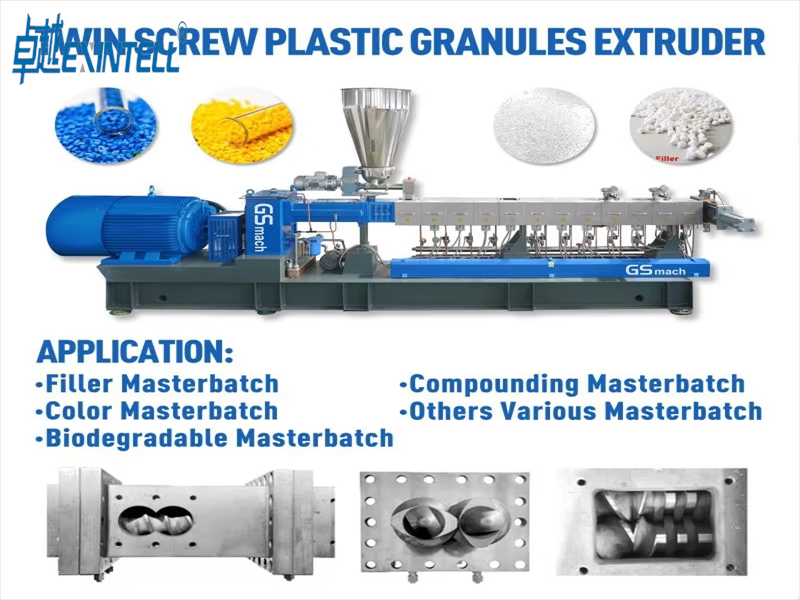
After the plastic melts, you push it through an extruder. The extruder mixes and shapes the melted plastic. A screw inside the barrel moves the plastic forward. The plastic goes through a die head and turns into long strands.
Here is a table that shows the main machines used for extrusion and cooling:
Machinery Type
Description
Extruder
Heats and mixes the plastic. It gets the plastic ready for shaping and cutting. It has a feeding system, barrel, screw, die head, and cooling system.
Cooling System
Keeps the shape of the pellets and removes water. This protects the material during pellet making.
The cooling system is very important. You can use water baths or air-cooled beds to cool the strands. The cooling module has a housing, water supply, and discharge system. Cooling stops the strands from sticking together or changing shape. After this, you get strong and even pellets.
Pelletizing and Collection
You cut the cooled strands into small pellets with a cutting system. The pelletizing machine slices the strands into even pieces. You collect the pellets and dry them to get rid of any water.
You use these pellets to make new products. The pelletizing process helps recycle plastic and makes materials for many industries. The plastic pelletizing machine lets you control the quality and size of the pellets. You make sure the pellets are ready for factories and easy to move.
Tip: If you want better pellets, check the drying and cooling steps closely.
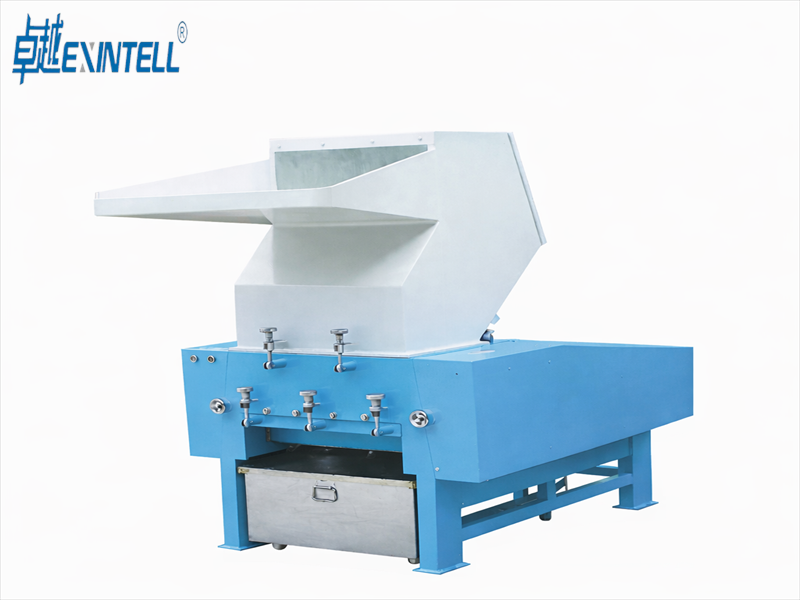
First, crushers or shredders break plastic waste into small pieces. This makes the plastic easier to handle.
Next, washing lines clean the shredded plastic. These machines remove dirt and other things.
You sort the plastic by type and quality. Some factories use machines with sensors for sorting.
The cleaned plastic goes into a drying system. Dry plastic makes better pellets.
You put the dry plastic into a plastic recycling machine, like a twin screw extruder. This machine melts and mixes the plastic well.
The melted plastic goes to a pelletizing machine. Here, you cut the plastic into small, even pellets.
Cooling systems, like water baths or air beds, help the pellets keep their shape. They stop the pellets from sticking together.
Conveyors and other machines move the pellets to storage or packaging.
Note: Each step in recycling helps you get good pellets, even if the plastic waste comes from different places.
Factories check the pellets with quality control. They sort and clean the raw materials. They control color and watch the machines as they work. You can see these steps in many modern recycling plants.
Environmental Benefits
Recycling in plastic pelletizer factories gives you many environmental benefits:
You support companies that want to protect the environment and use resources wisely.
Manufacturers also get economic benefits. Using recycled pellets costs less than buying new resin. It helps companies reach their sustainability goals and shows they care about the planet.
Economic Benefit
Description
Cost Savings
You spend less on materials when you use recycled pellets.
Environmental Advantages
You help reduce plastic waste and support green practices.
Sustainability Alignment
You support long-term goals for a cleaner world.
Tip: When you choose products made from recycled pellets, you help recycling and protect the earth for future generations.
Types of Plastic Pelletizing Systems
Strand Pelletizing
Strand pelletizing is common in plastics factories. This system uses air to cool plastic strands before cutting. You push melted plastic through a die. The strands cool down in the air. Then, knives cut the strands into small, even pellets. The pelletizer has both still and moving knives. The pellets are round and smooth. Special technology keeps the pellets the same size. It also checks the temperature to help make good pellets.
Strand pelletizing is used for making polymers and recycling. It helps make even pellets from melted plastic. This system works with both a plastic pelletizer and a plastic granulator machine.
Used in plastics factories
Makes polymers
Helps with recycling
Underwater Pelletizing
Underwater pelletizing makes very good pellets. The plastic is cut underwater, which keeps everything lined up. This method works with many types of melted plastic. You can control the heat, flow, and pressure easily. The pelletizer can cut in different ways, so you have choices.
You get better pellets, less waste, and faster work. It is easy to use machines for this system. Underwater pelletizing is good for big plastic factories.
Die-Face Pelletizing
Die-face pelletizing works for many plastics. The pellets are cut right at the die face, often with water rings. This system starts fast and does not need much help from workers. It keeps running without the strands breaking. It is easy and cheap to fix.
Factories think about cost and how hard the system is to use. Water ring pelletizing costs more at first, but makes lots of pellets and little dust. Underwater pelletizing costs more and makes more dust.
Pelletizing Technology
Initial Cost
Operational Complexity
Material Flexibility
Strand Pelletizing
Lower
Easy
Works with many
Underwater Pelletizing
Higher
Harder
Works with some
Water-Ring Pelletizing
Higher
Harder
Works with some
Tip: Pick a pelletizer system by looking at the plastic type, how much you want to make, pellet quality, where you work, how easy it is to fix, and cost.
You use a plastic pelletizer that fits your needs. Each system is good for different jobs. Knowing how a plastic pelletizing machine works helps you pick the right one.
You can watch how a plastic pelletizer factory changes plastic waste into useful pellets. This helps recycling and lets you help the environment. These factories are important because they make good materials for new things. The machines in these factories work fast and make less waste. Government laws and help make recycling simpler and better. As more businesses need plastic, these factories will matter more for a cleaner world.
FAQ
What is plastic pelletizing?
Plastic pelletizing changes plastic into small pellets. You can use raw or recycled plastic for this. The process makes it easier to move and reuse plastic. Pelletizing helps factories work faster. It also helps with recycling.
Why is pelletization important in recycling?
Pelletization turns old plastic into new pellets. You can use these pellets to make new things. This helps keep plastic in use and cuts down on waste. It also helps stop plastic pollution.
How does a plastic pelletizer factory support a closed-loop recycling process?
A plastic pelletizer factory helps recycling go in a loop. The factory takes waste plastic and cleans it. Then, it makes the plastic into pellets. These pellets can be used again and again. This keeps plastic out of landfills.
What types of plastic can you use in pelletizing technology?
You can use many plastics in pelletizing technology. Some common types are polyethylene, polypropylene, and PET. Using different plastics helps recycle more and make less waste.
How does plastic pelletizing help the environment?
Plastic pelletizing helps by making less waste. It saves energy and uses less new plastic. This process lowers pollution and helps nature stay clean.