

Nhà sản xuất chi phí máy đùn trục vít đôi: Hướng dẫn giao dịch và tìm nguồn cung ứng B2B dứt khoát dành cho người mua
Chi phí máy đùn trục vít đôi là một trong những yếu tố quan trọng nhất đối với người mua B2B khi điều hướng thị trường thiết bị xử lý polyme và nhựa toàn cầu ở. Cho dù bạn là người pha chế ở Đức, một nhà chế biến thực phẩm ở Ohio, hoặc một nhà sản xuất dược phẩm ở Hà Lan, hiểu cách các nhà sản xuất máy đùn trục vít đôi định giá máy của họ — và chính sách thương mại định hình những chi phí đó như thế nào — có thể có nghĩa là sự khác biệt giữa một khoản đầu tư vốn có lợi nhuận và một bước đi sai lầm tốn kém. Hướng dẫn toàn diện này xem xét cấu trúc giá từ các nhà sản xuất máy đùn trục vít đôi hàng đầu, nhà cung cấp, và các nhà máy trên toàn thế giới, phân tích bối cảnh thương mại hiện tại, and provides actionable sourcing strategies for wholesale and OEM buyers.
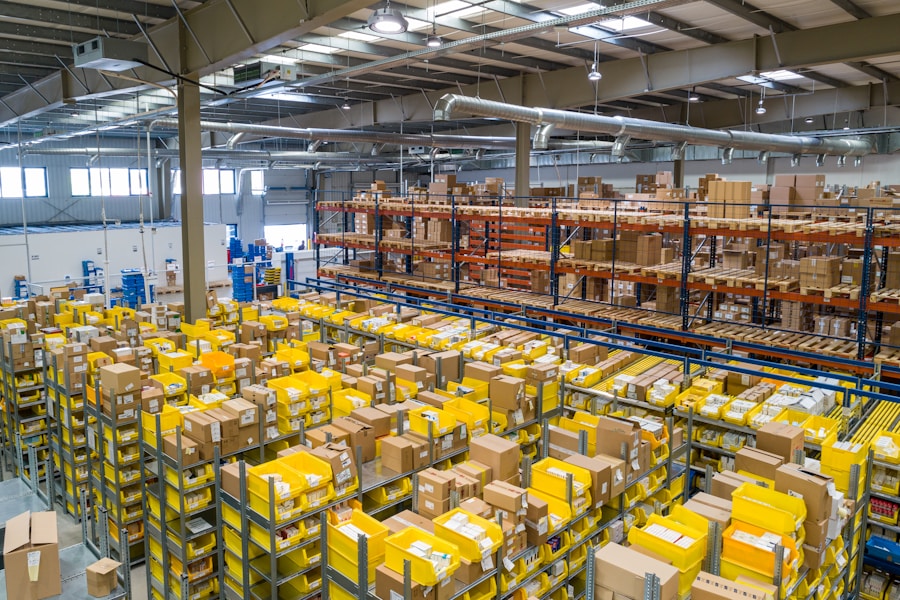
Cơ sở sản xuất công nghiệp với máy móc hạng nặng đại diện cho môi trường sản xuất máy đùn trục vít đôi
Understanding Twin Screw Extruder Cost: Key Pricing Factors in
The cost of a twin screw extruder varies dramatically based on specifications, manufacturer origin, and intended application. TRONG, B2B buyers can expect the following general price ranges:
- Laboratory/small-scale twin screw extruders (16–27 mm): $15,000–$80,000
- Mid-range production extruders (35–62 mm): $80,000–$350,000
- Large industrial twin screw extruders (65–135 mm): $300,000–$1,500,000+
- High-end co-rotating twin screw systems with downstream equipment: $500,000–$3,000,000+
Several factors drive these costs:
- Đường kính trục vít và tỷ lệ L/D: Larger diameters and higher length-to-diameter ratios increase material and machining costs. MỘT 92 mm extruder with 48:1 L/D will cost significantly more than a 52 mm unit with 36:1 L/D.
- Metallurgy and wear resistance: Screws and barrels made from tool steels (ví dụ., CPM-9V, Stellite-coated) or with tungsten carbide liners add 15–40% to base cost compared to nitrided steel options.
- Torque density and drive system: High-torque gearboxes rated at 11.3 Nm/cm³ or above — standard on premium European machines — represent a major cost component. Servo-driven systems cost more than AC vector drives.
- Control systems and automation: PLC/HMI packages from Siemens or Allen-Bradley, với ngành 4.0 kết nối (OPC-UA, IoT dashboards), can add $30,000–$150,000.
- Country of manufacture: German and Italian manufacturers (đồng hành, Leistritz, Maris) typically price 40–100% higher than Chinese manufacturers (Nam Kinh Jieya, Nam Kinh Chuangbo, Guangdong Lanson) for comparable specifications, reflecting differences in engineering precision, hỗ trợ sau bán hàng, and brand positioning.
According to data compiled from industry trade platforms and manufacturer catalogs reviewed in April–Có thể, Máy đùn trục vít đôi có nguồn gốc từ Trung Quốc đã thu hẹp khoảng cách chất lượng đáng kể ở phân khúc tầm trung, khiến chúng ngày càng cạnh tranh hơn đối với những người mua ở Mỹ và EU đang tìm kiếm giá trị mà không phải hy sinh hiệu suất cốt lõi (Máy móc nhựa & Chế tạo).
Bối cảnh sản xuất máy đùn trục vít đôi toàn cầu
Thị trường máy đùn trục vít đôi được phục vụ bởi các nhà sản xuất trên ba khu vực chính, mỗi loại có đề xuất giá trị riêng biệt cho người mua B2B:
Nhà sản xuất Châu Âu
Châu Âu vẫn là trung tâm lịch sử của sự đổi mới máy đùn trục vít đôi. Những người chơi chính bao gồm:
- đồng hành (Stuttgart, nước Đức): Dòng ZSK được coi là tiêu chuẩn công nghiệp cho máy đùn trục vít đôi đồng trục. Giá cao cấp phản ánh hàng thập kỷ của R&D và mạng lưới dịch vụ toàn cầu.
- Leistritz (Nürnberg, nước Đức): Được biết đến với các ứng dụng dược phẩm và masterbatch, with strong US presence through Leistritz Extrusion in Somerville, NJ.
- Maris (Turin, Ý): Specializes in high-torque, energy-efficient designs popular in compounding and reactive extrusion.
- Bühler (Uzwil, Thụy Sĩ): Dominant in food extrusion twin screw systems.
Chinese Manufacturers
China has become the world's largest producer of twin screw Strand Cut Plastic Extrusion extruders by volume. Notable manufacturers include:
- Nanjing Jieya Extrusion Equipment Co., Ltd.: Offers a full range from 20 mm lab extruders to 135 dây chuyền sản xuất mm, with FOB pricing 50–65% dưới mức tương đương của châu Âu.
- Nanjing Chuangbo Machinery Co., Ltd.: Focuses on compounding lines with integrated pelletizing systems.
- Guangdong Lanson Machine Co., Ltd.: Competitive in the food and pet food extrusion segment.
- Nanjing KY Chemical Machinery Co., Ltd.: Known for reactive extrusion and devolatilization applications.
North American Manufacturers and Integrators
- CPM Extrusion Group (trước đây là đùn thế kỷ): Nhà sản xuất có trụ sở tại Hoa Kỳ với nền tảng vững chắc về hỗn hợp nhựa.
- Chưa (Liban, HOẶC): Một trong số ít nhà sản xuất máy đùn trục vít đôi có trụ sở tại Hoa Kỳ, sản xuất máy đồng trục với linh kiện có nguồn gốc trong nước.
- JSW (Nhà máy thép Nhật Bản) — hoạt động của Mỹ: Kỹ thuật chính xác của Nhật Bản với hoạt động bán hàng và dịch vụ ở Bắc Mỹ.
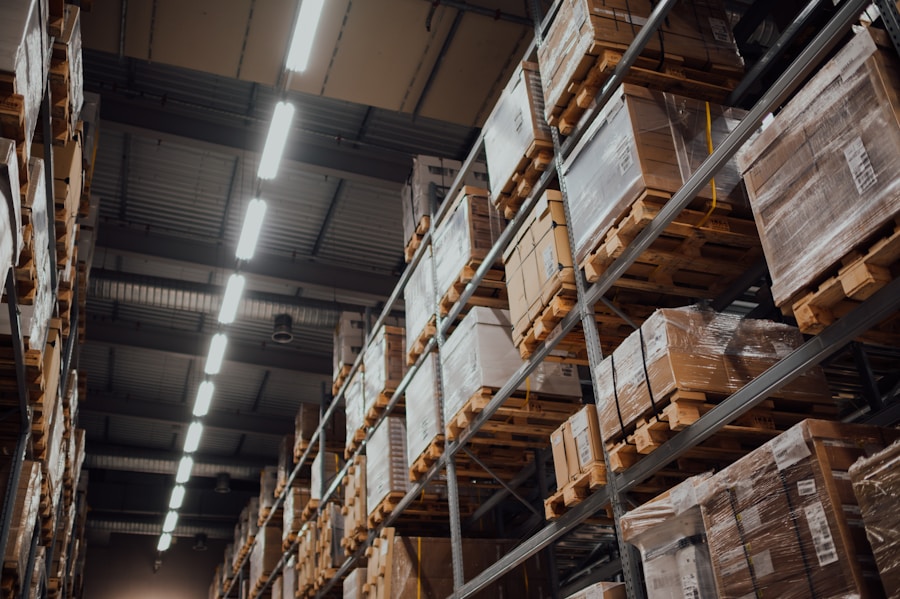
Các container chở hàng tại một cảng vận chuyển quốc tế lớn đại diện cho dịch vụ hậu cần thương mại B2B toàn cầu cho thiết bị công nghiệp
Chính sách thương mại và tác động của nó đối với việc tìm nguồn cung ứng máy đùn trục vít đôi
Mối quan hệ thương mại xuyên Đại Tây Dương ảnh hưởng trực tiếp đến cách người mua Mỹ và EU tìm kiếm nguồn vít đôi Máy đùn Mod máy đùn, đặc biệt khi xem xét mua sắm xuyên biên giới hoặc nhập khẩu từ nước thứ ba.
Môi trường thuế quan hiện tại ()
Tính đến tháng 5, bối cảnh chính sách thương mại ảnh hưởng đến nhập khẩu máy móc công nghiệp bao gồm một số diễn biến chính:
- Phần Hoa Kỳ 301 tariffs on Chinese goods: Twin screw extruders imported from China into the US face tariffs of 25% under HTS codes 8477.20 (máy đùn) and related subheadings. The Biden-era tariff structure has been maintained and in some categories expanded under the current administration, with industrial machinery remaining in the 25% bracket (Quản lý thương mại quốc tế).
- EU anti-dumping measures: The European Commission has maintained vigilance on underpriced Chinese industrial equipment, though twin screw extruders specifically have not been subject to formal anti-dumping duties as of Q2. Tuy nhiên, the EU Carbon Border Adjustment Mechanism (CBAM), bước vào giai đoạn chuyển tiếp, may indirectly affect pricing for energy-intensive manufactured goods (Ủy ban Châu Âu — Trade).
- Hội đồng Thương mại và Công nghệ (TTC): The TTC has continued discussions on harmonizing standards for industrial equipment, which could simplify CE/UL dual-certification requirements for extruders sold in both markets.
- Steel and aluminum tariffs: Phần 232 tariffs on steel (25%) and aluminum (10%) affect the raw material costs for US-based extruder manufacturers and increase the cost of domestically produced machines, paradoxically making some imported complete systems more cost-competitive despite their own tariff burden.
Dành cho người mua B2B, the practical implication is clear: a Chinese-manufactured twin screw extruder priced at $200,000 FOB Shanghai will land in the US at approximately $250,000–$270,000 after tariffs, vận chuyển hàng hóa, and customs processing. The same machine imported into the EU may land at €195,000–€220,000, reflecting lower tariff exposure but higher freight costs to European ports (Tạp chí Thương mại).
Hiệp định thương mại tự do và tiếp cận ưu đãi
The relationship lacks a comprehensive free trade agreement (các cuộc đàm phán TTIP đã bị đình trệ nhiều năm trước), nghĩa là tối huệ quốc (MFN) áp dụng thuế suất. Đối với máy đùn trục vít đôi:
- Thuế MFN của Hoa Kỳ đối với máy đùn từ EU: 3.1% (HTS 8477.20.00)
- Thuế MFN của EU đối với máy đùn từ Mỹ: 2.7% (mã CN 8477 20 00)
Các mức thuế quan tương đối thấp này giúp cho việc buôn bán trực tiếp máy đùn trục vít đôi đạt hiệu quả kinh tế cao hơn so với việc tìm nguồn cung ứng từ các nguồn gốc chịu gánh nặng thuế quan.. Một chiếc Coperion ZSK được vận chuyển từ Stuttgart đến Houston chỉ có khuôn mặt 3.1% nhiệm vụ, trong khi máy Entek được vận chuyển từ Oregon đến Rotterdam phải đối mặt 2.7% — không đáng kể so với 25% áp dụng cho thiết bị có xuất xứ Trung Quốc vào Mỹ.

Các chuyên gia kinh doanh xem xét các tài liệu và hợp đồng thương mại trong môi trường văn phòng hiện đại đại diện cho các cuộc đàm phán mua sắm B2B
Cơ hội giao dịch B2B trên thị trường máy đùn trục vít đôi
Một số xu hướng hội tụ đang tạo ra cơ hội đáng kể cho người mua và người bán B2B máy đùn trục vít đôi trong hành lang:
1. Nhu cầu hướng tới sự bền vững
Thỏa thuận xanh của EU và Đạo luật giảm lạm phát của Hoa Kỳ đều thúc đẩy đầu tư vào cơ sở hạ tầng tái chế. Máy đùn trục vít đôi rất cần thiết cho:
- Tái chế cơ học nhựa sau tiêu dùng (PCR tổng hợp)
- Chuẩn bị nguyên liệu tái chế hóa học
- Hợp chất polymer dựa trên sinh học (PLA, PHA, hỗn hợp tinh bột)
- Tái chế nhựa đại dương và hậu công nghiệp
Máy xay sinh tố đùn Ort Hiệp ước Nhựa Châu Âu và các quy định cấp tiểu bang tương tự của Hoa Kỳ (California SB 54, Oregon's Plastic Pollution and Recycling Modernization Act) đang tạo ra làn sóng chi vốn Cảnh báo tay của Imt Material trong dây chuyền tổng hợp và tái chế, với máy đùn trục vít đôi ở lõi (Hiệp ước Nhựa Châu Âu).
2. Reshoring và Near-Shoring
Cả các nhà sản xuất của Mỹ và EU đều đang đa dạng hóa chuỗi cung ứng để thoát khỏi sự phụ thuộc vào một nguồn duy nhất ở châu Á. Đây là lái xe:
- Các cơ sở sản xuất phức hợp mới ở Đông Nam và Trung Tây Hoa Kỳ
- Mở rộng sản xuất masterbatch ở Ba Lan, Cộng hòa Séc, và Tây Ban Nha
- Nhu cầu ngày càng tăng đối với máy đùn trục vít đôi tầm trung giúp cân bằng giữa chi phí và hiệu suất
3. Tăng trưởng chế biến dược phẩm và thực phẩm
Đùn trục vít đôi ngày càng được áp dụng cho:
- Đùn nóng chảy (HME) trong sản xuất dược phẩm — một thị trường dự kiến sẽ tăng trưởng ở mức 8.2% CAGR thông qua 2028 (Nghiên cứu Grand View)
- Tạo kết cấu protein từ thực vật bằng cách ép đùn độ ẩm cao
- Mở rộng sản xuất thực phẩm ăn nhẹ và ngũ cốc ở cả thị trường Mỹ và EU
4. Ngành công nghiệp 4.0 Tích hợp
Nhà sản xuất đùn nhựa Người mua ngày càng có nhu cầu về máy đùn trục vít đôi với: Máy đùn nóng
- Công nghệ phân tích quy trình thời gian thực (PAT)
- Bảo trì dự đoán thông qua cảm biến rung và nhiệt độ
- Cloud-connected dashboards for multi-site production monitoring
- Digital twin capabilities for process optimization
This trend favors manufacturers who invest in software and connectivity — an area where European manufacturers currently lead, though Chinese suppliers are rapidly closing the gap.
Những thách thức trong việc mua sắm máy đùn trục vít đôi xuyên biên giới
Bất chấp những cơ hội, B2B buyers face several challenges:
- Căn chỉnh thông số kỹ thuật: US buyers accustomed to NEMA electrical standards must ensure European machines are supplied with UL-listed components, or budget for conversion. Tương tự, EU buyers importing US machines need CE conformity documentation.
- After-sales service and spare parts: A twin screw extruder is a 15–25 year capital asset. Buyers must evaluate the manufacturer's service network in their region. A low-cost machine from a manufacturer without local service capability can become extremely expensive when a gearbox fails or screw elements need replacement.
- Currency fluctuation: The EUR/USD exchange rate directly impacts cross-border procurement economics. The rate has fluctuated between 1.03 Và 1.12 trong quá khứ 12 tháng, representing a potential 8–9% cost swing on a €500,000 máy móc.
- thời gian dẫn: Post-pandemic supply chain normalization has improved lead times, but premium European manufacturers still quote 6–10 months for custom configurations, while Chinese manufacturers typically offer 3–5 tháng.
- Mối lo ngại về sở hữu trí tuệ: Some Chinese manufacturers have faced allegations of reverse-engineering European screw element designs. B2B buyers should conduct due diligence on patent compliance, particularly for specialized mixing and kneading elements.
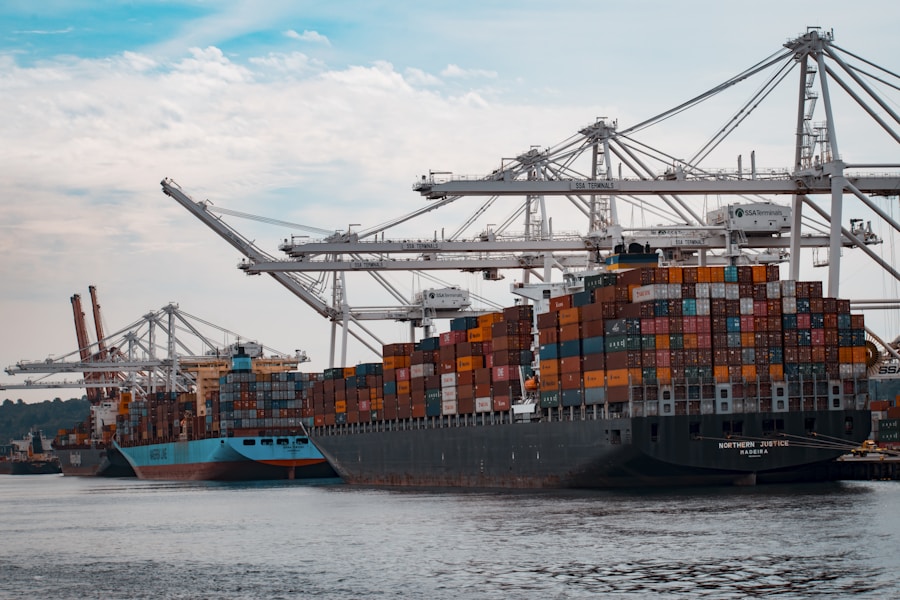
International shipping containers being loaded at a commercial port representing cross-border industrial equipment logistics
Geographic and Policy Advantages for B2B Extruder Trade
The trade corridor offers structural advantages that benefit twin screw extruder buyers and sellers: Draftsight Extrude Doesn& 39
Cơ sở hạ tầng hậu cần
The transatlantic shipping route is among the world's most efficient. Các cảng chính — Rotterdam, Hamburg, Antwerp-Bruges in Europe; Houston, Savannah, Newark in the US — offer frequent RoRo and container services with transit times of 10–16 ngày. Heavy machinery like twin screw extruders (typically 5,000–25,000 kg crated) benefits from established breakbulk and project cargo services on this route.
Sự công nhận lẫn nhau theo quy định
While full mutual recognition of industrial equipment standards does not exist, Hiệp định thừa nhận lẫn nhau (MRA) on conformity assessment covers certain product categories, and the practical overlap between CE Machinery Directive (2006/42/EC) and US OSHA/ANSI requirements means that manufacturers designing for one market can often achieve compliance in the other with incremental modifications rather than complete redesigns.
Cơ sở hạ tầng tài chính
transactions benefit from:
- Mature trade finance instruments (thư tín dụng, cơ quan tín dụng xuất khẩu được hỗ trợ từ Ex-Im Bank và Euler Hermes)
- Stable legal frameworks for contract enforcement (New York Convention, ICC arbitration)
- Established leasing and equipment financing options from specialized lenders (ví dụ., Stryker Finance, DLL Group)
Case Studies Twin Screw Extruder Sourcing in Practice
Nghiên cứu điển hình 1: US Compounder Sources from German Manufacturer
A mid-sized plastics compounder based in Tennessee needed to expand capacity for engineering thermoplastic compounds (PA6/GF, PBT, PC/ABS). After evaluating options from three Chinese manufacturers and two European suppliers, they selected a Leistritz ZSE 60 MAXX co-rotating twin screw extruder.
Key decision factors:
- Leistritz's US-based service center in New Jersey provided 24-hour spare parts availability
- các 18:1 torque density enabled processing of high-glass-fiber compounds without derating
- Total cost including installation, vận hành thử, and training: khoảng $620,000
- các 3.1% import duty added only ~$19,000 to the landed cost
- ROI was projected at 2.8 years based on increased throughput and reduced scrap rates
The company reported that while Chinese alternatives were quoted at 45–55% lower upfront cost, the total cost of ownership analysis over 10 năm — factoring in energy efficiency, chi phí bảo trì, and expected uptime — favored the German machine by approximately 12% (Công nghệ nhựa).
Nghiên cứu điển hình 2: European Recycler Sources from Chinese Factory
Một công ty khởi nghiệp tái chế nhựa ở Hà Lan cần nhiều dây chuyền máy đùn trục vít đôi để trộn nhựa HDPE và PP sau tiêu dùng. Với ngân sách vốn hạn chế và nhu cầu về bốn đường song song, họ có nguồn gốc từ một nhà sản xuất có trụ sở tại Nam Kinh.
Key decision factors:
- Bốn hoàn thành 65 dây chuyền trộn trục vít đôi mm (máy đùn + máy tạo hạt sợi + phụ trợ) đã được mua với giá khoảng €780,000 tổng cộng — ít hơn chi phí của hai dòng châu Âu tương đương
- Thuế MFN của EU đối với máy đùn Trung Quốc: 2.7%, thêm chi phí tối thiểu
- Công ty đã thuê một công ty kiểm tra bên thứ ba (SGS) tiến hành kiểm tra trước khi giao hàng tại Nam Kinh
- Commissioning was supported by the manufacturer's traveling engineers, với bảo hành 12 tháng
- Công ty khởi nghiệp chấp nhận đánh đổi chi phí bảo trì có thể cao hơn để đổi lấy việc triển khai vốn nhanh hơn
Nghiên cứu điển hình 3: Công ty dược phẩm Nguồn kép
CDMO dược phẩm có trụ sở tại Hoa Kỳ (contract development and manufacturing organization) adopted a dual-sourcing strategy for hot-melt extrusion equipment:
- A Thermo Fisher Process 16 twin screw extruder for R&D and clinical-scale production (~$95,000)
- A Coperion ZSK 26 Mc18 for commercial-scale production (~$450,000)
Both machines were sourced from European manufacturers with FDA-compliant documentation packages, 21 Phần CFR 11 compatible control systems, and full IQ/OQ/PQ validation support. The premium pricing was justified by regulatory requirements that made lower-cost alternatives impractical for GMP pharmaceutical manufacturing. Vật liệu đùn
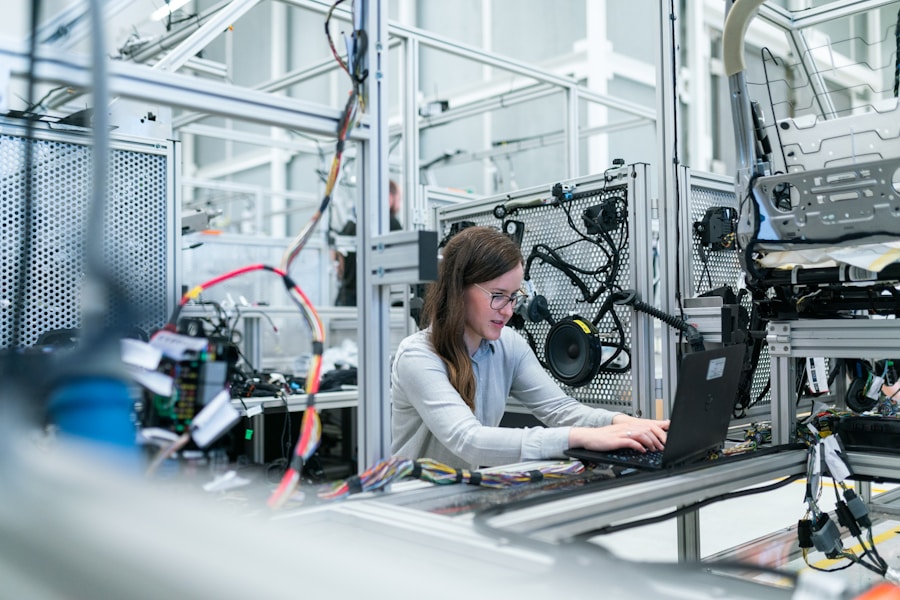
Advanced industrial technology and automation systems representing modern twin screw extruder manufacturing capabilities
Twin Screw Extruder Cost Comparison: Manufacturer vs. Supplier vs. Factory Direct
B2B buyers often encounter twin screw extruders through different channel types, mỗi cái có ý nghĩa chi phí riêng biệt:
| Kênh | Đánh dấu điển hình trên nhà máy | Thuận lợi | Nhược điểm |
|---|---|---|---|
| Trực tiếp từ Nhà sản xuất | Đường cơ sở (0%) | Giá tốt nhất, hỗ trợ kỹ thuật trực tiếp, tùy biến | Có thể yêu cầu đặt hàng tối thiểu, đàm phán lâu hơn |
| Nhà phân phối/Nhà cung cấp được ủy quyền | 10–25% | Chứng khoán địa phương, giao hàng nhanh hơn, dịch vụ đi kèm | Chi phí cao hơn, tùy chỉnh hạn chế |
| Công ty Thương mại/Bán buôn | 5–15% | Truy cập đa thương hiệu, vận chuyển hợp nhất | Ít chuyên môn kỹ thuật hơn, biến chứng bảo hành |
| Nền tảng B2B trực tuyến (Alibaba, Sản xuất tại Trung Quốc) | Biến (0–20%) | Dễ dàng so sánh, đảm bảo thương mại | Những thách thức xác minh chất lượng, khoảng cách giao tiếp |
Đối với thiết bị có giá trị vốn cao như máy đùn trục vít đôi, sự tham gia trực tiếp của nhà sản xuất được khuyến khích mạnh mẽ. Lợi ích tiết kiệm chi phí và điều chỉnh kỹ thuật thường lớn hơn sự tiện lợi của các kênh trung gian.
Chiến lược mua sắm số lượng lớn và bán buôn
Dành cho người mua yêu cầu nhiều hệ thống máy đùn trục vít đôi — common in recycling operations, large compounders, and food processing groups — wholesale procurement strategies can yield significant savings:
- Volume discounts: Most manufacturers offer 5–15% discounts on orders of 3+ đơn vị, with deeper discounts for standardized configurations.
- Frame agreements: Multi-year procurement agreements with scheduled deliveries can lock in pricing and priority production slots.
- Spare parts bundling: Negotiating a 2-year spare parts package at the time of machine purchase typically saves 20–30% versus ordering parts individually later.
- Group purchasing: Industry associations and buying cooperatives (common in the European recycling sector) aggregate demand to negotiate better terms.
Forecasting Twin Screw Extruder Trade Trends: Tháng sáu–Tháng tám
Dựa trên các chỉ số thị trường hiện tại, sự phát triển chính sách, và tín hiệu ngành, the following trends are expected to shape the twin screw extruder market over the next 1–2 tháng:
Áp lực định giá từ chi phí nguyên liệu thô
Giá thép tại cả Mỹ và EU đều có dấu hiệu tăng trong Q1–Q2, được thúc đẩy bởi chi tiêu cơ sở hạ tầng và mua sắm quốc phòng. Các nhà sản xuất máy đùn trục vít đôi dự kiến sẽ thực hiện 3–5% tăng giá đối với các đơn hàng mới đặt sau tháng 7. Người mua có nhu cầu ngắn hạn nên cân nhắc việc đẩy nhanh các quyết định mua hàng để chốt mức giá hiện tại.
Phát triển chính sách thương mại
Máy đùn ăn sợi Đại diện Thương mại Hoa Kỳ (USTR) đang tiến hành xem xét phần 301 miễn trừ thuế quan đã hết hạn vào 2024. Có hoạt động vận động hành lang trong ngành để khôi phục loại trừ đối với một số danh mục máy móc công nghiệp, có thể giảm mức thuế hiệu lực đối với máy đùn trục vít đôi có nguồn gốc từ Trung Quốc từ 25% ĐẾN 7.5% nếu thành công. Quyết định dự kiến sẽ được đưa ra vào cuối quý 3 (Văn phòng Đại diện Thương mại Hoa Kỳ).
Hiệu quả thực hiện CBAM của EU
Khi Cơ chế Điều chỉnh Biên giới Carbon của EU tiến tới thực hiện đầy đủ, nhà sản xuất thiết bị sử dụng nhiều năng lượng (bao gồm cả máy móc nặng bằng thép như máy đùn) từ các nước Nhà sản xuất máy đùn trục vít đôi không có giá carbon tương đương có thể phải đối mặt với chi phí bổ sung. Điều này có thể dần dần hỗ trợ việc mua sắm trong nội bộ EU hoặc tìm nguồn cung ứng từ các quốc gia có cơ chế định giá carbon. Nhà sản xuất máy đùn tái chế
Hội tụ công nghệ
Triển lãm nhựa NPE2024 (được tổ chức ở Orlando, Có thể 2024) giới thiệu một số nhà sản xuất Trung Quốc với nền tảng máy đùn trục vít đôi được nâng cấp đáng kể có bộ truyền động servo, hệ thống HMI tiên tiến, và luyện kim cải tiến. Những tác động của sự hội tụ công nghệ này hiện đang được cảm nhận rõ ràng trong các quyết định mua hàng., as buyers who saw these machines firsthand are increasingly willing to consider Chinese-origin equipment for applications previously reserved for European machines.
Sustainability Certification Requirements
Screw Extruder Machine Manufacturer EU buyers are increasingly requiring suppliers to provide Environmental Product Declarations (EPD) and carbon footprint data for capital equipment. Twin screw extruder manufacturers who can document the embodied carbon of their machines will have a competitive advantage in EU tenders, particularly for publicly funded recycling infrastructure projects.
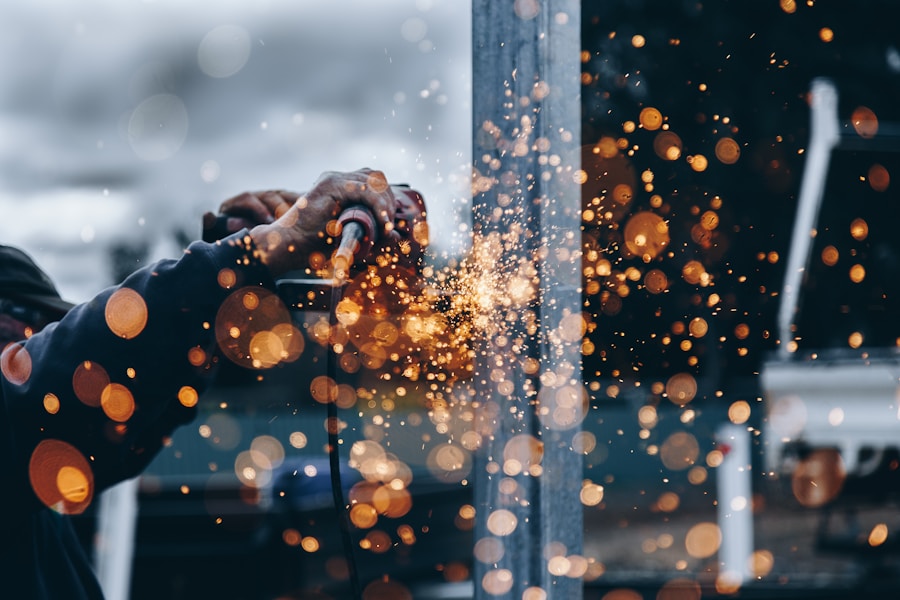
Modern factory production line with automated machinery representing advanced manufacturing and industrial processing
Thiết bị an toàn công nghiệp B2B: Bảo vệ người lao động trong môi trường ép đùn
Hoạt động của máy đùn trục vít đôi đưa ra những thách thức đáng kể về an toàn tại nơi làm việc mà người mua B2B phải giải quyết như một phần trong kế hoạch đầu tư vốn của họ. Môi trường ép đùn liên quan đến nhiệt độ cao (nhiệt độ thùng 150–400°C), máy móc quay nặng, xử lý polyme nóng chảy, và xử lý vật liệu của chất độn và phụ gia mài mòn. An toàn lao động — đặc biệt là bảo vệ bàn chân — là một thành phần quan trọng và thường bị đánh giá thấp trong hoạt động của cơ sở ép đùn.
Tại sao giày dép an toàn lại quan trọng trong cơ sở ép đùn
Trong hoạt động máy đùn trục vít đôi, công nhân phải đối mặt với nhiều nguy cơ chấn thương bàn chân:
- Mối nguy hiểm nghiền nát: Các phần tử vít, phần thùng, và cụm khuôn là các thành phần kim loại nặng (các phần tử vít riêng lẻ nặng 2–15 kg; phần thùng có thể vượt quá 200 kg). Làm rơi những thứ này trong quá trình lắp ráp, BẢO TRÌ, hoặc thay đổi gây ra nguy cơ nghiền nát bàn chân và ngón chân nghiêm trọng.
- Mối nguy hiểm nhiệt: Molten polymer strands, vật liệu thanh lọc nóng, and heated metal surfaces can cause severe burns. Extruder barrel surface temperatures routinely exceed 200°C, and accidental contact with molten polymer (typically 180–320°C) can cause deep tissue burns through standard footwear.
- Tiếp xúc với hóa chất: Phụ gia chế biến, coupling agents, and degradation byproducts can be corrosive or irritating. Spills of liquid additives (ví dụ., peroxides, silane coupling agents) require chemical-resistant footwear.
- Nguy cơ trượt ngã: Sự cố tràn viên, water from strand pelletizing systems, and hydraulic fluid leaks create slippery floor conditions around extruder lines.
- Static discharge: In environments processing flammable dust (ví dụ., wood-plastic composite operations), electrostatic discharge from footwear can create ignition risks.
Tiêu chuẩn giày dép an toàn cho thị trường Mỹ và EU
B2B procurement of safety footwear for extrusion facilities must comply with regional standards:
- CHÚNG TA: ASTM F2413-18 — Standard Specification for Performance Requirements for Protective (Sự an toàn) Toe Cap Footwear. Xếp hạng chính bao gồm I/75 C/75 (khả năng chống va đập và nén), EH (mối nguy hiểm về điện), and SD (tiêu tán tĩnh điện).
- EU: TRONG ISO 20345:2022 — Personal protective equipment — Safety footwear. Classifications include S1 (basic closed seat, hấp thụ năng lượng), S1P (adds penetration resistance), S3 (adds water resistance and outsole penetration protection), and the newer S4/S5 for polymer/rubber boots.
- Composite toe vs. steel toe: Mũ ngón chân composite hiện đại (sợi thủy tinh, sợi carbon, Kevlar) meet the same impact standards as steel while being lighter (40–50% weight reduction) và không dẫn điện — an advantage in environments with electrical hazards or metal detectors.
Selecting Safety Footwear for Extrusion Operations
For B2B buyers equipping extrusion facility workers, the following specifications are recommended:
- Bảo vệ ngón chân: Minimum ASTM I/75 C/75 or EN ISO 20345 Đánh giá S3. Steel or composite toe caps that withstand 200J impact and 15kN compression — sufficient to protect against dropped screw elements and tooling.
- Khả năng chịu nhiệt: Outsoles rated for contact heat resistance up to 300°C (HRO rating under EN ISO 20345). This protects against brief contact with hot surfaces and molten polymer drips.
- Metatarsal guards: For workers handling heavy barrel sections and die assemblies, bảo vệ xương bàn chân (Mt rating) extends impact protection beyond the toe area to the upper foot.
- Chống trượt: SRA (ceramic tile/sodium lauryl sulfate) and SRB (steel/glycerol) rated outsoles, or the combined SRC rating, are essential for wet and contaminated floor conditions around pelletizing systems.
- Kháng hóa chất: Polyurethane or nitrile rubber outsoles resist degradation from common extrusion processing chemicals.
- Đế lót giày chống mỏi: Extrusion operators typically stand for 8–12 ca làm việc theo giờ. Ergonomic insoles with energy-return properties reduce fatigue-related injury risk and improve productivity.
Trường hợp kinh doanh dành cho giày dép an toàn cao cấp trong hoạt động B2B
Investing in high-quality safety footwear delivers measurable ROI for extrusion facility operators:
- Công nhân' compensation cost reduction: Foot and toe injuries account for approximately 10% của tất cả các thương tích tại nơi làm việc trong môi trường sản xuất. The average cost of a foot injury claim in the US exceeds $9,000 in direct costs, với chi phí gián tiếp (mất năng suất, retraining, điều tra OSHA) multiplying this by 3–5x (Cục Thống kê Lao động — Injuries, Bệnh tật, và Tử vong).
- OSHA/EU-OSHA compliance: Both US OSHA (29 CFR 1910.136) and EU Framework Directive 89/391/EEC require employers to provide appropriate PPE, kể cả giày bảo hộ, at no cost to employees. Non-compliance penalties can reach $15,625 per violation (CHÚNG TA) or equivalent fines under national EU member state legislation.
- Employee retention: In the current tight labor market for skilled extrusion operators, providing comfortable, giày bảo hộ lao động chất lượng cao là lợi ích hữu hình giúp duy trì. Các cuộc khảo sát chỉ ra rằng sự thoải mái của PPE nằm trong top đầu 5 các yếu tố ảnh hưởng đến sự hài lòng của công nhân sản xuất.
- Giảm phí bảo hiểm: Cơ sở có chương trình PPE toàn diện, bao gồm cả tài liệu