

Bài học chính
- Đùn nhựa làm nóng chảy nhựa thô và tạo thành một cấu hình liên tục với mặt cắt cố định, điều đó làm cho nó phù hợp với thời gian dài, hoạt động sản xuất số lượng lớn (Nhựa SeaGate, 2024).
- Khi tôi đánh giá một nhà sản xuất profile nhựa, tôi tách ra đùn tùy chỉnh, mang theo khoản đầu tư khuôn và dụng cụ một lần, từ các hình dạng ép đùn có sẵn mà bỏ qua chi phí trả trước đó (Hướng dẫn nhà cung cấp Thomasnet, 2024).
- Lựa chọn vật liệu thúc đẩy mọi thứ xuôi dòng: Tôi kết hợp ứng dụng với loại polymer phù hợp, liệu đó có phải là PVC cho đường ống và hồ sơ không, ABS hoặc polycarbonate cho độ bền va đập, HDPE và LDPE kháng hóa chất, polypropylene cho bản lề sống, acrylic (PMMA) cho rõ ràng, hoặc nylon kỹ thuật (PA) và PEEK cho các bộ phận đòi hỏi khắt khe.
- PVC là một trong những loại nhựa được ép đùn rộng rãi nhất trên toàn cầu, phổ biến trên các hồ sơ, đường ống, và ống, đó là lý do tại sao nhiều nhà cung cấp liệt kê nó như một khả năng mặc định (Hiệp hội ngành nhựa, 2023).
- Dung sai ép đùn lỏng hơn so với ép phun do vật liệu co ngót và tạo hình liên tục, vì vậy tôi lập kế hoạch dung sai sớm thay vì giả định độ chính xác của bộ phận đúc (Protolabs, 2023).
- Tôi xử lý ISO 9001 như một tín hiệu cơ bản của một hệ thống quản lý chất lượng hoàn thiện, không phải là một sự đảm bảo, và ghép nó với một danh sách kiểm tra kiểm tra cụ thể bao gồm khả năng, khả năng đồng đùn, và thời gian dẫn (ISO, 2015).
- Đối với mục đích vị trí, tìm nguồn cung ứng từ một nhà sản xuất nhựa trong nước có thể giảm tổng chi phí bằng cách cắt giảm cước vận chuyển, nhiệm vụ, và chi phí vận chuyển hàng tồn kho, một điểm đáng cân nhắc so với đơn giá (Sáng kiến hồi hương, 2023).
- Nhựa nhiệt dẻo dùng trong ép đùn có thể tái chế, và tái sử dụng lại giúp cải thiện hiệu quả sử dụng vật liệu, mà tôi tính đến cả các cuộc trò chuyện về chi phí và tính bền vững (EPA Hoa Kỳ, 2023).
- Tuyên bố như “lớn nhất” hoặc “tốt nhất” nhà máy có ý nghĩa rất nhỏ nếu không có ngữ cảnh, vì vậy tôi đánh giá các nhà cung cấp về chi phí dụng cụ, MOQ, sản xuất quay vòng nhanh, và thay vào đó đã chứng minh được sự hỗ trợ từ nguyên mẫu đến sản xuất.
Các công ty và nhà máy ép đùn nhựa thực sự làm gì
Khi tôi đánh giá một nhà cung cấp cho một khách hàng, Tôi bắt đầu bằng việc làm rõ từ đó là gì “phun ra” thực sự mô tả trên sàn cửa hàng. Đùn nhựa làm nóng chảy vật liệu nhựa thô và tạo thành một cấu hình liên tục với mặt cắt cố định (Nhựa SeaGate, 2024). Câu nói đó mang rất nhiều trọng lượng: quá trình này diễn ra liên tục chứ không phải từng lần một, và hình học được xác định bởi mặt cắt hai chiều chạy dọc theo toàn bộ chiều dài của bộ phận. Đó là lý do tại sao nó rất phù hợp với các hoạt động sản xuất dài và sản xuất số lượng lớn., và nó thực sự là một môn học khác với ép phun hoặc gia công.
Trong thực tế, “đùn nhựa” là động cơ đằng sau ba dòng đầu ra rộng rãi mà tôi thấy được yêu cầu thường xuyên nhất:
- Hồ sơ - các cấu hình nhựa tùy chỉnh có mặt cắt xác định, từ các kênh và viền cạnh đơn giản đến các hình dạng nhiều lumen phức tạp. Đây là lúc quá trình ép đùn và đồng đùn hồ sơ thực sự tỏa sáng.
- Ống - tròn, hình bầu dục, và ống nhiều lumen dùng trong y tế, xử lý chất lỏng, và ứng dụng khí nén, có nguồn gốc từ nhà cung cấp ống nhựa chuyên dụng.
- Tờ giấy - đùn tấm nhựa cho tấm, lót, và vật liệu ép nhiệt, được sản xuất thông qua một khuôn phẳng và chồng cuộn.
Nhà sản xuất, Nhà máy, và nhà phân phối không giống nhau
Người mua thường sử dụng các thuật ngữ này thay thế cho nhau, và điều đó khiến họ tốn thời gian. Đây là cách tôi tách chúng ra:
- MỘT nhà sản xuất hoặc nhà máy sở hữu dây chuyền ép đùn, tự cắt khuôn của nó, và kiểm soát quá trình từ nhựa đến thành phẩm. Đây là người bạn muốn cho công cụ tùy chỉnh, kiểm soát quá trình chặt chẽ, hoặc nhựa kỹ thuật.
- MỘT nhà phân phối hoặc đại lý cổ phiếu và tàu có hình dạng tiêu chuẩn nhưng thường không chạy theo đường dây. Tuyệt vời cho các hình dạng ép đùn và sắp xếp lại nhanh chóng, ít hơn cho công việc tùy chỉnh.
- MỘT người chế tạo có thể mua hồ sơ chứng khoán và máy, mối hàn, hoặc lắp ráp chúng thành sản phẩm dịch vụ chế tạo nhựa thành phẩm.
Khi tôi tìm kiếm Thomasnet, Tôi cố tình lọc, bởi vì những thư mục đó liệt kê và phân loại các nhà sản xuất ép đùn nhựa của Hoa Kỳ theo năng lực và khu vực (Thomasnet, 2024). Bộ lọc khả năng đó là thứ cho bạn biết bạn đang nói chuyện với một nhà sản xuất profile nhựa thực sự hay một người trung gian.
Tại sao người mua tìm kiếm “Nhà máy” Thay vì “Nhà cung cấp”
Theo kinh nghiệm của tôi, sự chuyển hướng về phía “nhà máy” ý định tín hiệu ngôn ngữ. Những người mua muốn có một nguồn có quyền kiểm soát nội bộ đối với thiết kế khuôn và dụng cụ, cuộc trò chuyện MOQ minh bạch, và khả năng mở rộng quy mô từ nguyên mẫu đến sản xuất. Nó cũng phản ánh áp lực hồi hương: tìm nguồn cung ứng trong nước có thể giảm tổng chi phí cập bến bằng cách giảm cước vận chuyển, nhiệm vụ, và chi phí vận chuyển hàng tồn kho (Sáng kiến hồi hương, 2023), và ngành nhựa của Hoa Kỳ vẫn đóng góp lớn vào xuất khẩu sản xuất trong nước và việc làm (Hiệp hội ngành nhựa, 2023). Tìm nhà sản xuất nhựa trong nước, thay vì một nhà cung cấp chung chung, thường là một quyết định có chủ ý về rủi ro và chi phí.
Quy trình ép đùn nhựa hoạt động như thế nào, Từng bước một

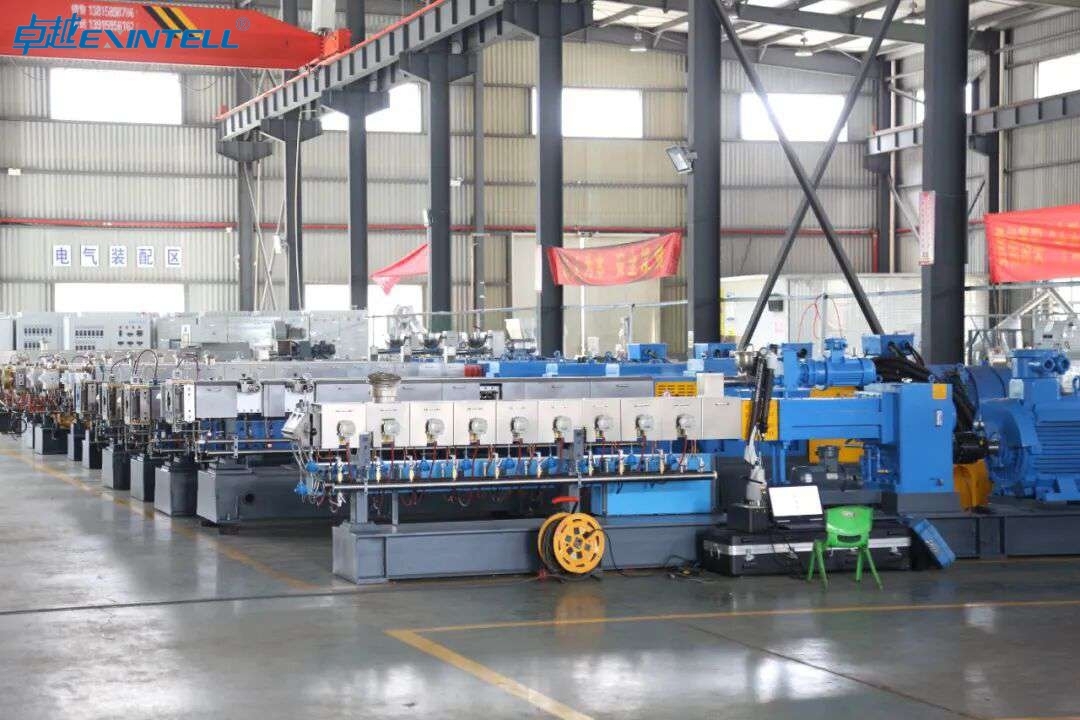
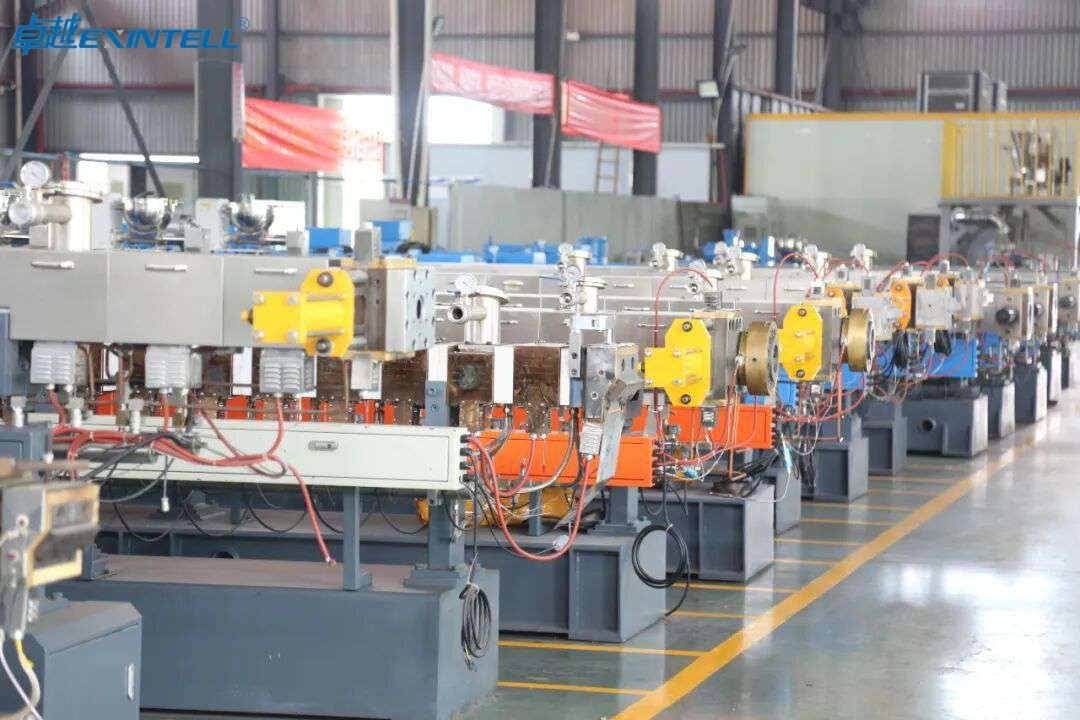
Hiểu cơ chế giúp bạn đặt câu hỏi tốt hơn và đọc báo giá chính xác. Nhà sản xuất máy đùn trục vít đôi Tôi hướng dẫn khách hàng qua năm giai đoạn của quy trình ép đùn liên tục.
1. Cho ăn nguyên liệu thô và nấu chảy trong thùng
Viên nhựa nhiệt dẻo - thường là PVC, ABS, HDPE, LDPE, hoặc polypropylen - cho vào phễu và thả vào thùng được làm nóng bằng vít quay. Sự kết hợp giữa bộ gia nhiệt thùng và máy cắt trục vít làm nóng chảy nhựa thành dòng nóng chảy đồng nhất. Lựa chọn vật liệu quan trọng ở đây: PVC là một trong những loại nhựa được ép đùn rộng rãi nhất trên toàn cầu, thường được sử dụng trong hồ sơ, đường ống, và ống (Hiệp hội ngành nhựa), trong khi polycarbonate, acrylic (PMMA), nylon (PA), và PEEK phục vụ những yêu cầu khắt khe hơn, ứng dụng cấp kỹ thuật. Bột nghiền lại tái chế thường có thể được trộn lại vào, và nhựa nhiệt dẻo dùng trong ép đùn có thể tái chế được, vì vậy việc tái sử dụng lại sẽ cải thiện hiệu quả sử dụng vật liệu (EPA Hoa Kỳ, 2023).
2. Buộc nhựa nóng chảy thông qua khuôn tùy chỉnh
Sự tan chảy được đẩy qua một khuôn xác định mặt cắt ngang. Đây là trọng tâm của quy trình và là lý do khiến công việc tùy chỉnh mang lại chi phí dụng cụ. Thiết lập đồng đùn sử dụng nhiều máy đùn cấp một khuôn duy nhất, cho phép bạn kết hợp các vật liệu - một chất nền cứng với viền TPE/TPU mềm, Ví dụ, hoặc lớp nắp màu trên lõi có chi phí thấp hơn.
3. làm mát, Định cỡ, và cất cánh liên tục
Để lại xúc xắc, biên dạng mềm đi qua hệ thống làm mát và định cỡ - thường là bể nước hoặc bể định cỡ chân không - khóa kích thước. cất cánh (người kéo) vẽ hồ sơ ở tốc độ được kiểm soát. Bởi vì chi tiết được hình thành liên tục và vật liệu co lại khi nguội đi, Dung sai ép đùn thường lỏng hơn so với ép phun (Protolabs, 2023). Tôi đặt kỳ vọng đó sớm để khách hàng xác định dung sai thực tế thay vì trả tiền cho độ chính xác mà quy trình không thể đảm bảo về mặt kinh tế.
4. Cắt theo chiều dài và chế tạo thứ cấp
Một cái cưa hoặc một con dao thẳng hàng cắt đầu ra liên tục theo chiều dài. Từ đó, hoạt động thứ cấp - khoan, đấm, vết khía, in ấn, hoặc lắp ráp - biến các bộ phận nhựa ép đùn thành các bộ phận hoàn thiện. Đây là cầu nối giữa hồ sơ thô và sản phẩm có thể sử dụng được, và đó là nơi sản xuất quay vòng nhanh chóng được thắng hoặc thua.
Đùn nhựa tùy chỉnh và có sẵn: Bạn cần cái nào?
Đây là quyết định tôi được hỏi nhiều nhất, và câu trả lời trung thực là: nó phụ thuộc vào khối lượng, hình học, và dòng thời gian. Hãy để tôi chia nhỏ từng con đường.
Khi hồ sơ hàng có sẵn là lựa chọn phù hợp
Hình dạng ép đùn - thanh tiêu chuẩn, ống, kênh, góc, và tấm - tránh hoàn toàn chi phí dụng cụ và vận chuyển nhanh chóng. Nếu hồ sơ danh mục phù hợp với ứng dụng của bạn trong phạm vi chấp nhận được, mua cổ phiếu hầu như luôn rẻ hơn, tuyến đường nhanh hơn. Tôi hướng dẫn khách hàng đến đây để lấy nguyên mẫu, khối lượng thấp, và bất kỳ phần nào có mặt cắt tiêu chuẩn thực hiện công việc.
Khi công cụ và hồ sơ tùy chỉnh được chứng minh hợp lý
Việc ép đùn tùy chỉnh thường yêu cầu đầu tư vào khuôn và dụng cụ một lần, trong khi hồ sơ chứng khoán tránh được chi phí này (hướng dẫn tìm nguồn cung ứng trong ngành). Chi phí khuôn đó là hợp lý khi hình học của bạn là độc quyền, khi một mặt cắt ngang tùy chỉnh loại bỏ việc lắp ráp phía sau, hoặc khi khối lượng hàng năm đủ cao để khấu hao công cụ. Trên một kích thước chạy nhất định, số tiền tiết kiệm được trên mỗi foot của một khuôn được chế tạo có mục đích lớn hơn số tiền chi trả trước.
Phương pháp tiếp cận kết hợp: Hồ sơ tiêu chuẩn, Bộ phận tùy chỉnh
Con đường giữa yêu thích của tôi thường bị bỏ qua. Các cấu hình và ống ép đùn tiêu chuẩn có thể được chế tạo thành các bộ phận tùy chỉnh tiết kiệm chi phí với thời gian quay vòng nhanh chóng (Nhựa SeaGate, 2024). Bạn bỏ qua việc đầu tư chết, sau đó sử dụng cắt, gia công, và lắp ráp để đạt được sản phẩm tùy chỉnh. Đối với nhiều chương trình có khối lượng trung bình, sự kết hợp này đánh bại cả hàng nguyên bản và hàng tùy chỉnh đầy đủ về tổng chi phí.
So sánh chi phí và thời gian thực hiện
Đây là cách ba cách tiếp cận thường so sánh. Hãy coi đây là phạm vi quy hoạch định hướng, không phải trích dẫn - số liệu thực tế phụ thuộc vào tài liệu, hình học, và khối lượng.
|
Nhân tố |
Hồ sơ chứng khoán |
lai (Tiêu chuẩn chế tạo) |
Đùn tùy chỉnh đầy đủ |
|---|---|---|---|
|
Chi phí dụng cụ trả trước |
Không có |
Không đến mức thấp (chỉ đồ đạc) |
Đầu tư chết một lần |
|
Thời gian dẫn điển hình |
Ngắn nhất (thường xuyên có hàng) |
Ngắn đến vừa phải |
Dài nhất (xây dựng chết + bài viết đầu tiên) |
|
Đơn hàng tối thiểu (MOQ) |
Thấp |
Thấp đến trung bình |
Cao hơn (khấu hao dụng cụ) |
|
Tính linh hoạt của hình học |
Chỉ hình dạng danh mục |
Hình dáng chuẩn + gia công |
Mặt cắt hoàn toàn được thiết kế riêng |
|
Phù hợp nhất |
nguyên mẫu, âm lượng thấp |
Âm lượng trung bình, tùy biến nhẹ |
Âm lượng lớn, hồ sơ độc quyền |
|
Nhân tố |
Hồ sơ chứng khoán |
lai (Tiêu chuẩn chế tạo) |
Đùn tùy chỉnh đầy đủ |
|---|---|---|---|
|
Chi phí dụng cụ trả trước |
Không có |
Không đến mức thấp (chỉ đồ đạc) |
Đầu tư chết một lần |
|
Thời gian dẫn điển hình |
Ngắn nhất (thường xuyên có hàng) |
Ngắn đến vừa phải |
Dài nhất (xây dựng chết + bài viết đầu tiên) |
|
Đơn hàng tối thiểu (MOQ) |
Thấp |
Thấp đến trung bình |
Cao hơn (khấu hao dụng cụ) |
|
Tính linh hoạt của hình học |
Chỉ hình dạng danh mục |
Hình dáng chuẩn + gia công |
Mặt cắt hoàn toàn được thiết kế riêng |
|
Phù hợp nhất |
nguyên mẫu, âm lượng thấp |
Âm lượng trung bình, tùy biến nhẹ |
Âm lượng lớn, hồ sơ độc quyền |
Dù bạn chọn con đường nào, Tôi khuyên bạn nên xác nhận cửa hàng vận hành hệ thống chất lượng đã được ghi chép - ISO 9001 là tiêu chuẩn được quốc tế công nhận về hệ thống quản lý chất lượng được sử dụng trong toàn bộ hoạt động sản xuất (ISO, 2015) và vẫn là tiêu chuẩn được áp dụng rộng rãi nhất trong lĩnh vực nhựa. Để có cái nhìn thực tế về cách hàng tồn kho và dịch vụ tùy chỉnh đặt cạnh nhau, tôi tìm thấy Nhựa SeaGate’ tổng quan về đùn tùy chỉnh một điểm tham khảo hữu ích.
Các loại sản phẩm và hồ sơ ép đùn nhựa

Khi tôi đánh giá một dự án ép đùn, Tôi bắt đầu với mặt cắt ngang, bởi vì hình dạng của phần hoàn thiện quyết định hầu hết mọi thứ ở phía dưới: thiết kế khuôn, sự lựa chọn vật liệu, và cuối cùng là cái giá bạn sẽ phải trả. Đùn nhựa làm nóng chảy nhựa thô và tạo thành một cấu hình liên tục với mặt cắt cố định (Nhựa SeaGate, 2024). Nguyên tắc duy nhất đó tạo ra một danh mục hình dạng rộng đáng ngạc nhiên, vì vậy việc nhóm chúng theo độ phức tạp và chức năng sẽ giúp ích.
Hồ sơ rắn, Hồ sơ rỗng, và hình học phức tạp
Hồ sơ vững chắc là con ngựa của ngành: que, thanh, viền, và cắt không có khoảng trống bên trong. Chúng là công cụ dễ sử dụng nhất và dễ tha thứ nhất về khả năng chịu đựng, đó là lý do tại sao tôi giới thiệu chúng cho những người mua lần đầu thử nghiệm một thiết kế. Hồ sơ rỗng giới thiệu các kênh nội bộ, và họ yêu cầu những khuôn phức tạp hơn với các trục hoặc chốt để giữ cho khoang mở khi chất tan chảy nguội đi. Hình học phức tạp kết hợp nhiều bức tường, sự cắt ngắn, và chuyển tiếp từ mỏng sang dày trong một mặt cắt ngang, và đây là điểm mà chuyên môn về thiết kế khuôn và dụng cụ tạo nên sự khác biệt giữa một nhà sản xuất profile nhựa có năng lực với một nhà sản xuất bình thường. Theo kinh nghiệm của tôi, độ dày thành không đồng đều là nguyên nhân phổ biến nhất gây cong vênh, vì vậy tôi sớm thúc ép các nhà cung cấp về cách họ lên kế hoạch cân bằng dòng nguyên vật liệu trong toàn bộ hồ sơ.
Đùn ống và nhiều Lumen
Ống là một tập hợp con chuyên dụng của ép đùn rỗng, và nó bao gồm mọi thứ, từ ống một lỗ đơn giản đến thiết kế nhiều lumen với một số kênh song song chạy dọc theo chiều dài của bộ phận. Người mua thiết bị y tế và dụng cụ phân tích dựa vào ép đùn nhiều lumen để vận chuyển chất lỏng, dây điện, và cảm biến thông qua một cấu hình nhỏ gọn. Một nhà cung cấp ống nhựa đáng tin cậy sẽ có độ đồng tâm chặt chẽ và dung sai đường kính trong, mặc dù tôi luôn nhắc nhở khách hàng rằng dung sai ép đùn thường lỏng hơn so với ép phun vì vật liệu co ngót và tạo hình liên tục (Tài nguyên thiết kế Protolabs, 2023). Lập kế hoạch phù hợp và giải phóng mặt bằng của bạn xung quanh thực tế đó thay vì chống lại nó.
Hồ sơ đồng đùn và đa vật liệu
Đồng đùn chạy hai hoặc nhiều loại nhựa thông qua một khuôn chung để tạo ra một cấu hình duy nhất với các vùng vật liệu riêng biệt. Tôi sử dụng nó khi một phần cần các thuộc tính xung đột cùng một lúc, chẳng hạn như thân kết cấu PVC cứng với môi đệm TPE/TPU mềm, hoặc lớp phủ chịu được thời tiết trên chất nền có chi phí thấp hơn. Nó loại bỏ các bước lắp ráp và liên kết thứ cấp, đó là một cách tiết kiệm chi phí có ý nghĩa ở số lượng lớn. Sự đánh đổi là sự phức tạp của công cụ, vì vậy tôi dành việc đồng đùn cho các thiết kế trong đó lợi ích đa vật liệu rõ ràng biện minh cho việc đầu tư khuôn thêm vào.
Ứng dụng công nghiệp phổ biến cho từng loại
Hình học khác nhau hướng về các lĩnh vực khác nhau, và kết hợp chúng sớm giúp tập trung vào các cuộc trò chuyện tìm nguồn cung ứng.
- Hồ sơ vững chắc: viền kệ bán lẻ, trang trí nội thất, con dấu, và các thành phần hàng rào.
- Hồ sơ rỗng: khung cửa sổ và cửa ra vào, kênh đèn LED, và lớp phủ kết cấu.
- Ống và nhiều lumen: ống thông y tế, đường truyền chất lỏng, và ống khí nén.
- Hồ sơ đồng đùn: tước thời tiết, miếng đệm làm lạnh, và tay cầm đo độ cứng kép.
- đùn tấm: bảng chỉ dẫn, thermoforming stock, and protective panels.
Because plastic extrusion is a continuous, high-volume process, it suits long production runs particularly well, and standard extruded profiles and tubes can be fabricated into cost-effective custom parts with quick turnaround (Nhựa SeaGate, 2024). If your annual demand is steady and measured in the tens of thousands of feet, extrusion economics work strongly in your favor.
Vật liệu phổ biến được sử dụng trong ép đùn nhựa
Material selection is the decision I see buyers underestimate most often. The resin governs mechanical strength, kháng hóa chất, phạm vi nhiệt độ, trị giá, and even how tight a tolerance the extruder can realistically hold. I group extrusion resins into three tiers, then work with clients to move up only as far as the application genuinely demands.
Nhựa hàng hóa: PVC, Polyetylen, và Polypropylen
Commodity resins cover the majority of extruded volume, và vì lý do chính đáng. PVC là một trong những loại nhựa được ép đùn rộng rãi nhất trên toàn cầu, common in profiles, đường ống, và ống (Hiệp hội ngành nhựa). It offers rigidity, khả năng chịu thời tiết, và chi phí thấp, and it takes color and surface finish well. Polyethylene appears in two familiar grades: HDPE for stiff, chemically resistant profiles and LDPE where flexibility matters. Polypropylene balances chemical resistance with a good strength-to-weight ratio and living-hinge performance. When a client asks about resin extrusion for a high-volume, cost-sensitive part, this is almost always where I begin.
Nhựa kỹ thuật: ABS, Polycarbonate, Nylon, và Acrylic
Engineering-grade plastics step up in mechanical and thermal performance. ABS delivers impact strength and clean finishes for consumer and enclosure parts. Polycarbonate brings high impact resistance and optical clarity, khiến nó trở thành vật liệu thiết yếu cho thấu kính chiếu sáng và kính an toàn. Nylon (PA) cung cấp khả năng chống mài mòn và độ bền cho các bộ phận cơ khí và quản lý cáp. Acrylic (PMMA) mang lại độ rõ nét tuyệt vời và độ ổn định tia cực tím cho các cấu hình hiển thị và bảng hiệu. Tôi chuyển người mua vào cấp độ này khi nhựa hàng hóa không thể đáp ứng đủ tải, nhiệt, hoặc yêu cầu rõ ràng, và tôi đảm bảo rằng họ định giá nhựa cao cấp so với hiệu suất đạt được trước khi cam kết.
Vật liệu hiệu suất cao như PEEK
Ở trên cùng là một nhóm nhỏ các polyme hiệu suất cao, với PEEK là điểm tham chiếu. PEEK chịu được nhiệt độ cao liên tục, hóa chất mạnh, và đòi hỏi tải trọng cơ học, đó là lý do tại sao nó xuất hiện trong ngành hàng không vũ trụ, thuộc về y học, và ứng dụng bán dẫn. Chi phí vật chất là đáng kể, vì vậy tôi chỉ chỉ định nó khi môi trường hoạt động không còn lựa chọn nào rẻ hơn. Không phải nhà sản xuất profile nhựa nào cũng xử lý PEEK, vì vậy việc sàng lọc năng lực quan trọng hơn ở cấp độ này.
Kết hợp các đặc tính vật liệu với yêu cầu ứng dụng
Khung lựa chọn của tôi rất đơn giản: xác định yêu cầu không thể thương lượng trước tiên, sau đó chọn loại nhựa rẻ nhất để làm sạch nó. Bảng dưới đây tóm tắt cách tôi cân nhắc các lựa chọn phổ biến cho các bộ phận nhựa ép đùn.
| Vật liệu | cấp | Điểm mạnh chính | Chi phí tương đối | Ứng dụng điển hình |
|---|---|---|---|---|
| PVC | hàng hóa | cứng nhắc, có thể chịu đựng được thời tiết, chi phí thấp | $ | Hồ sơ, đường ống, cắt tỉa |
| HDPE / LDPE | hàng hóa | Kháng hóa chất; cứng hoặc linh hoạt | $ | Ống, lót, ống dẫn |
| Polypropylen | hàng hóa | Kháng hóa chất, bản lề sống | $ | Xử lý chất lỏng, bản lề |
| ABS | Kỹ thuật | Sức mạnh tác động, kết thúc sạch sẽ | $$ | Bao vây, bộ phận tiêu dùng |
| Polycarbonate | Kỹ thuật | Chống va đập, sự rõ ràng | $$ | Ống kính, kính an toàn |
| Nylon (PA) | Kỹ thuật | Chống mài mòn, sự dẻo dai | $$ | Cơ khí, hướng dẫn cáp |
| Acrylic (PMMA) | Kỹ thuật | Rõ ràng, ổn định tia cực tím | $$ | bảng hiệu, hiển thị |
| PEEK | Hiệu suất cao | Nhiệt, hóa chất, và khả năng chịu tải | $$$$ | Hàng không vũ trụ, thuộc về y học, chất bán dẫn |
Một điểm hiệu quả đáng được nâng cao với bất kỳ nhà cung cấp nào: nhựa nhiệt dẻo được sử dụng trong ép đùn có thể tái chế, và tái sử dụng lại giúp cải thiện hiệu quả sử dụng vật liệu (Cơ quan Bảo vệ Môi trường Hoa Kỳ, 2023). Hỏi cách một nhà máy xử lý việc nghiền lại cho tôi biết điều gì đó về nguyên tắc chi phí và các hoạt động bền vững của họ.
Các nhà sản xuất máy đùn nhựa ở Mỹ
Đối với nhiều người mua tôi khuyên, câu hỏi tìm nguồn cung ứng không chỉ là “ai có thể đùn hồ sơ này” Nhưng “ai có thể đùn nó ở đây.” Tìm nguồn cung ứng trong nước đã chuyển từ ưu tiên sang quyết định chiến lược, và nó xứng đáng có một cái nhìn rõ ràng hơn là lòng yêu nước phản ánh.
Tại sao nguồn cung ứng có trụ sở tại Hoa Kỳ lại quan trọng đối với nhiều người mua
Tình hình tài chính mạnh mẽ hơn lần đầu xuất hiện. Việc đưa về nước và tìm nguồn cung ứng trong nước có thể giảm tổng chi phí cập bến bằng cách giảm cước vận chuyển, nhiệm vụ, và chi phí vận chuyển hàng tồn kho (Sáng kiến hồi hương, 2023). Khi tôi chạy so sánh tổng chi phí thay vì so sánh theo đơn giá, khoản tiết kiệm ở nước ngoài thường giảm đi khi tôi thêm cước vận chuyển đường biển, thuế quan, kho an toàn, và vốn lưu động bị ràng buộc trong thời gian vận chuyển dài. Đối với một nhà sản xuất nhựa trong nước phục vụ khách hàng Mỹ, lead times measured in weeks rather than months also mean less risk if a design changes mid-program.
Regional Manufacturing Hubs Across the Country
US extrusion capacity is not evenly distributed, and knowing the map speeds up sourcing. The Great Lakes and Upper Midwest concentrate general-purpose profile and tubing extruders near automotive and industrial demand. The Northeast holds a dense cluster of medical and precision tubing specialists. The Southeast has grown quickly around building products and packaging. The West Coast and Southwest serve electronics, hàng không vũ trụ, and consumer markets. Supplier directories such as Thomasnet list and categorize US plastic extrusion manufacturers by capability and region (Thomasnet, 2024), which is where I usually build a first shortlist before making calls.
Domestic Quality, Giao tiếp, and IP Advantages
Beyond cost, three practical advantages keep drawing buyers home. Đầu tiên, quality systems are easier to verify in person; ISO 9001 là tiêu chuẩn được quốc tế công nhận về hệ thống quản lý chất lượng được sử dụng trong toàn bộ hoạt động sản xuất (Tổ chức Tiêu chuẩn hóa Quốc tế, 2015), and I can audit a domestic supplier’s implementation without an international trip. Thứ hai, time-zone-aligned communication shortens the feedback loop from prototype to production, which matters when a die needs a mid-run adjustment. thứ ba, intellectual property protection is more enforceable under US jurisdiction, a real concern when a custom profile is a competitive differentiator. I treat these as the differences that a spreadsheet alone will miss.
How US Factories Serve Diverse Industries
American extruders span the full range of contract manufacturing, from stock extruded shapes shipped from inventory to fully custom die programs. Custom extrusion typically requires a one-time tooling or die investment, while stock profiles avoid that cost, so I match the sourcing path to how unique the geometry really needs to be. The US plastics industry remains a major contributor to domestic manufacturing shipments and employment (Hiệp hội ngành nhựa, 2023), and that depth means a buyer can usually find a plastic fabrication services partner suited to their volume, from prototype to production. For a broad view of custom capabilities, I often point clients to overviews such as custom plastic extrusion manufacturers to calibrate expectations before requesting quotes.
Làm thế nào để tìm các công ty ép đùn nhựa gần bạn
Khi tôi bắt đầu một dự án tìm nguồn cung ứng, geography is one of the first variables I weigh. Location shapes freight cost, nhịp độ giao tiếp, and how quickly I can iterate from prototype to production. Điều đó nói rằng, proximity is only valuable when the nearby supplier can actually do the work. Theo kinh nghiệm của tôi, the smartest approach treats “gần tôi” as a filter, không phải là một quyết định.
Tại sao tìm nguồn cung ứng địa phương thường mang lại lợi ích
A domestic plastics manufacturer close to your facility gives you three concrete advantages. Đầu tiên, shorter shipping distances lower freight and lead-time risk, which matters for bulky extruded plastic parts and long profiles that ship as oversized freight. Thứ hai, local partners make on-site visits practical, and I have caught more process issues in a two-hour plant walkthrough than in weeks of email. thứ ba, proximity accelerates iteration: when a die needs a tweak, a supplier a few hours away can turn samples faster than one across an ocean.
The financial case reaches beyond the unit price. According to the Reshoring Initiative (2023), tìm nguồn cung ứng trong nước có thể giảm tổng chi phí cập bến bằng cách giảm cước vận chuyển, nhiệm vụ, và chi phí vận chuyển hàng tồn kho. The domestic base is substantial, cũng vậy; Hiệp hội Công nghiệp Nhựa (2023) reports that the US plastics industry is a major contributor to domestic manufacturing shipments and employment, which means qualified capacity for resin extrusion is usually within reach.
Where I Look: Directories, Associations, và giới thiệu
To build an initial list of candidates, I use three complementary channels:
- Supplier directories. Thomasnet (2024) lists and categorizes US plastic extrusion manufacturers by capability and region, which makes it straightforward to filter by material, quá trình, and location.
- Trade associations. Membership in bodies like the Plastics Industry Association signals a firm that invests in standards and industry engagement.
- Referrals. A recommendation from an engineer who has run production with a plastic profile manufacturer carries more weight than any marketing page, because it reflects delivered performance.
I treat the directory as a starting point for a plastic tubing supplier or profile shop, then validate each name against real references before it earns a spot on my shortlist.
Balancing Proximity Against Capability and Price
Distance is a tiebreaker, not a trump card. If a nearby shop cannot hold your tolerances, run your resin, or meet your volume, the convenience is worthless. I rank capability and quality first, sau đó giá, then location. A plastic extrusion companies factory supplier two states away with the right co-extrusion line and a proven ISO 9001 system will usually serve me better than a closer shop lacking those capabilities.
When Local Is Not the Best Option
Sometimes the right partner is not nearby. Specialized work in engineering-grade plastics such as PEEK, polycacbonat, hoặc nylon (PA) may only be done well by a handful of shops nationally. High-volume manufacturing programs can justify shipping economics that favor a distant, more automated plant. And when you need capabilities like plastic sheet extrusion combined with in-line fabrication, the fit of the process matters more than the mileage. In those cases I widen the search radius and lean on video plant tours and third-party audits to close the distance gap.
Understanding the Largest Plastic Extrusion Companies
Buyers often gravitate toward the biggest names, assuming scale guarantees a better outcome. Scale does deliver real advantages, but it also carries tradeoffs. Understanding what “lớn nhất” actually means helps me match a supplier’s footprint to my program rather than to a reputation.
What Scale Means for Capacity and Reliability
Đùn là một quá trình liên tục, high-volume process well suited to long production runs, and large factories are built around that reality. More extrusion lines mean higher throughput, redundancy if one line goes down, and the ability to absorb demand spikes. Scale usually correlates with mature quality systems as well; ISO 9001, the internationally recognized standard for quality management systems used across manufacturing (Tổ chức Tiêu chuẩn hóa Quốc tế, 2015), is almost table stakes among large plants. That maturity translates into more consistent extruded plastic parts across long runs.
The Tradeoffs of Large Factories vs. Specialized Shops
Bigger is not automatically better. Large plants optimize for volume, which can mean higher minimum order quantities, less flexibility on small custom runs, and slower responsiveness on prototype work. A specialized shop may excel at tight-tolerance custom plastic profiles, unusual resins, or quick-turnaround production that a high-volume plant treats as a nuisance. The table below summarizes how I weigh the two.
| Nhân tố | Large-Scale Factory | Specialized Shop |
|---|---|---|
| Dung tích | Cao; multiple lines, redundancy | Giới hạn; fewer lines |
| Số lượng đặt hàng tối thiểu | Often high | Usually flexible |
| Prototype speed | Chậm hơn; volume-focused scheduling | Nhanh hơn; agile setup |
| Phạm vi vật liệu | Broad commodity resins (PVC, HDPE, LDPE, PP) | Often engineering-grade (PEEK, máy tính, PA) |
| Price per unit at volume | Thấp hơn | Cao hơn |
| Phù hợp nhất | Long production runs | Phong tục, low-to-mid volume, complex profiles |
When High-Volume Capability Is Essential
There are programs where I will not compromise on scale. liên tục, long-run demand for standardized profiles, đường ống, or tubing in commodity resins is the natural home of a large factory. PVC là một trong những loại nhựa được ép đùn rộng rãi nhất trên toàn cầu, thường được sử dụng trong hồ sơ, đường ống, và ống, and sourcing it at volume rewards the economies a big plant provides. If your forecast calls for millions of feet of a stable profile cross-section, high-volume capability moves from nice-to-have to essential.
How to Verify Claimed Scale and Capacity
Claims on a website are not evidence. Before I accept a “lớn nhất” hoặc “highest capacity” claim, I verify it with concrete questions:
- How many extrusion lines are operational, and what is the die diameter range on each?
- What is current utilization, and how much spare capacity exists for my program?
- Can you share throughput figures (lbs/hour or feet/day) for a comparable profile?
- What redundancy exists if a line fails mid-run?
- Which certifications, chẳng hạn như ISO 9001, are current, and may I see the certificate?
I pair those answers with a plant tour or audit. Physical evidence of running lines, staffing, and inventory tells me far more than any capacity figure quoted in a brochure.
How to Identify the Best Plastic Extrusion Factory for Your Project
“Best” is one of the most misused words in supplier marketing. Trong thực tế, the best plastic extrusion companies factory manufacturer is the one that best fits your specific requirements, not the one with the loudest claim. I define the term relative to my project, then score candidates against that definition.
Defining “Best” Relative to Your Specific Needs
Before comparing suppliers, I document what my project actually demands: the resin (nói, ABS for impact resistance, acrylic (PMMA) cho độ rõ quang học, or TPE/TPU for flexibility), the tolerance band, the volume, the timeline, and the level of engineering support I need for die design and tooling. Extrusion tolerances are generally looser than injection molding due to material shrinkage and continuous forming (Tài nguyên thiết kế Protolabs, 2023), so I confirm early that a candidate can meet my dimensional requirements rather than assuming it can. A shop that is ideal for a high-volume HDPE pipe run may be the wrong choice for a tight-tolerance polycarbonate profile.
Weighing Quality, Trị giá, Tốc độ, and Support
Every sourcing decision balances four levers, and improving one often pressures another:
- Chất lượng. Documented quality systems, in-process inspection, and material traceability. ISO 9001 is the most widely adopted quality management standard across manufacturing sectors including plastics.
- Trị giá. Not just unit price. Việc ép đùn tùy chỉnh thường yêu cầu đầu tư vào khuôn và dụng cụ một lần, while stock extruded shapes avoid that cost, so I model total cost including tooling and MOQ.
- Tốc độ. Các cấu hình và ống ép đùn tiêu chuẩn có thể được chế tạo thành các bộ phận tùy chỉnh tiết kiệm chi phí với thời gian quay vòng nhanh chóng (Nhựa SeaGate, 2024), but lead times vary widely between shops.
- Ủng hộ. Engineering input on profile cross-section and material selection can prevent costly redesigns as you move from prototype to production.
Sustainability increasingly enters the equation as well. Nhựa nhiệt dẻo dùng trong ép đùn có thể tái chế, và tái sử dụng lại giúp cải thiện hiệu quả sử dụng vật liệu (Cơ quan Bảo vệ Môi trường Hoa Kỳ, 2023), which can reduce both cost and waste when a supplier manages it responsibly.
Reading Past “Best” Marketing Claims
Superlatives are easy to print and hard to prove. When I see “tốt nhất,” “dẫn đầu,” hoặc “premier,” I translate the claim into a testable question. Instead of accepting “best quality,” I ask for defect rates and inspection records. Thay vì “fastest,” I ask for typical lead times on my specific part. Thay vì “most experienced,” I ask for references in my industry. Marketing language that cannot survive a follow-up question does not influence my shortlist.
Building a Shortlist Scoring Method
To keep the comparison objective, I use a weighted scoring model. I list my criteria, assign each a weight that reflects its importance to the project, score every candidate from 1 ĐẾN 5, and multiply. The weights shift by project; a prototype program might weight speed and engineering support heavily, while a mature production program weights cost and capacity.
- List criteria: hệ thống chất lượng, khả năng vật chất, sức chịu đựng, dung tích, thời gian dẫn, chi phí dụng cụ, hỗ trợ kỹ thuật, and location.
- Assign weights that total 100 percent, reflecting your priorities.
- Score each supplier 1 ĐẾN 5 on every criterion, using verified evidence rather than marketing claims.
- Calculate weighted totals and rank the candidates.
- Validate the top two with reference calls and, lý tưởng nhất, a plant visit before committing.
This structured method has consistently steered me toward the partner that fits the work, whether that turns out to be a large plant, a nimble specialist, or a domestic shop just down the road. For a deeper look at how custom extrusion capabilities map to applications, resources such as Nhựa SeaGate’ tổng quan về đùn tùy chỉnh are a useful reference as you refine your own criteria.
Key Capabilities to Evaluate in a Plastic Extrusion Company
When I vet a plastic profile manufacturer, I look
Tolerances and Precision in Extruded Parts
Khi tôi đánh giá một nhà sản xuất profile nhựa, tolerances are the first place I look for a reality check. Đùn là một quá trình hình thành liên tục, so it behaves differently from molding. As Protolabs notes, extrusion tolerances are generally looser than injection molding because material shrinkage and continuous forming introduce variability that a closed mold does not (Tài nguyên thiết kế Protolabs, 2023). Setting expectations here early saves both money and rework later.
Typical Achievable Tolerances by Material and Profile
Theo kinh nghiệm của tôi, achievable precision depends heavily on the resin and the geometry of the profile cross-section. Rigid engineering-grade plastics hold tighter dimensions than soft or semi-crystalline materials, and simple shapes hold tighter than complex hollow profiles. The ranges below reflect commonly quoted commercial extrusion capabilities for custom plastic profiles; always confirm against your supplier’s published standards for your specific part.
| Vật liệu | Độ ổn định kích thước | Typical tolerance tendency | Notes for specifying |
|---|---|---|---|
| PVC cứng | Cao | Tighter, well-controlled | Widely extruded; predictable in profiles and tubing |
| ABS | Cao | Tight on rigid profiles | Good for structural extruded plastic parts |
| Polycarbonate | Cao | Chặt, low shrink | Optical and impact-rated applications |
| Acrylic (PMMA) | Cao | Chặt, but brittle at thin walls | Sheet and clear profiles |
| Nylon (PA) | Vừa phải | Looser; nhạy cảm với độ ẩm | Account for post-extrusion moisture uptake |
| HDPE / LDPE | Trung bình đến thấp | Looser; higher shrink | Expect wider bands on wall and OD |
| Polypropylen | Vừa phải | Looser; semi-crystalline shrink | Allow generous tolerance on critical dims |
| PEEK | Cao | Chặt, but specialized | High-temp engineering runs; higher cost |
| TPE / TPU | Thấp | Loosest; flexible recovery | Soft profiles deform under measurement |
Các yếu tố ảnh hưởng đến sự ổn định kích thước
Several variables move a part inside or outside its tolerance band. Wall thickness uniformity matters most: thick and thin sections in the same profile cool at different rates and warp. Semi-crystalline resins like polypropylene and HDPE shrink more than amorphous ones like polycarbonate and acrylic, so the die must be cut to compensate. I also watch for haul-off speed, melt temperature, and cooling-bath control, since drift in any of these shows up as dimensional variation over a long run. For hygroscopic materials such as nylon, moisture absorbed after extrusion can change dimensions days later, which is why I ask how a supplier conditions and stores finished stock.
Specifying Tolerances in Your Drawings
The cleanest way to control cost is to tolerance only what functionally matters. I call out critical dimensions explicitly, apply a reasonable general tolerance block to everything else, and reference the datum features that mate with other components. Where a flexible TPE or TPU profile is involved, I specify the measurement method and fixture, because a soft part measures differently under light pressure than at rest. Việc xác định cụ thể bề mặt nào mang tính thẩm mỹ hay chức năng cho phép đối tác dịch vụ chế tạo nhựa thiết lập dây chuyền một cách thông minh thay vì xây dựng quá mức theo yêu cầu về độ chính xác chung.
Cân bằng độ chính xác với chi phí
Dung sai chặt chẽ hơn làm tăng chi phí thông qua tốc độ dây chuyền chậm hơn, thêm phế liệu, kiểm tra bổ sung, và đôi khi là gia công hoặc định cỡ thứ cấp. Trong thực tế, Tôi coi độ chính xác như một chiếc đồng hồ thay vì một công tắc: Tôi giữ chặt hai hoặc ba chiều kích thích hợp và hoạt động và thư giãn phần còn lại. Cách tiếp cận đó giúp việc ép đùn nhựa tiết kiệm trong khi vẫn cung cấp các bộ phận được lắp ráp chính xác. Khi một thiết kế thực sự cần độ chính xác ở mức độ đúc trên mọi tính năng, đó là một tín hiệu bộ phận có thể không phải là ứng cử viên ép đùn tốt, và tôi xem lại lựa chọn quy trình trước khi quyết định sử dụng công cụ.
Minimum Order Quantities and Lead Times
MOQs and lead times are where the difference between stock extruded shapes and true custom work becomes concrete. Custom extrusion typically requires a one-time tooling investment in a die, while stock profiles avoid that cost entirely, per common industry sourcing guidance. That single fact drives most of the ordering economics, so I plan around it from the start.
Typical MOQ Ranges for Stock vs Custom
Stock profiles and tubing can often be bought in small quantities, sometimes by the foot or in single boxes, because the supplier already runs them. As SeaGate Plastics points out, standard extruded profiles and tubes can be fabricated into cost-effective custom parts with quick turnaround, which is a practical advantage when volumes are modest (Nhựa SeaGate, 2024). Custom profiles are different. Because the line has to be set up, purged, and stabilized before good parts come off, suppliers set a minimum run to amortize that setup. I commonly see custom MOQs expressed in pounds of resin or in linear footage rather than piece count, and the threshold rises with more exotic engineering-grade plastics.
How Lead Times Vary With Tooling and Volume
For a new custom profile, the die is the pacing item. Thiết kế dụng cụ, cắt, and first-article trials typically dominate the initial schedule, and I budget several weeks for die design and tooling before any production parts exist. Once the die is proven, repeat orders move quickly because the tooling is on the shelf. Higher volumes actually help here: extrusion is a continuous, high-volume process well suited to long production runs, so once a line is dialed in, adding footage is efficient rather than disruptive.
Quick-Turnaround Options and Expedited Runs
When a timeline is tight, I look at three levers. Đầu tiên, use stock profiles or standard tubing that can ship from inventory and be cut or fabricated to length. Thứ hai, ask whether an existing die is close enough to modify rather than cutting a new one. thứ ba, request an expedited slot, which many suppliers offer for a premium by prioritizing line time. Quick-turnaround production is realistic for standard shapes; for genuinely new custom geometry, the tooling step still sets the floor on how fast you can go.
Planning Your Project Timeline
I work backward from the required delivery date and add explicit buffers for die design, first-article approval, và mọi hoạt động phụ. Moving from prototype to production is smoother when I lock the profile cross-section early, because late geometry changes mean recutting the die and resetting the clock. Aligning MOQ with real annual demand also matters: ordering an efficient run size once beats paying repeated setup charges on small, frequent custom orders.
Cost Drivers in Plastic Extrusion Pricing
Understanding what actually drives a quote lets me negotiate from evidence rather than instinct. Extrusion pricing breaks down into a handful of levers, and knowing which one dominates for a given part tells me where the savings live.
Material Selection and Resin Pricing
Resin is usually the largest recurring cost, and it varies widely by grade. Commodity materials like PVC, polypropylen, HDPE, and LDPE sit at the low end; PVC in particular is among the most widely extruded plastics globally and is well supported across suppliers. Engineering-grade plastics such as polycarbonate, nylon, and especially PEEK command higher prices and can require specialized processing. One efficiency I always ask about is regrind: nhựa nhiệt dẻo được sử dụng trong ép đùn có thể tái chế, và tái sử dụng lại giúp cải thiện hiệu quả sử dụng vật liệu, which can lower material cost on non-critical parts (Cơ quan Bảo vệ Môi trường Hoa Kỳ, 2023). Choosing the least expensive resin that meets the application requirement is the single highest-leverage decision in material selection.
Dụng cụ, Cài đặt, and Run Volume
Custom work carries a one-time die cost that stock profiles avoid. That tooling charge is fixed, so it amortizes across the run: the more footage I order, the lower the per-part tooling burden. Setup time and line stabilization add cost to every job regardless of size, which is exactly why small custom orders feel expensive per piece. Đồng đùn, which combines two materials in one profile, adds tooling and process complexity and therefore cost, but it can eliminate secondary assembly, so I weigh the tradeoff on total value rather than tooling alone.
Secondary Operations and Finishing
Anything that happens after the profile leaves the die adds cost: cắt theo chiều dài, khoan, vết khía, in ấn, đục lỗ, tight-tolerance sizing, và đóng gói. Individually these are minor, but they stack quickly on high piece counts. I decide deliberately which operations belong in-line with the extrusion and which are genuinely needed, because each added step also adds handling and inspection. Where a feature can be designed into the profile cross-section instead of machined afterward, I do that, since forming a feature is nearly free compared with a downstream operation.
Domestic vs Offshore Cost Comparisons
Headline piece price often favors offshore, but I evaluate total landed cost. The Reshoring Initiative notes that domestic sourcing can reduce total landed cost by lowering freight, nhiệm vụ, và chi phí vận chuyển hàng tồn kho (Sáng kiến hồi hương, 2023), and those factors are easy to underestimate when comparing unit prices alone. Working with a domestic plastics manufacturer also shortens lead times, simplifies communication, and reduces the inventory buffer I have to hold against long ocean transit. The US plastics industry is a substantial contributor to domestic manufacturing shipments and employment (Hiệp hội ngành nhựa, 2023), so the domestic supplier base for both stock and custom profiles is deep. Quy tắc ngón tay cái của tôi: for high-volume, low-mix commodity profiles, offshore can win on price; for responsive, higher-mix, or engineering-grade work, domestic contract manufacturing usually wins on total cost and risk. For a fuller look at custom capabilities, I point buyers to custom plastic extrusion manufacturers such as SeaGate Plastics as a reference point for scope and services.
Questions to Ask Before Choosing a Factory
When I vet a plastic profile manufacturer, I treat the first conversation as a structured interview rather than a sales call. The goal is to separate shops that can genuinely deliver my part from those that simply want the order. Over years of sourcing extruded plastic parts, I have found that a handful of pointed questions surface most of the risk before a single dollar changes hands. Below is the checklist I actually use.
Dung tích, Chứng chỉ, and Material Expertise
I start by asking what the factory runs today, not what it claims it can run. Continuous extrusion is a high-volume manufacturing process, so I want to know line count, typical run lengths, and whether they have headroom for my volume without displacing existing customers. On the quality side, I ask directly about certification. ISO 9001 là tiêu chuẩn được quốc tế công nhận về hệ thống quản lý chất lượng được sử dụng trong toàn bộ hoạt động sản xuất (Tổ chức Tiêu chuẩn hóa Quốc tế, 2015), and while certification is not a guarantee of good parts, its absence tells me the shop may lack documented process controls.
Material expertise is the third leg. A capable resin extrusion supplier should speak fluently about the polymers relevant to my application, whether that is PVC and HDPE for construction profiles, ABS and polycarbonate for enclosures, polypropylene and LDPE for packaging and tubing, or engineering-grade plastics like nylon (PA) and PEEK for demanding environments. PVC là một trong những loại nhựa được ép đùn rộng rãi nhất trên toàn cầu, thường được sử dụng trong hồ sơ, đường ống, và ống (Hiệp hội ngành nhựa). If I need flexible sections, I confirm experience with TPE/TPU, and if my part demands a rigid core with a soft-touch or weather-resistant skin, I ask whether they offer co-extrusion. Bán buôn máy đùn phòng thí nghiệm
Prototyping and Design Support Availability
I ask whether the factory offers design consultation before tooling is cut. The best plastic fabrication services partners will review my cross-section for extrudability, flag thin walls or sharp corners that trap stress, and suggest material substitutions that lower cost without hurting performance. I also confirm they can produce a representative prototype rather than pointing me straight to a production die.
Thời gian dẫn, MOQ, and Delivery Track Record
Here I get specific. I ask for standard lead times on both tooling and production, the minimum order quantity, and how MOQ scales with material and profile complexity. Custom extrusion typically requires a one-time tooling investment for the die, while stock extruded shapes avoid that cost entirely (hướng dẫn tìm nguồn cung ứng trong ngành). If my volumes are modest, standard extruded profiles and tubes can be fabricated into cost-effective custom parts with quick turnaround (Nhựa SeaGate, 2024), so I always ask what stock profiles they carry. On delivery, I want on-time performance data, not adjectives.
References and Industry Experience
Cuối cùng, I ask for references in my industry. A shop that regularly serves medical, ô tô, or building-products customers has already navigated the tolerances and documentation those sectors demand. I call the references and ask two questions: did the parts meet spec on the first production run, and how did the supplier handle the problem when something went wrong?
From Prototype to Production: How the Process Unfolds
Once I have chosen a supplier, the path from a drawing to shippable extruded plastic parts follows a predictable sequence. Understanding each stage helps me set realistic timelines internally and catch problems while they are still cheap to fix.
Submitting Drawings and Design Consultation
I begin by sending a dimensioned drawing of the profile cross-section, along with the target material, màu sắc, yêu cầu dung sai, and end-use environment. This is where design-for-manufacturing consultation earns its keep. Because extrusion tolerances are generally looser than injection molding due to material shrinkage and continuous forming (Tài nguyên thiết kế Protolabs, 2023), a good engineer will help me place critical dimensions where the process can reliably hold them and relax the ones that do not matter.
Sample and Prototype Validation
Next comes a sample or prototype. Depending on the shop, this may be pulled from a soft or temporary die, or matched from existing stock extruded shapes. I use this stage to validate fit, tính linh hoạt, bề mặt hoàn thiện, and material behavior in my actual assembly. Catching a wall-thickness issue on a prototype costs me a revision; catching it after the production die is cut costs me the tooling.
Tooling Approval and First-Article Inspection
Extruder Twin Screw After I approve the design, the factory cuts the production die. The die design and tooling step is the largest one-time cost in custom extrusion, so I review the tooling drawing carefully before signing off. Once the die runs, I require a first-article inspection: a documented measurement of the initial output against my drawing. I do not release full production until the first article passes.
Ramping to Full Production
With the first article approved, the line ramps to full production. Plastic extrusion is a continuous, high-volume process well suited to long production runs (SPI/Plastics Industry Association overview), so unit costs typically drop as volume climbs. I confirm the quality plan for ongoing runs, including sampling frequency and the criteria for holding or scrapping out-of-spec material. Nhựa nhiệt dẻo dùng trong ép đùn có thể tái chế, và tái sử dụng lại giúp cải thiện hiệu quả sử dụng vật liệu (Cơ quan Bảo vệ Môi trường Hoa Kỳ, 2023), so I also clarify the shop’s regrind policy when appearance or mechanical properties are critical.
Domestic vs Overseas Extrusion Sourcing
One of the most consequential decisions I make is where to source. The instinct is to compare unit price, but in my experience that number alone is misleading. What matters is total landed cost and the operational realities that price hides.
Cost vs Total Landed Cost Considerations
Overseas suppliers often quote a lower piece price, nhưng tôi thêm cước vận chuyển, nhiệm vụ, customs handling, and the inventory carrying cost of larger safety stock and longer transit. Việc đưa về nước và tìm nguồn cung ứng trong nước có thể giảm tổng chi phí cập bến bằng cách giảm cước vận chuyển, nhiệm vụ, và chi phí vận chuyển hàng tồn kho (Sáng kiến hồi hương, 2023). Once I build a full landed-cost model, the gap between a domestic plastics manufacturer and an overseas one usually narrows, and sometimes reverses.
Thời gian dẫn, vận chuyển, and Communication Factors
Domestic sourcing shortens my supply chain and simplifies communication across time zones and languages, which matters most when I need quick-turnaround production or fast design changes. Overseas sourcing can suit stable, high-volume programs where the design is frozen and lead time is not a constraint.
Quality Control and IP Protection
Proximity makes on-site audits and first-article reviews far easier, and domestic contracts generally offer stronger, more enforceable intellectual property protection for a proprietary die design. When my profile represents real design investment, that protection weighs heavily.
When Each Option Makes Sense
The US plastics industry is a major contributor to domestic manufacturing shipments and employment (Hiệp hội ngành nhựa, 2023), and directories such as Thomasnet list and categorize US plastic extrusion manufacturers by capability and region (Thomasnet, 2024), which makes local sourcing practical to research. The table below summarizes how I weigh the two paths.
| Nhân tố | Domestic Sourcing | Overseas Sourcing |
|---|---|---|
| Unit price | Higher piece price | Often lower piece price |
| Tổng chi phí hạ cánh | Lower freight, nhiệm vụ, và chi phí vận chuyển | Added freight, nhiệm vụ, and inventory cost |
| thời gian dẫn | ngắn hơn, more responsive | dài hơn, transit-dependent |
| Giao tiếp | Same time zone and language | Time-zone and language gaps |
| Quality audits | On-site visits practical | Remote or costly to audit |
| Bảo vệ IP | Mạnh mẽ hơn, more enforceable | Variable enforcement |
| Phù hợp nhất | Hồ sơ tùy chỉnh, fast changes, proprietary tooling | Frozen designs, khối lượng rất cao, price-driven programs |
Trong thực tế, I lean domestic for custom plastic profiles that involve proprietary tooling, evolving designs, or short lead times, and I consider overseas contract manufacturing only for mature, ổn định, high-volume parts where the landed-cost math clearly favors it. For a starting point on capabilities and stock offerings, resources like Nhựa SeaGate are a useful reference when scoping a domestic partner.
Sustainability and Recyclability in Extrusion
When I evaluate a plastic extrusion companies factory today, sustainability is no longer a soft preference tucked into the back of a proposal. It sits alongside price, thời gian dẫn, and quality as a core selection criterion. The good news is that extrusion is inherently well suited to responsible material use, and the suppliers I trust have built that advantage into their operations rather than treating it as an afterthought.
Recyclable Thermoplastics and Scrap Reuse
Most of the polymers I specify for extruded plastic parts are thermoplastics, which means they can be remelted and reformed multiple times without a complete loss of properties. According to the US Environmental Protection Agency (2023), nhựa nhiệt dẻo được sử dụng trong ép đùn có thể tái chế, và tái sử dụng lại giúp cải thiện hiệu quả sử dụng vật liệu. That single characteristic separates them from thermosets and gives buyers real leverage on both cost and environmental footprint.
Trong thực tế, this recyclability spans the common resins you will encounter across quotes. PVC, HDPE, LDPE, and Polypropylene are among the workhorses of profile extrusion and plastic tubing, and each reclaims well when handled correctly. Engineering-grade plastics such as ABS, Polycarbonate, Nylon (PA), và Acrylic (PMMA) also tolerate controlled regrind, though I hold them to tighter blend ratios because their properties matter more in demanding applications. High-performance materials like PEEK and flexible TPE/TPU sit at the specialized end, where reuse requires more careful process control.
Regrind and Material Efficiency Practices
The continuous extrusion process generates predictable scrap: startup purge, trim from profile cross-section adjustments, and off-spec runs during die changeovers. A capable plastic profile manufacturer captures this material, granulates it into regrind, and reintroduces it at a defined percentage back into virgin resin. I always ask for the specifics because the details reveal how disciplined an operation really is.
- What regrind percentage do you blend into standard production, and does it change for cosmetic versus structural parts?
- How do you segregate resin types to prevent cross-contamination during resin extrusion?
- Can you document material traceability from raw resin through finished profile?
- Do you offer post-industrial recycled content options when my application allows it?
Co-extrusion deserves a mention here. By combining a virgin outer layer with a regrind or recycled core, some suppliers deliver the surface quality I need while lowering virgin material consumption. It is a practical way to reconcile appearance requirements with sustainability goals on the same part.
Choosing Environmentally Responsible Suppliers
Theo kinh nghiệm của tôi, a domestic plastics manufacturer often carries a sustainability advantage that has nothing to do with marketing. The Reshoring Initiative (2023) notes that domestic sourcing can reduce total landed cost by lowering freight, nhiệm vụ, và chi phí vận chuyển hàng tồn kho, and shorter supply chains also mean lower transport emissions. When I compare a nearby US factory against overseas alternatives, the environmental and logistical benefits frequently reinforce each other.
Beyond geography, I look for suppliers whose quality systems formalize waste reduction. ISO 9001, described by the International Organization for Standardization (2015) as the internationally recognized standard for quality management systems, does not mandate sustainability by itself, but shops that maintain it tend to run tighter processes with less scrap and better material accountability.
Regulatory and Buyer Sustainability Expectations
My downstream customers increasingly ask about recycled content, chemical compliance, and end-of-life recyclability before they will approve a part. That pressure flows straight back to how I write specifications. I now treat sustainability documentation as part of the deliverable, not a bonus. When a supplier can hand me material certifications, regrind policies, and recyclability data without hesitation, it signals a partner ready for where the market is heading rather than where it has been.
Making Your Final Decision and Requesting a Quote
Once I have shortlisted candidates, the decision comes down to matching each supplier’s real capabilities against my project’s non-negotiables. The extrusion market rewards specialization, so the goal is not finding the largest or most decorated factory but the one whose strengths line up with my part, my volumes, and my timeline.
Consolidating Your Evaluation Criteria
I bring my findings together into a single scorecard so I am comparing suppliers on the same terms. Tuyên bố như “lớn nhất” hoặc “tốt nhất” mean little in isolation; a large plastic extrusion companies factory tuned for high-volume commodity profiles may be the wrong fit for a low-volume, tight-tolerance engineering part, và ngược lại. The table below shows the weighting I typically apply, though I adjust it to the priorities of each program.
| Evaluation Criterion | Những gì tôi tìm kiếm | Typical Weight |
|---|---|---|
| Material capability | Experience with my resin (PVC, HDPE, Polycarbonate, vân vân.) and co-extrusion if needed | Cao |
| Tooling and die design | In-house die design, tooling lead time, revision support | Cao |
| Hệ thống chất lượng | ISO 9001 certification and documented process controls | Cao |
| Volume fit | Alignment of MOQ and capacity with my annual demand | Trung bình |
| thời gian dẫn | Realistic tooling plus production schedule, quick-turnaround options | Trung bình |
| Vị trí | Domestic sourcing benefits, vận chuyển hàng hóa, và khả năng đáp ứng | Trung bình |
| Tính bền vững | Regrind practices, nội dung tái chế, truy xuất nguồn gốc vật liệu | Rising |
Preparing a Clear RFQ Package
The quality of the quotes I receive is directly proportional to the quality of the request I send. A vague inquiry produces padded, cautious pricing; a complete RFQ produces sharp, comparable numbers. Extrusion carries specific cost drivers a supplier needs to see up front, chiefly the one-time tooling investment for custom profiles, which industry sourcing guidance confirms is avoided only when you use stock extruded shapes.
What Information to Include for Accurate Quotes
I make sure every RFQ package answers the questions a plastic fabrication services provider will otherwise have to ask, because each back-and-forth adds days to the timeline.
- A dimensioned drawing of the profile cross-section with tolerances. Because extrusion tolerances are generally looser than injection molding due to material shrinkage and continuous forming, per Protolabs (2023), I flag which dimensions are critical and which can float.
- Material specification, including resin type, cấp, màu sắc, and any UV, flame, or food-contact requirements.
- Annual volume and order frequency, plus expected part length and cut tolerances.
- Whether I need custom tooling or can use a stock profile, and whether secondary operations such as cutting, đấm, or printing apply.
- Target price, required delivery date, and destination for landed-cost accuracy.
- Application and industry context, which helps the supplier recommend the right material and process.
Next Steps to Start Your Project
With the scorecard filled in and the RFQ ready, I send it to two or three well-matched suppliers rather than blasting a dozen. I ask for a sample or first-article inspection before committing to full production, and I confirm the tooling ownership terms in writing. Moving from prototype to production this deliberately has consistently saved me from costly surprises. Directories such as Thomasnet (2024), which list and categorize US plastic extrusion manufacturers by capability and region, remain a useful starting point when I need to widen the field, and specialist custom extruders like Nhựa SeaGate illustrate how stock profiles and tubes can be fabricated into cost-effective custom parts.
Câu hỏi thường gặp
These are the questions buyers ask me most often when they are sourcing an extrusion partner. I have kept the answers concise and practical so you can act on them quickly.
How do I find a plastic extrusion companies factory near me or in the USA?
Start with capability, then filter by geography. Tôi tìm kiếm các danh mục nhà cung cấp như Thomasnet (2024) phân loại các nhà sản xuất ép đùn nhựa của Hoa Kỳ theo khu vực và quy trình, sau đó kiểm tra chéo chất liệu và khối lượng phù hợp của từng ứng viên. Việc lựa chọn nhà sản xuất nhựa trong nước thường mang lại nhiều lợi ích hơn cả sự thuận tiện: Sáng kiến quay về nước (2023) báo cáo rằng nguồn cung ứng trong nước có thể làm giảm chi phí vận chuyển, nhiệm vụ, và chi phí vận chuyển hàng tồn kho, giảm tổng chi phí hạ cánh.
Ép đùn nhựa tùy chỉnh có giá bao nhiêu?
Có hai lớp chi phí. Hồ sơ tùy chỉnh yêu cầu đầu tư vào công cụ và khuôn một lần, sau đó giá mỗi bộ phận phụ thuộc vào nhựa, độ dày của tường, tỷ lệ đầu ra, và khối lượng. Hình dạng ép đùn hoàn toàn bỏ qua phí dụng cụ, đó là lý do tại sao tôi mặc định chúng khi hồ sơ tiêu chuẩn đáp ứng được yêu cầu. Bởi vì quá trình ép đùn là một quá trình liên tục, high-volume process, chi phí đơn vị thường giảm khi thời gian chạy tăng.
Sự khác biệt giữa hồ sơ tùy chỉnh và hồ sơ ép đùn chứng khoán là gì?
Stock profiles are standard cross-sections a plastic profile manufacturer already produces, so they carry no tooling cost and short lead times, though the shape is fixed. Custom extrusion gives me a die designed to my exact profile cross-section, which is worth the tooling investment when the geometry, chức năng, or branding demands it. Nhựa SeaGate (2024) also notes that standard profiles and tubes can be fabricated into cost-effective custom parts, a useful middle path when a full custom die is not justified.
How do I choose the right material for my extruded part?
I match the resin to the application. PVC is among the most widely extruded plastics for profiles, đường ống, và ống. HDPE, LDPE, and Polypropylene serve well in chemical-resistant and flexible applications. When I need clarity, sức mạnh tác động, or heat resistance, I move to engineering-grade plastics such as Polycarbonate, ABS, Acrylic (PMMA), or Nylon (PA), and I reserve PEEK for extreme thermal and mechanical demands. Sharing your application and environment with the supplier is the fastest route to the right recommendation.
What certifications should a quality extrusion supplier hold?
ISO 9001 là cơ sở của tôi. The International Organization for Standardization (2015) describes it as the internationally recognized standard for quality management systems used across manufacturing, and it is the most widely adopted quality standard in the plastics sector. Depending on your industry, you may also require food-contact, thuộc về y học, or flame-rating compliance, so confirm those specifics against your application.
What mistakes should I avoid when sourcing an extrusion partner?
The most common ones I see are chasing “lớn nhất” hoặc “tốt nhất” claims without checking fit, sending incomplete drawings that produce inflated quotes, and underestimating tooling lead time. I also caution against ignoring MOQ alignment; a factory built for high-volume manufacturing may not welcome low-volume work, and a small shop may struggle with your scale. Match the supplier to the job rather than the reputation.
What are the next steps once I have chosen a supplier?
Send a complete RFQ, request a sample or first-article inspection, confirm tooling ownership in writing, and agree on a realistic schedule that separates tooling time from production time. Validating the part before full production is the single most reliable way I have found to move from prototype to production without expensive rework.
What Is a Plastic Extrusion Companies Factory and Why It Matters for B2B Buyers
When I evaluate a plastic extrusion companies factory for a client, Tôi bắt đầu với chính quá trình đó, because the process defines what a supplier can and cannot do for you. Đùn nhựa làm nóng chảy vật liệu nhựa thô và tạo thành một cấu hình liên tục với mặt cắt cố định (Nhựa SeaGate, 2024). That single sentence carries more purchasing implications than most buyers realize: cái “mặt cắt cố định” is why extrusion excels at long, uniform shapes like tubing, cắt tỉa, và các kênh, and it is also why you cannot expect the same complex three-dimensional geometry you would get from molding.
Sự định nghĩa: What You Are Actually Buying
In practical terms, a plastic extrusion factory pushes softened resin through a shaped die to produce items such as custom plastic profiles, ống nhựa, and plastic sheet. Because this is a continuous extrusion process, it runs well for high-volume manufacturing and long production runs rather than one-off complex parts. The two categories I ask buyers to distinguish early Extrusion Plastic Manufacturing Supplier are stock extruded shapes, which are ready-made and avoid tooling, and custom extruded plastic parts, which require a die designed to your cross-section. Standard extruded profiles and tubes can also be fabricated into cost-effective custom parts with quick-turnaround production (Nhựa SeaGate, 2024), which is a useful middle path when a full custom die is not justified.
Bối cảnh thị trường
The US plastics industry is a major contributor to domestic manufacturing shipments and employment (Hiệp hội ngành nhựa, 2023), so you are not sourcing from a niche trade. That scale matters for buyers: it means real competition among suppliers, redundancy if one plastic profile manufacturer cannot meet lead time, and a mature base of contract manufacturing and plastic fabrication services. It also means claims of being the “lớn nhất” hoặc “tốt nhất” factory are marketing shorthand, not verified rankings. I treat those labels as prompts to ask about actual line capacity, chứng chỉ, and reference customers rather than as evidence.
Key Applications and Materials
Material selection drives most of the outcome, so I map the resin to the application before shortlisting any supplier. Common choices I see across projects include:
- PVC — among the most widely extruded plastics globally, common in profiles, đường ống, và ống (Hiệp hội ngành nhựa).
- HDPE và LDPE — durable, chemically resistant polyethylenes used for tubing, lót, and industrial profiles.
- Polypropylen — lightweight and fatigue-resistant, frequently chosen for living hinges and chemical handling.
- ABS và Polycarbonate — impact-resistant options for structural trim and enclosures; polycarbonate adds optical clarity and heat resistance.
- Acrylic (PMMA) — clarity and weatherability for lenses, hiển thị, and lighting profiles.
- Nylon (PA) và PEEK — engineering-grade plastics for wear, nhiệt độ, and mechanical demands; PEEK is the high-performance choice for aerospace and medical.
- TPE/TPU — flexible elastomers for seals, miếng đệm, và tay nắm, often produced through co-extrusion with a rigid substrate.
Co-extrusion deserves special attention because it lets a factory combine two materials in one profile, for example a rigid PVC body with a soft TPE sealing lip. If your part needs both stiffness and flexibility, confirm the supplier runs true co-extrusion rather than secondary assembly.
Tại sao điều này lại quan trọng đối với người mua B2B
Understanding the process changes how you write a request for quote. Extrusion tolerances are generally looser than injection molding due to material shrinkage and continuous forming (Protolabs, 2023), so specifying injection-molding-tight tolerances on an extruded profile will either inflate your price or trigger a round of clarifying questions that delays the quote. On sustainability, nhựa nhiệt dẻo được sử dụng trong ép đùn có thể tái chế, và tái sử dụng lại giúp cải thiện hiệu quả sử dụng vật liệu (EPA Hoa Kỳ, 2023), which gives you a legitimate lever for both cost and environmental goals when you discuss regrind percentages with a supplier.
How to Choose the Right Plastic Extrusion Companies Factory Supplier
Choosing a supplier is where I see the most avoidable mistakes, usually because buyers compare on unit price alone and ignore the cost drivers hiding behind that number. Below is the framework I use, built around evaluation criteria, red flags, and a due diligence checklist you can lift directly into your sourcing process.
Tiêu chí đánh giá nhà cung cấp
I score candidates against five dimensions rather than a single quote:
- Capability match. Does the factory routinely run your resin and profile size? A plastic tubing supplier optimized for small-diameter medical tubing is not the same shop as one running large architectural profile extrusion.
- Hệ thống chất lượng. ISO 9001 là tiêu chuẩn được quốc tế công nhận về hệ thống quản lý chất lượng được sử dụng trong toàn bộ hoạt động sản xuất (ISO, 2015) and remains the most widely adopted quality standard in the plastics sector. Certification is not a guarantee of good parts, but its absence tells me to dig deeper into inspection practices.
- Tooling and die design. Ask who owns the die, how long die design and tooling take, and what happens to the tool if you leave. Ownership terms are frequently buried in fine print.
- Lead time and capacity. Confirm whether quoted lead times reflect current backlog or ideal conditions. Quick-turnaround production claims should be tied to a specific committed date.
- Financial and operational stability. A supplier that becomes your sole source for a critical profile is a risk if it is financially fragile.
Understanding the Cost Drivers
Transparency on cost structure separates a strong plastic profile manufacturer from an opaque one. Three drivers determine your total price, and I ask suppliers to break them out explicitly:
| Trình điều khiển chi phí | Stock extruded shapes | Custom extruded profiles |
|---|---|---|
| Dụng cụ / die investment | None — profile already exists | One-time die cost required before first run (hướng dẫn tìm nguồn cung ứng trong ngành, Thomasnet supplier guides) |
| Số lượng đặt hàng tối thiểu (MOQ) | Thấp; buy by the length | Cao hơn; tied to setup and material changeover |
| thời gian dẫn | Short — often shelf stock | dài hơn; includes die fabrication and first-article approval |
| Per-unit price at volume | Fixed by catalog | Lower at high volume once tooling is amortized |
| Phù hợp nhất | nguyên mẫu, âm lượng thấp, standard cross-sections | Proprietary geometry, high-volume manufacturing, prototype to production scale-up |
Custom extrusion typically requires a one-time tooling investment, trong khi hồ sơ chứng khoán tránh được chi phí này (hướng dẫn tìm nguồn cung ứng trong ngành). Theo kinh nghiệm của tôi, buyers who plan to scale from prototype to production should quote the custom die early even if they start with stock shapes, so the amortized per-unit price is visible before volumes ramp.
Red Flags I Watch For
- Refusal to share ISO or equivalent quality documentation, or vague answers about inspection frequency.
- Quotes with no tooling line item, which usually means the cost reappears later or the die is undersized.
- Unwillingness to provide references in your industry or sample parts.
- Tolerances promised on paper that are tighter than what continuous extrusion realistically holds — a sign the supplier may be overselling.
- “Largest” hoặc “tốt nhất” claims with no capacity data, chứng chỉ, or customer evidence behind them.
Danh sách kiểm tra thẩm định
Before I commit to a Plastic Extrusion Companies Factory supplier, I confirm every item below in writing:
- Do you hold ISO 9001 or an equivalent, and can I see the certificate and scope?
- Which resins do you run in production, and can you handle my material — PVC, ABS, polycacbonat, HDPE, LDPE, polypropylen, or an engineering grade?
- What tolerances do you guarantee for this profile cross-section, and how are they measured?
- What is the tooling cost, thời gian dẫn, and MOQ, and who owns the die?
- Do you offer co-extrusion and secondary fabrication in-house?
- What percentage of regrind is used, and how does that affect certification and appearance?
- Bạn có thể cung cấp báo cáo kiểm tra bài viết đầu tiên và chứng nhận vật liệu không?
- Thời gian thực hiện cam kết thực tế của bạn dựa trên lượng tồn đọng hiện tại?
Tìm Công Ty, Nhà Máy Ép Nhựa Tại Hoa Kỳ
Người mua thường xuyên tìm kiếm nhà máy ép đùn nhựa “gần tôi” hoặc “ở Mỹ,” và câu hỏi về vị trí mang tính chiến lược hơn lần đầu xuất hiện. Tìm nguồn cung ứng trong nước không chỉ là về sự gần gũi; nó thay đổi tổng chi phí hạ cánh và hồ sơ rủi ro chuỗi cung ứng của bạn.
Nơi bắt đầu tìm kiếm của bạn
Danh mục nhà cung cấp của Thomas liệt kê và phân loại các nhà sản xuất máy đùn nhựa của Hoa Kỳ theo năng lực và khu vực (Thomasnet, 2024), điều này làm cho chúng trở thành bộ lọc đầu tiên thiết thực khi bạn muốn xây dựng danh sách rút gọn theo tài liệu, quá trình, hoặc tiểu bang. I pair directory research with capability-specific sources such as custom plastic extrusion manufacturer references to understand what a given shop actually produces before I reach out. The goal at this stage is a shortlist of five to eight candidates whose capabilities genuinely match your resin and profile, not a long list of names. Công ty ép đùn nhựa
Key Considerations for Domestic Sourcing
Việc đưa về nước và tìm nguồn cung ứng trong nước có thể giảm tổng chi phí cập bến bằng cách giảm cước vận chuyển, nhiệm vụ, và chi phí vận chuyển hàng tồn kho (Sáng kiến hồi hương, 2023). For extruded parts, which are often bulky and low in value density, freight is a meaningful line item, so a domestic plastics manufacturer closer to your assembly point can offset a higher unit price. I weigh three factors:
- Tổng chi phí hạ cánh, không phải đơn giá. Add freight, nhiệm vụ, and the carrying cost of the safety stock you need to cover long overseas transit.
- Communication and design iteration. Domestic time-zone alignment speeds up die design and tooling revisions during the prototype-to-production phase.
- Supply resilience. Shorter lines reduce exposure to port delays and long lead-time shocks.
Interpreting “Largest” Và “Best” Factory Claims
Location searches often surface superlatives, and I treat them skeptically. “Largest” tells you nothing about whether a factory runs your material or holds your tolerances. Thay vì, I convert vague claims into verifiable questions: How many extrusion lines run my resin family? What is your on-time delivery rate? Which certifications do you hold? A smaller shop that specializes in your profile is frequently a better partner than a large one for which your job is an afterthought.
Lời khuyên thực tế và bối cảnh ngành
A few habits have consistently saved my clients time and money. Đầu tiên, request stock extruded shapes for early validation before investing in a custom die — it lets you test fit and function cheaply. Thứ hai, share a dimensioned drawing with realistic extrusion tolerances up front so quotes are comparable. thứ ba, confirm the supplier’s regrind policy, since recyclable thermoplastics and regrind reuse improve material efficiency (EPA Hoa Kỳ, 2023) but can affect appearance on cosmetic parts. Cuối cùng, remember that plastic extrusion is a continuous, high-volume process well suited to long production runs, so it rewards buyers who can consolidate demand and forecast accurately. Within the mature US plastics manufacturing base (Hiệp hội ngành nhựa, 2023), you have room to be selective — use it, and let a structured checklist rather than a headline claim decide your Plastic Extrusion Companies Factory supplier.
Locate a plastic extrusion factory near my location
When buyers ask me how to find a plastic extrusion factory nearby, I remind them that “gần tôi” is really shorthand for two goals: shorter freight lanes and easier communication. Extrusion melts raw plastic material and forms it into a continuous profile with a fixed cross-section (Nhựa SeaGate, 2024), and because that continuous extrusion process runs at high volume, the finished product is often bulky and freight-sensitive. Theo kinh nghiệm của tôi, the cost of moving extruded plastic parts across the country can quietly erode the price advantage of a distant supplier, so location genuinely matters.
Key considerations for local sourcing
I start every local search by matching capability to geography rather than proximity alone. A plastic profile manufacturer two states away with the right die design and tooling almost always beats a closer shop that cannot hold your profile cross-section. I evaluate three things in order: the materials they run (PVC, ABS, polycacbonat, HDPE, LDPE, polypropylen, acrylic, and engineering-grade resins such as nylon or PEEK), the processes they offer (đùn hồ sơ, đùn tấm nhựa, ống, và đồng đùn), and their quality systems. ISO 9001 là tiêu chuẩn được quốc tế công nhận về hệ thống quản lý chất lượng được sử dụng trong toàn bộ hoạt động sản xuất (ISO, 2015), so I treat certification as a baseline filter, not a bonus.
Practical tips to find and vet a factory
Thomasnet supplier directories list and categorize US plastic extrusion manufacturers by capability and region (Thomasnet, 2024), which makes them a reliable starting point for a location-based shortlist. Từ đó, I qualify each candidate with a consistent set of questions before I ever request a quote.
My local supplier vetting checklist
- Which resins do you extrude in-house, and can you run regrind for material efficiency?
- Do you offer co-extrusion or dual-durometer profiles if my part needs a soft-touch or barrier layer?
- What tolerances can you hold, and how do you document them?
- Are you ISO 9001 được chứng nhận, and can you share a recent audit summary?
- What is your typical lead time from approved die to first article?
- Do you provide plastic fabrication services (cắt, đấm, khoan) so I receive finished parts, not just stock lengths?
Bối cảnh ngành
Domestic proximity is more strategic than it looks. Việc đưa về nước và tìm nguồn cung ứng trong nước có thể giảm tổng chi phí cập bến bằng cách giảm cước vận chuyển, nhiệm vụ, và chi phí vận chuyển hàng tồn kho (Sáng kiến hồi hương, 2023). Because the US plastics industry is a major contributor to domestic manufacturing shipments and employment (Hiệp hội ngành nhựa, 2023), most regions have a viable domestic plastics manufacturer within a reasonable freight radius. I tell buyers that “gần tôi” should mean near enough to control landed cost and lead time, which is often a regional rather than a strictly local decision.
Identify the largest plastic extrusion companies in the US
Buyers frequently ask me to point them to the “lớn nhất” công ty ép đùn nhựa, and my first move is always to define what “lớn nhất” means for their project. Size can describe revenue, plant footprint, number of extrusion lines, or annual resin throughput, and those metrics do not always move together. A plastic extrusion companies factory supplier with enormous pipe capacity may be the wrong fit for a low-volume acrylic profile, so I interpret scale through the lens of the specific job.
Key considerations when “lớn nhất” vấn đề
Scale earns its keep on long production runs. Plastic extrusion is a continuous, high-volume process well suited to long production runs, so the largest producers shine when you need millions of feet of PVC profile or HDPE pipe on a predictable schedule. PVC là một trong những loại nhựa được ép đùn rộng rãi nhất trên toàn cầu, thường được sử dụng trong hồ sơ, đường ống, và ống, which is why the biggest players tend to concentrate capacity there. If your program is high-volume and standardized, a large plastic profile manufacturer offers redundancy, buffer inventory, and pricing leverage. If your program is small or highly custom, that same scale can translate into higher minimums and less flexibility.
Practical tips for evaluating scale claims
I never take a marketing claim of “lớn nhất” at face value. Thay vì, I ask for concrete indicators: number of extrusion lines by size class, resins run at volume, and the split between stock extruded shapes and custom work. A large firm quoting a wholesale program should be able to show quick-turnaround production capacity, secondary plastic fabrication services, and a documented MOQ structure. The table below summarizes how I weigh large versus specialized suppliers.
Large versus specialized extrusion suppliers
| Nhân tố | Largest producers | Specialized suppliers |
|---|---|---|
| Phù hợp nhất | Âm lượng lớn, standardized runs (đường ống, PVC profile) | Custom plastic profiles, engineering-grade resins |
| Số lượng đặt hàng tối thiểu | Higher MOQ to justify line time | Lower MOQ, more flexible |
| Chi phí dụng cụ | Amortized across large volumes | One-time die cost more visible per unit |
| thời gian dẫn | Predictable, buffered by capacity | Biến, project-dependent |
| Phạm vi vật liệu | Commodity resins (PVC, HDPE, LDPE, PP) | Specialty resins (máy tính, PMMA, PA, PEEK, TPE/TPU) |
| Đồng đùn | Common on standard lines | Often available for niche multi-layer parts |
Bối cảnh ngành
The largest US extruders are anchored in commodity, freight-heavy products where continuous, high-volume manufacturing rewards efficiency. Custom extrusion typically requires a one-time tooling or die investment, trong khi hồ sơ chứng khoán tránh được chi phí này, so large producers often lead with catalogs of stock extruded shapes. I remind buyers that “lớn nhất” is a useful signal for reliability and capacity, but it is not a proxy for quality or fit. The right size is the one that matches your volume, vật liệu, and tolerance needs.
Discover the best-rated plastic extrusion manufacturers
“Best-rated” is the claim I scrutinize most, because ratings can reflect genuine performance or simply strong marketing. Theo kinh nghiệm của tôi, the manufacturers worth shortlisting are the ones that make their quality measurable. I look past star counts and testimonials for evidence I can verify: chứng chỉ, documented tolerances, truy xuất nguồn gốc vật liệu, and a track record of moving projects from prototype to production without surprises.
Key considerations for judging quality
Quality management is the foundation. ISO 9001 is the most widely adopted quality management standard, used across manufacturing sectors including plastics, so I treat it as table stakes for a best-rated plastic extrusion companies factory manufacturer. Beyond certification, I assess how a supplier handles tolerances. Extrusion tolerances are generally looser than injection molding due to material shrinkage and continuous forming (Protolabs, 2023), and the best manufacturers explain that reality up front rather than overpromising. A shop that gives me realistic tolerance ranges and a clear inspection plan earns more trust than one quoting numbers it cannot hold.
Practical tips for choosing the best-rated supplier
I use a material selection framework tied to the application. The resin drives the manufacturer, không phải là cách khác.
- PVC — profiles, đường ống, and tubing where cost and rigidity matter.
- ABS và Polycarbonate — impact-resistant parts; polycarbonate adds clarity and heat tolerance.
- HDPE và LDPE — chemical resistance and flexibility for tubing and liners.
- Polypropylen — lightweight parts needing fatigue and chemical resistance.
- Acrylic (PMMA) — optical clarity for lighting and display profiles.
- Nylon (PA) và PEEK — engineering-grade parts under mechanical or thermal stress.
- TPE/TPU — flexible seals and gaskets, often via co-extrusion.
Once the material is set, I confirm the supplier offers the matching process, whether that is profile extrusion, đùn tấm nhựa, or resin extrusion with co-extrusion for multi-layer parts. Các cấu hình và ống ép đùn tiêu chuẩn có thể được chế tạo thành các bộ phận tùy chỉnh tiết kiệm chi phí với thời gian quay vòng nhanh chóng (Nhựa SeaGate, 2024), so I favor manufacturers that pair extrusion with in-house fabrication and prototype-to-production support. For a working example of custom capability and stock profile options, I point buyers to references such as Nhựa SeaGate.
Bối cảnh ngành
The best-rated manufacturers increasingly compete on sustainability alongside quality. Nhựa nhiệt dẻo dùng trong ép đùn có thể tái chế, và tái sử dụng lại giúp cải thiện hiệu quả sử dụng vật liệu (EPA Hoa Kỳ, 2023), so I ask top candidates how they manage scrap and regrind. A manufacturer that documents its quality system, states honest tolerances, and runs an efficient material loop tends to be “best-rated” for reasons that hold up under a plant visit. That is the standard I apply, and it is the one I recommend every buyer use before committing to a contract manufacturing partner.
Understand how the plastic extrusion manufacturing process works
Khi tôi đánh giá một nhà sản xuất profile nhựa, I start by making sure the buyer understands what actually happens on the shop floor. Đùn nhựa làm nóng chảy vật liệu nhựa thô và tạo thành một cấu hình liên tục với mặt cắt cố định (Nhựa SeaGate, 2024). That single sentence carries most of what you need to know: the process is continuous, the cross-section is constant along the length, and the shape is defined by tooling rather than by a closed mold.
The core stages of the continuous extrusion process
Trong thực tế, I describe the workflow in five stages. Đầu tiên, resin pellets are fed into a hopper. Thứ hai, a heated barrel with a rotating screw melts and pressurizes the material, which is why practitioners often call it resin extrusion. thứ ba, the molten polymer is forced through a die that establishes the profile cross-section. thứ tư, the extrudate is cooled in a water bath or air rack so it holds its geometry. thứ năm, pullers draw the part at a steady rate before a saw or cutter sizes it. Because nothing stops between stages, the method is genuinely a continuous extrusion process rather than a cycle-by-cycle one.
Why tolerances differ from injection molding
One point I raise early with engineering teams: extrusion tolerances are generally looser than injection molding due to material shrinkage and continuous forming (Tài nguyên thiết kế Protolabs, 2023). This is not a defect. It reflects the physics of pulling a hot polymer through open tooling and cooling it under tension. If your extruded plastic parts need tight dimensional control on a specific feature, plan for secondary machining or specify that feature as a fabrication step rather than expecting the die alone to hold it.
Co-extrusion and profile extrusion variants
Profile extrusion covers the custom cross-sections most buyers picture: kênh, miếng đệm, đồ trang trí, và hình dạng cấu trúc. Co-extrusion runs two or more materials through the die at once, which lets you combine, Ví dụ, a rigid PVC body with a flexible TPE/TPU sealing lip in a single pass. I find co-extrusion is where a capable factory earns its rate, because it removes a downstream assembly step and improves seal performance. Plastic sheet extrusion and tubing use the same fundamentals with different die and downstream setups.
Industry context and material efficiency
Extrusion suits high-volume manufacturing because it is inherently a continuous, high-volume process well suited to long production runs. Once a die is dialed in, output scales with line speed and run time. It also has a reasonable sustainability story: nhựa nhiệt dẻo được sử dụng trong ép đùn có thể tái chế, và tái sử dụng lại giúp cải thiện hiệu quả sử dụng vật liệu (EPA Hoa Kỳ, 2023). Theo kinh nghiệm của tôi, asking a supplier how they handle regrind tells you a lot about both their cost discipline and their process control.
Compare custom vs stock plastic extrusion suppliers
The most consequential sourcing decision I help buyers make is custom versus stock. It drives your tooling cost, số lượng đặt hàng tối thiểu, and lead time all at once. The right answer depends on how closely a standard shape fits your application and how much volume you expect to run.
What separates the two paths
Việc ép đùn tùy chỉnh thường yêu cầu đầu tư vào khuôn và dụng cụ một lần, trong khi hồ sơ chứng khoán tránh được chi phí này. Các cấu hình và ống ép đùn tiêu chuẩn có thể được chế tạo thành các bộ phận tùy chỉnh tiết kiệm chi phí với thời gian quay vòng nhanh chóng (Nhựa SeaGate, 2024). So there is a middle path many buyers miss: start from a stock extruded shape and fabricate it, capturing part of the customization benefit without paying for a new die.
Cost drivers to model before you request a quote
When I build a sourcing model, I separate three drivers so the numbers stay honest:
- Thiết kế khuôn và dụng cụ: a one-time cost on custom work, typically amortized across your first order or two.
- MOQ: custom lines carry higher minimums to justify setup and purge material; stock shapes can ship in small quantities.
- thời gian dẫn: stock ships quickly; custom adds die fabrication and first-article approval before production begins.
Bảng so sánh: custom vs stock extrusion
| Nhân tố | Đùn hồ sơ tùy chỉnh | Stock extruded shapes |
|---|---|---|
| Chi phí dụng cụ | One-time die investment required | Không có |
| Số lượng đặt hàng tối thiểu | Cao hơn, to amortize setup | Thấp, often cut-to-length |
| thời gian dẫn | dài hơn (xây dựng chết + bài viết đầu tiên) | Quick-turnaround production |
| Dimensional fit | Exact cross-section to spec | Nearest standard, plus fabrication |
| Tốt nhất cho | Sustained volume, unique geometry | nguyên mẫu, âm lượng thấp, near-fit needs |
| Unit price at scale | Thấp hơn khi dụng cụ được khấu hao | Higher per unit for heavy customization |
A vetting checklist for either path
Whether you pursue a custom plastic profile manufacturer or a stock plastic tubing supplier, I ask the same core questions. Is the shop certified to ISO 9001, the internationally recognized standard for quality management systems used across manufacturing (ISO, 2015)? ISO 9001 is the most widely adopted quality management standard across manufacturing sectors including plastics, so its absence is worth a direct conversation. Beyond certification, I ask:
- Những loại nhựa nào bạn chạy trong nhà, and can you handle engineering-grade plastics like polycarbonate, nylon (PA), hoặc PEEK?
- Do you offer co-extrusion and downstream plastic fabrication services?
- How do you document tolerances and first-article inspection?
- What is your true MOQ, and how is tooling amortized on the initial order?
- Can you support the move from prototype to production without re-tooling?
Location intent: near me and in the USA
Buyers frequently search for a Plastic Extrusion Companies Factory supplier “gần tôi” or a domestic plastics manufacturer in the USA. Two resources help here. Danh mục nhà cung cấp của Thomas liệt kê và phân loại các nhà sản xuất máy đùn nhựa của Hoa Kỳ theo năng lực và khu vực (Thomasnet, 2024), which is a practical starting point for shortlisting. And the case for domestic sourcing is more than convenience: reshoring and domestic sourcing can reduce total landed cost by lowering freight, nhiệm vụ, và chi phí vận chuyển hàng tồn kho (Sáng kiến hồi hương, 2023). I treat “lớn nhất” Và “tốt nhất” factory claims with skepticism; capability fit for your specific resin, sức chịu đựng, and volume matters far more than a superlative on a homepage.
Learn what products can be made through plastic extrusion
Extrusion produces a broader range of products than most buyers expect, and the material you choose shapes both what is possible and what it costs. I organize my recommendations around a material selection framework tied to application and industry rather than a generic parts list.
Common extruded product categories
The workhorse outputs are custom plastic profiles, ống, tờ giấy, kênh, đồ trang trí, miếng đệm, và hình dạng cấu trúc. Anything with a consistent profile cross-section along its length is a candidate. PVC là một trong những loại nhựa được ép đùn rộng rãi nhất trên toàn cầu, thường được sử dụng trong hồ sơ, đường ống, và ống (Hiệp hội ngành nhựa). That prevalence is why so many stock extruded shapes are available in PVC first.
Material selection framework
Here is how I match resins to needs across the polymers you will encounter most often:
- PVC: tiết kiệm, rigid or flexible, strong for profiles, đường ống, và ống.
- ABS: tough and impact-resistant, common in housings and trims.
- Polycarbonate: high impact strength and clarity for glazing and guards.
- HDPE và LDPE: chemically resistant polyolefins for tubing, lót, và hồ sơ chi phí thấp; HDPE brings more rigidity, LDPE more flexibility.
- Polypropylen: ánh sáng, kháng hóa chất, and fatigue-tolerant for living hinges and profiles.
- Acrylic (PMMA): optical clarity for display and lighting profiles.
- Nylon (PA): wear resistance and strength for mechanical parts.
- PEEK: high-temperature, chemically robust engineering-grade plastic for demanding aerospace and medical work.
- TPE/TPU: flexible elastomers ideal for seals and soft-touch co-extruded lips.
Industry applications
Construction relies on PVC and ABS profiles for window frames, đồ trang trí, and edging. Medical and lab work uses acrylic, polypropylen, and PEEK tubing and channels. Electronics and appliances draw on polycarbonate and ABS housings. Industrial and fluid-handling lines lean on HDPE and nylon. Mapping your industry to these resins early keeps the quoting conversation focused and avoids specifying an over-engineered material you do not need.
Practical tips for moving from concept to production
Theo kinh nghiệm của tôi, three habits keep extrusion projects on schedule. Đầu tiên, prototype from stock shapes where the geometry allows, then commit to custom tooling only after the design is validated, which protects your die investment. Thứ hai, specify tolerances by feature rather than blanket-tightening the whole profile, since that respects the process and controls cost. thứ ba, confirm your supplier can carry the part from prototype to production on the same line, so scale-up does not force a re-quote. Handled this way, extrusion delivers custom parts economically, with the quick turnaround that makes the process attractive in the first place.
For a deeper look at fabricating cost-effective custom parts from standard and custom profiles, I point buyers to Nhựa SeaGate’ extrusion overview.
Bringing Your Extrusion Sourcing Strategy Together
After walking through capabilities, nguyên vật liệu, and vetting criteria, the through-line I keep returning to is this: choosing among plastic extrusion companies and factories is less about finding the “lớn nhất” hoặc “tốt nhất” name and more about matching a supplier’s real strengths to your specific part, âm lượng, và dòng thời gian. A continuous, high-volume manufacturing process rewards long production runs, but the same shop that excels at a million linear feet of PVC profile may not be the partner I want for a low-volume PEEK prototype. Theo kinh nghiệm của tôi, buyers who define the problem precisely before they request quotes get sharper pricing and fewer surprises downstream.
Material selection sits at the center of every good decision. Whether the application calls for rigid PVC or ABS in structural profiles, polycarbonate or acrylic (PMMA) cho độ rõ quang học, HDPE và LDPE kháng hóa chất, polypropylene cho bản lề sống, nylon (PA) for wear surfaces, or TPE/TPU for flexible seals, the resin drives tooling, dung sai, và chi phí. Extrusion melts raw plastic and forms it into a continuous profile with a fixed cross-section (Nhựa SeaGate, 2024), and standard extruded profiles and tubes can be fabricated into cost-effective custom parts with quick turnaround (Nhựa SeaGate, 2024). That combination of stock shapes and custom profile extrusion, sometimes paired with co-extrusion for multi-material geometry, is what makes the process so versatile from prototype to production.
On the commercial side, I always separate one-time and recurring costs. Custom extrusion typically carries a one-time tooling and die investment, while stock profiles avoid it, so the die design and tooling decision shapes the whole business case. Domestic sourcing deserves a second look too: reshoring and domestic sourcing can reduce total landed cost by lowering freight, nhiệm vụ, và chi phí vận chuyển hàng tồn kho (Sáng kiến hồi hương, 2023), which often narrows the gap that offshore unit pricing appears to open. And because thermoplastics used in extrusion are recyclable and regrind reuse improves material efficiency (CHÚNG TA. EPA, 2023), a quality-focused domestic plastics manufacturer can support both cost and sustainability goals at once.
Quality systems are the final filter I apply. ISO 9001 là tiêu chuẩn được quốc tế công nhận về hệ thống quản lý chất lượng được sử dụng trong toàn bộ hoạt động sản xuất (ISO, 2015), and it remains the most widely adopted benchmark I look for when comparing a custom plastic extrusion manufacturer against its peers. Pair that with realistic expectations on precision, since extrusion tolerances are generally looser than injection molding due to material shrinkage and continuous forming (Protolabs, 2023), and you have a grounded framework for evaluating any plastic profile manufacturer or plastic tubing supplier.
Cái nhìn sâu sắc của chuyên gia
| Điểm mấu chốt | Giải thích |
|---|---|
| Match process to volume, not to reputation | Continuous extrusion is a high-volume process best suited to long production runs, so I weigh a factory’s real strengths against my order size rather than chasing “lớn nhất” hoặc “tốt nhất” claims. |
| Separate tooling from unit price | Custom profiles require a one-time die investment while stock extruded shapes avoid it; understanding this split keeps the true cost of custom plastic profiles from hiding inside a quoted per-foot rate. |
| Verify quality before precision expectations | ISO 9001 chứng nhận (ISO, 2015) signals a managed process, and I set tolerance expectations knowing extrusion runs looser than injection molding (Protolabs, 2023). |
Lời khuyên tìm nguồn cung ứng hữu ích cho người mua B2B
- Define the part before you shop. Document the profile cross-section, nhựa (PVC, ABS, polycacbonat, HDPE, polypropylen, or an engineering-grade plastic), khối lượng hàng năm, and target tolerance so every plastic extrusion companies factory supplier quotes against the same brief.
- Ask for tooling, MOQ, and lead-time numbers separately. Request the die cost, số lượng đặt hàng tối thiểu, and quoted lead time as distinct line items to compare custom extrusion and stock profiles on equal footing.
- Confirm the quality system in writing. Ask for a current ISO 9001 certificate and the inspection points used on extruded plastic parts, rather than accepting a general quality claim.
- Weigh domestic sourcing on total landed cost. Compare a domestic plastics manufacturer against offshore options using freight, nhiệm vụ, và chi phí vận chuyển hàng tồn kho, không chỉ đơn giá (Sáng kiến hồi hương, 2023).
- Test the relationship with a small run. Move from prototype to production in stages so you validate quick-turnaround performance and communication before committing to high-volume manufacturing.
- Use supplier directories as a starting list, không phải là danh sách rút gọn. Directories such as Thomasnet (2024) help you locate regional plastic fabrication services, but I still vet capability, nguyên vật liệu, and certification directly with each shop.
Câu hỏi thường gặp
How do I find plastic extrusion companies or a factory near me?
When I evaluate location intent, I start by mapping suppliers against my shipping lanes rather than pure geographic proximity. A plastic profile manufacturer two states away with the right die design and tooling capability often beats a closer shop that lacks my resin. I use supplier directories that list and categorize US plastic extrusion manufacturers by capability and region to build a shortlist, then verify with a plant visit or video walkthrough. Thomas directories are a practical starting point for this (Thomasnet, 2024, thomasnet.com). Theo kinh nghiệm của tôi, “gần tôi” should mean short, predictable lead times and low freight, not just a nearby ZIP code.
What should I look for in plastic extrusion manufacturers in the USA?
For domestic sourcing, I weigh three things: certified quality, bề rộng vật chất, and total landed cost. A domestic plastics manufacturer can reduce total landed cost by lowering freight, nhiệm vụ, và chi phí vận chuyển hàng tồn kho (Sáng kiến hồi hương, 2023, reshorenow.org), which often narrows the gap with offshore quotes once you account for the full picture. The US plastics industry is also a major contributor to domestic manufacturing shipments and employment (Hiệp hội ngành nhựa, 2023), vì vậy cơ sở nhà cung cấp rất sâu. I confirm they run the resins I need, from commodity grades like PVC, HDPE, LDPE, and polypropylene to engineering-grade plastics such as polycarbonate, nylon (PA), và PEEK.
How do I choose the right plastic extrusion supplier for my project?
I treat supplier selection as a vetting checklist, not a gut call. The concrete questions I ask every candidate:
- Do you hold ISO 9001 chứng nhận, the internationally recognized standard for quality management systems (ISO, 2015)?
- Which resins and profiles do you run in production, and do you offer co-extrusion?
- What are your tolerances, and how do you handle profile cross-section validation?
- What is your minimum order quantity (MOQ), tooling lead time, and production lead time?
- Can you support the full path from prototype to production and quick-turnaround production for reorders?
Industrial Plastic Extrusion Parts The biggest mistake I see buyers make is choosing on unit price alone and ignoring tooling cost, MOQ, and lead-time risk. Those drivers usually decide whether a program is actually profitable.
What is the difference between custom and stock plastic extrusions?
Stock extruded shapes are standard profiles and tubes a supplier already produces, so you skip tooling and buy off the shelf. Custom extrusion requires a one-time tooling and die investment to create your unique profile cross-section. Sự đánh đổi rất đơn giản: stock plastic extrusions minimize upfront cost and lead time, while custom plastic profiles fit your exact geometry. Đáng chú ý, standard extruded profiles and tubes can be fabricated into cost-effective custom parts with quick turnaround (Nhựa SeaGate, 2024, seagateplastics.com), so I often prototype with stock shapes before committing to a die.
How should I read “lớn nhất” Và “tốt nhất” plastic extrusion factory claims?
I read those labels with healthy skepticism. “Largest” usually reflects capacity or revenue, which matters for high-volume manufacturing but tells me nothing about fit for a low-volume, tight-tolerance job. “Best” is subjective marketing unless it is backed by certifications, tài liệu tham khảo, and capability data. quy tắc của tôi: rank suppliers against my own requirements, not against a generic superlative. The largest plastic extrusion company on a list may be the wrong contract manufacturing partner for a specialty acrylic (PMMA) or TPE/TPU part, while a mid-size specialist nails it.
What are plastic extrusion profiles, and how are they made?
A profile is a continuous shape with a fixed cross-section. Đùn nhựa làm nóng chảy vật liệu nhựa thô và tạo thành một cấu hình liên tục với mặt cắt cố định (Nhựa SeaGate, 2024). Because it is a continuous forming process, resin extrusion is well suited to long production runs and high-volume manufacturing. It also supports plastic sheet extrusion and tubing. One thing I always plan around: extrusion tolerances are generally looser than injection molding due to material shrinkage and continuous forming (Tài nguyên thiết kế Protolabs, 2023), so I set tolerance expectations early with the plastic tubing supplier or profile shop.
Which plastic material should I choose for my extruded parts?
I anchor material selection to the application, not habit. PVC is among the most widely extruded plastics globally and is common in profiles, đường ống, và ống. For impact and appearance, I look at ABS or polycarbonate; for chemical resistance and living hinges, polypropylen; for outdoor and clarity, acrylic (PMMA); and for demanding thermal or wear conditions, nylon (PA) hoặc PEEK. I also confirm recyclability up front, since thermoplastics used in extrusion are recyclable and regrind reuse improves material efficiency (EPA Hoa Kỳ, 2023). Việc kết hợp nhựa với môi trường sử dụng giúp tránh việc thiết kế lại tốn kém. Tôi đã thấy các chương trình vững chắc bị trật bánh.
Điều gì thúc đẩy chi phí của các bộ phận nhựa ép đùn?
Ba đòn bẩy di chuyển giá nhiều hơn bất cứ thứ gì khác. Đầu tiên, dụng cụ: khuôn tùy chỉnh là khoản đầu tư một lần mà hồ sơ chứng khoán tránh hoàn toàn. Thứ hai, MOQ và chiều dài chạy, vì khối lượng ép đùn và chi phí đơn vị giảm khi số lượng tăng. thứ ba, lớp vật liệu, nơi nhựa kỹ thuật và nhựa đặc biệt có giá cao hơn nhiều so với các lựa chọn hàng hóa. Khi tôi yêu cầu báo giá, Tôi yêu cầu các nhà cung cấp chia nhỏ công cụ, giá mỗi đơn vị, và các dịch vụ chế tạo nhựa thứ cấp riêng biệt để tôi có thể so sánh các ưu đãi theo các điều khoản ngang nhau và xác định chi phí thực tế tồn tại ở đâu.
Tài liệu tham khảo
- Đùn nhựa làm nóng chảy vật liệu nhựa thô và tạo thành một cấu hình liên tục với mặt cắt cố định. — Nhựa SeaGate (2024)
- Các cấu hình và ống ép đùn tiêu chuẩn có thể được chế tạo thành các bộ phận tùy chỉnh tiết kiệm chi phí với thời gian quay vòng nhanh chóng. — Nhựa SeaGate (2024)
- ISO 9001 là tiêu chuẩn được quốc tế công nhận về hệ thống quản lý chất lượng được sử dụng trong toàn bộ hoạt động sản xuất. — Tổ chức Tiêu chuẩn hóa Quốc tế (2015)
- The US plastics industry is a major contributor to domestic manufacturing shipments and employment. — Hiệp hội ngành nhựa (2023)
- Việc đưa về nước và tìm nguồn cung ứng trong nước có thể giảm tổng chi phí cập bến bằng cách giảm cước vận chuyển, nhiệm vụ, và chi phí bảo quản hàng tồn kho. — Sáng kiến hồi hương (2023)
- Extrusion tolerances are generally looser than injection molding due to material shrinkage and continuous forming. — Tài nguyên thiết kế Protolabs (2023)
- Nhựa nhiệt dẻo dùng trong ép đùn có thể tái chế, và tái sử dụng lại giúp cải thiện hiệu quả sử dụng vật liệu. — Cơ quan Bảo vệ Môi trường Hoa Kỳ (2023)
- Thomas suplier directories list and categorize US plastic extrusion manufacturers by capability and region. — Thomasnet (2024)
- Plastic extrusion is a continuous, high-volume process well suited to long production runs, per general industry manufacturing references (SPI/Plastics Industry Association overview). — Planning analysis
- PVC là một trong những loại nhựa được ép đùn rộng rãi nhất trên toàn cầu, thường được sử dụng trong hồ sơ, đường ống, và ống (Hiệp hội ngành nhựa). — Planning analysis