

Masterbatch Machines Explained for Beginners
If you’re like me and you want to know how plastics get their color or special features, you’ll find the answer in a masterbatch machine. This machine mixes powerful additives into plastic, making it easy to create products with the exact look or quality you need. I realized how important these machines are when I saw how big the market is. Take a look at this table:
|
Năm |
Market Size (USD Billion) |
CAGR (%) |
|---|---|---|
|
2025 |
không áp dụng |
|
|
2026 |
12.4 |
không áp dụng |
|
2035 |
21.24 |
6.1 |
That’s a huge industry! If you’re curious about manufacturing or plastics, understanding masterbatch machines can help you start strong.
Bài học chính
-
Masterbatch machines mix additives into plastics, giving them color and special features.
-
These machines are crucial for consistent quality in plastic products, ensuring even distribution of pigments.
-
Using a masterbatch machine can save costs by reducing waste and improving processing efficiency.
-
Customization is easy; you can create specific colors and properties tailored to your needs.
-
Masterbatch machines support sustainability by allowing the use of recycled materials without compromising quality.
-
Understanding the differences between single-screw and twin-screw extruders helps in choosing the right machine for your needs.
-
Monitoring the mixing process is essential for achieving uniformity and high-quality results.
-
Masterbatch technology opens doors to innovation across various industries, from packaging to automotive.
Máy Masterbatch là gì?
Định nghĩa cơ bản
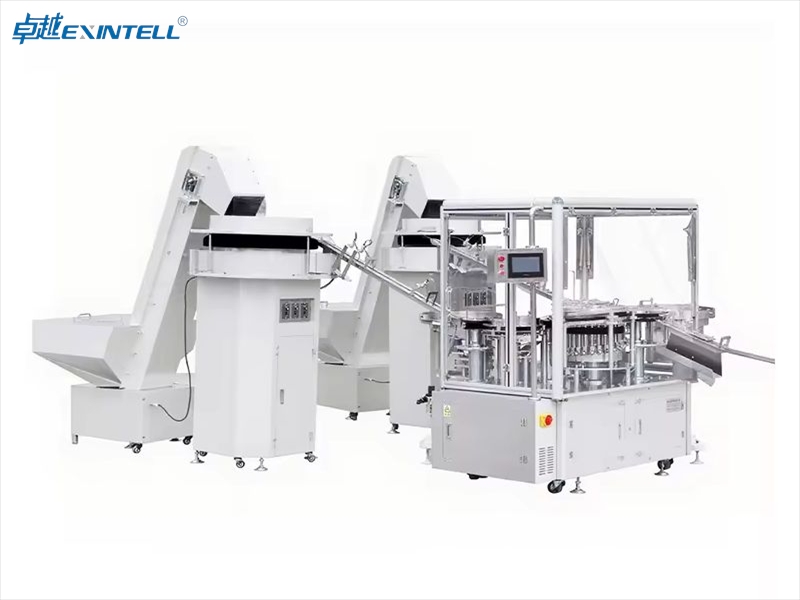
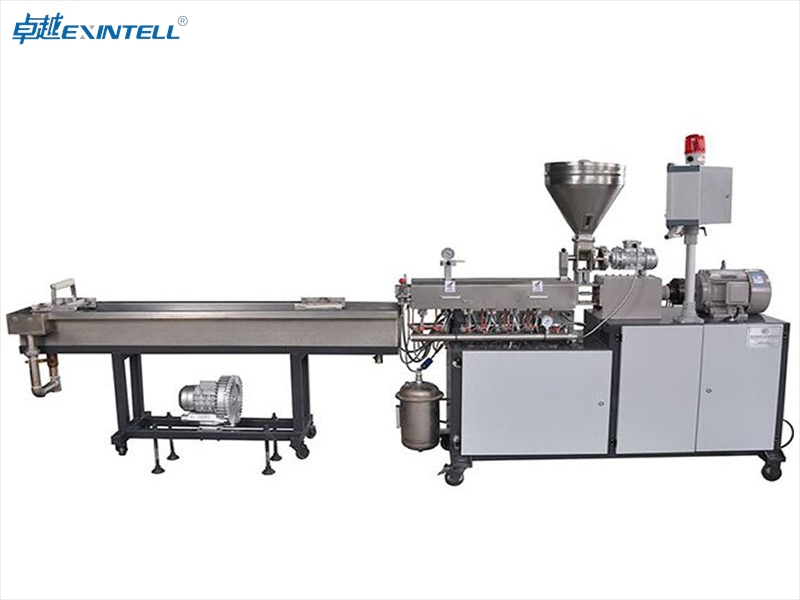
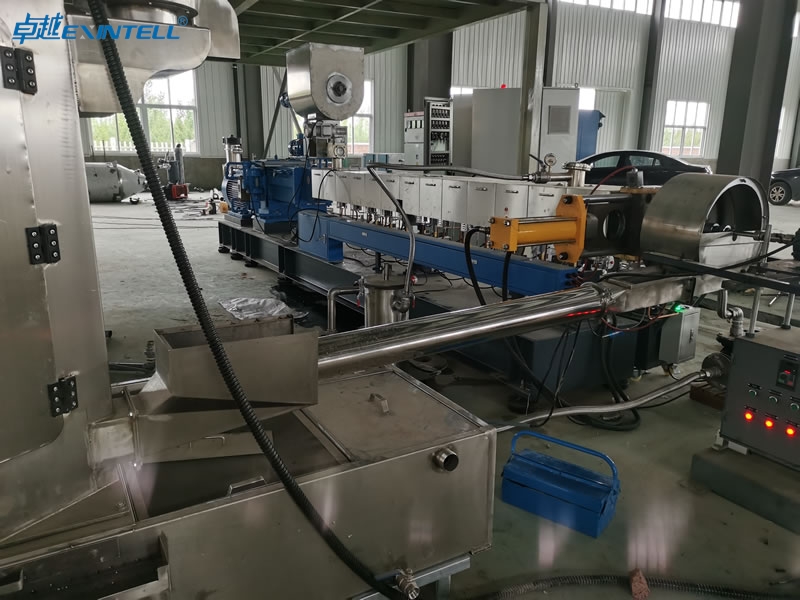
When I first heard about a máy trộn hạt, I pictured a big mixer in a kitchen. In reality, it works a bit like that, but for plastics. A masterbatch machine is designed to mix premixed granules of a host polymer with a masterbatch. This process happens inside the machine, especially in the screw and extrusion section. The goal is to create a concentrated mixture of pigments or additives with a carrier resin, like wax or plastic. This mixture, called masterbatch, gives plastics their color or special features. I find it amazing how this machine can blend everything so evenly, making sure every piece of plastic looks and performs the same.
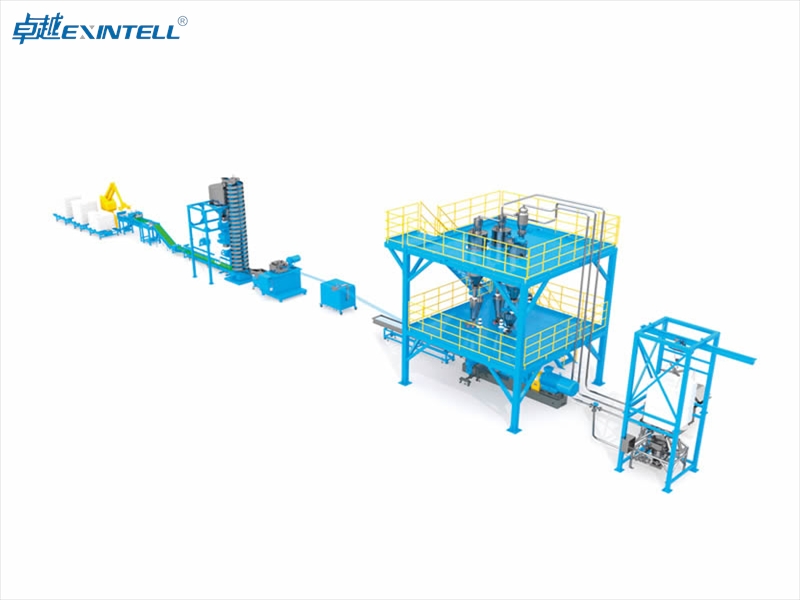
Here’s what happens inside a masterbatch machine:
-
Nó takes in granules of plastic and masterbatch.
-
It mixes pigments or additives with the plastic.
-
It uses heat and pressure to blend everything together.
-
It forms small pellets that manufacturers can use to make all kinds of plastic products.
I like to think of it as the secret chef behind the scenes, making sure every batch of plastic gets the right ingredients.
Purpose in Manufacturing
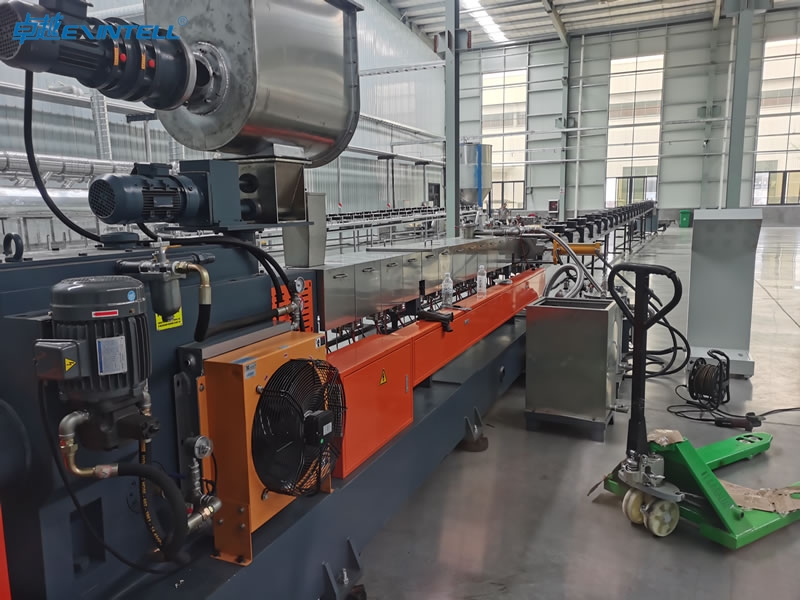
I see the masterbatch machine as a key player in modern manufacturing. It does more than just mix colors. It helps factories create plastics with exact properties, like strength, tính linh hoạt, or UV resistance. This machine ensures that pigments and additives spread out evenly, so there are no streaks or spots in the final product.
Here’s why manufacturers rely on masterbatch machines:
-
They produce color and additive concentrates that enhance plastic properties.
-
They ensure uniform distribution of pigments and additives for even coloring.
-
They improve processing efficiency by allowing precise control over product features.
-
They reduce waste, which saves money and supports sustainability.
-
They make it possible to use recycled materials without losing quality.
Mẹo: If you want to make high-quality plastic products, you need a masterbatch machine. It gives you control, consistency, và tính linh hoạt.
I’ve learned that industries like packaging, ô tô, and construction all depend on these machines. They help companies meet strict standards and deliver products that look great and last longer.
Máy Masterbatch hoạt động như thế nào
When I first saw a máy trộn hạt in action, I realized how many steps go into making those tiny pellets that give plastics their color and properties. Let me walk you through the process, step by step.
Feeding and Mixing
Raw Material Input
I always start by loading the machine with the right ingredients. Here’s what goes in:
-
Base polymer (carrier resin) like polyethylene or polypropylene. This acts as the main material.
-
Pigments or dyes. Những thứ này mang lại màu sắc cho nhựa.
-
phụ gia. Những thứ này có thể làm cho nhựa bền hơn, bảo vệ nó khỏi ánh sáng mặt trời, hoặc thậm chí ngăn chặn vi trùng.
-
chất trợ phân tán. Những thứ này giúp mọi thứ trộn đều một cách trơn tru.
Máy sử dụng phễu để nạp các nguyên liệu này vào. Tôi đảm bảo dòng chảy ổn định để hỗn hợp luôn ổn định.
Đồng nhất và phân tán
Sau khi nguyên liệu vào máy, phép thuật thực sự bắt đầu. Các vít xoay kéo nguyên liệu về phía trước, nén và nhào nặn chúng. Tác động nhiệt và cơ học làm tan chảy vật liệu, biến chúng thành một lớp dày, pha trộn thống nhất. Các bộ phận trục vít chuyên dụng bên trong máy đảm bảo mọi thứ được trộn kỹ lưỡng. Tôi chú ý đến màu sắc và kết cấu đồng đều, bởi vì điều đó có nghĩa là chất màu và chất phụ gia đã trải đều một cách hoàn hảo.
Mẹo: Nếu bạn muốn một lô hoàn hảo, chú ý đến khâu trộn. Tính đồng nhất ở đây có nghĩa là chất lượng sau này.
Here’s a quick look at the main steps in feeding and mixing:
-
Cho ăn nguyên liệu: I introduce raw materials through the hopper.
-
Conveying and Compression: The screws move and compress the materials.
-
Plasticization and Melting: Heat and movement melt the mix.
-
Intensive Mixing and Homogenization: The machine blends everything until it’s uniform.
Melting and Extrusion
High Shear Mixing
Sau khi trộn, the machine ramps up the pressure. The screws spin faster, generating more heat and shear. This breaks down any clumps and ensures the pigments and additives spread out evenly. I check the mixture for smoothness and consistency.
Heat Treatment
The machine keeps the temperature just right. Too hot, and the materials might degrade. Too cold, and they won’t melt properly. The heat treatment stage melts the blend into a homogeneous mixture. The molten mix gets pumped toward the die, where it’s shaped into strands or pellets.
Here’s how the melting and extrusion process unfolds:
-
Cho ăn nguyên liệu: I feed the raw materials into the machine.
-
Conveying and Compression: Screws rotate, compress, and knead the mix.
-
Plasticization and Melting: Heat and mechanical action melt everything.
-
Intensive Mixing and Homogenization: The machine disperses pigments and additives.
-
Melt Pumping and Die Formation: The molten mix moves to the die for shaping.
-
Cooling and Calibration: The masterbatch cools and gets sized just right.
Làm mát và tạo hạt
Forming Granules
Once the mixture leaves the die, it needs to cool down. The machine uses different cooling methods, depending on the material and production needs. Sometimes I use air cooling, other times water cooling, or even underwater pelletizing. The cooling method affects the quality and shape of the pellets.
Pelletizer Function
The pelletizer cuts the cooled strands or droplets into small, viên đồng nhất. These pellets are easy to handle and use in manufacturing. I choose the pelletizing method based on the material and the desired pellet shape.
Here’s a table showing the main pelletizing methods:
|
Method |
Sự miêu tả |
|---|---|
|
Extrudes material into continuous strands, cools them in water, sau đó cắt thành từng viên. |
|
|
Pelletizing dưới nước |
Cuts molten polymer as it exits the die face while submerged, producing spherical pellets. |
|
Water-Ring Pelletizing |
Cools and cuts pellets in water, handles sticky materials well. |
Ghi chú: The choice of cooling and pelletizing method can change how the pellets look and perform. I always match the method to the material and the end use.
I find that the cooling and pelletizing stage is where the masterbatch machine really shows its versatility. Whether I need round pellets, strands, or something else, the machine adapts to the job.
If you follow these steps, you’ll see how a masterbatch machine turns raw materials into high-quality pellets ready for plastic manufacturing. I love how each stage builds on the last, making sure the final product meets exact standards.
Main Components of a Masterbatch Machine
Máy đùn
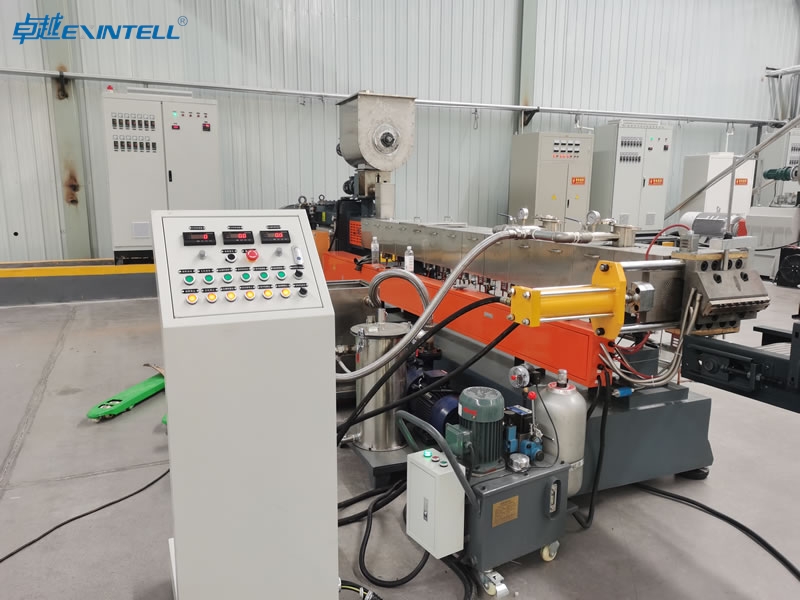
When I look at a masterbatch machine, the extruder always stands out as the heart of the process. I think of it as the engine that drives everything forward. The extruder takes in the raw materials and pushes them through a series of zones, each with a special job. Here’s a quick table that shows what happens inside:
|
Sự miêu tả |
|
|---|---|
|
Feeding zone |
Moves raw materials into the machine. |
|
Compression zone |
Packs and softens the mix, squeezing out any trapped air. |
|
Melting zone |
Melts the material using heat and friction. |
|
Mixing zone |
Blends everything together, making sure pigments and additives spread out evenly. |
|
Ventilation zone |
Removes moisture and unwanted gases, keeping the mix pure. |
|
Metering/homogenization zone |
Gives the final mix a last blend and builds up pressure for a smooth flow into the die. |
I’ve noticed that the type of extruder makes a big difference. Ví dụ, a twin-screw extruder works by dividing and recombining the melted material. This boosts mixing efficiency and lets me control the temperature more precisely. I can use different screw designs to handle all kinds of materials, which makes production more flexible. If I want a perfect blend, I always pay close attention to the extruder.
Mẹo: The extruder decides how well the pigments and additives mix. If you want consistent color and quality, focus on this part.
Feeding System
The feeding system acts like the gatekeeper for the whole process. I rely on it to deliver the right amount of each ingredient at the right time. If the feeding system isn’t steady, the whole batch can turn out uneven. Here’s a table that breaks down what the feeding system does:
|
Sự miêu tả |
|
|---|---|
|
Role of Feeding System |
Keeps material input steady, so the process stays smooth. |
|
Integration with Extruder |
Works with the extruder for precise control and staged addition of materials. |
|
Material Transfer |
Moves materials efficiently, which helps with even mixing and saves time. |
|
Feed Port Design |
Uses multiple ports for adding ingredients at different stages, preventing leaks. |
|
Pressure Monitoring |
Watches pressure to catch problems early. |
|
Screw Configuration |
Matches the screw design to the recipe for the best results. |
I always check the feeding system before starting a batch. If I see any issues with pressure or flow, I fix them right away. That way, I know the masterbatch machine will run smoothly.
Mixers and Kneaders
Mixers and kneaders do the heavy lifting when it comes to blending. I think of them as the hands that knead dough, making sure everything comes together just right. These components break up clumps and spread pigments and additives throughout the melted plastic. I can adjust the speed and intensity to match the material I’m working with.
-
Mixers handle the first stage of blending, making sure the base resin and additives start to combine.
-
Kneaders step in for tougher jobs, working the mix until it’s completely uniform.
-
Both parts help prevent streaks or spots in the final pellets.
If I want a flawless finish, I pay close attention to how the mixers and kneaders are set up. They make the difference between a good batch and a great one.
Ghi chú: Well-tuned mixers and kneaders save time and reduce waste. I always double-check their settings before every run.
Pelletizer
When I reach the pelletizer stage, I know I’m almost at the finish line. The pelletizer always feels like the “final touch” in the masterbatch process. After the extruder pushes out the hot, blended plastic, the pelletizer steps in to cut and shape the material into small, viên đồng nhất. I find this step crucial because these pellets are what manufacturers actually use to make plastic products.
The pelletizer transforms the extruded melt into neat, consistent pellets. This consistency matters a lot. If the pellets vary in size or shape, the final plastic products can turn out uneven or have defects. I’ve seen how a good pelletizer keeps everything on track, making sure every batch meets the same high standard. Uniform pellets melt evenly and mix well during the next manufacturing steps, which means fewer problems and better results.
Here’s what I usually notice about the pelletizer’s function:
-
It cuts the cooled plastic strands or droplets into pellets.
-
It ensures every pellet is the same size, which helps with quality control.
-
It makes the pellets easy to handle, transport, và sử dụng trong các máy khác.
I always pay attention to the pelletizer settings. If I want round pellets, I adjust the cutting speed and method. If I need cylindrical pellets, I tweak the blade and cooling system. The right setup means less waste and more reliable products.
Mẹo: If you want your masterbatch to perform well in any industry, focus on getting the pelletizer settings just right. Consistency here saves time and money later.
Bảng điều khiển
The control panel acts as my command center. I use it to keep an eye on every part of the masterbatch machine and make quick adjustments when needed. A modern control panel makes my job much easier and helps me avoid mistakes.
Here’s a table that shows the main features tôi dựa vào:
|
Tính năng |
Sự miêu tả |
|---|---|
|
Touch Screen Display |
I get a 10-15 inch color touchscreen with a simple, graphical interface. It’s easy to use. |
|
Giám sát quá trình |
I can watch and adjust temperatures, tốc độ vít, and feed rates in real time. |
|
Recipe Storage |
I store over 200 production recipes, vì vậy việc chuyển đổi giữa các lô rất nhanh chóng và đơn giản. |
|
Ghi nhật ký dữ liệu |
Bảng điều khiển ghi lại tất cả các thông số xử lý. Điều này giúp tôi theo dõi chất lượng và cải thiện kết quả. |
|
Thông báo cảnh báo |
Tôi nhận được thông báo nếu có sự cố xảy ra, để tôi có thể khắc phục sự cố trước khi chúng gây ra sự cố. |
Tôi thích cách bảng điều khiển đặt mọi thứ trong tầm tay tôi. Tôi có thể thay đổi cài đặt chỉ bằng một vài thao tác nhấn, kiểm tra trạng thái của từng giai đoạn, và thậm chí nhìn lại những lần chạy trước để xem điều gì hiệu quả nhất. Nếu có điều gì cần chú ý, chuông báo thức cho tôi biết ngay lập tức. Điều này có nghĩa là tôi tốn ít thời gian hơn để khắc phục sự cố và có nhiều thời gian hơn để tạo ra hạt nhựa chất lượng cao.
Ghi chú: Bảng điều khiển tốt không chỉ giúp mọi việc dễ dàng hơn—nó còn giúp tôi cung cấp thông tin nhất quán, kết quả hàng đầu mọi lúc.
Các loại máy Masterbatch
Khi tôi bắt đầu tìm hiểu về máy masterbatch, I quickly realized that not all machines work the same way. The two main types—single-screw and twin-screw extruders—each have their own strengths. I also found out that other equipment often works alongside these machines to make the process smoother and more efficient.
Máy đùn trục vít đơn
I like to think of the single-screw extruder as the “workhorse” of simple plastic processing. It uses one rotating screw to move and melt the plastic. I use this type when I want to keep things straightforward and cost-effective.
Here’s why I might choose a single-screw extruder:
-
It handles basic tasks like melting and pumping thermoplastics.
-
It works best for high-volume production of pipes, tấm, và hồ sơ.
-
It’s affordable and easy to maintain, which helps me keep costs down.
Mẹo: If you’re just starting out or working with simple recipes, a single-screw extruder can save you money and time.
Máy đùn trục vít đôi
When I need more control and better mixing, I turn to a twin-screw extruder. This machine uses two intermeshing screws that mix, knead, and push the material forward. I find it perfect for complex jobs where I want every ingredient to blend perfectly.
Let me show you how these two types compare:
|
Tính năng |
Máy đùn trục vít đơn |
Máy đùn trục vít đôi |
|---|---|---|
|
Application Complexity |
Simple tasks |
Complex mixing and compounding |
|
Trị giá |
Lower initial and maintenance costs |
Higher upfront, long-term value |
|
Hiệu suất |
Good for high-volume, basic mixing |
Superior mixing and dispersion |
|
Tính linh hoạt |
Ít linh hoạt hơn |
Highly flexible and precise |
|
Xử lý vật liệu |
Basic materials |
Handles volatile or moist materials |
|
Example Use Case |
Ống, tấm, hồ sơ |
High pigment masterbatch, consistent color |
Tôi luôn sử dụng máy đùn trục vít đôi khi tôi cần tạo ra các hạt màu có tải lượng sắc tố cao. Công suất trộn đảm bảo mọi viên đều trông và hoạt động như nhau. Tôi cũng yêu tính năng tự làm sạch. Nó giúp tôi tiết kiệm thời gian khi chuyển đổi giữa các màu hoặc chất phụ gia khác nhau.
Ghi chú: Máy đùn trục vít đôi tỏa sáng khi tôi cần trộn chất lượng hàng đầu, đặc biệt đối với các công việc đòi hỏi khắt khe như hạt màu có nồng độ cao.
Các loại thiết bị khác
Tôi đã học được rằng máy masterbatch hiếm khi hoạt động một mình. Tôi thường sử dụng thêm thiết bị để có kết quả tốt nhất. Dưới đây là một cái nhìn nhanh về những gì tôi sử dụng và tại sao:
-
Máy trộn tốc độ cao: Tôi trộn các viên nhựa mang với bột màu và chất phụ gia trước khi cho chúng vào máy đùn.
-
Hệ thống làm mát: Những thứ này giữ cho viên không bị quá nóng và giúp chúng giữ được hình dạng.
-
Screen Changer and Filter: I use these to remove any contaminants from the melted plastic, which keeps the final product clean.
-
Automated Control System: This lets me monitor and adjust the whole process from one place, making my job much easier.
|
Equipment Type |
Function/Description |
|---|---|
|
Filler Masterbatch Equipment |
Handles abrasive fillers with tough, wear-resistant parts. |
|
Additive Masterbatch Systems |
Processes additives like UV stabilizers at lower temperatures. |
|
Máy trộn tốc độ cao |
Prepares raw materials for smooth feeding. |
|
Hệ thống làm mát |
Maintains pellet quality after extrusion. |
|
Screen Changer and Filter |
Removes contaminants, keeps production running. |
|
Automated Control System |
Integrates all equipment for easy operation. |
😊 I always say, the right combination of machines and tools makes my work faster, cleaner, and more reliable.
Now, whenever I set up a masterbatch line, Tôi chọn thiết bị phù hợp với mục tiêu của mình—tôi muốn tốc độ hay không, chất lượng, hoặc tính linh hoạt.
Lợi ích của việc sử dụng máy Masterbatch
Khi tôi bắt đầu làm việc với nhựa, Tôi muốn biết điều gì đã khiến một số sản phẩm có hình thức và hoạt động tốt hơn những sản phẩm khác. Tôi nhanh chóng biết được rằng thiết bị phù hợp sẽ tạo nên sự khác biệt. Hãy để tôi chia sẻ những lợi ích chính mà tôi đã thấy khi sử dụng máy trộn hạt.
Chất lượng nhất quán
Tôi luôn muốn sản phẩm của mình trông giống nhau, hết đợt này đến đợt khác. Chiếc máy masterbatch giúp tôi đạt được điều đó. Nó trộn các chất màu và chất phụ gia một cách đồng đều sao cho mỗi viên tạo ra đều có cùng màu sắc và đặc tính. Tôi không phải lo lắng về các vệt hoặc đốm. Đây là bảng cho thấy cách máy giữ chất lượng ổn định:
|
Loại bằng chứng |
Sự miêu tả |
|---|---|
|
Phân phối thống nhất |
Đảm bảo rằng các chất phụ gia và chất màu được trộn đều, leading to stable color uniformity. |
|
Precise Formulation |
Correct ratios of pigments and additives are crucial for consistency; small changes can affect quality. |
|
Controlled Extrusion |
High shear forces and heat in modern machines ensure thorough mixing of materials. |
|
Kiểm soát chất lượng nghiêm ngặt |
Continuous checks on physical, hóa chất, and visual properties maintain consistency throughout production. |
I’ve noticed a few big advantages:
-
No more defects from uneven color.
-
My production line runs smoother.
-
I waste less material, which saves money.
Mẹo: If you want your products to stand out for their quality, focus on getting consistent results every time.
Efficiency and Cost Savings
Saving time and money matters to me. With a masterbatch machine, I use less pigment and additive because the mix is so concentrated. I don’t need special machines, và tôi có thể sử dụng thiết bị hiện có của mình. Điều đó có nghĩa là tôi chi tiêu ít hơn cho việc thiết lập và dọn dẹp. Dưới đây là một cái nhìn nhanh về những cách chính tôi tiết kiệm:
|
Mô tả lợi ích |
Chi tiết |
|---|---|
|
Không cần phí thiết lập hoặc dọn dẹp. |
|
|
Sản xuất hiệu quả |
Sử dụng ít vật liệu hơn, với masterbatch chỉ chiếm tối đa 5% tổng trọng lượng. |
|
Sử dụng thiết bị hiện có |
Không cần máy móc đặc biệt; máy móc sản xuất hiện có có thể được sử dụng. |
|
Tuân thủ các tiêu chuẩn |
Đáp ứng các tiêu chuẩn về hiệu suất và sản xuất dự kiến. |
|
Tiết kiệm chi phí gộp |
Giảm chi phí liên quan đến việc gộp lãi. |
|
Giảm tiêu thụ năng lượng |
Sử dụng ít năng lượng hơn để tạo ra sản phẩm cuối cùng. |
Tôi cũng thấy năng suất cao hơn, đặc biệt là khi tôi sử dụng thiết kế vít đôi. Nhóm của tôi làm việc nhanh hơn, và chúng ta chi tiêu ít hơn vào lao động và chi phí. Mặc dù lúc đầu máy có giá cao hơn, Tôi lấy lại được tiền nhờ chất lượng tốt hơn và chi phí thấp hơn theo thời gian.
Ghi chú: Máy masterbatch phù hợp sẽ tự chi trả bằng cách giúp sản xuất nhanh hơn, rẻ hơn, and more reliable.
Tùy chọn tùy chỉnh
Tôi thích sự linh hoạt của máy masterbatch. Tôi có thể tạo màu tùy chỉnh và thêm các tính năng đặc biệt, như đặc tính chống tia cực tím hoặc chống vi khuẩn. Chiếc máy cho phép tôi trộn chính xác những gì tôi cần vào nhựa. Đây là cách tôi tận dụng tối đa tính linh hoạt này:
-
Tôi chọn chất màu và chất phụ gia tôi muốn.
-
Tôi đặt định lượng và mức độ trộn cho từng mẻ.
-
Tôi nhận được kết quả nhất quán, ngay cả với công thức nấu ăn tùy chỉnh.
-
Tôi tránh bụi và ô nhiễm, giúp không gian làm việc của tôi luôn sạch sẽ.
-
Tôi cải thiện hiệu quả xử lý và giảm chất thải.
Điều này có nghĩa là tôi có thể đáp ứng mọi yêu cầu của khách hàng, từ màu sắc tươi sáng đến các tính năng hiệu suất đặc biệt. Masterbatch technology gives me the tools to make plastics that stand out in the market.
😊 Customization is easy when you have the right machine. I can turn any idea into a finished product with confidence.
Theo kinh nghiệm của tôi, a masterbatch machine is the best way to get chất lượng nhất quán, save money, and offer unique products. If you want to succeed in plastics, this is the tool you need.
Applications of Masterbatch Machines
Công nghiệp bao bì
When I walk through a supermarket, I see packaging everywhere. I always notice the bright colors and clear branding on bottles, wrappers, và thùng chứa. I learned that a masterbatch machine plays a huge role in making these packages stand out. It helps manufacturers create packaging that looks attractive and performs well. tôi sử dụng color masterbatches to make sure every package matches the brand’s colors. Hạt phụ gia bổ sung mang lại nhiều tính năng bổ sung cho bao bì, như khả năng chống tia cực tím hoặc đặc tính chống tĩnh điện. Những tính năng này giúp giữ thực phẩm luôn tươi ngon và bảo vệ sản phẩm khỏi bị hư hỏng.
Dưới đây là bảng nhanh cho thấy máy masterbatch hỗ trợ như thế nào trong việc đóng gói:
|
Loại ứng dụng |
Những lợi ích |
|---|---|
|
Hạt màu |
Tăng cường sự hấp dẫn thị giác với các thiết kế sống động. |
|
Masterbatch phụ gia |
Cải thiện các đặc tính như khả năng chống tia cực tím, tính năng chống tĩnh điện, và hiệu suất rào cản. |
Tôi thường làm việc với bao bì cấp thực phẩm, thu nhỏ kết thúc tốt đẹp, và thùng chứa. Tôi muốn sản phẩm trông đẹp và bền lâu hơn. Máy Masterbatch làm được điều này. Tôi cũng sử dụng masterbatch phụ gia để cải thiện độ bền và khả năng chống rào cản. Điều này có nghĩa là bao bì luôn chắc chắn và giữ cho sản phẩm an toàn.
Mẹo: Nếu bạn muốn bao bì thu hút sự chú ý và bảo vệ những gì bên trong, máy masterbatch là thành phần bí mật.
Lĩnh vực ô tô
Tôi dành nhiều thời gian xung quanh ô tô, nên tôi biết chất lượng quan trọng như thế nào đối với phụ tùng ô tô. Tôi sử dụng máy masterbatch để sản xuất các thành phần nhẹ, bền bỉ, và hấp dẫn trực quan. Khi tôi tạo bảng điều khiển hoặc đoạn đệm, Tôi dựa vào các hạt phụ gia để tăng cường khả năng chịu nhiệt và chống tia cực tím. Những tính năng này giúp các bộ phận tồn tại trong điều kiện khắc nghiệt và giữ được màu sắc theo thời gian.
Tôi thấy máy masterbatch được sử dụng để trang trí nội thất, tấm bên ngoài, và thậm chí cả các bộ phận dưới mui xe. Các nhà sản xuất muốn các bộ phận trông đẹp và bền. Tôi đảm bảo mỗi lô đều đáp ứng các tiêu chuẩn nghiêm ngặt về sức mạnh và hình thức. Chiếc máy cho phép tôi điều khiển việc trộn, vì vậy mọi phần đều xuất hiện vừa phải.
Ghi chú: Các công ty ô tô tin tưởng máy masterbatch mang lại sản phẩm đáng tin cậy, bộ phận hiệu suất cao.
Hàng tiêu dùng
Tôi thích xem cách máy masterbatch giúp tạo ra các sản phẩm hàng ngày. Tôi sử dụng chúng để làm đồ chơi, đồ dùng nhà bếp, đường ống, hồ sơ, tấm, phim, và cáp. Mỗi sản phẩm cần có sự pha trộn màu sắc và phụ gia khác nhau. Tôi điều chỉnh máy phù hợp với yêu cầu của từng hạng mục.
-
Đồ chơi cần màu sắc tươi sáng, chất liệu an toàn.
-
Đồ dùng nhà bếp phải chống nóng và chống bám bẩn.
-
Ống và cáp đòi hỏi sức mạnh và tính linh hoạt.
-
Phim và tấm cần độ trong và độ bền.
Tôi thích tùy chỉnh các lô hàng tiêu dùng khác nhau. Chiếc máy mang đến cho tôi sự linh hoạt đáp ứng mọi nhu cầu. Tôi có thể chuyển đổi công thức nấu ăn một cách nhanh chóng và duy trì hoạt động sản xuất.
😊 Máy masterbatch giúp dễ dàng tạo ra những sản phẩm được mọi người sử dụng hàng ngày. Tôi thấy kết quả ở nhà, văn phòng, và nhà máy.
Công dụng khác
Khi tôi nghĩ về máy masterbatch, Tôi thấy chúng xuất hiện ở những nơi bạn có thể không ngờ tới. Chắc chắn, they shine in packaging, xe ô tô, và hàng tiêu dùng, but their reach goes way beyond that. I’ve seen these machines make a real difference in industries that care about innovation and sustainability.
One area that excites me is recycling. I work with companies that use masterbatch machines to turn plastic waste into something valuable. Instead of sending old bottles or packaging to the landfill, we feed them into the machine. kết quả? High-quality masterbatches that manufacturers can use just like new material. This process supports the circular economy, which means we keep materials in use for as long as possible. I love knowing that every batch I help create keeps plastic out of the environment.
Here’s a quick look at some less common but innovative uses I’ve come across:
-
I help construction teams create pipes and panels with special properties, like fire resistance or extra strength. Masterbatch machines let us add exactly what we need to the mix.
-
I see electronics manufacturers use these machines to add anti-static or flame-retardant features to their products. This keeps devices safer and more reliable.
-
I work with agriculture companies that want films and sheets with UV protection. These films last longer in the sun and protect crops better.
-
I’ve even seen masterbatch machines used in textiles. They add color and performance features to synthetic fibers for clothing, carpets, and sports gear.
-
I know some medical suppliers use masterbatch machines to create items with antibacterial properties. This helps keep hospitals and clinics safer.
Did you know? Máy masterbatch đóng vai trò lớn giúp sản phẩm bền vững hơn. Họ giúp các công ty tái chế, giảm chất thải, và thiết kế những vật liệu có tuổi thọ lâu hơn.
Tôi nhận thấy rằng mỗi lần tôi sử dụng máy masterbatch cho một dự án mới, Tôi tìm ra cách khác để giải quyết vấn đề. Cho dù tôi muốn tăng hiệu suất sản phẩm hay hỗ trợ các sáng kiến xanh, những chiếc máy này mang lại cho tôi sự linh hoạt mà tôi cần. Tôi có thể điều chỉnh công thức, thử các chất phụ gia mới, và xem kết quả nhanh chóng.
Nếu bạn tò mò về việc nhựa sẽ đi về đâu, để mắt đến công nghệ masterbatch. Tôi tin rằng nó đang mở ra cánh cửa cho những ngành muốn đổi mới và bảo vệ hành tinh cùng một lúc. Các khả năng tiếp tục tăng lên, và tôi nóng lòng muốn xem điều gì sẽ xảy ra tiếp theo.
Tôi học được rằng việc nắm vững những kiến thức cơ bản về máy masterbatch sẽ mở ra vô số khả năng trong lĩnh vực nhựa. Đây là điều tôi luôn ghi nhớ:
-
Trộn tốc độ cao chất lượng màu sắc hình dạng.
-
Nhiệt độ và thời gian làm ướt sắc tố.
-
Việc theo dõi quá trình giúp phát hiện sớm vấn đề.
-
Bảo vệ môi trường giúp không gian làm việc an toàn.
Nếu bạn muốn bắt đầu, tôi đề nghị:
-
Xác định nhu cầu hiệu suất của bạn.
-
Biết chất nền nhựa của bạn.
-
Làm việc với các chuyên gia phụ gia.
-
Kiểm tra công thức của bạn trong sản xuất thực tế.
Công nghệ Masterbatch giúp giải quyết những thách thức khó khăn. Tôi khuyến khích bạn khám phá thêm và đặt câu hỏi.
Câu hỏi thường gặp
Máy masterbatch dùng để làm gì?
Tôi sử dụng máy masterbatch để trộn bột màu hoặc phụ gia vào nhựa. Điều này giúp tôi tạo ra các loại nhựa có màu sắc hoặc đặc tính cụ thể, như khả năng chống tia cực tím hoặc sức mạnh.
Can I use recycled materials in a masterbatch machine?
Đúng, I often feed recycled plastics into the machine. It blends them with additives, so the final pellets look and perform like new. This supports sustainability.
How do I choose between single-screw and twin-screw extruders?
I pick a single-screw for simple jobs and a twin-screw for complex mixing. Twin-screw extruders give me better control and consistency, especially with high pigment loads.
Is it hard to clean a masterbatch machine?
I find cleaning easier with twin-screw extruders because they have self-cleaning features. I follow the manufacturer’s instructions and use proper tools to avoid contamination.
What types of additives can I use?
I add pigments for color, UV stabilizers for sunlight protection, anti-static agents, chất chống cháy, and antibacterial additives. Máy cho phép tôi tùy chỉnh từng mẻ.
Làm cách nào để kiểm soát chất lượng masterbatch của tôi?
Tôi theo dõi nhiệt độ, tốc độ vít, và tốc độ nạp trên bảng điều khiển. Tôi kiểm tra màu sắc và hình dạng viên. Cài đặt nhất quán giúp tôi duy trì chất lượng cao.
Máy masterbatch có đắt không?
Giá cả phụ thuộc vào loại và tính năng. Tôi đầu tư nhiều hơn vào mô hình trục vít đôi, nhưng họ tiết kiệm được tiền theo thời gian nhờ việc trộn tốt hơn và ít lãng phí hơn.
Tôi có thể tạo màu tùy chỉnh bằng máy masterbatch không?
Tuyệt đối! Tôi chọn bột màu và điều chỉnh công thức. Máy xay đều mọi thứ, để tôi có được màu sắc chính xác mà tôi muốn cho từng dự án.