

Yaxshiroq aniqlikni taklif qiluvchi plastik ekstruziya yoki qarshi kalıplama
Men inyeksion kalıplamadan ko'ra yaxshiroq aniqlik va qattiqroq bardoshlik berishini aniqladim Plastik ekstruziya. Masalan, qarshi kalıplama kabi qattiq bardoshlik erishish mumkin ±0,005 dyuym, ekstruziya odatda ± 0,010 dyuymni ushlab turadi. Bu erda odatiy ilovalar va tolerantliklarga asoslangan jarayonni taqqoslash:
| Ilova turi | Ishlatilgan jarayon | Umumiy tolerantliklar |
|---|---|---|
| Uzoq, bir xil qismlar (masalan, quvurlar, tayoqchalar) | Ekstruziya | ±0,010 dyuym |
| Murakkab yoki batafsil qismlar | Inyeksion kalıplama | ±0,005 dyuym yoki undan qattiqroq |
| Yuqori hajmli, yuqori aniqlik | Inyeksion kalıplama | Ekstruziyaga qaraganda qattiqroq |
| Uzluksiz, oddiy shakllar | Ekstruziya | Mos keluvchi, kamroq aniq |
Ishlab chiqarish jarayonini tanlashda, Men har doim geometriyani o'ylayman, talab qilinadigan toleranslar, ishlab chiqarish hajmi, va xarajat.
Asosiy xulosalar
- Inyeksion kalıplama qattiqroq bardoshliklarga erishadi, ko'pincha ± 0,005 dyuym kabi aniq, murakkab qismlar uchun ideal qiladi.
- Plastik ekstruziya uzoq vaqt davomida eng yaxshisidir, uniform shapes like tubes and rods, with tolerances around ±0.010 inches.
- Consider production volume when choosing a process; injection molding is cost-effective for large runs, while extrusion suits high-volume continuous production.
- Materialni tanlash impacts precision; choose materials based on the specific requirements of your application.
- Evaluate part complexity; injection molding handles intricate designs better than extrusion, which is limited to simpler shapes.
- Surface finish quality is generally better in injection molding, leading to smoother parts without additional finishing steps.
- Plan for tooling costs; injection molding requires higher initial investment but offers long-term savings through repeatability.
- Always assess your project’s needs early; understanding geometry, tolerantliklar, and budget helps in selecting the right manufacturing process.
Plastic Extrusion Overview
Process Basics
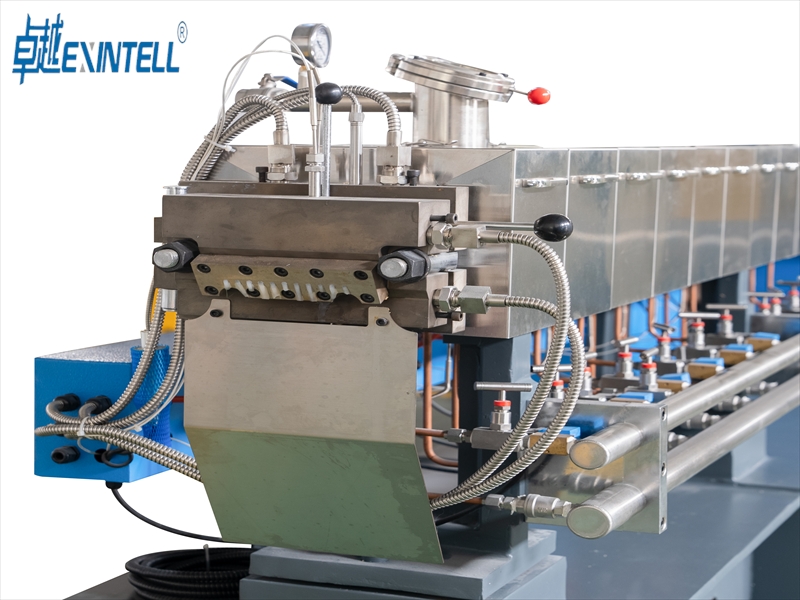
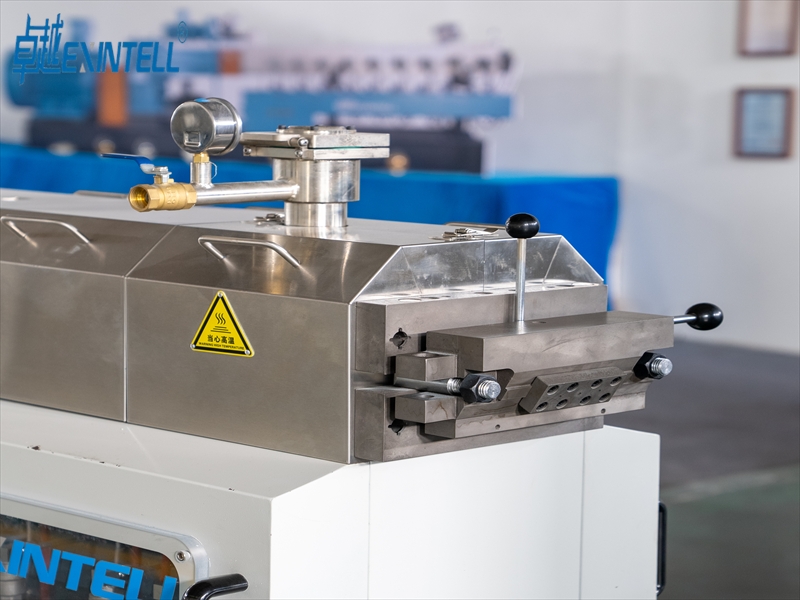
I have worked with plastik ekstruziya for years and have seen how this method shapes thermoplastic materials into continuous profiles. The extrusion process starts with material selection, which is critical for achieving the desired properties in the final product. I load plastic pellets or granules into a hopper above the extruder. The machine uses a rotating screw to move the material through a heated barrel. As the material travels, it melts due to friction and external heat. The molten plastic then passes through a precision-shaped die, which gives the product its profile. After forming, the extruded shape enters a cooling system, usually an air or water bath, to solidify and maintain dimensional accuracy. Nihoyat, I cut or roll the product, depending on the application. This step-by-step approach allows me to create long, uniform shapes with consistent cross-sections.
Common Applications
Plastic extrusion plays a vital role in many industries. I often see it used for packaging, avtomobilsozlik, mebel, va iste'mol tovarlari. The process produces a wide range of products, from simple tubes to complex profiles. Here is a table that summarizes some common applications:
| Sanoat | Mahsulotlar |
|---|---|
| Qadoqlash | Filmlar, varaqlar, sumkalar, wraps, trays, and cups |
| Avtomobilsozlik | Ob-havo muhrlari, plastic tubing, trim profiles |
| Furniture & Iste'mol tovarlari | Edge banding, curtain tracks, lightweight PVC foam boards |
| Uy Appliances | Handles, seals for ovens and microwaves |
| Santexnika & Tibbiyot | Quvurlar, quvurlar |
I have found that maxsus plastik ekstruziya allows manufacturers to design unique profiles for specialized needs. This flexibility makes extrusion a popular choice for continuous, yuqori hajmli ishlab chiqarish.
Materials Used
Plastik ekstruziyadagi materiallarni tanlash ham jarayonga, ham yakuniy mahsulotning aniqligiga ta'sir qiladi. Men tez-tez ishlataman polipropilen, polietilen tereftalat, va polistirol. Ushbu materiallar turli xil xususiyatlarga ega, moslashuvchanlik kabi, kuch, va aniqlik. Men tayyorlagan usul, eritish, va materiallarni sovutish ekstrudirovka qilingan qismlarning aniqligi va mustahkamligiga bevosita ta'sir qiladi. Mana men foydalanadigan eng keng tarqalgan materiallar:
- Polipropilen (PP)
- Polietilen tereftalat (PET)
- Polistirol (PS)
- Polivinilxlorid (PVX)
- Yuqori zichlikdagi polietilen (HDPE)
- Past zichlikdagi polietilen (LDPE)
- Akrilonitril butadien stirol (ABS)
- Termoplastik elastomerlar (TPE)
- Neylon (PA)
- Polikarbonat (Kompyuter)
- Polimetil metakrilat (PMMA)
Men maxsus plastik ekstruziya loyihalarida ishlaganimda, Men har doim materialni dastur talablariga moslashtiraman. Ushbu ehtiyotkorlik bilan tanlash mahsulotning ishlash va aniqlik standartlariga javob berishini ta'minlaydi.
Ijobiy va salbiy tomonlari
Men loyiha uchun plastik ekstruziyani baholaganimda, Men har doim foyda va kamchiliklarni o'lchayman. Bu jarayon o'ziga xos kuchli tomonlarini taqdim etadi, lekin u aniqlik va bardoshliklarga ta'sir qiluvchi cheklovlar bilan birga keladi.
Mana a asosiy afzalliklari va kamchiliklari jamlangan jadval Men ishimda kuzatganman:
| Afzalliklar | Kamchiliklari |
|---|---|
| Yuqori samaradorlik va kengayish qobiliyati | Murakkab shakllarni ishlab chiqarishdagi cheklovlar |
| Yuqori ishlab chiqarish hajmi | Aniqlikka ta'sir qiluvchi qolip shishishi bilan bog'liq qiyinchiliklar |
| O'rta va yuqori hajmlar uchun iqtisodiy samaradorlik | Tugatishni talab qiladigan mumkin bo'lgan sirt kamchiliklari |
Afzalliklar
Men ko'pincha yuqori samaradorligi uchun plastik ekstruziyani tanlayman. Jarayon uzluksiz davom etadi, demak, men uzluksiz uzun qismlarni ishlab chiqara olaman. Ushbu miqyoslilik uni katta buyurtmalar uchun ideal qiladi. Minglab metrli quvurlar yoki profillarni ishlab chiqarishim kerak bo'lganda, ekstruziya izchil natijalar beradi. Ishlab chiqarish hajmi oshgani sayin bir qismning narxi pasayadi, shuning uchun men buni o'rta va yuqori hajmli loyihalar uchun juda tejamkor deb bilaman.
Yana bir afzallik - bir xil tasavvurlar yaratish qobiliyati. Men qismning uzunligi bo'ylab barqaror o'lchamlarni saqlay olaman, quvurlar yoki deraza romlari kabi ilovalar uchun muhim ahamiyatga ega. Jarayon, shuningdek, termoplastiklarning keng doirasini qo'llab-quvvatlaydi, shuning uchun men yakuniy mahsulotning mexanik va kimyoviy talablariga mos keladigan materiallarni tanlashim mumkin.
Kamchiliklari
Ushbu kuchli tomonlarga qaramay, plastik ekstruziya ba'zi kamchiliklarga ega. Jarayon murakkab shakllar bilan kurashadi. Agar qism murakkab tafsilotlarni yoki o'tkir burchaklarni talab qilsa, Men ekstruziyani kamroq mos deb bilaman. Eritilgan plastmassa matritsadan chiqqanda shishiradi, o'lim shishishi deb nomlanuvchi hodisa. Bu ta'sir qattiq tolerantliklarga erishishni qiyinlashtirishi mumkin, ayniqsa, aniq o'lchamlarga muhtoj bo'lgan qismlar uchun.
Sirtni tugatish ham muammo bo'lishi mumkin. Ba'zan, ekstrudirovka qilingan qismlar matritsadan chiziqlar yoki belgilarni ko'rsatadi. Men tez-tez ikkinchi darajali tugatish bosqichlarini qo'shishim kerak, kesish yoki parlatish kabi, tashqi ko'rinishini yaxshilash va sifat standartlariga javob berish. Ushbu qo'shimcha qadamlar vaqt va xarajatlarni oshirishi mumkin.
Maslahat: Ekstruziyani tanlashdan oldin men har doim qismning geometriyasini va talab qilinadigan tolerantliklarni ko'rib chiqishni tavsiya qilaman. Dizayn oddiy bo'lsa va buyurtma katta bo'lsa, ekstruziya odatda eng yaxshi qiymatni taklif qiladi.
Inyeksion kalıplamaning umumiy ko'rinishi
Process Basics
Men yillar davomida inyeksion kalıplama bilan ishladim, va men bu jarayonni qiziqarli va samarali deb bilaman. Usul qolipdan foydalanadi, bu eritilgan plastmassani aniq shakllarga aylantiradi. Men har bir qism qat'iy sifat standartlariga javob berishini ta'minlash uchun har doim bir qator qadamlarni bajaraman. Here is how I approach the injection molding process:
- Clamping: I close the mold tightly to prepare for the next steps.
- Injection: I inject hot, melted plastic into the mold cavity.
- Dwelling: I let the plastic sit inside the mold for a short time so it fills every space.
- Sovutish: The plastic cools and hardens while inside the mold.
- Mold Opening: I open the mold after the part has cooled.
- Ejection: I remove the finished part from the mold.
This cycle repeats quickly, which allows me to produce large quantities of identical parts. I rely on injection molding when I need complex shapes, fine details, and high-quality finishes. The process gives me excellent control over dimensions and surface appearance.
Eslatma: I always monitor temperature and pressure closely during injection molding. These factors affect the final part’s precision and consistency.
Common Applications
Injection molding plays a vital role in many industries. I have used this process to create parts for automotive, tibbiy, consumer electronics, and packaging sectors. The versatility of injection molding allows me to produce both simple and highly complex components. Here is a table that summarizes some typical applications:
| Sanoat | Products Produced |
|---|---|
| Avtomobilsozlik | Various components and parts |
| Tibbiyot | Device housings, surgical tools |
| Consumer Electronics | Cases, buttons, and other components |
| Qadoqlash | Bottle caps, konteynerlar |
I often make items like contact lens cases, shisha qopqoqlari, and high-volume components with intricate geometries. Injection molding helps me deliver consistent results, even for demanding projects.
Materials Used
Material selection is crucial in injection molding. I choose materials based on the required strength, moslashuvchanlik, and precision. For high-precision parts, I prefer polymers with low and uniform shrinkage, stable melt flow, and good thermal resistance. Some of the most common materials I use include:
- ABS: Offers toughness, a smooth surface finish, and impact resistance.
- Polipropilen: Provides chemical resistance, moslashuvchanlik, va arzonligi.
- Polikarbonat: Delivers high clarity, kuch, and heat resistance.
- Polietilen: Lightweight and resists moisture.
- Neylon: Known for strength, aşınma qarshilik, and thermal stability.
- PEEK: Exceptional for heat, kimyoviy, and wear resistance.
When I need even tighter tolerances, I turn to engineering-grade polymers. Materials like liquid crystal polymer (LCP), polyether ether ketone (PEEK), and acetal (POM) give me excellent dimensional stability and minimal shrinkage. Masalan, I use LCP for electrical connectors and sensor components, while PEEK works well for medical implants and aerospace parts. Polikarbonat tiniqligi va mustahkamligi tufayli linzalar va optik komponentlar uchun mening tanlovimdir.
Maslahat: Men har doim materialni ilova ehtiyojlariga moslashtiraman. To'g'ri tanlov inyeksion kalıplama jarayonining aniqligi va ishlashini ta'minlaydi.
Ijobiy va salbiy tomonlari
Men ko'p yillar davomida inyeksion kalıplama bilan ishladim. Bu jarayon bir qancha afzalliklarni taqdim etadi, bu esa uni yuqori aniqlikdagi plastik qismlar uchun afzal ko'rgan tanlovimga aylantiradi. Men o'zim kuzatgan kuchli va cheklovlarni baham ko'rmoqchiman.
Inyeksion kalıplamaning afzalliklari
- Inyeksion kalıplama bilan juda yuqori aniqlikka erisha olaman. Jarayon menga ± 0,005 dyuymgacha bardoshli bardoshli qismlarni ishlab chiqarishga imkon beradi. Ushbu aniqlik darajasini boshqa plastmassa ishlab chiqarish usullari bilan taqqoslash qiyin.
- Men inyeksion kalıplamaning takrorlanishini qadrlayman. Men qolipni va ishlov berish parametrlarini o'rnatganimdan so'ng, Men minglab yoki hatto millionlab bir xil qismlarni ishlab chiqarishim mumkin. Har bir qism original dizaynga juda mos keladi.
- Men tez-tez murakkab shakllar va nozik tafsilotlarga ega qismlarni yaratishim kerak. Inyeksion kalıplama murakkab geometriyalarni yaxshi boshqaradi. Ushbu xususiyatlarga erishish uchun qo'shimcha qadamlar yoki ikkilamchi jarayonlarni qo'shishim shart emas.
- Menimcha, inyeksion kalıplama mukammal sirt qoplamalarini beradi. Qismlar silliq va ko'p hollarda foydalanishga tayyor bo'lib chiqadi.
- Men termoplastik va muhandislik polimerlarining keng assortimentidan foydalanishim mumkin. Ushbu moslashuvchanlik menga material xususiyatlarini ilova ehtiyojlariga moslashtirishga imkon beradi.
Inyeksion kalıplamaning kamchiliklari
- Ishlab chiqarishni boshlashdan oldin yuqori sifatli qoliplarga sarmoya kiritishim kerak. Mog'orni yaratish uchun dastlabki xarajatlar sezilarli bo'lishi mumkin. Kichik ishlab chiqarishlar uchun, this cost may not be justified.
- I have learned that design complexity can present challenges. I need to plan the mold and part design carefully. Mistakes in the design phase can lead to costly changes later.
- I sometimes face longer lead times at the start of a project. Designing and manufacturing the mold takes time, especially for complex parts.
- I notice that material selection and process settings require careful attention. If I do not control temperature, bosim, and cooling rates, I risk defects or dimensional errors.
Here is a table that summarizes the main pros and cons I have experienced with injection molding:
| Taroziga soling | Kamchiliklari |
|---|---|
| High precision and tight tolerances | High initial mold cost |
| Excellent repeatability for large volumes | Design complexity requires careful planning |
| Supports complex geometries and fine details | Mog'or rivojlanishi uchun uzoq muddat |
| Silliq sirt qoplamalari | Jarayonni nazorat qilish juda muhim |
| Keng material tanlovi | Kam hajmli yugurishlar uchun tejamkor emas |
Maslahat: Agar loyiha yuqori aniqlikni talab qilsa, men har doim inyeksion kalıplamani tavsiya qilaman, murakkab shakllar, va katta ishlab chiqarish hajmi. Oddiy qismlar yoki kichik partiyalar uchun, Men xarajatlar va vaqtni tejashning boshqa usullarini ko'rib chiqaman.
Aniqlik va bardoshlik
Men plastik ekstruziya va qarshi kalıplamasını solishtirganda, Men har doim har bir jarayon aniqlik va tolerantliklarga qanday munosabatda bo'lishiga e'tibor qarataman. Ushbu omillar qismning dizaynning bardoshlik talablariga javob berishini va maqsadga muvofiq ishlashini aniqlaydi. Toleranslardagi kichik farqlar ham yig'ilishga ta'sir qilishi mumkinligini bilib oldim, ishlash, va mahsulot sifati.
Plastik ekstruziyaga chidamlilik
O'lchovli izchillik
Mening tajribamda, plastik ekstruziya uzoq vaqt davomida yaxshi o'lchovli mustahkamlikni ta'minlaydi, doimiy shakllar. Men ko'pincha odatdagi tolerantlik diapazonlarini ko'raman ±0,010 dyuym. Ushbu qiymat o'lchov o'zgarishi nuqtai nazaridan ekstruziyadan nima kutishim mumkinligi uchun mezonni belgilaydi. Jarayon bir xil kesimli qismlar uchun eng yaxshi ishlaydi, quvurlar kabi, tayoqchalar, va profillar. Biroq, Men butun uzunlik bo'ylab qattiq bardoshliklarni saqlash qiyin bo'lishi mumkinligini payqadim. O'lim kabi omillar shishiradi, materialning qisqarishi, va sovutish tezligi kichik o'zgarishlarga olib kelishi mumkin. Men har doim o'lchamlarni maqbul chegaralarda saqlash uchun ushbu o'zgaruvchilarni diqqat bilan kuzatib boraman.
Yuzaki tugatish
Ekstruziyadagi sirt qoplamasi qolip sifatiga va sovutish jarayoniga bog'liq. Men tez-tez ekstrudirovka qilingan qismlarda kichik chiziqlar yoki belgilarni ko'raman, qolipdan yoki notekis sovutishdan kelib chiqadi. Ushbu belgilar tashqi ko'rinishga va ba'zan qismning mosligiga ta'sir qilishi mumkin. Qachonki silliq sirt muhim ahamiyatga ega, Men ikkinchi darajali tugatish bosqichlarini qo'shishim kerak bo'lishi mumkin. Men ekstruziya kamdan-kam hollarda inyeksion kalıplama bilan bir xil sirt silliqligiga erishganini aniqladim. Hali ham, ko'p ilovalar uchun, tugatish qo'shimcha ishlamasdan qabul qilinadi.
Inyeksion kalıplama bardoshliklari
O'lchov aniqligi
Inyeksion kalıplama juda qattiq tolerantliklarga erishish qobiliyati bilan ajralib turadi. Men muntazam ravishda ± 0,005 dyuymli toleranslar bilan ishlayman, va ba'zan yuqori aniqlikdagi qismlar uchun yanada qattiqroq. Ushbu aniqlik darajasi qattiq qolipdan va boshqariladigan jarayon parametrlaridan kelib chiqadi. kabi standartlarga tayanaman SIZNING EN ISO 20457 va ISO 2768-1/2 ishimni boshqarish uchun. Ushbu standartlar turli qismlar o'lchamlari va xususiyatlari uchun bardoshlik guruhlari va sinflarini belgilaydi. Masalan, SIZNING EN ISO 20457 specifies tolerance groups such as TG5, which allows about 0.23 mm for a 32 mm part. These guidelines help me ensure that every part meets strict dimensional requirements.
I pay close attention to injection pressure and holding pressure during molding. Proper tuning of these settings ensures the mold fills completely and minimizes defects. This control is essential for precision applications, where even a small deviation can cause problems in assembly or function.
Yuzaki tugatish
Surface finish in injection molding can be excellent. I can produce parts with glossy, polished surfaces or with textures that improve grip and hide minor defects. The choice of finish affects both the look and the performance of the part. Masalan:
- A polished finish gives a shiny, smooth appearance.
- Teksturali yuzalar qismlarga ishlov berishni osonlashtiradi va tirnalgan joylarni kamroq ko'rsatishi mumkin.
- Turli xil qoplamalar chidamlilikka va qismning boshqa komponentlar bilan o'zaro ta'siriga ham ta'sir qilishi mumkin.
Men qanday qilib post-processor usullarini ham ko'rib chiqaman, kabi anodlash, chang qoplamasi, yoki elektrokaplama, yakuniy o'lchamlarga ta'sir qilishi mumkin. Ushbu usullar materialni qo'shadi yoki sirtni o'zgartiradi, shuning uchun aniqlikni saqlab qolish uchun ularni dizaynimda hisobga olaman.
Tolerantlikni taqqoslash jadvali
Men tez-tez plastik ekstruziya va inyeksion kalıplama uchun odatiy toleranslarni solishtirish uchun jadvaldan foydalanaman. Ushbu xulosa menga va mening mijozlarimga har bir jarayondan nimani kutish kerakligini tushunishga yordam beradi:
| Jarayon | Oddiy toleranslar | Yuzaki ishlov berish sifati | Takroriylik |
|---|---|---|---|
| Plastik ekstruziya | ±0,010 dyuym | Oʻrtacha | Uzoq qismlar uchun yaxshi |
| Inyeksion kalıplama | ±0,005 dyuym yoki undan qattiqroq | Ajoyib | Juda baland |
Eslatma: Inyeksion kalıplama plastik ekstruziyaga qaraganda qattiqroq bardoshlik va yaxshi takrorlanuvchanlikka erishadi. Agar loyiha yuqori aniqlikni talab qilsa, men har doim inyeksion kalıplamani tavsiya qilaman, murakkab shakllar, or strict tolerance requirements.
I have found that choosing the right process depends on the part’s geometry, the required tolerances, and the application. Injection molding gives me the best results for detailed, high-precision parts. Plastik ekstruziya works well for simple, continuous shapes where slightly looser tolerances are acceptable.
Factors Affecting Precision
Material Choice
I always start by considering the material when I want to achieve high precision in plastic parts. The properties of the plastic influence how well I can control tolerances during both extrusion and injection molding. Masalan, the way a material flows, its shrinkage, and its thermal stability all play a role in the final outcome.
Mana stol that summarizes how different material properties affect precision and tolerances:
| Material Property | Aniqlik va bardoshliklarga ta'siri |
|---|---|
| Oqim harakati (MFI/MFR) | Yuqori MFI materiallari osongina oqadi, murakkab yoki yupqa devorli qoliplarni to'ldirishga yordam beradi. Biroq, ular kamroq kuchga ega bo'lishi mumkin. |
| Kam MFI materiallari qalinroq va mog'orlanishi qiyinroq, ammo kuchliroq bo'ladi, ko'proq zarbaga chidamli qismlar. | |
| Siqilish | ABS va kompyuter kabi amorf plastmassalar kamroq va bir tekisda qisqaradi, shuning uchun men qattiqroq tolerantliklarga erisha olaman. |
| Neylon va POM kabi yarim kristalli plastmassalar oldindan aytib bo'lmaydigan darajada qisqaradi, aniqlikni nazorat qilishni qiyinlashtiradi. | |
| Termal barqarorlik | Yomon termal barqarorlik kuyish izlari yoki egrilik kabi nuqsonlarga olib kelishi mumkin, bu o'lchov aniqligini pasaytiradi. |
| Aniqlik muhim bo'lgan nozik yoki murakkab qismlar uchun yaxshi termal barqarorlik muhimdir. |
Men materialni tanlaganimda, Men har doim uning xususiyatlarini qismning ehtiyojlariga moslashtiraman. Masalan, if I need a part with very tight tolerances, I choose an amorphous plastic with low shrinkage and good thermal stability.
Part Complexity
The complexity of a part has a direct impact on the precision I can achieve. Simple shapes are easier to control, while complex designs introduce more challenges. I pay close attention to features like parting lines, curved surfaces, and critical dimensions.
Here is a table that shows how different design considerations affect precision:
| Consideration | Impact on Precision |
|---|---|
| Parting Line Placement | Influences mold complexity and the quality of the finished product. |
| Avoiding Critical Areas | Helps prevent dimensional changes and ensures a better fit. |
| Positioning on Curved Surfaces | Demands higher mold accuracy, which can increase costs and risk of defects. |
| Use of Natural Split Lines | Qolib qurilishini osonlashtiradi va qolipdan ajratish jarayonini yaxshilaydi. |
Inyeksion kalıplama uchun qismni loyihalashda, Men ajratish chiziqlarini kamroq ko'rinadigan joylarga joylashtirishga harakat qilaman va ularni tanqidiy sirtlarga qo'ymaslikka harakat qilaman. Ushbu yondashuv menga tolerantlikni yaxshiroq saqlashga va nuqsonlar xavfini kamaytirishga yordam beradi.
Ishlab chiqarish hajmi
Ishlab chiqarish hajmi men erisha oladigan aniqlik darajasiga ham ta'sir qiladi. Yuqori hajmli ishlab chiqarish uchun, Men yuqori sifatli qoliplarga va jarayonni aniq boshqarishga sarmoya kiritaman. Ushbu sarmoya o'z samarasini beradi, chunki men bir xil bardoshlik bilan minglab yoki millionlab bir xil qismlarni ishlab chiqarishim mumkin. Kichikroq yugurishlar uchun, Men arzonroq asboblardan foydalanishim mumkin, lekin men bu oxirgi qismlarda ko'proq o'zgarishlarga olib kelishi mumkinligini bilaman.
Maslahat: Men har doim yuqori hajmli ishlab chiqarish uchun eng yaxshi asbob-uskunalar va jarayonni boshqarish vositalaridan foydalanishni tavsiya qilaman. This strategy ensures that every part meets the required specifications and reduces waste.
Tooling Quality
I always pay close attention to tooling quality when I want to achieve high precision in plastic manufacturing. The tools I use, such as dies for extrusion and molds for injection molding, play a critical role in determining the final tolerances and surface finish of each part. I have learned that even small imperfections in tooling can lead to significant errors in the finished product.
Mening tajribamda, high-quality tooling starts with careful design. I work with engineers to create detailed drawings and 3D models. These models help me visualize the part and identify areas where precision matters most. I select materials for the tooling that resist wear and maintain their shape under high temperatures and pressures. For injection molding, I often use hardened steel or high-grade aluminum. For extrusion dies, I prefer tool steel with a polished surface.
I have seen that the manufacturing process for tooling affects its quality. Precision machining, such as CNC milling and EDM, allows me to achieve tight tolerances in the mold or die. I inspect the tooling after each step to ensure there are no defects or inconsistencies. If I find any issues, I address them immediately. This attention to detail prevents problems during production.
Maintenance is another factor that influences tooling quality. I schedule regular inspections and cleaning for all my tools. I replace worn parts before they cause defects in the plastic parts. Proper maintenance extends the life of the tooling and keeps the production process running smoothly.
Here is a table that summarizes how tooling quality impacts precision in both processes:
| Tooling Aspect | Impact on Precision | My Approach |
|---|---|---|
| Materialni tanlash | Reduces wear and deformation | Use hardened steel or aluminum |
| Machining Accuracy | Achieves tight tolerances | Employ CNC and EDM |
| Yuzaki tugatish | Improves part appearance | Polish dies and molds |
| Xizmat | Prevents defects | Schedule regular checks |
Maslahat: I always recommend investing in high-quality tooling for projects that require tight tolerances. The upfront cost may be higher, but the long-term benefits include fewer defects, better repeatability, and lower maintenance costs.
I have found that tooling quality often determines the success of a manufacturing project. Yaxshi ishlab chiqilgan va yaxshi parvarishlangan asboblardan foydalanganda, Men doimiy ravishda qat'iy aniqlik talablariga javob beradigan qismlarni ishlab chiqaraman. Bu yondashuv mening mijozlarim bilan ishonchni mustahkamlaydi va har safar ishonchli natijalarga erishishimga yordam beradi.
Narx vs. Aniqlik
Ekstruziya xarajatlari omillari
Men loyiha uchun plastik ekstruziyani baholaganimda, Men har doim xarajat va aniqlik qanday o'zaro bog'liqligini ko'rib chiqaman. Ekstrudirovka qilingan qismlarning yakuniy narxiga bir nechta omillar ta'sir qiladi:
- Menga tez-tez kerak premium materiallar yuqori aniqlikka erishish uchun. Ushbu materiallar qimmatroq, lekin menga qat'iy tolerantliklarni qondirishga yordam beradi.
- Noyob profillar yoki qattiqroq toleranslar kerak bo'lganda, maxsus asboblar kerak bo'ladi. Ushbu talab dastlabki investitsiyalarni oshiradi.
- Tezlik va arzon narxga e'tibor qaratsam, Men ba'zan aniqlikning pasayishini ko'raman. Qismlar talab qilinadigan toleranslarga javob bermasligi mumkin, sifat muammolariga olib kelishi mumkin.
- Sifat va aniqlikni birinchi o'ringa qo'yganimda, I spend more time on setup and inspection. This approach slows production but ensures better results.
I find that balancing these factors is key. If a project allows for looser tolerances, I can save money by using standard materials and tooling. For critical applications, I invest more to guarantee precision.
Injection Molding Cost Factors
Injection molding presents a different cost structure. I have learned that several elements drive the overall expense, especially when aiming for high precision. The table below summarizes the main cost factors and their relationship to precision:
| Cost Factor | Relation to Precision |
|---|---|
| Tooling Costs | High-quality molds stabilize production and maintain tight tolerances over time. |
| Material Consumption | Premium materials improve accuracy but raise initial costs. |
| Cycle Time | Shorter cycles reduce costs, lekin ba'zida aniqlikni buzadi. |
| Mashinaning tonnaj tezligi | Kattaroq mashinalar qattiqroq bardoshlikni ushlab turadi, lekin ko'proq energiya sarflaydi. |
| Mehnat/avtomatlashtirish darajasi | Avtomatlashtirish aniqlikni oshiradi va uzoq muddatda mehnat xarajatlarini kamaytiradi. |
| Skript darajasi | Yomon aniqlik hurdalarni oshiradi, bu umumiy xarajatlarni oshiradi. |
Men har doim yangi inyeksion kalıplama loyihasini boshlashdan oldin bu omillarni tortaman. Katta ishlab chiqarishlar uchun, yaxshi asbob-uskunalar va avtomatlashtirishga sarmoya kiritish o'z samarasini beradi. Men kamroq nuqsonlarni va yanada izchil qismlarni ko'raman.
Narx va aniqlikni muvozanatlash
Ekstruziya va inyeksion kalıplama o'rtasida tanlov ko'pincha to'g'ri muvozanatni topishga to'g'ri keladi. Men qismning geometriyasiga qarayman, the required tolerances, va ishlab chiqarish hajmi. Quyidagi jadval menga qaysi jarayon eng mos kelishini aniqlashga yordam beradi:
| Jarayon turi | Uchun ideal | Asosiy afzallik | Sotib yuborish |
|---|---|---|---|
| Inyeksion kalıplama | Kompleks, yopiq 3D qismlar | Haddan tashqari aniqlik va mustahkamlik | Higher initial mold cost; best for large batches |
| Plastik ekstruziya | Uzluksiz, uniform profiles | Lower tooling cost, efficient output | Limited to linear shapes; less suitable for complex geometries |
If I need complex shapes and tight tolerances, I choose injection molding despite the higher upfront cost. For simple, continuous profiles, I rely on extrusion to keep costs low and production fast. I always match the process to the project’s needs, ensuring I deliver both value and quality.
Maslahat: I recommend discussing your precision requirements early in the design phase. This step helps me select the most cost-effective process for your application.
Choosing the Right Process
Selecting the right process for manufacturing plastic parts can determine the success of a project. I always start by evaluating the part’s geometry, talab qilinadigan toleranslar, ishlab chiqarish hajmi, and cost targets. My experience has shown that both plastic extrusion and injection molding offer unique strengths. The best choice depends on the specific needs of the application.
When to Use Plastic Extrusion
I turn to the plastic extrusion process when I need to produce long, continuous shapes with uniform cross-sections. This process excels at creating items like tubes, quvurlar, weather seals, and profiles for windows or furniture. I find that extrusion works best for high-volume production runs where the design does not require complex 3D features.
To ensure a successful and high-quality plastic extrusion, several key factors must be carefully evaluated during the design phase: Functional Requirements, Materiallarning muvofiqligi, Profile Complexity, Wall Thickness, Tolerances, Mating Parts, Tooling Collaboration, and Cost Efficiency.
When I assess whether the extrusion process is the right fit, I consider:
- Application requirements, such as temperature resistance and UV exposure.
- Mechanical properties, including flexibility, hardness, and tensile strength.
- Environmental conditions, like weather and temperature fluctuations.
- Aesthetic and finish requirements, such as color, gloss, and surface texture.
- Regulatory and compliance needs to meet industry standards.
I also weigh the cost benefits of the extrusion process. Here is how I approach the decision:
- Assess material costs against budget constraints.
- Consider long-term savings from durability and reduced waste.
- Work with experienced partners to find the best balance of performance and price.
Different plastics behave uniquely during the extrusion process, affecting the final product’s shape and performance. I pay close attention to termal barqarorlik va erish kuchi, ayniqsa, aniq bardoshlik talab qiladigan ilovalar uchun. Dizayn oddiylikni talab qilganda, chiziqli shakllar va jarayon iqtisodiy jihatdan samarali bo'lishi kerak, ekstruziya ko'pincha eng yaxshi yechimni ta'minlaydi.
Misol stsenariy:
O'tkan yili, Men sug'orish tizimi uchun minglab metrli maxsus quvurlarga muhtoj bo'lgan mijoz bilan ishladim. Jarayon quyosh nuri va harorat o'zgarishiga bardosh bera oladigan materialni talab qildi. Ekstruziya jarayonini UV-stabillashtirilgan polietilen yordamida tavsiya qildim. Jarayon bizga barqaror devor qalinligini saqlab qolish va mijozning byudjetini qondirish imkonini berdi. Natijada dalada yaxshi natijalarga erishgan mustahkam mahsulot bo'ldi.
Inyeksion kalıplamadan qachon foydalanish kerak
Qism dizayni murakkab geometriyalarni o'z ichiga olgan bo'lsa, men inyeksion kalıplama jarayonini tanlayman, qattiq bardoshlik, yoki murakkab tafsilotlar. This process is ideal for producing high-precision components, such as medical device housings, automotive connectors, or consumer electronics enclosures. The process supports a wide range of materials and finishes, making it versatile for many industries.
The injection molding process stands out when:
- The part requires enclosed or 3D shapes that extrusion cannot achieve.
- High repeatability and consistency are critical for assembly or function.
- The application demands a smooth surface finish or specific textures.
- The project involves large production volumes, justifying the investment in tooling.
I always consider the initial tooling cost and lead time for the injection molding process. For high-volume projects, the process delivers excellent value through low per-part costs and minimal variation between parts. Men, shuningdek, me'yoriy hujjatlarga muvofiqlik va materiallarni kuzatib borish muhim bo'lganida, men ushbu jarayonga tayanaman.
Misol stsenariy:
Yaqinda, Men tibbiy asboblar ishlab chiqaruvchisi bilan yangi turdagi qo'lda diagnostika asbobini ishlab chiqarish uchun hamkorlik qildim. Jarayon murakkab ichki xususiyatlarga ega bo'lgan korpusni va mukammal sirt qoplamasini talab qildi. Men tibbiy toifadagi polikarbonat yordamida inyeksion kalıplama jarayonini tavsiya qildim. Jarayon bizga kerakli tolerantliklarga erishish va qat'iy tartibga soluvchi testlardan o'tish imkonini berdi. Mijoz har bir qismning mustahkamligi va sifatini yuqori baholadi.
Case Study:
Men kompaniyalar to'g'ri jarayonni tanlash uchun ma'lumotlarga asoslangan yondashuvlardan qanday foydalanishini ko'rdim. Masalan, Amcor tomonidan amalga oshirilgan a turli plastik manbalardan chiqadigan emissiyalarni taqqoslaydigan pilot sinov va ishlab chiqarish maydonchalari. Bu jarayon ularga kam uglerodli xaridlar va yetkazib beruvchilar o‘rtasidagi munosabatlar haqida ongli qarorlar qabul qilishga yordam berdi. By analyzing the process at each step, they improved transparency and achieved their sustainability goals.
Maslahat: I always advise clients to define their precision requirements, ishlab chiqarish hajmi, and budget early in the design phase. This clarity helps me recommend the most suitable process and avoid costly changes later.
How I Decide Between Processes
I use a simple checklist to guide my decision:
- Does the part have a uniform cross-section and require long lengths? I choose the extrusion process.
- Does the part need complex shapes, qattiq bardoshlik, or a high-quality finish? I select the injection molding process.
- Is the production volume high enough to justify tooling investment? I lean toward injection molding.
- Is cost efficiency for simple shapes the main goal? I recommend extrusion.
The process selection shapes the entire project, from design to final delivery. I always match the process to the application’s needs, ensuring the best balance of quality, aniqlik, va xarajat.
Additional Considerations
Bajarish vaqti
I always pay close attention to lead time when planning a manufacturing project. Lead time refers to how long it takes to go from design approval to finished parts. Mening tajribamda, plastic extrusion usually offers shorter lead times. The tooling for extrusion is simpler and faster to produce. I can start production quickly once the die is ready. This makes extrusion a good choice for projects with tight deadlines or urgent needs.
Injection molding requires more time upfront. The mold design is complex and demands careful engineering. I often spend weeks or even months creating and testing the mold. Once the mold is ready, production moves fast, but the initial setup slows the process. I recommend injection molding for projects where precision and volume matter more than speed.
Maslahat: If you need parts quickly and the design is simple, extrusion can save valuable time.
Dizayn moslashuvchanligi
Design flexibility shapes what I can achieve with each process. I have learned that extrusion limits my options. The process works best for simple, repeated shapes like tubes or profiles. I cannot create intricate features or complex geometries with extrusion.
Injection molding gives me much more freedom. I can design parts with fine details, undercuts, and complex shapes. The mold captures every feature, so I can meet strict requirements for accuracy and appearance.
Mana a table that compares design flexibility between the two methods:
| Usul | Dizayn moslashuvchanligi | Complexity of Parts |
|---|---|---|
| Extrusion Molding | Limited design flexibility; best for simple, repeated shapes. | Not suitable for intricate features. |
| Inyeksion kalıplama | High design flexibility; ideal for complex shapes with fine details and accuracy. | Capable of creating sophisticated designs. |
I always match the process to the part’s needs. If the design is simple and repeated, extrusion works well. For complex or detailed parts, injection molding is the clear winner.
Barqarorlik
Sustainability has become a major concern in my work. I look for ways to reduce waste and use eco-friendly materials. Plastic extrusion stands out for its ability to incorporate recycled content and biodegradable materials. I can use these options without sacrificing performance or quality. This gives extrusion an advantage when clients want greener solutions.
Injection molding is less flexible in this area. The process does not always support recycled or biodegradable plastics. I must choose materials carefully to avoid defects or quality issues. When sustainability is a priority, I recommend extrusion for its environmental benefits.
🌱 I always encourage clients to consider recycled or biodegradable materials in extrusion projects. This choice supports sustainability goals and helps protect the environment.
I have seen that injection molding delivers better precision in plastic manufacturing, especially for small to medium-sized plastic parts. The process uses balanced clamping force and optimized resin viscosity to reduce defects. Multi-cavity molds and rigid frames help maintain consistent results. When I choose between plastic extrusion and injection molding, I always consider plastic geometry, tolerantliklar, ishlab chiqarish hajmi, va xarajat. I recommend injection molding for complex plastic shapes and tight tolerances. Plastik ekstruziya oddiy uchun yaxshi ishlaydi, doimiy plastik profillar. Mening tajribam shuni ko'rsatadiki, plastmassa ishlab chiqarishda ehtiyotkorlik bilan rejalashtirish ishonchli plastik mahsulotlarga olib keladi.
| Faktor | Inyeksion kalıplama | Plastik ekstruziya |
|---|---|---|
| Aniqlik | Plastik qismlar uchun yuqori | Plastik qismlar uchun o'rtacha |
| Tolerances | Plastmassa ishlab chiqarishda qattiq | Plastmassa ishlab chiqarishda yumshoqroq |
| Ishlab chiqarish hajmi | Katta plastik yugurishlar uchun eng yaxshisi | Uzluksiz plastik yugurish uchun eng yaxshisi |
| Narxi | Plastik qoliplar uchun yuqoriroq | Plastik qoliplar uchun pastroq |
Men har doim mijozlarga plastmassa ishlab chiqarish jarayonini o'ziga xos plastik ehtiyojlariga moslashtirishni maslahat beraman.
TSS
Plastik ekstruziyaning asosiy afzalligi nimada?
topaman plastik ekstruziya uzluksiz profillar yaratish uchun ideal. Jarayon samarali ishlaydi va uzoq vaqt ishlab chiqaradi, bir xil shakllar. Men ko'plab sohalar uchun quvurlar va novdalar kabi qismlarni tezda ishlab chiqara olaman.
Inyeksion kalıplama murakkab shakllarga ishlov berishi mumkin?
I rely on injection molding when I need intricate designs or detailed features. The process allows me to produce parts with complex geometries and tight tolerances. I achieve high precision every time.
Which process is better for high volume production?
I choose injection molding for high volume production. The process delivers consistent quality and repeatability. I can produce thousands or millions of identical parts with minimal variation.
Are continuous profiles possible with injection molding?
I do not use injection molding for continuous profiles. The process works best for discrete, individual parts. I turn to ekstruziya when I need long, uninterrupted shapes.
What materials work best for extrusion?
I select materials like polypropylene, PVX, and HDPE for extrusion. Ushbu plastmassalar menga ishonchli ishlashga ega doimiy profillarni yaratishga yordam beradi. Men materialni ilova talablariga moslashtiraman.
Ikki jarayon o'rtasida sirt qoplamasi qanday taqqoslanadi?
Men inyeksion kalıplama silliq yuzalarni ishlab chiqarishini payqadim. Ekstruziya ba'zan uzluksiz profillarda izlar yoki chiziqlar qoldiradi. Agar kerak bo'lsa, tashqi ko'rinishini yaxshilash uchun tugatish bosqichlarini qo'shishim mumkin.
Ekstruziya kichik partiyalar uchun tejamkor?
Men odatda kattaroq buyurtmalar uchun ekstruziyani tavsiya qilaman. Jarayon yanada tejamkor bo'ladi, chunki men ko'proq uzluksiz profillar ishlab chiqaraman. Kichik partiyalar uchun, o'rnatish xarajatlari foydadan ustun bo'lishi mumkin.
Ekstruziyada qayta ishlangan materiallardan foydalanishim mumkinmi??
Men tez-tez ekstruziyada qayta ishlangan plastmassalardan foydalanaman. Jarayon barqaror ishlab chiqarishni qo'llab-quvvatlaydi va menga ekologik toza materiallardan doimiy profillar yaratishga imkon beradi. I help clients meet their environmental goals.