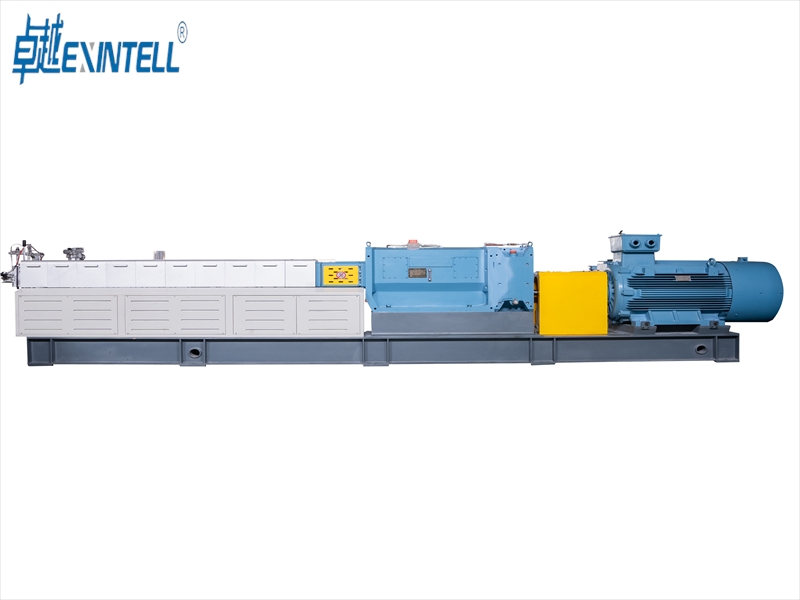
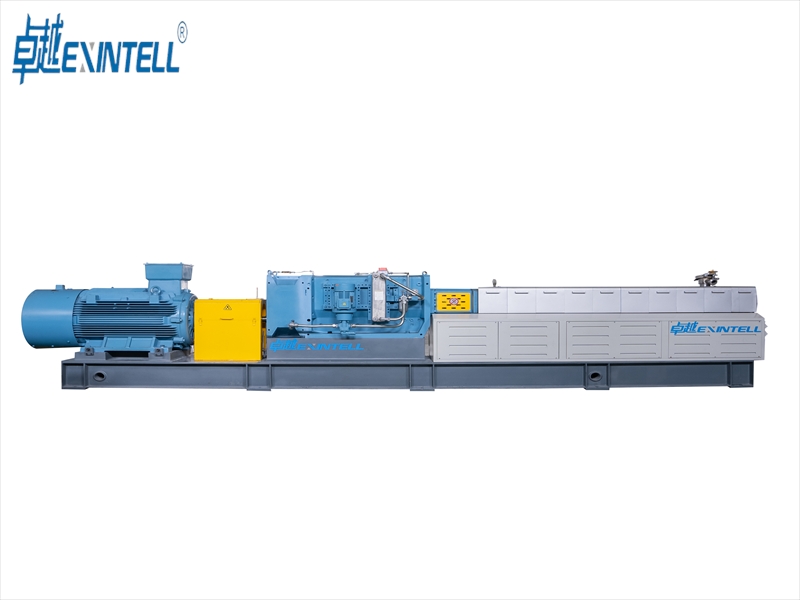
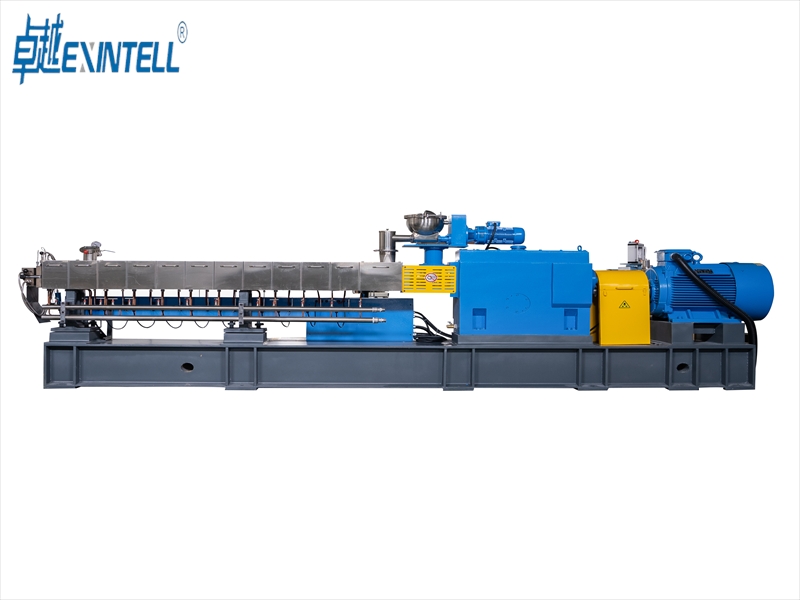
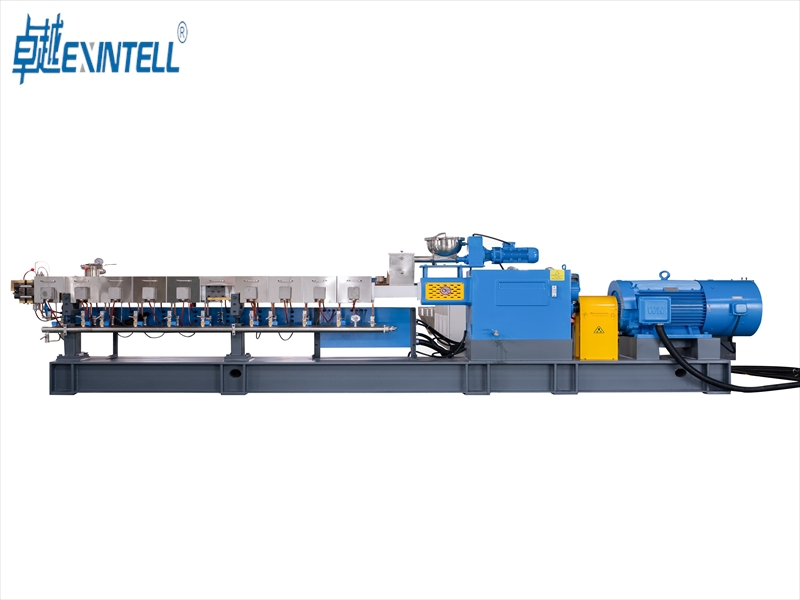
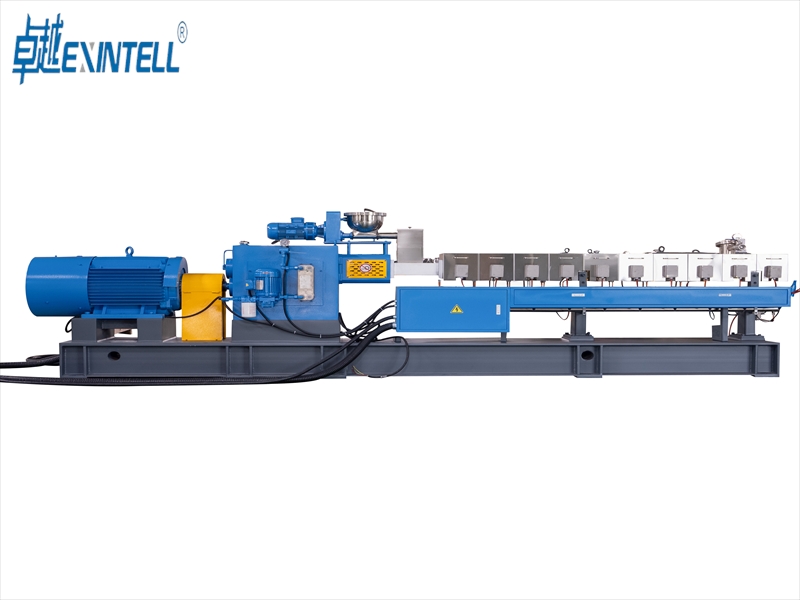
When you use apelletizing extruder, you change raw material into pellets by following clear steps. You put material into the extruder. The machine melts and mixes it. Keyin, it pushes the material through a die to make pellets. Each step is important for making strong and even pellets. If you know how pelletizing works, you can make your extruder better and fix problems faster.
Check the material’s properties to make the pelletizing process work best for different plastics.
What Is A Pelletizing Extruder
Main Function
A pelletizing extruderturns raw plastic or polymer into small pellets. The machine lets you control how big and round each pellet is. Manufacturers usepellet extrudersto make products that meet strict rules. You can change waste pieces or new resin into pellets that flow well and work in other machines.
Pelletizing extrudersare important in making plastic and polymer. They help you work faster, waste less, and get steady results.
Here is a table showing what apelletizing extruderdoes:
Die tizimi: Kalıp eritilgan plastmassani shakllantiradi. Bu granulalarning qanchalik qalin va qattiqligini nazorat qiladi.
Sovutish tizimi: Sovutish tizimlari granulalarni qattiq qiladi ular chiqqandan keyin. Ular havodan foydalanadilar, suv, yoki pelletlar shaklini o'zgartirishni to'xtatish uchun yotoqlar.
Aylanadigan pichoq tizimi (Kesuvchi): To'sar sovutilgan plastmassani granulalarga maydalaydi. Siz bir xil o'lcham va shakldagi granulalarni olasiz.
Ba'zi pellet extruders quritish tizimlari mavjud. Ushbu tizimlar suvni olib tashlaydi va granulalarni yaxshi saqlaydi.
Quyidagi jadvalda asosiy qismlar va ular nima qilishlari ko'rsatilgan:
Komponent
Rol
Hopper
Xom ashyoni ekstruderga joylashtiradi
Screw
Materialni itarish va aralashtirish, plastmassani eritadi
Shapes melted plastic, controls pellet thickness and pressure
Sovutish tizimi
Makes pellets hard, stops them from changing shape
Aylanadigan pichoq tizimi
Cuts cooled pellets into the same size and shape
You can change the design of these parts to fit your needs. Automation systems help you control heat and warn you about problems. Cooling and drying systems keep pellets strong and protect their quality.
Pelletizing Extruder Process
The pelletizing extruder works in steps. Each step changes raw material into pellets that look the same. You need to know every stage to getgood pellets.
Materialni oziqlantirish
Birinchidan, you put raw material into the extruder. The hopper holds the material. This material can be plastic flakes, granules, or powders. Some common materials are polyethylene, polipropilen, ABS, nylon, and PLA. You can use special feeders to control how much material goes in. Ba'zan, you need to dry the material first. Drying is important for plastics that take in water. Drying stops bubbles and other problems in the pellets.
The feeding system controls how much material goes inside. If you feed the same amount each time, the pellets are better. The size of the pieces and how wet they are also matter. Small pieces and the right amount of water help make strong pellets.
Melting And Homogenization
Keyingisi, the screw pushes the material forward. The barrel gets hot and melts the plastic. The screw’s shape is important here. Some screws mix the material better and keep the heat even. Mixing helps blend in things like color or stabilizers.
You must set the right heat for each plastic. Masalan, polipropilen 200 ° C dan 260 ° C gacha eriydi. ABS 210°C dan 250°C gacha eriydi. Quyidagi jadvalda turli xil plastmassalar uchun eritma harorati ko'rsatilgan:
Plastik polimer
Amaliy erish harorati diapazoni (°C)
ABS (Akrilonitril butadien stirol)
210 - 250
Polikarbonat (Kompyuter)
280 - 320
Polipropilen (PP)
200 - 260
Neylon 66 (PA66)
280 - 310
Polietilen (HDPE)
210 - 260
Polioksimetilen (POM)
190 - 220
Yaxshi eritish va aralashtirish eritilgan plastmassani silliq qiladi. Ushbu qadam havo pufakchalarini olib tashlaydi va hamma narsani aralashtiradi. Endi eritilgan plastmassa keyingi bosqichga tayyor.
Qolip orqali ekstruziya
Eritilgan plastmassa qolip tizimiga o'tadi. Kalıp plastmassani iplar yoki boshqa shakllarga aylantiradi. Kalıp mog'or kabi ishlaydi. U granulalarning hajmi va shaklini nazorat qiladi. Qatlamning shakli muhim ahamiyatga ega. Bu granulalar qanchalik qalin va keng ekanligini hal qiladi. Yaxshi qolip sizga hammasi bir xil ko'rinadigan granulalarni beradi.
The pressure and speed here change how good the pellets are. You need to keep these steady for the best pellets.
Sovutish tizimi
After leaving the die, the plastic is still hot and soft. The cooling system makes the pellets hard and keeps their shape. Water cooling is used a lot because it cools fast and evenly. Some machines use air cooling for plastics that melt at lower heat. Underwater cutting cools the pellets right away. This is good for plastics that melt easily.
Cooling Method
Tavsif
Suitable Polymers
Water Cooling
Uses water to cool pellets fast and keep them good.
Many plastics that need even cooling.
Air Cooling
Not as fast, used for plastics that melt at low heat.
Plastics with low melt index.
Underwater Cutting
Cuts and cools pellets in water right away.
PP nonwoven, melt-blown fabrics.
Cooling must be even. If you cool too fast or too slow, pellets can break or change shape. Good cooling keeps pellets strong and looking right.
Cutting Into Pellets
When the pellets are cool, they go to the cutter. The rotating knife cuts the strands into pellets. The speed and type of blade change how long and thick the pellets are. More blades or faster cutting make shorter pellets. Where you put the cutter matters too. If it is too close to the die, it wears out fast. If it is too far, the pellets are not even.
You can cut pellets in different ways:
Strand pelletizing: Cut after cooling in water.
Hot-cut pelletizing: Cut right at the die face.
Underwater pelletizing: Cut in water for fast cooling.
Each way works best for certain plastics and jobs.
Collection And Quality Control
You collect the finished pellets at the end. Ba'zan, suvni olib tashlash uchun ularni quritishingiz kerak. Bu erda siz granulalarning hajmini tekshirasiz, shakli, va poklik. Siz granulalarni sinab ko'rasiz va yomonlarini olib tashlaysiz. Ba'zi kompaniyalar juda toza bo'lishi kerak bo'lgan plastmassalar uchun maxsus testlardan foydalanadilar.
Pelletlaringiz yaxshi ekanligiga ishonch hosil qilish uchun siz jahon qoidalariga amal qilishingiz kerak. Yaxshi tekshiruvlar sizning granulalaringiz boshqa mashinalarda yaxshi ishlashini anglatadi.
Maslahat: Pelletlarni yig'ishda ularni tez-tez tekshirib turing. Bu muammolarni erta aniqlashga yordam beradi va mashinaning yaxshi ishlashini ta'minlaydi.
Agar siz har bir qadamni bajarsangiz, siz xom ashyoni yaxshi granulalarga aylantirasiz. Yakuniy mahsulotni tayyorlash uchun har bir bosqich muhim ahamiyatga ega.
Pelletizatsiyaga ta'sir qiluvchi omillar
Pelletlashtiruvchi ekstruderdan foydalanganda, ba'zi narsalarni nazorat qilishingiz kerak. Bu narsalar kuchli va hatto granulalar olishga yordam beradi. Siz haroratni kuzatishingiz kerak, vida tezligi, va materialingizning xususiyatlari. Each one can change how your pellets look. They also affect how well your machine works.
Haroratni nazorat qilish
You have to check the temperature all the time. The right temperature helps pellets stick together well. When the temperature is near a special point calledT*, time in the die matters. This time changes how tough your pellets are. If you go over T*, pellets stick faster but get weaker. Good temperature control makes pellets last longer and not break. It also keeps your pellets good and stops waste.
Maslahat: Use sensors to check temperature often. This helps you fix problems fast.
Screw Speed
The screw’s speed changes how fast you make pellets. If the screw goes too fast, pellets may not look even. They can also get air bubbles. If the screw is too slow, you make fewer pellets. Materialingiz va mashinangiz uchun eng yaxshi tezlikni topishingiz kerak. Turli xil tezliklarni sinab ko'ring va granulalaringizga tez-tez qarang. Bu sizga pelet sifatini bir xil saqlashga va muammolarni to'xtatishga yordam beradi.
Materiallar xususiyatlari
Siz foydalanadigan material turi ham muhimdir. Namlik va yopishqoqlik haqida o'ylashingiz kerak. Mana bu narsalar sizning granulalaringizni qanday o'zgartiradi:
Ko'proq suv granulalarni nam va kuchliroq qiladi, lekin ular qorong'i ko'rinadi.
Kichikroq qismlar materialni qalinroq va surish qiyinroq qiladi.
Ekstruderni turli xil materiallar uchun o'zgartirishingiz mumkin. Masalan, maxsus qolip shaklidan foydalanishingiz mumkin. Quyidagi jadvalda jarayoningizni qanday o'zgartirishingiz mumkinligi ko'rsatilgan:
Qattiq shakllar uchun qoliplarni loyihalash uchun kompyuter modellaridan foydalaning.
Siz birgalikda ekstruziya tizimlaridan ham foydalanishingiz mumkin. Bu sizga materiallarni aralashtirish va maxsus foydalanish uchun qatlamli granulalar qilish imkonini beradi.
Agar siz bu narsalarni nazorat qilsangiz, siz yaxshiroq granulalar qilasiz. Shuningdek, siz pelletizatsiya jarayonini yaxshi ishlaysiz.
Pellet ekstruderidagi nosozliklarni bartaraf etish
Umumiy pellet sifati muammolari
Ba'zan, granulalaringiz bilan bog'liq muammolarni ko'rasiz. Ushbu muammolar sizning granulalaringiz qanday ko'rinishini yoki ishlashini o'zgartirishi mumkin. Bu yerda siz topishingiz mumkin bo'lgan ba'zi muammolar:
Agar granulalar juda qizib ketsa yoki suv juda kam bo'lsa, aglomeratsiya yoki katta bo'laklar paydo bo'ladi.
Teshik uchlari sinsa yoki pichoq to'g'ri harakatlanmasa, nozik va farishta sochlari paydo bo'ladi.
Egizaklar, uchlik, va agar pichoq juda tez bo'lsa yoki mahsulot juda issiq bo'lsa, zanjirlar hosil bo'ladi.
Pichoqlar eskirgan yoki material etarlicha qalin bo'lmasa, it suyaklari va dumbbelllar paydo bo'ladi.
Pichoq va matritsa orasidagi bo'shliq juda katta bo'lsa yoki qolip tekis bo'lmasa, dumlar hosil bo'ladi.
Pichoq juda sekin bo'lsa yoki ekstruziya tezligi yuqori bo'lsa, uzun va tirsaklar paydo bo'ladi.
Polimerda suv bo'lsa yoki juda tez soviydi, ichki bo'shliqlar va popkorn paydo bo'lishi mumkin.
Agar mahsulot juda tez qisqarsa yoki mo'rt bo'lsa, chuqurchalar va chang paydo bo'ladi.
Ekstruziya tezligi yuqori bo'lsa yoki pichoq tez-tez sozlanmasa, sirt yoki eritmaning sinishi, axlat yoki talaşlar paydo bo'ladi..
Bir xil ko'rinmaydigan granulalar haroratning o'zgarishi yoki notekis isishi natijasida paydo bo'lishi mumkin.
kabi vositalardan foydalanishingiz mumkin Ishikawa baliq suyagi diagrammasi yoki 5 Nima uchun noto'g'ri ekanligini aniqlash uchun texnika. Ushbu vositalar sabablarni sanab o'tishga va muammoni chuqurroq o'rganishga yordam beradi.
Mexanik va texnologik muammolar
Mechanical and process problems can also hurt pelletizing. You might see uneven output, low production, or bad pellets. Here are some problems and ways to fix them:
If pellet size and shape are not right, change the die temperature, keep blades sharp, and check the blade gap.
If you see less output or jams, look for blocked die holes and make sure material moves well in the hopper.
If the extruder or motor gets too hot, check the cooling system and look for friction or a motor working too hard.
If pellets are not good, check the temperature, handle materials with care, and dry materials that take in water.
You should also check for screw wear, strange sounds, and shaking. These signs can mean parts are worn or there is something in the material that should not be there. Checking and fixing things often keeps your pelletizing smooth and your pellets the same.
Maslahat: Write down problems and how you fix them. This helps you see patterns and fix things faster next time.
You can learn each step of the pelletizing extruder process. Controlling temperature and cooling helps make strong, bir xil granulalar. Improving how you run your machine reduces waste and saves money. When pellets flow smoothly, jams are less likely, and work stays steady. Proper melting and mixing create pellets that meet high standards. This also helps cut material loss and makes production faster. Whether you’re new or experienced, keep practicing to make the best pellets every time.
Improving your process makes pellets more consistent and reduces waste.
Pelletlar osongina oqadi, bu ishlov berishni soddalashtiradi va tiqilib qolishning oldini oladi.
Hatto eritish va aralashtirish ham izchil granulalar hosil qiladi.
Pelletizatsiya materialni tejaydi va samaradorlikni oshiradi.
TSS
Pelletlashtiruvchi ekstruderda qanday materiallardan foydalanishingiz mumkin?
foydalanishingiz mumkin plastikning ko'p turlari. Ba'zi misollar - polietilen, polipropilen, ABS, nylon, and PLA. Ba'zi mashinalar qayta ishlangan plastmassa yoki aralashmalardan ham foydalanishi mumkin. Har doim ekstruderingiz materialingiz bilan ishlashiga ishonch hosil qiling.
Qanday qilib granulalar bir-biriga yopishmasligi kerak?
Materialni oziqlantirishdan oldin quriting. Plastmassa uchun eng yaxshi sovutish usulini tanlang. Haroratni bir xilda saqlang. Ushbu qadamlar sizga yordam beradi yopishmaydigan kuchli granulalar.
Nima uchun granulalar ba'zan notekis shaklga ega?
Agar qolip yoki to'sarda muammolar bo'lsa, granulalar notekis ko'rinishi mumkin. Pichoqlar eskirganligini yoki teshiklari tiqilib qolganligini tekshiring. Noto'g'ri vida tezligi ham bunga sabab bo'lishi mumkin. Peletlarni tekis qilish uchun bu narsalarni tuzating.
Pelletlashtiruvchi ekstruderni qanchalik tez-tez tozalash kerak?
Har safar granulalar tayyorlashni tugatgandan so'ng ekstruderingizni tozalang.
Qolgan materialni olib tashlang va har qanday birikmani qidiring.
Tozalash ko'pincha granulalaringizni yaxshi saqlaydi va mashinangiz yaxshi ishlaydi.